Home Blog Page 219

Beyond War-Risk Premiums: P&I Expert Priyatham Ramidi from his experience explains the Hidden Insurance Exposures emerging from the Strait of Hormuz Crisis

As geopolitical tensions continue to disrupt one of the world’s most strategically important shipping corridors, the implications for the global maritime industry extend well beyond freight movements and rising insurance premiums. In this exclusive conversation Ms. Sabarnaa M, Editor, India Shipping News speaks with Priyatham Sanjeeva Reddy Ramidi, a maritime professional specialising in Cruise Technical Operations and a former Protection & Indemnity (P&I) expert, to examine the evolving risks confronting shipowners, insurers and operators amid the prolonged Strait of Hormuz crisis.

Building on his widely discussed analysis of the crisis, Ramidi provides an in-depth perspective on the complex legal, operational and insurance challenges that are increasingly shaping the industry’s response. From insurance accumulation and causation disputes to machinery preservation, electronic navigation interference, cargo deterioration, sanctions compliance and the safe reactivation of delayed vessels, he offers practical insights into the often-overlooked consequences of sustained geopolitical instability for global shipping.

Excerpts of An Interview

Q: You have already written extensively about the impact of the Strait of Hormuz disruption on P&I Clubs and ship operations for ISN, what important issue is still being underestimated?

A: The most underestimated issue is risk accumulation. The public discussion often treats each vessel as a separate risk, but marine insurers may have hundreds of entered ships, cargo interests and liabilities concentrated within the same geographical area.

A single attack may involve one vessel, but congestion, port disruption, navigation interference or a pollution event can affect many ships at the same time. This is important for P&I Clubs, H&M insurers, war-risk underwriters and reinsurers because several claims can arise from one regional cause.

The real concern is not only claim frequency. It is correlated loss—multiple crews, cargo, collision, pollution and property claims developing together. Insurers therefore need to monitor their aggregate exposure by location, vessel type, ownership group and insured value, rather than assessing each entry in isolation.


Q: How should shipowners understand the boundary between P&I, Hull and Machinery, and war-risk cover?

A: They should begin by recognizing that the same casualty can involve all three covers. H&M generally concerns physical loss or damage to the insured vessel and machinery. P&I generally concerns specified third-party liabilities, such as crew claims, cargo liability, pollution, collision liabilities and wreck removal. War-risk insurance responds to defined war perils, subject to its wording and exclusions.

The difficulty is establishing the proximate cause. If a missile directly damages a ship, the physical damage may clearly engage war cover. However, if machinery fails several weeks later because preservation routines were not properly carried out during the delay, the analysis could be different.

Similarly, pollution resulting immediately from an attack may be treated differently from a later bunker spill caused during an ordinary transfer operation. Owners should notify all potentially relevant insurers early and avoid deciding coverage themselves before the facts are established.


Q: Could prolonged waiting create H&M claims even if a ship is never physically attacked?

A: Yes, but damage is not automatically recoverable merely because the vessel was delayed. Long periods at anchor or under reduced operating loads can create technical problems.

Auxiliary engines may experience low-load fouling, fuel quality may deteriorate, seals can harden, condensation may develop, and seawater systems may become restricted by marine growth. Planned Maintenance System tasks can also become overdue where technicians, spares or specialist services are unavailable.

If damage later occurs, H&M underwriters are likely to examine whether the assured exercised due diligence and followed the maker’s recommendations, class requirements and Safety Management System. Good engine-room logs, oil-analysis results, alarm histories and preservation records will be critical. A general reference to the regional crisis may not excuse poor maintenance.


Q: What does the crisis mean for the mutual P&I system and its reinsurance arrangements?

A: International Group Clubs operate on a mutual basis, meaning shipowners collectively share eligible liabilities through the Club structure. Very large claims may then interact with pooling and reinsurance arrangements, subject to the applicable rules.

A major pollution incident, passenger or crew casualty, collision or wreck-removal operation in this region could become extremely expensive. If several substantial claims arise from related events, questions may emerge about aggregation—whether losses are treated as one occurrence or several separate occurrences for retention and reinsurance purposes.

That is a technical issue, but it ultimately affects capital planning, reserving and future premium adequacy. Clubs will therefore be watching not only reported claims but also developing circumstances that may later generate claims.


Q: How important is early notification when no physical casualty has yet occurred?

A: It is very important. Owners sometimes believe they should contact the Club only after receiving a formal claim. In a situation like Hormuz, notification should begin when there is a reasonable possibility of liability or when specialist advice could prevent the loss from worsening.

For example, the Club may help coordinate surveyors, correspondents, lawyers, medical support, cargo experts or pollution responders. H&M underwriters may want a condition survey or machinery-preservation plan. War-risk insurers may impose routing, reporting or security conditions.

Early notification is not an admission of liability. It is a protective step that preserves cover, improves coordination and allows evidence to be gathered before it disappears.


Q: What new forms of evidence should owners preserve during the disruption?

A: Owners should treat evidence preservation as part of operational readiness. Traditional records such as logbooks, maintenance reports and work-rest hours remain essential, but electronic data is equally important.

VDR data, ECDIS history, AIS tracks, radar recordings, GNSS alarms, engine-monitoring trends, reefer downloads and communications with charterers should be retained. If GNSS or AIS interference is experienced, the vessel should record the time, position, equipment affected, and independent checks used to verify navigation.

Owners should also preserve instructions received from authorities, naval forces, charterers and insurers. In a later collision or cargo dispute, the issue may not be what the crew remembers, but what the electronic and documentary evidence demonstrates.


Q: GNSS interference is being reported across the area. How does that create an insurance exposure?

A: GNSS interference creates a navigational-integrity problem. Several bridge systems may display information derived from the same compromised position source, so apparent agreement between ECDIS, AIS and radar overlays may be misleading.

A grounding or collision caused by reliance on false position data could generate H&M damage, P&I collision liability, cargo claims and pollution exposure simultaneously. Investigators and insurers would examine whether the bridge team recognized the anomalies and used independent methods such as radar ranges, visual bearings, parallel indexing and echo-sounder information.

The shipowner’s defense will be stronger if the crew was trained for degraded navigation and the vessel had clear procedures. Technology failure does not remove the obligation to navigate prudently.


Q: Could cargo claims become more serious than many owners expect?

A: Absolutely. Cargo does not need to be physically struck by a weapon to suffer loss. Reefer cargo may be affected by prolonged power demand, equipment failure or delayed technical support. Agricultural and bulk cargoes may experience heating, moisture migration, infestation or deterioration.

Chemical cargoes may also require temperature control, circulation or monitoring over a much longer period than originally planned. Owners should maintain detailed records of cargo condition, ventilation, temperatures, alarms and corrective action.

The carrier may have legal defenses depending on the applicable contract and carriage regime, but those defenses are much harder to establish without reliable records. A survey should be arranged before discharge where deterioration is suspected.


Q: Does general average have a role in this type of crisis?

A: Potentially, yes. General average may arise when an extraordinary sacrifice or expenditure is reasonably made for the common safety of ship, cargo and freight during a maritime adventure.

For example, certain deviation, salvage, refuge or emergency-response costs could prompt consideration of general average, depending on the circumstances and contractual framework. However, delay or increased operating cost alone does not automatically qualify.

Owners should consult their average adjuster, H&M insurer and P&I Club before making assumptions. If general average is declared, security may be required from cargo interests before release, which can create significant administrative and commercial work.


Q: How are sanctions affecting insurance and casualty response?

A: Sanctions can affect almost every practical stage of a response. Payments to local agents, salvors, suppliers, authorities or medical providers may require screening and, in some cases, regulatory approval.

There have also been concerns around demands for transit-related payments or so-called tolls. Owners should never make such payments without urgent legal, sanctions and insurance advice. A payment intended to secure safe passage could expose the company, bank or insurer to serious regulatory consequences.

Sanctions may also delay the issuance of security, reimbursement of expenses or appointment of contractors. That is why compliance teams, Clubs, banks and legal advisers must be involved early.


Q: What happens if a casualty requires salvage or wreck removal in a restricted area?

A: Access may become the biggest challenge. Salvors need personnel, equipment, security clearance, permits and a safe operating window. If the area is affected by mines, military activity or electronic interference, even conducting a survey can be difficult.

Authorities may require the wreck to be marked, bunkers removed, or the vessel removed entirely. Wreck-removal liabilities can be substantial and may fall within P&I cover, subject to the rules and circumstances.

Emergency contracts should still be carefully reviewed. The urgency of the situation does not remove the need to define scope, remuneration, authority and termination rights. The Club and property insurers should coordinate closely to avoid duplicated or conflicting instructions.


Q: Are crew claims likely to increase even after the immediate security threat reduces?

A: Yes. Crew liabilities may continue developing long after vessel traffic improves. Extended contracts, missed repatriation, fatigue, anxiety and exposure to repeated security alerts can have physical and psychological consequences.

Owners should record attempts to arrange crew changes, medical support and family communication. Work-rest records should reflect actual conditions rather than simply appearing compliant on paper.

A fatigued crew also increases the possibility of a separate navigational or machinery casualty. Crew welfare should therefore not be viewed only as a humanitarian issue; it is also a core loss-prevention and liability concern.


Q: What insurance issues arise when ships begin moving again?

A: Reactivation is one of the highest-risk phases. Ships may depart after weeks or months of reduced operation, while traffic density rises, and temporary navigation arrangements remain in place.

Before sailing, owners should verify main propulsion, steering gear, starting air, generators, communications, navigation equipment and emergency systems. Underwater fouling and cooling-water flow should also be assessed.

Insurers may expect compliance with voyage-specific warranties, reporting requirements or risk recommendations. A documented bridge–engine-room briefing and reactivation checklist can later demonstrate that the owner exercised reasonable care.


Q: What is the most important fresh lesson for P&I Clubs and shipowners?

A: The lesson is that a geopolitical event creates a chain of secondary maritime liabilities. The first loss may be war-related, but the later claims may arise from crew fatigue, cargo deterioration, machinery neglect, collision, pollution, sanctions or contractual decisions.

The insurance response must therefore be coordinated rather than fragmented. Owners should create a causation and notification matrix showing which facts may involve P&I, H&M, war-risk, cargo, FD&D and loss-of-hire insurers.

Most importantly, claims readiness must begin before the casualty. Accurate records, timely notification, sound maintenance and disciplined decision-making will often determine whether a difficult incident remains manageable or becomes a prolonged coverage and liability dispute.


Q: Finally, how would you summarize the present position?

A: The Strait of Hormuz crisis is no longer only a question of whether ships can pass through. It is a question of whether they can operate, wait and reactivate safely while maintaining insurance compliance and preserving their legal position.

The physical threat may reduce before the claims do. Crew, cargo, machinery and contractual exposures can continue developing for months.

For shipowners, the correct approach is straightforward: notify early, preserve evidence, maintain the vessel, support the crew and avoid making insurance or sanctions decisions without specialist advice.

Disclaimer: The views expressed by Priyatham Ramidi in this interview are his independent professional opinions and are provided for general informational purposes. They do not constitute legal, insurance, classification, regulatory, security, or vessel-specific advice. Operational decisions are entirely based on the circumstances and of the individual vessels at their own discretion and made in conjunction with the Master’s agreement along with, technical managers, flag administration, classification society, P&I Club or insurers, brokers, and relevant authorities.
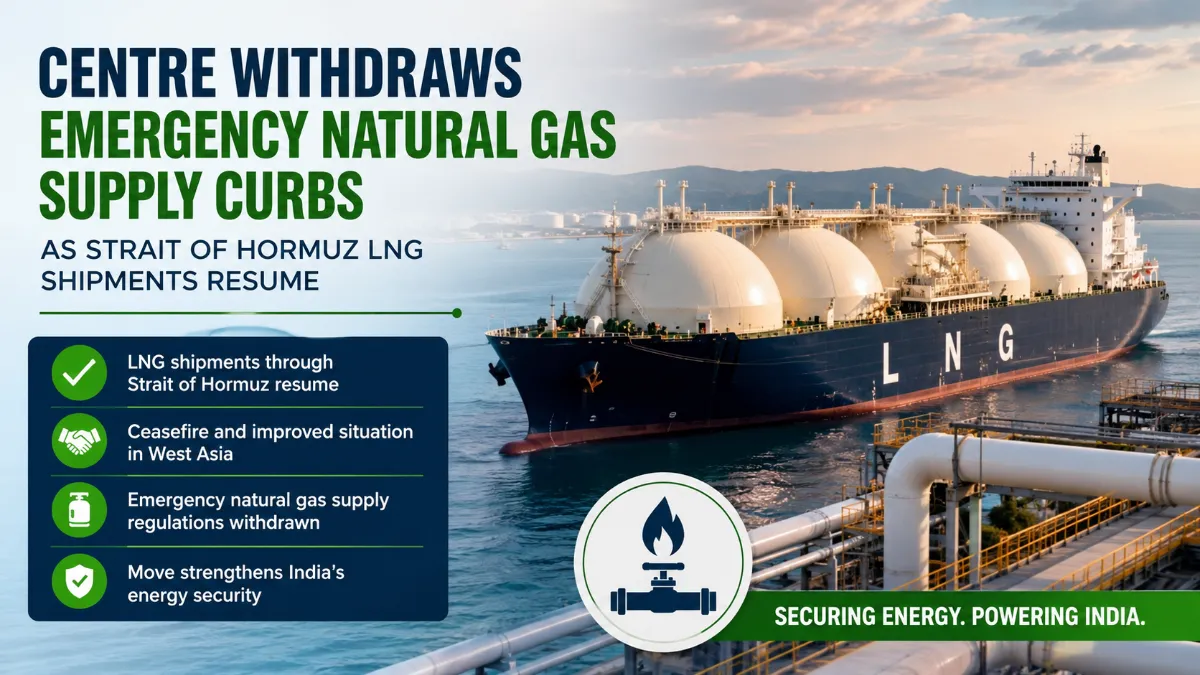
Govt withdraws emergency curbs on natural gas supplies, following resumption of LNG shipments through Strait of Hormuz

NEW DELHI : The Government has withdrawn the emergency curbs on natural gas supplies after liquefied natural gas (LNG) shipments through the Strait of Hormuz resumed following a ceasefire in the West Asia conflict.

In a notification, the Ministry of Petroleum and Natural Gas said the Natural Gas (Supply Regulation) Order, 2026, has been amended, removing key emergency provisions that had allowed the government to prioritise the allocation of domestically produced natural gas and imported LNG. The emergency order was issued in March this year under the Essential Commodities Act, after disruptions to LNG shipments through the Strait of Hormuz.

Kamarajar Port locks 2027 timeline for second container terminal

CHENNAI : The Chennai Port Authority has outlined a major infrastructure push at Kamarajar Port with a 2027 timeline for the second container terminal development. The 25-year-old port now has a cargo handling capacity of 58.44 million metric tonnes (mn t) and nine operational berths, according to CPA data. The port recorded its highest-ever throughput of 48.41 mn t in fiscal 2024-25, underscoring growing traffic. Officials said the expansion forms part of a broader plan to strengthen Chennai’s maritime logistics…

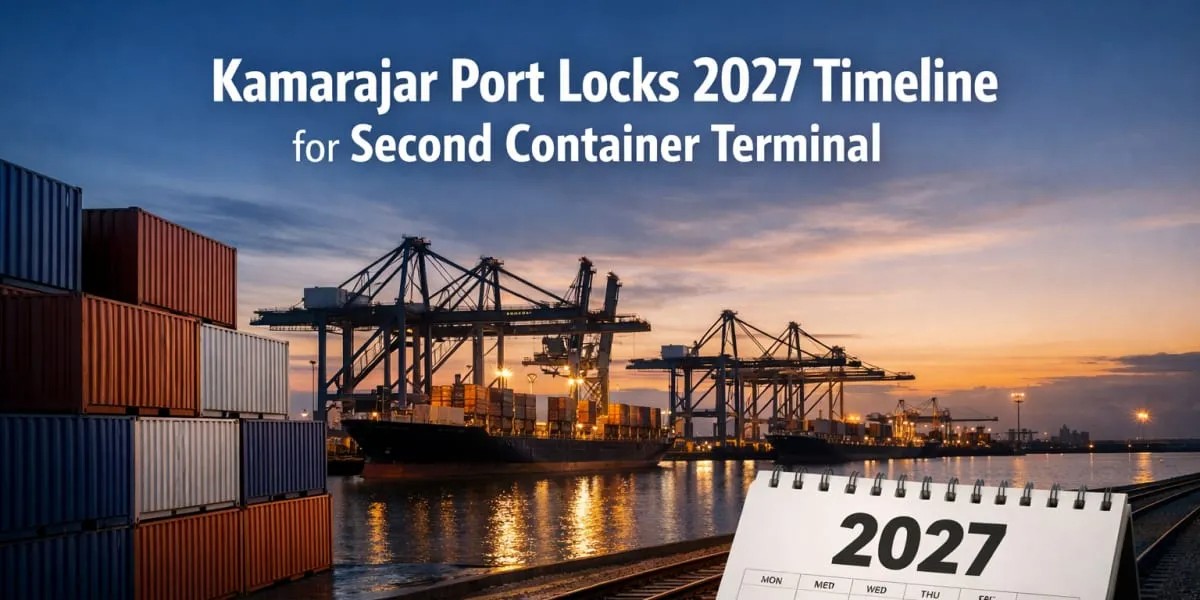
Kamarajar Port Limited (KPL) has set 2027 as the timeline for commencing construction of its proposed second container terminal, marking a major step in expanding container handling capacity and strengthening the port’s position as a key gateway on India’s east coast.

The proposed project, estimated at around ₹4,300 crore, is being developed under the Public-Private Partnership (PPP) model on a Design, Build, Finance, Operate and Transfer (DBFOT) basis. The expansion is expected to significantly enhance the port’s infrastructure and accommodate growing container traffic in the region.

According to the project roadmap, the bid proposal has been submitted for approval to the Public Private Partnership Appraisal Committee (PPPAC) of the Government of India. Following the expected approval, the port plans to issue tender documents in August 2026, award the concession by February 2027, and commence construction around August 2027.

The second container terminal will be developed in two phases. The first berth is targeted to become operational in 2029, while the second berth is planned for completion approximately two years later. Once fully operational, the new facility is expected to substantially increase the port’s container handling capacity and improve vessel turnaround efficiency.

At present, Kamarajar Port’s existing common-user container terminal can accommodate only one mother vessel at a time. The new terminal will initially enable the simultaneous handling of two mother vessels and, upon completion of both berths, increase this capacity to four, significantly improving operational flexibility and reducing congestion.

The expansion comes as Kamarajar Port continues to witness strong cargo growth. The port currently has a cargo handling capacity of 58.44 million metric tonnes (MMT) across nine operational berths and recorded its highest-ever cargo throughput of 48.41 MMT during FY 2024-25.

In parallel with the container terminal project, the port is also advancing plans to develop two new bulk cargo berths under the PPP model to cater to rising volumes of commodities such as coal, limestone, gypsum and barytes. Each berth will measure 425 metres in length and 30 metres in width and will be capable of handling Capesize bulk carriers of up to 180,000 deadweight tonnes (DWT).

The combined investments in container and bulk cargo infrastructure are expected to enhance Kamarajar Port’s competitiveness, improve logistics efficiency, and support industrial and trade growth across southern India.

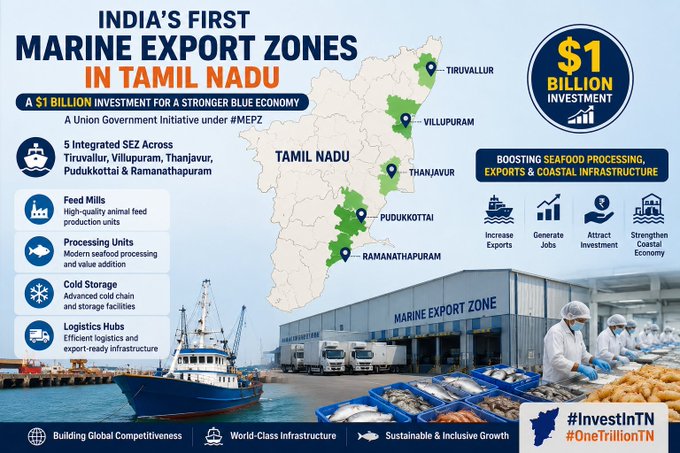
Tamil Nadu to build India’s first marine export SEZ across 5 districts with $1 billion investment; see the areas

CHENNAI : Tamil Nadu is set to be the first state in the country to establish 5 Marine Export Zones (MEZs), as part of a $1 billion SEZ to cover 5 districts in the coastal areas that will feature feed mills, processing units, cold storage and logistics hubs.

For the first time in India, SEZs dedicated to marine exports are to be developed along coastal Tamil Nadu. The 5 Marine Export Zones (MEZs) will be structured as a cluster of SEZs, with common infrastructure facilities, and is designed to boost seafood processing, employment and exports.

Investment: Estimated $1 billion for infrastructure development
Initiative by: Madras Export Processing Zone (MEPZ), under the Union Ministry of Commerce and Industry
Annual export potential: ₹32,000 crore
Land identified: Approximately 2,500 acres of salt pans, currently owned by the Salt Commissioner’s Organisation (SCO) under DPIIT and MEPZ has formally requested land transfer
Facilities included: Feed mills, processing units, cold storage, packaging units, export logistics, hatcheries, and marine ancillary MSMEs
Projected investment from the five SEZs: ₹8,000 crore
Expected employment: 1.4 lakh to 1.8 lakh people
Districts Identified for MEZ Development and Its Role
Tiruvallur: This region falls under SIPCOT’s Category A industrial zone classification (highest investment-readiness tier in TN), giving it existing industrial infrastructure and connectivity advantages that support faster SEZ rollout. Coastal salt pan land here is being proposed for MEZ development.
Villupuram: Villupuram, classified under SIPCOT’s Category C zone, typically offered enhanced state incentives to attract new industrial investment which is a factor that could make the MEZ more commercially attractive here. This place is identified for salt pan land transfer to MEPZ.
Thanjavur: Thanjavur, also a Category C SIPCOT district is historically an agrarian and delta region, so the MEZ would mark a notable diversification into export-oriented marine processing for the local economy.
Pudukkottai: Pudukkottai, category C SIPCOT district with coastal access and inclusion in the MEZ project extends seafood processing infrastructure to a region with limited existing industrial SEZ presence.
Ramanathapuram: Category C SIPCOT district with a long coastline and active traditional fishing economy, including Rameswaram and Mandapam belt making it a natural fit for MEZ given raw material proximity.

Why These Locations

A Union commerce ministry official noted the sites offer access to brackish water suited for aquaculture, a rich coastal ecosystem, has potential for integrated farming and proximity to ports and existing processing facilities.

Industry Response

Mohamed Athif, Secretary of the Seafood Exporters Association of India (TN region), called the MEZs a major boost for the sector. He noted that since a large share of India’s seafood exports to the US and EU are ready-to-cook products, the new facilities will help enhance value-added output. Existing factories in Tamil Nadu and Andhra Pradesh looking to modernise or expand are expected to benefit, aided further by the ease-of-doing-business advantages SEZs typically offer.

India’s overall seafood exports touched an all-time high in 2025–26 — 19,72,018 metric tonnes worth $8.5 billion, marking record volume and value. With land transfer pending DPIIT approval, the MEZs mark a structural push to formalise and scale India’s seafood export infrastructure, positioning Tamil Nadu as the anchor state for the country’s first marine-focused SEZ model.

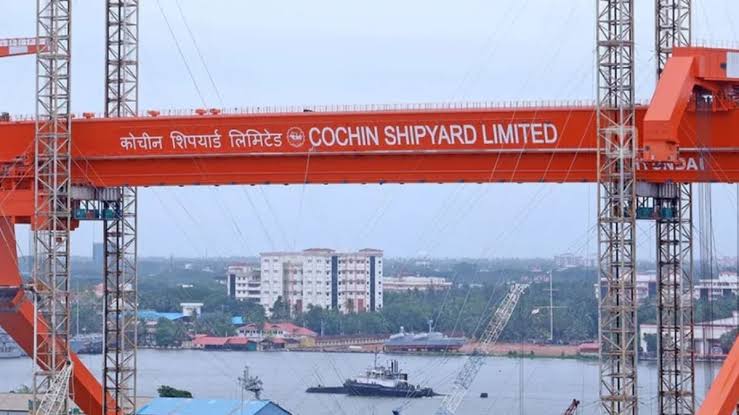
Govt. of India to sell up to 5% stake in Cochin Shipyard

NEW DELHI : The Indian Government will sell up to 5.04% stake in Cochin Shipyard (COCH.NS), via ​an offer for sale, according to an ‌X post from the secretary of India’s Department of Investment and Public Asset Management. The OFS consists of ​a base offer of 2.52% equity ​stake in the state-run shipbuilder, with the ⁠option to sell an additional 2.52% in ​case shares are oversubscribed.

The Indian government holds a ​67.92% stake in the company, as of March 31, according to exchange data.
The floor price for the ​OFS has been fixed at 1,400 rupees ($14.68) ​per share — a discount of over 7% to Cochin Shipyard‘s ‌last ⁠closing price.

An OFS allows large shareholders of listed companies to sell shares to the public through stock exchanges without issuing new shares. The ​OFS will ​open for ⁠non-retail investors on July 7 and for retail investors on July ​8.
The sale is aligned with the ​Indian ⁠government’s broader divestment and asset monetisation strategy. In the Union Budget 2026-27, the government set a ⁠target ​of 800 billion rupees ​from divestment and asset monetisation initiatives.

The floor price for the OFS has been fixed at Rs 1,400 per share. The offer will open for non-retail investors on July 7, while retail investors will be able to bid on July 8.

Announcing the stake sale in a post on X, DIPAM Secretary Arunish Chawla said, “Government announces Offer for Sale in Cochin Shipyard Ltd (CSL) with a base offer of 2.52% of its paid-up equity and an additional 2.52% as the green-shoe option in case of over subscription. Floor price has been fixed at Rs. 1400 per share. OFS opens for non-retail investors on 7th July 2026. Retail investors get to bid on 8th July 2026.”

CMA CGM ship hit by missile in Hormuz strait may go for scrapping : CEO

PARIS : A CMA CGM container ship struck by a missile in the Strait of Hormuz in early May is so ​badly damaged that the French shipping group may send ‌it for scrapping, its Chief Executive said on Friday. The attack on the CMA CGM San Antonio injured several members of the crew, who ​were evacuated. The ship is one of dozens of ​commercial vessels to be struck during the Iran war.

“It ⁠was so damaged that we’re wondering whether we should send ​it for scrapping,” CMA CGM’s Chairman and CEO Rodolphe Saade ​told a business conference in southern France. After being stranded in the strait for weeks, the San Antonio has been escorted to safety, he added, ​without giving further details.

The group does not plan for now ​to start sending ships towards the Gulf again, he said, adding it was ‌the ⁠Iranian side that was currently advising not to do so.

Saade, who controls CMA CGM with other family members, reiterated his opposition to transit fees for using the Hormuz strait, which are ​among unresolved issues ​in U.S.-Iranian peace ⁠talks.

CMA CGM, the world’s third-largest container shipping line, had 14 ships inside the Gulf at the start ​of the Iran war that virtually closed the ​waterway. Several ⁠have since exited the zone and of the remaining vessels CMA CGM would like another four to come out, Saade said.

The ⁠CEO indicated ​in a French press interview this ​week that some of its vessels there are intended to operate inside the ​Gulf.

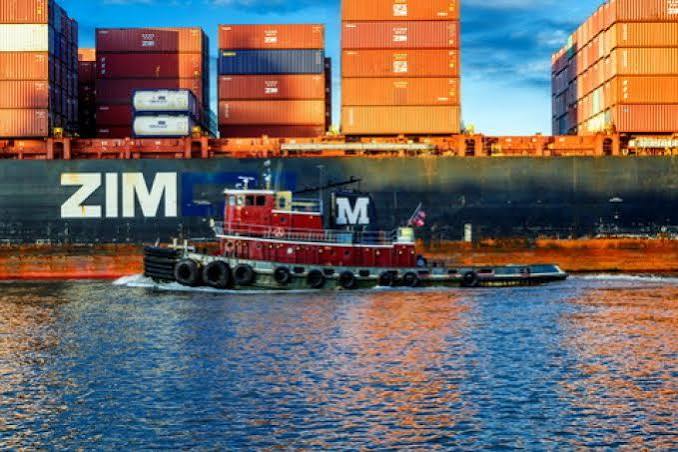
Israel Defense Ministry joins opposition to Zim’s $4.2 billion sale to Hapag-Lloyd

HAIFA : The Israeli government’s opposition to the proposed sale of Israeli shipping company Zim to Germany’s Hapag–Lloyd is widening. The Defense Ministry formally joined the list of opponents on Sunday after its objections to the deal, in its current form, were presented during a government meeting.

The ministry’s concerns center on the future role of “Zim Israel,” which is supposed to continue operating as a separate entity after the merger of Zim‘s international operations with Hapag-Lloyd. Defense officials fear that the Israeli unit would be largely confined to Mediterranean routes, significantly reducing its services to the United States and creating uncertainty over whether it would continue operating shipping lines to the Far East.

Maintaining direct maritime routes to both the U.S. and Asia is considered strategically important by Israel’s defense establishment, which relies on them for the import of military equipment and other critical supplies during times of conflict.

Responding to questions during the meeting, Prime Minister Benjamin Netanyahu said that the sale of Zim to the German shipping giant is currently not on the government’s agenda. Defense Minister Israel Katz confirmed that his ministry opposes the deal and noted that the government retains a golden share in Zim, allowing it to intervene in the company’s operations when national security requires.

Over recent months, the Defense Ministry has been examining the proposed transaction, estimated to be worth approximately $4.2 billion, to assess its implications for Israel’s maritime independence. The review comes against the backdrop of growing international boycotts, sanctions and trade restrictions imposed by several countries in response to the war in Gaza.

Another source of concern is Hapag-Lloyd’s shareholder structure. Defense officials note that investors from Qatar and Saudi Arabia are among the company’s shareholders, alongside the Chilean government, which has taken an increasingly critical stance toward Israel in recent years. Officials fear that, during a future military conflict, Israel’s access to vital maritime trade routes could become vulnerable to political pressure from governments with strained relations with Jerusalem.

The review was conducted by the Defense Ministry Director of Security, whose recommendations were subsequently adopted by the ministry.

In a statement, the Defense Ministry said: “The Defense Minister has adopted the position of the ministry and its professional bodies, according to which the proposed sale of Zןצ does not adequately safeguard the security interests of the State of Israel.”

The Defense Ministry’s opposition adds to objections already raised by the Agriculture, Economy and Transportation ministries, as well as Israel’s Shipping Authority. Those agencies have warned that the transaction could undermine Israel’s maritime transportation capabilities and threaten the country’s supply chains, given that roughly 90% of Israel’s imports arrive by sea.

Ocean Network Express launches new Mediterranean Africa service to strengthen direct global connections for customers

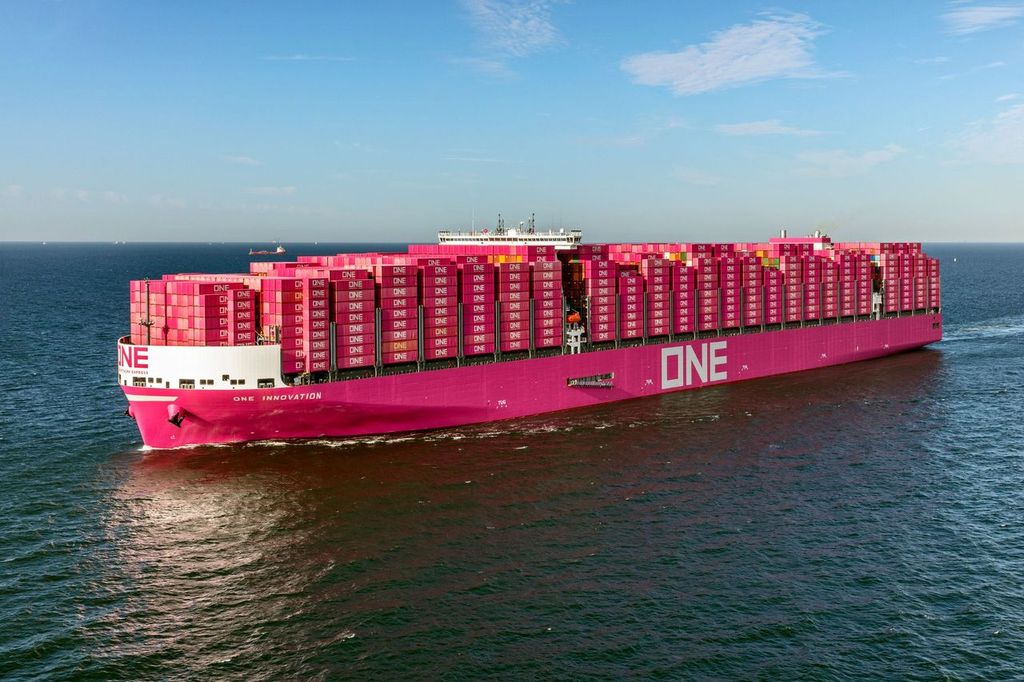
LONDON: Ocean Network Express (ONE) has announced the launch of its new Mediterranean Africa Express Service (MAX), providing customers with dedicated direct connections linking West Africa with key global trade lanes.

The new MAX service will operate on a rotation of Algeciras, Tangier, Dakar, Tema, Lekki, and Abidjan, returning to Algeciras, offering customers reliable access to international markets through ONE’s established Mediterranean hub network.

Designed to support growing trade demands and increasingly complex supply chains, the service will strengthen links between West Africa and major markets across Far East Asia, Northern Europe, the Indian Subcontinent, North America and Latin America through the Algeciras and Tangier hubs.

The launch comes as demand for reliable connections between West Africa and major international markets continues to grow, with shippers increasingly seeking flexible routing options and dependable transit times.

Customers using the MAX service will benefit from convenient onward connections to ONE’s wider global network, including services to North and South America, Northern Europe, the Mediterranean and Asia, helping to simplify cargo movements and improve supply chain flexibility.

The service will commence on 7 July 2026 and all MAX schedules can be found on the ONE website.

Mr. Hosaka, Managing Director of ONE (Europe), said: “”We are committed to investment and growth in Africa. The MAX service is a vital addition to our network, strengthening the links between West Africa and key global trade routes while providing our customers with seamless access to ONE’s extensive international network.”

KR hosts 21st European Committee Meeting in London

LONDON: Korean Register (KR) successfully hosted the 21st KR European Committee (KREC) meeting on June 29, 2026, at The Grove in London, UK.

The KREC brings together influential figures from Europe’s maritime industry, providing a platform for KR to share its international activities and the latest technical developments, while strengthening long-standing relationships through regular engagement since 2004.

The meeting opened with updates on KR’s business and IACS (International Association of Classification Societies) activities, alongside a presentation on the company’s AI-driven decarbonization and digitalization R&D initiatives. This was followed by a series of technical presentations covering recent developments in Korean shipbuilding and KR’s contributions at the IMO, the regulatory challenges facing sustainable LNG in international shipping, and the GHG implications of MEPC 84 outcomes.

Presentations from committee members representing ICS (International Chamber of Shipping) and BIMCO (Baltic International Maritime Conference) further explored technological and regulatory developments in Offshore Carbon Capture and Storage (OCCS), as well as the tripartite working group’s efforts on GHG accounting and digital reporting.

A particularly meaningful moment of the day was the retirement of Dr. Peter M. Swift, who has served as Chairman of the KREC for the past 22 years since 2004. KR extended its deepest gratitude for Dr. Swift’s outstanding dedication and leadership, noting that his contributions have been instrumental not only to KR’s organizational growth but also to the broader development of the Korean shipbuilding industry.

Mr. Aron Frank Sørensen, Chief Environmental Officer at BIMCO, was appointed as the new Chairman of the KREC.

The meeting also welcomed two new members to the Committee: Mr. Carl Henrickson, VP of Ship Management & Innovation at Shell International Trading & Shipping Co., Ltd., and Mr. Helge Bartels, COO of Bernhard Schulte GmbH & Co. KG.

Mr. Yongsok Lee, KR’s Chairman & CEO, remarked: “On behalf of KR, I would like to express my heartfelt gratitude to Dr. Swift for his 22 years of dedicated leadership since 2004. His unwavering commitment has played a vital role in building the trust and strong partnerships that have enabled KR to grow alongside our European partners. As we welcome new leadership, we look forward to continuing this journey of collaboration through the KREC for many years to come.”

India Shipping News unveils New Logo & Revamped Website; Records All-Time High 200,000 Active Users in June 2026

AHMEDABAD: India Shipping News (ISN), India’s leading digital media platform dedicated to the Shipping, Maritime, Ports, Logistics, Infrastructure, Export-Import Trade and Supply Chain sectors, has marked a significant milestone with the launch of its new corporate logo and a completely revamped website, delivering a faster, smarter and more user-friendly experience for readers across the globe.

The transformation comes at a landmark moment for the publication as India Shipping News recorded an all-time high of nearly 200,000 active users during June 2026, reflecting the growing trust and popularity of the platform among industry professionals, policymakers, exporters, logistics companies and maritime stakeholders worldwide.

The newly redesigned website has been developed with a strong focus on user experience, offering improved navigation, enhanced search capabilities, faster page loading, better mobile responsiveness and an intuitive interface that enables visitors to access industry news and updates more efficiently than ever before.

A New Identity for a Growing Digital Platform

The unveiling of the new ISN logo symbolizes the publication’s continuous evolution and commitment to serving the maritime and logistics community with credible, timely and insightful industry news.

Over the years, India Shipping News has established itself as a trusted digital publication, providing comprehensive coverage of:

  • Shipping & Maritime
  • Ports & Terminal Operations
  • Logistics & Supply Chain
  • Infrastructure Development
  • Export-Import Trade
  • Government Policies
  • International Trade & Commerce
  • Container Shipping
  • Air Cargo & Multimodal Logistics

The refreshed branding represents the platform’s vision of embracing innovation while strengthening its position as one of India’s most influential B2B media platforms in the logistics and maritime ecosystem.

Record-Breaking Global Audience

June 2026 proved to be a historic month for India Shipping News, with 199,821 active users visiting the website during the month.

The visitor analytics reveal the platform’s growing international reach.

Top Countries by Active Users

  • India: 79,625 users (39.85%)
  • Singapore: 68,740 users (34.40%)
  • China: 34,618 users (17.32%)
  • United States: 5,066 users (2.54%)
  • Germany: 1,502 users
  • United Arab Emirates: 907 users
  • United Kingdom: 590 users
  • Canada: 524 users
  • Norway: 520 users
  • Vietnam: 501 users

The data demonstrates that India Shipping News is increasingly becoming a preferred source of maritime and logistics information not only in India but also across major global shipping and trading hubs.

Strong Presence Across Indian Cities

Within India, the website attracted substantial readership from major commercial and logistics centres.

Among the leading cities were Mumbai, Chennai, Kolkata, Delhi, Ahmedabad, Bengaluru, Hyderabad.

The analytics also indicate significant international traffic from global maritime hubs such as Singapore and Lanzhou, China, highlighting the publication’s expanding international footprint.

Continuous Innovation

Speaking on the milestone, the India Shipping News editorial team expressed gratitude to its readers, advertisers, industry partners and contributors whose continued confidence has helped the platform achieve this remarkable growth.

“The launch of our new logo and redesigned website represents more than a visual transformation—it reflects our commitment to continuously improving the experience for our readers and industry stakeholders. Crossing the milestone of nearly 200,000 active users in a single month is a proud achievement that inspires us to raise the benchmark even higher. We sincerely thank our readers, partners and advertisers for their unwavering trust and support.”

Looking Ahead

As India’s logistics, maritime and export sectors continue to expand under the country’s vision of becoming a global trade powerhouse, India Shipping News remains committed to delivering accurate, timely and insightful journalism that connects businesses, policymakers and industry leaders.

With its modern digital platform, stronger global readership and renewed brand identity, India Shipping News is well positioned to further strengthen its role as a leading voice of the shipping, maritime and logistics industry—both in India and across international markets.

The journey has entered a new chapter, and India Shipping News looks forward to serving its growing global audience with even greater excellence in the years ahead.