Home Blog Page 221

Australia to sign Fiji Security Pact; Uranium Export Agreement with India expected during high-level talks

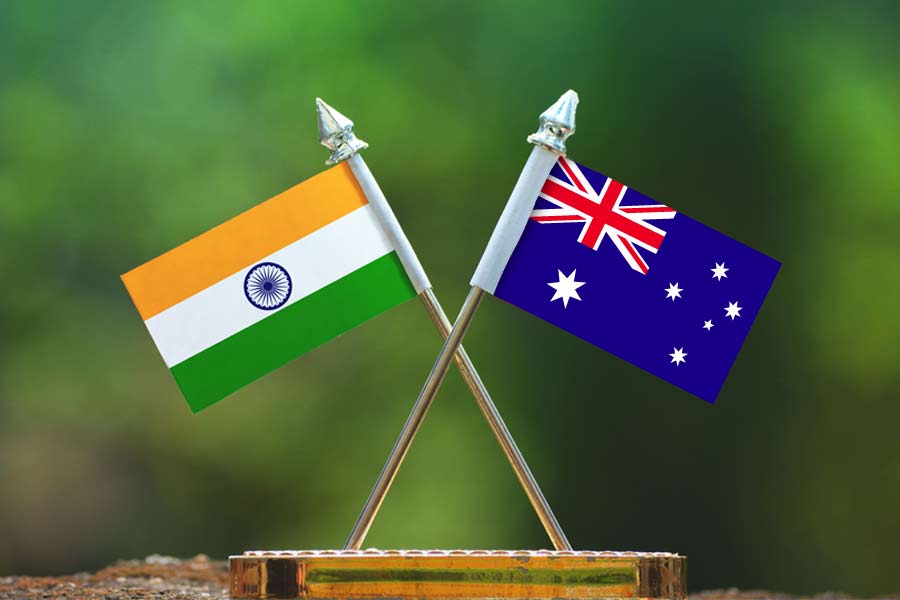
MELBOURNE : Australia is set to strengthen its strategic partnerships in the Indo-Pacific by signing a new security agreement with Fiji and finalising a long-awaited uranium export agreement with India during a series of high-level engagements this week, according to media reports.

Australian Prime Minister Anthony Albanese is scheduled to visit Fiji on Monday to sign the Vuvale Union with Fijian Prime Minister Sitiveni Rabuka. The agreement is expected to significantly deepen bilateral security cooperation between the two countries.

Reports indicate that the Vuvale Union will be similar in scope to Australia’s mutual defence treaty with Papua New Guinea, which is expected to come into effect this week. The pact forms part of Australia’s broader strategy to reinforce its security and policing partnerships across the Pacific, including with Papua New Guinea, Tuvalu, Nauru and Indonesia, amid increasing geopolitical competition in the region.

The proposed agreement builds on the Vuvale Partnership established in 2019. Australia and Fiji reached an in-principle understanding on the enhanced arrangement in May and have since been working to finalise its provisions.

Later this week, Prime Minister Albanese is expected to meet Indian Prime Minister Shri Narendra Modi in Melbourne, where the two leaders are likely to conclude an agreement enabling Australia to export uranium to India.

According to reports, both countries have successfully resolved outstanding technical issues relating to nuclear non-proliferation safeguards, paving the way for the long-awaited uranium export arrangement. The agreement is expected to further strengthen the strategic partnership between Australia and India while supporting cooperation in the field of civil nuclear energy.

Steel Ministry to hold Open House on steel import issues on July 9

The Ministry of Steel will conduct an Open House to discuss issues related to import of steel on 9th of this month in New Delhi. The Ministry said that companies and associations can present their issues related to import of steel on this day.

The Open House will be conducted from 11:00 AM to 5:00 PM and specific time slots will be given through e-mail to the companies and associations. The Ministry said that walk-ins will not be possible due to logistical challenges and only one representative per organisation is permitted to ensure wider participation.

Cargo vessel in Red Sea reports coming under attack : UK Maritime Body

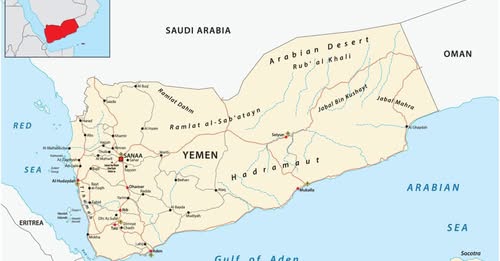
YEMEN : A cargo vessel in the Red Sea has reported coming under attack, the United Kingdom Maritime Trade Operations Centre, a British maritime security alert service, said Sunday, amid a fragile ceasefire between the U.S. and Iran.

The body said it received a report of the incident 30 nautical miles (56 km) southwest of the port city of Al Hudaydah in Yemen.

“A cargo vessel has triggered a distress alert stating that they are under attack by unknown assailants,” the UKMTO said in a post on X, adding that authorities are investigating the incident.

It urged vessels to “transit with caution”.

Iran-backed Houthi rebels in Yemen attacked commercial ships in the Red Sea from 2023 through 2025 in retaliation for Israel’s war in Gaza but have largely stayed out of the U.S.-Iran war.

While the Strait of Hormuz between Iran and Oman is one of the world’s most important choke points for energy shipments from the Middle East, the Bab el-Mandeb Strait which connects the Red Sea to the Gulf of Aden and the Arabian Sea, is another key transit route.

It has acted as a crucial relief valve for the oil market as exports through the Strait of Hormuz plunged due to Iranian attacks on tanker and cargo ships after the U.S. and Israel began attacks on Iran in February.

Saudi Arabia surged oil flows through its East-West Pipeline after Hormuz closed, redirecting millions of barrels per day to the Red Sea. Those barrels are transiting the Bab el-Mandeb to Asia, which has helped offset some of the lost supply to key economies like Japan and South Korea.

The U.S. and Iran signed a memorandum of understanding on June 17 to end nearly four months of war and reopen the Strait of Hormuz, and set ​up 60 days of negotiations to work out a permanent peace deal.

Oil shipments have ramped up since then. Saudi Arabia has shipped about 34 million barrels of oil through Hormuz since June 17, according to data from the trade intelligence firm Kpler. Riyadh’s exports over the two weeks to July 2 were more than double the 15 million barrels the kingdom shipped through the strait from March 9 through June 17.

Benchmark Brent crude oil prices have fallen 39% from their highs in March.

Iran confirms new service fees for Strait of Hormuz, promises special treatment for allies

TEHRAN : Iran has announced plans to introduce new service fees for commercial ships passing through the Strait of Hormuz, while indicating that countries which supported Tehran during the recent conflict could receive preferential treatment.

The announcement was made by Iran’s Ambassador to China, Abdolreza Rahmani Fazli, during the World Peace Forum in Beijing on Saturday. He said Iran was working with Oman on a new framework to manage traffic through one of the world’s most important maritime routes.

The proposal comes after a temporary arrangement between Iran and the US under which commercial vessels were allowed to use the Hormuz without charge for 60 days following a ceasefire. It remains unclear when the new system will take effect.

Iran says charges are for services, not a toll

According to an NDTV report, Fazli said Iran would introduce charges for services provided to ships passing through the strait, stressing that these should not be viewed as a transit toll.

“As a country where the Hormuz is part of its territorial waters, we will definitely charge service fees,” he said.

According to the ambassador, the fees would cover services such as ensuring the security of navigation, monitoring vessel movements and addressing the environmental impact caused by the large volume of maritime traffic.

Iran has said it is developing the new arrangements in coordination with Oman, which also borders the Strait of Hormuz.

Friendly nations to receive preferential treatment

Fazli also indicated that Tehran would offer favourable terms to countries that supported Iran during the recent conflict.

“We will definitely consider special treatment for the countries that were friendly to us and specially stood by us during the hard times,” he said.

The ambassador did not specify which countries could qualify for the preferential treatment or explain how the policy would be implemented.

Strategic waterway remains vital to global energy trade

The Strait of Hormuz is one of the world’s most important shipping routes, carrying nearly 20 pr cent of global crude oil. Any disruption to traffic through the narrow waterway has the potential to affect global energy supplies and fuel prices.

During the recent conflict in West Asia, Iran effectively blocked commercial movement through the strait, triggering concerns over global oil supplies and causing energy prices to rise sharply.

The waterway was reopened after Iran and the United States reached an initial agreement to halt hostilities. As part of that arrangement, commercial vessels were allowed to pass through the strait without paying any charges for 60 days.

Iran’s latest announcement suggests it is preparing to establish a long-term framework for regulating commercial shipping through the strategically significant passage.

Source : First Post

Tankers take U-turn in Strait of Hormuz, with some taking Iran route instead

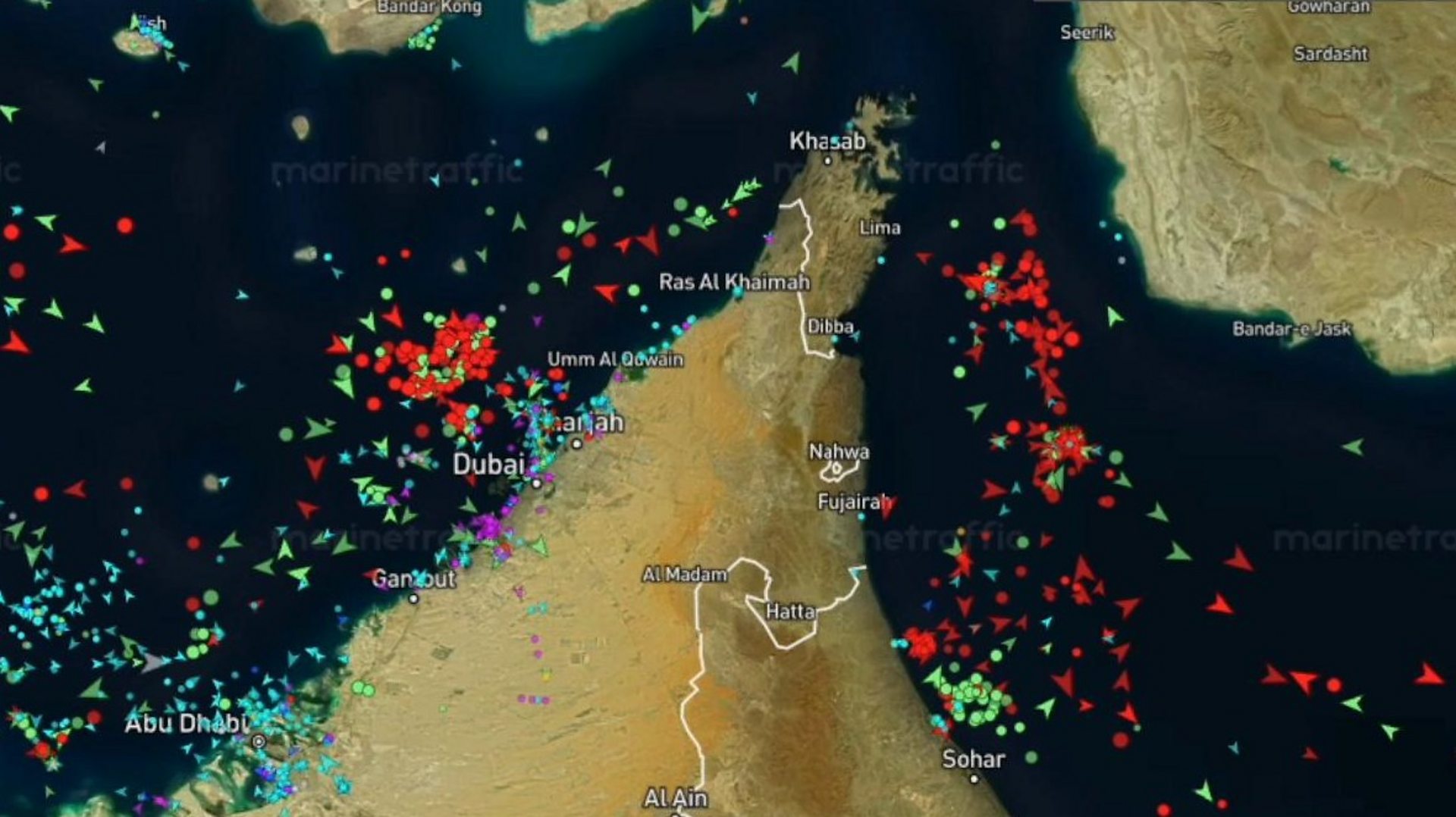
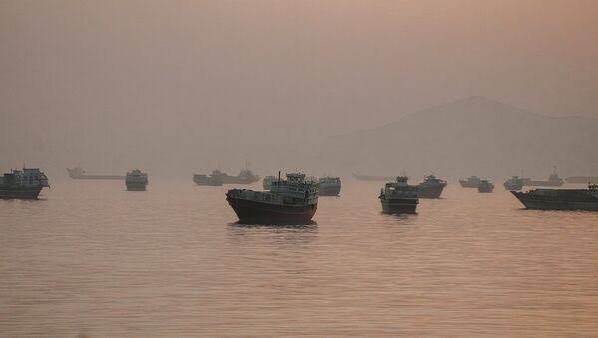
OMAN : At least eight ships attempting to leave the Persian Gulf along the Omani coast turned back between Friday and Saturday, in the latest sign that reopening the Strait of Hormuz remains complicated by Iran seeking to assert its control over the key waterway. Some of the vessels continued with their transits by switching to a route closer to Iran.

The ships, including oil tankers, bulk carriers and vehicle carriers, were observed sailing toward the Strait of Hormuz, ship-tracking data show. Some had made it as far as the tip of the Musandam Peninsula that sticks out into the chokepoint, before making sharp reversals. One crude tanker, two products tankers, and one bulk carrier then sailed northward to take an outbound route as dictated by Iran.

At least eight vessels were observed U-turning as they approached the Strait of Hormuz on the Omani side. Four have since sailed onwards along the Iranian route.

At least eight vessels were observed U-turning as they approached the Strait of Hormuz on the Omani side. Four have since sailed onwards along the Iranian route.

It’s unknown why the ships have U-turned, though Iran has repeatedly said that vessels should only transit the strait through the authorized route designated by the Islamic Republic.

Over the past few months, vessels that have attempted to leave the Persian Gulf have reported hearing Iranian forces warning over radio communications that they needed permission from Tehran for their crossings. Some have been attacked for proceeding with their journeys sparking wider concern over coordinating transits. The risk tolerance of tanker companies and their crews is crucial to returning the global oil market to normal.

Around 34 commodity vessels have crossed the strait daily on average since Monday, a notable increase from the daily averages for much of the war, but still a far cry from pre-war levels. Between June 30 and July 1, 65 ships crossed along the Omani side, with 59 of them being supported by the US, data from the Joint Maritime Information Center show.

Despite a mid-June deal between the US and Iran to reopen the strait, Tehran has continued to claim its control over the vital corridor, while the US continues to support vessels’ transits along the Omani coast.

Sarbananda Sonowal unveils first Made-in-India EXIM Grade Shipping Container at ICD Dadri for Maersk

Milestone Marks a New Chapter in India’s Container Manufacturing and Logistics Ecosystem

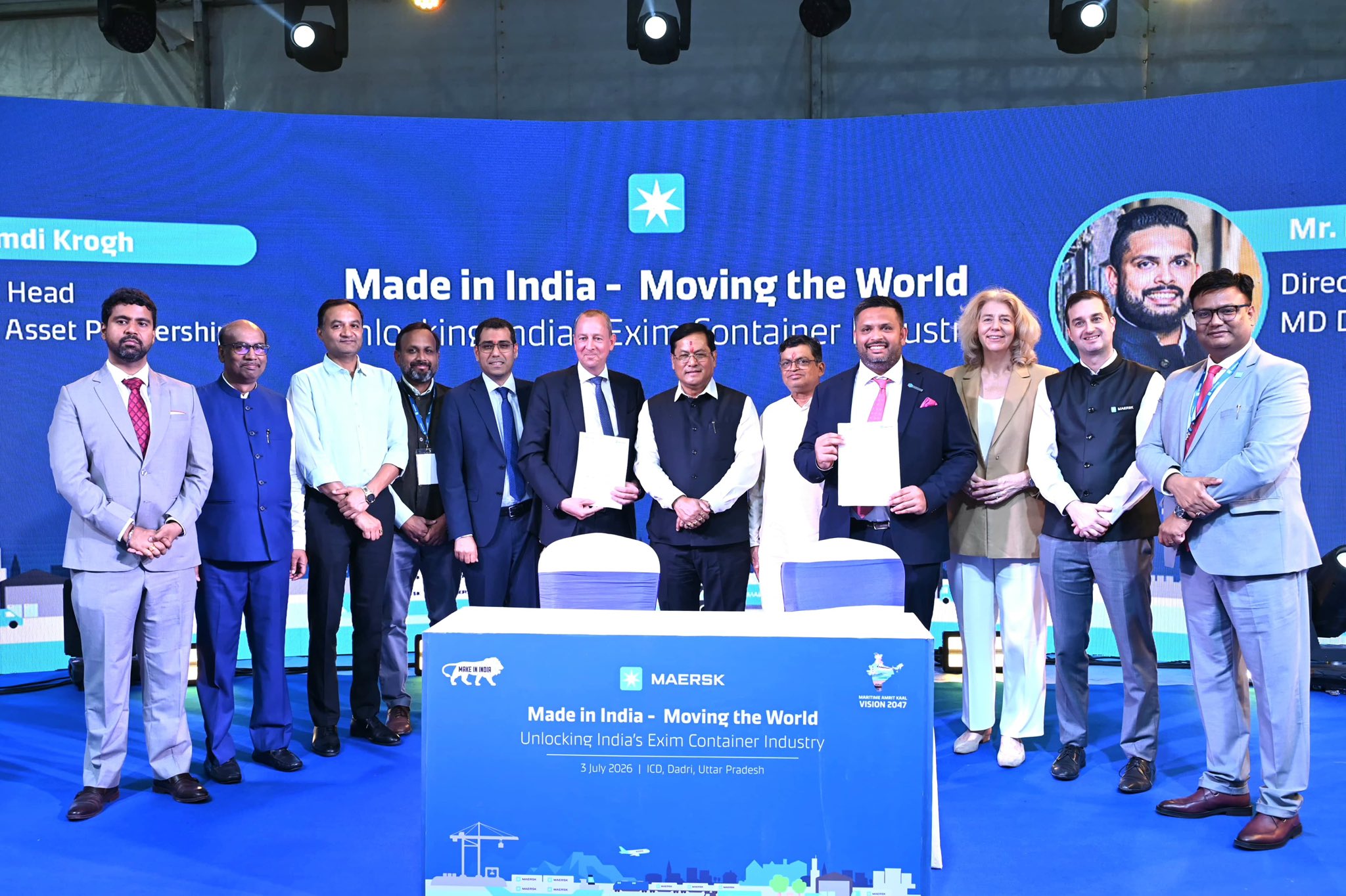
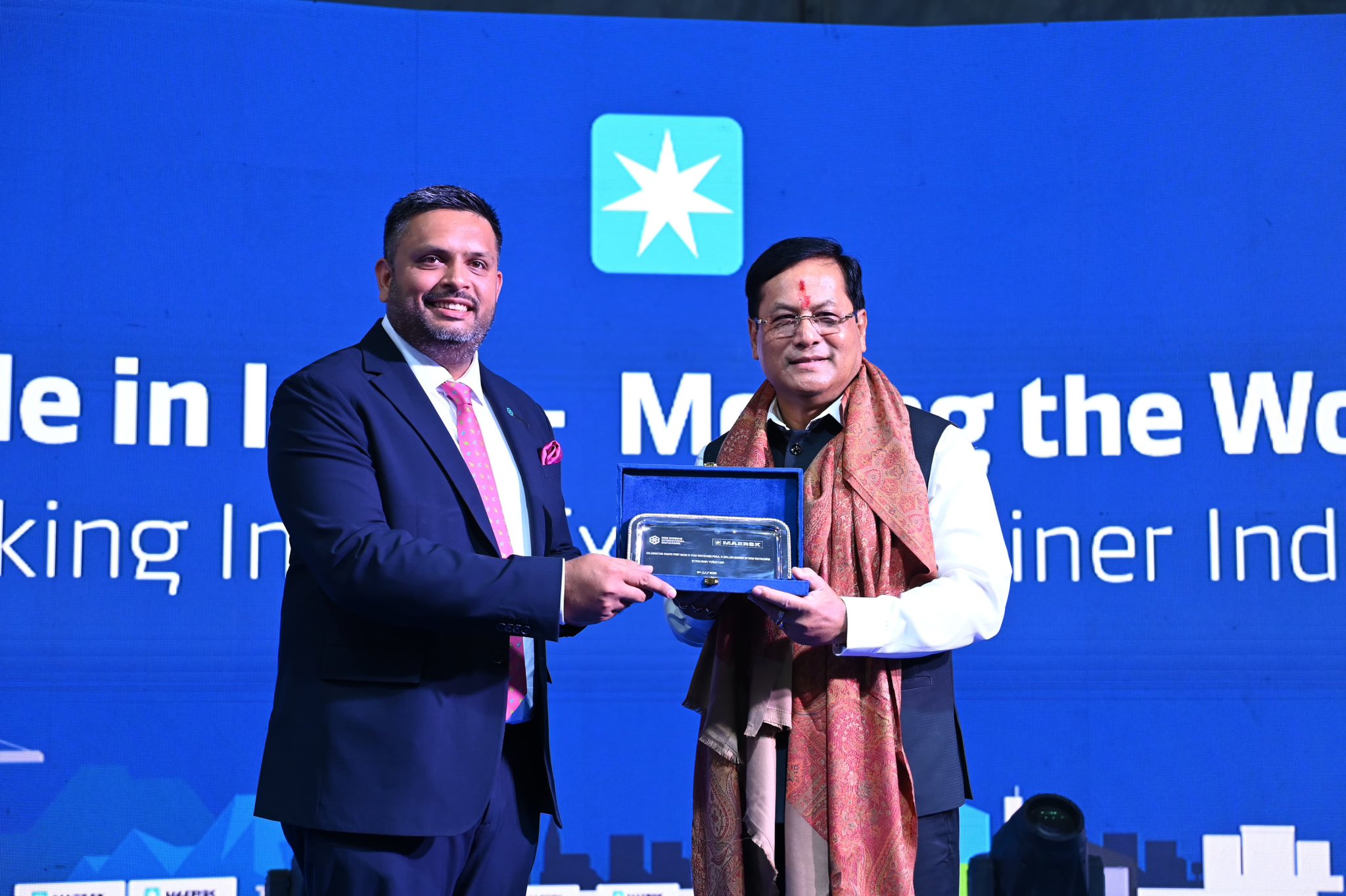
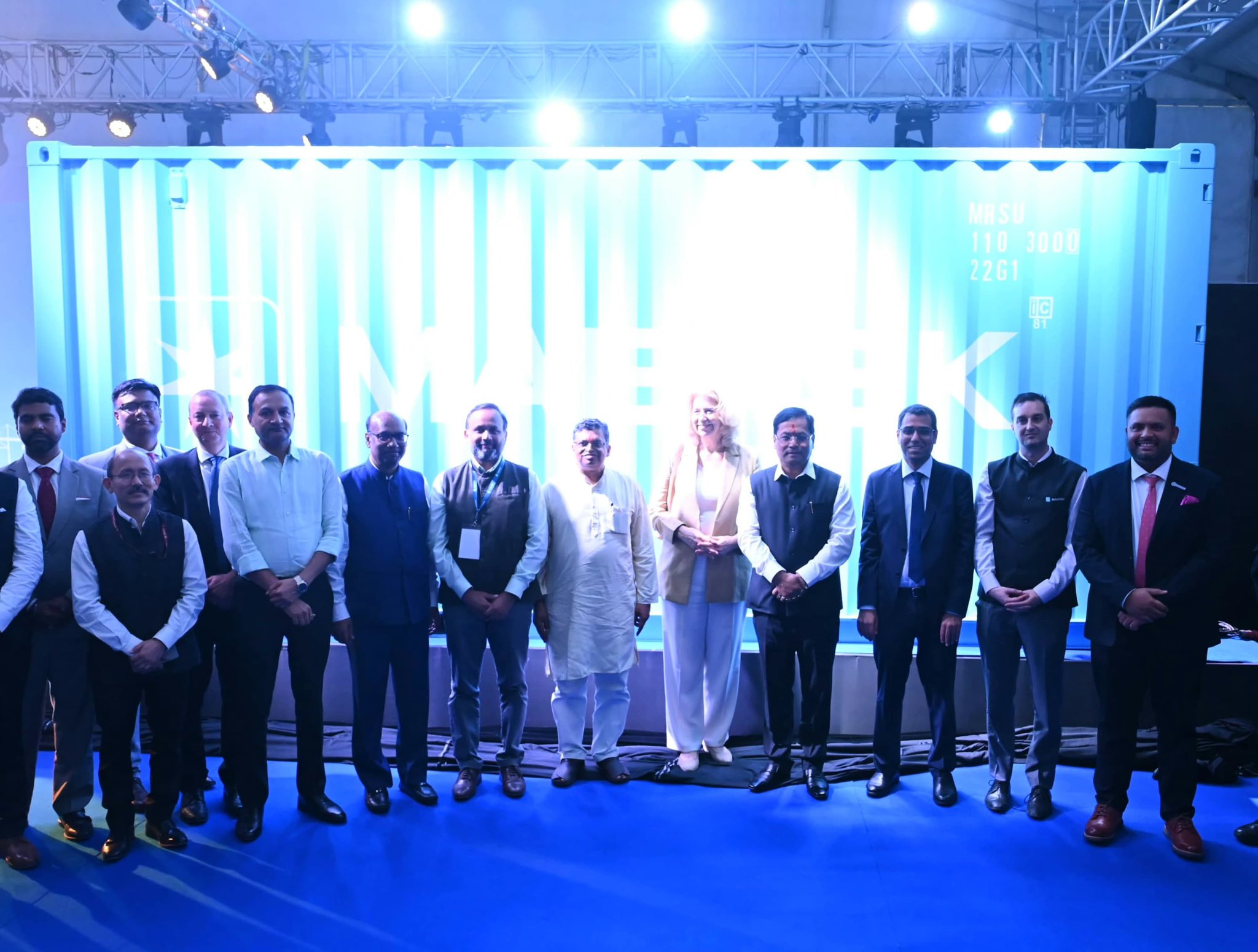
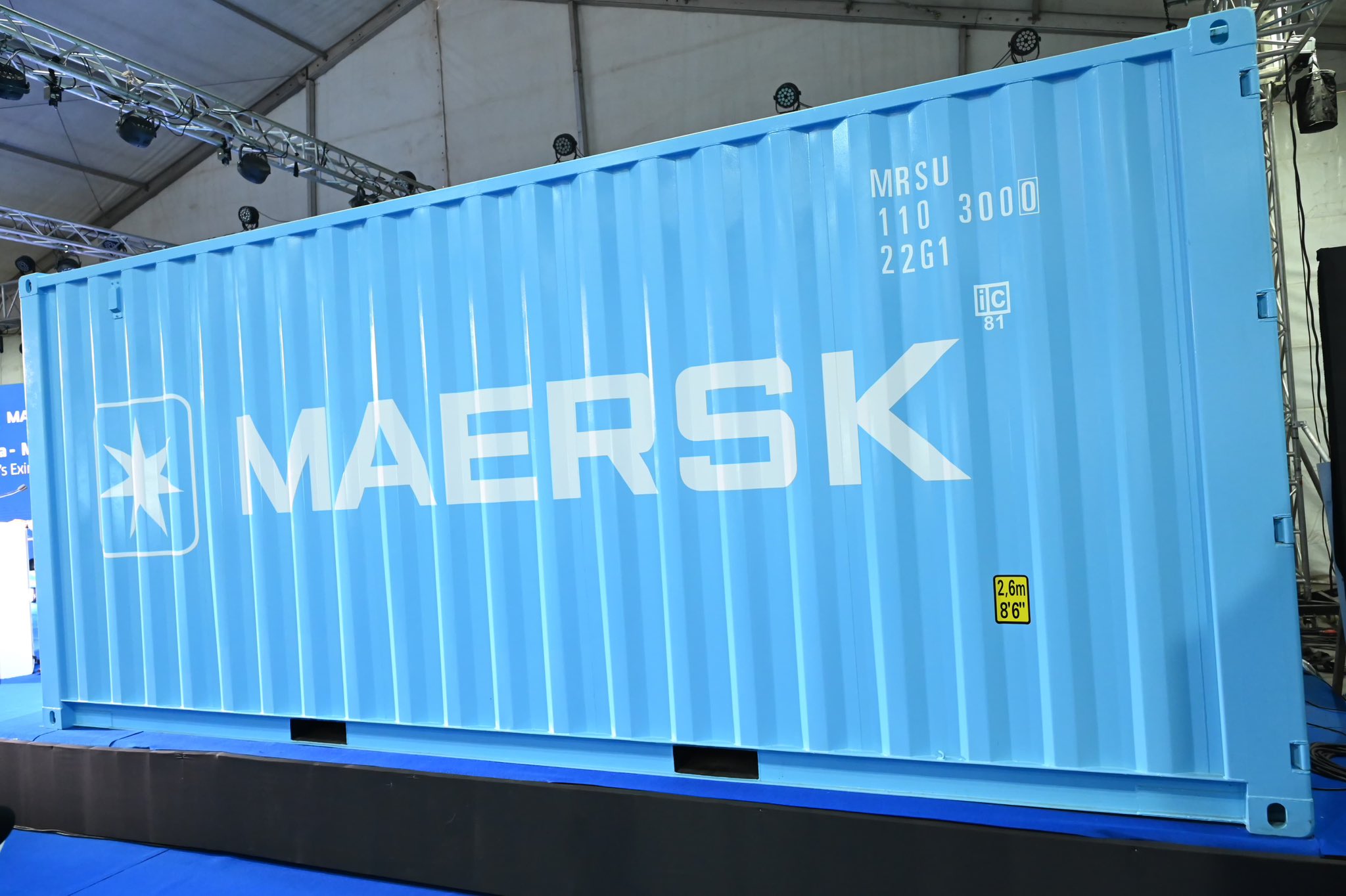
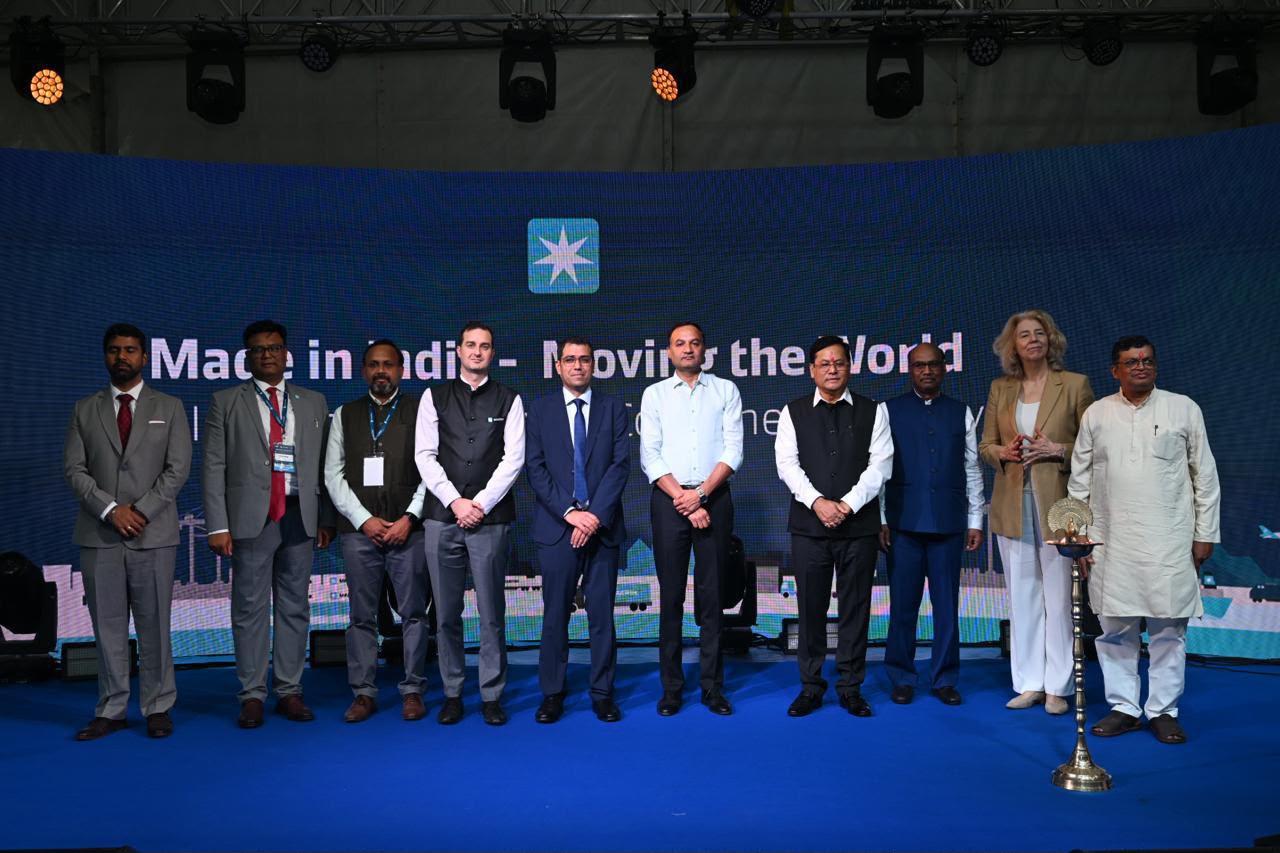
NEW DELHI : Minister of Ports, Shipping & Waterways Shri Sarbananda Sonowal unveiled the country’s first Made-in-India EXIM grade shipping container on Friday at Inland Container Depot (ICD) Dadri for deployment by global shipping major Maersk. The achievement marks a significant step towards building a self-reliant, globally competitive container manufacturing ecosystem under the vision of Hon’ble Prime Minister Shri Narendra Modi.

The unveiling reflects the rapid progress made within just sixteen months of the Prime Minister’s vision to establish India as a global hub for container manufacturing. The indigenously manufactured EXIM-grade container meets international quality standards and is designed to support the seamless movement of export-import cargo across global trade routes.

Minister of Ports, Shipping & Waterways Shri Sarbananda Sonowal unveiled the country's first Made-in-India EXIM grade shipping container

The occasion was graced by H.E. Ms. Marisa Gerards, Ambassador of the Kingdom of the Netherlands to India, along with senior government officials, industry leaders, representatives from Maersk, logistics stakeholders, and members of the trade fraternity.

Speaking on the occasion, it was highlighted that the initiative is a major milestone in strengthening India’s logistics resilience and reducing dependence on imported containers. Indigenous manufacturing is expected to improve container availability, lower logistics costs, enhance supply chain reliability, and provide a significant boost to India’s export competitiveness.

The initiative is being supported under the ₹10,000 crore Container Manufacturing Promotion Scheme, which aims to develop a robust domestic manufacturing ecosystem capable of producing world-class containers for global markets. The scheme is expected to attract substantial investments, generate employment opportunities, promote technological advancement, and position India as a preferred manufacturing destination for maritime logistics equipment.

The first Made-in-India EXIM container supplied to Maersk demonstrates the confidence of leading global shipping lines in India’s manufacturing capabilities and quality standards. It also signifies the growing integration of Indian industry with global supply chains and reinforces India’s emergence as a trusted partner in international trade.

The milestone aligns with the Government of India’s broader vision of Atmanirbhar Bharat, Make in India, PM Gati Shakti, and the National Logistics Policy, all of which seek to build world-class logistics infrastructure, improve multimodal connectivity, reduce logistics costs, and enhance Ease of Doing Business for exporters and importers.

With rising global trade volumes and increasing demand for resilient supply chains, the development of a domestic container manufacturing industry is expected to play a transformative role in strengthening India’s position as a leading global maritime and logistics hub.

“Made in India – Moving the World” is no longer just a vision—it is becoming a reality, with Indian-manufactured containers now set to carry the nation’s trade across the world’s oceans, symbolising India’s growing manufacturing strength and global aspirations.

Union Minister Sonowal unveils Maersk’s first Indian manufactured shipping container

NEW DELHI: A.P. Moller – Maersk, the world’s leading integrated shipping and logistics company, today achieved a historic milestone in India’s maritime sector by becoming the first international shipping line to procure an export-import (EXIM) shipping container manufactured in India. The inaugural unit was unveiled at the Maersk and Container Corporation of India (CONCOR) joint-venture Inland Container Depot at Dadri, Uttar Pradesh, in the presence of the Honourable Union Minister for Ports, Shipping and Waterways, Shri Sarbananda Sonowal.

Maersks first India manufactured export import EXIM shipping container unveiled at Dadri Uttar Pradesh Union Minister Sonowal unveils Maersk’s first Indian manufactured shipping container

This milestone is the culmination of a 16-month journey that began in February 2025, when Maersk’s Chairman of Supervisory Board, Robert Maersk Uggla, met India’s Honourable Prime Minister Shri Narendra Modi in New Delhi, during which the Prime Minister urged Maersk to actively support the development of world-class shipping container manufacturing in India.

Ahmed Hassan, Senior Vice President, A.P. Moller – Maersk, said, “I am really proud of what we have achieved, from a shared vision through execution to the unveiling of the container today. We have shared our global standards, deployed the best technical minds, and collaborated with Indian manufacturers and the Ministry to make this happen.” He added, “It is proof that India’s manufacturing ecosystem is getting ready for global demand. With the right investments in production facilities and a supporting ecosystem, we are confident the industry will get there.”

Shri Sarbananda Sonowal, Union Minister for Ports, Shipping and Waterways, said, “India has long been a nation of traders and seafarers. today, we take a proud step forward as a manufacturer of containers, with international shipping lines procuring them from our country.” He added, “The first made-in-India Maersk container is a testament to what is possible when global companies believe in India’s potential. This is Atmanirbhar Bharat in action, and I am delighted that Maersk has chosen to lead from the front.”

Raising the bar on quality

Maersk’s shipping container quality assurance standards are among the most stringent in the global shipping industry. Every container in the Maersk fleet must comply with ISO structural and dimensional specifications, the International Convention for Safe Containers (CSC), and Maersk’s elevated quality requirements.  Structural prototype testing in accordance with ISO 1496, including stacking, lifting, racking, floor strength tests, and weatherproofing validation, is conducted under the oversight of a classification society and witnessed by Maersk representatives. The first India-manufactured container has passed all these tests, earning full CSC safety approval.

Throughout the development phase, Maersk shared this global technical knowledge freely with its Indian manufacturing partner, and DCM Shriram Group responded with commitment and capability. The result is a container that meets Maersk’s global standards.

Policy Enabling Industry

The commercial viability of Indian-manufactured containers has been significantly enhanced by the Union Government’s decisive policy action. The proposed INR 10,000 crore in Production Linked Incentive support in the Union Budget 2026, developed in close consultation between the Government, manufacturers, and shipping lines, has created the conditions for Indian containers to compete on a global scale. The PLI framework reflects the kind of government-industry partnership that turns strategic intent into commercial reality and is a significant step forward under India’s Maritime Vision 2030 and the Atmanirbhar Bharat programme.

Maersk has been an active participant in shaping this policy environment and remains committed to working with the Ministry as the framework evolves.

Looking Ahead

As India’s container manufacturing ecosystem matures and production capacity grows, Maersk intends to deepen its engagement within container manufacturing across the country. The company views today’s milestone not as an endpoint but as the foundation for a long-term supply relationship that will grow in scale as Indian manufacturers consistently demonstrate they can meet global quality standards at competitive costs.

About A.P. Moller – Maersk

A.P. Moller – Maersk is an integrated logistics company working to connect and simplify its customers’ supply chains. As a global leader in shipping services, the company operates in more than 130 countries and employs over 100,000 people worldwide. Maersk is aiming to reach net zero emissions by 2040 across the entire business with new technologies, new vessels, and green fuels. 

Source: Maersk

MoPSW conducts Industry consultation on the Maritime Investment Fund

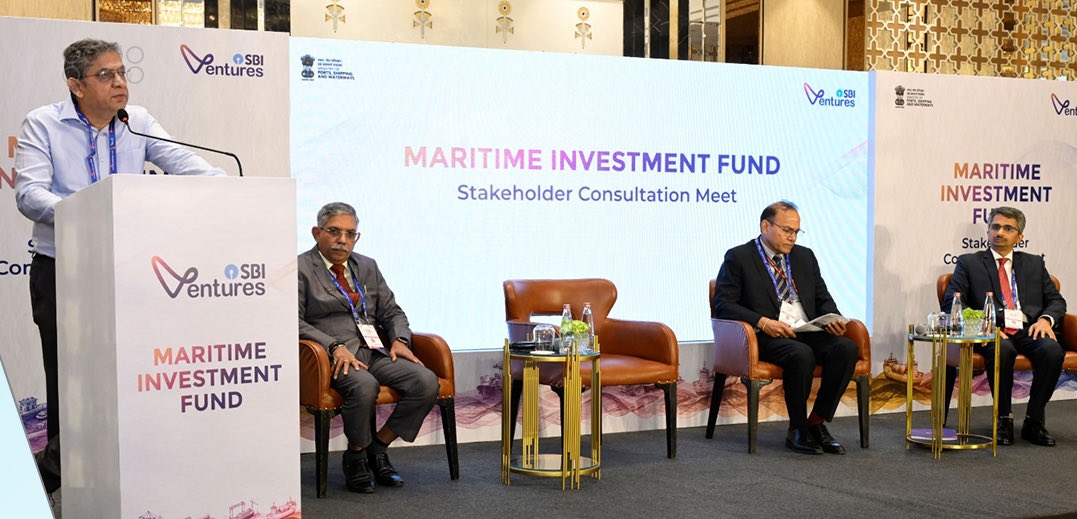
MUMBAI: The Ministry of Ports, Shipping & Waterways (MoPSW), in association with Sagarmala Finance Corporation Limited (SMFCL) and SBI Ventures Limited (SVL), Friday convened an industry consultation on the Maritime Investment Fund (MIF), bringing together leading stakeholders from across India’s maritime and financial ecosystem to deliberate on the design, strategy and implementation of the fund.

The consultation was chaired by Shri Vijay Kumar, IAS, Secretary, Ministry of Ports, Shipping & Waterways, and witnessed participation from senior representatives of shipping companies, port operators, shipyards, maritime boards, banks, NBFCs, private equity and infrastructure funds, and other industry associations, according to the release.

In a message, the Union Minister of Ports, Shipping & Waterways, Sarbananda Sonowal, said,” India’s maritime sector is entering a defining decade of growth under the visionary leadership of Hon’ble Prime Minister Narendra Modi ji. As we build world-class ports, expand shipbuilding, modernise inland waterways and strengthen our logistics ecosystem, access to long-term growth capital will be critical. The Maritime Investment Fund is envisioned as a catalytic platform to mobilise patient capital, encourage private participation and unlock new opportunities across the maritime value chain. Together, we are laying the foundation of a globally competitive maritime economy that will drive innovation, create employment and contribute significantly to the vision of Viksit Bharat by 2047.”

Addressing the gathering, Vijay Kumar, Secretary, MoPSW, highlighted the Government’s vision of positioning India as a leading global maritime nation through sustained investments across ports, shipping, shipbuilding, inland waterways, coastal shipping and maritime logistics.

He emphasised that while significant policy initiatives have been undertaken through Sagarmala, Maritime India Vision 2030 and the Maritime Amrit Kaal Vision 2047, achieving these ambitions would require substantial mobilisation of long-term institutional capital.

He noted that the Maritime Investment Fund is envisaged as a catalytic platform to bridge the equity financing gap in the maritime sector and crowd in domestic and international private investments.

The consultation featured an interactive open-house session during which participants shared valuable insights on financing gaps, investment priorities, fund structure, governance, portfolio construction, investment instruments, fundraising strategy and sector-specific opportunities across the maritime ecosystem. Discussions also covered emerging themes such as green shipping, ship leasing, maritime technology, multimodal logistics and opportunities for enhancing private sector participation.

The Maritime Investment Fund is being established under the Maritime Development Fund, initiative of the Ministry of Ports, Shipping & Waterways, to mobilise long-term institutional capital into India’s maritime sector. The Fund aims to complement existing financing mechanisms by providing patient equity capital to commercially viable maritime businesses and infrastructure projects, thereby supporting the Government’s long-term vision for the sector.

Act East Policy in action: PM Modi set to embark on 3-nation visit to Indonesia, Australia, New Zealand

NEW DELHI: As India continues to engage within its maritime neighbourhood, Prime Minister Shri Narendra Modi is set to embark on a three-nation visit to Indonesia, Australia and New Zealand from July 8-11.

The visit to Indonesia will see a focus on reviewing the bilateral partnership, while in Australia, PM Modi will participate in the third India-Australia Annual Summit process. Covering New Zealand in the last leg of his visit, PM Modi would become the first Indian Prime Minister to visit the country in forty years.

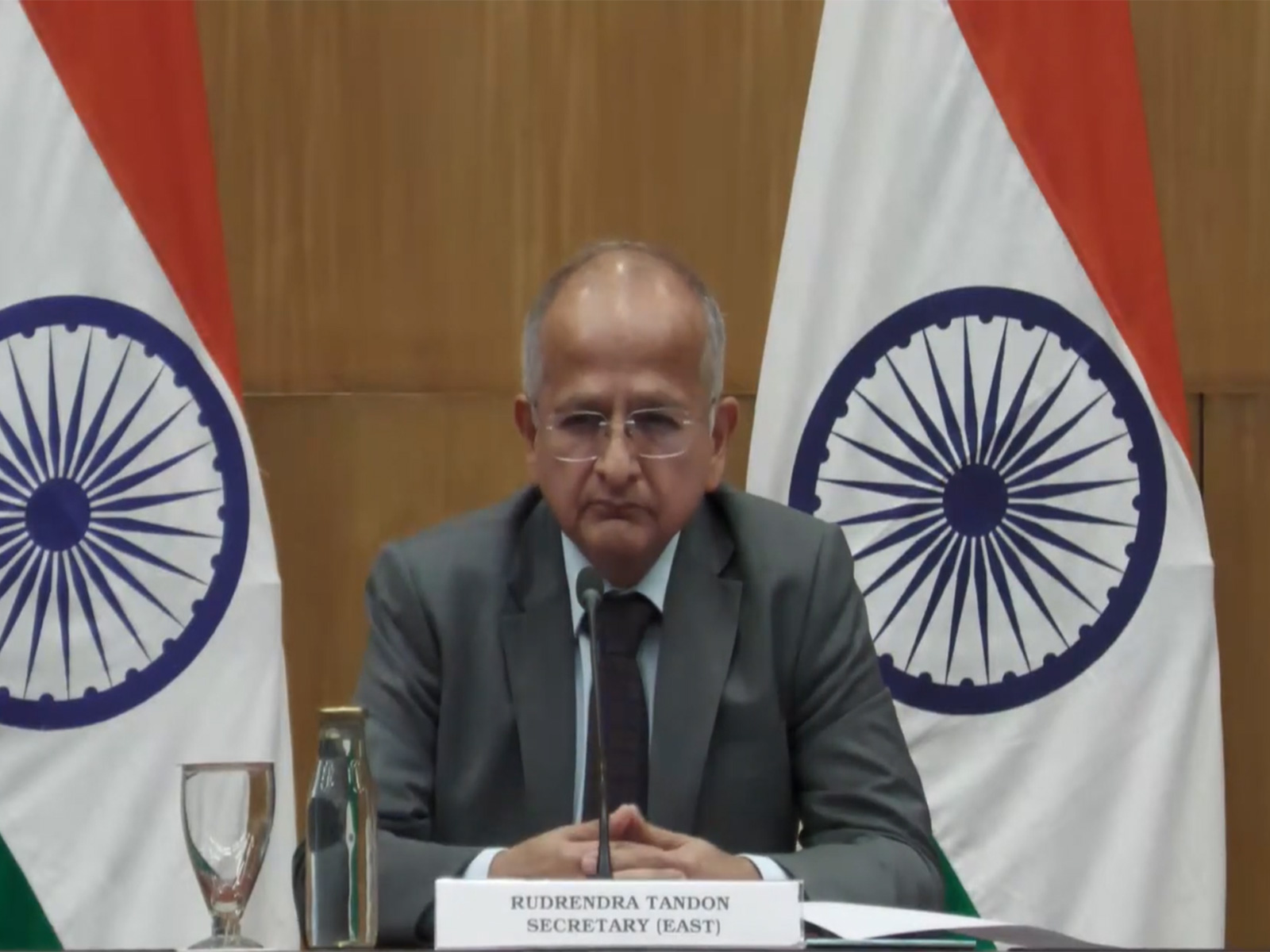
Addressing a special press briefing ahead of the Prime Minister’s visit to three countries, Ministry of External Affairs Secretary (East) Rudrendra Tandon said, “The Prime Minister will be visiting Indonesia on 8th and 9th July. After that, he’ll be in Melbourne, Australia for 10th July and then New Zealand on 11th July.”

Sharing inputs on the itinerary of the Prime Minister, Tandon said that in Indonesia, the main place of engagement is the capital, Jakarta, but the Prime Minister will also be visiting the cultural centre Jag Jakarta, where he will go to the Prabanan temple complex, where India is planning to collaborate with Indonesia on the conservation work there.

He underlined how the last two weeks saw a focus on the Western Indian Ocean, with PM Modi’s visits to Mauritius and Seychelles. The recent visit of Japanese PM Sanae Takaichi to New Delhi and the forthcoming visits of PM Modi to Indonesia, Australia and New Zealand, he said shifts the focus on the eastern maritime zones of the Indian Ocean and the Act East engagement.

Reflecting on the importance of Indonesia and the critical role it plays in the security and stability of the Malacca Straits, the MEA Secretary highlighted its importance for India and recalled the elevation of ties of Comprehensive Strategic Partnership, which took place during the visit of Prime Minister Modi to Indonesia in 2018.

“The Comprehensive Strategic Partnership that was first put in place when Prime Minister Modi visited Indonesia in 2018 has become a major building block of India’s Act East policy and the MAHASAGAR vision over these last few years. Indonesia is also a key country within the ASEAN grouping that has been playing collectively a very important role in strengthening the rule-based order in this zone,” Tandon said.

The MEA Secretary said that the leaders will review the relationship and try to move it forward in all aspects, especially maritime cooperation, defence, enhancing trade and economic relationship and deepening the people-to-people ties.

“The visit to Indonesia will be very much a continuation of the conversation on various bilateral tracks of cooperation that began when President Prabowo visited India as the guest of honour in 2025 for the 75th Republic Day celebrations,” he said.

Tandon informed that in Melbourne, Prime Minister Modi will participate in the third India-Australia Annual Summit process. The apex level institutional mechanism was put in place under the Comprehensive Strategic Partnership Agreement 2020.

Tandon underlined, “The conversations will cover emerging areas of bilateral relations, in particular the critical cybersecurity domain, supply chain resilience, and emerging technologies. After Australia, the Prime Minister will be in New Zealand, where he will hold discussions with Prime Minister Luxon.”

The MEA Secretary (East) further noted the positive fulcrum in ties since the visit of President Christopher Luxon to India in 2025 and informed, “The visit to New Zealand is historic because it will be the first visit by the Indian Prime Minister in 40 years.” Luxon was the guest of honour and keynote speaker at the Raisina Dialogue 2025.

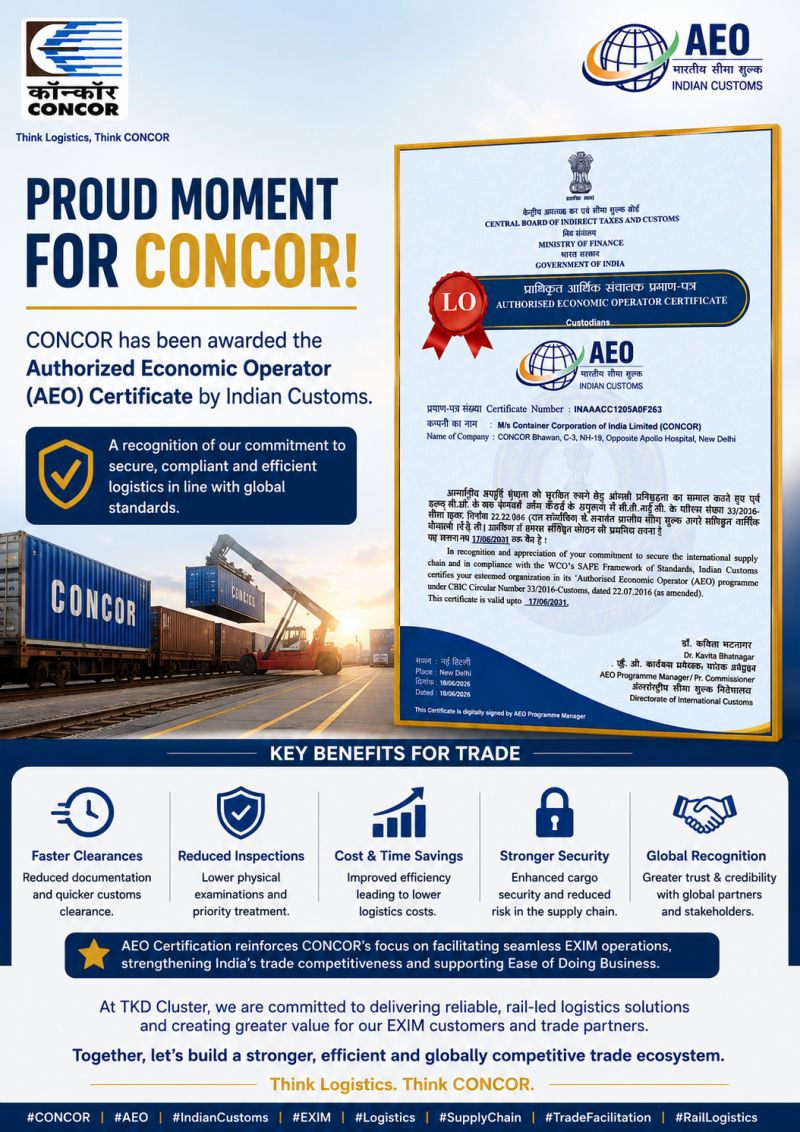
CONCOR awarded Authorized Economic Operator (AEO) Certificate by Indian Customs

NEW DELHI : Container Corporation of India Ltd. (CONCOR), India’s leading multimodal logistics service provider, has been awarded the prestigious Authorized Economic Operator (AEO) Certificate by Indian Customs, marking another significant milestone in its commitment to excellence in international trade logistics.

Recognition Reinforces CONCOR’s Commitment to Secure, Compliant and Efficient EXIM Logistics.

The AEO certification is a globally recognised accreditation granted to businesses that demonstrate high standards of security, regulatory compliance, operational efficiency and supply chain integrity. The recognition underscores CONCOR’s adherence to international best practices and its continued efforts to provide secure, transparent and customer-centric logistics solutions for India’s export-import (EXIM) trade.

With the AEO certification, CONCOR is expected to benefit from a range of trade facilitation measures, including expedited customs clearances, reduced physical inspections, priority treatment for cargo, faster release of consignments and improved coordination with Customs authorities. These advantages will enable quicker cargo movement, lower logistics costs and enhanced supply chain reliability for exporters and importers across the country.

The certification further strengthens customer confidence in CONCOR’s logistics ecosystem, reaffirming its capability to deliver secure and seamless end-to-end multimodal transportation solutions through its extensive network of Inland Container Depots (ICDs), Container Freight Stations (CFSs), Multi-Modal Logistics Parks (MMLPs), domestic terminals and rail services.

As India’s premier logistics integrator, CONCOR continues to play a pivotal role in facilitating the nation’s growing international trade by offering innovative, technology-driven and sustainable logistics solutions. The AEO recognition aligns with the Government of India’s vision of enhancing ease of doing business, promoting secure global supply chains and improving India’s competitiveness in international commerce.

The achievement reflects the collective dedication of CONCOR’s employees and stakeholders in maintaining the highest standards of operational excellence, compliance and customer service.

CONCOR congratulates its entire team on this proud accomplishment and reaffirms its commitment to delivering reliable, efficient and value-added logistics solutions that support the continued growth of India’s EXIM sector and contribute to the country’s emergence as a global logistics hub.