Home Blog Page 227

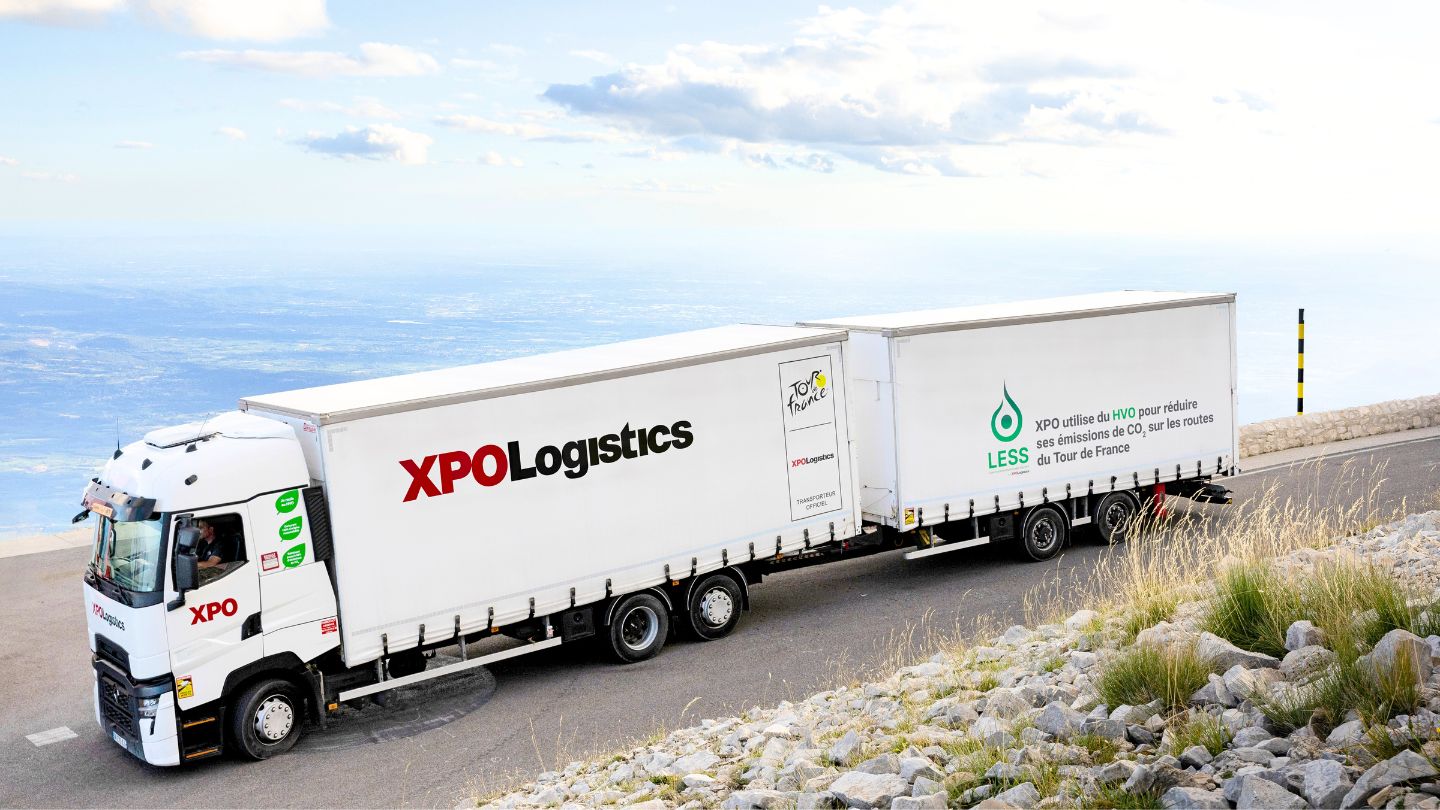
XPO Logistics powers Historic Editions of the Tour de France and the Tour de France Femmes avec Zwift as Official Transportation Partner

LONDON: The Tour de France, the world’s most famous cycling competition, gets underway on July 4, with a team time trial for the first time in 55 years, and XPO Logistics, a leading provider of innovative and sustainable end-to-end logistics solutions across Europe, is once again making sure the wheels of the race turn smoothly.

XPO Logistics is also supporting the Tour de France Femmes avec Zwift, the increasingly popular women’s version of the Tour, which will ascend the fearsome Mont Ventoux for the first time in its history.

The 113th edition of the Tour de France will take place from 4 July to 26 July, bringing together 184 riders across 23 teams. The race will cover more than 3,321 kilometres over 21 stages through Spain and France, spanning seven regions and 29 départements. This year’s race will begin in Barcelona with the first opening-stage team time trial in 55 years.

To support the event, XPO Logistics will deploy 45 trucks and 56 drivers to transport the infrastructure that keeps the race moving from one stage to the next. Each truck will travel thousands of kilometres throughout the Tour, including loading, race operations and unloading. Departing trucks will average 2,786 kilometres, while arriving trucks will average 2,592 kilometres.

A pioneer in more sustainable transport, XPO Logistics will once again deploy its LESS® HVO solution throughout the Tour de France and Tour de France Femmes. Using HVO biofuel injected into its fuel tank network, this solution reduces CO₂ emissions by up to 90%. During the 2025 races, LESS® HVO helped avoid more than 223,370 kg of CO₂ emissions.

The Tour de France Femmes avec Zwift starts on August 1 in Lausanne, Switzerland, and runs over nine stages in nine days until 9 August, with the Mont Ventoux climb on stage seven. Once again, XPO Logistics is supporting this event, with 16 drivers covering 1,178 kilometres, using HVO biofuel to reduce CO2 emissions during the tour.

This year, an additional truck will be added to the fleet for the Tour de France to transport a departure village arch, and another truck will be provided for a caravan partner for Tour de France Femmes avec Zwift.

For both events, a festival parade of decorated vehicles, known as the famous Caravane du Tour, will precede the riders. The Tour de France stretches for many kilometres through the region, and ahead of the riders, key sponsors offer souvenirs to entertain the crowds lining the route. For many families, this is as much a part of the events as the races themselves.

Guillaume Col, President – Europe, XPO Logistics, said: “The Tour de France and the Tour de France Femmes avec Zwift are cultural cycling icons, and it makes us very proud to be once again a key part of the incredibly complex and enjoyable logistical challenge. We always have the very best drivers and teams working on these events, who consistently deliver where it matters most: precision, agility and absolute reliability. When the world’s biggest cycling race moves every day, they need a partner they can count on – and that’s exactly what we provide.”

Guillaume Kleszcz, Logistics Director, Amaury Sport Organisation (A.S.O.), said: “The Tour de France and the Tour de France Femmes avec Zwift are among the world’s largest and most complex travelling sporting events. Delivering these races every day—from city centres to the summits of iconic mountains—requires logistics that are precise, agile, sustainable, and flawlessly executed.

This is why we are particularly proud of our longstanding partnership with XPO Logistics. For 55 years, we have worked side by side, continuously innovating and adapting together to meet the evolving challenges of the event. This trusted collaboration is a key factor in ensuring that the excitement and spectacle of the races reach millions of fans across France and around the world every year.”

About XPO Logistics 

XPO Logistics is a European leader in developing innovative and sustainable end-to-end supply chain logistics solutions. The company operates 206 sites across 14 countries and serves its customers with 20,000 trucks and trailers, 1,000,000 square meters of warehouse space, and 14,000 employees throughout Europe. The company’s European headquarters are located in Lyon, France.   

XPO, Inc. (NYSE: XPO) is a leader in asset-based less-than-truckload (LTL) freight transportation in North America. The company’s customer-focused organization efficiently moves 8 million tonnes of freight per year, enabled by its proprietary technology. XPO serves 55,000 customers with 605 locations and 38,000 employees in North America and Europe, and is headquartered in Greenwich, Conn., USA.  
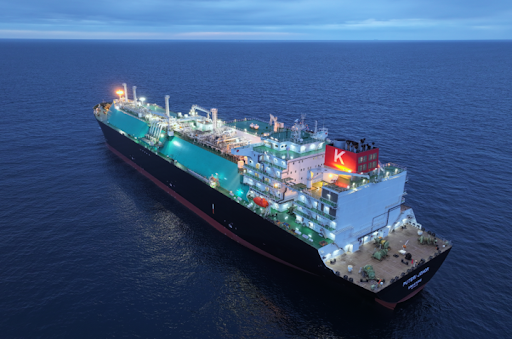
“K” LINE delivers Two Newbuilt LNG Carriers to PETRONAS LNG Ltd

TOKYO: Kawasaki Kisen Kaisha, Ltd. (“K” LINE) is pleased to announce that following the delivery of the newbuilt liquefied natural gas (“LNG”) carrier, Puteri Johor for PETRONAS LNG Ltd. (“PLL”) on 29 May 2026, at Hudong-Zhonghua Shipbuilding (Group) Co., Ltd. in China (“Shipyard”), its sister vessel, Puteri Kedah was delivered on 30 June 2026 at the same shipyard. Both vessels are owned by joint venture companies of “K” LINE. 

The vessels were named Puteri Johor and Puteri Kedah during a naming ceremony held on 30 April 2026 at the Shipyard, attended by representatives from PLL, the Shipyard, Bank of Communications Financial Leasing Co., Ltd., China Merchants Energy Shipping Co., Ltd., China Merchants Financial Leasing Co., Ltd., and “K” LINE. 

“Puteri” means princess in Malay. “Johor” is Malaysia’s southernmost state while “Kedah” is located in the northwestern part of Peninsular Malaysia. 

The delivery of these two new vessels is set to strengthen PLL’s fleet and support the reliable delivery of LNG to PLL’s customers. 

In its Medium-Term Management Plan published in May 2022,* “K” LINE has positioned the LNG business as a top priority area in its future investments. “K” LINE will continue to respond to the diverse needs of its customers to expand its long-term contracts and accommodate the growing demand for energy.

Wallem-managed Opal Leader wins NYK Line’s Car Carrier of the Year 2025 award

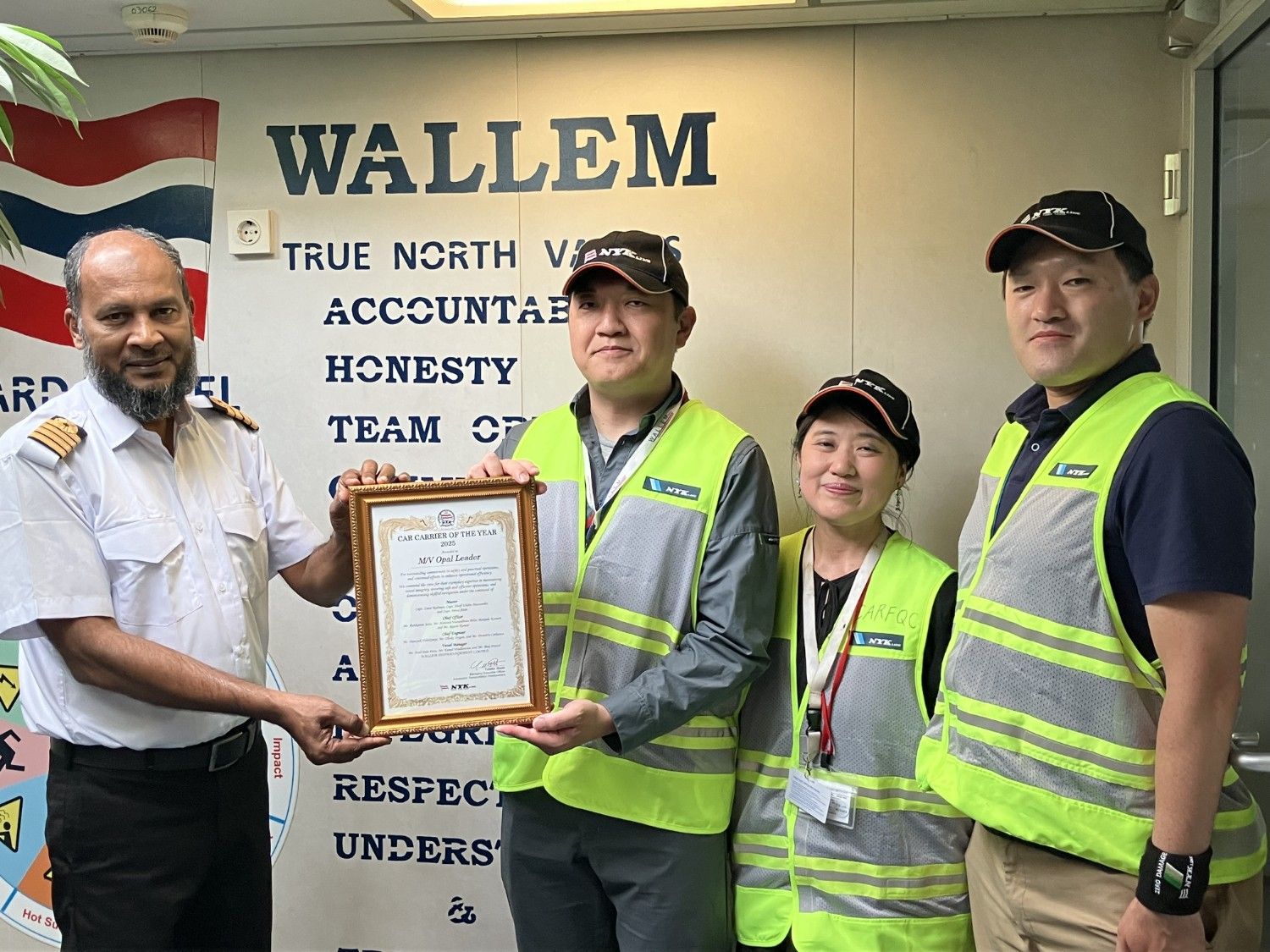
HONG KONG: Wallem Group, a leading global maritime partner, has secured NYK Line’s prestigious Car Carrier of the Year 2025 award in recognition of the performance of a vessel under Wallem technical management. NYK Line representatives presented the award to Captain S. U. Mazumder, Master of the 176-metre length MV Opal Leader at the Port of Yokohama, Japan.

Opal Leader met the award’s stringent criteria by demonstrating outstanding safety performance, avoiding operational delays, securing a Carbon Intensity Indicator rating of C or above, and receiving strong evaluations from port captains and operators.

“This award reflects the dedication and seamanship skills of our Master, Officers, and Crew, supported by a strong organisational commitment to Safety, Operational Excellence and Environmental Stewardship.,” said Ioannis Stefanou, Managing Director Ship Management, Wallem Group.

“We are grateful to NYK Line and our partners in Japan for this recognition and their continued trust and support. It is a privilege to serve the Japanese market, and we remain committed to delivering safe, reliable, and efficient operations.“

About Wallem

Wallem Group is a leading provider of technology-driven maritime services, supporting the complete lifecycle of a vessel from newbuilding supervision to end-of-life recycling guidance. Wallem’s extensive portfolio includes asset management, crewing, training, ship management, safety and compliance management and agency services.
 
As one of the largest and most experienced solutions providers globally, Wallem offers world-class support to shipowners by bringing its customer-centric and transparent approach to all aspects of fleet operation. Wallem combines technology and forward-thinking to deliver safety, technical, and commercial performance without compromise. Wallem believes in collaboration to foster innovation in meeting future needs.
 
Wallem operates globally with a shore-based team of 600 people and over 6,000 highly qualified seafarers, serving nearly all vessel segments.

THLG launches NextGen Initiative as 74th Conference and AGM calls on sector to embrace fresh thinking

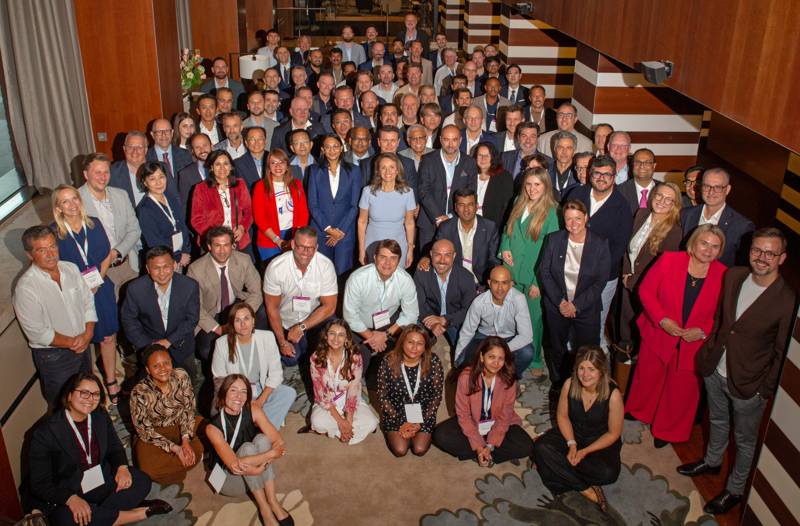
THE HAGUE: Greater collaboration, agility and investing in next generation professionals are critical for overcoming challenges and seizing opportunities in the supply chain, according to speakers at The Heavy Lift Group’s (THLG) 74th Annual Conference and AGM.

Under the theme, From Uncertainty to Opportunity: The Next Era of Global Trade, the 15 June event brought together members and guests from across THLG’s global network and the wider project logistics and heavy lift sector in The Hague.

The Heavy Lift Group 2 THLG launches NextGen Initiative as 74th Conference and AGM calls on sector to embrace fresh thinking

THLG President, Elisabeth Cosmatos set the forward-looking agenda in her opening address by launching the THLG NextGen Initiative. A sector first, THLG NextGen aims to nurture next generation leaders within the heavy lift, project cargo and logistics industry.

An idea conceived by young THLG members, THLG NextGen has evolved into a structured programme that is supported by a formal charter, a framework for governance and a development roadmap. The strategic initiative will also work towards securing the future of the THLG network itself.

“Every successful organisation must think beyond the present,” commented Cosmatos. “NextGen is not only about supporting young professionals; it is about ensuring that the values, expertise and collaborative spirit that have defined THLG for decades continue to thrive through future generations. We are not simply launching a committee. We are investing in the future leadership of our industry.”

The same dynamism was needed to deal with the current operating environment, said Cosmatos. While uncertainty may be shaping global trade, she stressed that it is also creating opportunities for those with resilience, ingenuity and a solution-first focus.

Collaboration and the agility to adapt to change were also critical, with these themes infusing a conference agenda which included thought-provoking discussions on the complexities of international trade and project logistics today.

Programme highlights included a keynote address from Jaap Gebraad, Secretary General of the Waterborne Technology Platform, which captured the realities businesses face in an era of intense supply chain disruption.

Notable presentations included a Middle East market analysis from Laurance Langdon, General Manager, Modern Freight Company and a case study involving a 10,500+ kilometre cross-continental wind power logistics project from China to the Caucasus from Ildus Bariev, General Manager, Globalink Logistics. Also insightful was a candid fireside chat between Grant Bell, Partner and Operations Director, NMT Projects, and Janesh Gulati, Managing Director, Total Movements, providing regional perspectives from Australia and India on how trade has evolved over the years and its future outlook.

Panel discussions focused on collaboration as a catalyst for sector growth, geopolitics, regulation and how to create opportunities during times of transition.

As part of the AGM proceedings, this year’s event saw Donald Kinsella, President, KBB Transport Ltd, elected to the Executive Committee, with Colin D’Abreo stepping down as Treasurer after four years of dedicated service. Members also re-elected Elisabeth Cosmatos and Alessio Bianchi who will continue to serve as THLG President and Admissions Officer, respectively.

The group’s growing geographical reach was also in evidence, with the admission of six new members to THLG confirmed during the AGM, following a rigorous application and voting process. New members comprise: Dolezych from Germany, Mohab Logistics from Tunisia, Ultrabulk from Denmark, Tauruna from Indonesia, Hacklin International from China and RORO Shipping Company from Uruguay.

About THLG:

The Heavy Lift Group is a global alliance of specialized heavy transport companies which combine their expertise to deliver high-quality, client-focused solutions worldwide.  Founded in 1987, its 70+ members specialize in all aspects of large-scale project forwarding, uniting their knowledge, skills, experience and technology to cover transport requirements from a single domestic job to the largest international multi-modal project. 

Smallegange Lawyers strengthens maritime practice with four-lawyer team

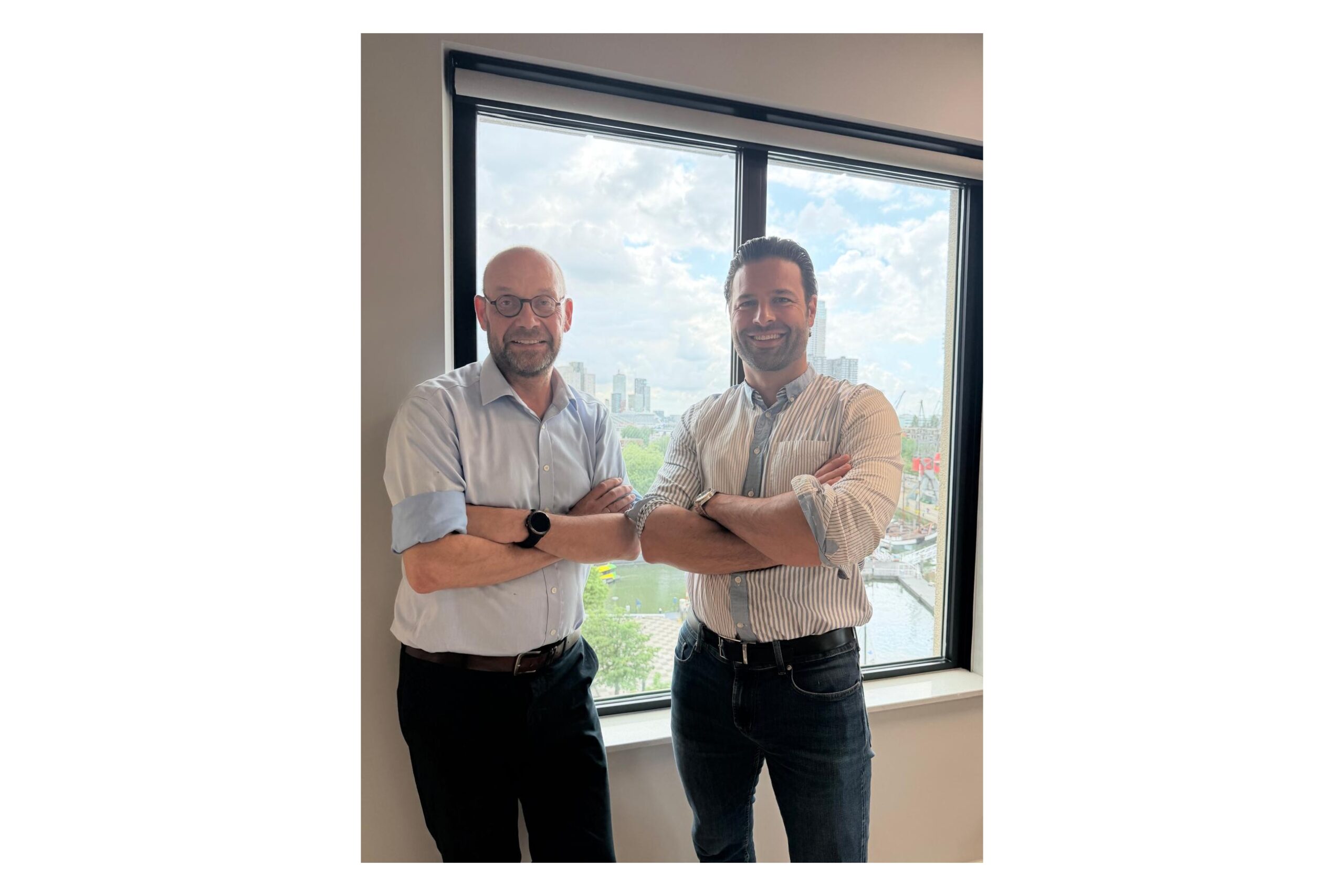
ROTTEDRDAM: Smallegange Lawyers will strengthen its maritime practice from 1 July 2026 with the arrival of maritime lawyers Marcel Verhagen and Ton Jumelet, together with their colleagues Osman Yesildag and Daan Tilburg. The addition of the complete team expands Smallegange’s maritime practice to ten specialist lawyers, creating one of the largest specialist maritime law teams in Rotterdam.

Verhagen and Jumelet have been recognised names in Dutch maritime law for decades. They advise and represent shipowners, insurers, terminal operators, logistics providers, trading houses and other businesses active across the international shipping industry on complex domestic and cross-border legal matters. Their arrival significantly broadens Smallegange’s capabilities in maritime, port, transport, trade and insurance law, further strengthening the firm’s position as a trusted legal adviser to the international maritime and port sectors.

The move brings together two highly complementary maritime practices, creating a broader platform for advising clients across virtually every discipline of the maritime industry. It also reflects the continued growth of Smallegange’s international practice, which has built a strong reputation in shipping, transport and insurance law over many years.

Julian van de Velde, Partner at Smallegange Lawyers, said: “This is far more than the addition of four professionals. We are bringing together two complementary maritime practices, giving clients access to one of the broadest specialist maritime legal teams in the Port of Rotterdam. Marcel, Ton, Osman and Daan bring not only an outstanding international network, but also a way of working that perfectly matches our firm’s culture and ambitions. Together, we are taking another important step in strengthening Smallegange as a leading specialist maritime law firm.”

Marcel Verhagen added: “We are delighted to be joining Smallegange. We have deliberately chosen to make this move together as a team, which reflects the confidence we have in the firm and the opportunities we see ahead. Our respective practices complement each other exceptionally well and provide a strong foundation for further expanding the maritime practice in the years to come.”

About Smallegange Lawyers

Smallegange Lawyers is a specialist boutique law firm with a national and international advisory and dispute resolution practice focused on the logistics sector. The firm advises and represents clients in matters relating to shipping, transport and logistics, international trade and insurance law.

Its clients include shipowners, insurers, P&I Clubs, banks, trading houses, terminal operators, shipyards and other businesses active across the international maritime industry. Over the years, Smallegange has built a strong reputation in the maritime sector and is regularly recognised by leading independent legal directories, including Chambers and The Legal 500.

PM Modi speaks to Iran President, emphasizes freedom of Navigation

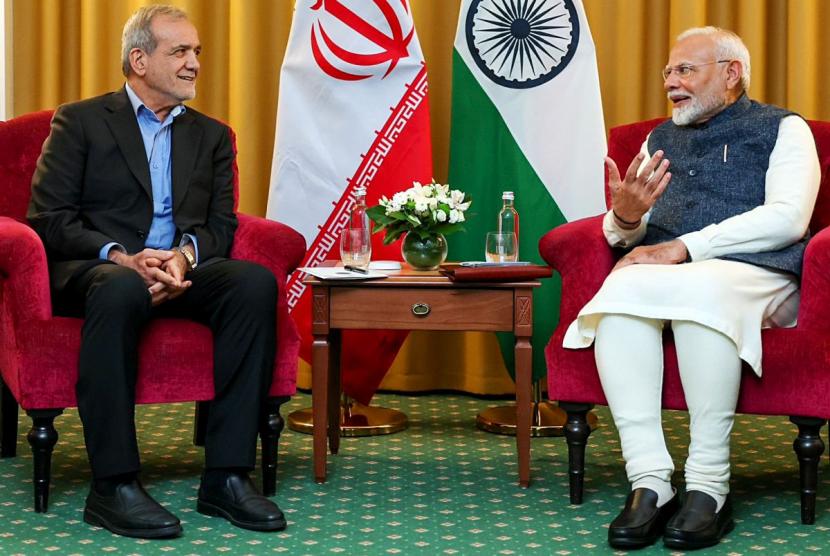
NEW DELHI : Prime Minister Shri Narendra Modi held a telephone conversation with Iranian President Dr Masoud Pezeshkian, discussing the latest developments in West Asia and the path ahead, as the fragile understanding between Tehran and Washington comes under fresh strain.

Iranian President Pezeshkian briefed the Prime Minister on recent developments in the region. PM Modi welcomed the understanding that had been reached between Tehran and Washington and reaffirmed India’s long-standing stance that all issues should be resolved through dialogue and diplomacy.

Spoke with the President of Iran, Dr. Masoud Pezeshkian, on the recent developments in West Asia. Welcomed the progress made in the negotiations and expressed hope that continued efforts will lead to lasting peace in the region. Reiterated the importance of freedom of navigation…

Posting on X, PM Modi wrote, “Spoke with the President of Iran, Dr Masoud Pezeshkian, on the recent developments in West Asia. Welcomed the progress made in the negotiations and expressed hope that continued efforts will lead to lasting peace in the region. Reiterated the importance of freedom of navigation in the Hormuz Strait for India and the World.”

PM Modi stressed the need for continued efforts to secure lasting peace and stability in the region, along with safeguarding freedom of navigation and commerce.

This comes as Iran is preparing for the funeral of Iran’s late supreme leader, killed in US-Israeli air strikes. His funeral, initially delayed at the height of the Middle East war, is set to take place from 5 to 9 July. Iran’s president has invited PM Modi to attend.

The call comes at a delicate moment for the ongoing US-Iran negotiations. Washington and Tehran signed a memorandum of understanding on June 17, which included an end to Iranian restrictions on the Strait of Hormuz, a reduction of US military assets in the region and relief from sanctions, alongside a 60-day timeline to settle the unresolved question of Iran’s nuclear programme. This was followed by a formal four-way meeting between the US, Iran and mediators Qatar and Pakistan in Switzerland’s Bürgenstock resort on June 21 and 22.

However, that agreement came under pressure after US forces struck Iranian military targets after accusing Tehran of attacking commercial shipping in the strait, including a drone strike on an oil tanker.

Iran’s Revolutionary Guard Corps responded by targeting US military sites in Bahrain and Kuwait. US President Donald Trump warned of further military action if the strikes continued, while Iranian officials said any further US action could bring a complete halt to negotiations.

Vibrant Gujarat Regional Conference concludes with ₹3.34 lakh crore investments and 3,759 MoUs signed

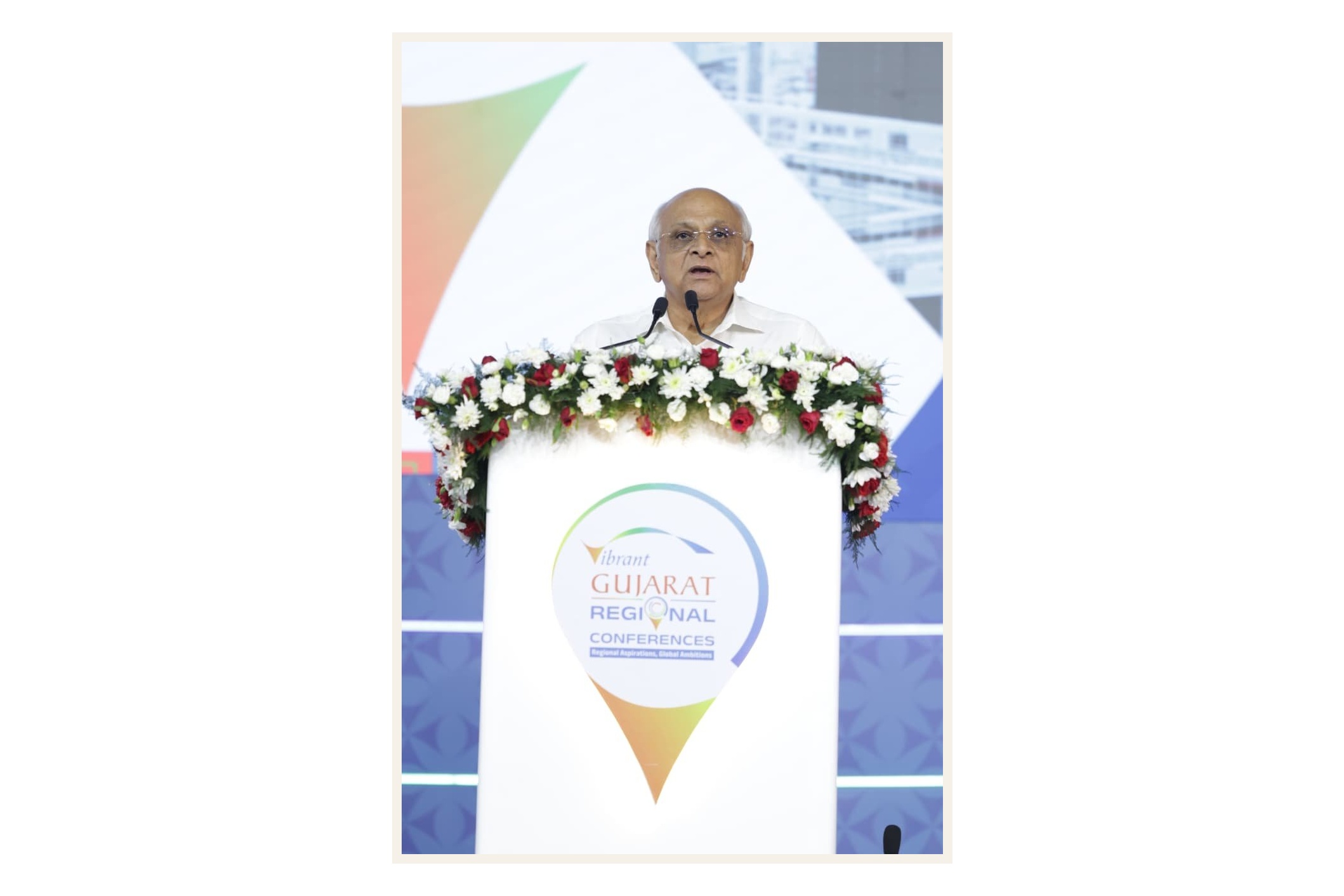
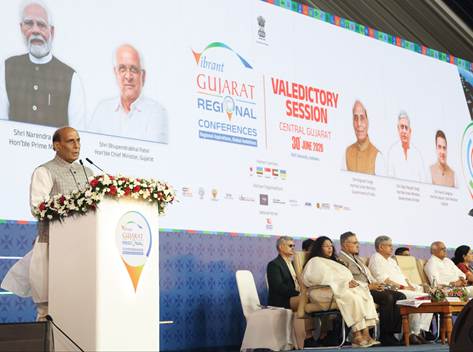
VADODARA: The fourth Vibrant Gujarat Regional Conference (VGRC) for the Central Gujarat Region concluded in Vadodara, with investments exceeding ₹3.34 lakh crore through the signing of 3,759 memoranda of understanding (MoUs). The event took place in the presence of Union Defence Minister Shri Rajnath Singh and Chief Minister Shri Bhupendra Patel.

Chief Minister Bhupendra Patel announced that the investments secured are expected to generate over 1.97 lakh employment opportunities across Gujarat in the coming years. He marked the completion of all four editions of the VGRC initiative, themed ‘Regional Aspiration, Global Ambition’, across the state.

Defence Minister Rajnath Singh delivered the keynote address at the valedictory ceremony, highlighting the substantial transformation of India’s defence sector over the past decade. He stated, “India’s defence production, which stood at ₹46,000 crore in 2014, has grown to ₹1.78 lakh crore. In addition, India has achieved defence exports worth ₹39,000 crore.”

He acknowledged Gujarat’s historical role in nation-building and leadership, citing figures such as Mahatma Gandhi, Sardar Patel, and Prime Minister Shri Narendra Modi. Singh noted that under the Prime Minister’s leadership, India’s global stature has significantly risen, with the country’s voice now commanding attention on international platforms.

Defence Minister Singh emphasised the connection between national security and economic development, stating, “The economy and security are interconnected, and a great nation stands on three pillars: economic strength, technological capability and national security. The countries that lead in these areas will also lead in innovation.” He described India’s movement toward self-reliance in defence manufacturing, citing the introduction of transparent licensing systems and policies to encourage private-sector participation. 

Highlighting Gujarat’s potential in defence manufacturing, Singh referenced the state’s industrial base, entrepreneurial spirit and skilled workforce as key factors. He pointed to Vadodara as the home of India’s first private military aircraft manufacturing facility, the Tata Airbus C-295 project, calling it “a historic milestone and a matter of great pride for the entire nation.” He also mentioned technological hubs in Sanand and Dholera and outlined Gujarat’s capabilities in chemicals, petrochemicals, electronics, ports, maritime infrastructure and shipbuilding as contributory to defence production.

Describing Gujarat as the national leader in renewable energy, the minister added that green energy would open new avenues for the defence sector. He praised the government’s Ease of Doing Business policies for their transparency and industry support.

Singh characterised India’s developmental journey as remarkable, stating, “India is not just imagining the future but actively building it, with Indian products reaching global markets.” He said the vision of self-reliance aims to strengthen, not isolate, India’s global partnerships.

Chief Minister Bhupendra Patel reiterated that Gujarat has realised Prime Minister Narendra Modi’s vision of inclusive development through the VGRC. He remarked, “The State Government’s commitment to taking local strengths, traditions and talent to the global stage through the vision of ‘Vocal for Local’ and ‘Local to Global’ forms the foundation of the success of the Vibrant Gujarat Regional Conference.”

He added that under the Prime Minister’s mantra of Reform, Perform and Transform, a favourable policy environment has been created for industry and the economy, leading India to become one of the world’s five fastest-growing economies. Patel also noted the Prime Minister’s protection of Indian industry interests amid geopolitical challenges and pointed to increased foreign remittances of ₹13 lakh crore in 2025 as a sign of global confidence in India’s leadersship.

Referring to the Vibrant Gujarat Summit, launched by Prime Minister Modi in 2003, Patel declared that Gujarat has emerged as a global investment destination. He affirmed the state government’s commitment to balanced regional development and advancing towards Viksit Bharat 2047.

Union Minister for Fisheries, Animal Husbandry and Dairying Rajiv Ranjan Singh outlined a roadmap at the event to make Gujarat a powerhouse in inland fisheries. He stressed the state’s extensive coastline, village ponds, and saline water resources as assets to develop the blue economy and increase shrimp production.

The minister observed that Gujarat’s inland fisheries contribute only 2 per cent to the country’s total fisheries exports, indicating potential for growth. He advocated greater use of advanced technologies such as Artificial Intelligence and the Internet of Things in fisheries, enhancements to hatchery systems, investments in cold chain infrastructure, and improved transportation.

Rajiv Ranjan Singh called for a collaborative, time-bound action plan involving government, stakeholders, scientists and entrepreneurs to transform Gujarat into a global inland fisheries hub, expressing confidence that the conference would support the vision of Viksit Bharat through Viksit Gujarat.

The valedictory ceremony also featured addresses from Ajay Ranka, Chairman of Zydex Group, and Atul Dalmia, Chairman and Managing Director of Rubamin. At the opening of the event, Additional Chief Secretary of the Industries Department, Mamta Verma, presented details of the planning, execution and outcomes of the VGRC.

Artisans and entrepreneurs from various sectors were honoured for their contributions during the valedictory ceremony.

Regional industries must become partners in Viksit Bharat journey: Raksha Mantri at Vibrant Gujarat Regional Conference

VADODARA: “Viksit Bharat is not merely a goal of economic development, but a resolve to build an economically prosperous, technologically capable, and socially empowered country,” said Raksha Mantri Shri Rajnath Singh as he called upon regional industries to become partners in this journey by transforming regional strengths into national capabilities, local innovations into global competitiveness, and industrial growth into strategic strength. He was addressing industrialists, entrepreneurs, young innovators and academicians during the Vibrant Gujarat Regional Conference in Vadodara on June 30, 2026. Gujarat Chief Minister Shri Bhupendra Rajnikant Patel and Union Minister of Fisheries, Animal Husbandry & Dairying and Panchayati Raj Shri Rajiv Ranjan Singh, Minister for Women and Child Development, Government of Gujarat Dr Manisha Vakil were also present.

Raksha Mantri emphasised that, in view of the rapidly changing geopolitical landscape, India’s self-reliance, technological capability, and collective resolve will determine the role it plays on the global stage in the coming decades. “History teaches us that great nations stand on three essential pillars: economic strength, technological prowess, and national security. Economic prosperity and technological advancement reinforce national security, while a secure nation provides the stability that allows industry and innovation to flourish,” he said, while underscoring the need for enhanced collaborations to build a country with secure borders and a robust economy.

Shri Rajnath Singh underlined that the development of the defence sector is not only limited to the manufacturing of weapons and technologies; it catalyses a vast economic ecosystem. He stated that defence corridors generate new opportunities in infrastructure, logistics, industry, and employment, while emphasis on research & development, technology, and innovation strengthens the industrial base. He stressed the need to harness this momentum to further bolster industrial and defence capabilities.

Highlighting the transformation being witnessed in the defence sector over the last decade under Prime Minister Shri Narendra Modi’s leadership, Raksha Mantri asserted that there was a time when India relied heavily on imports for its security needs, and now it is rapidly emerging as a key player in manufacturing & exports. He added that the success of indigenous platforms, growing participation of the private sector, and the zeal of innovators & start-ups have collectively contributed to the creation of a robust defence ecosystem in the country.

“Under ‘Aatmanirbhar Bharat’, we are fostering indigenous capabilities in strategic sectors such as aerospace and defence. Initiatives such as Make-in-India, review of Defence Acquisition Procedure, and Technology Development Fund are playing a pivotal role in this direction. The budgetary provisions for modernisation and capital procurement aim to encourage domestic industries and integrate them into the global supply chain. To boost investment, we have simplified the licensing process, and liberalised FDI policy. Srijan Portal, iDEX, Defence Testing Infrastructure, Green Channel Certification, and Self-Certification have instilled confidence in small industries and start-ups. Through transparent policies, ease of doing business, mechanisms for technology transfer, testing infrastructure, and collaborative R&D frameworks, we are supporting our industrialists across every sector. Our objective is to build an ecosystem where innovation, industry and self-reliance converge to further bolster the security prowess of New India,” said Shri Rajnath Singh.

Enumerating the milestones achieved due to the Government’s efforts, Raksha Mantri stated that, today, domestic defence production has surged to a record high of Rs 1.78 lakh crore from just Rs 46,000 crore in 2014. He added that the defence exports, which were less than Rs 1,000 crore, have soared to an all-time high of Rs 38,424 crore.

Shri Rajnath Singh clarified that Aatmanirbharta does not mean isolation; it signifies a nation standing firmly on its own feet and engaging with the world as an equal partner. He stated that the Government is encouraging collaborations with foreign Original Equipment Manufacturers, technology transfers and joint ventures to ensure that tangible outcomes are realised on Indian soil, to strengthen indigenous capabilities and benefit the people.

Raksha Mantri emphasised that Gujarat can play a pivotal role in achieving the goal of self-reliance as the state possesses a robust industrial base, a skilled workforce, and an entrepreneurial spirit. From advanced manufacturing to cutting-edge research, Gujarat has the potential to become a major hub for defence production and technology, he said, making special mention of the Tata-Airbus Aircraft Complex in Vadodara for manufacturing C-295 transport aircraft. He added that the K-9 Vajra, one of the world’s most advanced self-propelled artillery platforms boosting the Indian Army’s strike capability, is being manufactured in Gujarat.

Pointing out that the warfare and economy of the future will be driven by chips, Shri Rajnath Singh expressed confidence that the semiconductor ecosystem being developed in Sanand and Dholera will serve as a cornerstone of India’s technological sovereignty. “From artificial intelligence to quantum computing, and from cybersecurity to space technology, this ecosystem in Gujarat will strengthen us across every sector,” he said.

Raksha Mantri added that Gujarat’s industrial strengths can be directly aligned with the needs of the defence sector as the state’s strong base in chemicals and petrochemicals can prove to be invaluable in areas such as advanced materials, composites & propellants. “The local electronics industry can make significant contributions to avionics, sensors, and communication systems. Furthermore, the state’s port and shipbuilding capabilities can strengthen naval systems & maritime security. Its leadership in sectors such as renewable energy and green hydrogen can pave the way for future defence technologies as well. The state possesses the complete ecosystem required for a defence manufacturing hub. I am confident that the youth and entrepreneurs of Gujarat will strive to achieve this endeavour,” he said.

As part of the event, Shri Rajnath Singh also interacted with private industry representatives, and academia during a seminar on Defence & Aerospace industries. He acknowledged their efforts towards strengthening the defence manufacturing ecosystem, and reiterated the Government’s commitment to create a more conducive environment, enabling them to contribute even more to India’s development journey. Distinguished Scientist & Director General (Production Coordination & Services Interaction), DRDO Dr Chandrika Kaushik was present during the interaction.

Raksha Mantri also visited an exhibition, featuring stalls from industry, MSMEs, start-ups, the automobile sector, international business, handicrafts, women artisans, tribal products, heavy industries, mobility innovations, exports, and entrepreneurship.

Conceptualised in 2003 under the leadership of Shri Narendra Modi, who was then the Chief Minister of Gujarat, Vibrant Gujarat Global Summit has today evolved as one of the most reputed global forums for business networking, knowledge sharing and strategic partnerships for inclusive growth and sustainable development. To further expand the reach and impact of the successful model of Vibrant Gujarat, Government of Gujarat is organising a series of Vibrant Gujarat Regional Conferences across various regions of the state. These Regional Conferences serve as a platform to showcase regional strengths, catalyse ground-level development and align local aspirations with the broader vision of Viksit Bharat @2047 and Viksit Gujarat @2047.

APSEZ and MSC Group deepen long-term partnership; MSC’s terminal arm, TiL, to invest in 49% share in Vizhinjam Port in total deal value of USD 2.85bn

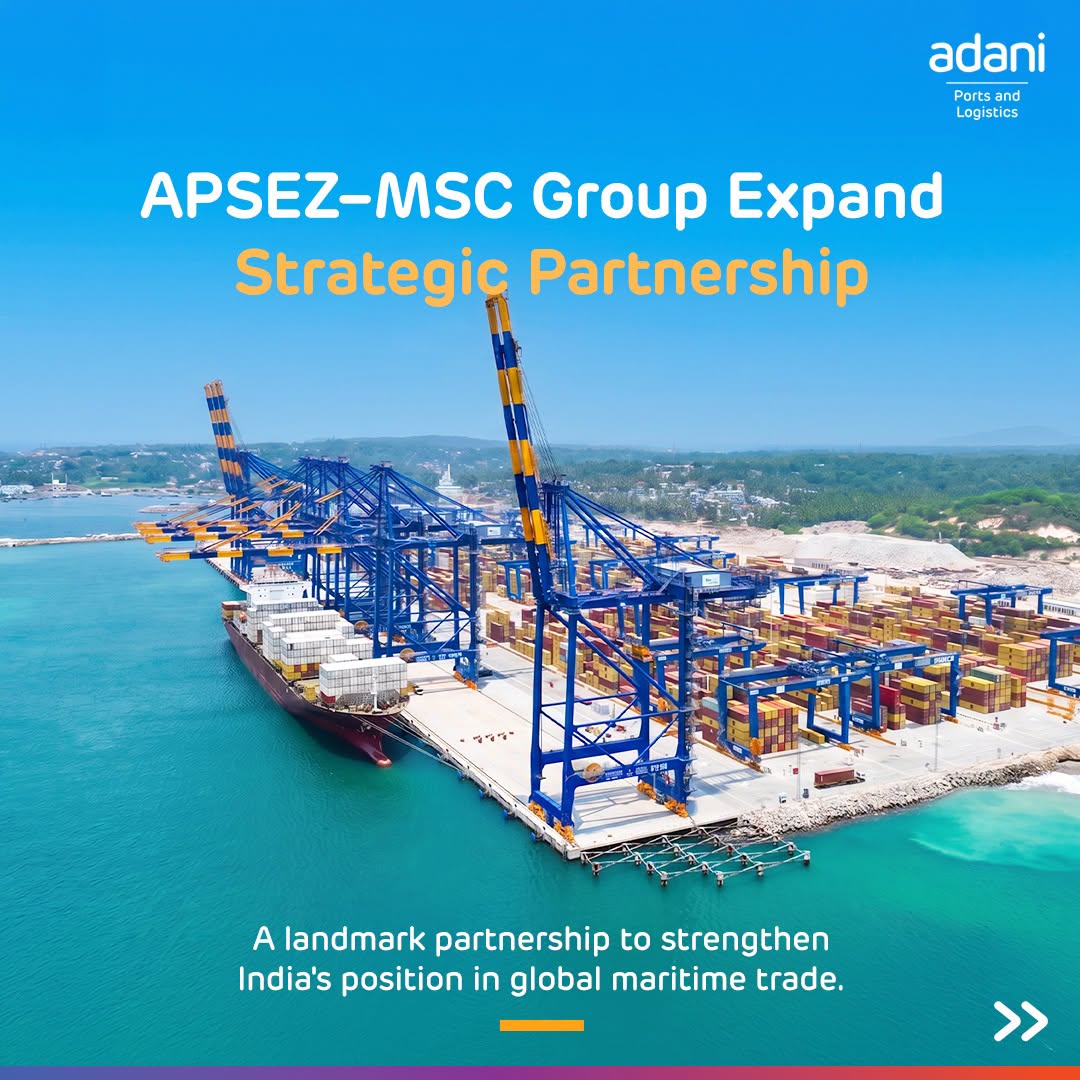
AHMEDABAD : APSEZ, India’s largest and one of the world’s fastest growing Integrated Transport Operator, and MSC Group, the world’s largest transport and logistics conglomerate, have entered into a definitive agreement under which MSC Group, via its container terminal operating and investing arm, TiL, will invest for 49% interest in AVPPL, the concessionaire for Vizhinjam Port. The strategic collaboration represents the single largest foreign private investment in Indian port infrastructure and cements Vizhinjam’s emergence as a dominant transshipment gateway in the Indian Ocean region.

The transaction is subject to customary approvals, including regulatory ones.

TiL to invest USD 1.397bn, equivalent to its proportionate 49% share of USD 2.85bn.

736479298 1525753002147868 2528947122899727315 n 1 APSEZ and MSC Group deepen long-term partnership; MSC’s terminal arm, TiL, to invest in 49% share in Vizhinjam Port in total deal value of USD 2.85bn

“Vizhinjam port has emerged as a premier transshipment hub and ramped up at an unprecedented pace, becoming the first Indian port to earn the unique distinction of crossing 2 million TEUs within 18 months of operations,” said Mr. Ashwani Gupta, Whole-time Director and CEO, APSEZ. “I am delighted to expand APSEZ’s long-standing partnership with MSC to Vizhinjam, as we prepare for the port’s next leg of journey. I am confident that our association will deliver enhanced supply chain efficiencies at a global scale and improve India’s access to key global mature and developing markets,” he said.

The strategic collaboration between APSEZ and MSC Group will deliver significant advantages for APSEZ, including:

Enhanced volume visibility and accelerated ramp-up ahead of plan, driven by additional cargo volumes
Higher share of Bangladesh cargo, largely dependent on competing Southeast Asian transshipment hubs
Strengthening presence on East Africa trade routes
Elevated relay cargo volumes
TiL is one of the world’s largest container terminal operators and part of the MSC Group comprising a portfolio of more than 100 container terminals across five continents and a throughput of more than 70 million TEUs per annum.

Commissioned in December 2024, Vizhinjam port is India’s first deep-draft mega transshipment port with 1.6 million TEU capacity. The port is undergoing expansion that will increase capacity 3.5x to 5.7 million TEUs by December 2028. Vizhinjam port is strategically located just ~10 nautical miles from the East-West shipping route connecting Europe, the Persian Gulf, and the Far East. The port features a natural draft of 18–20m, a 2.9 km breakwater, an 800m berth, and advanced infrastructure, including 8 quay cranes and 24 fully automated yard cranes. As India’s first automated port, Vizhinjam combines cutting-edge container handling systems, a world-class IT platform, and an AI-enabled indigenous Vessel Traffic Management System (VTMS) to drive operational efficiency, safety and reliability.

During FY26, Vizhinjam port handled 1.3 million TEUs. In its first year, Vizhinjam port handled 1.3 million TEUs and 615 vessels, becoming the fastest Indian port to cross the 1 million TEU milestone. Within 18 months, it surpassed 2 million TEUs and 950 vessels, setting another national record. In June 2026, Vizhinjam welcomed its 1,000th vessel. The port has handled over 70 Ultra Large Container Vessels (ULCVs)—the highest among Indian ports—along with 283 vessels exceeding 300m in length and 98 vessels requiring drafts greater than 16m

About APSEZ

APSEZ, part of the globally diversified Adani Group, a leading Integrated Transport Operator–across cargo origination (International Freight Network) through port handling, rail transport, multi-modal logistics parks, warehousing, and final delivery via road transport to customer gates.

This comprehensive “shore-to-door” capability, supported by cutting-edge digital infrastructure and AI-driven optimization, positions APSEZ as India’s preeminent integrated logistics solutions provider. The company operates a comprehensive ecosystem of 15 strategically located ports and terminals across India’s west, south, and east coasts, combined with a diversified marine fleet of 136 vessels, integrated logistics capabilities including 12 multi-modal logistics parks, 3.1 million sq. ft. of warehouses, and 25,000+ trucks operating on its proprietary platform, thus providing capabilities to handle vast amounts of cargo from both coastal areas and the hinterland. APSEZ also operates 4 international ports across Australia, Colombo, Israel and Tanzania.

With a current cargo handling capacity of 653 million tonnes per annum, APSEZ commands approximately 27% of India’s total port volumes, targeting 1 billion tonnes throughput by 2030.

Recognized among the Top 5% of global transportation and transportation infrastructure firms in the 2025 S&P Global Corporate Sustainability Assessment (95th percentile globally), with five ports featuring in the World Bank’s Container Port Performance Index 2024, APSEZ combines scale, operational excellence, and integrated capabilities to enable seamless global trade.

PM Modi chairs high-level meeting with central secretaries, urges ministries to adopt ‘whole-of-govt approach’

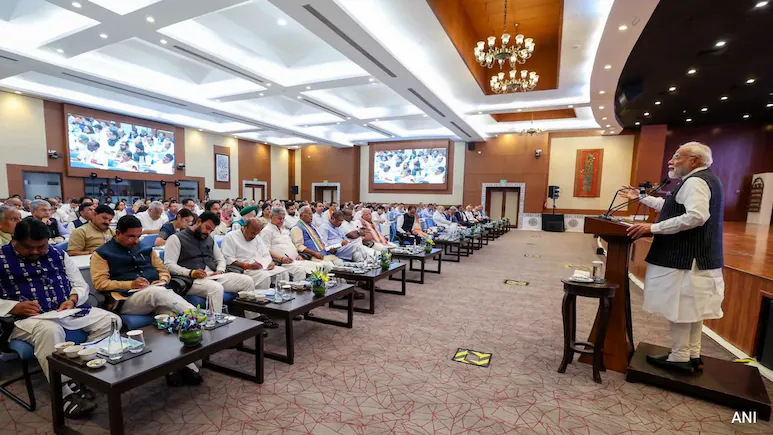
NEW DELHI : Prime Minister Shri Narendra Modi on Tuesday chaired a high-level meeting with secretaries from all central ministries to review government policy reforms, administrative efficiency and the implementation of the long-term Viksit Bharat 2047 vision. Modi asked the officials to make wider use of the PM GatiShakti platform to improve coordination between ministries and departments. During the interaction at Seva Teerth, he also urged senior bureaucrats to ensure that government schemes deliver visible benefits to people and improve their daily lives.

The meeting focused on improving governance, speeding up reforms and strengthening coordination across different departments of the government. The Prime Minister said ministries should work together instead of functioning in isolation and adopt a “whole-of-government approach” to achieve better results, reported ANI.

PM Modi said the PM GatiShakti platform can play an important role in helping ministries share information, coordinate projects and make better decisions. He encouraged officials to use the platform more extensively for integrated planning and smoother implementation of government programmes.

He also asked the Secretaries to focus on the actual impact of government schemes rather than only their implementation. The Prime Minister said public welfare programmes should bring measurable improvements in the lives of citizens.

What was discussed?

The interaction centred on two broad themes. The first focused on deregulation and reforms aimed at improving the Ease of Doing Business and Ease of Living. The second dealt with promoting Aatmanirbhar Bharat, or self-reliance, reported ANI.

During the meeting, Secretaries briefed the Prime Minister on the initiatives taken by their ministries and departments under these priorities. They shared the progress made in implementing government policies and spoke about the challenges they face in different sectors.

Officials also discussed their future plans to improve governance, simplify public services and ensure better delivery of government programmes. They outlined steps to translate the Prime Minister’s vision into practical outcomes across sectors.

PM Modi urged departments to work in close coordination and remove administrative barriers that slow decision-making. He said integrated planning and cooperation among ministries would help improve efficiency and deliver better services to citizens.

Significance of meeting

The interaction came weeks after PM Modi became the longest-serving elected Prime Minister in India’s history. Earlier this month, he completed 4,399 consecutive days in office as an elected Prime Minister, surpassing the previous record of 4,398 continuous days held by India’s first Prime Minister, Jawaharlal Nehru between 1952 and 1964, reported ANI.

The Union Cabinet later passed a resolution to mark the milestone. It described the achievement as “a symbol of India’s democratic consciousness, public trust, and the power of public participation.”

The Cabinet also said the milestone coincides with the NDA government completing 12 years under PM Modi’s leadership. It added that the Prime Minister is now approaching 25 years of continuous service as the head of a government, including his tenure as Chief Minister of Gujarat and later as Prime Minister.