Home Blog Page 228

Piyush Goyal witnesses the launch at Eurobank

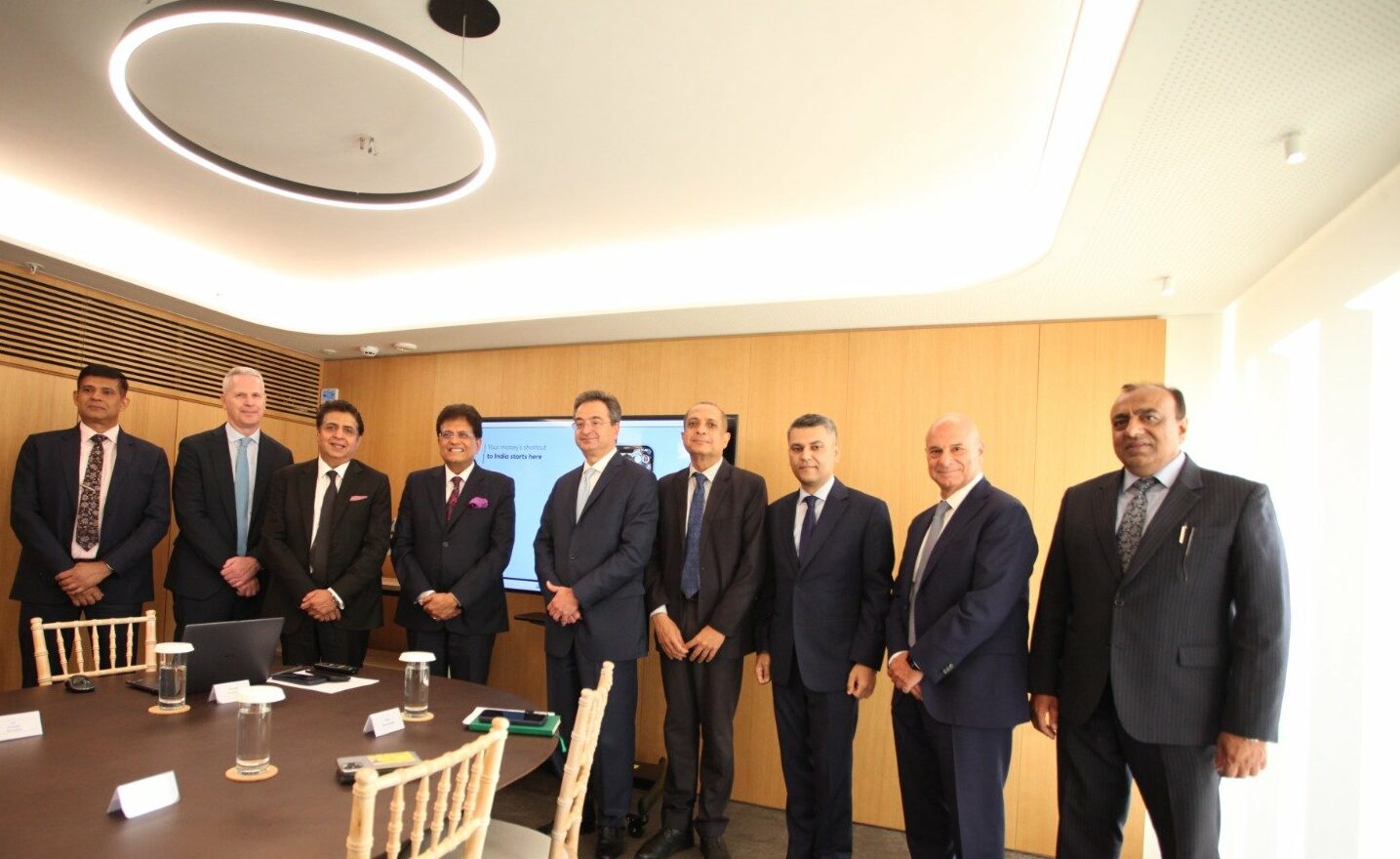
ATHENS : The Union Minister of Commerce and Industry Shri Piyush Goyal on Thursday witnessed the live demonstration of the Eurobank-NIPL partnership enabling UPI services at Eurobank headquarters in Athens, alongside its CEO, Mr. Fokion Karavias, and CEO of Fairfax Digital Services, Mr. Sanjay Tugnait, marking another important milestone in the global expansion of India’s digital payment ecosystem.

Shri Goyal is leading a delegation of senior business leaders and officials on a visit to Greece to advance bilateral economic cooperation and strengthen commercial partnerships.

Shri Piyush Goyal said that the launch marks another important milestone in the global expansion of India’s digital payment ecosystem. He said that, with UPI now live in Greece, eligible customers can transfer money instantly, securely, and seamlessly, with transaction costs reduced significantly to a fraction of those associated with conventional money transfer methods. He added that the growing global acceptance and adoption of UPI reflects the trust in Honourable Prime Minister Shri Narendra Modi’s vision of building technology-led solutions that create value beyond borders and deepen partnerships for shared growth and prosperity.

Shri Goyal’s visit featured a series of high-level engagements underscoring the shared commitment of India and Greece to deepen economic ties.

The programme began with a meeting with the leadership team of Eurobank at Hotel Grande Bretagne, Athens. Discussions focused on enhancing financial collaboration and exploring opportunities for investment and growth.

The delegation participated in the India-Greece Business Council Meeting and Business Forum at the Athens Chamber of Commerce and Industry (ACCI). Three sectoral roundtables were convened on Infrastructure (Energy, Ports, Logistics, Shipbuilding, Warehousing, Trade, Gem & Jewellery); Digital Innovation & Defence; and Food Processing & Agriculture.

These roundtables saw participation of business leaders from India and Greece, underscoring the strong interest in building partnerships across diverse sectors. The roundtables enabled Indian and Greek business leaders to engage in focused discussions, identify synergies, and explore avenues for collaboration across diverse sectors. The proceedings concluded with an address by Minister Goyal, highlighting the shared vision of advancing trade, investment, and innovation-led growth.

The day’s proceedings culminated in the India-Greece Business Summit, attended by Ministers from both India and Greece along with senior business leaders. The Summit reaffirmed the shared vision of advancing trade, investment, and innovation-led growth.

A Networking Reception at ACCI concluded the day, providing an opportunity for informal exchanges and strengthening institutional and personal ties between the two nations.

The engagements on Day One of the visit reflect the strong momentum in India Greece relations and highlight the commitment of both sides to building a robust and forward-looking economic partnership.

Ports Sec­ret­ary asks NMPA to explore Inland Water­ways for cargo move­ment

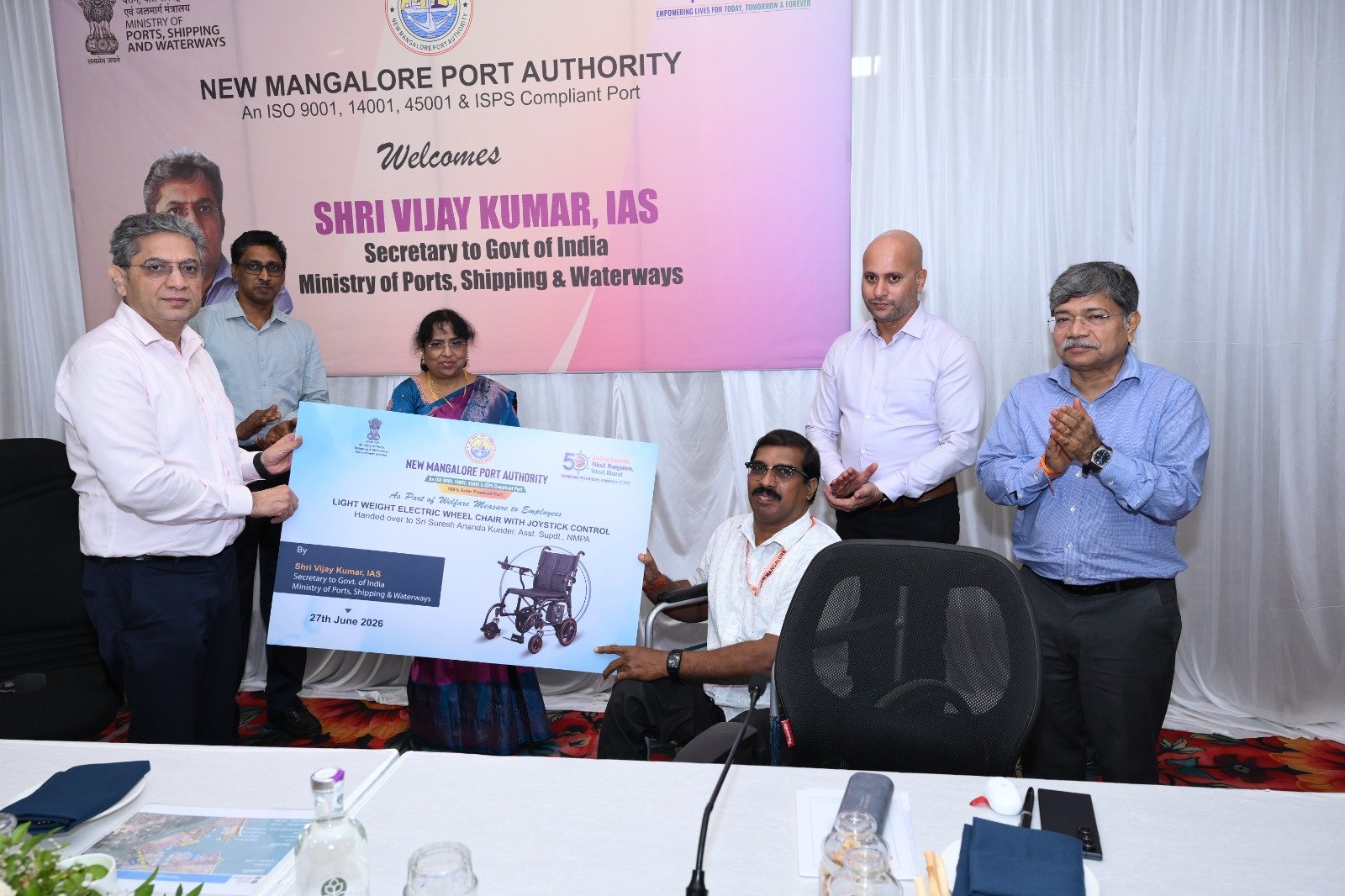
MANGALURU : Secretary to the Ministry of Ports, Shipping, and Waterways Vijay Kumar on Saturday directed the New Mangalore Port Authority (NMPA) to explore the possibilities of enhancing cargo movement through Inland Waterways and strengthening coastal shipping within Karnataka.

The Secretary also asked NMPA to carry out a detailed study in this regard, including the possibilities of cargo movement through the Netravathi and Phalguni (Gurupura) rivers.

During the visit, Mr. Kumar inaugurated four major infrastructure projects. They included the MDL Yard Road Network Project, worth ₹7.23 crore, comprising a 1.1-km concrete road, a truck terminal near Thannirbhavi Road, built at a cost of ₹4.45 crore, with a capacity for 90 trucks, the Baikampady truck terminal, constructed at a cost of ₹5.43 crore, with a capacity for 50 trucks and amenities such as bathrooms, toilet blocks and staging facilities for freight vehicles, and a concrete road connecting NH-66 and the Baikampady Industrial Area, built at a cost of ₹5.47 crore.

He also laid the foundation stones for the covered storage shed inside the wharf, worth ₹8.65 crore, to provide modern covered storage facilities for bulk and break-bulk cargo, and the beautification of the Panambur Beach Road project, worth ₹5.67 crore.

Mr. Kumar also signed an agreement with the Indian Port Rail and Ropeway Corporation Ltd. (IPRCL) for the electronic interlocking of the Panambur Railway Yard, costing ₹56.23 crore. An AMRIT Pharmacy Service, a healthcare initiative valued at ₹12 crore, was also launched to provide affordable access to medicines and healthcare products to employees, retirees, and the local community.

The Secretary held a review meeting to assess NMPA performance, cargo traffic trends, infrastructure augmentation projects, digital initiatives and future business development strategies. He also held an interactive meeting with port users, including Mangalore Refinery and Petrochemicals Limited, KIOCL, JSW Group, Indian Oil and Hindustan Petroleum, as well as representatives of stakeholders, stevedore agents, industry, and trade unions.

Mr. Kumar was welcomed by NMPA Chairman Sushil Kumar Singh, Deputy Chairperson S. Shanthi and others.

APM Terminals Pipavav enhances Emergency Response Capability with Induction of Advanced Multipurpose Fire Tender

Strengthens safety infrastructure with enhanced firefighting, rescue and emergency response capabilities

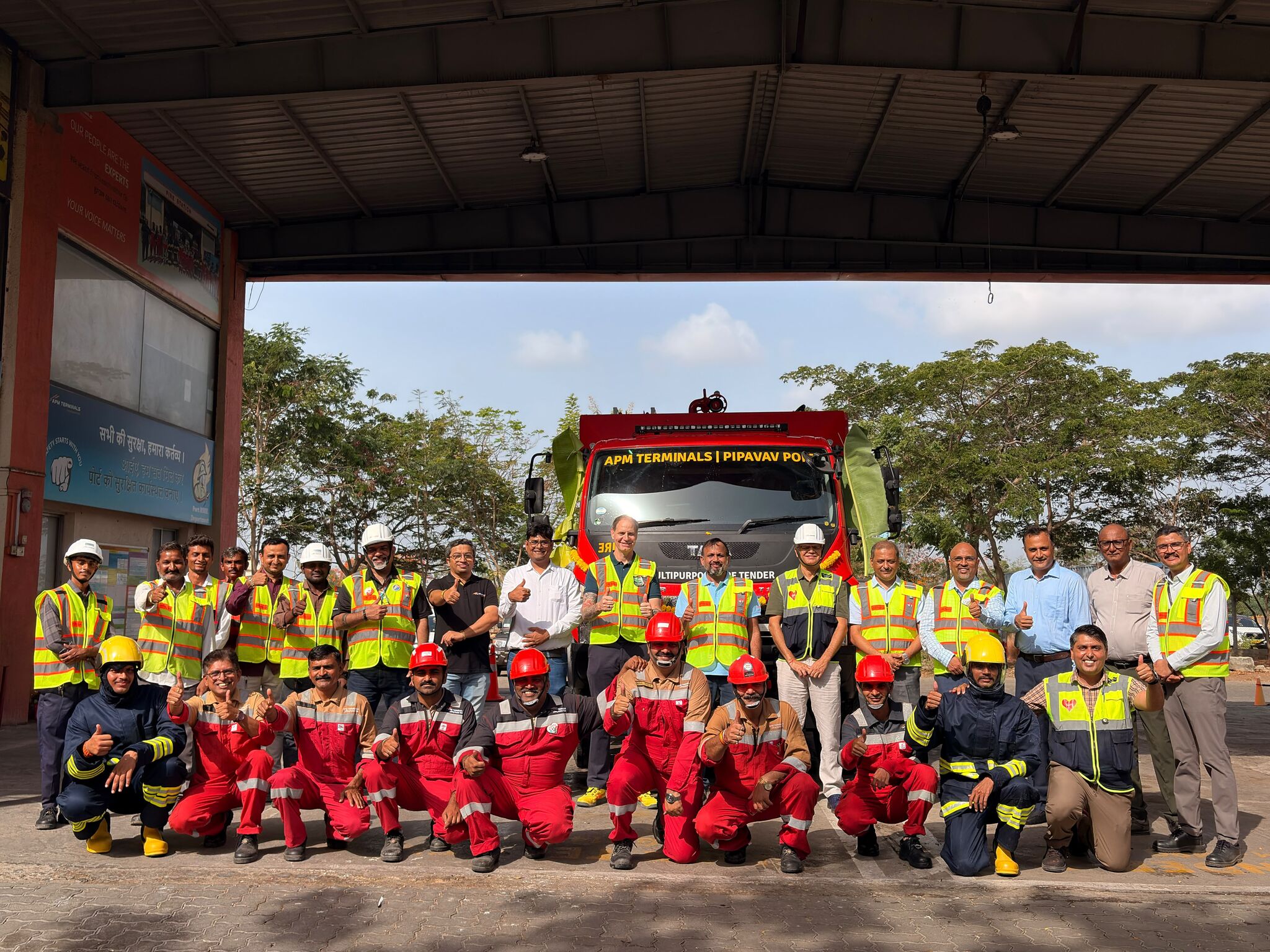
PIPAVAV : APM Terminals Pipavav has further reinforced its commitment to operational safety and emergency preparedness with the induction of a state-of-the-art Multipurpose Fire Tender, significantly enhancing the port’s ability to respond swiftly and effectively to a wide range of emergency situations.

The newly inducted fire tender was inaugurated by the Managing Director of APM Terminals Pipavav, Girish Aggarwal, in the presence of the company’s senior management team. The ceremony included the formal handover of the vehicle’s keys to the Health, Safety and Environment (HSE) team, which showcased the advanced firefighting and rescue capabilities of the new equipment through a live demonstration.

Equipped with modern firefighting technologies, the Multipurpose Fire Tender integrates water, foam and dry chemical extinguishing systems, enabling rapid response to diverse fire scenarios, including industrial, electrical and hazardous material incidents. The vehicle is also fitted with advanced rescue and support equipment, allowing emergency teams to respond more efficiently during accidents, rescue operations and other critical situations.

The induction of the new fire tender marks another important step in APM Terminals Pipavav’s continuous efforts to strengthen its emergency response infrastructure and ensure the highest standards of workplace safety. The enhanced capability is expected to improve response time, support business continuity and further safeguard employees, port users, cargo and critical infrastructure.

APM Terminals Pipavav continues to place safety at the core of its operations by investing in modern equipment, regular training and robust emergency preparedness measures. The addition of the advanced fire tender reflects the company’s ongoing commitment to fostering a strong safety-first culture while building resilient, future-ready port operations capable of meeting evolving operational challenges.

CONCOR join hands with RITES to strengthen India’s logistics infrastructure through strategic MoU

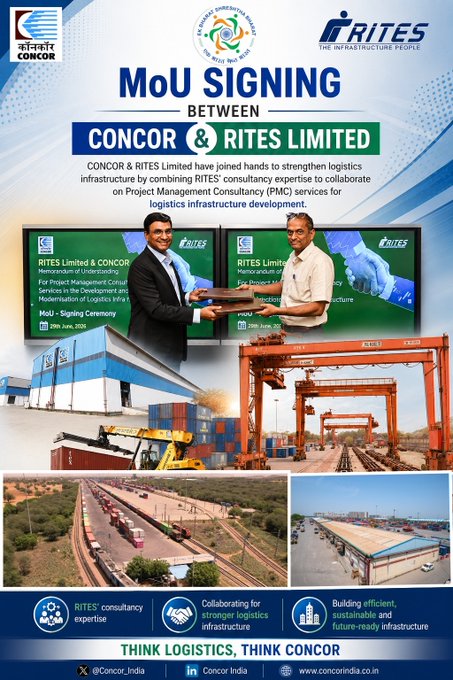
NEW DELHI : In a significant step towards strengthening India’s rapidly evolving logistics ecosystem, Container Corporation of India Ltd. (CONCOR) and RITES Limited have signed a Memorandum of Understanding (MoU) to collaborate in the development of world-class logistics infrastructure through enhanced Project Management Consultancy (PMC) services.

The strategic partnership combines CONCOR’s extensive expertise in multimodal logistics, containerized cargo movement, inland terminals and supply chain solutions with RITES Limited’s proven capabilities in engineering consultancy, project management, infrastructure planning and execution. Together, the two public sector enterprises aim to deliver integrated, efficient and future-ready logistics solutions that support India’s growing trade and industrial requirements.

Under the MoU, the two organizations will jointly explore opportunities in planning, designing, developing and executing logistics infrastructure projects across the country. The collaboration is expected to leverage best-in-class project management practices, advanced engineering solutions and innovative logistics planning to improve operational efficiency, enhance connectivity and optimize infrastructure development timelines.

The partnership aligns with the Government of India’s vision of building a seamless, multimodal logistics network under initiatives such as the PM Gati Shakti National Master Plan and the National Logistics Policy. By combining their respective strengths, CONCOR and RITES aim to contribute to reducing logistics costs, improving cargo movement efficiency and creating robust infrastructure that supports economic growth and global competitiveness.

Officials from both organizations expressed confidence that the collaboration will facilitate the development of modern logistics parks, multimodal terminals, freight infrastructure and other strategic projects that strengthen India’s supply chain ecosystem.

The MoU marks another important milestone in fostering collaboration among leading public sector enterprises to accelerate infrastructure development and support India’s ambition of becoming a global logistics hub through sustainable, technology-driven and integrated logistics solutions.

Tamil Nadu pitches manufacturing partnership with Peru as bilateral trade crosses $10 billion

Tamil Nadu has expressed its readiness to forge long-term partnerships with companies in Peru, positioning the State as a key manufacturing destination for Peruvian resources. This comes in the backdrop of India and the Latin American country moving closer to concluding a comprehensive Free Trade Agreement (FTA).

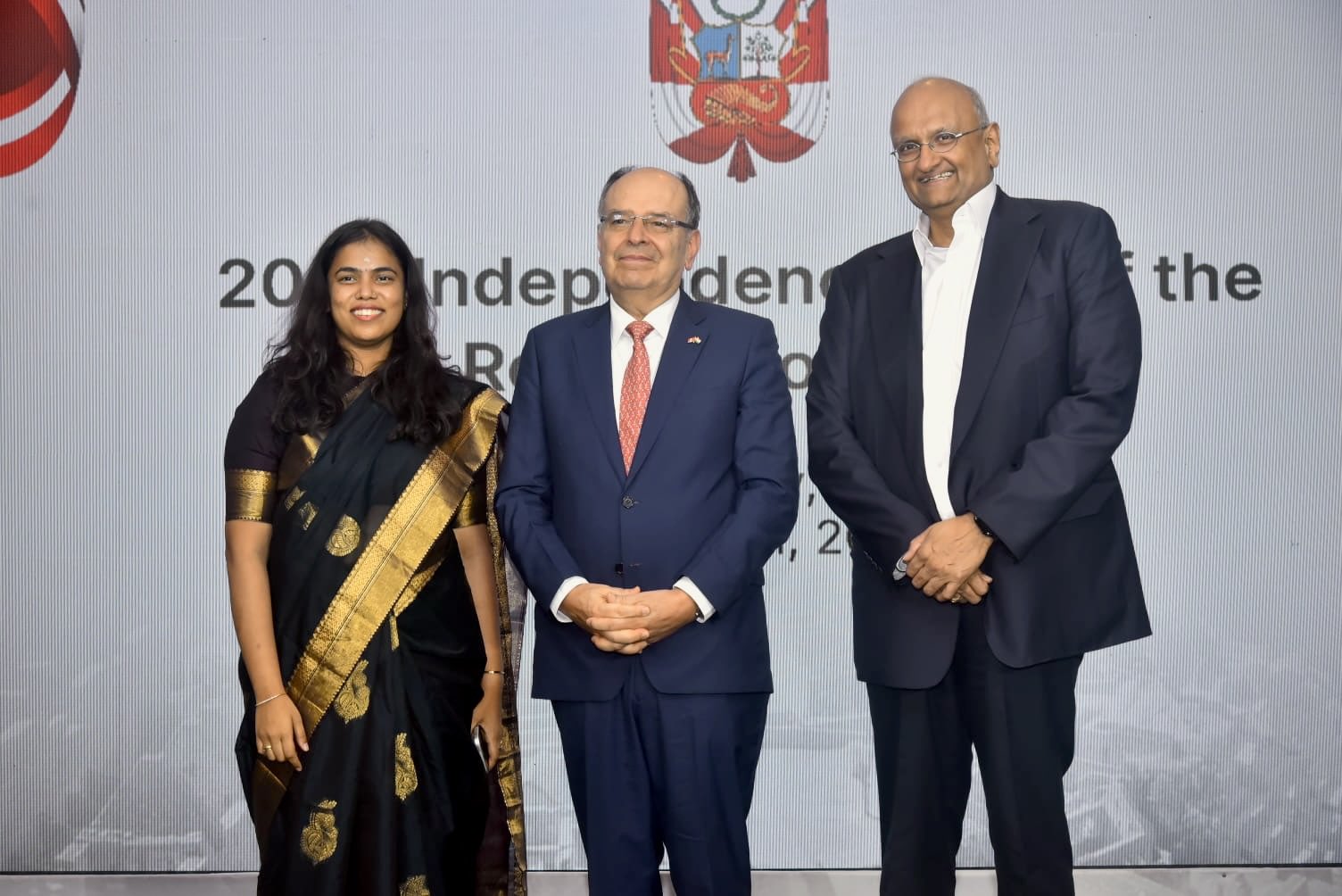
Speaking at the reception marking the 205th Independence Day of Peru in Chennai on Monday, Tamil Nadu Industries, Investment Promotion and Commerce Minister Smt. S Keerthana said the proposed India-Peru FTA would create new opportunities across sectors such as mining, pharmaceuticals, renewable energy and advanced manufacturing.

“Our bilateral trade has now crossed $10 billion, making Peru India’s one of the largest trading partners in Latin America by imports. The proposed FTA promises to unlock even greater opportunities,” she said.

Tamil Nadu has built a globally competitive manufacturing ecosystem spanning automobiles, electric vehicles, electronics, aerospace and precision engineering, backed by skilled talent, robust infrastructure and policy stability.

“As the world reorganises supply chains around resilience, clean energy and advanced manufacturing, Peru and Tamil Nadu are natural partners. When Peru’s resource strengths meet Tamil Nadu’s manufacturing capabilities, both our economies stand to gain,” she added.

Enduring partnerships
Keerthana said the Tamil Nadu government was looking beyond investment attraction and sought enduring partnerships. “We are not merely looking for investors in Tamil Nadu. We are looking for long-term partners in Tamil Nadu’s journey,” she added.

Drawing a cultural connection, the minister noted that she represents Virudhunagar, and Sivakasi produces over 70 per cent of India’s fireworks. She expressed hope that “a small part of Sivakasi will light up Peru’s sky” during Peru’s 206th Independence Day celebrations next year.

Addressing the gathering, Javier Manuel Paulinich Velarde, Ambassador of Peru to India, said Chennai was playing an increasingly important role in trade, innovation and international collaboration. Peru and India were expanding cooperation across trade, investment, tourism, education and culture, with Tamil Nadu expected to play an important role in strengthening ties between the two countries.

Peru remains a major supplier of critical minerals including copper, silver and zinc, providing opportunities for collaboration in manufacturing, infrastructure, renewable energy and emerging technologies, he said.

Speaking at the event, R Dinesh, Honorary Consul of Peru in Chennai, “the FTA negotiations are in the final stages and we hope this will unlock the next phase of growth.”. Tamil Nadu is well positioned to leverage the agreement through its strengths in manufacturing, logistics, agriculture and value-added processing, he added.

With global supply chains increasingly seeking resilience, Peru’s reserves of copper, rare earth elements and other critical minerals offer significant opportunities for Indian manufacturers, said Dinesh.

India and Seychelles sign MoU on mutual recognition of Seafarers’ Training and Certification

Agreement expands global employment opportunities for Indian seafarers and strengthens maritime cooperation between the two countries

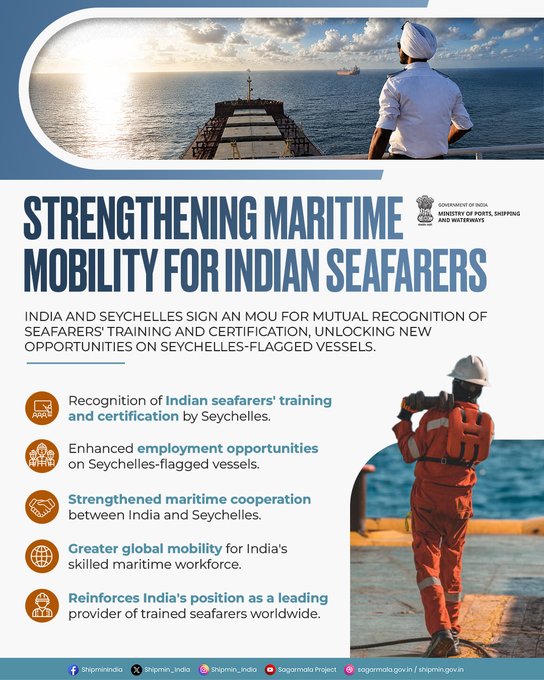
REPUBLIC of SEYCHELLES : As a key outcome of the State Visit of the Hon’ble Prime Minister Shri Narendra Modi to the Republic of Seychelles, India and Seychelles have signed a Memorandum of Understanding (MoU) on the Recognition of Training and Certification of Seafarers, marking a significant milestone in bilateral maritime cooperation.

The agreement provides for the mutual recognition of Indian seafarers’ training, competency certificates, and professional qualifications, enabling qualified Indian seafarers to serve on Seychelles-flagged vessels in accordance with international maritime standards. The MoU is expected to enhance the global mobility of India’s highly skilled maritime workforce while creating new employment opportunities in the international shipping sector.

India is one of the world’s leading suppliers of qualified seafarers, renowned for its robust maritime education system, internationally compliant training institutes, and adherence to the standards prescribed under the International Convention on Standards of Training, Certification and Watchkeeping for Seafarers (STCW). The agreement further reinforces India’s reputation as a trusted provider of competent and professionally trained maritime personnel.

The MoU also reflects the shared commitment of India and Seychelles to deepen maritime collaboration, promote capacity building, and strengthen institutional partnerships in the blue economy. By facilitating greater exchange of skilled maritime professionals, the agreement will contribute to safer, more efficient, and sustainable shipping operations while supporting the growing demand for qualified seafarers in the global maritime industry.

The initiative aligns with the Government of India’s vision of positioning the country as a global maritime talent hub and complements ongoing efforts to enhance the competitiveness of the Indian shipping sector through skill development, international cooperation, and regulatory harmonisation. It also advances India’s broader maritime vision under Maritime India Vision 2030 and Maritime Amrit Kaal Vision 2047, which seek to strengthen maritime infrastructure, boost seafarer employment, and expand India’s presence in global shipping.

The signing of the MoU underscores the enduring partnership between India and Seychelles and reaffirms both countries’ commitment to fostering stronger maritime ties, enhancing people-to-people connections, and contributing to the growth of the global maritime ecosystem through cooperation and shared expertise.

Apparel Exports to the European Union reach record USD 4.66 billion in FY 2025–26

NEW DELHI : India‘s apparel sector reinforces its global competitiveness through quality manufacturing, innovation, and resilient supply chains

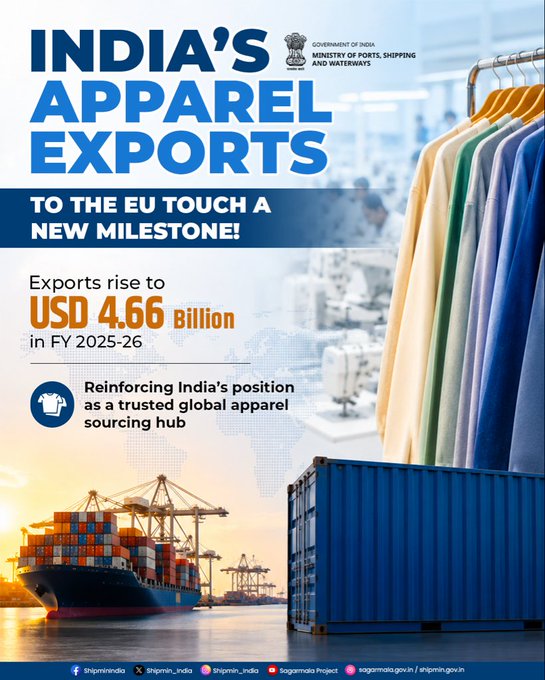
India’s apparel exports to the European Union have touched a record USD 4.66 billion during FY 2025–26, marking a significant milestone for the country’s textile and apparel industry. The achievement reflects the growing confidence of global buyers in India’s manufacturing capabilities and highlights the country’s emergence as a preferred sourcing destination for high-quality, sustainable, and value-added apparel.

Ministry of Shipping posted on X, ” Apparel exports to the European Union have reached USD 4.66 billion in FY 2025–26, marking a new milestone and underscoring the growing global confidence in India’s manufacturing excellence. Driven by quality, innovation, and a robust supply chain, India is strengthening its position as a reliable partner in the global apparel market and expanding its footprint across international markets.”

The impressive export performance has been driven by India’s strong manufacturing ecosystem, skilled workforce, adherence to international quality standards, and increasing focus on innovation, sustainability, and timely deliveries. A resilient and integrated supply chain, supported by improved logistics infrastructure and digital trade facilitation initiatives, has further enhanced India’s competitiveness in global markets.

The European Union remains one of India’s most important export destinations for textiles and apparel. The steady growth in exports underscores the success of industry-led efforts to diversify product offerings, adopt sustainable manufacturing practices, and meet evolving consumer preferences for ethically produced and environmentally responsible garments.

Government initiatives aimed at enhancing ease of doing business, promoting exports, modernising textile infrastructure, and strengthening logistics connectivity have also contributed to improving the sector’s global standing. These measures have enabled Indian manufacturers to expand their presence across key European markets while maintaining high standards of quality, compliance, and reliability.

The record export figures reaffirm India’s position as a trusted and dependable partner in the global apparel value chain. As international demand for diversified and resilient sourcing continues to grow, India’s apparel industry is well-positioned to further expand its footprint across global markets, generate employment, attract investments, and contribute significantly to the country’s export-led economic growth.

With continued emphasis on innovation, sustainability, product diversification, and supply chain resilience, India’s apparel sector is poised to build on this momentum and strengthen its leadership in the global textile and garment industry.

Smart Ports and Digital Transformation in Maritime Logistics

By Dr. Rajoo Balaji, Pro VC at Indian Maritime University, Sukanya Rajalakshmi & Senior Research Fellow with the Centre for Policy Research in Maritime Studies, Indian Maritime University.

Ports are the gateways to progress, and through the ages, seaports have long been the egress-entry for cultures, men and matter. The cities and industries which have grown and growing around ports stand in evidence for the narrative of ports driving progress. Ports have kept pace with the industrial revolutions and technological disruptions and today’s smart port is an ePort in character and ‘physique’.

Smart ports leverage interconnected digital systems to manage maritime operations more efficiently.  Internet of Things (IoT), Artificial Intelligence (AI), digital twins, Port Community Systems (PCS), automation and predictive analytics enable real-time visibility across port activities. As shown in Figure 1, digital transformation in ports is progressing across multiple technological domains, although adoption remains uneven.

Among these, drones, the Internet of Things, National Maritime Single Windows, AI/ML, and Port Community Systems have achieved relatively widespread adoption. Together, they support infrastructure inspection, asset tracking, predictive maintenance, berth allocation, cargo forecasting, equipment scheduling and operational planning. More than half of ports employ automation and robotics, including Automated Guided Vehicles and Automated Stacking Cranes. Around 37% have adopted 5G technology, enabling low-latency communications and remote equipment operations. Machine learning based decision making is already being adopted for TEU stacking and distribution on board vessel, ensuring stability for sea voyages and safe working stresses, correct lashing tensions for securing TEUs etc.

Digital twin technologies have takers in nearly 22-30 ports, allowing operators to simulate port processes and test operational scenarios. While quantum computing remains largely experimental, technologies such as blockchain, virtual reality and augmented reality are also beginning to find applications in shipping practices. Under integrated digital platforms, Port Call Optimisation systems, which improve vessel scheduling and reduce delays, and Port Community Systems continue to expand as centralised platforms for information exchange among shipping lines, customs authorities, terminal operators and logistics providers. National Maritime Single Windows (NMSWs), mandated under the IMO’s FAL Convention, have seen significant progress.

The Port of Rotterdam uses sensors, AI-enabled inspections, satellite-based quay wall monitoring and a comprehensive digital twin to improve operational efficiency and reduce emissions. The Port of Antwerp-Bruges combines digital twins, drones, smart cameras, sensors and private 5G networks to enhance safety, security and traffic management. Through initiatives such as NxtPort and The Beacon innovation hub, it has also fostered a vibrant innovation ecosystem. Singapore’s Tuas Port represents one of the most advanced examples of automation, employing remotely operated cranes, AGVs, AI-powered vessel traffic management systems and private 5G networks. Electrified equipment and energy-efficient infrastructure contribute significantly to its sustainability objectives.

India has made notable progress in port digitalisation, although adoption remains uneven. Chennai Port has implemented RFID-based tracking systems, predictive analytics and Port Community System integration, while also exploring blockchain applications and digital twin technologies. Visakhapatnam Port has introduced initiatives such as smart buoys, IoT-based drainage monitoring, predictive maintenance systems and next-generation vessel traffic management. Vizhinjam Port has emerged as a technologically advanced facility, featuring AI-powered vessel traffic management, fully automated yard cranes and remote-controlled ship-to-shore cranes. Kolkata Port has digitised cargo handling processes, introduced RFID-enabled gate systems and developed real-time container tracking capabilities. Mumbai Port has upgraded its vessel traffic management infrastructure through advanced radar, AIS integration, hydro-meteorological sensors and digital harbour management systems. Jawaharlal Nehru Port Authority (JNPA) has adopted GIS-based infrastructure management, digital twins and a fully digital Harbour Management System. Looking ahead, Vadhavan Port is being planned as a highly automated and environmentally sustainable facility incorporating automated yard operations, automatic mooring systems and green technologies.

While digitalisation enhances efficiency, it also expands the risk landscape. Among the emerging challenges, ports perceive that Cyber-attacks, lack of skilled manpower and inoperability of digital systems as the most pressing concerns. These are followed by issues relating to data governance, the safe integration of autonomous equipment, legacy infrastructure and climate-related digital resilience. Additional operational risks also arise from increased use of drones and lithium-ion battery storage. In India, fragmented digital systems, ageing infrastructure and a shortage of specialised skills continue to constrain the pace of digital transformation. Existing legislation, including the Indian Ports Act and the Merchant Shipping Act, was designed for conventional maritime operations and will need to evolve to address autonomous systems, AI-enabled decision-making, electronic documentation and cybersecurity standards. Henry Beecher, the abolitionist said – It is not the going out of port, but the coming in, that determines the success of a voyage. The world has started to come into the smart ports and it is just a matter time that these ports will ensure successful voyages and the stays.

Authors:

Dr. Rajoo Balaji PRO VC IMU Smart Ports and Digital Transformation in Maritime Logistics

Dr. Rajoo Balaji is the Pro Vice Chancellor of Indian Maritime University (IMU)

Sukanya Rajalakshmi Senior Research Fellow IMU Smart Ports and Digital Transformation in Maritime Logistics

Sukanya Rajalakshmi is a Senior Research Fellow with the Centre for Policy Research in Maritime Studies, IMU

ESG Audits are Reshaping Transparency across Maritime Supply Chains

By Ms. Smitha Shetty – Director – Centralised Global Operations – Achilles Information Limited

For years, ESG audits in the marine sector have largely been regarded as compliance exercises to satisfy investor expectations, customer mandates and regulatory requirements. But that perception is rapidly changing in today’s world. ESG is beginning to be more widely recognized across the global maritime ecosystem as a strategic business function that has a direct impact on supply chain visibility, operational resilience and long-term competitiveness, rather than simply a sustainability requirement.

This shift is being driven by growing operational complexity, stakeholder expectations and evolving regulatory requirements. Maritime shipping facilitates more than 80% of global trade and is responsible for approximately 3% of global greenhouse gas emissions, placing the industry at the centre of global sustainability discussions. As supply chains become increasingly interconnected, stakeholders are demanding greater visibility not only into environmental performance, but also into how organisations manage labour practices, human rights, governance standards and supplier-related risks across their value chains.

It is this recent change in regulations that is driving such a shift. The likes of the European Union’s Corporate Sustainability Reporting Directive (CSRD) and Corporate Sustainability Due Diligence Directive (CSDDD) are broadening the scope of corporate responsibility beyond just the immediate business to demand greater transparency across supply chains. Maritime companies are therefore coming under increasing pressure on matters such as Scope 3 emissions, supply chain management, employee welfare, health and safety and ethical procurement policies. As the ESG reporting requirements become more stringent, companies are increasingly being required to back up claims of sustainability with real, verifiable and auditable evidence as opposed to just self-assessment.

The importance of these issues extends beyond compliance. Recent initiatives from the International Maritime Organization (IMO), including a greater focus on seafarer welfare, fatigue management, workplace harassment and the fair treatment of seafarers, are indicative of a wider industry recognition that social and governance issues are linked with operational resilience and business performance. In 2025, the IMO stepped up its efforts to strengthen seafarer protection through updates to safety management guidelines and initiatives aimed at addressing fatigue, wellbeing and workplace conduct at sea. The result has been organisations increasingly recognising that strong ESG oversight is less about risk mitigation and more about enhancing supply chain resilience, protecting reputation and building long-term stakeholder trust.

In this environment, traditional supplier assessments are proving inadequate. Historically, a large number of maritime companies have relied heavily on self-declarations, questionnaires and desktop-based evaluations to evaluate supplier compliance. While these methods offered scale, they often provided only limited visibility into actual supplier practices and operational risks. Suppliers were frequently categorised as either “compliant” or “non-compliant,” without considering broader operational realities, governance maturity or improvement potential.

However, maritime supply chains are inherently complex. They span multiple geographies and involve a wide network of shipyards, equipment manufacturers, logistics providers and marine vendors operating under vastly different regulatory and economic conditions. A standardised, one-dimensional audit approach can rarely capture the nuances and risks that exist across such diverse supplier ecosystems.

This is where ESG audits are evolving.

Increasingly, companies are using ESG audits to drive long-term operational improvements, improve supply chain resilience and improve transparency. The goal is no longer just identifying gaps at a single point, but rather to achieve deeper insights into suppliers’ operations, governance processes and sustainability performance through data-driven, independently verified audit frameworks.

This is particularly true in areas such as supplier governance and labour policies. Maritime supply chains often span across countries with very different labour standards, worker welfare protections and regulatory enforcement. To reduce operational and reputational risks, companies are focused on site inspections, ethical sourcing assessments, sanctions screening and beneficial ownership verification.

Environmental responsibility is also becoming an increasingly important aspect of supply chain management, particularly with respect to Scope 3 emissions – the indirect emissions associated with logistics and supplier networks, which can account for the majority of a shipping company’s carbon footprint. Companies are under increasing pressure to improve the accuracy, traceability and reliability of emissions data from suppliers as investors and regulators demand more reliable sustainability disclosures. Demand for audit frameworks that go beyond declarations and concentrate on verified and quantifiable data is being driven by this.

Technology is taking this transition one step further with digital platforms, AI-enabled analytics and real-time monitoring systems. Organisations can now move from annual retrospective evaluations to real-time ESG performance tracking. Sustainability measures are increasingly being embedded into long-term sourcing plans, supplier onboarding and procurement choices. ESG is now therefore not just a reporting requirement but an operational and commercial consideration that directly impacts company continuity and competitiveness.

Simultaneously, businesses are realising that the key to real change lies in supplier development. Penalising suppliers for their ESG shortcomings without helping them to adapt often results in resistance rather than long-lasting improvement. This is particularly relevant in marine supply chains, where many smaller suppliers are operationally critical, but may not always have the knowledge, resources or capacity to respond quickly to evolving ESG expectations.

There is also growing recognition among large shipping organisations that progress cannot be achieved through fragmented supplier engagement alone. Repeated questionnaires, duplicated assessments and inconsistent reporting requirements can place a significant administrative burden on suppliers, particularly smaller marine vendors that serve multiple customers across the industry. Reducing this fatigue while improving the quality, consistency and credibility of supplier data is becoming an important part of building more sustainable maritime supply chains.

This trend is pushing many businesses towards more collaborative engagement models that focus on continuous development, capacity building and benchmarking. This is reflected in industry-led initiatives such as the Achilles Maritime Network, which brings together major shipping organisations to support a more consistent approach to supplier prequalification, ESG improvement and responsible supply chain management. These initiatives can help suppliers better showcase their sustainability commitments, and help buyers build more resilience, transparency and trust across their supply chains by fostering shared standards and greater collaboration across the maritime ecosystem.

Over time, this collaborative approach strengthens supplier relationships and also contributes to the creation of resilient, responsible and sustainable maritime supply chain ecosystems.

Customers, investors and global partners are paying closer attention to how organisations manage ESG risks across their supply chains, while businesses themselves are expected to demonstrate the same level of transparency internally that they demand from suppliers. Independent assessments, verified disclosures and measurable sustainability targets are therefore becoming critical to building stakeholder trust and commercial credibility. Ultimately, transparency and accountability are becoming key differentiators in the maritime industry.

The broader industry direction is clear. ESG audits are moving beyond their traditional role of routine compliance checks and are evolving into strategic instruments that enable organisations to grasp risk, foster resilience and enhance visibility across their supply chains. In a sector characterised by global interdependencies, operational intricacy and growing stakeholder demands, the availability of dependable ESG data may emerge as one of a company’s most prized possessions.

Sebastien Roussotte announced as new Achilles CEO

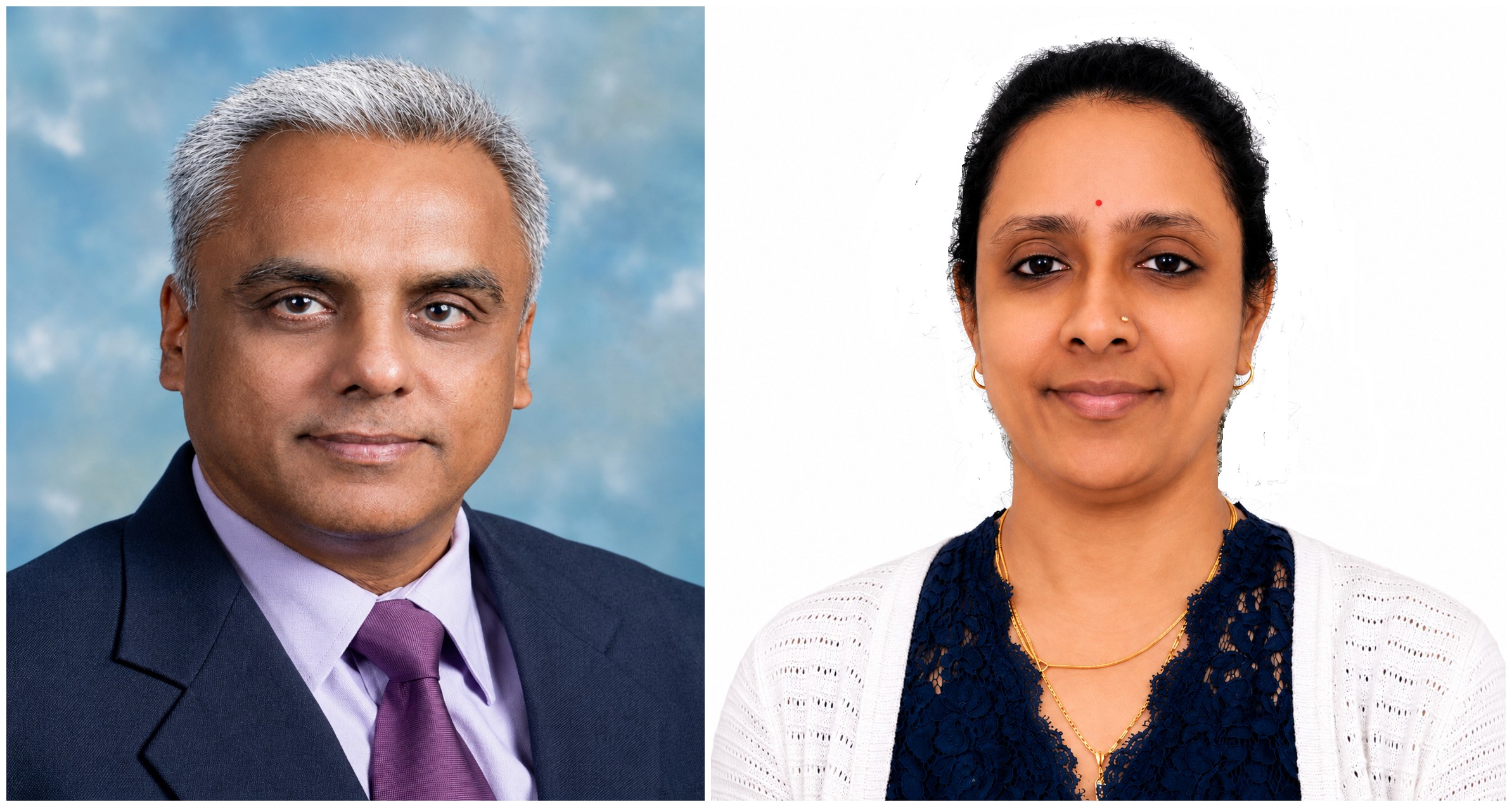
MUMBAI: Achilles on Tuesday announced the appointment of Sebastien Roussotte as Chief Executive Officer, effective immediately. He succeeds interim CEO Craig Rodgerson, who will return to his role as Chairman of the Achilles Board.

“It has been a privilege to step into the role of CEO of Achilles following the sad passing of my good friend and colleague, Paul Stanley, last year, and to help lead such an extraordinary company through this period,” said Rodgerson. “I am deeply grateful to have worked alongside a team of innovative, creative and deeply caring people whose commitment continues to define Achilles.”

“Sebastien brings more than 25 years of international leadership experience building and scaling enterprise software and data businesses serving highly regulated and risk-conscious industries. He has a proven track record of driving growth, leading transformation and helping organisations navigate increasingly complex market and regulatory environments. He is without question the right person to lead Achilles through the next phase of its evolution. I could not be more confident in his abilities, his leadership and his character, and I look forward to working closely with him during this transition and in my role as Chairman.”

Roussotte joins Achilles following a distinguished international career spanning enterprise software, ESG intelligence, financial technology and risk analytics. Most recently, he served as CEO of GRESB, the global benchmark and data provider for ESG performance in real assets and infrastructure. Prior to that, he held senior leadership positions at Style Analytics, Finastra, Sophis and Thomson Reuters, leading international teams and delivering sustained business growth across Europe, the Americas and the Middle East.

“I am honoured to join Achilles at such an important moment for global business,” said Roussotte. “Across every industry, organisations are facing growing pressure to build more resilient, transparent and responsible supply chains. Regulatory expectations are increasing, geopolitical and operational disruptions are becoming more frequent, and businesses need far greater visibility into supplier risk than ever before.”

“Achilles has a strong foundation in supplier assurance and risk management, built over more than 35 years working with leading organisations and suppliers around the world. The breadth of its network, cross-industry risk insight and growing use of AI-assisted risk prioritisation and continuous monitoring position the business well to help customers respond to increasingly complex supply chain challenges. I am excited to work alongside our customers, partners and teams around the world as we continue to strengthen Achilles’s leadership in supply chain risk and performance management.”

“I am humbled to step into this role, and I am committed to leading with the values, ambition and customer focus that have defined Achilles for more than 35 years.”

Roussotte brings extensive experience leading global software and analytics businesses through periods of transformation and expansion. Over the course of his career, he has successfully led strategic growth initiatives, acquisitions and international expansion programmes, with particular expertise in data-driven decision-making, ESG performance, governance and enterprise risk management.

About Achilles

For more than 35 years, Achilles has protected organizations’ business interests and reputations by providing unrivalled levels of supply chain transparency, carbon reduction and management. Achilles is the ESG and carbon management partner of choice for the world’s leading global brands.

Achilles specializes in supporting customers who require robust environmental, social and governance reporting to comply with ESG regulations, meet investor requirements, and achieve their own ambitious sustainability goals.

It works with market-leading financial, industrial, commercial and governmental organizations that require serious, detailed analysis and expert insight to deliver exceptional supplier selection and reporting confidence. Operating from 22 locations worldwide, Achilles is at the forefront of the battle against climate change, a champion for social justice and human rights, and an expert in health, safety, and risk management.