Home Blog Page 238

Oman opens temporary Strait of Hormuz shipping routes with no tolls

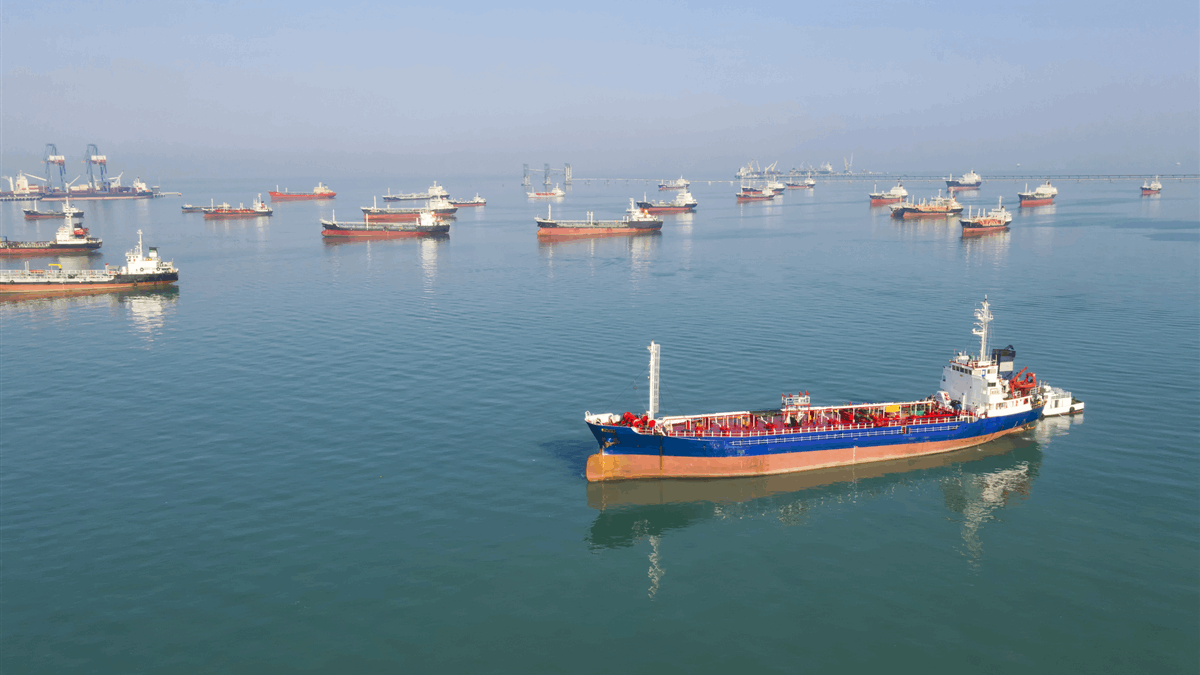
DUBAI : Oman said it would keep the Strait ⁠of Hormuz open to shipping without imposing any tolls and had designated two temporary routes north and south of the existing shipping lane to facilitate the safe passage of vessels departing the region.

In ‌coordination with the International Maritime Organization, Oman established temporary maritime corridors to help ships leave the area safely amid heightened security risks. The Strait ‌of Hormuz, a vital route for roughly a fifth of global oil and ‌liquefied ⁠natural gas supplies before the war, has been heavily disrupted since ⁠the United States and Israel launched a war against Iran on February 28, curbing commercial shipping and rattling global energy markets.

In a notice to mariners, Oman said the existing Traffic Separation Scheme in the strategic ​waterway was currently unsafe for use and ‌that vessels departing through the strait could instead use temporary routes located to the north and south of the existing shipping lanes.

The scheme, adopted by the United Nations’ shipping agency in 1968, established routing lanes through Iranian and Omani ‌waters in the strait. The Gulf Arab state said the measures reflected its responsibilities ​towards the strait, its importance to the global economy and its commitment to international law and freedom of navigation, citing understandings reached between ⁠the United States and Iran.

Oman said navigational safety remained the overriding priority and that a gradual, controlled movement of vessel traffic was required because of an elevated risk of collisions. Under ‌a phased plan developed by the IMO in coordination with Omani authorities, vessels will be grouped and contacted individually with instructions on when they may depart and which route they should follow.

Ships will be directed to a designated waiting area in international waters before being cleared to proceed. Vessels using Oman’s eastbound route will be required to maintain communications with coastal authorities and comply with all navigational instructions.

Oman said shipowners and ‌masters remained responsible for conducting independent risk assessments before voyages. Vessels were instructed to keep their Automatic ​Identification System activated during transit and to report any navigational hazards to the Oman Maritime Security Centre.

Oman’s statement said that no tolls would be ⁠imposed on vessels transiting the Strait of Hormuz, in line with the outcome of recent ⁠talks between the United States and Iran.

Iran and Oman began discussions on the future administration of navigation and maritime services in the waterway on ‌Tuesday (June 23, 2026).

While the interim U.S.-Iran agreement provides for commercial vessels to transit without charge for 60 days, the talks are expected to address longer-term arrangements, including any costs ​associated with maritime services after that period ends.

Allianz: $125 billion in vessel and cargo value awaits passage from the Persian Gulf

SINGAPORE: Given that 90% of international trade is transported across oceans, maritime safety and stable shipping trading routes are critical. According to Allianz Commercial’s latest Safety and Shipping Review, incidents like the closure and reported mining of the Strait of Hormuz are the latest in a series of recent disruptions to have impacted shipping. They signal a transition toward a “new maritime order” defined by escalating security risks along strategic shipping corridors, the disruption of established trade routes, persistent uncertainty, higher risk premiums, and a greater strategic emphasis on resilience over pure cost efficiency.

In addition to geopolitical uncertainty, traditional risks for the shipping industry remain a major concern, although the numbers of total vessel losses and incidents have continued to decline in recent years. Machinery damage or failure and fires are among the main loss drivers in this regard, leading to significant economic and insured losses.

“Our analysis shows the shipping industry has made significant improvements in maritime safety in recent years. However, it has also undergone a fundamental transformation, from decades of relative stability, defined by steady trade flows and largely predictable operating conditions to becoming increasingly complex and volatile. The Middle East conflict and Strait of Hormuz closure is just the latest in a series of severe interruptions to hit shipowners and cargo operators. Resilience, geopolitics, and efficiency must be balanced in an increasingly unpredictable world, where the cost of uncertainty is reshaping the shipping industry,” explains Thomas Lillelund, CEO of Allianz Commercial.

Geopolitical uncertainty becomes top risk for shipping industry
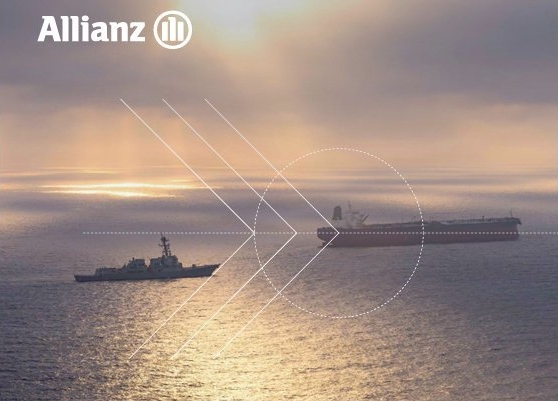
The conflict in the Middle East paralyzed the Strait of Hormuz, a critical global oil trade route. Allianz Research data shows that around 1,150 cargo-carrying vessels (over 100GT*) with an estimated vessel and cargo value of approximately $125 billion, a volume of 29 million GT, and as many as 20,000 seafarers are in the Persian Gulf waiting to resume operations following recent diplomatic breakthroughs. This underscores the structural importance of maritime chokepoints and how critical they are for shipping and international trade, while also highlighting the severe disruptions to vessel operations and mental strain that has been placed on those seafarers who have endured months on board facing the threat of attack.

Marine insurance cover has been available throughout the conflict, albeit at increased hull and cargo premiums. However, the real issue for shipowners has been more about the risk to the crew and the vessel when transiting a conflict zone, rather than pure insurance considerations. Even if the US and Iran agreement holds and the Strait of Hormuz is reopened, solid assurances of safe passage will be required, involving the international community, particularly if traffic is to return to its pre-war levels, up to as many as 140 vessels a day.

“We are seeing growing uncertainty around shipping routes. Any type of event – a conflict, pandemic or a grounded vessel blocking a key port or shipping canal – can potentially cause a major disruption to shipping and supply chains. The events in the Middle East have been more impactful than many would have expected. The closure of the Strait of Hormuz sets a dangerous precedent and raises questions around the long-term future of this and other critical chokepoints. What is becoming clear is that we have to pay a price for uncertainty, shifting from ‘just-in-time’ to ‘just-in-case’ supply chains, and prioritizing resilience over cost efficiency,” says Captain Rahul Khanna, Global Head of Marine Risk Consulting at Allianz Commercial.

Total loss and incident numbers decline despite industry headwinds
The review’s latest analysis shows that there have been more than 900 total losses reported over the past decade (vessels over 100GT). Between 2016 and the end of 2020, there were 555, an average of 111 per year. This number declined to 350 between 2021 and the end of 2025, an average of 70 (37% down on the previous five-year period), reflecting the positive effect of an increased focus on safety measures over time – 43 total losses have been reported in 2025, with more than 30 of these vessels over 500GT. The South China, Indochina, Indonesia, and the Philippines region is the main loss hotspot globally over the past year, and the past decade (255). A huge volume of imports and exports flow through the region, resulting in high levels of shipping traffic, which is reflected in the number of incidents.

Around the world, the number of shipping incidents declined over the past year by around 16% (2,818 in 2025 compared to 3,353 in 2024). The East Mediterranean and Black Sea region saw the highest number (622), followed by the British Isles (619), which is also the location of the most incidents over the past decade. Machinery damage or failure was the major cause of shipping incidents globally, accounting for over half (1,505), followed by vessel collision (260). Fires on large vessels, including container ships and car carriers, remain a worry. There were more than 200 incidents on large vessels reported during 2025, down from 2024, but still the second highest total over the past decade, with at least nine total losses reported.

The increasing size of vessels is also driving a trend for a rise in general average claims, where the shipowner and cargo interests share losses or expenditure to save the whole venture in an emergency. Such claims are typically complex and large. Contributions to cover losses can be as high as 50% of the cargo value, which if a vessel is carrying a few thousand electric cars, for example, could easily be over US$100mn.

“Insurance markets react quickly to crises, but the real challenge for companies is understanding how risks are interconnected. That’s why resilience and risk management are becoming just as important as insurance coverage. The shipping industry is facing turbulent times, not only from geopolitical instability, but also from traditional hull and machinery risks, where we see claims costs continue to rise, as well as from decarbonization and fleet renewal challenges. Our role as an insurer is to support our clients as both a risk carrier and a resilience partner to mitigate risks before they become a damaging loss event,” says Justus Heinrich, Global Product Leader Marine Hull at Allianz Commercial.

Geopolitics and high demand drive trend for older vessels
The average age of the global fleet increased to 23 years in 2025, up from around 20 years old just before the Covid-19 pandemic, as shipowners retain vessels for longer due to the volatile geopolitical climate. Conflict in the Middle East has seen tankers and container ships stranded and rerouted around the Cape of Good Hope, for example, resulting in longer transit times and a squeeze on existing fleet capacity.

Older vessels pose significant safety risks at sea, with vessels over 20 years old accounting for over half of all safety incidents, analysis shows. As ships age, the likelihood of incidents increases due to structural, mechanical, and technological obsolescence, creating risks for crew, cargo, and the environment.

“Shipowners are under pressure to scrap older vessels and replace them with new, more efficient, safer and compliant ships. However, the recent pushback against net zero targets and full order books at the major Asian shipyards are other factors which could ensure the average age of vessels is likely to remain elevated in the near term,” says Captain Nitin Chopra, Senior Marine Risk Consultant, Allianz Commercial.

KPMG Global Tech Report 2026 – Industrial Manufacturing highlights Accelerated AI Adoption, Data Driven Transformation and Technology Led Resilience

NEW DELHI: Amid evolving geopolitical dynamics, supply chain disruptions and rapid technological advancement, the KPMG Global Tech Report 2026 – Industrial Manufacturing reveals a sector undergoing significant transformation, driven by scaled adoption of artificial intelligence (AI), growing investment in advanced technologies and an increased focus on resilience, agility and long term value creation.

The industrial manufacturing perspective of the KPMG Global Tech Report 2026 draws on insights from 258 technology leaders across 22 countries and territories, covering metals and advanced materials, engineering and industrial products, space, and aerospace and defence, offering a comprehensive snapshot of technology transformation across the sector.

For India, these global themes resonate strongly. Industrial manufacturing organisations are accelerating their digital transformation journeys, supported by government led incentives, growing ecosystem partnerships and increasing digitisation across operations, supply chains and production systems. At the same time, challenges around data integration, cybersecurity, talent and legacy infrastructure are prompting organisations to modernise operating models and strengthen technology foundations.

Industrial manufacturers are rapidly moving from experimentation to scaled deployment of AI, with a strong focus on operational efficiency, predictive maintenance, quality control and supply chain optimisation. This shift is accompanied by increasing collaboration across IT, business and risk functions, as organisations embed responsible AI practices and strengthen cybersecurity frameworks to support enterprise wide adoption.

S Sathish, Partner and National Sector Leader, Industrial Manufacturing, KPMG in India said “Industrial manufacturing organisations are increasingly wanting to leverage technology as a force multiplier aligned with business strategy to unlock significant value. In India, government incentives on digital infrastructure, coupled with rising adoption of AI, are creating a strong foundation for transformation. Organisations that invest in robust data foundations, scalable platforms, and workforce upskilling, while strengthening cybersecurity and ecosystem partnerships, will be best positioned to drive sustainable growth and resilience in a rapidly evolving global landscape.”

Key findings from the KPMG Global Tech Report 2026 – Industrial Manufacturing include:

  • 87 per cent of industrial manufacturing executives believe advanced technology will drive future competitive advantage
  • 80 per cent say technology frequently improves the value generated from investments
  • 70 per cent are adopting a centralised model for AI implementation, led by IT, with 87 per cent emphasising cross functional collaboration
  • 76 per cent highlight unreliable data as a key risk to AI implementation, underscoring the importance of strong data foundations
  • 68 per cent expect to deploy AI at scale within the next 12 months  
  • 48 per cent are planning significant increases in cybersecurity investment over the next year
  • 49 per cent report active deployment of AI use cases delivering tangible business value, significantly higher than the cross sector average
  • 89 per cent expect managing AI agents to become a critical workforce skill in the next five years

Together, these insights point to an industrial manufacturing sector at a pivotal inflection point. Organisations that successfully scale AI, strengthen data and technology foundations, and embed resilience through cybersecurity, workforce transformation and ecosystem collaboration will be best positioned to lead the next phase of industrial growth.

GEODIS tests sustainable paper thermal covers for pharmaceutical airfreight

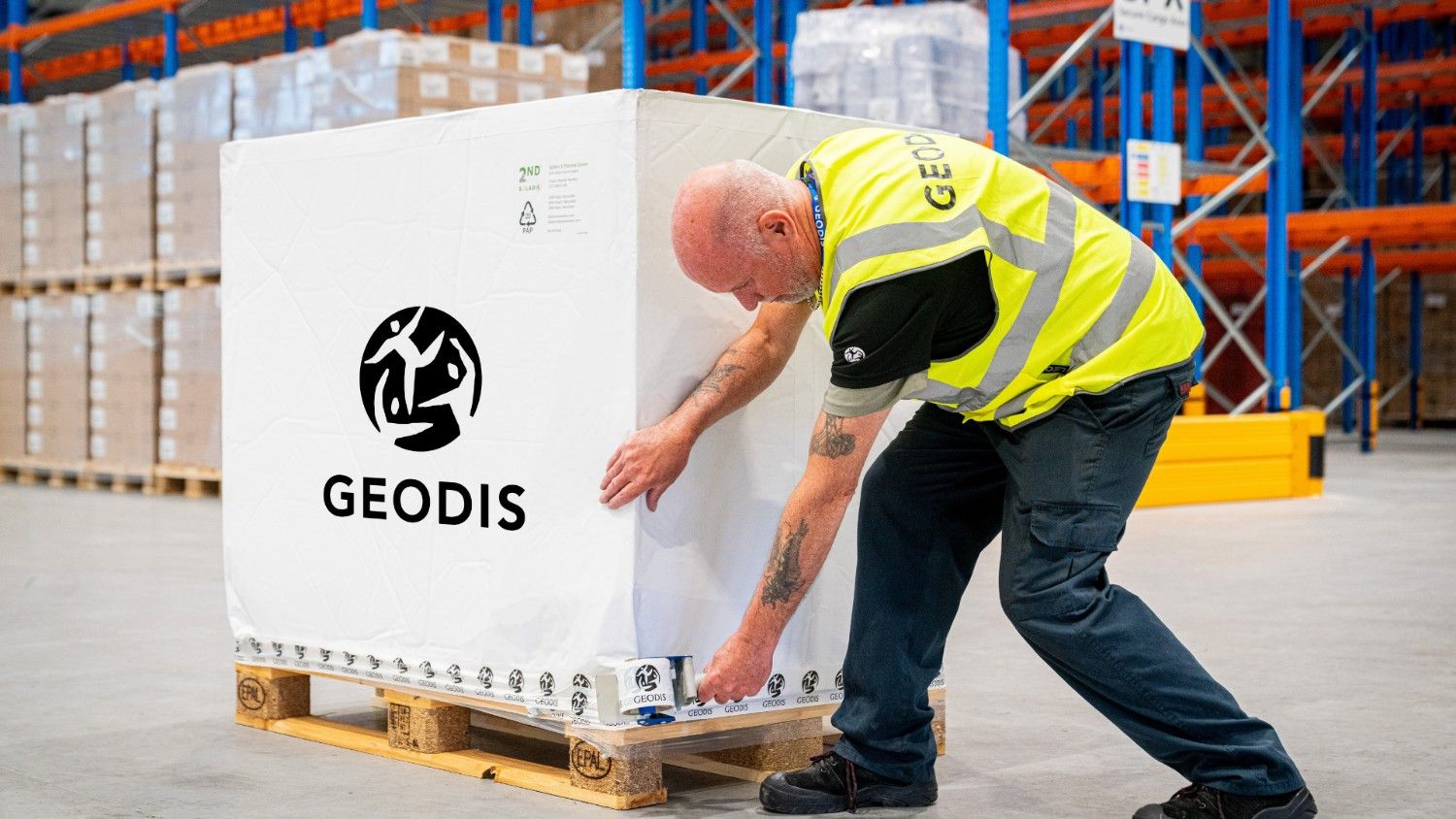
MANCHESTER: GEODIS, a world leader in transport and logistics, has successfully completed a series of international trials using sustainable paper-based thermal covers for pharmaceutical airfreight shipments. Developed in collaboration with a global pharmaceutical customer, the initiative supports the growing need for temperature-controlled logistics solutions that also contribute to sustainability objectives.

To meet the customer’s requirements, GEODIS introduced two paper-based thermal cover solutions, Solaris 5 and Solaris 10, designed as recyclable alternatives to traditional aluminum and foil-based covers. Since September 2025, 86 trial shipments have been successfully completed across India, Saudi Arabia, South Korea, Australia and New Zealand.

The trials demonstrated the ability of the covers to maintain temperature integrity within the +2°C to +25°C range, including under extreme weather conditions encountered during airport handling and transit operations. Temperatures ranged from -15°C in South Korea to more than 40°C in India, with no critical temperature excursions recorded during transport.

To support the operation, GEODIS combined several temperature-control measures across the supply chain, including Temperature-Controlled Vehicles (TCVs), airline Pharma Services, cool dollies and temperature-controlled warehousing. This integrated approach helped ensure the safe transport and integrity of sensitive pharmaceutical products throughout the journey.

“This project reflects the close collaboration between our teams and the customer to identify more sustainable solutions for pharmaceutical logistics,” said Tony Doyle, Key Account Manager at GEODIS in UK. The results of these trials provide valuable operational feedback on the use of recyclable thermal protection for temperature-sensitive shipments.

GEODIS is committed to working closely with customers to develop bespoke logistics solutions tailored to their operational and sustainability goals, and this initiative is a strong example of that collaborative approach in action.

ClassNK receives authorization from French flag

TOKYO: ClassNK announced that it has earned authorization from the French Government (Directorate general for Maritime affairs, Fisheries and Aquaculture) to carry out surveys for French flagged vessels.

With this authorization, ClassNK is now able to perform statutory surveys and issue certificates for French flagged vessels on behalf of the French Government, in accordance with the requirements of international conventions, including SOLAS, MARPOL, and the International Convention on Load Lines. As a result, ClassNK is now able to offer a comprehensive one-stop service for French-flagged vessels, including classification, statutory surveys, and certification.

In addition, ClassNK has been delegated authority by more than 100 countries and regions worldwide to undertake statutory surveys and issue certificates under international conventions on their behalf, including many European nations.

As a recognized society authorized by the French Government, ClassNK will contribute to the safety and regulatory compliance of French flagged vessels. Furthermore, ClassNK will continue to strive to provide high-quality services to contribute to the development of the global maritime industry and to meet the needs of its customers.

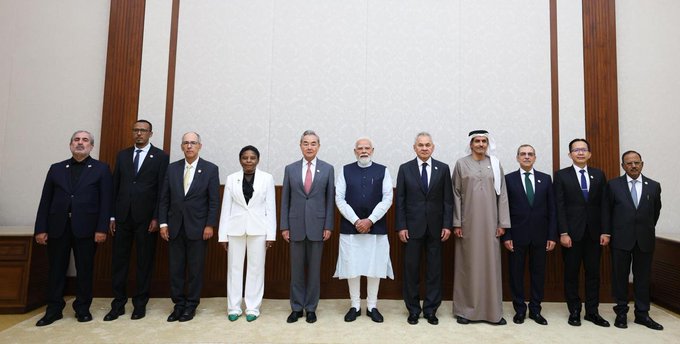
Modi meets National Security Advisors and senior security officials of BRICS Countries

NEW DELHI : Prime Minister Shri Narendra Modi met National Security Advisors and senior security officials of BRICS Countries. Shri Modi highlighted the growing significance of the grouping in addressing contemporary global security challenges.

The Prime Minister noted that in a rapidly changing global landscape, BRICS has an important role in deepening cooperation on key security issues. He emphasized the need for greater collaboration among member countries to address shared challenges, including terrorism, cyber security and emerging technologies.

Shri Modi underlined that India’s Chairmanship of BRICS will focus on advancing practical cooperation among member nations. He reiterated India’s commitment to promoting the priorities of the Global South and would contribute to building a safer, more secure and inclusive world.

Shri Modi posted on X; “Pleased to meet National Security Advisors and senior security officials of BRICS countries. In a changing global landscape, BRICS has a vital role in deepening security cooperation and addressing shared challenges, from terrorism and cyber security to emerging technologies. India’s Chairmanship will seek to advance practical cooperation, support the priorities of the Global South and contribute to a safer, more secure and inclusive world.”

@BricsIndia2026

VOC Port emerges as a model for Green Maritime Growth with 45% reduction in carbon emissions : Sarbananda Sonowal

TUTICORIN : Union Minister of Ports, Shipping and Waterways (MoPSW), Sarbananda Sonowal said that V.O. Chidambaranar Port Authority (VOCPA) has emerged as a model for sustainable maritime development in India, citing the port’s significant progress in decarbonisation, renewable energy adoption and green infrastructure development.

Dedicating a series of sustainability, education and innovation initiatives at VOCPA, Sonowal highlighted the findings of the port’s first Sustainability Report, which revealed that renewable energy now offsets nearly 94% of the port’s energy-consumption equivalent, while net carbon emissions have been reduced by around 45%. The report also noted that carbon intensity per tonne of cargo has been reduced by nearly half over the past four years, reinforcing VOC Port’s position as a frontrunner in India’s green maritime transition.

“VOC Port is demonstrating what can be achieved when infrastructure development is guided by sustainability, innovation and community welfare. The port’s achievement in reducing net carbon emissions by 45% is a significant milestone in India’s journey towards greener and more responsible maritime growth. These initiatives reflect the vision of Prime Minister Narendra Modi for building modern, sustainable and future-ready infrastructure while investing in people, technology and the environment,” Sarbananda Sonowal said.

A major highlight of the event was the commencement of academic activities at Kendriya Vidyalaya, VOC Port, for the 2026-27 academic session. Established with the approval of Kendriya Vidyalaya Sangathan, the institution will initially function from the Port School campus and provide quality CBSE education to children of port employees, Central government personnel and the local community. The initiative is expected to strengthen educational infrastructure in Tuticorin while expanding access to affordable, high-quality education.

“Quality education is one of the most powerful instruments of social transformation. The establishment of Kendriya Vidyalaya at VOC Port will provide new opportunities for children and strengthen the social infrastructure required for long-term development,” Sonowal said.

The Union Minister also released the IIM Calcutta case study, “The Hydrogen Pivot: Orchestrating the Green Transition at V.O. Chidambaranar Port Authority,” which documents the port’s transformation from a conventional cargo hub into a green energy and sustainable maritime centre. The study highlights the port’s pioneering efforts in renewable energy, electrification and green hydrogen development, including India’s first green hydrogen pilot project commissioned at a major port.

Further reinforcing its environmental credentials, VOC Port received recognition as a Scope-2 Emission Free Port, reflecting its successful transition toward clean energy and low-carbon operations. The certification validates the port’s decarbonisation efforts and strengthens its standing as one of India’s leading green ports.

In another major development, VOC Port Authority signed a Memorandum of Understanding with Gati Shakti Vishwavidyalaya, Vadodara, to promote collaboration in research, innovation, logistics education, skill development and sustainable port operations. The partnership is expected to facilitate the establishment of a Centre of Excellence in Maritime Logistics and Port Management while creating new opportunities for industry-academia engagement.

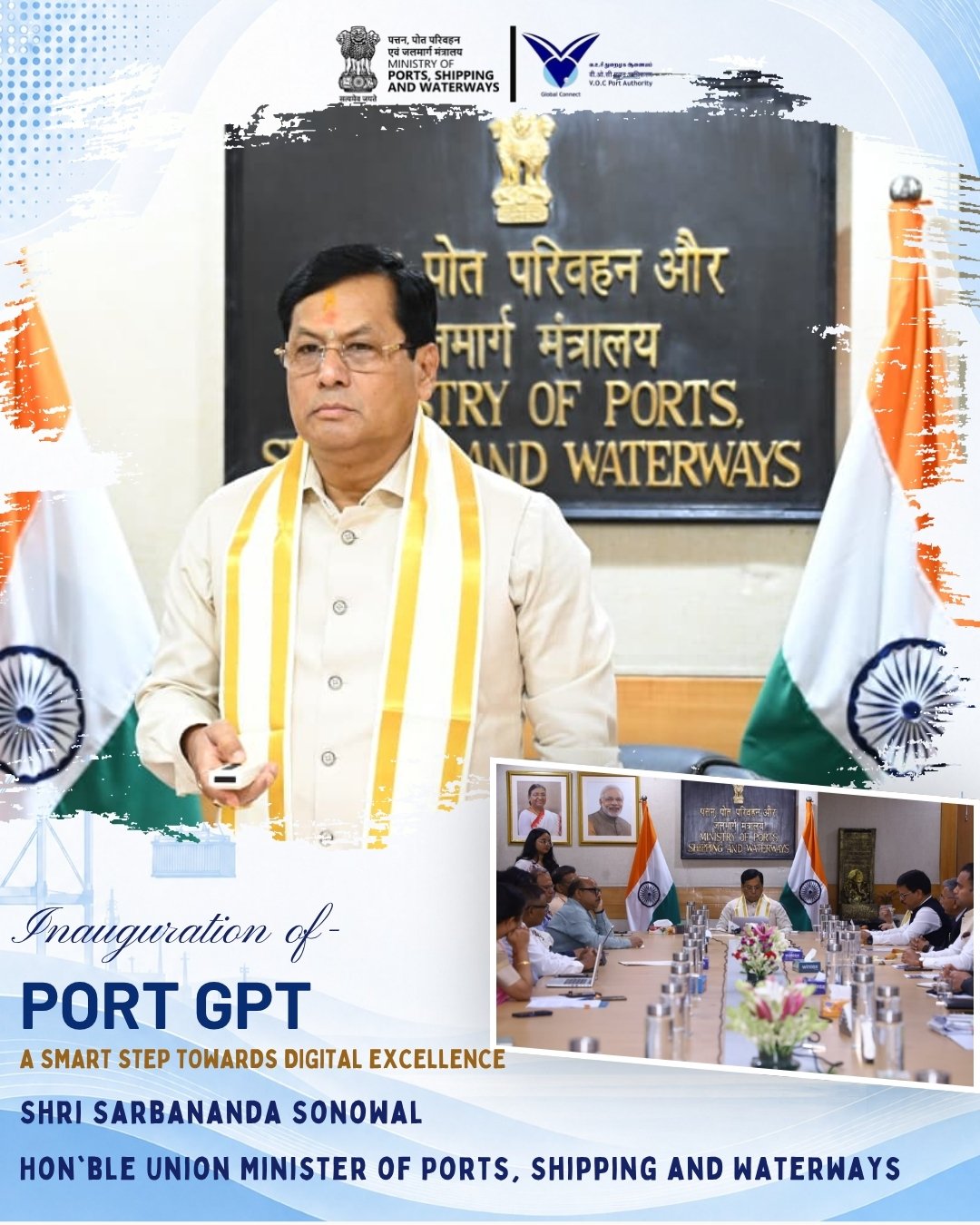
The minister also launched the PortGPT mobile application, making VOC Port the first major port in India to extend an enterprise-grade generative artificial intelligence platform through a dedicated mobile application. The platform is expected to enhance operational efficiency, knowledge management and data-driven decision-making while supporting the port’s long-term digital transformation goals.

Vijay Kumar, Secretary, MoPSW; Susanta Kumar Purohit, Chairperson of VOCPA, among other senior officials of the ministry and the government were present at the event.

Adani Mundra Airport launches first scheduled flight service, connects Kutch with Mumbai and Goa

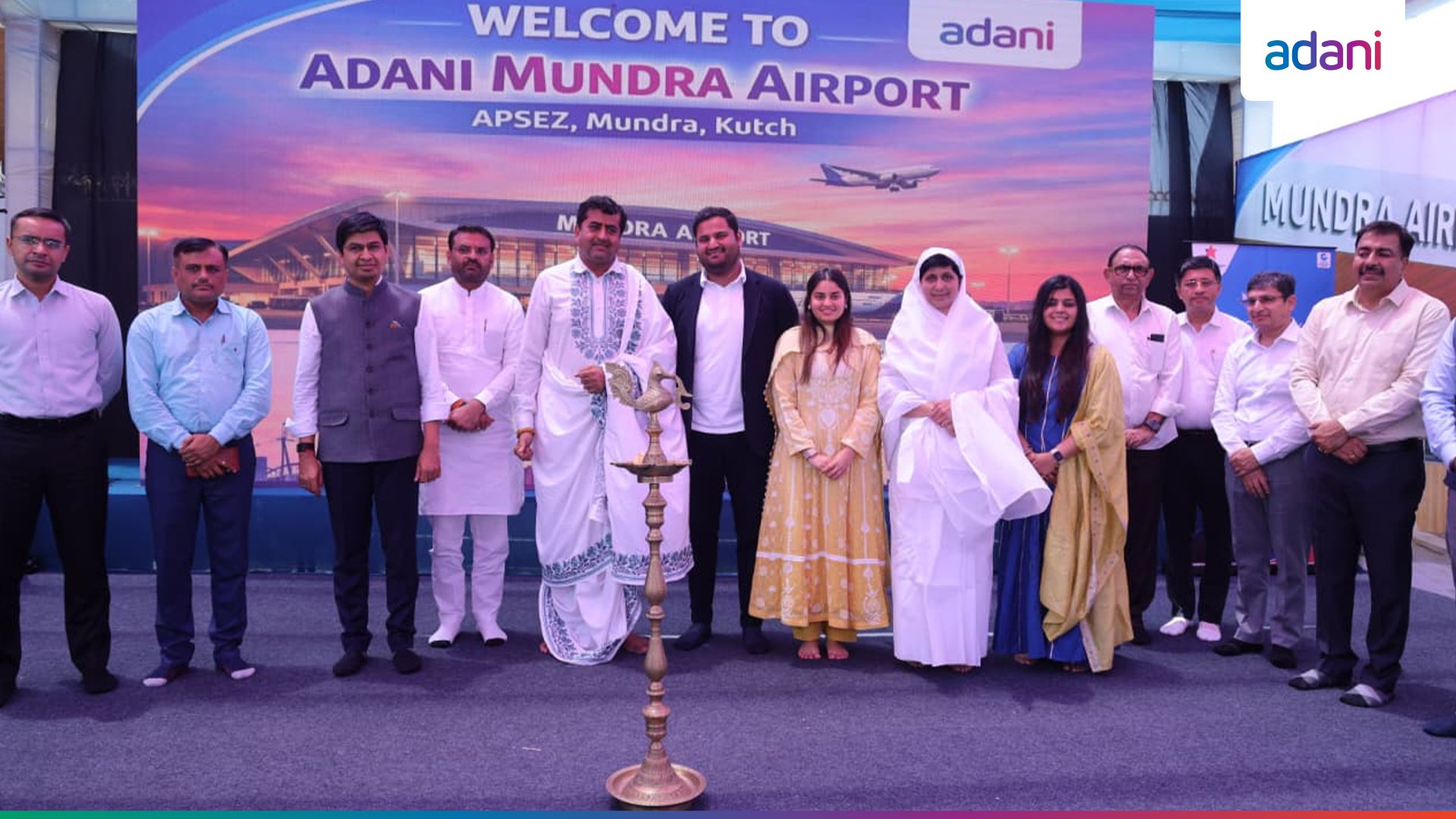
MUNDRA: Adani Mundra Airport on Tuesday announced the launch of its first scheduled flight service, connecting Mundra with Mumbai and Goa, in partnership with regional airline Star Air.

The company said the new air connectivity is expected to strengthen trade, commerce, logistics and tourism in the Kutch region while supporting the growth of Mundra as a major business and logistics hub.
Along with the Mumbai and Goa route, Star Air will launch eight new air services from Mundra Airport.

The airline will connect Mundra with Hindon, Surat, Belagavi, Bengaluru, Kolhapur and Nanded, providing improved connectivity to key cities across the country.

According to the company, the new services will significantly reduce travel time and create a faster corridor for businesses, traders and tourists travelling to and from the region.

Adani Mundra Airport 1 Adani Mundra Airport launches first scheduled flight service, connects Kutch with Mumbai and Goa

Adani Mundra Airport said the launch of scheduled flight operations marks an important step in transforming Kutch into a fully integrated multi-modal logistics and business hub.

The airport has been developed with a 1,900-metre runway capable of handling a wide range of passenger and cargo aircraft. The modern terminal includes spacious parking facilities, multiple check-in counters, passenger lounges and a food court.

The airport also offers accessibility features, including wheelchair facilities and dedicated passenger drop-off zones.

The company said the new air connectivity will provide an important last-mile link for India’s largest private port, Mundra Port, and the country’s largest notified and operational multi-product Special Economic Zone (SEZ), Mundra SEZ.

According to Adani Mundra Airport, the new flight services will help improve the movement of people and support the efficient management of trade volumes passing through the port. The connectivity is also expected to strengthen integration with national and global supply chains.

The company said the airport will create greater synergy between the Adani Group’s port and aviation businesses while supporting the future growth of trade, industry and tourism in the Kutch region.

Adani Group said the initiative builds on its experience of operating eight airports across India, including Navi Mumbai, Mumbai, Ahmedabad, Jaipur, Lucknow, Thiruvananthapuram, Mangaluru and Guwahati.

The company added that the launch of scheduled flight services is expected to open new opportunities for businesses and travellers while contributing to the economic development of the region. (ANI)

India and US reaffirm commitment to deepening Economic Partnership; Trade Pact talks gain momentum

India and US reaffirm commitment to deepening Economic Partnership; Trade Pact talks gain momentum

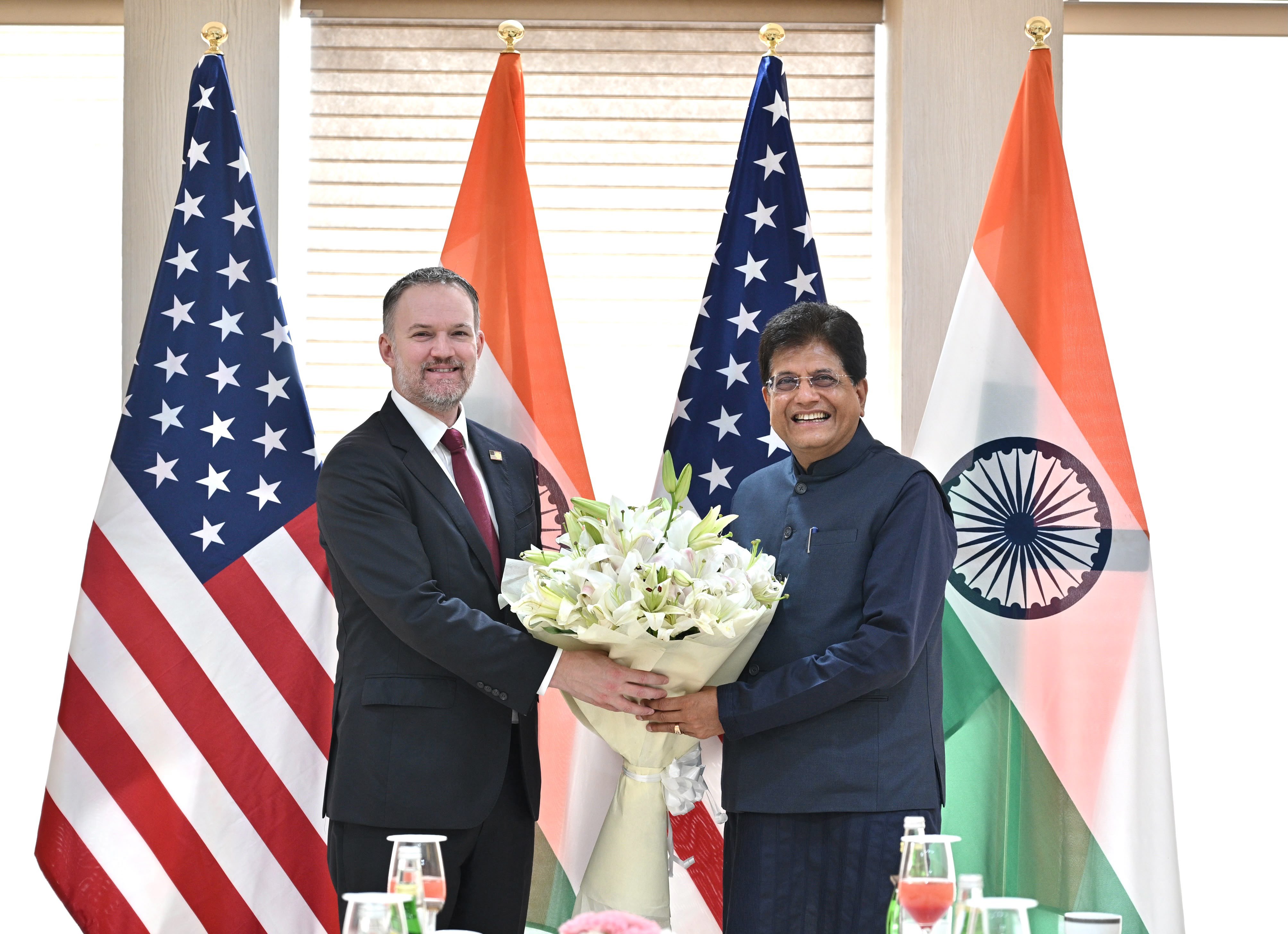
NEW DELHI : Union Minister of Commerce and Industry Piyush Goyal held a high-level meeting with U.S. Trade Representative Jamieson Greer and U.S. Ambassador to India Sergio Gor on Tuesday, reaffirming the shared commitment of India and the United States to strengthening bilateral economic and trade relations.

Data shows that India’s trade surplus with the US has slipped by over 40% since the negotiations began last year, following Prime Minister Shri Narendra Modi’s meeting with US President Donald Trump on February 13, 2025.

The high-level talks come as the US is set to complete its Section 301 investigation by next month and come out with a new tariff architecture, which could act as an alternative to reciprocal tariffs. After over a year of trade tension between India and the US, government officials said Goyal and Greer are expected to give “the final touch” to the first tranche of the trade agreement.

Meanwhile, data released by the Commerce and Industry Ministry showed that India’s export surplus slipped over 40% to $2.94 billion in May this year, from $5.02 billion in May 2025. Data suggests that India’s surplus has been declining in multiple categories beyond energy.

During the discussions, both sides reviewed the progress made under the framework of the Joint Statement issued on 7 February 2026 and explored pathways to accelerate negotiations toward a balanced, equitable and mutually beneficial trade agreement. The dialogue focused on enhancing market access, facilitating greater investment flows, strengthening resilient supply chains, and promoting innovation-led growth across key sectors.

Speaking after the meeting, Shri Piyush Goyal said that India and the United States share a robust and rapidly expanding economic partnership built on mutual trust, shared democratic values and complementary economic strengths. He emphasized that the ongoing engagement reflects the commitment of both nations to unlock new opportunities for businesses, investors and consumers while fostering sustainable economic growth.

The discussions also covered cooperation in emerging sectors such as advanced manufacturing, digital technologies, clean energy, semiconductors, critical minerals, pharmaceuticals and agriculture. Both sides acknowledged the importance of creating a predictable and transparent trade environment that supports enterprise, innovation and job creation in both countries.

India reiterated its commitment to working constructively with the United States to deepen commercial engagement, expand bilateral trade and investment, and strengthen economic resilience amid evolving global economic dynamics. The two countries also recognized the growing role of industry-to-industry collaboration and people-to-people ties in driving the next phase of economic cooperation.

The meeting reflects the sustained momentum in India–U.S. economic relations and underscores the shared objective of building a future-ready partnership that delivers tangible benefits for businesses and citizens in both nations. As negotiations continue, both sides expressed confidence that enhanced cooperation will contribute significantly to global economic stability, innovation and prosperity.

India’s exports rise 15% in early FY27 despite global turbulence : Goyal

MUMBAI : Amid the West Asia conflict, goods exports rose nearly 15% during the first two-and-a-half months of the current financial year, sustaining the momentum seen during April.

“Even now, if we see April, May and 14 days of June. I have data until June 14, it (exports growth) is 15%,” Commerce and Industry Minister Shri Piyush Goyal said during an interaction with chartered accountants in Mumbai. Aided by strong oil exports, in the wake of high prices of crude and petroleum products, exports have seen a strong growth and Goyal expects that to continue, driven by the trade agreements being signed.

“UK FTA will be operational from July 15. Wherever you work, whichever sector you are associated with, tell them how much benefit will come from these things. Now with almost zero duty, almost the entire Europe market will be open for us. EU’s FTA will be signed by Dec and will be effective by Feb-March. The one with Switzerland, Norway etc is already effective since Oct.”

He said that next in line is the US trade deal, with US Trade Representative Jaimeson Greer landing in the Capital on Monday for talks on Tuesday and Wednesday in what is seen as a move to keep things ready.

The additional tariffs of 10% imposed by the Trump administration, after the earlier “reciprocal tariffs” were termed illegal by the US Supreme Court, are due to expire next month and a deal is expected to help roll out the new tariffs, which are likely to be based on section 301 investigations launched by USTR against India and host of other countries.

Goyal said during his meeting with PM Shri Narendra Modi, Canada PM Mark Carney has indicated his govt’s keenness to conclude talks for a bilateral trade deal this year, while Kenya has shown an interest in an FTA with India. Govt is expected to soon start talks with South African Customs Union for a trade agreement, first one with Africa. Since getting in FTA mode after not joining RCEP, trade bloc led by China, govt has signed a raft of pacts, mostly with developed countries.

The minister said the strong performance underscores the competitiveness of Indian exporters at a time when global trade continues to face challenges ranging from geopolitical conflicts and supply-chain disruptions to higher tariffs imposed by major economies.

According to Goyal, the growth achieved during the first two-and-a-half months of the current financial year reflects the confidence and adaptability of India’s export sector amid a difficult international trading environment.

The latest figures build on the momentum seen in recent months. India’s exports touched a record USD 863 billion in FY26 despite disruptions arising from the West Asia crisis and tariff measures by the United States, highlighting the robustness of the country’s trade ecosystem.

Goyal has repeatedly expressed confidence that India is on course to achieve its ambitious export targets. Earlier, he stated that the country was progressing towards achieving USD 1 trillion in exports in FY27, supported by expanding global market access and a growing network of free trade agreements.

The minister’s remarks come at a time when global trade flows remain under pressure due to ongoing tensions in West Asia, elevated freight costs and protectionist measures adopted by several economies. Despite these headwinds, India’s export sector has continued to record healthy growth across multiple categories.

Recent data has also shown a strong start to the current fiscal year, with exports rising 13.8 per cent in April, while preliminary figures for May indicated sustained momentum in outbound shipments.

Industry observers attribute the positive trend to improving global demand for Indian goods, diversification of export markets and the government’s focus on strengthening trade partnerships. India is currently negotiating several trade agreements, including an interim trade pact with the United States and a proposed free trade agreement with the European Union.