Home Blog Page 239

Haldia Seaport gets Immigration Checkpoint Status, Boosting West Bengal’s Maritime Connectivity and Global Reach

HALDIA : In a significant boost to India’s maritime infrastructure and West Bengal‘s growing role in global trade, the Central Government has designated Haldia Seaport as an authorised immigration checkpoint under the Immigration and Foreigners Act, 2025. The notification, issued by the Ministry of Home Affairs (MHA) on June 22, marks an important milestone in strengthening the operational capabilities and international connectivity of one of eastern India’s most strategic ports.

With this development, Haldia joins the network of 41 seaport immigration checkpoints across the country, enabling the port to facilitate immigration clearance for foreign crew members and international passengers arriving by sea. The move enhances Haldia’s ability to support international maritime operations and aligns with the Government of India’s vision of modernising port infrastructure and expanding maritime trade opportunities.

Located on the Hooghly River and operating under Syama Prasad Mookerjee Port, Kolkata, Haldia serves as a vital gateway for cargo movement across West Bengal, Jharkhand, Bihar, Odisha and the Northeastern region. The new status is expected to strengthen the port’s competitiveness by enabling a broader range of international maritime services, including crew changes, vessel support operations and other activities linked to global shipping.

The designation also lays a strong foundation for the future development of passenger and cruise services at Haldia. Immigration processing facilities are a key prerequisite for handling international cruise vessels and foreign tourists, opening new possibilities for coastal and river cruise tourism in eastern India. As the country continues to promote maritime tourism and inland waterway-based travel, Haldia is well-positioned to emerge as an important hub in the Bay of Bengal region.

The decision reflects the Centre’s continued focus on enhancing maritime connectivity, improving ease of doing business and creating world-class port infrastructure. By expanding the network of authorised immigration checkpoints, the Government is facilitating smoother international maritime movement while supporting trade, logistics and tourism growth.

For West Bengal, the development reinforces the state’s maritime ecosystem and strengthens its position in India’s eastern seaboard logistics network. The enhanced status is expected to improve Haldia’s attractiveness for global shipping lines and maritime operators, while supporting the broader objective of increasing trade volumes and economic activity in the region.

The inclusion of Haldia follows similar notifications issued earlier for ports in Gujarat, underscoring a nationwide effort to expand maritime immigration infrastructure and equip more ports to handle international traffic efficiently.

As India advances its vision of becoming a leading maritime nation, Haldia’s recognition as an authorised immigration checkpoint represents another important step toward building a modern, globally connected and future-ready port ecosystem.
Doval calls Strait of Hormuz opening a boost for energy security at BRICS meet

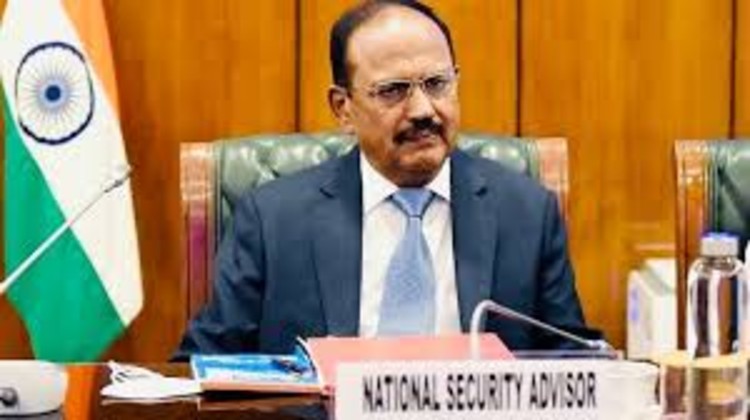
NEW DELHI : The opening of the Strait of Hormuz is a very welcome move for global energy security, National Security Adviser Ajit Doval said on Tuesday, welcoming his counterparts from BRICS nations at a key conclave here.

In his televised opening remarks at the BRICS NSAs meeting, Doval, while referring to the impact of “geopolitical uncertainties and economic strains”, underlined the need for the grouping to play a significant role in addressing global challenges.

Chinese Foreign Minister Wang Yi, Russian NSA Sergei Shoigu, Iranian security official Ghadir Nezamipour and other senior BRICS security officials attended the meeting chaired by Doval.

“India welcomes the MoU reached between the US and Iran. We have cautious optimism, and we hope that it will work. It will help energy security,” Doval said.

“The opening of the Strait of Hormuz is a very welcome development. It will remove supply chain bottlenecks and address shortages in sectors like fertilisers and chemicals,” he said.

Doval emphasised the importance of BRICS in navigating global challenges.

“We are meeting at a very tumultuous time. The world is facing geopolitical uncertainties, economic strains and disruptive technologies,” he said.

“Not only are the threats compounding, but the instruments and institutional mechanisms are increasingly finding themselves inadequate to resolve or mitigate these conflicts,” he added.

“Multilateralism is on the decline,” he said, adding that BRICS has a major role to play in addressing global challenges.

New Delhi hosted the conclave in its capacity as the current chair of the grouping.

BRICS, originally comprising Brazil, Russia, India, China and South Africa, expanded in 2024 to include Egypt, Ethiopia, Iran and the United Arab Emirates, with Indonesia joining in 2025.

The grouping has emerged as an influential bloc representing about 49.5 per cent of the global population, around 40 per cent of global GDP and nearly 26 per cent of global trade.

Doval said BRICS was conceived as an informal grouping of emerging economies aimed at a more multipolar world order.

“It was to advance economic cooperation and strengthen the voice of the Global South,” he said.

He added that BRICS also envisioned reforms in global governance and institutional improvements.

The NSA said the conclave will also discuss outcomes of two BRICS joint working groups on counter-terrorism.

“We need to be cognisant of new security threats and challenges. Non-traditional threats have transcended national borders and have developed capabilities that challenge conventional responses,” he said.

Doval also flagged concerns over non-traditional security threats, including those emerging from disruptive technologies.

“They all constitute an important threat for us. Today, we will be navigating some of these non-traditional security challenges in our collective deliberations,” he said.

Over 1,200 ships, $125 billion in goods stuck as Hormuz closure rattles global trade: Report

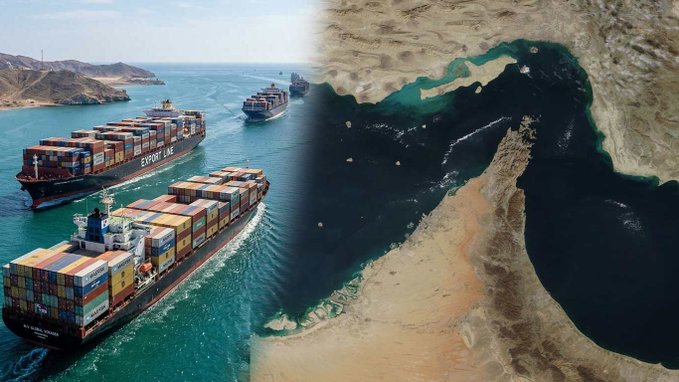
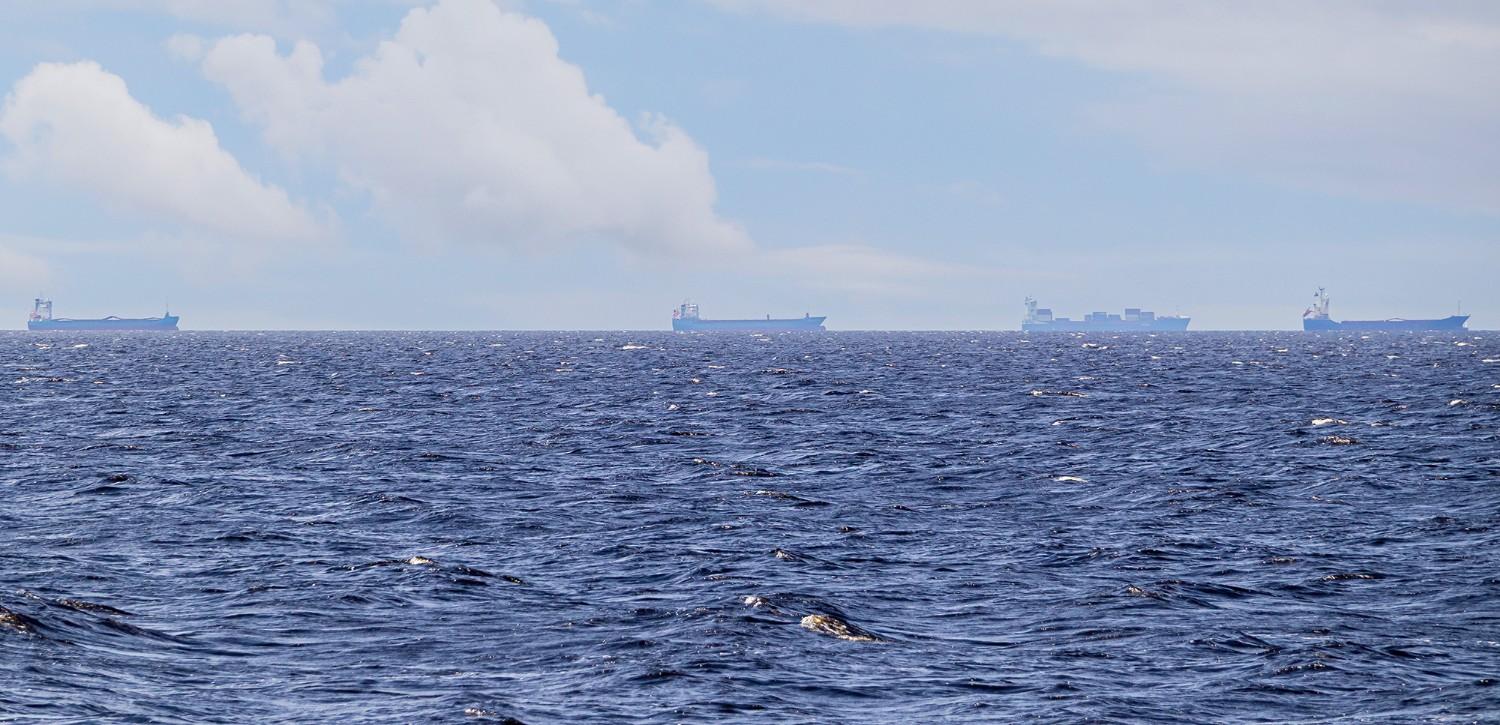
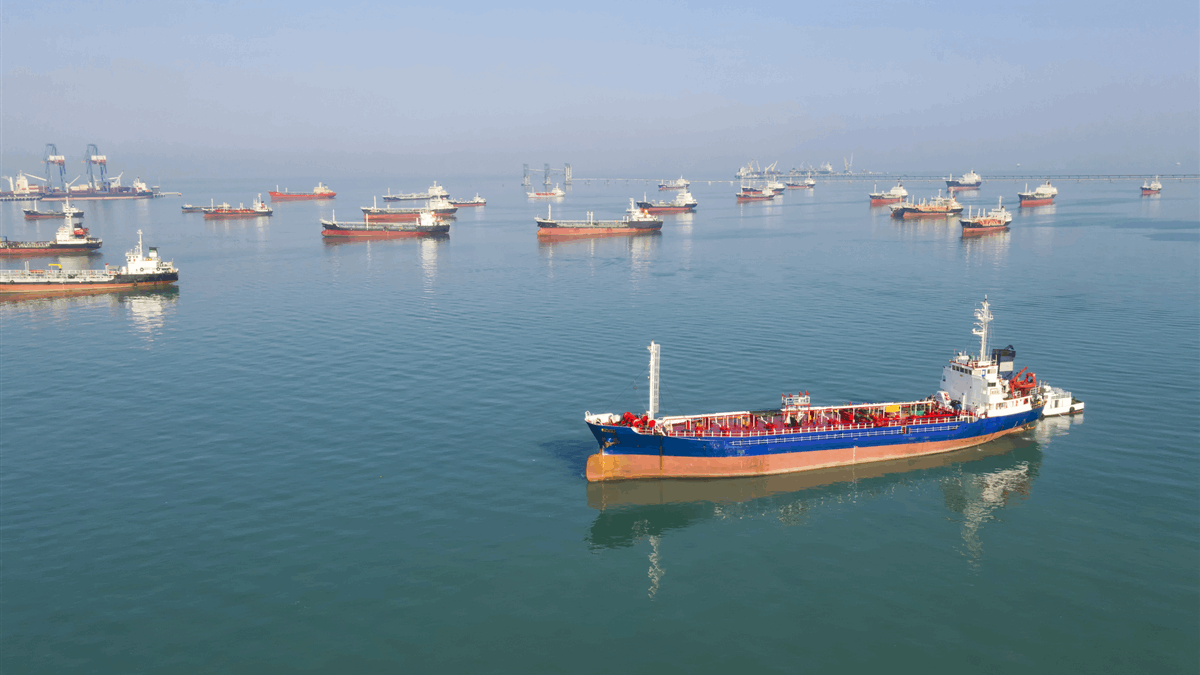
TEHRAN: More than 1,200 cargo vessels carrying goods worth an estimated $125 billion have been stranded by the prolonged closure of the Strait of Hormuz, exposing the vulnerability of global commerce to disruptions at a handful of critical maritime chokepoints.

New data published by insurance giant Allianz on Wednesday offers the first detailed estimate of the economic cost of the shutdown, which followed military strikes on Iran in February and effectively paralysed one of the world’s busiest shipping corridors for more than 100 days.

The insurer described the closure as “unprecedented” and warned that the crisis has fundamentally altered perceptions of risk across the maritime industry.

“We were always talking about realistic disaster scenarios, and now we have a real disaster scenario like this one,” Justus Heinrich, head of marine underwriting at Allianz, told the Financial Times. “So I think it changes a bit the perception of actual operational risks from ‘it can theoretically happen’ to what we know now out of this situation.”

Lifeline of global energy trade disrupted

The Strait of Hormuz is among the world’s most strategically important waterways. Before the conflict, around 135 vessels transited the narrow passage every day, carrying roughly one-fifth of global oil and gas supplies.

Its closure sent shockwaves through energy markets, pushing crude oil prices above $100 a barrel and fuelling concerns over supply shortages in major importing economies across Asia and Europe.

The conflict has also taken a heavy toll on shipping. According to data from the International Maritime Organization (IMO), more than 40 vessels have been struck by missiles during the hostilities, while at least 14 seafarers have been killed. Tankers transporting crude oil and petroleum products have borne the brunt of the attacks.

Shipping traffic shows signs of recovery

The tentative peace agreement between the United States and Iran has improved confidence among shipping companies, prompting a gradual return of vessels to the strait.

According to Lloyd’s List Intelligence, the number of ships leaving the Gulf rose to 69 in the week ending June 21, up sharply from 24 in the previous week. The figure marks the highest level of weekly crossings since the conflict began.

Despite the improvement, industry executives say the disruption is likely to leave a lasting impact on global supply chains and shipping strategies.

Several logistics and shipping companies are increasingly looking at alternative routes into the Gulf through ports on the Gulf of Oman and the Red Sea, while others are exploring expanded land-based transportation networks.

Executives say Iran’s demonstrated ability to disrupt traffic through Hormuz has reinforced the need to diversify supply chains and reduce dependence on a single maritime corridor.

Thousands of containers remain trapped

Michael Aldwell, Executive Vice-president for sea logistics at Kuehne+Nagel, the world’s largest freight forwarder by volume, estimated that around 300,000 twenty-foot equivalent units (TEUs) of container cargo remain stuck in the Gulf.

He added that overland transport routes connecting Gulf states are facing mounting pressure as companies seek alternatives to sea freight.

“Land routes in and out of the region are under a lot of strain,” Aldwell said.

Most of the stranded cargo has either remained aboard ships or been unloaded at regional ports. Because the Middle East exports relatively few perishable consumer goods, much of the cargo has avoided immediate spoilage despite the prolonged disruption.

However, Allianz warned that losses could still mount.

Rahul Khanna, head of marine risk consulting at Allianz, said the insurer has already received claims related to vessels damaged by missiles and drones. Additional claims may emerge from spoiled pharmaceutical products, frozen food shipments and other temperature-sensitive cargoes affected by delays.

Human cost of the crisis

Beyond the economic impact, the closure has created a growing humanitarian challenge for seafarers trapped aboard ships in the Gulf.

Allianz estimates that around 20,000 seafarers remain on vessels in the region, while the IMO said this week that approximately 11,000 crew members are seeking to leave.

To facilitate their evacuation, the UN maritime agency has established a dedicated corridor in coordination with Oman, enabling ships to exit the Gulf more safely.

The insurer’s report also highlighted broader labour shortages facing the maritime industry. Cases of seafarer abandonment — where shipowners fail to pay wages or provide adequate support — rose for a sixth consecutive year in 2025, reaching a record of more than 6,000 incidents worldwide.

“The shipping industry will struggle to retain and recruit seafarers at a time of growing demand for skilled workers, driven by automation and green transitions, ultimately threatening the sector’s resilience and global supply chain stability,” the report said.

Wake-up call for global trade

The Hormuz crisis has become one of the clearest demonstrations in recent years of how geopolitical tensions can disrupt global commerce.

Even as traffic gradually returns to the strait, the disruption has prompted governments, insurers and logistics firms to reassess the risks associated with major maritime chokepoints such as Hormuz, the Suez Canal and the Panama Canal.

For the shipping industry, the more than 1,200 stranded vessels and $125 billion worth of trapped cargo represent not only a costly disruption but also a stark reminder of how quickly global trade can be thrown into turmoil when a critical artery of commerce is cut off.

Source: First Post

11 India-bound oil, gas, and fertiliser vessels cross Hormuz after US-Iran deal

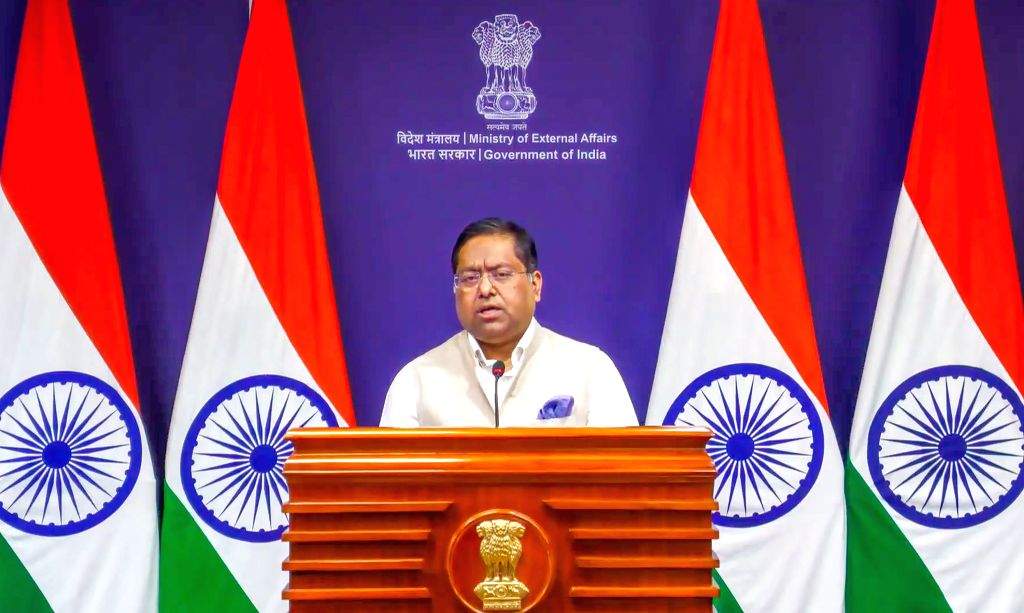
NEW DELHI: Eleven merchant vessels carrying crude oil, gas and fertilisers to India have transited the Strait of Hormuz and two other ships have sailed from the country towards the Persian Gulf since Iran and the US reached an agreement on de-escalation last week, the External Affairs Ministry said on Tuesday.

The movement of the merchant vessels in both directions points to the easing of restrictions on freedom of navigation at the Strait of Hormuz, and New Delhi is hoping that 10 Indian-flagged vessels that were caught to the west of the crucial waterway due to the outbreak of hostilities in February will now be able to move towards the country, External Affairs Ministry spokesperson Randhir Jaiswal told a regular media briefing.

Iran and the US signed a 14-point memorandum of understanding (MoU) on June 17 that outlines steps to de-escalate in West Asia and lays the groundwork for further negotiations. Since the start of the Iran-US conflict on February 28, India has pushed for freedom of navigation and unimpeded flow of energy and commerce through the Strait of Hormuz, which was largely closed by Iranian authorities.

Jaiswal responded to a question on the current status of the vital waterway by saying: “As of today, we have 10 Indian-flagged vessels which are still in the Persian Gulf region. These are those which were stuck when the conflict began. But in addition to those 10, we have two Indian ships which have crossed from this side into the Persian Gulf, which means that traffic is going back and forth.”

Since the signing of the MoU by Iran and the US on June 17, 11 India-bound vessels transited the Strait of Hormuz, Jaiswal said. These vessels include three India-flagged oil tankers, each carrying 285,000 metric tonnes of crude, a foreign-flagged crude oil tanker, a foreign-flagged LPG carrier, and six foreign-flagged bulk carriers carrying fertilisers.

“And it is our expectation and hope that the remaining Indian-flagged vessels…would also be able to cross the [Strait of] Hormuz soon,” Jaiswal said.

When Jaiswal was asked about the possibility of India resuming purchases of Iranian oil amid the easing of US sanctions, he said that New Delhi is closely following all developments in West Asia.

“As far as our energy sourcing is concerned, you are well aware of our policy — that it is based on national interest. The interests of 1.4 billion people, for them to be provided energy at affordable rates and from diverse sources, is our policy,” he said without going into details.

Iran was a key energy source for India before US President Donald Trump imposed sanctions on Tehran in 2019. With the world’s third-largest proven oil reserves, Iran used to be the second-largest supplier of oil to India till around 2010. In FY 2009-2010, India procured 22.1 million tonnes of Iranian crude, making up 14% of the country’s total imports.

After the US announced a 30-day waiver on its sanctions in March, India imported some oil from the country in April. People familiar with the matter said India is closely following the ongoing negotiations between Iran and the US and the arrangements to be finalised by the two sides in order to explore the possibility of oil imports from Iran.

Iranian leaders have repeatedly said that Tehran stands ready to resume oil supplies to India. They have also pointed out that when India was hit with Western sanctions following its nuclear tests in 1998, Iran was among the few countries that did not stop oil supplies to India.

India imports almost 90% of its oil requirements, and it procured oil worth $123 billion in FY26. Russia currently accounts for the highest share of India’s crude imports, with about 50% in June, while traditional top suppliers such as Saudi Arabia, Iraq and the United Arab Emirates (UAE) now have a lower share. The US has emerged as a key supplier in recent months as India diversified its energy imports.

Four cargo ships carrying fertilisers clears Strait of Hormuz : MoCF

Chemicals and Fertilizers Ministry has said that four cargo ships, carrying shipments of Urea, Di-Ammonium Phosphate (DAP), and Sulphur have successfully crossed the Strait of Hormuz last week.

These vessels are currently heading toward their designated destination ports across the country, including Krishnapatnam and Kakinada Ports in Andhra Pradesh, Paradeep Port in Odisha, and the Mundra Port in Gujarat.

The Ministry said these fresh imports will immediately offload to supplement the nation’s existing fertilizer buffers and secure ongoing agricultural requirements.

The Ministry highlighted that country’s cumulative fertilizer stock position stands at a robust 196 lakh tonnes, compared to 168 lakh tonnes during the corresponding period last year. The Ministry said domestic fertilizer production rose significantly after the crisis, reaching 133 lakh metric tonnes.

IMO announces evacuation plan in the Strait of Hormuz

Large scale operation to be carried out in cooperation with States and industry

LONDON: Following the signing of the Memorandum of Understanding between the Islamic Republic of Iran and the United States, IMO Secretary-General Mr. Arsenio Dominguez issued this statement:

“After months of hardship and distress for thousands of innocent seafarers, and negative impact for the whole world, I welcome with deep satisfaction the peace agreement concluded between the United States and Iran, marking a decisive step towards restoring maritime security and bringing to an end the unacceptable attacks against civilian shipping.

I want to pay tribute to the fourteen innocent seafarers who tragically lost their lives during this conflict. Their dedication in service of global trade will not be forgotten.

We will begin the implementation of the evacuation plan for over 11,000 seafarers still stranded in the region. This large-scale operation will be carried out in close cooperation with Iran, Oman, all other coastal States in the region, the United States and the maritime industry.

We have secured the necessary safety guarantees and have thoroughly verified the conditions for safe navigation to support these operations.

We remain fully committed to ensuring the safety of seafarers and the continuity of global trade.”

Read the full Notice to Mariners issued by Oman (NAVAREA IX)

West Asia crisis was “influenza, not typhoid”; temporary supply shock teaches diversification lesson for trade: NITI Aayog VC Ashok Lahiri

NEW DELHI: The recent West Asia crisis that raised fears of an oil shock has turned out to be a short-term “influenza” rather than a prolonged “typhoid”, NITI Aayog Vice Chairman Ashok Kumar Lahiri said, calling it a temporary supply shock that underlined the need for India to diversify both import sources and export markets.

When asked how he sees overall trade for the next quarter now that the West Asia crisis is settling down, Lahiri used a medical analogy to assess the impact. “The fear about an oil shock is like you have fever but if it is influenza, you will not be very worried; that it will get alright in 3 days. But if you hear that it is typhoid or jaundice, you will be very worried. So, Hormuz crisis has turned out to be influenza, it was a short term problem,” he said.

Lahiri spoke with ANI exclusively, after the NITI Aayog released the eighth edition of its Trade Watch Quarterly report.

Lahiri noted that the main impact came through energy prices and transportation costs, with freight rates rising and some disruption in availability. “I hope the war is going to end, peace will prevail. The impact was in terms of energy prices and transportation cost…Prices went up, but quantities were not available, so there was a problem. I think it was a temporary supply shock,” he said.

But the episode, he added, delivered a key policy lesson for India’s trade strategy. “But it has taught a few lessons – you don’t put all your eggs in one basket. So, we need to diversify our sources of imports as well as our export markets,” the NITI Aayog Vice Chairman said.

Lahiri’s remarks came as he shared NITI Aayog’s compilation of trade figures for Q4 of FY 2025-26. He pointed out that while total trade grew 5.4% in the last quarter with exports at $1.84 trillion, merchandise exports moderated, declining 2.8% even as imports rose 12%. Services exports remained buoyant, but he stressed the need to focus on weak spots rather than overall comfort. “Services exports are doing well, but in NITI Aayog, since we are like doctors and we always look at when you go to the doctor, the doctor doesn’t tell you that your eyes are doing fine, but your heart is about to collapse,” he said.

He flagged pharmaceuticals as an area where India must move up the value chain, pushing for backward integration in APIs and more branded products. On FTAs, including the ongoing India-US negotiations, Lahiri said the approach should be optimistic but rooted in mutual benefit: “When any country has a free trade agreement with us, no one is doing anyone a favour. It’s for mutual benefit.”

Source: ANI

MoS Jitin Prasada inaugurates Customs export-import facilitation centre at SEEPZ-SEZ in Mumbai

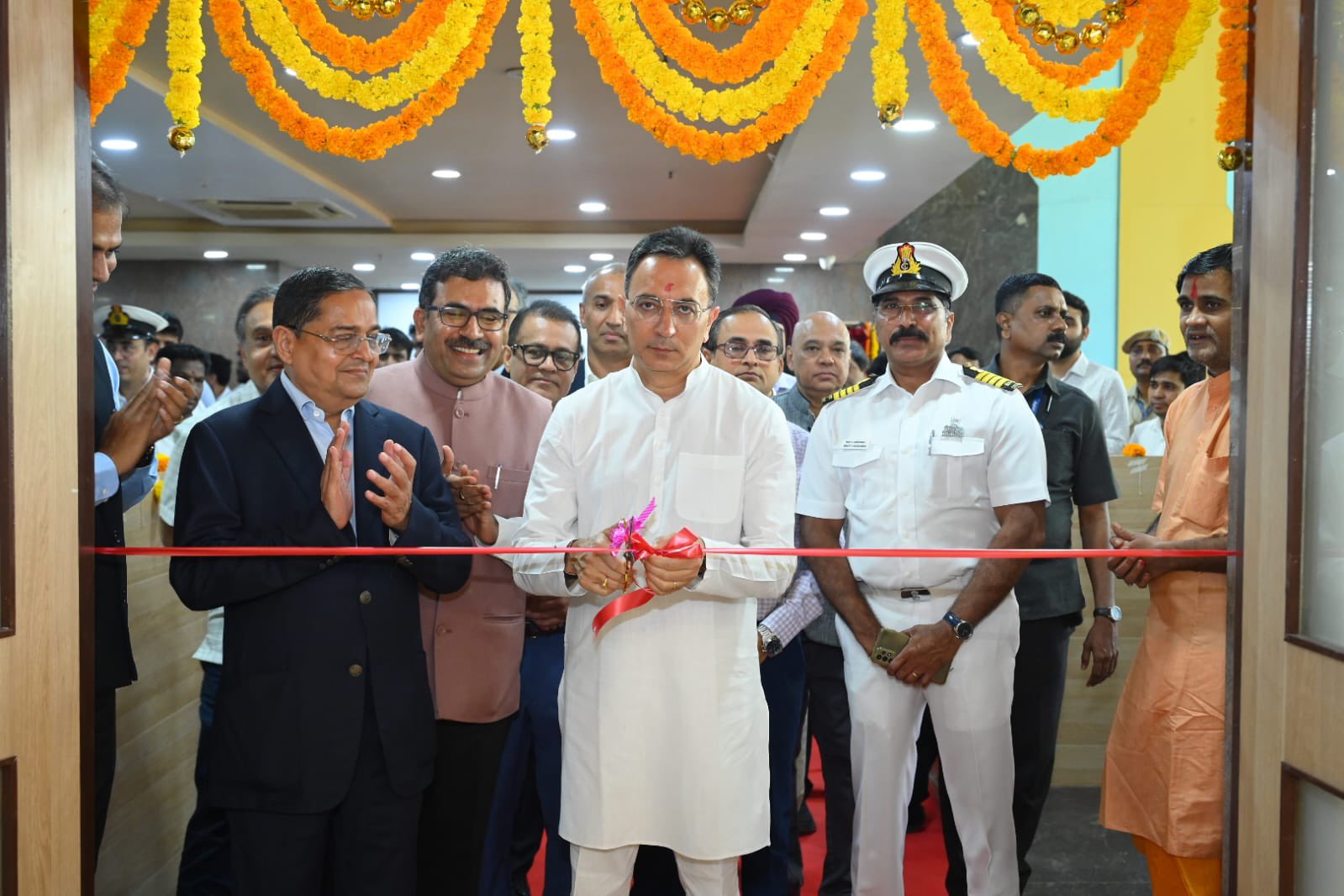
NEW DELHI : Union Minister of State for Commerce and Industry and Electronics and Information Technology Shri Jitin Prasada on Tuesday inaugurated a Customs Export-Import Facilitation Centre at the SEEPZ Special Economic Zone in Mumbai to strengthen export infrastructure and speed up customs clearances.

The facility, developed at SDF-VIII in SEEPZ-SEZ, will function as a single-window centre integrating key customs processes under one roof. It includes infrastructure for customs examination, secure handling of high-value consignments and specialised support for e-commerce operations. Officials said the centre is expected to improve operational efficiency, reduce clearance time and enhance services for exporters.

Addressing the inauguration ceremony, Mr Prasada said the facility reflects the government’s commitment to modernising trade infrastructure and building globally competitive export ecosystems. He stressed that world-class infrastructure is essential for sustaining export growth and improving ease of doing business, particularly for micro, small and medium enterprises.

The Minister also urged exporters to maintain global quality standards and said the government is strengthening testing and quality assurance systems. He added that free trade agreements and digital governance reforms are helping improve market access and make trade processes more efficient and transparent.

NHAI signs MoU with NCAER to establish Centre for Economics of Transportation, Mobility and Logistics

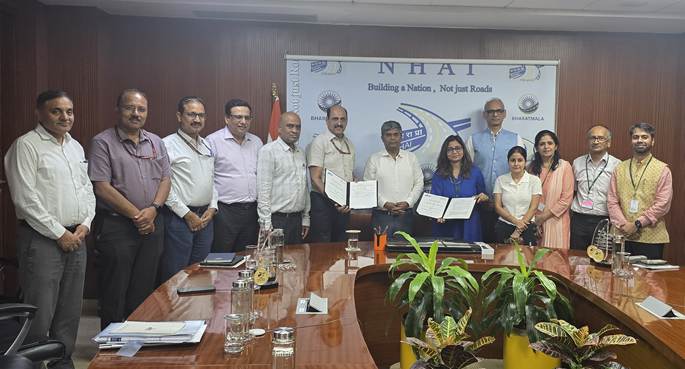
NEW DELHI : In a significant step towards strengthening evidence-based policymaking and fostering high-quality research in the road transportation sector, National Highways Authority of India (NHAI) has signed a Memorandum of Understanding (MoU) with the National Council of Applied Economic Research (NCAER) to establish the NHAI Centre for Economics of Transportation, Mobility and Logistics at NCAER, India’s first permanent and independent research centre dedicated to the economics of transportation, mobility and logistics. The centre is founded with a founding contribution from NHAI, with NCAER committed mobilizing contributions from other allied institutions and partners.

The MoU was signed at NHAI HQ in presence of Chairman NHAI, DG NCAER and senior officials from NHAI and NCAER. The first of its kind initiative reflects NHAI’s commitment to integrating research, data analytics and evidence-based decision-making into the development and management of country’s rapidly expanding National Highway infrastructure.

Speaking on the occasion, NHAI Chairman Sh. Santosh Kumar Yadav said that “NHAI has been at the forefront of enhancing national connectivity and logistics efficiency. This partnership with NCAER will create a dedicated platform for high-quality research and policy analysis, helping strengthen planning, investment and asset management decisions in the transportation sector.”

The Centre will serve as a dedicated platform for undertaking applied economic research on transportation, mobility and logistics, with a focus on generating actionable insights to support long-term planning, investment and policy formulation in the road and transport sector. It will undertake policy-relevant research across a wide range of thematic areas, including National Highway economics, freight logistics, modal integration, regional economic impacts of National Highway investments, toll policy, asset monetization, road safety interventions, technology adoption in National Highway operations and maintenance. The research outputs will assist the Ministry of Road Transport and Highways, NHAI and other government agencies in designing policies and programs that will enhance efficiency, sustainability and user experience across the transportation ecosystem.

Beyond research, the Centre will serve as a knowledge hub for the transportation sector by disseminating findings through policy briefs, working papers, flagship reports, stakeholder consultations, workshops and academic engagements. It will also play an important role in developing future talent and institutional capacity in transportation economics.

The Centre will be anchored by an Advisory Committee comprising leading economists, transportation specialists, public policy experts and eminent academicians, along with NHAI’s Member (Finance) and the Director General, NCAER. In addition, a Steering Committee constituted by NHAI will oversee research priorities, review outputs and facilitate alignment with the Authority’s policy and operational requirements. NHAI will support the establishment and operation of the institution for a period of ten years.

By fostering deeper understanding of the economic dimensions of transportation infrastructure, mobility systems and logistics networks, the unique institution will support more informed decision-making, enhance policy effectiveness and contribute to the development of a robust, modern and world class National Highway network.

SHM Global Reinforces Commitment to Seafarer Safety; expands Advanced Fire Safety Solutions across Maritime Operations

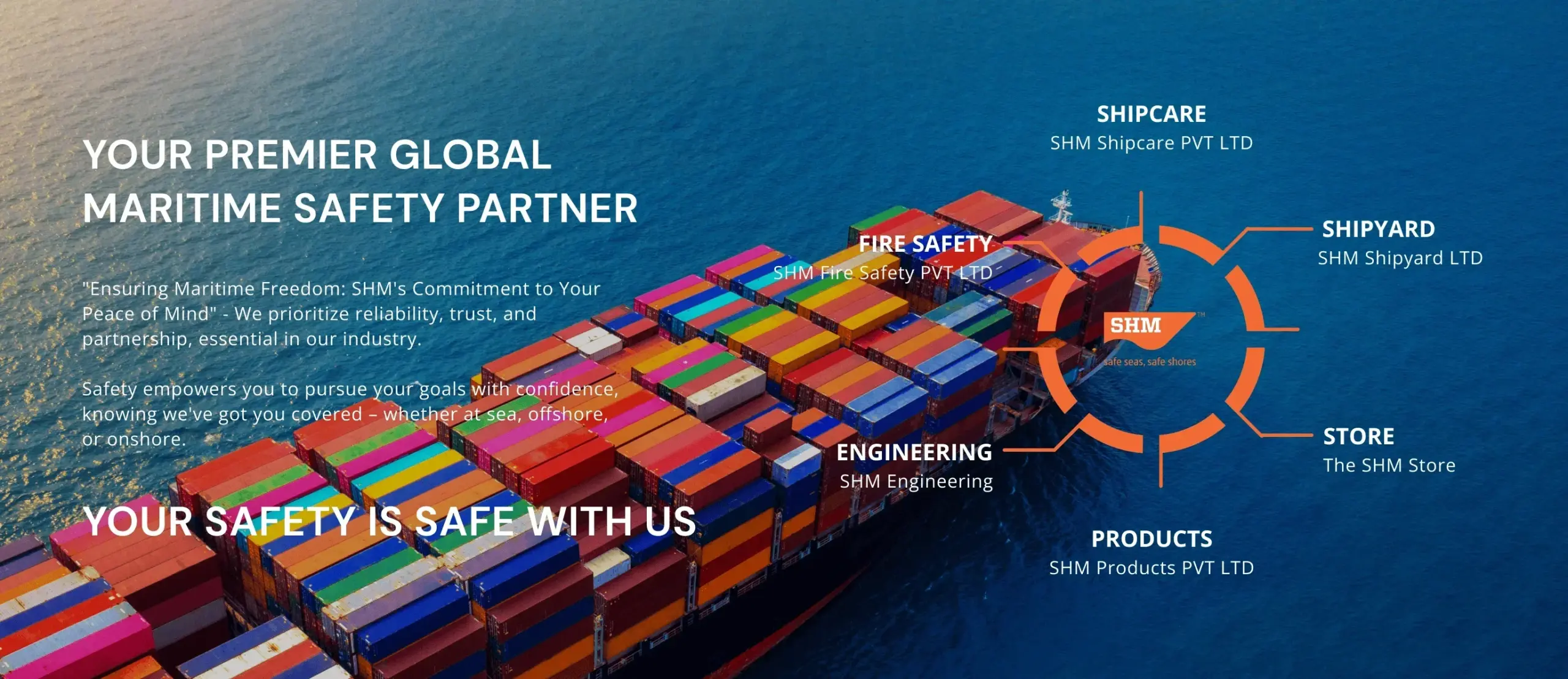
MUMBAI: As the global maritime industry sharpens its focus on crew welfare, operational resilience and regulatory compliance, SHM Global, one of India’s leading integrated maritime companies, is strengthening its commitment to seafarer safety through a comprehensive portfolio of marine safety and fire protection solutions.

In line with evolving industry requirements, SHM Global has expanded its advanced fire safety offerings for vessels, offshore installations, ports and industrial facilities. The solutions include fire detection systems, fire suppression systems, firefighting equipment maintenance, emergency preparedness support, safety audits and regulatory compliance services.

Commenting on the company’s commitment to safety, Saifuddin Hajee, Chairman, SHM Global, said, “Safety is not merely a regulatory requirement; it is a responsibility towards every seafarer who works in challenging and often unpredictable environments. At SHM, protecting lives at sea has always been central to our mission. Our integrated approach combines technology, training, compliance and operational expertise to ensure the highest standards of maritime safety.”

Supporting India’s Maritime Ambitions

The renewed emphasis on maritime infrastructure, coastal shipping, offshore energy and shipbuilding under various government initiatives is expected to create fresh demand for safety-led solutions.

As India’s maritime sector expands, industry stakeholders are increasingly prioritising crew welfare, operational resilience and regulatory compliance.

SHM believes safety will play a central role in this transformation.

With a maritime legacy spanning over 139 years, SHM Global today serves more than 2,100 clients through a network of 25 locations across India and international markets. The company has built a strong presence across marine safety, ship repair, shipbuilding, offshore services and fire protection systems, serving commercial shipping operators, offshore energy companies, defence organisations and port infrastructure projects.

 The company provides a broad range of safety-related services across the maritime ecosystem, including:

Seafarer Safety Services:

  • Life-saving appliance inspection, servicing and certification
  • Lifeboat and rescue boat maintenance
  • Life raft servicing and certification
  • Marine evacuation systems
  • Personal protective equipment (PPE) solutions
  • Safety audits and compliance inspections
  • Emergency preparedness and response support
  • Marine safety equipment supply and maintenance

Fire Safety Services:

  • Fire detection system installation and maintenance
  • Fire suppression system inspection and servicing
  • Fire extinguisher testing, certification and maintenance
  • Fixed firefighting system inspections
  • Fire risk assessments and safety audits
  • Emergency response planning and support
  • Fire safety training programmes
  • Turnkey fire protection solutions for marine and industrial applications

“The maritime sector is entering a period of significant transformation, driven by infrastructure investments, increased shipping activity and greater emphasis on indigenous capabilities. As the industry grows, safety must remain at the forefront of every operation. Our objective is to help shipowners, offshore operators and maritime stakeholders create safer environments for both people and assets,” added Hajee.

Beyond safety systems, SHM Global continues to invest in maritime skill development initiatives and technical training programmes aimed at strengthening the industry’s future workforce.

As India accelerates its maritime growth agenda, SHM Global remains focused on delivering integrated safety solutions that protect lives, safeguard assets and support the long-term sustainability of maritime operations.

About SHM Global (www.shmgroup.com)

SHM Global (SHM Global Pvt. Ltd.) is a pioneer, innovator and thought leader in ship building, ship management, maritime safety anchored by a legacy of close to 140 years in the shipping business. Mr. Saifuddin Hajee, an alumnus of IIT Mumbai founded SHM in 2001 with a singular vision to save lives through the timely delivery of world-class marine safety and survival systems. He is the recipient of the Lifetime Achievement Award from Directorate General of Shipping (DG Shipping) in recognition of his unparalleled contribution to the industry. He was instrumental in the construction of 29 specialized patrol boats currently serving the Indian Navy, National Coastal Port Authorities and even the Mumbai Police. SHM supports government agencies, ports, and industry operators across India and international markets. SHM operates a robust network spanning over 25+ locations and 18 port cities: International – Singapore, UAE, Malaysia, Indonesia, Shanghai, Greece, Egypt, Oman and Sri Lanka among others; Domestic — Mumbai, Kandla, Kochi, Chennai, Vishakhapatnam, Kolkata, Kakinada, Paradeep and Port Blair among others.   SHM has built over 340 vessels and has infrastructure over 2 lakh sq. ft. for manufacturing, servicing and warehousing.