Home Blog Page 237

CII President advocates calibrated approach to China trade, backs Technology and Investment Partnerships

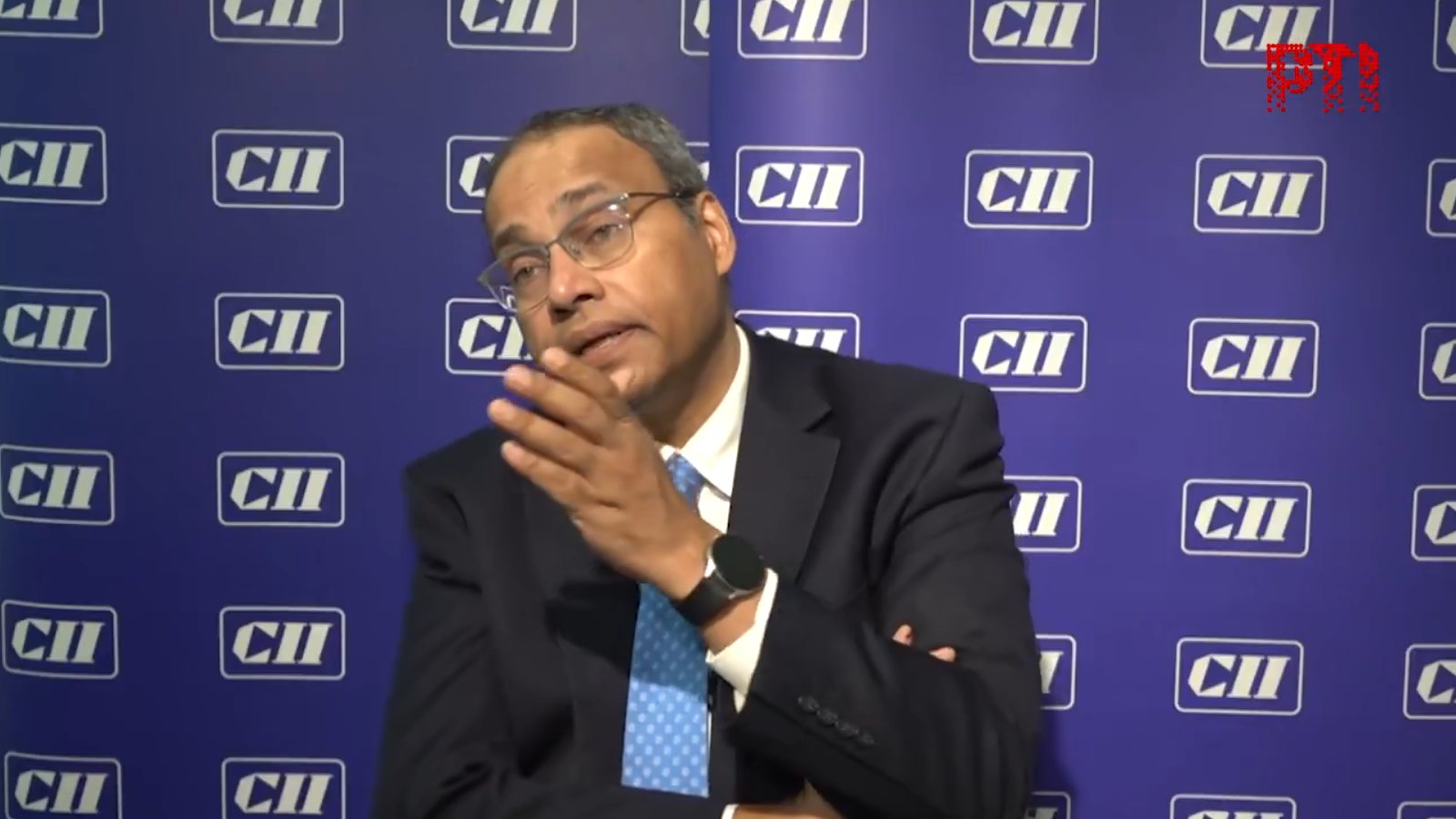
NEW DELHI : India should adopt a cautious and strategic approach towards deepening trade ties with China while encouraging investments and technology transfers that strengthen domestic manufacturing capabilities, newly appointed Confederation of Indian Industry (CII) President R Mukundan has said.

Speaking in an interview with PTI Videos, Mukundan emphasized that while Chinese technology and investments can play an important role in supporting India’s industrial growth, the country must remain focused on reducing import dependence and building robust domestic manufacturing ecosystems.

Highlighting sectors where China has developed significant expertise, particularly in battery technologies, energy storage systems, and electric vehicles (EVs), Mukundan noted that India should leverage global technological advancements to accelerate its own industrial and clean-energy ambitions.

“There are areas where Chinese technology is very good, especially in batteries, storage solutions, and electric mobility. Wherever the technology is strong, India should look at accessing that technology. Similarly, investments that help create manufacturing capacity and jobs within the country can be beneficial,” he said.

However, Mukundan stressed that China remains a major economic competitor and that any engagement should be structured in a manner that strengthens India’s industrial base rather than increasing reliance on imports. He suggested that if Chinese companies seek access to the Indian market, they should be encouraged to establish manufacturing operations and invest within India, thereby contributing to local value creation, employment generation, and technology transfer.

His remarks came in response to questions regarding the possibility of a future Free Trade Agreement (FTA) between India and China. While acknowledging the importance of economic engagement, Mukundan advocated a measured approach that balances opportunities for growth with the need to safeguard India’s long-term industrial competitiveness.

The comments assume added significance as trade between the two Asian economies continues to expand. According to recent trade data, China has surpassed the United States to become India’s largest trading partner in 2025–26, with bilateral trade reaching USD 151.1 billion.

Industry experts note that while China’s dominance in sectors such as electronics, batteries, chemicals, machinery, and renewable energy equipment presents opportunities for collaboration, it also underscores the need for India to accelerate domestic manufacturing under initiatives such as Make in India, Atmanirbhar Bharat, and Production-Linked Incentive (PLI) schemes.

Mukundan’s remarks reflect a broader sentiment within Indian industry that strategic foreign investments and technology partnerships should be leveraged to enhance domestic capabilities, strengthen supply chain resilience, and support India’s ambition of becoming a global manufacturing hub.

As India continues to expand its economic footprint and integrate with global value chains, policymakers and industry leaders are expected to focus on balancing international cooperation with the goal of building self-reliant and globally competitive industries.

Allcargo Logistics Strengthens Leadership with Appointment of Bipin Reghunathan as Chief Business Officer – Consultative Logistics

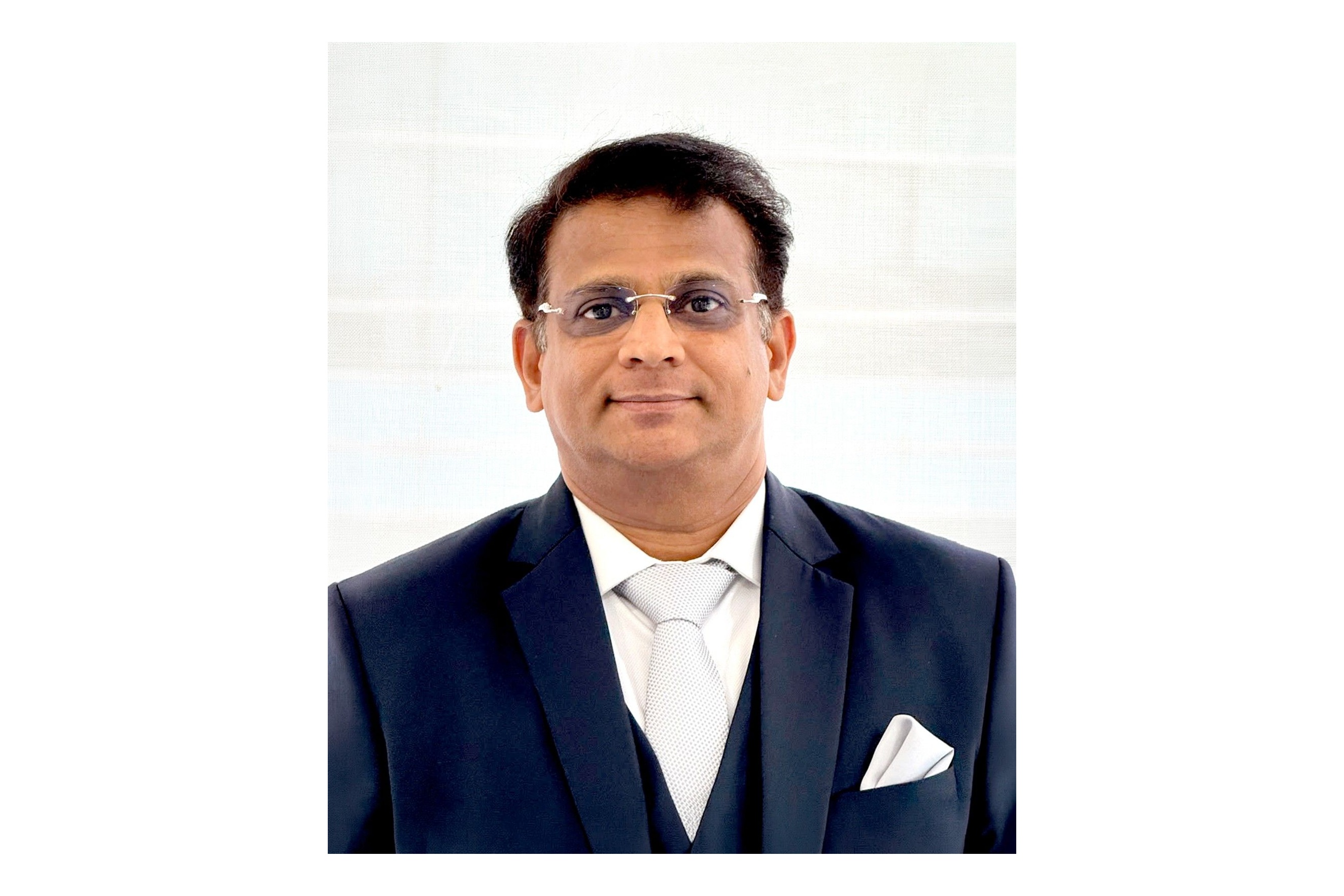
MUMBAI: Allcargo Logistics, an integrated logistics provider operating Domestic Supply Chain business, through its Express Distribution and Consultative Logistics services, has further strengthened its leadership team and announced the appointment of Mr. Bipin Reghunathan as Chief Business Officer – Consultative Logistics.

In his new role, Mr. Bipin will lead the strategic growth and profitability of Allcargo’s Consultative Logistics business. He will drive customer-centric innovation, technology-led decision-making, and organizational capability building to support the company’s long-term growth ambitions.

Mr. Bipin brings over three decades of leadership experience across supply chain management, warehousing, logistics operations, business transformation, and network optimization. Throughout his career, he has successfully driven business growth, operational excellence, and customer value creation while leading large-scale supply chain and warehousing businesses.

Commenting on the appointment, Mr. Ketan Kulkarni, Managing Director & CEO, Allcargo Logistics Limited, said, “Bipin’s appointment marks an important addition to our leadership team as we continue to strengthen and expand our consultative business. He brings extensive industry experience and a deep understanding of customer requirements across sectors. At Allcargo Logistics, we are committed to building leadership depth across our businesses, and Bipin’s addition will help us further enhance our capabilities, deliver greater value to customers and accelerate growth in this segment. We are delighted to welcome him to the Group and look forward to the contributions he will make in the years ahead.”

Speaking on his appointment, Mr. Bipin Reghunathan, Chief Business Officer – Consultative Logistics, Allcargo Logistics Limited, said. “I am delighted to be part of Allcargo Logistics, which has built a strong foundation in integrated logistics, backed by four decades of experience in the industry. This is an exciting time for the business as customers increasingly seek trusted partners who can support their growth ambitions and evolving supply chain requirements. I look forward to be part of the Allcargo Group and strengthen our Consultative Logistics capabilities and contribute to the continued growth of the business.”

Prior to joining Allcargo Logistics, Mr. Bipin held a leadership position at Rhenus Contract Logistics. He has also held senior leadership roles at DHL Supply Chain, Mahindra Logistics, Radhakrishna Foodland, and Aditya Birla Retail, where he played a pivotal role in scaling operations, strengthening customer partnerships, optimizing supply chain networks, and delivering sustainable business performance. Bipin holds a Master of Data Science from Deakin University, Australia, PG Program on Leadership and General Management from INSEAD, France, PG Program in General Management from Welingkar Institute of Management, Mumbai.

Allcargo’s Consultative Logistics business delivers integrated warehousing and supply chain solutions that help customers optimize inventory, improve operational efficiency, enhance supply chain visibility, and build agile distribution networks. The business serves customers across a diverse range of Chemical, Pharmaceuticals, Auto & Engineering, Retail industries and more, leveraging technology, process excellence, and deep domain expertise to deliver customized and scalable logistics solutions.

About Allcargo Logistics Limited (Post NCLT Order)

Allcargo Logistics Limited under the composite Scheme of Arrangement has merged its Domestic Supply Chain business and demerged its International Supply Chain (ISC) business as Allcargo Global.

Domestic supply chain business houses express distribution and consultative logistics. Allcargo Logistics’ combine legacy, innovation, and customer-centricity with a robust distribution network, deep expertise, and a digital-first approach to provide reliable logistics for MSMEs, retailers, and enterprises. With a nationwide network covering 100% of India’s districts and a growing presence across Asia, the company offers unparalleled reach and service capability. It’s key business verticals include Express Distribution, Air Freight, E-commerce Logistics, First and Last Mile Delivery, and more. The company also offers specialized B2C services such as Laabh, Bike Express, and Student Express, designed to meet the evolving needs of diverse customer segments. Allcargo group stays true to its strong commitment to adhere to Environmental, Social, and Governance (ESG) standards and continues to direct efforts towards enhancing its people, technology as well as business processes and operations on a regular basis. The group has set out to achieve 100% carbon neutrality by 2040.

Allcargo Logistics Limited is listed on BSE Limited (Scrip Code: 532749) and National Stock Exchange of India Limited (Symbol: ALLCARGO).

Adani Petronet (Dahej) Port loads first mini BCN Fertilizer Rake from MAPD Siding, strengthening rail-linked logistics

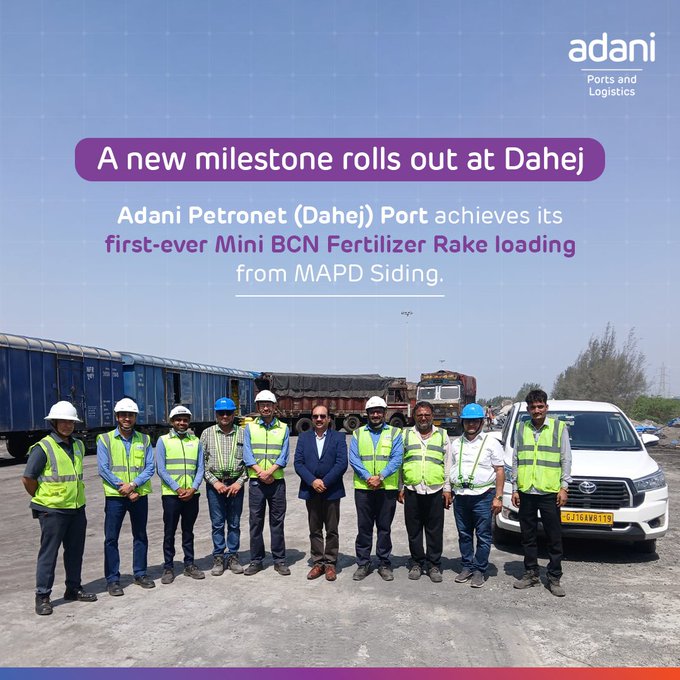
DAHEJ : Adani Petronet (Dahej) Port Limited (APDPL) has achieved a significant operational milestone with the successful loading and dispatch of its first Mini BCN Fertilizer Rake from the MAPD Siding, marking a new chapter in the port’s rail logistics capabilities and fertilizer cargo handling operations.

The achievement underscores APDPL’s continued efforts to enhance multimodal connectivity, improve cargo evacuation efficiency, and provide seamless logistics solutions to customers across the hinterland. The successful handling of the mini rake demonstrates the port’s operational flexibility and readiness to cater to diverse cargo volumes while ensuring faster turnaround times.

The introduction of Mini BCN rake operations is expected to provide greater convenience for fertilizer manufacturers, traders, and agricultural supply chains by enabling more efficient movement of fertilizer cargo to key consumption centers across the country. The development also strengthens the port’s role as a critical logistics gateway supporting India’s agricultural sector and food security objectives.

The milestone reflects the close coordination and dedication of the port operations, rail logistics, commercial, and siding management teams, whose collaborative efforts ensured the smooth planning, loading, and dispatch of the inaugural rake.

With growing cargo volumes and an increasing focus on rail-led logistics, APDPL continues to invest in strengthening its infrastructure and operational capabilities. The commencement of Mini BCN fertilizer rake services from MAPD Siding is expected to enhance supply chain reliability, reduce transit bottlenecks, and support sustainable cargo transportation through greater rail utilization.

This achievement further reinforces Adani Petronet (Dahej) Port’s position as a key maritime and logistics hub on India’s west coast, committed to delivering efficient, customer-centric, and future-ready logistics solutions while supporting the nation’s trade and industrial growth.

APEDA successfully concludes first cohort of BHARATI Programme to accelerate innovation-led growth in agri-food exports

NEW DELHI : The Agricultural and Processed Food Products Export Development Authority (APEDA), under the Ministry of Commerce & Industry, Government of India, has successfully concluded the first cohort of BHARATI (Bharat’s Hub for Agritech, Resilience, Advancement and Incubation for Export Innovation), its flagship export enablement and acceleration programme aimed at fostering innovation-led growth in India’s agri-food export sector. Beyond supporting stakeholders, BHARATI seeks to cultivate a dynamic ecosystem aligned with India’s target of achieving exports worth USD 50 billion in APEDA-scheduled products by 2030.

The programme was launched to identify, nurture and support high-potential startups developing innovative products, technologies and solutions that can enhance India’s agricultural and processed food exports. The initiative aims to strengthen the country’s agri-food export ecosystem by promoting entrepreneurship, innovation, value addition, technology adoption and global market readiness.

The inaugural cohort comprised 100 startups from 22 States and 2 Union Territories, selected through a rigorous multi-stage evaluation process from over 700 applications received from across the country. The cohort included 68 agri-food product startups, 26 export-enabling technology and service providers, and six innovators working in the areas of sanitary and phytosanitary (SPS) measures, traceability, quality assurance and compliance solutions.

Reflecting the diversity and vibrancy of India’s innovation ecosystem, the cohort featured entrepreneurs ranging in age from 17 to 75 years. Their participation highlights the growing adoption of innovation and technology-driven solutions across the agri-food export value chain.

The participating startups underwent a structured 120-hour export-focused acceleration programme covering export preparedness, market access, business scaling, regulatory compliance, packaging, branding and investor readiness. The programme also provided one-to-one mentorship, masterclasses by industry experts and opportunities to engage with stakeholders from government institutions, industry bodies, financial institutions, exporters and investors. These interactions enabled startups to explore commercial partnerships, strengthen market linkages and enhance their export readiness.

As part of its international market exposure initiative, APEDA facilitated the participation of the top eight BHARATI startups at Gulfood 2026 in Dubai, one of the world’s largest food and beverage trade exhibitions. The event provided direct access to global buyers and enabled high-value B2B engagements with international trade stakeholders. More than 100 B2B meetings were held between startups and international traders and importers, and product samples were showcased to prospective buyers.

Chairman, APEDA, Shri Abhishek Dev, IAS, said that the BHARATI Programme reflects APEDA’s commitment to building a future-ready export ecosystem driven by innovation, entrepreneurship and global competitiveness. He noted that the enthusiastic response from startups across the country demonstrates the growing strength of India’s agri-food innovation ecosystem. He further stated that the initiative aims to create a strong pipeline of export-ready enterprises capable of contributing to the growth of India’s agricultural and processed food exports.

The successful completion of the first cohort marks an important milestone in APEDA’s efforts to integrate innovation and entrepreneurship into the country’s export growth strategy. The initiative is expected to support the emergence of globally competitive startups while creating new opportunities for value addition, market diversification and sustainable export growth.

Within three months of the commencement of the programme, startups supported under the BHARATI initiative have demonstrated significant progress in advancing innovation-led agri-export solutions. Two agri-tech startups collaborated to export approximately 37 MT of GI-tagged Jardalu mangoes to Dubai, while another startup achieved the first-ever sea shipment of nutraceutical-based and botanically infused ready-to-cook millet functional food products to Auckland, New Zealand, using millet sourced from Karnataka-based Farmer Producer Organisations (FPOs).

A Madhya Pradesh-based startup dealing in organic products, including pulses, millets and heritage grains, signed a Memorandum of Understanding (MoU) with a leading supermarket chain in the UAE for an export consignment. An agri-tech startup offering fruit bagging solutions, mango orchard management services and post-harvest tools collaborated with an APEDA-registered exporter to ship approximately 5 MT of mangoes to Singapore during the current season.

A Maharashtra-based Farmer Producer Company (FPC) exported approximately 850 kg of GI-tagged fig juice and jamun-based juice to the United States and the United Kingdom and subsequently received a repeat order of approximately 1.25 MT from the same markets. In another significant achievement, a Karnataka-based startup supported by a network of more than 1,600 farmers across 12 States exported 40 MT of organic products, including pulses, heritage grains and GI-tagged native rice varieties such as Indrayani, along with 5 MT of value-added products to the UAE and European Union markets, with projected exports exceeding 40 MT to the United States, European Union and UAE markets over the next one to two months.

In addition, a Kerala-based startup has received an order for millet-based products from Oman. Negotiations are underway for several other startups involving products such as makhana for the Dubai market and ready-to-eat and ready-to-cook products for the Japanese and Cameroonian markets, among others. Furthermore, a Madhya Pradesh-based startup has expanded its domestic market presence through quick-commerce and e-commerce platforms, along with a retail footprint spanning 100 stores across multiple States in India.

The successful outcomes achieved by startups under the BHARATI initiative underscore the programme’s role in accelerating export-oriented innovation and strengthening India’s agri-food export ecosystem. Building on the success of the inaugural cohort, APEDA will soon launch the next edition of the BHARATI Programme to further expand support for startups developing innovative solutions for the agri-food export sector. APEDA remains confident that the initiative will continue to create new opportunities for innovation, value addition and sustainable growth while contributing to the long-term expansion and diversification of India’s agricultural and processed food exports.

Engineering Goods lead India’s Export Growth as Merchandise Shipments gain momentum

NEW DELHI : India’s export sector has continued to demonstrate resilience and competitiveness in global markets, with key manufacturing sectors driving robust outbound trade during the first two months of FY 2026–27. Strong performances across engineering products, petroleum products, electronics, pharmaceuticals, and chemicals underscore the country’s expanding industrial base and growing integration into global supply chains.

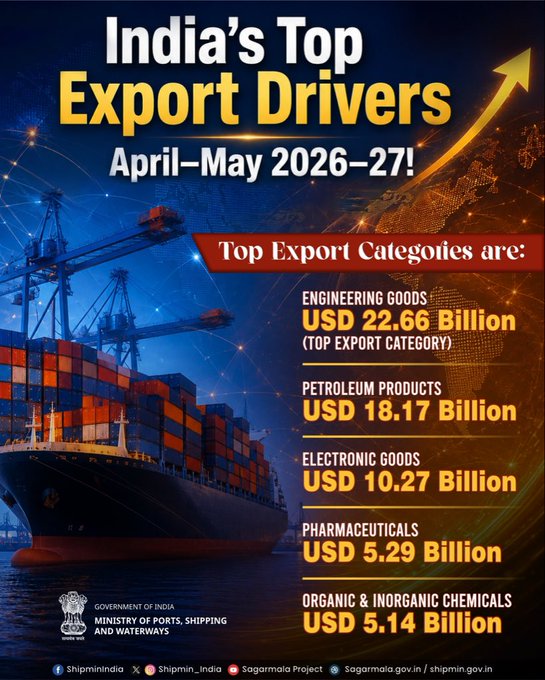
According to the latest trade data, Engineering Goods emerged as India’s largest export category during April–May 2026–27, registering exports worth USD 22.66 billion. The sector’s strong performance reflects sustained international demand for Indian machinery, transport equipment, industrial products, and capital goods, highlighting the country’s emergence as a preferred manufacturing and engineering hub.

Petroleum Products ranked second with exports valued at USD 18.17 billion, reaffirming India’s significant role in global energy trade. The continued strength of petroleum exports reflects the country’s refining capabilities and its strategic position in supplying energy products to international markets.

Electronic Goods recorded exports of USD 10.27 billion, continuing the sector’s impressive growth trajectory. The rise in electronics exports is being driven by increased domestic manufacturing, production-linked incentive (PLI) schemes, expanding global demand, and growing investments in India’s electronics ecosystem.

India’s Pharmaceuticals sector recorded exports of USD 5.29 billion,also maintained its strong export momentum, supported by the country’s reputation as the “pharmacy of the world.” Indian drug manufacturers continue to supply affordable and high-quality medicines to markets across Asia, Africa, Europe, and the Americas, reinforcing the sector’s strategic importance in global healthcare.

Meanwhile, Organic and Inorganic Chemicals registered robust export performance of about USD 5.14 billion, reflecting growing demand from international manufacturing, agricultural, and industrial sectors. The chemicals industry remains a critical contributor to India’s export basket and a key pillar of the country’s industrial growth strategy.

The strong performance across these sectors highlights the success of government initiatives aimed at boosting manufacturing, improving ease of doing business, strengthening logistics infrastructure, and enhancing export competitiveness. Programs such as Make in India, Production-Linked Incentive (PLI) schemes, and ongoing investments in ports, railways, and multimodal logistics networks are helping Indian exporters access global markets more efficiently.

Industry observers note that the diversification of India’s export basket, coupled with growing participation in global value chains, is enhancing the country’s resilience against external economic uncertainties. The sustained growth in high-value manufacturing exports, particularly engineering goods and electronics, signals a gradual shift toward more technology-intensive and value-added exports.

As global trade patterns evolve, India’s export momentum is expected to remain supported by expanding manufacturing capacity, strategic trade partnerships, and increasing demand for competitively priced, high-quality products from international markets. The latest export figures reinforce India’s position as one of the world’s fastest-growing trading economies and underline its ambition to become a major global manufacturing and export powerhouse.

INS Eastern fleet ships Udaygiri and Kavaratti depart HO Chi Minh City, Vietnam

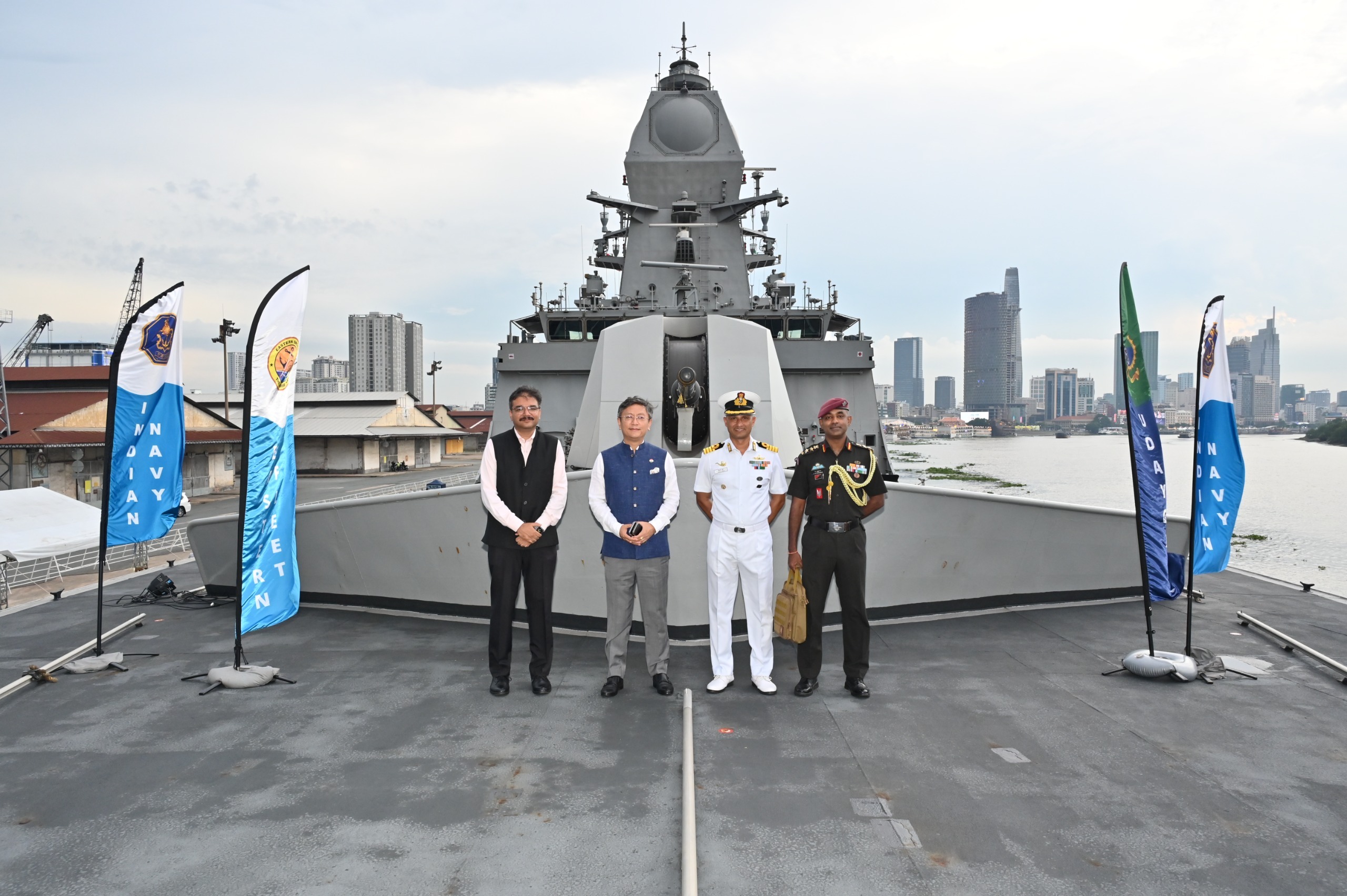
HO CHI MINH CITY : Indian Naval Ships Udaygiri and Kavaratti, under the command of RAdm Alok Ananda, Flag Officer Commanding Eastern Fleet (FOCEF), departed Ho Chi Minh City, Vietnam, on 24 Jun 2026 on completion of port call for further deployment in South East Asia region.

Pic12TSED INS Eastern fleet ships Udaygiri and Kavaratti depart HO Chi Minh City, Vietnam

FOCEF called on senior functionaries of the Ho Chi Minh City People’s Committee and the Vietnamese People’s Navy and exchanged perspectives on maritime cooperation, professional collaboration, and regional maritime security. The visit also included a wreath laying ceremony at the statue of President Ho Chi Minh, where FOCEF, accompanied by the Commanding Officers of INS Udaygiri and INS Kavaratti, paid tribute to the enduring legacy of the visionary leader.

As part of the port call, personnel of the Indian Navy and the Vietnam People’s Navy participated in a range of professional interactions and bilateral exercises which provided an opportunity for both navies to exchange operational experiences and reinforce their shared commitment towards maritime security and safe seas. To mark the 12th International Day of Yoga a joint yoga session was also conducted onboard INS Kavaratti.

During the visit, the Ambassador of India to Vietnam was hosted onboard INS Udaygiri along with representatives of the Vietnam People’s Navy, members of the diplomatic community, and other distinguished guests.

India and Vietnam share an Enhanced Comprehensive Strategic Partnership founded on mutual trust, converging interests, and close people-to-people ties. The port call reaffirms Government of India’s Act East Policy and the vision of MAHASAGAR (Mutual and Holistic Advancement for Security and Growth Across Regions), reflecting India’s continued commitment towards constructive maritime engagement and cooperation with friendly countries of the region.

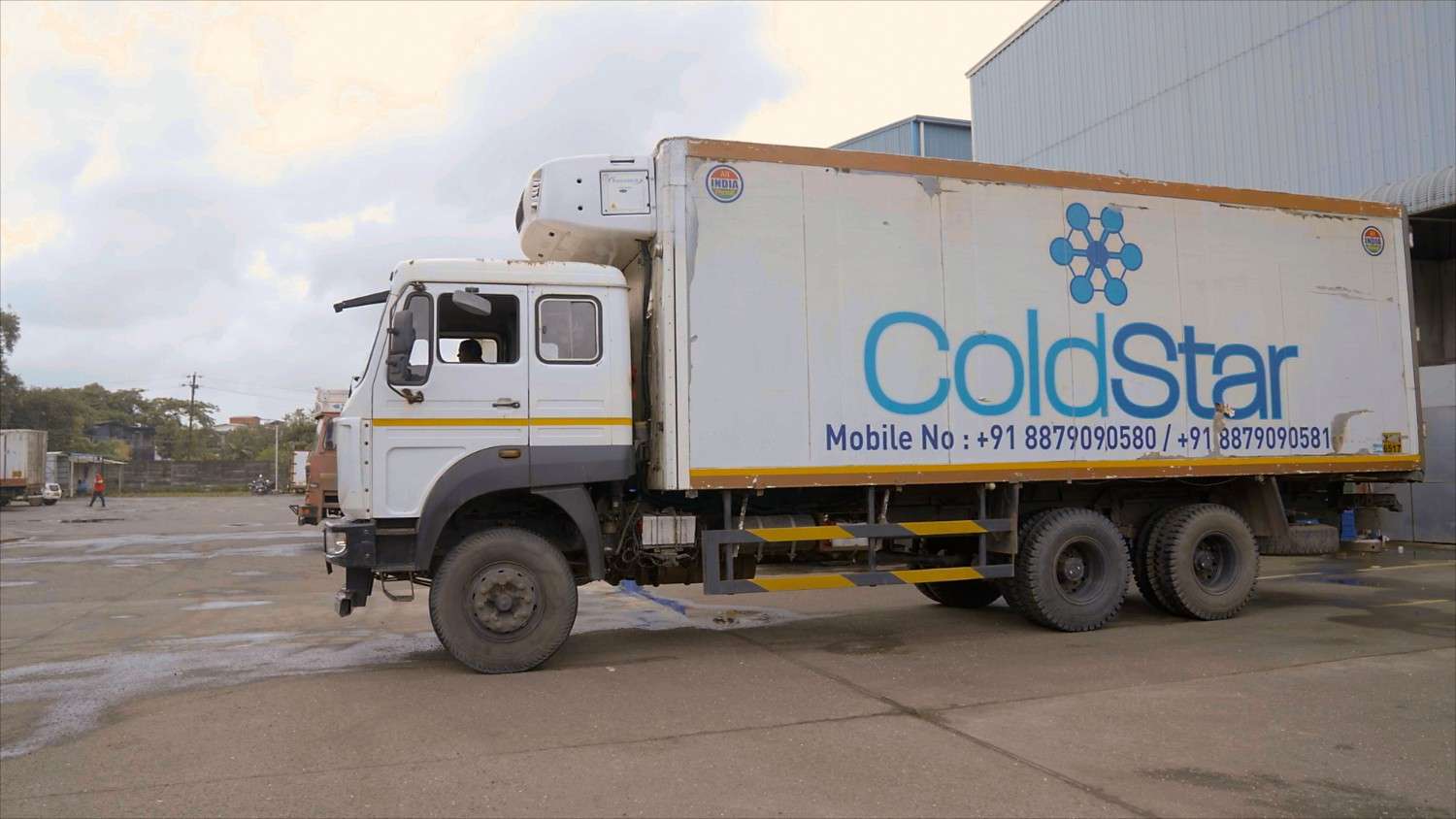
ColdStar Logistics expands into Tier II India with new facilities in Patna, Guwahati and Lucknow

MUMBAI: ColdStar Logistics, India’s leading temperature-controlled supply-chain solutions provider, has expanded its network footprint with the launch of new facilities in Patna, Guwahati and Lucknow, as part of its larger national expansion strategy aimed at strengthening supply-chain access across India’s rapidly growing Tier II markets. The expansion is part of the company’s broader growth plans as demand across food, retail, healthcare and quick commerce sectors continues to accelerate beyond metropolitan cities. 

With the addition of Patna, Guwahati and Lucknow, ColdStar’s network will span 45 distribution centres across India, enabling the company to serve more than 109,000 pin codes nationwide and strengthen access to emerging consumption markets. The expansion forms part of the company’s broader growth strategy as it continues to invest in capacity closer to emerging consumption markets. ColdStar currently operates over one million square feet of warehousing infrastructure and expects to significantly expand its footprint during the current financial year, in line with growing customer demand across food, retail, healthcare, and quick commerce sectors. 

“India’s consumption growth is increasingly being driven by markets beyond the metros, with demand becoming more distributed across the country. Our decision to invest in Patna, Guwahati and Lucknow is rooted in this long-term shift and forms part of our larger national expansion strategy. We are focused on building capacity wherever we see demand emerging, enabling greater proximity to consumption centres, reducing replenishment timelines and helping our clients scale with confidence. More importantly, these investments strengthen our ability to build supply-chain capacity ahead of demand rather than react to it. As supply chains continue to evolve, our objective is to ensure that customers and consumers in emerging markets have access to the same service standards and product availability that have traditionally been associated with Tier I cities,” said Sameer Varma, Executive Director, ColdStar Logistics, commenting on the expansion. 

The company has launched a 20,000 sq. ft. facility in Kamrup, Guwahati, which will serve as a gateway to the Seven Sisters region and improve supply-chain access across Assam, Tripura, Mizoram, Manipur, and neighbouring Northeastern states. In Uttar Pradesh, ColdStar has established a 10,500 sq. ft. warehouse in Unnao within the Lucknow-Kanpur Highway cluster, a key consumption and distribution corridor in North India. In Bihar, the company has launched a 5,000 sq. ft. facility in Anisabad, Patna, strategically  located  along the Grand Trunk Road corridor with access to the Gaighat river route, strengthening connectivity and enabling faster movement of goods across the region. Together, these facilities strengthen  ColdStar’s ability to support customers operating across FMCG, dairy, confectionery, processed foods, healthcare, retail and quick-commerce sectors. 

Each facility offers ColdStar’s multi-temperature storage infrastructure, including Ambient, Tropical (+15°C to +25°C), Chiller (+2°C to +8°C), and Frozen (-20°C) zones, enabling seamless handling of perishable and temperature-sensitive products under one roof. 

All three facilities operate on ColdStar’s established operating model and technology backbone, delivering the same service standards and reliability customers experience across its national network. This reflects the broader evolution of India’s supply chains, where businesses are increasingly able to offer consumers in Tier II and III cities an experience comparable to that of metro markets. Equipped with multi-temperature storage capabilities and technology-led planning and monitoring systems, the facilities are designed to help businesses maintain product quality, improve supply chain efficiency and avoid stock-outs. The expansion, built on ColdStar’s Network-Tech-People framework, strengthens the company’s ability to serve customers across emerging consumption markets, further deepening a national network that now spans 45 distribution centres across India. 

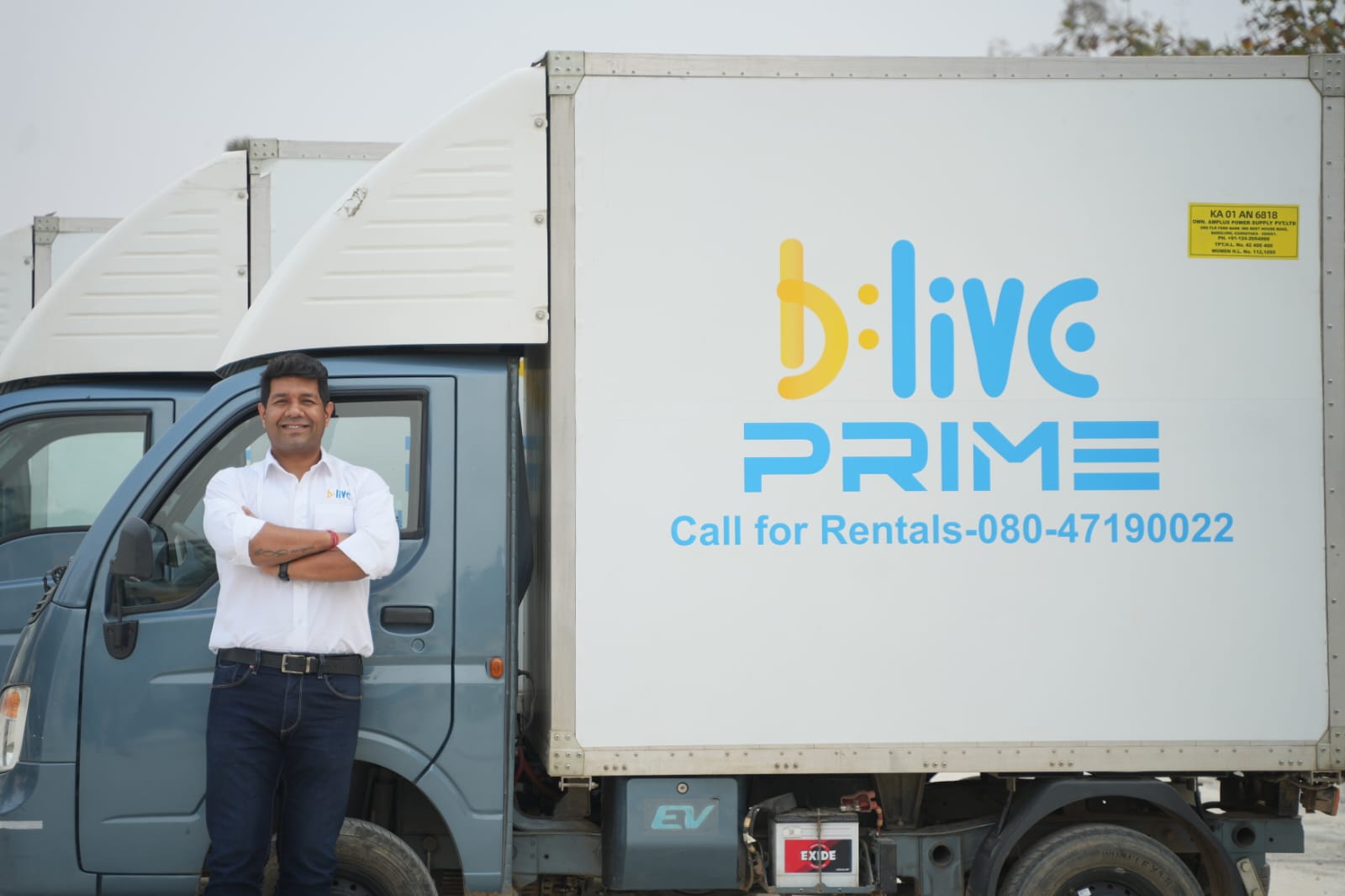
BLive PRIME to invest ₹100 Crore in Electric Mobility, Deploy 1,000 Mini-Trucks Nationwide over Next 2 Years

NEW DELHI: India’s fastest growing Electric Mobility Platform BLive has announced its expansion and investment plans to accelerate India’s transition to sustainable logistics. The company has introduced BLive PRIME with a ₹100 crore investment dedicated to deploying 1,000 electric mini-trucks over the next two years. With the introduction of BLive PRIME, an innovative 4-wheeler franchise model, the company is set to drive large-scale electric fleet adoption and advance the nation’s green delivery revolution.

Responding to the rapid 15-20% CAGR growth in last-mile logistics fueled by e-commerce and quick commerce, BLive will roll out 1000 electric cargo vehicles in 24 months. The expansion begins in Bengaluru and will extend to key urban markets including Delhi, Chennai, and Hyderabad in the coming months, reinforcing BLive’s commitment to building a reliable, high-utilisation electric fleet for India’s evolving logistics landscape.

BLive PRIME is designed to bridge the gap between growing fleet demand and access to structured capital, enabling investors to participate in this transition through an asset-backed model. With an entry investment starting at ₹50 lakh, the model follows a 100% franchisee-owned, company-operated structure, in which investors own electric mini-truck fleets while BLive manages end-to-end operations, including deployment, utilisation, and maintenance. BLive’s fleet ecosystem leverages proven commercial EVs such as the Tata Ace EV, widely used in last-mile logistics for its suitability in urban delivery operations and consistent performance in high-frequency use cases.

Through its existing network, BLive supports deployments across leading logistics and delivery platforms, including Hyperpure, Porter, and Delhivery, among others, highlighting the strong and sustained demand for electric mini trucks in real-world commercial operations.

Sandeep Mukherjee, Co-Founder & CEO, BLive, said, “India’s EV transition is entering a phase where scale will be driven by commercial use cases, particularly in last-mile logistics, where demand is predictable, and utilisation is high. With BLive PRIME, we are building a model that connects capital with this demand, enabling investors to own EV assets while we manage operations and ensure their deployment within a growing logistics ecosystem. This approach not only accelerates fleet electrification but also creates a structured, scalable pathway for participation in India’s EV growth story.”

BLive has been building an integrated EV ecosystem across fleet deployment, rider enablement, and franchise-led expansion. With the introduction of BLive PRIME, the company is expanding into larger-format commercial EV fleets, unlocking a significantly larger opportunity in urban logistics. The model is designed to:

● Enable scalable EV fleet expansion through investor participation

● Support the electrification of high-frequency delivery operations

● Create asset-backed, demand-linked opportunities in the EV ecosystem

As India’s logistics sector continues to evolve, electric mini trucks are expected to play a central role in enabling efficient and sustainable delivery networks. BLive PRIME aims to accelerate this shift by aligning demand, infrastructure, and capital into a single, scalable model.

About BLive

BLive is an electric mobility platform focused on accelerating EV adoption through fleet solutions, franchise models, charging solutions and technology-driven operations, with a strong presence in India’s last-mile delivery ecosystem

Oman and Iran to pursue talks on managing navigation in Strait of Hormuz

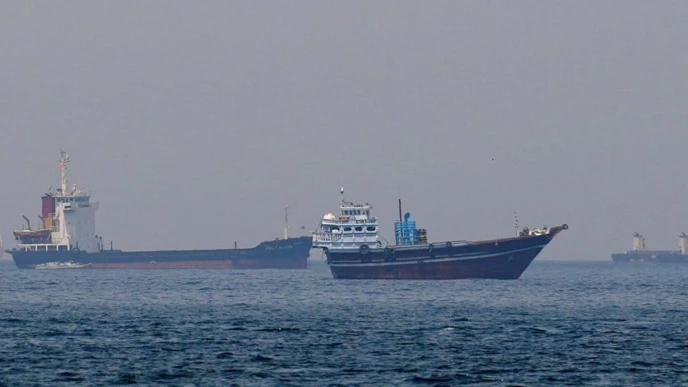
DUBAI : Oman and Iran agreed on Tuesday to press on with ​discussions about the future administration of navigation in the ‌Strait of Hormuz, including maritime services in the strategic waterway and the costs associated with them.
In a joint statement issued after talks in Muscat, the ​two countries said a joint working group involving their foreign ​ministries would be formed to continue the discussions and ⁠that they would consult other littoral states and relevant parties.

The ​move appears to implement a provision of the memorandum of understanding signed ​last week that calls for Iran to hold talks with Oman and other Gulf coastal states on the future management of navigation and maritime services in ​the strait, a vital waterway for global oil supplies.

The agreement was ​announced following a visit by Iranian Parliament Speaker Mohammad Baqer Qalibaf and Foreign ‌Minister ⁠Abbas Araqchi, who met Oman’s Sultan Haitham bin Tariq and held talks with Omani Foreign Minister Sayyid Badr Albusaidi.

In the statement, Oman and Iran, the two states bordering the strait, reaffirmed their commitment ​to ensuring safe ​passage through the ⁠waterway in accordance with international law while underlining sovereignty over their territorial waters.

Since the start of ​the U.S.-Israeli war against Iran in February, the strait has ​been ⁠largely closed to commercial shipping. The United States blockaded Iranian ports after Iran started effectively blocking the strait.
Oman and Iran reaffirmed their commitment ⁠to ​the strait being a secure and open ​route for international navigation and to promoting maritime safety, freedom of navigation and regional ​stability.

Source : Reuters

Ships advised to transit southern strait of Hormuz with navigation systems on : JMIC

OMAN : Ships can use the southern route through the Strait of Hormuz at any time of day or night with their tracking systems switched on, according to a new advisory from the Joint Maritime Information Center (JMIC), a maritime information body that works with naval and commercial shipping agencies.

JMIC said vessels do not need to coordinate with the US Navy’s NCAGS unit when using the southern coastal route along Oman, although it still encourages operators to share information for safer passage.

Ships are advised to keep AIS transponders on, use radar, maintain running lights, and continue normal radio communication. The guidance is different from earlier US military advice, which had suggested ships travel “dark” with their AIS switched off and move mainly at night.