Home Blog Page 240

National Logistics Day highlights Logistics Sector’s Critical Role in India’s Economic Growth: Ketan Kulkarni

MUMBAI: As India prepares to observe National Logistics Day on June 28, industry leaders are emphasizing the pivotal role of logistics in driving economic growth, enhancing trade competitiveness, and supporting the nation’s ambition of becoming a developed economy by 2047.

Sharing his views ahead of National Logistics Day, Mr. Ketan Kulkarni, Managing Director & CEO of Allcargo Logistics, highlighted the transformative impact of policy reforms, digitalization, and technology adoption on India’s logistics landscape.

According to Mr. Kulkarni, the logistics sector has evolved significantly in recent years, supported by government initiatives such as the National Logistics Policy and the Unified Logistics Interface Platform (ULIP), which have improved connectivity, operational efficiency, and supply chain visibility across the country.

Mr. Ketan Kulkarni said:

“National Logistics Day underlines the logistics industry’s role as a key enabler of economic growth and trade competitiveness, paving the way for strengthening India’s integration with the global value chains. The industry has entered a new phase of improved connectivity, efficiency, and visibility on the back of initiatives such as the National Logistics Policy, ULIP, etc.

As global companies across sectors are diversifying supply chains, India is uniquely positioned to emerge as a preferred manufacturing and logistics hub. Therefore, along with continued focus on capacity building, the priority of the logistics industry needs to be on the rapid adoption of technology, automation, AI-driven decision-making, and data-led supply chain management. As customer expectations and market dynamics continue to evolve, the future of logistics will be powered by intelligent, connected, and sustainable networks, capable of delivering greater speed, reliability, and resilience.

The National Logistics Day is also an apt occasion to acknowledge the unwavering commitment of millions of professionals across transportation, warehousing, and distribution. Their dedication keeps the trade moving every day and forms the backbone of India’s growth story. As the country aspires to become a developed economy by 2047, we need to continue to innovate and collaborate as well as engage with the policymakers more closely to address the existing gaps and build a world-class logistics ecosystem.”

Industry experts believe that India’s growing focus on multimodal infrastructure, digitized logistics processes, and supply chain modernization is creating new opportunities for businesses while enhancing the country’s attractiveness as a global manufacturing destination.

The emphasis on automation, artificial intelligence, data-driven decision-making, and sustainability is expected to redefine logistics operations in the coming years, helping companies achieve greater efficiency, resilience, and customer satisfaction.

National Logistics Day serves as a platform to recognize the contributions of the millions of professionals working across transportation, warehousing, freight forwarding, shipping, and distribution networks, whose efforts ensure the uninterrupted movement of goods and support India’s expanding trade and economic activities.

As India advances toward its Vision 2047 goals, the logistics industry is expected to play an increasingly strategic role in reducing logistics costs, strengthening global supply chain integration, and enhancing the country’s competitiveness in international trade.
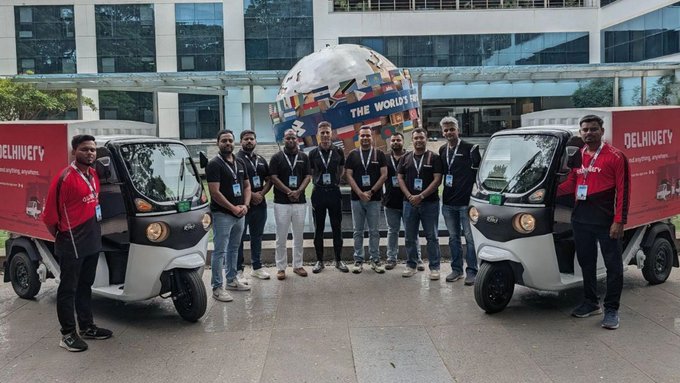
Delhivery partners with Bajaj Auto to deploy 1,500 Bajaj RIKI eCarts

NEW DELHI : The Bajaj Riki C4005 (eCart) significantly reduces operating costs per km. When combined with Delhivery’s automated route optimisation, delivery partners can complete more drop-offs per trip.
Logistics company Delhivery and Bajaj Auto have signed an agreement to deploy Bajaj RIKI eCarts across Delhivery’s last-mile delivery network, extending electrification to Tier-2 and Tier-3 cities.

The deployment will occur in three phases, with the first phase kicking off with the flag-off of the first lot of 200 EVs from Bajaj Auto’s Akurdi plant on Tuesday. Over 2026 and 2-27, a total of 1,500 Bajaj electric three-wheelers (L3 and L5) will be deployed.

1782211128399 Delhivery partners with Bajaj Auto to deploy 1,500 Bajaj RIKI eCarts

Samardeep Subandh, President of Intra-City Business at Bajaj Auto, stated that this partnership marks the launch of the Bajaj Riki C4005 (eCart). The Bajaj Riki C4005 offers a range of 100 km on a single charge, providing reliability as well as improved comfort and ergonomics for drivers.

He said that partnering with Delhivery has the potential to impact last-mile logistics not only in metropolitan areas but also in Tier-2 and Tier-3 cities.

The Bajaj Riki C4005 (eCart) significantly reduces operating costs per km. When combined with Delhivery’s automated route optimisation, delivery partners can complete more drop-offs per trip. This increased operational efficiency directly contributes to a sustainable and reliable increase in daily earnings for last-mile delivery partners.

Prashant Gazipur, Chief Operating Officer of In-City Operations at Delhivery, said that by integrating their intelligent routing systems with highly efficient cargo electric vehicles, they are creating a more profitable model for riders while offering clients a cleaner, lower-carbon supply chain.

Delhivery posted on social media : ‘ Here is how this partnership is moving us forward:
1. Boosting Rider Earnings: By eliminating volatile fuel costs and reducing vehicle maintenance costs, we are significantly reducing daily operational overheads. Coupled with our proprietary route optimization, our delivery partners across metros and regional city hubs can deliver more efficiently and take home higher daily earnings.

2. Enhancing Safety & Comfort: We are integrating these weather-protected 3W EVs into our existing fleet mix specifically for high-density, heavy-payload runs. This protects our riders from harsh weather conditions, reduces fatigue, and removes the physical strain of carrying heavy cargo backpacks on these demanding routes.

3. Advancing Shared ESG Goals: Electrifying our last-mile transit eliminates both metropolitan and regional tailpipe emissions. This directly lowers our carbon footprint on a national scale and helps our enterprise clients meet their own Scope 3 emissions targets, creating a cleaner supply chain for everyone.’

Pacific International Lines accelerates Fleet Renewal with Twin Naming of 13K TEU LNG Dual-Fuel Vessels

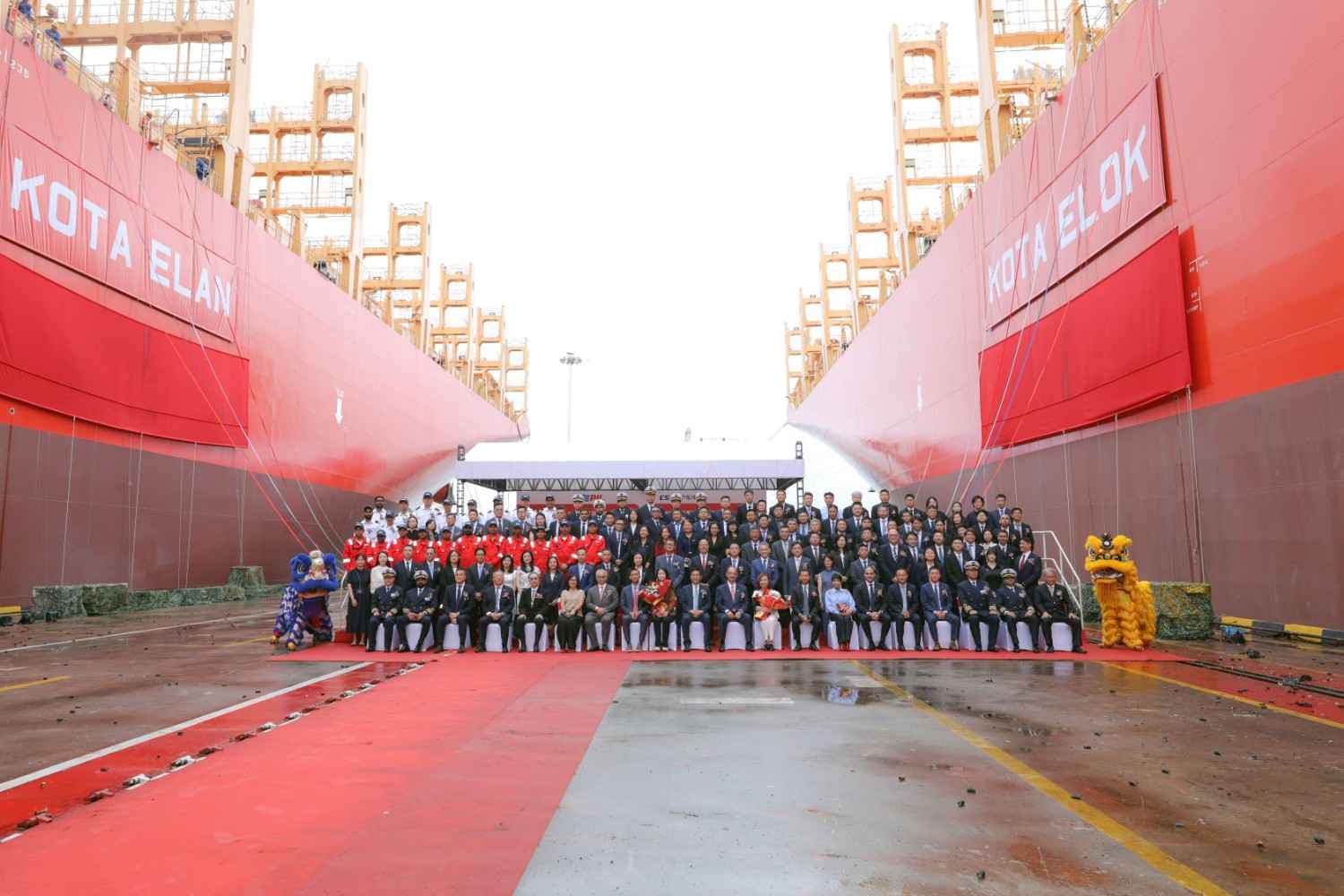
SHANGHAI: Pacific International Lines (PIL) Tuesday marked a significant milestone in its fleet renewal programme with the twin naming ceremony of its newest 13,000 TEU LNG dual-fuel container vessels, Kota Elok and Kota Elan, at Hudong-Zhonghua Shipyard in Shanghai. 

Kota Elok was named by Ms Chan Wai Ching, Chief Corporate Officer of Temasek International, while Kota Elan was named by Ms Yan Zi, a former tennis Olympic bronze medallist and Grand Slam champion in doubles. She is the wife of Lee Shing Kan, Executive Director of Xinyi Glass, one of the world’s leading manufacturers of glass. Also in attendance were Mr Lars Kastrup, PIL’s CEO; Mr Eng Aik Meng, PIL’s Board Director; Mr Chen Jianliang, Chairman of Hudong-Zhonghua Shipbuilding Group; and Mr Li Wucheng, Director of Shandong Port Group Container Operations Centre.

The name Kota Elok, meaning “beautiful city” in Malay, reflects both the grace and elegance of the vessel, and the vibrant ports and communities she will connect. Kota Elan, derived from the word “élan”, represents dynamism, vitality and forward momentum—symbolising the vessel’s role in enabling global trade flows with energy and purpose.

Photoatnamingplatform 1 Pacific International Lines accelerates Fleet Renewal with Twin Naming of 13K TEU LNG Dual-Fuel Vessels

Built by Hudong-Zhonghua Shipbuilding (Group) Co., Ltd, the two vessels are the first in a series of 13 new 13,000 TEU ships designed to elevate PIL’s operational capabilities. They form a key part of the company’s broader fleet renewal strategy, aimed at modernising its vessels, increasing competitiveness and growing capacity while enhancing efficiency and sustainability.

Kota Elok and Kota Elan will be deployed on PIL’s service connecting Asia and South America, a key trade corridor experiencing strong and sustained growth. Their introduction enables PIL to better support increasing cargo demand while facilitating smoother and more efficient trade flows between the two regions, and improves PIL’s operating efficiencies across the network.

Both ships are equipped to operate on liquefied natural gas (LNG) as well as low-sulphur fuel oil, allowing for meaningful reductions in greenhouse gas emissions. Their deployment reinforces PIL’s commitment to sustainable shipping and its long-term goal of achieving net zero emissions by 2050.

Mr Lars Kastrup, CEO of PIL, said, “The naming of Kota Elok and Kota Elan highlights the acceleration in PIL’s journey to modernise our fleet and strengthen our position in key trade lanes. These vessels will enable us to meet growing trade demand, expand capacity and deliver greater efficiency for our customers.”

“At the same time, they reflect our continued commitment to sustainability. By investing in LNG dual-fuel technology and advanced vessel designs, we are taking meaningful steps towards reducing our carbon footprint and achieving our net zero ambitions.”

The vessels incorporate a suite of advanced technological and energy-saving features, including an optimised hull form to improve hydrodynamic performance, energy-efficient systems and premium hull coatings that reduce fuel consumption. Both vessels are also equipped with digital technologies, including Artificial Intelligence (AI) and Internet of Things (IoT) capabilities, to enhance operational performance and enable greater automation onboard.

Kota Elok further features a bow windshield to improve aerodynamics, contributing to improved fuel efficiency and lower emissions over the course of long-haul voyages.

Beyond operational performance, the vessels have been designed with seafarers in mind, offering a safe, modern and comfortable onboard environment that supports crew wellbeing and welfare.

Freight forwarders helped make Brexit-era UK–EU trade manageable

LONDON: As the UK marks ten years since the Brexit referendum, the British International Freight Association (BIFA) is highlighting the vital role played by its members in helping businesses adapt to the biggest change in UK trading conditions for a generation.

Brexit fundamentally changed the way goods move between the UK and the European Union. What had previously been largely frictionless trade became a far more complex process involving customs declarations, rules-of-origin paperwork, VAT and duty procedures, safety and security requirements, and, for many sectors, sanitary and phytosanitary controls.

For traders unfamiliar with these new obligations, the challenges were significant. BIFA members stepped up to provide the expertise, systems and support needed to keep supply chains moving and minimise disruption.

Over the past decade, freight forwarders have expanded customs brokerage operations, developed specialist post-Brexit logistics services, and invested heavily in technology and staff training. They have guided importers and exporters through continually evolving UK and EU regulations, helping businesses navigate new compliance requirements while reducing the risk of costly delays and border issues.

The transition was not without difficulties. Freight forwarders, and the traders they serve, have faced increased paperwork, more inspections, higher compliance risks and rising operating costs. Groupage services have been particularly affected, with consolidated shipments requiring multiple customs entries and checks. Developing effective systems, especially at non-inventory-linked ports such as Dover, demonstrated the scale of the challenge involved in creating and implementing new processes at speed.

The impact of Brexit has varied across sectors. Food, agricultural and live animal movements have faced some of the greatest hurdles as a result of enhanced biosecurity and sanitary controls. Northern Ireland has emerged as one of the most complex trading frontiers in Europe, requiring highly specialised expertise. Meanwhile, traders and logistics providers have had to adapt continually to changing guidance, new border processes and additional measures such as the EU’s Entry/Exit System and evolving environmental regulations.

While studies suggest UK–EU trade remains around 10–20 per cent below the level it might have reached without Brexit, the freight forwarding sector has transformed in response. UK-EU Customs and compliance services have become a core capability, while digitalisation has accelerated across the industry.

“Brexit made UK–EU trade harder, more costly and more administratively demanding,” said Steve Parker, BIFA’s Director General. “But BIFA members helped make it manageable. Over the last ten years they have become indispensable partners to importers and exporters, providing the expertise, resilience and innovation needed to keep goods moving in a far more complex trading environment.”

Ten years on, the additional friction introduced by Brexit remains a defining feature of cross-Channel trade. The efforts of BIFA members have helped UK businesses to adapt and continue trading.

Parker concludes: “For freight forwarders, Brexit has been less a story of collapse than of transformation. Like never before, it has demonstrated the strategic importance of freight forwarders’ work in the supply chains that underpin international visible trade.”

K” LINE Media Tour of Car Carrier to view cargo handling operations for Cairo, Egypt Metro Train Cars held at Port of Kobe

KOBE: Kawasaki Kisen Kaisha, Ltd. (“K” LINE) is pleased to announce that a media tour of a car carrier was held at the Port of Kobe on June 13.

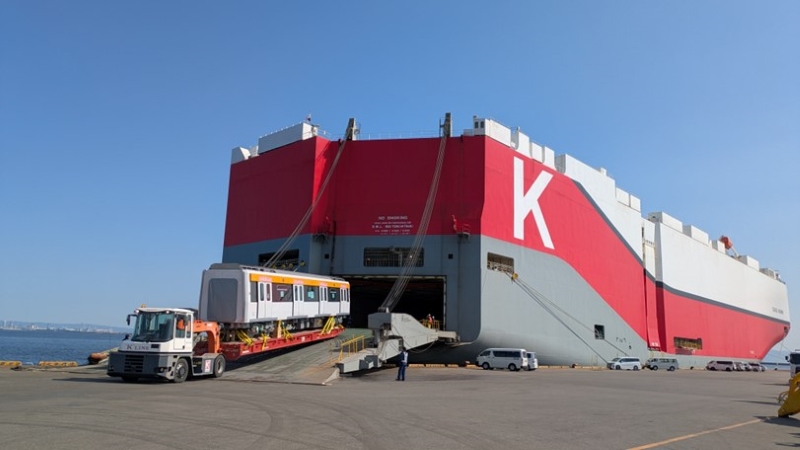
This tour was conducted in connection with the maritime transportation of train cars for phase 1 of Cairo Metro Line 4, which Mitsubishi Corporation and Kinki Sharyo Co., Ltd. are delivering to the Egyptian Ministry of Transport using “K” LINE’s OCEANUS HIGHWAY car carrier. This is the second shipment of train cars for this project following the first shipment in March 2026*1.

Metro Rail Coach K” LINE Media Tour of Car Carrier to view cargo handling operations for Cairo, Egypt Metro Train Cars held at Port of Kobe

On June 13, members of the press from newspapers, television, and online media organizations attended the tour, observed cargo handling operations involving the train cars and viewed the vessel’s onboard facilities. Mitsubishi Corporation Machinery, Inc. and the Japan International Cooperation Agency (JICA), which supports this project, gave presentations on their organizations’ initiatives.

The participants were provided with an opportunity to experience firsthand maritime transportation operations and to deepen their understanding of the significant role this project plays in the development of Egypt’s urban transportation infrastructure.

“K” LINE will continue to meet increasingly diverse transportation needs using large environmentally friendly vessels. “K” LINE will leverage its global network, advanced maritime expertise, and high-quality transportation services to expand its high and heavy cargo transportation business and optimize its cargo portfolio.

NatPower and Tesla sign a strategic agreement for more than 25 GWh of Battery Energy Storage Systems in Europe

LONDON: NatPower and Tesla have entered into a multi-year supply and execution agreement covering more than 25 GWh of battery energy storage systems (BESS) across European markets. Projects under the agreement will be sited in Italy and the United Kingdom and will be owned and operated by NatPower. Tesla will provide Megapack, their battery energy storage system, as well as EPC and bankable trading services, with long-term revenues warranties, through Tesla’s Autobidder platform.

The agreement goes beyond the supply of technology alone: it establishes an integrated structure combining electrical infrastructure, industrial capacity and advanced energy trading models, which provide the flexibility and certainty required to finance and deliver projects of NatPower’s scale.

As part of this strategic collaboration, Tesla will offer its best and latest product, integrating both technological and financial services. Through this agreement, NatPower strengthens its European leadership in energy infrastructure by developing highly advanced storage assets capable of optimizing electrical capacity for years to come.

This industrial synergy responds rapidly to the power system’s need to address the challenges of the energy transition, further accelerated by growing demand linked to artificial intelligence.

NatPower Tesla 2 NatPower and Tesla sign a strategic agreement for more than 25 GWh of Battery Energy Storage Systems in Europe

A TURNING POINT

For the first time at this scale, BESS is being delivered and allocated through a coordinated system that directly links production, financing and execution on a multi-country basis, moving beyond an opportunistic and local approach.

At a time when electricity is becoming both increasingly constrained and increasingly vital, the scale and execution timeline of this agreement represent an industrial enabler of economic growth.

FROM TECHNOLOGY TO EXECUTION

The agreement encompasses five initial projects, in Italy and in the United Kingdom, constituting the first delivery phase of a program with a total capacity target exceeding 100 GWh. Aggregate construction value across the full scope is estimated at $4-5 billion and expected projects revenues exceeding $15 billions over 20 years.

For the first time at this scale, BESS procurement, financing and execution have been coordinated across multiple jurisdictions under a single integrated framework, linking manufacturing allocation directly to project delivery. The agreement addresses five operational requirements simultaneously:

  • Manufacturing capacity reservation
  • Grid access and connection
  • Permitting and regulatory compliance
  • Financial structure
  • Execution scheduling and timeline management

OPERATIONAL SIGNIFICANCE

At +25 GWh, the storage capacity covered by this agreement constitutes systemic grid infrastructure. Deployed assets will provide grid stabilisation, renewable generation optimisation, and dispatchable capacity for high-demand end users including data centres and energy-intensive industrial operations.

The agreement directly responds to accelerating demand pressures on European power systems, driven by electrification, renewable intermittency, and AI energy demand explosion, where delivery capability has become the primary constraint on energy system expansion.

“The significance of this agreement lies in its ability to turn project development into concrete execution. The sector has access to technology and capital but still struggles to deliver infrastructure consistently and within the required timelines. What we have built with Tesla is an ecosystem that enables alignment between capital and execution, and that can be replicated across multiple markets. Today, with this strategic agreement, we are launching the delivery of the first five major projects developed over recent years in Italy and the United Kingdom. This is a historic moment for our companies, not only because of the scale of the agreement, but also because of the impact it will have on the energy infrastructures.” — Fabrizio Zago, CEO of NatPower

“Tesla is excited to partner with NatPower on this long-term agreement. They have a strong vision for scaling battery deployments quickly and efficiently across Europe. Our team of experts are helping accelerate these deployments through our vertically integrated offering, providing hardware, software, construction, trading optimization and service to bring projects online faster and ensure they operate smoothly throughout the lifetime of the product” — Mike Snyder, VP Tesla Energy & Charging

CONCLUSION

This agreement adds significant storage and trading capacity to the system.

It also defines a replicable model for how industrial capacity can be reserved, allocated and converted into operational infrastructure in a context of increasingly stringent constraints.

In a market where energy demand is growing faster than the ability to deliver it, execution control becomes the key variable.

Concordia Damen delivers Century Star to Century Cruises, the first river cruise ship for the European market

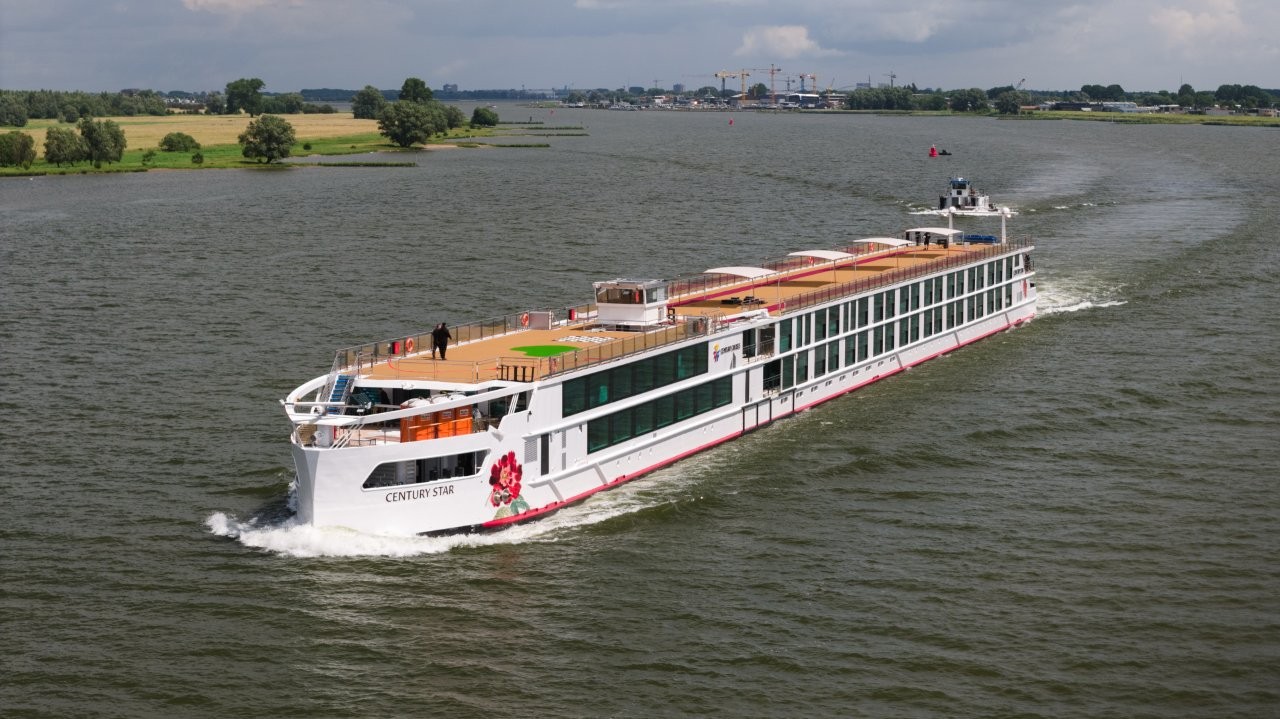
WERKENDAM (The Netherland): Dutch specialized shipbuilder Concordia Damen has delivered the Century Star to Century Cruises. The vessel is the first river cruise ship that the China-based cruise line has had built specifically for the European market and marks the start of a series of three sister ships. The Century Star will sail on the Danube from September 2026, with itineraries on the Rhine to follow at a later date.

The vessel was built in collaboration with United Waterways, which assists Century Cruises in adapting to European operational standards, including regulations, safety management, crew and hospitality. The Century Star is based on Concordia Damen’s in-house designed CDS River Cruise 135 design and can accommodate 174 guests in 78 cabins. Several vessels based on this design have now been built.

Hull made from recycled steel

Sustainability played a central role in the design. The ship is powered by a hybrid propulsion system and has a hull made from recycled steel. The interior combines elements inspired by European river destinations with references to the brand’s Asian heritage, with the aim of blending Eastern hospitality with the quality standards expected by European travelers.

Chris Kornet, Managing Director of Concordia Damen, says: “The delivery of the Century Star demonstrates that, as a family-run business, we are capable of entering an entirely new segment in collaboration with international partners. We are grateful to Century Cruises and United Waterways for their confidence in this first project of a series of three. It proves that Dutch shipbuilding expertise and sustainable innovation make a difference in the international river cruise market too.”

For Century Cruises, the Century Star forms the basis for a long-term presence in the European river cruise market. The second vessel in the series of three is expected to be delivered by Concordia Damen in August 2026.

“The delivery of the Century Star is a significant milestone, not only for Century Cruises but for the European river cruise sector as a whole. The ship embodies the combination of the drive for innovation and expertise of all parties involved, as well as a shared ambition to offer exceptional travel experiences. We look forward to welcoming the first guests on board,” said Thomas Rooch, Managing Director of Century ONE in Basel.

India becomes World’s top Ship Recycling Nation in 2025

NEW DELHI : India has emerged as the world’s leading ship recycling nation in 2025, ranking first globally. India’s share of global ship recycling increased to 35.4% in 2025 from 30.1% in 2024, according to the latest report by the United Nations Conference on Trade and Development (UNCTAD). Ship recycling in India rose significantly to 2.99 million gross tons (GT) in 2025, up nearly 60% from 1.86 million GT in 2024. With this achievement, the target set under Maritime India Vision (MIV) 2030 to become the world’s leading ship recycling nation has been achieved well ahead of schedule.

India Becomes Worlds Top Ship Recycling Nation in 2025 1 India becomes World’s top Ship Recycling Nation in 2025

This achievement reflects the impact of maritime policy reforms and ease-of-doing-business initiatives undertaken by the Government of India under the visionary leadership of Prime Minister Shri Narendra Modi.

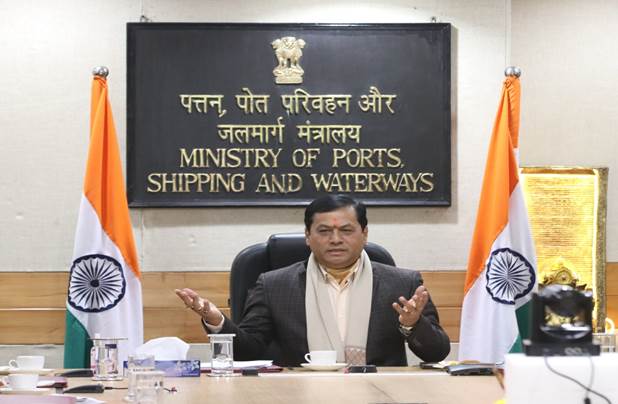
On this occasion, the Union Minister of Ports, Shipping & Waterways (MoPSW), Sarbananda Sonowal, said, “India’s emergence as world’s top ship recycling nation reflects the success of sustained policy reforms, industry efforts and adherence to international environmental and safety standards under the visionary leadership of Prime Minister Narendra Modi. It reinforces India’s position as a global hub for responsible and sustainable ship recycling.”

Key Government Initiatives

To strengthen India’s ship recycling ecosystem and capture a larger share of the global market, the Ministry of Ports, Shipping and Waterways (MoPSW) has undertaken several initiatives:

Hong Kong Convention Compliance:
The Government of India enacted the Recycling of Ships Act, 2019, to develop a ship recycling ecosystem aligned with the Hong Kong International Convention for the Safe and Environmentally Sound Recycling of Ships (HKC), which India ratified in 2019.

The government has provided financial assistance of ₹53.5 crore to support the modernisation of ship recycling yards, helping 115 facilities become HKC-compliant.

Ship-breaking Credit Note Scheme:
MoPSW launched the Ship-breaking Credit Note Scheme, under which ship owners receive a credit note equivalent to 40% of the scrap value of a recycled ship. The credit note can be utilised toward payment of up to 5% of the value of a new vessel built at an Indian shipyard, thereby promoting both ship recycling and domestic shipbuilding.

Stakeholder Engagement:
MoPSW regularly engages with the Gujarat Maritime Board, the Ship Recycling Industries Association, global shipping companies, cash buyers, classification societies and international organisations to identify challenges and implement targeted solutions.

Inclusion Under European Union Ship Recycling Regulations (EUSRR):
The Government of India is actively pursuing the inclusion of Indian ship recycling yards in the European Union’s approved list of recycling facilities. Continuous engagement with relevant authorities is underway to facilitate approvals.

Expansion of Alang Ship Recycling Yard:
India aims to nearly double its ship recycling capacity to about 9 million light displacement tons (LDT) through the planned expansion of the Alang Ship Recycling Yard. The Government of Gujarat has prepared a comprehensive master plan to support future demand, improve infrastructure and enhance India’s competitiveness in the global market.

Strong Growth Prospects

According to the Baltic and International Maritime Council (BIMCO), more than 16,000 vessels are expected to be recycled globally over the next decade. With a current market share of 35.4%, India is well-positioned to recycle approximately 500 to 600 vessels annually while continuing to expand its ship recycling capacity.

A Sustainable Ship Recycling Future

India’s rise to the top position in global ship recycling is the result of a coordinated strategy focused on sustainability, regulatory reforms, infrastructure development and industry collaboration. With strong future demand, increasing compliance with international standards and continued government support, India is well-positioned to strengthen its leadership in ship recycling while advancing the objectives of the circular economy and sustainable maritime development.

DP World Cochin records highest Monthly Throughput in May 2026

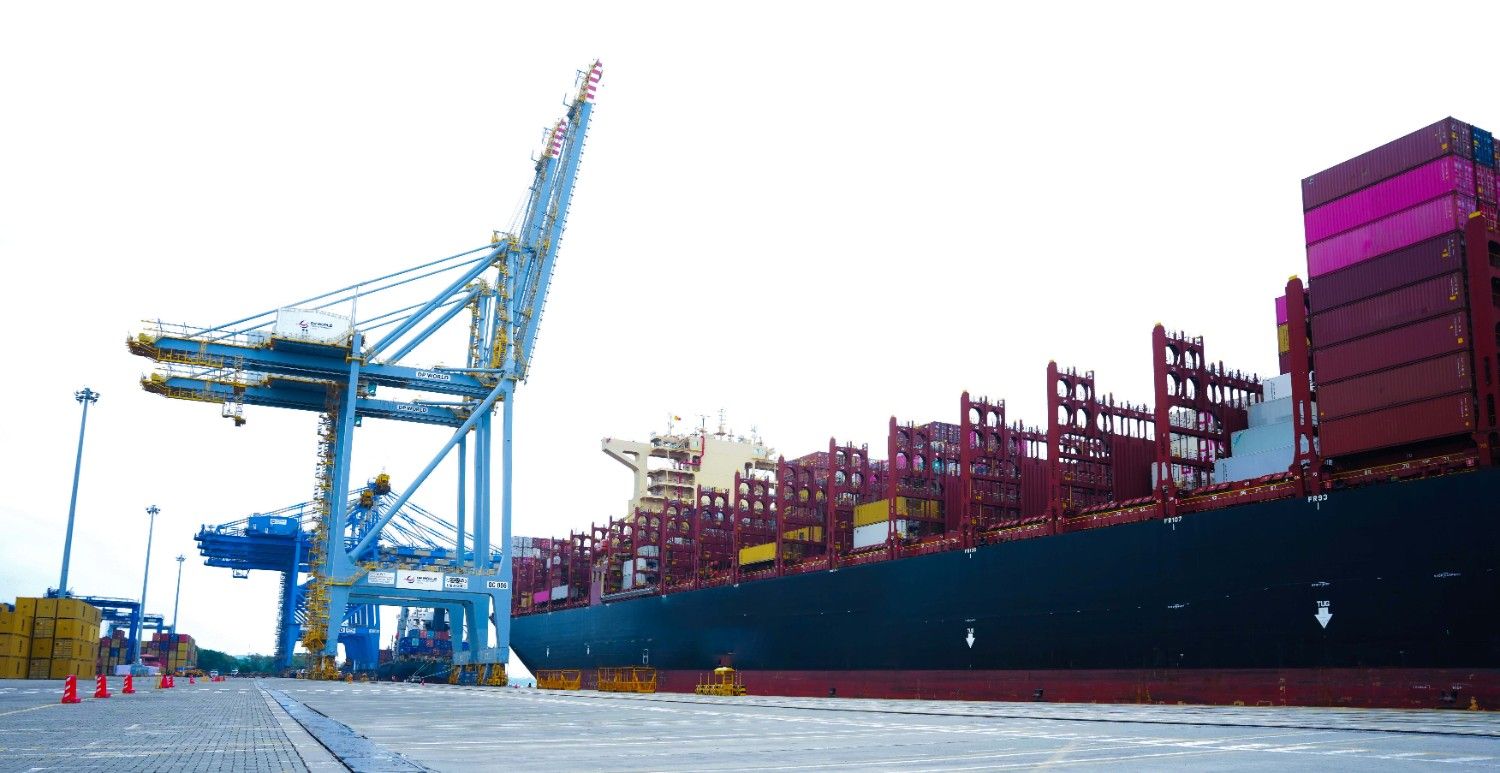
KOCHI: DP World Cochin’s International Container Transshipment Terminal (ICTT) achieved its highest monthly throughput in May 2026 for CY2026, handling 77,637 twenty-foot equivalent units (TEUs). The milestone reflects the terminal’s growing role in facilitating trade flows and its ability to efficiently manage rising cargo volumes amid evolving market dynamics.

On a year-to-date basis through May 2026, terminal volumes grew by 4% compared with the corresponding period last year despite ongoing geopolitical challenges.

Origin-destination cargo volumes remained broadly stable. Growth was supported by higher transshipment volumes, including cargo diverted from other ports, helping drive record monthly throughput and a record transshipment volume of 28,000 TEUs in May.

Commenting on the milestone, Dipin Kayyath, Chief Executive Officer – Ports & Terminals, DP World Cochin, said, “The record throughput achieved in May reflects the dedication of our teams and the confidence our customers place in DP World Cochin. We continue to deliver higher volumes while maintaining world-class productivity standards, further strengthening our position as a preferred gateway for trade. This performance demonstrates our ability to thrive in dynamic market conditions, adapt to changing customer requirements and consistently deliver exceptional value through reliable and efficient operations.”

During the month, DP World Cochin successfully handled additional 17 vessel calls, managing increased cargo volumes efficiently and maintaining smooth operations throughout. This highlights the terminal’s strong performance and ability to handle higher demand seamlessly.

DP World Cochin has continued to invest in strengthening its infrastructure and operational capabilities to support growing trade volumes. The terminal enhanced its power infrastructure from 3 MVA to 5 MVA, ensuring uninterrupted operations during peak demand periods. In addition, the complete electrification of yard equipment has significantly reduced emissions from cargo handling activities, supporting customers’ sustainability goals while enhancing operational efficiency.

Strategically located along major international shipping routes, DP World Cochin offers direct connectivity to key global markets and serves as a critical coastal gateway linking ports across India, from Gujarat to Kolkata. The terminal also plays an important role in facilitating cargo movement between India’s east and west coasts.

Further enhancing the region’s trade ecosystem, DP World has developed Kerala’s first Free Trade Warehousing Zone (FTWZ) at Cochin – the only such facility in India co-located within a major port. The FTWZ continues to support EXIM trade by enabling efficient cargo consolidation, storage and distribution, while contributing to regional economic growth.

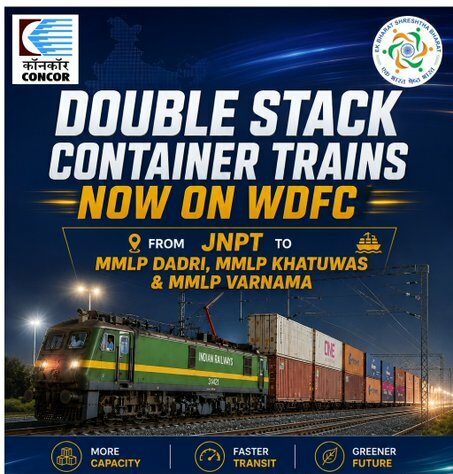
CONCOR launches Double Stack Container Train services from JNPA on WDFC

NEW DELHI : In a significant step towards strengthening India’s rail-based freight ecosystem, Container Corporation of India Ltd. (CONCOR) has commenced Double Stack Container Train operations from Jawaharlal Nehru Port Authority (JNPA) on the Western Dedicated Freight Corridor (WDFC), marking a new milestone in efficient and sustainable cargo transportation.

The successful movement of Double Stack Container Trains from JNPA to CONCOR’s inland logistics hubs at Multi Modal Logistics Park (MMLP) Dadri in the Delhi-NCR region, MMLP Khatuwas in Rajasthan, and Varnama in Gujarat underscores the operational readiness and growing potential of the Dedicated Freight Corridor for handling high-volume container traffic.

With the launch, customers can now avail direct Double Stack Container Train connectivity between JNPA and the strategic logistics centres at Dadri, Khatuwas and Varnama in both directions. The service also offers seamless onward connectivity to key inland cargo destinations including Tughlakabad and Ludhiana through Khatuwas, Moradabad through Dadri, and Indore (Tihi) through Varnama, among several other route combinations.

The development is expected to significantly enhance the efficiency of containerized cargo movement across the country by enabling faster evacuation of import and export containers from the port. The dedicated rail service will help reduce cargo dwell time, improve rake utilization and turnaround, and increase the share of rail in India’s logistics chain.

By leveraging the high-capacity infrastructure of the Western Dedicated Freight Corridor, the Double Stack service is designed to deliver greater predictability in transit schedules, reduce congestion, and provide a cost-effective transportation solution for trade and industry. The initiative also supports the broader objective of shifting cargo movement from road to rail, thereby lowering logistics costs and reducing carbon emissions.

Industry stakeholders believe the service will play a crucial role in enhancing supply chain reliability, minimizing port detention, and improving overall cargo velocity between gateway ports and inland consumption and production centres.

The commencement of Double Stack Container Train operations from JNPA further strengthens CONCOR’s commitment to providing integrated, technology-driven logistics solutions while supporting the Government of India’s vision of developing a modern, multimodal and future-ready freight transportation network.