Home Blog Page 241

Adani Group explores major investments as SMP Kolkata unveils ambitious maritime and logistics expansion plan

KOLKATA : West Bengal’s maritime and logistics ecosystem is poised for a significant transformation, with the Adani Group evaluating fresh investment opportunities across key sectors and Syama Prasad Mookerjee Port (SMPK) charting an expansive roadmap to strengthen the state’s position as a leading trade and connectivity hub.

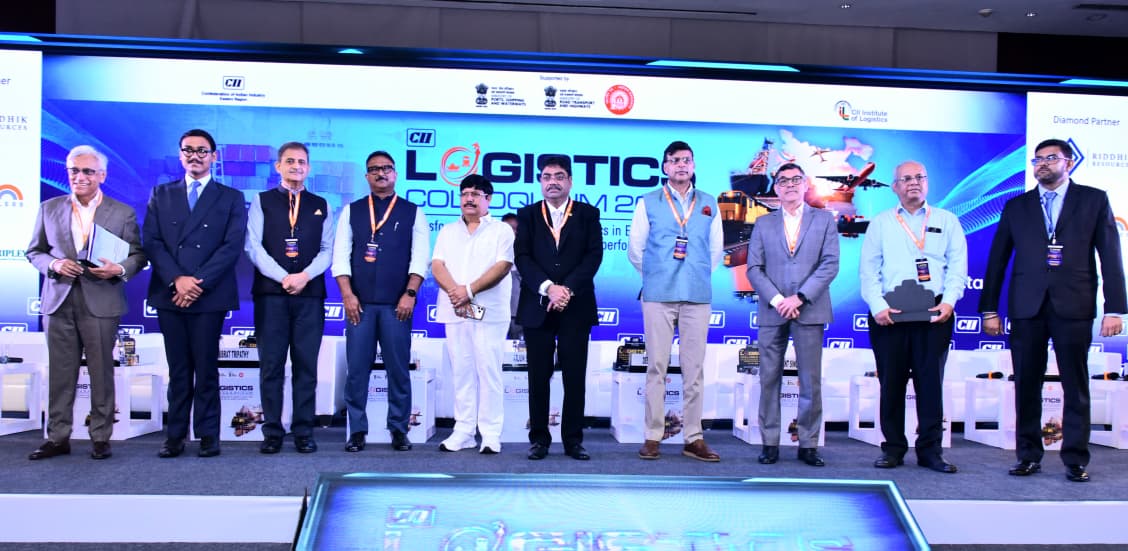
Addressing industry stakeholders during the CII Logistics Colloquium 2026, SMPK Chairman Shri Rathendra Raman outlined a series of strategic initiatives aimed at enhancing port capacity, boosting tourism and creating new industrial infrastructure. Among the flagship projects is the redevelopment of the Garden Reach waterfront into a vibrant cultural and tourism destination, featuring a world-class river cruise terminal and a maritime museum designed to attract domestic and international visitors.

The port authority is also advancing plans for new industrial and logistics infrastructure, including a logistics park at Haldia and dedicated tea and textile parks on port-owned land. These initiatives form part of a broader investment programme comprising 15 infrastructure projects with an estimated outlay of ₹6,000 crore.

SMPK has set an ambitious target of increasing annual cargo handling volumes to 120 million metric tonnes within the next three to four years, up from its current capacity of 93 million metric tonnes. According to Raman, ongoing modernisation and mechanisation efforts are expected to enhance operational efficiency and reinforce the port’s competitiveness in the evolving maritime landscape.

A key milestone in this transformation is the ongoing development of the Netaji Subhas Dock, where significant private sector participation has been secured through an investment commitment of approximately ₹1,500 crore by JSW Infrastructure.

The Adani Group, meanwhile, is examining opportunities to deepen its presence in West Bengal through investments spanning ports, logistics, power transmission and distribution, cement manufacturing, data centres and innovative transportation solutions. The conglomerate is also evaluating the potential of river-based mobility and logistics services, including the development of an e-commerce-oriented river taxi network that could leverage the state’s extensive inland waterways system.

Highlighting the strategic importance of eastern India, Subrat Tripathy, President – Business Development at Adani Ports & Special Economic Zone Ltd., noted that the region possesses the potential to emerge as a major gateway linking India with Southeast Asian markets. He emphasized that greater adoption of artificial intelligence in logistics could improve efficiency, lower operating costs and strengthen safety standards across the supply chain.

Tripathy also underscored the need for a more balanced multimodal transportation network, pointing to the heavy dependence on road transport and the untapped potential of inland waterways as areas requiring focused attention.

On the policy front, West Bengal Labour and Transport Minister Shri Arjun Singh announced that the state government is preparing a comprehensive transport sector roadmap, expected to be finalized within the next quarter. The framework will align with provisions of the Labour Code while supporting industrial growth and investment promotion, particularly in heavy industries.

Further discussions at the colloquium highlighted the importance of strengthening regional and cross-border trade. Land Ports Authority of India Chairman Jayant Singh advocated deeper economic engagement with neighbouring countries such as Bangladesh and Bhutan, suggesting that Frontier Economic Zones could serve as catalysts for trade expansion and regional economic integration.

The event also witnessed the release of a new industry assessment titled Manufacturing Readiness in West Bengal, prepared by CII West Bengal. The report examines the state’s industrial preparedness and opportunities for future growth.

Industry leaders attending the conference stressed that modern logistics networks will be central to India’s manufacturing ambitions. Debashis Dutta, Chairman of the CII Eastern Region Infrastructure & Logistics Sub-Committee, emphasized the growing role of data-driven supply chains and integrated logistics systems in enhancing competitiveness and supporting sustainable economic development.

With strong participation from government agencies, industry leaders and logistics experts, the colloquium reinforced West Bengal’s emerging role as a strategic gateway for trade, manufacturing and multimodal connectivity in eastern India.
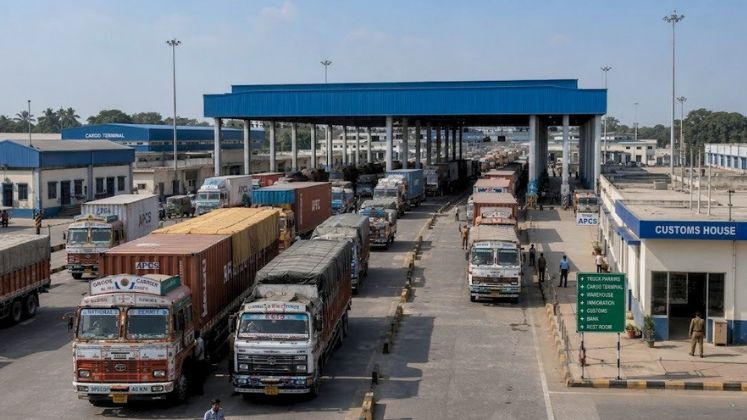
West Bengal set for major border infrastructure boost with 7-8 new land Ports bordering Bangladesh and Nepal

KOLKATA : West Bengal is probably to have 7-8 new international land ports bordering Bangladesh and Nepal to ease the movement of cargo and people between India and its neighbours, a senior government official said.

The facilities dotting the borders will be developed by the Land Ports Authority of India (LPAI), a body reporting to the Union ministry of home affairs. As of now, Bengal has one land port at Petrapole, near Bongaon on the Indo-Bangladesh border.

Some of the locations which have been identified for land port development are Panitanki in North Bengal at the Indo-Nepal border, Ghojadanga in North 24-Paragans on the Indo-Bangla border, Hili in Dinajpur and Birpara in Alipurduar, among others.

While LPAI has been seeking to convert some of these locations, where trade is taking place in the presence of land customs stations, to a modern port infrastructure with terminals for smooth passage of vehicle movement for months, the absence of a requisite land parcel at the border has been holding up development.

However, with better alignment of the state and the Centre with the formation of the BJP government in Bengal, LPAI is hoping to overcome the land problems.

“We are looking to set up 7-8 land ports in Bengal. Each of them would require 50 acres of area on an average, but the location has to be on the border,” Jayant Singh, chairman of LPAI, said on the sidelines of a CII event in Calcutta.

A land port would typically consist of several facilities — cargo handling space, parking, warehouse, cold storage, immigration, customs and Border Security Force — under one roof.

The Bengal facilities are part of a plan to build 74 additional land ports across the country, taking the tally from 15 as of now.

Total trade with neighbouring countries stood at ₹2,27,522 crore, out of which trade worth ₹82,844 crore was conducted through land ports.

However, the government estimates that land borders have a potential for another ₹4,44,167 crore worth of untapped trade.

New Mangalore Port Authority Celebrates 12th International Day of Yoga

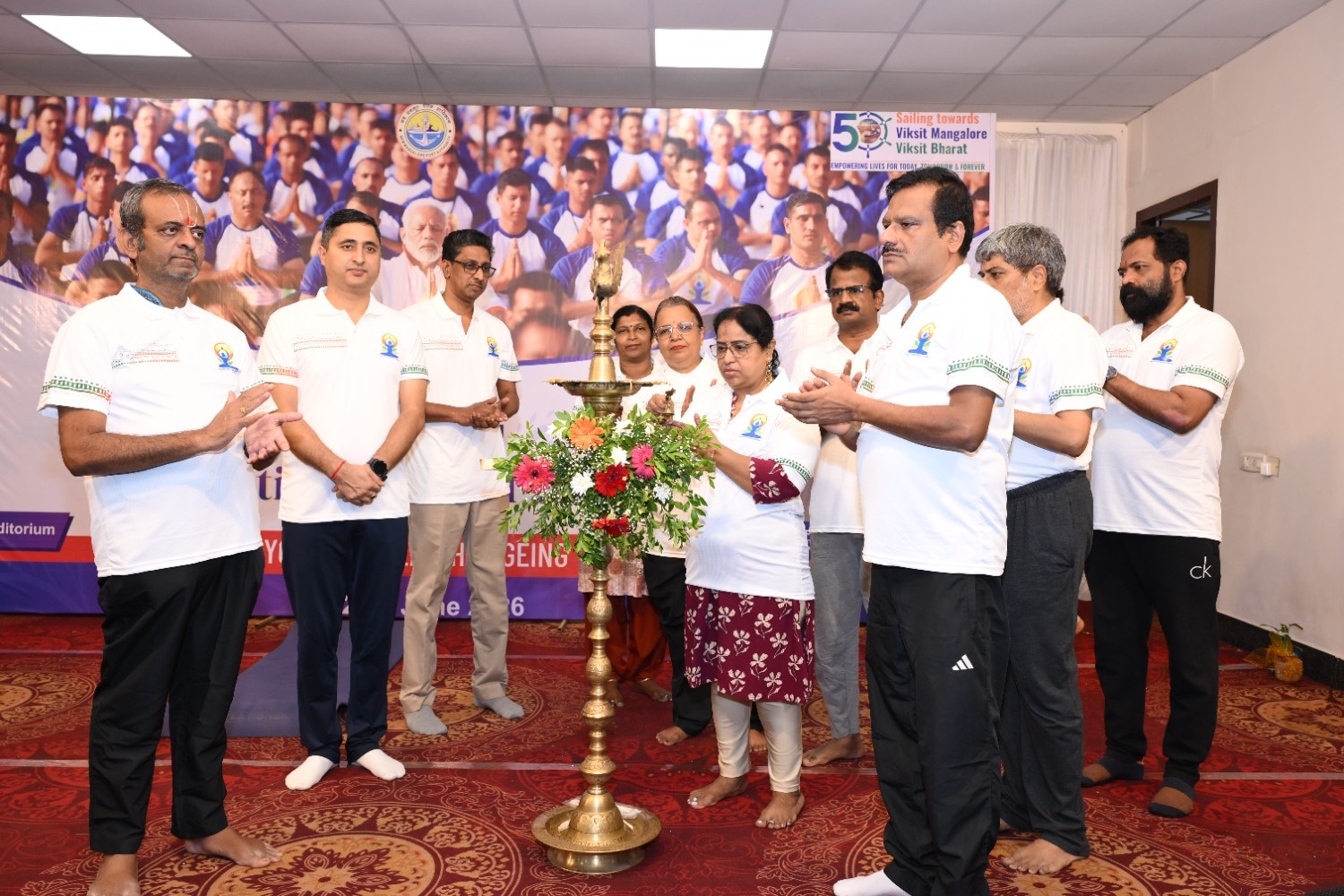
MANGALURU: New Mangalore Port Authority (NMPA) celebrated the “12th International Day of Yoga” with great enthusiasm and active participation from officers, employees, CISF personnel, stakeholders, family members, and members of the port community, reaffirming its commitment towards health, wellness, and holistic living.

The celebrations were inaugurated by Smt. S. Shanthi, Deputy Chairperson, NMPA, in the august presence of Shri Jijo Thomas, Secretary, NMPA; Shri Veeraraghavan, Financial Adviser & Chief Accounts Officer; Shri Deepak Rath, Chief Mechanical Engineer; Shri K. Rajendra Kumar, Traffic Manager; Smt. Surekha Hoskeri, Chief Medical Officer; Shri Rajendra P. Pathak, Deputy Commandant, CISF; Shri Kishore Suvarna, Yoga Instructor; Shri Jagadish Sanil, NMPA Board Member; Shri Yogendra, Superintending Engineer (Civil); and Smt. Vishalakshi, Senior Deputy Secretary.

As a prelude to the International Day of Yoga, during the week, NMPA had organized a series of yoga sessions at unique maritime locations including onboard vessels, at the wharf, and at the International Cruise Lounge. These initiatives highlighted the universal message that yoga promotes health, harmony, and well-being across all walks of life and workplaces.

The week-long observance witnessed enthusiastic participation from employees, stakeholders, maritime professionals, and members of the port community, reflecting NMPA’s continued efforts to promote physical fitness, mental wellness, stress management, and a healthy work culture.

The celebrations culminated today with a Mass Yoga Session organized at the Port premises under the theme “Yoga for Healthy Ageing”, bringing together officers, employees, staff members, CISF personnel, family members, and stakeholders in a collective expression of wellness and harmony.

Participants performed various yogasanas, pranayama, and breathing exercises under expert guidance of Shri Kishore Suvarna, Yoga Instructor, embracing the transformative benefits of yoga for physical health, mental well-being, and inner balance.

Addressing the gathering, Smt. S. Shanthi, Deputy Chairperson, NMPA, highlighted the importance of incorporating yoga into daily life for maintaining physical fitness, emotional resilience, and overall well-being. She appreciated the enthusiastic participation of the NMPA fraternity and reiterated the Port’s commitment towards fostering a healthy, productive, and harmonious work environment.

The event concluded with a renewed pledge by all participants to adopt yoga as a way of life and contribute towards building a healthier and more balanced society.

India-EU FTA could enter into force in first quarter of 2027: EU Ambassador Delphin

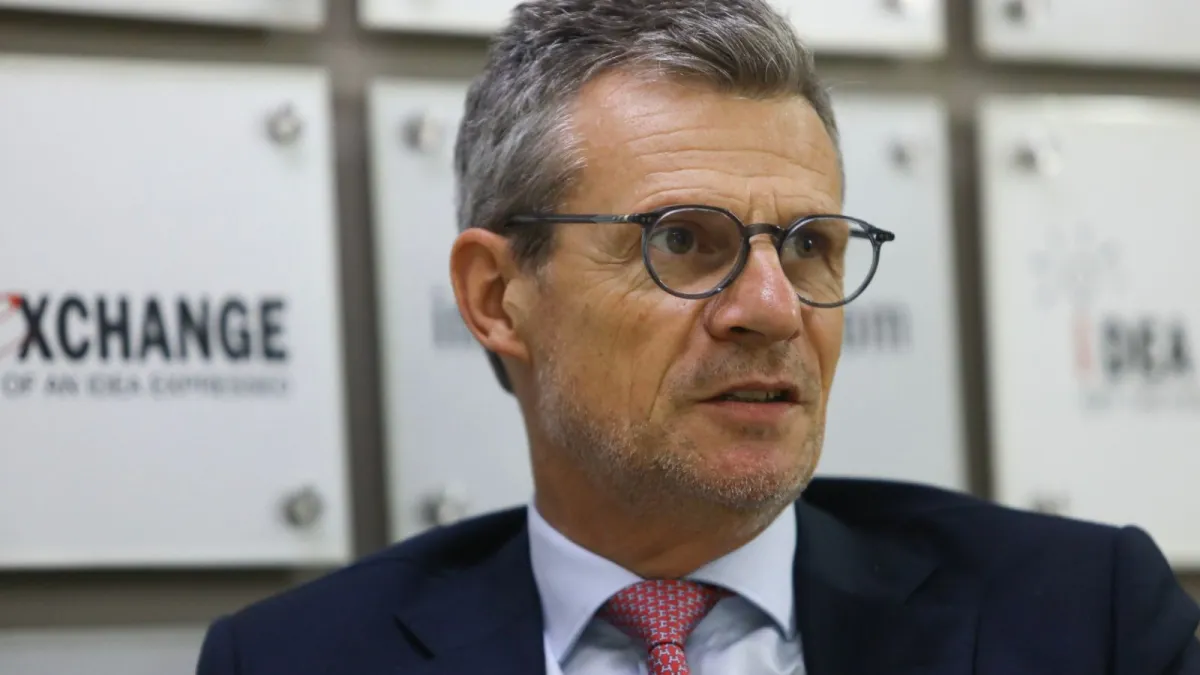
NEW DELHI: The proposed India-European Union (EU) Free Trade Agreement (FTA) could enter into force in the first quarter of 2027, reflecting the commitment of both sides to conclude the process at the earliest, EU Ambassador to India Herve Delphin (Pic Above) said on Monday.

“The work is ongoing, but I think we can confidently look at early 2027 as a moment where the FTA could enter into force,” Delphin said while speaking to the media in New Delhi on the sidelines of the Annual Erasmus+ Pre-Departure Event 2026.

Responding to an ANI query on whether the agreement could be implemented around March 2027, in line with expectations expressed by Indian officials, he said, “I think it’s good to be really optimistic in looking at the first quarter of 2027 and I think everyone, it’s for me the reflection of the optimism that is behind this timeline and also the commitment of both sides to have it signed and in place as early as possible.”

He said India and the EU are currently working to complete the legal vetting of the agreement and remain focused on signing the deal by the end of this year.

“Both sides are working very hard to complete the process of the so-called legal vetting of the text and in such a way that by the end of the year, there will be a possibility to sign the FTA,” he said.

Delphin said that once the agreement is signed, the European Parliament will have to give its consent before it enters into force. While declining to provide a specific implementation date, he said early 2027 was a realistic timeline for the agreement to become operational.

He said such a timeline would be “by any measure a record” for an EU trade agreement and would reflect the political energy behind the negotiations on both sides.

Describing the India-EU FTA as one of the most consequential trade agreements under negotiation, Delphin said the pact has the potential to significantly boost business and economic ties between the two partners.

“It can unleash tremendous potential for the business,” he said.

Highlighting the expected economic gains, the ambassador said previous FTAs signed by the EU with key partners had led to substantial increases in bilateral trade.

“Every FTA that the EU has signed with key partners has shown that after a few years, the trade volume has doubled, the value of trade has doubled. So you can see how much excitement there is also in the business communities on both sides to have this agreement in place as soon as possible,” he said.

On mobility, Delphin said the FTA would further strengthen the movement of businesspersons and workers between India and Europe. He also referred to the Schengen Visa Cascade arrangement, under which eligible travellers with an established travel record can obtain longer-term visas.

He added that the approval rate for Schengen visas for Indian applicants was more than 85 per cent, according to 2025 figures, and expressed confidence that mobility links between the two sides would continue to expand.

Responding to concerns over the European Union’s Carbon Border Adjustment Mechanism (CBAM), Delphin said the issue was distinct from the legal vetting of the FTA and reiterated that any simplifications or measures adopted under the CBAM framework would also be applied in the context of India.
He said the EU has allocated a EUR 500 million programme and platform to support India’s decarbonisation efforts, including hard-to-abate sectors such as steel and cement, expansion of renewable energy capacity, electricity grids, storage infrastructure and green hydrogen.

Delphin said CBAM is intended to create a level playing field and encourage decarbonisation, noting that the same expectations are placed on European producers supplying the EU market.

According to Delphin, stronger economic ties could also result in greater tourism cooperation, more direct flights between India and Europe and deeper people-to-people connections.

Delphin also said India remains a very minor source of illegal migration to Europe, while Indian professionals in sectors such as ICT, hospitality and healthcare are increasingly in demand across European countries.

Source: ANI

Two-Day National Chintan Shivir on environment-related trade measures and FTAs begins in New Delhi

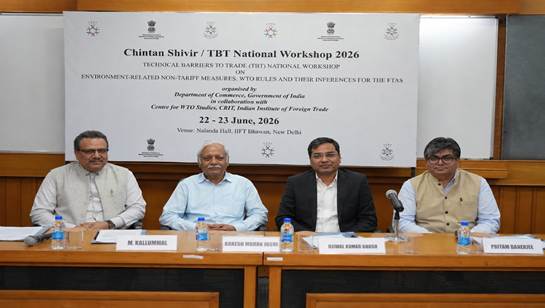
NEW DELHI : The Department of Commerce, Government of India, in collaboration with the Centre for WTO Studies (CWS) and the Centre for Research in International Trade (CRIT), Indian Institute of Foreign Trade (IIFT), inaugurated a two-day National Workshop/Chintan Shivir on “Environment-Related Non-Tariff Measures: WTO Rules and Their Implications for Free Trade Agreements (FTAs)” at Nalanda Hall, IIFT Bhawan, New Delhi.

The workshop brings together senior government officials, trade experts, WTO practitioners, industry representatives, and stakeholders associated with multilateral and bilateral trade negotiations to deliberate on the emerging challenges posed by environment-related non-tariff measures (NTMs) and their implications for India’s trade and export competitiveness.

The workshop aims to enhance understanding of the increasing number of environmental and climate-related trade measures being adopted globally, assess their potential impact on Indian exports, and formulate strategic responses through the WTO framework and India’s Free Trade Agreements. The deliberations are expected to contribute to India’s efforts to safeguard market access, strengthen export competitiveness, and promote sustainable trade practices.

The deliberations will cover key themes such as WTO rules governing Technical Barriers to Trade (TBT), sustainability-related non-tariff measures, carbon- and deforestation-related trade measures, stakeholder and industry perspectives, and strategies for addressing emerging trade concerns through multilateral and bilateral mechanisms. The workshop will conclude on 23 June 2026 with a valedictory session.

The inaugural session commenced with opening remarks by Head, Centre for WTO Studies (CWS), Dr. Pritam Banerjee. Deputy Secretary, Department of Commerce, Ms. Richa Prakash Choudhary, welcomed the participants and outlined the objectives of the workshop. Joint Secretary, Department of Commerce, Shri Ujjwal Kumar Ghosh, delivered the Special Address, underscoring the importance of strengthening India’s preparedness to address sustainability-linked trade measures and evolving global regulatory frameworks. The session concluded with a vote of thanks by Professor and Head of Administration, CRIT-IIFT, Dr. Murali Kallummal.

The workshop features distinguished experts, including Head, Technical Barriers to Trade (TBT) Section, Trade and Environment Division, WTO, Geneva, Shri Erik Wijkström; Former Chair, WTO TBT Committee, Shri Anwar Shaik; Former Chief Executive Officer, National Accreditation Board for Certification Bodies (NABCB) and Member, UNFCCC CDM Accreditation Panel, Shri Anil Jauhri; Co-Founder and Advocate, Sarvada Legal, Shri Atul Sharma; trade policy expert, Shri Pranav Kumar; as well as senior officials from the Department of Commerce and the Centre for WTO Studies.

image001DFQO Two-Day National Chintan Shivir on environment-related trade measures and FTAs begins in New Delhi

BLive launches BLive PRIME to Enable 4W EV Cargo Fleet Ownership

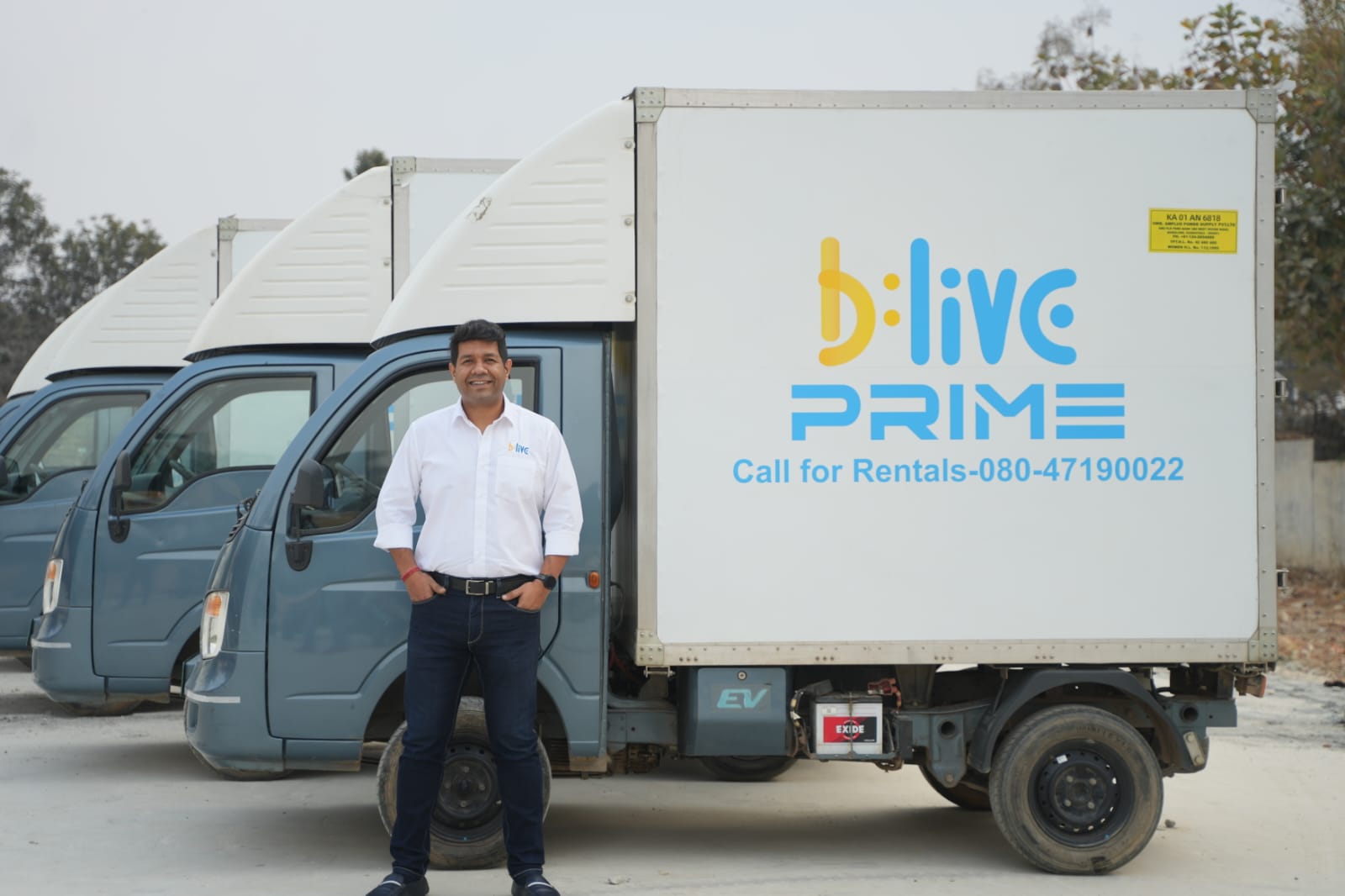
NEW DELHI:  In a bold step towards sustainable logistics and urban transportation, electric mobility platform BLive introduces BLive PRIME, an innovative 4-wheeler franchise model aimed at accelerating the adoption of electric mini-trucks for India’s rapidly expanding last-mile logistics sector. India’s last-mile delivery ecosystem continues to expand rapidly, driven by e-commerce and quick commerce, with the segment projected to grow at 15–20% CAGR. As logistics operations scale, the demand for high-utilisation, reliable, and cost-efficient fleet solutions is accelerating the adoption of electric mini trucks for urban freight movement. As part of its scale-up roadmap, BLive plans to deploy 500 electric cargo vehicles in the current financial year, starting with Bengaluru and expanding into key markets such as Delhi, Chennai, and Hyderabad in the coming months.

BLive PRIME is designed to bridge the gap between growing fleet demand and access to structured capital, enabling investors to participate in this transition through an asset-backed model. With an entry investment starting at ₹50 lakh, the model follows a 100% franchisee-owned, company-operated structure, in which investors own electric mini-truck fleets while BLive manages end-to-end operations, including deployment, utilisation, and maintenance. BLive’s fleet ecosystem leverages proven commercial EVs such as the Tata Ace EV, widely used in last-mile logistics for its suitability in urban delivery operations and consistent performance in high-frequency use cases.

Through its existing network, BLive supports deployments across leading logistics and delivery platforms, including Hyperpure, Porter, and Delhivery, among others, highlighting the strong and sustained demand for electric mini trucks in real-world commercial operations.

Commenting on the launch, Sandeep Mukherjee, Co-Founder & CEO, BLive, said, “India’s EV transition is entering a phase where scale will be driven by commercial use cases, particularly in last-mile logistics, where demand is predictable, and utilisation is high. With BLive PRIME, we are building a model that connects capital with this demand, enabling investors to own EV assets while we manage operations and ensure their deployment within a growing logistics ecosystem. This approach not only accelerates fleet electrification but also creates a structured, scalable pathway for participation in India’s EV growth story.”

BLive has been building an integrated EV ecosystem across fleet deployment, rider enablement, and franchise-led expansion. With the introduction of BLive PRIME, the company is expanding into larger-format commercial EV fleets, unlocking a significantly larger opportunity in urban logistics. The model is designed to:

● Enable scalable EV fleet expansion through investor participation

● Support the electrification of high-frequency delivery operations

● Create asset-backed, demand-linked opportunities in the EV ecosystem

As India’s logistics sector continues to evolve, electric mini trucks are expected to play a central role in enabling efficient and sustainable delivery networks. BLive PRIME aims to accelerate this shift by aligning demand, infrastructure, and capital into a single, scalable model.

About BLive

BLive is an electric mobility platform focused on accelerating EV adoption through fleet solutions, franchise models, charging solutions and technology-driven operations, with a strong presence in India’s last-mile delivery ecosystem.

Deepwater oil exploration set to get a push with ‘Samudra Manthan’ amid West Asia crisis

NEW DELHI : The government is set to step up efforts to boost domestic oil and gas production with its Samudra Manthan deepwater exploration programme, which is expected to be rolled out in the next three to four weeks, a senior official told .

The government is also looking to expand upstream investments overseas, including in countries like Venezuela, to strengthen energy security and reduce import vulnerabilities.

“There’s a proposal at the time (for the Samudra Manthan mission). Maybe in four weeks, we can see an allocation or a final decision. The Samudra Manthan mission, when it comes, will be a big policy intervention. It might be the largest programme ever done by India,” the source said.

The National Deep Water Exploration Mission, or the Samudra Manthan programme, was announced by Prime Minister Shri Narendra Modi in August to focus on offshore and ultra-deepwater drilling to achieve energy security.

India remains the world’s third largest importer of crude, meeting around 85 percent of its energy needs through imports.

Petroleum secretary Neeraj Mittal said on May 11 that the government was in the final stages of the Samudra Manthan Programme and an allocation would be announced soon.

“There will be no shortage of investment. The government needs to step in for high-risk activities in the exploration,” he had said.

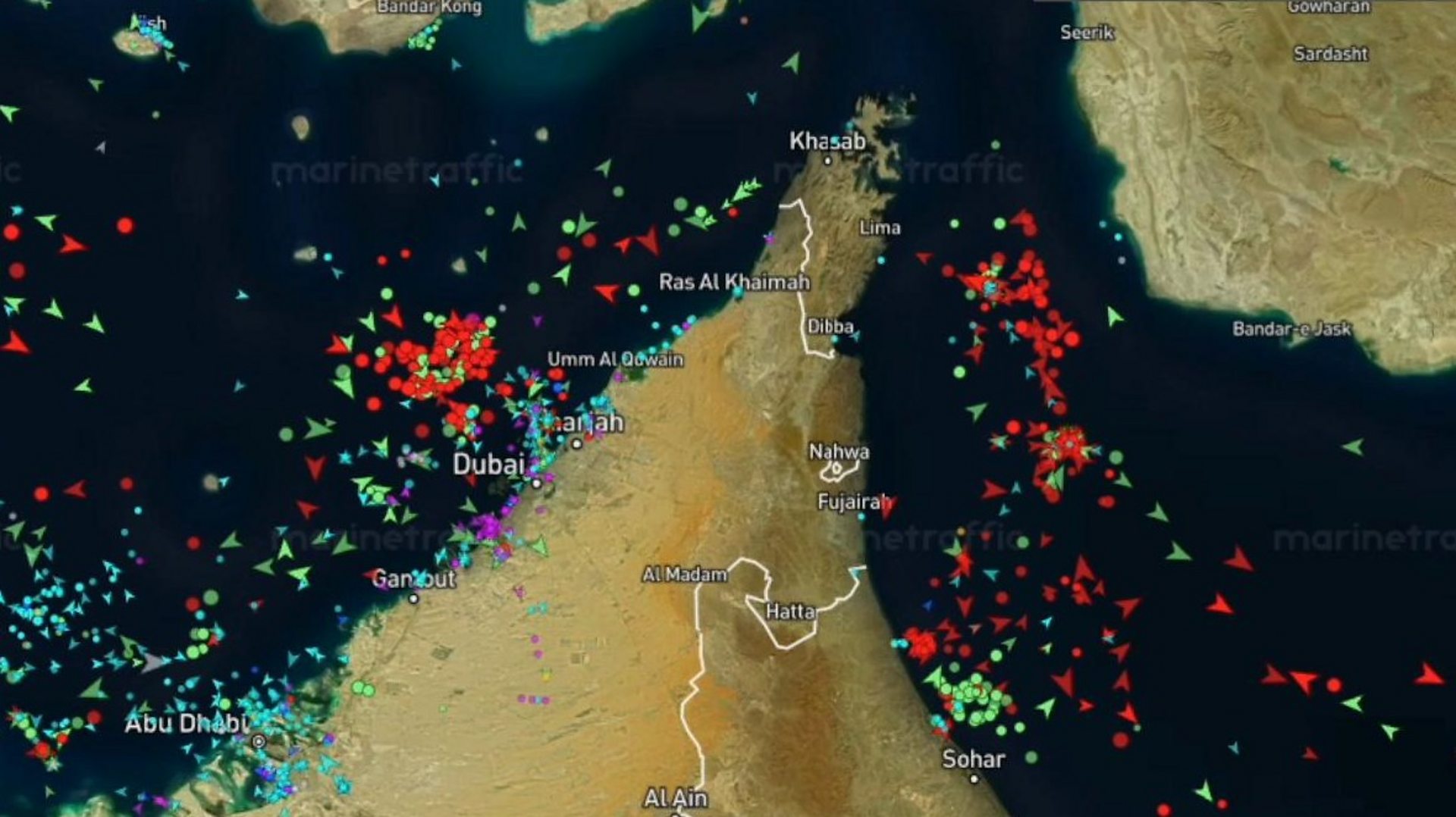
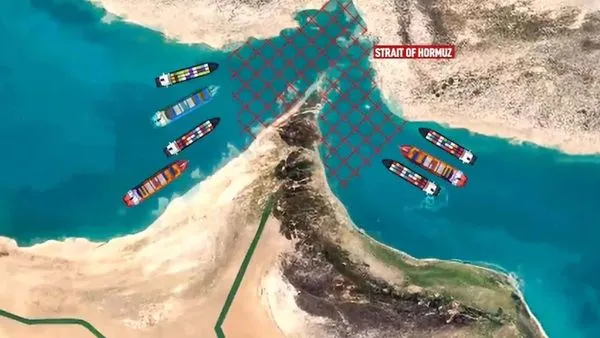
The West Asia conflict, which has since eased a bit, severely disrupted the country’s energy supplies, as the vital Strait of Hormuz was virtually shut for more than three months.

The official said the government’s focus would be on expanding upstream projects.

“Upstream and downstream co-exists but yes, downstream is related to consumption which is autonomous in nature. Upstream is where you need work to be done. So obviously, that would require more policy bandwidth and effort,” the official said.

Since 2016, the government has brought in several changes to enhance exploration of oil and gas and launching the Hydrocarbon Exploration and Licensing Policy (HELP) auction to streamline block their auctions.

Under HELP, the government brought in the Open Acreage Licensing Programme (OALP), allowing investors to carve out blocks of their choice through submission of Expressions of Interest (EoIs).

The government recently launched OALP-11, offering 21 blocks across about 80,228 sq km. The government aims at increasing exploration acreage to 1 million sq km by 2030.

“When the bids open, we are hoping that there’ll be international companies as well participating in those rounds for exploration,” the official said.

One of the key agendas of the government is to boost production of crude and reduce the country’s import dependency. However, the domestic production of crude and gas has remained stagnant.

In FY26, India’s oil production declined by 2.4 percent to 28 million tonnes compared, data from Petroleum Planning and Analysis Cell shows. During April-May of FY27, oil production declined to 4.6 MT, down from 4.8 MT in the year-ago period.

Source : Moneycontrol

Hormuz will never go back to its pre-war status: Iran’s Parliament Speaker says Iran will manage the strait

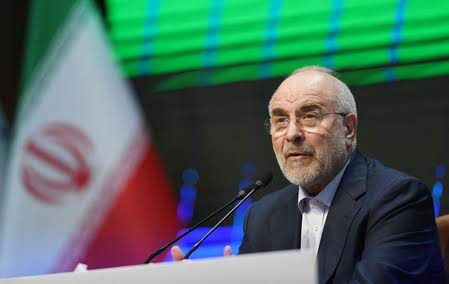
TEHRAN: Iran’s Parliament Speaker Mohammad Bagher Ghalibaf has said that the Strait of Hormuz will not return to its pre-war operational status and asserted that Iran will manage the strategic waterway under its own arrangements, while maintaining adherence to international regulations.

According to Iranian state media Press TV, speaking in an interview upon his return from Switzerland on Monday (local time) following the conclusion of the initial round of technical talks with the US as part of the 14-point memorandum of understanding between the two sides, Ghalibaf said Iran would exercise control over the key maritime passage going forward.

“Everyone should know that the administration of the Strait of Hormuz will never go back to the way it was before the war,” he said.

“Of course, international regulations will be observed, but Iran will administer the Strait of Hormuz,” he added.

He further said that Iran had demonstrated its negotiating leverage during recent talks held in Switzerland, claiming that Tehran was able to influence the outcome of discussions.

Ghalibaf also alleged that during the negotiations, Iran was able to compel the United States to revise a social media post within an hour where US President Donald Trump threatened Iran against supporting its ‘proxy groups’ in the region, particularly in Lebanon, in a veiled reference to Hezbollah, describing it as evidence of Iran’s diplomatic impact.

Referring to the broader regional situation, the Iranian Speaker said ongoing negotiations were linked to wider conflicts, including developments in Lebanon, and reiterated Iran’s position that it does not trust the United States.

“We have never trusted the Americans; we don’t trust them now, and it is only reasonable to remain distrustful in the future,” he said.

He also claimed that Iran’s participation in the Switzerland talks helped prevent further escalation in regional tensions.

The Parliament Speaker said discussions had also addressed issues related to Lebanon’s territorial integrity and regional ceasefire arrangements, adding that Iran continues to monitor developments.

“Had we not gone to Switzerland [for talks with the US], more blood would have been shed among Muslims and Shias in Lebanon at any moment,” he said.

Ghalibaf further reiterated Iran’s political stance, calling for unity under the country’s leadership and stating that final authority lies with the Supreme Leader of Iran, Ayatollah Seyyed Mojtaba Khamenei.
“We must remain united under the leadership of Ayatollah Seyyed Mojtaba Khamenei and recognise that his word and directives are final,” the speaker added.

He also said that the release of frozen Iranian funds and easing of oil sanctions were outcomes of the recent Tehran-Washington discussions held in Switzerland.

The remarks after the conclusion of the initial round of technical talks as part of the MoU aimed at ending the hostilities in West Asia between the US and Iran, with both sides agreeing to establish a High-Level Committee and a roadmap towards a final agreement within 60 days.

Freight forwarder expects Hormuz traffic will need months to recover

LONDON: A freight forwarder has added to the warnings of chemical executives that traffic through the Strait of Hormuz will take several months to return to normal, and that’s if the US and Iran can maintain their latest peace agreement.

The strait is a major conduit of the world’s fuel, feedstock and plastics, and delays in reopening it will maintain elevated prices.

Demand destruction has been having a bearish impact on chemicals pricing over the last month, but prices for many products still remain above pre-conflict levels despite the current downtrend

Up to 30% of the world’s seaborne oil and 20% of its LNG pass through the strait.

The strait accounted for 45% of Asia’s LPG imports and 64% of its naphtha imports in 2025.

The Middle East accounted for 41% of global exports of polyethylene (PE) in 2025, and 84% of its exports of plastics and chemicals move through the strait.

LOGISTICS TAKE TIME TO ADJUST

Once the strait reopens, it will take time for vessels to reposition themselves because of the distance involved in traveling to and from the Persian Gulf.

“You’re literally moving a container ship versus a speedboat,” said Lynn Stacy, Managing Director at OEC Group Liquid Logistics Solutions, a freight forwarder. He made his comments in an interview ICIS.

A tanker carrying crude from the Middle East can take four to six weeks to reach its destination, Stacy said. It then needs to offload the oil into storage. A refinery processes the oil and the resulting products need to go back in storage.

“Once it goes into storage, guess what? Logistics starts over again,” Stacy said.

RED SEA PORTS WERE VIABLE OPTION DURING WAR

During the war, OEC Group successfully redirected Persian Gulf shipments through the Red Sea, Stacy said. From there, they landed initially on the port of Jeddah in Saudi Arabia. When Jeddah became congested, shipments landed at King Abdullah Port.

Once on land, products were shipped by truck, Stacy said. This increased logistics costs, but customers involved in drilling and oil production were willing to pay the premium.

“The cost of shutting down for one day greatly outweighs the additional logistics costs and just trucking it across the desert,” he said.

STATE OF MIDEAST INFRASTRUCTURE

It is unclear how much damage Middle Eastern infrastructure sustained, Stacy said.

Damage to storage could create a bottleneck for refiners because they need a place to store their output. As storage runs out, refiners reduce operating rates. Run rates could remain depressed until storage capacity is sufficient to handle the output from refineries.

REOPENING TO STRETCH FOR MONTHS

Stacy said if the strait opened up tomorrow, then supply chains could return to normal some time in the first quarter of 2027.

Stacy’s expectations follow those of chemical executives, who also warned that supply chains will take months to return to normal.

“Our assumption has not changed yet. It’s pretty much what I hear in the entire industry – that this is going be a very long tail. It’s not something that’s going to take weeks, months, and quarters, but much longer than that until things balance out,” LyondellBasell CEO Peter Vanacker told ICIS.

Dow’s CFO Jeff Tate also expects a months’ long process because of the sequence of events that must take place before traffic returns to normal.

Stacy warned if fighting resumes, traffic would seize up. “The second another missile fires, no ocean carrier is going to put their vessel through there again and risk that,” he said.

Stacy’s clients have responded to the uncertainty by shipping as much as they can as fast as they can.

“Make as much money as you can because, just as we saw last year with tariffs and as we saw at the beginning of this year, it could stop in a blink of an eye,” he said.

Source: ICIS

Iran, US establish communication line to safeguard shipping through Hormuz, say mediators

BURGENSTOCK ( SWITZERLAND): Iran and the United States have established a direct communication line to “avoid incidents and miscommunication” in the Strait of Hormuz, mediators Qatar and Pakistan announced on Monday after the first round of high-level talks under a 14-point Memorandum of Understanding (MoU).

The joint statement issued after the Lake Lucerne Summit in Switzerland’s Burgenstock stated that the talks were held in a “positive and constructive atmosphere” and produced “encouraging progress,” including a roadmap aimed at securing a final agreement within 60 days.

The statement read, “In addition, a communication line between the parties has been formed for the period mentioned in paragraph 5 of the MoU to avoid incidents and miscommunication with the aim of safe passage for commercial vessels through the Strait of Hormuz.”

The communication channel is tied to paragraph five of the memorandum, which states, “Upon the signing of this MoU, the Islamic Republic of Iran will make arrangements using its best efforts for the safe passage of commercial vessels with no charge, for 60 days only, from the Persian Gulf to the Sea of Oman and vice versa.”

Under the provision, Iran has committed to facilitating the movement of commercial shipping through the Strait of Hormuz without imposing transit fees during the 60-day negotiation period.

The memorandum further states, “The traffic of commercial vessels will immediately start,” signalling the immediate resumption of commercial maritime activity throughout the strategic waterway.

The provision also addresses navigational safety, noting that “considering the need for removing the technical and military obstacles, and demining by the Islamic Republic of Iran will be instated within 30 days.” The measure requires Iran to address obstacles to navigation and begin operations within a month.
Looking beyond the temporary arrangement, the memorandum states, “The Islamic Republic of Iran will conduct dialogue with the Sultanate of Oman to define the future administration and maritime services in the Strait of Hormuz in discussion with other Persian Gulf littoral states in line with the applicable international law and the sovereign rights of coastal states of the Strait of Hormuz.”

The Strait of Hormuz remains closed, a military source on Sunday told the Iranian media outlet Fars News Agency.

Fars News Agency’s follow-ups from military sources indicated that the Strait of Hormuz remains closed, and the IRGC Navy is not issuing any permits for vessel passage until further notice.

The agency also said that this step is the first response to Israel’s continued attacks in Lebanon and the US “failing to implement” the agreement to end the war.

The progress at the summit came despite remarks by US President Trump, who threatened to “take over the Strait” during an interview with Fox News on Sunday.