Home Blog Page 250

Iran resumes oil exports as supertankers exit US blockade area with 3.8 million barrels of crude

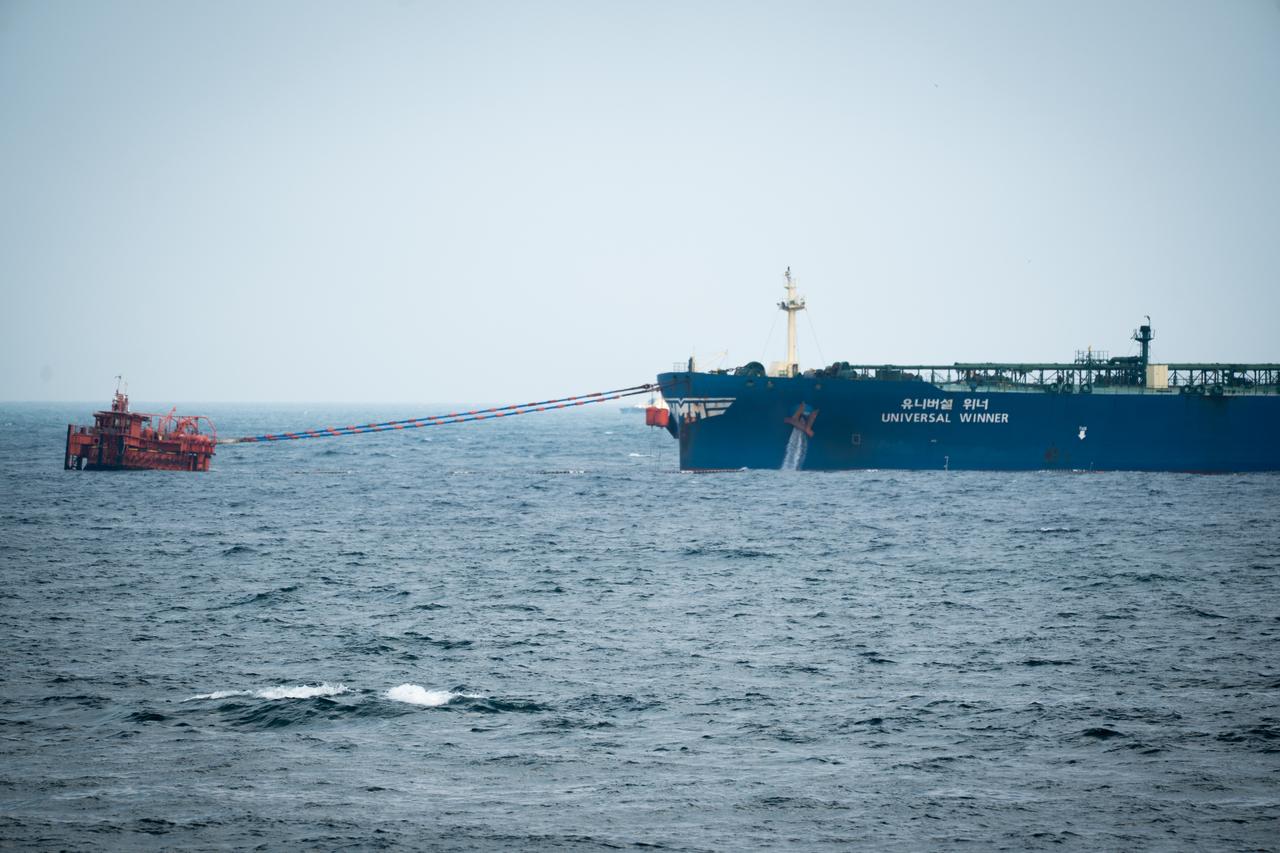
TEHRAN : At least three Iranian tankers carrying nearly five million barrels of crude oil have exited the U.S. Navy blockade in the Strait of Hormuz in the first such outbound shipment in two months, as shipowners cautiously reposition ahead of a U.S.-Iran deal signing in Geneva on Friday.

Two supertankers named Diona and Hero 2 — both owned by the National Iranian Tanker Company and under U.S. sanctions — made it through the U.S. Navy blockade perimeter, carrying a combined total of 3.8 million barrels of Iranian crude oil, according to shipping data provided by Kpler.

A third Iran-linked tanker carrying 1 million barrels of Iranian crude exited the blockade line on Wednesday, according to Kpler.

“Their apparent departure from the blockade suggests that other Iranian-trading tankers are also preparing to resume trading,” said Michelle Wiese Bockmann, senior maritime intelligence analyst at Windward.

The U.S. and Iran signed a Memorandum of Understanding on Monday to end the nearly four-month war, with a formal signing ceremony to take place on Friday in Geneva. The pact, whose details have not been disclosed, is expected to reopen the Strait of Hormuz and waive sanctions on Iran’s oil sales.

Washington would allow Tehran to immediately begin selling oil and fuel once the agreement is signed this week, in exchange for Iran’s commitment to curb its nuclear program, the Wall Street Journal reported Tuesday.

The Strait of Hormuz, through which about a fifth of the world’s oil flowed before the war, has been effectively shut for the duration of the conflict. The U.S. Navy has blockaded Iranian ports, and Iran has targeted vessels linked to nations it deemed adversaries, stranding hundreds of ships and disrupting global energy flows.

DP World enters exclusive negotiations to develop container terminal at Port of Corpus Christi

dp world logo 2026 DP World enters exclusive negotiations to develop container terminal at Port of Corpus Christi

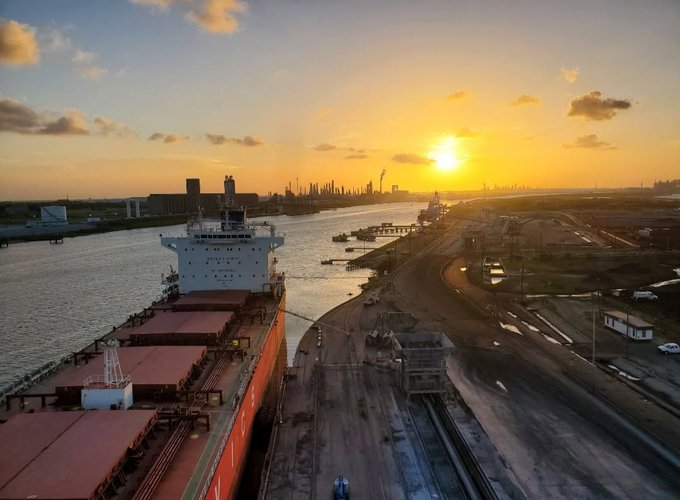
CHARLOTTE, N.C. : DP World has entered into an exclusive negotiation agreement for a long-term lease to develop and operate a container terminal at the Port of Corpus Christi, Texas. The agreement marks a key step toward expanding containerized cargo capabilities at one of the United States’ busiest ports, positioning Corpus Christi to capture new trade flows and support economic growth as demand for port capacity across Texas continues to rise.

DP World handles approximately around 10% of global container traffic each year through a network of more than 60 ports and terminals worldwide.

Under the proposed development, DP World would design, build, and operate a new container terminal, expanding capacity and strengthening supply chain connectivity across the Gulf Coast. DP World would work closely with local labor and workforce partners to support terminal operations and long-term job creation in the region.

Brian Enright, Chief Executive Officer of DP World in the Americas, said: “The U.S. Gulf Coast is one of the nation’s most important trade and economic corridors, and demand for efficient, resilient port infrastructure continues to grow. The Port of Corpus Christi presents a significant opportunity to expand container capacity, strengthen supply chain connectivity, and create new pathways for American businesses to access global markets. We look forward to working closely with the port authority, local labor, and other stakeholders to deliver a world-class terminal that supports job creation, attracts new trade flows, and generates long-term economic value for South Texas and the broader U.S. economy.”

The Port of Corpus Christi is a major gateway for U.S. energy, agricultural, and industrial exports and consistently ranks among the nation’s largest ports by total tonnage. The introduction of container capabilities would diversify cargo operations and create new opportunities for regional businesses across South Texas.

Kent Britton, Chief Executive Officer of the Port of Corpus Christi, said: “Completion of the landmark Corpus Christi Ship Channel Improvement Project in June 2025 — thanks largely to investments by the federal government — has unlocked the potential for existing port customers to meet evolving demands of the global marketplace while spurring additional cargo diversification. Entering into exclusive negotiations with DP World is another important step in our long-term strategy to expand the Port’s capabilities, deliver greater value to our customers, and ignite investment in the Coastal Bend.”

“DP World’s global expertise in terminal operations and integrated logistics makes them a strong partner as we explore the development of container services at the port,” Britton added.

About DP World

DP World is reshaping the future of global trade to improve lives everywhere. Operating across six continents with a team of over 125,000 employees, we combine global infrastructure and local expertise to deliver seamless supply chain solutions. From Ports and Terminals to Marine Services, Logistics and Technology, we leverage innovation to create better ways to trade, minimizing disruptions from the factory floor to the customer’s door.

In the Americas, DP World operates with a team of over 16,000 people across 12 countries, driving excellence through a robust network of 14 ports and terminals and more than 40 warehouses. By harnessing our global reach and local expertise, we simplify logistics, enhance operational performance, and redefine the boundaries of what’s possible in global trade.

PM Modi interacts with Donald Trump at G7 Summit, first meet in 16 Months

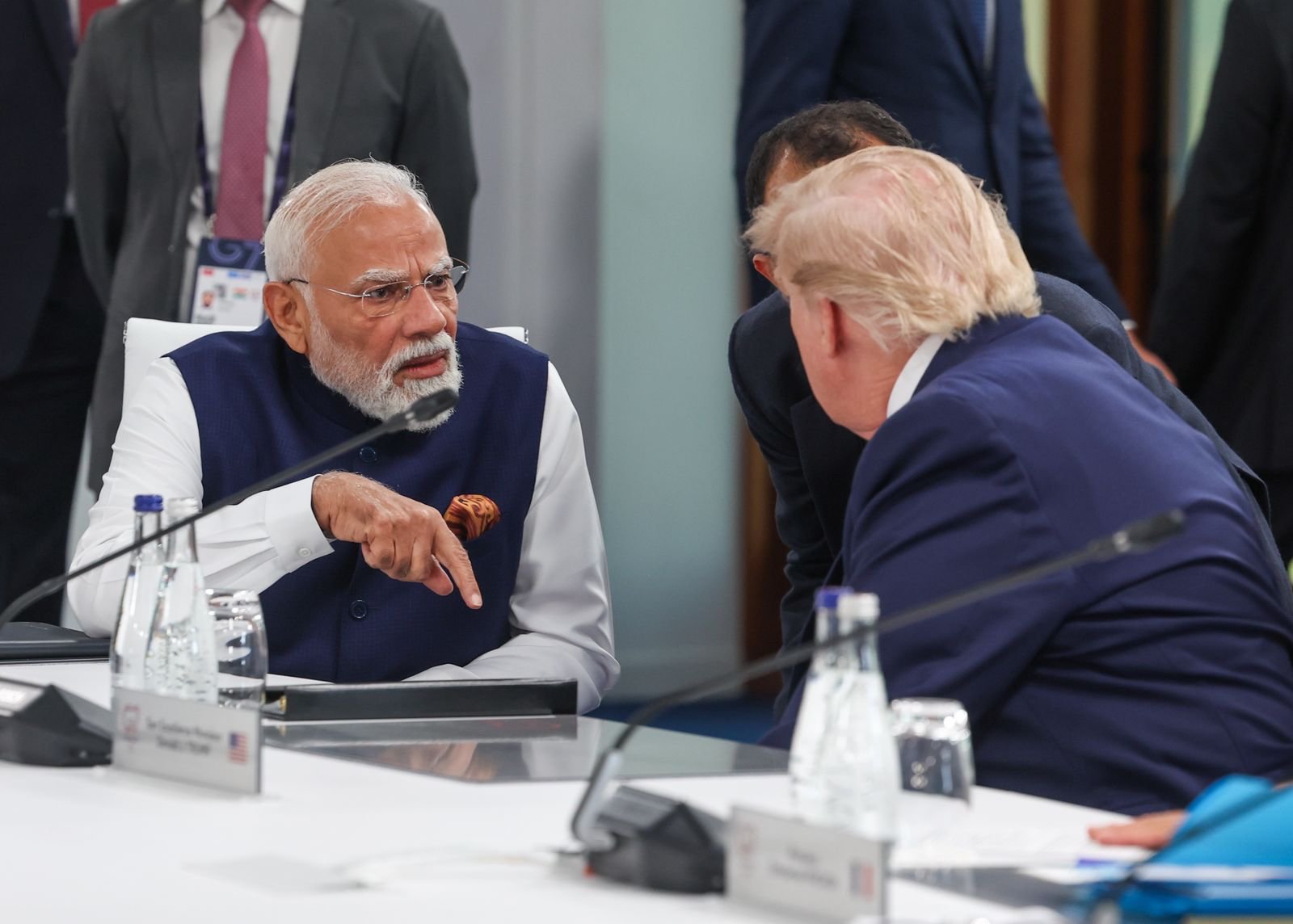
EVIAN : Prime Minister Shri Narendra Modi and US President Donald Trump were seen interacting at the G7 Summit in Evian, France, on Tuesday. This is the first meeting between the two leaders in 16 months.

Prior to this interaction, the last time the two leaders met face-to-face was in February 2025 at the White House in Washington, DC, shortly after Trump’s second inauguration.

After the handshake, the two leaders had a brief conversation. The two leaders are scheduled to hold a bilateral meeting on Wednesday on the sidelines of the summit.

PM Modi arrived in France to attend the G7 Summit and exchange views with world leaders on key global issues. “Reached Evian, France, for the G7 Summit. Looking forward to engaging with world leaders and exchanging views on key global issues,” Modi said in a post on X.

India-US Relations
After the Trump administration imposed punitive tariffs on India and after the Republican president made controversial assertions regarding his role in de-escalating the India-Pakistan military clashes in May 2025.

After US Secretary of State Marco Rubio‘s visit to India last month, the two countries have begun to rebuild the relationship.

Last week, after three Indian sailors were killed in US attacks on a merchant vessel off the coast of Oman.

Rubio, during his meeting with Prime Minister Modi, had invited him on behalf of President Trump to visit the White House in the “near future”.

The top American diplomat described India as the “cornerstone” of Washington’s approach towards the Indo-Pacific.

On the sidelines of the summit, PM Modi will also hold bilateral meetings with several world leaders.

PM Modi reaffirms commitment to building Next-Generation infrastructure for Viksit Bharat

NEW DELHI : Prime Minister Shri Narendra Modi has reaffirmed the Government of India‘s commitment to developing world-class, next-generation infrastructure to realise the vision of a Viksit Bharat.

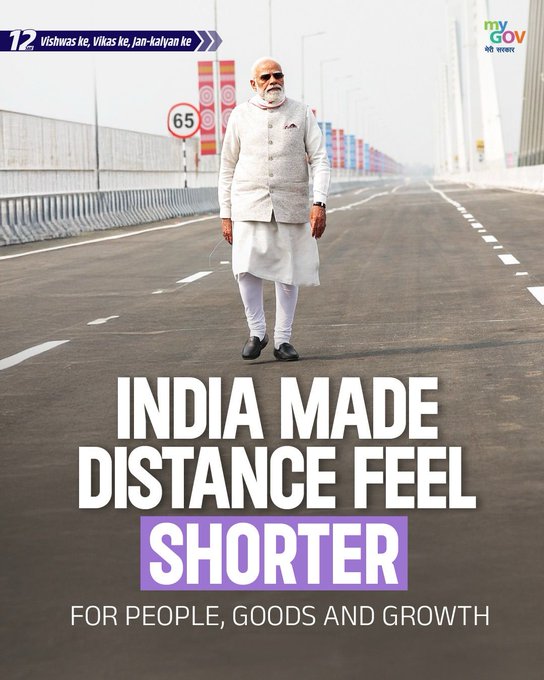
In a post shared on social media platform X, the Prime Minister highlighted India’s remarkable infrastructure transformation over the last decade, stating that the country has witnessed record levels of infrastructure development aimed at enhancing connectivity, strengthening logistics, and driving economic growth.

“The last decade has witnessed record infrastructure upgrading. We are committed to building next-generation infrastructure for the people of our nation to realise our vision of a Viksit Bharat,” the Prime Minister said.

Emphasising the critical role of infrastructure in nation-building, Shri Modi noted that a country’s strength is reflected in its ability to connect people, markets, and opportunities efficiently.

Over the past 12 years, India has undertaken a comprehensive expansion and modernisation of its infrastructure ecosystem across sectors, including highways, railways, ports, airports, inland waterways, logistics corridors, and digital connectivity.

The Prime Minister observed that enhanced connectivity is not only reducing distances and travel time but is also unlocking new avenues of economic growth, improving ease of doing business, and creating opportunities for citizens across urban and rural regions alike.

He further underlined that infrastructure development remains a key pillar of the Government’s strategy to build a resilient, inclusive, and prosperous economy.

Highlighting the far-reaching impact of these initiatives, Shri Modi said that India’s connectivity revolution is laying a strong foundation for sustained growth and accelerating the country’s journey towards becoming a developed nation.

The Prime Minister encouraged citizens to explore the full thread shared on X, which outlines the scale, achievements, and transformative impact of India’s infrastructure initiatives.

India’s ongoing investments in multimodal connectivity, integrated logistics networks, and future-ready infrastructure continue to support the country’s ambitions of becoming a global economic powerhouse while ensuring inclusive development for all.

APSEZ expands partnership with US-based Kaleris to accelerate AI-led transformation


APSEZ and Kaleris will deploy an AI-augmented, plug-and-play operating platform across a global network of 15 container terminals spanning 9 ports.
APSEZ plans to invest USD 850 million in technology and decarbonisation as part of its 2031 ambition, including up to USD 100 million in two phases to accelerate automation and optimisation through its partnership with Kaleris.
APSEZ expects to unlock 91 MMT of additional capacity (~10% of installed capacity) by 2030; the Kaleris collaboration to accelerate this progress.

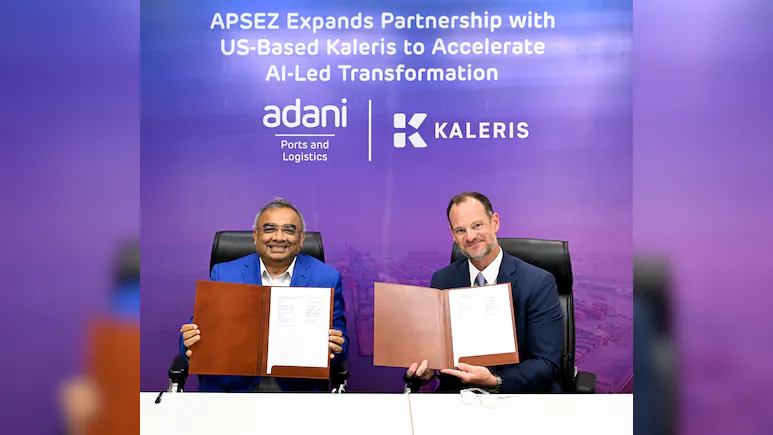
AHMEDABAD : Adani Ports and Special Economic Zone Ltd. (APSEZ), India’s largest integrated transport operator, has expanded its strategic partnership with Kaleris to drive next-generation capabilities across its ports and logistics network. The partnership is part of its broader 2030 objectives involving an outlay of USD 850 million towards decarbonisation, technology upgrades and an ambitious one billion tonnes of cargo handling capability per annum.

The multi-year agreement will see Kaleris deploy its foundational terminal operating system and AI-augmented advanced container handling and optimisation solutions across 15 APSEZ container terminals spanning nine domestic and international ports. Building on Phase 1 deployments across six ports, APSEZ will now scale advanced operating, planning, optimisation and automation capabilities across its maritime and logistics network, creating a unified digital backbone to enhance efficiency, consistency and end-to-end visibility.

The deployment of Kaleris’ Advanced Optimization is expected to deliver tangible efficiency gains — up to 20% improvement in Rubber Tyred Gantry (RTG) crane productivity, and up to 14% improvement in terminal truck productivity, reinforcing APSEZ’s ambition to build a technology-led integrated transport platform and scale efficiently for long-term growth.

Ashwani Gupta, Whole-time Director and Chief Executive Officer (CEO), APSEZ, said, “AI-enabled automation will define the next frontier of competitiveness in ports and logistics. While APSEZ has already deployed an end-to-end digital platform from shore to door, which provides seamless track-and-trace and integrated command and control capabilities, the Kaleris integration will enhance productivity, improve turnaround time, and consistently deliver a superior customer experience.”

Kirk Knauff, President and CEO, Kaleris, said:“APSEZ is demonstrating the real impact of an AI-enabled port network at scale. Expanding to all 15 terminals reflects the results already achieved and the trust behind this partnership. At Kaleris, we measure success by customer outcomes, and with N4 and our Advanced Optimization solutions, those results can now be amplified across the entire network.”

As cargo volumes grow and supply chains become more complex, APSEZ is investing in artificial intelligence (AI), the Internet of Things (IoT), computer vision and advanced optimisation tools to enable real-time visibility, smarter resource allocation and faster decision-making. The deployment will expand Kaleris’ N4 Terminal Operating System (TOS) across APSEZ’s network to improve yard utilisation, accelerate vessel turnaround, enhance planning accuracy, and deliver more reliable, predictable cargo movement for customers as APSEZ advances towards its ambition of handling one billion tonnes of cargo annually by 2030.

APSEZ’s ambition of handling one billion tonnes of cargo annually by 2030 reflects its accelerating scale and execution – the first 100 MMT took more than a decade, while each subsequent milestones, achieved at a faster pace with an unparalleled interconnected transport and logistics platform spanning ports, rail, roads, trucking, warehouses and cargo gateways.

‘Maritime Reform Utsav’: SCI expands VLGC Fleet to strengthen India’s energy supply chain

MUMBAI : As part of the ongoing Maritime Reform Utsav commemorating 12 Years of Naya Bharat Nirman, Shipping Corporation of India (SCI) has highlighted key milestones that are reinforcing India’s maritime capabilities and supporting the nation’s energy security objectives.

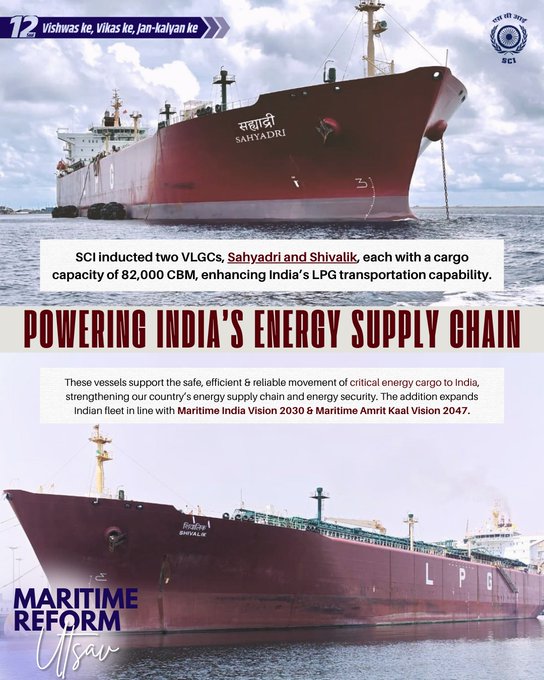
In a significant move to enhance the transportation of liquefied petroleum gas (LPG), SCI has inducted two Very Large Gas Carriers (VLGCs) — SAHYADRI and SHIVALIK — each with a carrying capacity of 82,000 cubic metres (CBM).

The addition of these vessels is expected to strengthen the safe, efficient, and reliable movement of critical energy cargo to India, further bolstering the country’s energy supply chain amid growing domestic demand.

With the induction of SAHYADRI and SHIVALIK, SCI now operates a fleet of three VLGCs, taking its overall fleet strength to 58 vessels.

The expansion aligns with the objectives outlined in Maritime India Vision 2030 and Maritime Amrit Kaal Vision 2047, which aim to enhance India’s maritime capabilities, increase the share of Indian-flagged vessels, and strengthen the country’s position in global shipping.

Industry experts note that expanding the Indian-flagged gas carrier fleet is crucial for ensuring greater control over strategic energy logistics while reducing dependence on foreign shipping capacity.

The induction of the new VLGCs marks another important step in building a resilient, self-reliant, and future-ready maritime ecosystem, supporting India’s broader vision of becoming a global maritime powerhouse.

CONCOR redefining EXIM Logistics

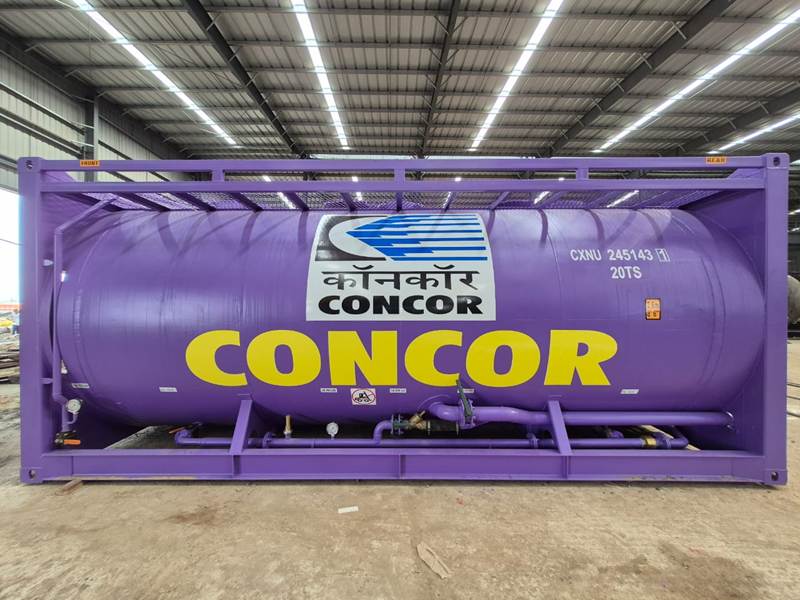
NEW DELHI : CONCOR are thrilled to announce a significant leap forward in India’s multi-modal trade footprint. For the very first time, Container Corporation of India Ltd (CONCOR) has successfully initiated an international export shipping movement using its own proprietary 40-foot containers (FEUs) from MMLP Dadri to Khor Al Fakkan, UAE, via Mundra Port.

Historically, hinterland exporters have had to rely entirely on shipping lines for forty-foot equipment. This new shipping initiative by CONCOR introduces equipment independence, ensuring absolute certainty, seamless single-window execution, and enhanced cost efficiencies for Indian exporters.

The Route to Global Markets:
Origin: Multi-Modal Logistics Park (MMLP) Dadri (Customs clearance & rail despatch)
Transit: High-speed rail corridor to Port of Loading (Mundra Port)
Destination: Port of Discharge (Khor Al Fakkan, UAE)

By keeping the cargo safely sealed in CONCOR-owned boxes from the inland terminal straight to foreign shores, we are mitigating container shortage risks and slashing terminal handling delays. This marks a proud moment for India’s supply chain ecosystem as we continue to streamline global trade lanes!

Nitin Gadkari clears E100 fuel framework, paving way for ethanol-only vehicles in India

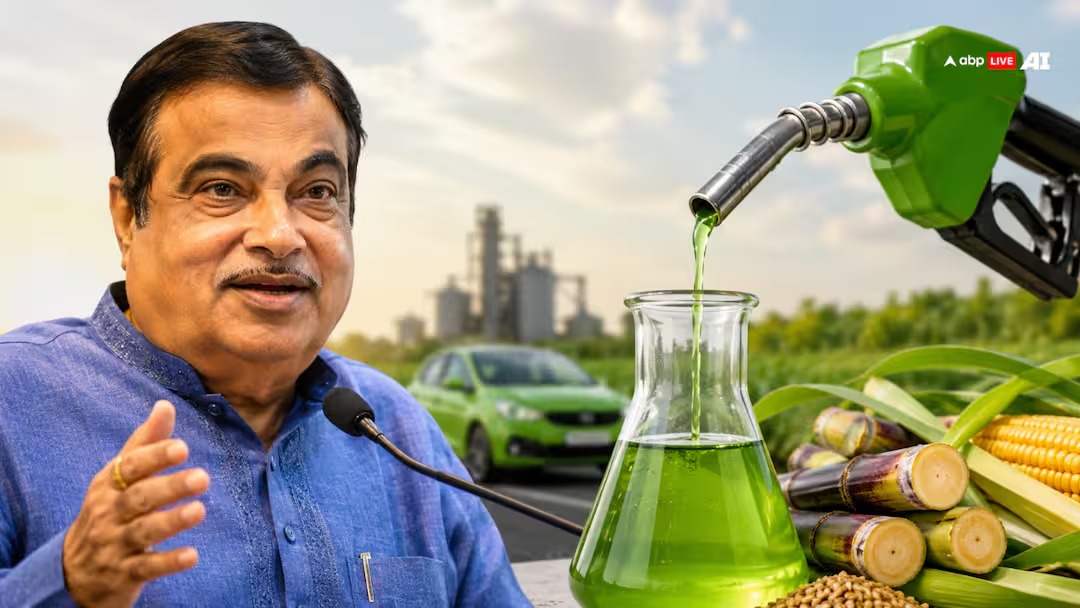
NEW DELHI : India has formally cleared the regulatory framework for the use of 100% ethanol (E100) as a vehicular fuel, a move that could accelerate the rollout of ethanol-powered cars and two-wheelers while deepening the country’s push to cut crude oil imports.

Union Road Transport and Highways Minister Shri Nitin Gadkari said he had signed the regulations authorising E100 fuel, creating a legal framework for automakers, fuel retailers and testing agencies to begin commercial deployment of pure ethanol-powered mobility solutions.

“I signed the file at 8 pm today,” Gadkari said while addressing the Sugar, Ethanol & Bio-Energy India Conference in Nagpur. The approval, he said, would help reduce India’s dependence on imported fossil fuels and expand the use of domestically produced biofuels.

Beyond E20

The decision marks a significant step beyond India’s ethanol-blending programme, which has focused on increasing ethanol content in petrol and is now nearing nationwide implementation of E20.

By creating a regulatory pathway for E100, the government is effectively enabling vehicles designed to run entirely on ethanol, opening a new technology route alongside electric, CNG, hybrid, and hydrogen-powered mobility.

Strengthening India’s Maritime Future with ISRF Kochi

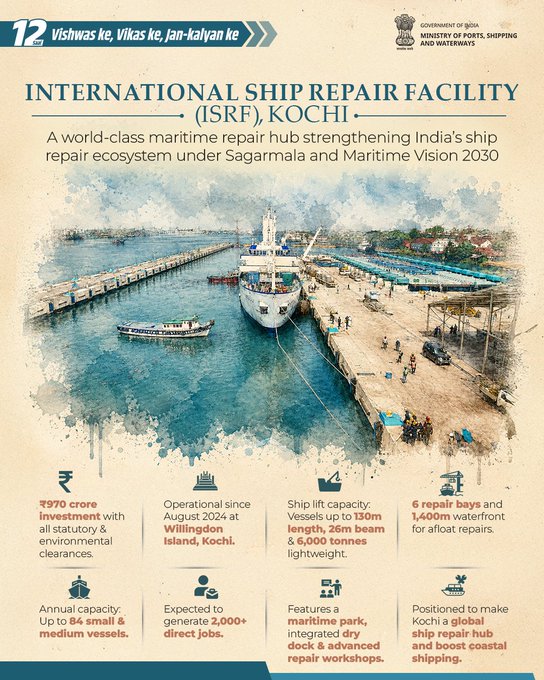
KOCHI : The International Ship Repair Facility (ISRF) in Kochi is playing a pivotal role in strengthening India’s maritime infrastructure and enhancing the country’s ship repair capabilities under the flagship Sagarmala Programme and the vision outlined in Maritime Vision 2030.

Developed with an investment of ₹970 crore, the state-of-the-art facility has been operational since August 2024 and is emerging as a key asset in India’s efforts to build a self-reliant and globally competitive maritime sector.

The ISRF is expected to generate more than 2,000 direct employment opportunities, while also creating substantial indirect jobs across ancillary industries, logistics, and maritime services.

Strategically located in Kochi, the facility is designed to cater to a wide range of ship repair and maintenance requirements, reducing dependence on foreign shipyards and enhancing the country’s capacity to service both domestic and international vessels.

The project is also expected to boost coastal shipping, improve vessel turnaround times, and support the development of a robust maritime services ecosystem in the region.

Industry stakeholders believe the facility will strengthen India’s position in the global ship repair market and contribute significantly to the country’s ambitions of becoming a leading maritime hub.

The ISRF aligns with the Government of India’s broader vision of fostering sustainable, technology-driven, and efficient maritime infrastructure to support economic growth and realise the goal of a Viksit Bharat.

By enhancing indigenous capabilities and creating high-value employment opportunities, the facility marks another important milestone in India’s journey towards a future-ready and self-reliant maritime ecosystem.

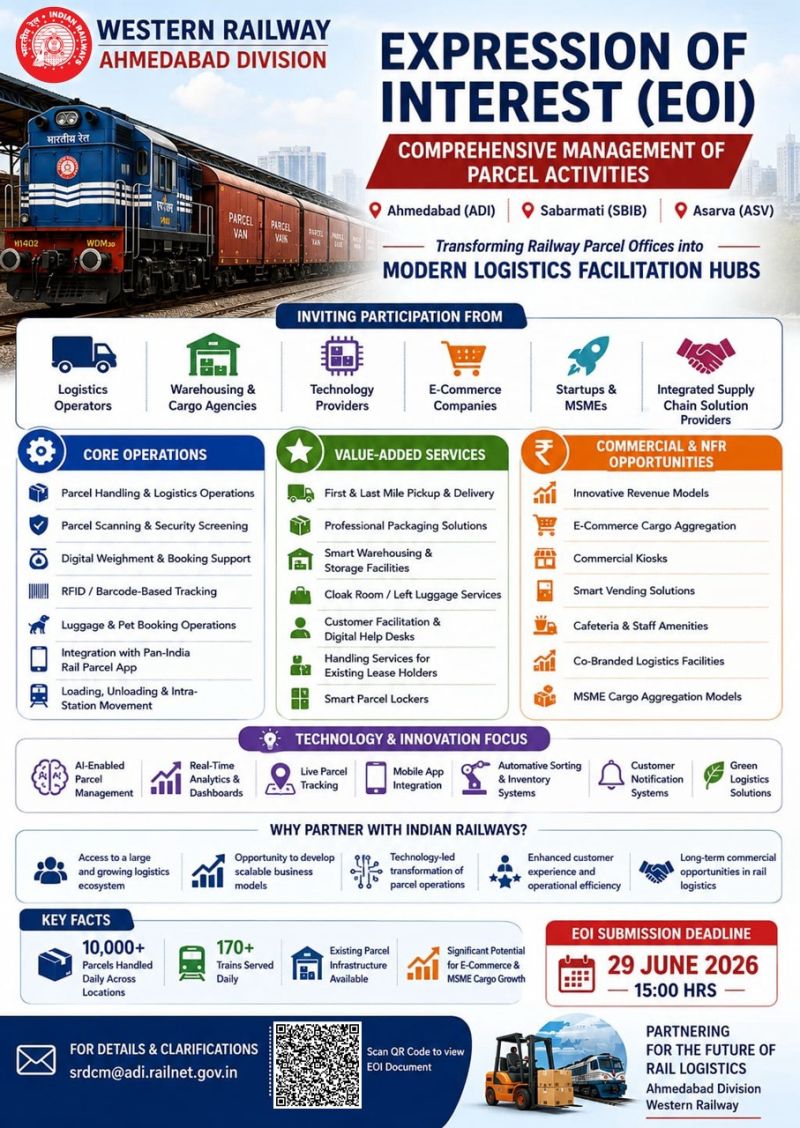
Indian Railways invites EoI to modernise Parcel Logistics Network

NEW DELHI : In a significant step towards transforming the country’s freight transportation ecosystem, Indian Railways has expressed its intent to comprehensively modernise its parcel logistics infrastructure and integrate it with India’s rapidly expanding express cargo network.

As part of this initiative, Indian Railways has invited Expressions of Interest (EoI) from industry stakeholders to explore innovative models for enhancing the efficiency, speed, and reliability of parcel movement across the country.

The proposed modernisation aims to create a seamless interface between the railway parcel network and the broader express cargo logistics ecosystem, enabling faster first-mile and last-mile connectivity, improved multimodal integration, and technology-driven operations.

The initiative is expected to unlock significant opportunities for logistics service providers (LSPs), infrastructure developers, technology firms, and investors seeking to participate in India’s fast-growing logistics sector.

With the logistics industry witnessing robust growth, driven by rising e-commerce demand, supply chain optimisation, and the government’s focus on multimodal connectivity, the move is expected to strengthen railways’ role in cargo transportation while improving overall logistics efficiency.

Industry experts believe that leveraging the extensive reach and capacity of Indian Railways, combined with private sector innovation and investment, can help create a future-ready parcel logistics network that supports the vision of reducing logistics costs and enhancing India’s global competitiveness.

The EoI marks the beginning of a major transformation in the country’s parcel logistics landscape and underscores Indian Railways’ commitment to building a modern, integrated, and customer-centric freight ecosystem.