Home Blog Page 251

India’s FTA Decade: An era of Export Ambition

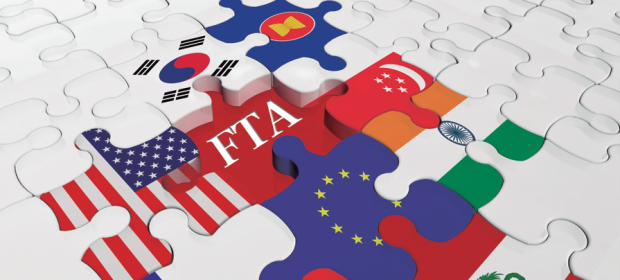
With 15 FTAs operational and nine FTAs under negotiations, India is becoming key player of global trade

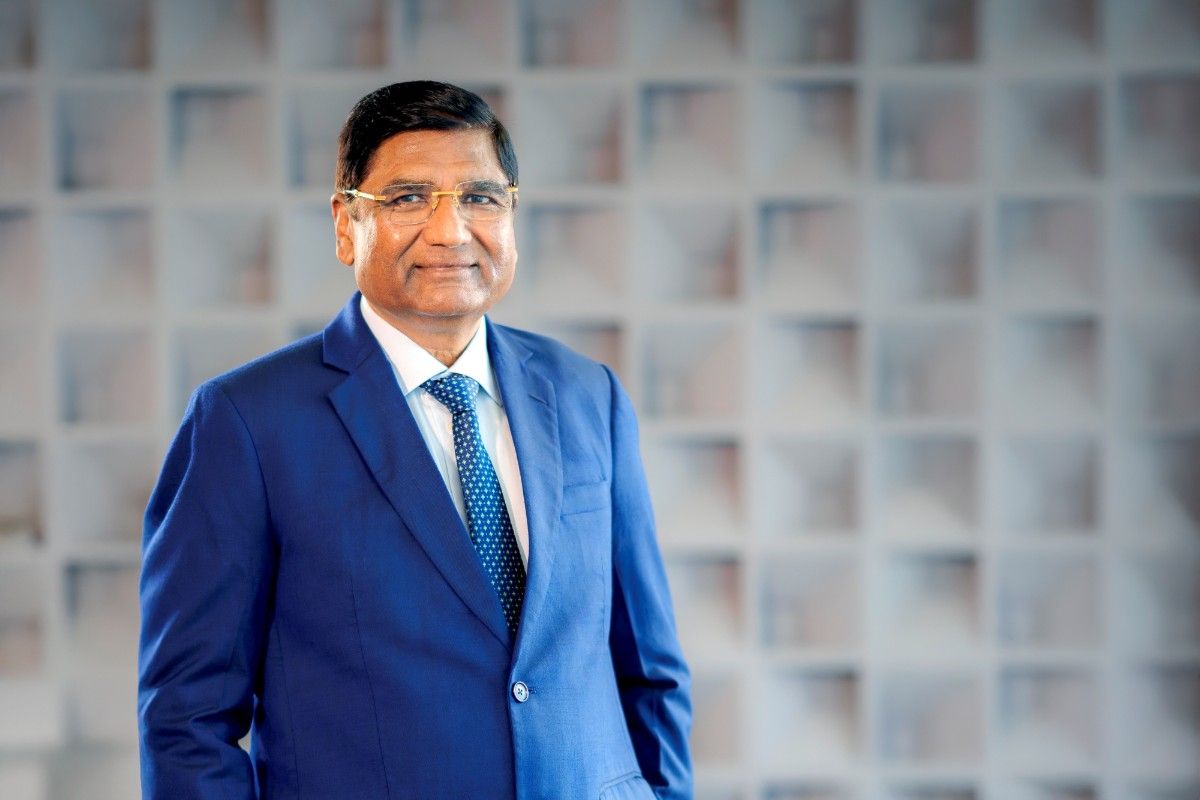
By Dr Charu Grover Sharma, Assistant Professor, Indian Institute of Foreign Trade, New Delhi

India’s trade policy has seen a significant shift over the last five years. The government has signed free trade agreements (FTAs) with the UAE, Australia, the United Kingdom, four EFTA nations, Oman, New Zealand, and the European Union. The European Union agreement is a major milestone, which was signed after about two decades of negotiations. India has 15 FTAs in operation covering 27 countries, which account for more than 75% of India’s total trade. The nine recently signed FTAs will be fully operational within next ten months and three to four agreements are under negotiation. Since economic liberalisation, India has never seen such a trade integration.

The speed of India’s FTA post-2022 is great, but the success cannot be measured by speed alone. India has missed several decades of preferential market access while China succeeded in global supply chains using its own bilateral and regional agreements. The success of India will be measured by whether it can convert these agreements into actual export volume and that depends on domestic logistics, MSME capability, and regulatory efficiency.

The early numbers from India’s recent FTAs is promising. The India-UAE CEPA came in force in May 2022 — has eliminated duties on Indian goods such as textiles, gems and jewellery, engineering goods, and pharmaceuticals. Indian merchandise exports to the UAE grew by more than 20%, from $28.4 billion in 2021-22 to $37.36 billion in 2024-25 (Trade Intelligence and Analytics Portal, Ministry of Commerce). The India-Australia ECTA came in force in December 2022 granted duty free access on 100% tariff lines for Indian exporters. India exports to Australia increased by more than 80%, from $4 billion in 2021-22 to $7.3 billion in 2025-26 (Trade Intelligence and Analytics Portal, Ministry of Commerce). Sectors such as textiles, leather, machinery, and processed food, will benefit from the agreement — the sectors where India shows export competitiveness. The India-EU FTA, once ratified, will be the largest trade agreement India has ever entered. The EU is India’s second-largest trading partner. Preferential access to 27 European markets for Indian pharmaceuticals, IT services, textiles, chemicals, and agri-processed goods will lead to improvement in India’s export position that will compound over years. Table 1 gives the list of India’s key FTAs since 2010 – its status and export share.

Table1: India’s Key FTAs: Status and Export Share

FTAPartner CountryCame in ForceKey Export SectorsExport Value (USD Billion, 2025-26India Export Share (2025-26)
ASEAN FTA (AIFTA)10 nation ASEAN bloc2010Textiles, chemicals, engineering, gems$38.428.7%
India-Japan CEPAJapan2011Engineering goods, chemicals, pharma$6.041.37%
India-Malaysia CECAMalaysia2011Palm oil, chemicals, electronics$6.821.5%
India-South Korea CEPASouth Korea2011Engineering goods, chemicals, textiles$6.011.36%
India- Mauritius CECPAMauritius2021Textiles, IT services, agri, pharma$0.470.11%
India-UAE CEPAUAEMay 2022Gems, textiles, pharma, engineering$37.368.46%
India-Australia ECTAAustraliaDecember 2022Textiles, leather, machinery$7.281.65%
India-UK CETAUnited KingdomJuly 2025Services, IT, pharma, textiles$13.443.04%
India-EFTA TEPASwitzerland, Norway, Iceland, LiechtensteinOctober 2025Pharma, chemicals, machinery$1.760.4%
India-Oman CEPAOmanJune 2026Textiles, agri, engineering$4.020.9%
India-New ZealandNew-ZealandDecember 2025, ratification pendingAgri, IT, services, pharma$0.570.13%
India-EU FTA27 EU nationsSigned January 2026; ratification pendingPharma, IT, textiles, chemicals$72.60  16.43%

Note: Total of India’s merchandise exports for 2025-26 = $441.7 billion

Source: Trade Intelligence and Analytics Portal, Department of Commerce

Trade deficits in context

Critics state that trade agreements are not working as it leads to increase in trade deficits with FTA partners. The data requires a more careful reading. Though India has shown a trade deficit with ASEAN, Japan, and South Korea of an annual average of $62 billion over the last three years. But a major share of these imports were industrial inputs such as semiconductors, electronic components, capital equipment, and speciality chemicals, which are used into production. The question is whether the value-added in final goods exceeds the cost of inputs. India’s merchandise exports have increased by 40.6% from 2021-22 to 2025-26, rising from $314 billion in 2021-22 to $441.7 billion in 2025-26, suggesting that production side is starting to show results. But for India to avoid the trap of being primarily an assembler rather than a manufacturer, investments in domestic component ecosystems — especially semiconductors and precision engineering — must follow. The total merchandise and service exports together reached $860 billion in 2025-26 (Department of Commerce). The government will be able to achieve its target laid down in Foreign Trade Policy 2023 of $1 trillion in merchandise exports by 2030 through signing these FTAs.

The composition of export growth matters as much as its volume. The major manufacturing power such as China, Germany, South Korea, who are at their export peaks have not avoided input-side deficits. But those economies built deep domestic capability in components, intermediate goods, and capital equipment, ensuring that value addition was driven at home. India must follow the same. India needs to move up in the manufacturing value chain than just assembling imported components. Sustained investment in domestic semiconductor fabrication, precision engineering, and advanced chemicals is required for FTA driven export growth into industrial development.

Utilisation Gaps and Inverted Duty Structure Problem

FTA utilisation among Indian exporters is below its potential. In this context, the Trade Connect ePlatform is setup to help exporters identify FTAs benefits. Further, MSME outreach programmes should reach smaller exporters to get benefits of preferential trade.

India has issues of inverted duty structure in several sectors. Raw materials such as steel and aluminium attract most favoured nation duties of 7.5–10% when imported. But finished goods manufactured from these inputs- machinery, industrial equipment, engineering products — can enter India at zero or low duty from ASEAN, Japan, South Korea, the UAE, and Australia under FTA terms. The focus should be given on sectors where raw material import costs are higher than to duties on finished products. These corrective measures are need to ensure that FTAs provide benefits for domestic manufacturers, not just for importers. Beyond the economics, India’s FTA agreements are essential to deepen ties with its partners – the EU, UK, UAE, and Australia in defence, technology, and geopolitical terms. The India-EU FTA in particular marks India’s arrival as a negotiating equal in the most complex and standards-intensive trade framework in the world.

“The FTA push has changed India’s position in global trade negotiations. Deficits with some partners remain wide, utilisation rates need improvement, and structural issues around inverted duties are not yet resolved. But the direction is right, and the pace has been unprecedented. What India does with these agreements matters as much as the agreements themselves.”

Author:

Dr. Charu Grover Sharma IIFT New Delhi India's FTA Decade: An era of Export Ambition

Dr. Charu Grover Sharma is an Assistant Professor, Indian Institute of Foreign Trade, Delhi.
Textile exports: Rupee depreciation supported exporters in 2025-2026

NEW DELHI : Textile and apparel, which are among the top merchandise export products, saw 2 % y-o-y decline in shipments in 2025-2026 compared with the previous year. The exports in 2025-2026 was worth $35.80 billion as against $ 36.61 billion in 2024-2025.

The Union Commerce Ministry data points to 1.78 % CAGR of textile and apparel exports from 2014-2015 ($29.47 billion) to FY 26. It peaked to $37.54 billion in 2021-2022. And the growth falling 2 % last financial year.

According to data compiled by the Southern India Mills Association (SIMA) based on the government statistics, exports were $ 37 billion in 2014-2015, crossed $40 billion in 2021-2022, fell to $36.44 billion in 2024-2025 and closed FY 26 at $35.78 billion.

There are multiple factors that are affecting exports in the last 12 years and mainly in the last two years, say industry sources.

“We need to take into consideration the exchange rate in 2024-2025 and 2025-2026. The rupee was at 86.60 on April 2, 2025 and ended 2025-2026 at 94.83 on March 31 this year,” said an export promotion council official, who did not want to be identified.

“When the U.S. orders fell in 2025-2026, demand from China, Bangladesh and Sri Lank improved. There was a regional balance to some extent. In terms of volume, exports may have grown marginally between 2024-2025 and 2025-2026 though there were severe supply chain disruptions,” said Siddhartha Rajagopal, executive director of the Cotton Textiles Export Promotion Council.

“Though exports to Africa shot up for a few months last fiscal, it was one of the most uncertain periods for the textile and garment exporters,” said K. Sakthivel, Chairman of the Powerloom Development Export Promotion Council. “We are in Japan now and talking to buyers. We will get a better picture in the coming days,” he said.

Chairman of the Apparel Export Promotion Council A. Sakthivel said that though orders from the US, which is among the top three markets for Indian exporters, saw several challenges in 2025-2026 because of the tariff threat, “The buyers did not go away totally. Some of them reduced the prices, some of them shifted part of the orders, and some waited. So, there were still orders going to the US last year. Now, the suppliers are expecting to get tariff refunds at least to some extent,” he said.

The Council plans to order buyer-seller meets from September in the EU countries to tap the opportunities that will come with the implementation of the Free Trade Agreement, he added.

Regarding long-term export performance, the industry officials say that when the rupee was about 65 in 2014-2015, the annual textile and garment exports then were almost $30 billion, going by the Commerce Ministry statistics. With the Indian rupee at almost 95 in 2025-2026, the exports are at $35 billion. Basically, exports are not growing and apparel shipments have seen major impact, especially in the last couple of years. This is felt more by the MSME exporters, they said.

There are some in the industry who feel that in terms of volume of exports between 2014-2015 and 2025-2026, there could have been a one-third drop.

Indian Chamber of Commerce, National Expert Committee on Textiles head Sanjay K Jain said that apparel export degrowth in May (12.98 %) is partly due to west Asia slowing down and also because of the higher base of 2024-2025 because of the rush in orders to meet the tariff deadline.

The industry is hoping for a revival of the market in the coming weeks with the FTAs and end of the U.S.-Iran war.

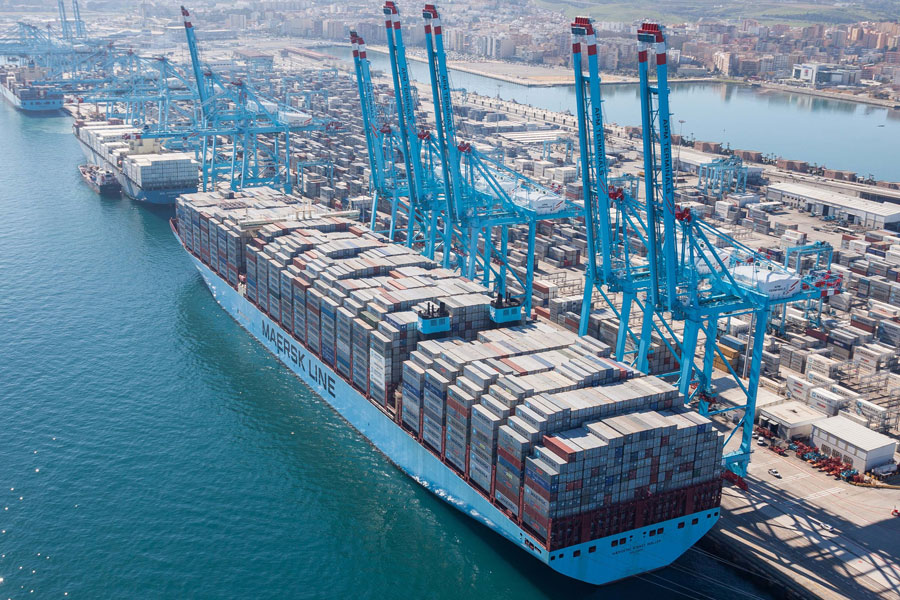
Compliance complexity is the defining challenge amidst tariff uncertainties, a Maersk Asia Pacific survey shows

Key impacts of tariffs lie in compliance friction across operations, finance and supply
chain design, according to 260 Asia Pacific respondents

Maersks latest Blue Paper Trade Momentum APAC Compliance complexity is the defining challenge amidst tariff uncertainties, a Maersk Asia Pacific survey shows

Amid tariff volatility, companies in the Asia Pacific (APAC) region are increasingly challenged not only by costs but also by the complexity of managing requirements across operations and supply chain
setup. This is one of the key findings from Maersk’s latest Blue Paper, Trade Momentum APAC: Strategic Pathways Through Tariffs, in collaboration with Statista+. The Blue Paper provides a comprehensive analysis based on a survey of 260 senior logistics and supply chain decision-makers in APAC.
Operational challenges lead tariff compliance impacts.

According to the survey, nearly three-quarters (72%) of APAC logistics decisionmakers report being highly or very highly exposed to tariff and duty changes. Automotive (95%), fashion (87%), and retail (84%) face the greatest structural pressure.

The most significant impacts of tariff changes are operational, including documentation (79%), administrative workload (76%) and customs clearance delays (70%). These are followed by increased landed cost (49%) and structuralimpacts, such as shifts in sourcing (32%) and redesign of routing patterns (27%).

Regulatory and documentation complexity is also a major constraint when companies shift to new APAC trade corridors, according to 93% of respondents.

The majority are navigating around tariffs, instead of reducing exposure In response to tariff changes, most respondents (89%) can implement logistics adjustments within four weeks. However, the majority focus on short-term measures rather than structural solutions: 71% pass costs on to customers; fewer pursue corridor optimisation, such as alternative export ports (49%), consolidation point shifts (37%), and intra-APAC hub moves (30%). Structural repositioning, such as reallocating capacity to APAC markets (30%) or shifting sourcing from China to ASEAN (21%), remains limited – even though it is the only
approach capable of reducing tariff exposure.

Five markets have risen significantly in multi-country supply chain configurations over the past 12–24 months: Vietnam (70%), Thailand (54%), Indonesia (48%), Malaysia (48%), and India (45%).

Limited visibility holds back proactive decision-making
Limited visibility across supply chain nodes and partners remains a core operational challenge as companies shift to new corridors or multi-modal routes. Nearly half of respondents (46%) report lacking the monitoring capabilities needed to identify disruptions before they materialise. Although companies face barriers in digital adoption to achieve visibility, a digitised compliance infrastructure is essential for them to fully understand their tariff exposure and take effective action.

AI is widely used for tariffs, but has yet to deliver a full impact
Logistics players are actively leveraging technology to address tariff challenges. AI adoption in tariff-related processes is significant: 74% use AI for tariff forecasting, 26% are testing it, and only 1% do not use it.

AI Operationalising firms, those applying AI across forecasting, routing and trade workflows, report lower compliance burdens and greater structural progress than AI Exploring peers, which use AI in isolated cases. However, higher AI maturity does not, on its own, reduce tariff exposure. Only 47% have connected AI to trade compliance or customs platforms: the integration that turns optimisation into exposure reduction. Most organisations have the tool; however, only a few have embedded it where it counts.

From managing tariff exposure to building structural advantage
To address the critical “how” of mitigating tariff exposure, the Blue Paper outlines three key actions: digitising compliance infrastructure to improve visibility, integrating AI into compliance platforms to unlock its full value, and redesigning networks to reduce exposure over the long-term.

“As volatility becomes a structural feature of global trade, companies should move beyond short-term, reactive tariff management to a more proactive approach to managing exposure,” said Rohit Sinha, Regional Head of Customs, Asia Pacific, Maersk. “Those better prepared for future shifts are organisations whose systems, data, and networks are designed to manage volatility before it
translates into cost.”

Methodology:
The study was conducted in 2026 through an online survey by Maersk in partnership with Statista. The online survey collected responses from 260 logistics and supply chain decisionmakers across the Asia-Pacific region. Respondents hold senior operational or strategic roles within organisations engaged in international trade across APAC corridors.

About A.P. Moller – Maersk
A.P. Moller – Maersk is an integrated logistics company working to connect and simplify its
customers’ supply chains. As a global leader in shipping services, the company operates in more
than 130 countries and employs over 100,000 people worldwide. Maersk is aiming to reach net
zero emissions by 2040 across the entire business with new technologies, new vessels, and green
fuels. For more information: www.maersk.com

UltraTech deploys 45 electric heavy-duty trucks for clinker transportation in northern India

NEW DELHI : UltraTech Cement Limited, the world’s largest cement company by sales volume and capacity, excluding China, has commenced deployment of 45 electric heavy-duty trucks in partnership with Energy In Motion (EIM). The fleet will transport clinker from Kotputli Cement Works, UltraTech’s integrated manufacturing unit in Rajasthan, to its grinding units, Dadri Cement Works and Sikandarabad Cement Works located in the Delhi-NCR region, over a 250-kilometre lead distance, traversing the states of Rajasthan, Haryana, and Uttar Pradesh. The deployment of these 45 electric trucks further strengthens UltraTech’s existing fleet of over 750 green trucks.

Heavy duty electric trucks deployed at Kotputli Cement Works UItraTechs integrated manufacturing unit in Rajasthan UltraTech deploys 45 electric heavy-duty trucks for clinker transportation in northern India

This deployment follows the signing of a transport service contract between UltraTech, EIM and a logistics service provider. The deployment is among the largest of its kind in the cement sector in northern India and marks a significant step in establishing the viability of long-haul electric heavy-duty trucking in the country. The fleet, comprising 45 electric trucks, each of 55-tonne capacity, is projected to reduce over 8,900 tons of CO2 emissions annually, displacing the equivalent of about 2.9 million litres of diesel per year. The initiative supports India’s push towards zero-emission commercial transportation, a priority articulated by the Government of India across its EV and logistics policy frameworks.

Speaking on the development, K C Jhanwar, Managing Director, UltraTech Cement Limited, said, “India’s ambition for clean, energy-secure transportation demands industry action, and UltraTech is committed to being at the forefront. This deployment reflects our belief that decarbonising logistics is as strategic as decarbonising production. By shifting long-haul clinker movement to electric, we are aligning with the country’s stated objective to reduce dependence on imported fossil fuels, while building a supply chain that is resilient, responsible, and future-ready.”

UltraTech has been a pioneer in advancing sustainable transport in the cement sector. The company was among the first in India to introduce ‘Green Logistics’, deploying CNG trucks in 2021, LNG trucks in 2022, and electric trucks in 2024. The Company continues to partner closely with its logistics providers to transition from diesel to cleaner fuels. As of FY26, UltraTech operates 638 CNG trucks, 32 LNG trucks, and 89 electric trucks across its various manufacturing units.

About UltraTech Cement Limited
UltraTech Cement Limited is the cement flagship company of the Aditya Birla Group. A USD 9.9 billion building solutions company, UltraTech is the largest cement company globally by sales volumes outside of China. The Company has a total Grey Cement capacity of 205.5 MTPA and White Cement/Putty capacity of 3.5 MTPA. It is a signatory to the GCCA Climate Ambition 2050 and has committed to the Net Zero Concrete roadmap announced by GCCA.

Delhivery launches ‘Vishram’ – India’s largest nationwide rest stop network with 1000+ centers

● Vishram is derived from the Hindi and Sanskrit word for ‘Rest’ or ‘Respite’
● Vishram Centers are Live in close to 600 Cities and Towns such as Delhi, Ludhiana and Cuttack, etc among many more
● Delhivery’s ‘Vishram’ rest facilities will be fully accessible to gig workers and delivery partners from any logistics, e-commerce, or food-delivery platform.

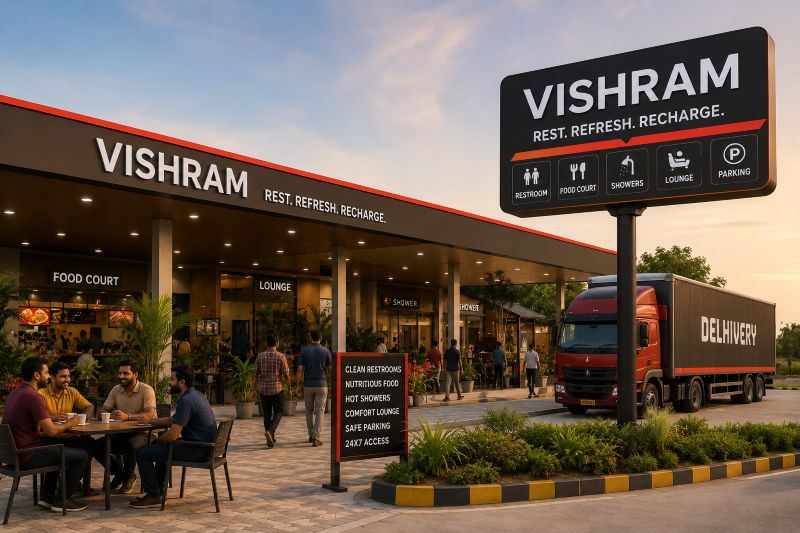
BENGALURU : Marking 15 years of operations in India, Delhivery, India’s largest logistics services provider, recently announced the launch of “Vishram,” a nationwide network of over 1,000 dedicated rest facilities for delivery associates. These entirely open-access rest facilities are designed to support the well-being of all delivery personnel across the country regardless of their platform, parent organization, or sector including those working in e-commerce, quick-commerce, food-tech, and traditional courier services.

“As the backbone of India’s digital commerce, delivery associates routinely navigate highly demanding conditions, from extreme weather to a deficit of essential roadside infrastructure. Through the ‘Vishram’ initiative, we are actively addressing this structural gap. We chose the name Vishram because it represents more than just a physical shelter—it represents a hard-earned pause, comfort, and dignity for India’s mobile workforce,” said Prashant Gazipur, Chief Operating Officer, Operations at Delhivery.

Each of the 1,000+ Vishram centers is fully operational, designed to offer relief during demanding shifts and safe shelter during heavy rains, harsh weather, and late-night delivery hours. Within these spaces, delivery associates have access to comfortable seating and dedicated rest areas optimized for short, 30-45-minute breaks to recharge between delivery runs. To support basic hygiene and personal health, every station is equipped with cooling fans or air coolers, clean washroom facilities, and safe drinking water.

Recognizing the on-the-go requirements of modern delivery work, the Vishram centers also ensure that associates remain digitally connected and physically safe. Each rest stop is outfitted with multiple mobile charging ports to keep devices charged on the go, alongside a fully stocked first-aid kit to handle minor injuries or medical emergencies immediately.

To ensure a seamless, hassle-free experience, Delhivery has digitized the entire check-in and check-out process. Riders can check in instantly by scanning a QR code and entering their phone number on their mobile device, completing a simple matching scan-out when they leave. This streamlined, paperless system ensures rapid access while helping Delhivery maintain safety, manage hub occupancy, and ensure high standards of hygiene.

“By opening our network of over 1,000 Vishram Centers to all delivery partners, regardless of platform, we aim to establish a higher standard for gig worker welfare. We believe industry-wide collaboration is critical to protect this vital workforce, and we invite fellow sector leaders to join us in fostering a safer, more sustainable ecosystem,” Gazipur added.

The 1,000+ Vishram centers are live in close to 600 cities and towns across India, including major hubs and emerging markets such as Delhi, Hyderabad, Mumbai, Pune, Ahmedabad, Jaipur, Lucknow, Indore, Coimbatore, Dehradun, Ludhiana, Udaipur, Vadodara, Tirupur, Jamshedpur, Thiruvananthapuram, and Cuttack, among many others.

About Delhivery:
Delhivery is India’s largest logistics services provider. The company is a leading provider of logistics services including e-commerce and express parcel transportation, on-demand logistics, part truck-load (PTL) freight, full-truckload (FTL) freight services, cross-border air express and freight services, warehousing and supply chain solutions, data services and software including warehouse management and transportation management systems to over 52,000 clients. For more information about Delhivery, please visit www.delhivery.com.

Three reasons ships are not going through the Strait of Hormuz yet

When President Donald Trump announced the US deal with Iran on Sunday and declared the “opening” of the Strait of Hormuz, his Truth Social post ended with the words “Ships of the World, start your engines. Let the oil flow!”

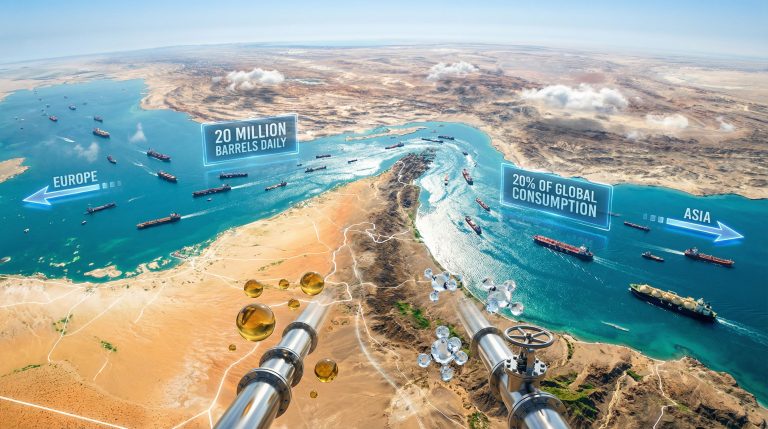
BBC Verify analysis of MarineTraffic ship-tracking data, however, shows that just seven vessels appear to have passed through the critical waterway since the deal was announced and as many as 580 ships appear to be waiting in the Gulf.

Tehran effectively closed the Strait of Hormuz, through which about a fifth of the world’s oil and gas supplies are usually transported, following US and Israeli strikes on 28 February.

Experts say there are significant obstacles preventing traffic from returning to the levels seen before the conflict began – security, mines and tolls.

Ship-tracking data from MarineTraffic on Tuesday shows there are more than 250 tankers and more than 330 cargo ships inside the Gulf.

About 75% of the tankers are stationary, the data suggests. Satellite imagery shows that many are gathered near major oil export terminals in Saudi Arabia, Iraq and the UAE.

The total number of vessels in the area is likely to be higher as many ships are not broadcasting their location and do not appear in MarineTraffic’s data.

“The first thing we would probably see when traffic picks up through the strait is an exodus of the vessels that are trapped inside the Gulf,” said Naveen Das, senior oil analyst at trade analytics firm Kpler.

Source : BBC

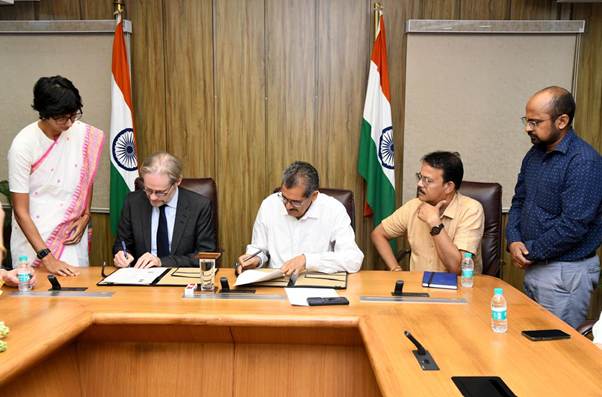
ASI and National Museum of Denmark signed MoU for underwater archaeological investigation of historic Danish Ship Oresund

NEW DELHI : The Archaeological Survey of India, Underwater Archaeology Wing and the National Museum of Denmark: Njord – Center for Maritime and Underwater Cultural Heritage, Copenhagen, have signed a Memorandum of Understanding (MoU) to undertake a collaborative underwater archaeological project aimed at locating and documenting the remains of the historic Danish ship Oresund, which was wrecked off the coast near Karaikal, Puducherry, in 1619 CE.

The Oresund occupies a significant place in maritime history as the first Danish ship known to have reached India. Shortly after its arrival in Indian waters, the vessel was wrecked near Karaikal, making it an important archaeological resource for understanding the early maritime interactions between Denmark and India, as well as the broader history of seafaring and trade in the Indian Ocean during the early seventeenth century.

Under the terms of the MoU, the project will focus on conducting a non-invasive archaeological survey using advanced technologies and scientific methods to identify potential remains of the shipwreck. The investigations will be carried out by the Underwater Archaeology Wing of the Archaeological Survey of India in collaboration with the National Museum of Denmark.

This collaboration marks a significant milestone for the Underwater Archaeology Wing, as it represents its first collaborative archaeological project with an international organisation. The partnership is expected to strengthen academic and scientific cooperation between India and Denmark in the field of underwater cultural heritage research. This initiative also reflects the shared commitment of both institutions towards the documentation, protection, and study of underwater cultural heritage through international cooperation and the application of non-invasive scientific methodologies.

SKANReg reinforces commitment to compliance and sustainable growth at Posidonia 2026

ATHENS: The St. Kitts & Nevis International Ship Registry (SKANReg) successfully concluded its participation at Posidonia 2026, held in Athens from June 1st to June 5th, reaffirming its commitment to international fleet compliance, technical excellence, and sustainable maritime growth.

As one of the most prominent global shipping events, Posidonia provided a valuable platform for SKANReg to engage with shipowners, managers, Recognized Organizations (ROs), technical experts, agents, and partners, fostering productive dialogue on the evolving maritime landscape.

Strengthening Compliance and Technical Collaboration
Throughout the exhibition, SKANReg held a series of high-level technical meetings with Recognized Organizations, focusing on enhancing inspection quality, harmonizing compliance standards, and ensuring effective implementation of international maritime regulations. Facing Port State Stats for the future the registry is working on : 

•    Maintaining high safety and compliance standards across its international fleet,
•    Reducing Port State Control (PSC) risks and detention rates,
•    Strengthening cooperation with ROs to improve technical oversight and operational performance,

About the market future, the registry management team, exchanged with clients and global agents views on critical maritime issues, including:

•    Energy transition and decarbonization pathways,
•    Evolving regulatory requirements and environmental compliance,
•    International Sanctions Regimes, and
•    Market dynamics and operational efficiencies.

SKANReg representatives shared insights on the registry’s performance, including the developing of new software for “Monitoring Fleet Overview (MOS)” and, improvements in the ISO 9001:2015 QMS and the registration procedures, introducing cost effective solutions to ship`s owners and adding value to their operation goals. 

Driving Sustainable Growth and Expansion
The Posidonia meetings also highlighted growing interest in the St. Kitts & Nevis flag, with discussions centered on fleet expansion opportunities and tailored solutions for shipowners seeking flexible, efficient, and compliant registry services.

“Our presence at Posidonia 2026 has been highly productive,” said Miss Gail Stoll, International Registrar of Shipping and Seamen, of SKANReg. “The constructive dialogue with our partners and clients reinforces our commitment to delivering a high-quality registry that supports compliance, operational excellence, and the industry’s transition toward sustainability.”

Looking Ahead
Building on the momentum from Posidonia, SKANReg will continue to:
•    Enhance technical cooperation with Recognized Organizations,
•    Support shipowners in navigating energy transition and regulatory compliance,
•    Strengthen its position as a trusted, efficient, and globally competitive flag registry.

ClassNK launches the co‑creation digital marketplace “ClassNK Design Data Marketplace”

TOKYO : ClassNK has launched the co‑creation digital marketplace“ClassNK Design Data Marketplace” for stakeholders in the maritime industry. The marketplace is a matching site designed to promote linkage and utilization of 3D models and design data created ship design and owned by shipyards and design firms, together with various services provided by software vendors and other providers. It enables a wide range of stakeholders seeking design data or services to search for and compare relevant information according to their specific needs. By facilitating the use of 3D models and design data—resources that have not been fully utilized to date—the marketplace is expected to promote data sharing among stakeholders and foster a cycle of new value creation arising from such collaboration.

ClassNK 1 ClassNK launches the co‑creation digital marketplace “ClassNK Design Data Marketplace”
ClassNK 2 ClassNK launches the co‑creation digital marketplace “ClassNK Design Data Marketplace”

Background

While shipyards produce a large number of 3D models and design data, design-phase data is often underutilized beyond its initial purpose. This has led to growing interest in leveraging such data to generate value across the vessel lifecycle, including improvements in operational efficiency and safety. This initiative has been carried out as part of the “Digital Twin Project*1”, in which shipyards, shipowners, software providers, and classification societies collaborate to examine a secure framework for sharing design and operational data. Through feasibility studies and evaluations conducted by project members, ClassNK has advanced the development of the marketplace as an impartial entity to ensure that the marketplace is neutral and fair.

Feature of the marketplace

The marketplace is provided as a membership‑based closed system functioning as a legal marketplace*2. Members are able to register their service information and model data in the library while complying with the terms of use that govern proper management and handling of design data. Members may also refer to models and services offered by other participants and consider their use. By clearly defining responsibilities and permissible use of design data, the marketplace establishes an environment in which members can securely share information and advance comparative studies and collaboration on new technologies and services.

How to use the marketplace

ClassNK Design Data Marketplace is free of charge. For further details and registration, please refer to the website below.

https://designdp.classnk.or.jp

*1 About the Digital Twin Project

By utilizing vessel‑specific design data, the project seeks to enhance the efficiency and safety of operational performance at sea, while also leveraging shared operational data to support the development of new ship designs. For further details, please refer to the related press release below.

https://www.classnk.or.jp/hp/en/hp_pressrelease.aspx?id=11482&layout=1

*2 A mechanism that enables companies to safely provide services and utilize data while complying with the terms of use.

For further details, please refer to the website below.

https://designdp.classnk.or.jp/overview

PM Modi welcomes understanding between the United States and Iran on ending conflict in West Asia

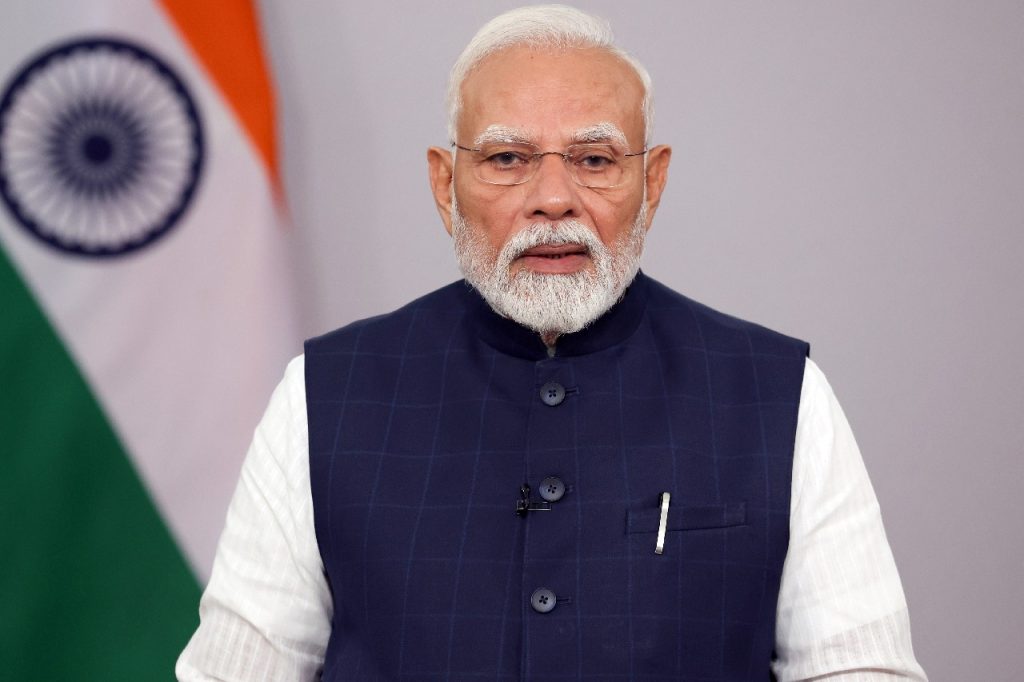
BRATISLAVA : Prime Minister Shri Narendra Modi, on Monday, welcomed the agreement between Iran and the United States to end the conflict in West Asia that has been raging for more than three months, killing and injuring thousands, and disrupting shipping and energy markets. “I welcome the understanding reached between the United States and Iran on ending the conflict in West Asia, which has caused serious economic disruption across the world and led to loss of life in many countries,” Mr. Modi said in a post on social media, from the Slovakian capital of Bratislava. The Prime Minister arrived in the city on Sunday night for a bilateral visit after a day of events and meetings with French President Emmanuel Macron in Nice.

India hoped the deal would restore peace and stability as well, while ensuring the freedom of navigation and commerce, Mr. Modi said, welcoming further deliberations on the remaining issues so a “sustainable final agreement” is reached. The deal is expected to be signed by Iran and the U.S. in Geneva on Friday, but details of the terms remain hazy.

Mr. Modi will travel to Evian-les-Bains in the French Alps on Tuesday morning to participate in sessions with the leaders of the G7 group of wealthy countries.

Defensive mission for Hormuz
Host nation France, along with the U.K., Germany, and Italy welcomed the U.S.-Iran understanding on Monday, congratulating the two countries and others, including mediators Qatar and Pakistan. The countries said the urgent opening of the Strait of Hormuz, a crucial waterway transporting 20% of the world’s oil, was essential. They are willing to conduct a “strictly defensive and independent” mission to “reassure commercial shipping” and to clear mines, the statement said. These countries – all members of the G7 – also said that Iran must never acquire a nuclear weapon.

The focus, however, at the G7 will be U.S. President Donald Trump, who arrived at the resort on Monday evening. A meeting between Mr. Modi and Mr. Trump is set for 2.45 p.m. local time on Wednesday. The two men go into the meeting with several challenging issues looming before them.

Indians have reacted – on the streets and online – with anger at the death of three Indian sailors killed in U.S. attacks off the coast of Oman last week. There is also the issue of a protracted trade agreement which was announced in February but has still not been formally singed.