Home Blog Page 253

Aramex signs MoU with Andhra Pradesh Government to accelerate MSME Exports and expand the State’s Global Market Access

VISAKHAPATNAM: The Government of Andhra Pradesh has signed an MoU with Aramex, a leading global logistics and transportation solutions provider, to strengthen the state’s export ecosystem and support its ambitious goal of increasing the number of exporters from 8,000 to 100,000 over the next 12 months.

The MoU positions Aramex as a strategic logistics and export-enabling partner in Andhra Pradesh’s efforts to transform the state into a major export hub and empower Micro, Small and Medium Enterprises (MSMEs) to access international markets. The MoU is designed to create new global opportunities for MSMEs by combining Aramex’s international logistics capabilities with the state’s efforts to strengthen the MSME ecosystem.

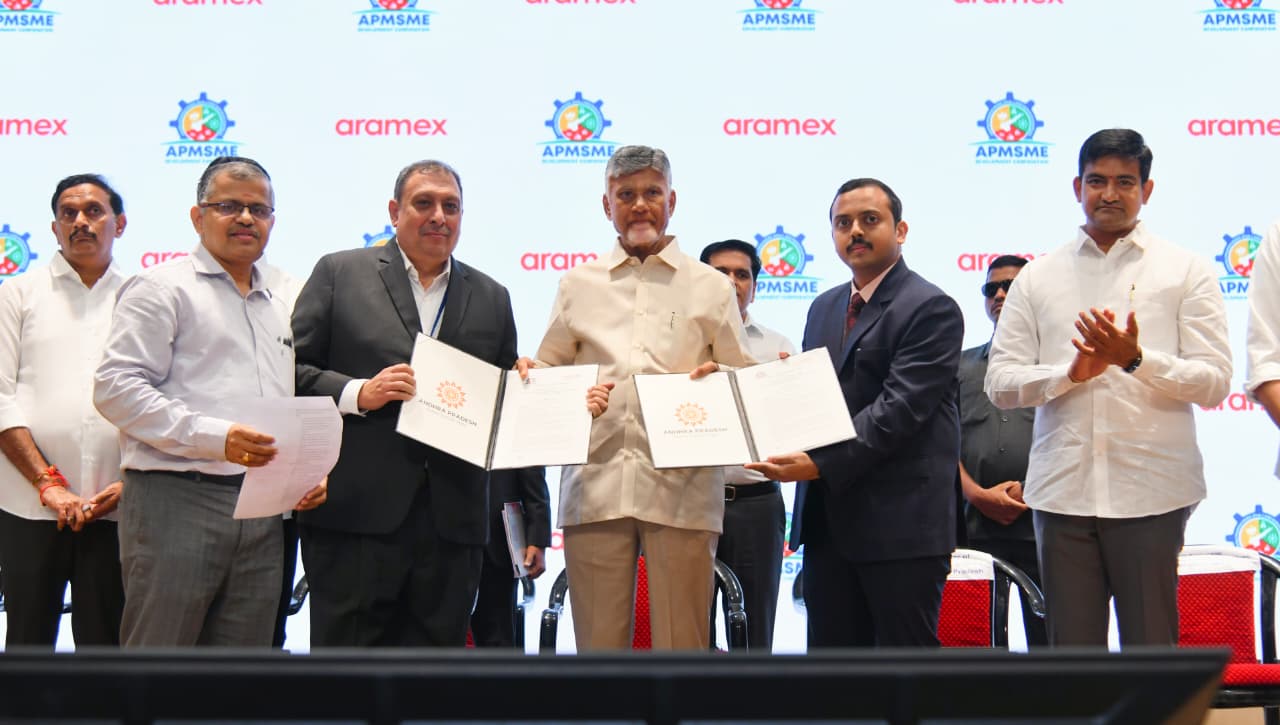
The MoU was signed in Vijayawada in the presence of Andhra Pradesh Chief Minister N. Chandrababu Naidu at the Andhra Pradesh MSME Growth Summit 2026 as part of the state’s ongoing efforts to strengthen its export ecosystem and create new global opportunities for MSMEs. The collaboration will focus on improving export readiness, expanding global market access, supporting cross-border trade, and enabling first-time exporters through capacity-building and market linkage support.

As part of its export promotion initiative, the Government of Andhra Pradesh is establishing three Export Excellence Centres across the state. These centres are envisioned as dedicated hubs where exporters can showcase their products and receive support from ecosystem partners across logistics, e-commerce, digital platforms and market access. Aramex will leverage its international logistics network and trade expertise to help Andhra Pradesh’s MSMEs strengthen export capabilities, navigate global trade requirements, and expand into overseas markets, supported by Aramex representatives based in the State.

Commenting on the partnership, Mr. Percy Avari, India Head, Aramex, said, “We are proud to partner with the Government of Andhra Pradesh in supporting MSMEs in their export growth and helping them access new opportunities in global markets. By combining our international logistics network and cross-border expertise with the state’s efforts to strengthen the MSME ecosystem, we aim to help businesses improve export readiness, access international customers and navigate the complexities of global trade with greater confidence. This partnership will also play an important role in enabling first-time exporters, and we fully support the State’s initiative to ensure that more MSMEs and entrepreneurs can access export opportunities and realize their potential in global markets. Through capacity building and market linkage support, we look forward to helping the State achieve its goal of increasing its exporter base to 100,000.”

Mr. Abbas Panju, SVP GCC and India, Aramex, “India is a strategically important market for us, and we see immense potential in the country’s MSME sector and the significant role it can play in driving global trade. We are witnessing strong demand from Southern India and remain committed to supporting this growing momentum. Andhra Pradesh has set an ambitious goal of expanding its exporter base, and we are proud to support the State’s efforts by enabling businesses to access global markets and scale their export potential.”

The MoU reflects Andhra Pradesh’s focus on building a robust export ecosystem by bringing together public and private sector stakeholders to support exporters through training, market access, logistics enablement and business development initiatives. Through this partnership, Aramex will support the state’s efforts to create a scalable framework that helps MSMEs expand beyond domestic markets and become global sellers.
“Thanks for everything”: Rescued MT Jalveer crew praises Indian Embassy, Omani warship after returning home safely

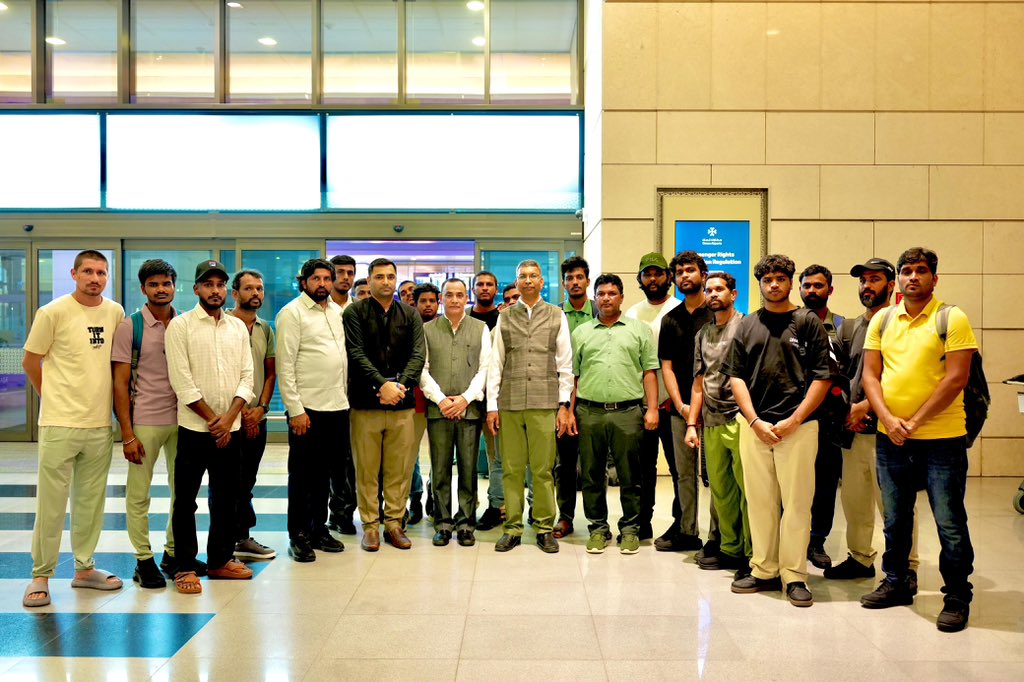
MUSCAT: The 20 Indian crew members of the commercial vessel MT Jalveer have successfully returned home to India following a timely and coordinated rescue operation conducted by the authorities of Oman and the Indian Embassy in Muscat.

The rescue operation and subsequent repatriation of the MT Jalveer crew took place against the backdrop a series of strikes targeting commercial vessels, triggered by the escalating US-Iran confrontation in the Gulf region.

It was during this specific spike in regional hostilities that the crew of the MT Jalveer found themselves in immediate peril. The crew were safely evacuated ashore, in coordination with Omani authorities, following the incident involving the vessel on 11 June 2026.

Expressing his profound gratitude after arriving safely, Captain Subhash Kumar, the Master of MT Jalveer, recounted the critical moments of the evacuation and the subsequent care they received.

“I am Captain Subhash Kumar, Master of MT Jalveer. All crew members were evacuated, and everyone is safe. Subsequently, we were rescued by the Oman Navy. An Omani warship rescued the entire crew.

“Afterwards, the Indian Embassy remained in contact with us and kept us updated at every moment. From June 11 to June 14, we stayed at a hotel. The Indian Embassy played a significant role in sending us home safely. Our company also provided a lot of support. We received assistance from all departments: operations, technical, and crewing. The company kept taking updates from us at every moment. Thanks to the company, the Indian Embassy, and the Omani warship for everything,” Captain Kumar said.

Echoing the Master’s relief, the vessel’s Second Officer, Nazim, detailed the sudden nature of the incident and praised the rapid international response that ensured all 20 crew members escaped unharmed.

“Hi, myself Nazim. I was the second officer of MT Jalveer. Luckily, all 20 crew members safely came out from the accommodation. At the time, we were heading to the forward station and we didn’t get any information. With the timely involvement of the Indian Embassy, our company, and other personnel, we were rescued without any delay. We safely reached the port and now we are going back to India to see our loved ones. Thanks for the timely involvement and to those who helped us. Thank you for the support you gave us. Thank you very much,” Nazim stated.

Acknowledging the safe repatriation, the Embassy of India in Muscat later confirmed that the rescued Indian crew members of MT Jalveer expressed their gratitude to the Embassy of India, Muscat, and the authorities of the Sultanate of Oman for their prompt response and timely rescue of all the Indian crew members on board.

All 20 Indian crew members have now safely returned home.

Prior to their departure from Oman, the Ambassador of India to Oman, Prashant Pise, interacted with the 20 Indian crew members of MT Jalveer in Muscat ahead of their repatriation to India and wished them a safe journey home.

In a post on X, the Embassy of India in Muscat stated, “The crew were safely evacuated ashore, in co-ordination with Omani authorities, following the incident involving the vessel on 11 June 2026.”

The interaction provided an opportunity for the top diplomat to personally review the well-being of the rescued sailors following the maritime security incident.

Reaffirming its unwavering commitment to the safety of citizens overseas, the mission further highlighted on the social media platform that the “Embassy of India remains committed to extending prompt assistance and support to Indian nationals in distress and ensuring their welfare and safe return home.”

Compounding these regional maritime challenges, a separate emergency unfolded when the Indian-flagged vessel MSV VIRAT-1 sank about 80 nautical miles off Ras Al Hadd, Oman.

The Indian Embassy in Oman announced on Sunday that all 14 crew members aboard the Indian-flagged MSV Virat had been successfully rescued during an operation, confirming that all members were safe and in good health

Providing details on their current transit following the emergency at sea, the diplomatic mission added that the rescued mariners are now aboard Jabal Ali 9, heading to Mumbai.

Sharing an official update on the successful mission, the Embassy said in a post on social media platform X, “Rescue operation involving Indian Flagged MSV Virat 1 has been completed. All 14 crew members have been rescued and are presently onboard Jabal Ali 9 heading to Mumbai. The crew members are safe and in good health.”

Meanwhile, expanding on the details of the incident, the Directorate General of Shipping (DGS) has confirmed that all 14 Indian crew members aboard the Indian-flagged vessel MSV VIRAT-1 are safe after the dhow sank.

The DGS further noted that the successful evacuation of the crew was ensured through a prompt rescue operation and close coordination among Omani authorities, the Embassy of India in Oman, maritime agencies, and other stakeholders.

Source: ANI

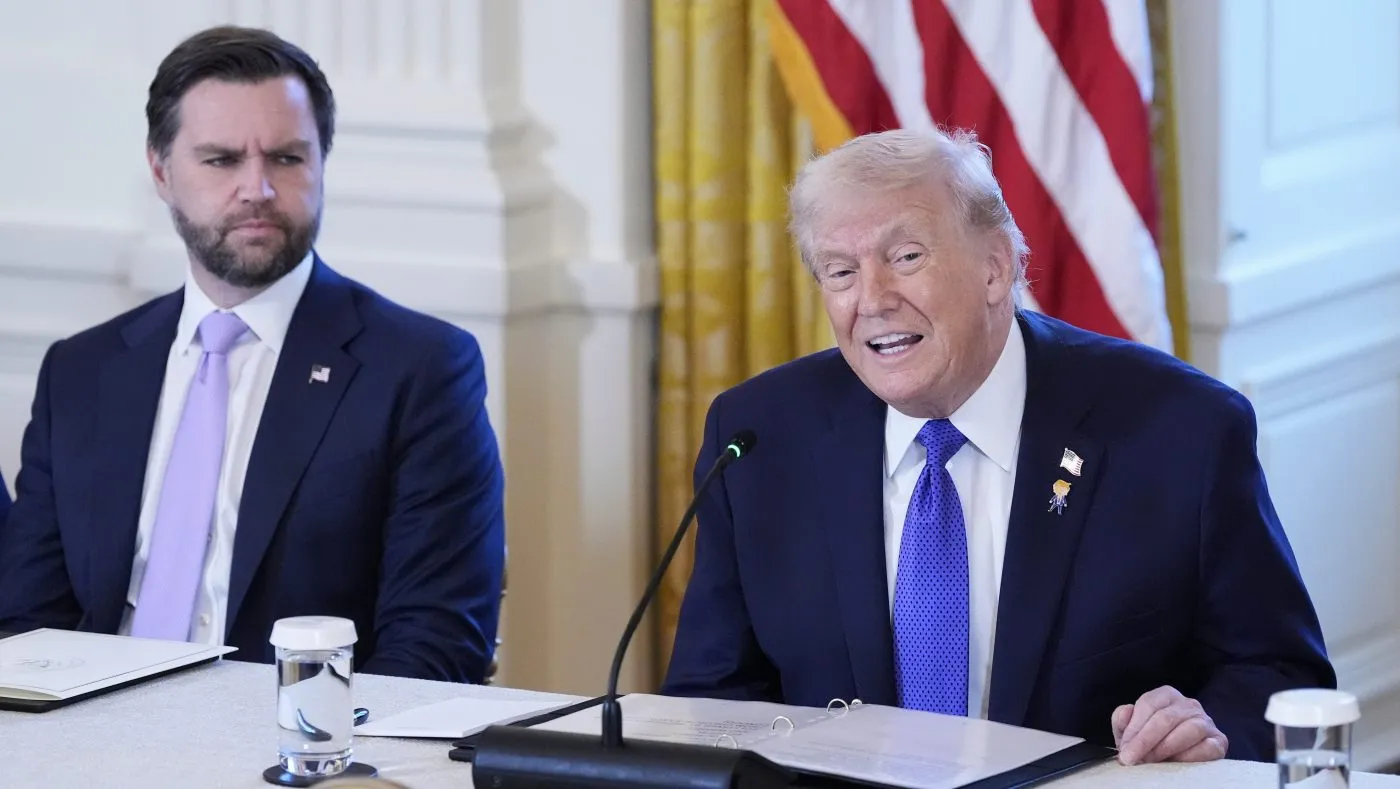
Trump, Vance sign MoU with Iran, sanctions relief tied to nuclear verification measures: US officials

WASHINGTON D.C. : Senior US administration officials said that US President Donald Trump and Vice President JD Vance have signed a memorandum of understanding (MoU) with Iran that lays out a framework for future engagement and sanctions relief linked to Tehran’s cooperation on the nuclear program and regional security commitments.

Speaking about the agreement, senior administration officials said the memorandum establishes the basis for how relations between the two countries will move forward.

“We have now signed some understanding with Iran, the President and Vice President JD Vance both signed it, Speaker Goliath on the other side signed it, and the memorandum provides a few basic things,” the officials said.

“The first is it provides a structure for how our negotiation, our relationship will operate in the future, and the basic way it works is that the more that the Iranians are willing to work with us on their nuclear program, on verifying that they’re not building a nuclear weapon, on not funding radicalism and terrorism in the region, the more that they’re going to be welcomed into the world economy through a combination of sanctions relief and other economic measures,” they said.

The officials added that the agreement is intended to create a pathway for Iran’s reintegration into the global economy if it complies with the terms outlined in the memorandum.

“That’s the basic template here, is that if they’re willing to behave like a normal country, then we’re willing to treat them like a normal country,” they said.

Earlier, Trump said the full text of the memorandum would be made public soon, describing it as a “very powerful document.” Speaking during a bilateral meeting with French President Emmanuel Macron on the sidelines of the G7 Summit in Evian, Trump indicated that the document could be released after the formal signing ceremony expected later this week.

“This is a very powerful document, and I want it to be released. So, probably pretty soon. I would say sometime after Friday,” Trump said.

A senior US administration official also told CNN that the complete text of the memorandum would be released publicly within 24 to 48 hours as part of the administration’s commitment to transparency.
Vice President JD Vance confirmed that the agreement had already been signed digitally by both sides and stressed that no sanctions relief or financial benefits would be provided automatically.

“If we see the Iranians taking action to eliminate their stockpile of enriched material and allow the verification regime that we need to see, sanctions relief will follow,” Vance said in an interview with ABC’s Good Morning America.

The development comes amid broader diplomatic efforts aimed at easing regional tensions. Switzerland has welcomed the agreement and is working with the United States, Iran, Pakistan and Qatar to facilitate a formal signing ceremony expected to take place in Geneva later this week.

Trump has also said that maritime traffic through the Strait of Hormuz has begun resuming following the announcement of the agreement, expressing confidence that the deal would contribute to stability and security across the region.

Source: ANI

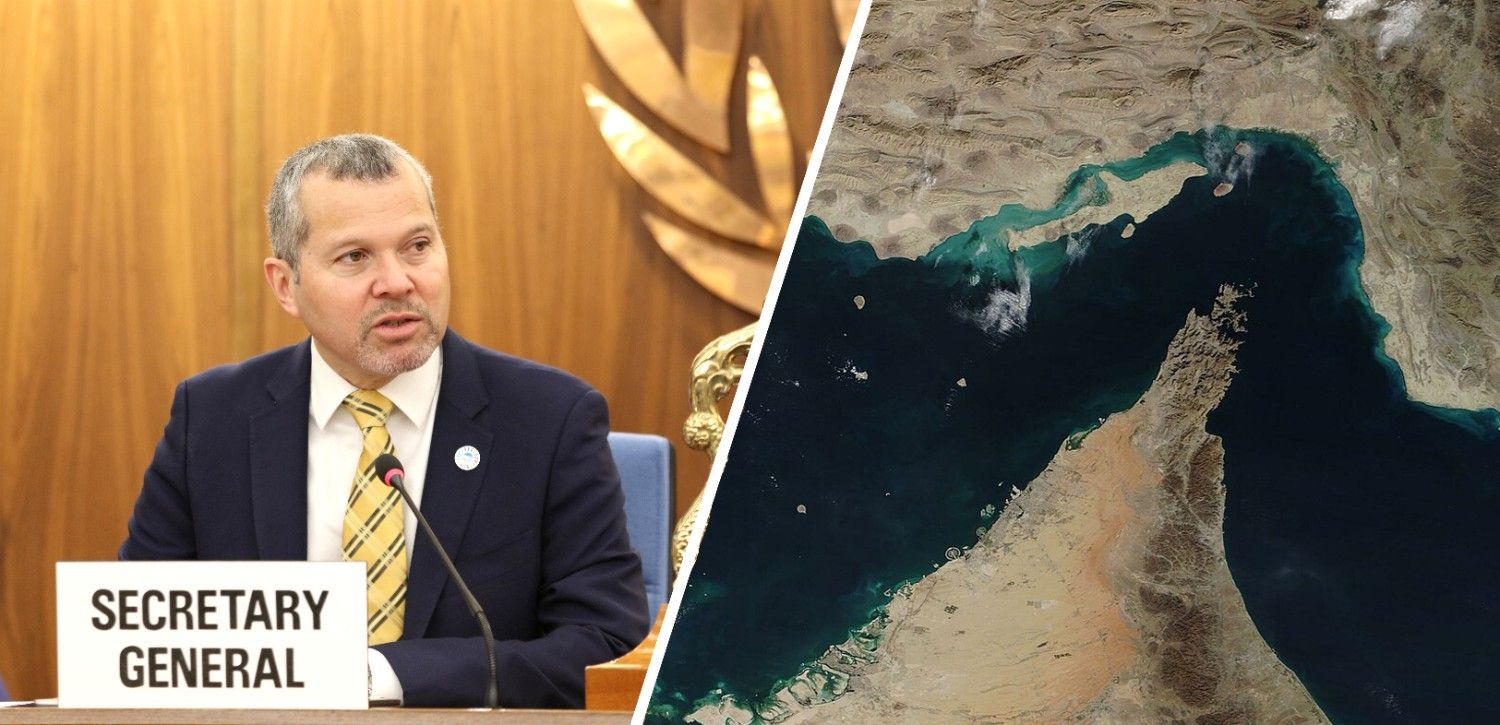
IMO Secretary-General welcomes US-Iran agreement

LONDON: The Secretary-General of the International Maritime Organization (IMO), Mr. Arsenio Dominguez welcomes with great satisfaction the peace agreement reached between the parties in the conflict affecting the Strait of Hormuz.

This signals a crucial return to peace, dialogue, multilateralism and diplomacy, and in particular, an important step toward restoring safety in this vital maritime corridor for seafarers and ships, as well as safeguarding the fundamental principle of freedom of navigation.

The Secretary-General expresses his deepest sympathies for all victims of the conflict, paying particular tribute to the innocent seafarers affected and to their families. Their courage and resilience in the face of prolonged uncertainty deserve the highest recognition.

The agreement also allows IMO to advance its plan to evacuate the thousands of seafarers stranded in the area. The Organization is working in close collaboration with Member States and partners to implement this plan safely and effectively. However, its implementation will require time to ensure that all necessary safety and security guarantees are in place.

IMO reaffirms its commitment to maritime safety, the protection of seafarers, the freedom of navigation, and the continued free flow of global trade.

Source: IMO

BIMCO comments regarding a reported Peace Deal between the US and Iran

LONDON: BIMCO’s executives issued the following comments, after the reported deal between the US and Iran.

From Jakob Larsen, Chief Safety & Security Officer at BIMCO:

“The statements by the US and Iran are currently unclear and do not offer sufficient information regarding key aspects such as timings and safe routes. Due to lack of details and a history of overly optimistic reassurances, we believe the security situation for the shipping industry remains volatile, and we still consider it very risky for ships to commence transits at this point. We advise shipowners to continue doing thorough risk assessments and appeal to all parties to put the safety of seafarers first.”

“Ideally, the concept for resumption of maritime traffic would be directed by a neutral body like the UN. Such a concept would clarify matters such as safe routes, measures to separate traffic, sequencing of ships leaving the Gulf, reporting procedures, ship security procedures, procedures for naval protection and emergency response.”

“The next step is for shipowners to be reassured that transiting the Strait of Hormuz is not only permitted but also safe. Ships trapped in the Persian Gulf will be interested in leaving as soon as it is safe to do so. This must be done in a coordinated manner due to the confined nature of the Strait.”

“The threat of mines in the area remains a concern immediately as well as further down the line and mine-free routes need to be established. Credible assurances from both sides of the conflict must be given before traffic can resume fully to pre-conflict levels.”

From Niels Rasmussen, Chief Shipping Analyst at BIMCO:

“According to Kpler, 600 ships remain trapped in the Persian Gulf, including around 250 tankers. We expect it will take several weeks for all ships to leave the Persian Gulf. We have seen an increase in ships transiting the strait last week, however, there is no indication that the announcement of an agreement has changed the situation yet.”

Source: BIMCO

Strait of Hormuz reopening won’t end shipping risks

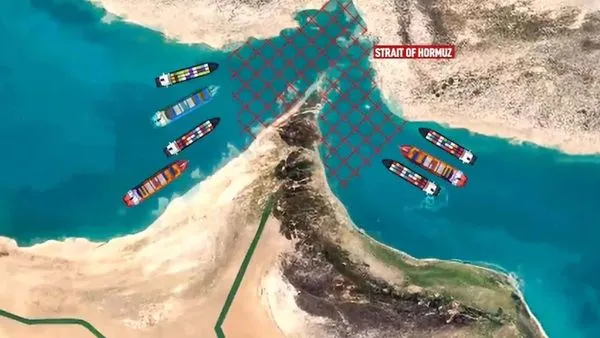
LONDON: A proposed US-Iran deal to reopen the Strait of Hormuz is raising hopes for global shipping and oil markets. But naval mines, high insurance costs and geopolitical risks mean disruption could persist for months.

US President Donald Trump on Sunday hailed a framework agreement between the United States and Iran aimed at ending hostilities in the Gulf that have reduced commercial shipping in the Strait of Hormuz to a trickle for more than three months.

The deal, scheduled to be signed on Friday in Switzerland, reopens the strait to shipping without tolls, lifts the US naval blockade of Iranian ports and allows Tehran to resume oil exports under limited sanctions relief.

The framework also extends the current ceasefire for at least 60 days while launching broader talks on Iran’s nuclear program.

Yet, unlike reopening a highway after a car wreck, restoring prewar oil, gas and container traffic through this vital chokepoint faces significant hurdles.

Greek maritime risk management agency MARISKS warned in a research note on Monday that the framework agreement should be viewed as “the beginning of a de-escalation process rather than the immediate restoration of normal trading conditions.”

When can Gulf shipping safely resume?
Assuming attacks from both the US and Iran have ended for good, Iran must first find and clear the naval mines it deployed during the conflict to make the waterway passable once again

Most could be located fairly quickly using minesweepers, underwater drones and sonar. But some mines may have drifted or be hard to find, say maritime experts.

Independent observers will then need to verify that the waterway is safe for shipping.

The process could take 40 to 50 days, according to maritime security sources cited by Reuters news agency on Monday.

Jakob Larsen, chief safety and security officer at shipping association BIMCO, told Reuters that Hormuz transits right now would be “very risky” and called for “mine-free routes” to be established.

War-risk insurance is still a major hurdle
Even when the mines are cleared, shipping firms will be looking for much lower war-risk insurance costs for transiting Hormuz before confidence is restored.

Currently, premiums remain extremely high, at 1% to 4% of a vessel’s value per transit, compared with prewar rates below 0.1%, according to a report in The New York Times.

For a typical $200-million (€172-million) tanker, this has added between $2 million and $8 million per transit, compared with less than $200,000 before the war.

Shipping data and analysis company Lloyd’s List on Monday cited an unnamed insurance underwriter based in Singapore who described premiums as “quick to go up, slow to go down.”

Anoop Singh, global head of shipping research at Oil Brokerage Ltd, warned that shipowners would assess the pros and cons based on their own risk tolerance.

“The Japanese, Koreans and Chinese are less open to high risk, while the Greeks have a different appetite — so we may see some people gearing up,” Singh told Bloomberg.

When can stranded ships start moving?
Once safe corridors in the strait have been established, hundreds of commercial vessels and their crews that have been stranded for months in the wider Gulf region can begin moving.

Bloomberg cited data from commodity intelligence firm Kpler that 300 fully loaded vessels are currently sitting in the Gulf, while a further 250 are empty and awaiting loading, once the strait reopens.

Nearby in the Gulf of Oman, a further 300 empty tankers are awaiting permission to enter the Gulf.

Staffing those ships could be another hurdle. Around 20,000 seafarers are estimated to remain aboard stranded vessels, according to the UN’s International Maritime Organization.

The UN agency also confirmed that 14 crew members have been killed in attacks, around half of them from India, the third-largest provider of seafarers after the Philippines and China.

Amid growing reluctance among crews to accept deployments in the Gulf region, India’s Directorate General of Shipping on Sunday ordered employment agencies to restrict deployments to conflict areas.

Damaged energy facilities and a return to normal
Gulf countries, meanwhile, can now begin to ramp up oil and gas production. But this requires safety inspections of energy facilities, repairs to any damaged infrastructure and the phased return of workers and maintenance crews.

A full restart will hinge on restoring shipment schedules, securing enough tankers and convincing international buyers that energy flows are reliable again.

Neil Shearing, Group Chief Economist at UK-based Capital Economics, projected Monday that it would take until the end of September for around 80% of energy flows through Hormuz to resume.

Shearing warned that natural gas flows “will be slower to return,” citing damage to Qatar’s Ras Laffan liquefied natural gas hub — where attacks knocked out about 17% of the country’s export capacity, likely for several years.

What else could halt regional progress?
The biggest unresolved issue around the US-Iran framework agreement is that it is just an outline for negotiators to find a lasting end to the conflict.

Looking ahead the US is insisting on a permanently toll-free strait, while Iranian officials have spoken of “service fees” and retaining control of the waterway, along with neighboring Oman.

With broader issues, like Iran’s nuclear ambitions, sanctions relief and Tehran’s support for groups like Hezbollah and the Houthis still not resolved, analysts think there is a real risk of more attacks.

Emboldened by its leverage over the Strait of Hormuz, Iran may continue to test boundaries, while Israeli Prime Minister Benjamin Netanyahu has stressed that his country is not bound by the agreement.

He warned that Israel will continue to act in self-defense, raising fears that unilateral strikes could quickly unravel the fragile framework.

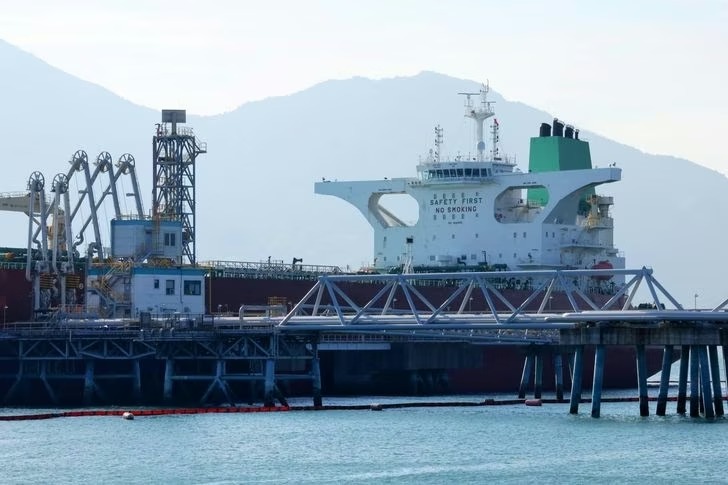
9th Korean oil tanker successfully transits Red Sea to ensure Crude Oil supply

YANBU : A Korean vessel has successfully transited the Red Sea and is currently en route home, marking the ninth crude oil shipment to use the route, the oceans ministry said Sunday.

The Ministry of Oceans and Fisheries said the oil tanker loaded crude oil at Saudi Arabia’s Yanbu Port and passed through the Red Sea as the country seeks to import oil through alternative routes amid the ongoing disruption to shipping through the Strait of Hormuz.

It marked the ninth such shipment since April. “As the vessel passed through the Red Sea, we monitored the situation around the clock and provided safety information while maintaining communication channels between the government, the shipper and the vessel,” the ministry said.

“We will continue efforts to maintain the stability of crude oil supplies to the country,” it added.

Source : The KoreaTimes

Sallaum Lines orders its Largest Vessels, 2 + 2 8,600 CEU Dual-Fuel Car Carriers

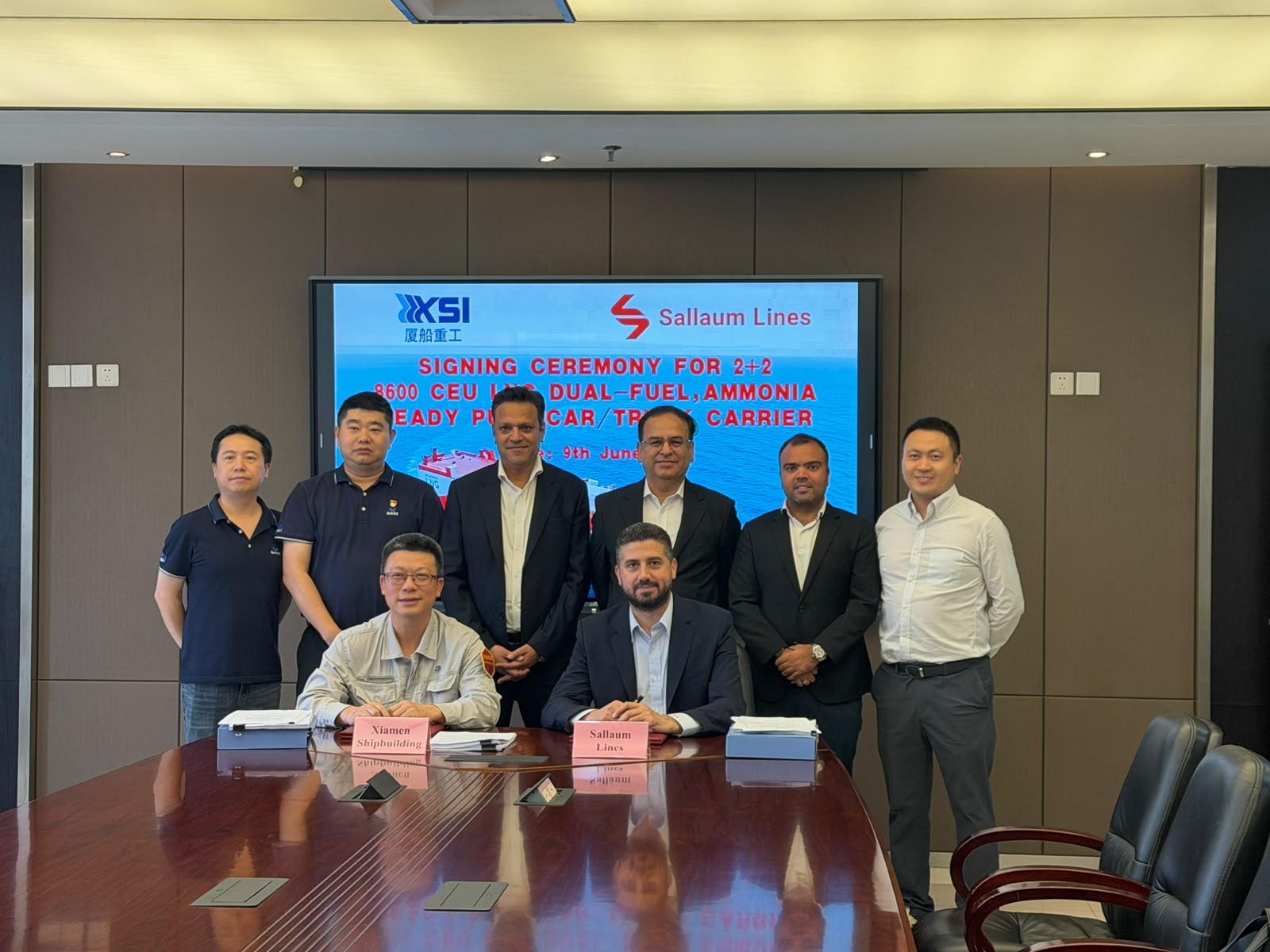
LIMASSOL: Sallaum Lines has ordered the two largest vessels in its history, signing a shipbuilding contract with Xiamen Shipbuilding Industry Co., Ltd. (XSI) for 2 + 2 next-generation Pure Car and Truck Carriers (PCTCs). Each vessel will carry 8,600 Car Equivalent Units (CEU), ranking the order among the most significant fleet investments in the company’s history. 

The order follows the recent delivery of Sallaum Lines’ newest LNG dual-fuel ships and marks the next step in an accelerating fleet renewal programme. With these new vessels, Sallaum Lines is expanding capacity, improving operational flexibility, and advancing its sustainability roadmap across its core global trade lanes. 

This order further supports the company’s commitment to lower-emission operations, aligning with its 2030 environmental roadmap and long-term ambition to reach carbon neutrality by 2050. 

Designed for Scale and Flexibility
The two firm vessels will be the largest ever commissioned by Sallaum Lines. Each ship will measure 199.90 meters in length overall, with a beam of 38 meters and an air draught of 46 meters. 

With five liftable decks, the vessels are designed to accommodate a broad and evolving cargo mix, from passenger cars and light commercial vehicles to heavy rolling equipment and project cargo. Their dimensions are calibrated to maximize cargo intake while retaining broad port compatibility. This balance of capacity and maneuverability will support Sallaum Lines across its established trade lanes, including Europe, the Americas, Africa, and the Middle East. 

Signing ceremony 2 Sallaum Lines orders its Largest Vessels, 2 + 2 8,600 CEU Dual-Fuel Car Carriers

Director Hasan Sallaum of Sallaum Lines said: “This order is an important step in the next chapter of the company. These vessels are not only an expansion of our fleet; they reflect the direction of our business and the responsibility we have towards our customers, our partners, and the future of shipping. With larger capacity, dual-fuel capability, and an ammonia-ready design, these ships give us the flexibility to serve growing market demand while continuing to invest in lower-emission transportation. For us, sustainability and commercial growth are not separate ambitions; they must move forward together.” 

Advancing a Lower-Emission Fleet 

The new vessels will be equipped with dual-fuel engines capable of operating on Liquefied Natural Gas (LNG), Very Low Sulphur Fuel Oil (VLSFO), and Marine Gas Oil (MGO).  The ammonia-ready designation positions the vessels for future conversion as green ammonia supply chains develop, helping future-proof the fleet in line with evolving regulatory requirements, including IMO 2030 targets and the direction of the EU Green Deal. 

The order builds on Sallaum Lines’ wider sustainability initiatives, including the introduction of LNG-powered vessels into its Ocean Class fleet, the installation of photovoltaic systems on board, advanced hull lubrication technology, and a self-polishing anti-fouling paint regime across the fleet.  By investing now in vessels designed for future fuels, Sallaum Lines is taking a practical step towards reducing its environmental footprint while preserving the reliability, efficiency, and scale required by its global customers. 

Supporting Tomorrow’s Automotive Supply Chains 

This order comes at a time of strong structural demand across Sallaum Lines’ established trade routes. The company serves a portfolio of global automotive manufacturers, including many of the world’s most recognized OEM brands, while also expanding its presence among fast-growing Chinese exporters through its dedicated China operations office and Far East trade lane development. 

The additional capacity will allow Sallaum Lines to strengthen its service offering, broaden terminal coverage, and deepen the long-term partnerships that are central to finished vehicle logistics (FVL). 

It is a focused investment in the resilience and competitiveness of global automotive supply chains, and in the company’s ability to support customers as volumes, routing needs, and environmental expectations continue to evolve. 

About Sallaum Lines

Sallaum Lines is a leading global RoRo carrier specializing in the safe, efficient, and environmentally responsible transportation of automobiles, trucks, heavy equipment, and project cargo. With a rapidly expanding fleet and a presence across Europe, Africa, Asia, the Middle East, and the Americas, the company remains committed to sustainable innovation, operational excellence, and long-term partnerships that create value for customers worldwide.

Saudi Red Sea Authority announces 2025 Annual Report, strengthens Sector Regulation and enhances Readiness

RIYADH: Saudi Red Sea Authority (SRSA), in its 2025 Annual Report, highlighted a set of key achievements that reflect its continued progress in building a more regulated, efficient, and sustainable coastal tourism sector. These efforts included developing regulatory frameworks, enhancing operational readiness, strengthening compliance, and supporting investors, in in line with the objectives of Saudi Vision 2030.

These achievements build on SRSA’s approach to developing a sector founded on regulatory clarity, operational discipline, and institutional integration. For the first time in the Kingdom, SRSA issued the Beach Operators’ Requirements and Conditions, contributing to enhancing safety levels, protecting the environment, and improving the quality of the tourism experience.

As part of the same regulatory efforts, SRSA issued and renewed 26 coastal tourism licenses, supporting the regulation of coastal tourism activities and enabling their practice within clear frameworks. It also approved six operational models for coastal tourism activities, reinforcing unified practices and enhancing operational efficiency across the sector.

SRSA also launched the Kingdom’s first Introductory Guide to Coastal Tourism Activities, providing a unified reference for information, procedures, and requirements. The first edition of the guide focused on yacht-related activities.

In the area of compliance, SRSA conducted 371 field visits to ensure compliance and promote awareness, supporting adherence to regulatory requirements and reinforcing practices that safeguard the safety of activities and the quality of services.

SRSA further supported this regulatory path by developing 77 approved Standard Operating Procedures (SOPs), which contributed to unifying procedures, reducing operational variance, and enhancing service quality and execution efficiency.

The Authority also continued to develop the regulatory environment through the official integration of “Operation of Marine Tourism Activities” into the National Classification of Economic Activities, giving the sector a clearer economic definition, supporting its formal regulation, and strengthening its growth within a more stable environment.

As part of its efforts to enhance the investment environment, SRSA empowered 91 investors through dedicated support and assistance frameworks, including technical, administrative, and advisory support, helping address challenges and improve the investor journey.

SRSA also strengthened its institutional partnerships by signing three agreements and memoranda of understanding (MoUs) with local and international entities, supporting integration, knowledge exchange, and the development of an enabling environment for the sector.

These achievements reaffirm SRSA’s continued role as both an enabler and regulator of the sector, contributing to the sustainability of coastal tourism and enhancing the sector’s readiness to continue growing and expanding in line with best practices.

infographic 01 1 Saudi Red Sea Authority announces 2025 Annual Report, strengthens Sector Regulation and enhances Readiness

BCBA to host ‘India Logistics Conclave 2026’ in Mumbai

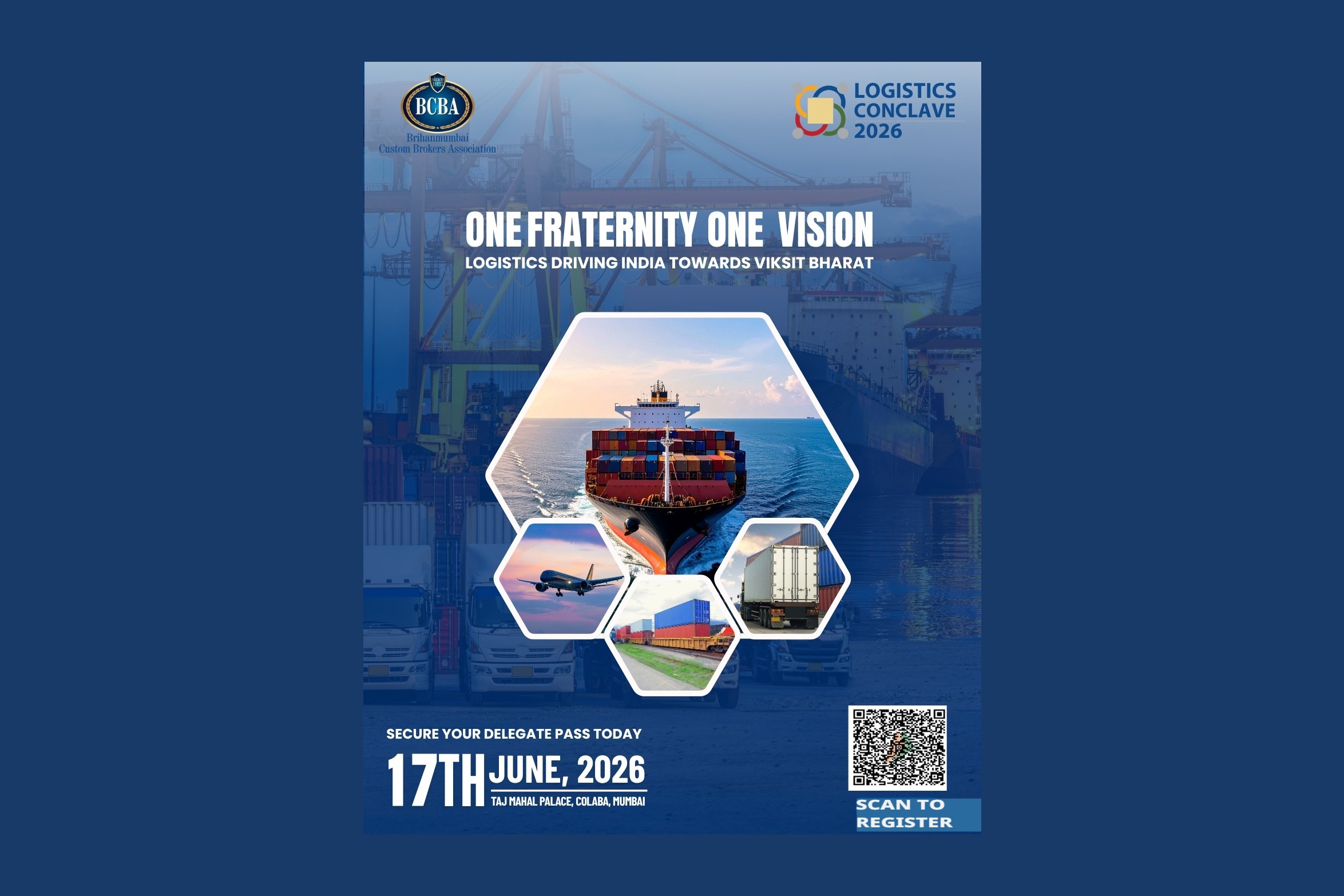
MUMBAI: The Brihanmumbai Custom Brokers’ Association (BCBA) — the apex body of the customs-broking fraternity in Mumbai — will host the second edition of its flagship policy forum, the India Logistics Conclave 2026, on 17 June 2026 at The Taj Mahal Palace, Mumbai. Building on the success of the inaugural 2024 edition, which drew more than 550 stakeholders from across government, trade and industry, this year’s Conclave will convene senior policymakers, port and customs leadership, trade economists and industry principals under the theme “One Fraternity, One Vision — Logistics Driving India Towards Viksit Bharat.”

The single-day gathering is designed as a coherent dialogue on the forces reshaping India’s trade-and-logistics ecosystem — from the long-horizon roadmap for Viksit Bharat 2047 to the immediate realities of digital customs, shifting geopolitics, infrastructure delivery, and the evolving role of the licensed intermediary. The programme reflects the BCBA’s conviction that the customs broker and freight forwarder are no longer back-office facilitators but front-line growth partners in the nation’s trade story.

Inaugural Session. The Conclave will open with an inaugural session bringing together the senior leadership of Indian Customs and the country’s ports ecosystem. The dais is expected to feature Shri Yogendra Garg, Member (Customs), CBIC; Shri Gaurav Dayal, IAS, Chairman, JNPA; Dr M Angamuthu, IAS, Chairman, Mumbai Port Authority; Shri Shyam Jagannathan, IAS, Director General of Shipping; Capt. Deepak Tiwari, Managing Director, MSC India and Chairman, CSLA; Capt. BVJK Sharma, CEO, Navi Mumbai International Airport; and Shri Niraj Ambani, Group President — Supply Chain, Reliance Industries, among other dignitaries. Shri Vivek Chaturvedi, Chairman, CBIC, is expected to address the gathering online. The session will also felicitate industry veterans for their distinguished contribution to the EXIM community.

Speaking ahead of the Conclave, Mr Sanjeev Harale, President, BCBA, said: “In a landscape marked by geopolitical shifts and supply-chain realignment, India has emerged as a balanced and credible voice. With logistics costs falling and policy maturing, the sector now sits at the heart of national development. The need of the hour is not merely to respond to change, but to shape it — and that is precisely what this Conclave seeks to do.”

Mr Dushyant Mulani, Immediate Past President, BCBA, under whose stewardship the inaugural edition of the India Logistics Conclave was held in 2024, added: “What began as an idea in 2024 has grown into a movement. This second edition reaffirms that the customs-broking fraternity is ready to sit at the high table of national logistics policy and contribute as an equal partner.”

Mr Paresh Thakkar, Senior Vice President, BCBA, said: “The customs broker is the silent force that keeps India’s Exim trade moving. As the key stakeholder coordinating between Customs, Ports, Participating Government Agencies, shipping lines, CFSs and every link in the EXIM chain, the broker is the thread that holds the trade ecosystem together. This Conclave is our declaration that we will lead, we will innovate, and we will help build the Viksit Bharat of 2047.”

The Association is especially encouraged by the participation of speakers and dignitaries from across India, together with key members of the Federation of Freight Forwarders’ Associations in India (FFFAI) from other cities — a reflection of the Conclave’s growing national stature.

Four Plenary Sessions. The day will be structured around four themed plenaries. The first, “India 2030, 2035, 2047 — A Roadmap for Viksit Bharat,” will frame the logistics agenda across three horizons of structural transformation. The second, “Building India’s Digital Spine — Customs & Trade,” will examine the move toward a unified national customs platform, 24-hour clearance and AI-driven risk management. The third, “Geopolitics and the New Geometry of Trade,” will address FTA utilisation, sea-lane risk and the China Plus One opportunity. The fourth, “Policy and Infrastructure — Building India’s Futuristic Logistics Ecosystem,” will turn to the policy architecture that converts hard infrastructure into a future-ready, interoperable logistics network.

The panels will draw an eminent cross-section of voices from policy, ports, industry and academia, including senior representatives of the Central Board of Indirect Taxes & Customs, the Jawaharlal Nehru Port Authority, the Land Port Authority of India, leading economists and thinkers, technology providers powering the customs interface, and principals from across the shipping, terminals and freight-forwarding ecosystem. The discussions will be moderated by senior leaders of the customs-broking and freight-forwarding fraternity.

Valedictory. The Conclave will conclude with a valedictory session, “Custom Brokers and Freight Forwarders — Growth Partners,” featuring a concluding keynote address by Mr Dhimant Parekh, Founder, The Better India, alongside reflections from senior BCBA leadership on repositioning the profession as a recognised trade-facilitation partner within the CBIC, DGFT and PGA framework.

About BCBA

Founded in 1939, the Brihanmumbai Custom Brokers’ Association is the largest and oldest body of customs brokers in India, representing a fraternity that serves as the connective tissue of the nation’s EXIM trade. Through advocacy, capacity-building and policy engagement, the BCBA works to advance trade facilitation, professional standards and the modernisation of India’s customs and logistics ecosystem.