Home Blog Page 284

US sanctions Iran’s Persian Gulf Strait Authority over Hormuz traffic control

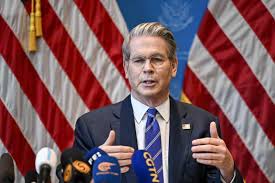
WASHINGTON DC: The United States on Wednesday (local time) imposed sanctions on Iran’s Persian Gulf Strait Authority (PGSA), accusing Tehran of using the body to “extort” commercial vessels transiting through the Strait of Hormuz and “funnelling” revenue to the Islamic Revolutionary Guard Corps (IRGC).

The move, announced by the US Department of the Treasury’s Office of Foreign Assets Control (OFAC), adds the PGSA to the Treasury Department’s Specially Designated Nationals (SDN) list as part of the US President Trump’s administration’s intensified “Economic Fury” campaign aimed at increasing pressure on Iran amid ongoing regional tensions.

According to the Treasury Department, the PGSA was established by Iran to manage requests from ships seeking passage through the strategically vital Strait of Hormuz. US officials alleged the authority works closely with the IRGC and the IRGC Navy to direct vessel traffic and impose “illegitimate tolls” on international maritime commerce.

“The Iranian military’s latest attempt to extort global maritime trade is proof that Economic Fury has left the regime desperate for cash,” US Treasury Secretary Scott Bessent said in a statement, according to the official release.

“Through Economic Fury, the United States has imposed a financial stranglehold on the world’s leading state sponsor of terrorism. Treasury has deprived the Iranian regime of revenue for their weapons programs, terrorist proxies, and nuclear ambitions. Under President Trump’s leadership, we will remain relentless in our pursuit to constrict the network of vessels, intermediaries, and buyers through which Iran exports both its oil and malevolence.” Bessent added.

The Treasury Department said vessels transiting the Strait of Hormuz were being required to submit information to the PGSA and comply with Iranian-designated navigation routes near Iran’s coastline in exchange for “permission” for safe passage.

Washington further warned that companies or ship operators complying with Iranian demands for passage fees, ” including payments made via fiat currency, digital assets, offsets, informal swaps, or other in-kind payments such as nominally charitable donations,” could face US sanctions exposure.

The sanctions were imposed under Executive Order (E.O.) 13224, a counter, a counterterrorism authority used by the United States to target entities accused of materially supporting designated terrorist organisations. The Treasury Department said the PGSA was designated for “having materially assisted, sponsored, or provided financial, material, or technological support for” the IRGC.

According to the release, the latest measures expand the administration’s broader maximum pressure campaign against Tehran, which the Treasury Department said has already targeted “Tehran’s global shadow banking networks; designated networks supplying weapons and other military components to Iran; sanctioned a corrupt Iraqi official who has facilitated the sale of oil along with Iran-backed militias operating in Iraq” and “taken numerous actions against Iran’s terrorist proxies; and targeted shadow fleet vessels, companies, and other entities that sustain Iran’s illicit oil industry.”

Earlier on May 21, the newly-launched Persian Gulf Strait Authority (PGSA) defined the boundaries of the Strait of Hormuz management supervision area.


In a post on X, PGSA stated that the supervision area starts from the line connecting Kuh Mobarak in Iran and the south of Fujairah in the UAE in the east of the Strait of Hormuz, to the line connecting the end of Qeshm Island in Iran and Umm al-Qaiwain in the UAE in the west of the Strait of Hormuz.


The management body said, “Frequencies in this range for passing through the Strait of Hormuz require coordination with the Persian Gulf Waterway Management and a permit from this entity.”


Meanwhile, on May 18, Iran announced the launch of a new regulatory body aimed at managing and monitoring operations related to the strategically important waterway, the Strait of Hormuz.


The top security establishment of the Islamic Republic, the Supreme National Security Council, reposted a post on X where it stated that the official X account of the “Persian Gulf Strait Authority” (PGSA) is now operational.


The announcement signalled the formal establishment of a dedicated body overseeing developments and operations linked to the Strait of Hormuz, one of the world’s most critical maritime trade routes for global oil and energy shipments.

Source: ANI

US military “redirected” 109 commercial vessels during Strait of Hormuz blockade

FLORIDA: In a significant escalation of maritime tensions in West Asia, the United States armed forces have intensified enforcement operations to choke off maritime traffic bound for or originating from Iranian territories.

Detailing the scale of the ongoing naval operations in a post on X, the US military said it “redirected” 109 commercial vessels in the Arabian Sea on Wednesday to enforce President Trump’s blockade of ships travelling to and from Iranian ports via the Strait of Hormuz.

The naval restrictions from Iran and the US across the contested waters have drastically disrupted international trade. The blockade of the Strait and Gulf of Oman began on April 13 and has provoked an energy crisis with severe global economic consequences.

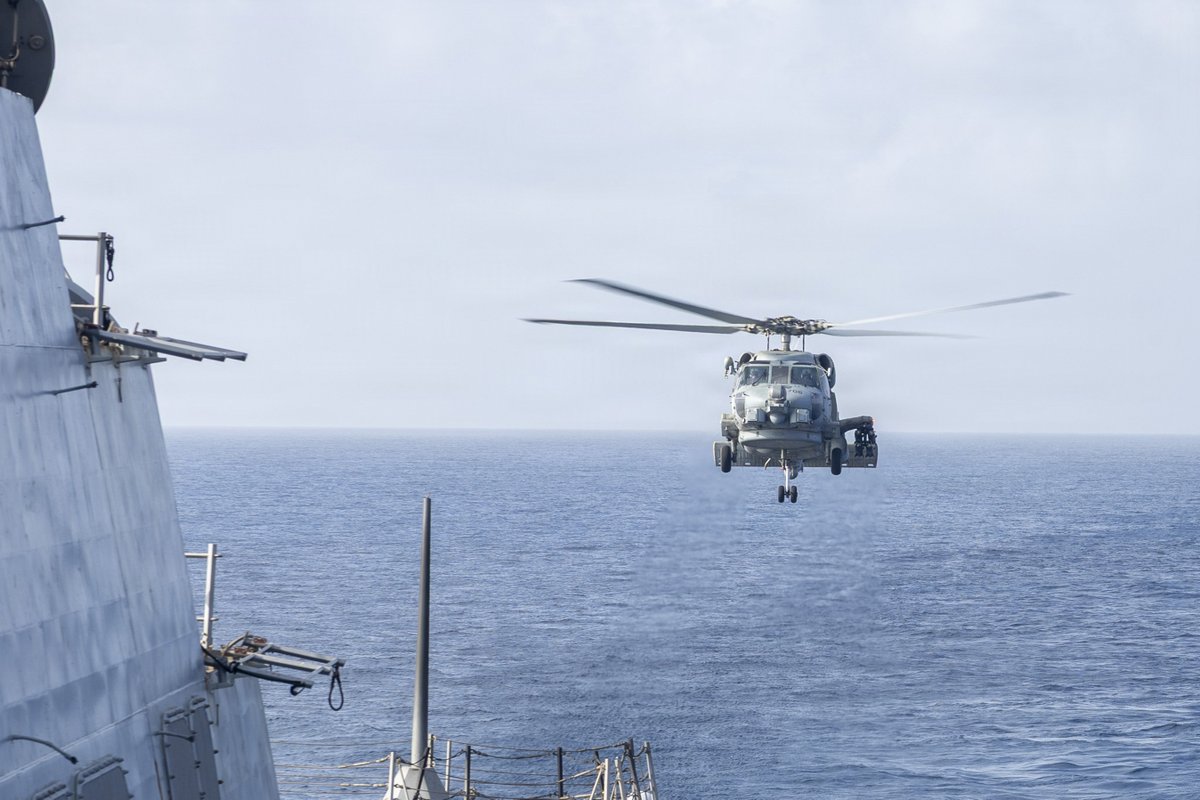
To maintain a watertight perimeter and ensure absolute compliance with the economic sanctions against Iran, American naval assets are executing continuous aerial surveillance and active interdiction missions. Several US Sea Hawk helicopters are currently patrolling the Arabian Sea to make sure the blockade continues.

Against the backdrop of this aggressive naval enforcement, the White House has delivered a sharp, high-stakes rebuttal to Tehran, completely dismantling claims broadcast by state-backed networks regarding an imminent diplomatic breakthrough over these crucial maritime trade corridors.

The US administration issued a definitive denial of assertions that Washington and Tehran were on the verge of finalising a preliminary blueprint aimed at restoring maritime commerce through one of the world’s most critical energy transit choke points.
Calling the report a “complete fabrication”, the White House denied claims aired by Iranian state television that the United States had proposed a draft Memorandum of Understanding involving the lifting of the naval blockade on Iran and the withdrawal of American forces from the Gulf region.

This aggressive pushback underscores the intense information warfare currently playing out alongside kinetic tensions in the region. In a severe public correction aimed not just at foreign state broadcasters but also at domestic newsrooms that carried the unverified narrative, Washington chose to issue a direct public takedown on social media.

“This report from Iranian-controlled media is not true and the MOU they ‘released’ is a complete fabrication. Nobody should believe what Iranian state media is putting out. FACTS MATTER,” the White House said on X as it lashed out at US media for reporting the Iranian claims.

The underlying controversy traces back to details propagated earlier on Wednesday by Iranian state television and the Mizan news agency. Their accounts indicated that an outlined framework proposed a sequential withdrawal of US military forces from areas surrounding Iran, alongside the cessation of the maritime blockade enforced by Washington.

In exchange for these concessions, the reports claimed that Tehran would pledge to normalise commercial vessel transit through the channel, aiming to return traffic to pre-conflict volumes within a tight one-month timeframe.

Crucially, Iranian media outlets specified that naval warships are excluded from the provisions of the draft agreement, meaning the diplomatic relief focuses strictly on civilian supply lines. Furthermore, the reports outlined that maritime traffic through the channel would be overseen by Tehran in close coordination with Muscat, keeping regional navigation firmly under local management.

Despite the optimistic tone of the broadcast text, the Iranian media coverage itself emphasised that the framework is strictly tentative and unauthenticated. Regional officials are reportedly underscoring that further intense discussions and “tangible verification” are mandatory before Tehran commits to a definitive pact.

The timeline for these verifications is already structured under the purported terms. Iranian sources noted that, should a conclusive accord be finalised within a 60-day window, the arrangement could eventually be codified through a legally binding United Nations Security Council resolution.

The global stakes of these negotiations cannot be understated, given that the Strait of Hormuz facilitates the movement of a massive percentage of global crude supplies as one of the world’s most pivotal energy transit corridors.

Consequently, the unverified reports of the potential diplomatic breakthrough immediately impacted global energy markets. The news initially drove US crude futures lower to trade below USD 89 per barrel as traders anticipated a swift reduction in supply vulnerabilities and a de-escalation of geopolitical friction in West Asia.

These fast-moving diplomatic movements directly coincide with a wider international push by US President Donald Trump to orchestrate a comprehensive regional peace framework encompassing Iran and multiple Middle Eastern nations, a grand strategy aimed at fundamentally reshaping the geopolitical landscape of the entire region.

Source: ANI

South Korea probe finds Iranian missile likely hit container ship HMM Namu; Tehran envoy to be summoned

SEOUL: South Korea’s Foreign Ministry has stated that an Iranian-made antiship missile was “highly likely” used in an attack earlier this month on the HMM Namu in the Strait of Hormuz. The targeted vessel is operated by the prominent South Korean shipping company HMM.


Attributing the findings directly to national intelligence assessments, South Korea’s Yonhap news agency cited the country’s First Vice Foreign Minister Park Yoon-joo as saying the government came to the conclusion based on a “technical analysis”.

According to the agency, this extensive forensic review included evaluating the warhead’s shape and gas debris colour to identify the origin of the weapon.

Elaborating on the specifics of the incident, Park stated that the HMM Namu came under attack from a pair of unidentified aircraft on May 4. He explained that the initial warhead was successfully incinerated, whereas the subsequent one detonated. The first strike is believed to have ignited an engine room fire, while the secondary strike reportedly caused the inferno to engulf the vessel rapidly.

Detailing the debris recovered from the scene, the First Vice Foreign Minister noted that the propulsion system bore a close resemblance to an “Iranian turbojet engine, and parts were found to bear markings presumed to be from an Iranian manufacturer.”

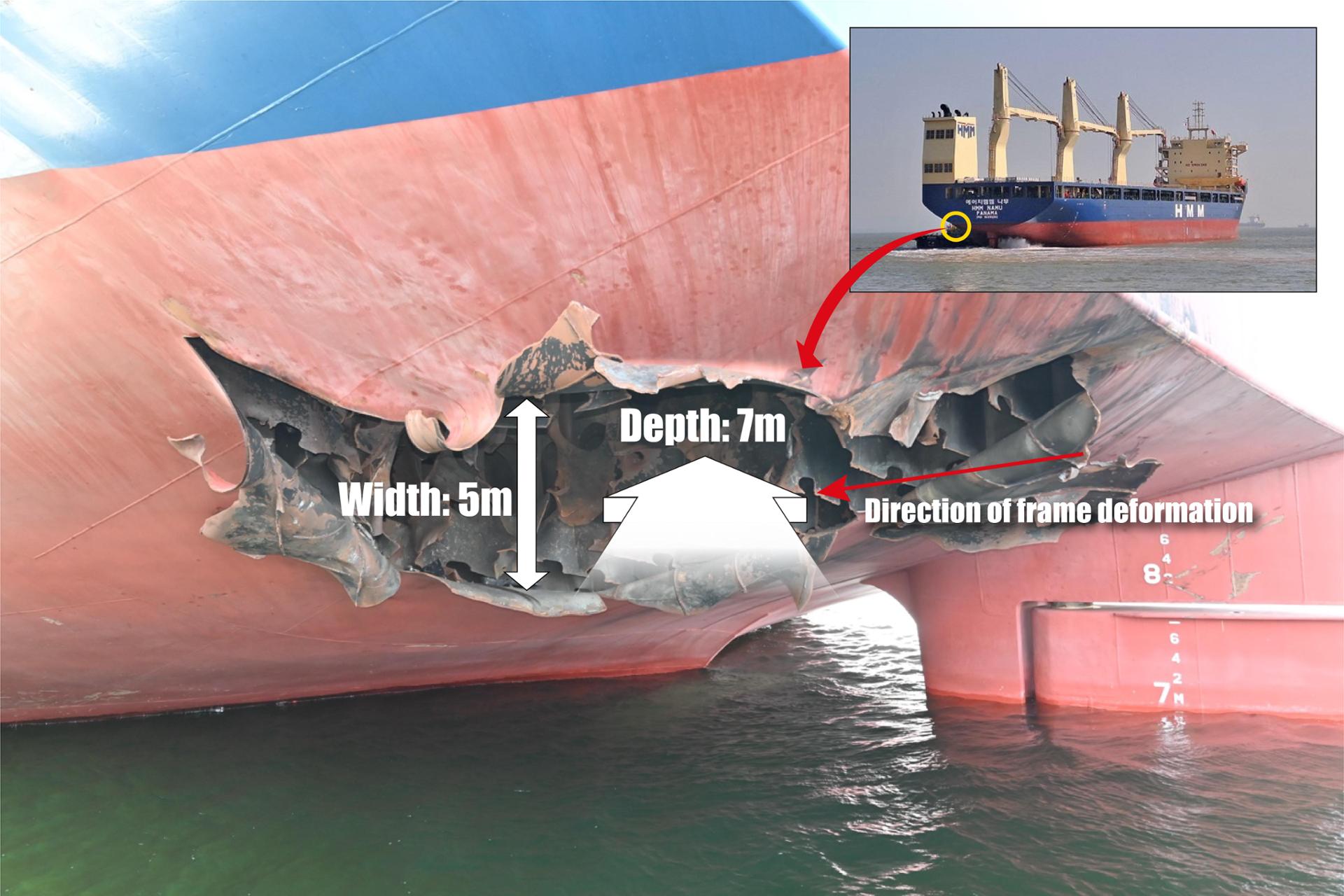
The South Korean authorities further disclosed that the vessel, which was carrying 24 crew members at the time of the incident, sustained significant structural damage. The impact zone on the port-side stern measured approximately “five metres (16.5 feet) wide and extended roughly seven metres (23 feet) into the hull”.

In light of the investigation’s conclusions, Seoul plans to summon Iran’s ambassador to the country over the incident, said Park, signalling a formal diplomatic protest over the maritime strike.

The strike has also drawn sharp reactions internationally, with US President Donald Trump asserting that Tehran had “taken some shots” at the ship, which sails under a Panama flag. Conversely, Iranian authorities have rejected any involvement in the incident.

The targeted strike underscores the severe economic vulnerabilities in the region, particularly for South Korea. As the fourth-largest economy in Asia, South Korea depends heavily on fuel imports from the Middle East, the vast majority of which previously moved through the Strait of Hormuz prior to its effective closure.

The location of the attack remains a volatile flashpoint, as the critical maritime passage has remained largely impassable since February 28, following the outbreak of hostilities initiated by the United States and Israel against Iran.

Source: ANI

Gridlock on the Bonny Channel: Inside the Maersk grounding that disrupted Nigeria’s Maritime Gateway

By Priyatham Sanjeeva Reddy Ramidi

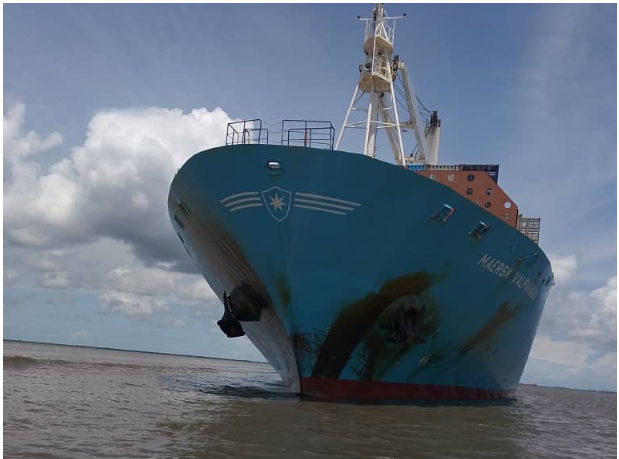
In the early hours of May 20, 2026, a routine maritime operation in southern Nigeria spiraled into one of the region’s most disruptive shipping incidents in recent memory. A collision involving the Singapore-flagged container vessel MV Maersk Valparaiso and the Nigerian-flagged oil tanker MT Lady Martina triggered a chain of events that temporarily crippled vessel movement along the Bonny Channel, one of Nigeria’s most strategically important waterways.

The accident did more than halt ships. It exposed the fragile balance between commercial shipping, oil logistics, and navigational safety in the Gulf of Guinea — a maritime corridor that handles enormous volumes of cargo tied to Nigeria’s energy sector and international trade.

As salvage teams, maritime regulators, and port authorities rushed to respond, the grounding quickly became a story about far more than two vessels colliding at anchor.

A Critical Maritime Artery

The Bonny Channel serves as the gateway to Onne Port and the wider Port Harcourt maritime complex in Rivers State. The waterway is essential to Nigeria’s offshore oil and gas economy, supporting containerized trade, energy supply operations, industrial imports, and petroleum transportation.

Onne Port in particular has become one of West Africa’s most important logistics hubs for the oil and gas industry. Major international shipping companies use the port to service offshore energy installations and move cargo throughout the region.

Because of its importance, even a short interruption in vessel movement can have immediate commercial consequences.

When the channel became obstructed following the collision, incoming ships were forced to wait at anchorage while outbound vessels remained trapped inside the port area. Shipping schedules were disrupted almost instantly.

For logistics operators, time at sea is money. Every hour lost affects fuel consumption, berthing windows, cargo coordination, and contractual obligations. In a region already dealing with infrastructure pressure and fluctuating global shipping conditions, the incident created significant operational anxiety.

What Happened

According to Nigerian maritime authorities and multiple reports from the port community, the incident occurred near the Bonny Inner Anchorage at approximately 11:30 a.m. local time.

The Maersk Valparaiso, a container vessel carrying an estimated 717 containers, was maneuvering within the channel when it came into contact with the Lady Martina, a smaller Nigerian oil products tanker.

The exact sequence of navigational decisions that led to the impact remains under investigation, but early reports from local maritime sources suggested the vessels may have encountered positioning complications while transiting or maneuvering in restricted waters.

After the collision, conditions rapidly deteriorated.

The Lady Martina reportedly drifted and eventually grounded along the Bonny Channel. The Maersk Valparaiso also became stuck after veering into shallow mud within the channel area. The result was effectively a maritime bottleneck across a critical access route.

The situation immediately drew emergency attention from the Nigerian Maritime Administration and Safety Agency (NIMASA), which activated response teams through its Deep Blue maritime security infrastructure.

Authorities dispatched personnel and interceptor boats to the site to secure the area and assist the affected crews.

Injuries and Environmental Concerns

Five crew members aboard the Lady Martina sustained injuries during the collision and were evacuated for medical treatment.

While no fatalities were reported, the accident also triggered environmental concerns after authorities confirmed an oil spill in the surrounding waters.

Oil contamination in the Niger Delta region is an especially sensitive issue. Communities throughout the region have dealt with decades of environmental degradation linked to petroleum extraction, pipeline leaks, and marine pollution.

Even relatively small spills attract intense scrutiny because of their potential impact on fisheries, mangrove ecosystems, and coastal livelihoods.

In the hours following the incident, containment and monitoring efforts became a major priority. Maritime authorities began assessing the scale of the spill while simultaneously coordinating salvage and channel recovery operations.

The balancing act was delicate.

Officials needed to reopen one of the country’s busiest maritime corridors as quickly as possible, but moving grounded vessels too aggressively could worsen hull damage or increase environmental contamination.

Why the Incident Matters

At first glance, the grounding may appear to be a localized maritime accident. In reality, the implications stretch far beyond a single collision.

Nigeria depends heavily on maritime trade. The majority of the country’s imports and exports move through seaports, while offshore oil production remains deeply tied to marine logistics.

Any disruption inside the Bonny Channel affects:

  • Offshore oil servicing operations
  • Containerized cargo movement
  • Industrial supply chains
  • Fuel distribution logistics
  • Regional trade schedules
  • Port revenue generation

For international shipping companies, delays in Nigeria can also create broader network disruptions.

Modern container shipping operates on tightly managed schedules where delays at one port can ripple across multiple continents. Vessel rotations, cargo transshipment windows, trucking coordination, and inland distribution systems all depend on predictability.

The grounding therefore became more than a local navigation problem. It evolved into a test of Nigeria’s maritime emergency response capability.

Questions About Navigation and Infrastructure

As investigators began examining the incident, maritime observers quickly raised familiar concerns about navigational safety within congested African port approaches.

Channels like Bonny are challenging environments.

Large container vessels must navigate relatively narrow waterways while accounting for tides, traffic density, under-keel clearance, and local weather conditions. Restricted maneuvering space increases the risk of grounding or collision, particularly when multiple commercial vessels are operating simultaneously.

In many emerging maritime markets, port infrastructure expansion has struggled to keep pace with the increasing size of global commercial vessels.

Modern container ships are larger, heavier, and deeper drafted than many of the ships waterways were originally designed to accommodate.

This reality creates mounting pressure on:

  • Channel dredging programs
  • Vessel traffic management systems
  • Pilotage operations
  • Tugboat availability
  • Maritime communication protocols

Industry experts are likely to examine whether infrastructure constraints, vessel coordination issues, or human error contributed to the Bonny collision.

The investigation may also renew debate about how Nigeria modernizes and safeguards its maritime gateways as trade volumes continue to rise.

Salvage Operations and Recovery Efforts

Following the accident, efforts shifted toward stabilizing the vessels and reopening the channel.

Salvage operations in restricted waterways are notoriously complicated. Teams must account for vessel stability, hull integrity, tides, underwater obstructions, and environmental risk.

The Maersk Valparaiso, built in 2010 and operating under the Singapore flag, represented a particularly difficult challenge because of its size and cargo load.

Authorities worked to evaluate whether the vessel had sustained structural damage while also determining the safest strategy for refloating it.

Meanwhile, congestion at anchorage areas continued to build as ships waited for clearance.

Shipping agents, freight operators, and energy contractors closely monitored updates from the port community, aware that prolonged closure could create substantial financial losses.

Reports emerging a day later suggested that the containership had eventually been refloated and moved toward anchorage for inspection.

That development eased immediate fears of a long-term shutdown, but the broader impact on scheduling and operations continued beyond the initial recovery.

Nigeria’s Maritime Ambitions Under Pressure

The timing of the incident is particularly significant.

Nigeria has spent years attempting to position itself as a stronger maritime and logistics hub for West Africa. Investments in port modernization, security initiatives, and shipping reforms are intended to attract greater commercial confidence and reduce dependency on foreign transshipment hubs.

Programs such as NIMASA’s Deep Blue Project were designed to improve maritime security, emergency response, and operational oversight in Nigerian waters.

In some respects, the rapid deployment following the collision demonstrated improved institutional coordination compared to previous years.

However, the grounding also highlighted the immense pressure facing the country’s maritime system.

As vessel traffic increases and shipping lines deploy larger ships into West African trade lanes, the margin for navigational error becomes smaller.

Accidents involving container ships, oil tankers, and offshore support vessels carry enormous economic and environmental risks.

For Nigeria, maintaining safe and efficient access to ports like Onne is not simply a transportation issue. It is directly tied to national revenue, industrial growth, and international investor confidence.

The Bigger Picture for Global Shipping

The Bonny Channel collision arrives during a period of heightened sensitivity across the global shipping industry.

Recent years have seen a series of high-profile maritime disruptions worldwide — from canal blockages and port congestion to vessel collisions and weather-related supply chain interruptions.

The lesson repeated across each incident is clear: modern global trade is deeply vulnerable to chokepoint disruptions.

A single grounded vessel in the wrong location can trigger delays that spread across international supply networks.

While the Bonny grounding did not reach the scale of incidents like the Suez Canal blockage, it reinforced how regional waterways remain essential pressure points within the global maritime economy.

For shipping companies operating in West Africa, the incident will likely encourage renewed focus on navigational planning, local pilot coordination, and risk management procedures.

It may also intensify conversations about investment in African maritime infrastructure as trade volumes continue growing.

An Investigation Still Unfolding

At the center of the story remains an unanswered question: what exactly caused the collision?

Investigators will likely examine vessel movement data, communication logs, navigational procedures, weather conditions, and pilot coordination records.

Determining liability could involve multiple parties, including ship operators, local navigation authorities, insurers, and maritime service providers.

For now, the Bonny grounding stands as a vivid reminder of how quickly maritime operations can unravel inside crowded commercial waterways.

What began as a navigational incident evolved into a multi-layered crisis involving environmental risk, port disruption, economic pressure, and national maritime credibility.

Although vessel traffic has begun recovering, the aftereffects of the accident are expected to linger through ongoing investigations, insurance assessments, and operational reviews.

In the shipping industry, incidents are often measured not only by immediate damage, but by the lessons they force the industry to confront.

The collision involving the Maersk Valparaiso and Lady Martina may ultimately become one of those moments for Nigeria’s maritime sector — a warning about the growing complexity of modern shipping in increasingly congested waters.

The P&I Insurance Fallout

Beyond the operational and environmental consequences, the Bonny Channel collision is also expected to trigger significant Protection and Indemnity (P&I) insurance activity. P&I clubs, which provide liability coverage for shipowners, will likely become deeply involved in assessing claims related to pollution response, crew injuries, salvage costs, cargo disruption, and potential third-party liabilities arising from the channel blockage.

Given the oil spill and the temporary paralysis of a major commercial waterway, insurers may face a complicated matrix of claims involving vessel operators, charterers, terminal stakeholders, and environmental authorities. Questions surrounding navigational responsibility and fault allocation will play a central role in determining how costs are distributed between the parties involved. Depending on the findings of the investigation, the incident could also influence future underwriting assessments for vessels operating in congested West African waterways, particularly where channel limitations and high traffic density increase operational risk.

In the shipping industry, incidents are often measured not only by immediate damage, but by the lessons they force the industry to confront.

The collision involving the Maersk Valparaiso and Lady Martina may ultimately become one of those moments for Nigeria’s maritime sector — a warning about the growing complexity of modern shipping in increasingly congested waters.

Author:

Priyatham Image 2 Gridlock on the Bonny Channel: Inside the Maersk grounding that disrupted Nigeria's Maritime Gateway

Mr. Priyatham Sanjeeva Reddy Ramidi

Disclaimer:

Priyatham Sanjeeva Reddy Ramidi is a maritime professional specializing in technical operations and commercial P&I, with recognized experience in the industry. The perspectives and research shared are the result of independent professional analysis and are presented in a personal capacity. They do not reflect or represent the official views of any employer, organization, or affiliated institution.

Woodfield Systems Manufactures India’s First LNG Marine Loading Arm; Marks Major Step in Indigenous Critical LNG Equipment Manufacturing

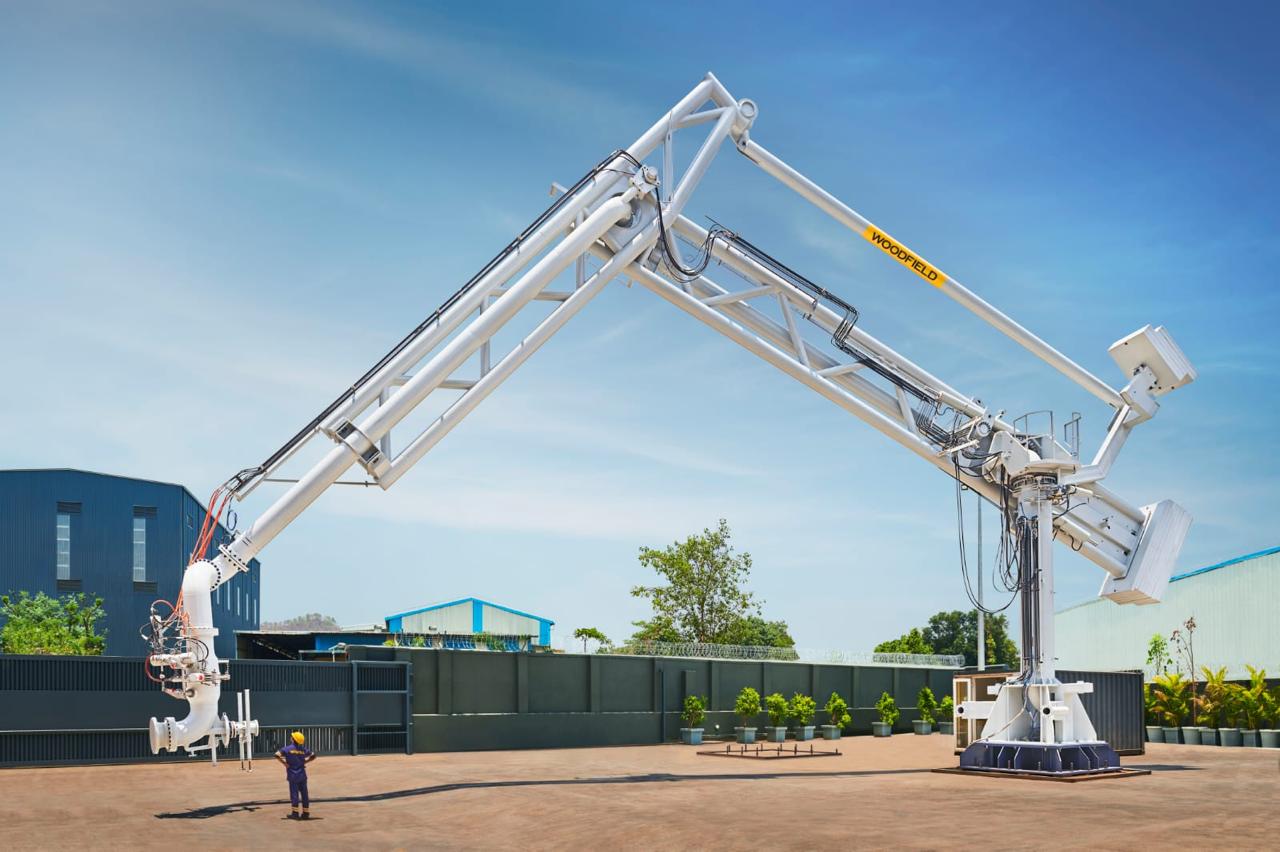
MUMBAI: Woodfield Systems International Pvt. Ltd. (“Woodfield Systems”), Wednesday announced a major manufacturing milestone with the successful production of the first LNG Marine Loading Arm to be manufactured in India.

Founded in 1923, the British company Woodfield Systems is a pioneer in the LNG Marine Loading Arm business.

Product image WS Woodfield Systems Manufactures India’s First LNG Marine Loading Arm; Marks Major Step in Indigenous Critical LNG Equipment Manufacturing

Until now, Woodfield Systems’ LNG Marine Loading Arms were manufactured in the UK. Following its acquisition by an Indian company in 2024, Woodfield Systems has now brought the capability to manufacture this highly specialized equipment to India, using its UK design expertise and the company’s Indian manufacturing infrastructure. The development aligns with our honourable Prime Minister Shri. Narendra Modi’s and the Government of India’s Make in India vision and strengthens India’s ability to manufacture critical equipment that has traditionally been imported from Europe.

The first LNG Marine Loading Arm, manufactured at the company’s Asangaon facility near Mumbai, is being shipped to a leading oil & gas company in the Middle East. A second unit is scheduled for testing by June 10, 2026.

Woodfield Systems expects its broader India-made LNG Marine Loading Arm business pipeline to generate USD 20–30 million in revenue by FY27.

Commenting on the milestone, Kartik Gala, CEO, Woodfield Systems, said“This is a defining milestone, not just for Woodfield Systems, but for what India is now capable of delivering to the world. For the first time an LNG Marine loading arm has been built entirely in India – designed, engineered and manufactured end-to-end – using the intellectual property and technical heritage of a 103 year old British pioneering company. As countries expand LNG import and export capacities, reliable transfer infrastructure will become increasingly important. Our ambition is to position India as a trusted manufacturing hub for this critical equipment and support customers who are building the next generation of LNG infrastructure”

The company is also in advanced discussions with customers across the Middle East and Far East Asia, where demand for reliable LNG infrastructure continues to grow. Manufacturing in India is expected to improve accessibility for customers in these regions, while also strengthening cost competitiveness, delivery efficiency, and after-market support.

The milestone also comes at a time when LNG infrastructure is gaining strategic importance globally. With energy security, supply diversification, and geopolitical uncertainty shaping investment decisions, several countries are expanding LNG import and export capacities. The International Energy Agency has projected global LNG supply growth to accelerate in 2026, while emerging Asian markets are expected to be key drivers of gas demand growth. Recent disruptions around critical energy corridors have also reinforced the importance of resilient LNG supply chains and infrastructure capacity.

About Woodfield Systems:

Founded in 1923, Woodfield Systems is a British company and a pioneer in the design and manufacture of Marine Loading Arms, Metering Skids, Modular Platforms and related equipment for the energy sector and ports. With over a century of engineering experience, the company serves customers across global oil, gas, LNG, Chemicals and ports.

Following its acquisition by an Indian company in 2024, Woodfield Systems has expanded its manufacturing capabilities in India, including at its Asangaon facility near Mumbai, to serve customers in India and international markets.

India emerges as Sri Lanka’s second-largest export destination

NEW DELHI : India has surpassed the UK to emerge as Sri Lanka’s second-largest export market in January-April this year, the Export Development Board said. The US remains the island country’s largest export market.

“India has consolidated its position as Sri Lanka’s second-largest export destination, surpassing the United Kingdom, with exports increasing by 8.9 per cent to USD 364.15 million during January-April 2026. However, exports to India recorded a marginal year-on-year decline of 1.41 per cent in April 2026,” the board said.

Sri Lanka’s total exports, comprising merchandise and services, reached USD 1,380.93 million in April 2026, recording a year-on-year growth of 6 per cent.

Merchandise exports in April 2026 increased 9.87 per cent to USD 1,063.77 million, while earnings from services exports were estimated at USD 317.16 million in April 2026.

On a cumulative basis, the total export for the January-April 2026 period is estimated at USD 5,784.38 million, reflecting a growth of 4.3 per cent over the corresponding period in 2025.

On the merchandise side, Coconut-based products recorded a strong performance in April 2026, with export earnings surging by 23.49 per cent year-on-year.

Activated carbon, one of the key value-added coconut shell-based export products, registered a 58.32 per cent jump, reaching USD 20.55 million in April 2026.

On the services front, information and communication technology and business process management exports reached USD 146.09 million, while financial services exports expanded significantly by 119.41 per cent to USD 6.82 million.

On the negative side, however, is the decline of earnings from apparel and textiles by 4.88 per cent year-on-year to USD 346.67 million in April 2026.

“This downturn was primarily driven by a 2.71 per cent reduction in shipments to the United States, alongside a 9.21 per cent contraction in exports to the European Union. Exports to the United Kingdom also recorded a notable decline of 16.08 per cent, further contributing to the overall decrease in the sector’s performance,” according to the board.

Source : PTI

First ethanol bunkering of X-Press Feeders in Rotterdam Port successful

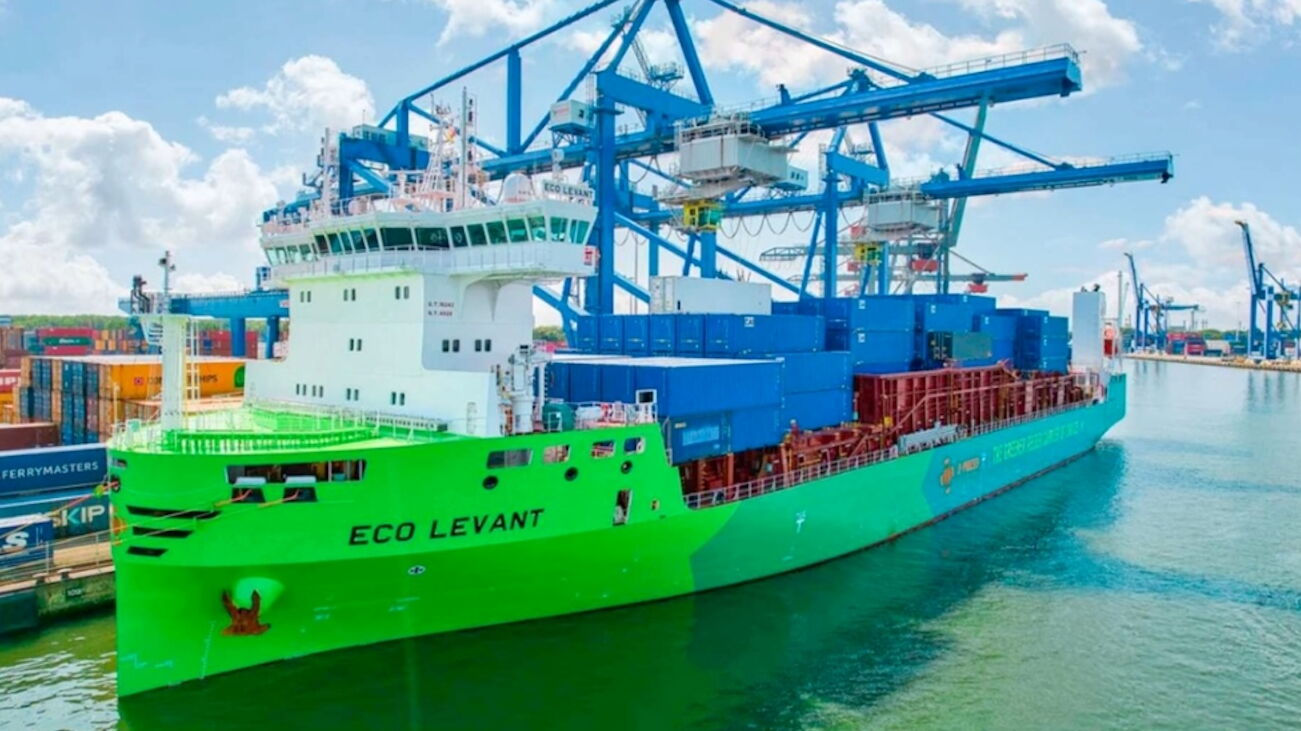
ROTTERDAM : Last weekend, the container ship Eco Levant, operated by X-Press Feeders, was bunkered with ethanol in the port of Rotterdam. It is one of the first times worldwide, and the first time in Rotterdam, that a bunker vessel supplied ethanol to a sea-going vessel.

Blend of ethanol and methanol
The vessel has been operating on a blend of ethanol and methanol since the bunkering. The fuel blend consisted of 90% ISCC EU-certified biomethanol and 10% ISCC EU-certified second-generation ethanol and was safely bunkered under controlled operational conditions. Methanol bunkering is already well established. Ethanol and methanol were bunkered separately on the sea-going vessel. Both fuels were delivered separately by a single inland bunker vessel, and the batches were mixed (blended) on board the receiving vessel. Tankmatch, a leading barge operator and expert in methanol bunkering, supplied the methanol and ethanol with their bunker barge MTS Experience.

Strong potential to reduce CO2 emissions
X-Press Feeders is the world’s largest independent feeder shipping company. The company operates a fleet of more than 100 vessels and serves more than 180 ports worldwide. Shivendu Gadkar, Head of Fleet Efficiency and Performance at X-Press Feeders: ‘Maritime fuels continue to evolve. At X-Press Feeders, we believe it’s essential to continue to evaluate workable solutions and develop them further — solutions that contribute to reducing our fleet’s emissions.’

METHANAVE is a specialist consultancy and implementation company in the field of alternative maritime fuels, focusing on methanol and ethanol projects for shipping. Morten Jacobsen, Methanave: ‘This project demonstrates the flexibility of alternative fuels such as methanol and ethanol in shipping and illustrates how collaboration across the supply chain can accelerate implementation.’

Matthijs van Doorn, commercial director at the Port of Rotterdam Authority: ‘This milestone demonstrates that Rotterdam is ready for a wide range of alternative fuels. Together with all parties in the port, we aim to enable the bunkering of all alternative, low-carbon fuels in the future, promoting greater sustainability for international shipping. This will allow us to fulfil our ambition to become the leading bunker port for sustainable fuels.’

Rotterdam prepares for all renewable fuels
Rotterdam is the world’s second-largest bunker port, with approximately ten million tonnes of fuel bunkered annually. Rotterdam is fully committed to various alternative fuels. For example, the port successfully conducted an ammonia bunkering pilot in 2025.

German shipbuilder Meyer Werft unveils vision for World’s first fully Electric Battery-Powered Cruise Ship

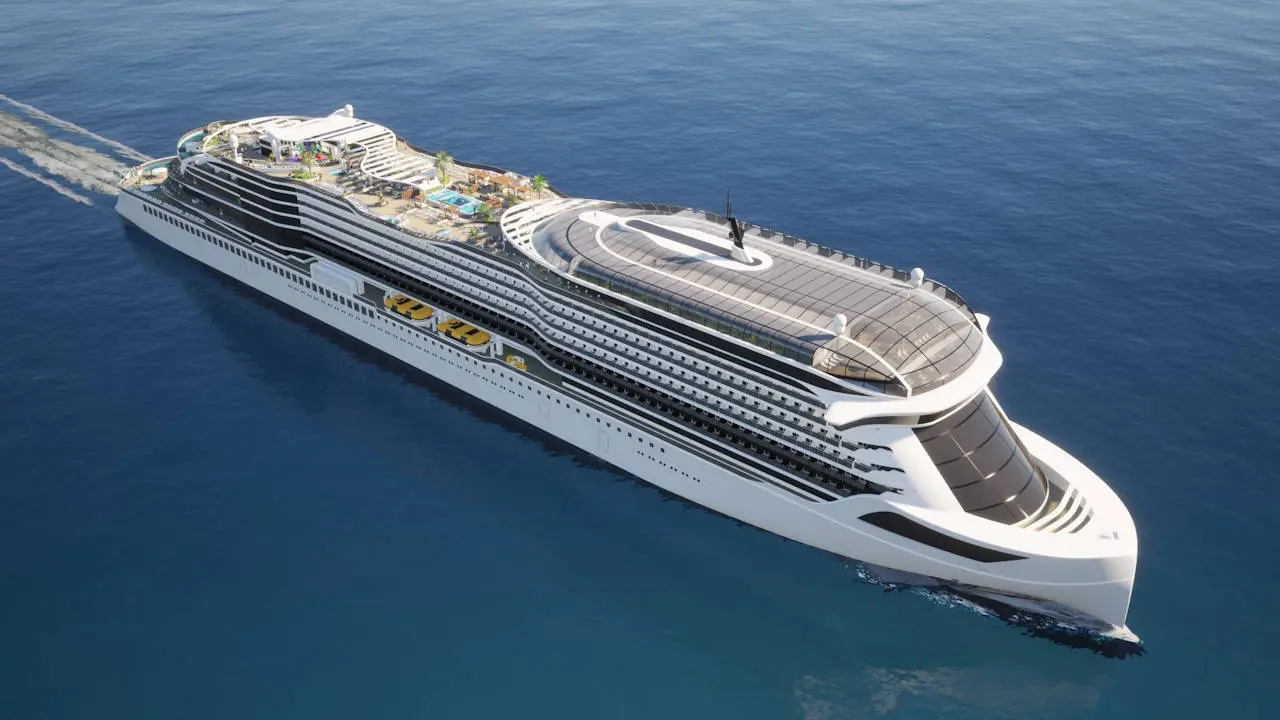
PAPENBURG-GERMANY : Germany’s leading shipbuilder Meyer Werft has unveiled an ambitious concept for what could become the world’s first fully electric, battery-powered cruise ship, marking a significant step toward a cleaner and more sustainable future for the global cruise industry.

The proposed concept, known as “Project Vision,” envisions a nearly 1,000-foot-long cruise vessel capable of carrying approximately 1,800 passengers across the seas without traditional engines, smoke emissions, or local environmental pollution.

Powered entirely by advanced battery technology, the vessel is designed to operate as a large-scale floating electric vehicle, relying on shore-based charging systems to recharge while docked at ports.

“Batteries are now in a state with the energy density, safety, lifecycle performance, and other characteristics where we believe this is the most energy-efficient way to conduct cruises,” said Johannes Bade, Project Engineer at Meyer Werft.

The innovative battery system, developed by Corvus Energy, is based on technology already used in hundreds of electric ferries operating globally. Unlike conventional cruise ships that require extensive engine rooms, Project Vision would incorporate a dedicated battery room to power the vessel throughout its voyage.

According to Meyer Werft, the concept is particularly well suited for cruise routes featuring shorter distances between ports, including the Mediterranean, Northern Europe, Norwegian fjords, Baltic Sea, and Florida–Bahamas itineraries.

The company estimates that the fully electric design could reduce greenhouse gas emissions by up to 95 percent, supporting broader maritime decarbonization efforts and global climate targets.

“We do not convert energy into liquid fuel and burn it again to generate electricity,” Bade explained. “Instead, we directly use generated electricity, store it in batteries during port stays, and continue sailing on recharged batteries without any local emissions.”

Industry leaders believe technological breakthroughs such as Project Vision will play a crucial role in helping the cruise sector achieve its long-term sustainability ambitions.

“It is going to take a mosaic or bundle of solutions to achieve net-zero emissions by 2050,” said Charles ‘Bud’ Darr, representing the Cruise Lines International Association (CLIA). “Every new innovation adds to the toolkit of solutions we will need.”

Despite the promise of battery-powered cruising, infrastructure challenges remain substantial. According to industry estimates, cruise ships currently call at approximately 1,500 ports worldwide, yet only a limited number are presently equipped to provide sufficient electrical shore power.

“As of today, our data shows that only 41 ports can supply electrical power to a single cruise ship,” Darr noted, emphasizing the importance of developing supporting shore-side infrastructure.

However, Meyer Werft remains optimistic, projecting that nearly 100 European ports could be equipped to support battery-powered cruise vessels by 2030.

Although Project Vision remains at the conceptual stage, the company says the required technology is already available and that the vessel could be delivered by 2031, provided a construction contract is secured within the current year.

If realized, Project Vision could redefine the future of cruising by demonstrating the feasibility of large-scale, fully electric passenger shipping and accelerating the maritime industry’s transition toward zero-emission operations.

Anglo-Eastern reinforces fleet security through its Global Security Desk as Hormuz disruption continues

HONG KONG: Anglo-Eastern Univan Group (Anglo-Eastern), a global leader in independent ship management services, is drawing on its centralised Global Security Desk (GSD) to support vessels, crews and clients as the maritime security landscape continues to face one of its most prolonged periods of compound risk in recent memory.

With the Strait of Hormuz closure now entering its fourth month and no clear timeline for reopening, the situation has become a significant operational challenge for fleet operators worldwide. Anglo-Eastern has 16 vessels and more than 350 seafarers from over 12 nationalities directly impacted, with developments being managed through the GSD’s structured intelligence and decision-support framework.

The current situation is not isolated. Multiple high-risk areas and war risk zones require simultaneous, sustained attention including the Red Sea and Bab el-Mandeb, the Gulf of Guinea, the east coast of Somalia, the Straits of Malacca, and the Black Sea. As a result, maritime risk has evolved beyond geographically defined hotspots, increasingly shaped by geopolitical fragmentation, sanctions complexity, cyber exposure, electronic interference, and rapidly shifting regional dynamics.

Anglo-Eastern established the Global Security Desk in 2024 to address the gap between the volume of available security information and the need for coherent, actionable intelligence. Operating as a centralised function alongside 24/7 risk assurance services, the GSD supports a managed fleet of over 700 vessels and is now proving its value with 30-50 ships transiting high-risk areas at any given time.

As referenced in Anglo-Eastern’s recent whitepaper, the Desk brings together multiple intelligence inputs from recognised naval and maritime security organisations, alongside ongoing liaison with flag states, P&I clubs and industry bodies. A structured operational cadence including overnight intelligence reviews, cross-functional coordination and vessel-level reporting ensures that developments are consistently assessed and that no vessel or crew falls below the threshold of attention during periods of prolonged uncertainty. 

Beyond intelligence and monitoring, the GSD operates within a broader security framework encompassing crisis response coordination, provisioning support, crew welfare and engagement with external stakeholders. This reflects a long-standing view that effective risk management in today’s environment requires both technical capability and organisational readiness across multiple functions.

Swapnodeep Mondal, Group Managing Director, Operations and Shared Services at Anglo-Eastern, commented: “What the current environment demands is not more information, but better interpretation – the ability to place intelligence in context, compare it across a fleet, assess it against specific vessel and voyage profiles, and translate it into practical, timely guidance.”

Since the Strait of Hormuz crisis, the GSD has maintained a structured daily routine – coordinating intelligence reviews, cross-functional updates and direct communication with vessels and owners, so as to ensure continuous oversight and support for affected crews.

As the maritime risk environment continues to intensify, Anglo-Eastern remains focused on embedding structured, actionable security intelligence into day-to-day operations, supporting shipowners and stakeholders while safeguarding the welfare of seafarers across its managed fleet.

Marcura Husbandry targets the vessel OPEX blind spot

DUBAI/ATHENS: For most ship managers, husbandry port calls sit in an uncomfortable gap. They are operationally critical: the crew changes, repairs, bunkering stops and maintenance calls that keep vessels running – yet they are routinely managed through email chains, informal coordination and judgment calls made without reliable data. The costs are real; the visibility is not.

Launched on Wednesday, Marcura Husbandry is built to close that gap, bringing planning, procurement, execution and benchmarking into a single connected workflow.

Of the roughly 1.3 million port calls recorded globally each year, close to a fifth are classed as husbandry, according to Marcura’s analysis. Despite the significant number of calls that exist specifically to maintain vessels, the process governing them has barely changed in decades.

Masters scope services informally. Agents are appointed based on familiarity rather than contract compliance. Preliminary invoices are approved without benchmark context, and when the final disbursement account arrives higher than expected, which it routinely does, the cause is rarely identified and almost never recovered.

janani yagnamurthy vp analytics marcura 1 Marcura Husbandry targets the vessel OPEX blind spot

Janani Yagnamurthy, SVP, Product, Marcura, said: “Marcura has spent 25 years at the centre of port spend management, processing disbursement accounts and building the data that underpins how the industry understands port costs. That depth of proprietary data, combined with the expertise we have built internally, gives us unmatched insight that helps drive value. Marcura Husbandry brings this capability into the full vessel management lifecycle, and we believe it marks a fundamental shift in how ship managers approach non-commercial port call costs.”

Marcura Husbandry brings cost intelligence into the workflow before any agent is appointed. The Estimator module draws on historical data, port profiles and vessel characteristics to set an expected husbandry cost, so teams can compare ports and budgets before procurement starts. Where contracted rates exist, they surface automatically at approval. Where they do not, a structured digital RFQ brings every agent quote into a standardised format and shows an accurate market benchmark alongside each one.

Once an agent is appointed, the PDA is screened against benchmark rates, contracted rates and historical spend before approval. The FDA gets the same check when it arrives. Every call feeds vessel and voyage spend analytics, PDA-to-FDA variance reporting and updated market benchmarks, giving teams the evidence to negotiate, renew contracts and report with confidence.

Marcura Husbandry is available now. Find more information and book a demo here.

marcura husbandry estimato Marcura Husbandry targets the vessel OPEX blind spot
marcura husbandry reportin Marcura Husbandry targets the vessel OPEX blind spot