Home Blog Page 283

ClassNK releases Guidelines for 3D Model-Based Approval and related drawing approval system

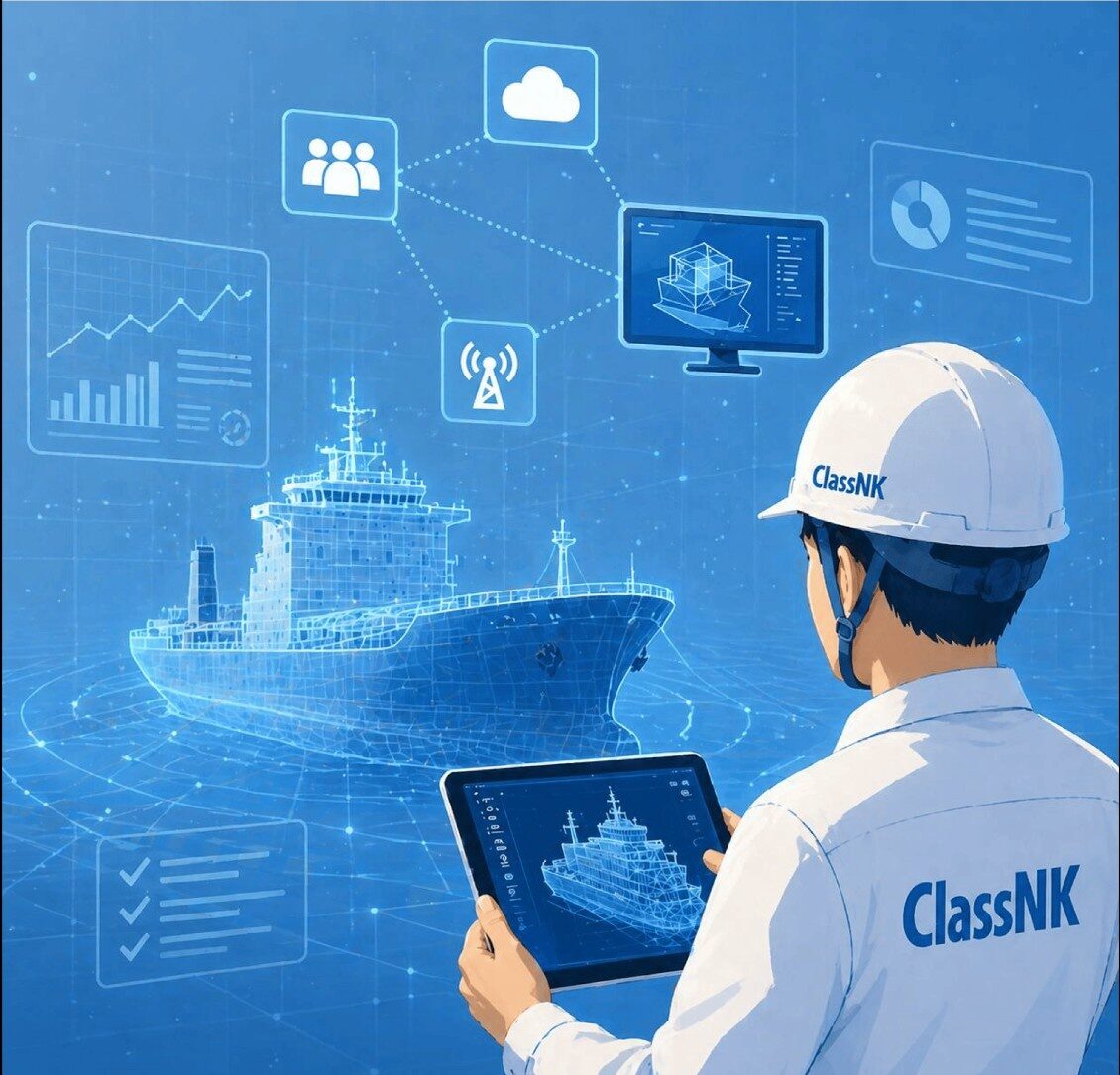
TOKYO: ClassNK has released the “Guidelines for 3D Model-Based Approval (3DMBA)”, which summarizes the fundamental principles and standard practices for 3DMBA (3D Model-Based Approval), a next-generation design approval approach in which 3D models serve as the primary basis for approval. At the same time, ClassNK has released its 3DMBA-compatible drawing approval system “NK-PASS*1” and “ClassNK 3DViewer*2,” and has commenced operation of an integrated workflow for 3D model-based design approval.

The guidelines aim to facilitate the smooth execution of approval applications and reviews using 3D models by clarifying the scope of information subject to approval for the handling of design changes, thereby supporting the introduction and operation of 3DMBA, based on a common understanding among shipyards, designers, shipowners, and classification societies. Moreover, the use of the newly released NK-PASS and ClassNK 3D Viewer enables the integrated execution of approval applications and reviews based on Open Class 3D Exchange (OCX)*3. By leveraging 3D models from the early stages of ship design, it is possible to reduce rework and improving the efficiency of design processes.

■ Background

In recent years, the use of 3D models has been expanding in ship design and production. 3D models not only enable the visual understanding of complex structures and arrangements but also facilitate the accurate communication of design intent and requirements, and are expected to enhance the visualization and accuracy of design information as well as advance design change management. information, and more advanced management. Meanwhile, when 3D models are used as the core of the approval process, it becomes essential for stakeholders to establish a common understanding on key practical matters—such as the scope of design information subject to approval, submission units, treatment of design changes and revisions, and the relationship with conventional 2D drawings. To facilitate the smooth introduction and establishment of 3DMBA, ClassNK considers it indispensable not only to develop supporting systems but also to clearly define the fundamental concepts and operational rules as an approval framework. In collaboration with ten Japanese companies, ClassNK conducted a joint pilot test to verify the feasibility of approval processes using 3D models*4, while also organizing practical challenges and lessons learned for real-world application. The guidelines published today consolidate these outcomes.

■ Key features of the guidelines

The guidelines organize practical considerations for implementing approval processes centered on 3D models, including:

  • Principles for treating 3D models as approval deliverables
  • The scope of design information subject to approval and submission units
  • Principles for approval handling in cases of design changes and revisions
  • Principles for using 3D models in conjunction with supplementary 2D drawings during a transitional phase
  • Handling of 3D models in OCX format

■ Relationship with systems and guidelines

The guidelines are formulated on the basic premise of operating a 3DMBA-compatible system using ClassNK’s drawing approval management system “NK-PASS” and “ClassNK 3DViewer.” With this system release, it is now possible to submit and review OCX-based 3D models for approval, enabling an integrated operation of a 3D model-centric design approval process in accordance with the guidelines.

■ Next steps

ClassNK will continue to review and update the guidelines as necessary based on knowledge gained through actual operation and feedback from stakeholders. In addition, with a view to consistent utilization of digital data across the design and approval process, ClassNK will continuously consider and address further advancement of 3D model-centric approval processes and linkage with related business processes, while taking into account progress in international standards such as OCX and broader digital technologies.

■ How to access the guidelines

The guidelines are available to download via “Guidelines” of My Page on ClassNK’s website after registration.

https://www.classnk.or.jp/account/en/Rules_Guidance/ssl/guidelines.aspx

*1 NK-PASS:

A drawing approval management system provided by ClassNK. Traditionally used for 2D drawing approval, it will be equipped with functions supporting 3DMBA in this release, enabling approval processes using OCX‑based 3D models.

*2 ClassNK 3DViewer:

A 3D viewer under development by ClassNK is designed to render OCX‑based 3D models. It is intended for use in workflows centered on 3D models, including those under the 3DMBA framework, and supports broader utilization of digital data.

*3 Open Class 3D Exchange (OCX) format:

A type of file format that contains 3D model data and design specifications, developed to enable seamless digital workflows among shipyards and classification societies. It is a 3D digital protocol applicable to the design approval process for ships, and standardization is being advanced within a consortium comprising classification societies, 3D software vendors, designers, and related stakeholders.
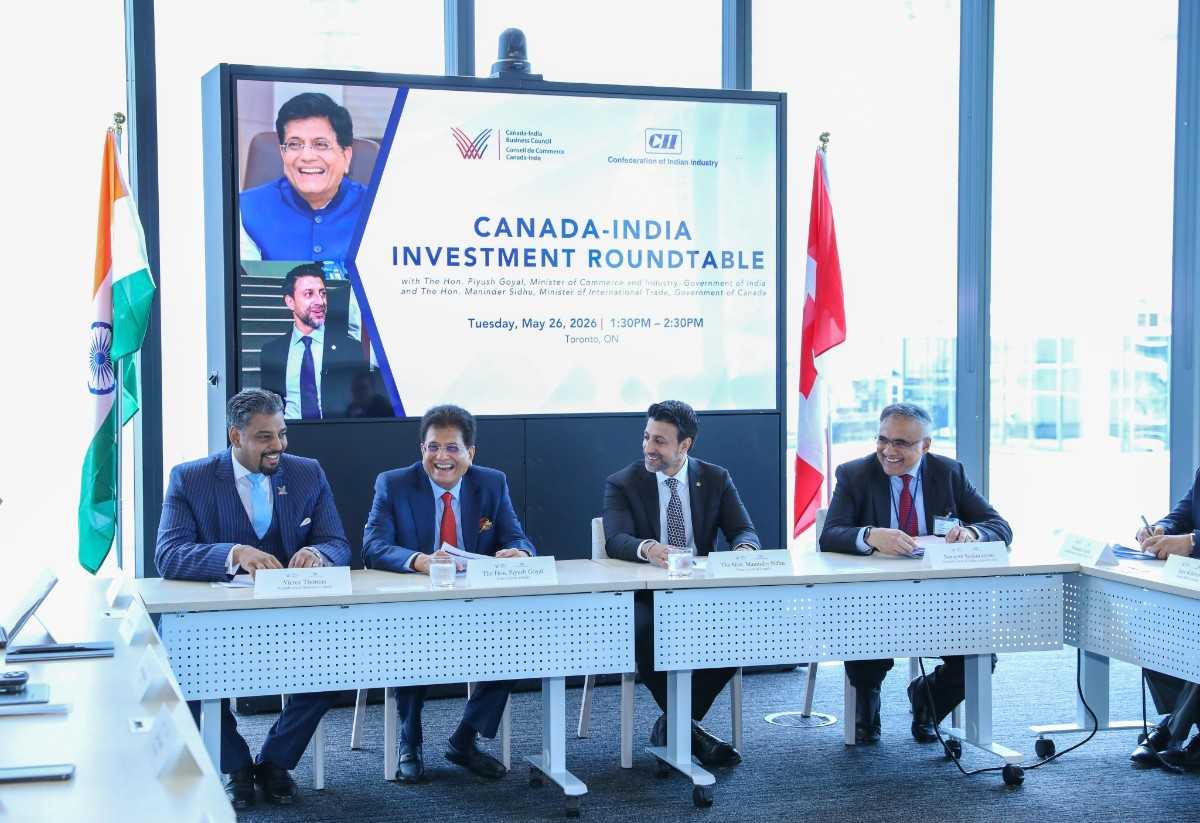
Piyush Goyal co-chairs Canada–India investment roundtable, invites Canadian investors to partner in India’s growth story across strategic sectors

NEW DELHI : Union Minister of Commerce and Industry Shri Piyush Goyal held a series of high-level meetings with senior Canadian business leaders and institutional investors in Toronto, Canada on Day 2 of his visit, aimed at deepening bilateral cooperation and promoting investments and technology partnerships across strategic sectors.

The day began with Shri Piyush Goyal delivering the keynote address at the Canada–India Building Bridges event hosted by Global Affairs Canada, CII, and ASSOCHAM at the World Trade Centre Toronto. The event witnessed participation from more than 150 representatives from businesses, investor groups, and industry associations across sectors including advanced manufacturing, pharmaceuticals and biotechnology, clean technology, energy, and oil and gas.

This was followed by a fireside chat between Shri Piyush Goyal and Canada’s Minister of International Trade Mr. Maninder Sidhu, during which Shri Goyal highlighted the growing complementarities between India and Canada and underscored the need for a more robust and predictable business ecosystem driven by stronger government-industry collaboration. Minister Sidhu expressed his commitment to building closer bilateral ties, appreciated the presence of the largest-ever Indian business delegation to Canada, and announced a Team Canada Trade Mission to India later this year in November. The proposed mission aims to bring Canadian companies to India to explore opportunities for collaboration across sectors such as artificial intelligence, critical minerals, nuclear energy, renewable energy, semiconductors, clean technology, digital infrastructure, and advanced manufacturing. Both sides reaffirmed their shared objective of expanding bilateral trade to USD 50 billion by 2030 and concluding the CEPA negotiations by the end of the year.

This was followed by the Canada–India Investment Roundtable, co-chaired by both Ministers. The roundtable was attended by leading Canadian financial investors, including pension funds and banks, along with senior government representatives from both India and Canada. Discussions focused on the Government of India’s continued emphasis on infrastructure development, financial sector reforms, and ease of doing business, which are creating significant opportunities for global investors. Shri Goyal invited stakeholders to partner with India in sectors such as clean energy, technology, digital infrastructure, artificial intelligence, manufacturing, and supply chain diversification, while also exploring avenues to deepen cooperation in financial markets to support sustainable growth and shared prosperity for both countries.

Shri Piyush Goyal also held one-on-one meetings with leading Canadian companies across sectors including insurance, food processing, banking, and critical minerals processing, as well as key financial investors. Discussions focused on their expanding interests in India and covered subjects including India’s macroeconomic outlook, the Government’s renewed focus on trade agreements over the past one and a half years, opportunities across high-growth sectors, the availability of STEM talent and the consequent rise of Global Capability Centres (GCCs), Production Linked Incentive (PLI) schemes encouraging strategic investments, and India’s continuously improving regulatory environment.

Shri Piyush Goyal visited the Kanishka Memorial at Humber Bay Park, where he laid a wreath, interacted with the families of the victims, and paid solemn homage to those who lost their lives in the Air India AI 182 terror attack.

The day concluded with a reception hosted by the Consulate General of India, Toronto at the Pearson Convention Centre in Brampton. Addressing members of the Indian diaspora, Shri Piyush Goyal underlined the strength of the Indian community in Canada and its important role in deepening the India–Canada business corridor. He also emphasised that the Indian diaspora has a vital role to play not only in expanding business and investment linkages with India, but also in promoting stronger cultural exchanges, community engagement, and the growth of Indian businesses across Canada.

Shri Goyal is leading the largest-ever Indian business delegation to Canada, comprising industry leaders from over 100 Indian companies, in a landmark step towards the full revival of India-Canada economic relations. The three-day visit, which commenced with key engagements in Ottawa on May 25, is aimed at advancing bilateral trade and economic ties between India and Canada, with a particular focus on accelerating the ongoing negotiations for the India-Canada Comprehensive Economic Partnership Agreement (CEPA).

Japanese Delegation visits DPA Kandla; Explores opportunities for maritime collaboration and port-led development

dpa chairman kandla Japanese Delegation visits DPA Kandla; Explores opportunities for maritime collaboration and port-led development

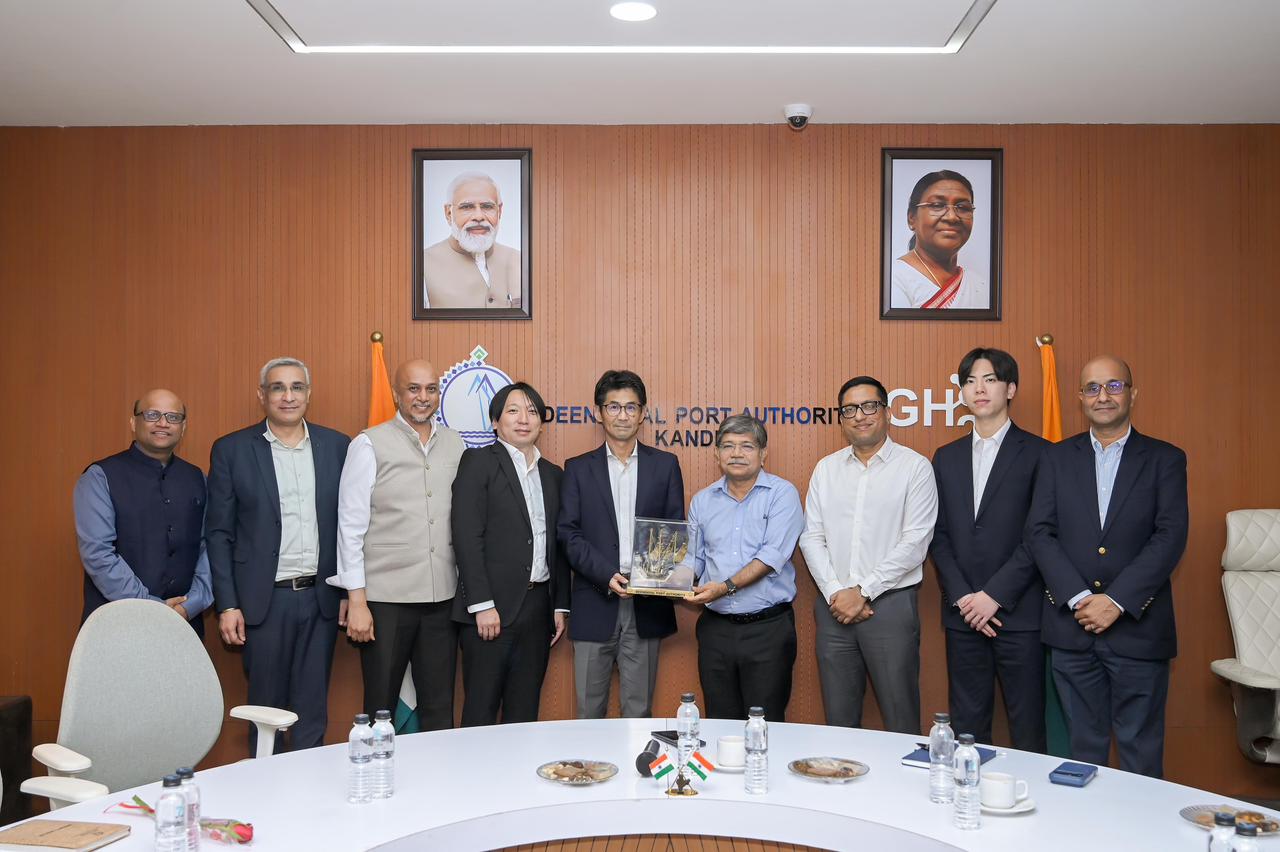
GANDHIDHAM : A high-level Japanese delegation visited Deendayal Port Authority (DPA), Kandla, and held a productive interaction meeting aimed at strengthening cooperation in the maritime and infrastructure sectors.

The meeting was chaired by Shri Sushil Kumar Singh, IRSME, Chairman, DPA, in the presence of senior officials of DPA and representatives from Larsen & Toubro (L&T). The visit provided an important platform for exchanging ideas, sharing best practices and exploring future avenues of collaboration in maritime infrastructure and port modernization.

During the interaction, discussions centered on port-led development, infrastructure enhancement, technological innovation, sustainable growth and emerging opportunities in the maritime ecosystem. Deliberations also covered the adoption of advanced technologies, smart port initiatives, logistics efficiency, industrial connectivity and strengthening integrated port-based development.

Chairman, DPA, highlighted the strategic importance of Deendayal Port as one of India’s leading ports and emphasized its commitment towards enhancing operational excellence, capacity augmentation, digital transformation and sustainable port operations aligned with the Government of India’s vision for maritime growth.

The Japanese delegation appreciated the infrastructure capabilities, operational strengths and growth potential of DPA Kandla. Both sides exchanged perspectives on leveraging international expertise, promoting innovation-driven solutions and fostering mutually beneficial partnerships to support future-ready maritime infrastructure.

The visit reaffirmed the growing importance of international cooperation in advancing India’s maritime ambitions and creating new opportunities for knowledge exchange, technology integration and sustainable port development.

Trump vows Iran deal; says ‘nobody controls Hormuz’

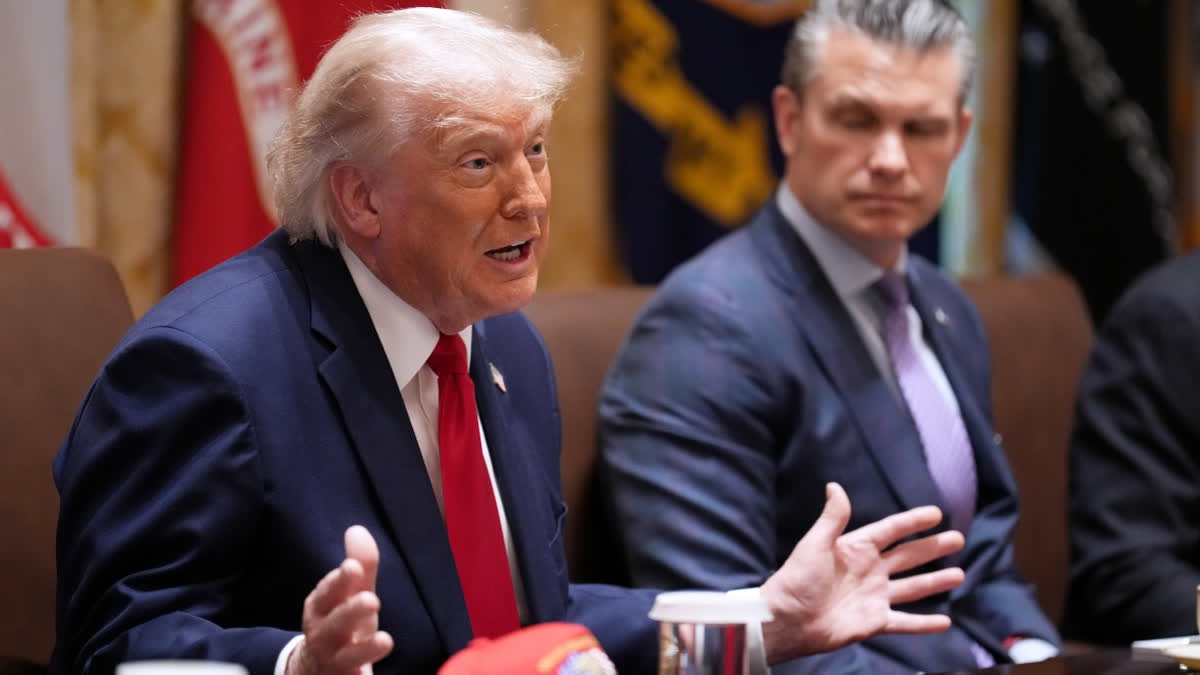
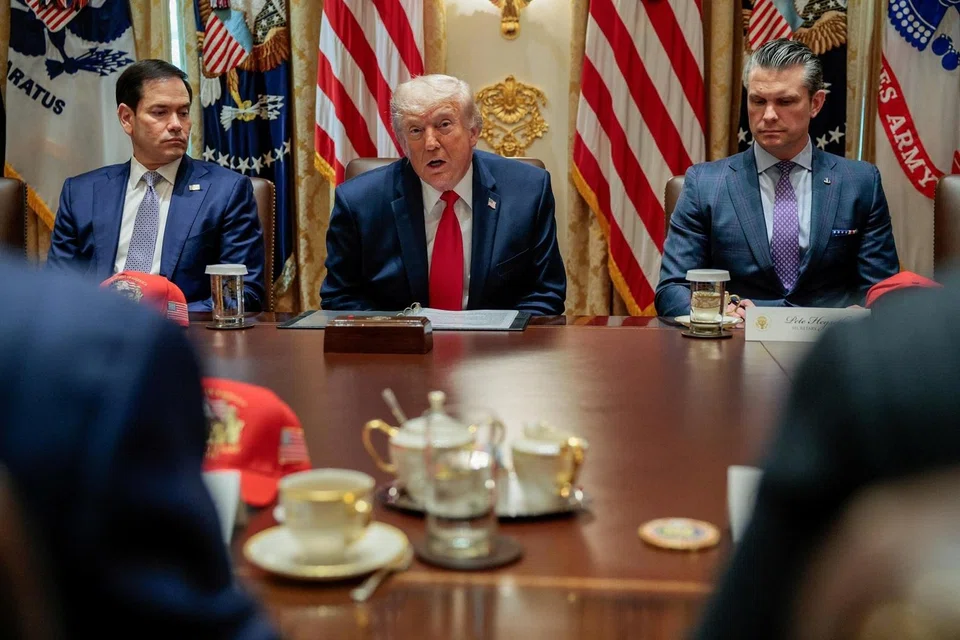
WASHINGTON DC: US President Donald Trump remained committed to striking a favourable ceasefire deal with Iran, warning that he “won’t be outlasted” as he “doesn’t care about the midterm” elections.

Speaking during a cabinet meeting, about the Strait of Hormuz, Trump said tie will be “open to everybody”, adding that this remains part of the ceasefire negotiations.

“It’s international waters. Nobody’s going to control it. We’re going to watch over it. We’ll watch over it, but nobody’s going to control it,” Trump said. “That’s part of the negotiation that we have.”

He also warned Oman not to interfere in the Strait of Hormuz negotiations, while rejecting the idea of a short-term deal that would allow Iran and Oman to control the critical waterway on which the world oil and gas supply largely depends.

“Oman will behave just like everybody else, or we’ll have to blow ’em up,” he said.

The US president reiterated that he believes Iranian leaders “want very much to make a deal”.

Acknowledging that the diplomatic breakthrough has not yet materialised, Trump noted that while current progress remains incomplete, he expects a successful resolution. “So far, they haven’t gotten there. We’re not satisfied with it, but we will be. We will be,” Trump said.

However, the American leader paired his diplomatic optimism with a stark, uncompromising warning of further unilateral action should talks collapse entirely, stating, “Either that or we’ll have to finish the job.”

Meanwhile, the White House has flatly denied a broadcast by Iranian state television asserting that Tehran and Washington had successfully negotiated a preliminary blueprint to halt the ongoing hostilities in West Asia, branding the claims a “complete fabrication”.

The state-backed Iranian broadcast had detailed an alleged outline of a Memorandum of Understanding (MoU), asserting that the framework mandated the United States dismantle its naval blockade against Iran and pull back its military deployments from Gulf waters to facilitate a comprehensive regional truce.

The White House said in a post on X, “This report from Iranian-controlled media is not true and the MOU they ‘released’ is a complete fabrication. Nobody should believe what the Iranian state media is putting out. FACTS MATTER.”

According to the unverified claims aired by Iranian state networks, international merchant transit across the vital Strait of Hormuz was projected to normalise to pre-conflict frequencies within thirty days.

This tentative arrangement was reportedly contingent on specific conditions, including the complete removal of the US military footprint from territories surrounding Iran.

The contested Strait of Hormuz continues to serve as one of the global economy’s most indispensable maritime choke points, channelling a massive volume of international crude supplies from the Persian Gulf out to global consumer markets.

White House rejects Iranian report on draft US deal as ‘complete fabrication’

WASHINGTON : The White House on Wednesday blasted an Iranian state television report about a framework deal with the United States to end the West Asia war as a “complete fabrication.”

The Iranian report cited a draft outline of a memorandum of understanding (MOU) that it said included a US commitment to lift the naval blockade on Iran and withdraw its forces from the Gulf region.

“This report from Iranian controlled media is not true and the MOU they ‘released’ is a complete fabrication. Nobody should believe what Iranian state media is putting out. FACTS MATTER,” the White House said on X as it lashed out at US media for reporting the Iranian claims.

Meanwhile, Trump said Iran was keen to reach an agreement, but suggested progress in the talks remained insufficient.“They want very much to make a deal. So far, they haven’t gotten there. We’re not satisfied with it, but we will be — either that or we’ll have to just finish the job,” he said.

“They’re negotiating on fumes, but we’ll see what happens,” Trump added. Earlier, Iran’s state television claimed that Tehran had obtained an initial unofficial framework for a potential memorandum of understanding with the United States aimed at ending months of conflict and restoring stability in the Gulf region.

According to the reported framework, Iran would restore commercial shipping through the Strait of Hormuz to pre-war levels within a month, while the United States would withdraw military forces from Iran’s vicinity and lift a naval blockade imposed during the conflict.

State TV said the proposed arrangement would exclude military vessels and envisages Iran managing commercial ship traffic through the strategic waterway in coordination with Oman.

However, the broadcaster stressed that the framework had not yet been finalised and Tehran would take no action without “tangible verification” of commitments. It also said that if a final agreement is reached within 60 days, the deal could potentially be endorsed as a binding United Nations Security Council resolution.

The emerging US-Iran MoU stems from indirect talks launched after the war that began in February, with Pakistan playing a central mediating role between Tehran and Washington. Meanwhile, Iran’s Revolutionary Guards said that a return to war with the United States was unlikely, but warned the Islamic republic stood ready to respond to any attack.

The statement came a day after Iran accused the US of breaching the ceasefire in place since April, and warned it was prepared to retaliate following the most serious strikes since the truce took effect.

In Lebanon, where a truce has done little to halt the violence in Israel’s war with Hezbollah, Israeli strikes killed 31 people on Tuesday, according to the Lebanese health ministry. The West Asia war erupted in late February with US-Israeli strikes on Iran, spreading swiftly across multiple fronts and engulfing the region, while throwing global energy markets into chaos.

Mohammad Akbarzadeh, deputy political chief of the Islamic Revolutionary Guard Corps Navy, said that while the likelihood of returning to “war is low because of the enemy’s weakness, the armed forces are lying in wait with full magazines”.

He went on to warn that the military would turn the area along Iran’s coastline “into a graveyard for aggressors”, in quotes carried by the Tasnim news agency. Tehran’s intelligence ministry, meanwhile, said that the US and Israel were still seeking to overthrow the Islamic republic and partition Iran.

The ministry said it had evidence that they would smuggle “various weapons, ammunition and illegal communication tools, especially Starlink” satellite internet devices, into Iran to foment religious and ethnic divisions and carry out sabotage missions.

Source : First Post

Maharashtra plans ₹4,150 cr Integrated Maritime Complex in Palghar to strengthen Shipbuilding and Maritime Economy

PALGHAR : In a significant move towards strengthening the state’s maritime ecosystem and blue economy, Maharashtra is planning to establish a ₹4,150 crore Integrated Maritime Complex in Palghar district, strategically located near the upcoming Vadhvan Port. The ambitious project is expected to position Maharashtra as a major hub for shipbuilding, marine services and maritime infrastructure while generating substantial employment opportunities.

Proposed under the name United Sadhav Integrated Maritime Complex, the development will be established at Nandgaon in the Vadhvan region, spanning nearly 600 acres of coastal land. Its proximity to one of India’s largest upcoming deep-water ports is expected to significantly enhance maritime logistics, shipbuilding and industrial capabilities along Maharashtra’s coastline.

The project envisions the creation of a comprehensive maritime industrial ecosystem comprising modern shipbuilding and ship repair yards, dry docks, offshore marine service centres and advanced marine engineering facilities. A key highlight of the development is the inclusion of a green ship recycling facility, designed to promote environmentally responsible and sustainable maritime operations.

The proposed complex aims to support a wide spectrum of maritime activities including cargo movement, offshore operations, commercial shipping services, marine engineering and logistics infrastructure. By integrating multiple maritime services within a single development, the project seeks to strengthen India’s maritime supply chain and industrial competitiveness.

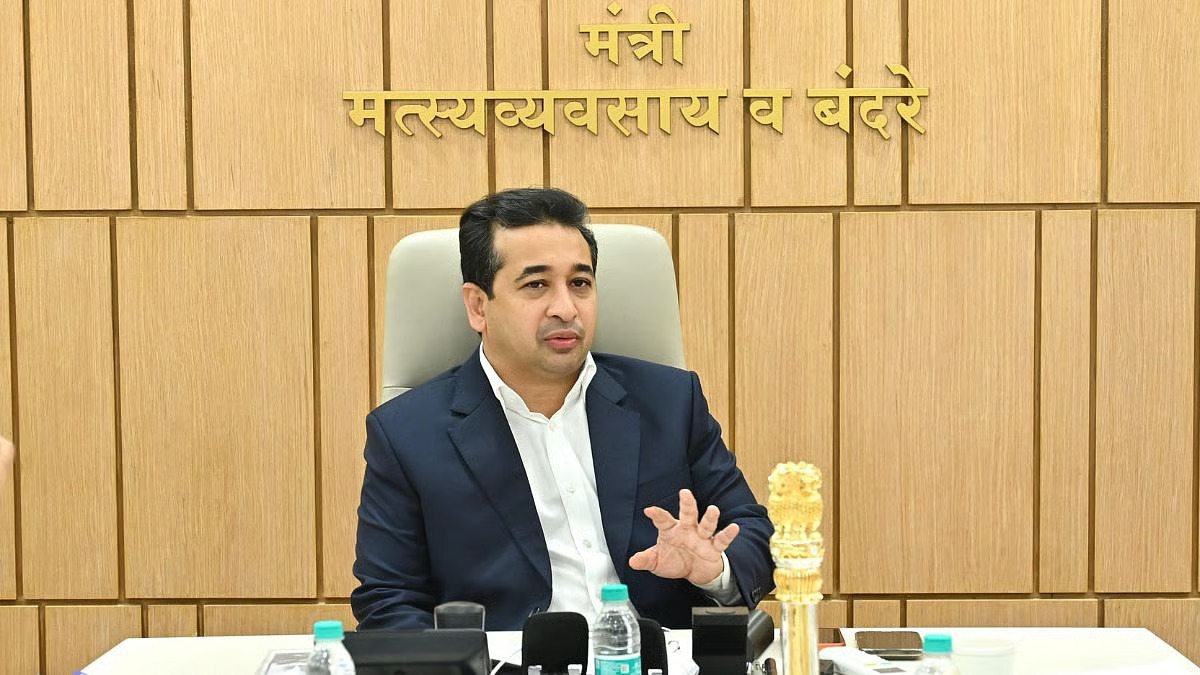
According to Maharashtra Fisheries and Ports Minister Shri Nitesh Rane, the initiative has the potential to transform Maharashtra into a globally competitive maritime and shipbuilding destination. The state government believes the project will attract significant domestic and international investment into coastal infrastructure, maritime manufacturing and marine services.

Authorities have initiated efforts to accelerate planning and implementation, with officials directed to conduct site inspections and coordinate with stakeholders. Discussions have also been undertaken with private developers and maritime agencies to facilitate project development.

Developers estimate the investment value of the project at approximately USD 500 million (around ₹4,150 crore). The first phase of development is expected to commence within the next two years. To support implementation, requests have been made for long-term land allocation through a renewable 30-year lease arrangement, along with mega project status, infrastructure support, expedited clearances and government-backed skill development initiatives.

The Integrated Maritime Complex is closely aligned with the larger Vadhvan Port project, which received Union Cabinet approval in 2024 with an estimated investment of ₹76,220 crore. The mega port project is being jointly developed by Jawaharlal Nehru Port Authority (JNPA) and the Maharashtra Maritime Board (MMB).

Once operational, Vadhvan Port is expected to emerge as one of the world’s leading ports by cargo handling capacity and serve as a critical trade, logistics and maritime gateway for India. The proposed maritime complex is expected to complement this development by creating a robust industrial and shipbuilding ecosystem in the region.

Adani Krishnapatnam Port successfully executes with specialised double-banking operation involving MT AU Libra and MT Spica

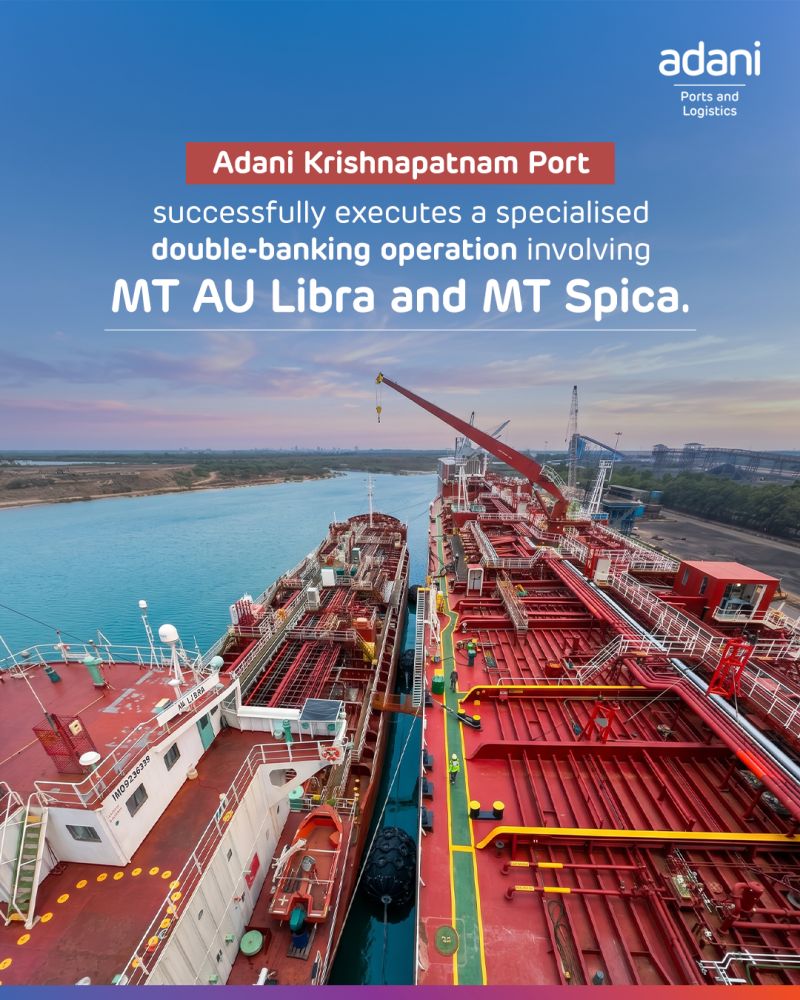
NELLORE : Enhancing operational efficiency, reducing turnaround time, and supporting sustainable port operations. Adani Krishnapatnam Port has achieved a significant operational milestone by successfully executing a specialised double-banking operation involving MT AU Libra and MT Spica, simultaneous edible oil discharge, marking a first-of-its-kind initiative in its handling operations.

The innovative operation demonstrates the port’s growing capability in managing complex cargo logistics with precision, efficiency, and advanced coordination. By enabling the simultaneous discharge of edible oil cargo through double-banking arrangements, the port has substantially optimized vessel handling processes, ensuring faster cargo evacuation and improved berth utilization.

The successful execution reflects Adani Krishnapatnam Port’s commitment to adopting smart operational practices aimed at enhancing productivity across its marine and cargo handling ecosystem.

The specialised operation not only accelerated cargo discharge timelines but also contributed to reduced vessel turnaround time, allowing ships to complete port calls more efficiently. Faster turnaround translates into lower waiting periods, optimized supply chain performance, and enhanced service reliability for trade partners and cargo stakeholders.

In addition to operational gains, the initiative reinforces the port’s focus on environmentally responsible logistics. By minimizing vessel stay durations and streamlining discharge operations, the process contributes to lower fuel consumption and reduced carbon emissions, supporting broader sustainability objectives within the maritime and port sector.

The achievement highlights the expertise and coordinated efforts of the port’s marine, terminal, and operations teams in executing technically demanding activities while maintaining high standards of safety, compliance, and cargo integrity.

As one of India’s leading deep-water ports, Adani Krishnapatnam Port continues to strengthen its position as a key logistics and maritime hub by leveraging innovation, infrastructure capability, and operational excellence to deliver efficient, customer-centric solutions for diverse cargo segments.

Kamarajar Port welcomes MV Höegh Aurora, world’s largest and Greenest Car Carrier, marking historic first for Indian shores

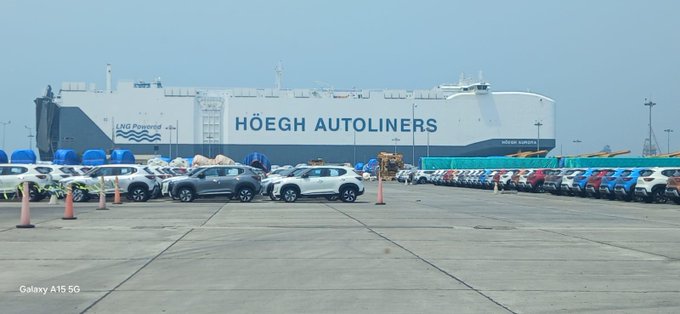
CHENNAI : Kamarajar Port Limited achieved a landmark milestone with the successful berthing of MV Höegh Aurora, the world’s largest and most environmentally advanced Pure Car and Truck Carrier (PCTC), at its General Cargo Berth-1 on May 24, 2026.

The historic arrival marks the first visit of the cutting-edge Aurora-class vessel to Indian shores, underscoring India’s growing prominence in global automobile logistics and green maritime infrastructure. Milestone port call reinforces India’s rise in next-generation maritime logistics and sustainable shipping

Operated by Norwegian shipping major Höegh Autoliners, MV Höegh Aurora represents a new generation of sustainable deep-sea shipping. With an unmatched carrying capacity of 9,100 Car Equivalent Units (CEU) — the highest ever for a PCTC vessel — and a length of nearly 200 metres, the vessel is engineered to set new global benchmarks in efficiency, cargo flexibility, and environmental performance.

Designed across 14 cargo decks, the vessel features a 6.5-metre internal ramp capable of handling oversized, high and heavy cargo, while five liftable decks provide enhanced operational versatility for diverse cargo configurations. The ship is also fully EV-ready, enabling seamless transportation of electric vehicles without the need for additional modifications.

A defining feature of MV Höegh Aurora is its strong sustainability profile. Powered by an LNG dual-fuel propulsion system, the vessel has been future-proofed for conversion to ammonia and methanol fuels, positioning it at the forefront of the maritime industry’s transition toward low- and zero-emission shipping solutions.

The vessel further integrates advanced green technologies, including approximately 1,500 square metres of rooftop solar panels and shore power connectivity, allowing it to utilize electricity supplied from port infrastructure while berthed, significantly reducing emissions during port stays.

For Kamarajar Port, one of India’s major ports and a strategically important gateway on the east coast, the successful handling of the world’s largest PCTC demonstrates its capability to accommodate next-generation RORO vessels and reinforces its competitiveness in attracting global automotive and shipping business.

The development also strengthens the port’s ambition to emerge as a leading LNG bunkering hub on India’s east coast, with future calls by advanced LNG-powered vessels expected to support the growth of cleaner marine fuel ecosystems.

India’s automobile logistics sector continues to expand rapidly, supported by rising vehicle production and increasing export volumes. As the country strengthens its position as a global automotive manufacturing and export base, the ability to handle ultra-large RORO carriers will be critical in enhancing supply chain efficiency and strengthening competitiveness against established regional logistics hubs.

The arrival of MV Höegh Aurora also aligns with the objectives of India’s Maritime Amrit Kaal Vision 2047, which aims to position India among the world’s top maritime nations through modern, sustainable, and future-ready port infrastructure.

The milestone call by the world’s largest and cleanest car carrier not only highlights Kamarajar Port’s operational readiness and infrastructure strength but also signals India’s accelerating transition toward greener, smarter, and globally integrated maritime logistics.

GMU launches VR Lab and hosts future leaders foundation programme

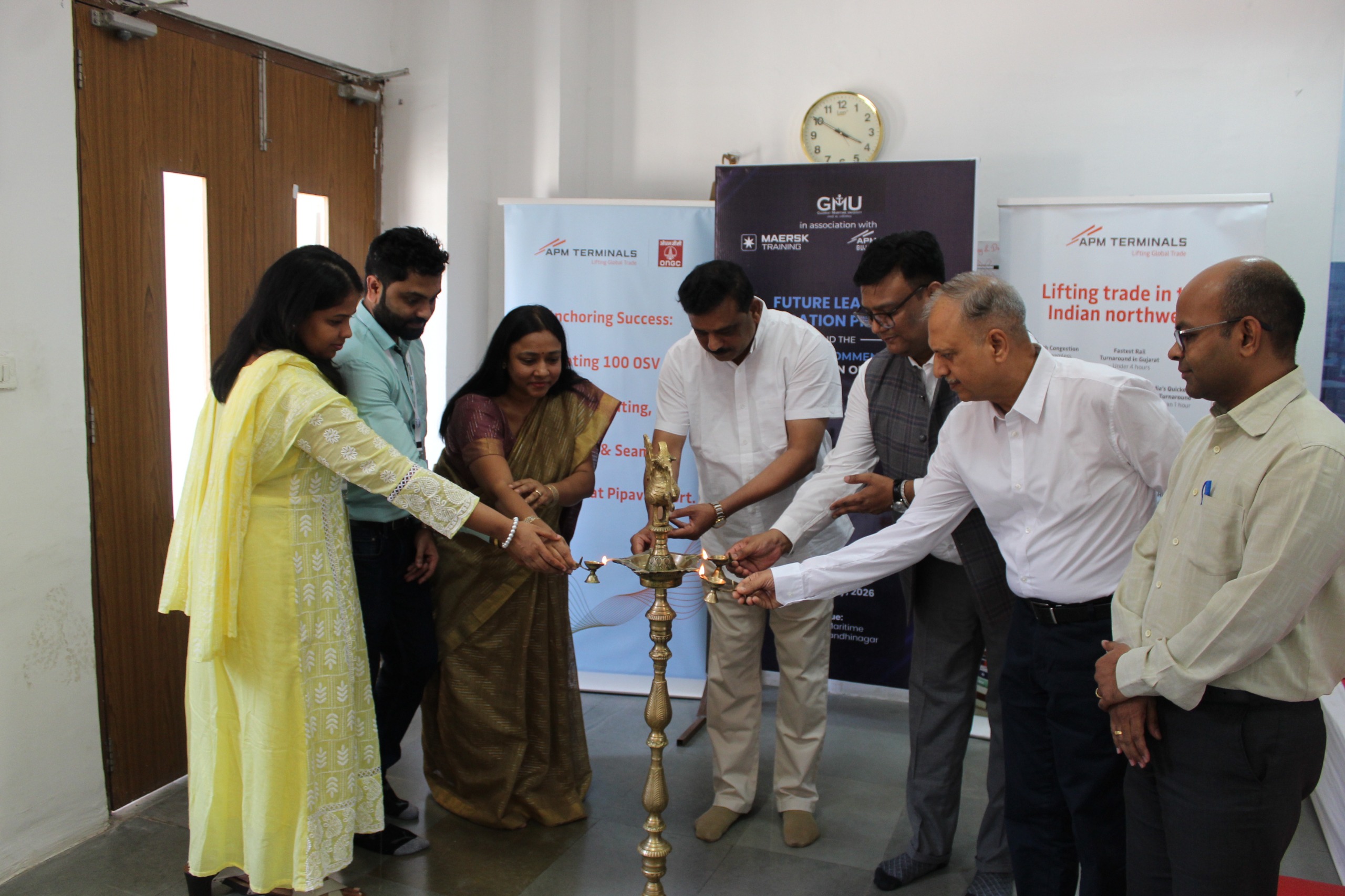
GANDHINAGAR : Gujarat Maritime University (GMU) recently organised a week-long Future Leaders Foundation Programme for postgraduate students of Maritime Management and Maritime Law, in collaboration with Maersk Training and APM Terminals.

The valedictory ceremony was marked by a landmark milestone — the ceremonial commencement of construction of GMU’s state-of-the-art Virtual Reality (VR) Lab , signalling a transformative step in experiential maritime education in India.

Ceremonial Launch of the VR Lab

Prof. (Dr.) S. Shanthakumar, Provost of GMU; Mr. Vivek Sharma, Head – Public Policy and Regulatory Affairs, A.P. Moller – Maersk; and Mr. Dinesh Tiwari, Regional Manager and Head, Gujarat, APM Terminals Pipavav, graced the valedictory ceremony, and unveiled a commemorative plaque to formally inaugurate the construction of the VR Lab.

The VR Lab is envisioned as a cutting-edge experiential learning facility that will provide students with hands-on exposure to maritime operations through immersive Virtual Reality technologies. It represents a significant step towards integrating emerging technologies into maritime education and strengthening industry–academia collaboration in India’s maritime sector.

About the Future Leaders Foundation Programme

The intensive training programme was designed to bridge the gap between academic learning and industry practice, equipping students with critical skills for the global maritime sector. The curriculum encompassed key international maritime conventions, including the International Ship and Port Facility Security (ISPS) Code, the MARPOL Convention on pollution prevention, the Safety of Life at Sea (SOLAS) Convention, and the International Safety Management (ISM) Code — providing students with a thorough grounding in the regulatory frameworks essential for safe and sustainable maritime operations.

Students also explored end-to-end supply chain management, gaining insights into logistics, cargo handling, and the operational intricacies of global trade. A standout feature was the immersive VR sessions, which offered participants a first-hand experience of life at sea, the operations of critical waterways such as the Panama, Suez, and Corinth canals, Container Freight Stations, Warehouses and Cold Storage Facilities, and Port Operations. These immersive scenarios — including fire hazard management and maritime piracy response — fostered practical skills and situational awareness vital for maritime professionals.

In the context of current geopolitical developments, the programme also included an in-depth exploration of three of the world’s most critical maritime chokepoints — Gibraltar, Malacca, and Hormuz — complemented by dedicated VR sessions that deepened participants’ understanding of maritime navigation and canal operations. The programme was rounded out with sessions on Wellness, Stress Management, Crisis Management, Communication, and Team Building.

Voices from the Programme

“The future of maritime education lies in immersive, technology-driven learning. With the VR Lab, GMU will enable our students to experience the realities of global maritime operations first-hand — from navigating congested chokepoints to managing onboard emergencies — before they even set foot on a vessel. This programme has been a powerful demonstration of what is possible when academia and industry come together with a shared commitment to excellence.”

— Prof. (Dr.) S. Shanthakumar, Provost, Gujarat Maritime University

“The programme represents an important step toward nurturing the next generation of maritime leaders by integrating advanced regulatory knowledge, experiential learning, and strategic perspectives on global supply chain and port operations.”

— Mr. Vivek Sharma, Head – Public Policy & Regulatory Affairs, A.P. Moller – Maersk

ICG conducts Anti-Smuggling Operation off Mundra Coast in Gujarat

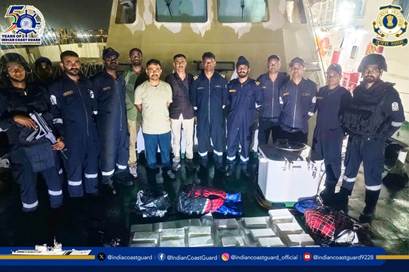
MUNDRA : In a major success against maritime narcotics smuggling, the Indian Coast Guard (ICG) successfully seized approximately 115 kg of Cocaine during a joint intelligence-based anti-smuggling operation conducted in coordination with Anti-Terrorism Squad (ATS) Gujarat from May 25-26, 2026 off the Mundra coast in Gujarat. The estimated international market value of the seized narcotics is approximately INR 1150 crore as per open-source assessments.

Acting on specific and actionable intelligence shared by ATS Gujarat, ICG Interceptor Boats, with ATS personnel embarked onboard, undertook an extensive search operation in the Mundra anchorage area. During the operation, suspicious activity was observed onboard a container vessel. Demonstrating swift operational response and seamless inter-agency coordination, the team immediately proceeded to the location and successfully recovered five bags from the sea.

Upon examination, the bags were found to contain packets of white powdery substance, which tested positive for Cocaine. A total of 115 packets, weighing approximately one kilogram each, with an overall contraband weight of around 115 kg, were seized during the operation. Subsequently, the vessel has been brought to the port for further investigation.

This was the 15th successful anti-narcotics operation jointly undertaken by ICG & ATS in the last five years, reaffirming their unwavering commitment towards strengthening maritime security and achieving the national vision of a “Nasha Mukt Bharat”.