Home Blog Page 286

India’s textile sector poised for major growth amidst new FTA

NEW DELHI : India’s textile and apparel industry is on the cusp of a significant expansion, driven by the recent finalization of Free Trade Agreements (FTAs) with key global markets. The agreements, particularly with the European Union and the United Kingdom, are expected to remove long-standing tariff barriers, thereby boosting the competitiveness of Indian exporters and opening up vast new market opportunities.

New Trade Pacts Unlock EU and UK Markets for Indian Textiles
The landmark India-EU Free Trade Agreement, concluded in early 2026 after years of negotiations, promises to grant Indian textile products zero or near-zero duty access to the European Union market. This development is poised to directly impact India’s export competitiveness, allowing it to vie more effectively with countries like Bangladesh and Vietnam, which already benefit from preferential access. Tariffs previously ranging between 8% and 12% on Indian textiles entering the EU are set to be eliminated, a move that could unlock billions in demand and create millions of jobs within the sector.

Similarly, the India-UK FTA, signed in 2025, has already begun to alter the competitive landscape for Indian textile and apparel exporters. This agreement provides preferential access to one of the world’s most mature and design-driven consumer markets by reducing and eliminating tariffs on a wide array of garments, fabrics, and made-ups. This has narrowed the gap with competing nations and is encouraging longer-term sourcing commitments from British buyers.

Information was available with The Chenab Times indicating that these FTAs are expected to significantly boost India’s textile exports. For instance, exports to the EU and UK, which stood at $9.76 billion in FY25, are estimated to rise to $15 billion once the FTAs are fully operationalized. Industry experts project that the benefits from these trade deals will likely accrue from FY28 onwards, with an expected 10-15% revenue growth.

Diversification and Investment Key to Future Growth
The Indian textile industry, a major contributor to the nation’s GDP and the second-largest employer, is actively working to reduce its concentration on single markets. Having been significantly impacted by tariff escalations in markets like the US in the past, companies are now keen on geographical diversification. European and UK buyers are proactively seeking to diversify their sourcing away from traditional hubs, and the tariff parity offered by the FTAs will significantly support India’s efforts in this regard.

Major Indian textile players, including Gokaldas Exports, KPR Mill, Arvind, Welspun Living, Vardhman Textiles, and Pearl Global Industries, have already signaled expectations for export growth in these new markets. Some companies are investing in establishing showrooms in Europe and increasing their brand visibility through trade fairs and appointing local executives. This strategic push aims to strengthen their presence and build more geographically diversified customer footprints, even if it requires short-term margin adjustments.

Namo Van: Million trees transform Gujarat’s Morbi into green oasis

MORBI : On the banks of the Machhu Dam in Gujarat’s Morbi, a massive green transformation is underway as barren land has been turned into ‘Namo Van’ – touted as the state’s largest Miyawaki forest developed at a single location. The project was spearheaded by Gujarat’s Minister of State for Labour, Skill Development, and Employment, Kantilal Amrutiya, who utilised nearly 1,200 bigha of land belonging to the Morbi Panjrapol Trust to plant over one million saplings within just 37 days.

Organic manure, fertile soil and drip irrigation techniques were used to nurture the plantation, which has rapidly grown into dense green cover in less than a year. Speaking about the initiative, Amrutiya said thousands of vehicles carrying manure and soil were brought in within three months to prepare the land before the plantation drive began.

“In just nearly two months, around 10 lakh trees were planted here,” he said. Impressed by the large-scale afforestation effort, Gujarat Chief Minister Shri Bhupendra Patel inaugurated ‘Namo Van‘ during celebrations marking Prime Minister Shri Narendra Modi’s 75th birthday and sanctioned nearly Rs 3 crore for a road connecting the forest area to the highway.

Locals say the project has transformed the landscape and created a peaceful green space for visitors. Poonam, a local resident, said the area was barren just months ago and described the initiative as “a blessing from nature itself.” “If elderly people or children want to visit, it is such a peaceful place,” she said.

Another resident, Jaideepbhai, said the plantation had grown remarkably within 10 months and could develop into a dense forest in the coming years. “People visit Gir to experience forests. In the future, they can come here as well,” he said, referring to the location near the Machhu river dam.

From barren land to a thriving forest ecosystem, ‘Namo Van’ is emerging as a symbol of environmental conservation, public participation and sustainable development in Morbi district.

Source : ANI

PSA Halifax and Port of Halifax welcome first electric remotely operated rail cranes

HALIFAX : The Port of Halifax has received two new electric rail-mounted gantry (RMG) cranes at PSA Halifax’s Atlantic Hub terminal, introducing the first remotely operated yard equipment in Halifax, which increases capacity, efficiency and reliability.

The new cranes enable operators to control movements from a centralised control room, improving safety and comfort by eliminating the need to work at height and in variable weather conditions, while enhancing operational accuracy and throughput in yard operations.

The investment is part of the Inter-Terminal Rail Solution Project, a multi-year initiative led by the Halifax Port Authority and supported by Transport Canada’s National Trade Corridors Fund. This project includes optimising the railhead at Atlantic Hub to scale capacity in line with growing demand.

Changes on the Executive Board of Hapag-Lloyd AG

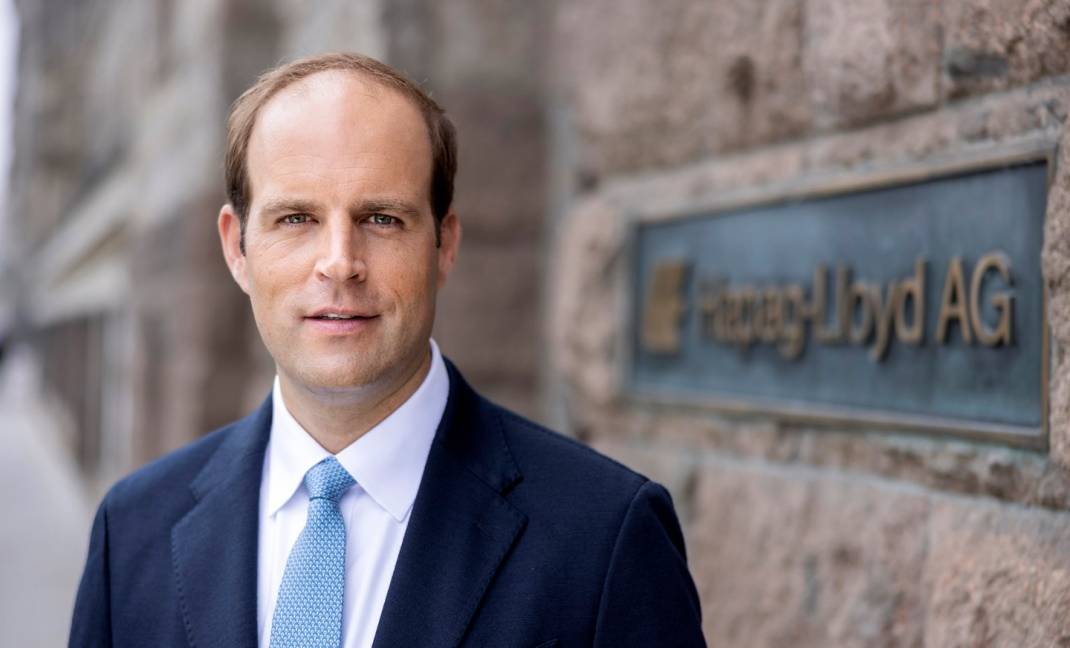
HAMBURG: Dr. Maximilian Rothkopf, Chief Operating Officer (COO) of Hapag-Lloyd AG, will step down from the company’s Executive Board by mutually amicable agreement on June 30, 2026. He will remain with the company in an advisory capacity for a transitional period to ensure a successful and seamless transition.

Dr. Rothkopf was appointed to the Group Executive Board on May 1, 2019, and, as COO, assumed operational responsibility for the shipping company’s global shipping business on July 1, 2019. The Supervisory Board will determine his successor at a later date.

“Over the past seven years, Dr. Rothkopf has shown great enthusiasm and commitment, such as in helping to modernize and gradually decarbonize Hapag-Lloyd’s fleet. It is also thanks to him that Hapag-Lloyd now has a modern fleet of around 300 ships with a capacity of approximately 2.5 million TEU. He played a key role in the company’s strategic realignment and in the sustained improvement of its operational performance. The Supervisory Board would like to express its sincere gratitude to Dr. Rothkopf for his dedication and for a collaboration marked by a high degree of trust, and it wishes him all the best for his professional and personal future,” said Karl Gernandt, Chairman of the Supervisory Board of Hapag-Lloyd AG.

Even after a Strait of Hormuz deal, moving 1,500 ships won’t be easy

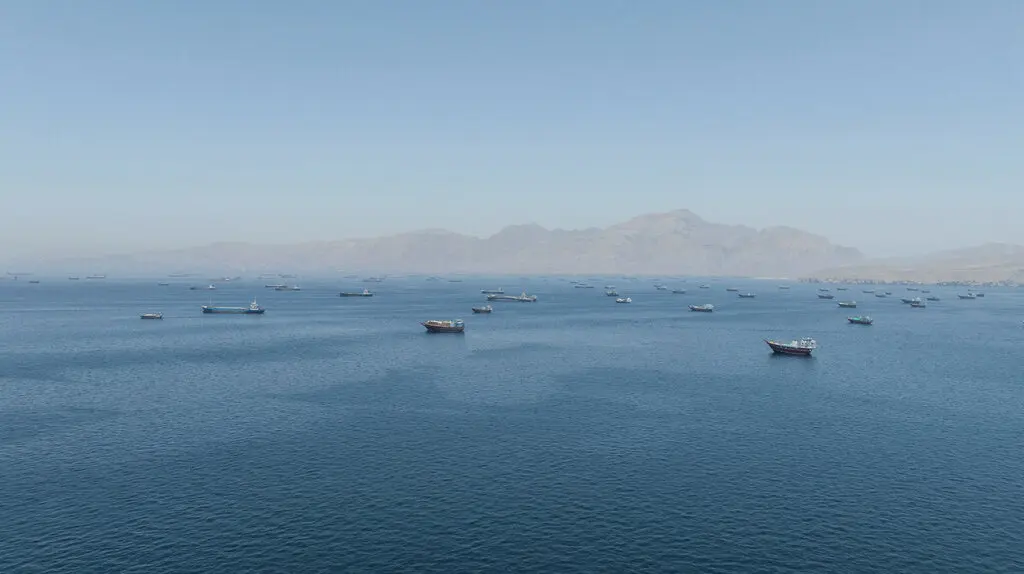
LONDON : When the Strait of Hormuz finally reopens, shipping companies will need to know which oil tankers get to start moving first, and who to ask for the go-ahead. Vessels will need guidance on routes. And there’s the question of the potential threat of mines in the strait.

The United States and Iran are moving closer to securing a deal to reopen the strait, and captains aboard the roughly 1,500 ships that have been stranded in the Persian Gulf for nearly three months are getting ready.

But a lot has to happen before they can start moving through the narrow and vital waterway, which carried one-fifth of the world’s oil and gas before the Iran war.

Even if a deal is finalized, the prewar status quo, when upward of 130 ships transited the strait each day, would be perhaps weeks or even months away. That is also one reason that energy prices, which have climbed in the United States and around the world, are not expected to fall fast.

Before ships can begin leaving the strait, which is 21 nautical miles wide at its narrowest, companies will need to know how their ships will be prioritized, said Jakob P. Larsen, the chief safety and security officer of the Baltic and International Maritime Council, which represents companies in the maritime sector. Ideally, he added, vessels would be asked to follow a speed limit to minimize the risk of ships colliding or grounding in shallow water.

“We will need to know which route to take, and then, of course, what kind of coordination or permits or whatever would need to be obtained with which authorities,” Larsen said.

The potential for ships to strike sea mines that Iran is believed to have planted in the strait is a peril. British military officials have said Iran’s mines include ones that sit on the seabed and send gas bubbles to the surface, causing serious damage to a ship’s hull.

Navies including those of the United States, Britain, France and Germany would need several weeks to deploy minesweepers, the International Energy Agency said in a report this month. This risk is likely to keep maritime insurance rates high.

Iran has threatened to exercise control of the strait and recently established a regulatory agency to run operations there.

Ships that have been maintained by skeleton crews of seafarers — about 20,000 in all — have to be restarted.

Drifting in the warm waters of the Persian Gulf, vessels have accumulated barnacles, sea creatures and algae that can impede navigation.

Hapag-Lloyd, the fifth-largest container shipping group in the world, has been able to get one vessel out since the lockdown began. That ship required a lot of cleaning, Rolf Habben Jansen, the CEO, said recently on a company podcast.

“We also noticed that once we got her out that the maximum speed she could still achieve was significantly less than normal,” he said.

Lasse Kristoffersen, the CEO of Wallenius Wilhelmsen, a car shipping and logistics giant with one vessel stranded in the Persian Gulf, said it would take at least 30 to 45 days until shipping in the region returned to normal — if everything went as planned.

The situation would stabilize only when shipping companies felt comfortable moving their stranded ships out of the Persian Gulf and also sending them into the region to load cargo. Companies will need to determine that their ships will be safe from further conflict. The Houthis, an Iranian-backed militant group that controls much of Yemen, began launching drones and missiles at Israel in 2023, shortly after the onset of the war in the Gaza Strip. They also attacked ships in the Red Sea, which leads to the Suez Canal, another vital maritime corridor.

The Red Sea is subject to fewer attacks these days, but many shipping companies are still avoiding it. “The fear of that possibly happening is enough for us not to trade,” Kristoffersen said.

Dimitris Ampatzidis, a risk manager at Kpler, a maritime data firm, said that even if an orderly procedure for vessels to transit can be set up, traffic would probably recover to only 40% or 50% of normal levels over three to four weeks.

“The key question for shipping markets is what comes next: a managed reopening, escorted transit system, restricted passage, or a genuine return to normal operations,” he said. He believes the most likely scenario is that vessels will be able to move through the strait, but with constraints. They will have limited routes, higher costs to be insured against the risk of war and longer waiting times, he said.

For now, some in the shipping industry are skeptical about the prospects of a deal to reopen the strait.

“It remains to be seen when it’s actually going to get signed and done and dusted,” said Ami Daniel, the CEO of Windward, a maritime intelligence firm, noting the differences between what U.S. officials and Iranian officials are saying. And companies may be wary if President Donald Trump declares that the strait has opened, he said, saying that had happened twice before.

Oil and LNG tankers exit Hormuz, heading for Pakistan and China

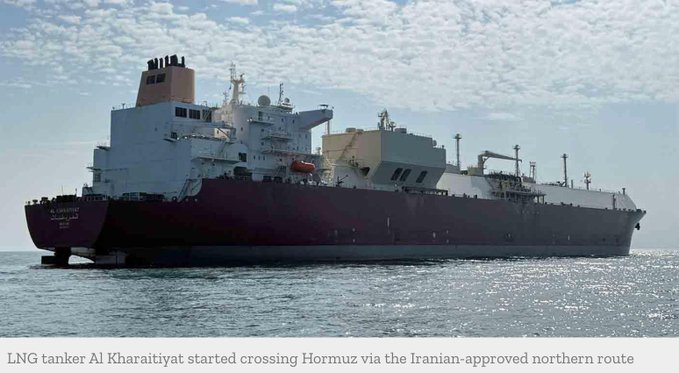
SINGAPORE : Ship-tracking data showed three liquefied natural gas ​tankers passed through the Strait of Hormuz in recent days, heading to Pakistan, China and India, as ‌well as a supertanker with Iraqi crude for China after being stranded for nearly three months. The U.S.-Israeli war on Iran that began on February 28 has severely curtailed shipping through the Strait of Hormuz, through which about a fifth of the world’s oil and LNG supply normally flows.

A ​handful of tankers have left the Gulf this month
The vessels join a handful of supertankers leaving the Gulf this ​month via a transit route that Iran has ordered ships to use. Last week, three Very ⁠Large Crude Carriers (VLCCs) made their way to China and South Korea with 6 million barrels of crude.
LNG tanker Fuwairit crossed the ​Strait of Hormuz on Monday and is expected to discharge its cargo in Pakistan on Tuesday, LSEG and Kpler shipping ​data showed. The vessel, sailing under the Bahamas flag, loaded LNG at Qatar’s Ras Laffan port around March 28.

The LNG tanker Al Rayyan has also passed through the waterway. Carrying a cargo loaded at Ras Laffan, it ​was last seen in the Gulf on May 22, and is now located outside the strait between Iran and Oman. ​It is expected to discharge its cargo in China on June 27, LSEG and Kpler data shows.

QatarEnergy, which owns Al Rayyan, did not ‌respond immediately ⁠to a request for comment outside office hours.
A tanker managed by Abu Dhabi National Oil Company (ADNOC) also crossed the strait. The Al Hamra was last seen on April 19 east of the strait. It reappeared on ship-tracking data on May 23 off the coast of India, Kpler data shows.

An ADNOC spokesperson declined to comment on the position, movements or routing of its ​vessels, citing company policy.
Separately, the ​VLCC Eagle Verona, which ⁠exited the strait on Saturday, is expected to reach Ningbo port in eastern China on June 12 to discharge its cargo, LSEG and Kpler data showed.

The Singaporean-flagged vessel chartered by Unipec, ​the trading arm of Asian refiner Sinopec (600028.SS), loaded nearly 2 million barrels of Basrah crude ​around February 26, ⁠the data showed.

The Eagle Verona was among seven ships for which Malaysia had sought permission to transit, two sources had told Reuters. Five of the ships have since exited the waterway while two more remain in the Gulf.

Sinopec and Malaysian state shipper MISC, ⁠which owns ​the vessel, could not be reached for immediate comment.
Before the war began, ​shipping traffic through the strait averaged 125 to 140 daily passages. About 20,000 seafarers remain stranded on hundreds of ships in the Gulf.

Source : Reuters

Greek shipping risk no longer begins and ends onboard

GOTHENBURG (SWEDEN): Greek shipowners are increasingly having to make complex risk decisions before a vessel even leaves port, as geopolitical volatility, sanctions exposure and shifting trade patterns play a growing role in how a voyage unfolds, according to The Swedish Club.

For owners, the risk picture now stretches well beyond seaworthiness, cargo handling and onboard operations. Route selection, counterparties, regional instability and sudden changes in access to key waterways can all materially alter a vessel’s exposure, with knock-on effects for crew safety, cargo integrity, delays, pollution risk and claims handling.

Today’s geopolitical environment has brought this shift into sharp focus. The situation in the Middle East is now heavily defined by tensions around Iran, with the Strait of Hormuz subject to heightened military activity, vessel attacks and disruption to commercial traffic.

This is no longer a question of isolated regional instability. The interconnected nature of global trade means that disruption in one chokepoint, whether Hormuz, the Red Sea or Suez,  quickly cascades across supply chains, freight markets and operational planning. Geopolitics is no longer a background condition; it is now a primary driver of maritime risk.

54882850196 285a90c196 c Greek shipping risk no longer begins and ends onboard

Ludvig Nyhlén, Regional Executive Director, Team Greece, The Swedish Club Greece, said: “Risk Today is far less predictable than it used to be. Owners are not just managing the ship – they are constantly reassessing the environment around it. Decisions taken before a voyage, such as routing or counterparties, can now have as much impact on exposure as what happens onboard.”

This shift has become more pronounced in the years since the pandemic. During that period, owners were managing disruption, restricted crew changes and sustained operational pressure while still keeping vessels trading. While many of those immediate challenges have eased, they have been replaced by a more volatile and less predictable external environment, where risks can escalate rapidly and often beyond the owner’s direct control.

At the same time, underlying figures point to stronger operational performance across The Swedish Club’s Greek portfolio. Since the pandemic years, claims frequency has fallen by almost 25%, while average claims cost has improved by around 30%. On the P&I side, claims frequency has also declined, suggesting that owners are managing core operational risks more effectively, even as the external landscape becomes more difficult to navigate.

Against this backdrop, expectations of insurers are also evolving. Shipowners are no longer simply looking for a risk carrier or claims handler; they are increasingly seeking a strategic partner, one that can help them interpret a rapidly changing risk environment, support decision-making before and during a voyage, and provide guidance on emerging exposures linked to geopolitics, sanctions and trade disruption.

54935949490 f6afcd0457 c Greek shipping risk no longer begins and ends onboard

Thomas Nordberg, CEO of The Swedish Club, said: “Greek shipping has always operated in a demanding international environment, but the pressures surrounding a voyage are now broader and faster-moving than they were in the past. Our role is to help our members mitigate risk before it happens by supporting them in staying ahead of it through better insight, earlier engagement and a deeper understanding of the environment around each voyage. By contributing to that perspective, we can help our members make informed decisions before risk escalates.”

Jumbo orders a new class of versatile heavy lift vessels

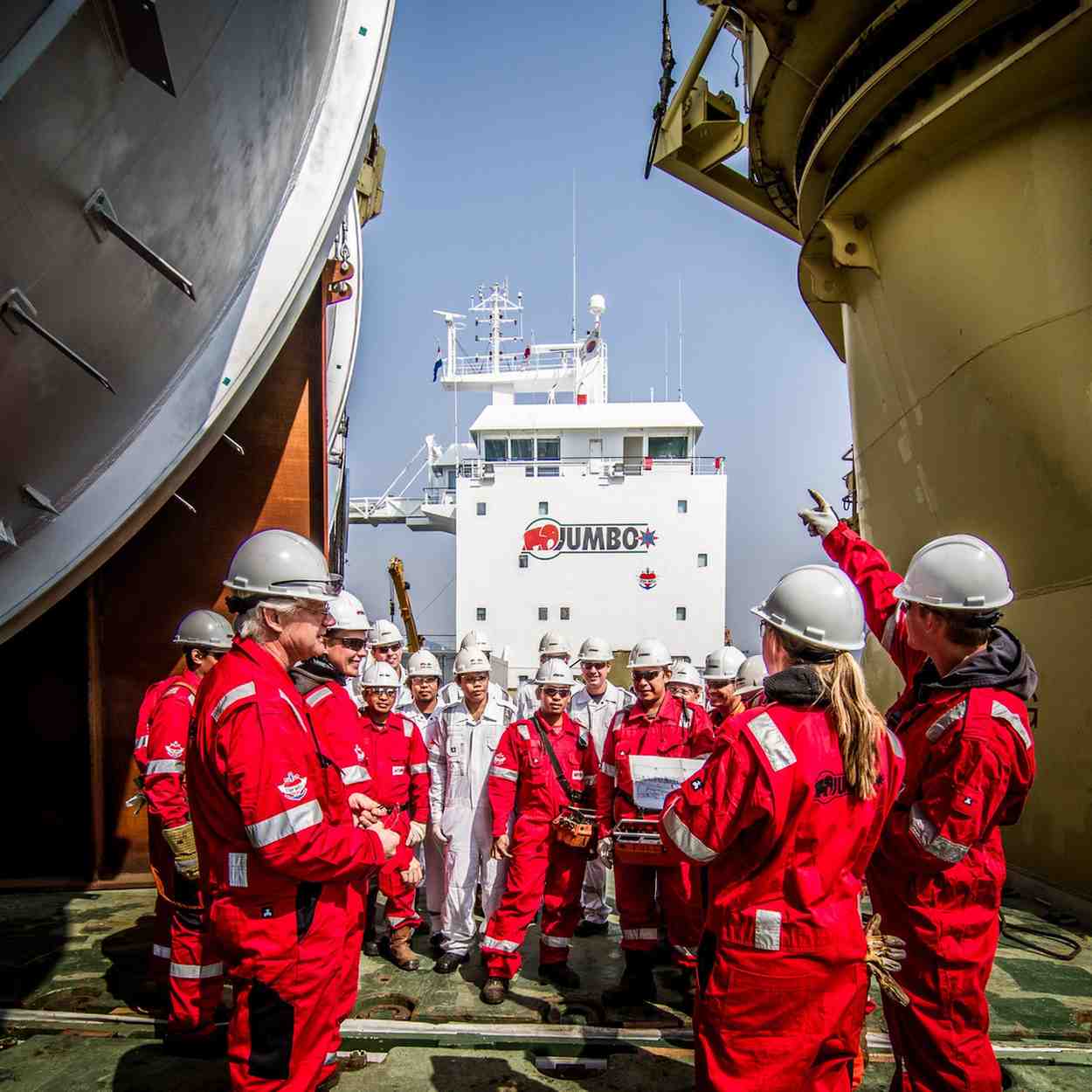
SCHIEDAM: Jumbo is pleased to announce the signing of a contract with Dajin Heavy Industry for the construction of two new heavy lift transportation vessels. The vessels will form Jumbo’s new L-Class fleet, designed to support a broad range of heavy lift transport operations.

Jumbo has developed the energy efficient and methanol ready 25,000 DWT L-Class vessels in-house. This is Jumbo’s regular practice, enabling it to incorporate lessons learned into successive generations of vessels, thereby ensuring continual fleet evolution. The L-Class will each be equipped with two Huisman 1,200-tonne Heavy Lift Cranes, providing a combined lifting capacity of 2,400 tonnes per vessel. The first vessel is scheduled for delivery in 2028, followed by the second in 2029.

Designed for flexibility and efficiency, the vessels will feature high deck strength, large open deck area, a substantial cargo capacity, deep cargo hold and advanced lifting performance – Jumbo’s answer to changing market requirements, where increased lifting capacity combined with greater intake is required. Built in compliance with DNV classification standards and modern clean-energy shipping requirements, the L-Class vessels will support operations across Jumbo’s key markets, including offshore wind, oil and gas, mining and any other specialised marine heavy lift requirements.

The vessels will join the JSI Alliance fleet alongside Jumbo’s existing heavy lift vessels. Jumbo’s shipping activities are conducted through the JSI Alliance, the commercial partnership established with SAL in 2021. The alliance expanded further in 2024 with the addition of SAL Intermarine, creating a combined fleet of more than 80 vessels serving the global project cargo, energy, industrial and infrastructure markets.

Peter de Bree, CEO of Jumbo, says:“Fleet development is an exciting time for any shipping company. This project brings new energy to our organisation and will create valuable opportunities for our clients and partners worldwide. I would like to thank the Jumbo team – including colleagues from Commercial, Engineering, Operations, Vessels, Fleet, Legal, Finance, QHSE and Procurement – for their dedication and hard work over the past several years in bringing this project to fruition. We look forward to continuing our collaboration with Dajin and building outstanding vessels together.”

Dajin Heavy Industry says: “This contract marks the beginning of a long-term industrial collaboration between our companies, with opportunities to expand into broader cooperation across offshore vessel construction, offshore wind engineering and deep-sea equipment services.”

IMO approval clears path for ammonia-fuelled ships with new safety guidelines

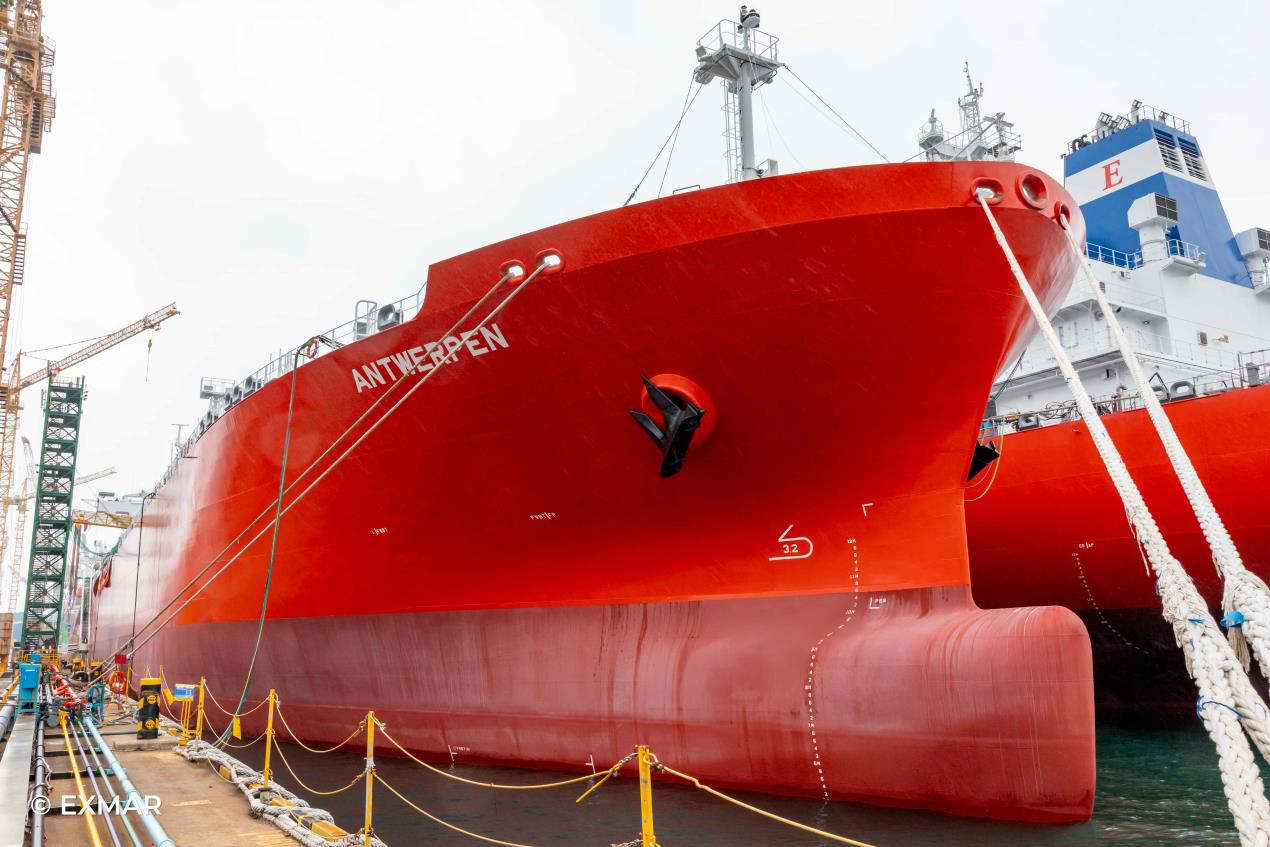
LONDON: New safety guidelines for the use of ammonia as fuel on gas carriers have been approved at the International Maritime Organization’s (IMO) Maritime Safety Committee (MSC 111), marking a significant step towards the commercial deployment of ammonia-fuelled vessels.

The guidelines, developed through collaboration between Lloyd’s Register (LR), the Belgian Federal Public Service Mobility and Transport (FPS Mobility) and gas shipping operator EXMAR, provide a practical framework to manage the safety risks associated with ammonia.

By drawing directly on operational experience and regulatory input, the guidance sets out how ammonia can be handled safely on-board and supporting early projects as they move towards execution.

Building on EXMAR’s and Lloyd’s Register’s experience in mid-size gas carrier shipbuilding, the Directorate-General Shipping of the FPS Mobility has taken the lead in the IMO to draft these guidelines. This guarantees that the regulatory framework reflects the real-world practice, enabling innovation while maintaining effective safeguards within a controlled environment.

The approval is expected to reduce uncertainty for shipowners and designers assessing ammonia as a future fuel, particularly as the first vessels designed to operate on ammonia approach entry into service.

Liam Blackmore LR IMO approval clears path for ammonia-fuelled ships with new safety guidelines

Liam Blackmore, Global Head of Technology Adoption and Integration, Lloyd’s Register, said: “The approval of these guidelines provides a clear signal that ammonia is moving from concept to a fuel with an emerging international safety framework. It demonstrates how close collaboration between industry, flag administrations and technical organisations can accelerate the safe adoption of new fuels at scale. Being part of this collaboration reinforces our role as a trusted advisor helping to turn ambition into practical, scalable solutions for the maritime energy transition.”

“As a public authority, we want to facilitate the energy transition by ensuring that an appropriate regulatory framework is in place in good time. Thanks to close cooperation with the industry, this framework is also tailored to the realities on the ground,” noted Nathalie Deleuze, FPS Mobility’s Maritime Expert in Alternative fuels.

Celine Audenaerdt, Head of Environmental and Technical Affairs, The Royal Belgian Shipowners’ Association (KBRV) added: “Through intensive collaboration and the combination of strong in-house competence and hands-on experience, the partners have succeeded in developing robust and practical safety guidelines.”

“Drawing on more than four decades of operational experience and the challenges encountered along the way, we jointly developed these guidelines through a strong partnership. We would like to thank the teams at FPS Mobility and Lloyd’s Register for their excellent cooperation and valuable contribution throughout the process,” concluded Kristof Coppé, Director Fleet Operations & Technical Business Development at EXMAR.

Strategic Marine and Mainprize Offshore sign Protocol of Delivery and Acceptance for MO15 and MO16 Vessels

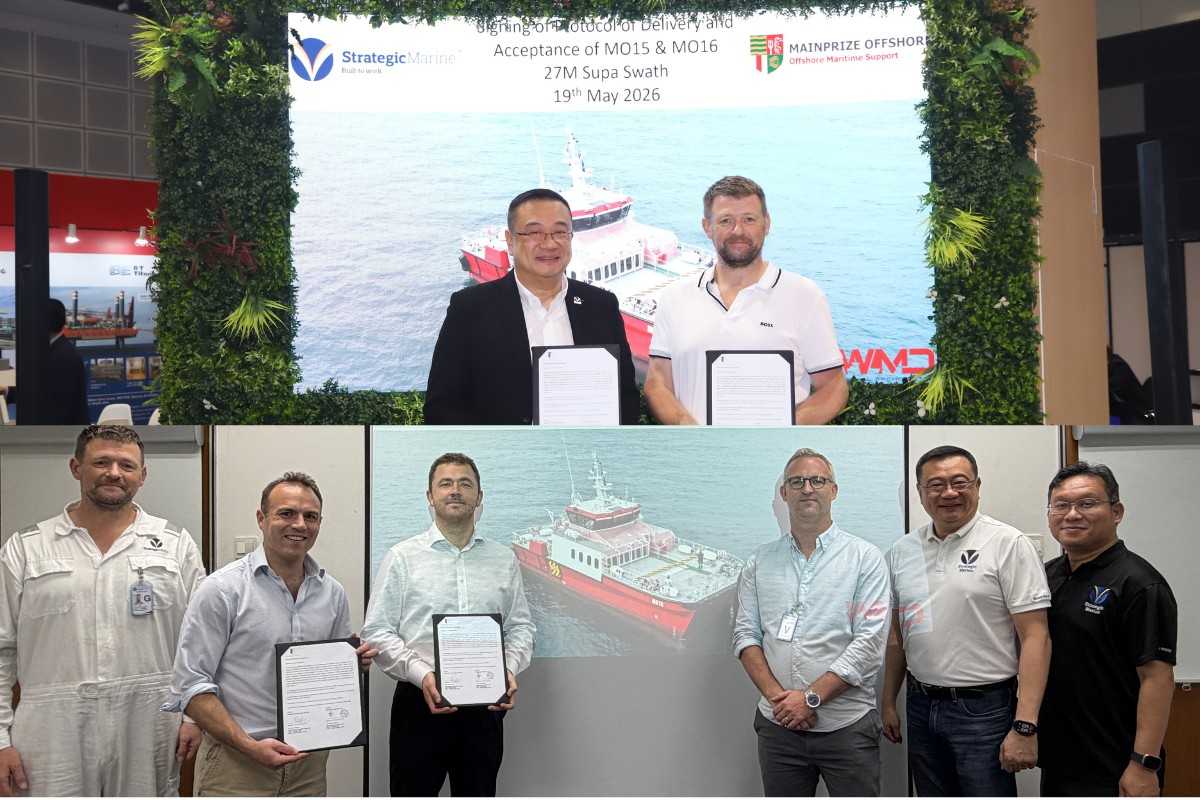
SINGAPORE:  Strategic Marine is pleased to announce the signing of the Protocol of Delivery and Acceptance (PODA) with Mainprize Offshore for MO15 and MO16 vessels, further cementing the strong collaboration between the two companies in advancing offshore renewables fleet capability.

This PODA signing builds on the multi‑vessel contract agreed at Seawork 2024, Europe’s largest on‑water commercial marine and workboat exhibition, and follows the successful delivery of MO10, MO11 as well as the first two MO12 and MO14 Supa Swath vessels delivered earlier in the year. MO15 and MO16 represents the next step in Mainprize Offshore’s fleet expansion strategy, with Strategic Marine continuing to deliver high‑quality, purpose‑built vessels to meet the demands of offshore wind operations across Europe.

The Supa Swath vessels, designed by Walker Marine Design, are engineered for exceptional stability, operational efficiency, and versatility in challenging offshore environments. With advanced propulsion systems, enhanced seakeeping performance, and modern navigation and communications technologies, MO15 and MO16 will provide reliable support for operations and maintenance activities in the growing offshore wind sector.

Mr. Bob Mainprize, Managing Director of Mainprize Offshore, said: “The signing of the PODA for MO15 and MO16 marks another important milestone in our partnership with Strategic Marine. Their proven track record in delivering robust, high‑performance vessels gives us confidence that both vessels will strengthen our fleet’s ability to support offshore renewables projects across Europe.”

Mr. Chan Eng Yew, Chief Executive Officer of Strategic Marine, commented: “We are delighted to formalise the PODA signing for MO15 and MO16 with Mainprize Offshore. This agreement reflects our shared commitment to delivering innovative vessel solutions that meet the evolving needs of the offshore renewables industry and underscores the strength of our partnership.”

With both vessels, Mainprize Offshore continues to build momentum towards its planned fleet expansion, positioning the company to meet increasing operations and maintenance requirements across the European offshore wind market. Strategic Marine remains dedicated to supporting this growth with advanced vessel solutions tailored to the sector.