Home Blog Page 287

ABB modernizes expedition yacht to operate in Galápagos with hybrid-electric propulsion

MIAMI: ABB is collaborating with expedition travel company Quasar Expeditions, based in Ecuador, to modernize the iconic yacht formerly known as Galú for hybrid-electric propulsion. The conversion will make the vessel, originally built by Italian shipyard Benetti in the 1970s, the first of its kind.

The conversion from conventional combustion engines to hybrid-electric propulsion will allow guests on board the 52.9-meter vessel to experience quiet, comfortable, and low-emission sailing in one of the world’s most sensitive biosphere reserves.

Comprising ABB Onboard DC Grid™ power system platform, energy storage system (ESS), permanent magnet propulsion motors, and modern diesel gensets, the hybrid-electric propulsion system allows the vessel to operate entirely on battery power during anchor and short crossings. In addition to minimizing fuel consumption, this will support compliance with Galápagos National Park’s strict noise and emission regulations.

“Our first visit to the Galápagos in 1979 changed us forever and inspired Quasar Expeditions,” commented Eduardo Diez, Owner and Chairman, Quasar Expeditions. “Today, tourism brings both benefits and risks to these islands we love. That’s why we partnered with ABB to develop Quasar Conservation, a hybrid-electric yacht that redefines sustainable luxury without compromise.”

As well as extending Quasar Conservation’s operational life by up to 25 years, the modernization project preserves the yacht’s classic aesthetic and craftsmanship – and is more cost-efficient and sustainable than building a new vessel.

“Expedition cruising is one of the most technology-intensive growth segments in the maritime industry, with operators increasingly specifying advanced solutions that enhance efficiency while preserving luxury and passenger comfort,” said Tomas Arhippainen, Business Line Manager, Marine Service & Digital, ABB’s Marine & Ports division. “By using ABB’s hybrid-electric system, Quasar Expeditions’ Quasar Conservation perfectly demonstrates the benefits that can be achieved through a comprehensive, collaborative modernization project.”

Ideally suited to space-limited retrofit applications, ABB’s Onboard DC Grid™ provides the high fault- tolerance levels that are critical for exploration cruise vessels operating in remote waters. The modular DC power platform enables the seamless integration of the 814-kilowatt-hour battery ESS and modern diesel gensets. With ABB’s PEMS™ power and energy management system optimizing the use of total onboard energy resources, this combined hybrid solution – including highly efficient permanent magnet motors – offers significant grid-to-propeller efficiency gains compared to conventional mechanical drivetrains.

ABB is a global technology leader in electrification and automation, enabling a more sustainable and resource-efficient future. By connecting its engineering and digitalization expertise, ABB helps industries run at high performance, while becoming more efficient, productive and sustainable so they outperform. At ABB, we call this ‘Engineered to Outrun’. The company has over 140 years of history and around 110,000 employees worldwide. ABB’s shares are listed on the SIX Swiss Exchange (ABBN) and Nasdaq Stockholm (ABB).

ABB’s Automation business automates, electrifies and digitalizes industrial operations that address a wide range of essential needs – from supplying energy, water and materials, to producing goods and transporting them to market. With its ~26,000 employees, leading technology and service expertise, Automation helps process, hybrid and maritime industries outrun – leaner and cleaner. go.abb/automation

Sarbananda Sonowal holds high-level review after PM-led Council of Minister’s meet; focus on reforms, grievance redressal, digital governance and delivery

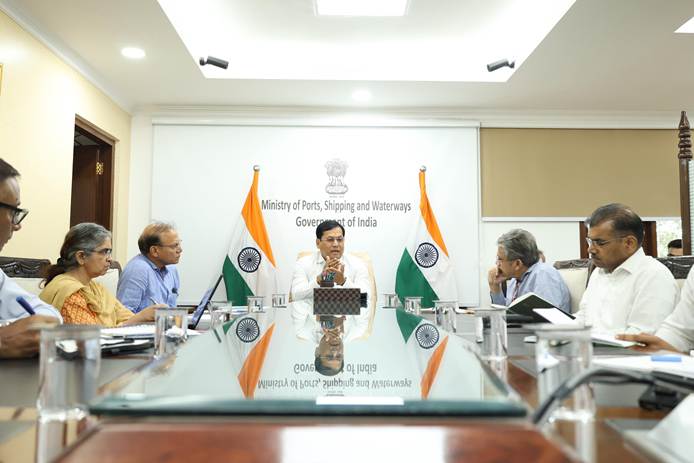
NEW DELHI : Union Minister for Ports, Shipping & Waterways Shri Sarbananda Sonowal chaired a high-level review meeting with senior officials of the Ministry of Ports, Shipping & Waterways (MoPSW), outlining a comprehensive reform-driven roadmap aimed at accelerating India’s maritime transformation in line with Prime Minister Shri Narendra Modi’s vision of “Viksit Bharat 2047.”

The meeting focused on strengthening governance, improving ease of doing business (EODB), enhancing digital integration, effective grievance redressal and ensuring time-bound implementation of key maritime initiatives through a structured and accountable institutional mechanism.

Highlighting the transformational journey of India’s maritime sector under the leadership of Prime Minister Narendra Modi, Sarbananda Sonowal announced that the Ministry would commemorate the completion of 12 years of maritime reforms and growth through the celebration of a nationwide “Maritime Reform Utsav.” The initiative will showcase India’s major achievements in ports, shipping, inland waterways, coastal infrastructure, green shipping, digitalisation and maritime connectivity, reflecting the country’s emergence as a leading global maritime nation.

“Under the dynamic leadership of Prime Minister Narendra Modi ji, India’s maritime sector has undergone unprecedented transformation through the mantra of ‘Reform, Perform, Transform and Inform’. The Maritime Reform Utsav will celebrate the journey of India becoming a modern, efficient and globally competitive maritime power,” said Union Minister Sarbananda Sonowal.

The Union Minister directed officials to establish a structured and time-bound mechanism for expeditious disposal of grievances, court cases, legal matters and all ministry-related pending issues. A dedicated monitoring and coordination committee will be constituted to conduct periodic reviews, ensure accountability and facilitate timely resolution of all pending matters. Emphasising citizen-centric governance and stakeholder responsiveness, Sonowal said grievance redressal systems must focus not merely on procedural disposal but on actual ground-level resolution. Sonowal instructed departments to strengthen monitoring frameworks and ensure effective follow-up on all public representations and stakeholder concerns.

In a major push towards digital governance and ease of doing business (EODB), the Ministry also decided to develop an integrated digital platform and mobile application under the aegis of the Directorate General of Shipping. The proposed platform will provide enhanced stakeholder interface, real-time service delivery, digital documentation, grievance redressal and integrated maritime services through a unified digital ecosystem.

The meeting further resolved to undertake a comprehensive review and gap analysis of the progress achieved in the maritime sector during the past 12 years. The exercise will assess ongoing reforms and infrastructure development in alignment with the national vision of “Viksit Bharat 2047,” while identifying priority areas requiring accelerated policy intervention, institutional strengthening and capacity enhancement.

Sarbananda Sonowal stressed the importance of stronger coordination among ministries, state governments, port authorities, maritime institutions and industry stakeholders to ensure faster decision-making and smoother implementation of major maritime and logistics projects. Sonowal directed officials to enhance inter-ministerial coordination mechanisms and institutional consultations for improved policy execution and monitoring.

The Union Minister also emphasised the need for greater participation of industry representatives, state governments, port authorities and allied stakeholders in consultative meetings to improve transparency, knowledge-sharing and sectoral coordination. Sonowal noted that collaborative governance and continuous dialogue are essential for addressing emerging challenges and unlocking the full potential of India’s maritime economy.

Recognising the rapidly evolving needs of the maritime sector, Union Minister Sonowal directed departments to strengthen skill development, capacity building and specialised maritime training programmes. Sonowal emphasised the importance of developing expertise in digital governance, data management, logistics integration and emerging maritime technologies to support future growth requirements.

The meeting also focused extensively on leveraging Artificial Intelligence, digital systems and data-driven governance for improving operational efficiency, transparency and service delivery across the maritime sector. Sonowal instructed officials to accelerate technological integration and strengthen institutional data-sharing mechanisms for better monitoring and policy outcomes.

To ensure timely implementation and accountability, Sonowal directed all departments to conduct periodic review meetings with measurable outcome-based targets. He said every ministry initiative must be monitored through clearly defined timelines, performance indicators and continuous assessment mechanisms.

Highlighting the importance of effective public communication, Shri Sonowal instructed officials to significantly strengthen stakeholder outreach and media engagement efforts for wider dissemination of the Ministry’s achievements, reforms and opportunities. Sonowal called for innovative communication strategies using digital campaigns, short videos, graphics, reels, institutional outreach and awareness programmes to connect with wider audiences, particularly youth.

“India’s maritime transformation under the dynamic leadership of PM Narendra Modi ji must reach the people. Our reforms, opportunities and achievements should be communicated effectively through both traditional and digital platforms so that young Indians see the maritime sector as a dynamic avenue for nation-building and employment generation,” Sarbananda Sonowal said.

The Union Minister further directed the constitution of a dedicated monitoring and coordination committee for compilation, review and follow-up of the outcomes, commitments and strategic initiatives arising from the Prime Minister’s recent five-day, five-nation visit. The committee will ensure timely implementation, inter-agency coordination and strict adherence to timelines for all key deliverables emerging from the visit.

Further advancing Prime Minister Narendra Modi’s vision of governance reforms and efficient public service delivery, Union Minister Sarbananda Sonowal directed all divisions of the Ministry to identify implementation bottlenecks and strengthen systems under the framework of “Reform, Perform, Transform and Inform.”

Emphasising the importance of stakeholder outreach and public communication, Sonowal said transformative reforms and initiatives must be effectively communicated through stronger engagement, digital campaigns and innovative communication platforms. Sonowal also stressed the need for greater coordination, structured monitoring and result-oriented governance aligned with the national vision of “Viksit Bharat,” while calling for faster execution, accountability and improved service delivery across the maritime sector.

Sonowal reiterated that the Ministry of Ports, Shipping & Waterways must continue to function with a proactive, accountable and reform-oriented work culture aligned with Prime Minister Narendra Modi’s vision of good governance, maritime growth and inclusive national development.


India-Canada aim to conclude CEPA by year-end; triple trade by 2030: Piyush Goyal

OTTAWA: Union Minister of Commerce Shri Piyush Goyal commenced his three-day visit to Canada, as New Delhi and Ottawa focus on resetting their ties with an aim to conclude the Comprehensive Economic Partnership Agreement (CEPA) by the end of this year.

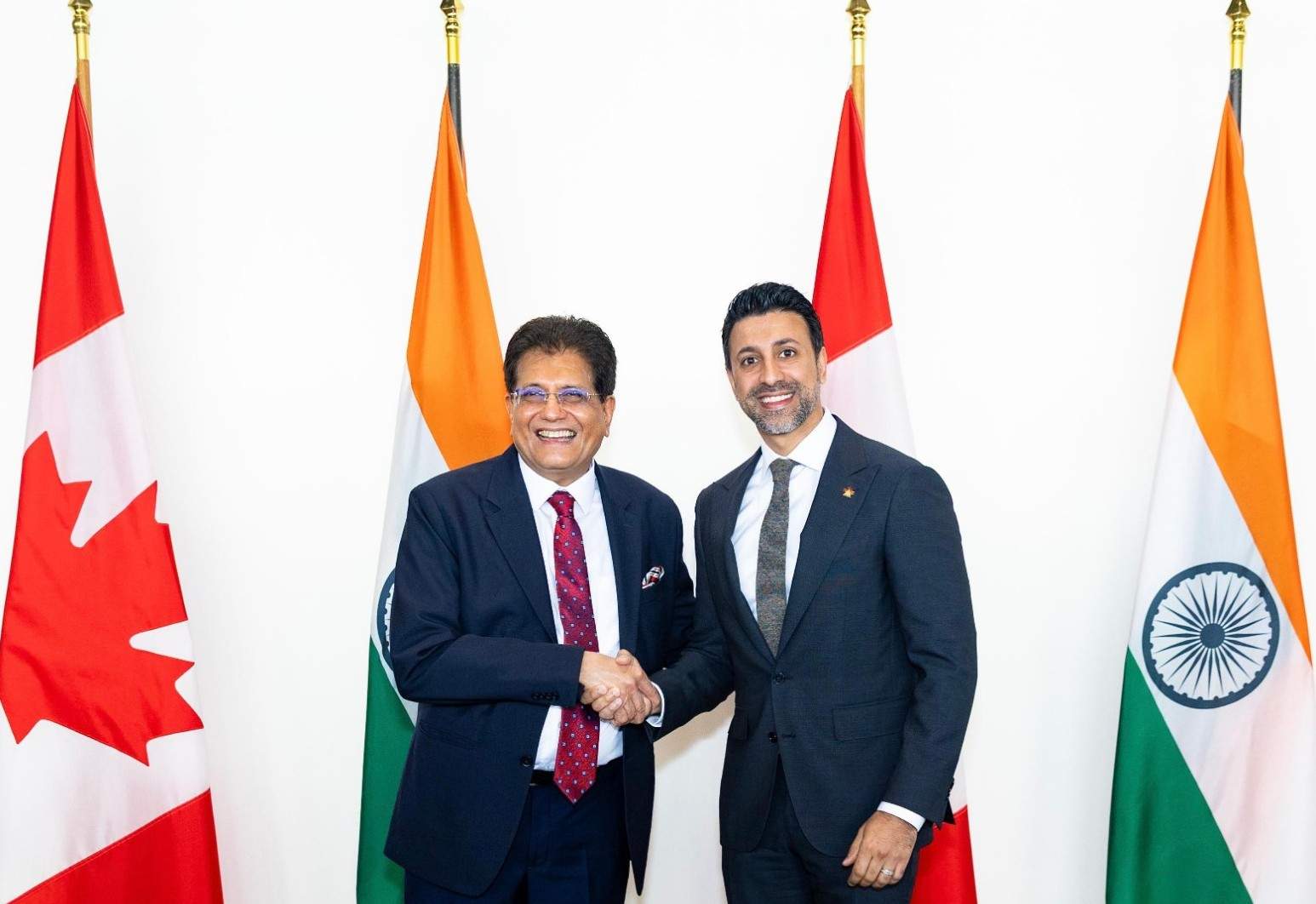
Speaking to the press with Canada’s International Trade Minister Maninder Sidhu, Piyush Goyal highlighted the steps taken from both sides to rejuvenate the relationship, mentioning Canadian Prime Minister Mark Carney’s visit to India in February 2026, which he said set in “motion the pathway of this relationship.”

Underlining the objectives, Goyal said that India not only aims to conclude the trade agreement by the end of this year but also wants to triple the trade between the two countries by 2030.

“We had the visit of Canadian PM Mark Carney in India just a couple of months ago. It completely changed the way India and Canada looked at each other. It has set in motion the pathway of this relationship, setting a new agenda, new goals in mission mode. I can clearly see the speed and intent of both sides.

“Our PMs (Indian PM Narendra Modi and Canadian PM Mark Carney) have tasked us with not only completing the free trade agreement with a comprehensive outlook before the end of this year or earlier but tripling our trade from a current USD 17 million to USD 50 million by 2030,” he added.

Shri Goyal said that he has arrived in Ottawa with the largest Indian business delegation in the country’s history, showcasing India’s commitment towards the relationship. He also expressed confidence in the leadership of Maninder Sidhu, Minister of International Trade, to drive rapid progress in the relationship.

“I’ve come with the largest ever business delegation that stepped out of India ever in our history. 112 Indian businesses have taken off from India. This clearly demonstrates that there’s a huge interest in this partnership. This is a relationship that’ll be very important in the years to come. I have full confidence that under Maninder’s leadership, we will make rapid progress,” he said.

The Union Minister’s arrival in Ottawa commences a three-day official visit from 25 to 27 May, taking place as New Delhi and Ottawa aggressively push ahead with negotiations for the proposed Comprehensive Economic Partnership Agreement (CEPA), viewed as a vital step in rejuvenating economic relations between the two nations.

Accompanied by a high-powered business delegation comprising senior executives from over 100 prominent Indian enterprises, Goyal’s visit spans a diverse array of sectors, including energy, metals and mining, aerospace, telecom, pharmaceuticals, agriculture, tourism, textiles, automotive and capital goods.

Expanding the scope of the high-level political engagement, the Union Minister is also expected to call on Canadian Prime Minister Mark Carney and hold extensive deliberations with Foreign Minister Anita Anand, aimed at deepening bilateral cooperation across strategic and high-growth sectors. Beyond his strictly governmental engagements, Goyal will interact with Chief Executive Officers of major Canadian corporations, prominent start-up founders and top executives from leading pension funds.

The energy sector is anticipated to take centre stage during these interactions. Officials have pointed out that India’s surging energy requirements, coupled with Canada’s vast natural resource wealth, position the two nations as natural partners across the entire energy spectrum, ranging from traditional hydrocarbons to clean energy transition initiatives.

Furthermore, civil nuclear cooperation is expected to endure as a foundational pillar of the bilateral matrix. Both nations are also aiming to scale up collaboration in science and technology, with a special emphasis on artificial intelligence research, standardisation and fostering innovation ecosystems.

This high-profile visit takes place against the backdrop of a broader thaw in India-Canada relations following a phase of diplomatic strain. Since the middle of 2025, both capitals have actively revived high-level communication across political, economic, strategic and security frameworks. Notably, Canadian Prime Minister Mark Carney’s visit to India on March 2 this year served as a catalyst to restart momentum in the relationship, which also witnessed the formal launch of the CEPA negotiations. (ANI)

India-Japan special strategic and global partnership holds larger implications, importance, impact: EAM

NEW DELHI: External Affairs Minister Shri S Jaishankar on Monday said that the India-Japan Special Strategic and Global Partnership carries “larger implications, importance and impact”, highlighting its significance in shaping regional and global outcomes while underlining the expanding scope of bilateral ties beyond the two nations.

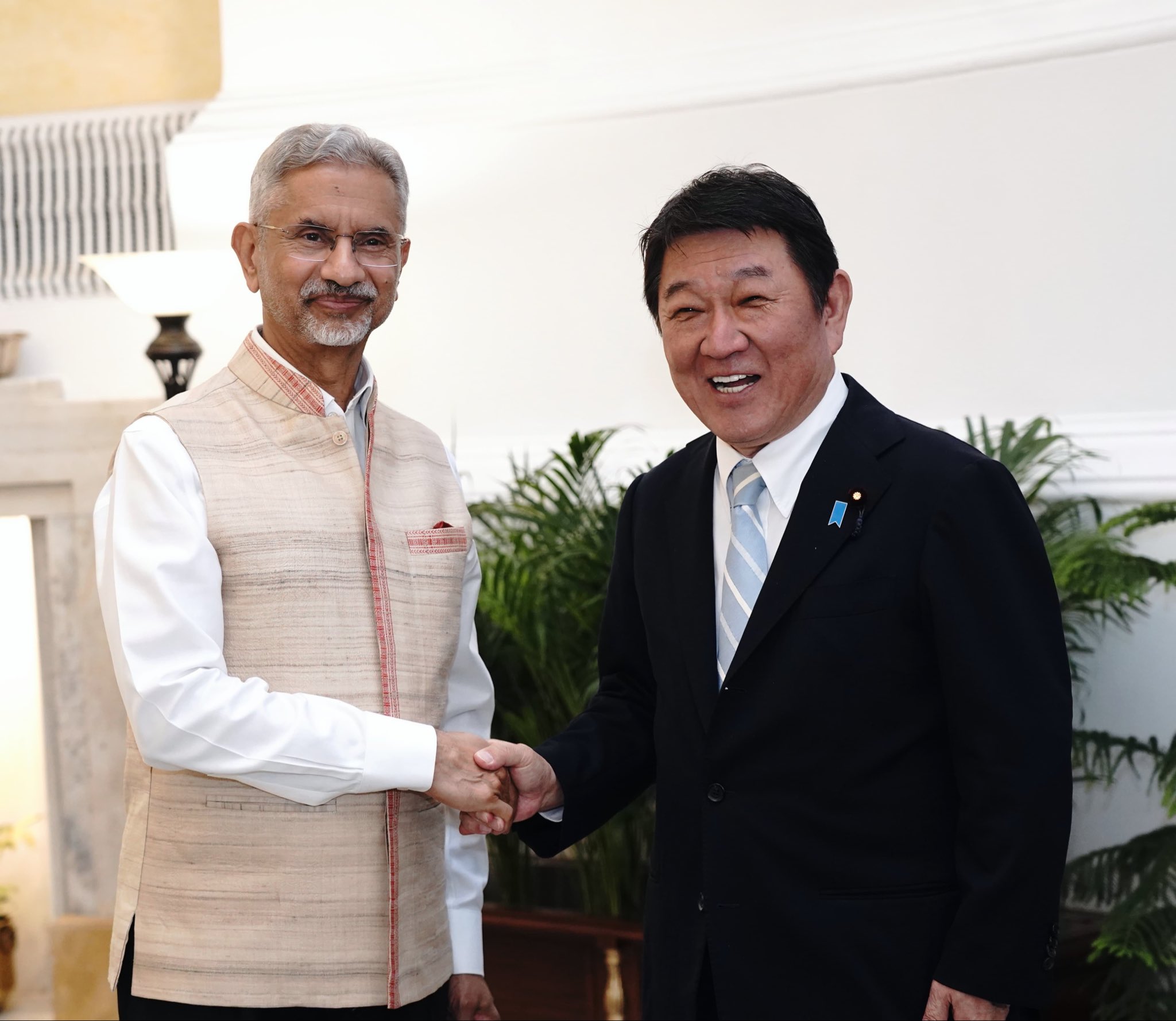
Delivering his opening remarks during his meeting with Japan’s Foreign Minister Motegi Toshimitsu as part of the latter’s two-day visit to the country, Jaishankar underlined that the bilateral relationship extends beyond traditional diplomacy and has a broader strategic footprint.

“Between India and Japan, we have a Special Strategic and Global Partnership and that signals that our ties have a larger implication, larger importance, and larger impact. And one example of that will be tomorrow when we meet in the Quad format to discuss how to advance a free and open Indo-Pacific,” Jaishankar said.

Toshimitsu will also attend the Quad Foreign Ministers’ Meeting – bringing together India, the United States, Australia, and Japan – scheduled for May 26 under the chairmanship of the EAM.

He further noted that both countries, as major energy-importing and trading economies, share common interests in maritime security and regional stability, particularly amid ongoing developments in West Asia and the virtual blockade on the strategic Strait of Hormuz.

“Today, I look forward to discussing our bilateral cooperation and to discussing global and regional issues. And I think particularly in this current situation, what is happening in West Asia or the Middle East is important because we are both energy-importing nations; we are big trading nations; we have maritime interests. I’d also like to discuss with you economic security issues because I think today that is a very important concern for all major economies,” he added.

In September 2014, Prime Minister Shri Narendra Modi and then Japanese Prime Minister Shinzo Abe elevated the India-Japan relationship to a Special Strategic and Global Partnership, calling it the dawn of a new era in relations between the two countries.

Jaishankar also recalled recent high-level exchanges between the two sides, noting continued diplomatic engagement and frequent visits.

“We had recently met in France in March and you were here at the beginning of the year in Delhi. So, it’s very good to see you back and very good to see you for this very important meeting we will have tomorrow,” he said.

The meeting is expected to further strengthen India-Japan cooperation ahead of the Quad Foreign Ministers’ Meeting discussions on advancing a free and open Indo-Pacific.

Shri Jaishankar is scheduled to chair the Quad Foreign Ministers’ Meeting on Tuesday with US Secretary of State Marco Rubio, Australian Foreign Minister Penny Wong and Japanese Foreign Minister Motegi Toshimitsu.

Mukesh Mangal reviews progress of NMHC development at Lothal

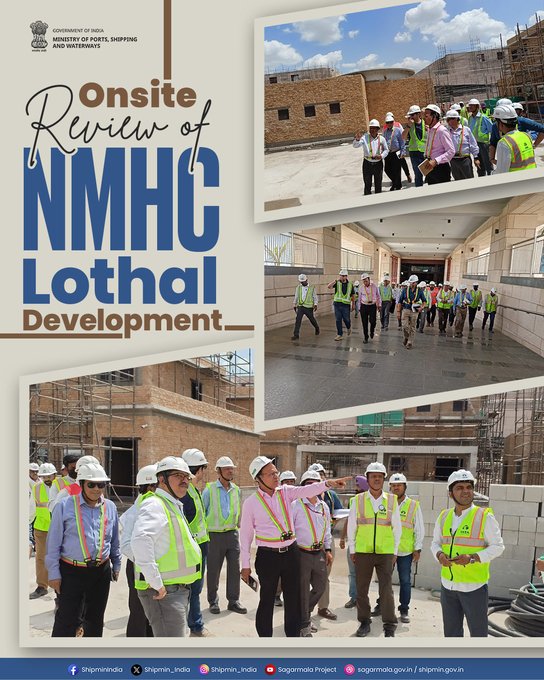
LOTHAL : Shri Mukesh Mangal, Additional Secretary, Ministry of Ports, Shipping and Waterways (MoPSW), conducted an onsite review of the ongoing development works at the prestigious National Maritime Heritage Complex (NMHC), Lothal, reaffirming the Government of India’s commitment to preserving and promoting the nation’s rich maritime legacy.

The review meeting witnessed the participation of senior officials from Indian Port Rail & Ropeway Corporation Limited (IPRCL), Archaeological Heritage Consultants (AHC), and Tata Projects Limited (TPL), who provided detailed updates on the status of ongoing construction, infrastructure development, and project implementation milestones.

During the visit, Shri Mukesh Mangal assessed the progress of key components of the NMHC project, including museum infrastructure, visitor facilities, heritage interpretation zones, landscaping works, and supporting amenities being developed to international standards. Discussions focused on timely execution, quality benchmarks, inter-agency coordination, and adherence to the project roadmap.

Emphasizing the strategic and cultural significance of the initiative, Shri Mangal highlighted NMHC Lothal’s role as a landmark national project envisioned to showcase India’s glorious maritime traditions, ancient seafaring capabilities, shipbuilding excellence, and coastal cultural heritage. He underscored the importance of creating a world-class destination that combines heritage preservation, immersive storytelling, education, tourism, and innovation.

The National Maritime Heritage Complex at Lothal, located near the ancient Harappan port city, is being developed as a first-of-its-kind global maritime heritage destination. The project aims to celebrate India’s maritime history spanning thousands of years through state-of-the-art museums, experiential galleries, research facilities, interactive exhibits, and cultural spaces.

The onsite review reflects MoPSW’s continued focus on accelerating project delivery and ensuring the realization of the visionary initiative that will position Lothal as a major center for maritime heritage, tourism, learning, and international cultural engagement.

Nitin Gadkari reviews National Highway projects in Rajasthan and Himachal Pradesh

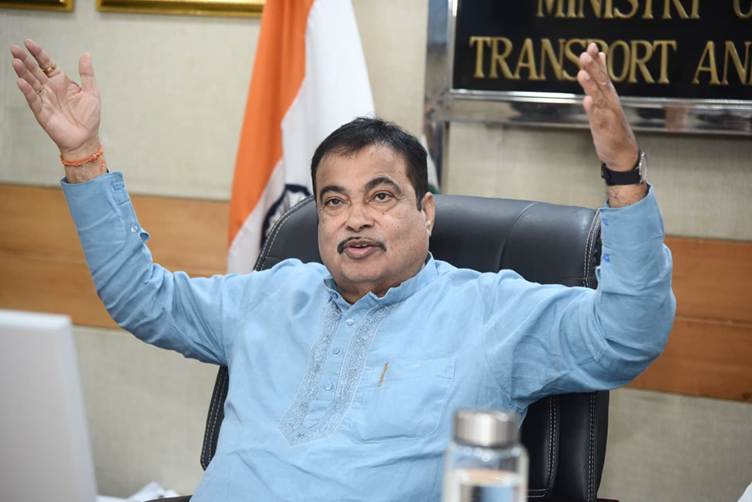
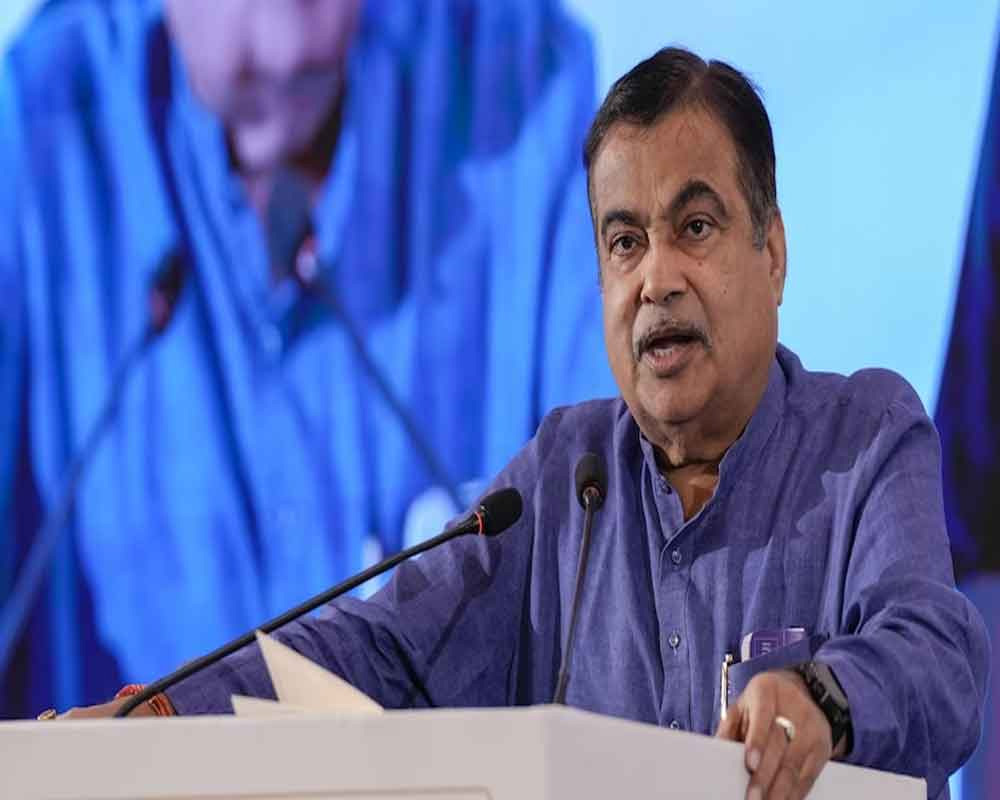
NEW DELHI : Union Minister of Road Transport & Highways Shri Nitin Gadkari on Monday conducted comprehensive review meetings on the quality and maintenance status of National Highway projects in Rajasthan and Himachal Pradesh, based on inputs received through media and social media platforms. The meetings were held in New Delhi in the presence of Union Ministers of State Shri Ajay Tamta and Shri Harsh Malhotra, senior officials from NHAI and MoRTH, and project contractors.

MORTH GADKARI Nitin Gadkari reviews National Highway projects in Rajasthan and Himachal Pradesh

During the review, Shri Gadkari assessed the quality and maintenance status of National Highways covering 10,064 km in Rajasthan and reviewed the quality and maintenance progress of National Highway projects covering 1,947 km in Himachal Pradesh.

Shri Gadkari emphasised timely execution of projects, strict adherence to quality standards, and the adoption of advanced technologies and modern construction practices to ensure the development of sustainable, durable, and efficient highway infrastructure. He highlighted that robust highway networks are vital for improving connectivity, accelerating economic growth, enhancing commuter convenience, and ensuring seamless mobility across key corridors.

The Union Minister also directed officials to undertake comprehensive monsoon preparedness measures, including effective drainage management, slope protection works, proactive preventive maintenance, and swift response mechanisms to minimise disruptions, maintain road safety, and enhance long-term asset durability.

Maruti Suzuki launching E100 Flex Fuel Car on Environment Day: Nitin Gadkari

NEW DELHI : Ethanol has been a hot topic of discussion in the automotive industry for the last couple of years. The government has recently notified new E30 ethanol blending standards. It has again sparked debate around the topic. On the newest development on the subject, the Minister of Road Transport & Highways – Shri Nitin Gadkari, in an event, revealed that the country’s largest carmaker – Maruti Suzuki, will launch a flex fuel car on the occasion of Environment Day that will run on E100.

As per PTI, the minister said, “Our biggest pollution problem is fossil fuels… petrol and diesel. That is why, as the Transport Minister, I am happy that we have introduced electric scooters, electric cars, electric buses, electric trucks, and now even electric tractors in the country. Not only this, but our farmers have now become energy providers and fuel providers for the nation. The vehicle in which I arrived today is an runs 100% on bioethanol. Ethanol is priced at Rs 65 per litre, and while running, the vehicle also generates 60% electricity. I have been using this vehicle for the last one and a half years. Compared to petrol and diesel, the effective fuel cost comes to around Rs 25 per litre. This is an import substitute, cost-effective, pollution-free, and indigenous. Vehicles with such flex-fuel engines are going to be introduced on a large scale soon.”

He further added, “On the occasion of Environment Day this year, there is a programme in Delhi where Maruti Suzuki will launch vehicles running 100% on ethanol. At present, companies such as Toyota, Tata, Mahindra, and Suzuki… a total of 12 companies have already introduced such vehicles. Our two-wheelers have also arrived. We should minimise the use of petrol, diesel, and gas because 87% of these fuels are imported into our country. They not only cause pollution but also increase imports.”

What Is E100?
E100 means 100 per cent ethanol. Yes, it isn’t a blend – it is pure ethanol being used as fuel. Compared to petrol, E100 has a higher octane rating, which allows for better combustion efficiency in engines specifically designed or calibrated for it. However, E100 cannot be used in regular petrol vehicles without modifications, as ethanol is more corrosive and has different energy characteristics. In India, E100 is being promoted as part of the government’s broader push to reduce crude oil imports, cut emissions, and support domestic agriculture, with flex-fuel vehicles seen as the key enabler for its wider adoption.

DP World Mundra could drive $9.2 Billion GDP impact for India by 2035

MUNDRA: New independent research highlights the role of the Mundra International Container Terminal (MICT) is driving trade, unlocking economic value and supporting economic opportunity across the country.

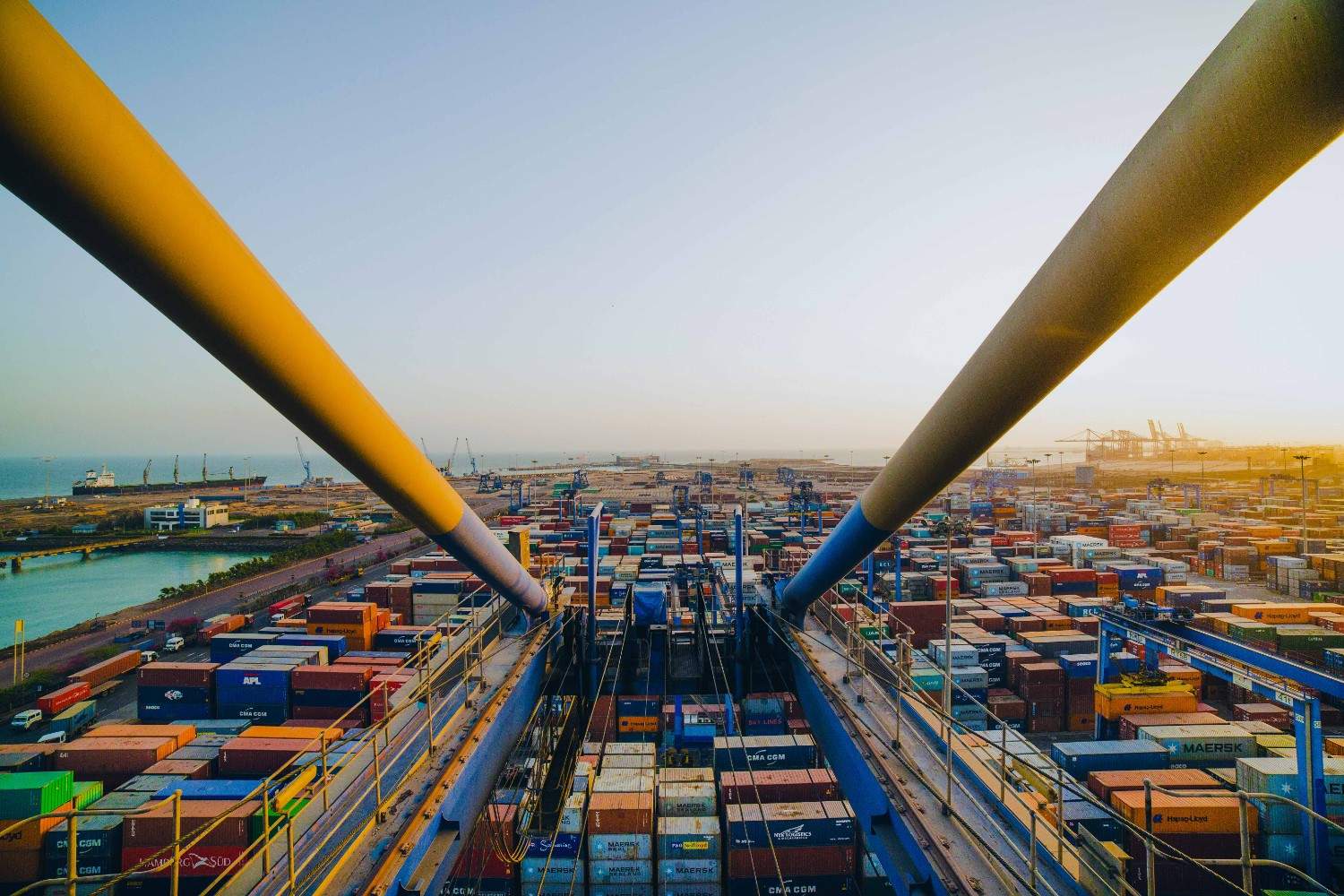
Commissioned in 2003 as India’s first greenfield container terminal within a non-major port, MICT has grown into a critical gateway for containerised trade. The terminal has handled more than 19 million containers to date, including 1.4 million TEU in 2024, serving key industrial and consumption centres across western and northern India.

Today, MICT connects India to 73 global ports and handles ultra-large container vessels of up to 19,200 TEU, supported by multimodal rail connectivity across Gujarat, Rajasthan, Haryana, Punjab and Delhi. This has enhanced supply chain efficiency, enabling Indian businesses to compete more effectively in global markets.

The research, conducted by Oxford Economics, highlights the scale of MICT’s contribution to India’s trade ecosystem and regional economy, including:

  • GDP contribution: MICT contributed $128.9 million to India’s GDP in 2024, including $118.8 million within Gujarat.
  • Employment: The terminal supported approximately 1,880 jobs nationwide, including 1,240 in Gujarat, while driving economic activity across logistics, transportation, manufacturing, retail and services.
  • Long-term economic impact: Enhanced shipping connectivity through MICT is forecast to drive an additional $6.4 billion in exports and a $9.2 billion GDP impact by 2035.

MICT is contributing to the development of a more inclusive and future-ready workforce, including:

  • Women in logistics: Nearly one in four jobs associated with the terminal are held by women, reflecting strong participation across the wider ecosystem.
  • Youth opportunities: Around 10% of employees are under the age of 25, highlighting growing opportunities for young talent in a traditionally male-dominated sector.
  • Workforce inclusion: DP World continues to advance inclusivity across its operations while working towards a more diverse and representative workforce.

At DP World Mundra, faster and more reliable trade is being enabled alongside the creation of better jobs, stronger skills and expanded opportunities for businesses and communities. Through its integrated network of ports, terminals and multimodal logistics infrastructure, DP World is strengthening connectivity between India’s hinterland and coastal gateways, helping businesses access global markets more efficiently.

Hemant Kumar Ruia, Country Manager, DP World Subcontinent (India), said, “When infrastructure is built for scale, efficiency and connectivity, it becomes a powerful driver of both economic growth and social progress. At DP World Mundra, we are enabling faster, more reliable trade while creating better jobs, building skills and expanding opportunities for businesses and communities.”

The Oxford Economics report concludes that MICT’s impact extends far beyond port operations. By enabling trade, generating employment, supporting exports and investing in communities, DP World Mundra is playing a pivotal role in shaping sustainable economic growth and opportunity in Gujarat and across India. DP World continues to invest in the long-term development of communities around Mundra through education, scholarships and healthcare initiatives, including:

Healthcare: Two Mobile Medical Vans in collaboration with the Wockhardt Foundation, deliver free medical services to around 20,000 people each year, focused on early diagnosis, treatment and community health awareness.

Digital learning: Through the ‘Kal Ki Kaksha’ programme, implemented with Pratham Infotech Foundation, the company enabled digital learning for 3,643 students across 17 schools in 2024, with strong participation from girls.

Financial assistance: The Pragati Scholarship Programme in partnership with Yuva Unstoppable, supports 237 girls, helping reduce dropout rates and promote continued education.

APM Terminals Pipavav strengthens Industry–Academia Collaboration, welcomes first batch of interns for May 2026

PIPAVAV : APM Terminals Pipavav (Gujarat Pipavav Port Ltd.) has further reinforced its commitment to developing future-ready maritime talent through strengthened industry–academia partnerships with premier institutions, including Gujarat Maritime University (GMU) and Gati Shakti Vishwavidyalaya (GSV).

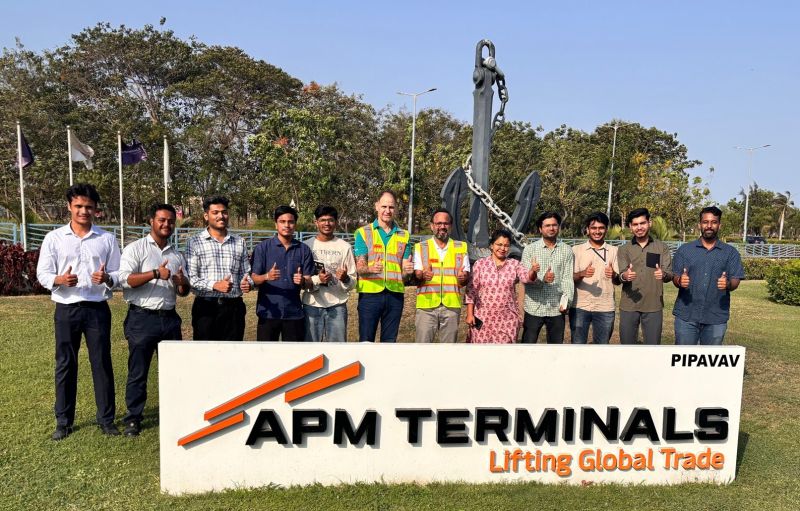
As part of this initiative, the port has welcomed its first batch of interns for May 2026, providing students with valuable opportunities to gain practical exposure through live operational projects across various port functions. The programme is designed to bridge the gap between academic learning and industry practice by offering participants firsthand experience within a dynamic port and logistics environment.

Through structured engagement and immersive learning experiences, interns will gain insights into key aspects of port operations, supply chain management, logistics planning, safety protocols, operational efficiency, and modern maritime business practices. The initiative reflects APM Terminals Pipavav’s focus on cultivating skilled professionals equipped to meet the evolving needs of India’s growing maritime and logistics ecosystem.

A key highlight of the programme was the opportunity for interns to interact directly with the organisation’s senior leadership team, including Clint Carmichael, Chief Operating Officer; Girish Aggarwal, Managing Director; and Hiral Rajput, People Function Head. The interaction offered students valuable perspectives on leadership, operational excellence, career development, and emerging opportunities within the maritime sector.

The engagement underscores the company’s strong emphasis on mentorship, knowledge-sharing, and talent development, while demonstrating leadership’s continued commitment to nurturing young professionals and encouraging innovation-driven learning.

By strengthening partnerships with leading academic institutions and creating pathways for experiential learning, APM Terminals Pipavav continues to contribute to the development of a skilled talent pipeline for India’s maritime, port, and logistics sectors.

The initiative aligns with the broader vision of enhancing industry-ready capabilities, promoting innovation, and supporting the long-term growth and competitiveness of India’s maritime ecosystem.

APM Terminals Pipavav expressed its enthusiasm in welcoming the young interns and reaffirmed its commitment to fostering meaningful collaborations that empower the next generation of maritime leaders and professionals.

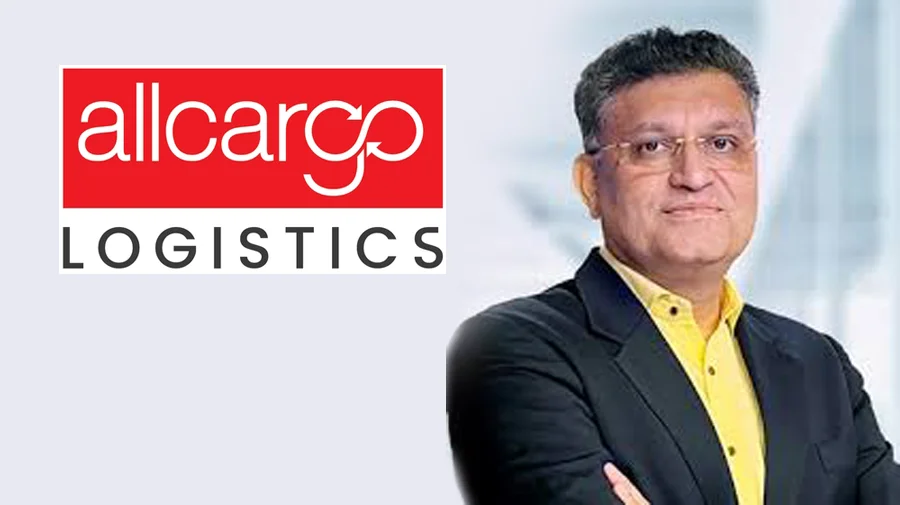
Heatwaves put Spotlight on Workforce Safety in Logistics Sector: Allcargo Logistics CEO

MUMBAI: As India grapples with severe heatwaves and increasingly unpredictable weather conditions, concerns surrounding the health, safety and well-being of frontline workers are gaining prominence across industries. The logistics sector, which relies heavily on outdoor and temperature-sensitive operations, is witnessing growing discussions around the need for safer working environments, operational resilience and enhanced workforce support amid rising climate-related challenges.

Commenting on the issue, Mr. Ketan Kulkarni, Managing Director & CEO of Allcargo Logistics, highlighted the importance of prioritizing workforce welfare alongside business continuity as extreme weather events become more frequent.

“With extreme weather conditions becoming more frequent, workforce well-being and safety are becoming increasingly important across the logistics industry, especially for frontline personnel working in outdoor environments and high temperatures.

At Allcargo Logistics, we primarily operate in the B2B logistics space, unlike e-commerce and quick-commerce companies that function on a B2C delivery model with large hyperlocal last-mile delivery fleets. Our operations are structured and pre-planned, enabling better workflow management across our express and consultative logistics businesses. Along with our employees, we also work closely with over 2,000 business partners across our network who support last-mile fulfillment. Across facilities, we have focused on maintaining proper air cooling & conditioning and ventilation systems, while several warehouses also operate using solar energy solutions. We also provide hydration support and regularly engage with our workforce through awareness initiatives focused on managing heat conditions and workplace safety during the summer months.

As the industry evolves, building resilient supply chains will require equal focus on operational efficiency and workforce well-being.”

The statement comes at a time when India is experiencing prolonged spells of extreme temperatures across multiple regions, prompting companies to reassess employee safety measures, especially for personnel involved in transportation, warehousing and last-mile operations.

Industry experts believe that climate resilience in logistics will increasingly depend not only on infrastructure and technology investments, but also on sustainable workforce practices that ensure employee health, productivity and operational continuity during adverse weather conditions.