Home Blog Page 29

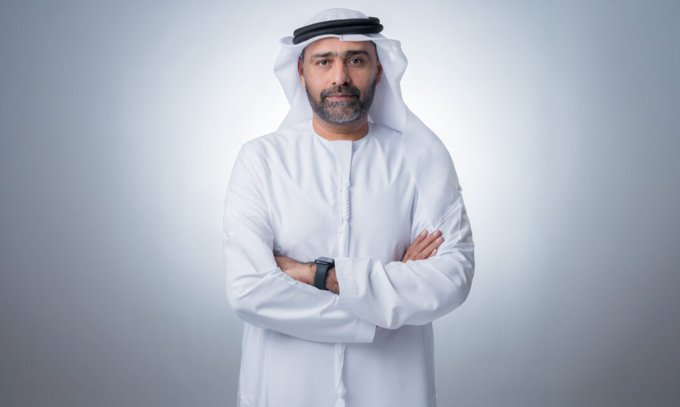
AD Ports Group appoints Dr. Afif Saif Al Yafei as Group CEO

ABU DHABI : AD Ports Group, a leading global enabler of integrated trade, industry and logistics solutions, has announced the appointment of Dr. Afif Saif Al Yafei as its new Group Chief Executive Officer (GCEO), marking a significant leadership transition as the organisation prepares for its next phase of strategic growth and international expansion.

Dr. Al Yafei joins AD Ports Group from TAQA Transmission, where he served as Chief Executive Officer. He brings more than two decades of executive leadership experience across the infrastructure, utilities and industrial sectors, with a strong background in business transformation, operational excellence, investment management and international growth.

During his tenure at TAQA Transmission, he led a major national infrastructure business and oversaw substantial growth in its asset base and capital investment programme. His professional experience also includes senior leadership positions at Tabreed and ADNOC Gas, along with board-level responsibilities at several corporate organisations.

His expertise spans corporate strategy, governance, business development, digital transformation, organisational development and national talent development. This diverse experience is expected to support AD Ports Group’s continued development as an integrated global trade and logistics platform.

Dr. Al Yafei succeeds Captain Mohamed Juma Al Shamisi, who has led AD Ports Group since 2014. Under Captain Al Shamisi’s leadership, the organisation underwent a significant transformation, evolving from a local port operator into an integrated international business spanning ports, maritime, shipping, logistics and economic cities and free zones.

During this period, AD Ports Group substantially expanded its international footprint, building a presence in more than 50 countries across five continents and developing a portfolio of 40 terminals. The Group also strengthened its position in global trade infrastructure through strategic investments, acquisitions and international partnerships.

Commenting on the appointment, AD Ports Group Chairman H.E. Shadi Malak highlighted Dr. Al Yafei’s extensive experience in managing major infrastructure and industrial businesses, noting that his expertise in growth, investment, governance and organisational development would support the Group as it builds on its established foundations and enters its next phase of development.

Under the new leadership, AD Ports Group is expected to continue advancing its integrated business strategy, strengthening its international operations and expanding its role in facilitating global trade and supply chains.

With its diversified portfolio covering ports, maritime services, shipping, logistics, industrial zones and economic cities, the Group remains focused on supporting Abu Dhabi’s ambition to strengthen its position as a leading international trade and logistics hub while contributing to the UAE’s broader economic development objectives.

The leadership transition marks a new chapter for AD Ports Group, building on more than a decade of transformation and international expansion, while positioning the organisation for its next stage of growth in the global maritime and logistics industry.

APEDA facilitates export of 1.3 MT of Sinduri Pomegranates from Kullu to Dubai

NEW DELHI: The Agricultural and Processed Food Products Export Development Authority (APEDA), under the Ministry of Commerce and Industry, Government of India, facilitated the export of 1.3 metric tonnes (MT) of Sinduri variety pomegranates from Kullu District of Himachal Pradesh to Dubai, United Arab Emirates (UAE).

The consignment, comprising 650 boxes of 2 kg each, was exported by Uttar Pradesh-based Amama Exports. The initiative connects local growers and a Farmer Producer Organisation (FPO) with an exporter, creating opportunities for Himachal Pradesh’s horticultural produce to access international markets. The pomegranates were sourced directly from local farmers and the Bhuntar FPO, which is associated with approximately 600 farmers. The Kullu district horticulture administration supported the initiative by facilitating procurement and coordination.

The Sinduri variety is among the pomegranate varieties grown in Himachal Pradesh, alongside Bhagwa and Kandhari. Known for its attractive red skin, juicy arils and sweet-tart flavour, Sinduri pomegranates are suitable for fresh consumption and offer potential for export markets.

The initiative demonstrates the role of direct procurement and collective participation through FPOs in strengthening market linkages for farmers. The export enabled participating farmers to achieve 50% higher price realisation compared with the prevailing domestic market benchmark. Such export-oriented linkages can provide additional marketing opportunities for growers, encourage quality-focused production and support greater participation of FPOs in agricultural exports.

During FY 2025-26, India exported APEDA-scheduled agricultural and processed food products worth approximately USD 2.59 billion, with a total volume of around 3.81 million MT, to the UAE. The market offers opportunities for Himachal Pradesh’s horticultural produce, subject to buyer demand, quality requirements and applicable import regulations.

The consignment was officially flagged off by Chairman, APEDA, Shri Abhishek Dev. The ceremony was attended by APEDA officers, representatives of the Horticulture Department, exporters, FPOs and participating farmers. The programme highlighted the importance of coordination among farmers, producer organisations, exporters and government agencies in developing export opportunities for regional horticultural produce.

The export of Kullu pomegranates to Dubai adds to efforts to diversify Himachal Pradesh’s agricultural export basket beyond its established apple trade. The state has potential to explore overseas markets for other products, including pomegranates, persimmons, stone fruits, juices and ready-to-eat products. Continued focus on quality management, market linkages and export compliance can help expand opportunities for local growers and strengthen the state’s participation in international agricultural trade.

Through its export facilitation initiatives, APEDA continues to support Indian exporters, farmers and FPOs in accessing international markets and expanding the global reach of India’s agricultural and processed food products.

APEDA facilitates trial export of 1.5 MT of Arunachal Pradesh Kiwi to Dubai

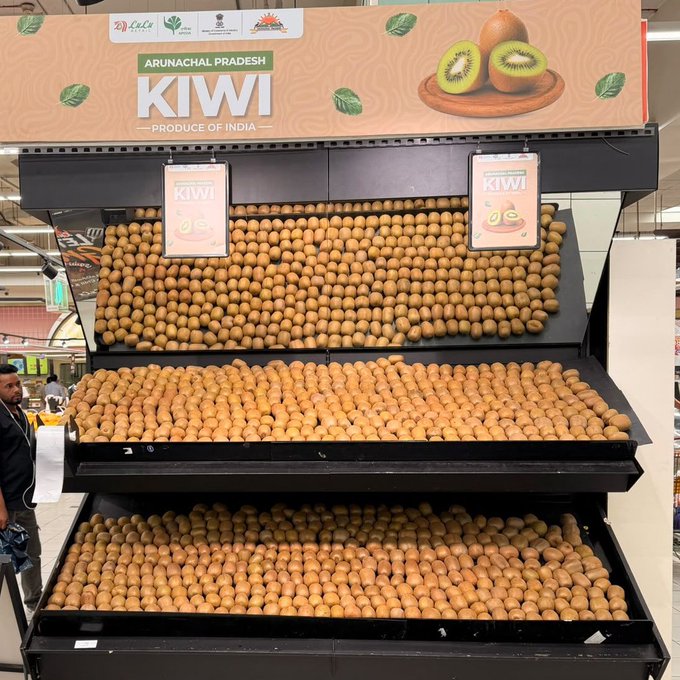
NEW DELHI: The Agricultural and Processed Food Products Export Development Authority (APEDA), under the Ministry of Commerce and Industry, Government of India, facilitated the trial export of 1.5 metric tonnes (MT) of kiwi from Ziro, Arunachal Pradesh, to Dubai, United Arab Emirates (UAE). The consignment successfully reached Dubai and was showcased at LuLu Hypermarket, Al Qusais. The initiative marks a step towards assessing the fruit’s potential in international markets.

The initiative, undertaken under the Ministry of Development of North Eastern Region (MDoNER), seeks to promote and strengthen Arunachal Pradesh’s kiwi sector under the branding initiative “Kiwi: USP of Arunachal Pradesh”. Implemented in collaboration with the Department of Trade & Commerce and the Department of Horticulture, Government of Arunachal Pradesh, the initiative aims to introduce the state’s kiwis to international markets, assess consumer response and develop stronger market linkages to expand export opportunities for local growers.

Arunachal Pradesh’s high-altitude growing conditions and natural environment support the cultivation of kiwi with distinctive fruit quality and flavour. The state’s produce offers potential in premium domestic markets, export promotion and value-added products. The major varieties grown in the region include Hayward, Monty, Allison and Bruno, with the Hayward variety showing good demand in international markets.

With the consignment reaching retail shelves at LuLu Hypermarket, Al Qusais, the initiative has moved beyond the flag-off stage to retail-level market assessment. Consumer tasting and feedback will help evaluate the fruit’s acceptability and potential demand. The assessment is also expected to provide insights into consumer preferences, quality expectations, packaging and presentation requirements. These findings can help growers, cooperatives and exporters prepare for future commercial shipments and identify suitable market opportunities.

The initiative also seeks to connect local kiwi growers with potential overseas markets, creating additional sales channels and opportunities for improved farmer returns through future shipments. The trial export is expected to provide a basis for assessing market response and identifying requirements for expanding the presence of Arunachal Pradesh kiwi in international markets.

The flag-off ceremony was attended by the Minister of Agriculture & Allied Departments, Government of Arunachal Pradesh, Shri Gabriel D. Wangsu, and the MLA-cum-Advisor to the Minister of Trade & Commerce, Dr. Mohesh Chai. Other dignitaries present included the MLA, Ziro, Shri Hage Appa; Special Secretary (Agriculture/Horticulture), Ms. Rishita Gupta; Secretary, Trade & Commerce, Ms. Bullo Mamu, IRS; Secretary, Horticulture, Government of Arunachal Pradesh, Ms. Koj Rinya; and Director, ICER, Shillong, Shri Kardirvel Govindasamy.

Representatives of the Kiwi Growers Cooperative Society and Fair Exports India Pvt. Ltd. also participated in the event, along with APEDA officials, officers from the Departments of Trade & Commerce, Horticulture and Agriculture, kiwi farmers accompanying the consignment and other programme representatives.

Through this initiative, APEDA continues to support the promotion of agricultural and horticultural produce from the Northeast and facilitate its access to international markets. The successful arrival and retail placement of Arunachal Pradesh kiwi in Dubai provide an opportunity to evaluate overseas market potential and prepare local growers for participation in international trade.

Blue Dart delivers more Smiles for Less this Diwali with Special Domestic and International Shipping Offers

MUMBAI: Blue Dart Express Limited, South Asia’s premier express air & integrated transportation and distribution company, has launched Diwali Express 2026, a festive shipping initiative designed to help customers deliver more smiles for less this festive season.

Running from 8th October to 14th November 2026, the campaign offers special savings on domestic and international shipments, making it easier, more affordable and convenient to share Diwali joy with family, friends and business associates across India and around the world.

Festive gifts within India can be shipped using the special discounted shipping rates of up to 50% on eligible domestic consignments weighing between 2 kg and 10 kg. To make the experience even more convenient, customers can also avail of free doorstep pickup and home booking services, subject to service availability.

Extending the festive spirit beyond borders, customers can also enjoy significant savings of up to 60% on eligible international gift consignments. The offer covers a range of shipment weights and destinations, making it easier to send festive gifts, sweets and hampers across the globe through Blue Dart’s reliable international express network. Terms and conditions apply.

Available for a limited period, the Diwali Express 2026 offer can be availed by the customers through Blue Dart-DHL’s trusted network by visiting their nearest retail stores and Franchisee Collection Centres. Customers can also book shipments through Blue Dart’s website or Customer Care.

Nador West Med: Morocco launches a $5.5 Billion Port Giant

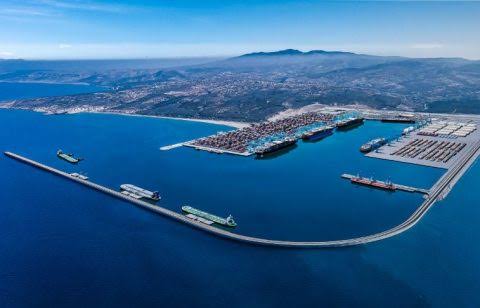
NADOR: Morocco takes a new step in its maritime power strategy. On October 31, 2026, Crown Prince Moulay El Hassan inaugurated, upon the instructions of King Mohammed VI, the first container terminal of Nador West Med, an industrial-port complex mobilizing 54 billion dirhams ($5.49 billion), including 31 billion dirhams in public investments and 23 billion in private investments.

The East terminal, operated by Marsa Maroc and Terminal Investment Limited, a subsidiary of the giant MSC, represents an investment of 5 billion dirhams ($508 million). With 1,520 meters of quay and a depth of 18 meters, it will be able to handle 3.5 million containers per year by 2030.

In April 2027, the West terminal, granted to Marsa Maroc and CMA CGM for 3 billion dirhams ($305 million), will increase the total capacity to 5.3 million TEUs. It will also include energy facilities capable of processing 25 million tons of hydrocarbons and 5 billion m³ of liquefied natural gas.

Backed by a 700-hectare industrial and logistics zone, the complex aims to generate 34,000 direct and indirect jobs in the short term.

Alongside Tanger Med, Nador West Med strengthens the Kingdom’s position on trade routes connecting Europe, Africa, and Asia. This port expansion illustrates a strategy of industrial and logistical integration aimed at capturing more international trade flows.

KR Releases 14th Issue of Decarbonization Magazine, Covering Marine Small Modular Reactors and First-Year FuelEU Maritime Compliance Trends

BUSAN: Korean Register (KR) released the 14th issue of its quarterly KR Decarbonization Magazine on October 29. The latest issue covers emerging marine SMR regulation, the first-year results of FuelEU Maritime, and technologies to cut methane slip from LNG-fueled engines.

The issue opens with an examination of the regulatory frameworks for marine SMRs and the challenges of installing reactors on vessels, including safety assurance, maintenance requirements, and the cost and complexity of obtaining approvals. The article also reviews recent IMO revision work, the IMO–IAEA collaboration and KR’s own technical projects.

While the regulatory framework for marine SMRs is still under development, FuelEU Maritime, by contrast, is already in effect, and the magazine analyzes its first year of compliance. Ships that fail to meet the mandatory greenhouse gas intensity limits can avoid penalties by pooling their compliance balances with over-compliant vessels. According to KR’s analysis, approximately 92% of ships used pooling in the first year, while the price of compliance surpluses gradually declined to approximately 80% below the penalty level.

Turning from regulation to technology, the issue also features an interview with Minho Kang, Senior Vice President at HD Hyundai Heavy Industries, on engine optimization and exhaust after treatment technologies. He discusses the company’s Methane Oxidation Catalyst System (MOCS), which oxidizes unburned methane escaping from LNG-fueled engines.

Dr. Kanghyun Song, Head of Decarbonization Ship & Offshore Research, said: “The delay in the adoption of the IMO Net-Zero Framework has created uncertainty around green technologies. However, EU regulations are already in effect, while shipowners and financial institutions continue to drive demand for decarbonization. Rather than waiting for regulatory clarity, shipowners should maintain flexibility and strengthen their decarbonization strategies.”

Published quarterly since 2022, KR Decarbonization Magazine is available at kr-decarbonization.co.kr.

Lehmann Marine Powers Full Electric Conversion of Danube Passenger Vessel MS SISSI

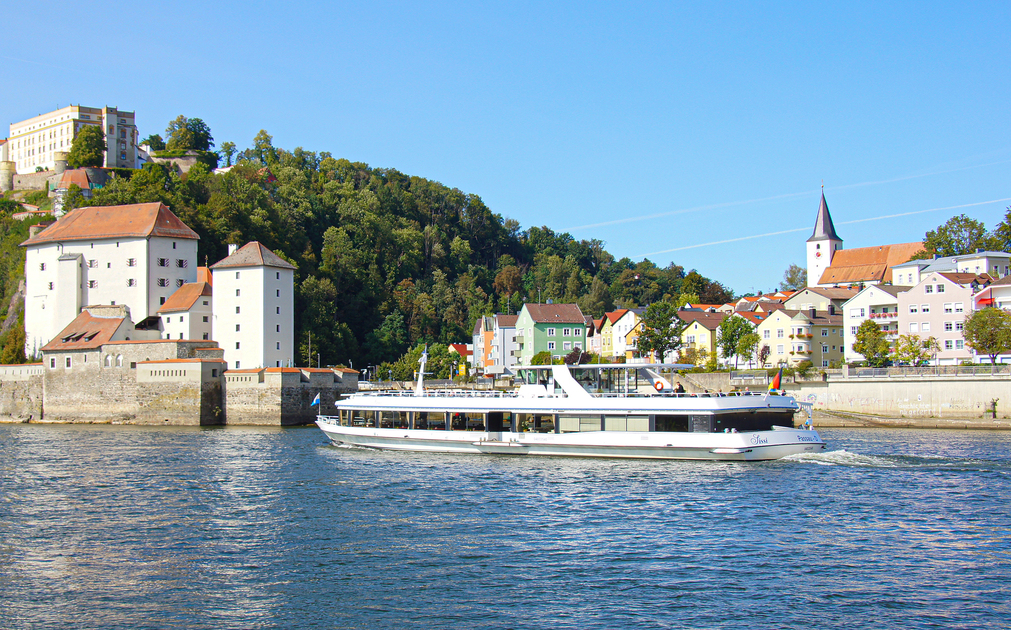
HAMBURG: Lehmann Marine, a Sunlight Group company, has delivered another major electrification milestone: turning the MS SISSI passenger ship fully electric. Converted from traditional diesel in collaboration with operator Donauschifffahrt Wurm & Noé and ÖSWAG Werft, the Passau vessel with a length of 46.8 meters and a capacity of 250 passengers is now operating with zero local emissions.

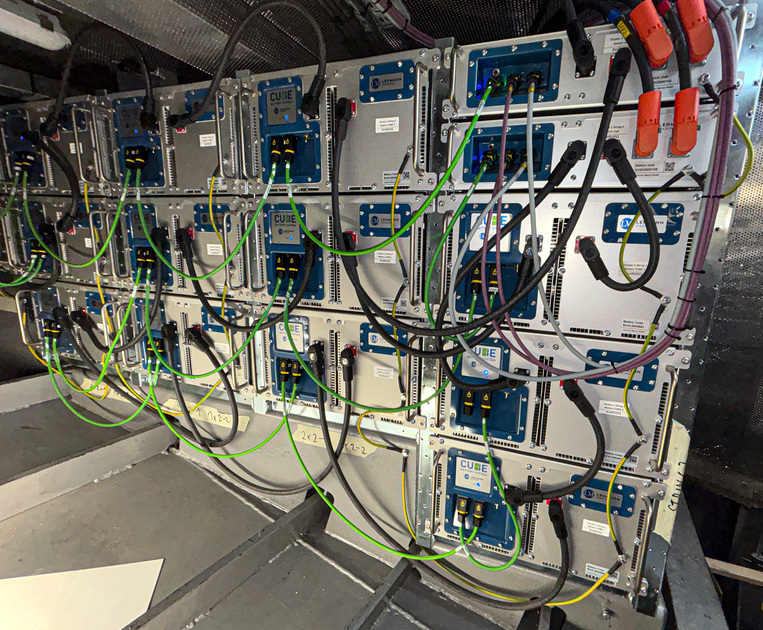
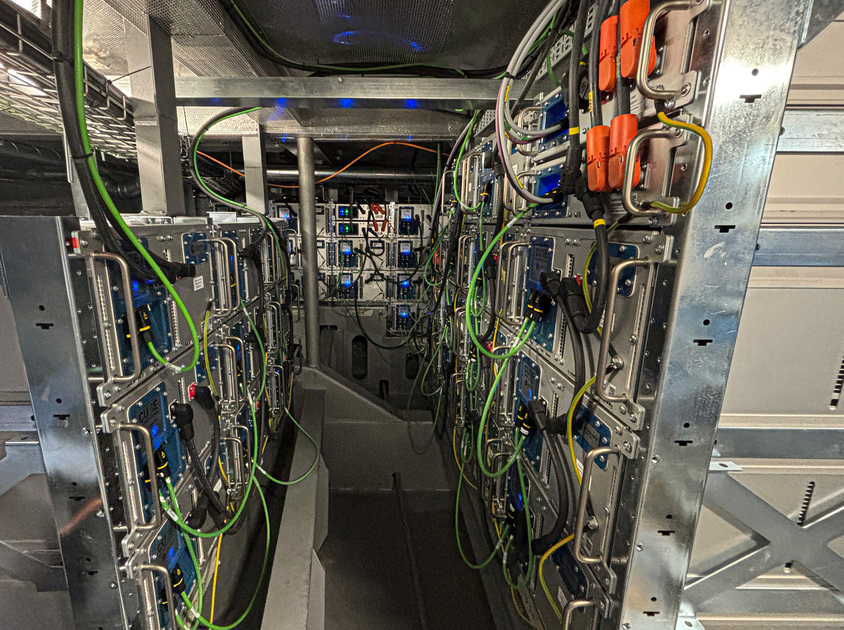
To power the high-frequency daily passenger routes through the rivers’ heavy currents, Lehmann Marine installed its custom 2,000 kWh CUBE battery system. The system provides maximum safety, flexibility, and operational reliability while optimizing space utilization onboard the vessel – and adds silent cruising to the travel experience of the passengers on board.

“Electrifying a vessel like the MS SISSI proves that decarbonizing European waterways doesn’t require scrapping active fleets – it’s about empowering them with the right technology,” explains Matthias Schubert, Head of Sales at Lehmann Marine.”Built to the highest international maritime safety standards, our CUBE battery system delivers a zero-emission solution that provides the thermal stability and power required to navigate the strong currents of the Danube and Inn – all optimized for tight onboard spaces and well accessible for easy maintenance and service.”

Decarbonizing active fleets on these waterways offers immediate environmental benefits, drastically cutting exhaust emissions and eliminating engine vibration and noise along densely populated waterfronts. Florian Noé, Managing Director of Donauschifffahrt Wurm & Noé, adds: „For more than 25 years, our MS SISSI has been a cherished piece of regional transit along the Danube and Inn. Transitioning an iconic vessel to fully electric power requires absolute confidence in both safety and system endurance. Lehmann Marine’s battery architecture gives us the exact reliability, fast-charging capacity, and safeguards needed to run dense daily safety schedules without interruption. Beyond the technical achievement, the immediate impact on our passengers and local environment is extraordinary – zero exhaust emissions and a completely silent cruising experience that respects the natural river ecosystems we operate in.”

This milestone highlights the growing impact of Lehmann Marine and Sunlight Group in the maritime sector – demonstrating how smart energy infrastructure can support municipal transit, protect fragile ecosystems, and power high-frequency commercial transport

Rajesh Agrawal holds high-level meetings with European Commission officials and industry representatives in Brussels

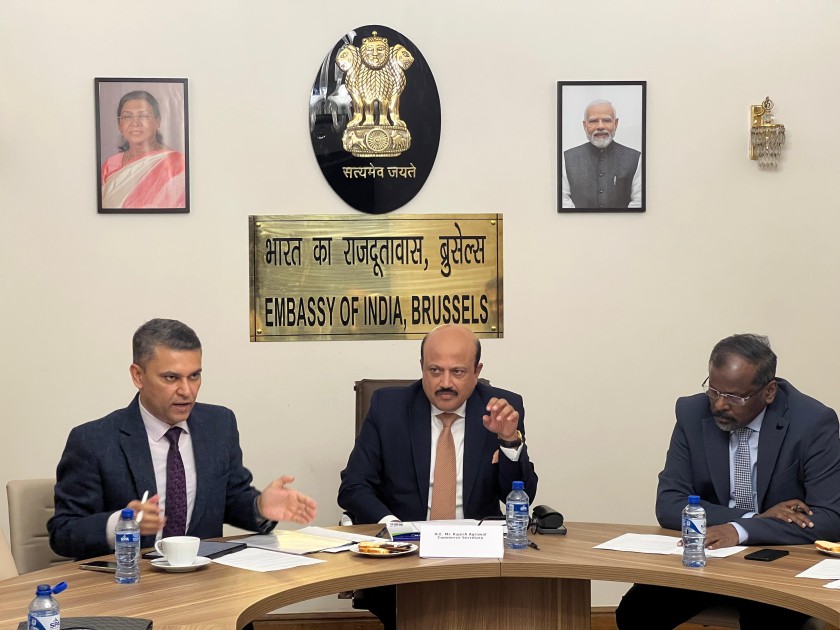
BRUSSELS: Commerce Secretary, Shri Rajesh Agrawal, held high-level meetings in Brussels with Ms. Ditte Juul Jørgensen, Director-General, Directorate-General for Trade and Economic Security (DG TRADE); Mr. Koen Doens, Director-General, Directorate-General for International Partnerships (DG INTPA); and Mr. Gerassimos Thomas, Director-General, Directorate-General for Taxation and Customs Union (DG TAXUD), European Commission. The meetings focused on strengthening the comprehensive economic and strategic partnership between India and the European Union.

During the meeting with Ms. Ditte Juul Jørgensen, both sides discussed measures to facilitate two-way trade, improve market access, strengthen supply chain resilience and create new opportunities for businesses in India and the European Union. They reaffirmed their commitment to a fair, balanced and mutually beneficial agreement and agreed to maintain close engagement to address the remaining procedural and implementation-related issues.

In the meeting with Mr. Koen Doens, both sides exchanged views on strengthening India–EU development cooperation and strategic partnerships, with discussions covering sustainable development, clean energy, green technologies and related areas.

The meeting with Mr. Gerassimos Thomas focused on customs cooperation, trade facilitation and preparations for the implementation of the India–EU FTA. Both sides recognised the importance of efficient, transparent and digitally enabled customs procedures in supporting businesses, reducing transaction costs and ensuring the smooth movement of legitimate trade.

Shri Agrawal also met stakeholders from the diamond industry, including representatives associated with the Antwerp diamond ecosystem. The discussions covered the global diamond value chain, certification and traceability requirements, responsible sourcing, and opportunities arising from India’s growing diamond market and manufacturing ecosystem. India and Belgium have identified gems and jewellery as an important area for deeper cooperation, with Antwerp, Mumbai and Surat recognised as major diamond centres.

The Commerce Secretary participated in a BusinessEurope roundtable with European industry representatives to discuss opportunities for strengthening trade and investment ties, improving market access, enhancing supply chain resilience and advancing cooperation under the India–EU FTA. He highlighted India’s strong economic growth, reform momentum and investment opportunities across key sectors, and invited European businesses to deepen their engagement with India and participate in its expanding value chains.

The engagements reflect the growing breadth of India–EU cooperation across trade, investment, development partnership, taxation and customs, and reaffirm the shared commitment of both sides to further strengthening their strategic partnership.

Maharashtra Maritime Development Policy will be the most investor-friendly policy in the country: Nitesh Narayan Rane

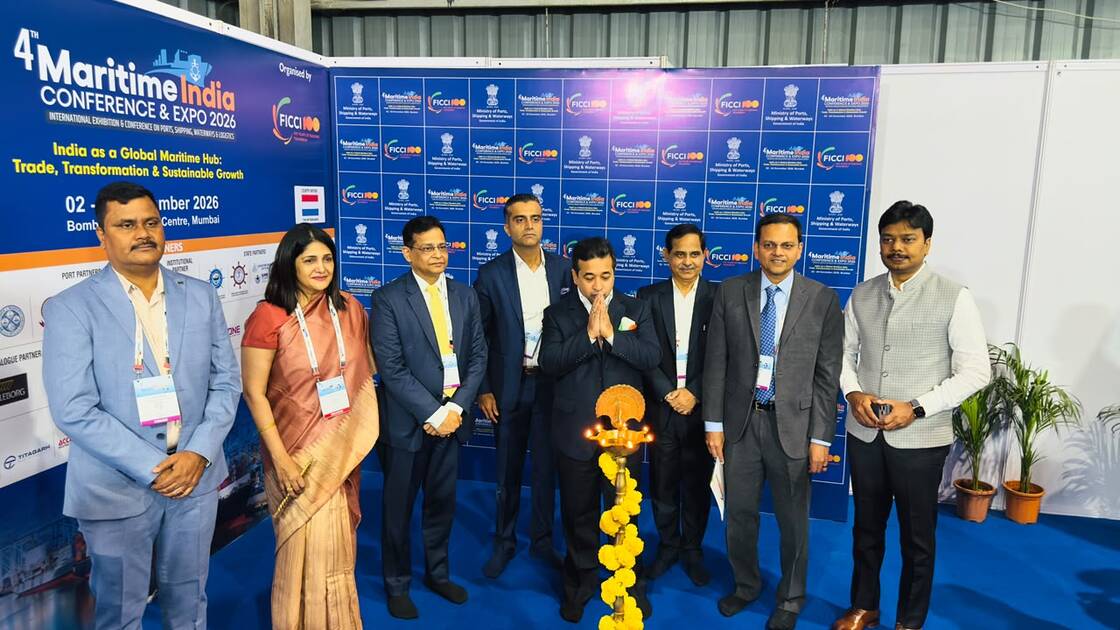
MUMBAI: Maharashtra will shortly unveil a maritime development policy that it says will be the most investor-friendly in India. The state is competing with its coastal neighbours for a share of the country’s shipbuilding and port investment boom.

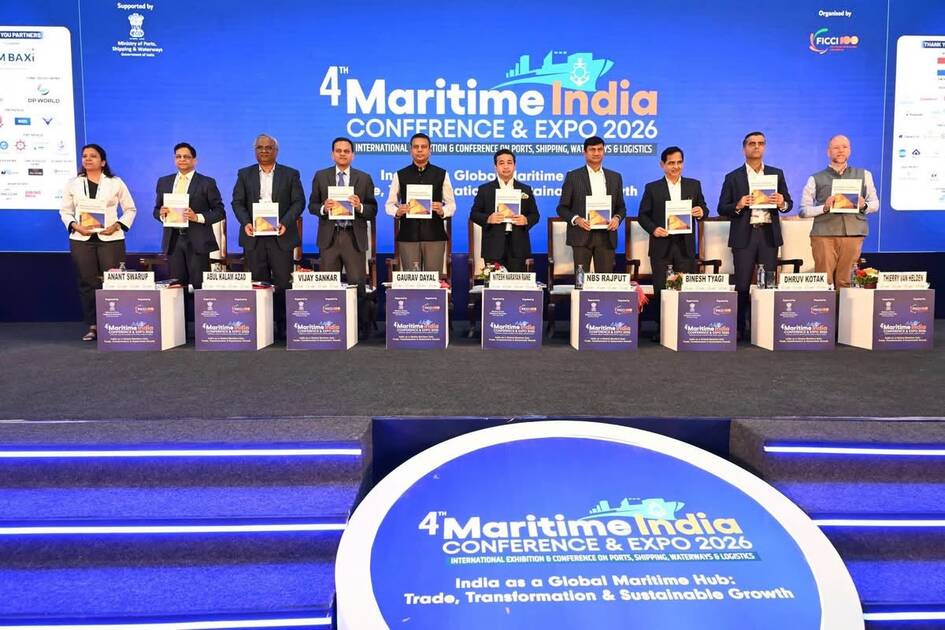
FICCI Maritime India Conference and Expo 2026 pic 4 1 Maharashtra Maritime Development Policy will be the most investor-friendly policy in the country: Nitesh Narayan Rane

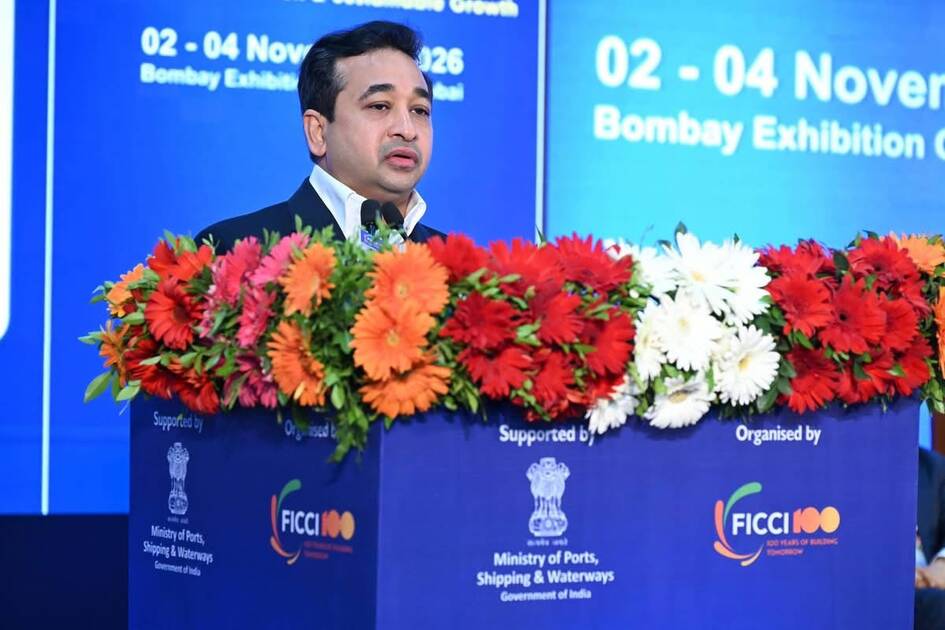
Shri Nitesh Narayan Rane, Minister of Fisheries and Ports Development, Government of Maharashtra, told the inaugural session of the FICCI’s Maritime India Conference & Expo 2026 that investors would receive “red carpet treatment” and single-window clearance. He cited a tripartite agreement signed last month between the state, the Union government and Mazagon Dock Shipbuilders. The agreement covers what he called the country’s largest shipyard, with an investment of ₹26,500 crore and employment for about 50,000 people.

He added that every memorandum the state signed at last year’s India Maritime Summit had since become actual investment. The state’s shipbuilding, ship repair and ship breaking policy was issued within its first 100 days. Under it, the state will help developers secure environmental clearances and land acquisition, which Rane called the two main obstacles facing shipbuilders.

Mr Vijay Sankar, President-Elect of FICCI and Chairman of Sanmar Group, said India’s major ports had handled a record 915mn tonnes of cargo in 2025-26, exceeding the target with growth of 7 per cent. He said the Union government’s ₹70,000 crore package for shipbuilding and the maritime sector was “a significant opportunity” for states.

“India’s maritime transformation is not simply an infrastructure story,” Sankar said. “It is a story of economic competitiveness, strategic capability and national ambition.” He set out three priorities raised by FICCI members: infrastructure that works as one integrated system, industry investment to match policy support, and capturing more value from the trade India handles, including more Indian cargo on Indian ships.

The Netherlands, partner country for the fourth edition of the conference, used the platform to push for commercial results from its newly elevated strategic partnership with India. H.E. Mr Thierry Van Helden, Consul and Deputy Head of Mission at the Netherlands Consulate General in Mumbai, said the real test of the India–Netherlands Green and Digital Sea Corridor would be “turning that ambition into projects that make commercial sense”. He announced that a dedicated Dutch shipbuilding delegation would visit India in February 2027.

Mr Dhruv Kotak, Chair of the FICCI Committee on Ports & Shipping and Managing Director of JM Baxi, urged global shipbuilders, component makers and OEMs to take a closer look at India. He cited strong demand for vessels, skilled labour and supportive policy. He said JM Baxi was investing across every segment it was promoting, “putting our money where our mouth is”. 

Officials from the Union and state governments reinforced the case for investment. Mr SI Abul Kalam Azad, Nautical Adviser and Additional Director General (Nautical) at the Directorate General of Maritime Administration, said that ships could now be registered within 24 hours, a timeline guaranteed in law. Mr Binesh Tyagi, Chairman and Managing Director of the Shipping Corporation of India, said the government had already aggregated demand for oil and gas tankers and container vessels, giving shipyards visible orders, and urged investors to build large yards in India. Mr Gaurav Dayal, Chairperson of Jawaharlal Nehru Port Authority, said the port had handled more than 8mn TEUs last year and expected to exceed 9mn this year. Mr NBS Rajput, Principal Secretary for Commerce and Transport in the Government of Odisha, invited shipbuilders and equipment makers to the state’s proposed shipbuilding cluster in Kendrapara district and the Puri International Cruise Terminal.

FICCI released four knowledge reports at the inaugural session, prepared in collaboration with PwC, Kearney, EY and Crisil Intelligence. The reports examine the development of smart and future-ready ports, improvements in hinterland connectivity and cargo evacuation, the scaling up of India’s shipbuilding and ship repair capacity, and opportunities to establish a globally competitive domestic container manufacturing industry.

The FICCI–Crisil report, Domestic Container Manufacturing in India, finds that Indian-made containers face a manufacturing cost disadvantage of $650–800 per twenty-foot equivalent unit (TEU) compared with Chinese containers, with Corten steel accounting for about half of the indicative cost gap.

The report comes days after the Union Cabinet approved the ₹10,000-crore Container Manufacturing Promotion Scheme, which targets annual manufacturing capacity of 7.5 lakh TEUs. China accounts for more than 95 per cent of global container production, while India’s growing maritime trade and dependence on repositioned empty containers highlight the case for domestic manufacturing.

The report suggests that India could target 8–10 per cent of global container manufacturing capacity, equivalent to 480,000–600,000 TEUs annually, within five years. It recommends a coordinated national container manufacturing mission, competitive access to container-grade steel, port-linked manufacturing clusters, testing and certification infrastructure, and assured procurement commitments from shipping lines and leasing companies.

India and Denmark strengthen Maritime Partnership with focus on Green Shipping and Decarbonisation

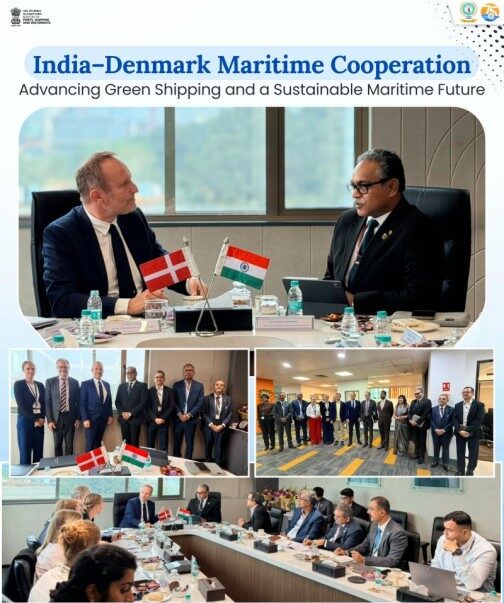
MUMBAI: India and Denmark have reaffirmed their commitment to strengthening bilateral maritime cooperation, with a renewed focus on green shipping, maritime decarbonisation and sustainable development of the global maritime sector.

Shri Shyam Jagannathan, IAS, Director General of Maritime Administration (DGMA), held a bilateral meeting with H.E. Martin Lidegaard, Minister for Business and Competitiveness, Denmark, at APM Terminals, Jawaharlal Nehru Port Authority (JNPA), Mumbai. The meeting provided an important platform for both countries to explore opportunities for deeper collaboration and advance their shared maritime priorities.

The Danish delegation included H.E. Rasmus Abildgaard Kristensen, Ambassador of Denmark to India; Ms. Tine Nielsen Hertz, Deputy Permanent Secretary; senior officials from the Danish delegation; and representatives of APM Terminals and Mærsk.

Representing India, the delegation included Shri K. M. Rao, Chief Surveyor; Capt. S. Darokar, Principal Officer, Mercantile Marine Department (MMD), Mumbai; Shri Pradeep Sudhakar, Chief Ship Surveyor; Shri Deependra Singh Bisen, Deputy Director General (International Cooperation); and Shri Pravin Kumar Roy, E&SS.

The discussions covered a broad range of priority areas, including green shipping and maritime decarbonisation, adoption of alternative marine fuels, seafarer training and skill development, shipbuilding and maritime technologies, sustainable ship recycling, and regulatory cooperation. Both sides explored avenues for leveraging their respective expertise and technological strengths to accelerate the transition towards a cleaner, more efficient and resilient maritime industry.

Particular emphasis was placed on the importance of advancing practical initiatives and strengthening technical collaboration to translate the existing bilateral partnership into tangible outcomes. Cooperation in alternative fuels, maritime innovation and capacity building is expected to play an important role in supporting the evolving requirements of the shipping industry and its transition towards sustainable operations.

India and Denmark share a strong foundation of cooperation in maritime affairs, clean technologies and sustainable development. The latest engagement further reinforces the commitment of both countries to expanding this partnership and addressing emerging challenges and opportunities in the global maritime landscape.

The meeting marks another significant step towards building a future-ready maritime sector through international cooperation, technological advancement and shared commitment to environmental sustainability.