Home Blog Page 296

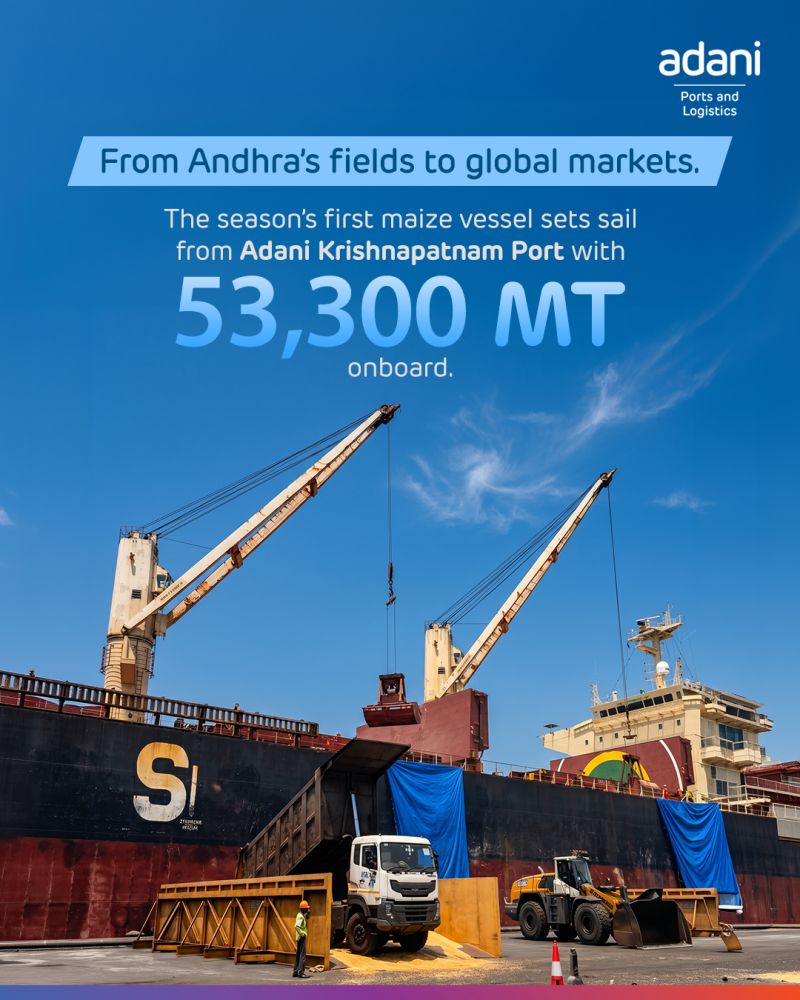
MV Parvaraj flags off from Adani Krishnapatnam Port carrying 53,300 MT maize

NELLORE : In a significant boost to India’s agricultural export ecosystem, MV Parvaraj carrying 53,300 MT of maize was successfully flagged off from carrying 53,300 MT of maize was successfully flagged off from Adani Krishnapatnam Port Limited (AKPL), reinforcing the port’s growing role in enabling agricultural trade and supporting farming communities across Andhra Pradesh.

The shipment comes at a crucial time as farmers in the region witness a bumper maize harvest, creating a strong need for efficient evacuation, storage, and export logistics. By facilitating large-volume cargo movement and ensuring seamless connectivity to global markets, AKPL is helping bridge the gap between farm production and international demand.

The successful handling and dispatch of this consignment highlights AKPL’s robust bulk cargo infrastructure, operational efficiency, and ability to manage high-capacity agricultural exports with speed and reliability. The port’s integrated logistics ecosystem, deep draft capabilities, and multimodal connectivity continue to provide exporters with faster turnaround times and cost-effective supply chain solutions.

Agricultural exports such as maize play a crucial role in enhancing farmer incomes by expanding access to overseas buyers and diversified markets. Through efficient port operations and streamlined cargo handling, AKPL is contributing to improved market realization opportunities for producers and agri-stakeholders.

This milestone further underlines Adani Krishnapatnam Port’s commitment to strengthening India’s agricultural value chain, facilitating trade-led rural growth, and supporting the broader vision of enhancing India’s agri-export potential.

More than just cargo movement, this achievement represents progress that extends beyond port gates — creating value for farmers, exporters, local economies, and communities, while reinforcing Andhra Pradesh’s position as an important hub for agricultural exports.
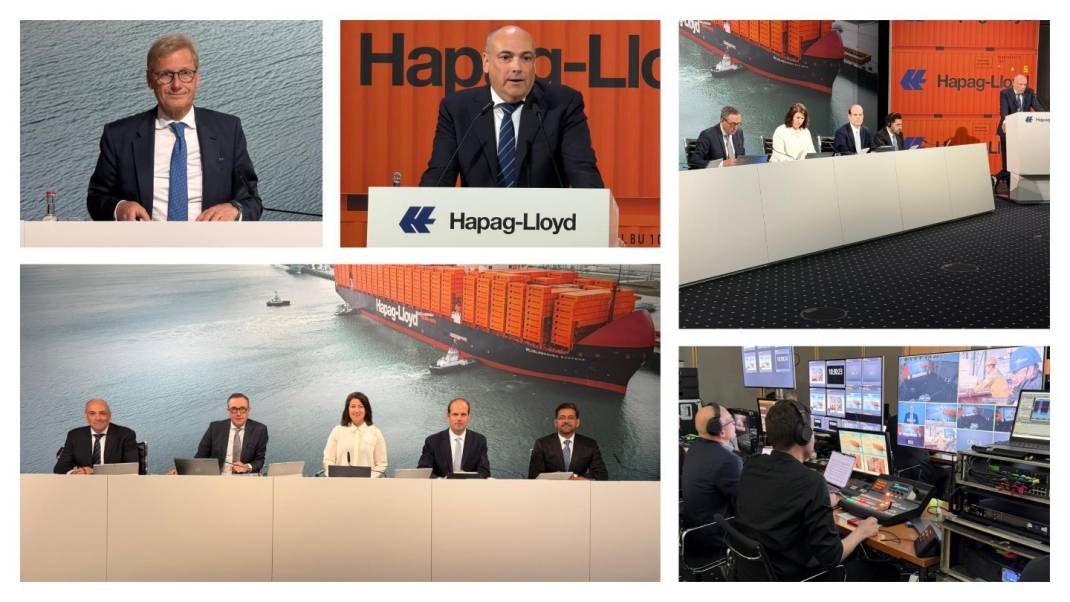
Hapag-Lloyd Annual General Meeting approves all proposed resolutions

HAMBURG: On Wednesday, Hapag-Lloyd AG shareholders approved all agenda items put to the vote at the Annual General Meeting with the required majority. This included the appropriation of the net profit and thereby the payment of a dividend of EUR 3.00 per share.

“2025 was a good year for Hapag-Lloyd. We increased our transport volumes well beyond market growth and achieved solid results despite lower freight rates and higher operational costs. For this reason, we are very pleased to be able to pay out a dividend once again to our shareholders. At the same time, we have vigorously pressed ahead with our strategic agenda: with record levels of schedule reliability and customer satisfaction, a further modernized fleet, and the targeted expansion of our Hanseatic Global Terminals portfolio,” said Rolf Habben Jansen, CEO of Hapag-Lloyd AG.

The shareholders also approved the proposals to elect Karl Gernandt and Macario Valdés Raczynski to the Supervisory Board as shareholder representatives. Karl Gernandt is Chairman of the Board of Directors of Kühne Holding AG and Managing Director of Kühne Maritime GmbH. He has been a member of the Supervisory Board of Hapag-Lloyd AG since 2009 and assumed its chairmanship on February 26, 2026. Macario Valdés Raczynski is the CEO of Quiñenco S.A. and has been a member of the Supervisory Board of Hapag-Lloyd AG since February 13, 2026.

“I am very pleased with the election result and the trust of our shareholders. It sends a strong signal of continuity and stability on the Supervisory Board. This will allow us to seamlessly continue the close cooperation of recent years while providing constructive support to the Executive Board in driving Hapag-Lloyd’s successful growth trajectory forward,” said Karl Gernandt, Chairman of the Supervisory Board of Hapag-Lloyd AG.

All voting results of today’s Annual General Meeting, as well as additional documents and information, can be accessed here. 

“K” LINE Recognized as Exceptional ESG and Climate Performer by Morningstar Sustainalytics

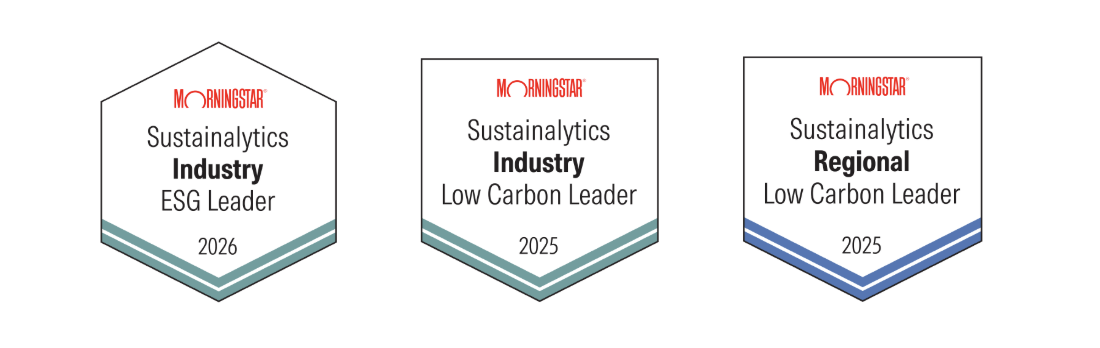
TOKYO: Kawasaki Kisen Kaisha, Ltd. (“K” LINE) has been selected by Morningstar Sustainalytics as one of its 2026 ESG Industry Leaders, while in 2025, the global ESG research and rating company also awarded “K” LINE the Low Carbon Leader Top Rated in the Industry category and the Low Carbon Leader Top Rated in the Regional category.

The ESG Industry Leader Badge (as of 2026), Low Carbon Leader Industry Top Rated Badge, Low Carbon Leader Regional Top Rated Badge (as of 2025) recognize companies under Morningstar Sustainalytics’ rules-based methodology, using publicly available information at the time of assessment*. More than 16,000 companies are evaluated for the ESG Risk Ratings and more than 10,000 companies for the Low Carbon Risk Ratings, but awards are limited to 50 companies per industry and 125 per region.

“K” LINE met all of the standards’ high criteria for selection and was awarded the ESG Industry Leader Badge in 2026, in addition to the Low Carbon Leader Industry Top Rated Badge and Low Carbon Leader Regional Top Rated Badge received in 2025.

“K” LINE’s corporate principle is to help make the lives of people more affluent as a logistics company rooted in the shipping industry, and we are committed to promoting sustainability-focused management based on this principle. We view environmental and social challenges, including climate change, from the perspectives of both risks and opportunities, and we aim to enhance our corporate value by implementing initiatives that create both social and economic value.

*The recognition may not fully capture all aspects of a company’s sustainability and climate strategy or actions. Companies are compared within defined frameworks; recognition should not be interpreted as an absolute measure of sustainability performance or a guarantee of performance or outcomes. Further information concerning the Badge(s) and the underlying products can be found on the following webpage: https://www.sustainalytics.com/corporate-solutions/esg-solutions/top-rated-companies

Bernhard Schulte’s first LCO₂ carrier christened in China

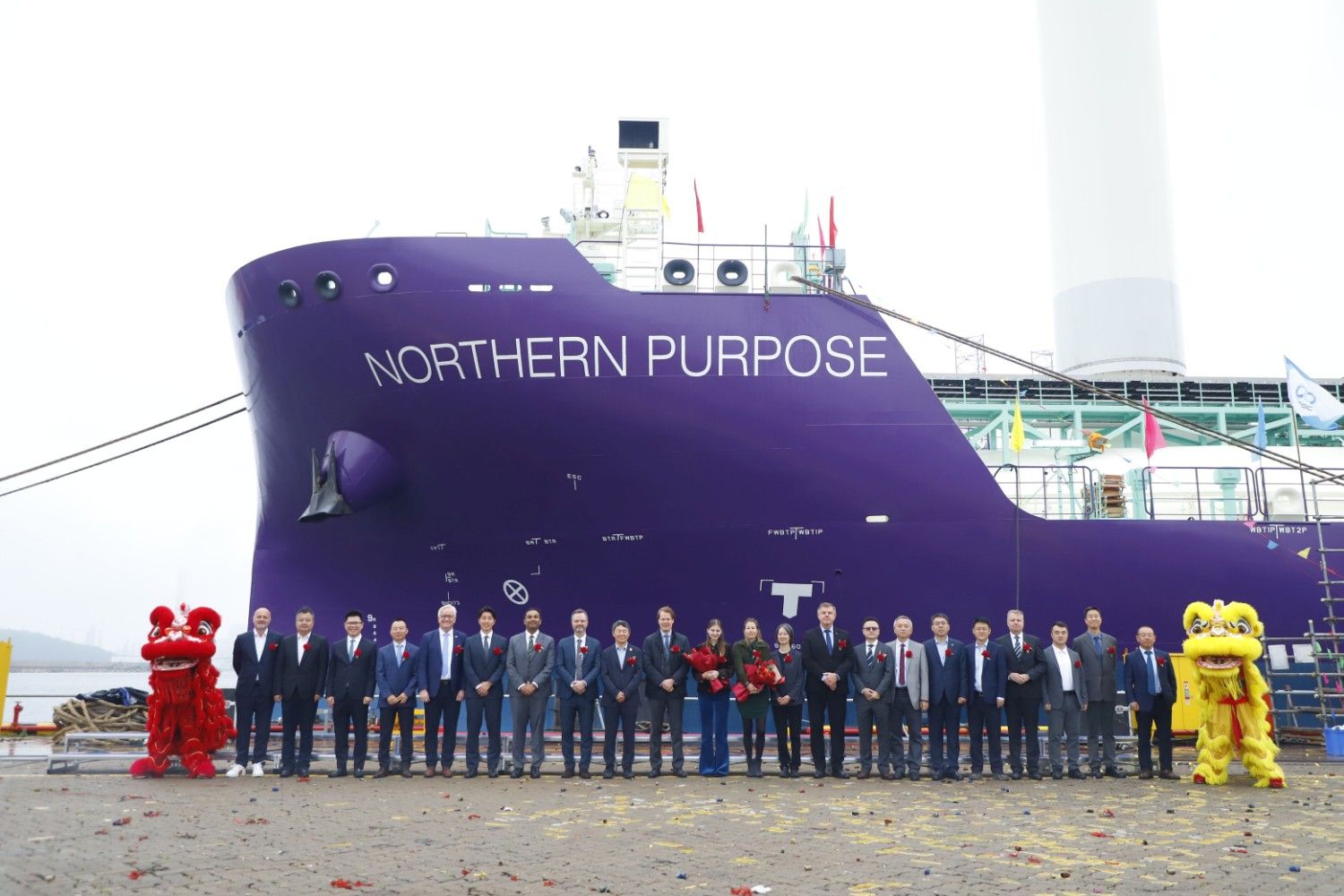
HAMBURG: Bernhard Schulte, the ship owning arm of the Schulte Group, will take delivery of its first liquefied carbon dioxide (LCO₂) carrier. The vessel, which was christened “Northern Purpose” on 19 May, marks an important milestone in the group’s strategic expansion into carbon capture and storage (CCS)-related shipping.  

The “Northern Purpose”, built at Dalian Shipbuilding Offshore Co., Ltd. (DSOC) in China, has been custom-designed to transport liquefied CO₂ as part of the Northern Lights project, the world’s first cross-border CO₂ transport and storage infrastructure. Following her delivery, the vessel will enter a long-term time charter and support the safe and efficient transport of captured CO₂ from industrial customers in Northwest Europe to Norway for permanent geological storage.

“Our new LCO₂ carrier marks the exciting expansion of Bernhard Schulte’s fleet portfolio into this innovative tanker segment. We are delighted to be part of Northern Lights’ industry-leading project to provide CO₂ transport and storage infrastructure,” says Johann Schulte, Majority Shareholder of the Schulte Group and Chief Commercial Officer of Bernhard Schulte. “The close collaboration with DSOC as selected shipbuilding partner underscores our long-standing relationships with Chinese shipyards.”

“We welcome the ‘Northern Purpose’ into the world’s first fleet of dedicated CO₂ carriers. The delivery of the ‘Northen Purpose’ marks an important milestone in scaling the transportation capacity needed to support Europe’s decarbonisation. We are looking forward to working with Bernhard Schulte to deliver safe, efficient and reliable operations for many years to come.” says Tim Heijn, Managing Director in Northern Lights.

“The construction of this vessel marks another milestone for Dalian Shipbuilding Offshore Co., Ltd. in the LCO₂ carrier construction domain, standing as a testament to the successful cooperation between DSOC and Bernhard Schulte. We are honoured to bolster Bernhard Schulte’s fleet with this cutting-edge vessel,” says Mr. Sun Yingzhi, Chairman of DSOC. “DSOC remains committed to continue partnerships with Bernhard Schulte and Northern Lights, as we join forces to advance the global green clean energy sector and drive the high-quality development of the international shipping industry.”

The newbuilding is the first vessel of this type for the Bernhard Schulte fleet and the fourth LCO2 carrier for Northern Lights. All four ships are sister vessels with the same design and have a cargo capacity of 7,500 m³ each, distributed across two cylindrical pressure tanks. They are engineered to safely handle CO₂ at low temperatures and medium pressure, ensuring operational reliability across the entire transport chain. The four ships are the first of their kind to safely transport CO₂ from European emitters to Northern Lights’ CO₂ receiving terminal at Øygarden, before it is permanently stored beneath the Norwegian continental shelf.

“Northern Purpose” features a range of technologies aimed at reducing its operational carbon footprint. The vessel is equipped with an LNG dual-fuel propulsion system. Combined with other proven technologies, in particular a wind-assisted rotor sail and an air lubrication system, this results in significantly lower CO₂ emissions.

The vessel is managed by Bernhard Schulte Shipmanagement (BSM), also part of the Schulte Group. The “Northern Purpose” represents BSM’s entry into the management of liquefied CO₂ carriers, adding a new vessel type to its global fleet of more than 670 managed vessels.

Facts about the ship

Wind-assisted rotor sail and air lubrication system installed

Capacity: 7,500 m3  liquid CO₂

Two cylindrical cargo tanks

Length: 130 meters

Cargo transport conditions: maximum 19 bar(g) pressure and minimum -35°C temperature

LNG dual-fuel propulsion system

First dedicated STS standard for dry bulk released by INTERCARGO as operations increase

LONDON: Ship to ship (STS) transfers are an established part of dry bulk operations, and they are growing. As new trading areas and cargo flows emerge, STS operations are expanding into regions where port infrastructure or draft limitations make direct berth access impossible. However, the sector has been doing this without a dedicated standard.

In tanker shipping, STS activity is underpinned by established industry guidance. Dry bulk has had no equivalent framework, despite the added complexity arising from different cargoes, equipment and operating conditions.

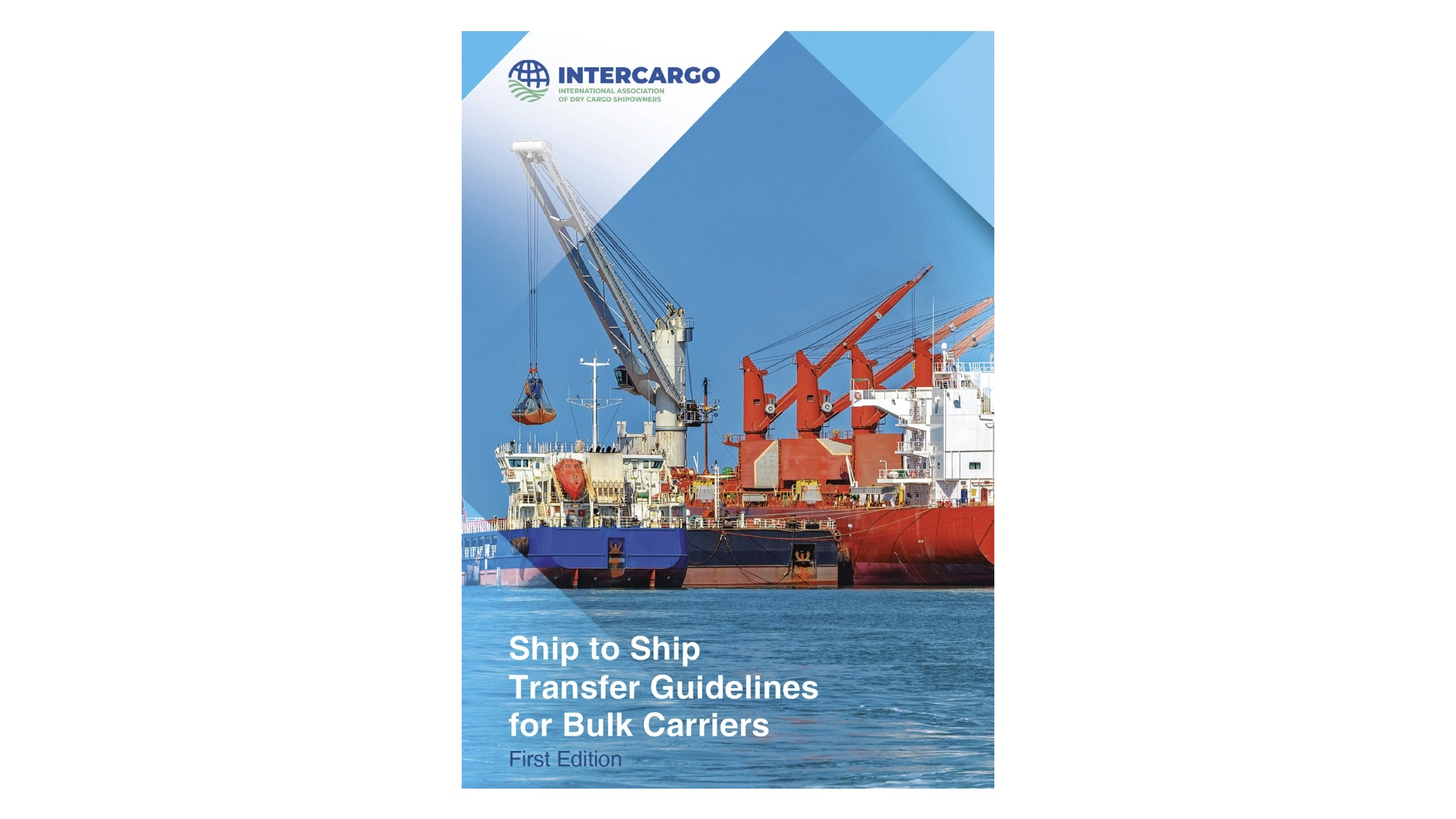
INTERCARGO has now published the “Ship to Ship Transfer Guidelines for Bulk Carriers”, setting out the first dedicated standard for these activities in the dry bulk sector.

STS transfers allow cargo operations in locations where ports cannot accommodate the vessel size, required draft or cargo volumes, particularly in regions where infrastructure is limited. However, such operations also introduce additional challenges, including increased operational interfaces, greater personnel involvement and less margin for error when operating conditions change.

The new guidelines are built around the practical realities of conducting STS operations at sea. They address planning, risk assessment, manoeuvring, fendering, cargo handling and emergency response procedures, with practical checklists and operational responsibilities. Together, they bring a consistent framework to operations that until now have had none.

john xylas chair of intercargo at the semi annual First dedicated STS standard for dry bulk released by INTERCARGO as operations increase

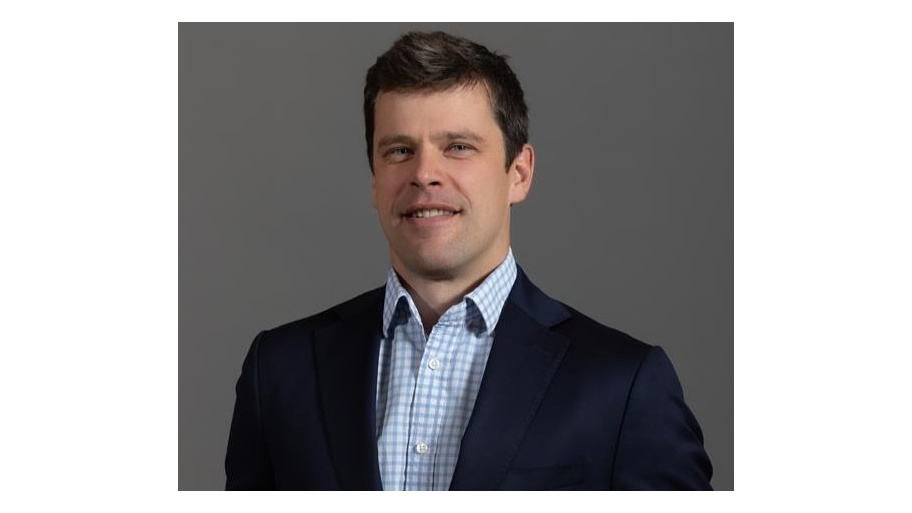
John Xylas, Chair of INTERCARGO said: “Ship to ship transfers in dry bulk are already happening across the industry, and they are increasing. However, a published standard for dry bulk shipping wasn’t available for consistent application and safe operations.

“As STS becomes more widely used, we expect to see greater alignment across operators, charterers, insurers and regulators, so that a more consistent approach becomes the norm for dry bulk operations.”

The guidelines were presented last week at INTERCARGO’s Executive and Technical Committees, semi-annual meetings in Singapore, where shipowners, operators and technical specialists from the sector convened to progress the Association’s agenda on safety, security, environmental stewardship, sustainability, decarbonisation, operational standards including DryBMS, vetting issues, regional port state control requirements, and the human element in dry bulk shipping.

The STS publication was developed through the collective operational experience and technical input of shipowners, operators, marine and technical specialists throughout the sector, reflecting both operational experience and the realities crews face on the water.

The intention is straightforward: to introduce more clarity, consistency and standardisation to how STS transfers are carried out in dry bulk shipping and reduce the operational inconsistency that exists today. As STS activity continues across both traditional and emerging trades, the next step will be wider alignment across the maritime industry. Adoption by operators, charterers, insurers and regulators will shape how quickly these practices are applied in reality, and how quickly a more consistent approach becomes established across dry bulk STS operations worldwide.

INTERCARGO’s Ship to Ship Transfer Guidelines for Bulk Carriers is available from Witherbys.

Electro Cirkel Marine expands into Singapore maritime market

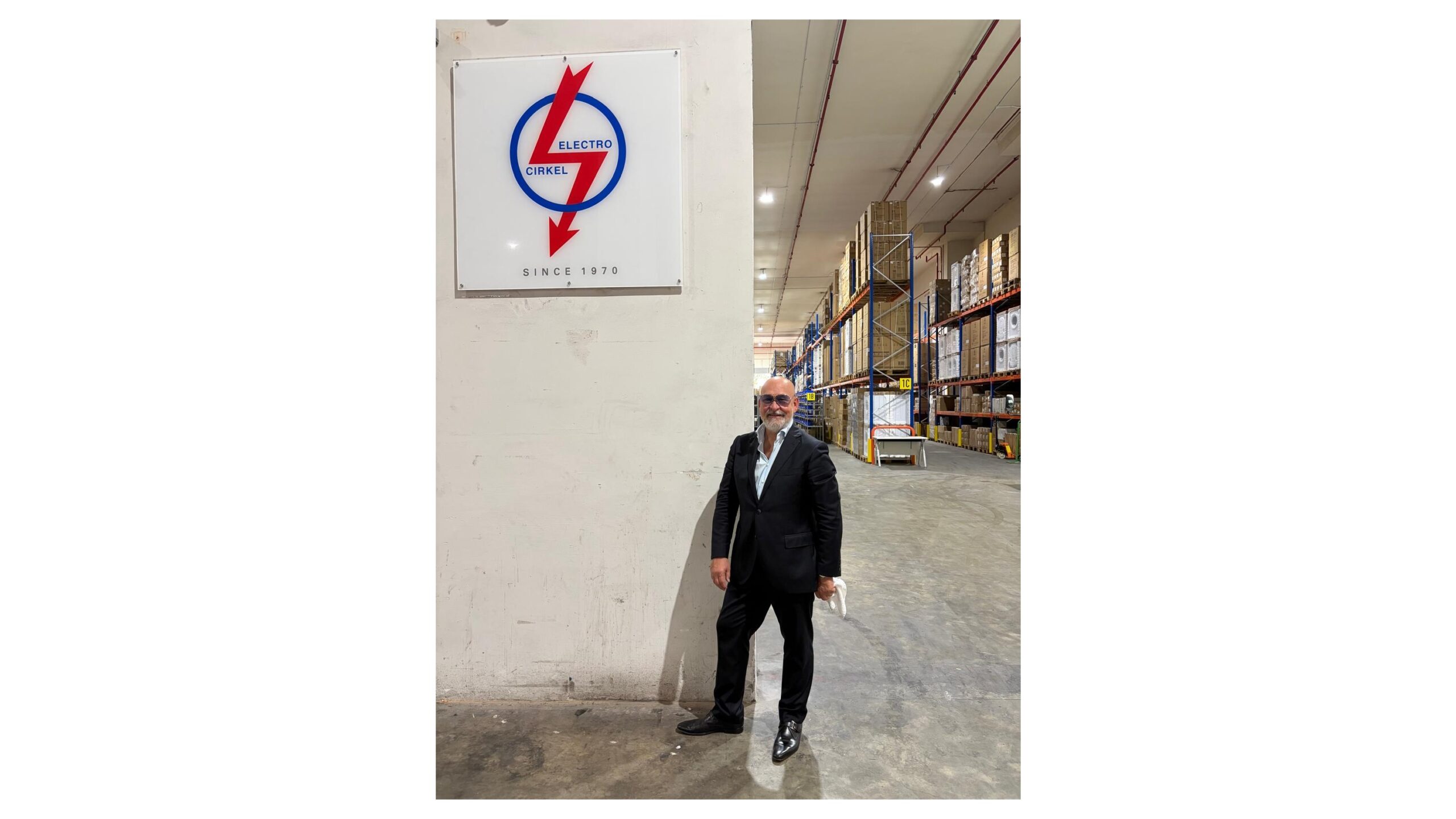
SINGAPORE/ROTTERDAM: Dutch marine electrical supplier Electro Cirkel has opened a new office and warehouse facility in Singapore, expanding its presence into one of the world’s busiest maritime hubs. The move reflects the increasing importance of fast and reliable electrical supply within the global maritime industry, where ship chandlers and vessel operators operate under growing time pressure and short port stays.

Singapore handles around 140,000 vessel calls annually and remains a key centre for global shipping, bunkering and maritime services. Its strategic position and concentration of maritime activity made it a logical next step for Electro Cirkel’s international marine operations.

Founded in Rotterdam in 1970, Electro Cirkel has built a longstanding position in the marine market through the supply of electrical components, cables, lighting products and technical materials to ship chandlers and maritime service providers. The company also develops marine lighting solutions through its own brand, Calex Marine.

Emil Skavlem Singapore Electro Cirkel Marine expands into Singapore maritime market

The Singapore operation is led by Emil Skavlem, who recently relocated to establish the company’s local presence in the region. “Singapore is one of the busiest maritime hubs in the world. The market is highly dynamic and operationally demanding,” says Skavlem. “We are here to support ship chandlers and maritime customers with reliable supply, technical knowledge and a hassle-free experience.”

According to Electro Cirkel, the decision to establish a physical presence in Singapore was driven by the growing need for local availability and dependable delivery within maritime supply chains.

“Ship supply is all about reliability and response time,” says Rudolf van Soelen, owner of Electro Cirkel. “When vessels are in port for a limited amount of time, ship chandlers need partners that can move quickly and deliver without unnecessary complications. By opening in Singapore, we are closer to the market and better positioned to support maritime operations throughout the region.”

Over the past months, the Singapore team has built the operation from the ground up, including warehouse infrastructure, inventory setup and local logistics capabilities. This local setup enables Electro Cirkel to respond faster to the day-to-day demands of ship chandlers, vessel operators and maritime service providers in the region.

“We are not entering the market to become the biggest player overnight,” adds Van Soelen. “Our focus is on long-term relationships, consistent quality and making things easier for customers operating in demanding maritime environments.”

The Singapore expansion is the latest step in Electro Cirkel’s growing international marine network, alongside its operations in Rotterdam, Houston and Deqing, China. From these locations, the family-owned company supports ship chandlers and maritime customers worldwide with electrical supplies, lighting products and technical support.

About Electro Cirkel Marine & Industry

Electro Cirkel is a Rotterdam-based family-owned company supplying electrical products and technical materials to the maritime and industrial sectors since 1970. With operations in Rotterdam, Houston, Deqing and Singapore, the company supports customers worldwide through a combination of stock availability, technical knowledge and international logistics capabilities. Electro Cirkel also develops marine lighting products under its Calex Marine brand.

Lloyd’s Register drives new push to standardise container stowage data with launch of LXF Consortium

LONDON: Lloyd’s Register (LR) has helped establish a new industry consortium aimed at ending the fragmented way container stowage and lashing data is shared across the sector. 

The Lashing Exchange Format (LXF) Consortium brings together major classification societies and key software developers to create a common digital standard for transferring data used in container securing arrangements and lashing calculations. 

Stowage plans and lashing software are closely connected yet often treated as separate workflows because the industry has no standardised way to move information between systems. 

Currently, container securing designers, lashing software providers and class societies all work from their own datasets to approve securing arrangements, but with no agreed format.  

This disconnect often leads to duplicated work, inconsistent inputs and delays in the approval timeline. The lack of a unified exchange format has become more problematic as container stacks have grown and the data underpinning their securing arrangements has become increasingly complex. 

Under the new initiative, LXF will provide a digital format for exchanging this information, allowing class and industry partners to work from the same consistent dataset throughout the approval cycle. Building on LR’s experience of developing and working with its own LashRight software, LXF is being developed as an open cross-industry standard intended to be developed further for use across the market rather than tied to any single class society. 

Most major classification societies have already signed on, alongside developers producing the lashing-calculation systems used to predict forces on container stacks. Collectively, the group represents more than half the market for container vessels, lashing systems and stowage arrangement development, giving the new standard a strong foothold as it moves toward broader adoption. 

Nick Gross, LR’s Global Containerships Segment Director, said: “The launch of the LXF consortium reflects growing pressure across the containership sector for smoother and faster approval processes, with shipyards, software suppliers and class all grappling with larger ships, tighter schedules and more demanding operational requirements. 

“Standardising data is seen as a critical step in reducing friction and ensuring container-securing systems keep pace with the scale of modern fleets.” 

Explore LR’s Container Stowage Solutions and download the report – The Future of Container Stowage: Design and operational measures for optimum stowage

Wah Kwong NatPower Backs Venture Energy and Guangzhou Port MoU on Zero-Carbon Shipping in Greater Bay Area

LONDON: Wah Kwong NatPower Marine Ltd (WK NatPower), a joint venture between Wah Kwong Maritime Transport and NatPower Marine, is supporting a new initiative to develop zero-carbon shipping routes across China’s Greater Bay Area, following a recent broader Memorandum of Understanding (MoU) with Guangzhou Port Group.

Under this MoU, WK NatPower will support maritime electrification by advancing the development of shore power infrastructure across Hong Kong, Greater China, and Asia. The initiative will focus on deploying electric vessels and establishing shore-side battery swapping and charging infrastructure across key ports in Guangdong province and Hong Kong, supporting the transition toward low-emission shipping operations.

WK NatPower will play a central role in developing a scalable electrification network, supplying clean electricity to vessels both at berth and for propulsion. The project aligns with China’s “dual carbon” targets and reflects broader efforts to integrate energy systems and port infrastructure at scale.

Guangzhou Port, a major international hub, is advancing its green port strategy through expanded shore power deployment and increased use of clean energy. The collaboration aims to establish standardised charging and battery-swapping infrastructure across the Greater Bay Area, enabling the development of integrated zero-carbon shipping corridors.

The partners will also explore the use of alternative marine fuels, including methanol and ammonia, as part of a broader decarbonisation pathway.

“Delivering zero-carbon shipping at scale requires alignment across ports, energy providers and shipping lines,” said Vincent Ni, General Manager of WK NatPower. “This initiative represents a significant step toward building the infrastructure needed to support electrified maritime operations across the region.”

WK NatPower is part of a broader strategy to develop a comprehensive maritime electrification infrastructure network across Asia, combining Wah Kwong’s maritime expertise with NatPower Marine’s global energy infrastructure capabilities.

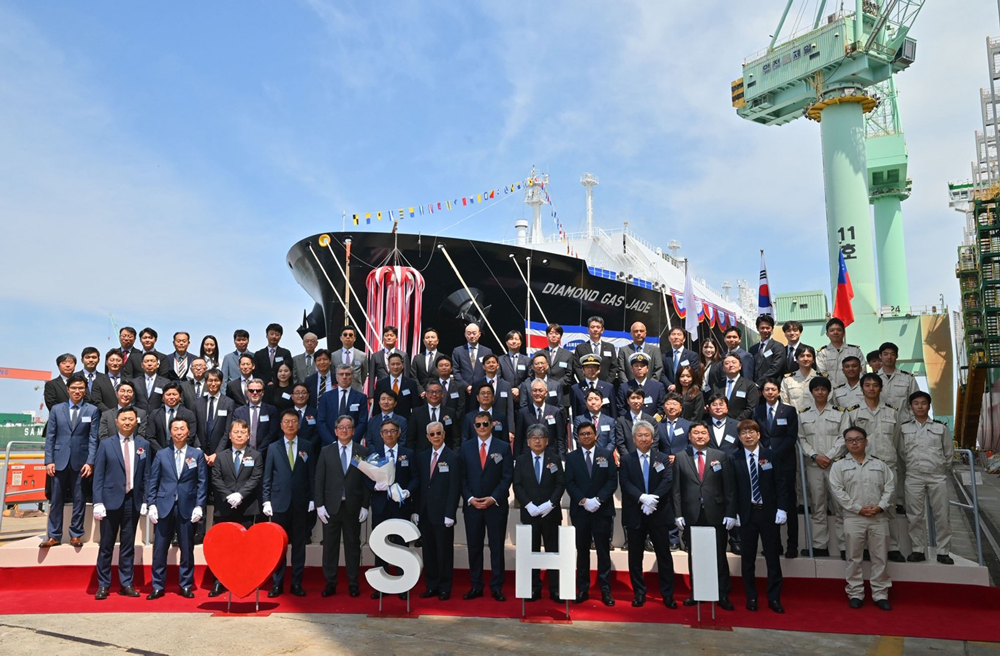
Newly Built LNG Vessel for Diamond Global Energy named DIAMOND GAS JADE

TOKYO: Kawasaki Kisen Kaisha, Ltd. (“K” LINE) is pleased to announce that a naming ceremony was held for a 174,000 m3 membrane-type LNG vessel for Mitsubishi Corporation subsidiary Diamond Global Energy Pte. Ltd. at Samsung Heavy Industries Co., Ltd. on May 19. The vessel is owned by a joint venture company and scheduled to be used in the LNG Canada Project in which Mitsubishi Corporation participates.

Mr. Tetsuro Wada, the Chief Executive Officer of Diamond Global Energy, and Mr. Yukikazu Myochin, a Director and the Chairperson of the Board of “K” LINE, attended the ceremony. The vessel was named DIAMOND GAS JADE by Mr. Wada, as jade is a renowned specialty of British Columbia, Canada, where the LNG Canada Project is located. Jade is traditionally associated with long-lasting prosperity, and the vessel was named to express the companies’ hopes for the enduring success and prosperity of the project.

The charter party between DGE and “K” LINE represents the first long-term charter contract for a newly built LNG vessel. Amid the continued increase of global energy demand, the vessel will play an important role in supporting the global energy supply chain through the safe and efficient seaborne transportation of LNG.

In its Medium-Term Management Plan published in May 2022,*1 “K” LINE has positioned the LNG business as a top priority area in its future investments. “K” LINE will continue to respond to the diverse needs of its customers to expand its long-term contracts and accommodate the growing demand for energy.

Main Particulars of the Vessel

ShipyardSamsung Heavy Industries Co., Ltd.
DeliveryAugust 2026 (Tentative)
LOAApprox. 290 m
Beam45.8 m
Tank Capacity174,000m3
Propulsion SystemME-GA
Speed    19.5 kn19.5 kn

cruisePAL Partners with Mercy Ships to Support Global Humanitarian Healthcare

SINGAPORE: cruisePAL is proud to announce a strategic partnership with Mercy Ships, the international non-governmental organization dedicated to delivering free, life-changing surgical care and medical training worldwide.

This collaboration is rooted in a shared commitment to purpose-driven operations.

cruisePAL will provide its comprehensive core SMS (Safety Management System) modules to support Mercy Ships’ two world-class hospital vessels—the Africa Mercy® and the Global Mercy®—as well as their International Support Center (ISC).

Given the unique operational environment of a floating hospital, cruisePAL has also developed a tailored Gangway solution specifically designed to meet Mercy Ships’ rigorous requirements for managing a high-volume influx of volunteer professionals, medical staff, and patients.

“Partnering with Mercy Ships is something the entire cruisePAL team is truly proud of. While our platform is built for the cruise industry, this collaboration demonstrates how our technology can extend beyond commercial operations to support meaningful humanitarian work. Our goal is simple: give the crew the tools they need so they can focus entirely on what really matters: delivering care to people who need it most.” said Stefan Kruellmann, Director of Business Development.

Since its founding in 1978, Mercy Ships has operated the world’s largest civilian hospital ships, primarily serving underserved communities across sub-Saharan Africa. Their work is sustained by a global network of volunteer surgeons, nurses, and educators. The integration of cruisePAL’s digital ecosystem will streamline communications and safety protocols, ensuring that these vessels can operate with maximum efficiency in any environment.

“Technology plays an important role in helping our hospital ships operate safely and efficiently. We are grateful for cruisePAL’s partnership and their willingness to tailor solutions for the unique needs of Mercy Ships. Their support helps strengthen our operations so our teams can remain focused on delivering hope and healing to the patients we serve,” says Simone Jones, Mercy Ships Senior Director of Global Corporate Partnerships.