Home Blog Page 297

Mecalux scales up its tech stack to drive AI agents across its software suite

BARCELONA: Mecalux has strengthened its technology infrastructure with a new high-performance computing platform designed to accelerate the use of AI agents in its logistics software solutions. This strategic investment will enable the creation and deployment of different types of intelligent entities that businesses can configure to support warehouse decision-making.

AI agents represent a new and rapidly growing generation of software capable of performing actions autonomously to complete tasks or achieve specific goals. Mecalux’s agents will work alongside users in their day-to-day activities, helping them continuously monitor logistics operations and improve efficiency. Organisations will have access to a catalogue of intelligent entities they can activate and configure according to their needs. Examples include assistants specialised in advanced analytics and operations optimisation.

“This expansion of our AI infrastructure is a key step in advancing agent-based capabilities within our software solutions,” Mecalux said. “Our goal is to enable companies to automate complex digital processes in their warehouses using this intelligent technology.”

The new infrastructure is designed to train deep learning models and evaluate the performance of AI agents to increase their accuracy. This investment is part of Mecalux’s broader strategy to strengthen its AI capabilities and further advance its software solutions with user-centric features.

India, Nordic nations stress on WTO’s central role, maritime security cooperation at Oslo Summit

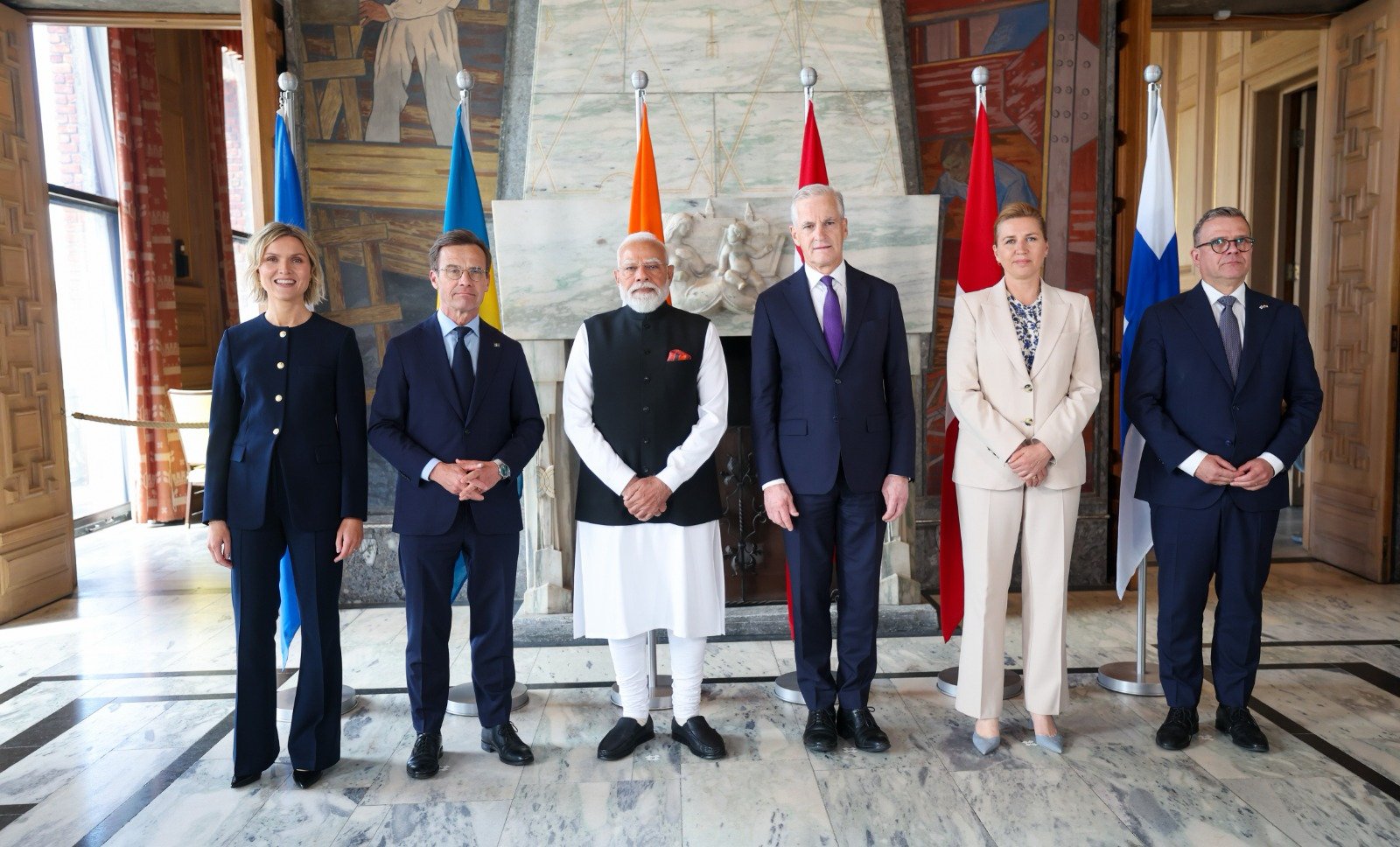
OSLO: India and the Nordic countries on Tuesday underscored the importance of the World Trade Organisation (WTO) in the multilateral trading system and global trade governance during the third India-Nordic Summit held in Oslo.

According to a joint statement issued by the Ministry of External Affairs (MEA), the leaders acknowledged the growing economic exchanges in trade and investments between India and the Nordic countries, highlighting their role in promoting sustainable economic growth, prosperity, circular economy, bioeconomy, sustainable development and resilient supply chains.

“The leaders emphasised the importance of a continued central role for the World Trade Organization in the multilateral trading system and global trade governance. They underscored the importance of a fair, open, transparent, equitable, non-discriminatory, inclusive and rules-based multilateral trading system, with WTO at its core. They acknowledged the significant economic exchanges in the form of trade and investments between India and the Nordic countries in promoting sustainable economic growth, prosperity, circular economy, bioeconomy, sustainable development and supply chain resilience,” the joint statement said.

The statement noted that the leaders welcomed the entry into force of the India-EFTA Trade and Economic Partnership Agreement (TEPA) and progress on the India-European Union Free Trade Agreement (FTA), describing them as key steps towards facilitating trade, investment and sustainable development. The leaders also welcomed active business engagements on the sidelines of the summit and stressed the need for continued exchanges to identify new opportunities for cooperation.

“To facilitate trade and investments and contribute to the objective of sustainable development, they particularly welcomed the entry into force of the India-EFTA Trade and Economic Partnership agreement and the conclusion of the India-EU Free Trade Agreement. The leaders also welcomed the active business exchanges in the margins of the Summit and highlighted the need of continued business exchanges to identify opportunities,” said the statement.

According to the statement, the leaders highlighted that apart from enhancing market access and reducing trade barriers, the India-EU FTA and India-EFTA TEPA could strengthen economic security and resilience by diversifying critical value chains and opening new markets. They also welcomed the shared objective under TEPA, under which EFTA states aim to invest USD 100 billion and create one million direct jobs in India.

“The leaders stressed that in addition to the economic benefits by enhancing market access and removing trade barriers, the India-EU FTA and India-EFTA TEPA could support economic security and resilience through diversifying critical value chains and opening new markets. They welcomed the shared objectives under TEPA that EFTA states shall aim for investment of USD 100 billion leading to creation of one million direct jobs in India,” the joint statement said.

On maritime cooperation, the leaders agreed to strengthen collaboration in the field of maritime security and reiterated their commitment to a free, open, peaceful and prosperous Indo-Pacific in accordance with international law, including the UN Convention on the Law of the Sea (UNCLOS). The statement said the leaders looked forward to joint activities through bilateral dialogues as well as the Indo-Pacific Oceans Initiative (IPOI), in line with the vision of ‘MAHASAGAR’ (Mutual and Holistic Advancement for Security and Growth Across Regions).

“The leaders agreed to strengthen cooperation in the field of maritime security. They reinforced their commitment to promoting a free, open, peaceful and prosperous Indo-Pacific, in accordance with international law, including the UN Convention on the Law of the Sea. In this regard, they looked forward to joint activities through bilateral dialogues as well as the Indo-Pacific Oceans Initiative (IPOI) and in keeping with vision ‘MAHASAGAR’ (Mutual and Holistic Advancement for Security and Growth Across Regions),” the statement said.

The Indian and Nordic leaders also agreed to cooperate in addressing illicit maritime activities, including piracy, contraband smuggling, illegal, Unreported and Unregulated (IUU) fishing, maritime pollution and issues concerning the safety and security of seafarers. They underscored the need for vessels to comply with relevant international maritime regulations and noted the institution of Maritime Security Dialogues with Norway and Denmark.

The leaders further stressed the importance of enhanced information sharing and inter-agency coordination to ensure the safety and security of seafarers.

“The leaders will engage on addressing the growing challenge of Illicit Maritime Activities (IMA) including piracy, contraband smuggling, Illegal, Unreported and Unregulated (IUU) fishing, maritime pollution, safety and security of sea farers. They underscored the need for all vessels to comply with relevant and applicable international maritime regulations, to which they are part. The instituting of Maritime Security Dialogues with Norway and Denmark was noted. The leaders underscored the need to collaborate in ensuring the safety and security of seafarers through enhanced information sharing and inter-agency coordination,” said the Joint Statement.

PM Modi joined the leaders of Denmark, Norway, Finland, Iceland and Sweden at the summit hosted by Norwegian Prime Minister Jonas Gahr Støre. The meeting built upon the earlier India-Nordic summits held in Stockholm in 2018 and Copenhagen in 2022.

Source: ANI

PM Modi meets with PM Finland on the margins of the 3rd India-Nordic Summit

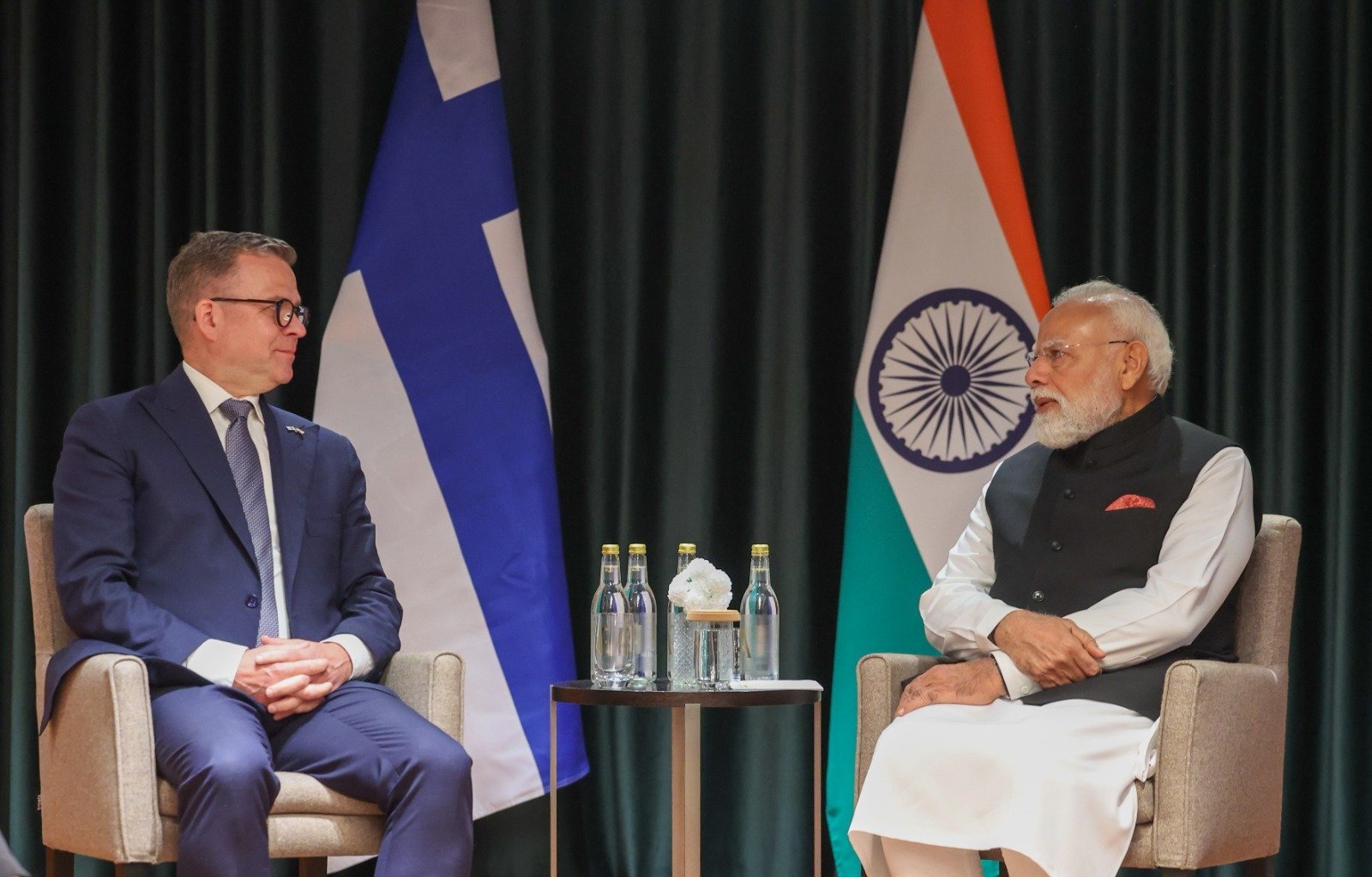
OSLO : Prime Minister Shri Narendra Modi met with H.E. Mr. Petteri Orpo, Prime Minister of Finland on the sidelines of the 3rd India-Nordic Summit in Oslo on 19 May 2026.

With the elevation of the bilateral relations to a Strategic Partnership in Digitalization and Sustainability, both Leaders emphasized the importance of strengthening collaboration between industry, research institutions, and academia. They underscored the pivotal role of sustainability and digitalization in driving future economic growth and development. They took stock of ongoing cooperation in the areas of trade & investment, digitalisation, AI, 5G/6G, quantum technologies, space, sustainability, renewable energy, circular economy, innovation, education, mobility and people-to-people ties.

Both sides also welcomed the steady growth in bilateral trade in goods and services despite global challenges and reaffirmed their commitment to doubling existing bilateral trade by 2030. Additionally, they welcomed the increasing presence of their leading technology companies in each other’s markets through expanded operations and partnerships. The Finnish side also appreciated the significant contributions of Indian professionals to the growth and innovation of Finland’s technology sector. The leaders also announced India and Finland jointly hosting the World Circular Economic Forum in September 2026 in Gandhinagar, Gujarat, India.

India and Finland share warm, friendly and multi-faceted relations, rooted in shared democratic values. Finland is a valued partner for India in the European Union and the Nordic region. Both leaders expressed satisfaction with the progress of the India-EU Strategic Partnership and underlined the importance of early entry into force of India-EU Free Trade Agreement. They exchanged views on regional and global developments, and on greater cooperation in international organizations.

Sarbananda Sonowal reaffirms commitment to gender equality in maritime sector at International Day for Women in Maritime 2026

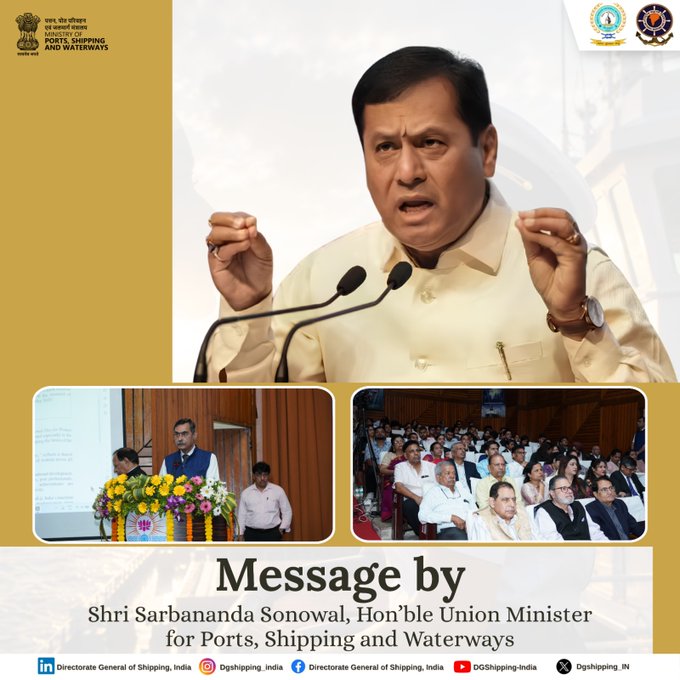
MUMBAI : A special message from Shri Sarbananda Sonowal, Hon’ble Union Minister for Ports, Shipping and Waterways, Government of India, was presented by Shri Sanjeev V. Mehra, Chairman, IME(I), Mumbai Branch, during the International Day for Women in Maritime 2026 celebrations held on 18 May 2026.

In his message, the Minister conveyed his immense pleasure in addressing the global maritime community and extended warm greetings to women professionals whose dedication, leadership, and contributions continue to shape the future of the maritime industry.

Reflecting on this year’s theme, “From Policy to Progress – Advancing Gender Equality,” Shri Sonowal underscored the importance of translating policy intent into tangible action by ensuring meaningful participation of women across all dimensions of maritime development.

He highlighted the maritime sector as a vital driver of global trade, economic growth, and national development, noting the increasingly significant role of women as seafarers, marine engineers, port professionals, researchers, entrepreneurs, administrators, and policymakers. Their growing participation, he said, is strengthening the industry through innovation, professionalism, and inclusivity.

Under the leadership of Hon’ble Prime Minister Shri Narendra Modi, the Minister highlighted India’s ongoing maritime transformation driven by key initiatives including port modernisation, green shipping, inland waterways development, coastal connectivity, and the advancement of the Blue Economy.

Shri Sonowal also drew attention to the Directorate General of Shipping’s ‘Sagar Mein Samman’ initiative, describing it as a landmark effort aimed at promoting gender dignity and inclusion within the maritime workforce. The initiative focuses on critical areas such as recruitment, skill development, safety, mentorship, leadership, and career progression, with the objective of ensuring equality, opportunity, and dignity for women professionals.

Aligned with the Maritime India Vision 2030, he noted India’s ambitious target of increasing women’s representation in technical maritime roles to 12% by 2030. Highlighting encouraging progress, he cited the rise in the number of women seafarers from 341 in 2014 to over 2,500 in recent years.

Concluding his message, Shri Sonowal reaffirmed the Government’s unwavering commitment to building an inclusive, equitable, sustainable, and future-ready maritime sector, while extending his best wishes to all participants of the International Day for Women in Maritime 2026 celebrations.

Centre bets big on Brahmaputra as economic lifeline: Sarbananda Sonowal

GUWAHATI : PM Shri Narendra Modi led Union Government is scaling up efforts to transform the Brahmaputra into a multi-functional economic corridor, with Union Minister for Ports, Shipping and Waterways (MoPSW), Shri Sarbananda Sonowal spearheading an integrated push that combines transport, trade, tourism and river management.

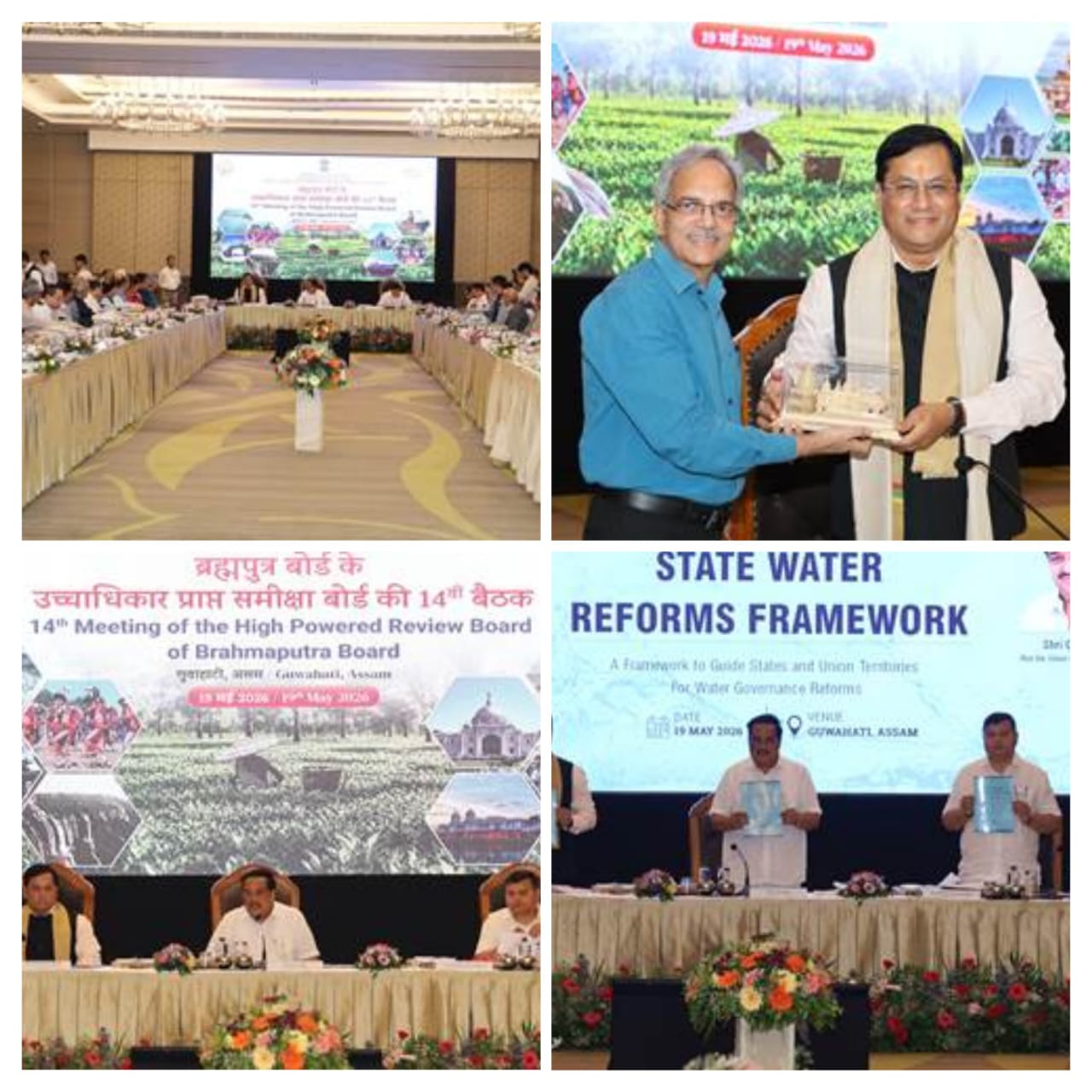
The push was reviewed at the High Powered Review Board (HPRB) meeting of the Brahmaputra Board in Guwahati, Assam on Tuesday, where ministers, technical experts and state representatives deliberated on strengthening scientific river basin planning, flood control and sustainable utilisation of water resources across the Northeast. The meeting also emphasised greater coordination among basin states and the adoption of advanced technologies such as GIS, LiDAR and hydrological modelling.

Speaking on the occasion, Union Minister Sarbananda Sonowal said, “At the heart of this strategy is the recognition of the Brahmaputra not merely as a river, but as a critical national asset capable of driving connectivity and economic growth across the Northeast. The Inland Waterways Authority of India (IWAI) has been working towards realising the true potential of Brahmaputra, declared as the National Waterway 2 (NW2), as it provides a vital inland transport corridor linking Assam, along with the other parts of Northeast, to Kolkata and Haldia ports through the Indo-Bangladesh Protocol Route (IBPR), reviving an environmentally sustainable, economic and efficient mode of transportation.”

In Assam, projects worth around ₹751 crore have already been completed, including key terminals at Pandu, Dhubri and Jogighopa, along with floating jetties and upgraded shore facilities. Ongoing works exceeding ₹1,100 crore include fairway development along the Brahmaputra, ship repair facilities, tourist jetties and the establishment of a Regional Centre of Excellence in Dibrugarh.

Adding further, Sarbananda Sonowal welcomed the move by the Union Government to launch the State Water Reforms Framework (SWRF) to strengthen sustainable water governance and reform initiatives across states.

“Developing the Brahmaputra is about creating a resilient and sustainable river ecosystem that supports connectivity, commerce and communities. Integrated river basin planning combining flood management, erosion control, dredging and infrastructure development is essential to ensure year-round navigability and long-term economic growth. With the adoption of modern technologies such as GIS-based planning and digital monitoring, we are working towards transforming our waterways into efficient, green and future-ready transport corridors while preserving the ecological balance of the region, as envisioned by our dynamic Prime Minister Shri Narendra Modi ji,” argued Sarbananda Sonowal while advocating strongly for Integrated River Development Strategy at the meet.

The government is also investing in a future pipeline of projects worth nearly ₹4,800 crore across the Northeast, including community jetties, cargo vessels, dredgers and cruise terminals. These initiatives are expected to strengthen last-mile connectivity, improve logistics efficiency and generate employment in riverine regions.

At the policy level, the Brahmaputra Board is being repositioned as a modern, technology-driven river basin organisation. Plans include digital governance systems, data-driven project monitoring and the revitalisation of research institutions such as the North Eastern Hydraulic and Allied Research Institute (NEHARI).

The Modi government also views the river as a “strategic lever for its Act East Policy”, enabling cross-border connectivity and regional trade, added Sonowal. Inland waterways are increasingly being positioned as a cost-effective and environmentally sustainable alternative to road and rail transport, reducing congestion, fuel consumption and emissions.

Under PM Narendra Modi’s government since 2014, the inland water transport in India and particularly in the Northeast has witnessed rapid growth. Cargo movement on national waterways has increased from 18 million metric tonnes in 2014 to over 218 million metric tonnes in 2025-26, underscoring the sector’s expanding role in the logistics chain.

In the ensuing period, the inland waterways sector in the NER region likely to witness development of 79 community jetties, expansion of key facilities such as the Regional Centre of Excellence (RCoE) in Dibrugarh and the ship repair facility at Pandu, and construction of supporting infrastructure for Customs and Immigration at strategic river ports. The plan also envisages procurement of dredgers, survey vessels and cargo fleets, alongside the introduction of urban water transport systems and cruise terminals in Assam. Officials said these investments are aimed at improving navigability, enhancing logistics efficiency and unlocking the economic potential of river-based transport, even as technical challenges such as heavy sediment load, shifting channels and recurring floods necessitate a scientific and integrated river basin management approach.

The HPRB meeting was also attended by Union Jal Shakti Minister C.R. Paatil; Union Minister of State (MoS) for Jal Shakti Raj Bhushan Choudhary; Assam Tourism Minister Ajanta Neog; Arunachal Pradesh Health Minister Biyuram Wahge; Manipur Tourism Minister Khuraijam Loken Singh; Meghalaya Water Resources Minister Metbah Lyngdoh; Mizoram IWRD Minister P.C. Vanlalruata; Sikkim PHE Minister Sonam Lama; and Tripura Industries Minister Santana Chakma. The meeting was also attended by advisors and the Chairman of the Brahmaputra Board, Dr Ranbir Singh.

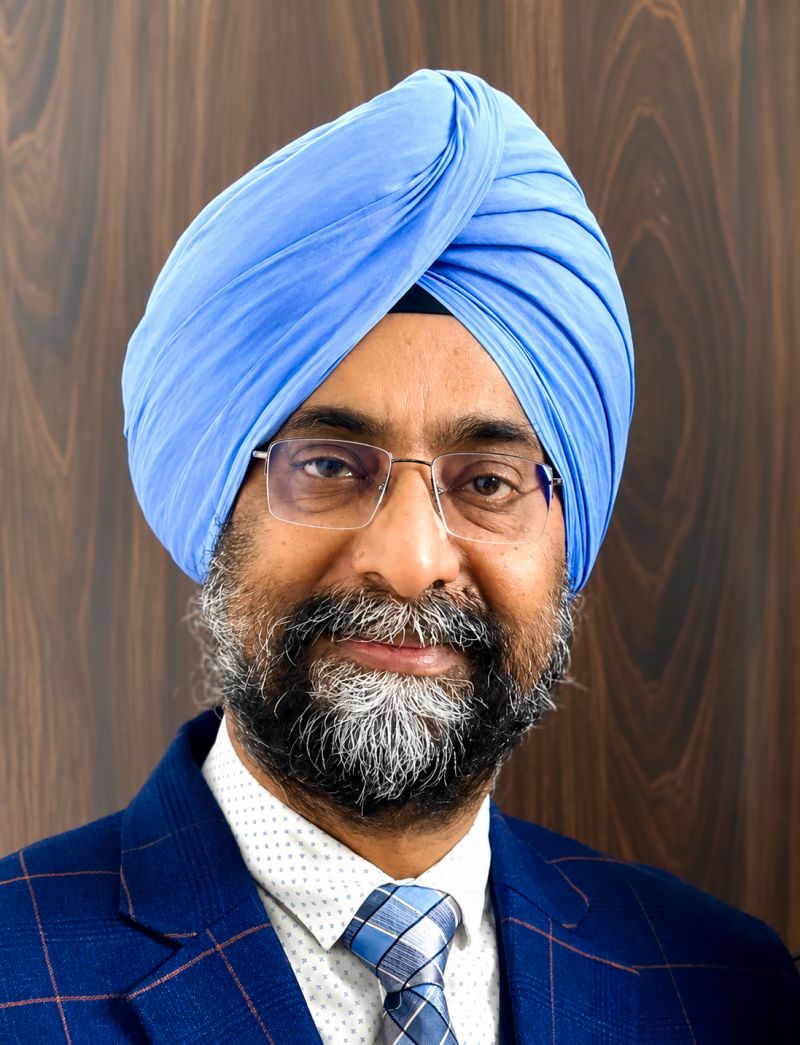
Jasmeet Singh Bindra appointed as the new Chairperson of Visakhapatnam Port Authority

VISAKHAPATNAM : Shri Jasmeet Singh Bindra has been appointed as the new Chairperson of the Visakhapatnam Port Authority (VPA) under the Ministry of Ports, Shipping and Waterways, Government of India. A senior officer of the Indian Railway Traffic Service (IRTS), Bindra will serve at the Joint Secretary level for a tenure of five years from the date of assuming charge.

A seasoned transport and logistics professional, Shri Bindra is a 1996-batch IRTS officer with nearly three decades of distinguished service across diverse domains of transport administration, commercial operations, safety management, and multimodal logistics within the Indian Railways ecosystem.

An accomplished engineering and management professional, he holds a B.Tech in Electronics along with an MBA, bringing a strong blend of technical expertise and strategic leadership to his new role.

Over the course of his career, Shri Bindra has held several key leadership positions, including Senior Divisional Commercial Manager, Director (Safety), Director in the Ministry of Coal, Chief Passenger Transportation Manager, Divisional Railway Manager, Executive Director/Gati Shakti, and Principal Chief Commercial Manager. His extensive experience reflects deep knowledge in operational efficiency, institutional governance, multimodal connectivity, and infrastructure planning.

His appointment comes at a significant juncture for the Visakhapatnam Port Authority, one of India’s major maritime gateways, as the port continues to strengthen its role in trade facilitation, cargo growth, logistics integration, and maritime infrastructure development.

With his broad experience spanning rail transport, logistics strategy, and administrative leadership, Shri Bindra is expected to contribute significantly to advancing the port’s operational excellence, connectivity enhancement, and long-term growth agenda under the Ministry of Ports, Shipping and Waterways.

Piyush Goyal calls for stronger Industry-Government collaboration, urges turning global uncertainties into opportunities for reform and resilient growth

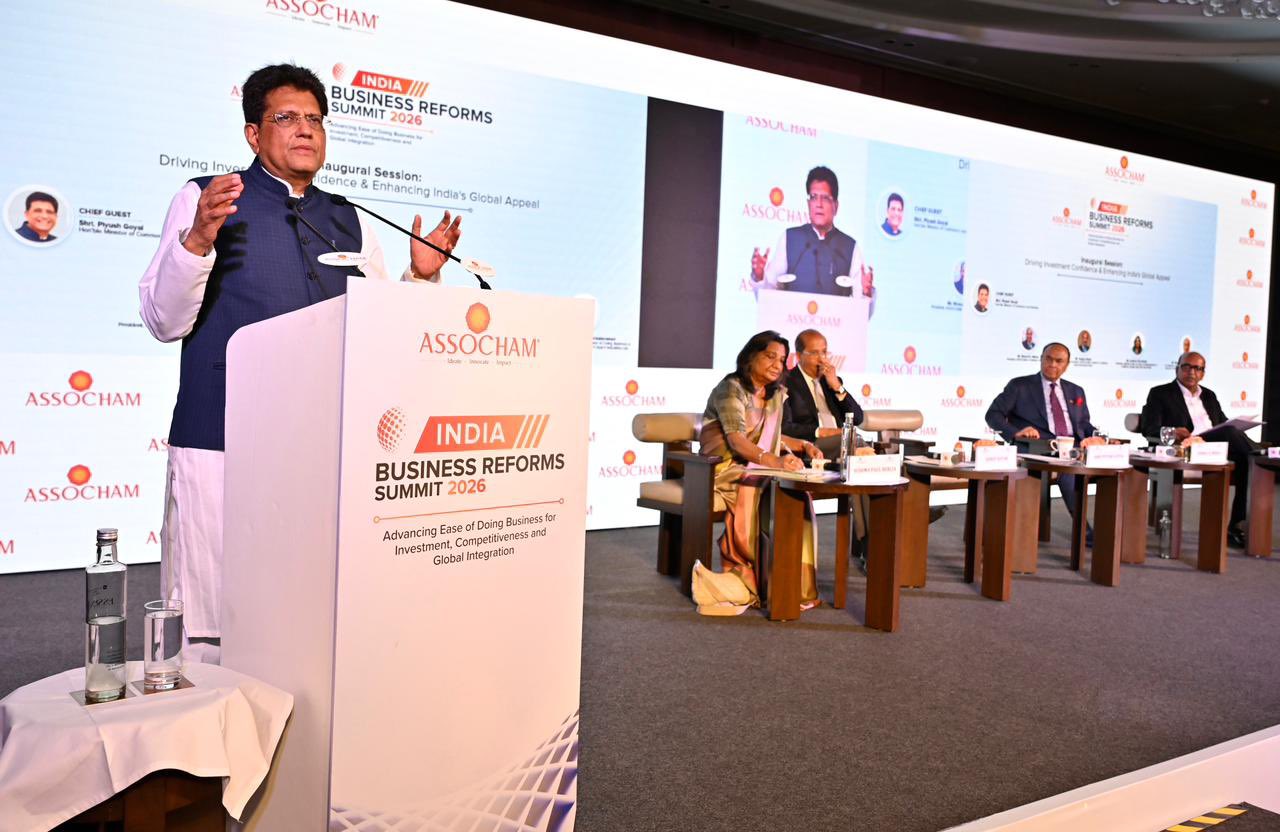
NEW DELHI : Union Minister of Commerce and Industry Shri Piyush Goyal addressed the ASSOCHAM India Business Reform Summit 2026 in New Delhi on Tuesday and called for deeper collaboration between industry and government to advance ease of doing business, enhance India’s competitiveness and accelerate the country’s journey towards Viksit Bharat 2047.

ASSOCHAM India Business Reform Summit 2026 Piyush Goyal calls for stronger Industry-Government collaboration, urges turning global uncertainties into opportunities for reform and resilient growth

The Minister said the present global situation and geopolitical uncertainties should be viewed as an opportunity for India to strengthen business processes, undertake faster reforms, build greater resilience and strengthen supply chains. He said India and Prime Minister Shri Narendra Modi have never allowed a crisis to go to waste and expressed confidence that the country would convert current global risks into opportunities for growth and reform.

Speaking on the evolving global situation and the West Asia crisis, Shri Goyal said businesses should remain alert to both opportunities and risks without panicking. He said India had successfully overcome unpredictable challenges such as COVID-19 and emphasised the need for smarter and more efficient business practices, including reducing waste, improving productivity and adopting energy efficiency measures.

He said lessons learnt during the COVID period had demonstrated the effectiveness of digital engagement and remote working models. Referring to the rapid growth of Global Capability Centres (GCCs) in India, Shri Goyal said around 1,800 GCCs are operating in the country and generating nearly 2 million direct jobs and around 10 million indirect jobs. He said international companies increasingly recognised India as a trusted partner with youthful and talented manpower capable of supporting global operations.

The Minister expressed confidence in India’s services sector and said emerging technologies such as Artificial Intelligence and cyber security would create new opportunities.

Shri Goyal emphasised that India should look at emerging technologies, business reforms and global developments as opportunities. He said the government is creating an enabling ecosystem for investments in data centres and cloud services through trusted global partnerships, low-cost data availability, renewable energy expansion and robust power infrastructure.

He informed that cloud services provided from India or Indian data centres to the rest of the world have been granted 100 per cent tax-free status till 2047. He said investments in data centres would create demand across sectors such as real estate, hospitality, logistics, transport, healthcare, education and manufacturing, thereby generating a virtuous cycle of economic growth.

Shri Goyal urged industry to adopt greater efficiency and reduce waste by learning from global best practices, including Japanese manufacturing systems. He noted that despite global challenges such as tariffs, the Ukraine conflict and the West Asia crisis, India’s exports had reached an all-time high of USD 863 billion last year, with growth recorded in both merchandise and services exports.

Shri Goyal highlighted that India is engaging with the world from a position of strength and noted that the country is a competitive manufacturer of goods and provider of services. Referring to the Free Trade Agreements (FTAs) covering 38 countries, he said these agreements open doors for greater engagement and stressed that Indian businesses must leverage them for attracting investments and increasing exports rather than allowing imports alone to rise.

Shri Goyal said the government would continue to act as an enabler and referred to the Bhavya initiative and stakeholder consultations regarding the location of 100 new industrial parks. He informed that 20 parks are already at various stages of development. Referring to suggestions received during discussions with industry representatives, he said the government is examining the possibility of establishing a single body at industrial parks to function as a one-stop shop for all central and state approvals.

The Minister urged greater engagement from the private sector in improving government systems and noted that the national single-window system launched post-COVID had not received adequate participation and feedback from industry. He called upon businesses to work with the government in identifying specific pain points and improving ease of doing business through collaborative efforts.

The Minister said India should focus on increasing exports of more value-added products, including automobiles, auto components, electronics, consumer goods and agro-based value-added products, so that farmers and fishermen benefit from better prices and improved value realization. He said Indian products should reach global shelves as finished products rather than merely as raw materials.

The Minister also highlighted the importance of tourism and domestic consumption in strengthening the economy and urged citizens to promote Indian destinations. Referring to India’s energy efficiency initiatives, he recalled the success of the Ujala LED bulb programme, which significantly reduced energy consumption and led to savings estimated at around one lakh crore rupees annually.

He said India is now targeting exports worth USD 1 trillion and urged exporters to proactively leverage upcoming FTAs by exploring new markets, conducting sampling and trial orders and increasing global engagement even before the agreements formally come into effect.

The Minister reiterated that the Government works in an integrated manner rather than in silos and invited industry to provide out-of-the-box suggestions to the government. He said the Commerce Ministry itself is undertaking internal reforms to improve efficiency and transparency.

Shri Goyal informed that the Ministry, which has 482 offices across 216 cities under 46 organisations, is working towards consolidating operations into single-point contact centres in state capitals and major cities. He said this would enable businesses to access services related to organisations such as DGFT, Coffee Board, Spices Board, GeM and other bodies through integrated and digitally connected systems.

Calling for a culture focused on quality, productivity, localisation and innovation, Shri Goyal suggested that industry and government jointly develop scorecards to track progress in areas such as indigenisation, import substitution, exports, energy efficiency and innovation.

The Minister urged all stakeholders to work together towards making the Amrit Kaal journey towards Viksit Bharat more outcome-oriented, efficient and collaborative.


EAM Jaishankar discusses West Asia, bilateral cooperation with Omani Foreign Minister

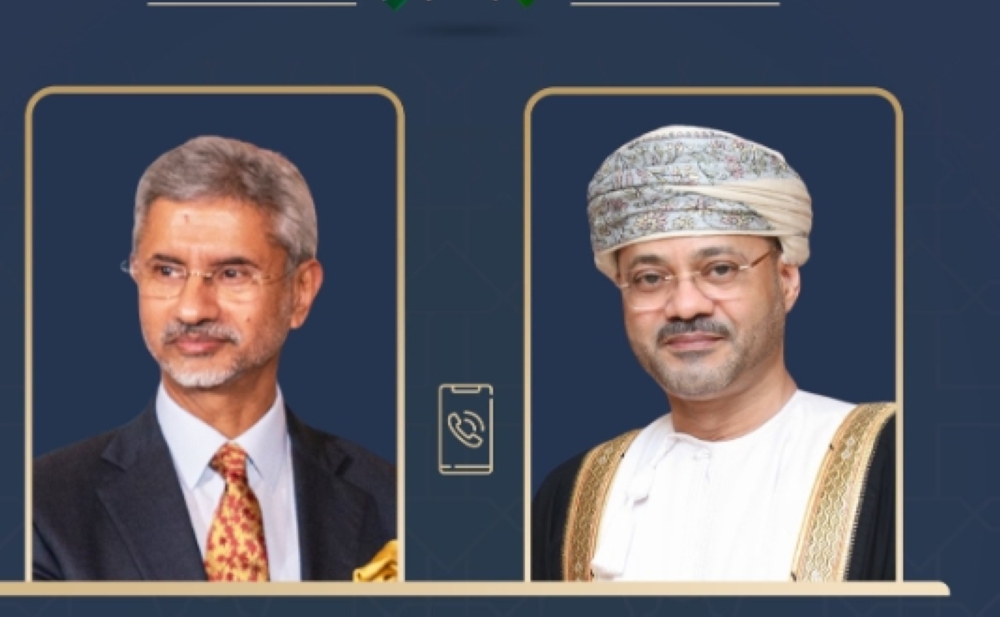
OSLO: External Affairs Minister S Jaishankar on Monday held a telephonic conversation with Omani Foreign Minister Sayyid Badr bin Hamad Al Busaidi and discussed recent developments related to the West Asia crisis.

Shri Jaishankar, who was in Oslo along with PM Narendra Modi informed about the development in an ‘X’ post and mentioned that they both also spoke about the bilateral relationship between both countries.

“Good to speak today with FM Sayyid Badr bin Hamad Al Busaidi of Oman. Discussed recent developments in West Asia as well as various aspects of our bilateral cooperation,” said Jaishankar.

The development comes after Iran on Monday confirmed that it is in talks with Oman to develop a new mechanism for controlling traffic in Strait of Hormuz.

Earlier, spokesperson for Iran’s Ministry of Foreign Affairs, Esmail Baghaei, said that the consultations aim to safeguard safe maritime traffic while protecting Iran’s rights and sovereignty over the crucial waterway.

“The Strait of Hormuz is an important waterway for the entire world, and we have always worked to protect safe traffic through this route,” Baghaei stated.

“We continue to strive to ensure that traffic through the Strait of Hormuz is carried out in complete safety. Iran and Oman consider themselves obligated to fulfil their responsibilities in this regard,” he added.

The spokesperson noted that Tehran had to take such measures due to the geopolitical tensions amid the conflict in West Asia with US-Israeli coalition forces.

He further stated that Iran and Oman are in ongoing negotiations to develop such a mechanism to achieve this goal, with an expert-level meeting held last week in Muscat.

“The military aggression of the United States and the Zionist regime against Iran caused us to adopt a new approach to defend territorial sovereignty. We are in continuous contact and negotiation with the Omani side to develop a mechanism that will achieve this goal. Last week, an expert meeting was held in Muscat, and contacts between Iran and Oman on this issue are ongoing,” he stated.

The Strait of Hormuz, linking the Persian Gulf to the Gulf of Oman, remains one of the world’s most vital shipping routes for energy supplies. Meanwhile, Iran had announced the launch of a new regulatory body aimed at managing and monitoring operations related to the strategically important waterway, the Strait of Hormuz.


The top security establishment of the Islamic Republic, the Supreme National Security Council, reposted a post on X on Monday where it stated that the official X account of the “Persian Gulf Strait Authority” (PGSA) is now operational. The PGSA introduced at the start of this month has been characterised as a new mechanism for governing maritime traffic through the strategic Strait of Hormuz.


“In the Name of God. The official X account of the Persian Gulf Strait Authority (#PGSA) is now live. Follow us for real-time updates on the Hormuz Strait operations and latest developments,” the statement posted by the official account of the Persian Gulf Strait Authority said.

The announcement signals the formal establishment of a dedicated body overseeing developments and operations linked to the Strait of Hormuz, one of the world’s most critical maritime trade routes for global oil and energy shipments.

Source: ANI

Downside risks to economy have begun materializing as continued West Asia conflict casts shadow over India’s trade outlook: Crisil

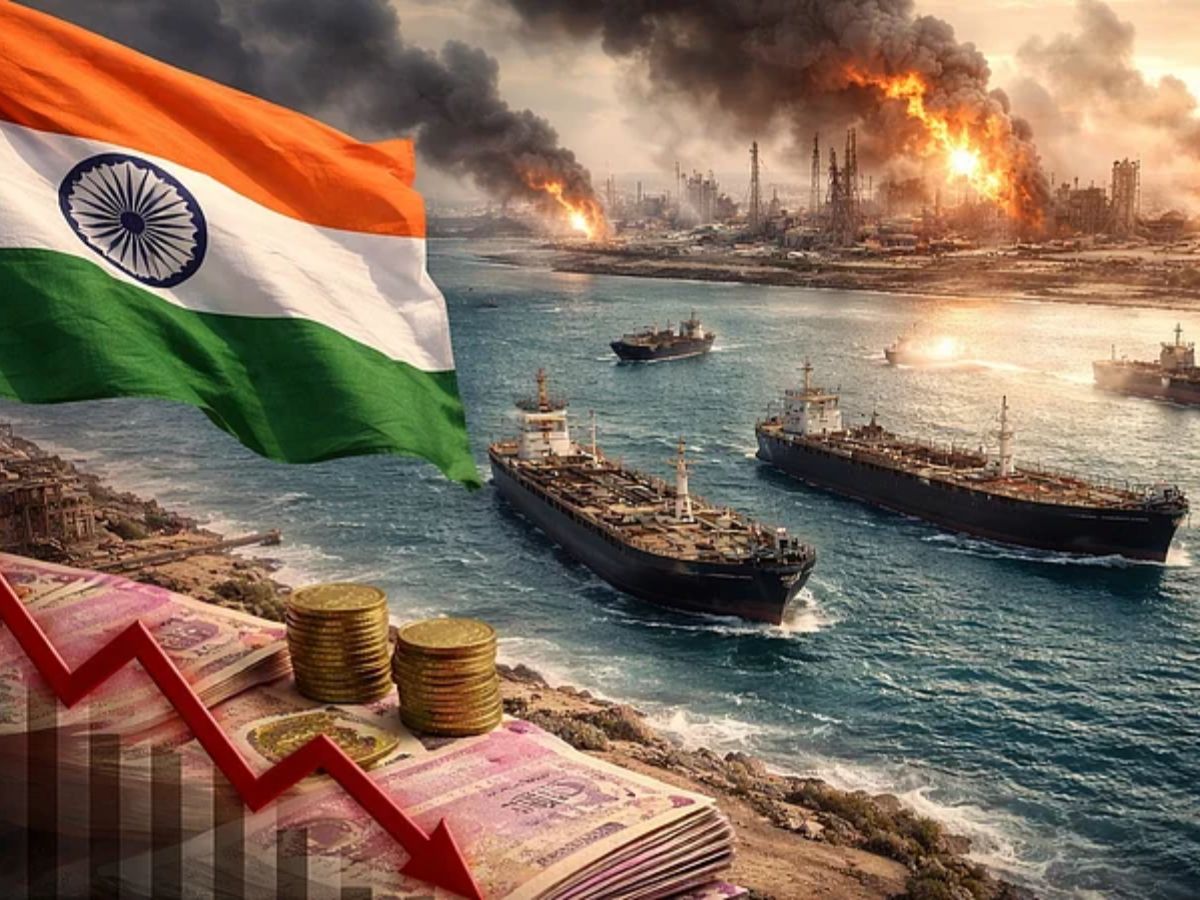
NEW DELHI: The ongoing West Asia conflict has begun materializing as a major downside risk for the Indian economy, severely impacting international trade and inflating import costs.

According to a report by Crisil Intelligence, “The downside risks to the economy have begun materializing with over two months of unresolved West Asia conflict.”

The agency further noted that, “The closure of Strait of Hormuz has created the largest energy shock on record. This will take time to normalise because of the damage to oil and gas infrastructure in West Asia, even after the route reopens.”

The economic fallout is expected to hit India’s import-dependent manufacturing sector particularly hard, while weaker global demand and trade bottlenecks stifle export growth.

As a direct consequence of these compounding external pressures, India’s macroeconomic indicators show signs of strain. The report noted that the real gross domestic product (GDP) growth is projected to slow down to 6.6 per cent in fiscal 2027, compared to the 7.6 per cent growth recorded in fiscal 2026. Simultaneously, the country’s current account deficit (CAD) is projected to widen significantly to 2.2 per cent of GDP in fiscal 2027 from an estimated 0.8 per cent in the previous fiscal year.

“The spike in international crude, gas and fertilizer prices is expected to raise import bill significantly while exports are expected to be hit from a global trade disruption and weakening global demand. Remittances face a risk from continuing tensions in West Asia, which accounts for ~38% of remittances to India,” the report noted.

Domestic inflation feels the heat of the geopolitical friction as well, with average consumer price index (CPI) inflation expected to climb sharply to 5.1 per cent in fiscal 2027 from 2.0 per cent in fiscal 2026. This surge is driven by producers passing on elevated energy and transportation costs to consumers.

“While the government has limited rise in retail fuel inflation so far, a persistent rise in global prices could see retail fuel prices for cooking and transportation climb up further. Additionally, a sharp rise in energy and other input costs, as well as those for trade and transportation, is expected to be passed by producers to consumers, raising core inflation,” the report observed.

The severe disruption in the energy corridor forced a major revision in global commodity forecasts, with Crisil Intelligence raising its Brent crude price forecast to USD 90-95 per barrel for fiscal 2027, up from the earlier projection of USD 82-87 per barrel. This escalation extends far beyond energy, introducing multidimensional economic pressures.

“Additionally, the shock extends beyond energy to freight and insurance costs, supply chains, and fertilisers, which have a multidimensional impact on the economy,” the report added.

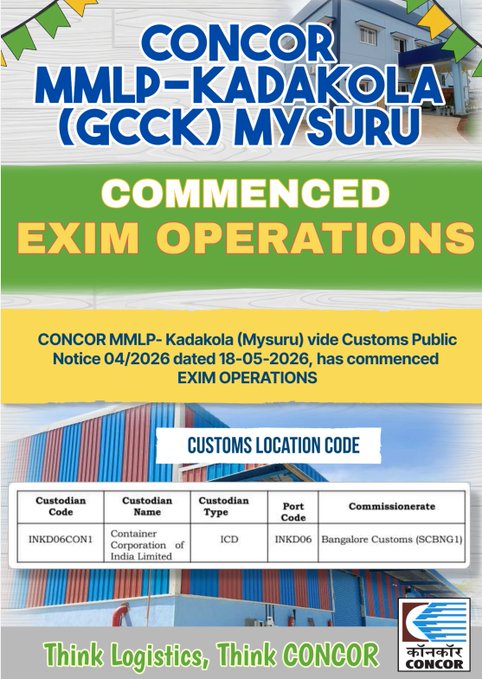
CONCOR MMLP Kadakola commences EXIM operations, boosting Mysuru’s international trade and logistics ecosystem

MYSORE : In a major milestone for export-import (EXIM) trade in Karnataka, Container Corporation of India Ltd. (CONCOR) Multimodal Logistics Park (MMLP), Kadakola, Mysuru, has officially commenced its EXIM operations with immediate effect.

The development follows the issuance of Bangalore Customs Public Notice No. 04/2026 dated May 18, 2026, marking a significant advancement in strengthening the logistics and international trade infrastructure in the Mysuru region.

The operationalisation of CONCOR MMLP – Kadakola (GCCK) is expected to provide a substantial boost to exporters, importers, manufacturers, and logistics stakeholders across Karnataka and surrounding industrial belts. The facility aims to streamline cargo handling, enhance multimodal connectivity, reduce transit timelines, and improve overall efficiency in cargo movement.

Strategically positioned to serve growing industrial and commercial clusters, the logistics park will facilitate smoother EXIM cargo operations by offering integrated logistics solutions closer to production centres, thereby reducing dependency on distant logistics hubs.

The commencement of EXIM services at Kadakola is poised to unlock new business opportunities for trade participants while strengthening supply chain resilience and operational efficiency. The facility is expected to play a key role in supporting India’s expanding export ambitions and enhancing the ease of doing business for the trading community.

Industry stakeholders view this development as a transformational step for the Mysuru region, paving the way for improved global trade access, faster cargo clearances, and stronger regional economic growth.

With this latest milestone, CONCOR continues to reinforce its commitment to developing world-class logistics infrastructure and enabling seamless multimodal cargo solutions to support India’s growing EXIM ecosystem.