Home Blog Page 305

DP World secures consecutive LEAPS Honour for Rail Freight Excellence

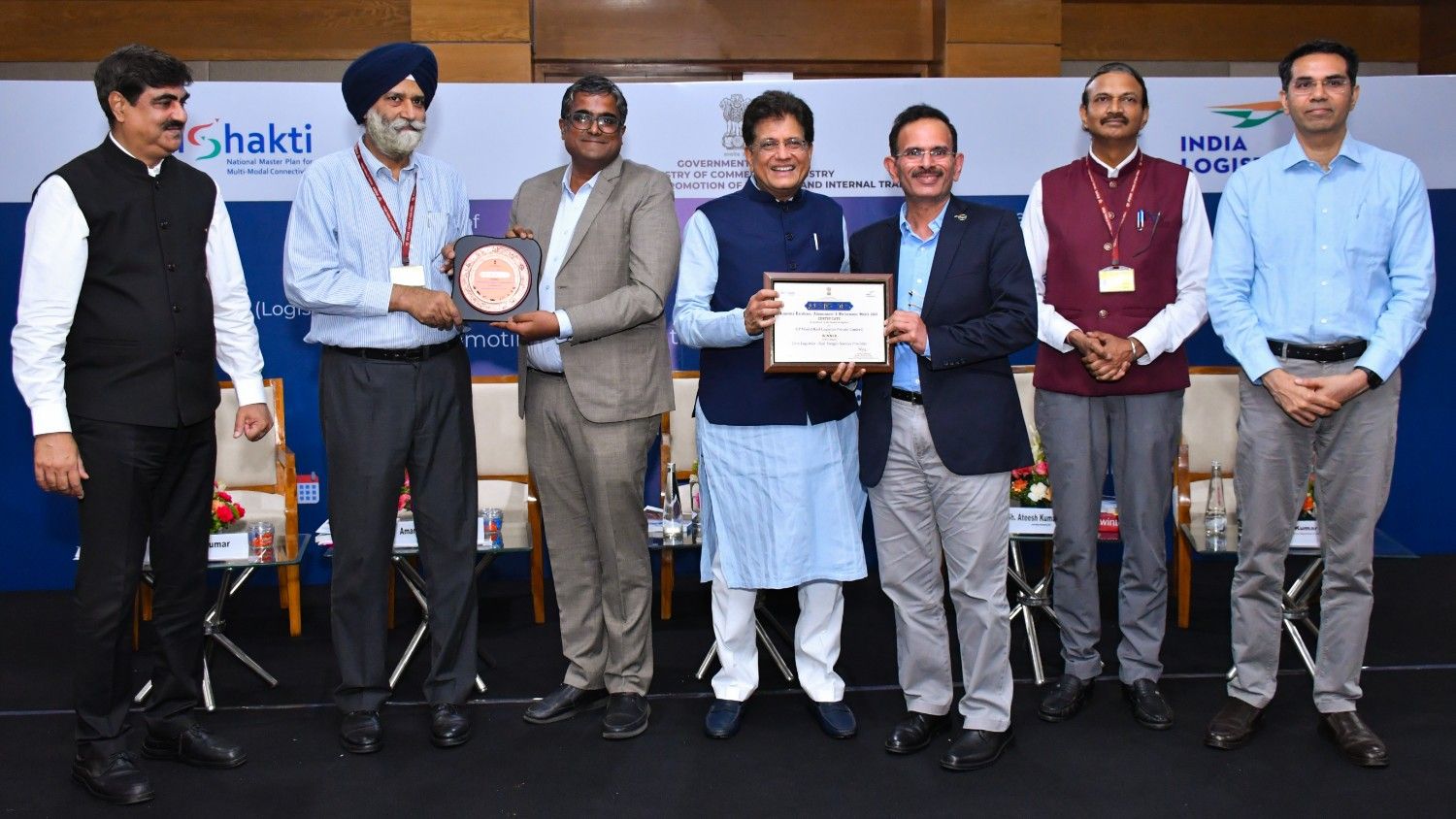
NEW DELHI: DP World has been recognised as the ‘Best Rail Freight Service Provider’ for the second consecutive year at the prestigious National Logistics Excellence Awards (LEAPS Awards). Shri Piyush Goyal, Honourable Minister of Commerce & Industry, presented the award at a ceremony, held at Vanijya Bhawan in New Delhi. This award demonstrates how DP World, continues to set benchmarks in rail freight logistics through its integrated, end to end offerings, and pan India operations connecting major ports to manufacturing clusters.

The Logistics Excellence, Advancement, and Performance Shield (LEAPS), spearheaded by the Department for Promotion of Industry and Internal Trade (DPIIT), under the Ministry of Commerce and Industry, is an initiative that recognizes and celebrates outstanding achievements in the logistics industry.  Strongly aligned with the Government of India’s PM GatiShakti initiative and the National Logistics Policy, DP World remains focused on operational efficiency, cost optimisation, and technology-led logistics solutions. 

Through one of India’s largest private rail freight networks comprising 8 rail terminals, over 90 rakes, and 16,000+ containers with double-stack capabilities, DP World continues to improve port-to-hinterland connectivity across key EXIM corridors. Its integrated rail, coastal, and road operations, supported by advanced digital tracking platforms, are helping reduce logistics bottlenecks and enable faster, more efficient cargo movement nationwide.

Speaking on the occasion, Adhendru Jain, Chief Executive Officer – Rail & Inland Terminals – SCO, said, “We are proud to be recognised as the ‘Best Rail Freight Service Provider’ for the second consecutive year and remain committed to advancing efficient, technology-led multimodal logistics solutions across India.”

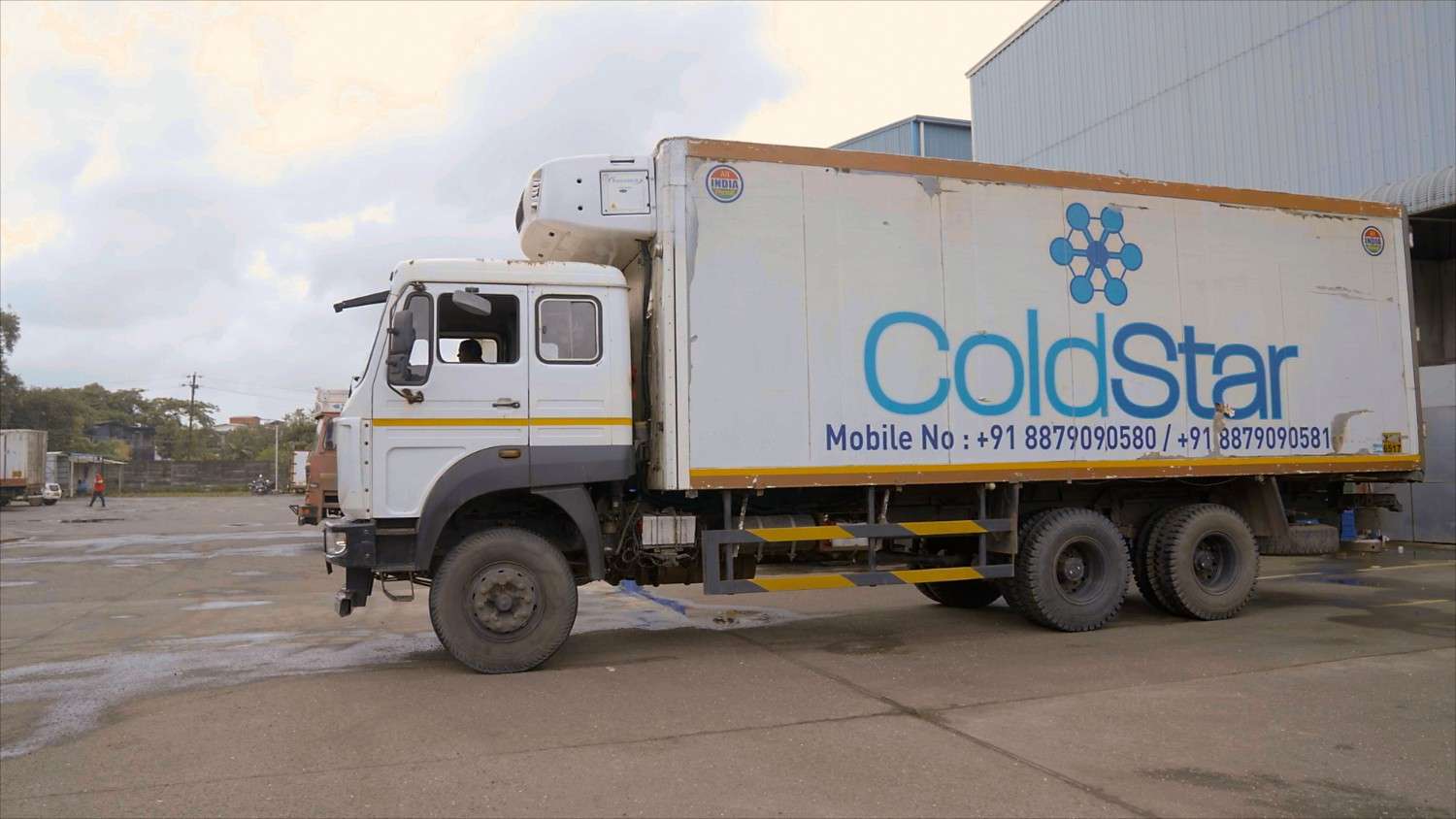
ColdStar Logistics expands workforce over 7x in three years, logs 3,111 employees in FY25

MUMBAI: ColdStar Logistics, India’s leading temperature-controlled supply chain solutions provider, has witnessed a significant surge in its workforce over the last three years, driven by rapid expansion of its distribution network and rising demand from q-commerce and e-commerce platforms.

From just over 400 employees in FY22, the company marked a 7x increase, hiring over 3,000 employees in FY25. The growing team aligns with the company’s expanding network and presence across 200+ cities in India. ColdStar also recently enhanced its warehousing capabilities with advanced multi-temperature zones, tech-enabled inventory systems, and scalable infrastructure across key markets including in Bangalore, Mumbai, Delhi NCR, Hyderabad, Chennai and other high-demand urban centres.

Notably, the number of women associated with the company has grown significantly—from just nine in FY22 to 386—reflecting company’s vision for inclusivity. ColdStar was founded by Shagun Kapur Gogia, Managing Director and founder of Tuscan Ventures, who has been instrumental in shaping the company’s vision, driving its expansion, and building a scalable, technology-led temperature-controlled logistics platform in India.

Sameer Varma, Executive Director, ColdStar Logistics, said, “Our growth journey is a reflection of both market opportunity and our strong execution capabilities. Scaling from 400 to over 3,000 people has meant building teams that can handle that intensity while still delivering consistency. As we expand our network across India, we are equally focused on building an inclusive and future-ready workforce.”

Another key trend the company has seen is the rise in frontline and vendor-led workforce, with vendor payroll employees now forming a substantial part of the overall headcount. The company has also seen a steady increase in daily wage workforce, highlighting the growing need for flexible staffing models to support dynamic supply chain requirements.

Going forward, ColdStar will remain focussed on structured onboarding and training programs to improve workforce productivity and retention. Compliance-driven HR processes will be applied to streamline contract and vendor workforce management as will improved attendance tracking, payroll accuracy, and performance management systems.

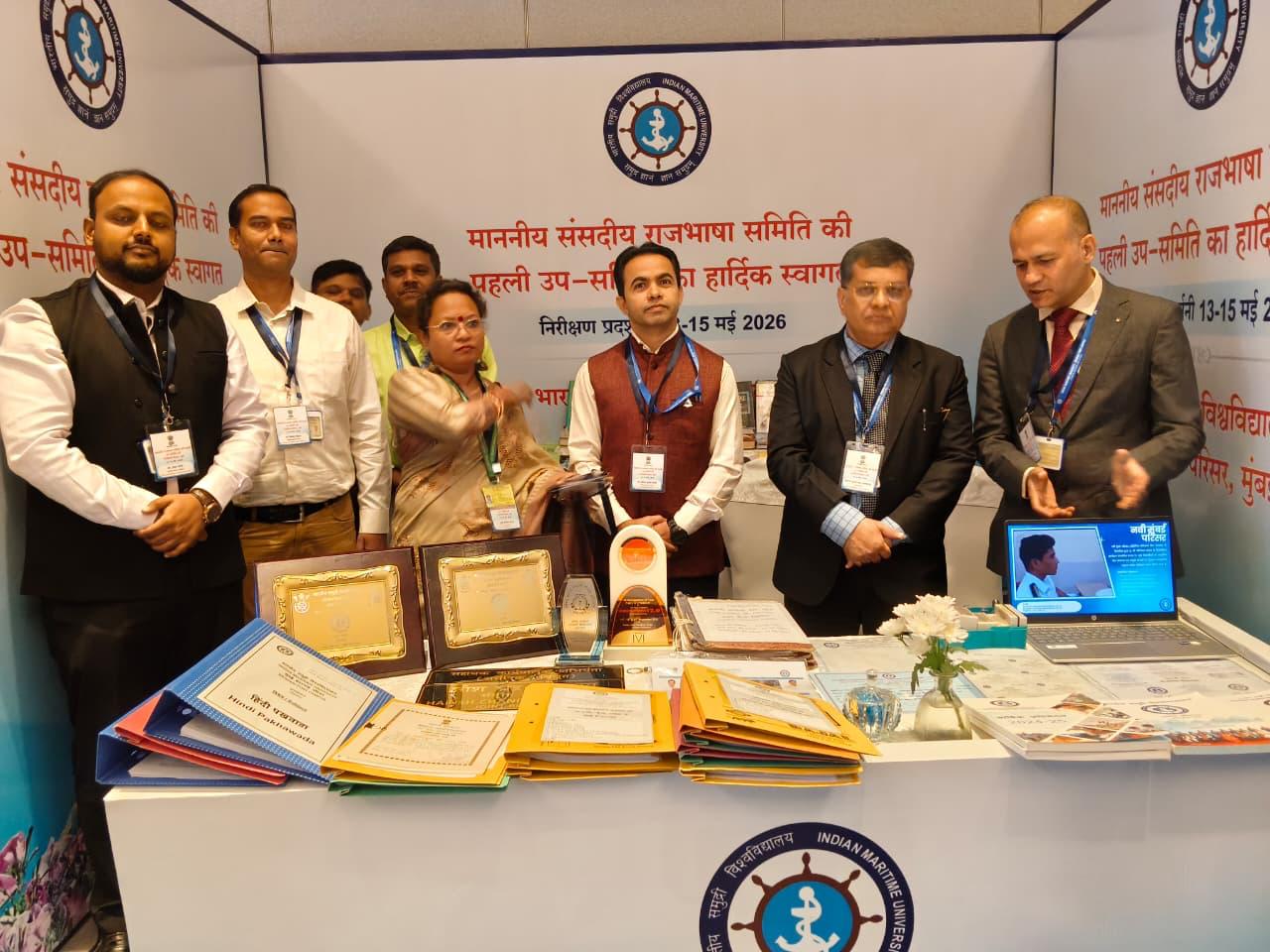
Parliamentary Committee Reviews Official Language Implementation at IMU Mumbai Port Campus  

MUMBAI: The Committee of Parliament on Official Language conducted a high-level inspection of the Indian Maritime University (IMU) Mumbai Port Campus (MPC) on Friday. The review, held in Pune alongside other Central Government departments, focused on the progressive use of Hindi as the Official Language (Rajbhasha) in administrative and academic spheres.

The inspection was led by Shri Bhartruhari Mahtab, Hon’ble MP (Lok Sabha) and Deputy Chairman of the Committee, and Shri (Dr.) Dinesh Sharma, Hon’ble MP (Rajya Sabha) and Convener of the First Sub-Committee, along with other distinguished Members of Parliament.

Picture 1 Parliamentary Committee Reviews Official Language Implementation at IMU Mumbai Port Campus  

Key representatives from the Ministry of Ports, Shipping and Waterways (MoPSW) included Ms. Priti Nath, Senior Economic Adviser, and Smt. Sangeeta Topno, Deputy Director (Rajbhasha).

The IMU leadership team present for the inspection included:

  • Dr. Rajoo Balaji, Pro-Vice Chancellor, IMU HQ
  • Shri K. Saravanan, Registrar, IMU HQ
  • Shri Sunil C. Panigrahy, Director, IMU MPC

The Committee evaluated the university’s adherence to the Official Language Policy, providing constructive guidance on further integrating Rajbhasha within the maritime sector. The university reaffirmed its commitment to promoting the use of Hindi while maintaining its excellence in global maritime training.

Delhi plans major logistics policy push

NEW DELHI : The Delhi Government is preparing to launch a new Logistics and Warehousing Policy aimed at improving freight movement, reducing congestion, and attracting investment in the Capital, Chief Minister Smt. Rekha Gupta said on Wednesday.

The policy, currently in its final stages, proposes large-scale reforms in logistics infrastructure, warehousing, transport systems, and digital freight management. The Government said the initiative is designed to make Delhi a modern and environmentally sustainable logistics hub while strengthening ease of doing business.

According to the Chief Minister, one of the key features of the policy will be the development of Urban Consolidation and Logistics Distribution Centres in peripheral areas outside the main city.

These centres will handle bulk cargo and regulate the movement of goods into Delhi in a more organised manner.

The Government believes shifting logistics hubs to the outskirts will help reduce traffic congestion caused by heavy vehicles and lower pollution levels within the city. The policy also proposes the creation of local storage hubs and micro-fulfilment centres to improve last-mile delivery systems. Officials said this would support faster and more efficient delivery operations, particularly for e-commerce and retail sectors.

The Chief Minister said the Government plans to modernise Inland Container Depots and develop dedicated logistics corridors, truck terminals, and parking facilities across the city. Cold storage units will also be established near wholesale markets to strengthen supply chains for perishable goods and reduce transport pressure inside Delhi.

Environmental sustainability has been given special importance in the proposed policy. The Chief Minister said electric vehicles will be promoted for last-mile deliveries while solar-powered warehouses and low-emission logistics systems will also be encouraged.

Officials said the policy aims to reduce the environmental impact of freight transport while improving operational efficiency. The Government also plans to introduce an integrated logistics interface platform for real-time tracking and digital management of freight movement. Advanced technologies, including artificial intelligence-based planning systems, will be used to improve route optimisation, scheduling, and supply chain management.

The Chief Minister said the use of digital systems would increase transparency and reduce delays in transportation and delivery operations. According to the Government, sectors such as e-commerce, textiles, electronics, construction materials, and agricultural produce are expected to benefit from the policy. Improved warehousing and distribution systems are likely to increase productivity and reduce operational costs for businesses.

The Government said the e-commerce industry currently accounts for nearly 61 per cent of warehousing demand in Delhi, and the new policy is expected to attract major investment in modern fulfilment infrastructure. Large-scale employment generation is also expected under the policy. Officials said new opportunities would be created in warehousing, cold chain networks, transport services, logistics parks, packaging, and technology-enabled services.

To support workforce development, the Government plans to introduce skill training programmes with incentives of up to Rs 5,000 per employee. The policy also includes financial incentives for investors. The Government has proposed Capital subsidies of up to 50 per cent, capped at Rs 50 crore, for logistics infrastructure projects. Interest subsidies and concessions on electricity charges are also planned to reduce operational expenses.

Officials said logistics and warehousing projects will be promoted through the public-private partnership model. The Government also plans to simplify approval procedures through a strengthened single-window clearance system. Warehousing and logistics operations may be allowed to function around the clock under the new framework.

Under the Master Plan Delhi 2041, wholesale markets are proposed to be shifted outside the city in phases. Land for logistics infrastructure will be identified and allocated on priority. The Chief Minister said the policy would strengthen Delhi’s supply chains, improve investment opportunities, and boost the city’s position in national logistics rankings.

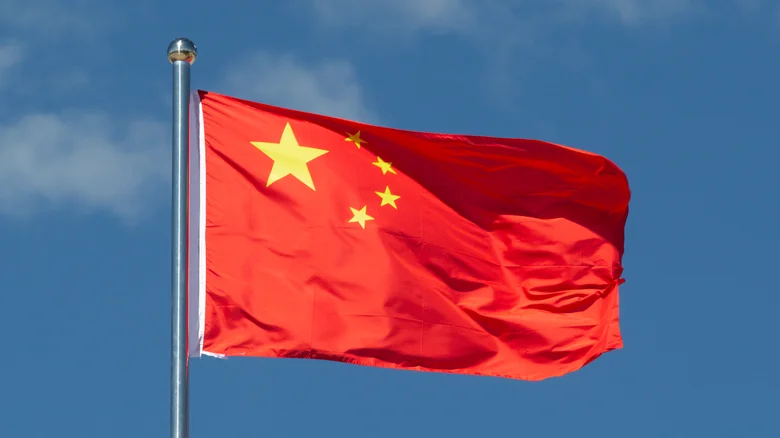
China penalizes 9 international shipping lines and 7 NVOCCs for freight rate violations

BEIJING : China’s Ministry of Transport has penalized a total of nine international container shipping lines and seven domestic non-vessel operation common carriers for alleged freight rate violations, according to a report published May 14, 2026, by The Maritime Executive. The Ministry described the penalties as a warning for carriers to improve their systems.

Among the targeted industry leaders are MSC Mediterranean Shipping Company, CMA CGM Group, Hapag-Lloyd, Ocean Network Express, and Evergreen Karine. Smaller carriers on the list include Wan Hai Lines, SM Line, Emirates Shipping, and TS Lines, along with the seven NVOCCs.

The Ministry stated that inspections were conducted in August, September, and November 2025 at the ports of Guangzhou, Qingdao, and Ningbo. The inspections focused on how the companies implemented their freight rate filings.

Authorities found that the cited companies had violated regulations by failing to complete freight rate filing procedures or by having discrepancies between actual freight rates and filed prices. The Ministry imposed administrative penalties and held what it described as serious talks with the companies.

The Ministry is demanding that the companies improve their freight rate filing systems, ensure accountability, and fulfill their filing obligations. Calling the action a warning, it said it will intensify inspections and review compliance with freight rate filing regulations, correcting any violations according to the law.

The latest effort follows a March report that the Ministry had summoned both Maersk and MSC Mediterranean Shipping Company for talks, which were widely seen as a dressing down after each agreed to have terminal operators assume port operations at the Panama Canal. According to a Financial Times report, Chinese officials privately demanded that the companies relinquish operations of terminals seized from CK Hutchison by Panama’s government. CK Hutchison had also said it would invoke arbitration against Maersk’s APM Terminals.

Source : Indexbox

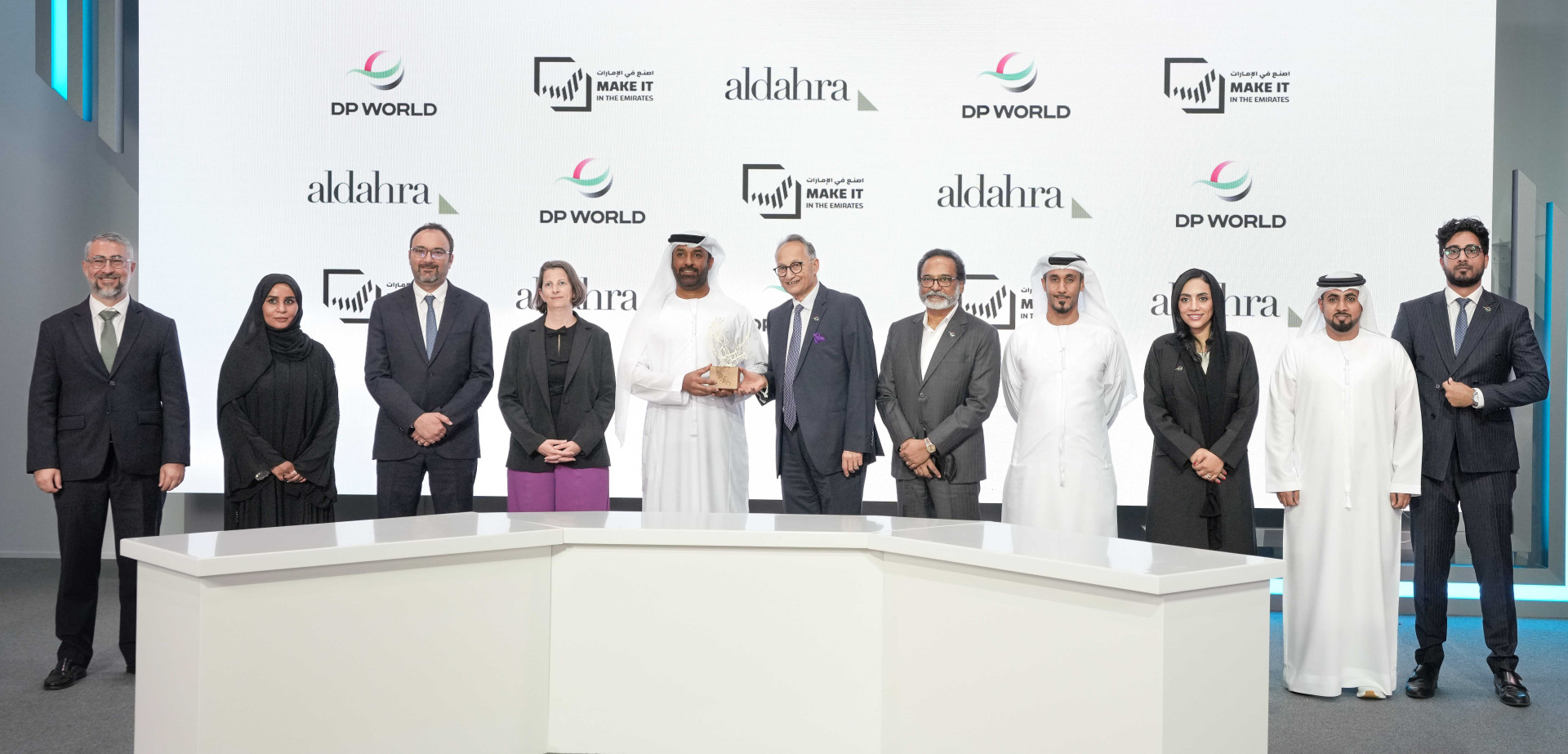
DP World & AL Dahra partner to stregthen food security and build GCC Agri-Logistics

DUBAI : DP World and Al Dahra Holding, a multinational agribusiness headquartered in Abu Dhabi, have signed a Memorandum of Understanding to explore strategic opportunities aimed at strengthening food security and advancing agri-logistics capabilities across the GCC and globally.

The partnership aligns with broader regional efforts to enhance food security and build more resilient and integrated supply chains across the GCC. With the UAE importing approximately 85–90% of its food, there is a clear need for resilient supply chains to support long-term food security.

The agreement sets out a framework for collaboration on the development of end-to-end supply chain solutions for the efficient movement, storage, and distribution of food and agricultural commodities, leveraging DP World’s global logistics infrastructure and Al Dahra’s expertise in agricultural production, sourcing, and procurement.

This includes the potential for dedicated logistics and port infrastructure to import, store, process, and distribute food commodities across the GCC, and cold chain and warehousing solutions for perishable goods such as fresh produce, grains, and processed foods. It will also explore joint investments in logistics facilities, free zone operations, and agri-food processing hubs, particularly within Abu Dhabi and the wider GCC region.

DP World and Al Dahra will also explore opportunities to expand and optimise global sourcing corridors across Africa, Eastern Europe, Central Asia, and the Americas. In addition, the partners will explore technology-driven supply chain solutions, including digital platforms, traceability systems, and smart logistics tools, to enhance efficiency, transparency, and supply-chain resilience.

The collaboration will also support closer alignment on regulatory frameworks, including food safety standards and customs processes, to facilitate smoother cross-border trade.

Yuvraj Narayan, Group CEO, DP World, said: “This collaboration reflects DP World’s commitment to enabling resilient and sustainable global supply chains. By combining our logistics capabilities with Al Dahra’s agribusiness expertise, we aim to deliver innovative solutions that support food security and economic growth across the region and beyond.”

Arnoud van den Berg, Group CEO, Al Dahra, added: “Through this partnership, Al Dahra aims to strengthen our ability to reliably source, move, and distribute essential food commodities at scale. This collaboration with DP World supports our long‑term commitment to food security, while enhancing the efficiency and resilience of agri‑food supply chains across the GCC and international markets.”

AD Ports Group announces formation of UAE’s first shipbuilders consortium

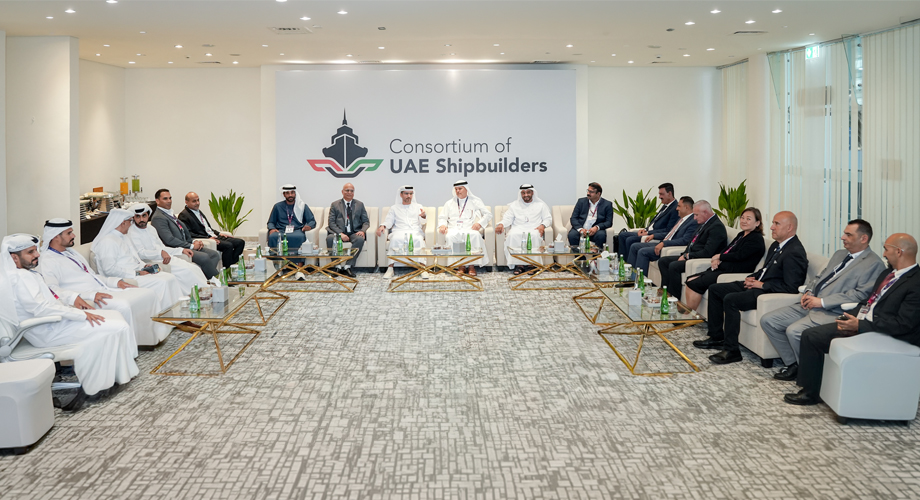
ABU DHABI : AD Ports Group, a global enabler of integrated trade, transport, industry, and logistics solutions, has announced the formation of the Consortium of UAE Shipbuilders, a unified platform across shipbuilding, vessel repair, fabrication, and marine engineering.

The Consortium brings together an initial group of national industry players spanning shipbuilding, steel production, marine engineering, and fabrication, including AD Ports Group, SAFEEN Drydocks, Premier Marine Engineering Services, Dubai Shipbuilding & Engineering (DSBE), Al Seer Marine, Dutch Oriental, JOME Engineering, Saifee, Blue Gulf Ship Builders, and MBK Marine Industries, among others.

The Consortium will enhance collaboration and strengthen the UAE’s position within the maritime industrial sector. It will improve visibility across project pipelines, enable more efficient procurement, and support coordinated execution, increasing delivery capability and overall sector competitiveness across the full maritime value chain, including increased participation by locally based small and medium-sized shipyards.

Led by Noatum Maritime, part of the Group’s Maritime & Shipping Cluster, the initiative is designed to strengthen coordination across the domestic maritime sector and provide opportunities for small and medium-sized companies to access larger and more complex projects in both local and international markets.

Captain Mohamed Juma Al Shamisi, Managing Director and Group CEO of AD Ports Group, said: “The establishment of the UAE’s first Shipbuilders Consortium reflects our commitment to advancing the nation’s industrial capabilities, in line with the vision of our wise leadership in the UAE and broader economic diversification objectives. By strengthening alignment across the sector, we are enabling greater scale, enhancing competitiveness, and positioning the UAE to play a more prominent role in global maritime trade and manufacturing. Through our maritime division, we are helping to shape a more connected and competitive national shipbuilding ecosystem.”

Noatum Maritime delivers shipbuilding and repair capabilities in the UAE through SAFEEN Drydocks, a joint venture with Premier Marine Engineering Services. Internationally, SAFEEN Drydocks has expanded its shipbuilding footprint by acquiring the Balenciaga Shipyard in Spain, further strengthening its ability to support complex vessel construction and fabrication projects across global markets.

As the lead entity, Noatum Maritime is well-positioned to define the governance and commercial framework for the Consortium, ensuring alignment with the UAE’s strategic goals for industrial growth and economic diversification.

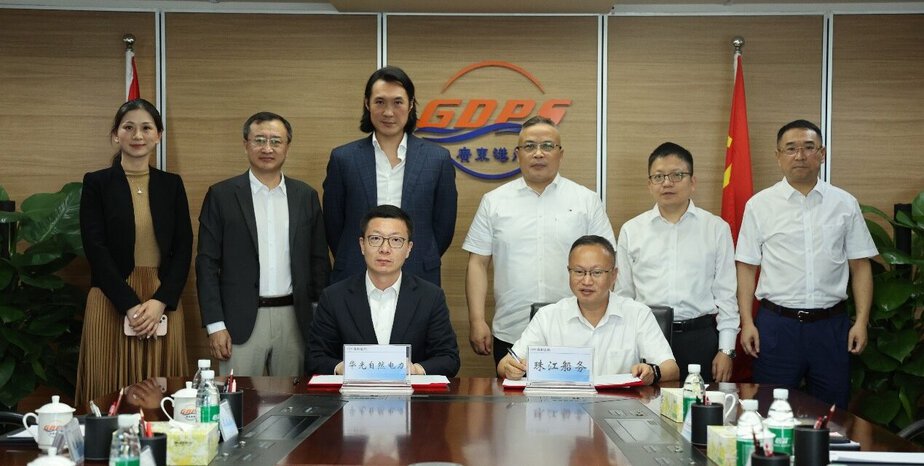
Wah Kwong NatPower and CKS Join Forces to Advance Electrification of Hong Kong–Guangdong Inland Water Transport

HONG KONG: Wah Kwong NatPower Holdings has recently signed a Memorandum of Understanding (MoU) with Chu Kong Shipping Enterprises (Group) Co., Ltd. a subsidiary of Guangdong Provincial Port & Shipping Group Company Limited. The two parties have agreed to establish a cooperative framework based on the principles of mutual benefit, complementary strengths and collaborative development, with a focus on advancing industries related to the electrification of Hong Kong’s waterborne transport. The MoU lays the groundwork for further exchanges and business exploration.

Under the MoU, the two parties will engage in in-depth discussions aligned with the shipping industry’s low-carbon transition, focusing on areas including electric vessel construction and technological innovation, charging and battery-swap networks at Guangdong–Hong Kong terminals, and the overall promotion of water transport electrification in Hong Kong. Both sides will share industry information and jointly explore relevant policy and technical developments.

The MoU was signed by Mr. Vincent Ni, the General Manager of Wah Kwong NatPower. Mr. Ni noted that establishing industry-wide collaborative mechanisms is essential to translating low-carbon transition concepts into tangible outcomes. He stated that water transport electrification is a systemic endeavour that requires close coordination across the entire value chain. The cooperation with CKS reflects a shared vision for the development of water transport electrification in Hong Kong and the Greater Bay Area. He added that Wah Kwong NatPower looks forward to pursuing pragmatic discussions and identifying application-driven collaboration opportunities to contribute to the sustainable development of the industry.

The shipping industry is entering an accelerated phase of green and low-carbon transition. As a leading hub for maritime innovation, the Guangdong–Hong Kong–Macao Greater Bay Area is advancing the deployment of electric vessels alongside the development of supporting infrastructure.

At the same time, the region is building an interconnected green energy ecosystem, expanding shoreside charging networks and promoting standardisation across charging and battery-swapping systems. This coordinated approach is critical to enabling seamless cross-regional operations and overcoming key energy replenishment challenges.

Wah Kwong NatPower is focused on advancing the global shipping industry’s energy transition. Leveraging the combined expertise of Wah Kwong Maritime Transport Holdings Limited and NatPower Marine, the company is actively developing clean energy, shore power, and related infrastructure solutions.

CKS, a wholly owned subsidiary of Guangdong Provincial Port and Shipping Group Company Limited in Hong Kong, brings strong operational capabilities and extensive experience in port logistics and waterborne transport. The signing of this MoU marks a significant step forward in accelerating maritime electrification, combining the complementary strengths of both organisations.

Together, the parties will deepen collaboration to explore practical, scalable pathways for water transport electrification, aligned with Hong Kong’s specific operating environment and broader industry trends.

Following the agreement, both parties will establish a joint working group and structure collaboration framework to accelerate project development, identify priority opportunities, and bring forward tangible infrastructure solutions.

New study maps the web of climate transition risks facing shipping and warns that siloed approaches to address them would not limit exposure

ROTTERDAM: A new white paper published on Wednesday argues that the sector’s current fragmented approach to climate risk management leaves it dangerously exposed. The white paper titled, Navigating climate transition risks in global shipping, draws on a peer-reviewed academic study by researchers from Erasmus Rotterdam University, University of Copenhagen and UCL, and provides comprehensive analysis of the climate-related transition risks facing the global shipping industry.

The study identified five interconnected categories of transition risk — litigation, policy, contractual, technology, and social, and maps the pathways through which risks in one domain can trigger or amplify consequences in another. For instance, the IMO’s Carbon Intensity Indicator (CII) regulation requires investment in emissions-reducing technologies and operations, which in turn generates unresolved contractual questions around cost allocation and performance guarantees — questions that may ultimately land in litigation. Separately, social pressure for stronger environmental standards can accelerate regulatory ambition, while simultaneously triggering greenwashing claims and shareholder suits over inadequate climate disclosure.

Hannah Mosmans, external PhD Researcher at the Department of Law & Markets at Erasmus School of Law, and Researcher Port Economics and Maritime Law at Erasmus Centre for Urban, Port and Transport Economics (Erasmus UPT), Erasmus University Rotterdam, said “Addressing climate transition risks in shipping requires more than isolated legal or technical solutions: it demands genuine interdisciplinary collaboration. The challenges we face sit at the intersection of public and private law, economic incentives, policy design, and technological and safety considerations. Only by connecting these perspectives can we begin to understand how risks propagate through the maritime supply chain and develop responses that are both effective and workable in practice. This research shows that bridging disciplines is not simply valuable, but essential, if we are to navigate the complexity of maritime decarbonisation and meaningfully address these ‘wicked problems.’”

With the IMO working towards the adoption of the Net Zero Framework later this year, EU ETS and FuelEU obligations already in force and other regional regulations forthcoming, the research argues that the shipping industry can no longer afford to treat legal, regulatory, contractual, technological, and social risks as separate business problems. The decisions companies make today — on fuels, contracts, financing, and fleet investment — will determine their exposure for decades. The central finding is action or inaction in a single risk category rarely stays contained.

The research draws on a mixed-methods approach combining a systematic literature review spanning the period 2014 to 2025 with legal doctrinal analysis of key maritime conventions, case law, and regulatory instruments. This dual approach allows the authors to connect insights from across disciplines and illustrate these through cascade chain examples. For example, the inclusion of shipping in the EU Emissions Trading System, for instance, introduces carbon pricing obligations that necessitate operational adjustments such as slow steaming or route optimisation, which in turn generate contractual uncertainties regarding cost allocation, performance obligations, and financial arrangements – issues that may ultimately give rise to disputes or litigation.

Dr. Ana Stella Ebbersmeyer, Postdoctoral Researcher at the Centre for Climate Change Law and Governance (CLIMA), Faculty of Law, University of Copenhagen, said: “This research shows that transition risks in shipping cannot be understood in isolation. Regulatory changes, litigation exposures, contractual uncertainties, technological shifts and social pressures are tightly interlinked, meaning that developments in one area can rapidly cascade into others. Recognising these connections is essential for the industry to develop strategies that reflect the full complexity of maritime decarbonisation.”

Understanding the interconnected nature of these risks and setting priorities accordingly will be essential for maintaining resilient and operationally sustainable maritime businesses as the sector accelerates its transition to decarbonisation.

Interconnectedness of climate risks in the shipping industry

Link to white paper: https://www.shippingandoceans.com/post/new-study-maps-the-web-of-climate-transition-risks-facing-shipping

Link to full research paper: https://doi.org/10.1186/s41072-026-00233-7

About Erasmus School of Law, Erasmus University Rotterdam

Erasmus School of Law (ESL) approaches maritime decarbonisation as a fundamentally legal and regulatory challenge at the intersection of international law, EU regulation, private law, and market practice. Building on its strong maritime and transport law tradition and its location in Europe’s largest port, ESL focuses on how international conventions, EU instruments, and contractual and liability frameworks must evolve to enable the transition to low‑ and zero‑emission shipping, without losing sight of commercial practice, and the need for a fair risk allocation across the maritime chain.

About CLIMA, University of Copenhagen

The Centre for Climate Change Law and Governance (CLIMA) at the University of Copenhagen’s Faculty of Law studies the legal and political dimensions of the transition towards sustainable societies. CLIMA takes a broad view of the climate change challenge, and engages in a wide array of matters ranging from the energy transition and sustainable transport to questions of eco-social policy or human rights. At the Faculty of Law, CLIMA offers a series of courses driven by the Centre’s research and supervises theses at all levels. It furthermore serves as a hub for interdisciplinary research and as an interface with stakeholders in Denmark and beyond.

About UCL Energy Institute

The UCL Energy Institute hosts a world leading research group which aims to accelerate the transition to an equitable and sustainable energy and trade system within the context of the ocean. The research group’s multi-disciplinary work on the shipping and ocean system leverages advanced data analytics, cutting-edge modelling, and rigorous research methods, providing crucial insights for decision-makers in both policy and industry. The group focuses on three core areas: analysing big data to understand drivers of historical emissions and wider environmental impacts, developing models and frameworks to explore energy and trade transition to a zero emissions future, and conducting social science research to examine the policy and commercial structures that enable the decarbonisation of the shipping sector.

BRICS, under India’s Chairmanship, will work together to build a more inclusive world order : PM Modi

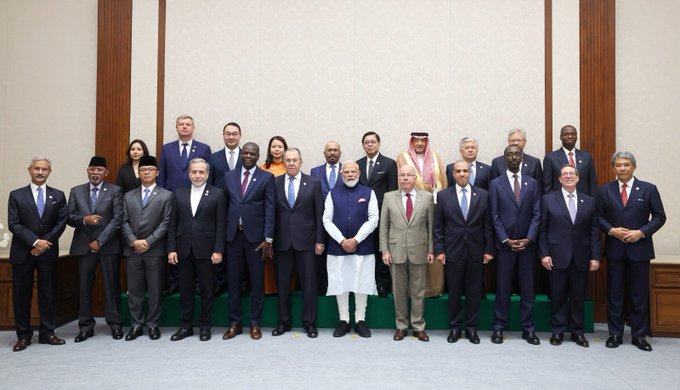
NEW DELHI : Prime Minister Shri Narendra Modi has said that under India’s Chairmanship this year, BRICS will work together to strengthen multilateralism, promote sustainable development, enhance economic resilience and build a more inclusive world order.

Interacting with Foreign Ministers and Heads of Delegation of BRICS countries who called on Mr Modi in New Delhi, the Prime Minister said, BRICS has emerged as an important platform for advancing cooperation among emerging economies and giving voice to the aspirations of the Global South.

The meetings took place on the sidelines of the BRICS Foreign Ministers’ meeting, which is underway in New Delhi.

Earlier, in his opening remarks at the BRICS Foreign Ministers’ meeting, External Affairs Minister Dr S Jaishankar said that peace and security remain central to the global order. He said that the recent conflicts only underline the importance of dialogue and diplomacy.

Brazilian Foreign Minister Mauro Vieira, Russian Foreign Minister Sergey Lavrov and Iranian Foreign Minister Seyed Abbas Araghchi, among others, are attending the meeting.

The theme of the event is Building for Resilience, Innovation, Cooperation and Sustainability.