Home Blog Page 306

BRICS 2026: India flags concern over West Asia conflict, says safe, unimpeded maritime flows ‘vital’

EAM JAISHANKER INDIA BRICS BRICS 2026: India flags concern over West Asia conflict, says safe, unimpeded maritime flows ‘vital’

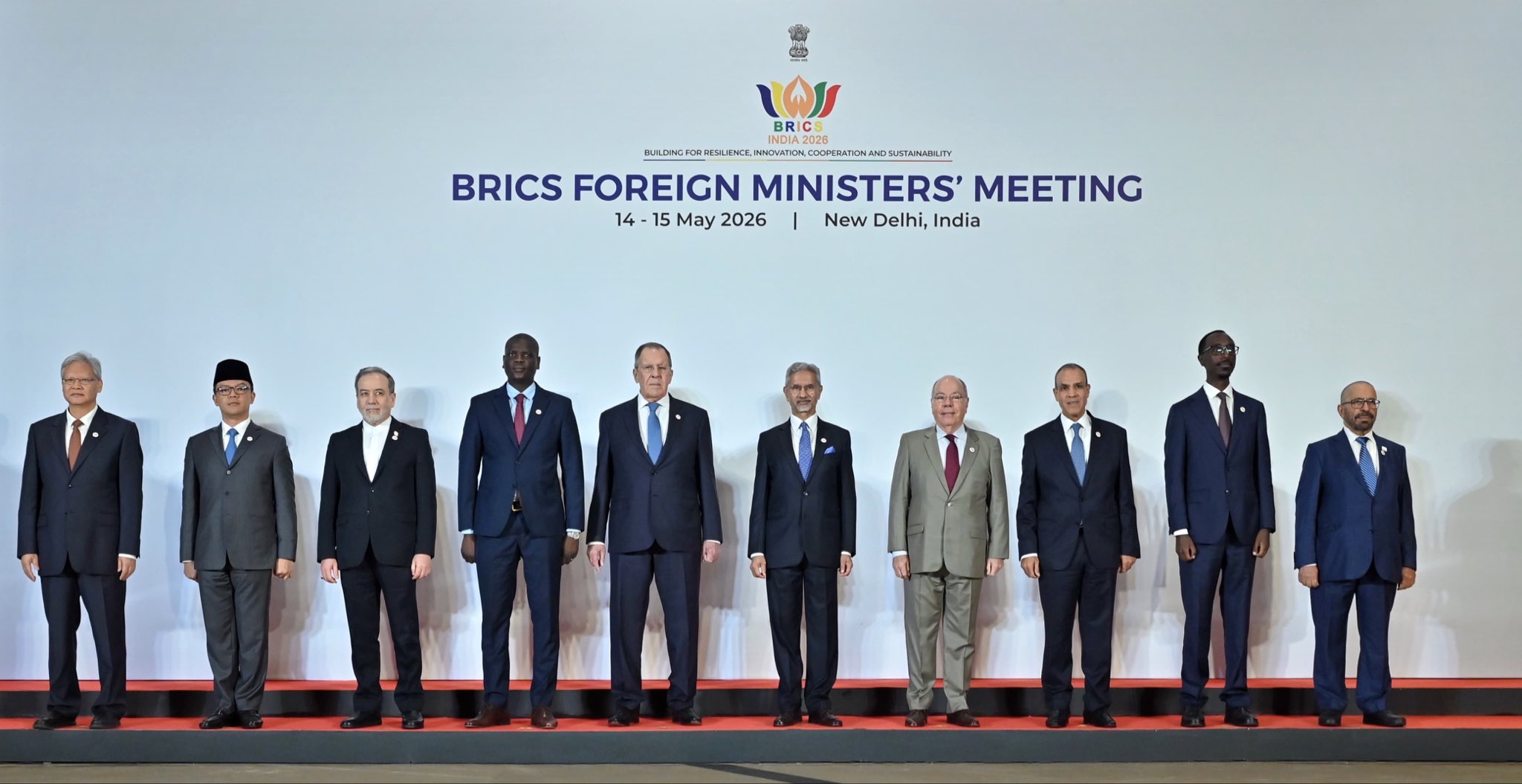
NEW DELHI : External Affairs Minister (EAM) Dr. S Jaishankar on Thursday raised concerns about the West Asia crisis and its impact on energy supplies and maritime security in the Strait of Hormuz, calling on BRICS countries to find practical solutions to deal with rising geopolitical instability and what he described as unilateral coercive measures.

Speaking at the opening of a two-day BRICS meeting in New Delhi, he emphasised that respect for sovereignty and territorial integrity should guide international relations, adding that dialogue and diplomacy remain the only sustainable way to resolve conflicts, without naming any specific country.

Dr. Jaishankar highlighted the severe global impact on emerging markets and developing nations, noting that the world is currently “increasingly complicated and uncertain”.In a post on X detailing the BRICS Foreign Ministers’ Meeting in New Delhi, the minister stated that he was “Pleased to welcome my colleagues at #BRICSIndia2026 Foreign Ministers’ Meeting in New Delhi today”. He observed that the gathering occurs at a critical juncture, noting, “We are meeting at a time when the world is increasingly complicated and uncertain, with severe impacts on emerging markets and developing countries.”

Jaishankar said India stands ready to contribute constructively towards de-escalation efforts and to support initiatives aimed at restoring stability while noting that “peace cannot be piecemeal” and “it is essential to uphold international law, protect civilians, and avoid targeting public infrastructure”.

The external affairs minister said safe and unimpeded maritime flows through international waterways, including the Strait of Hormuz and the Red Sea, remain vital for global economic well-being.During the high-level discussions, the EAM underlined the need for a “more effective response to challenges to energy, food, fertiliser and health security”. He also stressed the importance of “unimpeded and safe maritime flows through international waterways, vital for global economic well-being”.

Focusing on global stability, Jaishankar called for “securing reliable supply chains and diversified markets for economic resilience” and “addressing climate change while upholding principles of equity and common but differentiated responsibilities”.

He further advocated for “leveraging technology for good governance and inclusive growth, while addressing concerns of trust, transparency and equitable access”.

Addressing geopolitical tensions, he emphasised “addressing challenges to international peace and security through dialogue and diplomacy, and stronger cooperation against terrorism”. He notably pushed for “reformed multilateralism, including reform of the UN Security Council in both permanent and non-permanent categories”.

Affirming India’s commitment to the bloc, the minister noted that the “#IndiaBRICSChairship is geared towards building resilience, innovation, cooperation and sustainability”. He expressed his confidence that the “#BRICSIndia2026 discussions will be useful towards achieving a more stable, equitable and inclusive international order”.

Serving as the foundation of India’s 2026 BRICS presidency, the two-day summit on 14–15 May is expected to set the strategic direction for the upcoming Leaders’ Summit in New Delhi. It marks the first major ministerial meeting under India’s current chairship, bringing member nations together for high-level discussions with wider global implications.

Meanwhile, the capital has seen intense diplomatic activity, with the External Affairs Minister holding a series of back-to-back bilateral meetings on the sidelines. Representatives from countries such as Russia, China, Brazil, Indonesia, South Africa, Iran, and the Maldives took part in the talks, underscoring the broad scope and intensity of engagement at the summit.

The momentum is likely to continue on Friday as ministerial meetings proceed, allowing for more in-depth discussions and additional bilateral engagements. These concluding sessions are expected to reinforce the cooperative frameworks built over the week before the visiting delegates wrap up their visit to the Indian capital.
Gujarat CM expresses gratitude to the Central Govt for approving the Ahmedabad-Dholera Semi High-Speed Rail Project

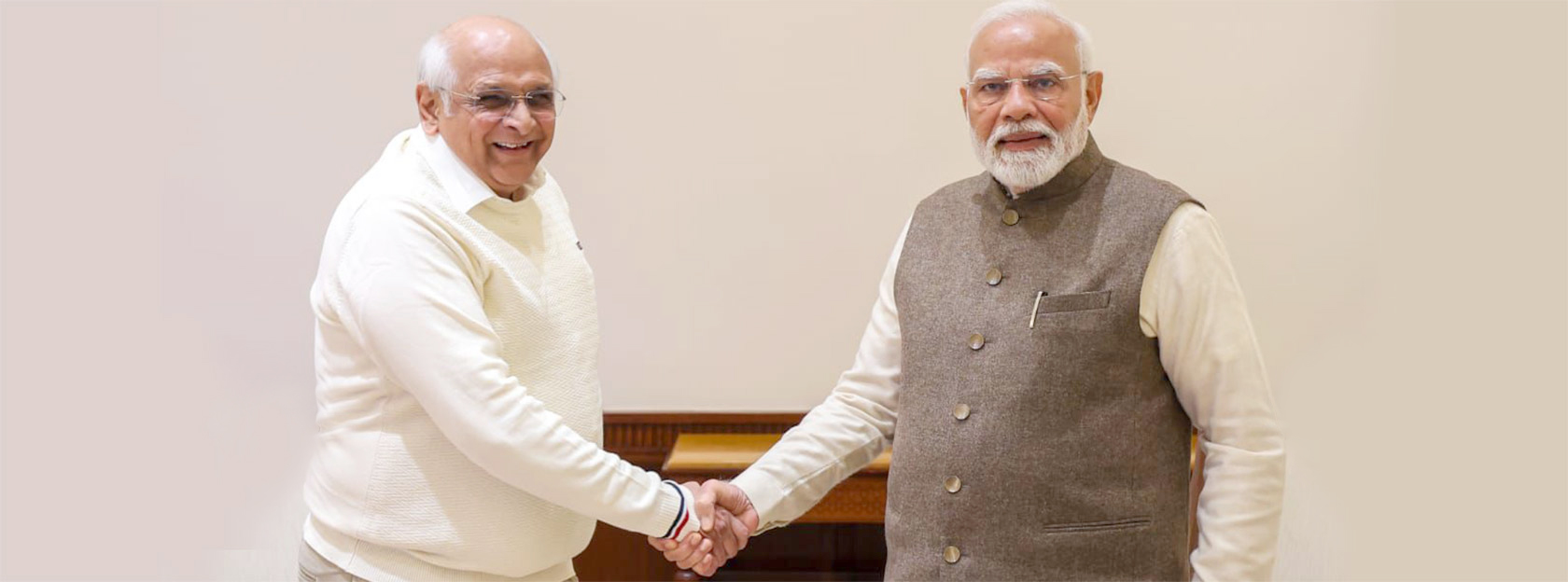
GANDHINAGAR : The Union Cabinet chaired by Prime Minister Shri Narendra Modi has approved the semi high-speed double-line rail project from Sarkhej in Ahmedabad to Dholera at an estimated cost of approximately Rs. 20,667 crore.

Chief Minister Shri Bhupendra Patel has expressed heartfelt gratitude to Prime Minister and Union Railway Minister Shri Ashwini Vaishnaw for giving Gujarat this important development-oriented gift in the form of this innovative project planned under the PM Gati Shakti National Master Plan.

This first semi high-speed rail project of Indian Railways, based on indigenous technology and realizing the vision of ‘Aatmanirbhar Bharat’, will emerge as a multi-dimensional project providing rapid connectivity between Ahmedabad, Dholera SIR, the under-construction Dholera Airport, and the Lothal National Maritime Heritage Complex.

The Chief Minister stated that Gujarat receiving India’s first semi high-speed rail project is a matter of pride for the entire state. He added that this ambitious project, initiated under the vision of the Prime Minister, will prove to be a historic milestone in the development of modern infrastructure in Gujarat. As the country’s first semi high-speed rail project, it will also serve as a leading reference model for the phased expansion of semi high-speed rail networks across India.

The project approved by the Central Government focuses on enhancing multi-modal connectivity and logistics efficiency through integrated planning and stakeholder consultations. The project will provide seamless connectivity for the movement of people, goods, and services.

The proposed project will add approximately 134 km to the existing Indian Railways network. In addition, connectivity to nearly 284 villages will improve, benefiting an estimated 5 lakh people.

Moreover, as part of an environmentally friendly and energy-efficient transportation system, the project will help save fuel and make a significant contribution toward reducing carbon emissions and logistics costs.

Uber to set up Data Centre in India in Partnership with Adani Group

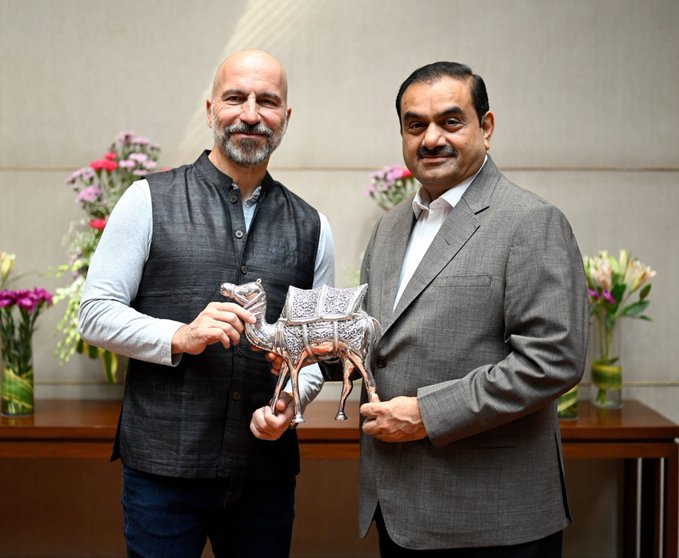
NEW DELHI : Ride-hailing Giant Uber is setting up its first data centre in India, in partnership with Adani Group, in a major expansion of its technology and innovation footprint in the country.

Sharing the development in a post on X, Uber CEO Dara Khosrowshahi wrote, “As India fast emerges as a leading innovation hub for Uber, we are setting up our first data centre in the country with the Adani Group to test and deploy our tech.”

He added that the facility is expected to be operational later this year and will support Uber’s global technology ambitions from India. “Ready later this year, this investment will help us build at scale, from India, for the world,” he said in his post.

The announcement came a day after Khosrowshahi met Finance Minister Smt. Nirmala Sitharaman to discuss the ride-hailing major’s long-term roadmap in the country. Following the meeting, Khosrowshahi said Uber sees itself as a long-term partner in India’s journey towards ‘Viksit Bharat 2047’, adding that the number of earners on Uber’s platform in the country has quadrupled since his previous meeting with the FM in 2022.

Alongside the FM, the Uber chief also met former NITI Aayog CEO and G20 Sherpa Amitabh Kant. The development comes at a time when several global tech companies are ramping up investments in India’s AI and data centre ecosystem.

OpenAI is planning to set up a 1 GW data centre in India with TCS, while Reliance Industries is building data centres in Jamnagar and Visakhapatnam. Amazon has also committed an investment of $12.7 Bn towards cloud infrastructure in India by 2030.

IT Minister Shri Ashwini Vaishnaw said earlier this week that Google is seriously considering manufacturing AI servers in India, adding that the government has urged global technology companies to explore local production.

The latest move adds to Adani Group’s growing presence in the AI and data centre segment. At the ‘India AI Impact Summit’ held earlier this year, Adani Group Chairman Gautam Adani announced plans to invest $100 Bn in India’s sovereign AI infrastructure through renewable energy-powered data centres by 2035.

Last year, AdaniConneX partnered with Google and Bharti Airtel to develop a large AI data centre campus in Visakhapatnam, Andhra Pradesh. The project is expected to attract investments of about $15 Bn between 2026 and 2030 and will include AI-focused data centres, subsea cable connectivity, clean energy infrastructure and power systems to strengthen India’s AI and compute capabilities.

Last month, reports said that the conglomerate was in talks with Meta, Google and Flipkart for potential partnerships in its data centre business as it scouts locations across India for new facilities.

At the heart of this push is India’s AI market, which is projected to reach a size of $126 Bn by 2030 and contribute an estimated $1.7 Tn to the country’s GDP by 2035.

Adani Ports appoints Neeraj Bansal as the new CEO

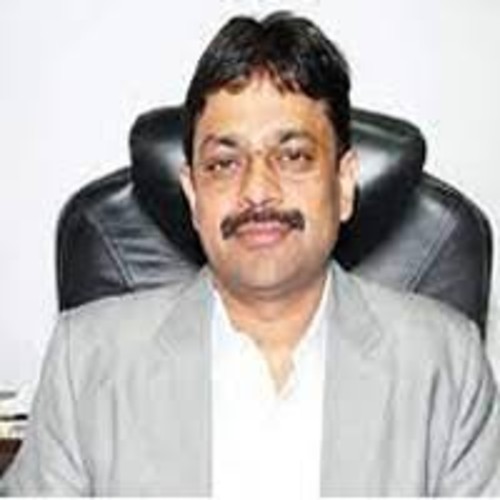
AHMEDABAD : Adani Ports and Special Economic Zone (APSEZ) has appointed Neeraj Bansal as the new Chief Executive Officer – Ports, marking a key leadership transition at India’s largest private port operator.

Bansal, an internal candidate and former Indian Revenue Service (IRS) officer, will assume the role with effect from June 1, 2026. He will succeed Pranav Choudhary, who is set to step down at the end of May to explore opportunities outside the Adani Group.

The appointment signals a strategic preference for internal leadership continuity, with Bansal having been closely associated with the company’s port operations and development initiatives. His experience includes overseeing key port assets and contributing to the company’s expansion projects, positioning him to steer the next phase of growth.

APSEZ, a flagship infrastructure company of the Adani Group, operates a network of ports and logistics assets across India and plays a critical role in the country’s maritime trade ecosystem. The leadership change comes at a time when the company is pursuing ambitious cargo volume targets and capacity expansion plans.

Choudhary’s exit marks the end of his tenure as CEO – Ports, during which the company strengthened its operational footprint and integrated new assets into its portfolio. His departure is part of a broader leadership churn within the group as it aligns management structures with evolving business priorities.

Industry observers note that the transition comes amid a phase of steady growth in India’s port and logistics sector, driven by rising trade volumes, infrastructure investments and supply chain diversification. Bansal’s appointment is expected to ensure operational continuity while supporting APSEZ’s long-term strategy of scaling cargo handling capacity and enhancing efficiency.

PSA Mumbai strengthens capacity with inauguration of new Super Panamax Quay Cranes at JNPA

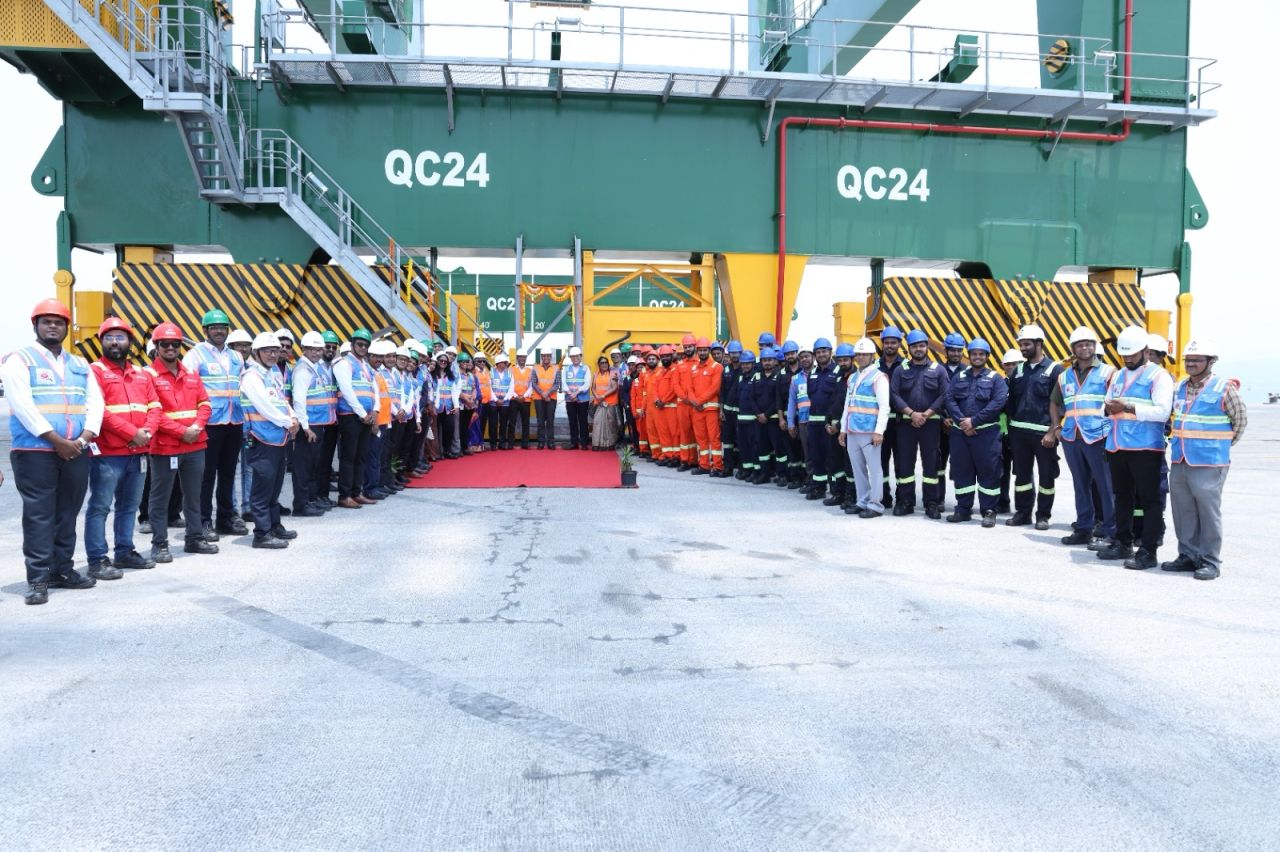
MUMBAI : Jawaharlal Nehru Port Authority and PSA International marked a major milestone in India’s maritime and logistics sector with the inauguration of new Super Panamax Quay Cranes at PSA Mumbai, the country’s largest container terminal located at JNPA.

The new cranes were inaugurated by Gaurav Dayal IAS, Chairperson, JNPA and Ravish Kumar Singh IRTS Dy. Chairperson, JNPA in the presence of senior leadership from PSA International and PSA India, including Vincent NgRegional CEO Europe & Mediterranean, Middle East South Asia at PSA International, Mr Pavithran M Kallada, Managing Director, PSA India and Shri Ashwin Arvind, Executive Director, PSA Mumbai.

The addition of the state-of-the-art Super Panamax Quay Cranes is expected to significantly enhance the operational efficiency and cargo-handling capabilities of BMCTPL (PSA Mumbai), further boosting the overall container handling capacity at JNPA. Designed to handle larger next-generation container vessels, the advanced cranes will improve vessel turnaround times, streamline port operations, and strengthen India’s maritime trade infrastructure.

The development reinforces the longstanding partnership between JNPA and PSA India in building world-class port facilities and supporting the country’s expanding trade and logistics ecosystem. With growing cargo volumes and increasing demand for efficient maritime connectivity, the latest infrastructure upgrade positions JNPA as a key gateway for global commerce and international supply chains.

The inauguration also reflects JNPA’s continued commitment to modernisation, technological advancement, and operational excellence, aimed at enhancing India’s competitiveness in global shipping and container trade.

APM Terminals Pipavav supports launch of advanced emergency care centre in Gujarat’s Rajula

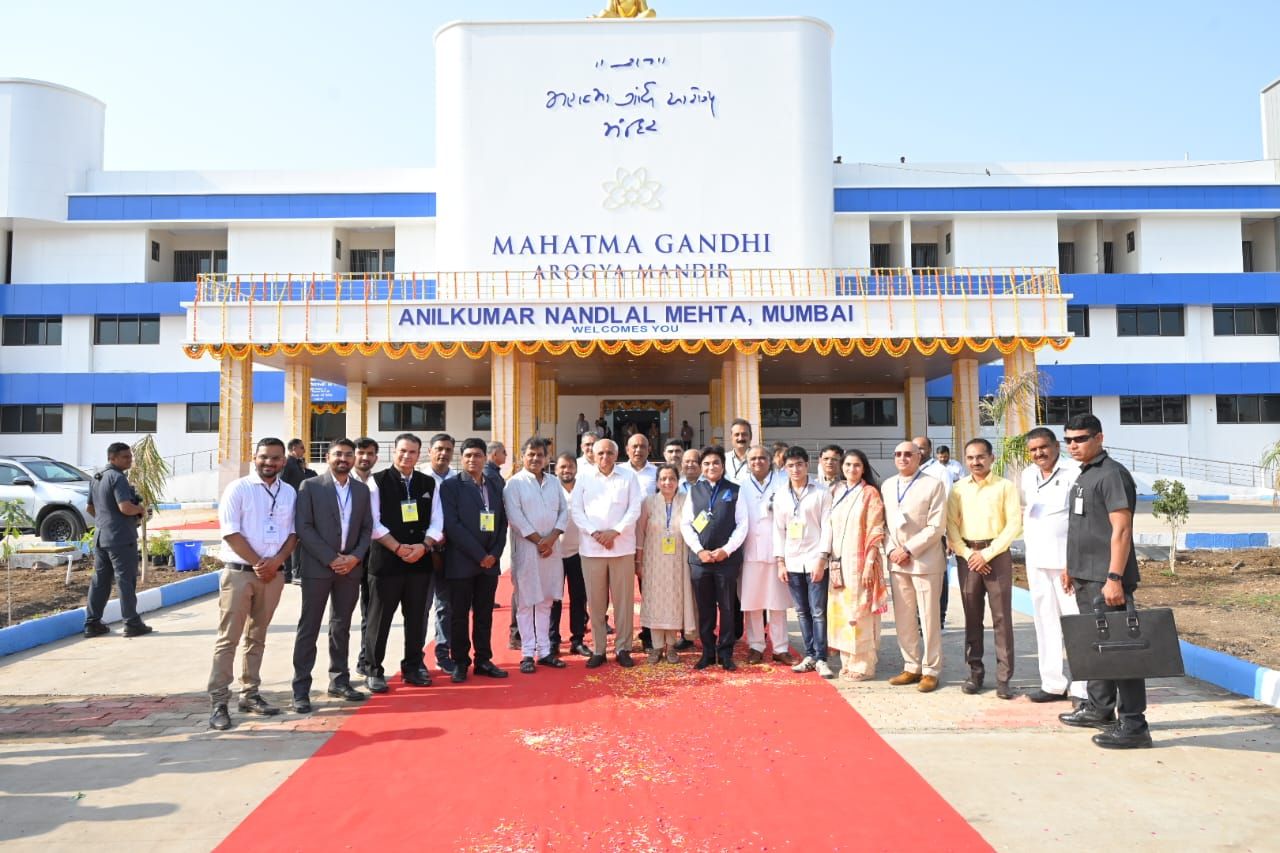
PIPAVAV : APM Terminals Pipavav has strengthened its commitment to community healthcare and rural development with the establishment of the Sanjivini Emergency Care Centre at Mahatma Gandhi Arogya Kendra in Rajula, Gujarat. The newly inaugurated 12-bed advanced trauma and emergency care facility is aimed at providing timely and life-saving medical support to rural communities across the region.

The facility was inaugurated by Shri Bhupendra Patel in the presence of Praful Pansheriya, trustees of Shri Ramkrushna Arogya Seva Trust, senior government officials, local dignitaries, and renowned spiritual leader Morari Bapu.

1778757326138 APM Terminals Pipavav supports launch of advanced emergency care centre in Gujarat’s Rajula

The Sanjivini Emergency Care Centre has been developed to address the growing need for accessible and responsive healthcare infrastructure in the rural belt of Amreli district and surrounding industrial areas. Equipped to handle trauma cases, cardiac emergencies, road accidents, and industrial injuries, the centre is expected to significantly improve emergency response time and reduce dependence on urban hospitals located far from the region.

The initiative forms part of APM Terminals Pipavav’s broader corporate social responsibility efforts focused on healthcare, education, livelihood development, and community welfare. By supporting modern emergency healthcare infrastructure in underserved regions, the company aims to strengthen the local healthcare ecosystem and enhance the quality of life for residents.

Officials associated with the project highlighted that the facility will play a crucial role in stabilizing critical patients during the “golden hour” of emergency treatment, thereby improving survival rates and ensuring quicker access to specialized medical care when required.

The launch of the Sanjivini Emergency Care Centre marks another important step towards building resilient healthcare infrastructure in rural Gujarat while reinforcing public-private collaboration for inclusive community development.

Mitsui OSK Lines plans bigger India push across energy shipping, logistics, to hire more Indian seafarers: CEO Tamura

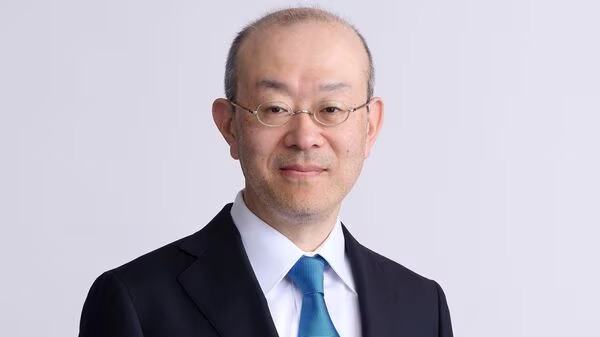
MUMBAI : Mitsui O.S.K. Lines (MOL), the Japanese shipping company that operates the world’s second-largest fleet, plans to deepen its presence in India across energy transportation, automobile exports, logistics and maritime manpower and hire more Indian seafarers.

“India is attractive for us,” Jotaro Tamura, President and CEO of MOL, said in an exclusive interview with Mint during his first visit to India after assuming office earlier this year. “In our updated business plan, India is one of the priority targets.”

Tamura said India has become strategically important in MOL’s long-term “Blue Action” corporate growth strategy extending to 2035, particularly for the 2026-30 phase where the company plans to accelerate expansion in priority geographies.

MOL’s India expansion plans come amid ongoing geopolitical tensions in West Asia that have disrupted shipping routes and increased fuel costs globally. Tamura said the company’s immediate priority remains the safety of vessels and seafarers operating around the Gulf region.

Source : Mint

Delhi CM announces two-day WFH per week, ‘Metro Monday’ measures amid austerity push

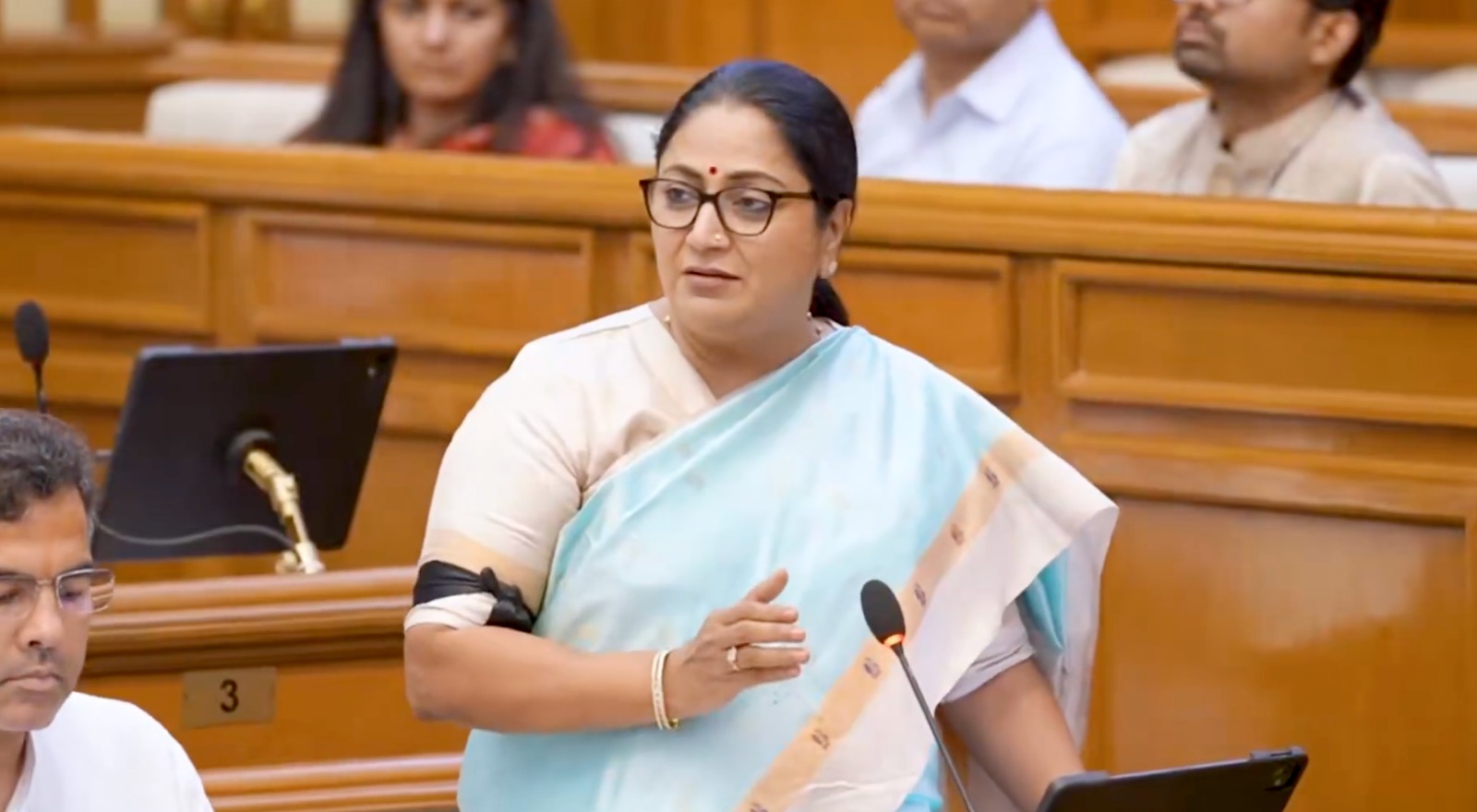
NEW DELHI : Days after Prime Minister Shri Narendra Modi urged citizens to adopt austerity measures against the backdrop of difficulties in essential provisioning due to the conflict in West Asia, Delhi CM Smt. Rekha Gupta on Thursday called for two-day mandatory work-from-home for all Delhi government employees and urged private companies to pick any two days in a week for remote work.

Purely framing the measures as a commitment towards the nation, she stated that the labour department will closely monitor the implementation of the work-from-home arrangement. The chief minister urged private establishments to strictly follow the directives.

Outlining specific measures at the level of the government, Gupta said starting tomorrow there will be a 20 per cent reduction of petrol allowance. ‘All our ministers and officials will not go for official foreign visits for one year starting tomorrow. All planned events have been cancelled,” reiterated Gupta, after several top ministers cut down the size of their convoys.

Delhi government ministers and senior officials on Wednesday began implementing a series of austerity and fuel-conservation measures following Prime Minister Narendra Modi’s appeal to cut petroleum consumption amid the prevailing US-Iran conflict.

Delhi government ministers and senior officials on Wednesday began implementing a series of austerity and fuel-conservation measures following Prime Minister Narendra Modi’s appeal to cut petroleum consumption amid the prevailing US-Iran conflict.

The chief minister added the government has decided to reduce the use of official vehicles and encourage ministers, legislators and officials to rely more on public transport and carpooling.

TN CM Vijay writes to PM Modi, urges scrapping of 11% import duty on cotton to safeguard textile sector, jobs

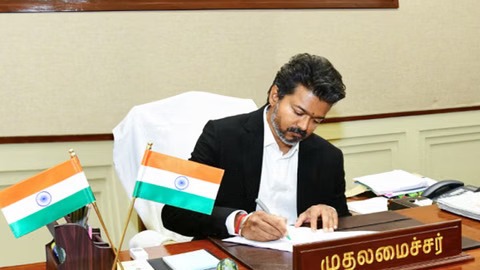
CHENNAI : Tamil Nadu Chief Minister C. Joseph Vijay on Thursday urged Prime Minister Shri Narendra Modi to immediately remove the 11 per cent import duty on cotton, warning that the state’s textile and apparel sector was facing a severe crisis due to spiralling raw material costs.

In a letter addressed to the Prime Minister, Vijay said the sharp increase in cotton and yarn prices had put immense pressure on garment manufacturers and threatened the livelihoods of lakhs of workers dependent on the sector.

Describing Tamil Nadu as India’s largest textile and apparel exporting state, the Chief Minister added that the industry provided direct and indirect employment to lakhs of people, particularly women from rural and semi-urban areas.

“The textile and apparel industry in Tamil Nadu is undergoing a severe crisis because of the unprecedented rise in cotton and yarn prices,” Chief Minister Vijay said in the letter.

According to the Chief Minister, the price of cotton has increased from Rs 54,700 to Rs 67,700 per candy during the last two months, registering a steep rise of nearly 25 per cent.

Yarn prices, too, have gone up from Rs 301 per kg to Rs 330 per kg during the same period.

Chief Minister Vijay said the increase was primarily due to a shortage in domestic cotton production and heightened trading activity across the country, which had disrupted the supply chain and affected textile manufacturers.

He added that continued supply of raw materials could now be ensured only through imports, but the existing 11 per cent import duty on cotton was making imports expensive and unviable for the industry.

“Permitting duty-free cotton imports will help the industry meet increasing export commitments and remain globally competitive,” the Chief Minister said.

Emphasising the importance of the textile sector in employment generation, Chief Minister Vijay noted that after agriculture, the textile and apparel industry remained one of the country’s largest job creators.

“Hence, there is a significant responsibility on the government to safeguard the employment of lakhs of people and ensure the sustainability of the textile value chain,” he said.

Chief Minister Vijay urged the Centre to reduce the cotton import duty from the existing 11 per cent to zero, saying the move would help stabilise raw material availability, protect jobs, boost exports, and enhance the global competitiveness of India’s textile industry.

Piyush Goyal and Rajiv Ranjan Singh hold high-level meeting to accelerate seafood sector growth

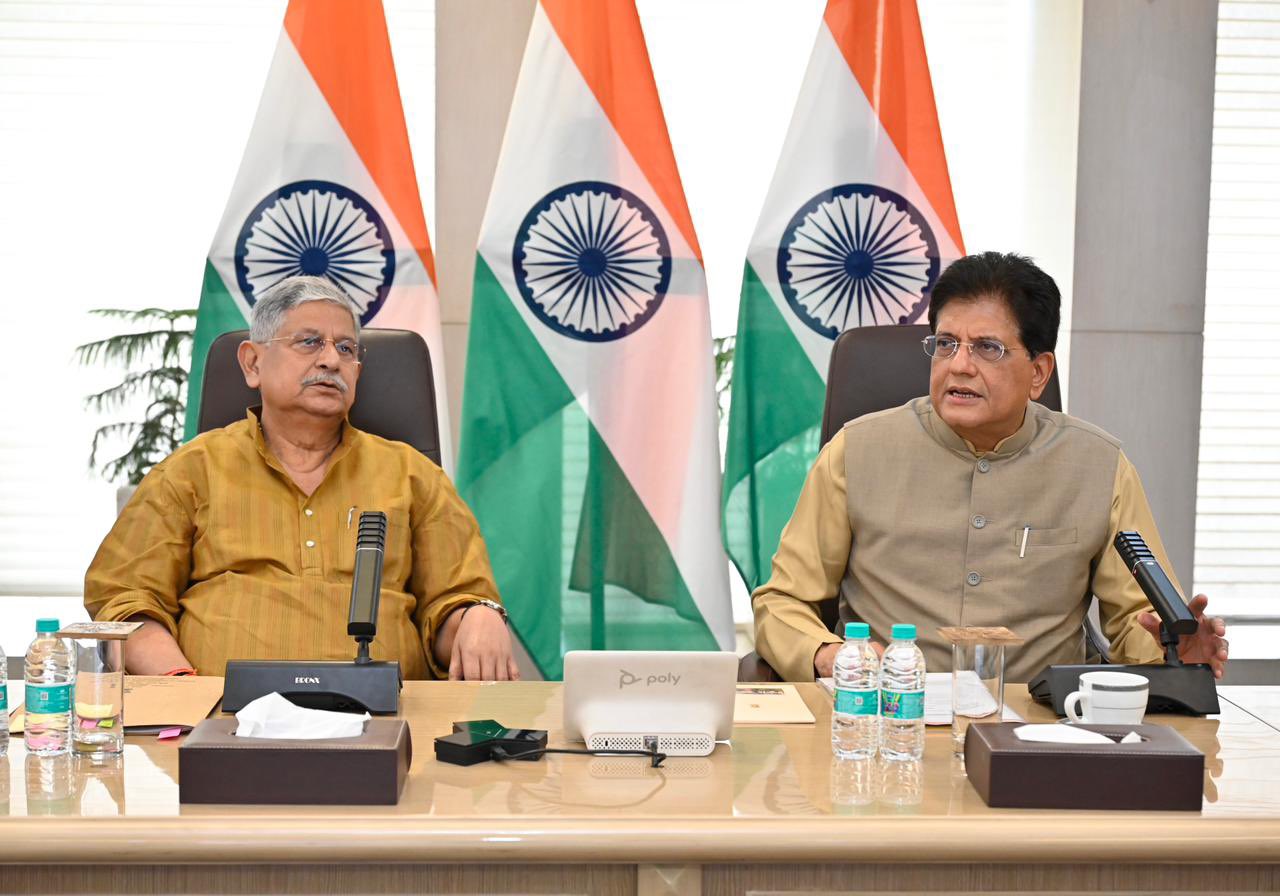
NEW DELHI : A high-level joint meeting between Union Minister of Commerce & Industry Shri Piyush Goyal, and Union Minister of Fisheries, Animal Husbandry & Dairying Shri Rajiv Ranjan Singh, was held on Thursday to deliberate on a roadmap for accelerating the growth of India’s seafood sector and strengthening the country’s global export competitiveness. The meeting was attended by senior officials from the Department of Commerce, Department of Fisheries, MPFI, DPIIT, MPEDA and EIC. The meeting stressed the need for aligning the export promotion activities with the objectives of the PMMSY and allied schemes.

The two Ministries reaffirmed their commitment towards enhancing growth of seafood exports through a coordinated strategy focused on value addition, infrastructure development, product diversification, quality assurance, market expansion, deep-sea fishing and greater stakeholder participation.

As part of this initiative, a two-day “Chintan Shivir” will be jointly organized by the ministries on 5–6 June 2026 at Visakhapatnam involving the Ministry of Food Processing Industries (MoFPI), Marine Products Export Development Authority (MPEDA), National Fisheries Development Board (NFDB), Coastal Aquaculture Authority (CAA), State fisheries departments, seafood exporters, startups, fishers, farmers and other industry stakeholders.

The Department of Fisheries will explore developing a dedicated Production Linked Incentive (PLI) Scheme for MSMEs in the seafood sector to improve international competitiveness, strengthening export-oriented infrastructure, encourage technology adoption, support research and development and promote value addition.

The proposed framework aims to substantially increase the share of value-added seafood products in India’s total seafood exports and expand the number of seafood exporters from around 1,200 presently to 5,000 in the coming years. The initiative is expected to improve export realization and strengthen India’s position in global seafood value chains.

Special emphasis will be placed on developing the tuna sector, particularly in the Andaman & Nicobar Islands and Lakshadweep. Focused interventions will be undertaken to promote sustainable harvesting, processing, branding and export of tuna and other high-value marine products.

The Department of Fisheries and MPEDA will also jointly organise trade and business delegations to major international markets to expand market access, strengthen trade partnerships and promote Indian seafood globally. MPEDA and NFDB will undertake a comprehensive assessment of export potential and infrastructure gaps across States and Union Territories, including inland regions, to facilitate wider participation in the seafood export ecosystem.

The meeting highlighted the need for an integrated approach towards addressing Sanitary and Phytosanitary (SPS) issues in aquaculture and capture fisheries. Efforts will be undertaken to strengthen traceability, quality assurance systems, disease-free zones and compliance with international food safety standards from the primary production stage onwards. Possibilities for GI tagging of seafood species and products will also be explored.

Laboratory infrastructure across States and Union Territories will be upgraded to strengthen testing, certification and export compliance capabilities, with special focus on Lakshadweep and the Andaman & Nicobar Islands.

The Ministers also appreciated the pilot initiative by MPEDA for collection and recycling of marine plastic waste in collaboration with fishers. It is envisaged to scale up the programme across all coastal States and Union Territories to strengthen marine conservation and support sustainable fisheries.

The meeting underscored the commitment of both Ministries towards transforming India into a leading global seafood export hub through sustainable fisheries development, modern infrastructure, improved quality systems and enhanced participation of MSMEs, startups and fisher cooperatives. The initiatives are expected to contribute significantly to employment generation, higher fishers’ incomes, inclusive development of coastal and island regions and the overall growth of India’s blue economy.