Home Blog Page 307

DFS launches ‘Bharat Maritime Insurance Pool’ of USD 1.5 billion, in the background of current Middle East tensions

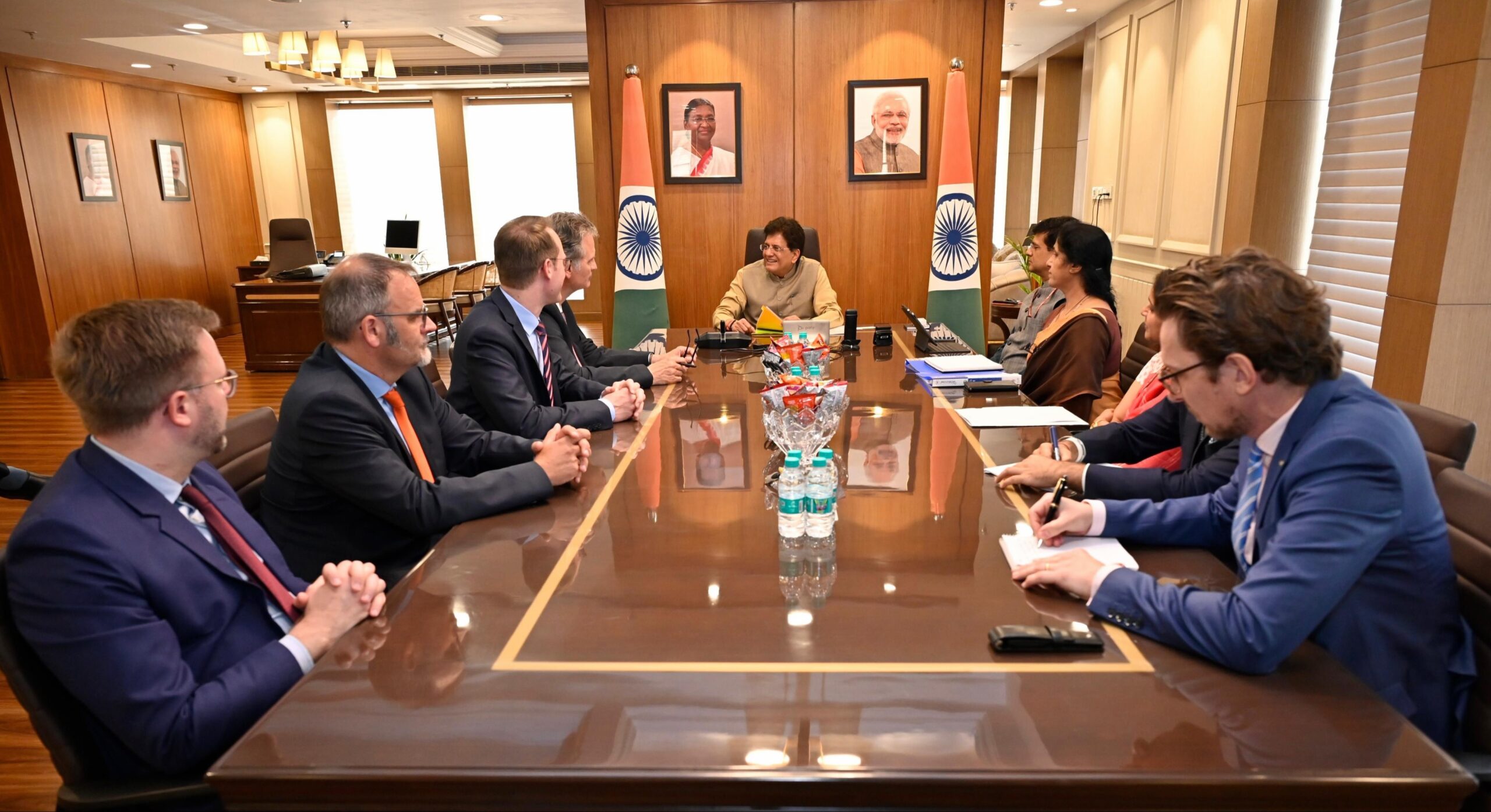
NEW DELHI : The Department of Financial Services, Ministry of Finance held an event chaired by Secretary, DFS to launch the domestic insurance pool, namely ‘Bharat Maritime Insurance Pool‘ (BMIP) of USD 1.5 billion, with a sovereign guarantee of USD 1.4 billion/₹12,980 crores to facilitate continuous maritime insurance coverages. The pool covers all maritime risks such as Hull and Machinery, Cargo, P&I and War risk for Indian flagged or controlled vessels or vessels destined to or starting from India, in the context of the current Middle East tensions.

The event was attended by senior officers from Department of Financial Services including Special Secretary Shri Sanjay Lohiya, Additional Secretary Shri Debasish Prusty, and CMD, General Insurance Corporation of India Shri Hitesh Joshi, CMD, New India Assurance Company Limited, Smt. Girija Subramanian, Secretary General, General Insurance Council Smt. Kasturi Sengupta and Director, Ministry of Ports, Shipping and Waterways, Shri Opesh Kumar Sharma.

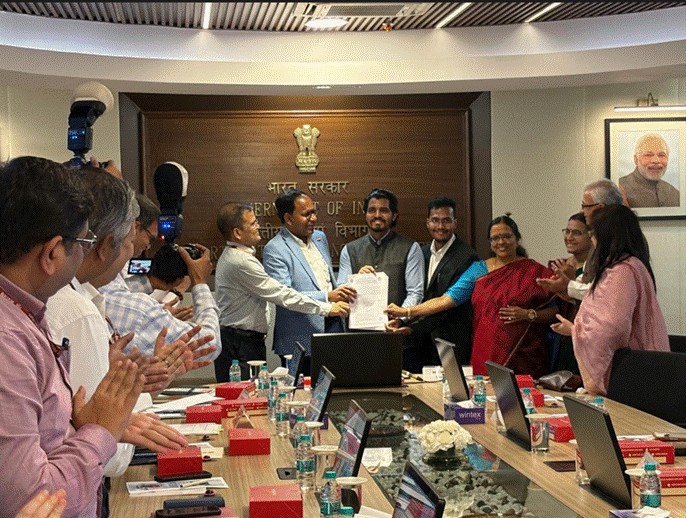
Secretary, DFS, Shri M. Nagaraju handed over the first Marine Hull & Machinery War Policy document to M/s. Hoger Offshore and Marine Private Limited issued by the New India Assurance Co. Ltd. under BMIP, providing financial protection against War Perils while navigating through High Risk War Zones. Also, a Marine Cargo War Policy was presented to M/s. Vedanta Sterlite copper Ltd., covering its import of cable wires. Policy was also issued to Balrampur Chini Mills Limited.

Restrictions or withdrawal of insurance cover in high-risk areas or sanctioned environments can disrupt shipping operations and critical trade flows. Due to sanctions, foreign re/insurers can withdraw support for any insurance policy that covers cargo or vessel carrying cargo, from the sanctioned country. Another area of concern is dependence of Indian vessels on International Group (IG) Protection and Indemnity (P&I) Club for P&I insurance. P&I insurance covers third-party liabilities like Oil pollution liability, Wreck removal, Cargo damage, Crew injury and repatriation, Collision liabilities. The pool with sovereign guarantee will be able to provide sufficient underwriting capacity to cover the risks adequately and enable the country to increase sovereign control over maritime trade.

A Governing Body has been constituted to oversee the functioning of the pool, including approvals regarding the invocation of the sovereign guarantee. In addition, an Underwriting Committee (UC) responsible for ensuring prudent, consistent and technically sound underwriting of risks ceded to the pool has been formed. GIC Re is the pool administrator, which will submit the returns, details of re-insurance arrangement, and statements on performance of the pool.

Policies will be issued by domestic insurers that are Pool members, using the combined underwriting capacity of the Pool. These risks would then be reinsured by all Pool members, in proportion to their capacity commitment in the Pool.

For claims arising upto USD 100 million, the pool will service the claim using its own capacity and for claims beyond USD 100 million, the sovereign guarantee will be invoked to service claims as a contingent backstop of last resort, after complete exhaustion of the pool’s accumulated reserves, member contributions and reinsurance arrangements.

The pool will enable the country to strengthen sovereign control over maritime trade and ensure continuity of trade even in the event of withdrawal of re/insurance coverage due to sanctions or geopolitical tensions. This would strengthen India’s maritime risk protection framework and support secure global trade operations in future, promoting India’s financial sovereignty.
IOC LPG cargoes cross Hormuz safely amid West Asia crisis; Govt says fuel supplies remain stable

NEW DELHI: Two LPG cargo vessels carrying supplies for India have safely crossed the Strait of Hormuz and are expected to arrive at Indian ports over the next few days amid the ongoing West Asia crisis, a senior government official said on Thursday, underlining the Centre’s efforts to maintain uninterrupted fuel supplies in the country.

Addressing an inter-ministerial briefing in the national capital, Additional Secretary in the Ministry of Ports, Shipping and Waterways, Mukesh Mangal, said SYMI, a Marshall Islands-flagged LPG carrier carrying 19,965 metric tonnes (MT) of LPG cargo for India with 21 foreign crew members onboard, safely crossed the Strait of Hormuz on May 13 and is expected to arrive at Kandla on May 16.

He further said NV SUNSHINE, a Vietnam-flagged LPG carrier carrying 46,427 MT of LPG cargo for India with 24 foreign crew members onboard, safely crossed the Strait of Hormuz on May 14 and is expected to arrive at New Mangalore on May 18.
Both the cargoes belong to Indian Oil Corporation (IOC).

The update comes at a time when global energy markets and shipping routes continue to remain under pressure due to the prolonged West Asia crisis.

Meanwhile, the Ministry of Petroleum and Natural Gas said the government has taken several measures to maintain adequate stocks of petrol, diesel, LPG and natural gas despite disruptions in crude oil, LPG and LNG imports.

Addressing the same briefing, Sujata Sharma, Joint Secretary (Marketing & Oil Refinery) in the Ministry of Petroleum and Natural Gas, said, “Around 75 days have passed since the West Asia crisis began, and due to this, our crude oil, LPG, and LNG imports have been affected. However, the Indian government has taken several effective steps, because of which adequate stocks of petrol, diesel, LPG and natural gas are available in the country.”

She added that “our refineries are operating at optimum capacity, and LPG production has also been increased.”

Highlighting efforts to expand PNG usage, Sharma said, “Since March, more than 7 lakh PNG connections have been gasified.” She further said that infrastructure has been created for “over 2,72,000 more connections” and “nearly 7.5 lakh new consumers have registered for PNG connections.”

The official also said many consumers with both PNG and LPG connections are voluntarily shifting fully to PNG usage. “Around 57,200 such consumers have surrendered their LPG connections,” she said.

On LPG supplies, Sharma said no dry-out situation has been reported anywhere in the country. “No dry-out has been reported at any retail outlet or LPG distributorship. Normal operations are continuing everywhere,” she said.

According to the ministry, around 1.4 crore LPG bookings were received in the last three days, with 99 per cent of them made online. During the same period, around 1.39 crore deliveries were completed, and “95 per cent of these deliveries were made using DAC (Delivery Authentication Code),” Sharma said.

Commercial LPG supplies have also improved, with Sharma stating that “commercial LPG supply has been restored up to 70 per cent” to minimise supply chain disruptions. Since May 1, more than 83,500 tonnes of commercial LPG have been sold, including over 23,820 tonnes in the last three days alone.

Sharma also said sales of auto LPG are running at “nearly double the pre-crisis levels.”

On fuel prices, the official said retail prices of petrol and diesel continue to remain stable despite global uncertainties. “Retail prices of petrol and diesel remain stable, and there has been no increase so far,” she said.

Urging people not to panic, Sharma said the government is making “every possible effort to ensure the availability and delivery of LPG cylinders to every household.” She also advised consumers to “beware of rumours” and avoid panic buying.

Referring to Prime Minister Narendra Modi’s appeal on fuel conservation, Sharma urged citizens to reduce petrol and diesel consumption wherever possible and increase the use of metro services, public transport and electric vehicles.

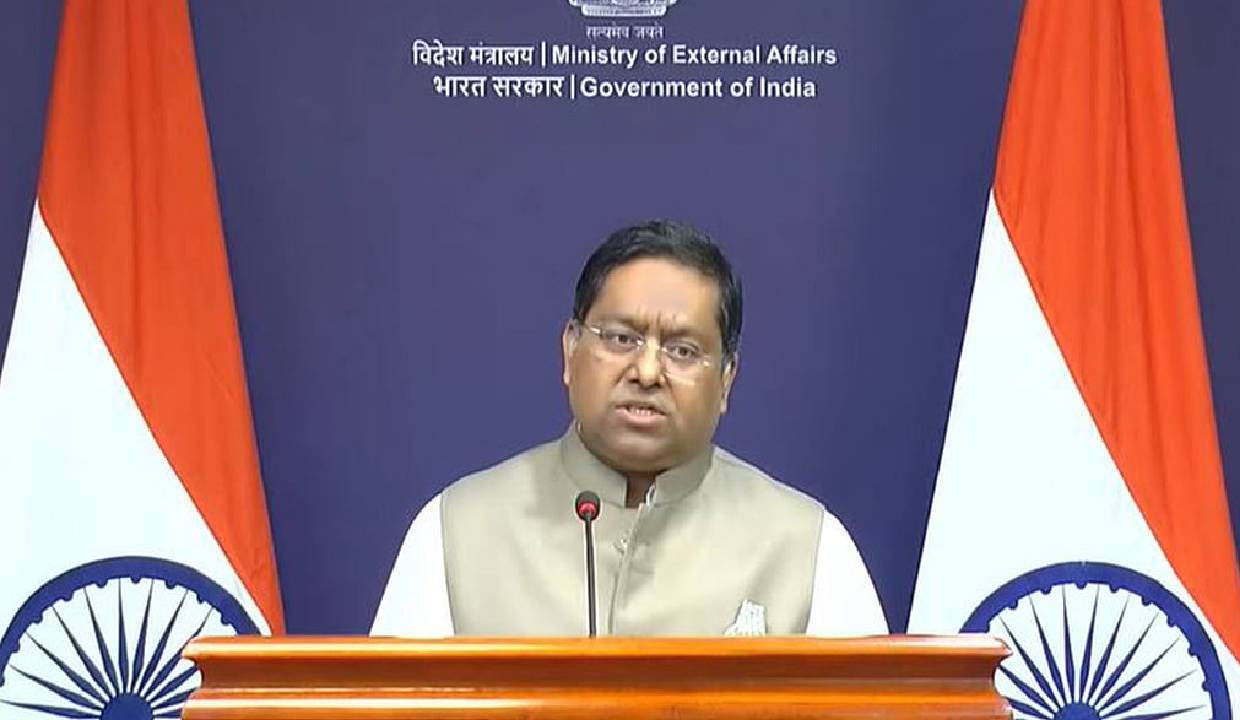
Official Spokesperson’s statement on the attack on an Indian-flagged ship off the coast of Oman

The attack on an Indian-flagged ship off the coast of Oman yesterday is unacceptable and we deplore the fact that commercial shipping and civilian mariners continue to be targeted.

  1. All Indian crew on board are safe and we thank the Omani authorities for rescuing them.
  2. India reiterates that targeting commercial shipping and endangering innocent civilian crew members, or otherwise impeding freedom of navigation and commerce, should be avoided.

EU includes India in revised draft list for continued export of aquaculture products to European market from September 2026

NEW DELHI : India has been included in the revised draft list published by the European Union on 12 May 2026 for continued export of aquaculture products to the EU market, addressing concerns arising from the earlier omission in Implementing Regulation (EU) 2024/2598 issued on 4 October 2024. The earlier regulation had not included India among third countries authorised to export products of animal origin intended for human consumption to the EU from September 2026.

The revised draft list follows compliance measures undertaken by India in line with the European Commission Delegated Regulation (EU) 2023/905, which requires exporting countries to ensure that animals and animal products exported to the EU are free from the use of antimicrobial medicinal products for growth promotion and antimicrobials reserved for human treatment.

The European Commission, in its press communication dated 12 May 2026, stated that the updated list includes countries that have demonstrated compliance with EU restrictions on antimicrobial use in food-producing animals and have provided the necessary guarantees and assurances under EU regulations.

India’s proposed inclusion is a major positive development for the country’s seafood export sector and reflects the European Union’s confidence in India’s regulatory systems, residue monitoring mechanisms and food safety standards. Once formally adopted by the European Commission, the revised regulation is expected to ensure uninterrupted export of Indian aquaculture products to the EU market beyond September 2026.

The European Union is one of the key destinations for Indian seafood exports. During 2025–26, the EU emerged as the third-largest market for Indian seafood exports, accounting for 18.94 per cent of total export value, worth US$ 1.593 billion. Exports to the EU recorded significant growth over 2024–25, with export value rising by 41.45 per cent and quantity by 38.29 per cent. Farmed shrimp continued to constitute the major share of exports to the region.

The development also recognises sustained efforts undertaken by the Department of Commerce through organisations such as the Marine Products Export Development Authority (MPEDA) and the Export Inspection Council (EIC) to strengthen regulatory compliance and promote responsible aquaculture practices.

Initiatives including the National Residue Control Programme (NRCP), Post Harvest Testing Programme, rigorous testing and surveillance systems for banned antibiotics and pharmacologically active substances, as well as stakeholder training and awareness programmes, have significantly strengthened India’s food safety and residue monitoring framework.

India has consistently enhanced its systems relating to veterinary medicinal products, antimicrobial residues, traceability and quality assurance in aquaculture production and seafood processing. The proposed inclusion is viewed as a positive outcome of continued technical engagement and regulatory cooperation between India and the European Union, and is expected to support export growth, employment generation and foreign exchange earnings from the seafood sector.

IMO Secretary-General Raises Alarm Over Strait of Hormuz Crisis and Calls for Immediate Action at MSC 111

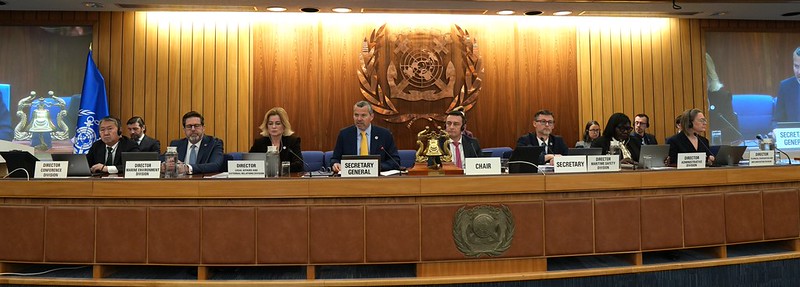
LONDON: The Secretary-General of the International Maritime Organization, Arsenio Dominguez, delivered a strong and urgent message on the escalating maritime crisis in the Strait of Hormuz while addressing the opening of the 111th session of the Maritime Safety Committee (MSC 111) on 13 May 2026.

Welcoming delegates to the crucial maritime safety meeting, the IMO Secretary-General expressed deep concern over the ongoing situation in the Strait of Hormuz, where a significant number of seafarers remain stranded aboard vessels unable to operate normally or safely leave the region. He described the situation as “unacceptable” for civilian maritime workers who continue to face prolonged security threats and severe psychological stress in a high-risk environment.

Mr. Dominguez emphasized that the continued immobilization of ships in and around the Gulf is not only a humanitarian concern but also a major threat to global trade, energy supply chains, and economic stability. He warned that the longer the crisis continues, the greater the possibility of a serious maritime incident.

Reaffirming the core principles of international maritime law, the IMO Secretary-General stated that freedom of navigation must be respected and the safety of seafarers and merchant ships must be protected at all times. He stressed that seafarers should never become collateral victims of geopolitical tensions.

In response to the worsening crisis, Mr. Dominguez revealed that he has been mandated to facilitate efforts aimed at establishing maritime corridors for the safe evacuation of seafarers if required. According to him, the proposed framework is fully anchored in international law and IMO standards and is intended to be implemented by the concerned nations.

However, he strongly criticized the continued lack of agreement preventing the implementation of the evacuation plan. “What is missing is not a legal basis, but the ability to reach agreement without further delay,” he stated, calling for urgent action in the interest of safety, responsibility, and humanity.

The IMO Secretary-General further assured delegates that he would continue engaging with all relevant stakeholders and welcomed any initiative that supports tangible solutions while fully respecting international law and freedom of navigation.

Apart from the Strait of Hormuz crisis, Mr. Dominguez also highlighted the growing concern over renewed piracy and armed robbery incidents off the coast of Somalia. He cautioned that the resurgence of piracy demonstrates how fragile the progress achieved over the years remains and urged flag States and industry stakeholders to continue implementing industry-developed Best Management Practices while operating in high-risk areas.

Turning to the formal agenda of MSC 111, the Secretary-General noted that the Committee’s extensive work programme aligns closely with the theme of this year’s World Maritime Day — “From Policy to Practice.”

Delegates during the session are expected to consider and adopt several important amendments to mandatory maritime safety instruments, including the SOLAS Convention and other key international codes aimed at strengthening the global maritime safety framework.

One of the most significant developments expected during the session is the advancement of the first-ever international Code for Maritime Autonomous Surface Ships (MASS Code). Mr. Dominguez described the progress on the MASS Code as a major milestone that demonstrates IMO’s ability to proactively address technological developments while ensuring that innovation does not compromise safety, accountability, or the human element in shipping.

He remarked that finalizing the MASS Code would serve as a strong example of translating policy into practical implementation for the future of global shipping.

The Secretary-General also extended his confidence and support to the newly appointed Chair of MSC 111, Theofilos Mozas of Greece, expressing optimism that the Committee would successfully achieve the objectives set for the session with the support of member delegations and the IMO Secretariat.

The 111th session of the Maritime Safety Committee is being held from 13 to 22 May 2026 and is expected to address several critical maritime safety, security, and regulatory issues shaping the future of international shipping.

Shipping industry fears fuel shortages as Iran war squeezes bunker fuel supply

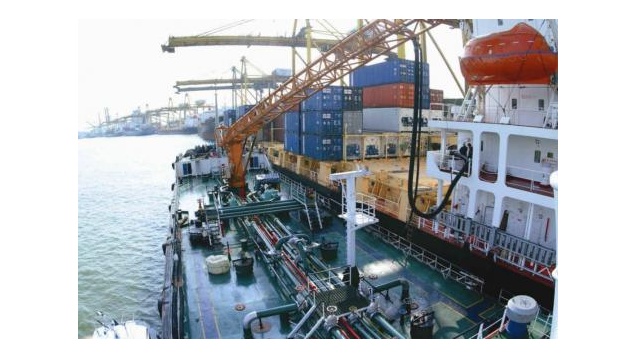
SINGAPORE: Ship operators rely on a sludgelike substance known as bunker fuel to keep vessels running. The Iran war ‘s closure of the Strait of Hormuz has choked off the supply of this fuel that powers the global maritime industry and its largest refueling hub in Asia.

Bunker fuel is a literal bottom of the barrel product: heavier and dirtier than the more expensive kinds of refined crude oil used by other vehicles like cars and airplanes, it sinks to the bottom of storage containers.

But it helps move the 80% of globally traded goods that are transported by sea, and experts say that means a shortage of bunker fuel will translate to higher shipping costs, increase consumer prices and hurt the bottom lines of businesses worldwide.

That will be an issue first in Asia, which relies heavily on Middle Eastern oil. In Singapore, the world’s biggest refueling hub for bunker fuel, reserves are dwindling and prices are spiking.

Shipping companies are trying to adapt to the energy shock, reducing vessel speeds and revising schedules to cut costs in the short term while making plans to acquire ships that can run on alternative fuels.

But some companies won’t survive this triage for long, according to Henning Gloystein of the Eurasia Group consultancy firm, who warned that the pain will spread beyond Asia through global supply chains.

Southeast Asia turns to ‘energy triage’

Asia, which was hit first and hardest by the energy shock, has adopted various forms of “energy triage ” to cope, increasing its use of coal, buying more crude oil from Russia and reviving plans to develop nuclear power.

But Asia is bracing for further impacts as energy reserves dwindle and government subsidies dry up.

More than half of global seaborne trade moved through Asian ports in 2024, according to United Nations data, so what happens there will have global consequences.

For now, Singapore’s supplies of bunker fuel have held up even as the price races up.

But the prolonged cutoff from major sources of the heavier crude oil needed for bunker fuel, like Iraq and Kuwait, will cause shortages, said Natalia Katona of the commodity site OilPrice.

“We just see the price in Singapore going up, up, up,” Katona said.

Before the war, bunker fuel in Singapore cost about $500 per metric ton ($450 per U.S. ton). That went up to more than $800 ($725 per U.S. ton) as of early May.

Fuel shortages drive consumer costs

Shipping companies are absorbing the brunt of the costs for now, said June Goh, an oil analyst for market intelligence firm Sparta Commodities, but this may soon “pass on to the customers.”

The daily cost of the Iran war for the global shipping industry is 340 million euros (nearly $400 million), according to the European Federation for Transport and Environment.

“Bunker fuel shortages tend to feed through to shipping costs more quickly than many other cost pressures,” said Oliver Miloschewsky of risk consultancy firm Aon.

Individual product impact may appear incremental but the cumulative effect of higher shipping costs “can ripple across supply chains and ultimately influence consumer prices across a broad range of sectors,” he said.

Singaporean consumers are also feeling the pinch in other ways as local ferries increase fares and luxury cruise liners tack on fuel surcharges.

Ship operators face limited options

Shippers have limited choices to deal with the situation, Miloschewsky said. They can pay more for fuel or implement fuel-saving measures like slowing shipping or suspending voyages.

The average speed of bulk carriers and container ships has slowed globally by around 2% since the war began on Feb. 28, industry group Clarksons Research reported.

High prices are also driving more interest in green fuels, said Håkan Agnevall of marine and energy technology manufacturer Wartsila.

The good news is the technology to create lower-emitting fuels exists, he said. The bad news is production isn’t yet at scale and greener fuels are often more expensive.

Though U.S. President Donald Trump derailed efforts to shift global shipping away from fossil fuels in 2025, Agnevall said the current conflict could prompt strategically minded companies and countries to renew their push toward greener alternatives.

Rising fossil fuel prices are narrowing the cost gap. “That improves the business case for green fuels,” he said.

The Caravel Group owns one of the world’s largest ship management companies, Fleet Management Limited, which oversees more than 120 shipbuilding projects.

About a third of ships that the company is managing the construction of will be “dual fuel capable,” meaning they can run on both conventional bunker fuel and alternatives such as liquefied natural gas, CEO Angad Banga told The Associated Press.

Ship owners are willing to pay a premium to have vessels that can switch between fuels because “in a volatile environment optionality has a measurable economic value,” he said.

Alternative fuels are not yet as flexible as conventional bunker fuel, Banga said. While there are more than 890 LNG-fueled vessels in operation globally, a lack of supporting infrastructure has created bottlenecks for them.

But the industry is catching up and limits on bunker fuel are driving even more interest in LNG-capable ships, he said. “That progress is real.”

Source: The Associated Press

Norovirus outbreak: Passengers allowed to leave Cruise Ship days after Bordeaux Lockdown

BORDEAUX : Some passengers have disembarked from a British cruise ship after being held in the French Port City of Bordeaux following a confirmed norovirus outbreak, BBC reported on Thursday.

The incident unfolded against the backdrop of a separate, more alarming hantavirus scare sweeping Europe’s cruise industry.

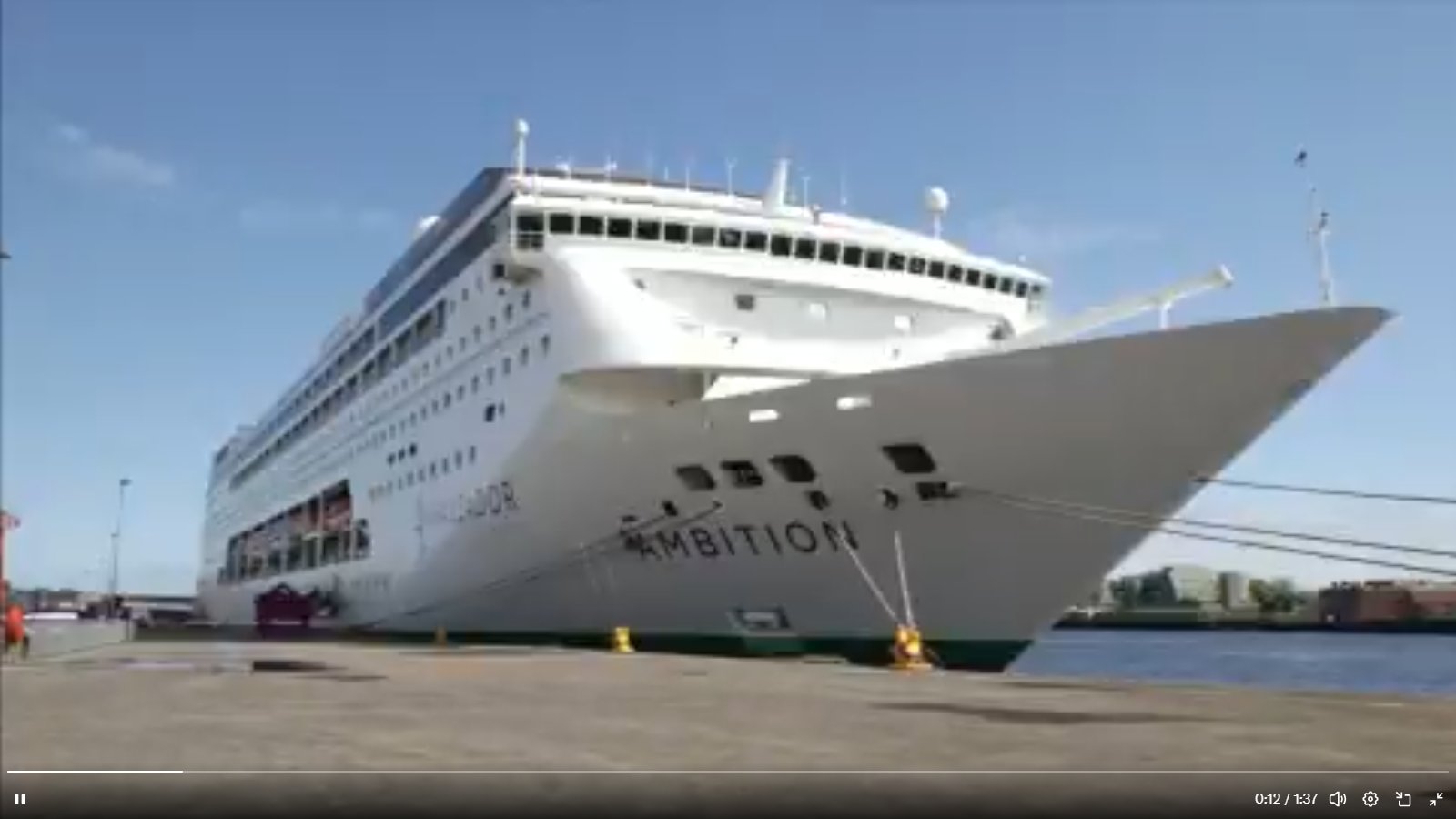
More than 1,000 passengers aboard the Ambition, operated by Essex-based Ambassador Cruise Line, were held on the vessel after 49 people fell ill with gastrointestinal sickness.

The ship was carrying 1,187 guests and 514 crew members. French health authorities in Bordeaux confirmed on Wednesday evening that samples taken from the ship tested positive for norovirus, which spreads from person to person or through the environment. No serious cases have been reported.

French authorities said passengers showing no symptoms were free to disembark, while isolation guidelines would remain in place for those affected, “along with reinforced preventative measures and hygiene protocols on board.”, BBC reported. 

The cruise line confirmed the lifting of restrictions shortly after, stating: “Ambition has now been released by the relevant French health authorities to continue normal operations.” Enhanced sanitation measures, medical monitoring and isolation procedures remain active across the ship.

The voyage had been underway since May 8, when the Ambition set sail from Belfast before stopping in Liverpool the following day. Ambassador Cruise Line said there was a reported increase in cases after guests boarded in Liverpool. The ship was scheduled to continue on to Spain before its return.

The outbreak was further overshadowed by the death of a 92-year-old male passenger on board on Sunday. The cruise line confirmed he had not reported any related gastrointestinal symptoms and his cause of death remains unknown.

French authorities also noted separately that a passenger was admitted to Bordeaux University Hospital following a fall, and their condition is stable.

French officials were quick to stress there was “no reason” to link the Ambition outbreak to the hantavirus cluster detected aboard a separate cruise ship — an incident that has prompted widespread alarm. Norovirus, while unpleasant, is far less severe. The NHS says patients typically recover within two days.

Baltic Dry Index hits over 5-Month High

LONDON: The Baltic Exchange’s dry bulk freight index, which monitors rates for ships carrying dry bulk commodities, edged higher on Thursday to a more than five-month high, rose about 0.2% to its highest since December 5 at 3,195 points.

The Capesize index lost 24 points, or 0.5 per cent, to 5,316.

Average daily earnings for Capesize vessels fell $224 to $44,706.

Dalian iron ore futures closed flat on Thursday after a two-session slide, as traders weighed weak demand for Chinese steel products against an expected rise in hot metal output next week.

The Panamax index rose 49 points, or two per cent, to 2,503.

Average daily earnings for Panamax vessels gained $445 to $22,528.

Among smaller vessels, the supramax index added five points, or 0.3 per cent, to 1,558.

Source: Reuters

IEA supports digital transformation of Glaciar Pesquera fisheries fleet with Inmarsat NexusWave roll-out

LONDON: Inmarsat Maritime, a Viasat company, has worked with its Argentinian partner Ingenieros Electrónicos Asociados (IEA) to implement NexusWave for Glaciar Pesquera to support the fishing company’s fleetwide targets to achieve greater operational efficiency and enhanced crew welfare.

As a fully managed, bonded multi-network service, NexusWave delivers the cost and performance predictability Glaciar requires to meet its increasingly data-intensive commercial and crew connectivity needs. Previously, IEA had to monitor data usage and frequently experienced overages. Since NexusWave’s secure, high-speed service is truly unlimited, unexpected costs are avoided, and the technical teams can focus on more strategic tasks.

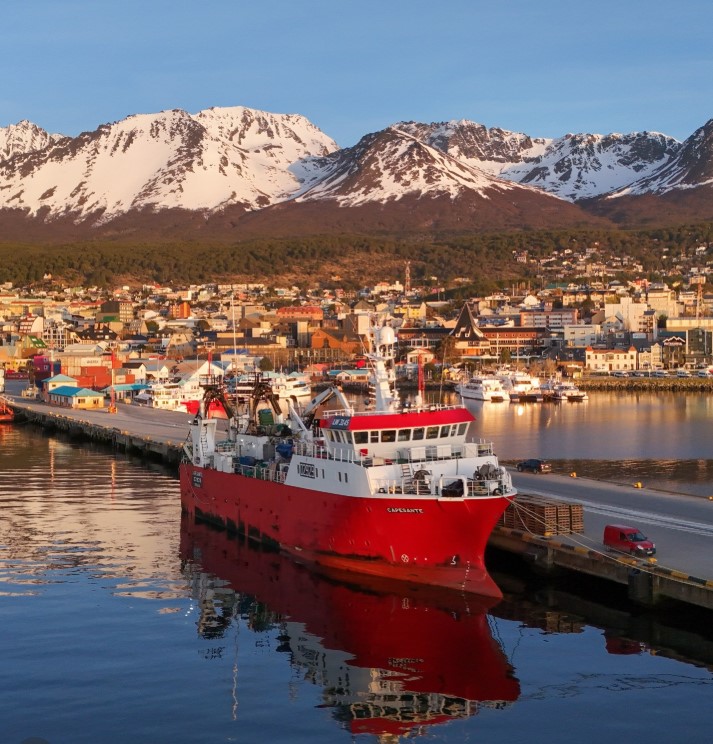
NexusWave is designed to provide enhanced network speed, increased stability and security, improved service reliability and continuous data synchronisation, supporting operational resilience and continuity. Reliable, high-speed connectivity has enabled the real-time integration of ship and shore operations, with the state-of-the-art factory vessels – Mar del Plata-based Atlantic Surf III and Ushuaia-based Capesante – now functioning as seamless extensions of Glaciar’s headquarters.

NexusWave has also had a transformative impact on the daily lives of the company’s seagoing personnel. Today, Glaciar crew enjoy consistent access to digital services in their free time, allowing them to communicate with friends and family and share messages, audio, photos, and videos without restrictions. This not only supports seafarer well-being on long trips but also helps to consolidate Glaciar’s position as an attractive employer in the South American fishing market.

Mauro Abbadie, Technical Manager (Supplies), Glaciar Pesquera S.A, commented: “Primarily, we were looking for a solution with a flat rate and high speeds to provide predictability and facilitate onboard digitalisation. NexusWave has fulfilled these expectations. Since its implementation, we have not experienced any issues; performance has been high, stable and seamless, helping to support our evolving operational and crew connectivity demands.”

Christian Troncoso, Technical Manager, Ingenieros Electrónicos Asociados S.R.L, said: “We are delighted to receive such enthusiastic feedback from Glaciar Pesquera following our roll-out of Inmarsat NexusWave on board its vessels. The company’s expectations reflect a growing preference in the maritime industry for connectivity that provides predictable outcomes – and its positive early experience with NexusWave highlights how the solution addresses this requirement.”

Jose Arias, Global Account Manager, Inmarsat Maritime, commented: “Our success with Glaciar Pesquera reflects the strength of our strategic relationship with IEA in Argentina. Its deep local knowledge and technical expertise were instrumental in executing this NexusWave roll-out. We are thrilled to see how the solution has positively transformed Glaciar’s operations and crew welfare, and we look forward to future collaborations with IEA in the region.”

Landmark MoU signed for India’s first Mega Greenfield Shipyard at Thoothukudi

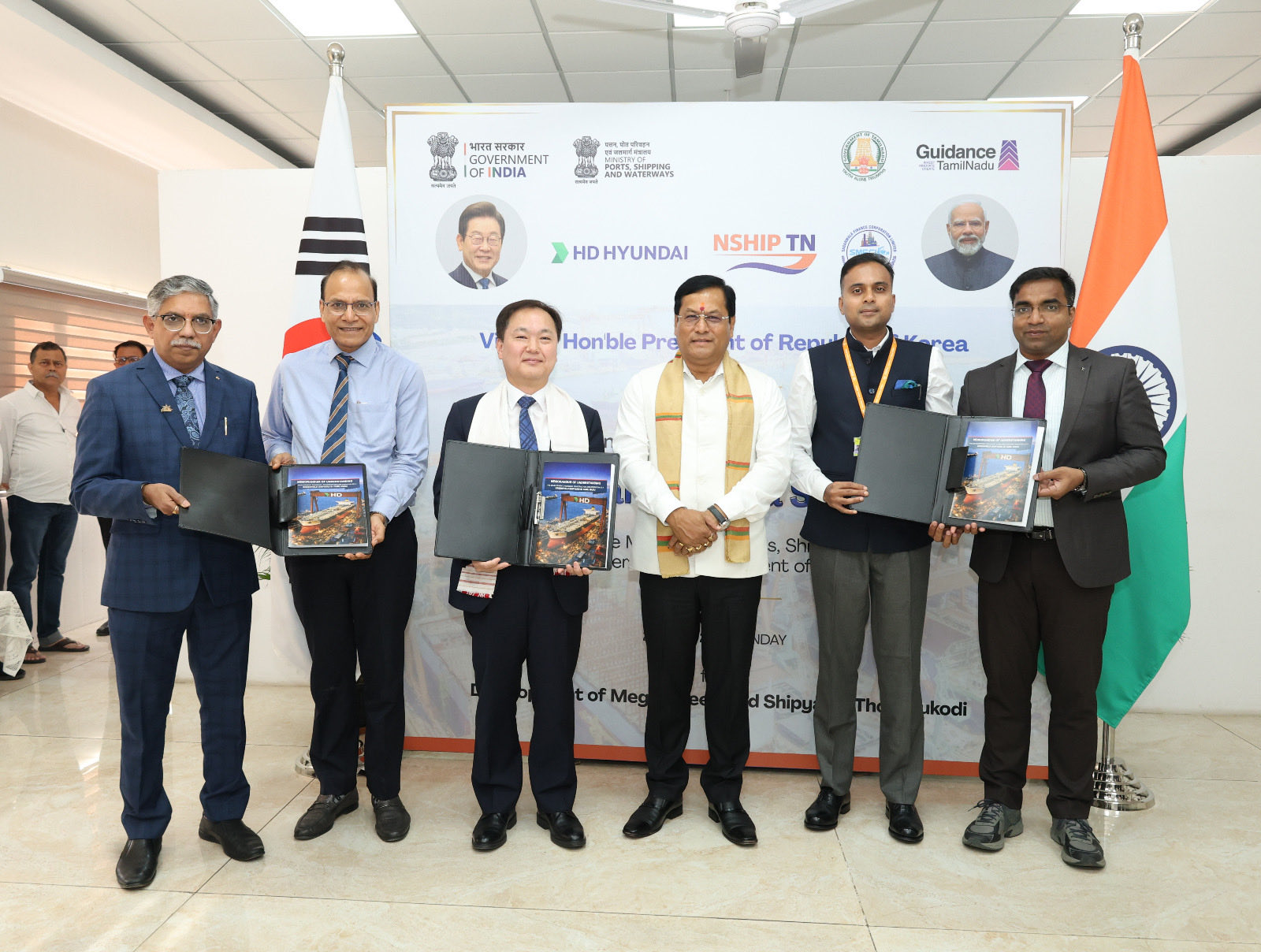
THOOTHUKUDI : In a historic development for India’s maritime sector, a tripartite Memorandum of Understanding (MoU) was signed on 20 April 2026 between HD Korea Shipbuilding & Offshore Engineering Co., Ltd. (HD KSOE), a global leader in shipbuilding; National Shipbuilding & Heavy Industries Park, Tamil Nadu Limited (NSHIP-TN), a Special Purpose Vehicle jointly promoted by V.O. Chidambaranar Port Authority (VoCPA), a Major Port under the Government of India, and State Industries Promotion Corporation of Tamil Nadu (SIPCOT) Tamil Nadu, a Tamil Nadu government undertaking; and Sagarmala Finance Corporation Limited (SMFCL) under the Ministry of Ports, Shipping and Waterways (MoPSW), for the development of India’s first Mega Greenfield Shipyard at Thoothukudi, Tamil Nadu.

The MoU was exchanged in the august presence of Minister for Ports, Shipping and Waterways on 20 April 2026, during State Visit of H.E. Mr. Lee Jae Myung, President of the Republic of Korea (ROK), to India. The agreement emerged under the India-ROK Comprehensive Framework ‘VOYAGES’ (Shared Vision for Operation of Yard Assisted Growth with Efficiency and Scale) for Partnership in Shipbuilding, Shipping and Maritime Logistics, launched following the meeting between Hon’ble Prime Minister Shri Narendra Modi and President Lee Jae Myung during the latter’s State Visit to India.

The Thoothukudi Greenfield Shipyard represents one of the earliest implementation outcomes under the India-ROK maritime cooperation framework and reflects the growing strategic partnership between the two countries in the maritime domain.

The MoU provides a foundation for the joint development, financing, construction and operation of a world-class mega shipyard at Thoothukudi with an envisaged annual capacity of 2.5 Million Gross Tonnage (GT). The project is expected to generate approximately 15,000 direct jobs upon stabilisation of operations, besides creating substantial indirect employment opportunities across Tamil Nadu and the surrounding region.

The proposed shipyard will serve as the anchor facility of the Thoothukudi Shipbuilding Cluster being developed by NSHIP-TN. The Techno-Economic Feasibility Report (TEFR) for the project has already been completed, while preparation of the Detailed Project Report (DPR) is currently underway. NSHIP-TN has also received In-Principle approval from the National Shipbuilding Mission, Government of India, for the proposed Greenfield Shipbuilding Cluster at Thoothukudi.

India’s Maritime Amrit Kaal Vision 2047 (MAKV 2047) aims to position India among the top five shipbuilding nations globally, with a targeted shipbuilding output of 4.5 Million GT per annum by 2047. The proposed Thoothukudi facility, with a projected annual capacity of 2.5 Million GT, is expected to significantly transform India’s commercial shipbuilding landscape and substantially enhance the country’s current shipbuilding capacity.

Beyond shipbuilding capacity creation, the project is envisaged to catalyse the development of a comprehensive maritime industrial ecosystem through ancillary and component manufacturing clusters, localisation of marine equipment and engineering supply chains, workforce skilling initiatives, and adoption of advanced manufacturing, digital shipbuilding and green shipping technologies. The collaboration may also facilitate training of Indian shipbuilding professionals and workers at HD KSOE’s facilities in the Republic of Korea.

In September 2025, the Government of India launched a comprehensive shipbuilding policy package of approximately ₹70,000 crore as part of four pillar approach of the government, aimed at accelerating India’s emergence as a globally competitive shipbuilding hub. Since the launch of the policy package, Indian shipyards have witnessed growing international interest and order inflows, reflecting increasing confidence in the country’s shipbuilding capabilities and green technology readiness.

Notably, CMA CGM has placed orders for six 1,700 TEU vessels at Cochin Shipyard Limited (CSL), while Swan Energy’s Pipavav Shipyard has secured international orders for six chemical tankers from Norway and four ammonia-powered Kamsarmax bulk carriers from the United Kingdom.

Speaking on the occasion, Shri Sarbananda Sonowal, Union Minister of Ports, Shipping and Waterways, said: “The signing of this landmark MoU marks a defining moment in our journey towards becoming a global maritime power under the visionary leadership of Hon’ble Prime Minister Shri Narendra Modi ji. This partnership under the ‘VOYAGES’ framework will bring world-class technology, scale, innovation and green shipbuilding capabilities to India. It will not only transform India’s commercial shipbuilding capacity but also generate thousands of skilled jobs, catalyse industrial growth and strengthen our maritime ecosystem with global competitiveness. Thoothukudi will emerge as a strategic maritime and industrial hub for the world as India advances towards realising the Maritime Amrit Kaal Vision 2047.”

The signing of the MoU marks a major step towards establishing India as a globally competitive maritime manufacturing nation and reinforces the Government’s commitment to building large-scale industrial infrastructure through international partnerships, advanced technologies and sustainable growth.