Home Blog Page 311

Africa Forward Summit: Rodolphe SAADE signs a strategic partnership agreement with the Government of the Republic of Kenya

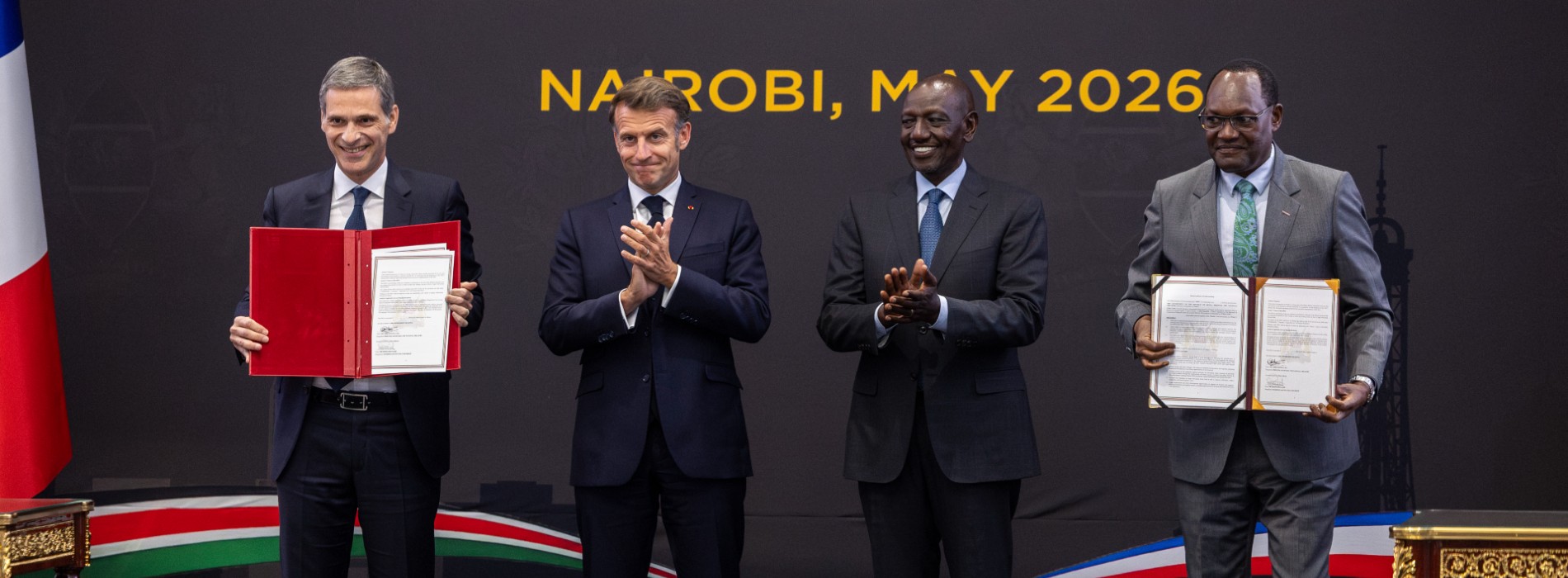
  • In the presence of the Presidents of the French and Kenyan Republics, M. Emmanuel MACRON et M. William RUTO, this signature positions Kenya as a major regional gateway for East and Central Africa.
  • A signature following the inauguration in Abidjan of the CMA CGM Group’s Africa Regional Office on April 23, parking a further step in Africa’s Strategy.
  • The Group confirms a long-term investment strategy in Africa focused on port infrastructure, logistics integration and decarbonization.
  • The CMA CGM Foundation announces two new projects in Kenya: the expansion of a training center in partnership with the Kenyan Red Cross and the French Embassy, and the renovation of a football field for the University of Nairobi

A strategic partnership with the Republic of Kenya at the heart of CMA CGM’s strategy in East Africa

MARSEILLE : The CMA CGM Group, a global player in sea, land, air and logistics solutions, announces the signature of a high-level framework for joint cooperation with Keynan institutional authorities to implement initiatives towards the development of Kenya’s logistics and port capacity. The objective is to accelerate solutions to meet the growth of supply chain flows in and out of east and Central African maritime demand, inland logistics and freight management.

This strategic partnership will look for joint investment solutions to improve the competitiveness and strengthen the region’s integration into global trade routes through Kenyan reinforced infrastructures.

It has been signed as part of the Africa Forward Summit, and in the presence of the Presidents of the French and Kenyan Republics, M. Emmanuel MACRON et M William RUTO. 

This significant announcement comes in the immediate aftermath of the inauguration of the CMA CGM Group’s Africa Regional Office in Abidjan on April 23, 2026, marking a further step in the Group’s strategic expansion across the African continent.

CMA CGM Group has been present in Kenya since 2005 and continues to play a key role in the country’s logistics ecosystem, connecting Mombasa and Lamu to global markets and supporting inland corridors across East Africa.

A long-term investment strategy across Africa focused on port infrastructure, logistics integration and decarbonization

Present on the African continent for more than 50 years, the CMA CGM Group is pursuing a long-term development strategy based on securing port and inland capacities, developing structuring regional hubs, integrating logistics solutions, and accelerating the decarbonization of transport chains. The Group is currently involved in the operation and development of nine container terminals across the continent, reflecting the depth of its long-term commitment.

Through several investments, CMA CGM is building a network of high-performance maritime and land hubs across Africa, designed to secure trade flows, improve connectivity, and support sustainable economic growth across the continent.

The Kribi Container Terminal (Cameroon), in which CMA CGM is a major stakeholder together with AGL, continues to strengthen its role as a strategic regional hub. The recent expansion of the terminal yard will increase capacity and support growing volumes across the sub-region, with further development phases under consideration in the longer term.

In Nigeria, Lekki Deep Sea Port, operated by CMA Terminals with the participation of CHEC, stands at the core of the Group’s strategy in the Gulf of Guinea. With rapidly growing capacity and ongoing equipment and infrastructure investments, the terminal is positioning itself as a major gateway for West Africa. The Group also ambitions at developing a 100% electric river barge project connecting the Lekki terminal to inland dry ports in Lagos. This initiative aims to significantly reduce CO₂ emissions, improve the reliability of urban logistics flows, and further strengthen the attractiveness of the Lekki terminal, supporting customers’ growing demand for low-carbon logistics solutions.

In the Republic of Congo, the development of a new deep-water terminal in Pointe-Noire, in partnership with AD Ports Group, will create a new Atlantic hub in Central Africa, designed to support transshipment activities and regional trade flows.

On the North African Mediterranean Coast, CMA CGM is also reinforcing its presence through several strategic projects. These include the development of the Nador West Med terminal in Morocco, strengthening the country’s integration into East–West trade routes, as well as implementing container capacity expansion at the TMT terminal in Alexandria, with EMP as Egyptian partner, to support the rapid growth of import and export flows, as well as transhipment.

In Egyptian North Red Sea, its participation in the Red Sea Container Terminal in Sokhna, together with COSCO Ports and HIT, contributes to the development of a next-generation logistics hub combining port, rail and inland connectivity.

Beyond port infrastructure, CMA CGM is strengthening the integration of logistics solutions across Africa through its subsidiary CEVA Logistics, developing multimodal corridors combining maritime, rail and road transport to connect ports efficiently to inland markets and support regional supply chains. This approach is key to improving reliability, reducing transit times and enhancing the overall performance of logistics chains across the continent.

Two new projects announced by the CMA CGM Foundation to reinforce its commitment to education and innovation: the expansion of the innovation center, and the renovation of the main football field of the University of Nairobi.
In Mombasa, the CMA CGM Foundation will expand the I.O. Me001 innovation center, through the addition of seven containers converted into spaces dedicated to vocational training entrepreneurship and activities linked to emerging technologies. This center was inaugurated in 2023 and had already benefited from support from the CMA CGM Foundation in partnership with the Kenyan Red Cross and the French Embassy. Last year it welcomed more than 1200 students and 15 institutions.

In Nairobi, the CMA CGM Foundation will also contribute to the complete renovation of the main football field of the University of Nairobi, and its drainage system, adapted to the climate-related challenges. It will benefit nearly 50,000 students, particularly those from the five faculties located on the university’s main campus.

These two new projects further strengthen the Foundation’s already significant presence in Africa. It is currently running more than 10 projects in Côte d’Ivoire, Senegal, and Egypt.

In partnership with Action Against Hunger, it also deploys PharmaBoxes: containers converted into mobile pharmacies to meet the needs for refrigerated and secure medicine storage. Lastly, since the launch of its “Containers of Hope” initiative in 2012, 120,000 tonnes of humanitarian supplies (medical equipment, therapeutic food, and educational materials) have been transported free of charge by sea to 106 countries, including 48 in Africa, on behalf of partner international humanitarian organizations such as UNICEF, World Food Program, International Committee of the Red Cross, Action Against Hunger, and Doctors without Borders.
“K” LINE Listed on the Dow Jones Best-in-Class Asia Pacific Index for ESG Investing for the 15th Consecutive Time

TOKYO: Kawasaki Kisen Kaisha, Ltd. (“K” LINE) has again been selected as a constituent of the Dow Jones Best-in-Class Asia Pacific Index, one of the Dow Jones Best-in-Class Indices*. They are leading global indices for ESG investing, and this is the 15th consecutive time that “K” LINE has been selected since 2011.

The Dow Jones Best-in-Class Indices provided by S&P Dow Jones Indices measure the performance of companies using a corporate sustainability assessment based on ESG criteria, and the indices only include companies whose performance is remarkable. They are widely used by investors to assess the sustainability performance of companies.

The Dow Jones Best-in-Class Asia Pacific Index in 2026, which our company was selected to be a constituent of, is composed of 162 companies in the Asia-Pacific developed region (including 76 Japanese companies) that were selected as a result of the assessment of the sustainability of about 600 of the largest companies in the region.

“K” LINE’s corporate principle is to help make the lives of people more affluent as a logistics company rooted in the shipping industry, and we are committed to promoting sustainability-focused management based on this principle. We view environmental and social challenges, including climate change, from the perspectives of both risks and opportunities, and we aim to enhance our corporate value by implementing initiatives that create both social and economic value.

* The Dow Jones Sustainability Indices were rebranded as the Dow Jones Best-in-Class Indices in February 2025.

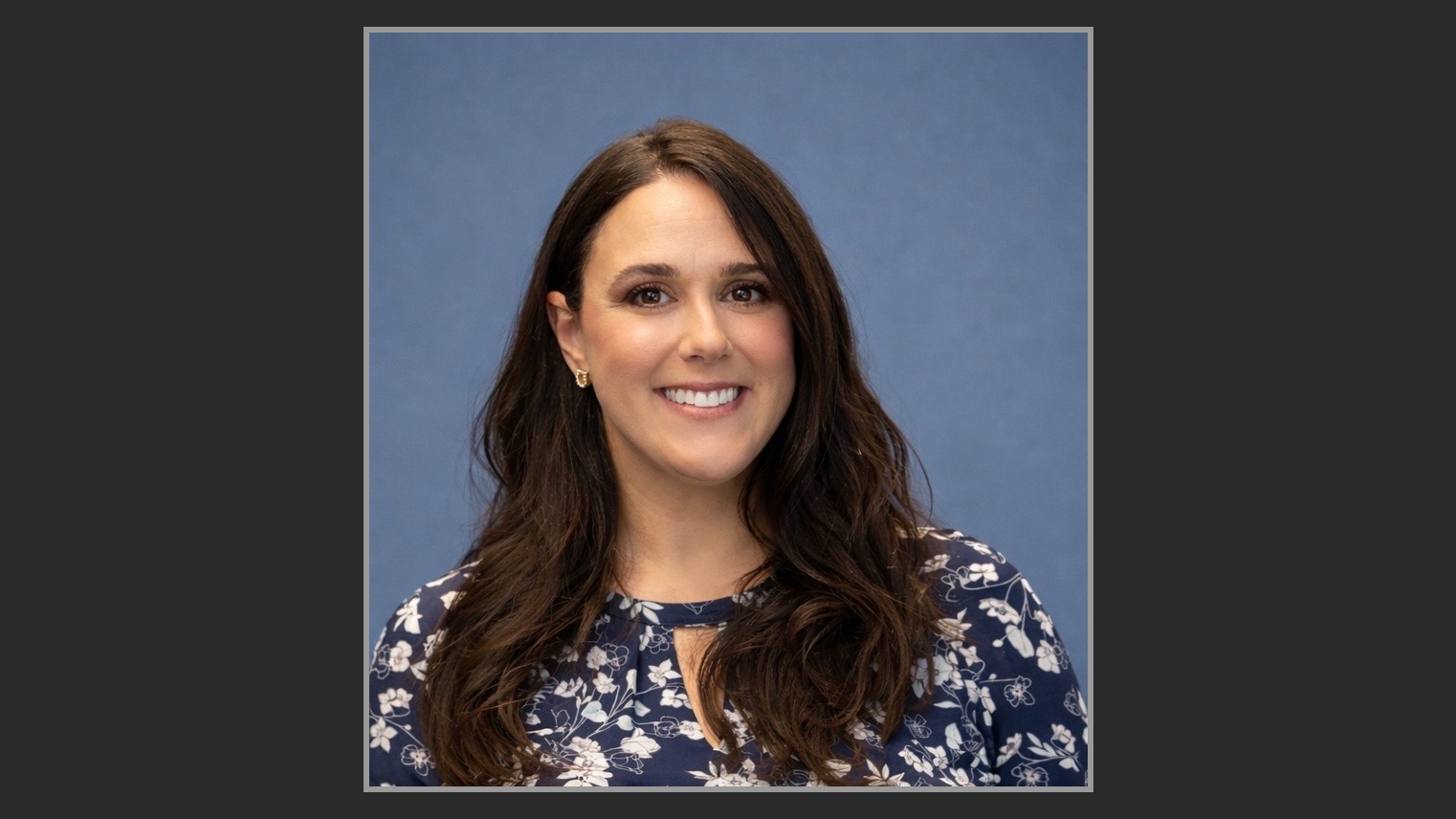
Executive Leadership News: CCM Appoints Tara Pellicori as SVP & General Counsel

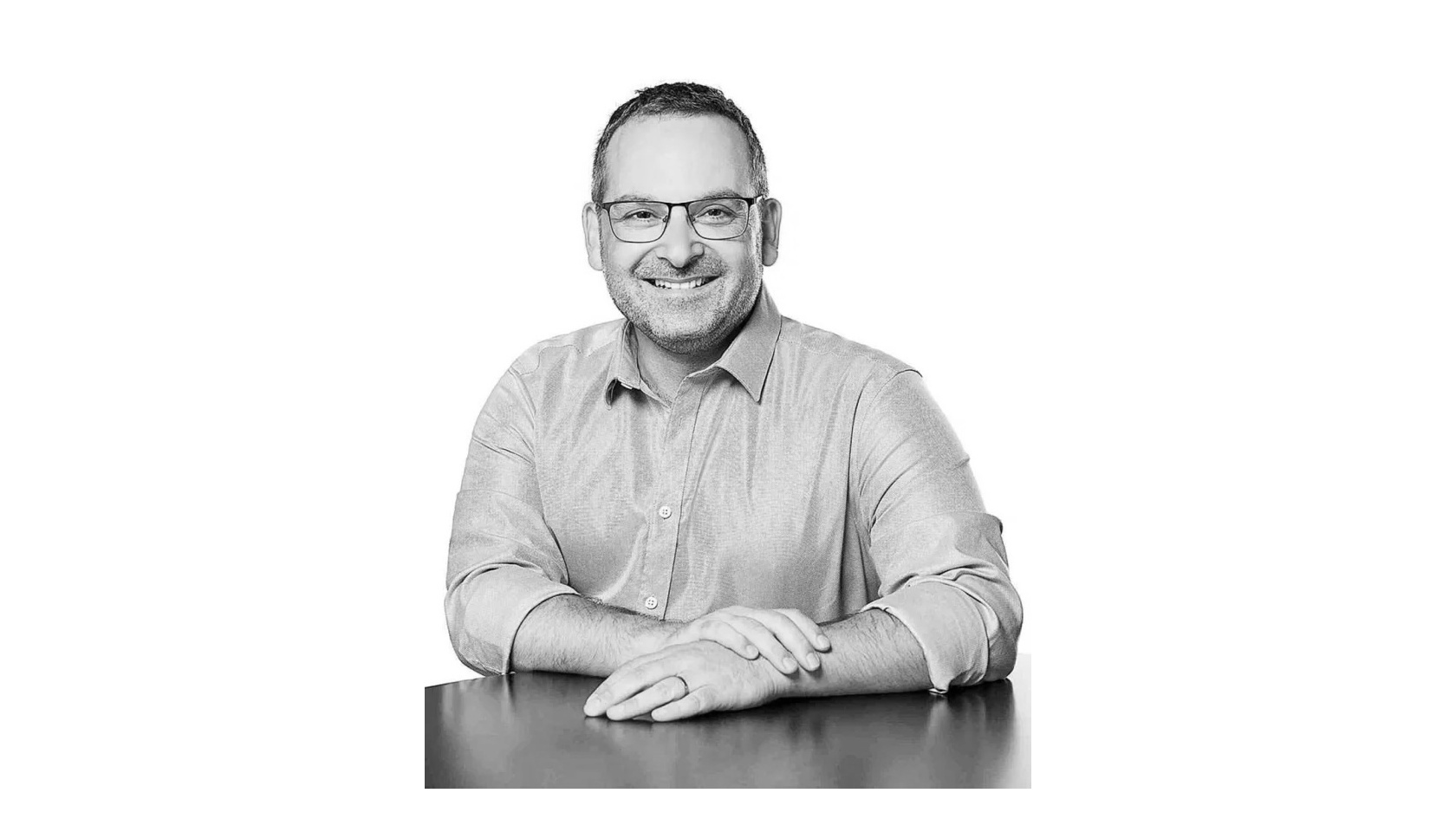
ROCKAWAY (NEW JERSEY): Consolidated Chassis Management (CCM), the largest independent full‑service intermodal chassis pool management provider, has appointed Tara Pellicori as Senior Vice President & General Counsel, adding a seasoned legal and regulatory leader at a pivotal moment for the intermodal and transportation sectors.

In this role, Pellicori will lead CCM’s legal, regulatory, and compliance strategy as the company advances its national growth plans. CEO Paul Nazzaro said she is “an exceptional addition to CCM at a defining moment for our company and our industry.”

Pellicori brings deep, sector‑wide experience in transportation, logistics, and corporate governance. She previously served as Director and Associate General Counsel at Subaru of America and earlier as Counsel at DLA Piper, where she advised major U.S. marine port terminal operators on intermodal expansion, chassis strategy, and joint venture compliance. Her background squarely meets the demands of today’s rapidly evolving supply chain landscape.

The full announcement and a high‑resolution headshot are attached. Please consider posting on your website and social channels so your audience can stay informed about this executive leadership update.

KR Drives IMO’s Marine Environmental Agenda on Ammonia Effluent Management and NOx Reduction Technology

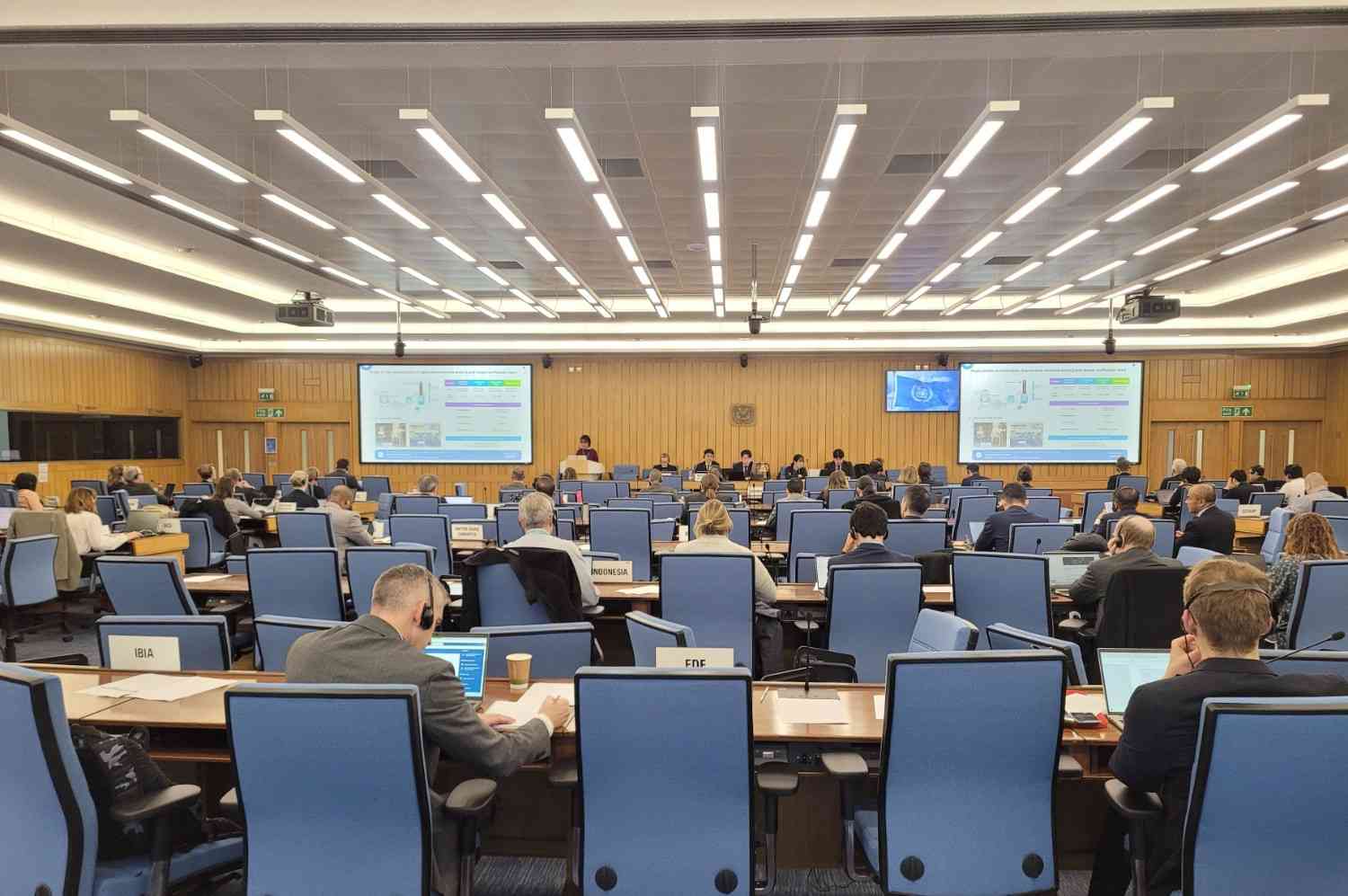
BUSAN: Korean Register (KR) announced that it is serving as the Coordinator of two International Maritime Organization (IMO) expert groups in key marine environmental areas: ammonia effluent management and response procedures for nitrogen oxides (NOx) reduction strategy failures.

As international pressure to reduce greenhouse gas (GHG) emissions from ships intensifies, ammonia-fueled vessels are gaining traction as a zero-carbon alternative to conventional marine fuels. However, ammonia’s high toxicity means that ammonia effluent can be generated during vessel operation, and the absence of internationally agreed management standards continues to create uncertainty across the industry.

To proactively address this regulatory gap, KR established a joint working group in June 2025 in collaboration with the Ministry of Oceans and Fisheries (MOF), the Korea Testing & Research Institute (KTR), and five major Korean shipbuilders — HD Korea Shipbuilding & Offshore Engineering, HD Hyundai Heavy Industries, HD Hyundai Samho, Samsung Heavy Industries, and Hanwha Ocean — to build the necessary technical and regulatory foundations.

Building on this groundwork, KR partnered with MOF to present relevant technical considerations and lead expert session discussions at the 13th session of the IMO Sub-Committee on Pollution Prevention and Response (PPR 13) in February 2026. As a result, IMO decided to advance the formal consideration of ammonia effluent to 2027, ahead of its originally scheduled timeline.

Following the outcomes of PPR 13, a new expert group on ammonia effluent management has been established. Senior Surveyor KIM Joonghun of KR’s Convention & Legislation Service Team was appointed as the Coordinator, and the group held its kick-off meeting on May 7, 2026, with approximately 100 experts from government agencies, research institutions, as well as the shipbuilding and shipping industries participating from around the world.

The group will operate until PPR 14 as a preparatory body for the development of international guidelines. KR, in cooperation with MOF, will lead discussions on key agenda items including: the definition and scope of ammonia effluent; marine environmental impact assessment criteria; monitoring and record-keeping frameworks; data collection and sharing arrangements.

In parallel, KR also serves as the Coordinator of a separate expert group focused on developing guidelines for NOx reduction strategy failures and associated response procedures.

Deputy Senior Surveyor, KIM Changkyu of KR’s Convention & Legislation Service Team leads the discussions, providing practical support to shipowners and port authorities in implementing international regulations.

The outcomes of both groups are expected to serve as foundational references for the development of international guidelines at future IMO PPR sessions.

KIM Kyungbok, Executive Vice President of KR, stated: “KR will continue to work closely with the Korean Ministry of Oceans and Fisheries, industry partners, and research institutions to actively drive the establishment of safe and effective international standards.”

Cydome and ABB collaborate on maritime safety

LONDON: Global technology leader ABB and Cydome, the award-winning provider of purpose-built cybersecurity, have announced their collaboration to help shipping companies strengthen risk management and support safer operations.

By feeding ABB’s weather routing and voyage optimisation data into Cydome’s AI risk management engine, ship managers benefit from a comprehensive view of risks across their fleet and onboard operations.

For example, by cross-referencing ABB data with local sensor data, the Cydome system can detect stronger anomalies with better accuracy.

“By integrating ABB’s weather routing and voyage optimisation data with Cydome’s cyber risk management platform, shipping companies enhance their risk visibility and make more informed operational decisions,” said Cydome CEO Nir Ayalon.

The integration aims to enable shipping companies to assess the risks associated with vessel operations, helping operators to prioritise issues based not only on technical severity, but also on operational impact. The combined approach supports more effective risk mitigation, clearer visibility for stakeholders, and stronger decision-making across IT, OT cybersecurity, and between teams.

“Shipping companies need insights that reflect the reality of vessel operations, and with the digitalisation of shipping, you can’t separate ship operations from cyber operations anymore,” said Michael Greavette, Head of Vessel & Voyage Performance at ABB, Marine & Ports Division. “ABB’s routing services is a key component in the cross collaboration with Cydome.”

Ayalon added: “Cydome’s mission is to provide a secure backbone to all the ship’s operations, and by combining Cydome’s cybersecurity feeds with ABB’s operational data, shipping companies can manage their risk more effectively.”

For customers, the collaboration brings several key benefits, including broader visibility through the combination of cyber and routing services data; more accurate prioritisation of risks based on potential operational impact; and stronger support for decision-making related to safety, resilience, and business continuity.

As cyber and operational systems become increasingly connected, shipping companies are looking for ways to manage risk with greater precision and relevance.

“This collaboration helps customers be informed to make better decisions,” said Ayalon.

Lloyd’s Register teams up with Marlink on maritime digital transformation research

LONDON: Lloyd’s Register (LR) has entered a research collaboration with connectivity and cyber security specialist Marlink to examine how the maritime industry can better manage the growing complexity of digital systems on board ships.

The partnership sees Marlink join LR’s Digital Transformation Research Programme and will focus on practical challenges linked to connectivity, cyber security and the integration of digital systems as vessels become more data‑driven and increasingly connected.

Initial research will concentrate on cyber security and connectivity, identified by LR as critical enablers of digital adoption across the sector. The work will explore how responsibilities are shared between shipowners, system integrators and class, and how those roles are evolving as regulatory expectations and operational models change.

The research will also draw on real‑world experience from a leading shipowner engaged in a newbuilding programme, ensuring the findings reflect how digital requirements are being specified, implemented and managed in practice, from design and construction through to vessel operation and recycling.

The collaboration builds on insights from LR’s Digital Maturity Index (DMI), an initiative designed to assess the industry’s progress in digital adoption and now with assessments from over 50 shipping companies. Findings to date show that connectivity and cyber security are among the more mature areas of digital development, while also highlighting significant gaps between ambition and execution.

Mark Warner, Client Marketing Director at Lloyd’s Register, said: “The initial findings from our Digital Maturity Index highlight that cyber security and connectivity are gaining ground, supporting maritime’s digital journey, yet their full potential is still untapped. Marlink, with its extensive experience in maritime communication and cybersecurity, is an ideal partner to support our research programme and build on the findings of the Digital Maturity Index. By working together, we can deliver valuable insights that help shipowners and operators navigate the complexities of digital transformation more effectively and securely.”

Tore Morten Olsen, President, Maritime at Marlink, said: “As vessels become increasingly software-defined and connected, the maritime industry faces growing challenges across often highly fragmented digital ecosystems. Through this collaboration with Lloyd’s Register, Marlink brings decades of practical insight from managing complex maritime IT, network, and cyber environments at scale. Together, we aim to help the industry move towards a more integrated, resilient, and operationally effective approach to maritime digitalisation.”

Ned Marine launches flying drone and subsea ROV inspection services for Non-Destructive Testing

RIDDERKERK: Dutch Non-Destructive Testing specialists Ned Marine expands its inspection capabilities with the introduction of NDT drone services. Operating both drones and ROVs, the new service enables faster, safer and more efficient inspections of vessels, offshore installations and industrial assets – both above and below water, and including confined spaces.

With this move, Ned Marine strengthens its position as a full-service inspection provider, combining traditional NDT techniques with advanced remote inspection technologies. Ned Marine already inspects vessels globally. The new service is aimed at surveys for Dutch and wider European customers.

Faster inspections, less downtime

Drone-based inspections allow Ned Marine to carry out visual inspections and thickness measurements (UTM) in areas that are difficult to access using conventional methods such as scaffolding, rope access or diving operations.

Typical applications include:

  • Confined spaces on board vessels (such as ballast tanks and cargo holds)
  • Offshore and onshore wind turbines
  • Tank storage facilities
  • Industrial structures and installations

By eliminating the need for extensive access equipment and reducing human exposure to hazardous environments, these ‘flying inspections’ can be completed significantly faster, often within hours instead of days. This minimizes operational downtime, which is especially relevant for seagoing container vessels and tankers.

Indeed, inspection times can be reduced by up to four times, while overall costs can be significantly lower compared to traditional methods.

Subsea inspections up to 300 metres

In addition to its aerial services, Ned Marine now offers subsea Non-Destructive Testing inspections using remotely operated vehicles (ROVs), capable of operating at water depths of up to 300 metres.

The technology serves as a practical and cost-efficient alternative to traditional diving operations.  The ROVs provide high-definition live video streams and detailed inspection data, supporting:

  • Hull inspections
  • Cathodic protection assessments
  • Structural condition monitoring
  • Pre-docking surveys

“We are very proud to launch this new service!”, says Leo Zwagemaker, Commercial Manager at Ned Marine. “By integrating arial drone and ROV technology into our NDT services, we can allow our clients to further reduce downtime and make better-informed maintenance decisions. The fact that our inspectors can now also work remotely, with real-time data accessible worldwide, also adds value: this method improves decision-making and facilitates a more seamless collaboration between vessel operators, surveyors and technical teams.”

Integrated NDT approach The new drone and ROV services are fully integrated into Ned Marine’s existing NDT offering, which includes Visual Testing (VT), Ultrasonic Thickness Measurements (UTM) and detailed inspection reporting. By combining visual data, measurement results and digital analysis, clients gain a complete and reliable overview of asset condition, enabling better maintenance planning and reducing the risk of unexpected failures.

‘One of the biggest crises of this decade’: PM Modi asks Indians to embrace WFH amid West Asia tensions

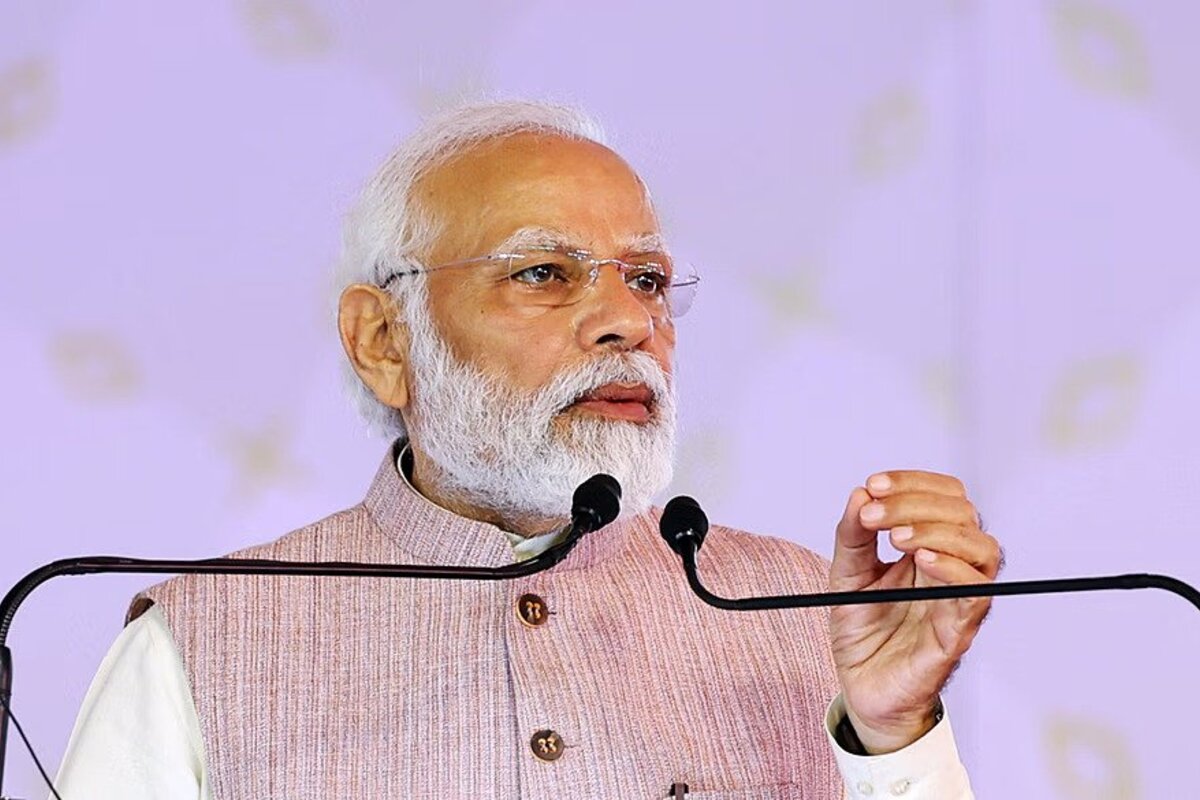
VADODARA : Prime Minister Shri Narendra Modi, on Monday, described the ongoing West Asia conflict as “one of the biggest crises of the decade” after the Covid-19 pandemic, and said India would overcome the challenge through collective public participation and responsible economic behaviour. The Prime Minister also advocated greater use of digital technology, virtual meetings and work-from-home arrangements in both government and private offices to reduce fuel usage.

He urged citizens to reduce fuel consumption, avoid unnecessary foreign exchange spending and adopt more sustainable practices to help the country navigate global economic disruptions.

Addressing an event in Gujarat, PM Modi said the world had been facing continuous instability over the past few years, beginning with the Covid pandemic and now the escalating tensions in West Asia.

“If the COVID pandemic was the biggest crisis of this century, then the circumstances created by the war in West Asia are one of the major crises of this decade,” the Prime Minister said.

“When we together overcame the challenge of COVID, we will surely get through this crisis as well,” he added. PM Modi said the government was making continuous efforts to minimise the impact of the global crisis on Indian citizens, but stressed that public participation and responsible consumption were equally important.

“Whenever the country faced war or any major crisis, every citizen fulfilled their responsibility in response to the government’s appeal. Today too, there is a need for all of us to come together and fulfil our responsibility,” he said.

The Prime Minister noted that disruptions in global supply chains and rising energy costs were putting pressure on the economy and foreign exchange reserves.

PM Modi also urged people to minimise spending on activities involving foreign exchange and reiterated his appeal for “Vocal for Local.”

Calling crude oil imports a major burden on India’s economy, PM Modi appealed to citizens to reduce petrol and diesel consumption by using public transport, electric vehicles and carpooling. “I appeal to every citizen of my country to reduce the use of petrol-diesel as much as possible. Use the metro, electric buses and public transport more, and promote carpooling,” he said.

The Prime Minister also advocated greater use of digital technology, virtual meetings and work-from-home arrangements in both government and private offices to reduce fuel usage.

“It is essential that priority be given to virtual meetings and work from home in both government and private offices,” he said.

PM Modi further urged people to temporarily defer gold purchases, saying India spends massive amounts of foreign exchange on gold imports every year.

The Prime Minister also highlighted India’s push towards renewable energy, ethanol blending, solar power and cleaner fuel infrastructure, saying these measures were helping the country tackle global energy challenges more effectively.

Earlier on Sunday too, PM Modi had called for restrained use of imported petroleum products, saying reducing fuel consumption would help lower the adverse economic impact of the West Asia conflict on India.

Source : Moneycontrol

₹16 trn investment plan for high speed trains on track: Ashwini Vaishnaw

NEW DELHI : Railway Minister Shri Ashwini Vaishnaw said the plan to set up seven new high-speed rail corridors across the country with an investment of ₹16 trillion is on track and the cities being connected through these projects would increasingly function as integrated economic zones.

He said the commissioning of the Mumbai Ahmedabad High Speed Rail Corridor will reduce travel time between the two cities to 1 hour and 57 minutes. “With the new corridors, Mumbai to Pune travel time will come down to 48 minutes and travelling from Pune to Hyderabad will be possible in only 1 hour and 55 minutes,” Vaishnaw said.

He shared with the audience the reduced travel time across all segments of the new high-speed corridors. “This will be an investment of ₹16 trillion, and practically the entire investment will be for Indian manufacturers and Indian construction firms because we have now standardised the entire design and construction work,” the minister said.

Against the backdrop of global geopolitical uncertainty and continuing conflicts, Vaishnaw urged industry to respond to the Prime Minister’s latest clarion call by reducing expenditure that leads to foreign exchange outflow while simultaneously increasing efforts to earn foreign exchange and strengthen reserves.

Highlighting the scale of transformation in the railways sector, he said Indian Railways’ annual capital expenditure has increased from around ₹66,000 crore a few years ago to nearly ₹272,000 crore in the last financial year.

He said around 49,000 km of railway tracks have been electrified, equivalent to the entire railway network of Germany, and the production of wagons and locomotives has also been boosted by the government.

The minister also announced the completion of the Dedicated Freight Corridor project on April 5, despite multiple implementation challenges. He said the Dedicated Freight Corridor is currently enabling the movement of nearly 480 trains a day, while reducing transit time between the hinterland and ports from 48 hours to nearly 12–16 hours.

Vaishnaw also said the rail ministry has addressed the earlier issue of shortage of wagons for coal transport and coal stocks at the country’s power plants have now risen to 54 million tonnes.

Painting a modern and transformed image of the national transporter, the minister said Indian Railways is now exporting propulsion systems, the core equipment supporting train operations, to many developed nations, including the United States, Germany and France.

Maharashtra targets $1 trillion economy by 2030 with infrastructure-led growth, says CM Fadnavis at CII Summit

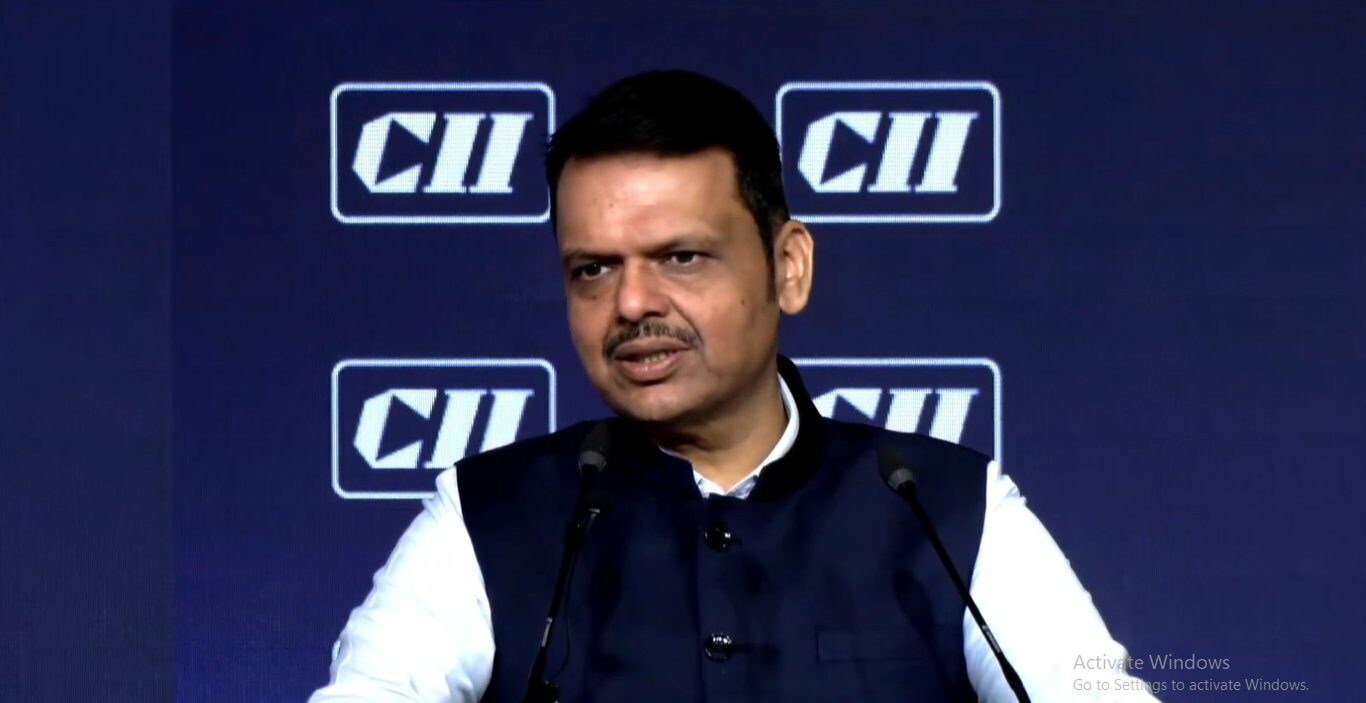
NEW DELHI: Maharashtra is positioning itself to lead India’s next phase of economic transformation, with Chief Minister Shri Devendra Fadnavis outlining an ambitious roadmap to build a $1 trillion economy by 2030 and among the world’s most significant regional economies by 2047.

Speaking at the CII Annual Business Summit 2026 in New Delhi, Fadnavis said this is “India’s movement to define” its future amid global disruption, and Maharashtra intends to lead that journey “not with incremental, but with transformational ambition.”

Fadnavis highlighted that Maharashtra, already a $660 billion economy contributing nearly 15% to national GDP, is now preparing for a much larger role in the 21st-century economy. “For decades, Maharashtra has been India’s economic engine. But we are now preparing Maharashtra for the next era of global economy. An era where economic leadership will be decided by infrastructure, innovation, talent, energy, urbanization, technology, and institutional trust,” he said.

On capital expenditure, Fadnavis emphasized that Maharashtra’s strategy goes beyond the state budget. “In the budget you may see that 10% allocation is on capital investment but Maharashtra works through parastatals,” he explained. While the budget funds around Rs 1 lakh crore, agencies like MMRDA, SIDCO and MSRDC are together executing projects worth Rs 10 lakh crore. “If you look at the capital investment that is done across the country I think Maharashtra has the largest amount of investment done in CAPEX,” he stated, citing a 2020 report where Maharashtra accounted for 49% of big-ticket infrastructure projects.

The state is redesigning its economic geography through flagship projects including the Mumbai Trans Harbour Link, Samruddhi Mahamarg, Navi Mumbai International Airport, Vadhavan Port, metro networks and industrial corridors. “Infrastructure is no longer about concrete alone. Infrastructure is destiny and that is why Maharashtra is investing at unprecedented scale,” Fadnavis said.

Maharashtra is also positioning itself at the center of the future economy driven by AI, semiconductors, EVs, clean energy and data centers. The state hosts 24% of India’s Global Capability Centers and accounts for 60% of the country’s data center capacity. Its automotive ecosystem is evolving into next-generation mobility, with 20% of automobile output and a leading EV manufacturing and utilization base. The CM added that Maharashtra’s ambition is to “designing Maharashtra, innovating Maharashtra, build global intellectual property from Maharashtra because future economic leadership will belong to those who create technology.”

Urban transformation is central to the vision, with Mumbai evolving as a global financial and innovation capital, Pune as a manufacturing and R&D powerhouse, Nagpur as a logistics hub, and Gadchiroli set to become “India’s largest Green Steel producer by 2032.” Fadnavis stressed that “balanced regional development not only is socially important, it is economically intelligent.”

Responding to questions on ease of doing business, the CM said Maharashtra’s Maitri platform serves as a one-stop shop with overriding powers over all departments. “If the department doesn’t give approval within time, then Maitri can override them and Maitri can issue the approval,” he said. Reviewing the platform recently, he noted that “in 96% projects and 96% investments, we have been on time.” He added that the government has launched a 100-reform agenda to benchmark Maharashtra against the best globally.

Fadnavis identified “trust” as Maharashtra’s biggest differentiator in competitive federalism. “One may offer as much incentive as they can, but their ability to fulfill those incentives… is something which defines where industry will go,” he said. “Maharashtra is one state which has never defaulted on incentives. In fact… 2025, all incentives we have cleared. Now we are clearing the 2026 first quarter incentives.” He also highlighted policy consistency, saying Maharashtra has avoided “knee-jerk policy change” even after government changes.

On energy costs, he pointed to a recent regulatory order that will reduce power tariffs by 3% annually from 2025 to 2030. “This was the first time… cumulatively if you look at last 20 years every year’s power tariff has gone up by 9% and now every year it will go down by 3%,” he said.

Fadnavis said Maharashtra’s openness and entrepreneurial spirit remain its greatest strength, and the state sees industry as a partner in nation building. “When India celebrates 100 years of independence in 2047, future generations should be able to say, this was the period when India transformed… and this was the period when states like Maharashtra helped power that transformation with confidence, courage and execution,” he said.