Home Blog Page 312

India and Oman deepen Maritime Cooperation through high-level bilateral discussions

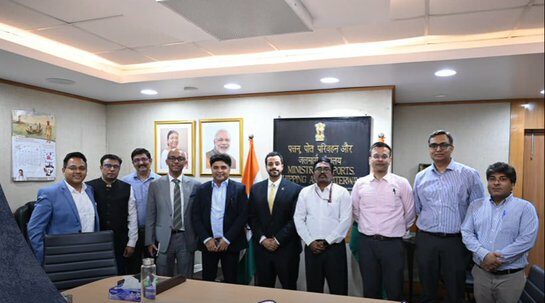
NEW DELHI : In a significant step towards strengthening bilateral maritime ties, Shri Venkatesapathy S., Joint Secretary, Ministry of Ports, Shipping and Waterways, Government of India, chaired a hybrid meeting with an Omani delegation and key Indian maritime stakeholders to further enhance cooperation between the two nations in the maritime, logistics, and warehousing sectors.

The meeting served as an important platform for deliberations on expanding strategic collaboration in port development, shipping connectivity, multimodal logistics infrastructure, warehousing capabilities, and supply chain integration. Discussions also focused on identifying emerging investment opportunities that can contribute to mutual economic growth, regional connectivity, and trade facilitation between India and Oman.

Representatives from both sides highlighted the longstanding maritime relationship shared by the two countries and acknowledged the growing importance of India-Oman cooperation in supporting regional trade and strengthening resilient supply chains across the Indian Ocean region.

Key areas of discussion included improving port-led infrastructure development, enhancing coastal and container shipping linkages, promoting digital and smart logistics solutions, and encouraging private sector participation in logistics parks and warehousing projects. The stakeholders also explored opportunities for greater collaboration in green and sustainable maritime initiatives.

The Omani delegation expressed keen interest in expanding partnerships with Indian ports, logistics operators, and infrastructure developers, while Indian stakeholders emphasized the potential for increased trade volumes and investment flows through deeper maritime engagement.

The meeting concluded with a shared commitment to advancing bilateral cooperation through continued dialogue, knowledge exchange, and collaborative projects aimed at fostering efficient maritime connectivity and long-term economic partnership between India and Oman.
DEA Joint Secretary visits Paradip Port, reviews infrastructure and trade facilitation initiatives

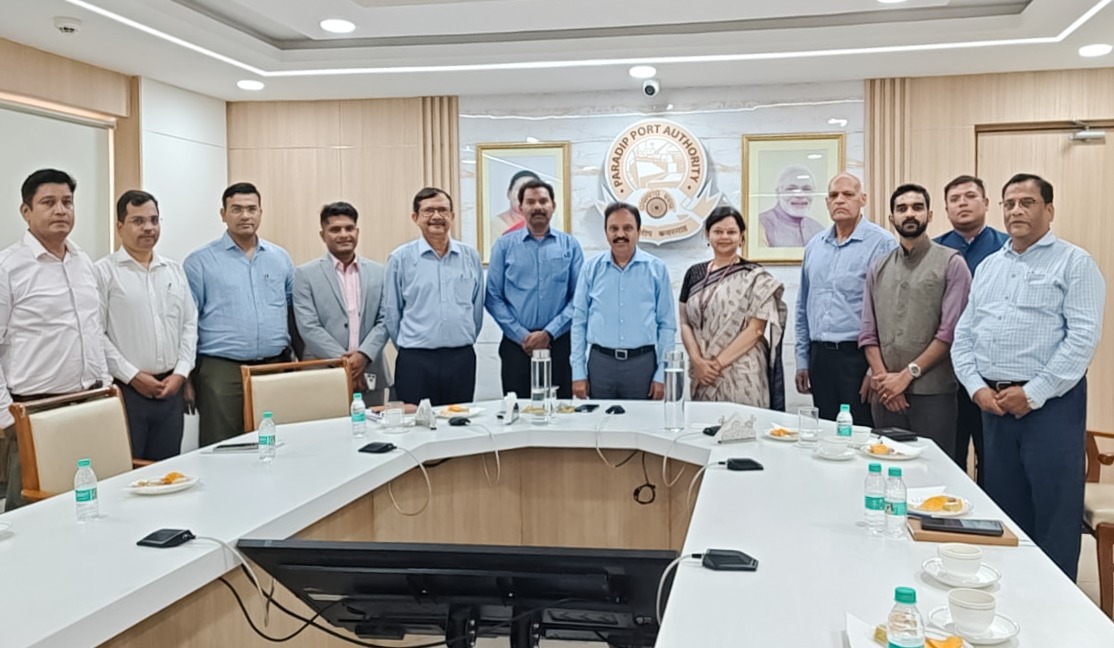
PARADIP : Ms. Juhi Mukherjee, Joint Secretary, Department of Economic Affairs (DEA), Ministry of Finance, Government of India, led a high-level delegation on a field visit to Paradip Port Authority (PPA), underscoring the government’s continued focus on strengthening India’s maritime infrastructure and trade ecosystem.

During the visit, the delegation toured the Paradip Port Authority Administrative Building and was warmly received by Shri P. L. Haranadh, IRTS, Chairman, Paradip Port Authority; Shri T. Venu Gopal, Deputy Chairman; along with Heads of Departments and senior officials.

A detailed interaction was held between the DEA delegation and port leadership, focusing on key areas such as port infrastructure development, logistics efficiency, industrial growth opportunities, trade facilitation measures, and operational challenges. The discussions highlighted Paradip Port’s strategic importance as a major gateway for bulk cargo and its vital contribution to supporting industrial and economic activities in the region.

The visit provided a valuable platform for direct engagement between policymakers and port authorities, enabling a better understanding of on-ground realities and aligning policy frameworks with operational requirements. Officials emphasized the importance of continued investments in port-led development, multimodal connectivity, and infrastructure modernization to enhance India’s global trade competitiveness.

Paradip Port Authority reiterated its commitment to strengthening operational capabilities, improving service delivery, and supporting the Government of India’s vision of building a robust, efficient, and future-ready maritime sector.

Pharmaceutical exporters to benefit from Maersk’s first dedicated reefer rail service from Hyderabad to Mumbai

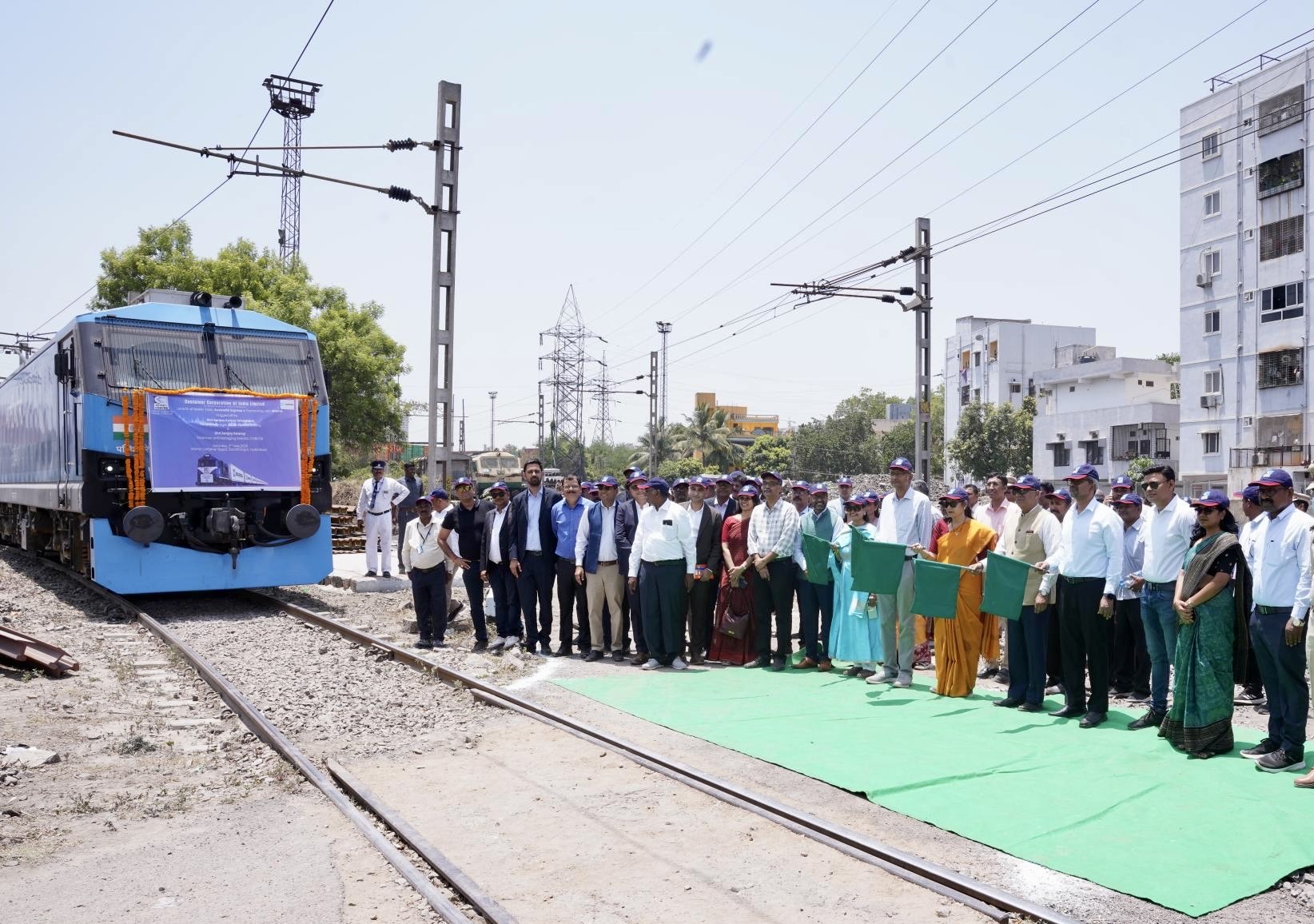
HYDERABAD/MUMBAI: Maersk recently flagged off a dedicated weekly reefer rail service connecting Hyderabad’s pharmaceutical manufacturing cluster to Nhava Sheva port. Designed in close partnership with CONCOR (Container Corporation of India), the solution addresses a long-standing industry need for a reliable, temperature-controlled, and lower Greenhouse Gas (GHG) emissions mode of transport as compared to road transport.

The service is purpose-built for Hyderabad’s pharmaceutical exporters and operates on a fixed weekly schedule, transporting 40-foot refrigerated containers (reefers). Pre-trip inspection (PTI) compliance and quality-aligned container selection are built into every shipment. Several of the city’s leading pharmaceutical manufacturers are already on board, with additional customers in active onboarding.

Image 2 1 Pharmaceutical exporters to benefit from Maersk’s first dedicated reefer rail service from Hyderabad to Mumbai

Unbroken cold chain from origin to destination through integrated logistics

The Hyderabad–Nhava Sheva reefer rail corridor operates as a true end-to-end cold chain. Under a single-window arrangement, Maersk assumes responsibility across inland rail, ocean freight, and shipment visibility throughout the journey. 

The service is designed to serve export lanes, including North America’s East Coast ports (Newark, Norfolk, Charleston, Savannah), Latin America, Europe, and other reefer trade destinations. Maersk will also support pharmaceutical exporters with documentation, compliance assistance, cold-chain advisory engagement and, if required, last-mile trucking at the destination. 

Mr. Thomas Theeuwes, Managing Director, Maersk South Asia, commented at the flag-off ceremony, “India is central to Maersk’s global growth ambitions, and we are committed to building logistics infrastructure that meets the evolving needs of the Indian industry. The pharmaceutical sector demands that cargo be moved with precision, reliability, and accountability at every step of the supply chain. This rail service is our answer to that demand.” He added, “This solution would not have been possible without the steadfast support of CONCOR, whose partnership has been instrumental in making this corridor a reality. Together, we are setting a new benchmark for pharmaceutical logistics in India.”

Transforming pharmaceutical logistics through an array of benefits

The scheduled rail service will provide reliable vessel loading, dedicated equipment allocation, and priority handling. This would be a welcome change compared to road transport, which has inherent variability stemming from factors such as traffic conditions, driver fatigue, and compliance-related stoppage delays. 

Based on current volume projections, the shift from road to rail is estimated to reduce GHG emissions by about 3,000 tonnes over a period of one year. These savings will scale up as volumes increase, contributing towards Maersk’s Net Zero 2040 targets.

Shri Sanjay Swarup, CMD CONCOR, said, “CONCOR is committed to enabling the growth of the Indian industry through world-class logistics infrastructure. Our collaboration with Maersk on this dedicated reefer rail corridor from Hyderabad reflects the confidence in rail as a reliable and efficient mode of transport for high-value, sensitive cargo. This is a significant step in strengthening India’s pharmaceutical export competitiveness, and we look forward to scaling this model further in partnership with industry.”

First Arkas Line Reefer Block Train from MMLP Dadri to JNPT Marks New Era in Cold Chain Logistics

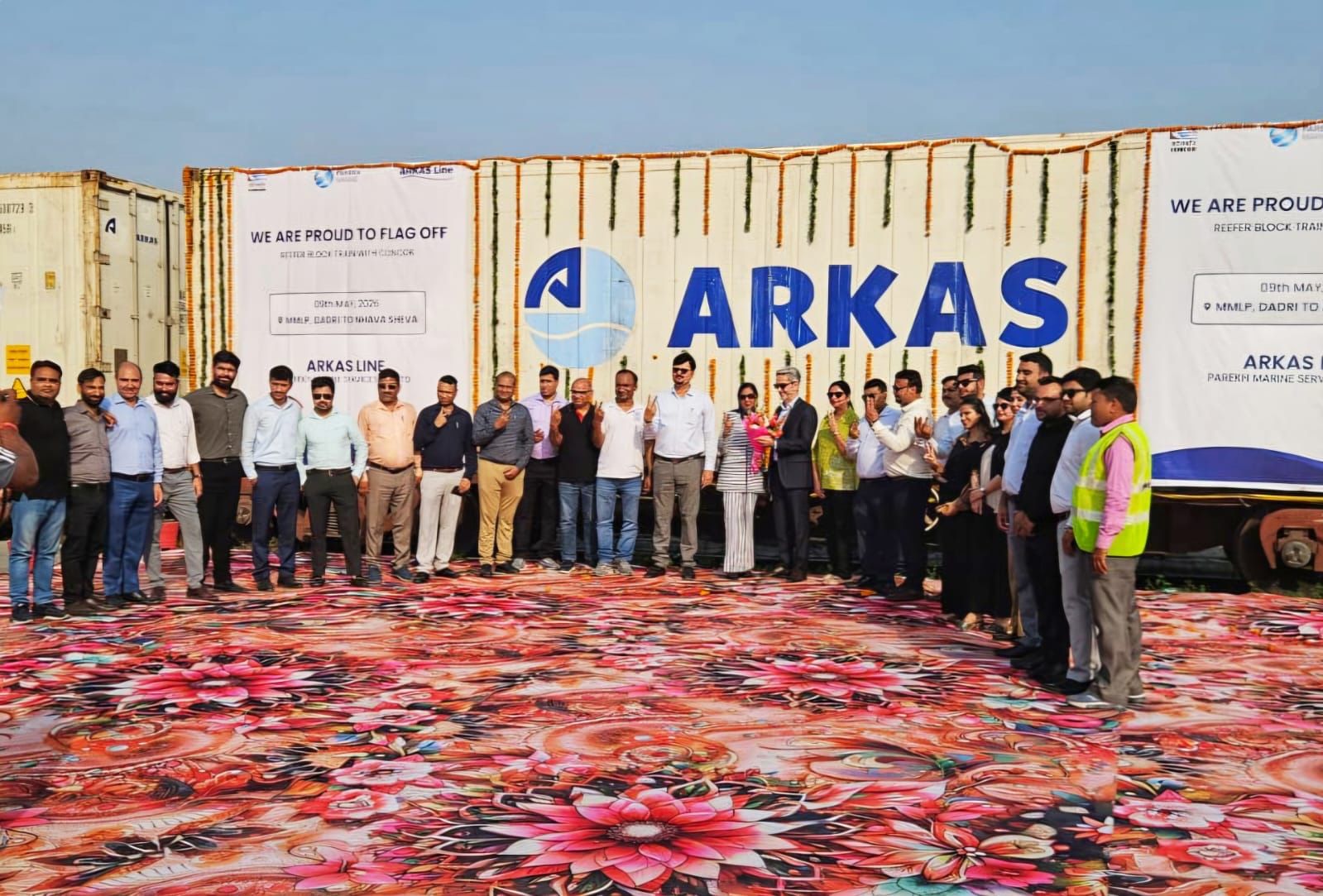
MUMBAI: In a significant development for India’s logistics and EXIM trade sector, the first Arkas Line Reefer Block Train to Nhava Sheva (JNPT), Mumbai, was successfully flagged off from the Multi-Modal Logistics Park (MMLP) Dadri on May 9, 2026. The landmark initiative has been launched through a strategic collaboration between Container Corporation of India (CONCOR), Arkas Line, and Parekh Marine Agencies.

The dedicated reefer train service has been introduced to provide seamless and temperature-controlled transportation connectivity for perishable EXIM cargo between North India and gateway ports. The service is expected to significantly strengthen cold chain logistics infrastructure while enhancing export-import efficiency for time-sensitive cargo.

By leveraging the Western Dedicated Freight Corridor (WDFC), the initiative aims to ensure faster transit, operational reliability, and enhanced cargo safety. The direct rail connectivity from the hinterland to Jawaharlal Nehru Port (JNPT) is expected to reduce transit time substantially and offer exporters a dependable logistics solution for refrigerated cargo movement.

According to the stakeholders involved, the reefer block train service will help optimize cargo volumes through efficient utilization of the railway network while simultaneously promoting sustainable logistics practices. The shift toward rail-based transportation is also expected to reduce the overall carbon footprint, supporting India’s green logistics and decarbonization objectives.

The initiative is being viewed as a major boost for exporters from North India, especially those dealing in perishable commodities requiring uninterrupted cold chain connectivity. The newly launched service is expected to create a specialized and robust “Cold Link” connecting Indian exporters to global markets through efficient multimodal logistics integration.

Industry stakeholders have welcomed the development, highlighting its potential to improve supply chain resilience, reduce logistics costs, and enhance India’s competitiveness in international trade.

On the occasion of the inaugural flag-off, CONCOR expressed gratitude to its customers and stakeholders for their continued support and emphasized its commitment to strengthening India’s logistics ecosystem through innovative and sustainable freight solutions.

The launch of the first Arkas Line Reefer Block Train represents another important step toward modernizing India’s multimodal logistics network and advancing the country’s vision of efficient, sustainable, and globally competitive trade infrastructure.

CWC flags off first EXIM Container Train from CIRT Kadugodi, strengthening multimodal logistics connectivity

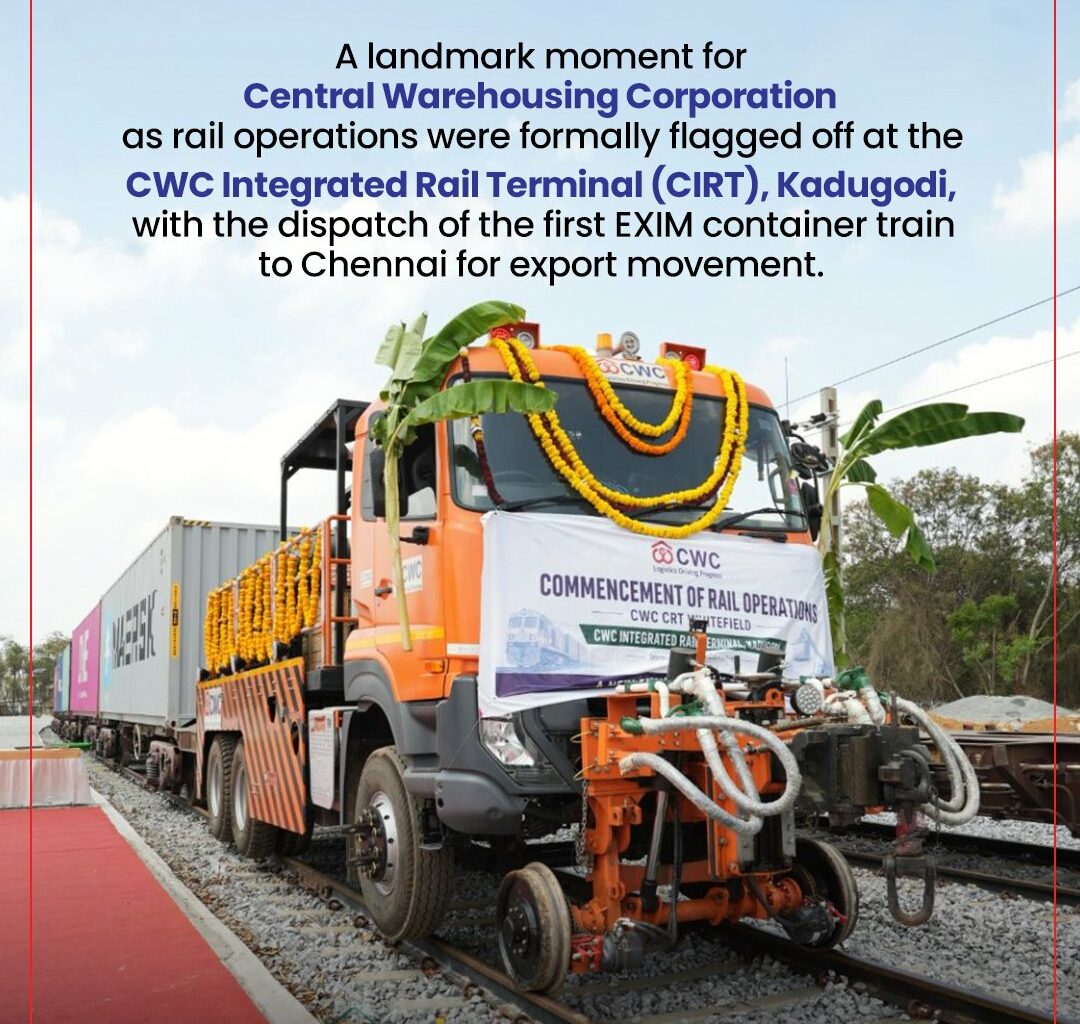
BENGALURU : In a major milestone for India’s logistics and supply chain sector, Central Warehousing Corporation (CWC) formally commenced rail operations at the CWC Integrated Rail Terminal (CIRT), Kadugodi, with the successful flagging off of the first EXIM container train bound for Chennai for export movement.

The inaugural ceremony was jointly led by Sh. P. Ananth, IRSME, General Manager, South Western Railway; Smt. Jacintha Lazarus, IAS, Executive Director (South), Food Corporation of India (FCI); Sh. Ashutosh Kumar Singh, IRSEE, Divisional Railway Manager, Bengaluru Division; and Sh. Samuel Praveen Kumar, Director (Marketing & Corporate Planning), Central Warehousing Corporation, in the presence of senior officials from Indian Railways, CWC, FCI, logistics stakeholders, and industry representatives.

CWC KADUGODI CWC flags off first EXIM Container Train from CIRT Kadugodi, strengthening multimodal logistics connectivity

The launch of rail operations at CIRT Kadugodi marks a significant advancement in enhancing multimodal logistics connectivity in southern India. The terminal is expected to facilitate faster, more efficient, and cost-effective cargo movement between Bengaluru and Chennai Port, while also improving access to key domestic and international trade corridors.

Strategically located, the integrated rail terminal has been developed to support both EXIM and domestic cargo operations, offering streamlined logistics solutions to exporters, importers, manufacturers, and supply chain partners. The facility is designed to improve cargo handling efficiency, reduce transit time, and encourage greater modal shift from road to rail, thereby contributing to sustainable and environment-friendly freight transportation.

Speaking on the occasion, officials highlighted that the operationalization of CIRT Kadugodi reflects the growing emphasis on integrated logistics infrastructure under the Government of India’s vision for enhancing trade facilitation and reducing overall logistics costs. The terminal is also expected to support industrial growth in the Bengaluru region by providing reliable rail-linked warehousing and cargo aggregation facilities.

With the commencement of operations at Kadugodi, CWC continues to strengthen its nationwide logistics network and reinforce its commitment towards developing customer-centric, technology-driven, and future-ready supply chain infrastructure aimed at delivering seamless end-to-end logistics solutions across the country.

Govt. unlikely to raise import duties on Gold and Silver: Sources

NEW DELHI : The Government of India currently has no proposal to increase import duties on gold and silver, according to official sources, providing clarity amid recent market speculation surrounding precious metal imports and foreign exchange management.

The clarification follows Prime Minister Shri Narendra Modi’s recent appeal urging citizens to adopt prudent spending habits in view of the ongoing geopolitical tensions in West Asia and their potential impact on the Indian economy. Addressing concerns arising from rising crude oil prices and pressure on foreign exchange reserves, the Prime Minister encouraged people to reduce non-essential expenditure, including postponing gold purchases and discretionary foreign travel for the next year.

The Prime Minister emphasized the need for responsible economic participation, highlighting that conserving foreign exchange remains important at a time when India’s import costs, particularly for crude oil and precious metals, are increasing due to global market volatility and currency pressures.

Market sentiment in the jewellery sector weakened following the remarks, with several jewellery stocks witnessing significant declines during Monday’s trading session amid concerns over a possible slowdown in consumer demand.

Industry analysts noted that India’s gold import bill reached an all-time high of nearly USD 72 billion in FY26, compared to USD 58 billion in FY25. Despite a decline in import volumes to around 721 tonnes, sharply elevated international gold prices substantially increased the country’s expenditure on gold imports, thereby adding pressure on foreign exchange reserves.

Experts believe the government is encouraging a gradual shift in household savings from physical gold towards financial instruments such as bank deposits, mutual funds, and bonds, which can contribute more directly to economic growth and financial system liquidity.

Analysts also observed that if gold consumption moderates in the near term, jewellery retailers and companies linked to gold financing activities could experience softer demand conditions. However, the government’s latest clarification on import duties is expected to provide some reassurance to the industry and financial markets.

‘Ceasefire on life support’: Trump calls Iran’s latest proposal ‘piece of garbage’

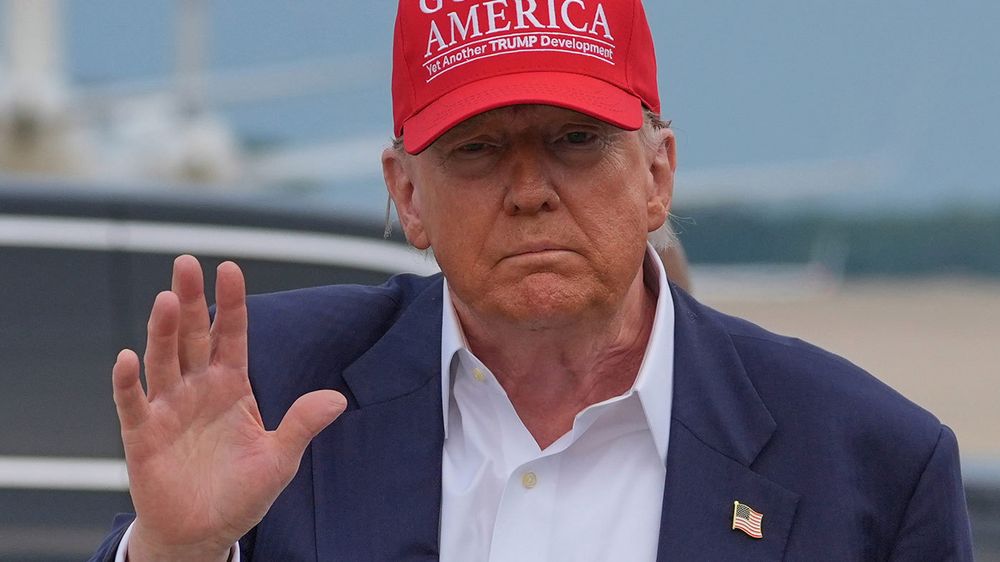
WASHINGTON D.C.: US President Donald Trump on Monday (local time) discarded Iran’s peace proposal plan, and said that the ceasefire stands on “life support”.

He made the remarks from the Oval Office while interacting with the media during a maternal healthcare event.

Trump said that Iran is the weakest it has been and called Tehran’s proposal “a piece of garbage” and unacceptable.

He said, “After reading that piece of garbage they sent us, I didn’t even finish reading it. They (Iran) are on life support. The ceasefire is on massive life support.”

Reiterating his claims that Iran has been defeated militarily, Trump said that whatever little Iran had built up in the period of ceasefire, the US would “knock that out in about a day”.

He restated to the media that Iran, being “very dangerous”, cannot have a nuclear weapon.

“Iran cannot have a nuclear weapon. They’re very dangerous. They’re very volatile,” Trump said.

The US President also praised the blockade, calling it a part of military genius and said that Washington is stocked up with great ammunition, better stuff than what it had two months ago, when it first did the attack.

He called American actions a “service” to the world and slammed past presidencies for not acting sooner.

“We’re doing this service to the world. And this has gone on for 47 years. Other presidents and leaders of other countries that have the power should have done it, but they didn’t do it,” he said.

Trump added that the Iranian leadership has been killed at several levels and termed the proposal shared by them “stupid”.

“Frankly, their leaders have been killed at the first level, second level, and half at the third level; and then they come back and they want to negotiate, and they give us a stupid proposal. Nobody would take it, although Obama would have taken it, Biden would have taken it,” he said.

He claimed that the Iranians had asked the US to take out the nuclear dust due to the site being “obliterated”.

“Iran told me very strongly, because they intend to give us the nuclear dust, as I call it. They told me, you’re getting it, but you’re going to have to take it out, because the site was so obliterated that there’s only one or two countries in the world that could get it. It’s so deep and got hit so hard that there’s no way they have the equipment to move it. You (US) and China are the only two countries in the world that could take it out. So we talked about it, and they (Iran) said, you’ll have to take it out because we don’t have the capability of doing it,” Trump claimed.

Meanwhile, Iranian parliament speaker, Mohammad-Bagher Ghalibaf, on Tuesday said that there is no alternative but to accept the 14-point proposal.

He called any other approach inconclusive and a failure, stressing that the delay would result in American taxpayers bearing the brunt.

“There is no alternative but to accept the rights of the Iranian people as laid out in the 14-point proposal. Any other approach will be completely inconclusive; nothing but one failure after another. The longer they drag their feet, the more American taxpayers will pay for it,” he said.

As the situation continues to evolve in the region, Iranian state broadcaster Press TV reported on Monday that the head of the Atomic Energy Organization of Iran (AEOI) Mohammad Eslami told lawmakers that the issues of nuclear technology and uranium enrichment are not on the agenda of any possible negotiations with the United States, and that Tehran insists that the talks must focus only on ending the war in the region.

He made the remarks while briefing the members of Parliament’s Foreign Policy and National Security Committee on Monday.

“According to the head of the Atomic Energy Organization [of Iran], the issue of nuclear technology is not on the agenda of the negotiations [with the US] and enrichment is not negotiable,” Ebrahim Rezaei, the committee spokesperson, said after the meeting as per Press TV.

Source: ANI

DP World launches end-to-end cargo war risk insurance for middle east trade

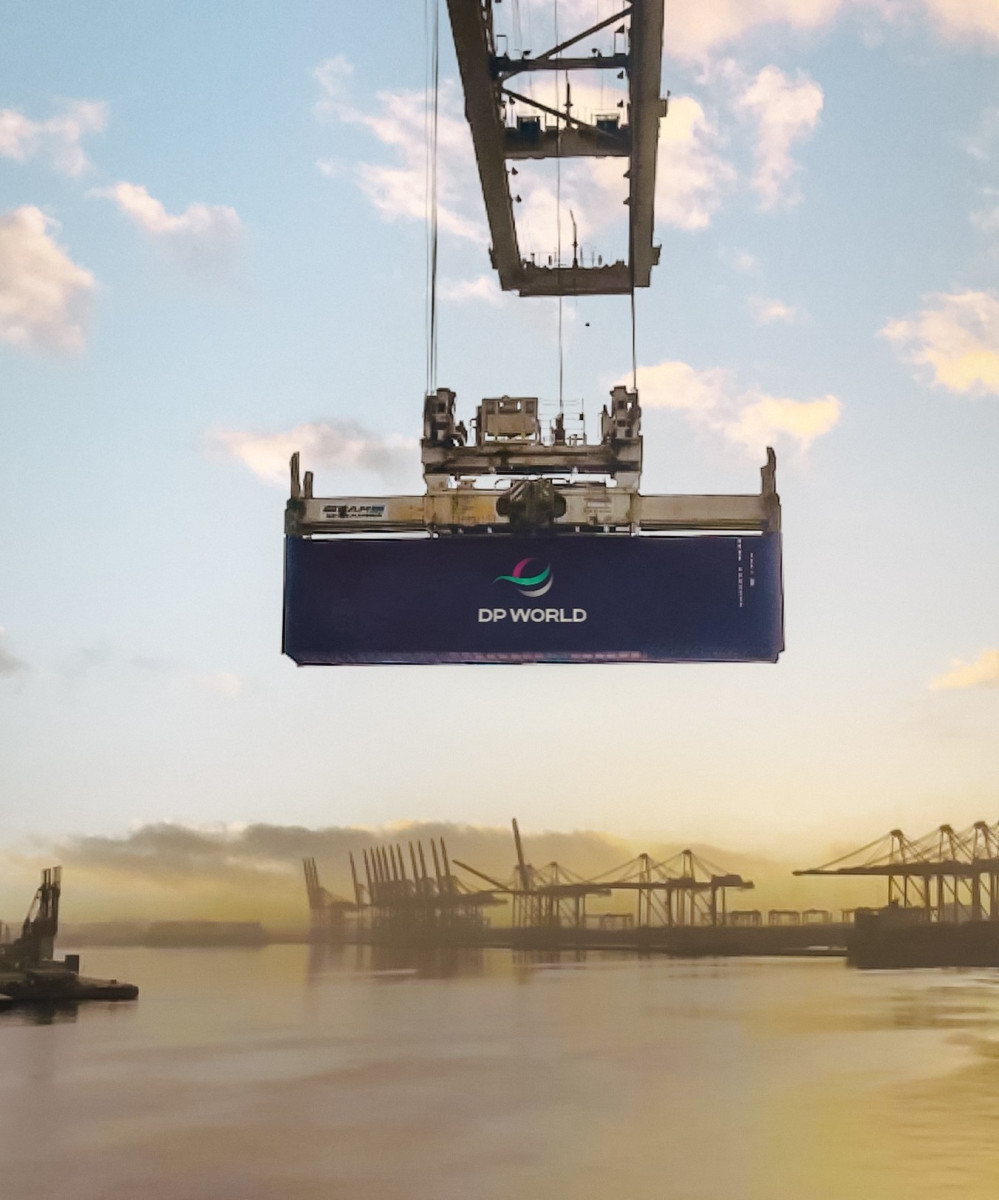
DUBAI : DP World has launched a first-of-its-kind cargo war risk insurance solution to help businesses navigate disruption across Middle East trade routes, where traditional insurance has become fragmented, costly and often unavailable.

The solution provides continuous coverage across the entire supply chain, from ocean or air transit through port storage and inland delivery, closing critical gaps left by conventional insurance policies, which typically insure a single leg of the journey. By leveraging its scale and relationships across global insurance markets, DP World has also secured pricing that is significantly more competitive than standard war risk premiums.

“This is about solving a real, immediate problem for global trade,” said Yuvraj Narayan, Group CEO, DP World. “Supply chains don’t stop at the port or the shoreline, and neither should insurance. For the first time, cargo owners can access a single policy that protects goods across the entire journey, even in high-risk environments, helping keep trade moving when it matters most.”

The solution covers physical loss or damage caused by war-related risks, including conflict, civil unrest, seizure and derelict weapons, with all valid claims settled with zero deductible.

Available to all companies trading in or through the Middle East, the programme is designed to maintain supply chain continuity across key trade corridors, including the Arabian Gulf, the Red Sea and surrounding inland routes. The programme offers a range of options, including:

End-to-end protection from ocean or air transit through to inland delivery. Standalone ocean, air or land transit policies. Automatic port storage cover for up to 14 days. High coverage limits, including up to $400 million per shipment and $1 million per inland movement.

This flexibility enables cargo owners to adapt quickly to changing routes and operational realities. The solution builds on DP World’s integrated logistics capabilities and deep relationships across global insurance markets. By combining operational expertise with financial risk solutions, DP World is extending its role beyond ports and terminals to become an end-to-end supply chain partner, supporting customers in even the most challenging environments.

Berg Propulsion drives India’s Green Tug Transition

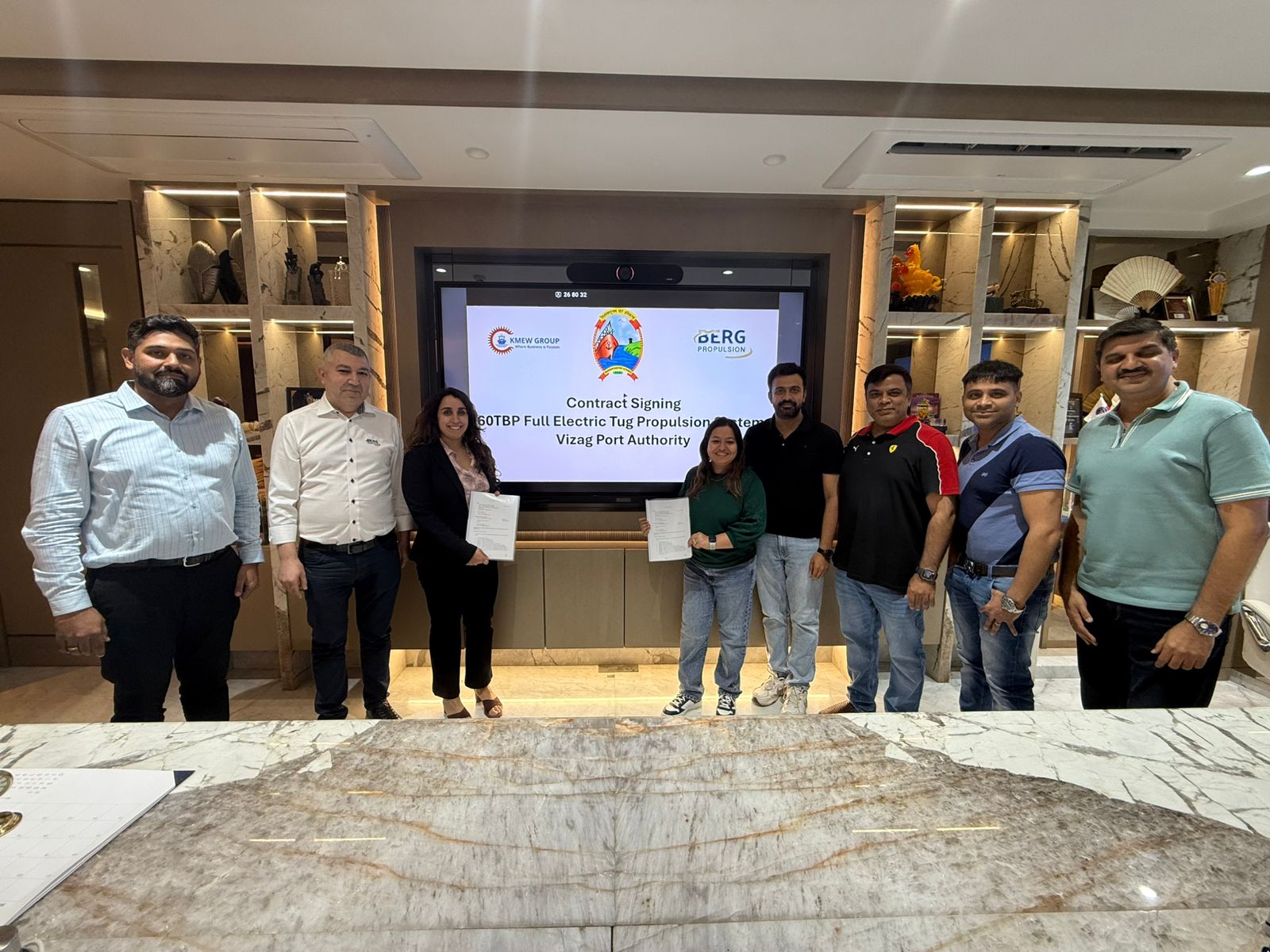
HONO (SWEDEN):  Marine propulsion solutions provider Berg Propulsion is set to play a key role in the green transformation of India’s shipping sector, beginning with the upcoming launch of two all-electric tugs.

The vessels, under construction by the Mumbai-headquartered KMEW Group, were ordered on behalf of India’s Ministry of Ports, Shipping and Waterways as part of the country’s Green Tug Transition Programme (GTTP). The programme forms part of a wider set of initiatives which aim to help India achieve net-zero emissions by 2070.

Green Tug Berg Propulsion drives India’s Green Tug Transition

Designed by Navnautik (Naval Architects and Marine Consultants), each tug will measure 33.55m in overall length, with a moulded beam of 11.6m and a draught of 4.5m. Powered by advanced lithium-titanium-oxide (LTO) batteries, with dual diesel gensets installed for back-up, each will deliver bollard pull of 60 tonnes. Both tugs are due to enter service in Q4 2027, subject to approval by the Indian Register of Shipping.

In a pivotal project role, Berg Propulsion is supplying not only the electric motors and contra-rotating, L-type thrusters that will maximise tug manoeuvrability and control, but also a full electrical system integration package including smart operator propulsion. Berg will also handle all aspects of end-to-end project management through newly appointed Prasenjit Roy, Business Developer (India), Berg Propulsion, based in Kolkata, who will oversee commissioning and installation.

Compact design

The compact design of Berg Propulsion’s powertrain makes it especially well-suited to an electric tug, where the battery pack and energy storage system limit space for other equipment on board a vessel crewed by 12 personnel. Berg Propulsion offered key contributions to the design process, including space saving suggestions for the final tug layout.

Amrita Singh, Account Manager for New Sales, explains: “Working closely with Navnautik, KMEW and the client, we successfully reduced the dimensions of the switchboard room by approximately 40% by positioning most of the propulsive equipment in the aft section of each tug.

“Berg Propulsion has integrated electric systems, engines and thrusters aboard hybrid-electric vessels for many years, and this deep understanding of engineering and design made transferring that knowledge to a fully electric tug design straightforward. It also freed up the designer to concentrate on their core objective: ensuring that everything on board fits optimally.”

“Factoring in electric powertrains can be challenging for any naval architect or designer, given that shipboard space is at a premium,” comments Aniruddha Sen, Navnautik. “This is especially the case aboard a tug. The compact nature of Berg Propulsion’s integrated packages gave us a lot of flexibility to incorporate them into the general arrangement. The company had a clear vision regarding the onboard footprint, which also made the design phase a smooth and painless task.”

Singh adds: “By reducing fuel consumption, lowering greenhouse gas emissions and improving local air quality in port areas, these tugs will set a strong precedent for what is possible in future maritime projects across India. Following on from this groundbreaking project, Berg Propulsion looks forward to future opportunities to work with new and existing partners to help stakeholders in India make decisive changes in their use of propulsion technology.”

The GTTP, which aims to deploy 50 green tugs across India’s major ports by 2030, is running in parallel with several other maritime and offshore initiatives, including the development of the country’s first vessel equipped with a green hydrogen plant and the expansion of offshore wind farm capacity in India’s waters.

India’s Afcons emerges as successful bidder to construct railway line in Europe

NEW DELHI : Afcons Infrastructure Ltd has been selected as the most suitable bidder for the rehabilitation and construction of a railway line in Croatia, Europe.

Afcons is one of India’s leading infrastructure companies and has executed several landmark projects, including the Chenab bridge on the Udhampur-Srinagar-Baramulla Rail Link project, the country’s first under-river tunnel for the Kolkata East-West Metro corridor and the all-weather Atal Tunnel under Rohtang Pass among others.

“This project underscores Afcons’ long-term commitment to delivering world-class infrastructure globally and is to be the company’s largest international order to date,” the company said in a press note on Monday.

“This milestone project marks a significant step in Afcons’ global journey, with an entry into Europe. It reflects our ability to deliver complex, large-scale infrastructure solutions across geographies,” Krishnamurthy Subramanian, executive chairman, Afcons Infrastructure Ltd, said.

He added that they are proud to contribute to the modernisation of a railway network in a European country and this achievement further strengthens the company’s position as a trusted partner in international infrastructure development.

Highlighting the scope of the work, S Paramasivan, managing director, Afcons, said, “The project entails the reconstruction of the existing track and construction of a second track railway line.”

“In addition to civil works, the scope includes overhead electrification, signalling and telecommunication works. The project is valued at €677.07 million, excluding taxes (Approx. INR 7544 Cr.),” he added.

Afcons said it remains committed to creating sustainable value for stakeholders through transformative projects that connect communities and drive economic growth.

Source : PTI