Home Blog Page 313

Blue Dart Express Limited delivers YoY Growth in FY2025–26, Driven by E-commerce and B2B Surface Momentum

MUMBAI:  Blue Dart Express Limited, South Asia’s premier express air and integrated transportation & distribution company, today announced its financial results for the quarter and year ended March 31, 2026, following the conclusion of its Board Meeting held in Mumbai today.

In a fiscal year shaped by changing customer expectations, continued growth in digital commerce, strong domestic consumption, and a dynamic operating environment, the company delivered year-on-year revenue growth, supported by sustained momentum across e-commerce and B2B surface express solutions.

For the fiscal year ended March 31, 2026, Blue Dart reported revenue from operations of ₹ 6141 crore, compared to ₹ 5,720 crore in FY2024–25. Profit after tax for the year stood at ₹ 240 crore. For the quarter ended March 31, 2026, revenue from operations stood at ₹ 1533 crore, while profit after tax stood at ₹ 43 crore.

The company continued to strengthen its integrated air and ground network, enhance operational efficiency, and expand solutions aligned to the needs of businesses across India. The year also saw a dynamic cost and regulatory environment, including the implementation of the Wage Code and related changes across labour and social security frameworks. Blue Dart remained focused on compliance, employee welfare, productivity improvement, and network efficiency, while continuing to protect service quality and customer commitments.

Commenting on the announcement, Balfour Manuel, Managing Director, Blue Dart Express Limited said, “FY2025–26 was a year of focused execution and resilient performance for Blue Dart, as we continued to deliver steady revenue growth despite a backdrop of global uncertainty, heightened geopolitical tensions, and evolving market dynamics. In such an environment, our ability to stay agile and customer-centric has been critical.”

He further added, “We continued to build on our core strengths of reliability, reach, speed, and service excellence, while adapting our offerings to meet the changing needs of customers across e-commerce, retail, SME, and enterprise segments. Our performance was driven by sustained customer confidence, disciplined network execution, and a sharp focus on operational efficiency. As customer expectations continue to evolve, we remain committed to continuously enhancing and expanding our solutions to make them more relevant, accessible, and value driven. We will continue to invest in our network, digital capabilities, and service portfolio to support growth and strengthen our competitive edge.”

Looking ahead, the company remains optimistic about the future outlook, supported by India’s expanding consumption base, infrastructure development, digital adoption, and rising demand for time-definite logistics solutions. Blue Dart will continue to invest in network strength, technology, service quality, and sustainable logistics to deliver long-term value for customers, employees, shareholders, and communities.

NITES urges Work From Home for IT & ITeS industry amid fuel-saving drive

NEW DELHI : The Nascent Information Technology Employees Senate (NITES) on Monday wrote to Union Labour and Employment Minister Shri Mansukh Mandaviya seeking an advisory mandating work from home (WFH) for the IT and IT-enabled services (ITeS) sector, citing PM Shri Narendra Modi’s recent appeal for fuel conservation and reduced unnecessary travel.

In a letter addressed to the union minister, NITES said the IT and IT-enabled services sector had already demonstrated during the COVID-19 pandemic that remote work could continue without affecting productivity or business continuity.

The association argued that requiring lakhs of employees to travel daily despite the availability of digital alternatives adds pressure on fuel consumption, road congestion, urban infrastructure and public transport systems. It also said employees in metropolitan cities spend several hours commuting for work that can effectively be done remotely.

“Work From Home in such roles should therefore not be treated merely as an employee preference or corporate flexibility measure. It should be viewed as a responsible economic and national-support measure aligned with the Hon’ble Prime Minister’s appeal,” NITES said in a statement.

The body said by mandating WFH for IT employees, would help reduce fuel consumption, environmental burden and unnecessary travel.

According to the association, technology firms, multinational companies, customer support operations and software teams continued servicing global clients and delivering projects while operating remotely for several years.

The letter, signed by NITES President Harpreet Singh Saluja, also stressed that the demand was not intended as a confrontation with employers, but as a measure of “collective national cooperation”.

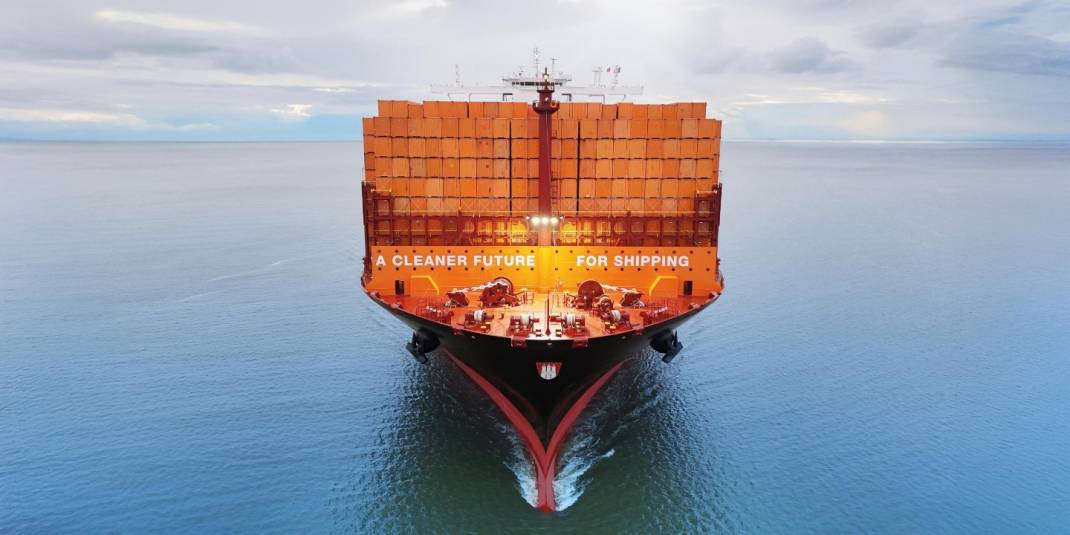
Hapag-Lloyd and Kuehne+Nagel take their first joint step towards sustainable ocean shipping

HAMBURG: Hapag-Lloyd and Kuehne+Nagel are further strengthening their long-standing partnership and, for the first time, collaborating on emission-reduced ocean transport solutions. As part of this agreement, Kuehne+Nagel will utilize Hapag-Lloyd’s “Ship Green” product to reduce the carbon footprint of its ocean freight shipments.

The agreement marks an important milestone in the relationship between the two companies. For the period from April to December 2026, approximately 3,300 TEU of cargo transported on the East Asia to North Europe trade lane will be covered under the agreement. Through the use of certified waste- and residue-based biofuels (SMF), the initiative is expected to avoid around 2,979 tonnes of CO₂e emissions on a well-to-wake basis.

“We are proud to take our partnership with Kuehne+Nagel to the next level,” said Danny Smolders, Managing Director Global Sales at Hapag-Lloyd. “With Ship Green, we offer a scalable solution that enables our customers to actively reduce their Scope 3 emissions today. This agreement shows how strong partnerships can translate into tangible climate impact.”

Paolo Montrone, Head of Trade Global Sea Logistics at Kuehne+Nagel, added: “Decarbonizing shipping requires transparency, collaboration and commercially viable solutions. By having strong partnerships, making emissions data transparent, and enabling scope 3 reductions, we help customers navigate in a credible, market-based way, designed to accelerate the uptake of alternative fuels. We are pleased to extend our collaboration with Hapag Lloyd to make this come true.”

The agreement is based on a book-and-claim chain-of-custody mechanism that allows customers to claim verified emission reductions, regardless of the physical fuel allocation to specific vessels or routes. Only emissions reductions from biofuel that has been used in Hapag-Lloyd’s operated fleet is allocated to Kuehne+Nagel. This model enables scalable climate action, utilizing waste based biofuel as a bridge solution.

Both companies are committed to ambitious climate goals. Hapag-Lloyd aims to achieve net-zero fleet operations by 2045, while Kuehne+Nagel has committed to reaching net-zero emissions across the value chain by 2050. Offering sustainable logistic solutions to customers is a key lever to achieve these goals.

By working together and leveraging sustainable marine fuels and the book and claim approach, Kuehne+Nagel and Hapag-Lloyd are contributing to the shipping industry’s transition toward a more sustainable future and energy independence.

Lactose intolerance: the dietary blind spot shipping still ignores

By Dr Jens Tulsner, Marine Medical Solutions, member of OneCare Group

The global shipping industry relies heavily on multinational crews, many of whom come from South and Southeast Asia. Yet one simple biological reality still receives surprisingly little attention in shipboard catering and health planning: a large proportion of these populations are lactose intolerant.

This is not a marginal issue. Due to genetic factors, lactose intolerance is extremely common across much of Asia. In South Asia alone, studies suggest that between 60% and over 90% of adults may have reduced ability to digest lactose, the sugar naturally found in milk and dairy products. In practical terms, this means that for a significant proportion of the world’s seafarers, dairy-heavy diets can lead to discomfort and gastrointestinal symptoms.

And yet, the issue is rarely discussed in maritime health conversations.

Interestingly, from the perspective of telemedical support, lactose intolerance is almost never raised as a formal medical problem from ships. In the many consultations we handle, I cannot recall a single case where a vessel contacted us specifically because lactose intolerance was suspected.

At first glance that might suggest the problem simply does not exist onboard. In reality, the opposite explanation is far more likely: seafarers manage the issue themselves.

Many crew members from regions where lactose intolerance is common already know how their bodies react to dairy products. They simply avoid them. In practice, this quiet self-management means the issue rarely escalates into a medical consultation.

Another important factor is the adaptability of shipboard catering. Most experienced cooks on vessels serving multinational crews understand very well that not everyone tolerates dairy products. Meals often reflect this reality, particularly where Asian-style dishes dominate the menu and dairy ingredients are limited.

However, this informal approach also raises a question for the industry: are ship operators paying enough attention to the nutritional needs of their crews?

Shipping companies invest significant effort in safety procedures, fatigue management and mental health awareness. Yet the basic issue of diet, something that affects every crew member every day, is often treated as an operational afterthought.

For seafarers who are lactose intolerant, symptoms are usually predictable: abdominal pain, bloating, flatulence, diarrhoea or nausea after consuming dairy products. These symptoms are not life-threatening, but they can be extremely uncomfortable and persistent gastrointestinal problems are hardly ideal for people working long shifts in demanding conditions.

The reality is that the most effective ‘treatment’ for lactose intolerance is very simple: avoid exposure to lactose. If symptoms occur, management focuses on treating the resulting gastrointestinal upset while adjusting the diet to remove the trigger.

From a telemedical standpoint, if lactose intolerance is suspected, the advice would normally be straightforward. Remove dairy products from the diet temporarily and observe whether symptoms resolve. If they do, the diagnosis becomes fairly clear.

This is not a complicated medical problem. But it is one that the maritime industry could address more consciously. The answer is not to remove dairy products from ships. For many crew members, dairy remains an important and well-tolerated source of protein and calcium. The real issue is choice and awareness.

Catering plans on vessels with multinational crews should recognise that a large proportion of seafarers may prefer, or require, non-dairy alternatives. That might mean ensuring meals are not overly reliant on cheese, milk or cream-based ingredients, and providing options that suit different dietary tolerances.

Many ships already operate this way simply through experience. But given the demographics of the global seafaring workforce, it may be time for the industry to acknowledge lactose intolerance not as an occasional medical curiosity – but as a predictable biological reality for a majority of its workforce.

Seafarers should not have to quietly navigate around the menu to avoid discomfort. In an industry that increasingly recognises the importance of crew wellbeing, even something as simple as what is on the plate deserves more attention than it currently receives.

Author:

Dr. Jens Tulsner Lactose intolerance: the dietary blind spot shipping still ignores

Dr Jens Tulsner, Marine Medical Solutions, member of OneCare Group

Aramco sees 100 million-barrel oil loss each week Hormuz is shut

Global oil markets are losing 100 million barrels every week the Strait of Hormuz is shut, compounding a supply shortage that has already made the Middle East war the most significant supply disruption ever, according to the head of Saudi Arabia’s state oil producer.

That shortfall in supply is being met by companies and governments dipping into storage, with global stockpiles running dangerously low, Saudi Aramco Chief Executive Officer Amin Nasser said on a conference call with analysts. Most of the world’s spare oil production capacity is located in the Persian Gulf, meaning it’s not available to help address the shortfall, he said.

The comments highlight the deepening risk that surging energy prices could drag down global growth, with the conflict in the Middle East now into its third month. The US and Iran rejected each other’s latest overtures at jump-starting negotiations aimed at opening flows through Hormuz.

With no resolution of the Iranian or US blockades around the strait in sight, oil jumped and traded above $100 a barrel on Monday. That’s still off the highs seen earlier in the war. The ability to draw down inventories has masked how tight the global market actually is, Nasser said, adding that he sees a disconnect between prices at which oil is trading in futures markets compared with physical barrels.

A lack of investment in production outside of the Middle East has left markets poorly prepared for such a supply shock, Nasser said. The supply shortfall will become even more apparent in May and June, and, if the crisis continues, rebalancing oil markets will take into next year, he cautioned.

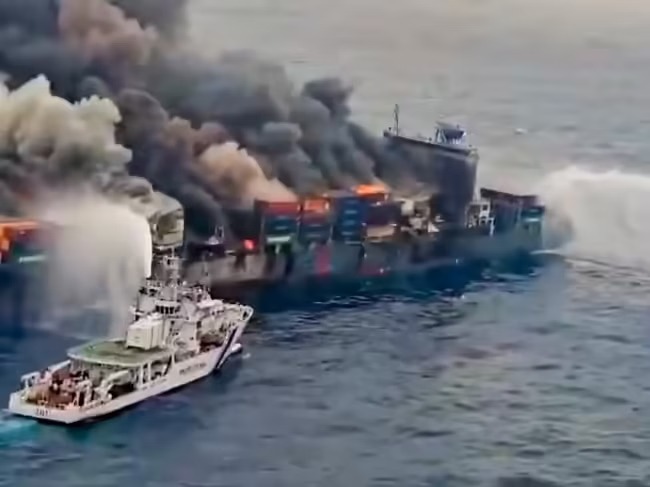
Iran ceasefire tested as cargo ship catches fire after being hit off Qatar’s coast

A cargo ship caught fire Sunday (May 10, 2026) after being hit by an unknown projectile off Qatar’s coast, the British military said, in the latest attack on vessels in the Persian Gulf since a shaky ceasefire stopped fighting between the U.S. and Iran.

The Trump administration says the month-old ceasefire remains in effect. But it has been repeatedly tested with Iran restricting traffic through the Strait of Hormuz, a strategic waterway key to the global flow of oil, and the U.S. imposing a blockade of Iranian ports.

Washington has been awaiting Iran’s response to a new proposal for a deal to end the war, reopen the strait to shipping and roll back Iran’s nuclear programme.

One of the main sticking points in the negotiations is the fate of Iran’s stockpile of highly enriched uranium. The UN nuclear agency says Iran has more than 440 kg (970 pounds) of uranium that is enriched up to 60% purity, a short, technical step from weapons-grade levels.

In an interview with Iranian state media, a spokesman for the Iranian military said that forces were on “full readiness” to protect nuclear sites where the uranium is stored.

“We considered it possible that they might intend to steal it through infiltration operations or heliborne operations,” Brig Gen Akrami Nia told the IRNA news agency late on Saturday (May 9). He didn’t offer further details.

The majority of Iran’s highly enriched uranium is likely still at its Isfahan nuclear complex, the head of the UN nuclear agency told The Associated Press last month.

The Isfahan facility was bombarded by U.S.-Israeli airstrikes in the 12-day war last year, and faced less intense attacks in this year’s war.

In Sunday’s (May 10) naval attack, the United Kingdom Maritime Trade Operations Centre said that the strike caused a small fire on the ship, which was extinguished. The attack happened 23 nautical miles (43 km) northeast of Qatar’s capital, Doha, the UKMTO said.

There were no reported casualties, it said. It gave no details on the owner or origin of the ship, and there was no claim of responsibility.

But there have been several attacks against ships in the Persian Gulf over the past week. On Friday (May 8), the U.S. struck two Iranian oil tankers after it said that the vessels were trying to breach its blockade of Iran’s ports.

Iran’s Revolutionary Guard Navy on Sunday (May 10) reiterated its warning that any attack on Iranian oil tankers or commercial vessels would be met with a “heavy assault” on one of the U.S. bases in the region and enemy ships.

U.S. President Donald Trump has reiterated threats to resume full-scale bombing if Iran doesn’t accept an agreement to reopen the strait and roll back its nuclear programme.

Iran has mostly blocked the critical waterway for global energy since joint strikes on Feb 28 by the U.S. and Israel launched the war, which has caused a global spike in fuel prices and rattling world markets.

“K” LINE Releases Video Update on Results for FY2025 and Progress of the Medium-Term Management Plan

TOKYO: Kawasaki Kisen Kaisha, Ltd. (“K” LINE) has released a video on its official website explaining its results for FY2025 and its progress in its Medium-Term Management Plan. Initially shared on “K” LINE With, the Group’s internal video communication platform, the video is now available to a broader audience.

Results for FY2025 and Progress of the Medium-Term Management Plan: https://www.kline.co.jp/en/corporate/kline_with.html 

In the first half of the video, we explain the financial results for FY2025 and the forecasts for FY2026, together with the deteriorating situation in the Middle East and our response to it. 


In the latter half, we explain that we have steadily executed initiatives based on our Medium-Term Management Plan, thereby securing stable profits in “K” LINE’s own businesses, even in the face of the broad range of uncertainties in the business environment. We also discuss our ongoing efforts to advance considerations for the next Medium-Term Management Plan with a view toward the future.

“K” LINE With details the progress of the Medium-Term Management Plan on a quarterly basis, providing explanations of the latest forecasts and also focuses on initiatives which consider the three important points of the Medium-Term Management Plan, specifically, the capital policy,  business strategy, and the functional strategy.

“K” LINE aims to deepen understanding of the Medium-Term Management Plan among business sites on land and sea within the Group, globally promote internal communication and information sharing, encourage a sense of solidarity as a source of the Group’s strength, and reinforce the foundation of its business operations. “K” LINE has posted the video on its official website in addition to “K” LINE With to make outside stakeholders more aware of the Company’s activities and to further enhance their understanding of our initiatives.

PM Modi urges work from home, fuel conservation to save foreign exchange amid Iran war

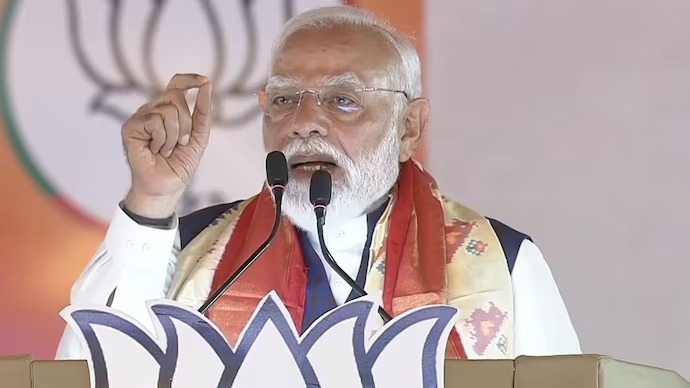
TELENGANA : Prime Minister Shri Narendra Modi on Sunday urged citizens and businesses to conserve fuel and revive work-from-home practices to cut petrol and diesel consumption, as a surge in global energy prices strains the country’s foreign exchange reserves.

Addressing a rally organised by Telangana BJP here, PM Modi suggested measures, including judicious use of petrol and diesel, using metro rail services in cities, car pooling, maximum use of EVs, utilising railway services to send parcels, and working from home to save foreign exchange.

Emphasising that the Centre is trying to shield people from the adverse impact of the war in West Asia, the prime minister said that given the massive spike in prices of petrol and fertiliser, along with supply chain pressures, difficulties can increase despite various measures by the government to overcome the crisis.

“That’s why, during the global crisis, keeping the country above all else, we have to take resolutions. We have developed work from home, virtual meetings, video conferencing and many other methods during corona. We got habituated to it. The need of the hour is to resume those methods”, the prime minister said.

PM Modi also called for postponing gold purchases and foreign travel for one year. “We have to save foreign exchange by any means,” he said.

He also called for reducing consumption of edible oil, reducing use of chemical fertilisers, promoting natural farming and swadeshi products to save foreign exchange and to make the country self-reliant.

While senior BJP leaders hailed PM Modi’s message, Congress general secretary K C Venugopal said that the prime minister is still “clueless” on India’s energy security, despite three months into the Iran-US war.

“It is shameless, reckless and downright immoral that the PM is pushing the common citizen into inconvenience, instead of building contingencies to ensure our economy is unaffected by this global crisis,” Venugopal said in a post on X.

“When elections and petty politics are the sole priority of the PM, the end result is an impending economic catastrophe,” he added.

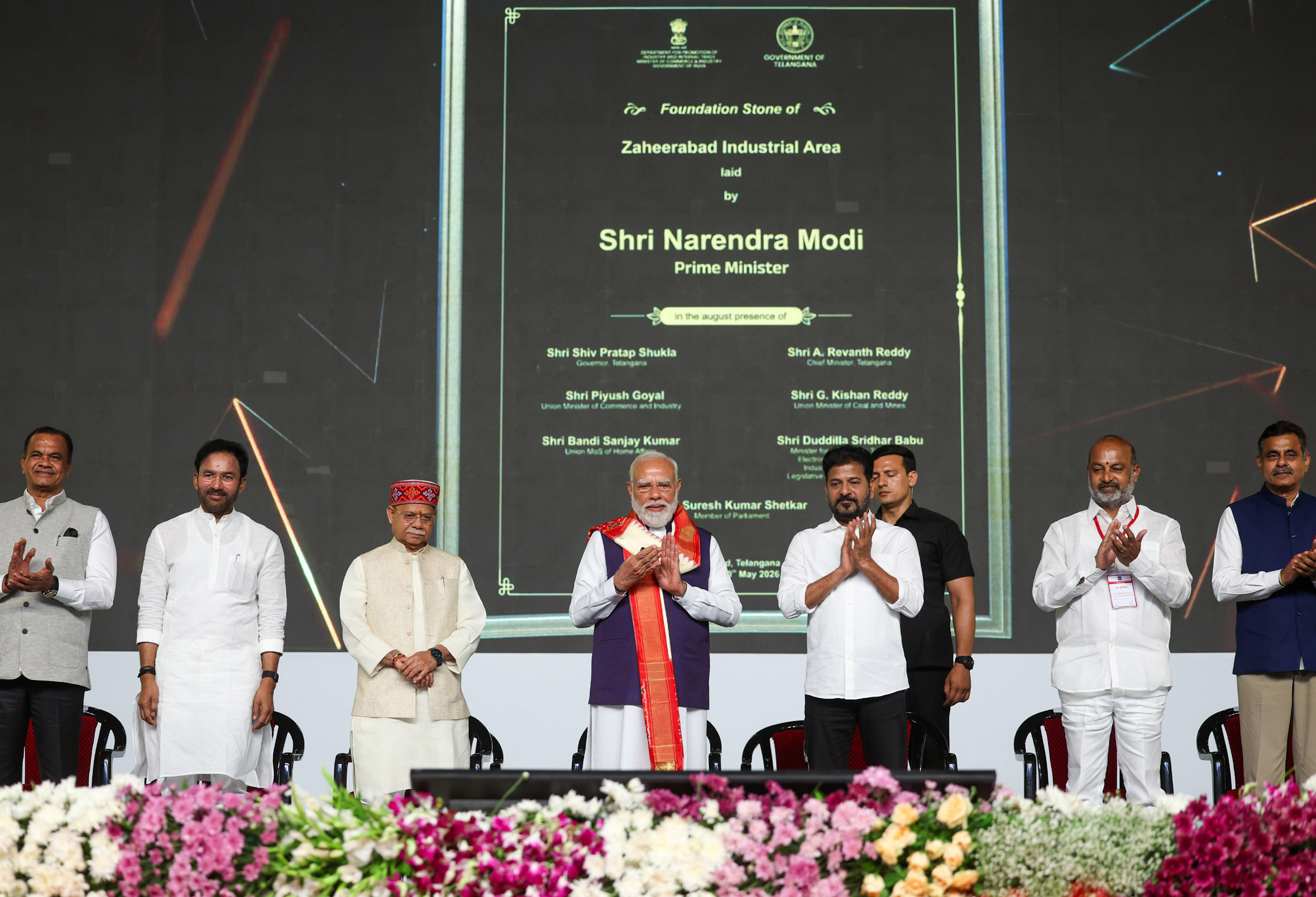
PM Modi lays the foundation stone, inaugurates and dedicates to the nation multiple development projects worth around ₹9,400 crore in Hyderabad, Telangana

TELENGANA : Prime Minister Shri Narendra Modi aid the foundation stone, inaugurated and dedicated to the nation multiple development projects worth around ₹9,400 crore in Hyderabad, Telangana. Addressing the gathering, the Prime Minister highlighted Hyderabad’s transformational significance as a centre of both national and global importance. Underscoring the region’s pivotal role in driving rapid development for Telangana and the entire nation, he outlined how multiple large-scale projects launched will establish Telangana as a major manufacturing hub. Noting that these project inaugurations will generate thousands of new employment opportunities while strengthening regional connectivity, the Prime Minister extended congratulations to Telangana’s people for these projects.

Emphasizing India’s progress on the Reforms Express while building modern infrastructure across sectors, the Prime Minister identified the Zaheerabad Industrial Area as a cornerstone of this transformation, representing the Government of India’s national mission to develop industrial corridors. He noted that the emerging complex will function as an Industrial Smart City, equipped with world-class infrastructure, excellent power supply, and advanced ICT networks, offering global investors every facility required to establish operations. Detailing the substantial financial commitment, the Prime Minister observed that thousands of crores of rupees from the Union Government will fund these facilities, creating employment pathways for thousands of young citizens in Telangana and Hyderabad. Highlighting the multiplier effect, Shri Modi emphasized, “vehicles, machinery manufactured here, and food processing industries established in the zone will empower Telangana’s workers and farmers alike.”

Recalling India’s historical prominence as a global economic power when textile industries played a transformational role, the Prime Minister affirmed the Government’s commitment to revitalizing this strategic sector through contemporary initiatives. He underscored how the PM MITRA Park in Warangal will catalyze a national textile revolution while providing participating units with comprehensive benefits from Union Government schemes including the PLI scheme. Noting that beneficiary enterprises have already commenced availing PLI scheme support, Shri Modi emphasized ,”This textile park will create employment for a large number of people, especially for our sisters and daughters.”

Detailing the Government of India’s unprecedented 12-year investment trajectory in modern connectivity infrastructure across roads, railways, and airports, the Prime Minister noted that nearly One lakh seventy-five thousand crore rupees has been allocated to National Highways development alone. He observed that Telangana has realized substantial benefits from this national focus, with the state’s National Highway network doubling over the past 12 years. Highlighting immediate benefits from the Telangana-Karnataka National Highway widening project, which will reduce travel time and decrease transportation costs, the Prime Minister underscored the tangible impact of systematic infrastructure investment. “The widening of the National Highway connecting Telangana and Karnataka will bring great convenience,” noted Shri Modi.

Comparing Telangana’s transformed railway investment profile with its pre-2014 baseline, the Prime Minister noted a dramatic escalation: while undivided Andhra Pradesh’s railway budget stood at less than one thousand crore rupees prior to 2014, Telangana’s current annual railway allocation exceeds five and a half thousand crore rupees. Observing that approximately 50 thousand crore rupees of railway projects are under concurrent implementation, he highlighted the introduction of five Vande Bharat and six Amrit Bharat trains serving Telangana, exemplifying the transformation in modern rail transport. Referring to the inauguration of select sections of the Kazipet-Vijayawada Multi-Tracking Project and the dedication of the Kazipet Rail Under Bypass Line, Shri Modi asserted, “These facilities will make travel easier and speed up transportation.”

Emphasizing the criticality of energy security in the 21st century global context, where energy disruptions can halt all economic activity, the Prime Minister noted that every person worldwide now comprehends energy security’s strategic importance. He underscored that the Government of India is making unprecedented investments to strengthen national energy security, identifying the inauguration of Indian Oil’s new terminal in Malkapur as a significant strategic step. Detailing the project’s importance for sustained regional development, Shri Modi affirmed, “This terminal will meet Telangana’s growing energy needs and strengthen the supply chain.”

Highlighting India’s remarkable ascent to the top tier of global solar power producers in recent years, the Prime Minister noted unprecedented progress in ethanol blending within petrol while detailing the government’s sequential energy diversification strategy. He outlined how initial emphasis on universal LPG coverage has evolved toward promoting cheaper piped natural gas distribution and advancing CNG-based systems nationwide. Acknowledging that such comprehensive initiatives enable India to navigate the current global energy crisis, the Prime Minister asserted the imperative of energy conservation, emphasizing that imported energy products must be consumed judiciously in accordance with genuine necessity. Underscoring both financial and geopolitical benefits of restraint, Shri Modi stressed, “We must make efforts to use only as much as is needed to save foreign currency and reduce the adverse effects of war crises.”

Recognizing Telangana’s youth as architects of new aspirations and the state’s farming communities as harbingers of renewed hope, the Prime Minister acknowledged the collective determination of industries, MSMEs, and startups to contribute meaningfully to constructing a developed Telangana. He asserted the fundamental principle that Telangana’s development constitutes an integral component of national development, establishing a causal relationship between state and national prosperity. Offering a solemn assurance to every family across Telangana, the Prime Minister committed that the Government of India will sustain its development-focused efforts to realize the collective dreams and aspirations of the state’s citizens. “Because if Telangana develops, then India will develop,” asserted Shri Modi.

JNPA hosts Nepal Consulate delegation to strengthen bilateral trade & maritime cooperation

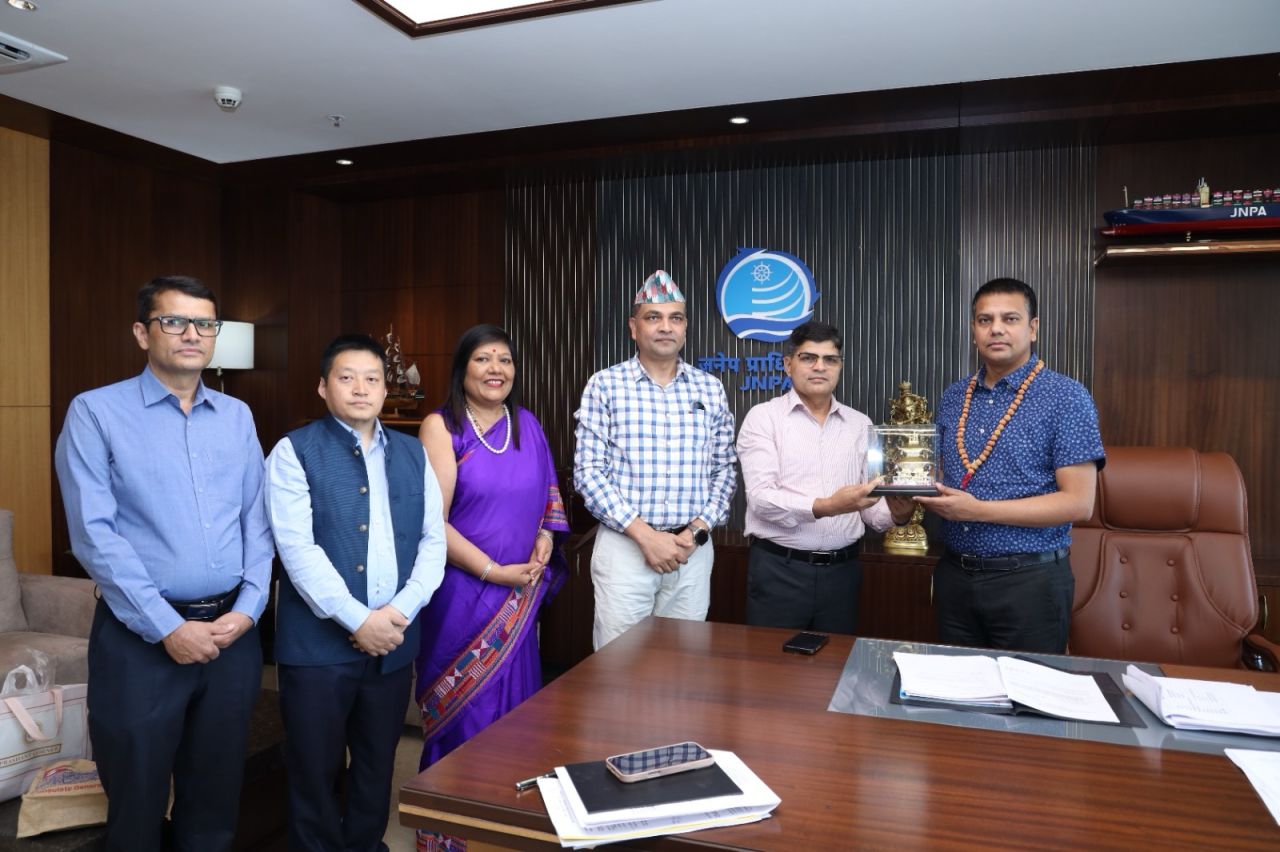
MUMBAI : Jawaharlal Nehru Port Authority (JNPA) had the privilege of hosting a high-level delegation from the Consulate General of Nepal, led by Consul General Mr. Jhakka Prasad Acharya, accompanied by three officials from the Consulate, during a strategic visit aimed at strengthening bilateral trade ties and maritime cooperation between India and Nepal.

The delegation was warmly received by Shri Gaurav Dayal, IAS, Chairperson, JNPA, along with senior officials of the port. During the interaction, the visiting delegates were provided with a comprehensive presentation on JNPA’s world-class port infrastructure, operational excellence, cargo handling capabilities, and its pivotal role in facilitating India’s international trade.

The delegation was also briefed on the upcoming Vadhvan Port project, one of India’s most ambitious port infrastructure developments, envisioned to further enhance the nation’s maritime capacity, logistics efficiency, and global trade competitiveness. Discussions highlighted the immense opportunities the project is expected to create for regional trade integration and connectivity.

As part of the visit, the Nepalese delegation undertook an extensive guided tour of the port premises, gaining first-hand exposure to JNPA’s advanced container terminals, streamlined cargo operations, digital initiatives, and modern maritime infrastructure. The visit offered valuable insights into the port’s operational ecosystem and its contribution towards strengthening supply chain efficiency.

The interaction focused on exploring avenues to enhance bilateral trade between India and Nepal through improved logistics connectivity, efficient cargo movement, and greater maritime collaboration. Both sides acknowledged the importance of ports and multimodal infrastructure in promoting regional economic growth and facilitating seamless trade access for landlocked neighboring countries such as Nepal.

JNPA reiterated its commitment to fostering strong international partnerships, supporting regional trade development, and contributing towards India’s vision of becoming a leading global maritime and logistics hub.

The visit marks another significant step in deepening cooperation between India and Nepal and reflects JNPA’s continued efforts to strengthen global engagement, regional connectivity, and sustainable trade partnerships.