Home Blog Page 314

11 Indian ships exited Strait of Hormuz, 13 still in Gulf : MEA

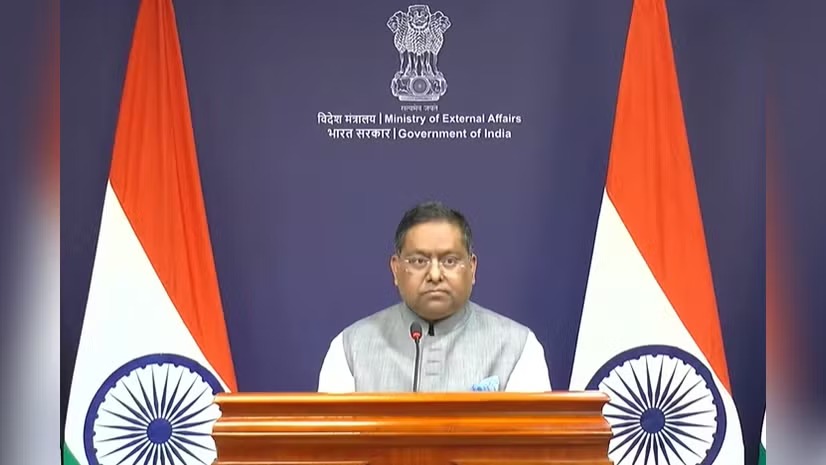
NEW DELHI : India on last Thursday (07-05-2026) said that 11 Indian vessels have exited the Strait of Hormuz, while 13 ships continue to remain in the Persian Gulf. Addressing a weekly media briefing, MEA spokesperson Randhir Jaiswal was asked about reports suggesting that Iranian ships may be using alternative routes through Pakistani and Indian territorial waters to bypass a potential US blockade, and whether such movement requires special clearance from Indian authorities.

Responding to the query, Jaiswal said that vessels are free to operate in international waters without requiring permission. “Regarding the reports that ships might be taking routes through Indian territorial waters to avoid blockades: if ships of other countries want to ply in international waters, no permission is required,” he said.

However, he added that any entry into Indian territorial waters involves technical and regulatory considerations that fall under the jurisdiction of the Ministry of Shipping or other relevant authorities.

Jaiswal said that diplomatic engagement with Iranian authorities has helped ease the movement of Indian vessels in the region.

“We have had forward movement as a result of our diplomatic engagement and conversations with the Iranians. So far, 11 Indian ships have exited the Strait of Hormuz. 13 ships continue to be in the Persian Gulf, and we continue to be in touch with the Iranian authorities so that the remaining ships can also cross the Strait of Hormuz and reach their destination in India,” he said.

Earlier on Wednesday, Opesh Kumar Sharma, Director of Shipping at the Ministry of Ports, Shipping and Waterways, said all Indian seafarers remain safe in the region and no incident involving an Indian-flagged vessel has been reported in the last 48 hours since the previous briefing.

Speaking at an Inter-Ministerial Briefing on Recent Developments in West Asia, Sharma said the ministry has also facilitated the safe repatriation of more than 2,999 seafarers, including 23 in the past 48 hours from the Gulf region.

“The Ministry of Ports, Shipping, and Waterways continues to coordinate with the Ministry of External Affairs, Indian missions, and maritime stakeholders to ensure seafarer welfare and uninterrupted maritime operations. I am happy to state that all Indian seafarers continue to be safe in the region, and no incident involving an Indian-flagged vessel has been reported since the last briefing in the past 48 hours. No incident has also been reported on any foreign-flagged vessels carrying Indian seafarers,” he said.

Prof. Debjit Roy’s Global Recognition expected to Strengthen India’s Logistics & Transport Research Ecosystem

AHMEDABAD: Prof. Debjit Roy, Professor at Indian Institute of Management Ahmedabad, has earned global recognition by receiving the prestigious Wickham Skinner Teaching Innovation Award from the Production and Operations Management Society (POMS), one of the highest international honors for excellence and innovation in teaching in the field of production and operations management.

The achievement is being seen as a significant milestone not only for Indian academia but also for the country’s rapidly evolving logistics, transportation, and supply chain sectors. Prof. Roy’s recognition is expected to further strengthen research-driven policy thinking, industry collaboration, and academic innovation in logistics and transport management in India.

In his message after receiving the award, Prof. Roy expressed gratitude to his students, colleagues, and academic institutions across India, the Netherlands, and the United States, stating that impactful teaching and meaningful research must go hand in hand. Having taught more than 15,000 students over the past 14 years, he acknowledged that classroom interactions across continents have continuously shaped his teaching philosophy and methods.

At Indian Institute of Management Ahmedabad, Prof. Roy serves as the Founding Co-Chair of the Centre for Transportation and Logistics, a pioneering initiative focused on advancing research, executive education, and industry engagement in transportation, warehousing, freight systems, supply chain optimization, and logistics infrastructure development in India.

Widely regarded as one of India’s leading scholars in operations, logistics, and transportation systems, Prof. Roy has contributed extensively to global research in freight transportation, warehouse automation, container terminal operations, supply chain optimization, fleet management, inland logistics infrastructure, and sustainable transport systems. His research work, publications, and industry-oriented case studies have helped bridge the gap between academic theory and real-world logistics challenges.

Industry experts believe that this international recognition will inspire greater academic focus on logistics and transport research in India at a time when the country is aggressively investing in multimodal infrastructure, port-led development, dedicated freight corridors, warehousing modernization, and integrated supply chain ecosystems under national initiatives such as PM Gati Shakti and the National Logistics Policy.

Prof. Roy also highlighted that the award places him among an elite group of globally respected academic luminaries, including Hau Lee, Luk van Wassenhove, Sunil Kumar, Mike Gorman, Christian Terwiesch, and Robert Klassen, who have previously received the honor.

He further acknowledged the support of academicians and practitioners from around the world, along with the encouragement of the award committee chaired by Bala Shetty.

The recognition marks yet another proud moment for Indian Institute of Management Ahmedabad and reinforces India’s growing stature as a global hub for research, innovation, and thought leadership in logistics, transportation, and supply chain management.

Disrupted Middle East-India shipments restart as choked supply chains ease

FUJAIRAH : Terminals at alternative ports of call in the Persian Gulf have reopened gates to outbound freight flows, albeit gradually, according to market sources. The ports — Port of Khor Fakkan and Port of Fujairah in the UAE, along with Port of Sohar — had earlier restricted container carriers largely to import discharges after the outbreak of the Middle East conflict on February 28, amid severe yard congestion, limited evacuation capacity, and mounting pressure on inland logistics networks.

These ports emerged as critical contingency gateways for cargo originally destined for conflict-affected terminals across the Gulf region, helping maintain the flow of essential goods, industrial cargo, and consumer products into regional markets. Shipping lines and logistics operators diverted several services to these alternative hubs to minimize disruption to regional supply chains and avoid operational risks in affected waters.

However, the emergency operational model effectively created a “single-leg” cargo movement for vessel operators, with ships arriving heavily laden with imports but departing with limited or no export cargo. This imbalance significantly increased repositioning costs for carriers, reduced equipment availability, and intensified container shortages across parts of the Middle East and South Asia trade corridors.

Industry sources indicate that the gradual reopening of gates for outbound cargo is expected to ease pressure on terminal yards and improve equipment circulation. Exporters who had faced delays in moving cargo out of the Gulf region are now beginning to secure limited booking windows, although operations remain slower than normal and subject to close monitoring by port authorities and shipping lines.

Freight forwarders noted that vessel schedules continue to face disruptions due to congestion, longer berth waiting times, and revised routing patterns. Several carriers are still operating under contingency plans, with selective cargo acceptance policies and rolling schedules depending on the evolving regional security situation.

Despite operational improvements, logistics stakeholders expect supply chain instability to persist in the near term, particularly as shipping lines continue to assess risk exposure, insurance costs, and vessel deployment strategies in the region. Market participants also warned that any further escalation in regional tensions could once again impact cargo flows, transit times, and freight rates across key Asia–Middle East trade lanes.

Global Shipping Lines eye India’s expanding Multimodal Logistics Infrastructure

NEW DELHI : India’s evolving logistics landscape and the growing emphasis on integrated supply chain infrastructure are drawing heightened interest from global container shipping lines, with several major carriers now eyeing investments in multimodal logistics hub projects across the country.

The increasing prominence of the hub-and-spoke logistics model — a strategy central to the Gemini Cooperation between Maersk and Hapag-Lloyd — is encouraging carriers to strengthen their inland logistics presence in India through large-scale multimodal infrastructure projects.

As part of its broader logistics modernisation agenda, the Government of India has approved the development of 35 multimodal logistics parks nationwide, while also advancing plans for five mega multimodal logistics hubs at Dadri, Jogighopa, Nagpur, Chennai and Bengaluru.

Among these, the proposed Dadri logistics hub near Delhi has emerged as a key attraction for both global shipping lines and domestic infrastructure players owing to its strategic connectivity and significant cargo-generation potential. Industry sources indicate that leading container carriers, including CMA CGM, Maersk and Mediterranean Shipping Company, are evaluating bids for the project either independently or through joint venture partnerships. The tender submission deadline is understood to fall later this month.

The Dadri project is planned across approximately 825 acres, with the first phase of development estimated at around USD 250 million. Strategically located near the junction of India’s Eastern and Western Dedicated Freight Corridors, the hub is expected to significantly improve cargo movement between northern manufacturing centres and major western gateway ports such as Jawaharlal Nehru Port and Mundra Port.

Project documents highlight that the hub is intended to support export-oriented industries in western Uttar Pradesh by reducing transit times to JNPA, enhancing logistics efficiency and strengthening the region’s attractiveness as a manufacturing and investment destination.

Industry observers believe the project’s value proposition has further strengthened following recent successful trial train operations conducted by JNPA over the 1,500-km Dedicated Freight Corridor network ahead of full-scale commercial deployment. Trade stakeholders expect the corridor to deliver substantial gains in cargo velocity and reliability for hinterland shippers.

The multimodal hub initiative also aligns closely with the government’s long-term Delhi-Mumbai Industrial Corridor (DMIC) vision, aimed at accelerating industrial growth, infrastructure development and integrated freight connectivity across key economic regions.

Alongside global shipping lines, major Indian infrastructure and industrial groups, including Adani Group, Welspun World and GR Infraprojects, are also reportedly exploring participation opportunities in the Dadri project.

A substantial share of export-import cargo handled through Mundra and Nhava Sheva originates from northern India, making Dadri a strategically important logistics node for carriers seeking to expand integrated inland distribution capabilities.

Shipping lines, particularly CMA CGM, have been actively expanding their warehousing, depot and inland logistics operations across India to strengthen end-to-end supply chain solutions for customers.

Meanwhile, continued policy reforms and infrastructure modernisation initiatives are helping India improve overall logistics competitiveness. Government estimates suggest logistics costs for Indian exporters and importers declined to approximately 7.97% of GDP during 2023-24, reflecting steady progress toward more efficient and integrated freight movement systems.

APEDA facilitates first-ever export of 20 Metric Tons of ODOP Honey from Assam’s aspirational district Baksa to USA

BAKSA : In a major boost to the diversification of India’s agricultural exports and furthering the One District One Product (ODOP) initiative, the first-ever export consignment of ODOP Honey from Baksa, an Aspirational District in Assam, to the USA was flagged off on 09 May 2026 through the initiative of APEDA. The consignment, comprising 20 Metric Tons of honey, was exported by APEDA-registered exporter from the North Eastern Region, M/s Salt Range Foods Pvt. Ltd., Assam.

Assam holds significant potential for honey production owing to its rich biodiversity, abundant forest resources and long-standing tradition of beekeeping. Honey collection has been practised for centuries by indigenous communities such as the Karbi, Mishing and Bodo tribes, where honey has traditionally been used as food, medicine and in cultural and religious practices.

Major honey-producing districts in the state include Baksa, Kokrajhar, Chirang, Udalguri and Tamulpur in the Bodoland Territorial Region (BTR). As per the latest data from the National Horticulture Board, Assam produced approximately 1,650 Metric Tons of honey during FY 2023–24.

Sourced from eco-friendly and pesticide-free environments, honey from Baksa district is known for its high quality and near-organic characteristics, reflecting the region’s rich biodiversity and sustainable agricultural practices.

Baksa honey has also been identified under the ODOP initiative, recognising its strong potential for livelihood generation, value addition and export growth. The honey is widely known for its natural purity, rich floral diversity and high nutritional and medicinal value.

The ODOP initiative, aligned with the Government of India’s vision of promoting district-specific products, aims to identify, brand and promote one product from each district to enhance value addition, generate employment opportunities and strengthen local economies. By connecting such products to global markets, the initiative plays a key role in diversifying India’s export basket and empowering farmers and local producers.

The Agricultural and Processed Food Products Export Development Authority (APEDA), under the Ministry of Commerce and Industry, facilitated the export by supporting infrastructure development, including the provision of testing and laboratory equipment at the processing facility to ensure compliance with international quality standards and food safety requirements.

The initiative is expected to significantly benefit local beekeepers and farmers, with producers receiving nearly 43 per cent higher price realisation compared to prevailing local farm gate prices, thereby enhancing income opportunities and strengthening rural livelihoods in the region.

The export initiative marks a significant milestone in integrating farmers from Aspirational Districts into global value chains, ensuring better price realisation and sustained market access. It also highlights the growing export potential of the North Eastern Region, particularly in niche and value-added agricultural products.

APEDA reiterated its commitment to promoting farmer-led exports, strengthening quality infrastructure and supporting initiatives such as ODOP to position India as a reliable supplier of high-quality agricultural products in global markets.

INS Sagardhwani enhances India-Vietnam Maritime & Scientific Co-operation

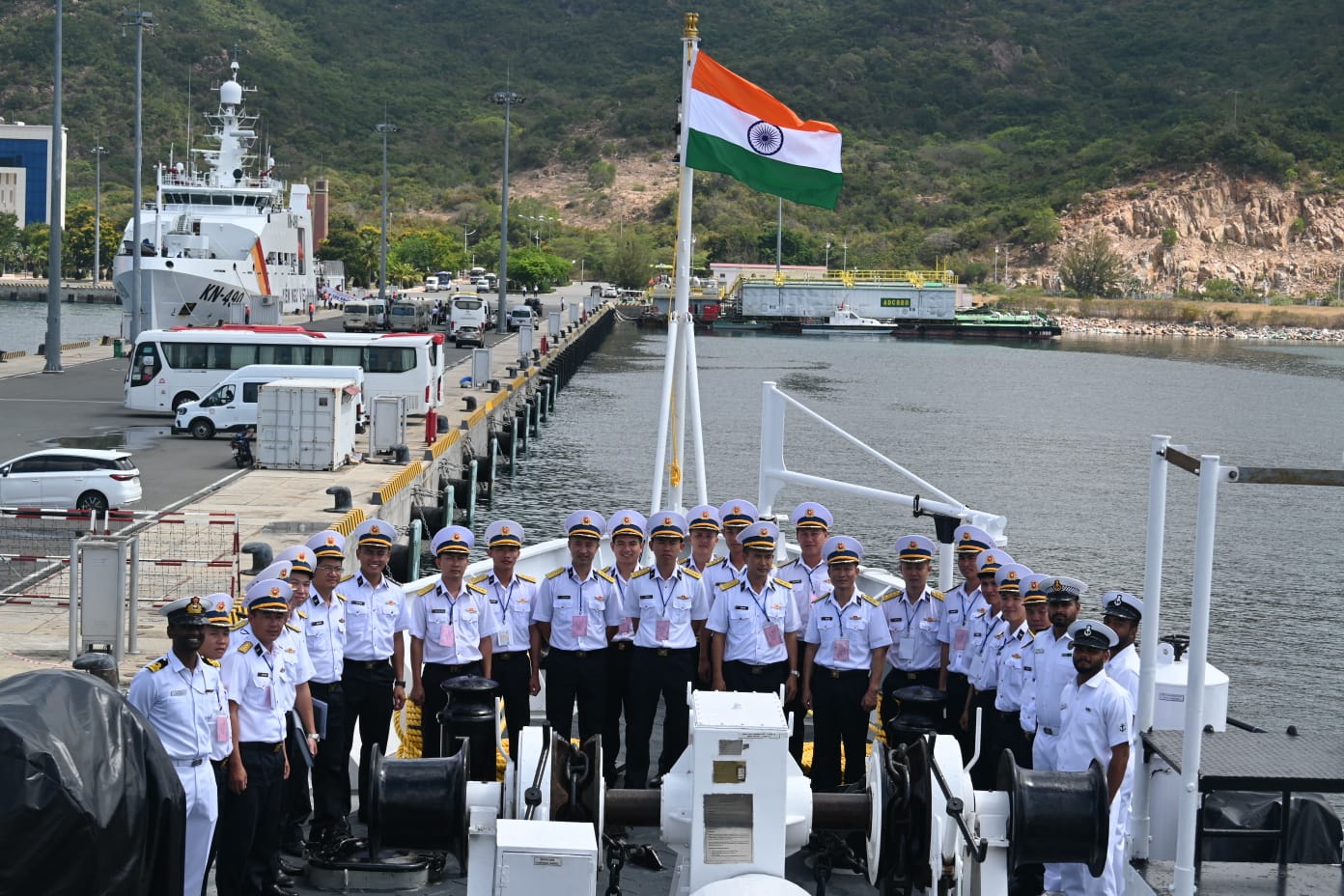
INS Sagardhwani, the Indian Navy’s oceanographic research vessel, concluded a successful visit to Cam Ranh, Vietnam from 04-08 May 2026, reinforcing the strong maritime and scientific partnership between India and Vietnam.

During the visit, Commanding Officer, INS Sagardhwani called on Sr Col Tran Van Cuong, Deputy Head of Khanh Hoa Military Command and Sr Capt Nguyen Huu Minh, Deputy Political Commissar Naval Region 4. Discussions highlighted avenues for deeper maritime engagement, professional interactions, training cooperation and scientific endeavours coinciding with a decade of India-Vietnam Strategic Partnership. Recently, a Vietnam People’s Navy (VPN) ship participated in International Fleet Review 26 and MILAN 26 at Visakhapatnam in Feb 2026.

As part of the professional exchange, the Commanding Officer interacted with Sr Capt Ho Thanh Hoa, Deputy Director of the Naval Academy, Vietnam. Deliberations focused on expanding cooperation in naval training and education. Officers and cadets of the Academy also visited the ship and gained insights into its operational role and onboard capabilities.

Reflecting the spirit of friendship and camaraderie, personnel of the Indian Navy and Vietnam People’s Navy participated in friendly volleyball matches and joint yoga sessions during the harbour stay.

Strengthening collaboration in oceanographic studies, scientists from NPOL (Naval Physical and Oceanographic Laboratory), DRDO engaged with researchers from the Institute of Oceanography, Nha Trang. The interactions centred on research collaboration, knowledge sharing and capacity building in the field of oceanographic science and technology. Scientists from the National Oceanographic Institute also visited the ship during the port call.

The visit marks a testament to the growing bilateral maritime partnership and scientific engagement between the two countries in the region

Two months in: What container data tells us about the Hormuz crisis

BRUSSELS: When the Strait of Hormuz effectively closed to commercial traffic, 53 container vessels belonging to the world’s top shipping lines found themselves trapped inside the Persian Gulf. Two months on, Kpler’s Container Intelligence data paints a stark picture: 79% are still waiting.

Current situation for container vessels
Of the 53 container vessels initially caught inside when transits became untenable, only nine have successfully exited the Strait. Two of those required a second attempt before making it through. Two MSC vessels were seized by Iranian authorities—the most severe outcome of the crisis. One additional vessel sustained damage after being struck by debris.
That leaves 42 vessels, crews, cargo, and capital in a state of indefinite commercial limbo.

Carrier performance analysis
We track every major carrier’s exposure to this crisis. The data reveals significant variation in outcomes across shipping lines.
‍
CMA CGM: Heaviest absolute exposure
CMA CGM carries the heaviest exposure in absolute terms. With 15 vessels caught inside, the French carrier has managed to extract only two. This represents a 87% entrapment rate for the world’s third-largest container line.
‍
MSC: Most complex situation
MSC’s situation is the most complex. The world’s largest carrier had 14 vessels in the zone and has recorded the only seizures of the crisis—two vessels taken by Iranian authorities. This development has drawn significant attention from maritime insurers and legal teams globally.
Four MSC vessels did manage to exit on their first attempt. However, eight remain inside. The seizure question adds a dimension to their exposure that extends well beyond simple delays.
‍
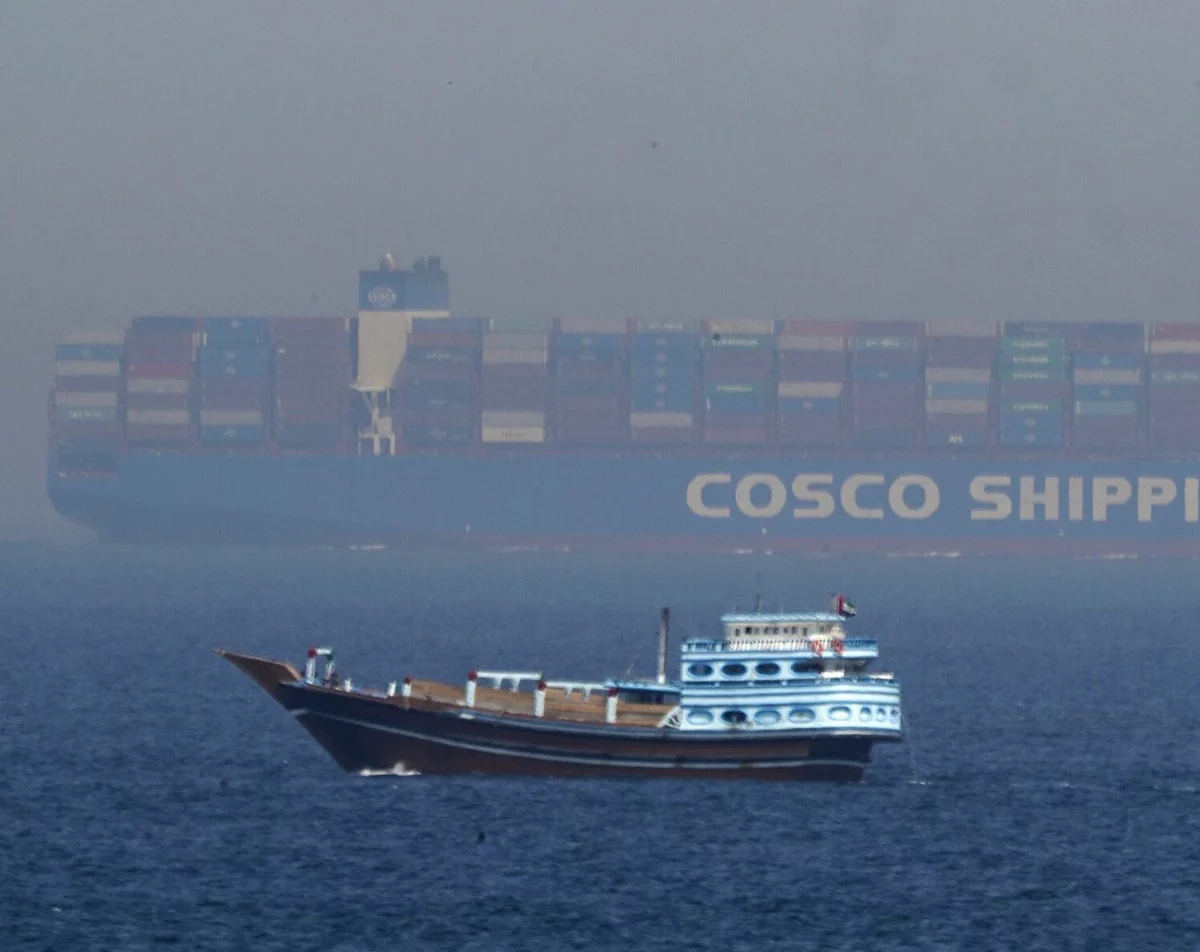
COSCO: Persistence pays off

COSCO is the one carrier with a story of persistence paying off. Both of its successful exits came on a second transit attempt. This suggests Chinese-flagged tonnage may be navigating a different diplomatic and risk calculus than Western carriers.
Three COSCO vessels remain inside. The two successful breakouts are the only confirmed second-attempt successes across the entire fleet.
‍
Zero escapes: The smaller carriers
Wan Hai, Evergreen, Yang Ming, ONE, and HMM have recorded zero escapes. For these smaller-exposure carriers with one to three vessels each, this represents a 100% entrapment rate. These vessels would have turned around and loaded again two or three times by now under normal operations.
‍
Market implications
Capacity impact
The capacity implications are significant. Fifty-three vessels of assorted sizes represent tens of thousands of TEUs of effective capacity removed from active rotation. Unlike vessels temporarily idled for maintenance or slow-steaming on long-haul routes, these ships generate zero revenue while still:
• Consuming fuel
• Incurring port costs
• Tying up crews under extraordinary conditions

Impact on cargo owners
For cargo owners—particularly those with supply chains dependent on Gulf petrochemical exports, electronics imports through Jebel Ali, or regional feeder connections—the picture has moved from “disruption” to “structural rerouting.” The few boxes that have escaped command significantly different routing costs via alternative corridors.
‍
Differential impact by cargo type

The impact is not felt equally across cargo types:
• High-value or time-sensitive goods (foodstuffs, pharmaceuticals, consumer electronics) can absorb the premium of landbridge solutions or urgent rerouting.
• Construction materials face a different calculus. The Gulf is a major destination for heavy, voluminous, relatively low-value cargo supplying the region’s numerous active construction sites. For those shipments, a landbridge premium is simply not economically viable. The cargo either waits, or the project does.

What Container Intelligence is watching
The 42 top-carrier vessels still waiting inside the Gulf represent a concentration without modern parallel in container shipping. However, the broader market impact of the Hormuz crisis is where we deliver our clearest value—and where our data is most actionable.

With direct transit through the Strait suspended, cargo flows have been forced to reroute. That pressure does not disappear; it redistributes. We provide the independent, terminal-level view of where it is landing and how hard.
‍
Alternative hubs under the microscope
The ports absorbing diverted Gulf traffic now operate under conditions far outside their historical baseline:
• Salalah (Oman)
• Khor Fakkan (UAE)
• Transshipment hubs across the Indian Ocean

We track congestion index, live vessel queue, and average waiting time across all of them, updated continuously, independently of what any carrier chooses to publish.

Rerouted services and schedule integrity
As carriers adjust rotations to bypass the Gulf, services that previously called Jebel Ali or other Gulf terminals are being restructured or omitting ports entirely. We track every terminal call, announced and unannounced, so planners can see the real updated rotation—not the last version a carrier published before the crisis escalated.
‍
Predictive ETAs on corridors that still move

For cargo moving on the India–Europe, Asia–East Africa, and transpacific corridors that bypass the Gulf entirely, we deliver predictive ETAs up to six weeks or more in advance at terminal level. These predictions are based on live AIS behavior and congestion patterns—not carrier estimates.

In a market where schedule reliability has collapsed on Gulf-adjacent trades, that independent foresight on routes that are still functioning is where decisions get made.
‍
The terminals to watch right now
These transshipment nodes are most likely to show the first signs of congestion buildup as volumes reroute:
• Khor Fakkan
• Sohar
• Jeddah

We let you spot regional buildup before it cascades—exactly the kind of early warning that separates reactive teams from those who planned ahead.
‍
Frequently asked questions


What should cargo owners do now?

Cargo owners should immediately assess their exposure to Gulf-dependent routes and identify alternative routing options. For time-sensitive cargo, landbridge solutions through the UAE or Saudi Arabia may justify the premium. For bulk or construction materials, contingency planning should include extended delivery timelines and potential sourcing alternatives.

How will this impact shipping costs?

Rates on alternative corridors have already increased significantly. Expect continued upward pressure on India–Europe and Asia–Middle East lanes as capacity constraints intensify. High-value cargo will absorb these costs; low-margin shipments face difficult decisions.

Which carriers have the best track record for navigating this crisis?

Based on the data, COSCO shows the highest escape rate at 40%, with both successful exits coming on second attempts. MSC achieved a 29% escape rate on first attempts but faces the added complexity of two seized vessels. Most other carriers have recorded zero successful exits.

How long will this situation last?

We cannot predict the geopolitical resolution timeline. However, Container Intelligence continuously monitors vessel movements, terminal conditions, and routing patterns to provide the earliest possible indicators of any change in the operating environment.

Source: Kpler

‘Expect conversation to continue’: Senior US officials on Trump, Xi discussion on Iran

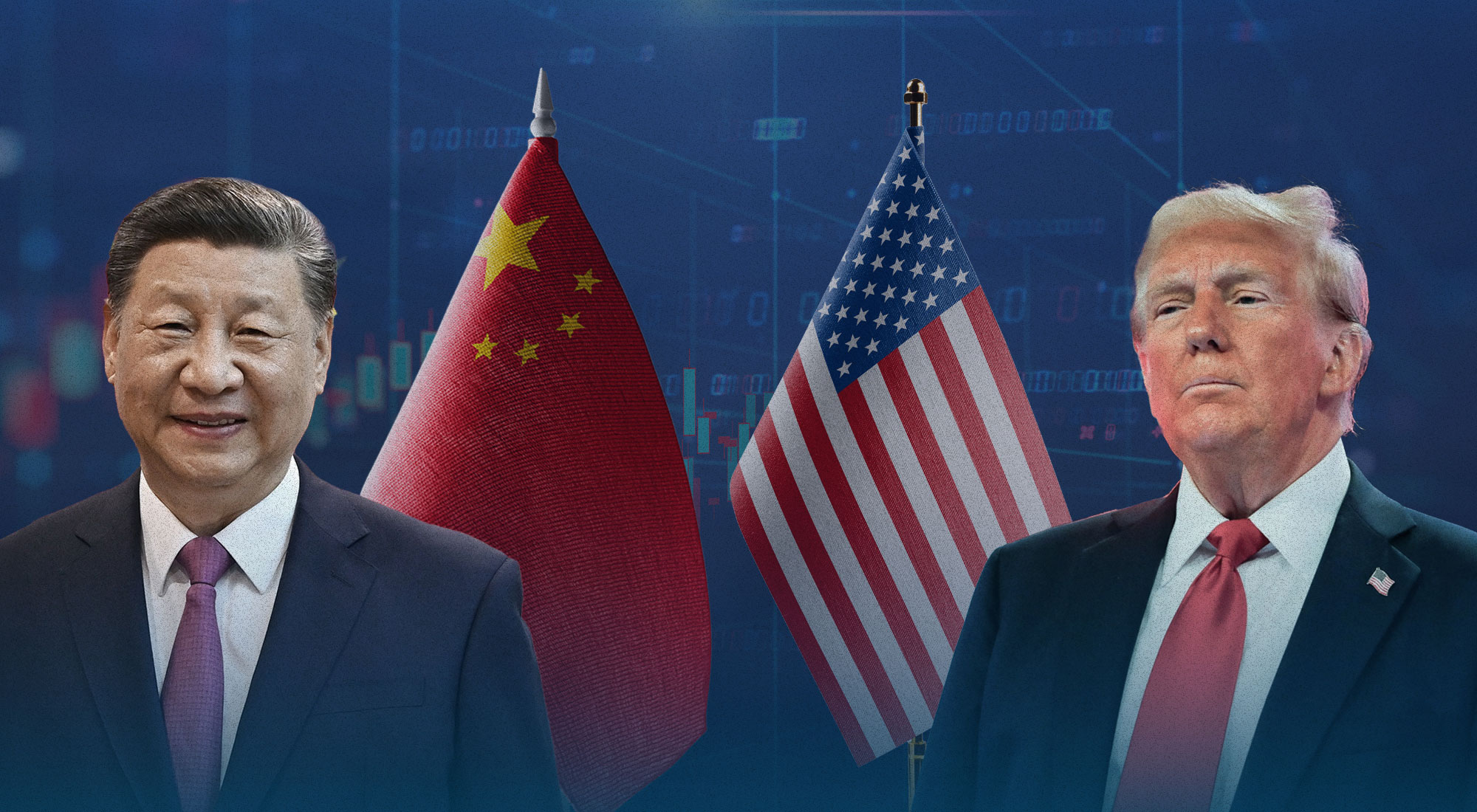
WASINGTON D.C.: Senior US officials said on Sunday that the discussions between US and China are set to continue on the topic of Iran as the two countries gear up for the much-anticipated meeting between US President Donald Trump and Chinese President Xi Jinping.

Speaking about the engagements between the leaders, the senior US officials said that Trump and Xi had spoken multiple times about Iran and also about Russia, how Chinese revenue provides for not only components but also the potential of weapons exports to these two countries.

They said, “The President has spoken multiple times with General Secretary Xi Jinping about the topic of Iran and about the topic of Russia, to include the revenue that China provides for both those regimes and therefore as well as do use goods, components and parts, not to mention the potential of weapons exports.”

The officials added that Washington expects the discussions on these issues to continue in the coming days.

The remarks come after the US had last week announced a new wave of sanctions targeting Iran’s financial and energy networks, escalating pressure on Tehran’s oil revenues and its commercial links with China.

In a post on X, US Treasury Secretary Scott Bessent described Iran as “the head of the snake for global terrorism,” adding that under the leadership of US President Donald Trump, the Treasury was acting “aggressively” through the initiative titled “Economic Fury”.

He said, “Iran is the head of the snake for global terrorism, and under @POTUS’ leadership, Treasury is moving aggressively, through Economic Fury, to sever the Iranian military’s financial lifelines. We will relentlessly target the regime’s ability to generate, move, and repatriate funds, and pursue anyone enabling Tehran’s attempts to evade sanctions.”

He highlighted the X post of the US Treasury Department, which said that its Office of Foreign Assets Control (OFAC) had designated three Iranian foreign currency exchange houses along with affiliated front companies, accusing them of facilitating billions of dollars in transactions that ultimately support Iran’s military and regional proxy networks.

The Treasury Department said these exchange houses play a central role in converting Iran’s oil revenues, which it claimed to be largely settled in Chinese yuan, into currencies usable by the Iranian government and its allied groups.

Source: ANI

Iran warns of “decisive” response over deployment of French, British warships in Strait of Hormuz

TEHRAN: Iran has voiced strong opposition to the deployment of a French aircraft carrier intended for a potential mission aimed at restoring “confidence among shipowners” within the volatile Strait of Hormuz.

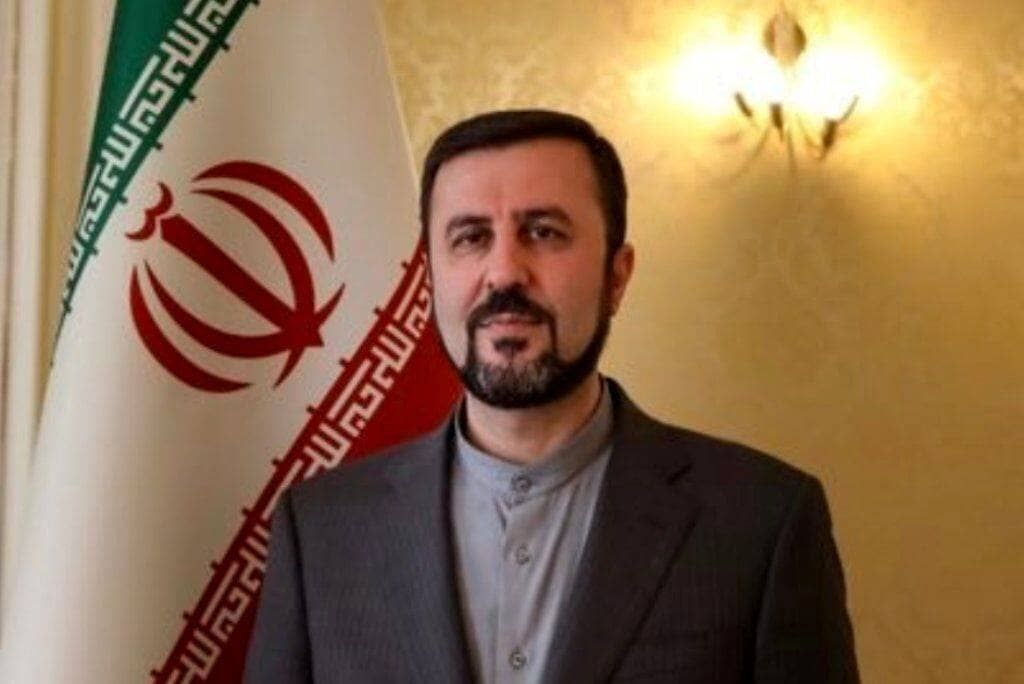
The diplomatic friction intensified after Iran’s Deputy Foreign Minister, Kazem Gharibabadi, issued a stern warning on the social media platform X. He cautioned that any international naval cooperation with Washington’s current maritime strategy would be viewed as a direct provocation.

Gharibabadi wrote that “the presence of French and British warships, or those of any other country potentially accompanying the illegal and internationally unlawful actions of the United States in the Strait of Hormuz, will be met with a decisive and immediate response”.

Al Jazeera reported that the French Ministry of Armed Forces confirmed last week that the nuclear-powered Charles de Gaulle aircraft carrier was travelling towards the strategic waterway.

The deployment comes as French President Emmanuel Macron and British Prime Minister Keir Starmer spearhead an international mission dedicated towards “restoring freedom of navigation” in the critical shipping lane.

While Western powers bolster their naval presence, Iran formally submitted its reply to the most recent American proposal for regional de-escalation on Sunday. State media confirmed the message was transmitted via Pakistani mediators, following an announcement from Tehran that it had finished a detailed review of Washington’s proposal.

According to Iran’s state-run IRNA news agency, the present stage of discussions is expected to concentrate on ending the ongoing conflict in the region. This latest communication comes amid reports that Tehran has formulated a “14-point plan” intended to counter the US-supported “nine-point peace plan”.

The Iranian proposal reportedly outlines a three-stage roadmap, which includes a 30-day phase designed to transition a temporary ceasefire into a permanent end to hostilities.

As part of the negotiations, Tehran has sought sanctions relief, the removal of restrictions on Iranian ports, the withdrawal of US troops from the region, and a halt to Israeli military operations in Lebanon.

However, these intensifying diplomatic efforts are occurring against a backdrop of heightened friction and a potential breakdown of stability in the Gulf. Iran recently cautioned that its “restraint is over” and issued threats of retaliation should its vessels be targeted.

This warning follows a series of reports regarding strikes on commercial shipping near the Strait of Hormuz and the coast of Qatar.
Further complicating the security landscape, Iran’s Revolutionary Guards have warned of “heavy attacks” against American interests in the event of further strikes on Iranian tankers.

These statements follow reports that a US fighter jet disabled two Iranian-flagged vessels in the Gulf of Oman, leaving the region caught between a fragile peace process and the threat of expanded naval warfare.

UK deploys warship HMS Dragon to Middle East ahead of likely mission to secure Hormuz

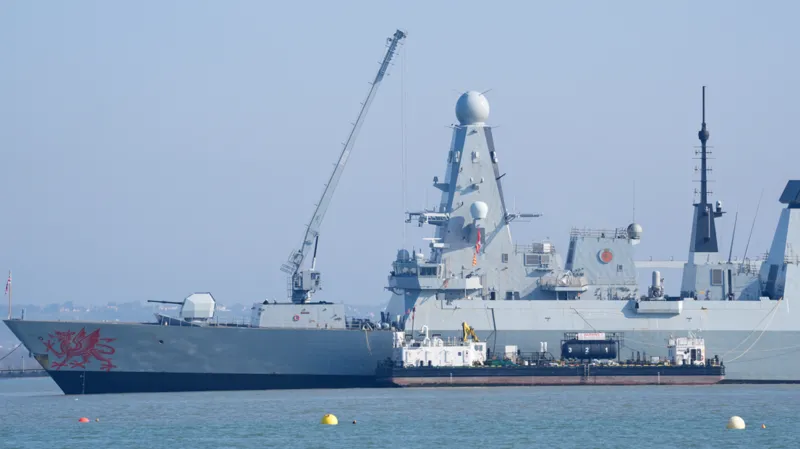
LONDON : Britain said on Saturday it was deploying its warship HMS Dragon to the Middle East in preparation for a potential multinational effort to protect shipping in the Strait of Hormuz once conditions allow. The air defence destroyer was sent to the Eastern Mediterranean in March, shortly after the start of the Iran war, to help defend Cyprus.

The relocation of HMS Dragon to the Middle East comes after France deployed its carrier strike group to the southern Red Sea, as the two countries work together on a defensive plan aimed at restoring confidence in the trade route. HMS Dragon is being pre-positioned in the region for a potential UK-French-led operation aimed at safeguarding shipping through the Strait of Hormuz.

“The pre-positioning of HMS Dragon is part of prudent planning that will ensure that the UK is ready, as part of a multinational coalition jointly led by the UK and France, to ⁠secure the strait when conditions allow,” a spokesperson for Britain’s Ministry of Defence said.

The HMS Dragon, a Type 45 destroyer previously stationed in the eastern Mediterranean near Cyprus, will stand ready to join a UK- and French-led maritime initiative.

The proposed mission, backed by Prime Minister Keir Starmer and French President Emmanuel Macron, aims to ensure freedom of navigation through the Strait of Hormuz.

France and Britain have been working on a proposal ⁠to lay the groundwork for safe transit through the strait once the situation stabilises.

Britain’s participation in any protective mission will be restrained by the stretched ⁠Royal Navy, which is much smaller now than in the past and has had to retire some ships before replacements became available.

Tensions have escalated since the US and Israel launched strikes against Iran on Feb. 28, triggering retaliation from Tehran against Israel as well as US allies in the Gulf, along with the closure of the Strait of Hormuz.

The US has enforced a naval blockade targeting Iranian maritime traffic in the waterway since April 13.