Home Blog Page 343

MYCRANE surpasses 1,000 customers in India as digital procurement accelerates

DUBAI: MYCRANE, the first global platform for crane rental and purchase, has reached a series of significant commercial milestones in India, underlining the country’s position as one of the company’s fastest-growing and most strategically important markets.

The rental platform has now surpassed 1,000 registered customers and 1,000 crane suppliers across the country, with more than 100 paid orders completed. These milestones reflect a sharp increase in platform activity, with lifting equipment sourced via MYCRANE supporting a growing number of infrastructure, energy and industrial projects on a pan-India basis.

MYCRANE is now an active procurement tool for some of India’s most prominent contractors and EPC companies, including Larsen & Toubro, Tata, Adani Group, KP Energy, Macawaber Beekay, Birla Corp, Megha Engineering and NCC, alongside global industrial names such as Linde, Technip, thyssenkrupp and ArcelorMittal Nippon Steel.

A recent example of MYCRANE’s activity in India includes the ongoing rental of a 400-tonne crawler crane for a major infrastructure project, secured via the platform. By sourcing equipment from a nearer location, the client achieved cost savings of more than 20% compared to traditional offline procurement methods, while significantly reducing mobilisation costs.

MYCRANE 1 MYCRANE surpasses 1,000 customers in India as digital procurement accelerates

Commenting on the latest milestones, Andrei Geikalo, founder and CEO of MYCRANE, said: “India is one of the most active and fastest-growing crane markets in the world and these latest milestones demonstrate both the scale of demand and the strong adoption of digital solutions within the country’s construction and industrial sectors.

“Surpassing 1,000 customers and suppliers, and completing more than 100 paid orders, is a clear indication that the platform is delivering real value — improving efficiency, increasing transparency and enabling faster project execution. We see significant further growth potential in India as the market continues to embrace digital procurement tools.”

MYCRANE 2 MYCRANE surpasses 1,000 customers in India as digital procurement accelerates

The value of MYCRANE’s approach is reflected in feedback from users of the platform. Mandar Khatkhate, AGM – Project Management, Senvion Wind Technology Private Limited, said: “MYCRANE supported us on our recent Operation & Maintenance (O&M) project at Koral, Osmanabad, Maharashtra, playing a crucial role in identifying a suitable crane supplier aligned with our specific project requirements. The coordination throughout the entire process was seamless and highly professional, and we look forward to continued collaboration with MYCRANE for our future requirements.”

Alongside the growth of its rental platform, MYCRANE is also expanding its offering in India through the recent introduction of MYCRANE Trading, providing customers with access to crane sales, leasing and maintenance services.

Launched following a USD 50 million investment, MYCRANE Trading allows customers to source, purchase and lease equipment on a global basis through a single, integrated solution. The operation offers a full range of lifting equipment, including crawler, all-terrain, rough-terrain and tower cranes, supported by inspection, engineering and after-sales services.

By integrating rental and trading capabilities, MYCRANE is positioning itself as a comprehensive procurement partner for customers across India, offering both short-term project support and long-term lifting equipment solutions.

India remains one of MYCRANE’s priority markets globally, with continued investment planned to support further expansion, customer acquisition and platform development.

GEODIS Unveils First Cold Chain Cross-Dock Facility in the Americas

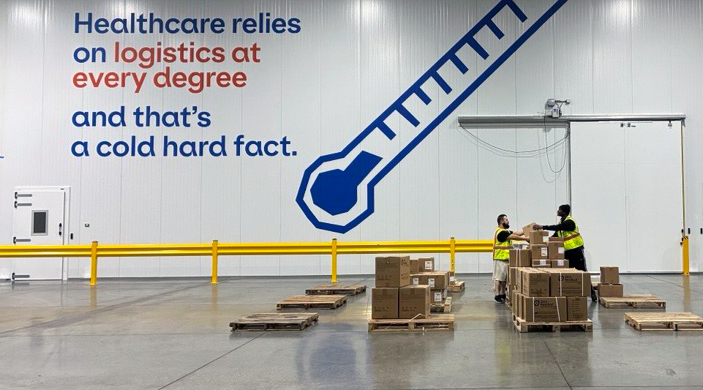
PARIS: GEODIS, a leading global logistics provider, Wednesday announced the opening of its first dedicated healthcare cold chain cross-dock facility in the Americas. The 78,000-square-foot Container Freight Station (CFS) and bonded facility in Chicago, Illinois features a custom-built 5,200-square-foot temperature-controlled addition. Operating as a critical node within the GEODIS freight forwarding network, the facility is exclusively dedicated to healthcare products, providing short-term stowage and specialized handling for pharmaceutical air and ocean exports and imports.

GEODIS strategically chose Chicago to launch these capabilities due to its status as a major U.S. gateway. As a bonded CFS facility located near O’Hare International Airport, it serves as a high-velocity hub for global air and ocean freight. This facility allows GEODIS to maintain end-to-end internal control over temperature-sensitive healthcare cargo as it moves through the global GEODIS network, which includes 170 countries and a growing map of certified facilities.

GEODIS’ Chicago branch is a Certified Cargo Screening Facility (CCSF) for exports. It has also earned IATA’s Center of Excellence for Independent Validators in Pharmaceutical Logistics (CEIV Pharma) certification, ensuring GEODIS’ facilities, equipment, operations and staff comply with the applicable standards, guidelines and regulations expected from a pharmaceutical manufacturer. Chicago is one of GEODIS’ four U.S. branches with this accreditation, and the first with cold chain storage capacity. GEODIS also holds this certification at its facilities in Atlanta, New York and Los Angeles.

“The opening of our first dedicated healthcare cold chain cross-dock in the U.S. demonstrates our commitment to the integrity and efficacy of the life-saving products we handle,” said Josh Jungwirth, Executive Vice President of Freight Forwarding at GEODIS in Americas. “By providing full visibility and internal control within our growing network of certified sites, we ensure that these sensitive air and ocean shipments are protected every step of the way. In the healthcare vertical, the stakes are uniquely high—at the end of every supply chain we manage is a patient. This Chicago facility is a milestone in our mission to be a reliable growth partner for clients who require the highest standards of care.”

The custom-designed cold chain storage occupies 5,200 square feet within the new Chicago facility. This specialized space is divided into two separate temperature-controlled zones to accommodate the specific needs of the pharmaceutical vertical. The first zone consists of 4,600 square feet dedicated to deep cold storage at 15-25 degrees Celsius, featuring 27 feet of clear ceiling height. The second zone, covering 600 square feet, is rated for true refrigerated cold storage, maintaining a temperature range of 2 to 8 degrees Celsius. With this safe, secure and fully temperature-controlled environment, GEODIS is equipped to handle temperature-sensitive medications and healthcare products.

The cold chain storage investment in Chicago extends GEODIS’ global cold chain capabilities, which span the company’s 170-country network. GEODIS operates similar specialized cold chain facilities in major global gateway cities, including locations in France, the United Kingdom, the Netherlands and Germany.

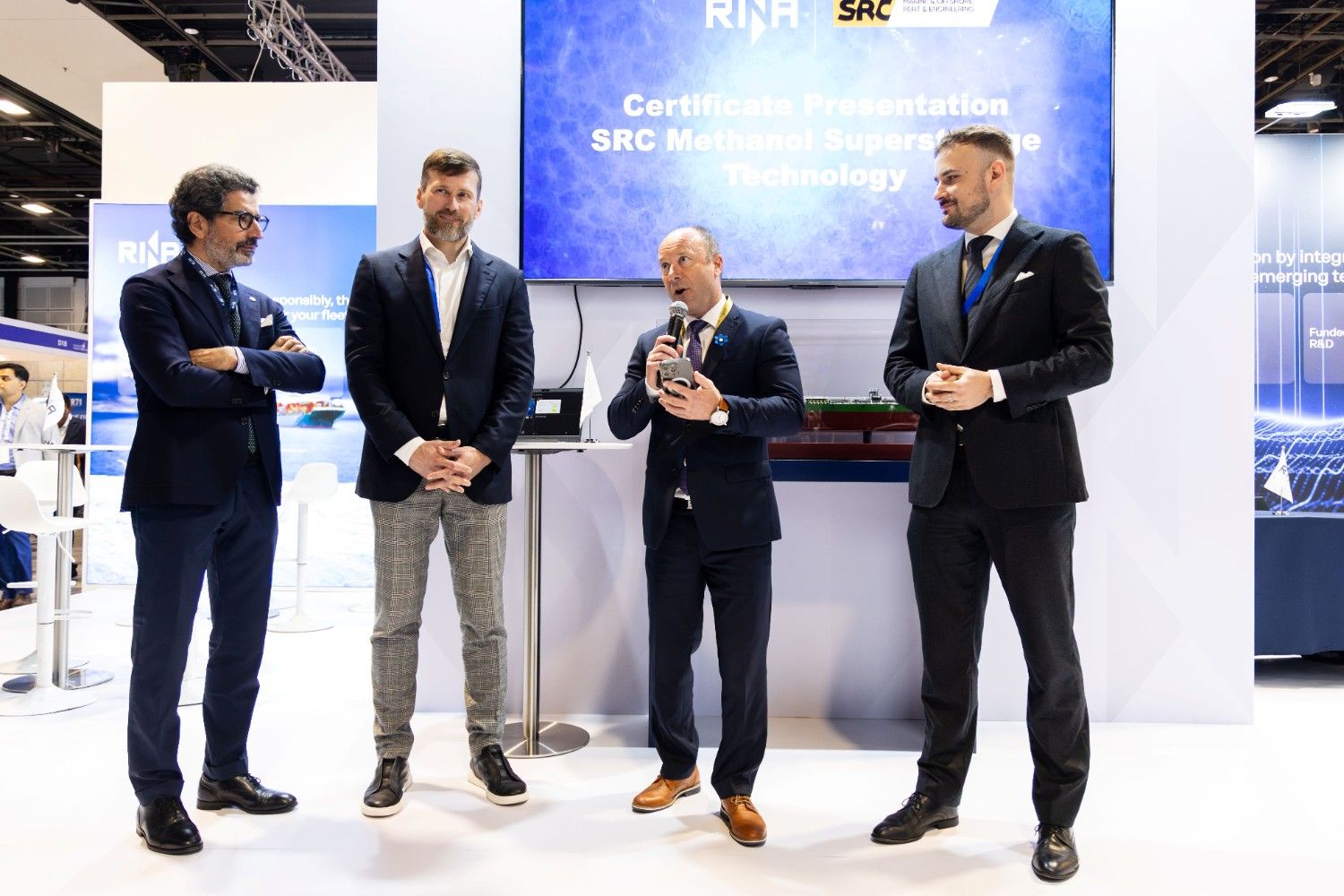
RINA grants Type Approval to SRC Group’s Methanol Superstorage system

GENOA: SRC Group’s Methanol Superstorage system has received Type Approval from RINA, in a formal recognition of a solution which allows shipowners and operators to use methanol and ethanol as green marine fuels without sacrificing storage space.

The formal recognition means owners can adopt Methanol Superstorage with confidence that it meets the exacting standards for safety, performance, reliability and compliance required for Type Approval by one of shipping’s leading class societies. RINA awarded Approval in Principle (AiP) status to Methanol Superstorage in March 2025.

Methanol has emerged as a strong contender as an alternative fuel for marine and offshore applications, given its ability to reduce greenhouse gas (GHG) emissions by up to 95% compared with heavy fuel oil (HFO). Ethanol also produces significantly lower greenhouse gas, SOx and particulate emissions than HFO, while being easy to handle and commercially available.

However, both methanol and ethanol also require approximately two times more storage volume than HFO.

To protect the tank from external fire and mechanical impact, and to provide leakage mitigation, conventional shipboard fuel storage tanks feature cofferdams which separate their inner and outer shells. While effective and necessary, the cofferdam is typically a minimum of 600mm-wide and occupies valuable onboard space.

Methanol Superstorage overcomes the space challenge by creating a tank with a sandwich-structure using SPS Technology’s Sandwich Plate System (SPS). The SPS comprises a 25mm solid elastomer core, fully enclosed between two steel plates rated to A60 equivalence. The elastomer acts as a load-transferring, energy-absorbing and sealing layer that creates an oxygen-free atmosphere between the plates, preventing hidden corrosion without the need for the through-life manual inspections required of conventional cofferdams.

The SPS’ fully bonded interface ensures shear transfer and structural continuity while forming a third containment barrier to prevent leaks and emissions. The solid elastomer helps to prevent local buckling and distributes impact and pressure loads effectively while maintaining safety levels equivalent to the prescriptive arrangements for conventional cofferdams, as outlined in IMO MSC.1/Circ. 1621.

The design eliminates key hazards such as asphyxiation, toxic exposure, falls, entrapment and vapour accumulation during inspections. It also reduces structural risks by lowering stress concentrations and fatigue cracking, removing large internal surfaces prone to corrosion/coating breakdown and maximising resistance to high impacts and punctures.

Type Approval demonstrates a class society’s high level of trust in the system’s capabilities. Pino Spadafora, Marine Market Development Vice President at RINA, commented: “SRC Group’s Methanol Superstorage is a practical, space-efficient solution with the potential to accelerate the adoption of green methanol as a marine fuel, delivering increased storage capacity of conventional tank designs while maintaining equivalent safety.”

A range of case studies confirm that vessels incorporating Methanol Superstorage would store nearly twice the volume of methanol or ethanol as would be possible using conventional tanks. Simpler by design and with fewer parts, the solution also removes the need for regular inspections and gas-freeing procedures, thereby extending its service life.

As a scalable solution, Methanol Superstorage is suited to all vessel types, from small workboats and tugs to offshore support vessels, yachts, ferries, cruise ships, tankers and cargo vessels.  

Type Approval will make it easier for flag states to issue project-specific approvals for the system, at a time when forecasts suggest a surge in demand for methanol-powered vessels: by 2030, methanol ships are expected to account for nearly 20% of the global order book.

Methanol Superstorage has also obtained AiP from IACS members Lloyd’s Register and ClassNK, as well as from the Panama Maritime Authority. The solution also earned SRC Group the Royal Institution of Naval Architects’ Maritime Innovation Award in 2025. 

Alex Vainokivi, Innovation Manager, SRC Group, said: “Obtaining Type Approval from RINA is great news, and an important step forward in building industry-wide confidence in Methanol Superstorage. It provides ship owners with clear validation as they evaluate methanol as a long-term clean fuel that can support their decarbonisation targets, covering a wide range of vessel types.”

Lloyd’s Register assesses AI navigation technology in live vessel trial with Orca AI

The trial assessed the performance of an AI-based navigation platform, focusing on its role in enhancing situational awareness and supporting human decision-making at sea.

LONDON: Lloyd’s Register (LR) has tested Orca AI‘s AI-powered navigation system during a live vessel trial.

The assessment focused on how AI-based computer vision can support human decision-making in real operating conditions, particularly in complex navigation scenarios such as congested waters and reduced visibility.

The trial was conducted on a feeder containership during a five-day voyage through some of the Mediterranean’s busiest shipping lanes, from the port of Gioia Tauro in Italy to Marsaxlokk, Malta. The work tested the system’s object detection performance alongside radar, AIS and visual watchkeeping.

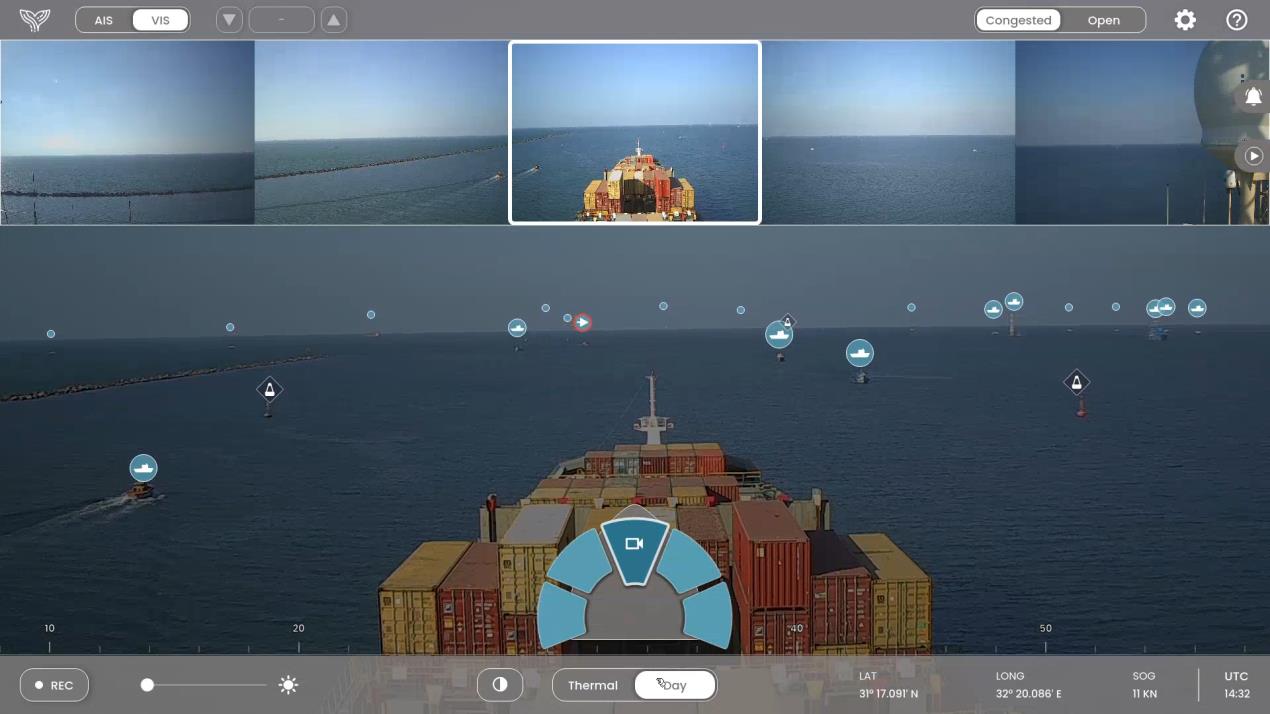
During the voyage, the platform detected close-range and low-signature targets that were not always visible on traditional systems, supporting watchkeepers in challenging scenarios such as non-AIS vessel and small craft encounters and night operations.

LR Ship Performance Specialist Han Beng Koe joined the vessel as the onboard assessor, providing real-time feedback on usability and performance while the system was evaluated against established navigation references.

Koe said: “As the onboard assessor, I observed the demonstrated capabilities of AI-based computer vision within the operational environment. This provides a clear indication of the performance potential and scalable application of emerging technologies in maritime navigation systems.”

Dipali Kuchekar, Product Manager (Marine and Offshore) at LR, said: “This significant project serves as an important reference point for data-driven system evaluations. It reflects our shared commitment to the adoption of novel technologies, at a time when decarbonisation and autonomy are becoming increasingly intertwined.”

Dor Raviv, Orca AI CTO and Co-founder, added: “What this trial shows is that AI-assisted navigation is no longer a future concept, it is already delivering measurable value in live operations. More than 1,200 vessels using Orca AI are evidence that earlier and more accurate detection, lead to more-informed decisions on the bridge, which lead to safer navigation. Trials like this pave the way for broader AI adoption in our industry on the journey towards autonomous shipping.”

The project combined performance metrics with structured human factors input to evaluate both detection accuracy and usability on the bridge. It also introduces a structured approach for evaluating enhanced situational awareness systems, using precision and recall metrics alongside crew feedback to reflect real-world usability. This framework aims to support shipowners, technology developers and regulators as AI becomes increasingly adopted in maritime operations.

The collaboration also included targeted human factors workshops delivered by LR to support Orca AI’s approach to gathering and using crew feedback. The sessions, overseen by Stephanie McLay, Team Lead – Human Factors, LR, focused on best practice in usability research, helping ensure that insights from seafarers operating in demanding conditions are captured, analysed and acted upon effectively.

“From a human factors perspective, it is not just about what the technology can do. It is about how effectively it supports the human operator. These workshops demonstrated how structured feedback and user-centred design can play a critical role in shaping safer and more usable AI-enabled navigation systems,” McLay said.

Trial information:

The evaluation of the Orca AI platform was conducted on a feeder containership sailing from the port of Gioia Tauro in Italy to Marsaxlokk, Malta, by way of Bar in Montenegro. Covering a total distance of 828 nautical miles, it included complex navigation scenarios such as congested waters near ports, the Strait of Messina and the Marsaxlokk anchorage, as well as open-water sailing.

Orca AI’s SeaPod computer-vision units, mounted on top of the vessel’s bridge, features a fixed sensor heads equipped with day and thermal cameras providing up to 360 FOV. The SeaPod serves as digital watchkeeper that detects, classifies and estimates the distance to relevant objects in real time, with the system display positioned centrally in the bridge console.

A total of 98 observations were collected at intervals of roughly 30 minutes in open water, reducing to 5 minutes in heavy-traffic areas. The majority (63%) were conducted under congested conditions. The dataset covered 739 relevant targets including small, unlit or low-Radar-signature vessels that traditional Radar failed to identify. Benchmarking for evaluating detections was provided by ground truth data generated through a combination of the Orca AI system’s screen and recordings, Radar, AIS data via ECDIS and visual observations.

The SeaPod achieved 94% Precision (635 “True Positive” detections out of the 739 targets) and 98.6% Recall, detecting nearly all relevant objects. There was zero system downtime during the voyage.

About Lloyd’s Register

Lloyd’s Register (LR) is a global professional services group specialising in marine engineering, technology and digital solutions. We were created more than 260 years ago as the world’s first marine classification society to improve and set standards for the safety of ships.

Today we are a leading provider of classification and compliance services to the marine and offshore industries, helping our clients design, construct and operate their assets to accepted levels of safety and environmental compliance.

We also provide advisory services and digital solutions, supporting fleet and voyage performance and optimisation.  Through OneOcean, LR delivers integrated digital solutions supporting voyage planning, optimisation, compliance, training and fleet performance across more than 30,000 vessels globally. 

In the race to zero emissions, our research, advisory and technical expertise and industry-firsts are supporting a safe, sustainable maritime energy transition.

Lloyd’s Register Group is wholly owned by the Lloyd’s Register Foundation, a politically and financially independent global charity that promotes safety and education.

www.lr.org

About Orca AI

Orca AI is the leading maritime operations platform utilizing artificial intelligence and computer vision to achieve the most significant change across the shipping industry in centuries. The Orca AI platform empowers shipping companies to maximize operational efficiency and voyage safety for ships and fleets. With Orca AI, crew can now make rapid, data-driven decisions in congested waters or low visibility conditions, while fleet managers and operators gain unprecedented insights into their fleets’ performance.

Orca AI brings autonomous mobility to the shipping industry, having powered the world’s first commercial autonomous voyage in 2022, in partnership with Designing the Future of Full Autonomous Ships (DFFAS) and The Nippon Foundation.

Headquartered in London, UK, Orca AI is trusted by global leaders including Maran Tankers, MSC, Seaspan and NYK. The platform is installed on more than 1,200 vessels worldwide and 500 more in pipeline.
https://www.orca-ai.io/

Every day closer to the goal: first quays of the new cruise terminal completed at the Port of Klaipėda

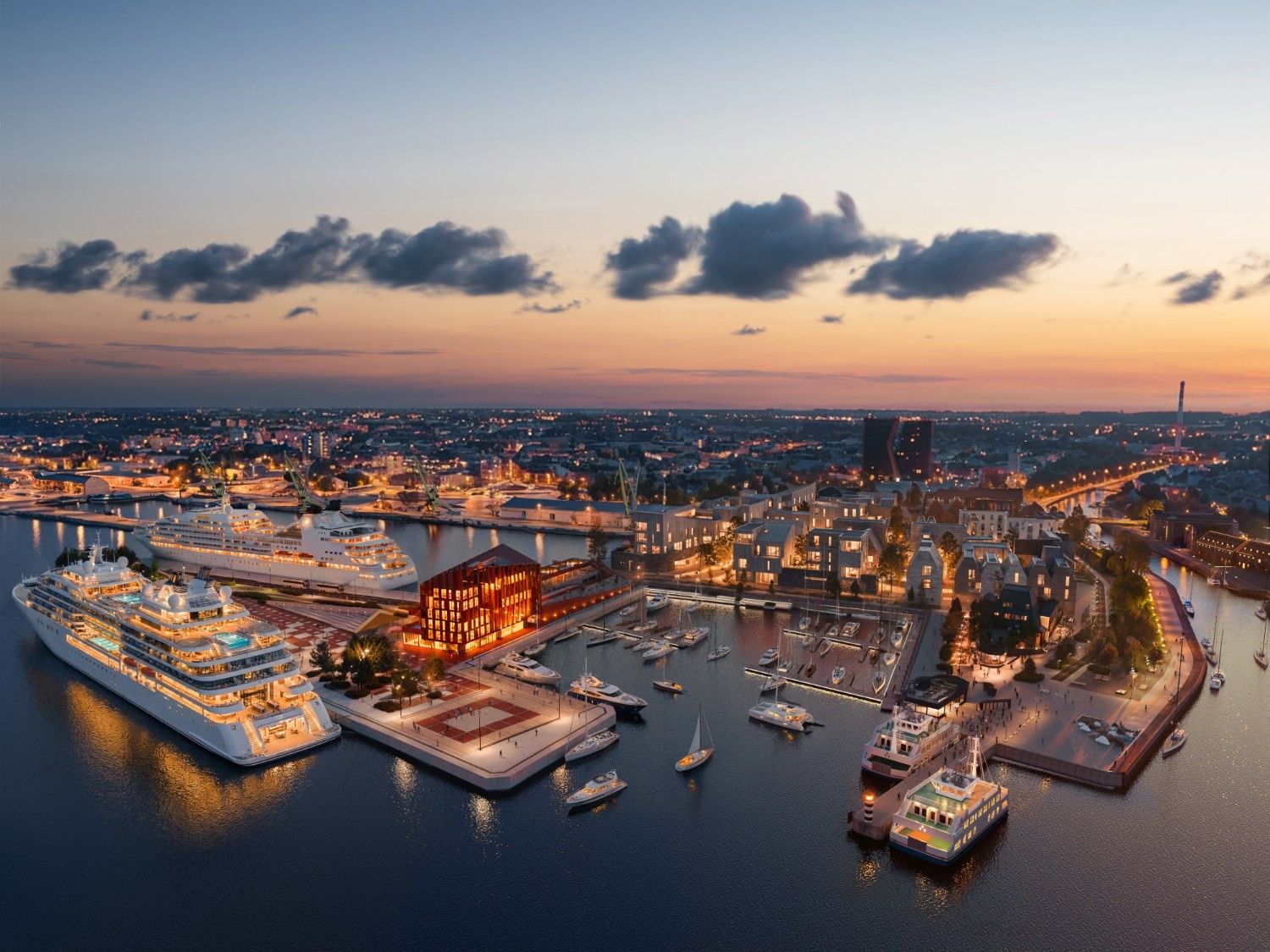
KLAIPEDA: Construction of the new cruise ship terminal at the Port of Klaipėda has picked up speed and is moving forward rapidly. Work on the first quays, where construction began earliest, has already been completed. With some works progressing ahead of schedule, the outlines of the newly built quays are becoming increasingly visible.

“Just over half a year since the first works began, the reconstruction of the first two quays has already been completed, and the remaining parts of the terminal are taking shape. This is truly a space worth waiting for,” says Algis Latakas, CEO of Klaipėda State Seaport Authority.

The completed works are on the old quays. Reconstruction there started in May last year and was among the first activities in the entire terminal project. The total length of the two reconstructed quays exceeds 200 meters. During reconstruction, the quays were reinforced, parts of old structures were replaced with new ones, and surfaces were renewed. In the future, vessels will be able to berth here, so the quays have also been equipped with mooring bollards, fenders, and safety equipment.

The new quays are also taking shape. A decision made in December last year to use additional equipment to speed up installation works is already delivering results – around 90% of the required sheet piling has now been completed, putting the project ahead of schedule. Construction is also moving into a new phase, with groundwork underway to form the foundations of the future quays.

The new Cruise Ship Terminal is being built on land owned by the Klaipėda Port Authority. 

Once completed, the terminal will feature an amphitheater facing the water, pedestrian and cycling paths, recreational areas, and spaces for events. The new terminal will be able to accommodate more than one cruise ship at the same time. The €50.3 million terminal, designed to integrate naturally into the emerging central city spaces, is scheduled for completion in 2027.

ClassNK issues Approval in Principle (AiP) for a Liquified CO₂ Carrier installing Wind-Assisted Propulsion System

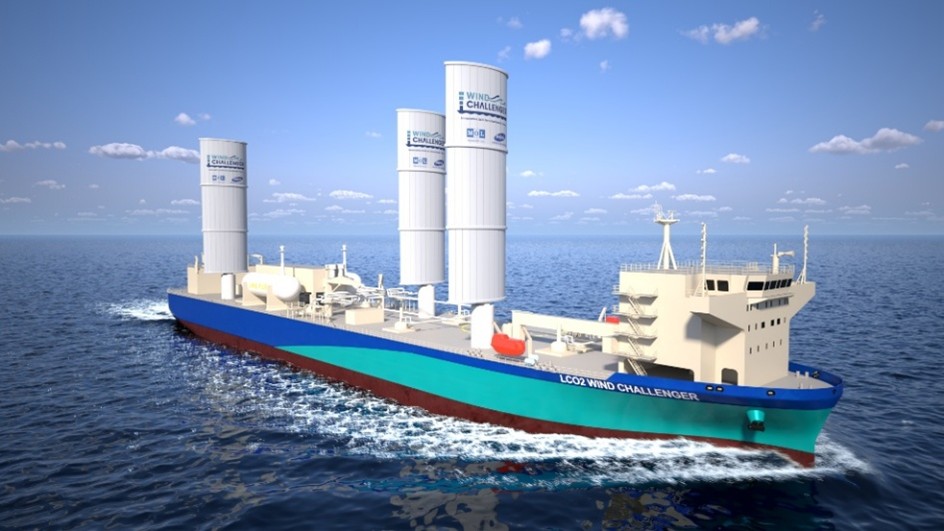
TOKYO: ClassNK has issued an Approval in Principle (AiP) for a Liquified CO₂ carrier installing the ‘Wind Challenger,’ a hard sail wind propulsion system. The ship is jointly developed by Mitsui O.S.K. Lines, Ltd. (MOL) and Samsung Heavy Industries Co., Ltd. (SHI). The AiP confirms the feasibility of the ship’s design from the perspective of applicable rules and safety requirements. A certificate handover ceremony was held at Sea Japan 2026.

As a solution for responding to the environmental regulations and fuel cost reduction, the implementation of wind-assisted propulsion systems (WAPS) has been progressing. When such systems are installed on board ships, they are expected to be effective in reducing CO₂ emissions, etc., by taking advantage of wind power. To support the safe implementation of these technologies, ClassNK published the “Guidelines for Wind-Assisted Propulsion Systems for Ships” as a standard for wind-assisted propulsion systems and ships equipped with these systems.

ClassNK carried out a review of the conceptual design of the ship based on its ‘Rules and Guidance for the Survey and Construction of Steel Ships’, ‘Guidelines for Wind-Assisted Propulsion Systems for Ships (Edition 2.2)’. In addition, ClassNK participated in the risk assessment through HAZID from a regulatory and technical perspective to examine the combined risks arising from the ship’s unique design elements —such as the fore accommodation, liquefied CO₂ cargo, and multiple units of the Wind Challenger— and validated the results of the assessment. Upon confirming the results and that the prescribed requirements had been met, ClassNK issued AiP.

ClassNK will continually strive to contribute to advanced decarbonization initiatives through safety assessments and more.

EcoNavis to lead US integrated propulsion study

GLASGOW: EcoNavis Solutions has been selected by a U.S Federal Government agency to lead a federally-backed project aimed at demonstrating how integrated hydrodynamic optimisation can reduce fuel consumption and underwater radiated noise in offshore vessels and workboats operating in the Gulf of Mexico.

The award, valued at US$500,000, will support a full-scale retrofit and validation programme on a designated workboat, with the objective of establishing a repeatable framework for improving propulsion efficiency while addressing increasing scrutiny around underwater radiated noise.

Rather than assessing individual technologies in isolation, the project will evaluate the combined impact of multiple energy-saving devices applied as an integrated system. 

The approach reflects a broader shift within the industry towards whole-vessel performance, particularly as operators face more stringent emissions and environmental rules along with rising fuel costs.

Dr Batuhan Aktas, Founder and CEO of EcoNavis Solutions, said the programme is designed to move beyond theoretical gains and deliver measurable operational results. “This project allows us to validate, at full scale, how an integrated set of hydrodynamic technologies can improve propulsion efficiency and reduce underwater noise in real operating conditions,” he said. “The focus is not on a single device, but on how the entire propulsion train can be optimised and verified through data.”

The technical scope centres on the integration of a new flow-aligned twisted rudder, dubbed EcoVane; EcoNavis’ proprietary propeller hub Eco Boss Cap; and pressure-relieving modifications to the propeller blades. Each element targets a different source of hydrodynamic loss, from wake misalignment and drag at the rudder to vortex formation and cavitation at the propeller hub and blades.

“By addressing these effects collectively, the project is expected to deliver efficiency improvements of around five per cent, alongside a reduction in underwater radiated noise of more than three decibels,” said Dr. Aktas.

The figures will be validated through controlled before-and-after sea trials, including direct measurement of shaft power and acoustic output.

The work will begin with computational modelling to establish a performance baseline for the selected vessel, followed by iterative design optimisation using vessel-specific flow analysis.

Manufacturing, installation and full-scale trials will then be carried out, with all performance data collected and verified using recognised international standards, including ISO 15016 for fuel efficiency and ISO 17208-1 for underwater noise measurement.

EcoNavis will lead the hydrodynamic design and simulation work, supported by a consortium of propulsion specialists that include King Propulsion, CJR Propulsion and Oscar Propulsion.

Duncan Troy, the CEO of project partner Oscar Propulsion, the company behind the novel PressurePores technology where holes on the propeller blades mitigate cavitation noise, said: “The Gulf of Mexico has been identified as a key operating environment for the programme, given the high concentration of offshore support, harbour and crew transfer vessels, as well as increasing regulatory focus on both emissions and acoustic impact on marine ecosystems.

“The industry is under pressure from both fuel costs and regulation. What owners need are solutions that are not only technically effective, but commercially realistic. This project is about proving both.”

The project will also draw on established class approval and manufacturing processes to ensure that the solutions are scalable and suitable for wider fleet adoption.

Beyond the demonstration vessel, the programme aims to generate a validated dataset that can support wider deployment across similar vessel classes.

EcoNavis said further updates, including details of the selected vessel and trial results, will be released as the project progresses. 

Immersion suit rises to challenge for faster protection

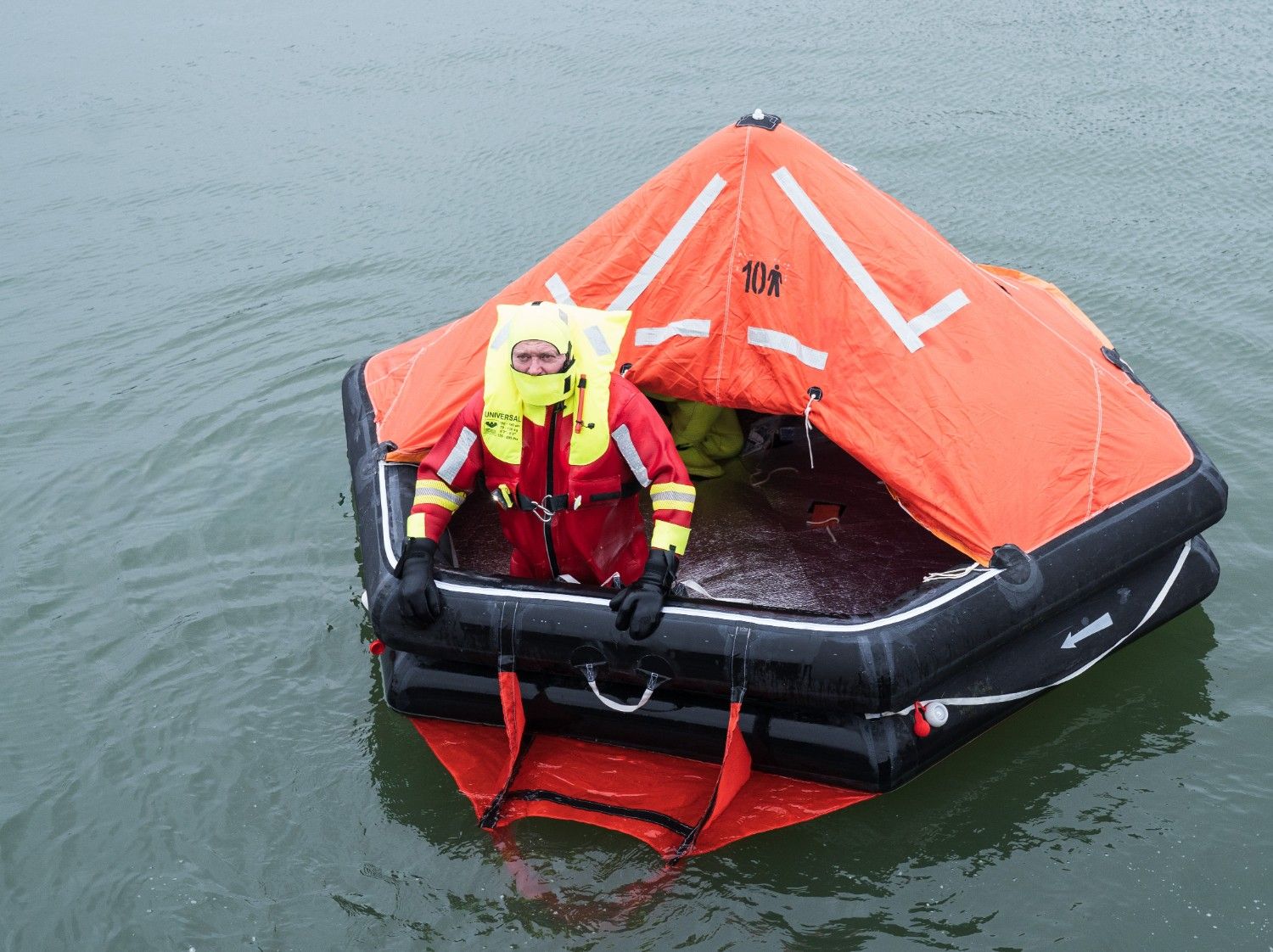
FUJAIRAH: Commercial shipping’s leading safety solutions provider has launched theVIKING YouSafe™ Crest (PS2016) immersion suit as a standardized solution to offer six hours of thermal protection in cold water conditions for fleets the come under US Coastguard jurisdiction.

Made out of durable and naturally buoyant neoprene, the new suit comes in three updated sizes to ensure watertight protection for the full range of body types involved in modern seafaring. Notable safety features include reinforced soles, inflatable buoyancy for better freedom of movement, high-vis reflective trim, and a yellow hood to attract attention in daylight or dark waters.
 
For users onboard ships flagged to the US or calling in US-administered ports, though, the most impactful gains will result from features VIKING has designed-in to the VIKING YouSafe™ Crest suit to accelerate donning speeds.
 
“Donning when every second counts has been a key driver in developing the YouSafe™ Crest immersion suit,” said Camilla Schultz Georgsen, Product Manager PPE Marine, VIKING Life-Saving Equipment. “The US Coastguard has approved use of the Aquaseal plastic zipper, which offers fast and dependable closure, and needs less maintenance than a conventional metal zipper. The Crest also comes with detachable gloves, with hands free to put it on quickly, close the zipper, and make adjustments without losing critical time by struggling with bulky gloves.” 
 

Being able to take off gloves also made tasks such as attaching lines or handling whistles easier, she said.

Viking 2 Immersion suit rises to challenge for faster protection

The VIKING YouSafe™ Crest immersion suit also offers other safety gains, with an integrated inflatable head support assisting flotation and holding the user in position to maintain clear airways. The buoyancy effects of the suit’s neoprene material and the inflated head support mean that the user has no need for any additional flotation device, including a lifejacket.
 
When considering safety needs, owners and operators sometimes think about big ticket items first, but donning speed is critical for the immersion suit user in an emergency, said Schultz Georgsen.
 
“That makes the VIKING YouSafe™ Crest suit special when it’s needed in an emergency, but it’s also important for customers to know that it is supplied in standardized specifications and on a scalable production basis to meet US Coastguard expectations when buyers need it.”
A launch discount would also apply to VIKING YouSafe™ Crest suits until October 2026, she said.
 
Use is backed by VIKING’s authorized service network, which offers maintenance, documentation and compliance without unnecessary complexity, plus periodic formal services and pressure testing of material quality and ageing, adhesive joints and seams to ensure watertight integrity. 

CCM Cuts Fuel Costs Up to 10% for Motor Carriers with Modernized Chassis Fleet

ROCKAWAY N.J.: Consolidated Chassis Management (CCM), a leading manager of marine chassis pools in the U.S., Tuesday announced strategic initiatives aimed at reducing operational overhead for motor carriers and neutralizing the impact of rising fuel costs.

As the intermodal industry faces evolving freight patterns and inflationary pressures on essential materials like rubber, steel, and diesel fuel, CCM is leveraging its interoperable chassis pool model to drive greater efficiency. By utilizing chassis pools, motor carriers can significantly lower capital expenditure and operational costs compared to maintaining private fleets.

“CCM is dedicated to delivering cost-conscious, customer-focused solutions that provide unmatched value,” said Paul Nazzaro, CEO of CCM. “Our strategic focus on high-growth regions and equipment modernization ensures that our partners can maintain fluidity and profitability, even as fuel prices and market dynamics shift”.

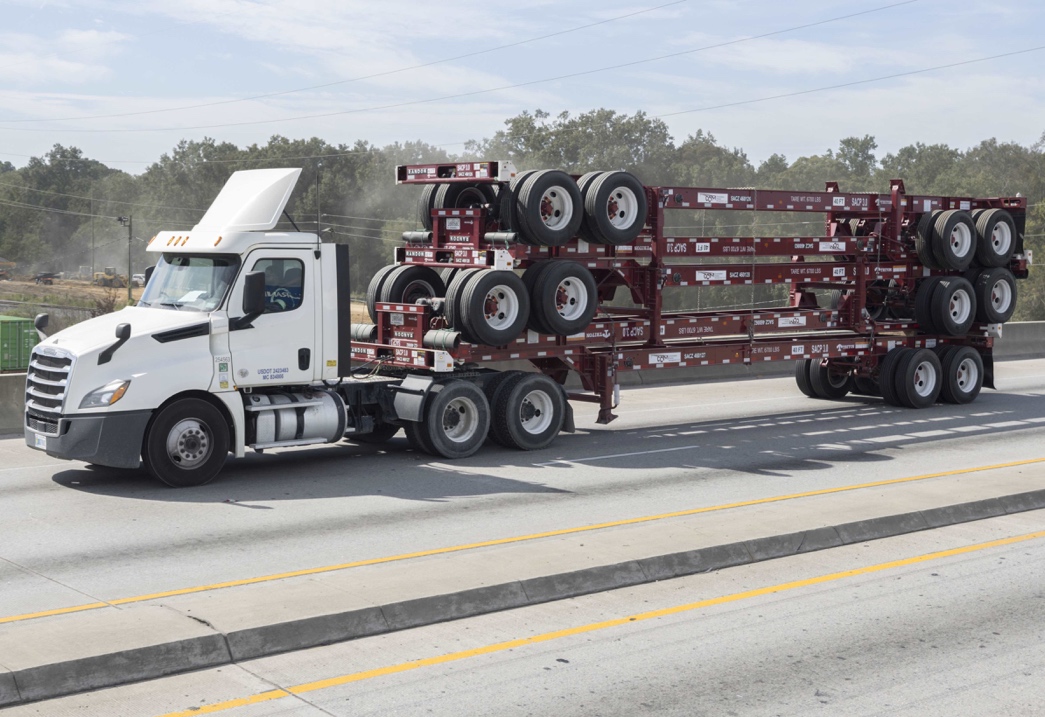
Central to these savings is CCM’s extensive fleet modernization program for the South Atlantic Chassis Pool (SACP). Over the course of 18 months and considerable investment, key technical upgrades have been made specifically designed to improve efficiencies:

  • Reliable Fleet: CCM’s current active chassis fleet is no more than approximately three years old.
  • Radial Tires: These high-performance tires reduce rolling resistance, leading to an estimated 7–10% reduction in fuel consumption for truck operators.
  • LED Lighting: Modern LED systems offer a 50,000-hour lifespan, reducing maintenance waste and power draw compared to traditional incandescent bulbs.
  • ABS Brakes: Add safety and stability for drivers to maintain directional control during stops on low-traction surfaces and emergency situations.
  • Hub-Piloted Wheels: With reduced tire wear and better alignment, chassis tires maintain their intended rolling resistance profile longer.

By combining the structural cost advantages of a single-provider utility pool with modern equipment that reduces fuel burn, CCM continues to position its partners for long-term success in a volatile global trade environment. As rising fuel costs continue to squeeze operational margins in the intermodal sector, key advantages of chassis pools include:

  • Lowered Empty Mileage: Centralized pools allow motor carriers to pick up and drop off chassis at various, closer locations, minimizing the “deadhead” miles associated with finding and returning leased equipment at different locations – burning fuel, time and labor, often with zero revenue attached to it.
  • Reduced Idle Time Costs: In a net lease, the chassis is paid for even when it is not in use. Pools allow operators to pay only for the time they use chassis, saving money during slow demand periods.
  • Reduced Administrative and Maintenance Burden: CCM’s pools include maintenance and compliance services, eliminating costly repair bills often associated with older, net-leased equipment.
  • Elimination of Storage Difficulties: By utilizing convenient chassis pools, motor carriers gain access to multiple local off-hire locations – meaning motor carriers skip the need to lease land or hunt for depot locations to store chassis.
  • Improved Fuel Efficiency through Asset Quality: CCM’s modernized pool chassis,  such as those operated by the South Atlantic Chassis Pool (SACP), offer newer, high-quality equipment that reduce fuel consumption over long hauls, compared to older equipment often found in, or returned from, net leases.

As CCM continues to invest in modernizing its fleet and scalable pool solutions, the company remains focused on delivering measurable cost savings and operational flexibility for motor carriers navigating an increasingly complex logistics landscape. By aligning innovation with customer needs, CCM reinforces its role as a trusted partner in the intermodal supply chain—helping carriers stay competitive, resilient, and prepared for future market shifts.

About CCM

CCM offers the nation’s largest independent full-service intermodal chassis pool management solution. Consistently evolving to respond to the ever-changing needs of the marketplace, CCM delivers scalable and reliable solutions that enhance supply chains across major ports, carriers, and inland hubs throughout the U.S. Backed by nearly two decades of expertise, CCM offers a state-of-the-art technology platform to simplify chassis provisioning and support supply chain fluidity, as well as best-in-class comprehensive suite of services and solutions based on market dynamics. Through innovation, collaboration, and operational excellence, CCM meets the evolving need for safe, efficient, and dependable intermodal solutions that drive the future of intermodal logistics.

Iran rejects US conditions for negotiations; Trump unilaterally extended ceasefire: IRIB

TEHRAN: Iran has rejected the United States’ conditions for negotiations, according to the Islamic Republic of Iran Broadcasting (IRIB), even as US President Donald Trump announced an extension of the ceasfire.

The IRIB reported, “Iran rejected the US conditions for negotiations; Trump unilaterally extended the ceasefire!.”

The IRIB further quoted Trump as saying that the decision to extend the ceasefire came following a request from the Pakistani Army Chief, Field Marshal Syed Asim Munir. IRIB reported, “Trump said that at the request of Pakistan’s army chief, the ceasefire would remain in place until Iran presents a new proposal.”

US President Donald Trump said he has decided to extend the ceasefire with Iran to give its leadership more time to come up with a unified proposal for negotiations.

He said the decision was taken after requests from Pakistan’s Army Chief Asim Munir and Pakistan Prime Minister Shehbaz Sharif. He said Iran’s government appears “seriously fractured” and needs time to present a clear position.

In a post on Truth Social, Trump wrote, “Based on the fact that the Government of Iran is seriously fractured, not unexpectedly so and, upon the request of Field Marshal Asim Munir, and Prime Minister Shehbaz Sharif, of Pakistan, we have been asked to hold our Attack on the Country of Iran until such time as their leaders and representatives can come up with a unified proposal.”

Trump added that the US military will continue its blockade and remain ready, while the ceasefire will stay in place until Iran submits its proposal and talks are concluded.

“I have therefore directed our Military to continue the Blockade and, in all other respects, remain ready and able, and will therefore extend the Ceasefire until such time as their proposal is submitted, and discussions are concluded, one way or the other. President DONALD J. TRUMP,” the post read.

The ceasefire, brokered earlier this month to allow space for diplomatic engagement, has remained fragile, with both sides expressing reservations about its implementation.

Meanwhile, earlier, US Vice President JD Vance‘s planned visit to Pakistan for a second round of talks with Iran has been put on hold after Tehran did not respond to the US proposals, according to a US official familiar with the matter on Tuesday, as cited by The New York Times.

Source: ANI