Home Blog Page 360

Saudi Arabia Railways launches 5 new logistics routes to boost supply chains

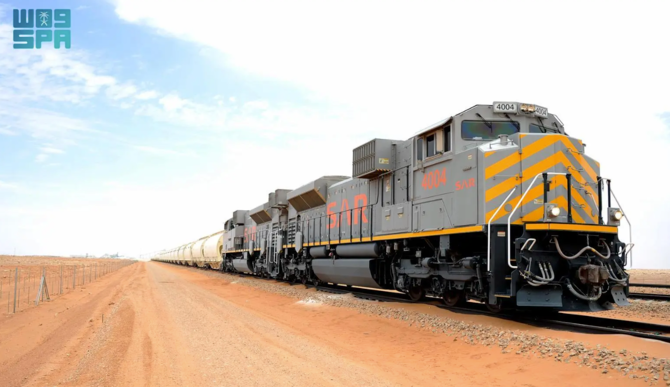
RIYADH : Saudi Arabia Railways has launched five new logistics routes to enhance supply chain efficiency and integrate transport modes across the kingdom, the Saudi Press Agency reported Friday.

The new routes connect Arabian Gulf ports with central and northern Saudi regions, extending to the Red Sea and neighboring countries to the north, the report said.

The initiative utilizes a multimodal transport network combining rail and road systems, supporting Saudi Arabia’s strategy to become a global logistics hub under Saudi Vision 2030, it said.

It said this network facilitates the transportation of petrochemicals and minerals, directly linking industrial centers to shipping lines, cutting transit times and boosting efficiency.

CEO of Saudi Arabia Railways Bashar AlMalik said the expansion will strengthen Saudi Arabia’s role as a vital East-West logistical corridor, ensuring smoother trade amid global supply chain shifts

SAR’s CEO Bashar Al-Malik affirmed that the rapid development witnessed in the railway sector comes with the support and attention of the wise leadership and under the follow-up of the Minister of Transport and Logistics Services and Chairman of SAR’s Board of Directors, Saleh Al-Jasser, who attaches great importance to this sector for its role as an enabler of various national sectors.

He noted that these corridors represent an integrated package of logistics solutions that enhance supply chain efficiency and reliability under various conditions, based on integration between different transport modes and coordination with relevant authorities to improve cargo flow fluidity and enhance logistics operations efficiency.

These passageways contribute to transporting various types of goods and enabling national supply chains, supporting vital sectors, foremost among them petrochemical and mining industries, in addition to enhancing the flow of exports and imports, and providing effective solutions for transit transport services to regional markets.

The passages also serve a wide customer base, including major industrial companies, mining firms, and the largest maritime shipping lines, through integrated and reliable transport solutions that help reduce cargo transit time and improve operational efficiency.

These operations are managed through an integrated system that includes the Riyadh Dry Port, and a number of SAR’s freight yards in Dammam, and Jubail, as well as Ras Al-Khair, Al-Kharj, and Hail, in addition to Qurayyat, connecting to various Arabian Gulf ports and Red Sea ports, enhancing connectivity between ports and local and international industrial and economic hubs.

The corridors are expected to eliminate thousands of truck trips from roads, raise road safety levels, reduce carbon emissions, as well as reduce cargo transit time and improve operational efficiency, reinforcing SAR’s role as a key national enabler of the transport and logistics system.

Al-Malik added that these corridors contribute to strengthening connectivity with regional and international markets, consolidating the Kingdom’s role as a logistics passage linking East and West, and supporting the fluidity of trade movement, thereby reinforcing the Kingdom’s position as a global logistics hub and a key axis in international trade flows.
Global order book hits 17-year high amid record crude tanker contracting

LONDON: “By the end of the first quarter of 2026, the global shipping order book hit a 17-year high, reaching 191m Compensated Gross Tonnes (CGT). This is equivalent to 17% of the global fleet, the highest ratio since 2011. The order book has been boosted by higher newbuilding contracting throughout the 2020s and most recently by the highest quarterly crude tanker contracting in history,” says Filipe Gouveia, Shipping Analysis Manager at BIMCO.

During the first quarter of 2026, newbuilding contracting has risen 40% y/y to 17.6m Compensated Gross Tonnes (CGT), driven by a tripling of new tanker orders and a rebound in LNG tanker contracting. Overall, tankers have accounted for 32% of total contracting, the highest share since the second quarter of 2017. Despite this significant yearly increase, newbuilding contracting has decreased 17% q/q, amid an easing in dry bulk orders. Bulker contracting spiked during the last quarter of 2025, largely due to increased orders for capesize vessels.

“So far during the 2020s, newbuilding contracting has been 47% higher than the average during the 2010s, driven by stronger market conditions in the larger sectors, an overall larger fleet and an increased need for fleet renewal. This has contributed to an increase in newbuilding prices and longer lead times at shipyards, with 57% of contracting so far this year expected to be delivered after 2028,” says Gouveia.

Some shipping sectors now have relatively large order books. The order book to fleet ratio has risen to 22% for crude tankers, 19% for product tankers, 37% for containers and 40% for LNG. For crude and product tankers, these newbuildings are expected to support fleet renewal as 21% and 17% of the respective fleets are now over 20 years old, the age at which recycling is typically considered. By contrast, only 4% of the container fleet and 8% of the LNG fleet are over 25 years old, although these segments are expected to see higher demand growth.

Chinese shipyards remained the dominant choice for shipowners, accounting for 70% of contracting in the first quarter of 2026. Korean yards captured a further 20%, supported by stronger LNG tanker ordering. In contrast, contracting at Japanese yards fell 83% y/y to just 1% of new orders, the lowest share since at least 1996, reflecting limited capacity, long lead times and reduced competitiveness.

“In the medium term, the already swelling order books across several large shipping sectors could contribute to a slowdown in newbuilding contracting. Long lead times at shipyards and high newbuilding prices, combined with high market uncertainty concerning the Red Sea and the Strait of Hormuz sailings and alternative fuel availability, could also negatively affect contracting,” says Gouveia.

Source: BIMCO

Revised IMO recommendations for entering enclosed spaces aboard ships

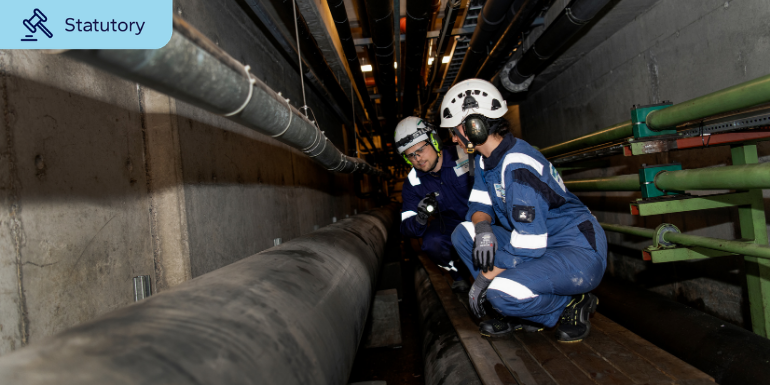
LONDON: Enclosed space entry remains a safety challenge in ship operations and for seafarers’ working conditions. On 27 June 2025, the IMO adopted revised recommendations for entering enclosed spaces aboard ships, to be handled in accordance with the SMS systematics. This statutory news summarizes this topic.

Why updated recommendations

The industry continues to experience loss of life resulting from personnel entering shipboard spaces in which the atmosphere is unable to support life, owing to oxygen depletion, oxygen enrichment, toxicity or flammability. Consequently, the IMO has adopted revised recommendations for entering enclosed spaces aboard ships, IMO Resolution 581(110).

Investigations into enclosed space accidents consistently show that many incidents stem from a failure to systematically identify the hazards, assess associated risks and apply appropriate entry procedures. In addition, the complex structure of certain shipboard spaces can hinder effective ventilation, lighting and safe movement. Organizational leadership, both on board and ashore, is essential to ensure this guidance is properly implemented, as well as empowering shipboard personnel to make sound, safety-focused decisions.

The findings by the IMO are supported by InterManager, which, in 2025, estimated that around 350 seafarers and third-party workers had died from asphyxiation in enclosed spaces on board ships since 1996, with 43 accidents since 2022 accounting for 70 of these deaths.

Key recommendations

Due to ongoing challenges, the IMO has revised its recommendations for entering enclosed spaces aboard ships. The key takeaways:

  • A safety strategy should be adopted to prevent accidents on entry into enclosed spaces in a comprehensive manner by the company, in consultation with the ship’s crew.
  • This should include an Enclosed Space Register, to be produced on a ship-by-ship basis identifying enclosed spaces, the hazards of those spaces, an assessment of risks under the differing conditions likely to arise in the space, and the risk mitigation measures required to be put into place prior to entry.
  • The company should elaborate a procedural implementation scheme which provides comprehensive training in the maintenance, calibration and use of atmospheric testing equipment in such spaces.
  • To focus on the people, knowing that commitment, competence, attitudes and motivation of individuals at all levels determine the effectiveness of safety management measures and the safety management systems.

New guidance for gas levels and gas meters has been set, but it should be noted that the minimum required gases for the portable gas meters are stated within SOLAS Regulation XI1/7, and any additional measures including gas meters should be based on risk assessments. Such an assessment should also include the cargo that the vessel carries and the conventions that governs them: the Safety Data Sheets (SDS), the IMDG Code, IMSBC Code, International Bulk Chemical Code (IBC Code) and IGC Code to name a few.

Recommendations

DNV recommends that its customers use the new IMO circular as basis for the further development of their safety management systems and for providing vessels with the necessary information, equipment and training as prescribed by MSC.581(110). Customers should review the circular, update the SMS and focus on the implementation of safeguards, particularly with regards to:

  1. Handle enclosed space entry as a key shipboard operation essential to personnel safety
  2. Provide adequate training in the safety management of enclosed spaces
  3. Provide adequate time for planning enclosed space entry to ensure needed measures are followed
  4. Ensure the necessary safety equipment is available
  5. Have management of enclosed space entry on the agenda of internal audits and master’s and management reviews

Source: DNV

Sarbananda Sonowal reviews port operations; Timely intervention clears 90% cargo backlog amid Strait of Hormuz disruptions

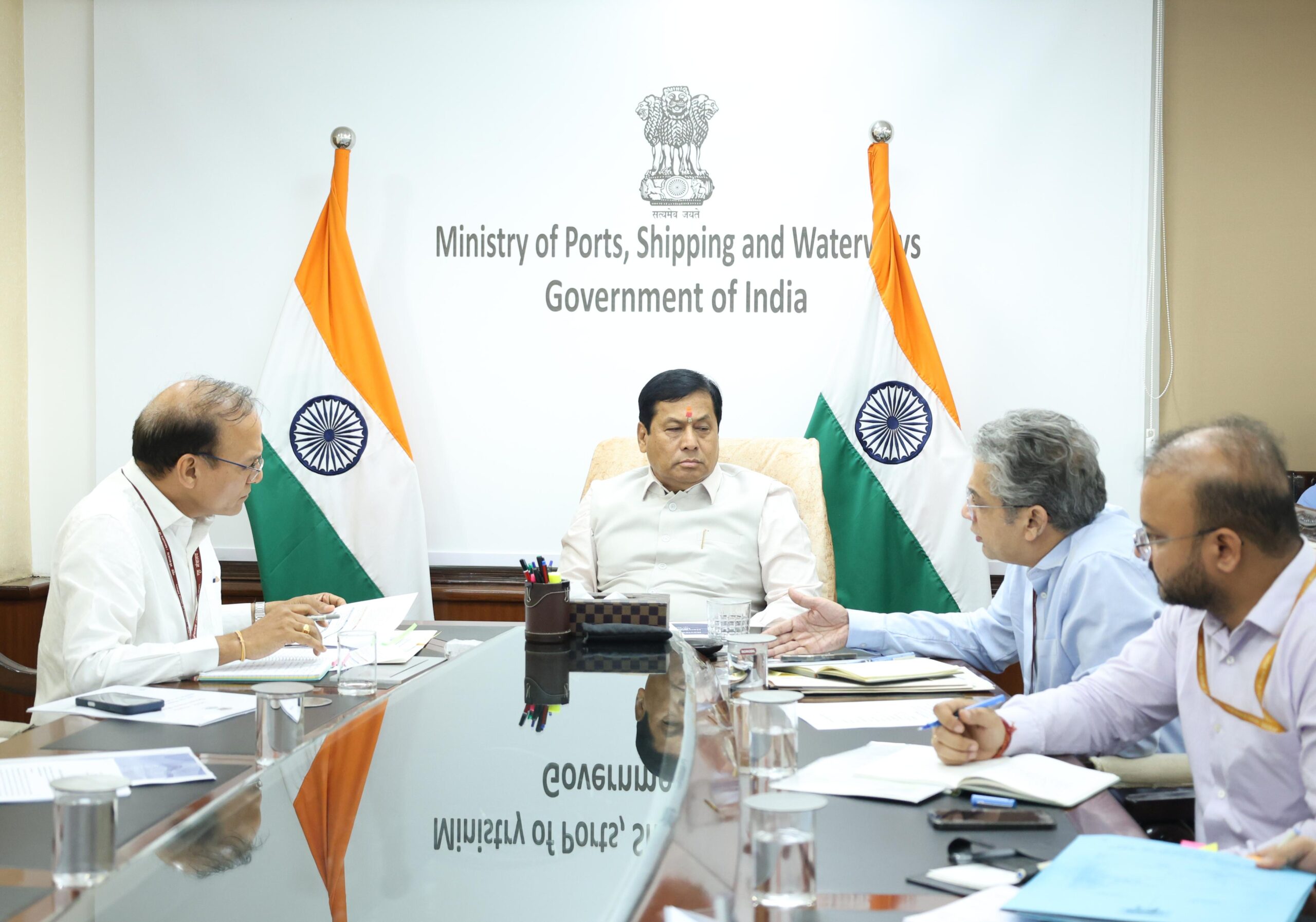
NEW DELHI : Union Minister of Ports, Shipping and Waterways (MoPSW), Shri Sarbananda Sonowal said that timely intervention and continuous monitoring by the Ministry has led to the clearance of nearly 90% of backlog cargo across major ports, restoring normalcy in operations impacted by geopolitical disruptions in the Strait of Hormuz.

Chairing a high-level review meeting with senior officials and port authorities, the minister noted that the evolving situation in West Asia had initially disrupted cargo movement and vessel traffic, but coordinated and proactive measures ensured rapid stabilisation of port operations with minimal impact on trade.

“We acted swiftly and in a coordinated manner to address emerging challenges. Continuous monitoring and timely intervention have helped us regularise port operations and clear the backlog efficiently, ensuring that India’s trade remains resilient,” Sonowal said.

The minister reviewed port-wise operational status and expressed satisfaction over the significant improvement, acknowledging the efforts of port employees and authorities in preventing congestion during a critical period. He commended their commitment to maintaining seamless operations despite global uncertainties.

Sonowal emphasised that the Modi Government’s priority was not only operational continuity but also safeguarding the interests of exporters, importers and logistics stakeholders. The Minister directed all port authorities to ensure that financial relief measures announced by the Ministry — including waivers on ground rent and concessions on reefer charges — are passed on directly to
stakeholders without delay or procedural bottlenecks.

In a strong message to the sector, the minister instructed the Directorate General of Shipping to ensure complete transparency in shipping-related charges. “This crisis must not become an opportunity for profiteering. All charges must be clearly documented and monitored to protect trade interests,”Sonowal said.

The review also covered the functioning of grievance redressal mechanisms at ports, with Sonowal directing officials to strengthen systems to ensure swift resolution of stakeholder concerns during such disruptions. Officials informed that major ports, including Jawaharlal Nehru Port, Deendayal Port Authority, New Mangalore Port Authority and Mumbai Port, have largely cleared cargo which got stranded because of a war related disruption in shipping.

Innovative operational measures, enhanced yard capacity and coordinated logistics planning played a crucial role in addressing the backlog. Reaffirming the government’s commitment, the minister said the Ministry of Ports, Shipping and Waterways will continue close monitoring and maintain a state of readiness to respond to any further developments.

“Our approach has been proactive, responsive and stakeholder-focused. We will continue to ensure that India’s maritime sector remains robust and efficient, even in the face of global challenges. Under the strong leadership of PM Shri Narendra Modi ji, we remain committed to protect our trade interests by all means possible and ensure our supply chain remains sustainable without getting affected by geopolitic situations,” Sonowal added.

Sonowal directs DG Shipping to ensure transparency in shipping-related charges amid West Asia crisis

NEW DELHI : Union Minister Shri Sarbananda Sonowal on Friday reviewed port operations, and directed the Directorate General of Shipping to ensure complete transparency in shipping-related charges, saying this ongoing crisis in West Asia must not become an opportunity for profiteering.

According to an official statement, Sonowal said timely intervention by the government cleared 90 per cent cargo backlog amid disruptions around the Strait of Hormuz.

In a strong message to the sector, the minister instructed the Directorate General of Shipping to ensure complete transparency in shipping-related charges.”This crisis must not become an opportunity for profiteering. All charges must be clearly documented and monitored to protect trade interests,” Sonowal said.

He said swift government action restored port operations, minimised trade disruption chairing a high-level review meeting with senior officials and port authorities, the minister noted that the evolving situation in West Asia had initially disrupted cargo movement and vessel traffic, but coordinated and proactive measures ensured rapid stabilisation of port operations with minimal impact on trade.

“We acted swiftly and in a coordinated manner to address emerging challenges. Continuous monitoring and timely intervention have helped us regularise port operations and clear the backlog efficiently, ensuring that India’s trade remains resilient,” the statement said, quoting Sonowal.

The minister reviewed port-wise operational status and expressed satisfaction over the significant improvement, acknowledging the efforts of port employees and authorities in preventing congestion during a critical time.

The minister directed all port authorities to ensure that financial relief measures announced by the ministry, including waivers on ground rent and concessions on reefer charges, are passed on directly to stakeholders without delay or procedural bottlenecks.

The review also covered the functioning of grievance redressal mechanisms at ports, with Sonowal directing officials to strengthen systems to ensure swift resolution of stakeholder concerns during such disruptions.

Officials said major ports, including Jawaharlal Nehru Port, Deendayal Port Authority, New Mangalore Port Authority, and Mumbai Port, have largely cleared cargo which got stranded because of war-related disruptions in shipping.

The statement said innovative operational measures, enhanced yard capacity and coordinated logistics planning played a crucial role in addressing the backlog.

US-Israel’s attacks on Iran, and Tehran’s sweeping retaliation have all but halted shipping through the strait — a narrow shipping lane that is the conduit for oil and gas exports from Gulf countries to the world. Iran has, however, stated that “non-hostile vessels” may transit the waterway after coordinating with Iranian authorities.

Source : PTI

Piyush Goyal holds meeting with Kuwaiti counterpart H.E. Osama Khaled Boodai

NEW DELHI : Union Minister of Commerce and Industry, Shri Piyush Goyal, had a virtual interaction with his Kuwaiti counterpart H.E. Mr.Osama Khaled Boodai. During the meeting, Shri Goyal expressed his condemnation on the loss and damage happened in Kuwait during the conflict.

He reiterated India’s stance that lasting peace in the region is pivotal for the whole world. The discussions focused on harnessing available opportunities in trade and commerce to deepen India-Kuwait Strategic partnership. The Minister underlined that strong bilateral relations are key to drive greater economic cooperation and shared prosperity. He also appreciated the efforts of the Kuwaiti leadership in ensuring the wellbeing and safety of the Indian community in Kuwait.

Both the Ministers agreed that dialogue and diplomacy should be given primacy and disruptions to energy supplies and trade flows should be restored at the earliest.

The Minister conveyed that as a trusted and reliable partner, India is willing to extend assistance to address any supply chain issues particularly related to food security of Kuwait.

India finalising agreement to supply oil, gas to Mauritius amid West Asia crisis: Jaishankar

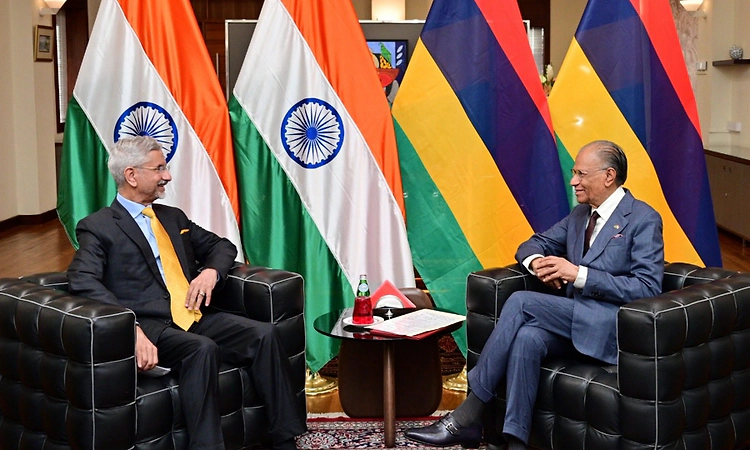
NEW DELHI : India is finalising an agreement for the supply of oil and gas to Mauritius to strengthen its energy security amid the crisis due to the West Asia conflict, External Affairs Minister Dr. S. Jaishankar said on Thursday (April 9, 2026).

Mr. Jaishankar, who is in Mauritius to attend the 9th Indian Ocean Conference, said the ongoing crisis in West Asia as Mauritius Prime Minister Navin Ramgoolam reminded him, has underscored the importance of strategic partnerships, especially in the energy sector.

The EAM said he is also looking forward to handing over the last lot of e-buses to Mauritius to further strengthen sustainable public transportation and reduce carbon emissions. Recalling Prime Minister Shri Narendra Modi’s state visit to Mauritius in March last year, he said the two countries jointly agreed to elevate bilateral ties to an ‘Enhanced Strategic Partnership’. Dr Jaishankar is in Mauritius to attend the 9th Indian Ocean Conference.

Commerce Secretary Assures Full Government Support for Pharma Exports Growth at Hyderabad Chintan Shivir

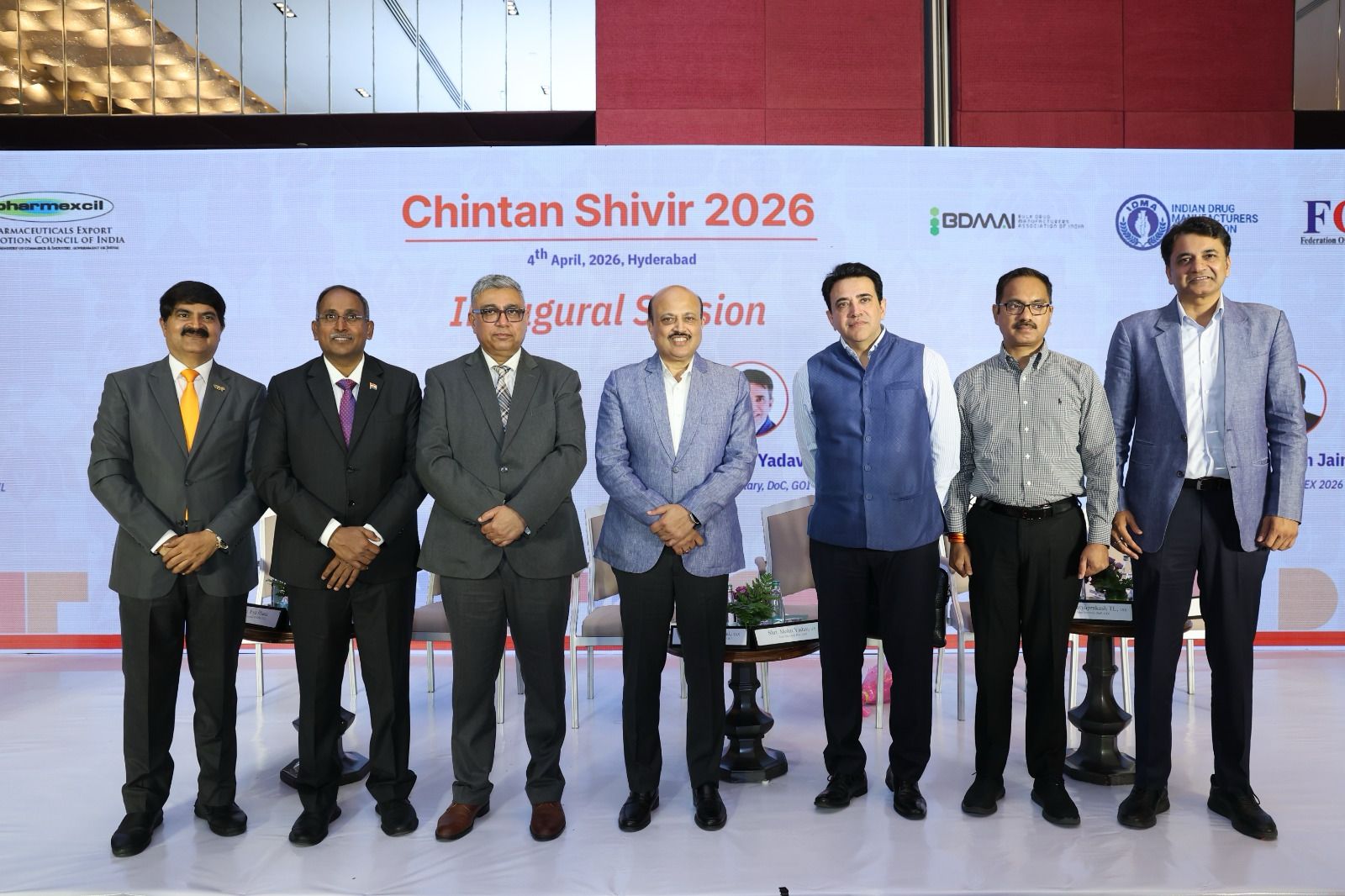
HYDERABAD:  In a significant initiative to strengthen India’s pharmaceutical sector, a high-impact Chintan Shivir was held today in Hyderabad, India’s Pharma Capital and a major global biotechnology hub. The event was organised by the Department of Commerce, Government of India, in association with the Pharmaceuticals Export Promotion Council of India (Pharmexcil). 

The Chintan Shivir assumes special importance in light of the vision articulated by the Hon’ble Prime Minister Shri Narendra Modi in his 79th Independence Day address to the nation. Emphasising the need for innovation and self-reliance in healthcare, the Prime Minister had stated: “Researchers and entrepreneurs must secure patents for new drugs and medical technologies, ensuring that India not only meets its own healthcare needs but also becomes a global hub of medical self-reliance and innovation, demonstrating the country’s ability to lead in science, technology, and human welfare.”

The inaugural session was chaired by Shri Rajesh Agrawal, IAS, Secretary, Department of Commerce. Senior officials including the Chairman of Pharmexcil and Joint Secretary from the Department of Pharmaceuticals addressed the gathering.  The Commerce Secretary, in his address, highlighted the strong growth trajectory of India’s pharmaceutical industry, noting that India, with nearly 18–19% of the world’s population, is itself a large and expanding market where rising incomes will further drive healthcare demand. He underlined that the industry, currently valued at around US$ 60 billion with nearly 50% contribution from exports, has emerged as the “pharmacy of the world” on account of its scale, cost competitiveness, and global leadership in generic medicines. Emphasizing the need to navigate an increasingly uncertain and geopolitically volatile global environment, he stressed the importance of ensuring greater self-reliance by meeting 80–90% (or higher) of domestic pharmaceutical requirements through indigenous production, while reducing critical import dependencies in APIs, bulk drugs, and intermediates. He also highlighted the need to secure and diversify export supply chains, noting that while India exports to around 200 countries, there remains significant scope for expansion and resilience-building through a stronger market presence.

 The Commerce Secretary underscored the need for a strategic repositioning of India as a global hub for both quality and cost-effective pharmaceuticals, stating that quality will remain the decisive factor in healthcare. He called for building a robust quality ecosystem to enhance global trust, while also aligning with emerging industry trends such as biologics and biosimilars. Highlighting the need to transition from a volume-driven to a value-driven industry, he encouraged greater focus on innovation, including participation in the development of new patents alongside continued strength in generics. He also emphasized the importance of insulating import supply chains in a geopolitically fragmented world, where availability may be important. He noted that such candid and collaborative deliberations can generate actionable solutions from within the sector. The Secretary reiterated the Government’s commitment to work closely with industry to strengthen value, quality, and resilient supply chains, and also interacted with exporters during the session, addressing their queries and concerns.

This Chintan Shivir in Hyderabad is an important step towards translating the Prime Minister’s call for innovation and self-reliance in healthcare into reality. It aligns with the Union Budget 2026-27 announcement of Biopharma SHAKTI,  a dedicated national initiative with an outlay of Rs. 10,000 crores over five years aimed at strengthening India’s end-to-end ecosystem for biologics and biosimilars and positioning the country as a global biopharma hub.It reaffirms the Government of India’s strong and continued support to the pharmaceutical sector and all its stakeholders. India remains the third-largest producer of pharmaceuticals globally by volume and 14th by value. The sector’s exports reached US$30.47 billion in 2024-25, marking 9.4% growth over the previous year. During April-February 2025-26, pharma exports stood at US$28.29 billion, up over 5% compared with the corresponding period of the previous year. The sector recorded a net foreign exchange surplus of US$21.5 billion in 2024-25.

A dedicated CEO interaction session provided industry leaders with an opportunity to directly engage with the Commerce Secretary and senior government officials on critical issues relating to market access, regulatory compliance, and strategies for export growth. The Chintan Shivir also offered stakeholders an opportunity to review the evolving situation in West Asia and discuss measures to maintain uninterrupted supply lines for ensuring the health of citizens in India and across the world. It featured focused thematic sessions on global regulatory harmonisation, the Foreign Trade Policy, digital trade facilitation, and the application of AI to improve operational efficiency and sustainability in the pharmaceutical sector. The event also saw the launch of iPHEX 2026, the 12th International Exhibition on Pharma and Healthcare Industry, which is scheduled to be held from 7 to 9 September 2026.

The deliberations at this Chintan Shivir in Hyderabad will feed into policy measures aimed at enhancing export competitiveness, improving ease of doing business, and further strengthening India’s position as the ‘Pharmacy of the World’, with the full support of the Government of India.

Dept of Commerce and MoPSW hold high-level meetings to address packaging, logistics and shipping challenges amid West Asia situation

NEW DELHI : The Government of India has continued its proactive and coordinated response to the evolving situation in West Asia by convening high-level stakeholder consultations to address emerging logistics, packaging and shipping-related challenges impacting India’s trade and export ecosystem.

In this regard, two important meetings were held, one under the chairpersonship of the Commerce Secretary and another co-chaired by the Secretary, Ministry of Ports, Shipping and Waterways (MoPSW) and the Commerce Secretary, bringing together senior officials, port authorities, shipping agencies, Export Promotion Councils (EPCs), industry representatives and other stakeholders.

The meeting chaired by the Commerce Secretary focused on challenges arising from disruptions in packaging materials and associated inputs. It was observed that the ongoing geopolitical developments can impact the availability and pricing of key petrochemical inputs such as polymers and resins, leading to increased costs for packaging materials across sectors. Industry participants highlighted the increase in prices of critical inputs, placing particular stress on MSMEs.

Sectoral inputs highlighted that stress in supply chains, logistics constraints and rising input costs can impact industries such as apparel, leather, telecom/optical fibre and medical devices. Stakeholders while complimenting the ongoing efforts of Government of India flagged need for support in terms of continued availability of critical inputs such as LNG, helium and petrochemical derivatives, along with early GST refunds to improve liquidity.

Recognising the cross-sectoral nature of the challenge, the Commerce Secretary emphasised the ongoing endeavour of Government need to ensure uninterrupted availability of critical raw materials and maintain production continuity. He emphasised the need for undertaking time-bound assessments of key packaging inputs, including mapping domestic production capacity and identifying import dependencies. He mentioned that a structured monitoring mechanism for tracking export-import trends and sectoral stress indicators on a weekly basis will also be instituted. Regular consultations with industry and Export Promotion Councils will continue to identify emerging challenges and facilitate timely interventions.

The second meeting, co-chaired by the Secretary, MoPSW and the Secretary, Department of Commerce, provided a constructive platform to address logistics and shipping-related issues raised by stakeholders. The meeting was also attended by the Chairman, Central Board of Indirect Taxes and Customs (CBIC) and other Customs officials, ensuring comprehensive and coordinated discussions.

Secretary Shipping covered various issues, including documentation processes, back-to-town and transit cargo matters, benefits by shipping lines, air freight costs, railway concessions, and bunker fuel availability, reflecting a proactive approach to resolving operational challenges.

Stakeholders were apprised of the current operational position regarding vessel availability, cargo handling, and transshipment, with smooth cargo movement reported and no major constraints observed, indicating system resilience.

The Chairman, CBIC, informed about various measures taken to streamline the clearance of cargo at the ports.

Issues relating to hazardous cargo were discussed positively, with Customs agreeing to examine specific cases relating to destuffing to further streamline procedures.

It was further informed by various stakeholders that issues related to non-passing of benefits by shipping lines have been actively addressed.

To proactively resolve any future issues, exporters were encouraged to report case-specific issues for prompt and effective resolution.

Following the meeting, the Ministry of Ports, Shipping and Waterways has directed all ports and terminal operators to take immediate action to enhance transparency and operational efficiency. These measures include publication of concessions and waivers provided to cargo and vessels, review of bunker fuel availability, and expedited evacuation of stranded containers, reinforcing efficiency across the system.

The Government remains closely engaged with all stakeholders to continuously monitor developments and ensure swift and effective resolution of operational challenges. This coordinated approach across Ministries is making India’s trade ecosystem resilient, minimising disruptions, and actively supporting trade and Industry during this evolving situation.

The Department of Commerce, Ministry of Ports, Shipping and Waterways and Central Board of Indirect Taxes and Customs (CBIC) will continue to take all necessary measures, in consultation with relevant Ministries and industry stakeholders, to ensure smooth logistics operations and safeguard national trade interests.

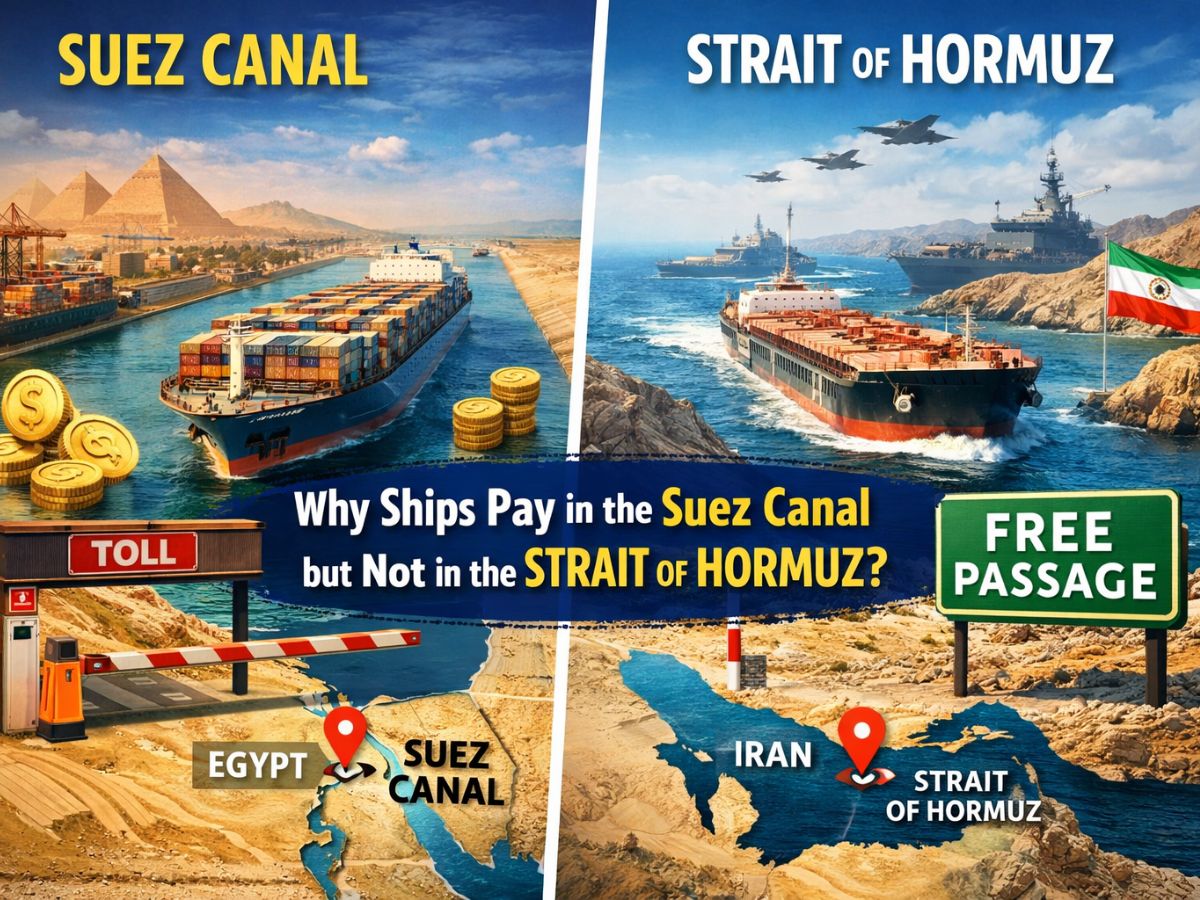
Suez Canal transit fee is legal, Hormuz Toll is not — Reasons

TEHRAN : The Strait of Hormuz, the vital waterway that links the Persian Gulf to the Indian Ocean, has held global attention since the United States and Israel launched a war on Iran over five weeks ago. In response to US-Israeli attacks, Tehran started attacking “enemy” merchant ships in the strait, effectively halting passage for all vessels, and creating one of the worst-ever global energy distribution crises.

Iran refuses to give up its control over the passage and reopen the strait completely, even as US President Donald Trump has agreed to a two-week ceasefire to negotiate terms for permanent peace. Iran wants de facto control over the waters and wants to charge oil tankers a transit fee for passage through it, as part of its 10-point proposals to end the war.

Iran’s demand remains unpopular with the United States and other nations, as before the fighting began, the narrow channel remained toll-free and safe for vessels. Even international sea law says states bordering straits cannot demand payment simply for permission to pass through. But, given that Israel and the United States have already spent weeks pounding Iran, it is hard to say what the international community could do about the Iranian demand.

Inside Iran’s Hormuz Demands
The Strait, a strip of water only 34 km wide between Iran and Oman, provides passage from the Gulf to the Indian Ocean and is the main route for about a fifth of world oil supplies and other vital goods, including fertilisers. Iran wants any permanent peace deal with the US and Israel to end the war, to allow Tehran to demand fees for ships passing through the strait, according to a Reuters report.

According to the report, the fee would vary depending on the type of ship, its cargo, and unspecified other prevailing conditions.

Iran’s deputy foreign minister, Kazem Gharibabdi, said last week that Tehran was drafting a protocol with Oman to require ships to obtain permits and licences to pass the Strait, saying the move was intended to facilitate rather than restrict transit. Muscat, however, later appeared to have rejected this proposal, saying there are no plans to do so.

What Has Iran Done So Far
A small number of ships have passed through the Strait since Iran’s Islamic Revolutionary Guards Corps blocked it off at the start of the war, firing on some vessels in the Gulf. Media reports have claimed that at least one payment of $2 million has been made for a vessel to traverse the Strait, but NDTV was unable to confirm that.

Reports also claimed that Iran is now planning to demand tolls in cryptocurrency from shipping companies to let their oil tankers pass through the Hormuz. The demanded toll is reportedly $1 per barrel of oil, according to a Financial Times report.

What International Law Says
The United Nations Convention on the Law of the Sea (UNCLOS), which governs international sea law, says that countries bordering straits cannot demand payment simply for permission to pass through.

However, they can impose limited fees on ships for specific services such as piloting, tugging or port services, though these may not be levied more heavily on vessels from any particular countries.

International Waters With A Fee
Canals, which have been dug rather than occurring naturally, are treated differently from straits. Egypt and Panama each charge fees to pass through the Suez Canal and the Panama Canal.

The Turkish straits – the Bosphorus, Sea of Marmara and the Dardanelles between the Black Sea and the Mediterranean – are governed by the 1936 Montreux Convention, guaranteeing free passage for merchant vessels in peacetime. That convention allows Turkey to levy standardised charges to cover the cost of services but does not allow it to impose a general transit fee.

Singapore does not charge a fee to transit the Singapore Strait.

How Iran’s Demand Affects Neighbours

No such unilateral move to demand fees to traverse a strait has been made in modern history, according to a Reuters report. 

Gulf states relying on energy exports through the Strait are particularly concerned. The UAE said the waterway “cannot be held hostage by any country” and free navigation must be part of any war settlement. 

Qatar’s foreign ministry said all countries in the region have the right to use the Strait freely, and any discussions about future financial mechanisms should wait until after it is reopened. 

US President Donald Trump has also demanded that free traffic of oil through the Strait must be part of any peace deal with Iran. 

However, given that Israel and the United States have already spent weeks pounding Iran, it is hard to say what the international community could do to force it to allow free passage through the Strait of Hormuz. 

Any military endeavour to keep the Strait open would likely involve a major, prolonged ground operation along a mountainous coast against well-entrenched Iranian forces able to target vessels from far inland. 

China, a world power that still has strong ties with Iran and is the biggest importer of energy shipped through the Strait, could have more influence than other countries.