Home Blog Page 359

Re-Reading India–Singapore Maritime Interdependence

By Ms Priyasha Dixit, National Maritime Foundation.

Relations between India and Singapore are frequently narrated along two familiar axes.At one end lies the empirical comfort of trade tables, FDI flows, port investments, and institutional agreements, each acting as evidence of a mature economic partnership sustained by decades of consistent policy-driven engagement.  At the other lies the language of civilisational familiarity, diasporic embeddedness, and diplomatic warmth.  This narrative situates the relationship within longer arcs of historical exchange and cultural affinity.  Neither portrayal is inaccurate.  Yet, when treated as self-contained narratives— economic pragmatism on one end, symbolic continuity on the other— they fail to capture the structural transformation underway in the maritime domain.

The purpose of this article is to situate India–Singapore bilateral relations within a secure and stable analytical frame that does not oscillate between these two extremes.  Temporally narrow trade statistics alone cannot explain why long-term capital continues to flow into port infrastructure, logistics ecosystems, and regulatory convergence.  Nor can civilisational memory by itself account for the increasingly technical forms of cooperation now unfolding.  To isolate these dimensions from one another is to misconstrue the strategic foundation.  Economic embeddedness and political familiarity are no longer parallel tracks; rather, they are mutually reinforcing layers of maritime interdependence.

This re-reading becomes particularly necessary against the backdrop of a shifting Indo-Pacific order.  The roles of stakeholders across the region are in flux.  Established hubs confront strategic compression; emerging powers confront the responsibilities of scale.  Sea lanes are securitised, supply chains recalibrated, and energy transitions accelerating.  In such an environment, relationships anchored solely in transactional trade or ceremonial diplomacy are exposed to volatility.  Stability demands something deeper: institutionalised interdependence—where infrastructure, standards, security routines, and policy coordination operate as a single architecture.

By examining this transition, the article argues that India–Singapore maritime interdependence should be read neither as a chart-driven commercial story nor as a diplomatic inheritance, but as a deliberate effort to stabilise bilateral foundations amid systemic uncertainty.  The sea, in this framing, is not merely the medium of exchange; it is the infrastructure through which economic confidence and strategic reassurance converge.

It is within this context that the idea of “currency” in bilateral relations must be expanded.  Value in international relations is not confined to monetary exchange; it is constituted through multiple reinforcing dimensions.[1]  Civilisational familiarity, for instance, operates as a form of trust currency not because of abstract cultural affinity, but because it lowers transaction costs in cooperation.[2]  Shared historical reference points and diasporic continuity reduce uncertainty in negotiation, facilitate informal communication channels, and enable quicker dispute resolution while equipping structures with socio-cultural sensitivities.  While institutional trust is largely based on the ability (or inability) to build through repeated compliance or ideological alignment, which often imposes conformity, civilisational familiarity works through pre-existing cognitive comfort— an ability to anticipate behaviour without necessitating formal signalling.[3]

Human capital deepens this further.  India’s embedded workforce within Singapore’s economy creates a form of structural interdependence that cannot be easily replicated.  Such embeddedness generates continuity in operational practices, and a stable bridge between regulatory environments.  Alternative partners may provide capital or technology, but replicating this depth of human integration would require generational presence, not transactional engagement.  Democratic predictability without ideological export further distinguishes India’s positioning.  For Singapore, this reduces the risk of political conditionality while retaining confidence in rule-based interaction.

Strategic restraint reinforces this equation.  India’s prudent approach to refrain from operating within alliance structures or coercive strategic postures translates into a non-threatening presence in the region.  For Singapore, this has tangible benefits.  It allows engagement with India without anxieties of triggering potential counter reactions from other major powers, thereby preserving its unique centrality within a contested geopolitical space even as it engages with a structurally larger power.  India’s posture offers to expand Singapore’s diplomatic manoeuvrability rather than constraining it, particularly in an environment where great-power competition often forces binary alignments.

Conceptualising the sea as essential infrastructure also increasingly shifts focus from passive geography to active enablers of trade, security, and sustainability.  Maritime connectivity, in this sense, is not movement alone but the orchestration of flows— goods, capital, energy, and information—through predictably governed, and resilient systems.  This is where the distinction between “depth” and “agility” becomes analytically useful.  Depth refers to the density of integration such as long-term investments, regulatory alignment, hinterland connectivity, and institutional linkages that anchor continuity.  Agility, by contrast, refers to responsiveness, that is, the ability to reroute cargo, adapt to disruptions, digitise processes, and recalibrate operations in real time.  Singapore’s hub function, for instance, depends not on one or the other, but on their coexistence.

Singapore’s position, however, remains strategically complex.  Its role as a global hub is anchored in the Malacca Strait, one of the most critical maritime chokepoints in the world.  This geography has enabled its rise, but it has also exposed it to strategic compression.  As great-power rivalry intensifies, the same advantages which sustain Singapore also render it vulnerable to external pressures.[4]  The challenge, therefore, is not decline but compression— the shrinking of strategic space within which it can operate autonomously.

In this context, India emerges as a stabilising partner.  Its geographic reach, and strategic autonomy complement Singapore’s efficiency and logistical sophistication.  This creates a natural division of labour wherein India provides scale, hinterland connectivity, and market depth, while Singapore offers digitalised standard-setting and hub efficiency.  Crucially, this asymmetry does not generate competitive friction because it is underpinned by mutual dependence rather than rivalry.

This cumulative interaction— across civilisational familiarity, human capital, democratic predictability, strategic restraint, and maritime connectivity— produces a layered form of interdependence that is both resilient and adaptive.  The challenge, however, appears with the observation that the market and state appear aligned in recognising this trajectory, while intellectual and policy communities lag behind.  The operational logic of the relationship is advancing faster than its conceptual articulation.

Singaporean capital is already deeply embedded across Indian port infrastructure, logistics systems, and associated maritime networks.  These investments are neither speculative nor short-term; they represent long-duration commitments that generate institutional familiarity.  In effect, the bilateral relationship has already progressed into an advanced stage of integration.  Policy discourse, however, continues to operate at a comparatively slower tempo.  Its language remains anchored in earlier formulations centred on “access,” even as the material reality reflects a transition toward “architecture”.  This is not indicative of misalignment between market and policy, but rather of the inherent deliberative nature of policy processes, which prioritise stability, consensus, and procedural rigour over speed.  This temporal lag carries analytical implications.  If policy continues to describe the relationship in access-oriented terms, it risks understating both the depth of existing interdependence and the complexity of managing it.  The issue is no longer one of enabling entry or facilitating coordination, but of sustaining, refining, and scaling an already embedded system of cooperation.

For instance, Singapore’s port operator PSA is not making speculative bets in India— it is undertaking 30-year commitments that embed it within the structural evolution of India’s maritime infrastructure.  The expansion of Bharat Mumbai Container Terminal (BMCT), now moving into its second phase and currently India’s largest container terminal, represents the most significant Singaporean infrastructure investment in the country to date.[5]  This is not portfolio capital seeking short-term returns; it is patient capital that presupposes continuity.  Ports, by their very nature, lock in behaviour.  They generate routines, standardise practices, and produce long-term interdependence between actors and systems.

This reality complicates a familiar line of inquiry within policy and academic settings.  Much of the analytical discourse continues to be framed through the lens of competition.  Yet, empirical developments suggest a different trajectory.  Track 1 actors and industry stakeholders appear increasingly comfortable allowing competitive logic to recede in favour of embedded cooperation.  The scale and duration of investments indicate confidence not in outcompeting one another, but in co-developing systems that are mutually sustaining.[6]  This certainly raises a necessary recalibration in how the relationship is discussed.

If competition is no longer the organising principle of interaction at the operational level, then analytical frameworks that privilege it risk mischaracterising the entire nature of engagement.  The operative proposition the author then presents is this— when trade sits at the centre of bilateral relations, strategy learns to behave.  Economic interdependence imposes its own discipline.  It reduces the space for rhetorical positioning and redirects attention toward predictability.  Where two nations are already predisposed towards integration, and where industry demonstrates a sustained capacity to embed itself within bilateral structures, the foundational questions of “access” and even the necessity of coordination lose their analytical centrality.  These conditions are no longer being negotiated; they are already in effect.  What emerges instead is a more demanding inquiry— how effectively do systems communicate once the tools for integration are already in place?

This engagement is not only economic in character but fundamentally maritime in its orientation, bringing into focus the concept of maritimity— and, crucially, the uneven ways in which it is internalised across the two nations.

In the Indian context, maritime consciousness has only recently entered mainstream discourse, largely through an execution-oriented and deliberately coordinated top-down approach.  While scholarly engagement with maritime history, culture, and strategy is not new, its consolidation into a cross-sectoral and policy-relevant framework has been comparatively recent, driven by sustained attention from the highest executive levels of government.  This has enabled a more integrated appreciation of the maritime domain, though the process remains ongoing.

Singapore presents a contrasting case.  As a maritime city-state whose economic survival is intrinsically tied to the sea, it has long maintained a clear and consistent understanding of its maritime identity.[7]  Maritime consciousness, in this sense, is not cultivated— it is foundational.  India, by contrast, despite being bounded by seas on three sides, has not fully internalised the maritime dimension of its identity within public consciousness.  This condition is not reflective of deliberate neglect, but rather of limited exposure and insufficient integration of maritime perspectives within mainstream academic and policy discourse.  As a result, societal engagement with the seas remains uneven.

This gap carries direct implications for policy.  Policy, whether declarative or operational, represents the highest refinement of national priorities.  Where maritimity is not sufficiently embedded within the broader conception of national interest, it is correspondingly underrepresented in the articulation of policy objectives and instruments.  The challenge, therefore, is not only strategic but cognitive, to ensure that maritime consciousness is internalised to a degree that it naturally informs and shapes national policy frameworks.[8]

Circling back to policies concerning India-Singapore bilateral relations, one of the functional mechanisms in this regard are Memorandums of Understanding (MoUs), which must be understood not as a static diplomatic instrument but as a working document.  In the context of India-Singapore economic relations, the operational character is grounded, in strategic terms, within the Eight-Pillar Comprehensive Strategic Partnership (CSP) Roadmap (2025).[9]  The CSP provides the broader architecture within which such MoUs acquire meaning and direction.  Covering domains such as connectivity, sustainability, digitalisation, skills, and economic cooperation, the CSP reflects a deliberate transition from transactional engagement toward a long-term, structured partnership.  Rather than treating these domains as discrete areas of cooperation, it integrates them into a coherent framework that supports sustained interdependence.

Furthermore, the CSP is fully aligned with the earlier identified currencies, but its significance becomes particularly visible when examined through the lens of climate.  Climate is no longer a supplemental consideration within maritime cooperation; it has become intrinsic to maritime economics itself.  The transition is not about appending sustainability to existing systems, but about reconstituting those systems altogether.  In this sense, economies are not merely adapting— they are being consciously “blue-ing.”

The Green and Digital Shipping Corridor MoU (2025) is particularly illustrative.[10]  It moves beyond the traditional emphasis on trade facilitation and instead focuses on the co-development of joint, port-linked infrastructure that integrates a multitude of factors such as decarbonisation and digitalisation, among others.  This transformation is systemic.  Ports, shipping routes, fuel ecosystems, insurance frameworks, and certification regimes are being reshaped simultaneously.  For Singapore, this transition is existential.  Its economic model is inseparable from maritime flows, and therefore highly sensitive to disruptions arising from climate, regulation, or technological shifts.  For India, by contrast, the transition represents a scale opportunity— an ability to absorb, deploy, and expand emerging systems across a vast and growing maritime landscape.  This asymmetry produces complementarity, and it is precisely this convergence that sets the stage for the Green and Digital Shipping Corridor.  The challenge, yet again, lies not in announcing cooperation but in sustaining it.  MoUs signal intent; habits determine outcomes.  Without mechanisms that translate agreements into routine practice, even well-designed partnerships risk remaining ceremonial.

It is at this juncture that Track-1.5 and Track-2 mechanisms become indispensable.  Their comparative advantage lies not in authority, but in horizontal vision— the ability to operate across sectors and interrogate the operational realities that formal policy frameworks often abstract away from.  They engage with questions that governments, by virtue of their institutional constraints, cannot easily pose: what constitutes “green” at the level of berth operations?  Where do digital documentation systems encounter friction across jurisdictions?  Which ports are corridor-ready, and which remain aspirational?

By addressing such questions, these platforms convert hidden abstractions into application.  They integrate sustainability, connectivity, skills, and standards into a coherent sequence, thereby transforming MoUs from statements of intent into sustained habits of cooperation.  When applied to the Green and Digital Shipping Corridor, this logic becomes particularly evident.

Security is another reinforcing pillar of the bilateral engagement.  In maritime contexts, security is a precondition.  All maritime activity is sensitive to perceptions of stability.  Insurance premiums, freight rates, and myriad other factors respond immediately to disruptions.  Capital, in this domain, is acutely risk-averse, that is, it withdraws at the first sign of instability.[11]  Therefore, routine naval cooperation, coordinated patrols, and operational familiarity do not merely serve defence objectives; they function as signals of economic reassurance.

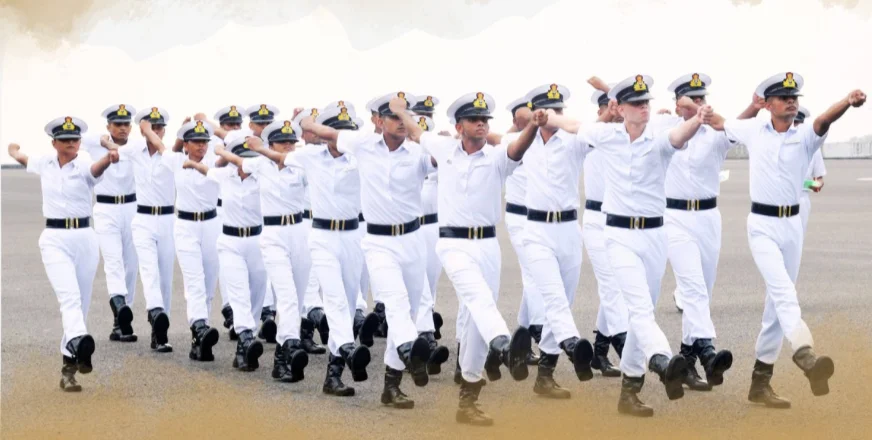
On 15 January 2026, India’s first training squadron— comprising INS Tir, INS Shardul, INS Sujata, and Indian Coast Guard Ship Sarathi— arrived at Changi Naval Base.[12]  The significance of this development lies not in the visit itself, but in what it represents within the broader logic of maritime cooperation.  Training interactions such as this squadron visit contribute to that process in concrete ways.  They build interoperability between maritime forces, establish shared operational routines, and enhance coordination across naval and coast guard systems.  Over time, these repeated interactions accumulate into institutional familiarity, which in turn underpins trust and effective maritime governance.

In conclusion, economic interdependence imposes discipline, narrowing the space for rhetorical positioning and redirecting focus toward continuity and operational coherence.  Within this framework, security, connectivity, and standards no longer compete for primacy.  Instead, they function as mutually reinforcing instruments of reassurance.  In the maritime domain, where investment is deeply sensitive to risk, this reassurance becomes foundational.  It is not alignment alone, but the management of uncertainty, that ultimately determines the durability of cooperation.

India and Singapore appear increasingly aware of this structural imperative.  The evolution of their maritime engagement— from port investments and trade agreements to green and digital shipping initiatives and routine security cooperation— suggests a gradual shift from access to architecture.  The relationship is no longer best understood as one between a rising continental-maritime economy and a nimble global hub.  Rather, it is moving toward a partnership model in which both states co-design the operational conditions of maritime order.

Additionally, the designation of 2026 as the Year of India–Singapore Maritime Cooperation[13], alongside India’s current leadership of the Indian Ocean Naval Symposium (IONS)[14], provides an enabling institutional framework through which such operational familiarity can be translated into sustained regional outcomes.

About the Author:

Ms Priyasha Dixit is a Research Associate at the National Maritime Foundation. Her area of focus is the enhancement of maritime consciousness in India— a theme that incorporates multiple issues of seminal importance including, inter alia, India’s maritime (seafaring) history (incorporating ancient Indian knowledge systems), the maritime history of the Indian Ocean, India’s maritime heritage and its underwater cultural heritage.  The scope of her research is widening and now encompasses evaluations and analyses of maritime geopolitics within the Indo-Pacific. She may be contacted at indopac8nmf@gmail.com.

Endnotes:

[1] Vice Admiral Pradeep Chauhan on “An Overview of India’s Maritime Geopolitics”, Lecture during the Internship Teaching Capsule at the National Maritime Foundation, 23 February 2026

[2] Lena Le, “The Re-emergence of Non-material Factors in International Relations”, VNU Journal of Social Sciences and Humanities, Vol 1, No 1 (2025): 133-151

[3] Arvind Gupta, “India’s Civilisational Diplomacy: Heritage and Archaeology”, Vivekananda International Foundation, 12 September 2025, https://www.vifindia.org/article/2025/september/12/India-s-Civilisational-Diplomacy-Heritage-and-Archaeology

See Also: Tamas Dudlak, “The Rise of Civilizational States: Civilizational Discourse in International Relations”, Sylff Association, 20 December 2022, https://www.sylff.org/news_voices/30725/

[4] Liang Fook Lye, “Singapore’s Strategic Positioning amid US-China Rivalry”, World Geographic Insights, 23 October 2025

[5] PSA International, “PSA Inaugurates Phase 2 of PSA Mumbai – India’s Largest Container Terminal”, 05 September 2025, https://www.globalpsa.com/psa-inaugurates-phase-2-of-psa-mumbai-indias-largest-container-terminal/

[6] The Times of India, “Trade to Tech: India, Singapore Plan Strategic Partnership; Nations Chart Road Map to Boost Ties”, 05 September 2025, https://timesofindia.indiatimes.com/india/trade-to-tech-india-singapore-plan-strategic-partnership-nations-chart-road-map-to-boost-ties/articleshow/123707462.cms

[7] MINDEF Singapore, “Fact Sheet: Republic of Singapore Navy – Securing the Sea, Securing Singapore, Securing the Singaporean Way of Life”, 12 November 2019, https://www.mindef.gov.sg/news-and-events/latest-releases/12nov19_fs/

[8] Arun Pratap Singh, “Sea-blindness Led to Colonisation of India: Admiral Arun Prakash (Retd)”, Keynote Address by Admiral Arun Prakash at the Welham Boys’ School Military History Seminar, Garhwal Post, 13 October 2024. https://garhwalpost.in/sea-blindness-led-to-colonisation-of-india-admiral-arun-prakash-retd/

[9] Government of India, Ministry of External Affairs, “Joint Statement on the Roadmap for the Comprehensive Strategic Partnership between India and Singapore on the occasion of the Official Visit of His Excellency Mr. Lawrence Wong, Prime Minister of the Republic Of Singapore, to the Republic of India”, 04 September 2025, https://www.mea.gov.in/bilateraldocuments.htm?dtl/40094/India_Singapore_Joint_Statement_September_04_2025#:~:text=4.,Agreement%20(AITIGA)%20in%202025;

[10] Government of India, Ministry of Ports, Shipping and Waterways, Press Release, “Green & Digital Maritime Corridors Dialogue’ at JNPA Sets Stage for India Maritime Week 2025 in Mumbai”, 12 August 2025, https://www.pib.gov.in/PressReleasePage.aspx?PRID=2155845&reg=3&lang=2

[11] Noor Zainab Hussain and Manya Saini, “Maritime insurance premiums surge as Iran conflict widens”, Reuters, 06 March 2026, https://www.reuters.com/world/middle-east/maritime-insurance-premiums-surge-iran-conflict-widens-2026-03-06/

[12] Government of India, Ministry of Defence, “Indian Navy’s First Training Squadron Arrives at Changi Naval Base, Singapore”, 17 January 2026, https://www.pib.gov.in/PressReleasePage.aspx?PRID=2215591&reg=3&lang=1

[13] ASEAN, News, “ASEAN and India Reinforce Comprehensive Strategic Partnership Priorities”, 13 February 2026, https://asean.org/the-26th-meeting-of-asean-india-joint-cooperation-committee-convenes-at-asean-headquarters-asean-secretariat/

[14] Government of India, Ministry of Defence, “IONS Maritime Exercise (IMEX) TTX 2026 Held at Southern Naval Command, Kochi”, Press Information Bureau, 29 March 2026, https://www.pib.gov.in/PressReleaseDetail.aspx?PRID=2246627&reg=3&lang=1

Mazagon Dock completes first overseas acquisition with 51% stake in Colombo Dockyard for rs 249.5 cr

MUMBAI : Mazagon Dock Shipbuilders has completed its first international acquisition, securing a 51 per cent controlling stake in Colombo Dockyard for approximately Rs 249.5 crore ($26.8 million).

The Mumbai-based defence public sector undertaking announced the transaction brings Sri Lanka’s largest shipyard under its operational control, marking a transformative step in India’s maritime expansion strategy.

The acquisition, which represents the first instance of an Indian shipyard acquiring a controlling interest in an overseas facility, was executed through a combination of primary share subscriptions and secondary purchases from Japan’s Onomichi Dockyard.

The deal aligns with India’s Maritime Amrit Kaal Vision 2047, which aims to establish the country as a leading global maritime power.

Colombo Dockyard PLC, established in 1974 and located within the Port of Colombo, operates four graving dry docks with a maximum capacity of 125,000 deadweight tonnes.

The facility reported revenue of Rs 687.1 crore in FY24, though it has faced financial difficulties in recent years, including a loss of $38.3 million in 2023 due to contracts agreed at unsustainable prices before the Covid-19 pandemic.

Following the acquisition, Mazagon Dock has reconstituted Colombo Dockyard’s board with its nominees.

Captain Jagmohan (Retd), MDL’s Chairman and Managing Director, was appointed non-executive chairman effective 7 April 2026, alongside directors Biju George and Ruchir Agrawal.

The Sri Lankan facility’s managing director, Thimira S Godakumbura, continues in his role.

The strategic acquisition provides Mazagon Dock with access to Colombo Dockyard’s Indian Ocean location along major global shipping routes, as well as a full-fledged engineering workshop under development at Hambantota International Port.

An MoU signed on 7 April between Colombo Dockyard and Dredging Corporation of India Limited establishes the facility as DCI’s preferred drydocking and repair partner, while Mazagon Dock is in discussions with Shipping Corporation of India to route vessel repair work to its new subsidiary.

The Indian shipbuilder is targeting 20 per cent growth in Colombo Dockyard’s revenue and profits this financial year through new order inflows and enhanced operational efficiency.

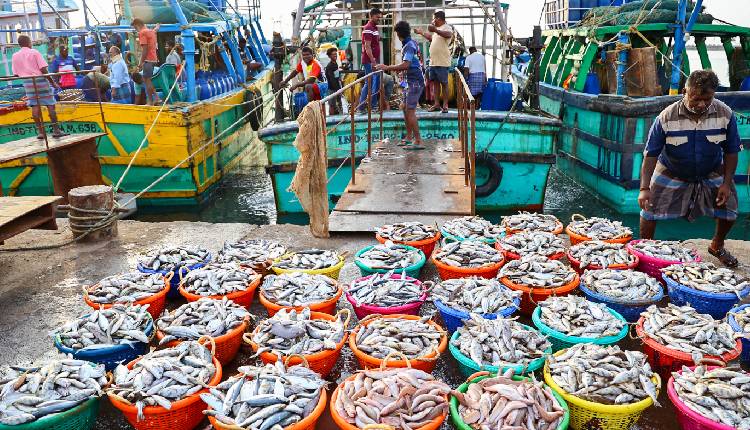
India’s marine product exports reach Rs 62,408 crore in 2024-25, exporters urged to work towards Rs 1 lakh crore target

NEW DELHI: India’s marine product exports have more than doubled in the past 11 years, from Rs 30,213 crore in 2013-14 to Rs 62,408 crore in 2024-25 and exporters have been urged to work towards achieving Rs 1 lakh crore export target and adopt an open-market approach.

At a Seafood Exporters Meet 2026, Fisheries, Animal Husbandry & Dairying Minister Shri Rajiv Ranjan Singh appreciated and congratulated exporters for their efforts in enhancing seafood exports.

He highlighted that India’s seafood exports have recorded robust growth despite global uncertainties, driven largely by strong performance in non-US markets.

Seafood Exporters Meet 2026 was organized here by the Department of Fisheries under the Ministry of Fisheries, Animal Husbandry & Dairying.

The meet was organised to provide a structured platform for interaction between the Government and industry stakeholders and to obtain feedback from exporters on current challenges related to market access, pricing pressures and compliance requirements, and to deliberate on measures required for enhancing value addition, market diversification and marine export expansion from islands, EEZ and high seas, a release said.

The Union Minister appreciated and congratulated exporters for their efforts in enhancing seafood exports. Despite global uncertainties, he highlighted that India’s seafood exports have recorded robust growth, driven largely by strong performance in non-US markets.

Emphasising the need for sustained market and product diversification, he stressed the importance of strict regulatory compliance, including adherence to antibiotic bans and strengthened traceability systems.

Referring to the EEZ Rules, Shri Rajiv Ranjan Singh stated that the framework is being operationalised through Access Passes, with priority being accorded to cooperative societies to promote inclusive growth.

He underscored the export potential of high-value species such as tuna from the Andaman & Nicobar Islands, the EEZ and the high seas, and called for improved onboard handling, robust cold-chain infrastructure, better packaging, value addition and the exploration of alternative markets to reduce post-harvest losses and strengthen the export ecosystem.

“Exporters were also urged to work towards achieving Rs one lakh crore export target and adopt an open-market approach, assuring support from institutions such as EIC, NCDC, NABARD and the Ministry of Food Processing Industries,” the release said.

He also referred to the investors meet held in the Andaman & Nicobar Islands, which has led to investments aimed at strengthening the fisheries sector, particularly in areas such as sea-cage culture, pearl farming and deep-sea fishing vessels.

Minister of State for Fisheries, Animal Husbandry and Dairying & Minority Affairs George Kurian, stated that in line with the post-Budget webinar 2026, concerted efforts are being made to position fisheries as a high-value, high-demand sector.

Noting the encouraging growth in seafood exports, he appreciated exporters for their sustained efforts and emphasised that strict regulatory compliance, including traceability and certifications, along with strengthened logistics and value-chain development, is essential to sustain export growth.

Secretary of the Fishries Department Shri Abhilaksh Likhi said a focused market diversification strategy has been formulated in coordination with MPEDA, EIC, and the Department of Commerce.

The Department would facilitate direct linkages between exporters and Indian Missions abroad to promote seafood exports. MPEDA was urged to strengthen capacity-building initiatives to support exporters and enhance compliance, competitiveness, and export readiness, the release said.

It said that stakeholders appreciated the proactive support from the government of India at the meeting and highlighted key challenges and opportunities in boosting seafood exports, including the need to streamline procedures for issuance of Catch Certificates, facilitation of permits for seaweed cultivation (Kappaphycus) in the Andaman & Nicobar Islands, and targeted support for fish-meal manufacturers to scientifically develop and upscale production of high-quality fish feed meal.

The stakeholders also noted there is a need to explore and strengthen export potential of inland fisheries and mariculture in western Coast.

Stakeholders also drew attention to several overarching challenges affecting seafood exports, including limited market access due to tariff and non-tariff barriers, high compliance costs, gaps in value-added processing capacity, cold-chain and logistics constraints, and the need for stronger traceability and quality assurance systems.

“India’s seafood exports have recorded strong and sustained growth, expanding at an average annual rate of 7% over the past 11 years. Marine product exports have more than doubled during the period, rising from Rs 30,213 crore in 2013-14 to Rs 62,408 crore in 2024-25, driven largely by shrimp exports valued at Rs 43,334 crore,” the release said.

India’s seafood exports span a wide and diversified basket, with over 350 varieties of products shipped to nearly 130 global markets. The United States remains the largest destination, accounting for 36.42% of total export value in 2024-25, followed by China, the European Union, Southeast Asia, Japan and the Middle East, while other markets together account for about 9%.

The release said that to reduce over-dependence on a few commodities and deepen India’s presence in global seafood markets, the Government is actively pursuing diversification of the export basket. Under the Pradhan Mantri Matsya Sampada Yojana (PMMSY), the Department of Fisheries supports a wide range of interventions across the value chain, including quality fish seed production, expansion and diversification of brackish-water aquaculture, promotion of export-oriented species, technology adoption, disease management, traceability systems, and capacity building. Investments are also being made to strengthen post-harvest infrastructure, seamless cold-chain networks, modern fishing harbours and fish landing centres.

Source; ANI

Projects to Help Improve Operational Efficiency, Reduce Travel Time, Generate Jobs, Boost Core Industries & Reduce Logistics Cost: Indian Railways

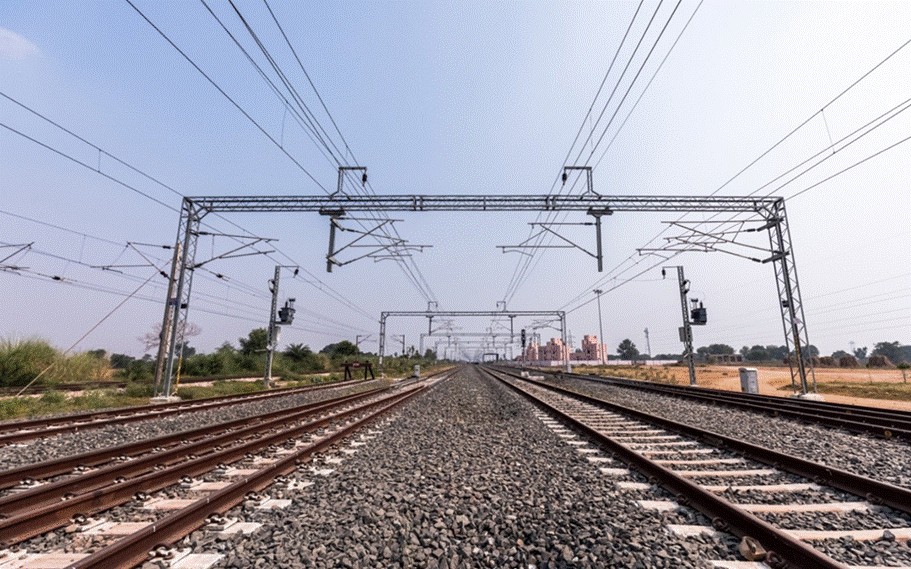
NEW DELHI: Connecting the last mile and serving the poorest and unserved regions, Indian Railways is undertaking a transformative expansion under the PM Gati Shakti National Master Plan. With a strong focus on inclusive growth and national integration, 100 railway projects involving new lines, doubling, multitracking and other works have been sanctioned in FY 2025–26. This unprecedented push reflects Indian Railways’ commitment to uniting the diverse nation through enhanced connectivity, while laying the foundation for a high-capacity, future-ready network.

A total investment of ₹1.53 lakh crore has been committed across these projects, covering more than 6,000 kilometres of railway network. This marks a historic milestone in railway expansion. Compared to FY 2024–25, where 64 projects worth ₹72,869 crore covering over 2,800 kilometres were sanctioned, project approvals have increased by 56 percent, route coverage has surged by over 114 percent, and financial commitment has witnessed a remarkable jump of more than 110 percent.

The 100 sanctioned projects include new lines, doubling and multitracking works, along with bypass lines, flyovers and chord lines. These are strategically aimed at decongesting saturated routes, improving punctuality, and enhancing passenger experience while expanding connectivity to underserved regions. The initiatives are expected to significantly improve operational efficiency and reduce travel time across the network.

These projects span across nearly all major states, ensuring a balanced and inclusive expansion of the railway network. Maharashtra (17 projects), Bihar (11), Jharkhand (10), and Madhya Pradesh (9) emerge as key focus states, given their critical role in freight corridors, industrial connectivity, and passenger demand. The scale of investment in these regions is set to significantly enhance both passenger and freight services.

The concentration of projects in states such as Maharashtra, Bihar, Jharkhand and Madhya Pradesh will strengthen freight corridors, boost industrial linkages, and improve passenger movement. These states form the backbone of India’s logistics network, and enhanced connectivity here will have cascading benefits across the economy.

Aligned with the PM Gati Shakti National Master Plan, these projects go beyond infrastructure creation to enable social transformation. A major focus has been laid on expanding rail connectivity in tribal and remote regions. Landmark initiatives such as the Rowghat–Jagdalpur line in Chhattisgarh, along with multiple corridors in Jharkhand and Odisha, will ensure access to markets, healthcare, education and employment opportunities, bringing underserved populations into the mainstream of national development.

From a financial perspective, this expansion reflects a decisive shift towards large-scale, transformational investments. Over 35 projects exceed ₹1,000 crore, forming the backbone of corridor-level upgrades. Major projects include the Kasara–Manmad 3rd and 4th line (131 km) at around ₹10,150 crore, the Kharsia–Naya Raipur–Parmalkasa 5th & 6th line (278 km) at over ₹8,740 crore, the Itarsi–Nagpur 4th line (297 km) at over ₹5,450 crore, and the Secunderabad (Sanathnagar)–Wadi 3rd and 4th line (173 km) at more than ₹5,000 crore. Together, these projects alone account for over ₹28,000 crore, highlighting the focus on strengthening high-density trunk routes.

The projects are strategically aligned with the Mission 3000 MT initiative aimed at significantly enhancing cargo capacity. Energy corridor projects dominate the portfolio, facilitating faster coal and mineral movement and strengthening energy security. High Density Network projects address congestion on critical routes, while the Rail Sagar Corridor improves port connectivity and coastal trade. Together, these initiatives will enhance overall network efficiency and logistics performance.

This massive investment is expected to generate substantial employment, stimulate demand in core sectors such as steel and cement, and reduce logistics costs across the country. As these projects progress, they will enhance railway capacity, improve service delivery, and act as a catalyst for India’s economic growth. This is not incremental progress—this is India laying the tracks for its next economic leap.

Two oil tankers make last-minute U-turn in Hormuz as US-Iran talks fail

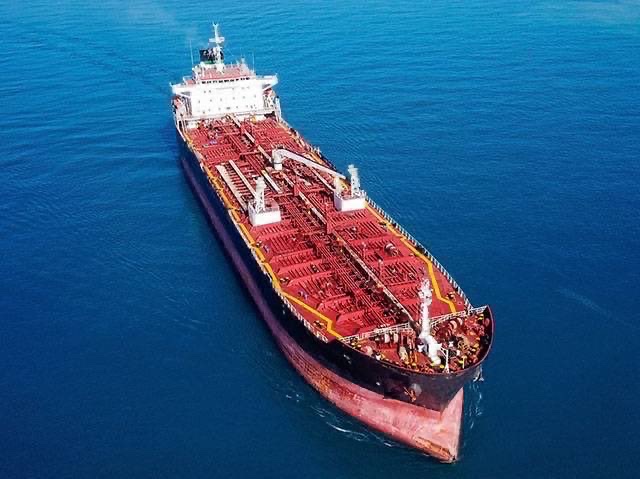
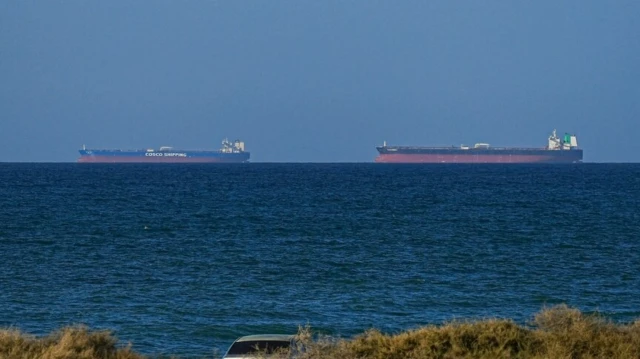
WASHINGTON : Two empty supertankers attempted to make their way through the Strait of Hormuz and into the Persian Gulf on Sunday, only to make a last-minute U-turn just as peace negotiations between the US and Iran broke down, threatening a fragile ceasefire.

A trio of very large crude carriers — all without direct links to Iran — began to approach the narrow waterway from the Gulf of Oman late on Saturday, ship-tracking data show, arriving near Iran’s Larak island early on Sunday. At that effective checkpoint, Iraq-bound Agios Fanourios I and Pakistan-flagged Shalamar, destined for Das island in the United Arab Emirates, turned back.

A third VLCC, Mombasa B, was sailing ahead and made its way between Larak and Qeshm islands, an Iran-approved route into the Persian Gulf. It is not currently signaling a clear destination.

The specific reasons behind the about-turns — and the third, successful passage — are not clear, as both Iraq and Pakistan had earlier received approvals from Iran to transit the strait. But their change of heart came just as negotiators in Islamabad announced they had failed to reach a deal.

The Agios Fanourios I (in white) and Shalamar (blue) u-turned at the mouth of the Strait of Hormuz as the US said they failed to reach an agreement with Iran. Mombasa B (formerly Front Forth, in red) managed to sail through.
The Strait of Hormuz is one of the world’s most important energy thoroughfares and its effective closure since the US and Israel began strikes on Iran six weeks ago has resulted in unprecedented supply disruption. Its reopening has been a crucial point of discussion during weekend negotiations, but remains an area of disagreement.

In recent weeks, several ships have attempted to transit the strait only to abort their efforts, reflecting a constantly changing security situation and persistently high risks. The vast majority have been attempting to leave the Persian Gulf, but empty tankers are also needed inside, to be loaded with new cargoes.

Two Chinese container ships U-turned late last month before finally successfully exiting, while a liquefied natural gas carrier turned back last week.

A successful exit by all three ships on Sunday would have continued a positive uptick in transits through the waterway, controlled by Iran and dominated by Iran-linked vessels since the end of February. On Saturday, two Chinese supertankers and a Greek vessel exited the gulf via Hormuz, laden with crude.

Agios Fanourios I is managed by Eastern Mediterranean Maritime in Greece, while Pakistan National Shipping Corp. owns Shalamar. The two companies did not immediately respond to emailed requests sent outside of working hours.

Mombasa B had recently switched its name from Front Forth. It is now owned by Haut Brion 8 SA that shares the same address as its South Korea-based manager, Sinokor Maritime Co. Sinokor did not respond to a request for comment outside of regular business hours.

Sagarmala anchors India’s maritime growth and trade expansion

NEW DELHI : India’s maritime sector plays a central role in shaping its trade and economic activity. The country has a coastline of about 11,099 kilometres, along with nearly 14,500 kilometres of potentially navigable waterways. Coastal regions are home to major ports that connect India with global shipping routes and facilitate the movement of goods and passengers. Around 95% of the country’s trade by volume and about 70% by value is handled through maritime routes.

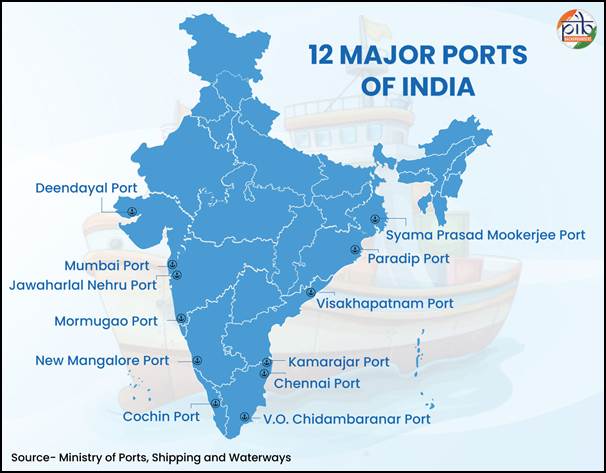
India has 12 major ports and over 200 non-major ports. While the major ports are under the administrative control of the Ministry of Ports, Shipping and Waterways, the non-major ports are under the jurisdiction of the respective State Maritime Boards/ State Government. These ports handle a wide range of cargo, including crude oil, coal, containers, fertilizers, and agricultural commodities, making ports and shipping central to the country’s trade logistics.

Building on this, the Sagarmala Programme was launched in March, 2015 to promote port-led development. It aims to improve logistics efficiency, reduce transportation costs, and support trade by increasing the use of coastal shipping and inland waterways alongside existing road and rail networks. It focuses on modernizing and building ports, improving port connectivity while encouraging investment from both the public and private sectors.

Components of the Sagarmala Programme

The Sagarmala programme consists of several key components aimed at transforming India’s maritime sector. The overall set of projects under the Sagarmala Programme are divided into 5 pillars and 24 categories as given below.

Port Modernization and New Port Development

This pillar focuses on upgrading existing ports and developing new ones to expand capacity and improve operational efficiency. It includes addressing infrastructure gaps and introducing modernization, mechanization, and digital systems in port operations.

Port Connectivity Enhancement

This component aims to strengthen connectivity between ports and the hinterland to facilitate faster and more cost-efficient cargo movement. It includes the development of multimodal transport networks, integrating road, rail, coastal shipping and inland waterways for seamless logistics.

Port-Led Industrialization

The programme promotes the development of industrial clusters in port-proximate areas to support manufacturing and economic activity. Proximity to ports helps reduce logistics costs and improves access to domestic and international markets.

Coastal Community Development

This pillar focuses on improving livelihoods and promoting sustainable development in coastal regions. It includes skill development programs, support for fisheries and coastal tourism, and initiatives aimed at enhancing economic opportunities for coastal communities.

Coastal Shipping and Inland Waterways Transport

This component encourages greater use of coastal shipping and inland waterways for cargo movement. These modes offer cost-effective and environmentally sustainable alternatives to road and rail transport while helping reduce congestion on existing transport networks.

Navigating Success: Achievements and Milestones

Over the past eleven years, the Sagarmala Programme has delivered measurable outcomes. The cumulative progress highlights its scale and long-term impact on maritime infrastructure development. Around 845 projects, estimated at ₹6.06 lakh crore, have been taken up under the programme. As of 24th March 2026, 315 projects worth ₹1.57 lakh crore have been completed, while 210 projects are currently under implementation, and 320 projects are in the planning stage.

The following initiatives reflect sustained progress in strengthening port infrastructure, improving connectivity, and supporting economic activity across coastal regions.

Infrastructure and Capacity Creation
Significant progress has been achieved in strengthening coastal infrastructure and expanding cargo-handling capacity through targeted investments.

Fishing Harbour Development: A total of 11 fishing harbour projects, costing ₹1,057 crore, have been completed, directly benefiting more than 30,000 fishermen. In Karnataka, the third-stage expansion and modernization of the fishing harbour at Malpe have been completed, with the development of the fishing harbour at Kulai under implementation.
Coastal Berth Development: 7 coastal berth projects, valued at ₹494 crore, have been completed, adding 9.84 million tonnes per annum (MTPA) of cargo-handling capacity.

The renovation of the historic Bascule Bridge at Syama Prasad Mookerjee Port, Kolkata, is being undertaken to preserve the port’s heritage while upgrading critical infrastructure. Once completed, the modernized bridge is expected to enable safer, faster, and more efficient movement of cargo and vehicles within the port premises, thereby enhancing logistics efficiency at one of India’s oldest and busiest ports.

A project for the augmentation of firefighting facilities at Pir Pau Terminal of Mumbai Port is under implementation, with a cost of ₹52.69 crore, focusing on strengthening safety infrastructure at the port. Improved Port Performance and Global Standing. The transformation under the programme is underscored by improved operational performance and stronger global competitiveness of Indian ports.

Record Cargo Handling: India’s major ports have collectively handled a record 915.17 million tonnes (MT) of cargo during FY 2025–26, surpassing the annual target of 904 MT. This marks a year-on-year growth of 7.06% demonstrating sustained growth in maritime trade. Operational Efficiency: Average vessel turnaround time declined significantly from 96 hours in 2014 to 49.5 hours in 2025, indicating improved port efficiency and faster cargo handling.

Global Recognition: Indian ports have strengthened their global presence, with 9 ports ranking among the world’s top 100, including Visakhapatnam Port, which ranks among the top 20 ports for container traffic. Growth in Inland Waterways: Cargo movement through inland waterways increased from 18.10 MTPA in FY 2013–14 to 145.50 MTPA in FY 2024-25, representing a growth of about 700%, contributing to a more efficient and diversified logistics system.

Passenger Connectivity and Urban Waterway Transport
The programme has also supported the expansion of passenger and vehicle movement through coastal and inland waterways, improving connectivity and reducing travel time.

Ro-Pax and Ferry Services: A total of 29 Ro-Pax (a ship that carries both vehicles and passengers) and passenger ferry projects, with an investment of ₹1,233 crore, have been taken up to strengthen urban waterway transport systems. Out of these, 17 projects worth ₹706 crore have been completed, benefiting more than 35 lakh passengers by providing faster and more efficient transport options.

Improved Travel Efficiency: The Ghogha–Hazira Ro-Pax service reduced travel time from nearly 10 hours by road to about 4 hours by sea, enabling the movement of over 36,000 trucks, 61,000 cars, and nearly 4 lakh passengers. The Mumbai–Mandwa ferry service has eased road congestion by replacing a 109-kilometre road journey with an 18.5-kilometre sea route, substantially reducing travel time.


Coastal Livelihoods and Skill Development
Beyond infrastructure, the programme has contributed to improving livelihoods in coastal communities through targeted skill development initiatives.

Under the Deen Dayal Upadhyaya Grameen Kaushalya Yojana (DDU-GKY) convergence initiative, more than 7,600 candidates have received skill training, with over 3,100 individuals successfully placed in maritime and allied sectors.
The Sagarmala Programme has estimated a cumulative employment potential of around 1 crore jobs, including 40 lakh direct and 60 lakh indirect employment opportunities, driven by port-led industrialization and the expansion of maritime and related infrastructure.

The Institutional Backbone of Sagarmala

The Sagarmala Programme is supported by a multi-tier framework designed to enable coordinated planning, efficient implementation, and continuous monitoring across the Centre and States. The key components of this framework are as follows:

National Sagarmala Apex Committee (NSAC):
Constituted in May 2015, NSAC is the apex body providing overall policy guidance and oversight for the programme. It reviews key aspects of planning and implementation and ensures alignment of projects with the broader objectives.

Maritime States Development Council (MSDC):
The MSDC is convened periodically to facilitate centre–state coordination. It brings together central ministries, state governments, and maritime stakeholders to review progress, address inter-ministerial issues, and promote coordinated development of ports and related infrastructure.

State Sagarmala Committees (SSCs):
Constituted in coastal states and union territories (UTs), SSCs are responsible for identifying projects, coordinating implementation, and monitoring progress at the state level. They play a key role in aligning state-level priorities with the overall objectives of the programme.

Sagarmala Finance Corporation Limited (SMFCL):
Sagarmala Development Company Limited (SDCL), established in August 2016, has played an important role in advancing India’s maritime infrastructure. In June 2025, SDCL underwent a significant transformation and was restructured as the Sagarmala Finance Corporation Limited (SMFCL). This transition reflects an expanded mandate, with SMFCL positioned as India’s first Non-Banking Financial Company (NBFC) focused on the maritime sector. SMFCL aims to provide financial solutions tailored to the needs of the maritime sector, addressing critical financing gaps and supporting the development of ports, shipping infrastructure and related industries. The company approved loan sanctions of about ₹4,300 crore in December 2025, formally entering the maritime lending space, reinforcing its ambition to emerge as a dedicated and credible financier for the maritime sector.

The Next Wave of Innovation

Sagarmala 2.0

Sagarmala 2.0 is proposed as the next phase of the Sagarmala Programme launched in March 2015, building upon its achievements while adopting a broader and more integrated national vision for the maritime sector outlined in MIV (Maritime India Vision) 2030 and MAKV (Maritime Amrit Kaal Vision) 2047. The scheme aims to position India as a global maritime hub through comprehensive modernization of ports, promotion of port‑led industrialization, improvement in coastal and hinterland connectivity to ports, enhancement of inland waterways & coastal shipping services, development of island and coastal communities, and fostering innovation aligned with sustainable development objectives. Sagarmala 2.0 is also envisioned as a key enabler of inclusive economic growth, employment generation, and logistics cost reduction, in alignment with the national vision of Viksit Bharat 2047. The proposed scheme envisages total budgetary support of ₹85,482 crore with total investment of ₹3.6 lakh crore, to be utilized for identified interventions across ports, inland waterways & coastal infrastructure, maritime services, coastal development, research & development and institutional strengthening during the scheme period.

Conclusion

India’s maritime sector has seen significant expansion in capacity, connectivity, and operational efficiency over the past decade. The Sagarmala Programme has contributed to the modernization of ports, the development of coastal and inland waterway infrastructure, and the enhancement of cargo handling capabilities. Completed projects have added measurable capacity, reduced vessel turnaround times, and supported port-led industrial and coastal community development. Collectively, the initiatives provide a structured approach to sustaining growth and strengthening India’s maritime infrastructure for trade and industrial activities.

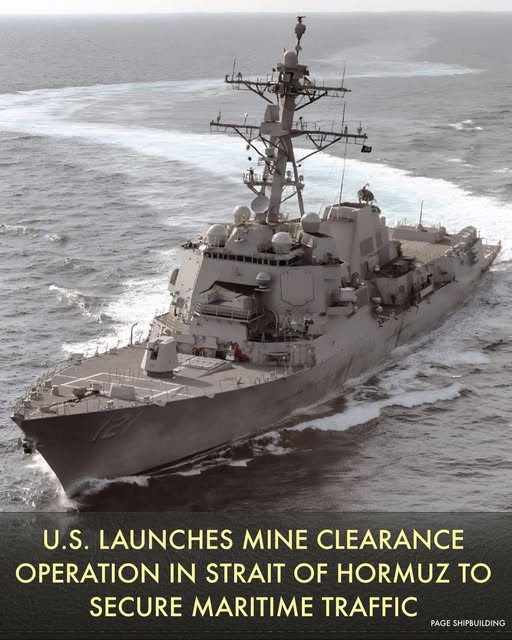
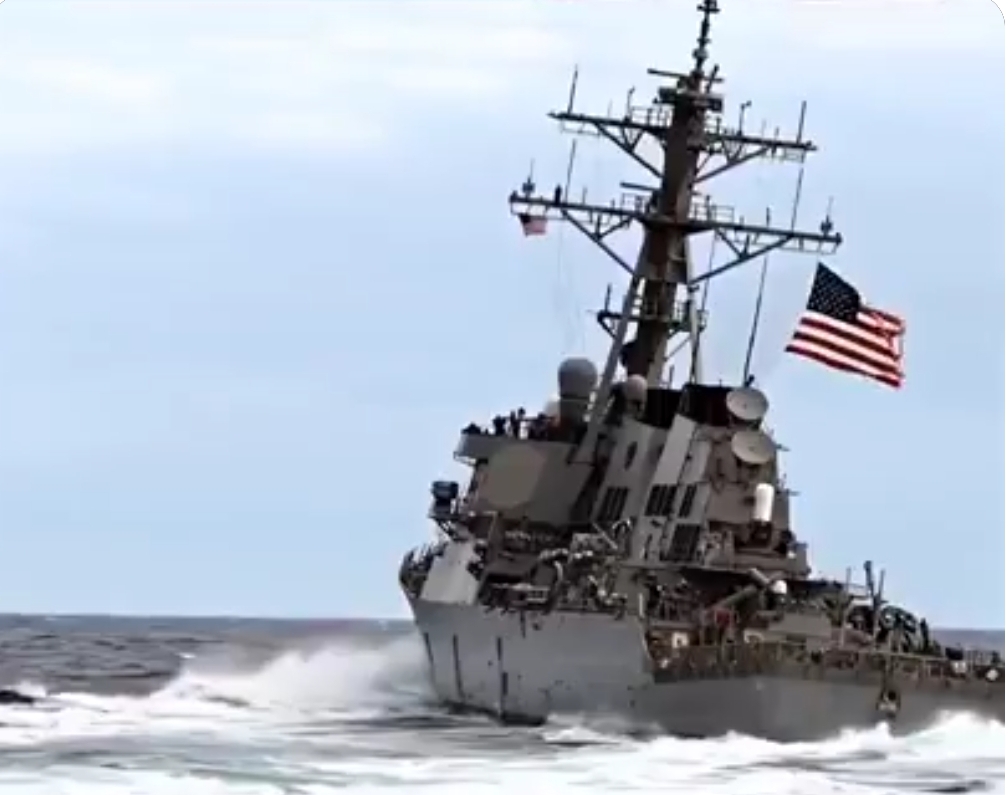
Two US Navy destroyers cross Strait of Hormuz in mine clearance operation : Centcom

WASHINGTON : Two US Navy destroyers have crossed the Strait of Hormuz, marking the start of a US-led effort to remove sea mines and reopen one of the world’s most critical oil transit routes, according to US Central Command.

The operation, announced Saturday, involves the guided-missile destroyers USS Frank E. Peterson (DDG-121) and USS Michael Murphy (DDG-112). Both vessels moved through the strait and into the Arabian Gulf as part of a broader mission aimed at ensuring maritime safety following the placement of mines attributed to Iran’s Islamic Revolutionary Guards Corps.

“Today, we began the process of establishing a new passage and we will share this safe pathway with the maritime industry soon to encourage the free flow of commerce,” said Admiral Brad Cooper, head of CENTCOM, in a statement shared on X.

US President Donald Trump confirmed the operation in a post on Truth Social, saying, “We’re now starting the process of clearing out the Strait of Hormuz,” and describing the move as “a favor” to global economies dependent on uninterrupted energy supplies. He singled out countries like China, Japan, and France, saying they “don’t have the Courage or Will to do this work themselves.”

Trump also claimed that Iran’s position in the conflict is weakening, stating that Tehran is “LOSING BIG!” while acknowledging that the presence of mines remains a lingering danger. “The only thing they have going is the threat that a ship may ‘bunk’ into one of their sea mines,” he wrote.

According to earlier reporting by Axios, the US operation was not coordinated with Iranian authorities, highlighting the continued lack of direct military alignment despite ongoing diplomatic efforts.

Meanwhile, negotiations aimed at ending the conflict are underway. Senior officials from Washington and Tehran met face-to-face in Islamabad on Saturday, seeking to stabilize a situation that has sent shockwaves through global markets and heightened geopolitical uncertainty.

Although a fragile ceasefire was introduced earlier in the week, reopening the Strait of Hormuz had been considered a key condition for easing tensions. The US move to begin mine clearance appears to be a step toward restoring commercial shipping through the corridor, even as political and military uncertainties persist.

In a separate remark, Trump said empty oil tankers from around the world were heading toward the United States to load supplies, though he did not provide further details.

The military command noted that more resources are expected to join the operation in the coming days, including underwater drones designed to detect and neutralise naval mines. The effort comes at a time when the strait, a passage that handles roughly a fifth of global crude shipments, has been severely disrupted amid escalating conflict.

The transit represents the first such movement by US warships since hostilities between the United States, Israel, and Iran intensified earlier this year. The waterway had effectively been rendered unusable after Tehran blocked access following the start of US-Israeli airstrikes on February 28.

US says it will blockade Iranian ports

WASHINGTON: The US military says it will blockade Iranian ports from Monday, less than a day after peace talks with Iran in Pakistan broke down.

The blockade will begin from 10:00 ET (14:00 GMT) on Monday, and will be enforced “impartially against vessels of all nations entering or departing Iranian ports or coastal areas”, according to a statement from US Central Command.

The branch of the US military adds that it will “not impede” vessels transiting the Strait of Hormuz that are travelling to or from other countries.

Iran’s parliament speaker Mohammad Bagher Ghalibaf, who led Tehran’s delegation during the talks in Pakistan, says the country will not “surrender under threats”.

Iranian Foreign Minister Abbas Araghchi says the two sides were “inches away” from a deal during the peace talks, but Tehran was then met with “maximalism” and “shifting goalposts”.

Qatar reopens its waters: Navigation for all vessels resumes

RIYADH : Qatar’s Ministry of Transport (MOT) has announced the full resumption of maritime navigation for all types of vessels starting Sunday, April 12, 2026, marking a significant return to normal operations across the country’s waters.

According to an official statement released Saturday, navigation will be permitted between 6:00am and 6:00pm for all maritime vessels and ships. The ministry emphasised that vessels licensed for fishing activities will continue to operate throughout the day, in line with earlier directives, a Qatar News Agency report said.

Officials underscored the importance of strict compliance with safety requirements. “All operators must ensure the availability and proper functioning of safety and security equipment before and during voyages,” the MOT said. The ministry stressed that adherence to these measures is essential to maintaining the highest standards of safety across all maritime trips.

Compliance and fair practices urged
The announcement follows earlier guidance issued on April 9, when the MOT’s Maritime Transport Affairs called on licensed entities to uphold fairness and transparency in delivering maritime services.

Authorities cited existing legal frameworks, including maritime and navigational laws, as key references for compliance.

“The current extraordinary circumstances must not justify any surcharges,” the ministry warned, reiterating that violations could result in legal accountability.

Indian Navy to host first edition of Commanders’ Conference – 2026 at New Delhi

NEW DELHI : First edition of Indian Navy’s Biannual Commanders’ Conference 2026 is scheduled over a period of three days at Nausena Bhawan, New Delhi, from 14 Apr to 16 Apr 2026. The Apex Level Conference offers a stage for comprehensive review of Navy’s operational posture to protect national maritime interests, capability development and strategic alignment with national security objectives.

This edition holds significant importance in the light of swift naval deployments to safeguard India’s Energy Security, amidst ongoing conflict in West Asia with convergence of Multi-National Forces (MNFs) in the Indian Ocean Region. The Conference also bears prominent significance in reaffirming Navy’s operational doctrine, inter-services coordination and technology driven response mechanisms post ‘Op Sindoor’.

The Conference features addresses by the Chief of Defence Staff and the Home Secretary, and embedded discussions with senior naval leadership. Interactions are aimed at enhancing interoperability and jointness, and deriving a broader perspective on national stability, security architecture, and collaborative approach to address future maritime challenges. The forum serves as a platform for close interaction with national leadership, setting a strategic direction for the naval plans.

The Chief of the Naval Staff, along with the operational commanders and senior naval leadership, will review and assess plans to address multi-dimensional challenges in current geo-strategic environment. Alongside security imperatives, the deliberations will focus on achieving decisive operational success, enhancing blue-water capabilities, training, human resource management, sustainable maintenance practices, effective employment of uncrewed systems, Operational Logistics, and other key enablers for combat readiness of platforms. Discussions are also planned to review implementation of Artificial Intelligence roadmap for Pan Navy solutions and data-driven technologies for seamless operations.

On a broader canvas, Navy’s apex leadership will review overall preparedness to deliver military success when directed by the Government, in line with Indian Navy’s four roles as elaborated in Indian Maritime Doctrine (IMD). It would entail focus on sustained operations, expanding international cooperation, in addition to furthering Government of India’s vision of Mutual and Holistic Advancement for Security Across Regions (MAHASAGAR), and efforts towards indigenisation and innovation. The deliberations during the Conference would certainly aim towards promoting Indian Navy as the ‘Preferred Security Partner’ in the IOR and Indo-Pacific region.