Home Blog Page 377

The 14th Ministerial Conference of the WTO concluded on March 30, 2026 in Yaounde, Cameroon

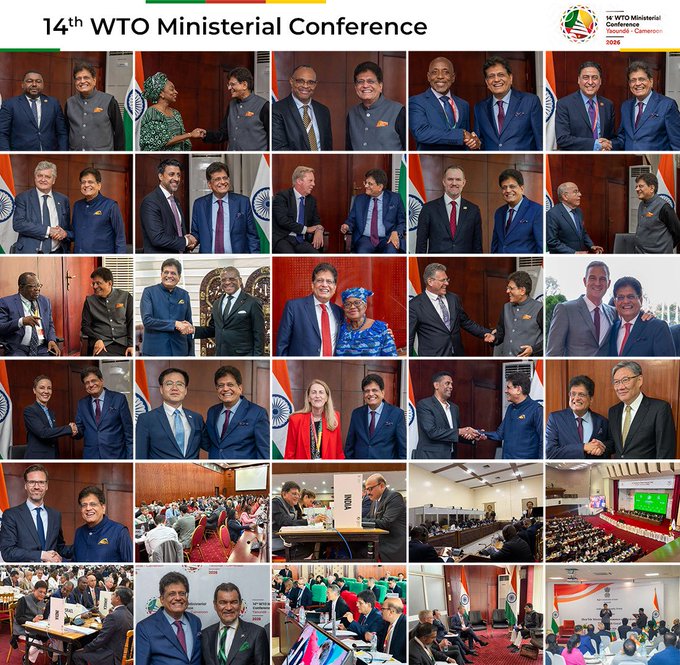
YAOUNDE : The 14th Ministerial Conference of the WTO held in Yaounde, Cameroon, concluded on March 30, 2026. The event witnessed participation of Trade Ministers/Senior representatives from across the WTO membership. The key MC-14 agenda issues were: WTO Reform, Fisheries Subsidies; Incorporation of the Investment Facilitation for Development Agreement; E-commerce Work Programme and Moratorium; Agriculture; and Development including LDC issues. Shri Piyush Goyal, Union Minister of Commerce and Industry, led the Indian delegation to MC14.

In Yaounde, Ministers agreed to continue to engage in negotiations on fisheries subsidies, with the aim of making recommendations to the MC-15, to achieve the comprehensive disciplines on fisheries subsidies referred to in Article 12 of the Agreement on Fisheries Subsidies. Ministers also adopted two MC14 decisions that were endorsed earlier by members in Geneva: on improving the integration of small economies into the multilateral trading system; and on enhancing the precise, effective and operational implementation of special and differential treatment provisions in the Agreements on Sanitary and Phytosanitary Measures (SPS) and Technical Barriers to Trade (TBT). On agenda items related to WTO reform, Electronic Commerce; TRIPS Non-Violation and Situation Complaints; and the least developed country (LDC) package, discussions will now continue in Geneva.

On the WTO Reform agenda, Shri Goyal emphasised that consensus-based decision-making is the bedrock of the WTO’s legitimacy, and it is important for the WTO not to ignore the sovereign right of each member to not bind itself to rules which they do not agree to. While extending India’s support for a time-bound restart of reform efforts with milestones, Shri Goyal stressed the importance of the WTO to undertake a transparent, inclusive and Member-driven stock-take of the current impasse and its underlying causes. India also highlighted that an integrated multilateral trading system cannot thrive alongside fragmentation within its own institutional framework and called for the consensus process to be premised on the principles of openness, transparency, inclusivity, participative and member-driven. Shri. Goyal focused on the need for WTO to address long-pending issues like food security, PSH, SSM on Cotton to be prioritised while taking up new issues to address the structural asymmetries. The continued dysfunction of the dispute settlement system was an issue that India highlighted. India also cautioned against weaponising transparency to justify trade retaliation or challenge legitimate domestic policies and emphasised on the importance of all Members to have a fair opportunity to build productive capacity, create employment, and participate meaningfully in global trade.

On Fisheries Subsidies, Shri Goyal presented India’s balanced and people-centric approach to fisheries governance. He emphasised that fisheries in India are a vital source of livelihood and food security, supporting more than 9 million fishermen, largely comprising small, traditional, and artisanal fishermen practising sustainable methods. Emphasising on India’s proactive and historical conservation efforts, including the 61-day annual fishing ban, Shri. Goyal underlined India’s long-standing commitment to sustainability well before it became a global priority. India also underscored that the challenge of overcapacity and overfishing arises from heavily subsidised industrial fleets, and not from small-scale fishermen in India and other developing countries. Therefore, the need to ensure that emerging decisions remain fair and do not disproportionately impact vulnerable communities was emphasised. Shri Goyal also extended India’s support for the adoption of the Draft Ministerial Decision on Fisheries Subsidies, while emphasising that further decisions must deliver an equitable and development-oriented outcome that protects both marine resources and livelihoods.

India highlighted that IFD’s incorporation risks eroding the foundational principles and functional limits of the WTO. India indicated that as part of WTO reform discussions, Members are seeking guardrails and legal safeguards for plurilaterals before integration of any specific plurilateral outcome. Hence, India did not agree to incorporation of the Investment Facilitation for Development Agreement (IFD) into the WTO framework as an Annex 4 agreement. In view of the systemic issue at hand, India showed openness to first have good faith comprehensive discussions and constructive engagement under the WTO Reform Agenda.

On E-Commerce, India extended its support for robust work at the WTO with a focus on the critical issues such as digital divide, digital infrastructure and skills and regulatory frameworks to ensure developing countries and LDCs have the tools to build their own digital futures. India engaged constructively towards members’ efforts at reaching a convergence on the issue of extension of the moratorium on customs duty on electronic transmissions. Despite rigorous engagement, no consensus could be reached amongst the membership. The issue of moratorium and the Work Program on E-Commerce will now be taken up for decision at the next meeting of the General Council in Geneva.

On Agriculture, India stressed on the importance for a hunger-free future for the global population, which largely resides in the developing countries and LDCs. India also emphasised that the current impasse in agricultural negotiations stems from a trust deficit, which can only be addressed by delivering on commitments agreed in past Ministerial Conferences. In this context, India called on constructive engagement from members India’s submission on Possible New Approaches for taking the agriculture negotiation forward. The need for a cautious approach to be taken to ensure that the focus of negotiations is not diverted and remains consistent with delivering priority outcomes on long-pending issues on PSH, SSM and Cotton as per past ministerial mandates was emphasised. India also urged Members to adopt a development-oriented approach towards delivering a permanent solution on PSH while demonstrating the WTO’s commitment to the needs of developing countries.

On Development including LDC issues, India extended support for the proposal for extension of the moratorium on non-violation and situation complaints (NVSC) in the TRIPS agreement. Calling for Member’s constructive engagement on India’s proposal on the transfer of relevant and advanced technologies for trade, India highlighted that transfer of technology supports the greater global economic good, by increasing efficiency and productivity, and would particularly help developing and LDC Members enhance their participation in international trade. On discussing emerging agricultural trade issues under the rubric of development, India was firmly of the view that these discussions should remain anchored with relevant WTO committees and pursuing parallel tracks risks diluting focus and could further delay outcomes central to the development priorities of developing Members. On S&DT, India emphasised that S&DT must not be amended, diluted, or reconceived in the guise of reform and called for strengthening the implementation of S&DT by making it more precise, effective and operational.

On the sidelines of MC-14, HCIM had extensive bilateral meetings with key partner countries, trading blocs and key African countries. These meetings focused on MC-14 agenda and avenues to enhance bilateral trade.
KSH Distriparks launches Pune’s First Dedicated Empty Container Yard to strengthen Container Availability

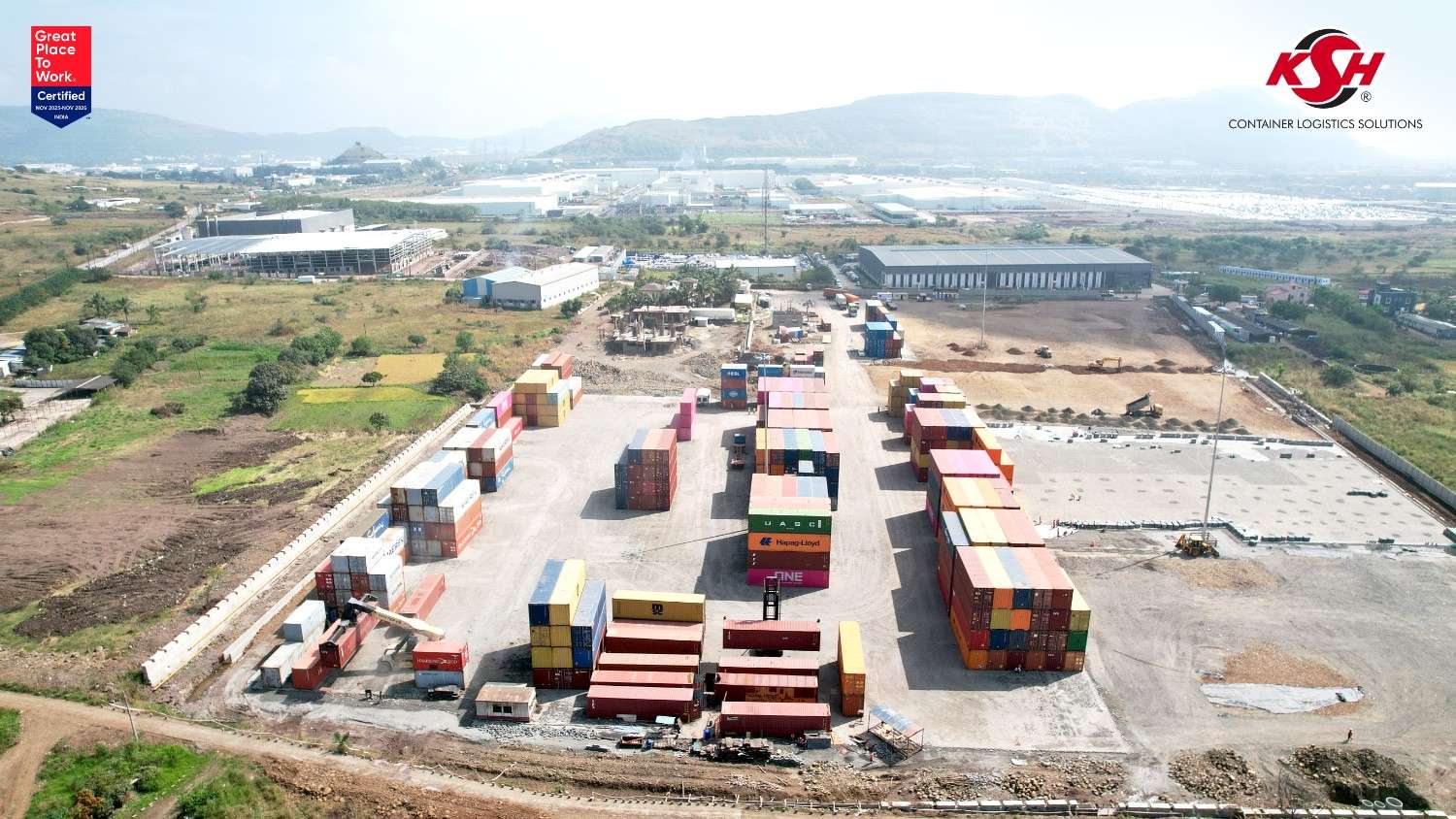
PUNE: KSH Distriparks, one of India’s leading container logistics operators, has inaugurated Pune’s first dedicated empty container yard, filling a critical infrastructure gap in one of the country’s fastest-growing manufacturing and export corridors.

Located 8 km from the Mumbai-Pune Expressway, the 15-acre facility is purpose-built to accelerate empty container availability for importers, exporters, shipping lines, and logistics partners operating in and around Pune.

Addressing a long-standing gap

Pune’s Chakan-Talegaon belt has emerged as a key driver of warehousing, automotive manufacturing, and export activity, yet the region lacked a dedicated facility for empty container circulation. Rising trade volumes have made this gap increasingly costly, adding to turnaround times and operational complexity for logistics partners.

The new yard directly addresses this by bringing container storage, maintenance, and value-added services together under one roof, enabling faster container release and return across the region.

Facility highlights and operational capabilities

The yard is equipped for end-to-end container operations, including empty container storage and handling, container washing, repair and maintenance, and dedicated parking for approximately 60 trailers and car carriers at any given time.

Flooring across the facility uses paver blocks, ensuring safe container stacking and smooth vehicle movement. Security infrastructure includes boundary walls, CCTV surveillance, and controlled access systems throughout.

It is also home to a dedicated car Pre-Delivery Inspection (PDI) centre, allowing exporters of Completely Built Units (CBUs) to carry out vehicle inspection, washing, loading, and lashing at a single location, significantly reducing handling complexity and transit time.

Scale and efficiency

The facility is designed to handle approximately 500 TEUs per day, around 15,000 TEUs per month, with an annual capacity of up to 100,000 TEUs.

To further enhance operational control, KSH Distriparks plans to deploy a Yard Management System (YMS), enabling real-time visibility, streamlined planning, and faster container movement within the yard.

Building toward expanded EXIM capability

“Our Empty Yard has been a vision we’ve carried for a while, born out of our deep understanding of Pune’s logistics landscape and the region’s tremendous growth potential,” said Malcolm D’Souza, Chief Executive Officer, KSH Distriparks. “We understand the nuances of container movement here, and this yard is our commitment to making that movement faster, simpler, and more efficient for shipping lines, logistics partners, and exporters alike.”

Allcargo Logistics strengthens Varanasi handloom cluster with secure door-to-door and COD services

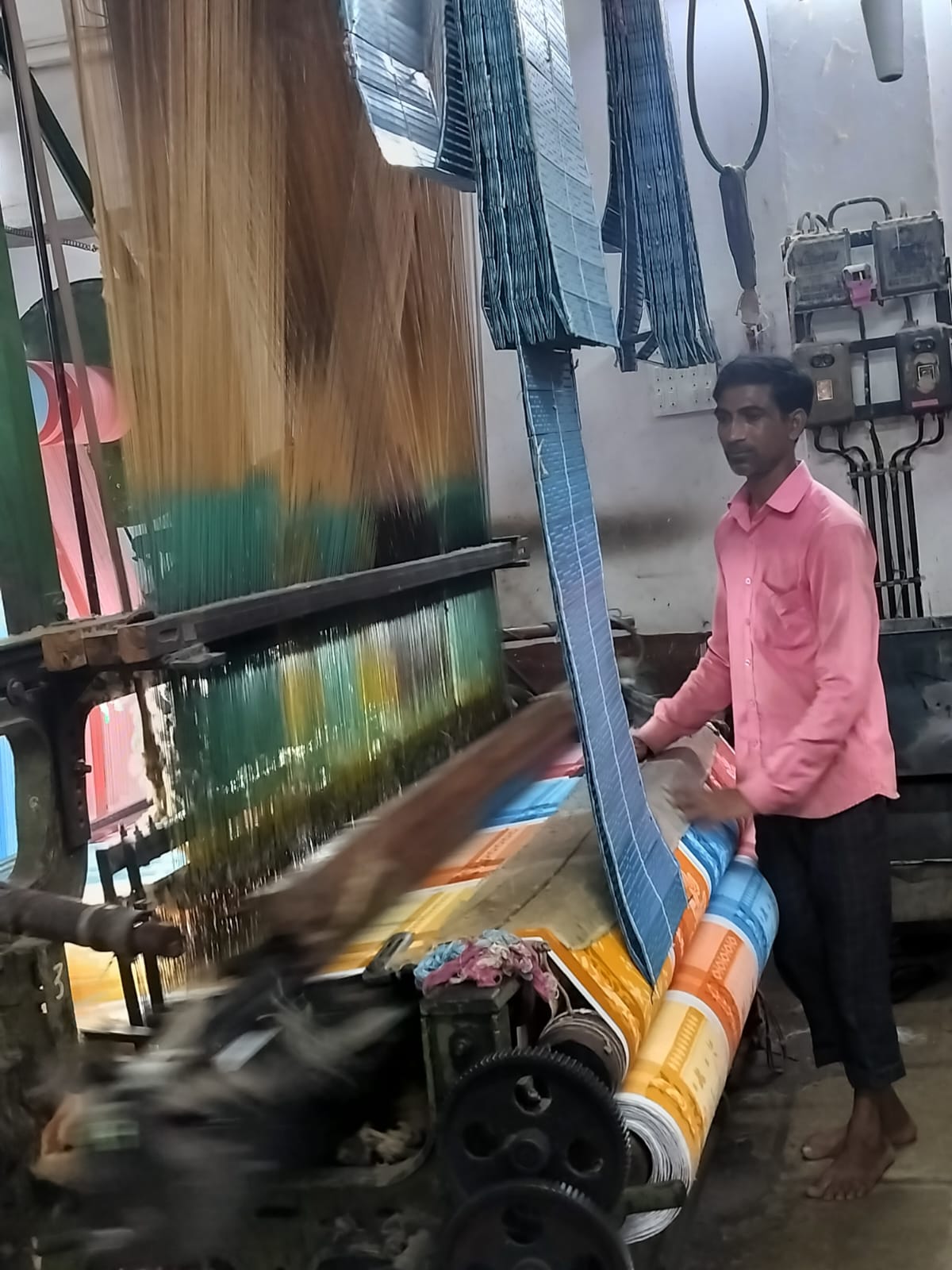
VARANASI: Allcargo Logistics Limited, housing its Domestic Supply Chain business, Express Distribution and Consultative Logistics has, has reaffirmed its commitment to supporting the growth and success of the Varanasi handloom cluster, home to thousands of weavers, traders and MSMEs engaged in the production and distribution of the world-renowned Banarasi silk sarees and other handloom products.

Allcargo Logistics serves several hundred active customers in the Varanasi handloom cluster, including small-scale weavers, traders, established saree manufacturers and exporters. The company provides door-to-door pick-up and delivery services along with value-added offerings such as cash-on-delivery (COD), helping businesses move their products safely and reliably to customers across India while enabling timely and secure payments, reducing credit risk and improving working capital cycles. Allcargo Logistics connects Varanasi to a wide distribution network across India, covering thousands of pin codes and key destination markets such as Delhi NCR, Mumbai, Bengaluru, Kolkata, Chennai, Hyderabad, Surat and Ahmedabad.

Under the Varanasi cluster operating model, all consignments are first consolidated and routed to the Lucknow’s Transshipment Centre. From this mother hub, shipments are further distributed to transshipment centres across key locations such as Mumbai, Bengaluru, Guwahati and other major markets. From there, shipments are routed for final delivery to retailers and wholesalers, ensuring a seamless, reliable and fully integrated end-to-end distribution network.

In addition to door-to-door delivery and COD, Allcargo Logistics offers express distribution, air and surface transportation, multimodal logistics solutions, shipment tracking and visibility tools, insurance coverage for high-value goods, reverse logistics and specialized handling for delicate handloom and saree consignments.     

“We are proud to support the Varanasi handloom cluster, which represents a unique blend of India’s cultural heritage and entrepreneurial spirit”, said Mr. Ketan Kulkarni, Managing Director & Chief Executive Officer, Allcargo Logistics. “For businesses handling high-value and delicate consignments such as Banarasi sarees and handloom products, reliability, security and timely delivery are critical. Our door-to-door services, supported by secure transportation, technology-enabled tracking and customer-centric solutions such as COD, are helping MSMEs and traders expand their reach and operate with greater confidence.”

Situated on the banks of the holy river Ganges, Varanasi is one of India’s most revered pilgrimage and spiritual centres and is equally celebrated for its rich handloom heritage, particularly its Banarasi silk sarees. The handloom sector in and around Varanasi supports a large artisan base and continues to play an important role in the region’s economic and social fabric.

Shipments from the Varanasi cluster are typically smaller in size but high in value, requiring careful handling and secure movement. Allcargo Logistics supports the cluster through a hub-and-spoke operating model, with connectivity enabled via regional hubs, branch offices, and line-haul routes to ensure efficient first mile and last mile movement. Many shipments move by road, while air services are used for time-sensitive deliveries.

Over the years, Allcargo Logistics has witnessed consistent year-on-year growth in customer onboarding and shipment volumes from the Varanasi cluster, driven by growing trust in its services and wider network reach. The company’s logistics support has enabled businesses in the cluster to expand beyond traditional local markets, improve delivery reliability, build direct-to-customer capabilities, and move towards more organized and scalable operations.

As part of its ongoing focus on MSME-led clusters, Allcargo Logistics continues to evaluate opportunities to strengthen its presence in Varanasi and similar markets through improved route efficiency, expanded service coverage and capacity, enhanced technology-enabled solutions and additional infrastructure support wherever required.

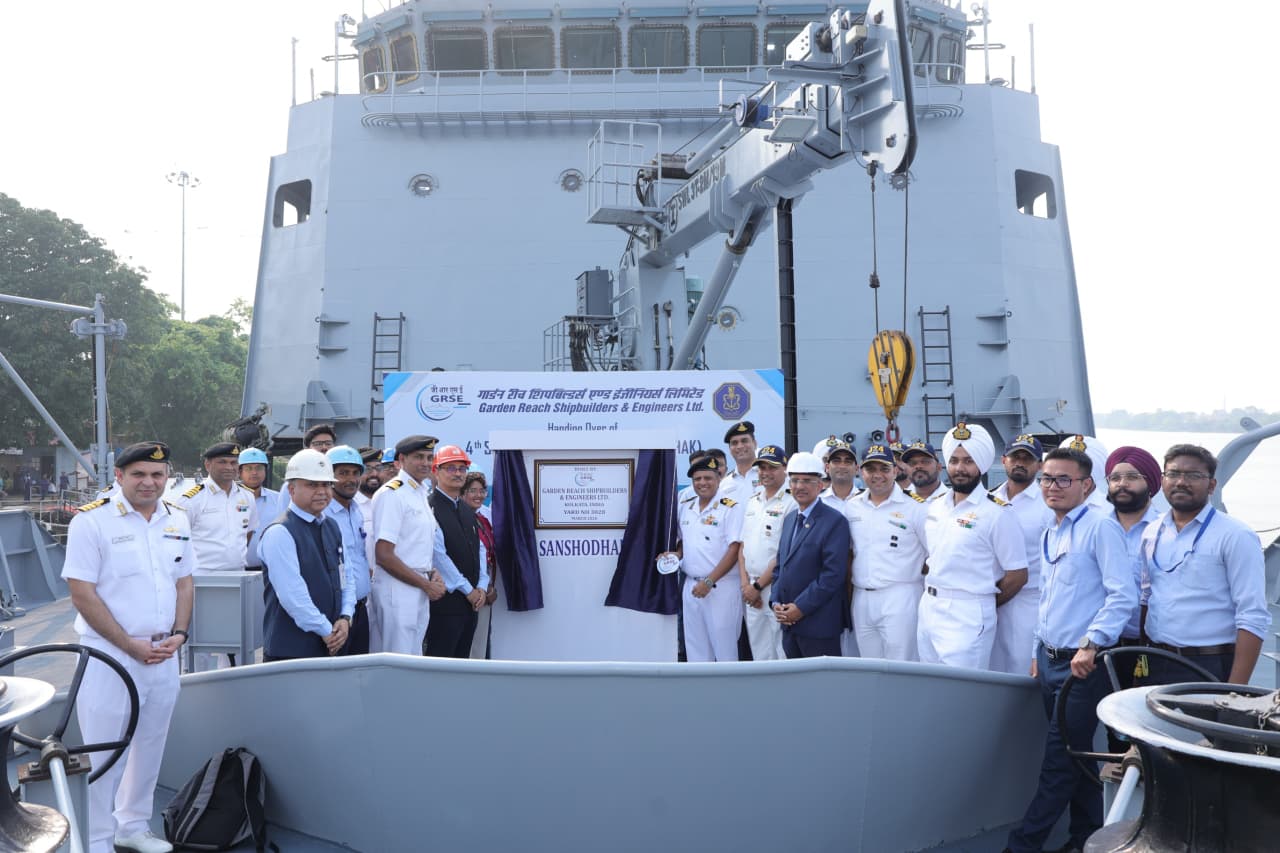
Fourth survey vessel (large), ‘Sanshodhak ‘ delivered to Indian Navy at GRSE Kolkata

KOLKATA : Sanshodhak (Yard 3028), the last Survey Vessel (Large) ship steered by the Indian Navy’s Warship Design Bureau, being built at Garden Reach Shipbuilders & Engineers Ltd (GRSE), Kolkata was delivered to the Indian Navy on 30 Mar 2026.

The contract for four Survey Vessel (Large) ships was signed on 30 Oct 2018. The previous ships of the same class, INS Sandhayak, INS Nirdeshak and INS Ikshak were commissioned on 03 Feb 2024, 18 Dec 2024 and 06 Nov 2025, respectively.

The SVL ships are designed and built as per classification rules of Indian Register of Shipping by M/s Garden Reach Shipbuilders & Engineers Ltd (GRSE), Kolkata. The ship is capable of full-scale coastal and deep-water Hydrographic survey of port/Harbour approaches and determination of navigational channels/ routes. The ship’s role also includes collecting oceanographic and geophysical data for defence and civil applications.

With a displacement of about 3400 tons and an overall length 110 meters, Sanshodhak is fitted with state-of-the-art hydrographic equipment such as Data Acquisition and Processing System, Autonomous Underwater Vehicle, Remotely Operated Vehicle, DGPS long-range positioning systems, Digital Side Scan Sonar, etc. Powered by two diesel engines, the ship can achieve speeds in excess of 18 knots.

Keel of the ship was laid in Jun 22 and the ship was launched in Jun 23. The ship has undergone a comprehensive schedule of trials in harbour and at sea prior to its delivery.

Sanshodhak has an indigenous content in excess of 80% by cost. The delivery of Sanshodhak is a testimony to the relentless efforts of the Government of India and the Indian Navy towards Aatmanirbhar Bharat and is a tribute to the collaborative efforts of a large number of stake holders, MSMEs and the Indian industry in enhancing the maritime prowess of the nation in the Indian Ocean Region.

Middle East Conflict: Straits of Hormuz Transits 95% Down

LONDON: Clarksons Research, the data and analytics arm of the Clarksons Group have been closely monitoring shipping activity and markets impacted by the conflict.

Summarising their latest update issued at 10.00 am 30th March, Steve Gordon, Global Head of Clarksons Research commented :

  • Slight uptick in Strait of Hormuz transits, though still 95% down on pre-conflict levels (avg. 6 transits per day past week vs 4 the week before and ~125 pre-conflict) with 70% of transits in the past week exiting the Gulf
  • ~13 oil tankers (14m bbl) estimated to have transited through the Strait over the past 7 days (versus 250 vessels of 300m bbl in a normal week)
  • Iranian crude exports (mostly via Kharg Island) remain broadly in line with pre-conflict trends (>1.5m bpd)
  • Crude exports from Yanbu are now running at ~5m bpd (up from 1m bpd, with the pipeline now at capacity and with ~35 VLCCs waiting/enroute), while US crude exports could reach 5m bpd (normally 4m bpd) with a wide arbitrage in place
  • 6 VLGCs (~275,000t of LPG) left the Middle East Gulf this week versus typical levels of 16 vessels (710,000t)
  • 11% / 6% of global oil / gas supply offline, alongside 3% of global refining capacity
  • Excluding locally trading vessels, there are ~1,100 ships (36m GT of $29bn) currently inside the Gulf. This total includes ~300 oil tankers, including 6% of crude tanker (8% of VLCCs) and 3% of product tanker tonnage as well as 3% of VLGC and 1% of containership and bulker tonnage
  • Vessel charter rates across tanker and gas remain elevated despite loss of cargo volume for now, with a range of ‘mitigating’ factors currently lending support, but with rates in the Atlantic stronger
  • Suezmax ($330,000/day) and Aframax ($285,000/day) tanker earnings rising to all time highs, led by rate levels in the US Gulf and Black Sea
  • In the container shipping segment, freight rates on the key China-North Europe route have now risen by 20% since end February to $1,703/TEU, though remain well below Covid-19 levels of over $8,000/TEU. Bulkcarrier earnings are steady at around $15,000/day
  • Aside from increase in VLCC volumes, Red Sea transitsremain at the lower levels of recent years (e.g. down 90% on ‘typical’ levels for container, 95% for LNG, 66% for LPG, 57% for bulkcarrier)
  • The cost of moving a barrel of crude oil has increased further in the Atlantic, rising to $18/bbl on a US Gulf – India Suezmax voyage and $23/bbl on a US Gulf – Europe Aframax voyage, up from $6/bbl on both routes at start-2026
  • Some easing of bunker price pressures in the East (VLSFO in Singapore now stands at $850/t, down from >$1,100/t on 13th March) though prices remain nearly double start-year levels ($430/t) while the East-West bunker price spread has narrowed from record levels in mid-March (now at $120/t, down from ~$360/t)
  • Prior to the conflict, 20% of global oil supply passed through the Strait of Hormuz, including 37% / 19% of seaborne crude oil and products trade. 19% of global LNG trade (3% of global natural gas supply) also passed through the Strait, alongside 28% of global LPG volumes (~10% of supply), as well as 13% of seaborne chemicals, 9% of cars, 4% of dry bulk and 3% of container trade volumes  

See below graphs (underling data available on request).

Middle East Conflict Update 30th March 2026 Middle East Conflict: Straits of Hormuz Transits 95% Down

About Clarksons Research

Clarksons Research, the data and analytics arm of Clarksons, is the market leader in the provision of independent data and intelligence across shipping, trade, offshore, and the maritime energy transition. Millions of data points are processed and analysed each day to deliver trusted insights to thousands of stakeholders across the maritime sector. Better data for better decisions.

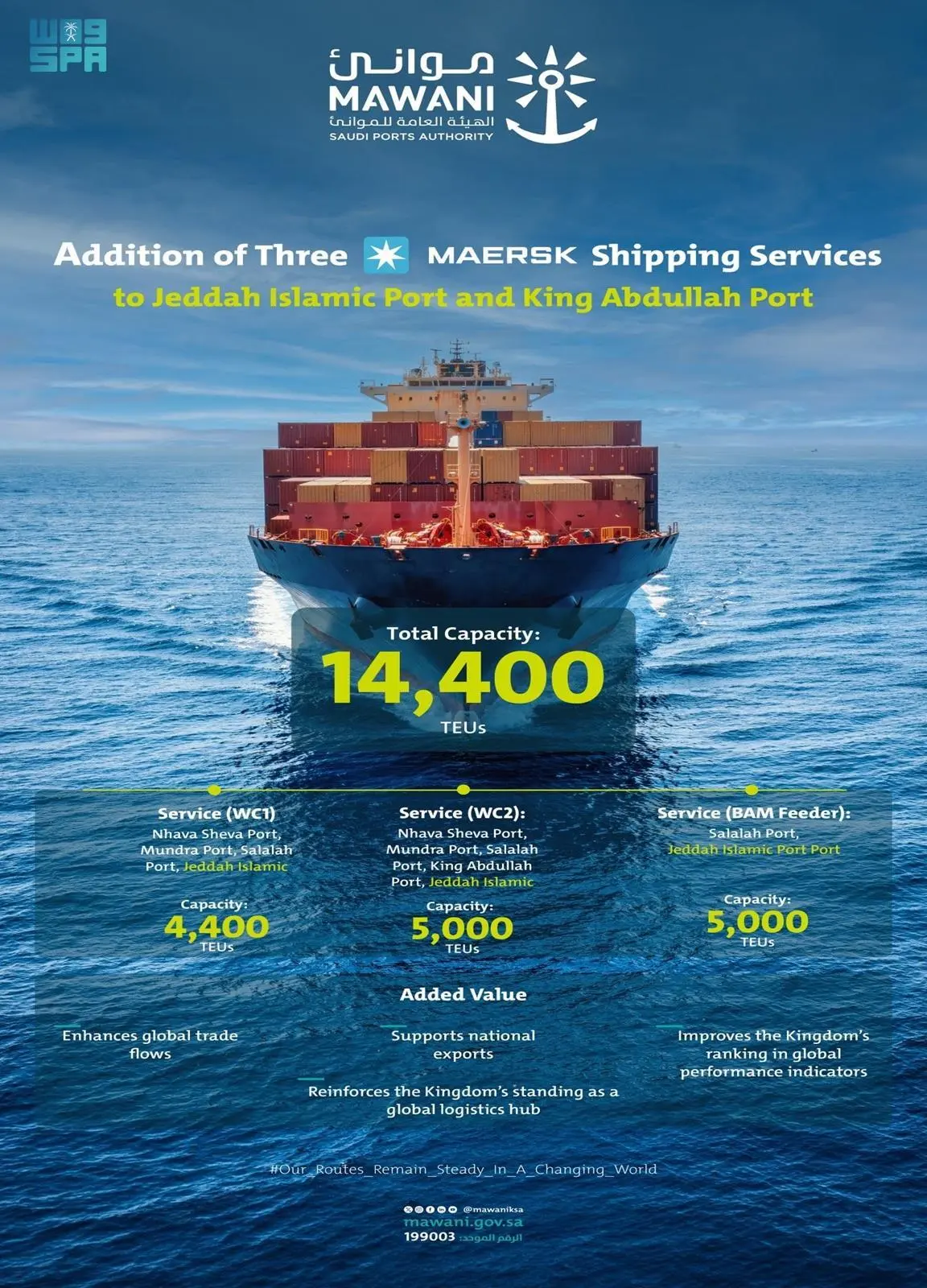
Mawani adds three Maersk Shipping Services to Jeddah Islamic Port and King Abdullah Port

RIYADH : The Saudi Ports Authority (Mawani) announced the addition of three new shipping services operated by global shipping company Maersk to Jeddah Islamic Port and King Abdullah Port, reinforcing the Kingdom’s position as a key maritime trade hub and enhancing its regional and global competitiveness.

The new services will connect Jeddah Islamic Port with four regional and international ports: Nhava Sheva and Mundra in India, Salalah in Oman, and King Abdullah Port, before returning to Jeddah Islamic Port, with a total handling capacity of up to 14,400 TEUs.

The move is part of Mawani’s efforts to improve the Kingdom’s ranking in global performance indicators, support international trade and national exports, and align with the objectives of the National Transport and Logistics Strategy to establish Saudi Arabia as a global logistics hub connecting three continents.

Jeddah Islamic Port features 62 multi-purpose berths, a logistics services zone for storage and re-export, a direct trucking system to and from the port, and several specialized terminals and advanced infrastructure, including two container terminals and multiple marine service berths, with a total capacity of up to 130 million tons.

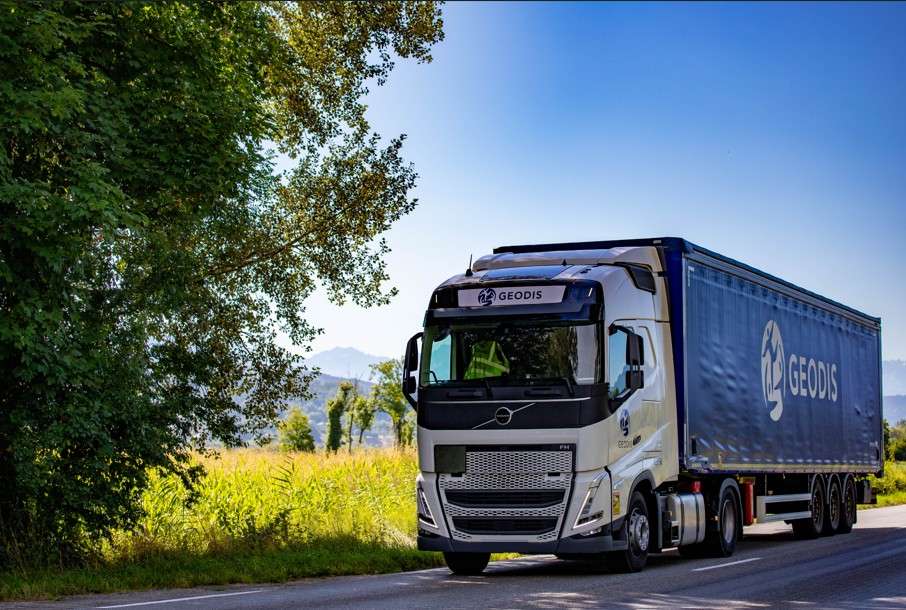
GEODIS completes the acquisition of Transports Malherbe

LEVALLOIS-PERRET: Regulatory authorities have approved GEODIS Group’s offer to acquire Transports Malherbe. With this acquisition, GEODIS consolidates its position among the top three players in the French market for less-than-truckload and full truckload transport, bringing its cumulative revenue in this segment to nearly 2 billion euros. The complementarity of offerings and the synergy between the teams are major levers to support the Group’s growth ambitions.

Marie-Christine Lombard, CEO of GEODIS, stated: “The acquisition of Transports Malherbe is fully in line with our strategy to develop and strengthen our offering in the French market. It enables us to increase our presence in key sectors such as agri-food and retail, while relying on the recognised expertise and know-how of the Malherbe teams”.

Malherbe’s activities will be integrated into the GEODIS European Road Network line of business. In France, all less-than-truckload and full truckload transport operations will be entrusted to Noël Samson, current Managing Director of Malherbe, under the leadership of Marc Vollet, Managing Director of GEODIS Group’s European Road Network business.

Founded in 1956, Malherbe relies on an extensive network of 40 agencies and its own fleet of nearly 1,500 trucks. The company has more than 3,000 employees across the country, bringing recognized expertise to enhance the logistics performance of its clients.

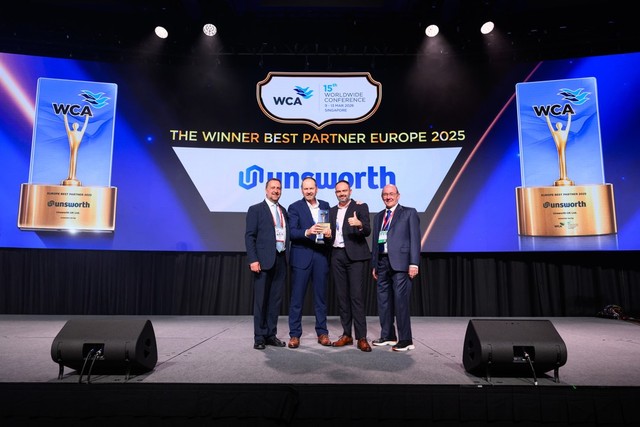
Unsworth wins WCAworld Best European Partner for fourth year in a row

SINGAPORE: UK freight forwarder Unsworth has been named WCAworld’s Best European Partner for the fourth consecutive year.

The award was presented at the WCAworld Worldwide Conference 2026 in Singapore, following a vote by members of the global freight network.

With more than 13,000 member offices across 195 countries, WCAworld is the largest network of independent freight forwarders. The annual award recognises standout partners across its global membership.

Thomas Kuehn, managing director of Unsworth, said: “Being named WCAworld’s Best European Partner for the fourth year in a row is a huge achievement for our team. It reflects the strength of our global partnerships and the consistent effort our people put in every day. We’re grateful for the support of our partners worldwide.”

Unsworth continues to lead within the logistics sector by combining extensive industry expertise with innovative technology. Its customer-first approach is delivered through reliable and efficient supply chain solutions to clients and partners worldwide.

INTERCARGO Convenes Maritime Industry to Advance Common Approach to Dry Bulk STS Transfers

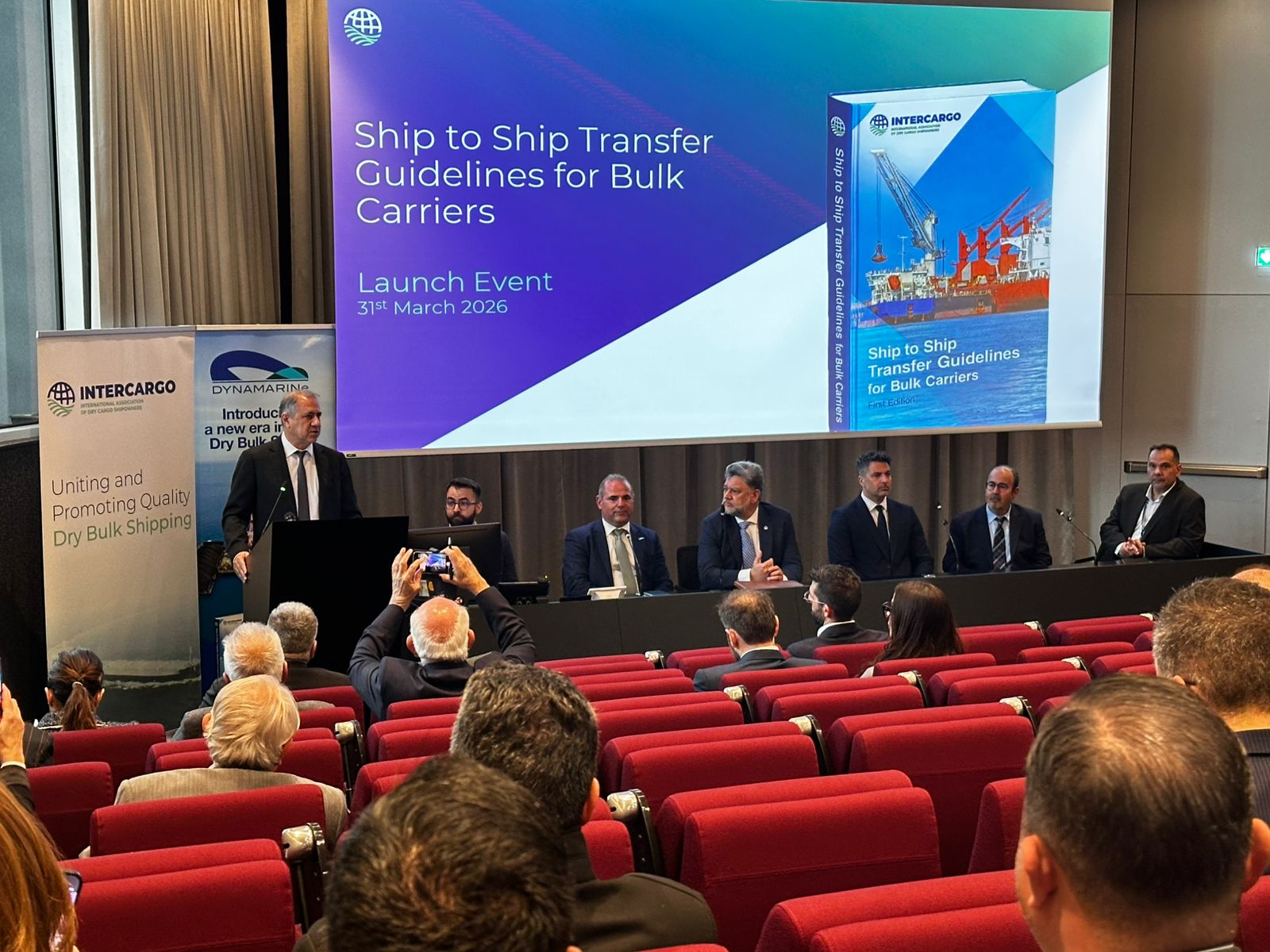
ATHENS: INTERCARGO brought shipowners, charterers, insurers and service providers together in Athens on 31 March to tackle a growing issue in dry bulk shipping: how ship-to-ship (STS) transfers are actually carried out.

STS in dry bulk is no longer occasional. It is becoming part of day-to-day operations as larger vessels and limited port infrastructure force cargo to be moved offshore.

Yet the sector has reached this point without a clear, shared way of performing STS safely and efficiently.

In tanker shipping, STS follows established practices for over twenty years. Dry bulk has taken a different path, shaped by cargo type, local conditions and the realities of each trade.

The session opened with remarks from INTERCARGO Chairman John Xylas, followed by a detailed presentation by INTERCARO Technical Committee Chair Dimitris Monioudis and contributions from NYK Group, DYNAMARINe, Britannia P&I Club, James Fisher, Charterwell Maritime, Oldendorff Carriers and Maran Dry Management.

What came through was the complexity of the work itself. Multiple parties involved in each transfer. Resources that vary from region to region. Weather, draft restrictions and visibility that change the risk profile hour by hour. And procedures that are not always applied in the same way twice.

The discussion drew on INTERCARGO’s recently developed “Ship to Ship Transfer Guidelines for Bulk Carriers”, developed with input from its members across the industry, and a starting point for a more consistent approach.

Commenting after the event, John Xylas, Chairman of INTERCARGO said: “What this event showed clearly is that STS in dry bulk is no longer a niche activity. It is something the industry is already doing and doing more of.

Bringing together owners, charterers, insurers and service providers in one room is an important step towards a more aligned approach. As activity continues to grow, that alignment will be critical in shaping how these operations are carried out safely and consistently across the sector. We call on all stakeholders to engage and actively promote safer STS activities.”

Captain Panagiotis Nikiteas, HSQE Manager / DPA / CSO of Maran Dry Management, presenting at the event, said: “The new STS guidelines are important in promoting consistency in operations and reducing the risk of disruption.”

By convening stakeholders from across the maritime value chain, INTERCARGO aims to support a more joined-up approach to STS transfers, with wider engagement expected as the industry works towards greater consistency in how these activities are carried out.

Maritime Technologies Forum announces New Guidelines to Strengthen Safety Management for Ships Using Wind Assisted Propulsion Systems

TOKYO: The Maritime Technologies Forum (MTF) Tuesday (31-03) announced the publication of new guidelines to support companies in developing and implementing Safety Management Systems (SMS) for ships equipped with Wind Assisted Propulsion Systems (WAPS). The guidelines offer a structured approach to managing the operational, technical and organisational aspects unique to WAPS‑equipped vessels.

Interest in wind‑assisted propulsion, as a viable solution for reducing fuel consumption and greenhouse gas (GHG) emissions, is growing. While wind has powered ships for millennia, modern WAPS, including rotor sails, suction sails, and wing sails, introduce new safety principles that must be integrated into a company’s SMS. The MTF guidelines help companies identifying procedural gaps and, thus, strengthen the SMS for both newbuilds and retrofitted ships.

Developed collaboratively by MTF members who have experience in WAPS technologies and the International Safety Management (ISM) Code, the guidelines provide practical recommendations based on current industry practices. The report emphasises the importance of structured risk assessments and highlights key operational implications of WAPS, including effects on manoeuvrability, visibility, emergency preparedness and maintenance practices.

The guidelines underscore the importance of learning and continuous improvement during the early phases of technology uptake. Companies are encouraged to adjust reporting templates to capture WAPS‑specific non‑conformities, near‑misses and hazardous events, enabling trend identification and procedural refinement. Noting the absence of WAPS‑specific certifications, the guidelines encourage role‑specific training focused on system functionality, operational limits and emergency procedures.

By offering clear, experience‑based guidance aligned with the ISM Code, the new MTF guidelines aim to support safety management of ships using WAPS as both technologies and regulations continue to evolve.

Cristina Saenz de Santa Maria, Interim CEO Maritime, DNV, said: “As the industry’s decarbonization efforts introduce new technologies and fuels, safety must remain the priority. These guidelines reflect the collective effort of MTF members and industry stakeholders in rising to that challenge. By providing the targeted recommendations needed to operate wind-assisted propulsion systems safely, the guidelines aim to support the industry during this major time of transformation.”

Lars Lippuner, Director, UK Customer Maritime Services of the Maritime and Coastguard Agency, said “Wind‑assisted propulsion systems offer significant potential, as part of the wider technology mix, to reduce fuel consumption and emissions. I welcome the publication of the MTF’s latest guidelines as a further step in our shared commitment to supporting industry through a safe transition to a decarbonised future. These guidelines give companies clear, practical recommendations for managing the operational, technical and organisational aspects of these systems within their SMS.”

View the report by downloading here: https://www.maritimetechnologiesforum.com/#publications