Home Blog Page 381

TS Lines expands Southeast Asia–West India / Pakistan connectivity with HLS Service

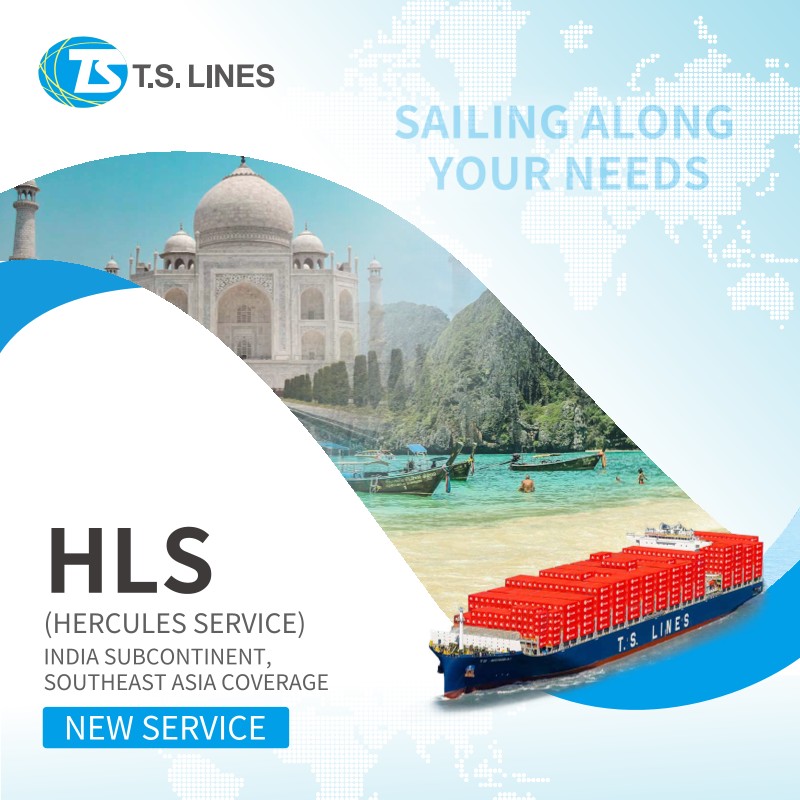
SINGAPORE : Enhancing direct trade links between Southeast Asia and the Indian Subcontinent. We are pleased to announce the launch of our HLS (Hercules Service), strengthening TS Lines’ network between Southeast Asia and the West India / Pakistan market.

The 35-day rotation provides direct port coverage from Laem Chabang, Singapore and Port Klang to key gateways in West India and Pakistan, while enhancing connectivity and service flexibility across the region.

Port Rotation:
Laem Chabang → Singapore → Port Klang → Nhava Sheva → Mundra → Karachi → Port Klang → Singapore → Laem Chabang

Network Highlights:
Direct Southeast Asia–West India / Pakistan service, linking Thailand, Singapore and Malaysia with major South Asia gateways
Direct calls at Nhava Sheva, Mundra and Karachi, improving access to key import/export markets
Enhanced coverage from Southeast Asia, supporting cargo growth from Thailand, Singapore and Malaysia
Complementary integration with TSL’s existing Indian Subcontinent network, offering broader routing options and improved flexibility.

With the introduction of HLS, TS Lines continues to expand its Intra-Asia and Indian Subcontinent network — delivering efficient, reliable and market-responsive services to support growing regional trade.

Rupee hits record low past 94/USD as prospect of prolonged Iran war deepens energy risks

MUMBAI : The Indian rupee hit a record low past the 94-per-dollar ​mark on Friday, hammered by ‌worries that the energy supply crisis sparked by the Middle East war will drag on, deepening the pressure on ​energy importing economies.
The rupee fell ​to 94.1575 per dollar, eclipsing its ⁠previous all-time low of 93.98 ​hit earlier this week. It has declined about 3.5% ​since the war began late last month.

The threat of a protracted energy shock ​has kept oil prices above the $100-per-barrel ​mark, weighing on global equities and sending bond yields ‌higher.

Analysts ⁠have shaved growth forecasts for India, with some also anticipating rate hikes by the Reserve Bank ​of India ​over ⁠the next 12 months as the spillovers from ​the crisis threaten to ​lift ⁠inflation. Even if a lengthy conflict is avoided, Bernstein sees a realistic ⁠chance ​of the rupee breaching the 98-per-dollar level this ​year, with pressure primarily stemming from India’s ​current account balance.

Source : Reuters

DPIIT signs MoU with a fuel-tech company Repos Energy India Private Limited, to support startups and strengthen innovation ecosystem

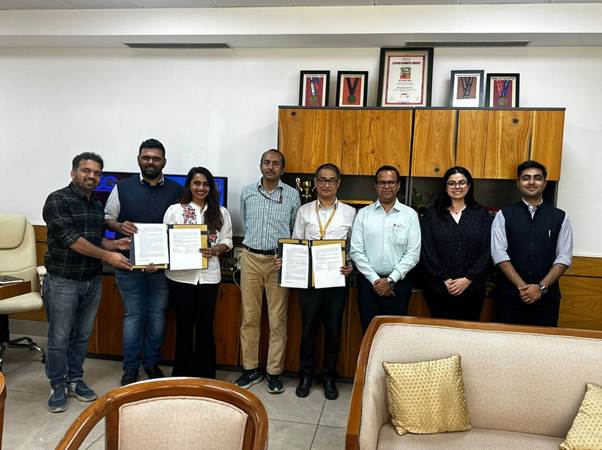
NEW DELHI : The Department for Promotion of Industry and Internal Trade (DPIIT), Ministry of Commerce and Industry, has signed a Memorandum of Understanding (MoU) with a fuel-tech company to promote innovation and support startups in fuel-tech, manufacturing, and allied sectors.

Under the MoU, the collaboration will focus on providing structured support to startups in manufacturing and deep-tech domains, including co-hosting innovation challenges and hackathons, organising investor connect programmes and skill development initiatives, and facilitating pilot opportunities and market access. The initiative will also support early-stage innovators from ideation to prototyping and leverage the Startup India platform for wider outreach and participation.

Speaking on the occasion, Joint Secretary, DPIIT, Shri Sanjiv stated that the partnership reflects the Government’s continued commitment to strengthening India’s startup ecosystem by enabling access to infrastructure, mentorship, and market linkages. He noted that such collaborations help accelerate innovation in key sectors such as fuel-tech, manufacturing, and supply chain technologies.

Under the collaboration, DPIIT will work with Repos Energy India Private Limited to enhance industry–startup linkages and support the development of technology-driven solutions. The initiative is expected to foster indigenous innovation and facilitate the scaling of startups in emerging sectors.

The MoU was signed by Deputy Secretary, DPIIT, Shri T. L. K. Singh and Founder, Repos Energy India Private Limited, Ms. Aditi Bhosale Walunj, in the presence of senior officials.

Global Trade faces mounting disruptions amid escalating West Asia conflict

OSLO : The global trade ecosystem is grappling with severe disruptions as the ongoing conflict involving the United States, Israel, and Iran continues to strain supply chains, port operations, and shipping schedules worldwide. Emerging trade data indicates that the situation is likely to deteriorate further before stabilizing.

According to analytics from Xeneta, congestion across global ports has reached alarming levels. Its Ocean/Port Congestion Map reveals that over 80% of the world’s 454 mapped ports are currently in a critical state. Additionally, 60–70% of ports are experiencing severe congestion, while 45–59% are classified as highly congested.

Destine Ozuygur, Senior Market Analyst at Xeneta, highlighted the “three waves of disrupted cargo” contributing to the crisis. The first wave involved vessels already operating in or near the Persian Gulf at the onset of hostilities. The second comprised ships that had departed from Asia before service suspensions were announced. The third wave now includes newly booked cargo facing uncertainty and delays.

These disruptions have significantly impacted vessel schedules and service reliability. A total of five vessel strings, representing a capacity of 44,507 TEUs, have been suspended—four services connecting the Far East to the Middle East (29,225 TEUs) and one from Europe (15,282 TEUs).

India, a crucial transshipment hub, is witnessing increased pressure on its port infrastructure. Key ports such as Mundra Port and Nhava Sheva Port are experiencing declining schedule reliability. On-time vessel arrivals at Mundra have dropped from 44% to 31%, while Nhava Sheva has seen a decline from 50% to 33%. Notably, more than one in three vessels are arriving at least a week behind schedule.

Data from Vizion further underscores the slowdown in container movement. At Mundra Port, 230 containers tracked on March 19 took four days to gate out, compared to 1,668 containers on February 25—prior to the conflict—which took 7.62 days to exit. This illustrates a significant decline in container velocity and operational efficiency.

In response to the ongoing disruptions, ocean carriers are suspending services, rerouting vessels, and increasing freight rates to offset higher fuel costs associated with longer transit routes. Strategies such as slow steaming are also being adopted, though they further extend delivery timelines.

The cascading effects are being felt across global supply chains. Shippers are now reassessing logistics strategies, balancing cost versus speed amid rising uncertainty. Manufacturing sectors, heavily dependent on timely delivery of raw materials, are particularly vulnerable. Petroleum-based products—integral to over 6,000 everyday items—along with LNG and other critical commodities, are already experiencing delayed arrivals.

Industry experts caution that even if critical chokepoints such as the Strait of Hormuz were to reopen immediately and regional ports declared safe, it would still take weeks—if not months—for supply chains to stabilize.

The ongoing crisis underscores the fragility of global trade networks and highlights the long road ahead toward restoring normalcy.

Source : gCaptain

Chinese ships halt attempt to exit Hormuz despite Iran safe passage assurances

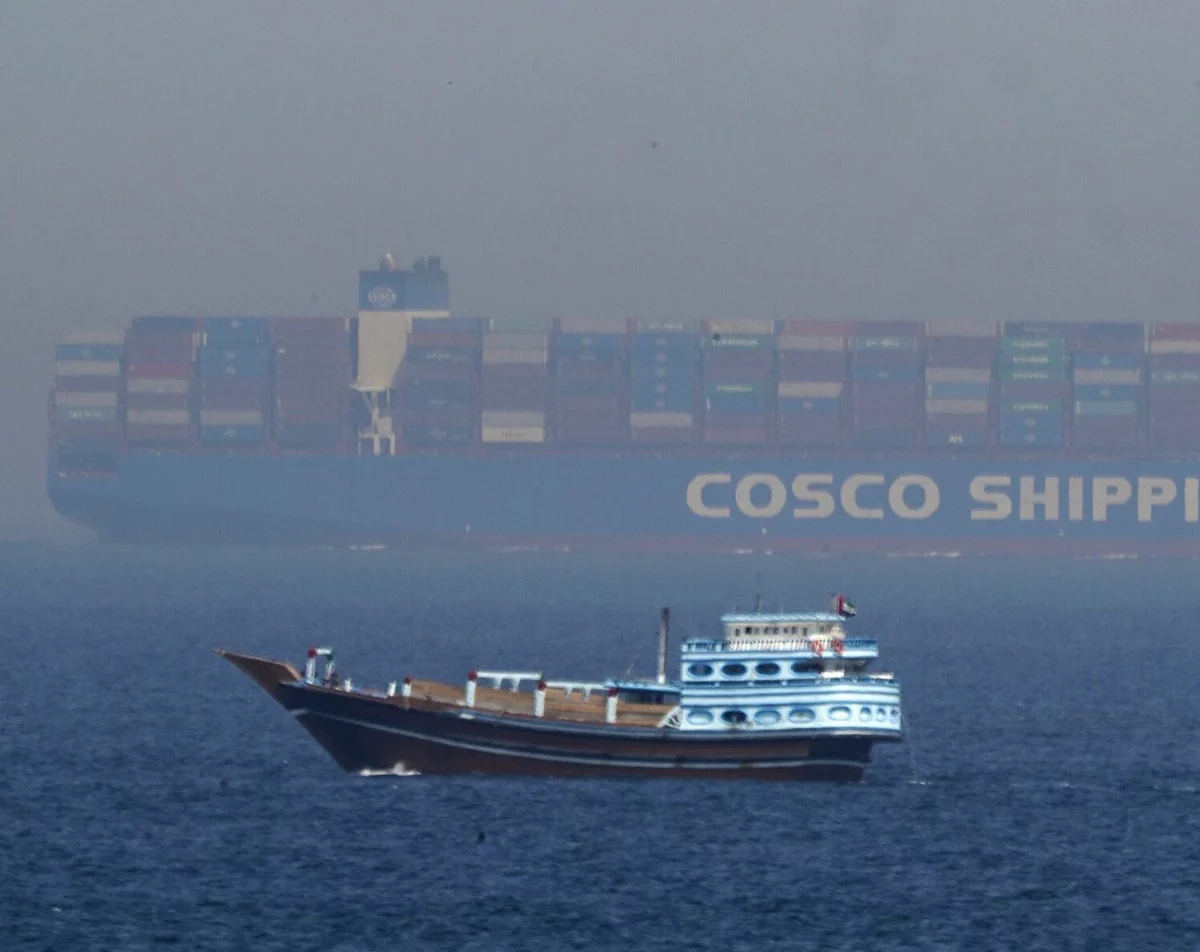
LONDON : Two Chinese container ships turned backed after trying to exit ​the Gulf via the Strait of Hormuz on Friday, ship-tracking data showed, despite assurances from Iran that Chinese vessels ‌could pass.

The operator, China’s COSCO, had said in a March 25 client advisory, opens new tab that it had resumed bookings for general cargo containers for shipments from Asia to the United Arab Emirates, Saudi Arabia, Bahrain, Qatar, Kuwait and Iraq.

The CSCL Indian Ocean and CSCL Arctic Ocean, both Hong Kong-flagged, have been stuck in the Gulf ​since the U.S.-Israeli war with Iran began on Feb. 28. They attempted to pass through the strait at 0350 GMT on ​Friday but then turned back, analysis from the Kpler data platform showed.

While this was the first crossing attempted ⁠by a major shipping group since the start of the war, Friday’s incident showed “safe passage could not be guaranteed”, Kpler analyst Rebecca ​Gerdes said. On Wednesday, Tehran’s Foreign Minister Abbas Araghchi said in a Tweet that Iran “permitted passage, opens new tab through the Strait of Hormuz for friendly ​nations including China, Russia, India, Iraq, and Pakistan”.

The two vessels both broadcast messages on their AIS ship-tracking systems stating they had Chinese owners and crews, data on the LSEG platform showed on Friday. Shanghai-based parent company COSCO Shipping was not immediately available for comment.

Three container ships of various nationalities were turned back from ​the Strait of Hormuz after warnings from the Revolutionary Guards’ naval force, Iranian state media reported on Friday, without providing further details. Iran has ​launched attacks on Gulf shipping and threatened more, stranding hundreds of vessels and 20,000 seafarers inside the Gulf. Energy exports including crude oil from Saudi ‌Arabia and ⁠liquefied natural gas from Qatar have been effectively halted.

GOODWILL GESTURE
U.S. President Donald Trump said on Thursday that Iran was letting 10 oil tankers transit the Strait of Hormuz as an apparent goodwill gesture in negotiations.There have been no details about these tankers or if any had sailed through the strait since Trump’s comment.

A trickle of other vessels have departed in recent days, including Indian-flagged tankers carrying liquefied petroleum gas for ​cooking. A Thai oil tanker passed through the ​strait following diplomatic coordination with ⁠Iran, a Thai official and the oil firm that owns the vessel said on Wednesday.

Traffic in the past week has consisted mainly of Iranian oil tankers departing and bulk carriers arriving in Iran with ​cargoes of grain and other commodities, according to data from maritime specialists Lloyd’s List Intelligence and ​Reuters analysis.
Iran has repeatedly ⁠stated that some may pass but asserted that Tehran would determine which vessels would do so and adding that those linked to the U.S. or Israel or their allies would be blocked.

“Aggressor parties – namely, the United States and the Israeli regime – as well as other participants in ⁠the aggression, ​do not qualify for innocent or non-hostile passage,” Iran said in a circular sent ​on March 24 to member countries of UN shipping agency the International Maritime Organization.

Initiating peace talks would be “conducive to restoring normal navigation”, through Hormuz, Chinese Foreign Minister Wang ​Yi said during a call with his Pakistani counterpart on Friday.

Iran War Confirmed Vessel Attacks and Maritime Infrastructure Strikes: WINDWARD

TEL AVIV: Number of confirmed incidents: 30 (20 vessels and 10 oil, gas, and port facilities). 

At a Glance

  • Since the start of Operation Epic Fury, at least 21 maritime incidents have been recorded, including 20 commercial vessels and one offshore infrastructure asset that have been attacked or involved in confirmed near-miss incidents across the Strait of Hormuz, the Arabian Gulf, the Gulf of Oman, Bahrain, and the Northern Arabian Gulf.
  • Tankers and bulk carriers account for most incidents, indicating that core commercial shipping lanes remain the primary exposure zone.
  • Several of the most serious events involved fires, structural damage, evacuations, and fatalities, including strikes during anchorage, transit, drydock, and ship-to-ship operations.
  • The incident pattern shows that risk is not limited to one operating profile — anchored vessels, drifting ships, transiting vessels, and offshore infrastructure have all been affected.

A Growing Attack Pattern Across Commercial Shipping

Since the start of the Iran war, maritime security incidents have expanded across the commercial operating environment, affecting vessels at anchor, in transit, in drydock, and during ship-to-ship operations. The pattern is no longer limited to isolated strikes. It now reflects a sustained threat environment spanning the Strait of Hormuz, the Arabian Gulf, the Gulf of Oman, Bahrain, and the Northern Arabian Gulf.

The current phase of the conflict shows a clear concentration on commercial vessels, with targeting behavior increasingly reflecting ownership nexus and operational alignment rather than vessel type alone.

This environment also extends beyond commercial shipping into offshore infrastructure, with confirmed strikes and persistent activity observed around damaged assets such as the Arctic Metagaz platform, reinforcing that energy and port infrastructure are now part of the same operational threat landscape.

The tracker below captures confirmed attacks and near-miss events affecting commercial vessels and offshore assets. It provides a continuously updated record of the incidents, the vessel types involved, the operating context, and the emerging patterns across the conflict zone.

Key Patterns

  • Tankers and bulk carriers dominate the incident set: Most incidents recorded to date involve tankers and bulk carriers, reinforcing that core commercial shipping flows remain the primary exposure point. Container vessels, support vessels, tugs, and offshore infrastructure have also been affected, but at a lower frequency.
  • Exposure extends across multiple operating conditions: The attack set includes vessels struck while anchored, transiting outbound, drifting, in drydock, and during ship-to-ship operations. This indicates that the risk environment is not limited to narrow movement corridors alone.
  • Serious incidents are concentrated in the Strait and adjacent Gulf zones: The Strait of Hormuz, Gulf of Oman, Arabian Gulf, and Northern Arabian Gulf account for the majority of incidents recorded so far. Several of the most severe attacks involved fires, structural damage, oil leakage, evacuation, and at least one confirmed fatality.
  • The threat environment is multi-vector: The incidents recorded so far include projectiles, UAV-related events, USV attacks, and close-proximity detonations. That mix reinforces the need to monitor for both direct strikes and lower-visibility near-miss activity.
  • Targeting is broader than stated intent: While IRGC messaging frames strikes as focused on Western-linked vessels, incident data shows a wider impact. Sanctioned vessels and non-Western-linked ships, including a Palau-flagged tanker and an India-flagged vessel, have also been hit, indicating that strike patterns are not strictly aligned with declared targeting criteria and may be operationally indiscriminate.
  • Infrastructure exposure is emerging alongside vessel risk: Confirmed strikes on offshore platforms and damage to oil, gas, and port-related assets indicate that targeting is expanding beyond vessels to include critical maritime infrastructure, increasing systemic risk across both transport and energy supply layers.

Vessel Attack Timeline

March 1

March 1 marked the first major cluster of confirmed attacks, with multiple tanker and cargo incidents recorded across the Strait of Hormuz, the Arabian Gulf, the Gulf of Oman, and Bahrain.

SKYLIGHT

  • IMO: 9330020
  • Vessel type: Tanker
  • Flag: Palau
  • Compliance risk: Sanctioned
  • Previous port: Iraq, Basrah
  • Event type: Severe strike
  • Location: Strait of Hormuz

Summary: Struck by a projectile at anchor, causing a fire. Crew evacuated with four injuries reported. The vessel was designated by OFAC on December 20, 2025, for involvement in transporting Iranian petroleum products. Windward data shows a history of identity changes and opaque ownership structures, behavioral patterns commonly associated with sanctions evasion networks. 

HERCULES STAR

  • IMO: 9916135
  • Vessel type: Tanker
  • Flag: Gibraltar
  • Previous port: UAE
  • Event type: Severe strike
  • Location: Strait of Hormuz

Summary: Struck by a projectile while transiting outbound, with a fire reported onboard. No pollution was observed, and all crew were confirmed safe. The vessel returned to anchorage in Dubai. 

OCEAN ELECTRA

  • IMO: 9402782
  • Vessel type: Bulk Carrier
  • Flag: Liberia
  • Previous port: UAE
  • Event type: Direct strike
  • Location: Arabian Gulf

Summary: Projectile detonated in close proximity during transit. No damage reported, with no injuries or serious impact confirmed.

MKD VYOM

  • IMO: 9284386
  • Vessel type: Tanker
  • Flag: Marshall Islands 
  • Previous port: Netherlands
  • Nexus: UAE
  • Event type: Severe strike
  • Location: Gulf of Oman

Summary: Struck by a USV while transiting northbound. Fire reported onboard, and one fatality confirmed. The vessel remained afloat before being towed to a safe location.

STENA IMPERATIVE

  • IMO: 9666077
  • Vessel type: Tanker
  • Flag: United States
  • Previous port: Bahrain
  • Nexus: USA
  • Event type: Severe strike
  • Location: Bahrain

Summary: Struck by two projectiles while berthed at the Port of Bahrain. The strike ignited a fire that was quickly extinguished, and the vessel remained secured alongside the pier. All mariners were safely evacuated, with no onboard injuries reported. One fatality occurred shoreside, with two additional shipyard workers injured. The vessel had previously been harassed by IRGC forces in February 2026 while transiting the Strait of Hormuz, indicating repeated exposure to regional threat activity.

March 3

By March 3, the pattern had expanded into anchored and near-anchor vessel activity in the Gulf of Oman, with both near misses and confirmed strikes.

PELAGIA

  • IMO: 9433626
  • Vessel type: Bulk Carrier
  • Flag: Malta
  • Previous port: Brazil
  • Event type: Near miss
  • Location: Gulf of Oman

Summary: A UAV was observed before impacting the water nearby. No damage reported, and the vessel and crew were confirmed safe.

GOLD OAK

  • IMO: 9806342
  • Vessel type: Bulk Carrier
  • Flag: Panama
  • Previous port: Thailand
  • Event type: Severe strike
  • Location: Gulf of Oman

Summary: Struck by a projectile while at anchor, causing structural damage to the steel plating. No fire or water ingress was reported, and all crew were confirmed safe.

LIBRA TRADER 

  • IMO: 9562673
  • Vessel type: Tanker
  • Flag: India
  • Previous port: Vietnam
  • Event type: Severe strike
  • Location: Gulf of Oman

Summary: Struck by a projectile while anchored. Minor damage was reported to the vessel’s funnel, with projectile debris found on deck. No injuries were reported.

March 4

March 4 showed continued escalation into container shipping and tanker operations across the Strait of Hormuz, the Arabian Gulf, and the Northern Arabian Gulf.

SAFEEN PRESTIGE

  • IMO: 9593517
  • Vessel type: Container
  • Flag: Malta 
  • Previous port: UAE
  • Nexus: UAE
  • Event type: Severe strike
  • Location: Strait of Hormuz

Summary: Explosion near stern following the approach by small craft, causing hull damage above the waterline and igniting a fire in the engine room. The crew abandoned the vessel with no injuries reported. Two days later, a tug assisting the damaged vessel was struck by additional projectiles in the same area. 

MSC GRACE

  • IMO: 9987366
  • Vessel type: Container
  • Flag: Liberia
  • Previous port: UAE
  • Event type: Near miss
  • Location: Arabian Gulf

Summary: A projectile detonated approximately one nautical mile from the vessel while drifting. No damage was reported. 

SONANGOL NAMIBE

  • IMO: 9325049
  • Vessel type: Tanker
  • Flag: Bahamas 
  • Previous port: Iraq, Basrah
  • Nexus: USA and UK
  • Event type: Severe strike
  • Location: Northern Arabian Gulf

Summary: Struck by an explosion while anchored near Iraq’s Khor al Zubair port, with a blast reported on the port side following the approach of a small craft assessed as an Iranian remote-controlled explosive vessel. The incident caused cargo hold damage and oil leakage, with visible oil on the water indicating potential environmental impact. No fire was reported, and all crew were confirmed safe.

March 6

March 6 saw continued targeting within the Strait of Hormuz, including support vessels operating in proximity to previously attacked ships.

MUSSAFAH 2

  • IMO: 9522051
  • Vessel type: Tug
  • Flag: UAE
  • Previous port: UAE
  • Nexus: UAE
  • Event type: Severe strike
  • Location: Strait of Hormuz

Summary: Struck by two missiles while assisting the damaged SAFEEN PRESTIGE. The attack resulted in at least four fatalities and three severe injuries among the crew.

March 7

March 7 expanded the threat environment to offshore energy infrastructure within the Arabian Gulf.

ARABIA III

  • IMO: 8771332
  • Vessel type: Offshore Rig
  • Flag: Liberia
  • Previous port: Saudi Arabia
  • Nexus: UK
  • Event type: Severe strike
  • Location: Arabian Gulf

Summary: Drilling rig struck by UAVm with additional drone debris impacting a nearby platform. Injuries were reported, and all crew members on board were safely evacuated.

March 10

By March 10, incidents continued across commercial shipping routes, with both near misses and direct strikes reported.

GH KAHLO

  • IMO: 9617521
  • Vessel type: Bulk Carrier
  • Flag: Bermuda
  • Previous port: UAE
  • Nexus: UK
  • Event type: Near miss
  • Location: Arabian Gulf

Summary: The master reported a splash and loud bang in close proximity. No damage was reported.

ONE MAJESTY

  • IMO: 9424912
  • Vessel type: Container
  • Flag: Japan
  • Previous port: UAE
  • Event type: Severe strike
  • Location: Arabian Gulf

Summary: Struck by a projectile at the stern while at anchor in the Gulf, with minor damage above the waterline. All crew were safe and accounted for with no injuries reported, and the vessel proceeded to a safe anchorage.

March 11

March 11 was one of the most severe days in the timeline, with multiple serious attacks affecting bulk carriers and tankers across the Strait of Hormuz, the Arabian Gulf, and the Northern Arabian Gulf.

MAYUREE NAREE

  • IMO: 9323649
  • Vessel type: Bulk Carrier
  • Flag: Thailand
  • Previous port: UAE
  • Event type: Severe strike
  • Location: Strait of Hormuz

Summary: A projectile strike caused an engine room fire. Three crew members were reported missing, while the remaining 20 were safely evacuated by the Omani Coast Guard.

STAR GWYNETH

  • IMO: 9301031
  • Vessel type: Bulk Carrier
  • Flag: Marshall Islands
  • Previous port: Iran
  • Event type: Severe strike
  • Location: Arabian Gulf

Summary: A projectile strike caused a breach in the cargo hold and ballast tanks, with additional damage reported to the forecastle. The vessel reported listing, but no environmental impact was observed, and all crew were confirmed safe.

SAFESEA VISHNU

  • IMO: 9327009
  • Vessel type: Tanker
  • Flag: Marshall Islands
  • Previous port: Iraq, Basrah
  • Nexus: USA
  • Event type: Severe strike
  • Location: Northern Arabian Gulf

Summary: Struck by a projectile during a ship-to-ship operation with ZEFYROS within Iraqi territorial waters, causing a fire onboard. One casualty was reported.

ZEFYROS

  • IMO: 9515917
  • Vessel type: Tanker
  • Flag: Malta
  • Previous port: Iraq, Basrah
  • Event type: Severe strike
  • Location: Northern Arabian Gulf

Summary: Struck by a projectile during ship-to-ship operations with SAFESEA VISHNU within Iraqi territorial waters, causing a significant fire that was later extinguished. All crew were reported safe.

March 12

March 12 maintained the pattern of attacks on commercial container vessels operating within the Arabian Gulf.

SOURCE BLESSING

  • IMO: 9243198
  • Vessel type: Container
  • Flag: Liberia 
  • Previous port: UAE
  • Event type: Direct strike
  • Location: Arabian Gulf

Summary: A projectile struck the accommodation block, causing a fire that was later extinguished. No pollution was reported, and all crew remained safe.

Source: WINDWARD

Iran turns back 3 Containerships trying to transit Hormuz: IRGC

TEHRAN: Iran’s Revolutionary Guard Corps (IRGC) said that its navy has turned back three container ships attempting to pass through the strait of Hormuz on Thursday.

The IRGC said the ships of “different nationalities” tried to move into a designated corridor for licensed traffic, but were warned off and forced to withdraw. It said the strait is “closed” and that any movement in the waterway will face “severe action”.

The IRGC also declared that the movement of any ship sailing to or from ports of countries allied with what it calls its “Zionist-American enemies” — to any destination and from any corridor — is prohibited.

The statement follows Iranian foreign minister Abbas Araqchi’s comments on state TV on 25 March, when he said the strait remains open except to Iran’s “enemies”. Araqchi said Iran has allowed passage for vessels from “friendly countries, including China, Russia, India, Iraq and Pakistan”.

MAJ engages Future Legal Professionals on Maritime Sustainability

KINGSTON: The Maritime Authority of Jamaica (MAJ) is stepping up its efforts to engage the next generation of legal professionals on maritime sustainability, highlighting the importance of shipping to Jamaica’s economy and the legal responsibilities that come with it.

This message was delivered during a recent engagement with students and faculty at the Norman Manley Law School, where the Authority participated in the institution’s Legal Aid Fair. With Jamaica importing almost everything it consumes by sea, the Authority emphasised that any failure to operate safely or responsibly within the maritime sector would have serious consequences for the country’s economy, public services, coastal communities and marine environment.

During the session, students were introduced to the core principles that underpin sustainability in shipping, including the need to control pollution and climate impacts, maintain safe and efficient trade, and ensure proper working conditions for seafarers. These principles form part of Jamaica’s obligations within the international maritime community.

As Jamaica’s focal point for both the IMO and the International Labour Organization, the MAJ is responsible for translating these international requirements into domestic law and practice. Its work includes ship registration, seafarer certification, vessel inspections, pollution prevention, casualty investigations and legislative development, and requires close coordination across government as well as engagement with the legal community.

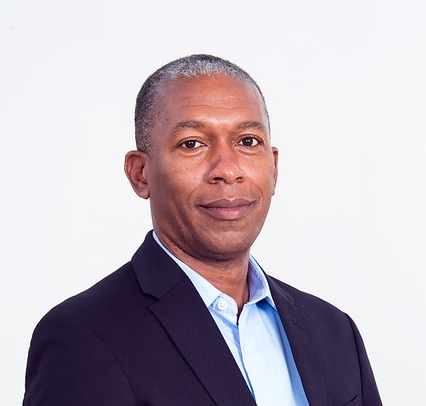
Bertrand Smith, Director General of the MAJ, said: “Shipping is critical to Jamaica’s economic development, but it must be managed in a way that is safe, responsible and sustainable. For an island state like Jamaica, the consequences of unsafe practices or environmental damage are immediate, affecting not only trade, but coastal communities and the marine environment on which we depend.

“A sustainable maritime sector relies on strong legal and regulatory frameworks, and on the people who uphold them. For those entering the legal profession, there is a clear role to play in ensuring that international standards are properly implemented, and that safety, environmental protection and seafarers’ rights are maintained in practice.”

JNPA surpasses 8 million TEUs, achieves record 100 MMT cargo handling in FY 2025–26

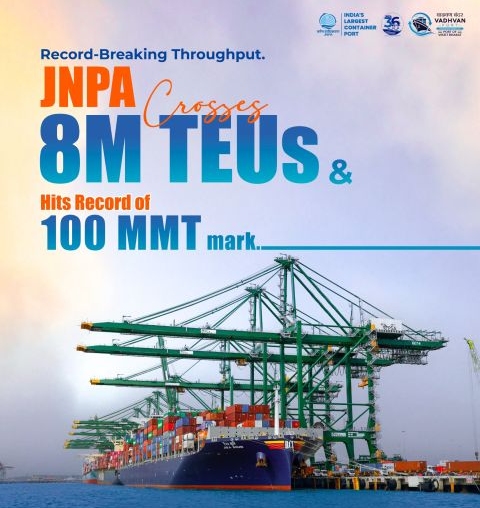
MUMBAI: Jawaharlal Nehru Port Authority (JNPA), India’s premier container port, has achieved a landmark milestone by surpassing 8 million TEUs in container throughput during FY 2025–26 (year-to-date). The port has also recorded its highest-ever annual performance, with total cargo handling reaching an impressive 100 million metric tonnes (MMT).

This dual achievement underscores JNPA’s sustained growth trajectory and its pivotal role in strengthening India’s maritime trade and logistics ecosystem. The milestone reflects robust operational efficiency, capacity optimization, and increasing confidence of global trade partners in the port’s capabilities.

To commemorate this achievement, JNPA convened a meeting with its terminal operators and key stakeholders. Addressing the gathering, Chairperson Shri Gaurav Dayal, IAS, credited the success to the unwavering support and performance of terminal operators, acknowledging their critical role in driving operational excellence and efficiency.

He emphasized that the achievement is a testament to the strong collaboration across the maritime trade ecosystem, including shipping lines, logistics partners, and port stakeholders, whose continued partnership has been instrumental in JNPA’s success.

JNPA’s record-breaking performance is backed by continuous investments in infrastructure modernization, capacity enhancement, and the adoption of advanced digital solutions aimed at streamlining operations and improving turnaround times. The port’s focus on technology-driven processes and customer-centric services has significantly enhanced its global competitiveness.

Reaffirming its commitment to the future, JNPA continues to advance strategic initiatives in port-led development, multimodal connectivity, and digital transformation to meet rising trade demands and support India’s economic growth.

With this milestone, JNPA further consolidates its position as a leading gateway for international trade and a key enabler in India’s vision of becoming a global maritime powerhouse.

JNPA’s Container Terminal, PSA Mumbai welcomes Global Feeder Shipping’s JJS Service

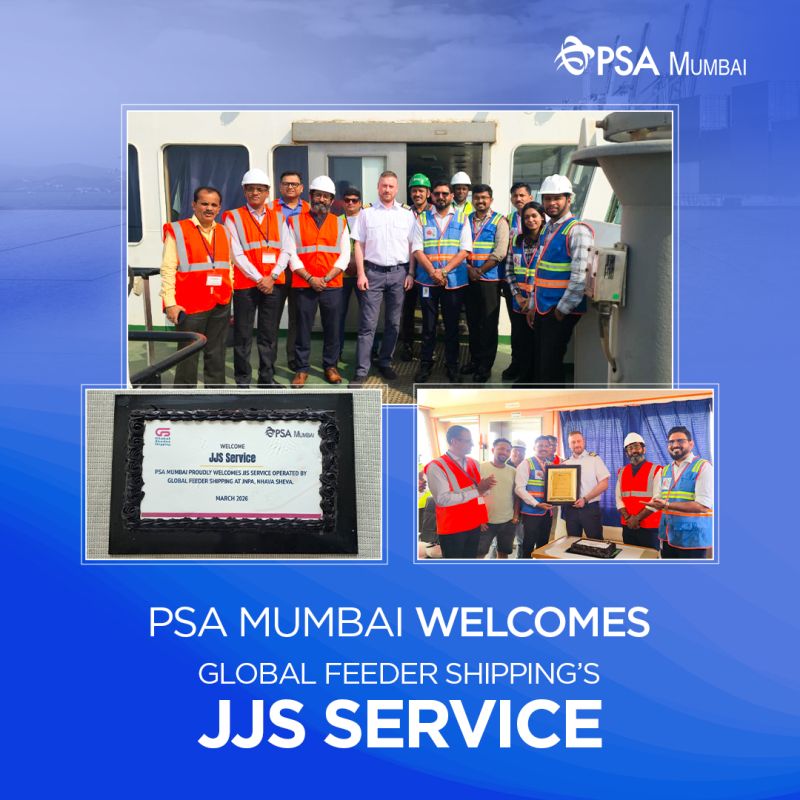
MUMBAI : Jawaharlal Nehru Port Authority (JNPA) India’s Largest Container Port, announces the commencement of the JJS service by Global Feeder Shipping at PSA Mumbai, one of the container terminals at JNPA, marked by the inaugural call of MV SSF Dynamic on 24th March 2026.

The newly introduced service features a comprehensive port rotation: Mundra – Nhava Sheva – Jeddah – King Abdullah – Sokhna – Aqaba – King Abdullah – Jeddah – Mundra, strengthening maritime connectivity between India and key ports across the Middle East region.


The introduction of the JJS service is expected to enhance service reliability and provide greater stability to trade flows, particularly in the context of the evolving situation in the Middle East. The service will support Indian exporters and importers by ensuring continued access to critical markets and improving supply chain resilience.
Earlier this month, PSA Mumbai also welcomed the German-flagged Ultra Large Container Vessel (ULCV) Damietta Express with a capacity of approximately 23,664 TEUs and measuring about 399–400 metres in length and 61 metres in beam. This was the first time such a large vessel has berthed at a terminal at JN Port.
The Port Authority acknowledges the efforts and commitment of its world-class terminal operators, whose operational excellence enables JNPA to scale new heights.