Home Blog Page 385

DPIIT signs MoU with Blue Star Limited to strengthen manufacturing and startup ecosystem

NEW DELHI : In a significant step towards strengthening India’s manufacturing and innovation ecosystem, the Department for Promotion of Industry and Internal Trade (DPIIT), Ministry of Commerce and Industry, has signed a Memorandum of Understanding (MoU) with a leading air conditioning company to support startups, innovators, and entrepreneurs across the country.

The collaboration aims to foster the growth of product startups working in areas such as HVAC technologies, digital solutions, advanced manufacturing processes, and supply chain innovation. It seeks to enable startups to develop scalable and industry-relevant solutions through structured industry engagement.

As part of the initiative, startups will be provided access to mentorship from industry experts, infrastructure support including R&D laboratories and testing facilities, pilot opportunities, and market linkages. The partnership will also facilitate startups in achieving key milestones such as product validation, Proof-of-Concept (PoC) development, and integration into industry value chains.

Speaking on the occasion, Joint Secretary, DPIIT, Shri Sanjiv stated that the collaboration represents an important step towards fostering industry-driven innovation in the manufacturing sector. He noted that such partnerships enable startups to engage with real-world problem statements and scale solutions with tangible outcomes.

Under this collaboration, DPIIT will work with Blue Star Limited to explore the organisation of innovation challenges under the Bharat Startup Grand Challenge, along with targeted hackathons focused on HVAC, digital technologies, and manufacturing domains. Startups will have opportunities to participate in structured PoC programmes, with selected entities being considered for pilot deployment and further engagement.

The collaboration will also enable startups to access testing facilities, R&D infrastructure, and technical support, along with structured mentorship programmes and periodic engagement sessions to align innovations with industry requirements.

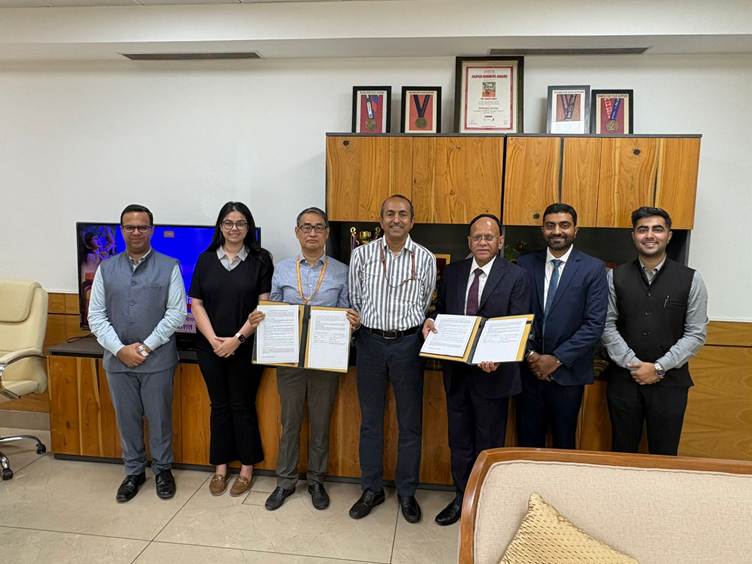
The MoU was signed by Deputy Secretary, DPIIT, Shri T. L. K. Singh and Managing Director, Blue Star Limited, Shri B Thiagarajan, in the presence of senior officials from both sides.

DP World opens New Clubhouse at Zen Golf to grow Junior Golf in India

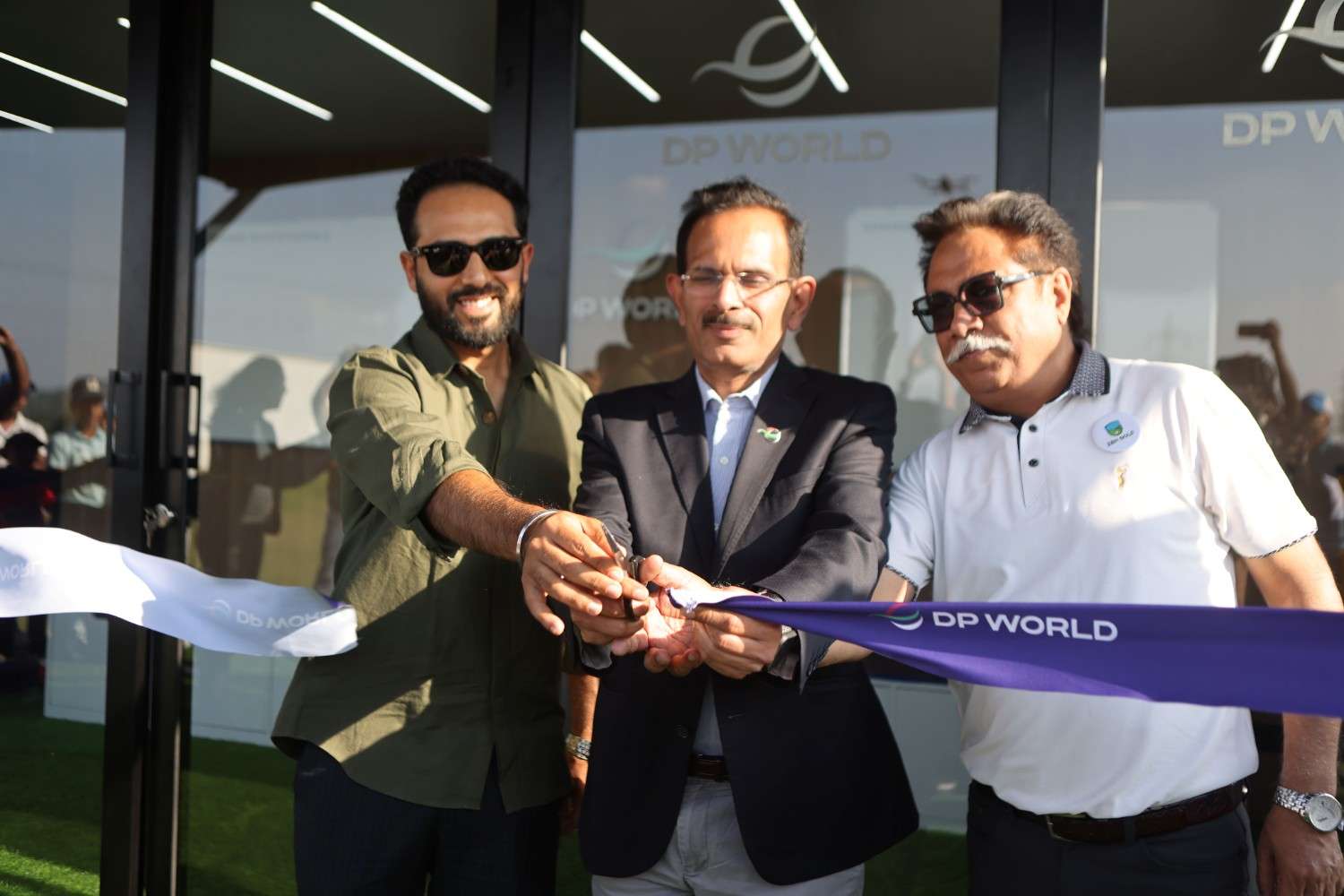
GURUGRAM: DP World on Tuesday delivered a permanent Clubhouse to ZEN GOLF Range & Academy in Gurugram, India, reinforcing its commitment to grassroots golf development ahead of the Hero Indian Open (26-29 March).

The clubhouse is the second under DP World’s global Clubhouse development programme, following the inaugural facility launched in Cape Town, South Africa, in 2025. Leveraging DP World’s logistics expertise, each Clubhouse is created from a repurposed shipping container and tailored to the needs of the local community. The facilities provide golf equipment, sheltered training areas and a safe, dedicated space where young people can develop both their sporting abilities and life skills.

DPWorld ClubhouseatZenGolf image1 DP World opens New Clubhouse at Zen Golf to grow Junior Golf in India

Golf has been part of DP World’s journey from a local port operator in Dubai to a global supply chain solutions provider. As the business expanded internationally, golf became an important platform for engaging customers, partners and stakeholders across markets.

Today, DP World’s investment in the sport reflects both its global footprint and its commitment to creating meaningful community impact in the regions where it operates. India is emerging as one of golf’s most promising growth markets, with rising junior participation and an increasing presence of international tournaments. ZEN GOLF Range & Academy is a community-driven organisation focused on making golf more inclusive and accessible for young people in the region.

Daniel van Otterdijk, Group Chief Communications Officer, DP World, said: “India is an important part of our global sports journey. Delivering a permanent Clubhouse here reflects our long-term commitment to strengthening the foundations of the game. We are investing in the next generation of golfers and ensuring the sport continues to grow globally”.

Hemant Kumar Ruia, Country Manager, DP World India Subcontinent, said: “The DP World Clubhouse initiative reflects our commitment to supporting the growth of golf through sustainable infrastructure and community partnerships. Through our collaboration with ZEN GOLF Range & Academy, we are helping create opportunities for young players to develop their skills and pursue their passion for the sport. Investing in the right infrastructure is key to unlocking the next generation of talent.”

Shyam Grover, Managing Director of ZEN GOLF Range & Academy, said: “India’s golf ecosystem is evolving rapidly, and infrastructure plays a critical role in sustaining that growth. The delivery of the Clubhouse marks an important step forward for our academy and the young players we support. Having a dedicated, well-equipped space helps us to build more structured programmes and grow the game locally, ultimately helping more young golfers develop with confidence”.

The DP World Clubhouse programme, which will continue to expand globally over the next years, will be linked to key moments in the global golf calendar – in connection to DP World’s role as title partner of the DP World Tour and a Worldwide Partner of the Ryder Cup.

India’s total exports rise to USD 714.73 billion in FY 2025–26 (Apr–Jan)

NEW DELHI : India’s trade performance has remained robust and resilient, with exports recording a steady upward trajectory both in the current fiscal year (FY 2025–26, Apr–Jan) and over the longer term (FY 2021–25). Despite persistent global uncertainty, supply chain disruptions, and volatile commodity prices, India’s exports have continued to expand in a broad-based manner. During Apr–Jan of FY 2025–26, total exports of merchandise and services rose by USD 36 billion, registering a growth of 5.26% from USD 679.02 billion in FY 2024–25 (Apr–Jan) to USD 714.73 billion. Over the period 2021–22 to 2024–25, exports achieved a compound annual growth rate of 6.9%, with values increasing sharply from USD 497.90 billion in 2020–21 to USD 828.25 billion in 2024–25. This consistent expansion underscores India’s ability to sustain diversified and resilient export growth, positioning the country as a strong player in global trade even under challenging external conditions.

The Government is consistently working to boost exports and expand the country’s global footprint, combining traditional strengths with emerging technology‑driven sectors. Central to this ambition is the creation of a supportive ecosystem where exporters, particularly MSMEs, can compete confidently in international markets. This effort is reinforced by a dynamic policy framework, strong financial incentives, a growing digital infrastructure, improved trade facilitation, and a determined push to secure deeper market access through next‑generation trade agreements.

The Foreign Trade Policy (FTP) 2023, designed as a flexible and evolving framework to adapt to global shifts, has emerged as a key enabler of India’s export momentum. Built on four core pillars – trade facilitation, export promotion, state‑level partnerships, and digital integration – the FTP is further reinforced by targeted export promotion schemes that collectively enhance India’s competitiveness in global markets.

The RoDTEP scheme plays a central role by neutralizing embedded taxes on exports and enabling Indian goods to remain competitive worldwide. The recently launched Export Promotion Mission (EPM) 2 further reinforces this effort through two targeted pillars: expanding access to affordable trade finance and upgrading quality, logistics, branding, and market‑readiness across the export value chain. The Government has approved the EPM with a budgetary outlay of Rs. 25,060 crores (FY 2025–26 to FY 2030–31). It operates through Niryat Protsahan (focusing on trade finance and credit enhancement) and Niryat Disha (focusing on export logistics, warehousing, and market access), specifically targeting MSME competitiveness.

The Government has recently notified a time-limited “RELIEF” Scheme, an intervention under the Export Promotion Mission, to be implemented through the Export Credit Guarantee Corporation of India (ECGC), is operationalised to address elevated export risks arising from geopolitical disruptions in the Gulf and West Asia maritime corridor.

Together with the Export Credit Guarantee Corporation (ECGC), which provides critical risk‑mitigation support for exports, and schemes like Trade Infrastructure for Export Scheme (TIES) that build export‑linked infrastructure across the country.

Running parallel to these financial and policy instruments is India’s accelerating shift toward technology‑enabled trade governance. A strong digital backbone powered by platforms such as the 24×7 EIC interface, the Trade Intelligence & Analytics platform, the Common Digital Platform for Certificates of Origin, and the Trade e-Connect portal has transformed how exporters access information, approvals, and global markets. These systems enable fully online processing, real‑time compliance updates, digital certification, faster turnaround times, and easier access to global market intelligence. The outcome is a trade ecosystem that is more transparent, data‑driven, efficient, and equitable.

Proactive trade diplomacy complements policy measures and expanding digital infrastructure, reinforcing the country’s efforts to strengthen global market access and enhance export competitiveness. With 19 FTAs and a renewed push since 2021 wherein India has concluded or advanced eight major agreements with key partners. The India-EU FTA, a landmark pact offering access to almost the entire EU tariff universe, marks a significant step in integrating India more deeply into global value chains. The India-EFTA Trade and Economic Partnership Agreement (TEPA) is India’s first FTA to include a dedicated commitment aiming to increase FDI from their investors. Trade agreements with New Zealand, Oman and UK will broaden market access, enhance services mobility, secure long‑term investments, and create predictable regulatory environments for businesses. Meanwhile, ongoing negotiations with Israel, Canada, GCC nations, Chile, and Peru indicate India’s determination to expand high‑value trade corridors across regions.

India’s export strategy reflects a decisive whole‑of‑government approach, moving beyond transactional support to building a resilient, competitive, and future‑ready ecosystem. By combining targeted financial incentives, technology‑enabled trade facilitation, institutional reforms, and proactive market‑access initiatives, the focus is on embedding digital governance, expanding global reach, and strengthening exporter capabilities across sectors and regions. This integrated approach positions India not just as a participant, but as a trusted, technology‑driven partner in global trade.


Middle East war has brought MP’s basmati exports to a standstill

MUMBAI : When there was no war, the rice mills of Madhya Pradesh’s Raisen district would hum through the night in March. The Pusa basmati, long-grained, fragrant, destined for the dinner tables of Tehran and Riyadh, would tumble through milling machines in the industrial clusters of Mandideep, Satlapur and Obedullaganj, getting sorted into cream and golden sella varieties, loaded into containers at Nhava Sheva in Navi Mumbai, and sailing into the Persian Gulf just in time to stock up for Ramzan.

This year, the machines have gone quiet.

Since the United States and Israel launched coordinated airstrikes on Iran on February 28, triggering a military conflict across the Middle East, farmers, millers and exporters of Raisen, a district that has quietly built one of India’s most significant basmati export clusters along the banks of the Narmada, have found themselves crushed under the weight of a defaulted trade.

“At the commodity level, almost all shipments are on hold,” said Rahul Jain, one of Raisen’s largest rice exporters. “Even consignments already in transit have been halted. We are being penalised as shipping costs have increased, while prices have not risen significantly. Our monthly turnover of Rs 20–25 crore is effectively frozen.”

The district, spread across the fertile Narmada valley, about 40 kilometres from Bhopal, cultivates paddy across approximately 3.45 lakh hectares and produces over 6 lakh tonnes of rice annually. More than two dozen rice factories now operate across the district’s industrial pockets: Mandideep, Satlapur, Obedullaganj, Bareilly, Udaypura and Umraoganj.

The Narmada valley’s alluvial soil, access to irrigation, and proximity to central India’s road and rail networks made Raisen a logical staging post for a commodity whose final buyers were overwhelmingly in West Asia.

India’s basmati rice export machine had, until the war, been running at a record pace. According to data from the Directorate General of Commercial Intelligence and Statistics, India exported nearly 60.65 lakh metric tonnes of basmati rice worth Rs 50,312 crore (approximately USD 5.87 billion) in the 2024-25 fiscal year, up 15.7 per cent in volume from the year before. The country commands over 70 per cent of global basmati production and exports to 154 countries.

Dependence on the Middle East

But the concentration of this trade in the Middle East makes the sector acutely vulnerable to what is now unfolding. According to APEDA data for 2024-25, Saudi Arabia was the single largest buyer of Indian basmati at 11.73 lakh metric tonnes, followed by Iraq at 9.05 lakh metric tonnes and Iran at 8.55 lakh metric tonnes. The top five destinations — Saudi Arabia, Iraq, Iran, UAE and Yemen — together account for nearly half of all Indian basmati exports. Between April and December 2025 alone, exports to West Asian countries stood at Rs 27,197 crore.

The freight shock has been extraordinary. Raisen-based exporters have said the container freight rates that were tracking at around USD 2,500 per unit before the crisis have spiked to between USD 7,000 and 9,000. Freight rates overall have climbed more than 30 per cent, and container availability has collapsed.

Mithlesh Soni, a Raisen-based exporter, said he is unable to locate 40 containers of his own rice, somewhere at sea. “We are unable to track our shipment. Forty containers are on a vessel, but there is no clarity on where they are or when they will reach,” he said.

The scale of India’s exposure to West Asia in basmati exports is not simply a story of overdependence. It is, exporters say, a structural reality: the Gulf is the only market that actually wants what Raisen produces.

Jain explains, “Europe and the US do not accept the same variety consumed by Iran and Saudi Arabia, while Africa largely imports cheaper rice. There is effectively no alternate buyer for this stock.” The consequence is that an estimated 10 lakh tonnes of basmati rice, already milled and sitting in warehouses and at ports across India, cannot simply be rerouted.

The seasonality of the crisis makes it worse. March and April are peak loading months for the Gulf, the period when Middle Eastern buyers stock up ahead of Ramzan and Eid, when rice consumption surges across Muslim households from Tehran to Riyadh. “Demand in the Middle East typically rises ahead of Ramzan, when countries stock up in anticipation of higher consumption,” Jain explained. “Shipment time is around 12 days, but in the current situation, there is no clarity on when normalcy will return.”

Abdul Ali, Director of Royal Green Pvt. Ltd. and an exporter who sells exclusively to Iran-based markets, confirmed the picture from his side of the ledger. “Our primary market has always been the Middle East. Rice is a staple commodity, so we expect demand to return, but the uncertainty is the biggest concern,” he said. His operations are currently running at a fraction of capacity. “Nearly 80–90 per cent of operations are down across all locations. Movement from ports has reduced drastically, containers have been called back, and our stocks are being held up.”

Ali places his hopes on diplomatic measures being explored. “We are relying on food corridors being worked on by Dubai and the UAE authorities to help resume shipments. However, logistics and payments remain our biggest challenges at the moment,” he said. Banking channels, he noted, are still functioning for now — but the overall system is under stress.

“There has been a disruption of 20-25 days,” Ali said, “and buyers are trying to assess the situation before committing further.”

The burden on rice producers
The human consequence of this standstill is most visible in the inventory numbers exporters carry and the debt that sits behind them.

Jain himself currently holds approximately 3,000 tonnes of processed rice stock and around 30,000 tonnes of paddy, which would typically yield around 20,000 tonnes of milled rice. He has stopped processing entirely. “What will we do with the output if markets remain shut?” he asked. The loans behind this inventory are Rs 150 crore. “We have repayment obligations, and at least a two-month EMI waiver is needed to manage this crisis,” he said.

Hansraj Soni, a Raisen-based exporter, has been trying to move 300 tonnes of basmati rice and hopes that alternate shipping routes will soon appear. “Shipping lines are imposing surcharges of USD 2,000-2,500 per container, and buyers are refusing to bear these costs. We are left to absorb them,” he said. Consignments originally cleared for Saudi ports like Dammam are being rerouted to Jeddah, with every additional nautical mile charged back to Indian exporters. “Around 35 of my containers are stuck in this situation. We feel completely trapped in this scenario,” he said.

Soni said insurers have stopped covering shipments under current conditions. “I am already looking at a loss of around Rs 2 lakh per container for 10 containers, and the losses will only increase,” he said.

Prices have already begun to move. Pusa basmati has fallen by Rs 300-500 per quintal in the wholesale market. At the farm gate, the per quintal price is being projected to decline from around Rs 1,800 to Rs 1,600. Basmati prices broadly have already fallen 8-10 per cent, according to Jain. “If exporters are unable to sell, banks will soon begin pressing for loan repayments,” he said.

Manoj Soni, operator of a rice factory in Raisen, summarised the secondary damage with the directness of someone watching the downstream cascade in real time: “The price of Pusa rice has fallen by Rs 300-500 per quintal. This has disrupted and reduced the arrival of paddy and raw materials, weakening the supply chain. It has distressed farmers. If the war continues for a long time, small- and medium-sized industries will be particularly affected.”

Not every exporter in Raisen is simply waiting. Among those already moving to adapt is Udit Maheshwari, associated with one of the district’s larger rice-exporting firms, which handles around 70,000 tonnes annually. For him, the crisis has accelerated a strategic pivot toward European markets that was already underway.

“Freight surcharges have increased sharply, and that is hitting us the most. Only about 20 per cent of the rice stock is currently moving. Until the Strait of Hormuz reopens fully, disruptions will continue,” Maheshwari said. But rather than waiting, his firm is routing some shipments to Europe through African corridors and ports like Jeddah. The detour is expensive as it adds 20 to 25 days to transit time and represents a harder route to a market that, in any case, demands a different variety of rice than the cream sella bound for Iran.

“Routes will change, but they will be more expensive. Buyers will try to pass on the additional costs to sellers,” he said, with measured realism. “Post-Ramzan, the loading season will pick up, and June-July shipments are being lined up for Europe. For now, it is about adapting to the situation and waiting for clarity.”

Source : Indian Express

KR Publishes Research Report on Safety Considerations for Hydrogen-Fueled Ships

BUSAN: Korean Register (KR) has released a research report analyzing the safety challenges associated with hydrogen-fueled ships and outlining key risk factors and mitigation measures to support the safe adoption of hydrogen in the maritime sector.

The publication comes amid growing international efforts to establish regulatory frameworks for hydrogen as a marine fuel. At the 11th session of the International Maritime Organization’s Sub-Committee on Carriage of Cargoes and Containers (IMO CCC), draft interim guidelines for the safety of ships using hydrogen as fuel were developed. The guidelines are expected to receive final approval at the 111th session of the Maritime Safety Committee (MSC), scheduled for May 2026.

Hydrogen, which emits no carbon during combustion, is gaining attention as a promising alternative fuel for maritime decarbonization. It can also serve as a feedstock for producing other alternative fuels such as methanol, suggesting that hydrogen-based fuel supply chains are likely to expand in the future. As international trade and transportation of hydrogen increase, demand for hydrogen carriers and hydrogen-fueled ships is also expected to grow.

However, hydrogen presents several safety challenges due to its unique physical and chemical properties. These include high flammability and explosion risks, hydrogen embrittlement, and the need for extreme storage conditions compared with conventional marine fuels.

For safe onboard storage and use, hydrogen must be handled either as compressed hydrogen or liquefied hydrogen. This requires storage under extremely high pressures—hundreds of times atmospheric pressure—or at cryogenic temperatures of approximately −253°C. As a result, ensuring the safety and reliability of hydrogen fuel containment systems, fuel supply systems, and related onboard infrastructure has become a key technical priority.

To support the commercialization of hydrogen as a marine fuel and enhance industry understanding of its safety implications, KR developed the report as a technical reference for the maritime sector. The publication provides an overview of maritime hydrogen systems, analyzes hydrogen-related accident cases, identifies key hazards and mitigation strategies, and reviews relevant international regulations.

KIM Daeheon, Executive Vice President of KR, stated, “We hope this research will serve as a useful reference for industry, academia, and research institutions involved in the development of hydrogen-fueled ships. We will continue to support our customers and the maritime industry by advancing technology development and sharing the latest technical knowledge to help address evolving environmental regulations.”

The report is available to the public on the KR website (www.krs.co.kr).

Saudi Arabia adds 5 shipping services to bolster trade links amid Hormuz disruptions

RIYADH: Saudi Arabia’s ports authority has added five new shipping services with major global carriers, including Maersk and Hapag-Lloyd, to help combat disruptions in the Strait of Hormuz.

The Saudi Ports Authority, known as Mawani, said the services will have a combined capacity of 63,594 twenty-foot equivalent units, and will also involve shipping firms MSC and CMA CGM.

The routes — Gulf Shuttle, Redex, Jade, AE19 and SE4 — connect the Kingdom’s ports to regional and international destinations.

The services are designed to support the smooth flow of goods, enhance logistics efficiency and reinforce Saudi Arabia’s position as a global logistics hub.

The expansion comes as shipping routes in the Arabian Gulf face severe disruption due to the ongoing US-Israel war with Iran, which has led to a near shutdown of traffic through the Strait of Hormuz — a key global oil and trade chokepoint.

Nick Bartlett, co-founder of Dubai-based logistics firm Wayfindr, told Arab News the move reflects a deeper transformation in how port authorities respond to disruption.

“Right now, uncertainty is the operating condition in the Arabian Gulf. The Strait of Hormuz isn’t just a geographic chokepoint — it’s a psychological one,” he said.

Bartlett added: “Every day a captain doesn’t know if they can get fuel, rotate crew, or take on fresh water is a day schedules start to slip.”

The newly launched services will offer more flexible shipping options for exporters and importers while strengthening links across both the Arabian Gulf and Red Sea corridors.

The initiative builds on measures introduced on March 21 to support maritime operations in the Arabian Gulf, as tensions around the Strait of Hormuz continue to disrupt shipping routes and raise uncertainty for global trade.

Those measures included integrated support services across Eastern Region ports, such as bunkering, crew changes, and the provision of food, water, and medical supplies, aimed at sustaining vessel operations and minimizing delays. The latest expansion into new shipping routes signals a shift toward broader network resilience.

Bartlett said the Kingdom’s approach signals a more agile and coordinated model, while also highlighting the human impact on crews navigating uncertainty at sea.

“This is more significant than it looks. Bundling provisioning, bunkering, crew changes, and round-the-clock coordination under one authority isn’t just a convenience upgrade,” he said.

Paolo Carlomagno, partner at Arthur D. Little, told Arab News the measures provide a timely and effective response to mounting pressures on Gulf shipping.

“First, it ensures continuity of operations and reduces disruption risks for vessels in the Gulf. Second, it enhances service provision and operational efficiency through a more integrated and coordinated port offering,” he said.

Carlomagno added that the broader significance lies in how these efforts evolve.

“The real opportunity is to transition this from a context-driven response into a structural, long-term national supply chain resilience platform,” he said.

Carlomagno added: “If institutionalized and scaled, it will deliver lasting impact aligned with Vision 2030, strengthening Saudi Arabia’s position as a global logistics hub and a preferred maritime service center.”

TGA Temporarily Exempts Saudi, Foreign Vessels from Document Validity Requirement

RIYADH: The Transport General Authority (TGA) announced the suspension of the requirement for the validity of certificates and documents needed for the issuance or renewal of navigation licenses and work permits for marine units for a period of 30 days, extendable if needed, provided that there is no impact on the safety of lives or the protection of the marine environment. The decision applies to Saudi and foreign vessels located within the Kingdom’s territorial waters in the Arabian Gulf.

The move comes in response to the current circumstances and in support of the continuity of maritime operations and the enhancement of the smooth flow of operational activities within the Kingdom’s territorial waters.

The exemption includes vessels associated with maritime operations and projects within the Kingdom’s maritime zones that may face operational challenges preventing them from leaving to complete technical requirements or undergo the necessary inspections outside those waters.

The TGA stressed that the temporary measure aims to enable vessels to continue operating efficiently and safely, enhance operational flexibility, and ensure compliance with relevant regulatory requirements.

Iran war will impact wider fleet safety

HAMBURG: The escalating conflict in the Middle East and the blocking of the Strait of Hormuz is set to become a major operational challenge for ship maintenance and safety, and not just for those ships operating in and around the Gulf.

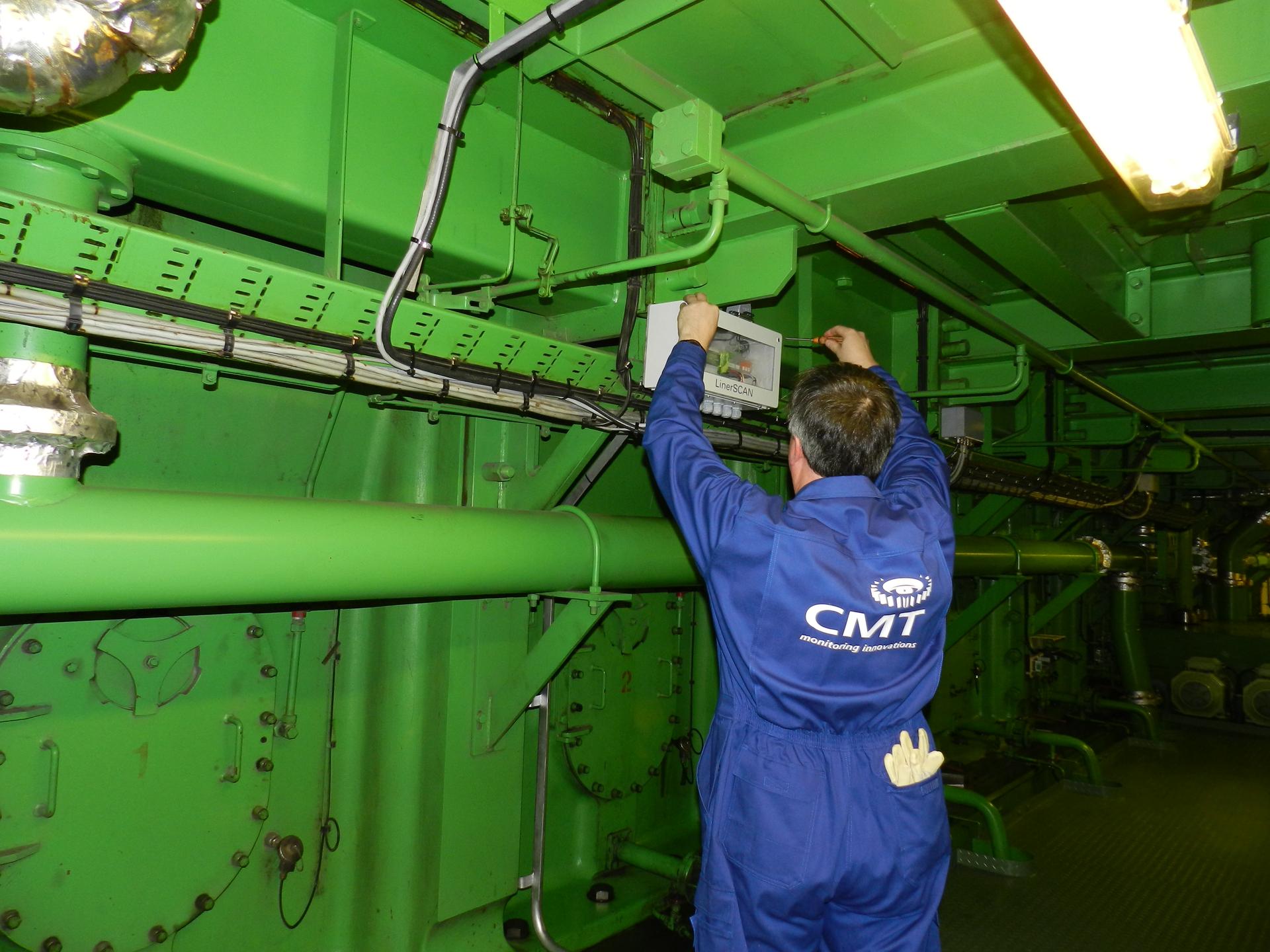
Condition Monitoring Technologies (CMT), a leading provider of engine performance diagnostics and fuel quality testing solutions, is warning that the sharp rise in fuel costs, combined with severe disruption to global transport corridors, will impact the ability of service providers, OEMs, and technical suppliers to support vessels worldwide.

“It’s a double-barrelled hit. The Hormuz chokepoint combined with aviation routes restricted or closed across Russia, Ukraine, and much of the Middle East, is significantly increasing the time and costs getting service agents and equipment to global fleets,” said CMT’s joint Managing Director David Fuhlbrügge.

While the immediate impact of the crisis has been felt through rising bunker prices and war-risk premiums, CMT highlights that secondary effects are now emerging across the maritime technical services ecosystem.

“This is no longer just an energy crisis. What we are seeing is a multi-layered disruption affecting ships outside the warzone. Ships in Europe, Asia and the Americas will struggle to maintain and service equipment and get supplies in time.”

With airspace closures and diversions, the movement of engineers, spare parts, and diagnostic equipment is already becoming increasingly difficult. Airlines have begun cancelling flights and increasing fares as jet fuel prices surge, in some cases doubling within days while air freight costs between Asia and Europe have risen sharply.

“If a service team cannot reach a vessel, or equipment cannot be delivered in time the immediate consequence is not catastrophic failure, but it does affect maintenance cycles, machinery efficiency, operational safety, and, potentially, regulatory compliance,” Fuhlbrügge noted.

In major hubs, there is resilience, authorised partners can step in. But in more remote locations, reduced access to specialist tools, monitoring equipment, and expertise has a real impact. Ship’s can be delayed at port or diverted. It adds to the financial pressure.

“This is a moment where the industry needs to think beyond freight rates and fuel costs,” he said. “The resilience of maintenance ecosystems, the availability of technical support, and the ability to sustain operational.

Shipping banks remain exposed to latent systemic refinancing risks as a result of the energy transition and tightening shipping emission regulations, UCL study finds

LONDON: A new report from the UCL Energy Institute and Strider Carbon finds that while banks seem largely insulated from direct losses when climate transition risks strand individual vessels, industry-wide behaviour may be converting transaction-level credit risk into a deferred, systemic refinancing problem as a result of the energy transition and tightening shipping emission regulations. The report, “Exploring the Financial Impacts of Transition-Related Stranded Asset Risks,” examines how climate-driven devaluations, for example arising because a ship is unable to cost-effectively comply with GHG regulations, can cascade through the most common ship financing structures. The report maps the resulting exposures onto standard banking risk categories and evaluates the mitigation strategies currently being deployed by European financing institutions.

Prasanna Colluru, Managing Director at Strider Carbon, said: “Tracing how transition risks map onto traditional credit risk categories gives banks a supporting lens for assessing their ship finance portfolios and strengthening their climate risk management strategies. This analysis shows where existing debt structures are resilient, and where the architecture of those structures may be creating vulnerabilities that aren’t yet visible at portfolio level.”

In the absence of systemic shocks, banks appear to be largely protected from direct losses if climate transition risks materialise, both under supply-side risk, arising when vessels become economically unviable due to tightening emissions regulations, and demand-side risk, arising when the global energy transition erodes cargo volumes for fossil fuel carriers. Liquidation scenarios illustrated in the study, across three common financing mechanisms — bilateral loans, ECA-backed facilities, and syndicated structures, demonstrate that, at the conservative loan-to-value (LTV) ratios typical of European ship finance (40–60%), substantial asset devaluation, beyond that associated with conventional shipping cycles, is required before banks face direct losses. In all three structures, equity held by shipowners absorbs initial losses, with senior debt repaid in priority.

However, the report warns of systemic refinancing risks as an emerging concern. The mismatch between typical loan tenors of 5–7 years and vessel operational lifespans of 20–25 years enables individual banks to cycle out of transition-exposed positions before end-of-life devaluations materialise. The report therefore identifies a collective action problem: if transition concerns cause multiple institutions to simultaneously restrict lending in the mid-to-late 2030s, the resulting fire-sale conditions could compress recovery values below outstanding loan balances, generating direct losses for the banking system as a whole despite individual banks’ attempts to manage their own exposure.

The report identifies several constraints limiting the effectiveness of banks’ climate risk management in shipping: the fundamental misalignment between loan and asset lifetimes; fragmented and non-comparable borrower disclosure data; competing taxonomy definitions that create regulatory arbitrage and a potential false sense of compliance; the complexity of modelling non-linear, multi-variable climate scenarios within existing credit risk frameworks; and resource constraints that make shipping-specific analytical capability difficult to develop within institutions for which the sector represents a modest share of the overall portfolio.

Dr Nishatabbas Rehmatulla, Principal Research Fellow and Co-Director of the Shipping and Oceans Research Group said: “Climate risk modelling in shipping is complex, requiring integration of multiple variables like regulations, technology specifications and fuel price scenarios, often long-term and non-linear trends, which existing methods might not be able to capture. In the absence of rigorous, transparent and shared frameworks to capture climate resilience, banks and other financiers may be implicitly factoring these considerations into valuations in unsystematic ways which risks creating blind spots that only become visible under stress, as shown in this report”.

Previous work by the Shipping and Oceans Research Group has shown that gas tankers and oil tankers, the segments most exposed to demand-side stranding risk, carry substantial bank debt exposure with France and South Korea heavily investing through bank loans. Among identified financing transactions, loans accounted for over half of the share of finance identified for LNG carriers (USD 21 billion), and approximately 40% of USD 35 billion for oil tankers.

The study also conducted a systematic review of publicly disclosed bank strategies and identified 20 mitigation actions currently being developed or implemented by European ship finance institutions to address supply-side and demand-side risks and finds that there is an imbalance between banks strategies. The majority of the strategies are around supply-side risks — fleet efficiency, regulatory compliance, and technology transition — while only a small minority of actions specifically addresses demand-side cargo volume shifts arising from fossil fuel displacement. The report suggests this imbalance may reflect banks’ greater capacity to model vessel-level regulatory risk than to translate macroeconomic energy transition scenarios into transaction-level credit assessments.

The report recommends that industry coalitions such as the Poseidon Principles extend their frameworks to encompass demand-side scenario analysis, to capture the full extent of climate risks posed to financiers. Public and grant finance should be used to de-risk supply side transition risks to the point of bankability, including through mechanisms funded by EU ETS revenues and the revenues generated from any IMO Net Zero Fund as part of the Net Zero Framework as agreed in April last year. This also highlights the role any IMO Fund could play in supporting a managed transition, without which, supply-side transition risks may be harder to mitigate in an orderly way, with potential knock-on effects for the shipping finance system.

Link to full report: https://www.shippingandoceans.com/post/shipping-banks-remain-exposed-to-latent-systemic-refinancing-risks

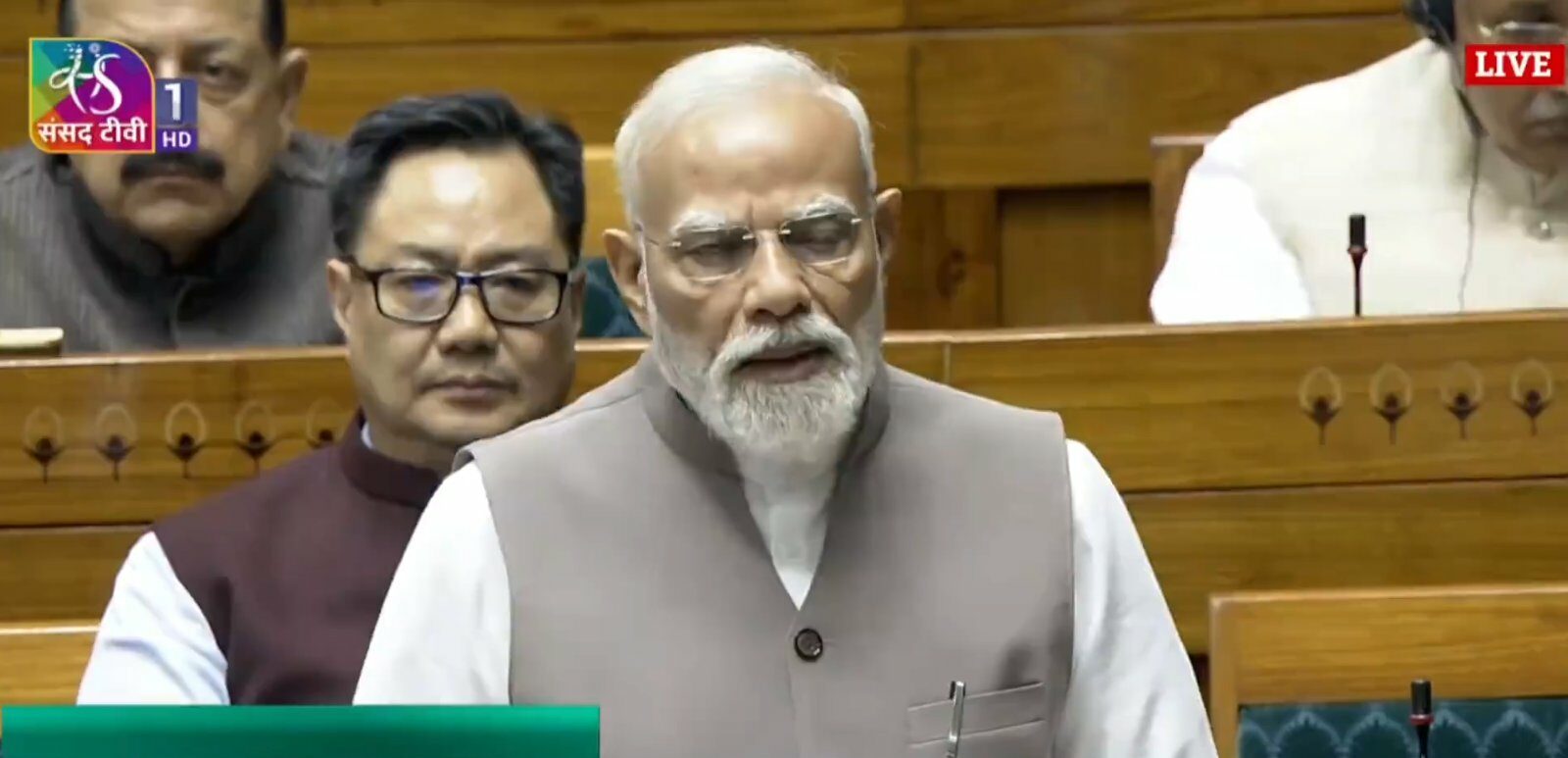
PM Modi addresses the Lok Sabha on the ongoing conflict in West Asia

The situation in West Asia is concerning at this time: PM

In the past two-three weeks, Mr. Jaishankar and Mr. Hardeep Puri have provided the necessary information to the House on this matter: PM

This crisis has been going on now for more than three weeks, It is having a very adverse impact on the global economy and on people’s lives, the entire world is urging all parties for the earliest resolution of this crisis: PM

This region is important to us for yet another reason ,as nearly one crore Indians live and work in the Gulf countries: PM

Among the commercial ships that sail in these seas, the number of Indian crew members is also very high: PM

Due to these several reasons, India’s concerns are naturally high, it is essential that a unanimous and united voice from India’s Parliament on this crisis reaches the world: PM

India has extensive trade relations with countries at war and affected by war, The region where the war is taking place is also an important route for our trade with other countries of the world: PM

A large quantity of essential items such as crude oil, gas, and fertilizers come to India through the Strait of Hormuz, Since the war began, the movement of ships through the Strait of Hormuz has become highly challenging: PM

Despite this, our government has been trying to ensure that the supply of petrol, diesel and gas is not affected much and common families of the country face minimum inconvenience, This has been our focus: PM

India has always stood for peace in the interest of humanity, Dialogue and diplomacy are the only solutions to this problem: PM

Our efforts are aimed at reducing tensions and ending this conflict: PM

Putting anyone’s life at risk in this war is not in the interest of humanity, India’s efforts are to encourage all parties to reach a peaceful resolution as soon as possible: PM

NEW DELHI : Prime Minister Shri Narendra Modi addressed the Lok Sabha on the ongoing conflict in West Asia and the wide-ranging challenges it has posed for India. Noting that the crisis has now persisted for over three weeks, with deeply adverse consequences for the global economy and human lives, the Prime Minister underscored the urgency of resolution. Highlighting the gravity of the situation, Shri Modi remarked, “The whole world is urging all parties for the earliest possible resolution of this crisis.”

Elaborating on the nature of the challenges confronting India, the Prime Minister pointed out that the war has created unprecedented economic, national security, and humanitarian pressures. He noted that India has extensive trade relations with the warring and war-affected countries, that the conflict zone straddles critical trade routes, and that a large share of India’s crude oil and gas needs is met by this very region. Drawing attention to the nearly one crore Indians who live and work in Gulf countries, as well as the significant number of Indian crew members aboard commercial ships in those waters, the Prime Minister asserted, “India’s concerns are naturally greater, and therefore it is essential that a united and unanimous voice goes out to the world from India’s Parliament on this crisis.”

Outlining the government’s swift response to safeguard Indian nationals, the Prime Minister informed the House that every Indian in the affected countries has been provided necessary assistance since the war broke out. Stating that he has personally spoken, in two rounds, with the heads of state of most of the West Asian countries, all of whom have given full assurance regarding the safety of Indians, Shri Modi remarked, “Those who are injured are being ensured better medical treatment, and in such difficult circumstances, necessary assistance is being provided to the bereaved families.”

The Prime Minister further detailed the consular and institutional support framework activated for Indians abroad. He noted that all Indian missions in the affected countries are continuously providing help, issuing regular advisories, and that 24/7 control rooms and emergency helplines have been established both in India and in other affected countries. Underlining the proactive outreach, PM Modi stated, “Through these mechanisms, prompt information is being provided to all those affected , whether they are Indian workers or tourists.”

Highlighting the scale of the evacuation effort, the Prime Minister informed the House that more than 3,75,000 Indians have safely returned to India since the war began, including approximately 1,000 Indians from Iran alone, of whom over 700 are young medical students. He also noted that the CBSE has cancelled the scheduled Class 10th and 12th examinations in Indian schools in the Gulf countries and is taking steps to ensure continuity of education. Summing up the government’s approach, Shri Modi asserted, “The government is sensitive, vigilant, and ready to provide every assistance.”

Addressing the critical question of energy supply, the Prime Minister acknowledged that large quantities of crude oil, gas, fertilizers, and other essentials reach India through the Strait of Hormuz, and that shipping through the Strait has become highly challenging since the war. Stressing that the government’s focus has been on protecting ordinary families from hardship, and noting measures such as prioritizing domestic use of LPG and boosting its domestic production, PM Modi remarked, “Continuous work has been done to ensure that the supply of petrol and diesel continues smoothly across the entire country.”

The Prime Minister underscored how the energy diversification strategy pursued over the past decade has proven its worth in the current crisis. He informed the House that India has expanded its energy import sources from 27 countries to 41 countries over the past 11 years, thereby reducing dependence on any single region. Emphasizing the foresight of this approach, Shri Modi stated, “In today’s circumstances, the steps taken over the past decade regarding energy security have become even more relevant.”

On the subject of strategic reserves, the Prime Minister noted that India has prioritized the stockpiling of crude oil for precisely such times of crisis. He informed the House that India today possesses a Strategic Petroleum Reserve of more than 53 lakh metric tonnes, with work underway to build reserves exceeding 65 lakh metric tonnes, in addition to the separate reserves held by oil companies. Highlighting the overall enhancement of India’s refining ecosystem, PM Modi asserted, “Over the past 11 years, there has been a remarkable increase in our refining capacity as well.”

The Prime Minister detailed the government’s active engagement with global suppliers and its vigilant monitoring of Gulf shipping routes to ensure the safe passage of ships carrying oil, gas, fertilizers, and other essential goods to India. Noting the continuous dialogue with all global partners to keep maritime corridors secure, Shri Modi remarked, “Due to such efforts, several of our ships that were stuck in the Strait of Hormuz have also arrived in India in recent days.”

Turning to India’s domestic energy transformation, the Prime Minister highlighted the extraordinary progress in ethanol blending, from a mere 1–1.5 percent a decade ago to nearly 20 percent today, which has reduced oil imports by approximately four and a half crore barrels per year. He also cited the electrification of railways, which has saved roughly 180 crore litres of diesel annually, the expansion of the metro network from under 250 km in 2014 to about 1,100 km today, and the provision of 15,000 electric buses to states by the central government. Projecting confidence in India’s energy future, PM Modi asserted, “The scale at which work is being done on alternative fuels today will make India’s future even more secure.”

Addressing the broader economic ramifications, the Prime Minister acknowledged that energy is the backbone of the modern economy and that West Asia is a major source for global energy needs, making the current crisis a challenge for economies worldwide. He informed the House that the government is working with a comprehensive short-term, medium-term, and long-term strategy, supported by strong economic fundamentals, sector-specific stakeholder consultations, and a dedicated Inter-Ministerial Group that meets daily to assess and resolve every difficulty in India’s import-export chain. Expressing optimism, Shri Modi affirmed, “I am fully confident that through the joint efforts of the government and industry, we will be able to face these circumstances effectively.”

On the impact of the war on agriculture, the Prime Minister reassured the House that India’s farmers have ensured adequate foodgrain stocks and that the government is working to facilitate proper Kharif sowing and has built robust emergency food arrangements in recent years. Recalling how, even during the COVID-19 pandemic and associated global supply chain disruptions, when urea prices soared to Rs 3,000 per bag in international markets ,the government ensured that Indian farmers received the same bag at less than Rs 300, Shri Modi declared, “In the past too, our government did not allow the burden of global crises to fall on the farmers.”

Detailing the structural steps taken to insulate Indian agriculture from external shocks, the Prime Minister noted that six new urea plants have been commissioned in the last decade, adding over 76 lakh metric tonnes of annual production capacity, while domestic output of DAP and NPKS fertilizers has been increased by approximately 50 lakh metric tonnes and fertilizer import sources have been diversified. Underscoring the breadth of these efforts, PM Modi stated, “Just as we have diversified oil and gas imports, we have also expanded our options for the import of DAP and NPKS.”

The Prime Minister highlighted the government’s commitment to empowering farmers through innovations like Made-in-India Nano Urea, the promotion of natural farming, and the distribution of over 22 lakh solar pumps under the PM-KUSUM scheme to reduce farmers’ dependence on diesel.

Addressing the challenge of rising summer electricity demand amid the ongoing war, the Prime Minister informed the House that adequate coal stocks are available at all power plants across the country and that India has set a record of producing 100 crore tonnes of coal for the second consecutive year. He highlighted that all systems from power generation to power supply are being continuously monitored and that the government’s preparedness has been significantly bolstered by the transformative strides made in renewable energy over the past decade , with half of India’s total installed power generation capacity now coming from renewable sources and the country’s total renewable capacity crossing the historic milestone of 250 gigawatts. Noting that solar power capacity alone has surged from approximately 3 gigawatts to 140 gigawatts in the past 11 years, about 40 lakh rooftop solar installations have been set up, 200 Compressed Biogas plants are now operational under the GOBARdhan Scheme, and that nuclear energy production is being encouraged alongside a newly approved Small Hydro Power Development Scheme that will add 1,500 megawatts of capacity over the next few years, Shri Modi asserted, “All these efforts are serving the country greatly today, and they will make India’s energy future even more secure.”

On India’s diplomatic response to the West Asia conflict, the Prime Minister stated that India’s stand has been clear from the very beginning , one of expressing deep concern, advocating de-escalation, and opposing attacks on civilians and on energy and transport infrastructure. Informing the House that he has engaged with all relevant West Asian leaders and urged them to reduce tensions and end the conflict, and emphasising that attacks on commercial ships and obstruction of international waterways like the Strait of Hormuz are wholly unacceptable, PM Modi asserted, “India, through diplomacy, is making continuous efforts for the safe passage of Indian ships even amidst the war environment.”

Reaffirming India’s unwavering commitment to humanity and peace, the Prime Minister stressed that dialogue and diplomacy remain the only path to resolution. Noting that every Indian effort is directed at de-escalation and the cessation of hostilities, and that the endangering of any life in this war runs counter to the interests of humanity, Shri Modi remarked, “India’s effort is to encourage all parties to arrive at a peaceful resolution as soon as possible.”

The Prime Minister also drew the attention of the House to the internal security dimension of the crisis, warning that certain elements attempt to exploit such situations. Informing the House that all law-and-order agencies have been placed on alert and that security across all domains, coastal, border, cyber, and strategic installations, is being further strengthened, PM Modi cautioned, “Whether it is coastal security, border security, cyber security, or strategic installations, the security of all is being reinforced.”

Concluding his address, the Prime Minister remarked that the difficult global conditions caused by this war are likely to persist for a long time and called upon the nation to remain prepared and united, just as it had stood together during the COVID-19 pandemic. Urging patience, restraint, and vigilance, and cautioning against those who may seek to exploit the situation by spreading falsehoods, engaging in black-marketing, or hoarding, Shri Modi appealed through the House to all state governments to ensure strict monitoring and swift action against such elements. Expressing his abiding faith in the collective resolve of the nation, PM Modi asserted, “When every government and every citizen of this country walk together, we can challenge every challenge, this is our identity, and this is our strength.”