Home Blog Page 386

DPA Kandla creates history with first-ever triple banking STS operation at a tidal port

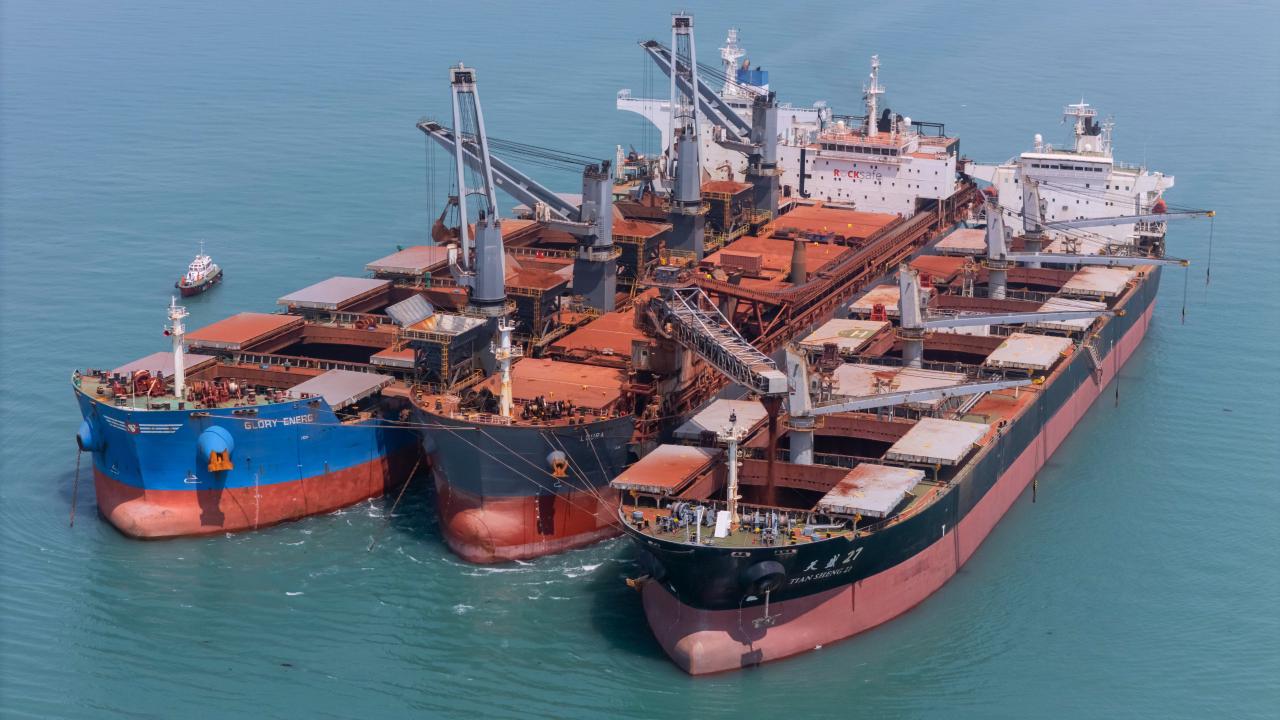
GANDHIDHAM : In a landmark achievement for India’s maritime sector, Deendayal Port Authority (Kandla) has successfully executed a highly complex Triple Banking Ship-to-Ship (STS) operation, marking the first such operation ever conducted at a high tidal port.

Demonstrating exceptional coordination, precision, and maritime expertise, the port seamlessly handled the operation involving a Capesize vessel, a transshipment vessel, and a Panamax vessel alongside each other. The Capesize vessel discharged an impressive 1,17,000 tonnes of cargo to the transshipment vessel, while simultaneously enabling a tandem transfer of 77,000 tonnes onto the Panamax vessel.

WhatsApp Image 2026 03 23 at 6.38.10 PM DPA Kandla creates history with first-ever triple banking STS operation at a tidal port

This intricate operation required meticulous planning, real-time monitoring, and flawless synchronization among marine pilots, port authorities, vessel crews, and logistics teams. Conducting such an operation at a tidal port like Kandla posed additional challenges, including fluctuating water levels, strong currents, and limited maneuvering windows—making the success even more significant.

The achievement underscores Kandla’s growing capability to handle large-scale, technologically advanced maritime operations, enhancing efficiency in cargo movement and reducing turnaround times. It also reinforces the port’s strategic role in supporting India’s bulk cargo trade and its evolution into a modern, globally competitive maritime hub.

With this milestone, Deendayal Port Authority continues to push the boundaries of operational excellence, setting new benchmarks in port performance and strengthening India’s position in the global shipping and logistics landscape.

PSA Mumbai achieves record-breaking weekly throughput of 75,871 TEUs

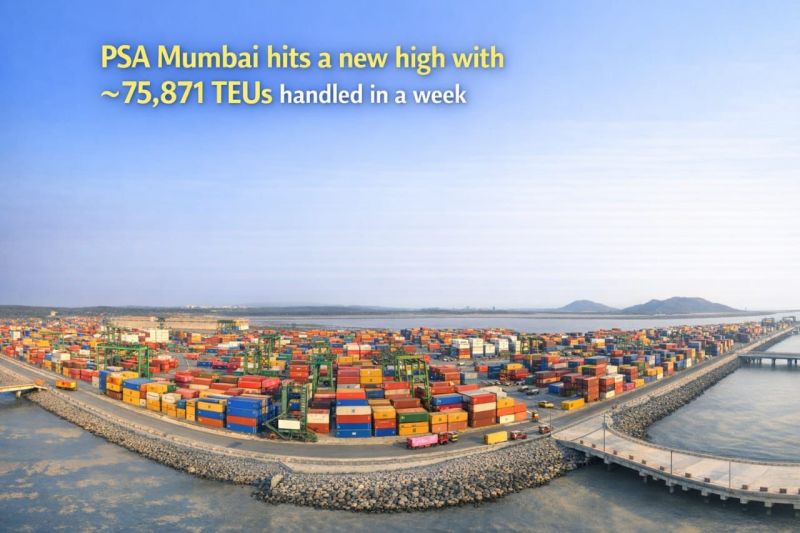
MUMBAI : PSA Mumbai has set a new operational benchmark by handling an all-time high weekly volume of 75,871 TEUs, surpassing its previous record of approximately 63,000 TEUs. This milestone reflects a significant leap in productivity and underscores the terminal’s operational excellence, resilience, and strong team coordination.

The record performance was driven by a combination of enhanced yard planning, optimized vessel turnaround times, and seamless coordination across marine, yard, and gate operations. Backed by advanced terminal operating systems and a highly skilled workforce, PSA Mumbai continues to deliver consistent and efficient service levels even under increasing cargo volumes.

This achievement highlights the terminal’s commitment to reliability, agility, and customer-centric operations, ensuring smooth cargo movement for shipping lines, exporters, and importers alike. The milestone also reinforces PSA Mumbai’s position as a key gateway for container trade in India, supporting the country’s growing logistics and supply chain ecosystem.

Speaking on the occasion, the team attributed this success to their shared values of being “Aligned in Purpose,” “Acting with Perseverance,” and “Achieving with Pride.” The accomplishment stands as a testament to the dedication and collaborative spirit of the entire PSA Mumbai workforce.

As PSA Mumbai continues to scale new heights, the terminal remains focused on driving operational innovation, enhancing capacity utilization, and contributing to the efficiency and competitiveness of India’s maritime trade.

Government restores RoDTEP rates and value caps to support exporters amid West Asia trade disruptions

NEW DELHI : Recent developments in West Asia have led to challenges in maritime logistics, including changes in routing and transit patterns. These have had an impact on logistics costs and shipping schedules for export consignments moving to or through the region.

In view of the evolving geopolitical situation and its implications for maritime trade, the Government of India has decided to restore the rates and value caps under the Remission of Duties and Taxes on Exported Products (RoDTEP) Scheme for all eligible export products with effect from March 23, 2026.

The restored rates shall be those that were in force as on February 22, 2026, thereby withdrawing the earlier restriction of 50 percent imposed vide Notification No. 60/2025–26 dated February 23, 2026.

The present notification supersedes the aforesaid notification dated February 23, 2026, along with the corrigendum dated February 24, 2026, except in respect of actions already taken prior to such supersession.

This step is intended to provide timely support to Indian exporters facing elevated freight costs and war-related trade risks arising from disruptions in the Gulf and the wider West Asia maritime corridor.

The decision reflects the Government’s continued commitment to ensuring a stable, responsive, and supportive policy environment for exporters, while sustaining India’s export competitiveness in a challenging global environment.

The notification is available at:
https://content.dgft.gov.in/Website/dgftprod/1ffbd2bf-78ce-4d6e-8a59-5c0d16fdb1d0/Notification%2066%20English_0001.pdf

Diesel Supply Crisis Triggers 20% Transportation Rate Hike at Kandla-Mundra Ports

GANDHIDHAM: In a significant development impacting container logistics in western India, the Kandla Mundra Container Transport Welfare Association (KMCTWA) has announced a 20% increase in transportation rates across all destinations, effective March 24, 2026. The decision comes amid escalating operational challenges triggered by a diesel supply crunch linked to the ongoing Middle East geopolitical crisis.

According to an official trade notice issued by the association, limited diesel availability at retail fuel stations has severely disrupted transport operations, placing immense pressure on container trailer operators servicing the Kandla and Mundra port regions. Transporters are reportedly facing long delays and inconsistent fuel access, hampering timely cargo movement.

The situation has been further aggravated by rising input costs, with tyre companies and spare parts dealers already increasing prices by 3–4%. Compounding the strain, industrial diesel prices have surged to approximately ₹112 per litre, forcing transporters to procure fuel at significantly higher rates to maintain supply chain continuity.

Industry stakeholders warn that these challenges are particularly critical for time-bound export and import cargo, where delays could lead to vessel disconnections or mounting demurrage charges. To mitigate such risks, transporters have been compelled to absorb higher costs, prompting the rate revision.

In addition to the freight hike, KMCTWA has mandated a shift to a 24-hour upfront payment system, citing similar payment demands from ancillary service providers amid the crisis.

The association emphasized that the 20% rate increase is a temporary measure, directly attributed to the prevailing Middle East situation. It assured trade and industry participants that rates would be revised downward once conditions stabilize and diesel supply normalizes.

The development is expected to have a ripple effect across the logistics and EXIM trade ecosystem, particularly for businesses reliant on the Kandla-Mundra corridor—one of India’s busiest container handling regions.

Industry observers note that the evolving global energy scenario continues to underline the vulnerability of supply chains to geopolitical disruptions, reinforcing the need for resilient and diversified fuel and logistics strategies.

WhatsApp Image 2026 03 23 at 3.35.43 PM Diesel Supply Crisis Triggers 20% Transportation Rate Hike at Kandla-Mundra Ports

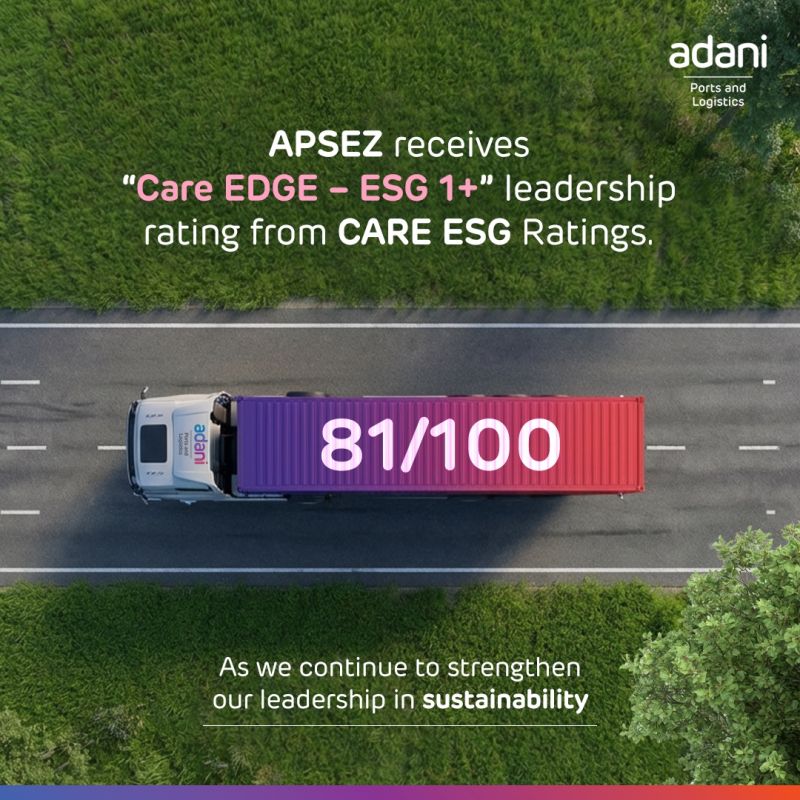
APSEZ secures top-tier ESG rating of ‘CareEdge ESG 1+’ with strong score of 81/100

AHMEDABAD : Adani Ports and Special Economic Zone Ltd. (APSEZ), India’s largest integrated ports and logistics company, has been assigned an ESG rating of “CareEdge ESG 1+” by CARE ESG Ratings Limited, achieving an overall ESG score of 81 out of 100.

This prestigious rating places APSEZ among industry leaders in environmental, social, and governance (ESG) performance, recognizing the company’s robust framework for identifying and managing ESG risks. The assessment highlights APSEZ’s best-in-class disclosures, well-defined sustainability policies, and consistent on-ground execution across key ESG parameters.

The rating underscores APSEZ’s strong environmental stewardship, including initiatives in decarbonization, renewable energy adoption, energy efficiency, and sustainable port operations. On the social front, the company continues to make significant strides through community development programs, employee welfare, health and safety standards, and inclusive growth initiatives across its port locations.

From a governance perspective, the rating reflects APSEZ’s commitment to high standards of corporate governance, transparency, ethical business practices, and a strong compliance culture supported by an experienced leadership team and independent oversight.

As a key player in India’s maritime and logistics ecosystem, APSEZ remains focused on advancing its vision of building a sustainable and future-ready port-to-customer logistics platform. The company continues to align its operations with global ESG benchmarks, driving long-term value creation for stakeholders while contributing to national and global sustainability goals.

This recognition further reinforces APSEZ’s leadership in responsible infrastructure development and its ongoing commitment to integrating sustainability at the core of its growth strategy.

Two more Indian-flagged LPG tankers set to cross Strait of Hormuz

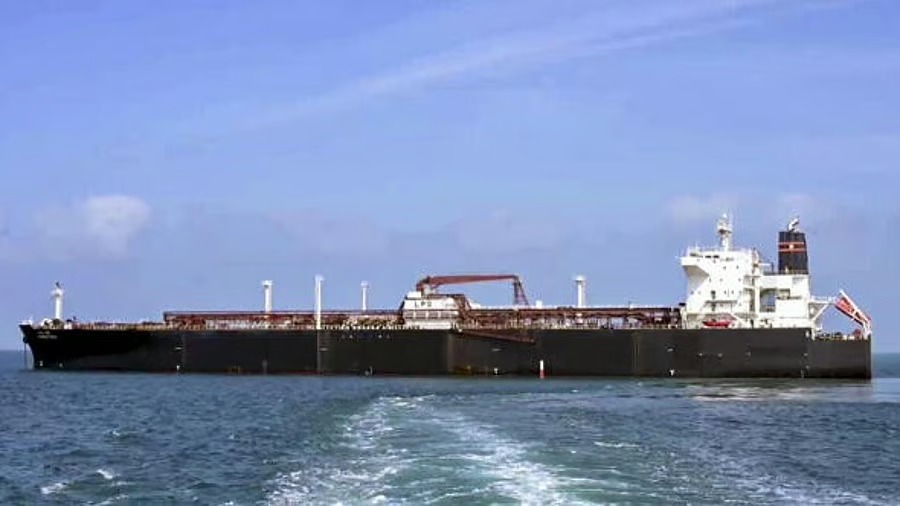
NEW DELHI : Two more Indian-flagged LPG tankers have started their journey from the Persian Gulf and are expected to cross the war-hit Strait of Hormuz before heading to Indian ports, ship tracking data showed.

LPG tankers Pine Gas and Jag Vasant, sailing close to each other, on Monday afternoon, were near the waters between Iran’s Larak and Qeshm islands — possibly to make their identity clear to Iranian authorities before they cross the Strait.

The two ships were among the 22 Indian flagged vessels that were stranded in the Persian Gulf after the war in the Middle East nearly closed the Strait of Hormuz – the narrow waterway between Iran and Oman that connects the oil and gas-producing Gulf countries to the rest of the world.

Ship tracking data showed the two ships could cross the strait sometime on Monday before heading to Indian ports.

Previously, MT Shivalik and MT Nanda Devi, carrying about 92,712 tonnes of LPG or roughly a day’s cooking gas consumption of the country, had safely reached the Indian shore.

Originally, there were 28 Indian-flagged vessels in the Strait of Hormuz when the war in West Asia broke out following US-Israel attacks on Iran.

Of these, 24 were on the West side of the Strait and four on the East side.

In the last few days, two vessels from each side have managed to sail to safety.

LPG carrier Shivalik reached Mundra in Gujarat on March 16, while another LPG tanker, Nanda Devi, reached Kandla port in Gujarat the next day.

Two LPG carriers had started their journey on March 13 and crossed the Strait of Hormuz early on March 14.

Indian-flagged oil tanker Jag Laadki, with 80,886 tonnes of crude oil from the UAE, reached Mundra on March 18.

Another tanker, Jag Prakash, carrying gasoline from Oman to Africa, had previously safely crossed the strait and is en route to Tanzania.

Of the 24 remaining Indian-flagged vessels in the war zone, 22 are on the West side of the Strait with 611 seafarers onboard, while two are on the East side.

Six of the 22 remaining Indian-flagged vessels on the West side were LPG carriers — two of these have set sail for India.

Of the remaining, one is a liquefied natural gas (LNG) tanker, four are crude oil tankers, one is transporting chemical products, three are container ships, and two are bulk carriers.

Additionally, one vessel is a dredger, another is empty, and three are in dry dock undergoing routine maintenance.

Overall, close to 500 tanker vessels remain confined within the Persian (Arabian) Gulf.

These include 108 crude oil tankers, 166 oil product tankers, 104 chemical/product tankers, 52 chemical tankers and 53 other tanker types.

Analysts say Iran may be allowing select vessels to transit the strait after verification.

A few vessels have transited outbound through the Strait with a short diversion via the Larak-Qeshm Channel.

This, they say, appears to be a verification process whereby Iran confirms the ownership, cargo and vessel are not of the US, or belong to those that Iran has permitted transit to.

India imports about 88 per cent of its crude oil, 50 per cent of natural gas, and 60 per cent of LPG.

Before the war broke out, more than half of the crude oil that India imported came from countries like Saudi Arabia, Iraq and the UAE, which use the strait for shipping.

As much as 85-95 per cent of LPG and 30 per cent of the gas came through the strait.

While the disruption in crude oil has been partially offset through alternative sources, such as Russia, West Africa, the US and Latin America, gas and LPG supplies to industrial and commercial users have been curtailed.

Source : PTI

Indian sugar mills rush export deals on record-low rupee, rising global prices

MUMBAI : Indian sugar mills have returned to the export market, locking in 100,000 metric tons of shipments in a week after a slump in the rupee to a ​record low and a rally in global prices restored the economics of overseas sales, ‌five dealers told Reuters.
Shipments from the world’s second biggest sugar producer will help Asian and African consumers to secure sugar at lower prices amid rising freight and global prices , , which are trading near the highest level in five ​months.

“The war has suddenly changed everything. It has pushed global sugar prices up in ​anticipation of higher ethanol demand and dragged the rupee down to a record ⁠low,” said a Mumbai-based dealer with a global trade house.
“Export deals are finally picking up after ​weeks of no activity. About 100,000 tons have already been signed in the past week, and there’s ​likely more to come.” Rising crude oil prices from the conflict in the Middle East have raised expectations that top sugarcane producer Brazil will divert more to ethanol production. Indian sugar is being offered at around $450 per ton on a ​free-on-board (FOB) basis, with countries including Sri Lanka and African nations such as Djibouti, Tanzania, and Somalia ​booking shipments for April and May, dealers said.

Mills have so far contracted to export 550,000 tons in the ‌current season ⁠ending in September, they said.
Total sugar exports this season could rise to around 1.5 million tons, as demand from Afghanistan, Kazakhstan, Uzbekistan, and the Middle East is expected to increase once the war ends, said Rahil Shaikh, Managing Director of Mumbai-based MEIR Commodities India.
India in February raised its sugar export ​quota to 2 million tons, ​adding 500,000 tons ⁠to the 1.5 million tons approved earlier. Mills applied for just 87,587 tons of the extra allocation, leaving most of it unused.
Demand for Indian sugar ​exists from overseas buyers, but logistical bottlenecks are weighing on exports, with ​container availability limited ⁠and freight rates rising, said a New Delhi-based dealer with a global trade house.

Asian buyers are likely to find Indian sugar attractive, as freight costs from India to South Asia are much lower than ⁠shipping sugar ​from Brazil, he said.
“With the rupee falling, mills are ​getting better prices by exporting than selling locally,” he added.
The Indian rupee has fallen 4.5% so far in 2026 to a ​record low, while the Brazilian real has strengthened by 3%.

Source : Reuters

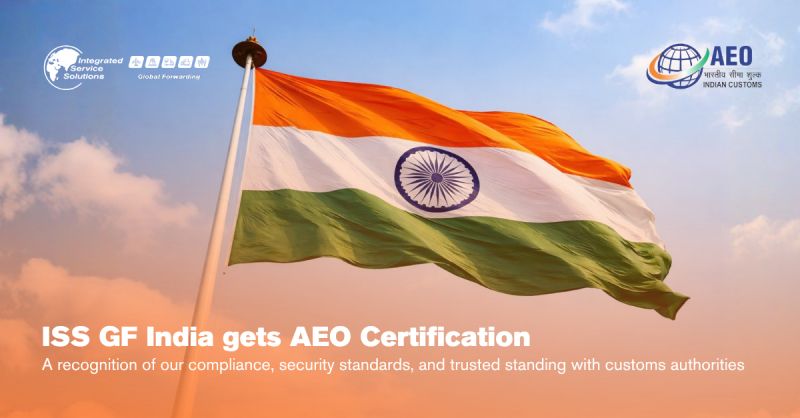
ISS Global Forwarding India achieves AEO Certification, enhancing secure and efficient trade operations

NEW DELHI : ISS Global Forwarding India has successfully achieved Authorized Economic Operator (AEO) certification, marking a significant milestone in its commitment to secure, compliant, and efficient logistics solutions.

The AEO certification, granted under the framework of Central Board of Indirect Taxes and Customs, recognizes ISS Global Forwarding India as a trusted logistics partner adhering to stringent international supply chain security standards. This accreditation enables the company to benefit from faster customs clearances, reduced inspections, and priority treatment across cross-border cargo movements.

With India emerging as one of the world’s most dynamic logistics and trade markets, this certification further strengthens ISS Global Forwarding India’s ability to deliver seamless and reliable services to its customers. It underscores the company’s focus on structured execution, regulatory compliance, and risk-managed operations at every stage of the logistics lifecycle.

The achievement also reflects the organization’s investment in robust internal controls, digital processes, and adherence to global best practices in cargo handling, documentation, and security protocols. Customers can expect enhanced predictability in transit timelines, improved supply chain visibility, and greater assurance of cargo integrity.

As global trade continues to evolve, ISS Global Forwarding India remains committed to strengthening its service capabilities, supporting customers with efficient international freight solutions, and contributing to a more secure and resilient logistics ecosystem.

DTDC and HRTC form landmark logistics alliance to unlock Himachal’s Remote Economy

MUMBAI : DTDC Express Ltd., India’s first homegrown multinational logistics company, announced a strategic partnership with Himachal Road Transport Corporation (HRTC) aimed at structurally strengthening logistics access across Himachal Pradesh’s remote and mountainous regions. Through this collaboration, DTDC is establishing an integrated distribution model that leverages the state’s most extensive road passenger network to deliver faster, more dependable, and commercially enabling express connectivity across difficult terrain.

Under the alliance, sealed DTDC courier consignments will move through approved HRTC passenger bus routes, unlocking high-frequency, terrain-resilient transport corridors that directly link district headquarters with interior towns. The first phase activates critical routes, including Shimla to Rampur, Rampur to Reckong Peo, Shimla to Chidgaon, and Shimla to Karsog, with provision for expansion across additional sectors.

For businesses operating in the hills, particularly MSMEs and local traders, the impact is immediate and practical. This partnership replaces multiple disconnected transport steps with a more direct and streamlined movement of parcels, helping shipments reach faster and with greater consistency. It also deepens commercial integration between remote production clusters and urban consumption centers, strengthening regional economic participation.

Strategically, this move reinforces DTDC’s commitment to building adaptive logistics frameworks that optimize existing infrastructure rather than recreating it. By aligning with HRTC’s established route architecture, DTDC is deploying a scalable model that improves asset utilization while extending organized express services into areas traditionally underserved by structured logistics networks.

Operationally, HRTC will facilitate secure carriage of sealed DTDC courier bags across approved routes, while DTDC retains full responsibility for packaging standards, regulatory compliance, and service governance. Structured destination handover protocols ensure accountability and operational continuity across touchpoints.

Commenting on the partnership, Abhishek Chakraborty, CEO of DTDC Express Limited said, “This partnership is ultimately about improving service access for customers across Himachal Pradesh. By integrating HRTC’s transport connectivity with DTDC’s robust express network, we are further strengthening delivery reliability and bringing integrated logistics services closer to communities in even the most remote regions of the state. This is part of our commitment to provide access to the aspiration of every Indian and be present in every corner and pincode where Indian ambition lives, celebrates, and grows.”

Dr. Nipun Jindal – I.A.S, Managing Director, HRTC said “The Himachal Road Transport Corporation (HRTC) has signed an agreement with DTDC Express Limited on 24.02.2026 for the carriage of courier consignments in HRTC buses on an end-to-end basis. Under this arrangement, DTDC consignments will be transported through HRTC’s route network across Himachal Pradesh, ensuring timely, safe, and efficient delivery of parcels.

The partnership is expected to enhance logistics connectivity, particularly in remote and rural regions, while also generating additional non-fare revenue for HRTC through optimal utilization of available luggage space. The agreement provides for clear operational procedures, safety protocols, and safeguards to ensure secure handling and seamless movement of consignments, marking a significant step towards strengthening public-private collaboration in the transport sector.”

As India’s largest homegrown international logistics brand with a rapidly expanding integrated express network, DTDC continues to pioneer collaborative models that enhance connectivity, unlock new trade corridors, and strengthen supply chain resilience across diverse geographies.

About DTDC Express Ltd.

DTDC Express Ltd. is one of India’s leading multinational integrated logistics companies, headquartered in Mumbai. DTDC offers a comprehensive range of technology-enabled logistics services, serving a wide spectrum of customers across diverse industry verticals. Today, it operates India’s largest physically accessible express logistics Network and has over 16,500+ exclusive channel partners, which contribute to its sales and service capabilities.

Marsa Maroc to invest $2.1 billion in port expansion through 2030

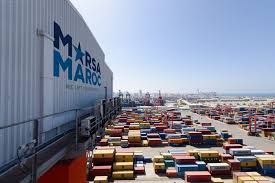
MOROCCO: Morocco’s leading port operator, Marsa Maroc, announced a nearly MAD 21 billion ($2.1 billion) investment program spanning 2025 to 2030. The plan aims to strengthen the group’s positioning as a leading regional port operator under its strategic roadmap through the end of the decade.

The announcement came as the company’s board of directors met on March 17 to approve financial statements for the year 2025. The results confirmed a year of strong business growth and significant improvement in profitability across the group’s operations.

Consolidated revenue reached MAD 5,785 million ($578.5 million), up 16% compared to MAD 5,008 million ($500.8 million) in 2024. The increase was driven by higher volumes handled across the group’s ports and the expansion of its logistics service offering.

EBITDA amounted to MAD 3,192 million ($319.2 million), a 22% increase from MAD 2,624 million ($262.4 million) the previous year. The improvement reflected strong operational performance and continued efforts to enhance efficiency.

Net income group share reached MAD 1,589 million ($158.9 million), representing a 25% jump from MAD 1,267 million ($126.7 million) in 2024.

On the operational front, total cargo traffic surpassed 67 million tons, a 6% year-on-year increase and the highest level in the company’s history. Container throughput exceeded 3 million TEUs for the first time, placing Marsa Maroc as Africa’s fourth-largest container operator.

Growth was broad-based. Container volumes rose 4%, while bulk and general cargo reached 22 million tons, also up 4%. Liquid bulk traffic climbed 5% to 11 million tons. New vehicle handling surged 50% to 154,000 units, and roll-on/roll-off traffic exceeded 27,000 units, an 11% increase.

Of the MAD 21 billion ($2.1 billion) earmarked for the six-year period, MAD 2.4 billion ($240 million) was committed in 2025 alone. The program is financed through debt, complemented by free cash flow generation and contributions from partners in jointly developed projects.

A separate MAD 4.4 billion ($440 million) investment program, launched in 2025, is dedicated to the modernization and expansion of port capacities at Casablanca and Jorf Lasfar.

The group’s financial position remains solid, with negative net debt of MAD -753 million ($-75.3 million). Financial debt stood at MAD 1.367 billion ($136.7 million), offset by MAD 2.12 billion ($212 million) in available liquidity. On the strategic front, Marsa Maroc entered into partnerships with Terminal Investment Limited (TIL) and CMA CGM for the East and West Container Terminals at Nador West Med, respectively.

A separate consortium with Boluda Towage will provide towing and port assistance services at the same port. Upon completion of conditions precedent, subsidiary Marsa Maroc International Logistics (MMIL) will hold a 45% stake in Boluda Maritime Terminals, expanding the group’s footprint to 34 terminals across 20 ports.

In the recent Forbes Middle East 2026 ranking of the 100 Most Valuable Companies in the Middle East, Marsa Maroc secured the 60th spot with a market value of $7.53 billion.

The consolidation scope evolved during 2025 with the integration of West Med Container Terminal, in which Marsa Maroc holds 50% plus one share, and MMIL, a wholly owned subsidiary established to support international expansion.

The board will propose a dividend of MAD 11 per share for 2025, a 16% increase over the previous year. The distribution comes despite the sustained investment phase tied to the deployment of the strategic plan.

In 2026, the group will focus on the operational start-up of the East Container Terminal and towage activities at Nador West Med, while continuing to pursue international expansion.

Marsa Maroc’s share price rose 77% over the year, lifting its market capitalization to nearly MAD 70 billion ($7 billion) and ranking it fourth on the Casablanca Stock Exchange.A separate consortium with Boluda Towage will provide towing and port assistance services at the same port. Upon completion of conditions precedent, subsidiary Marsa Maroc International Logistics (MMIL) will hold a 45% stake in Boluda Maritime Terminals, expanding the group’s footprint to 34 terminals across 20 ports.

In the recent Forbes Middle East 2026 ranking of the 100 Most Valuable Companies in the Middle East, Marsa Maroc secured the 60th spot with a market value of $7.53 billion.

The consolidation scope evolved during 2025 with the integration of West Med Container Terminal, in which Marsa Maroc holds 50% plus one share, and MMIL, a wholly owned subsidiary established to support international expansion.

The board will propose a dividend of MAD 11 per share for 2025, a 16% increase over the previous year. The distribution comes despite the sustained investment phase tied to the deployment of the strategic plan.

In 2026, the group will focus on the operational start-up of the East Container Terminal and towage activities at Nador West Med, while continuing to pursue international expansion.

Marsa Maroc’s share price rose 77% over the year, lifting its market capitalization to nearly MAD 70 billion ($7 billion) and ranking it fourth on the Casablanca Stock Exchange.