Home Blog Page 441

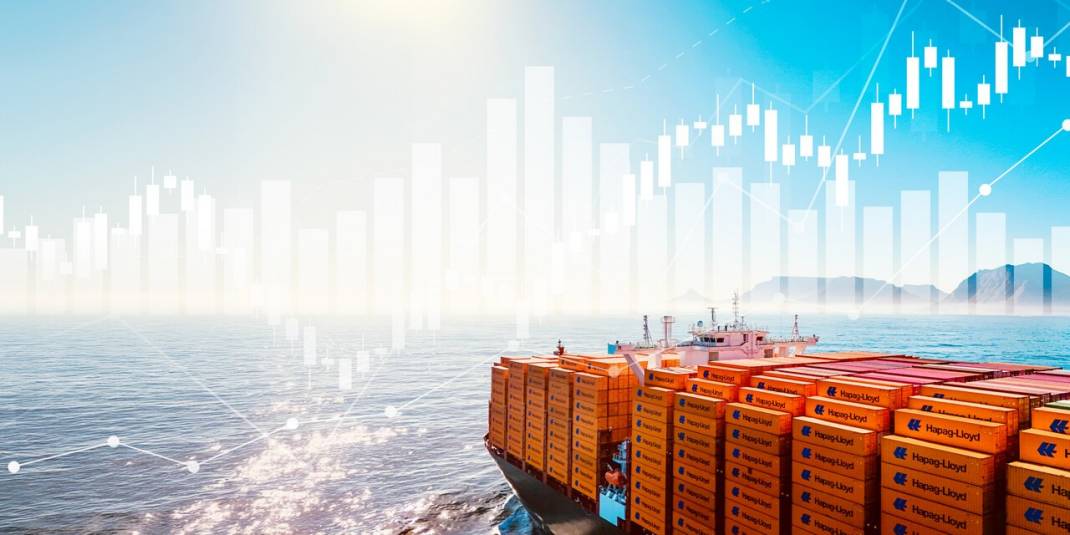
Hapag-Lloyd publishes preliminary business figures for 2025

HAMBURG: On the basis of preliminary figures, Hapag-Lloyd achieved Group revenues of USD 21.1 billion (EUR 18.6 billion) in the 2025 financial year. The Group EBITDA stood at USD 3.6 billion (EUR 3.2 billion) and the Group EBIT at USD 1.1 billion (EUR 1.0 billion). Thus, the result was at the upper end of the earnings forecast and, as expected, below the prior-year level. 

Robust growth in global trade and the new Gemini Network led to an 8% increase in the transport volume, to 13.5 million TEU. At the same time, the average freight rate fell by 8% compared to the prior year, to 1,376 USD/TEU. Higher costs due to the ongoing rerouting of ships via the Cape of Good Hope and start-up expenses for the Gemini Network, weighed on the annual results. On the other hand, Gemini related cost savings started kicking in during the second half of 2025 and will be fully realized in 2026. One-time non-cash effects in the fourth quarter had a positive impact. 

Hapag-Lloyd will publish its 2025 Annual Report with the audited financial figures and an outlook for the current financial year on March 26, 2026. Explanatory notes relating to the performance measures EBITDA and EBIT referred to herein can be found here.

PRELIMINARY KEY FIGURES (USD)* 

1 Hapag-Lloyd publishes preliminary business figures for 2025

PRELIMINARY KEY FIGURES (EURO)* 

2 Hapag-Lloyd publishes preliminary business figures for 2025

Textile export hub welcomes India-US deal

TIRUPUR : Textile exporters based in Tamil Nadu’s Tiruppur have welcomed the India-US framework trade agreement, saying that it helped the textile manufacturing sector to compete with countries such as China and Bangladesh and also expressing hope that orders worth ₹4,000 crore held back would be cleared after the lowering of tariffs that came with the agreement.

Textile exporters were facing tariffs of 50%, which came down to 18% on Saturday.Tiruppur Exporters’ Association President K M Subramanian said the joint statement by India and the United States was “significant” and they “we welcome it” as it provided prospects for huge growth.

“This (deal) will provide major growth for Tiruppur alone. Over the next 5 years, we expect the exports from Tiruppur to double ,” he said, adding that Tiruppur export garments were currently valued at ₹15,000 crore.

Subramanian, also the Founder-Chairman of Tiruppur-based clothing manufacturer K M Knitwear Pvt Ltd, was hopeful that the deal would increase job opportunities. “Currently about a million people are employed in the industry and I am hopeful that another half a million workforce will be added in the next three to five years if the momentum continues,” he said.

On the short-term impacts, he said, “It would be visible in the next 3 months. After the three months, we will be able to see good growth for the garments that will be shipped from Tamil Nadu. Tiruppur’s growth will be on a higher trajectory from now on.”

South Indian Mills Association President Durai Palanisamy said the FTA with US and Europe will trigger more demand from the textile exporters due to the increased competition in the sector.

Subramanian added that the existing orders would be cleared on mutual understanding between the buyer and the exporter.

“Once the commitment has been made, existing stocks will be cleared,” he said.

Tiruppur-based Starlight Exporters Founder M Rathinasamy, said, “Earlier, the apparel manufacturing orders were going to Bangladesh and other countries. But, after this deal, we will be getting more orders (from the United States). He was also hopeful that work on pending orders would resume soon.”

Tiruppur has long been recognised as a hub for the manufacture and export of textiles in the country. Many of the manufacturers supply finished apparels to Europe and the United States, the two big markets.

Over 55% of the country’s total cotton knitwear imports are from Tiruppur.

CMA CGM Group, Marlink, and Eutelsat partner to deploy OneWeb LEO connectivity across CMA CGM’s global maritime fleet

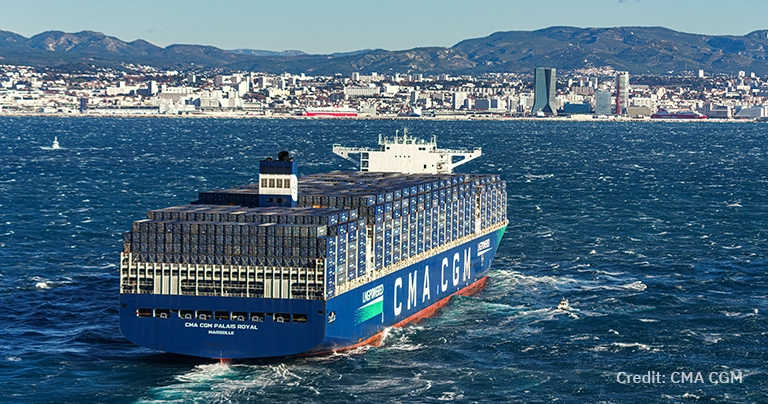
MARSEILLE/OSLO/PARIS : CMA CGM Group, Marlink and Eutelsat have announced a partnership to deploy OneWeb LEO connectivity across CMA CGM’s global maritime fleet. The solution integrates European-based Eutelsat OneWeb’s Low Earth Orbit (LEO) services combined with existing LEO and GEO networks within a broader hybrid network architecture, enabled by Marlink’s purpose-built edge platform, XChange NextGen.

Under this new, multi-year agreement, OneWeb LEO services will be deployed on more than 300 CMA CGM vessels over the next nine months. Delivered and integrated by Marlink, the solution combines multi-orbit satellite networks, introducing multiple layers of resilience and advanced capabilities to strengthen CMA CGM’s global connectivity services. The deployment represents a high-availability architecture implemented at unprecedented fleet scale within the maritime sector.

CMA CGM will benefit from a high-throughput, low-latency connectivity environment to support the accelerating digital transformation of its fleet. Robust, continuous connectivity at sea enables operational efficiency, real-time data exchange, and enhanced services for crews, allowing vessels to operate with digital performance comparable to shore-based environments while supporting future digital use cases.

The solution also supports decarbonisation objectives by enabling real-time optimisation of routes, speeds and fuel consumption, helping reduce emissions and improve operational efficiency. Designed on the XChange NextGen edge cloud platform, Marlink unlocks its Possibility Platform for CMA CGM across cyber security, IIoT data collection, cloud enablement and centralised fleet-wide network orchestration, ensuring predictable performance and service continuity independent of sailing routes.

The CMA CGM Group is a global player in sea, land, air and logistics solutions, present in 177 countries and operating a fleet of more than 650 vessels serving over 420 ports worldwide. It has been an anchor shareholder of Eutelsat since 2022, reflecting a shared commitment to reliable, high-performance satellite connectivity supporting French and European digital sovereignty.

Through this partnership, CMA CGM continues to strengthen its global connectivity framework in support of reliable and secure maritime operations. The integration of OneWeb’s LEO services contributes to the robustness of our fleet-wide connectivity, supporting operational efficiency and crew welfare. It also aligns with our commitment to trusted solutions and to strengthening digital sovereignty, while reflecting a pragmatic, long-term approach to connectivity that meets our industrial, performance and sustainability objectives.
Ramon Fernandez, Executive Vice President Chief Finance Officer, CMA CGM GroupRamon Fernandez, Executive Vice President Chief Finance Officer, CMA CGM Group
This agreement marks a major milestone in the deployment of OneWeb’s LEO services in the maritime sector. By integrating OneWeb into CMA CGM’s connectivity ecosystem, we are supporting a robust, future-proof solution that meets the growing demand for high-performance, low-latency connectivity at sea. We are grateful to CMA CGM Group’s long-standing support of Eutelsat, and excited to see it materialize into an industrial partnership. We are also delighted to work with our long-standing partner, Marlink, to further push the boundaries of maritime connectivity.
Jean-François Fallacher, Chief Executive Officer of EutelsatJean-François Fallacher, Chief Executive Officer of Eutelsat
Building on more than 20 years of close partnership and co-creation with CMA CGM, we are proud to jointly lead the transition into the multi-LEO future. This landmark project highlights Marlink’s proven ability to deliver advanced digital solutions at scale for the world’s leading shipping companies. As digitalisation becomes an increasingly critical business priority for the maritime industry, we are pleased to equip CMA CGM with a resilient, next-generation network solution, including Eutelsat OneWeb that enhances operational efficiency, safety, and decarbonisation across its global fleet.
Erik Ceuppens, Chief Executive Officer, Marlink GroupErik Ceuppens, Chief Executive Officer, Marlink Group
About Marlink
For companies operating in the world’s most challenging environments – from merchant vessels to offshore and onshore energy operations, from humanitarian organisations to cruise ships and superyachts – Marlink creates and delivers possibilities, anywhere.

Marlink is a managed service provider and global leader in remote ICT solutions with annual revenues surpassing $800 million and 1,500 employees operating in more than 30 countries.

Wherever our customers are in the world, we deliver them possibilities to work smarter and to operate more effectively, more safely, more sustainably – without the limitations of technology.

With our possibility platform, we enable a comprehensive suite of end-to-end managed solutions (Connectivity, Network, Cyber Security, Cloud & IT, IoT & Apps), supported by professional services, unmatched global operations and delivery capabilities and local support teams.

As a global company with a local focus we help make tomorrow’s possibilities today’s realities.

For further information please visit www.marlink.com.

About CMA CGM
The CMA CGM Group is a global player in sea, land, air and logistics solutions, true to its corporate Purpose, We imagine better ways to serve a world in motion.

Present in 177 countries, it employs 160,000 people, of which nearly 6,000 in Marseilles where its head office is located.

The world’s 3rd largest shipping company, CMA CGM, serves more than 420 ports across 5 continents with a fleet of over 650 vessels. In 2024, CMA CGM carried over 23 million TEU (twenty-foot equivalent unit) containers. Its subsidiary CEVA Logistics, one of the world’s top five players, operates 1,000 warehouses and handled 15 million shipments in 2024. CMA CGM AIR CARGO, the Group’s air freight division, will operate a fleet of 6 cargo aircraft by 2025.

CMA Media, France’s 3rd largest private media group, includes RMC-BFM and several national and regional press titles (La Tribune Dimanche, La Tribune, La Provence and Corse Matin), as well as the social media outlet Brut.

Committed to energy transition, the CMA CGM Group is aiming for Net Zero Carbon by 2050.

The CMA CGM Foundation provides humanitarian aid in crisis situations and is committed to education for all and equal opportunities throughout the world. To date, the CMA CGM Foundation has transported 100,000 tons of humanitarian aid to 100 countries and supported over 550 educational projects

Container ship sinks near major tourist hot spot

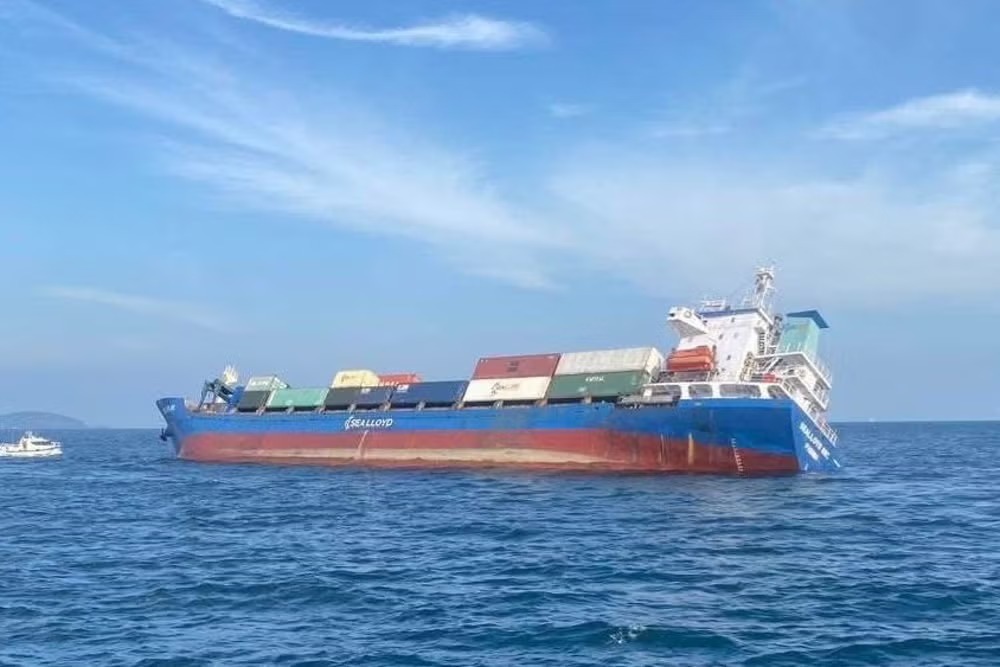
PHUKET : The Royal Thai Navy is to salvage a container ship that sank on Saturday off the coast of Phuket, a popular holiday destination in Thailand.

During the sinking, about 200 containers on board the 6,500-dwt Sealloyd Arc (built 2005) fell into the sea and bunker fuel leaked, although the exact volume is not known.

The Thai Navy’s Vice Admiral Veerudhom Muangchin told local media that his agency had received a call on Saturday afternoon about a cargo ship “experiencing water intrusion”.

The Sealloyd Arc reportedly suffered water ingress that caused it to take on a severe list.

At the time, the vessel was about 10 nautical miles (18.5 km) from the Third Naval Area Command’s pier, near Koh Kaew Noi in Phuket.

Muangchin said the Third Naval Area Command Operations Center and Maritime Security Command Region 3 Operations Center were activated to assist the stranded ship and save the 16 crew on board.

A patrol boat and high-speed motorboat were also dispatched, in coordination with the Narenthra Pearl Phuket Rescue Center. All crew were safely rescued.Local media reports indicate the Thai Navy is working with relevant agencies, such as Thailand’s state-owned oil major PTT Exploration and Production, the Phuket Port Authority and the Marine and Coastal Resources Office, to organise the salvage of the Sealloyd Arc and prepare a contingency plan in case of further oil spillage.

Maritime databases show that the Panama-flagged boxship’s registered owner is Singapore-based Sea Lloyd Shipping Lines, which bought the ship from China’s Dalian Hongjia Shipping in July.

It is the company’s only vessel, according to multiple shipping databases.

Protection and indemnity coverage is provided by the West of England club.

Sea Lloyd describes itself on its website as a non-vessel operating container carrier. There were no contact numbers listed for TradeWinds to contact.

Source : Trade Winds

PM Modi welcomes framework for Interim Trade Agreement between India and the US, calls it a boost to ‘Make in India’ and Employment

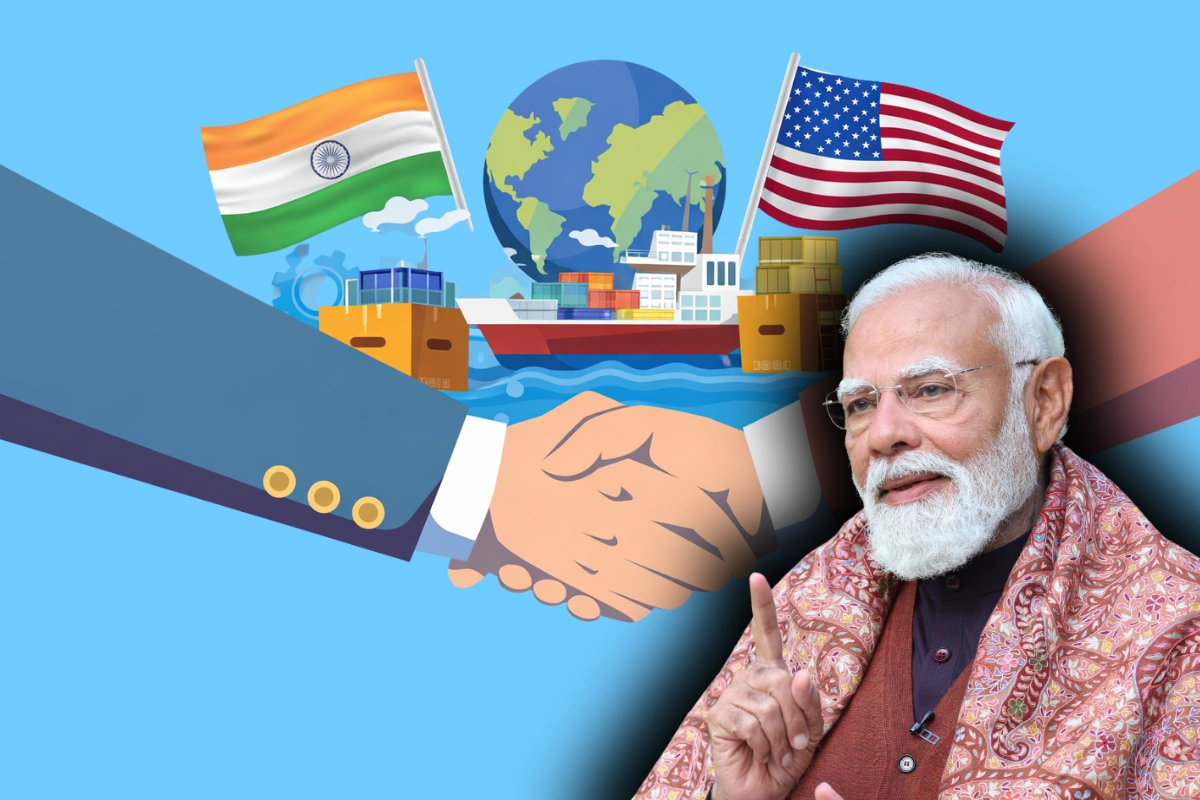
NEW DELHI : The Prime Minister, Shri Narendra Modi, welcomed the agreement on a framework for an Interim Trade Agreement between India and the United States, terming it great news for both nations.

The Prime Minister thanked Donald Trump for his personal commitment to strengthening ties between the two countries and said the framework reflects the growing depth, trust and dynamism of the India-US partnership.

The Prime Minister noted that the agreement will strengthen ‘Make in India’ by opening new opportunities for farmers, entrepreneurs, MSMEs, start-up innovators and fishermen, while generating large-scale employment for women and youth.

He further said that the framework will deepen investment and technology partnerships, strengthen resilient and trusted supply chains, and contribute to global growth.

Reaffirming India’s vision of building a Viksit Bharat, the Prime Minister stated that India remains committed to future-oriented global partnerships that empower people and promote shared prosperity.

Responding to the X post of Union Minister of Commerce and Industry, Shri Piyush Goyal about aforesaid interim agreement between India and the United States, Shri Modi wrote on X;

“Great news for India and USA! We have agreed on a framework for an Interim Trade Agreement between our two great nations. I thank President Trump for his personal commitment to robust ties between our countries.

This framework reflects the growing depth, trust and dynamism of our partnership. It strengthens ‘Make in India’ by opening new opportunities for India’s hardworking farmers, entrepreneurs, MSMEs, StartUp innovators, fishermen and more. It will generate large-scale employment for women and youngsters.

India and the United States share a commitment to promoting innovation and this framework will further deepen investment and technology partnerships between us.

This framework will also strengthen resilient and trusted supply chains and contribute to global growth. As India moves forward towards building a Viksit Bharat, we remain committed to building global partnerships that are future-oriented, empower our people and contribute to shared prosperity.”

“India–Seychelles Maritime Partnership deepens under MAHASAGAR vision, signals strategic convergence in the Indian Ocean”: Sarbananda Sonowal

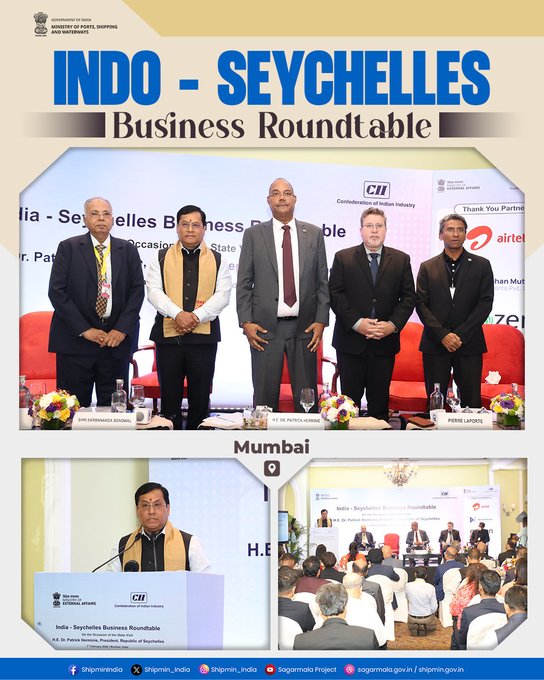
NEW DELHI : India and Seychelles explored opportunities to deepen cooperation in maritime trade, blue economy sectors and sustainable development at an Indo-Seychelles Business Roundtable, held in Mumbai, which was attended by H.E. Dr. Patrick Herminie, President of the Republic of Seychelles, and Union Minister for Ports, Shipping and Waterways Shri Sarbananda Sonowal.

Union Minister Sarbananda Sonowal noted that India and Seychelles share a relationship rooted in history and strengthened by enduring people-to-people ties, with maritime exchanges predating modern diplomacy. This partnership, Sonowal asserted, has evolved into a close and friendly relationship based on shared democratic values, pluralism and mutual respect, with cooperation spanning development assistance, capacity building, education, healthcare, maritime security and disaster response.

India’s engagement with Seychelles is guided by the MAHASAGAR vision—Mutual and Holistic Advancement for Security and Growth Across Regions—which emphasises economic cooperation, sustainability and security in the Indian Ocean Region.

“This partnership has received renewed momentum under the visionary leadership of Hon’ble Prime Minister Shri Narendra Modi ji. His emphasis on neighbourhood-first engagement, ocean-based cooperation, and inclusive growth has provided clear strategic direction to India’s engagement with island nations of the Indian Ocean, including Seychelles. India and Seychelles share a common vision of the Indian Ocean as a region of peace, stability and shared prosperity,” said Sarbananda Sonowal.

Sonowal said India’s experience in port-led development, logistics, maritime services and renewable energy can complement Seychelles’ development priorities, while Mumbai’s financial and fintech ecosystem can support innovation and financial inclusion initiatives.

Identifying priority areas for deeper cooperation, Sarbananda Sonowal said, “Blue economy offers significant scope, including fisheries, aquaculture, port development, marine infrastructure, ocean-based renewable energy and marine research. Tourism and hospitality, renewable energy, healthcare, pharmaceuticals, financial services, fintech, education and skills development also present strong opportunities for collaboration”

The India-Seychelles Business Roundtable saw participation from numerous business entities in India active in the infrastructure, ports, fisheries, health, education, fintech and automobile sectors.

The Union Minister underlined that Mumbai’s strengths as a port city—its ports, logistics networks, maritime services, shipyards and financial ecosystem—make it a natural platform to advance India–Seychelles cooperation in maritime trade and ocean-based industries.

“Mumbai has, for centuries, symbolised India’s engagement with the world. Shaped by the sea, trade and enterprise, it is a fitting venue to discuss economic and business cooperation between India and Seychelles—two maritime nations connected by the Indian Ocean and united by a shared vision of prosperity and sustainable development,” Sarbananda Sonowal said.

Referring to India’s broader economic trajectory, Sonowal said the country is at a pivotal moment, supported by sustained domestic demand, a reform-oriented policy environment and large-scale infrastructure investment. Over the past decade, he said, India has undertaken wide-ranging reforms in taxation, corporate regulation and digital governance, enhancing transparency and ease of doing business.

“In the last 11 years, India’s port capacity has doubled, the number of seafarers has tripled, and sea cruise passengers have increased fourfold,” Sonowal said, adding that India’s maritime growth creates natural synergies with partners such as Seychelles. He said India’s young and skilled workforce remains central to its growth story and offers long-term opportunities for global partners.

Sonowal said India and Seychelles stand at a moment of opportunity, with historic friendship, political trust, expanding connectivity and a shared maritime vision providing a strong foundation to elevate economic partnership.

“From Mumbai to Mahé, the distance is shorter and the possibilities greater,” Sonowal said, urging businesses from both countries to work together to build enduring and mutually beneficial partnerships.

Indian exports to Seychelles include pharmaceuticals, food products, textiles, engineering goods, construction materials, automobiles and consumer products, while Indian companies have contributed to infrastructure development, energy projects, construction and services in Seychelles. He noted that improved connectivity, including direct flights between Mumbai and Mahé, has strengthened tourism, business travel and commercial engagement between the two countries.

Organised by the Confederation of Indian Industry (CII) in collaboration with the Ministry of External Affairs, Govt of India, it was attended by senior officials, business leaders and industry representatives from both countries including Vijay Kumar, IAS, Secretary, MoPSW; Shyam Jagannathan, Director General of Shipping; Captain B K Tyagi, Chairman & Managing Director (CMD), Shipping Corporation of India (SCI); M Angamuthu, Chairperson of Mumbai Port Authority (MbPA); Gaurav Dayal, Chairperson, Jawaharlal Nehru Port Authority (JNPA); Rohit Rathish, High Commissioner of India to Seychelles; S. Kuppuswamy, Special Advisor, Shapoorji Pallonji among others

PM Modi to hold talks with Seychelles President Dr. Patrick Herminie in New Delhi

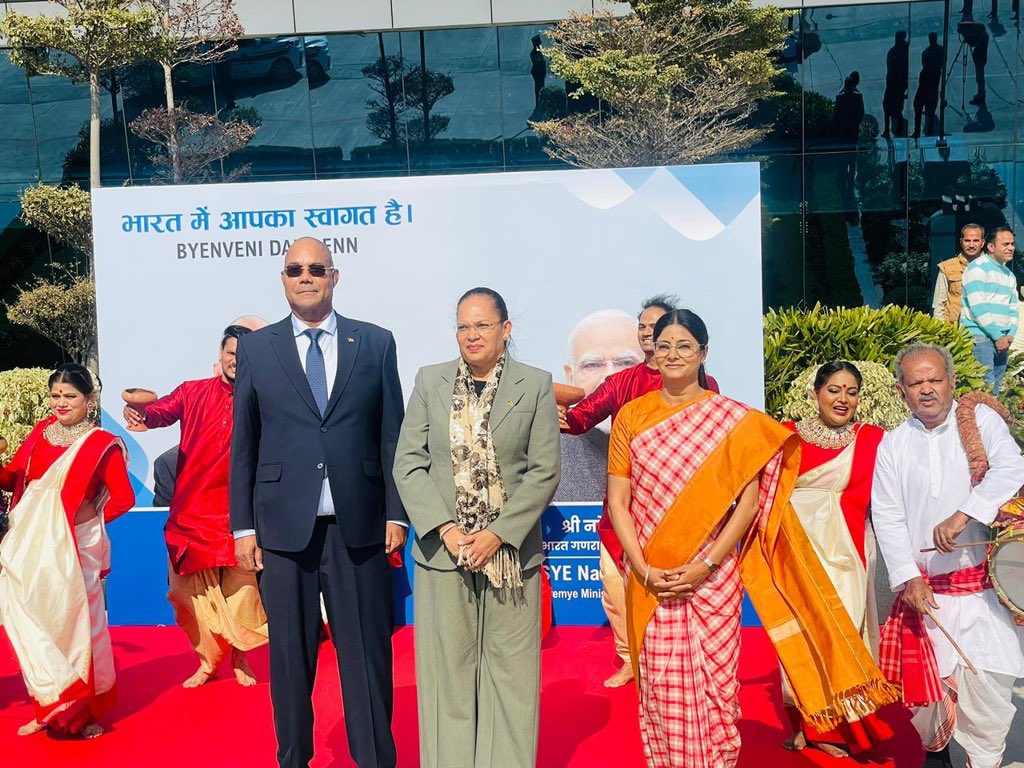
NEW DELHI: Prime Minister Shri Narendra Modi will hold talks with the President of Seychelles Dr. Patrick Herminie, in New Delhi today. Both leaders will hold discussions on bilateral, regional and international issues of mutual interest. President Herminie will also meet President Droupadi Murmu at the Rashtrapati Bhavan this evening. Mr Hermini,e who is on a six-day visit to India, arrived in New Delhi yesterday.

Union Minister Smt. Anupriya Patel received him at the airport. Seychelles is a key maritime neighbour for India in the Indian Ocean region and holds a special place in India’s Vision MAHASAGAR (Mutual and Holistic Advancement for Security and Growth Across Regions) and the commitment to the Global South.

The visit of the President of Seychelles coincides with the 50th anniversary of the establishment of diplomatic ties between India and Seychelles. Before coming to New Delhi, the President of Seychelles visited Chennai and Mumbai, where he attended business events. The visit of the President of Seychelles will lend further momentum to wide-ranging cooperation and robust people-to-people ties between the two countries.

“No, there’s no confusion…we are on same footing as any other country”: Piyush Goyal on India-US steel, copper and aluminium tariffs

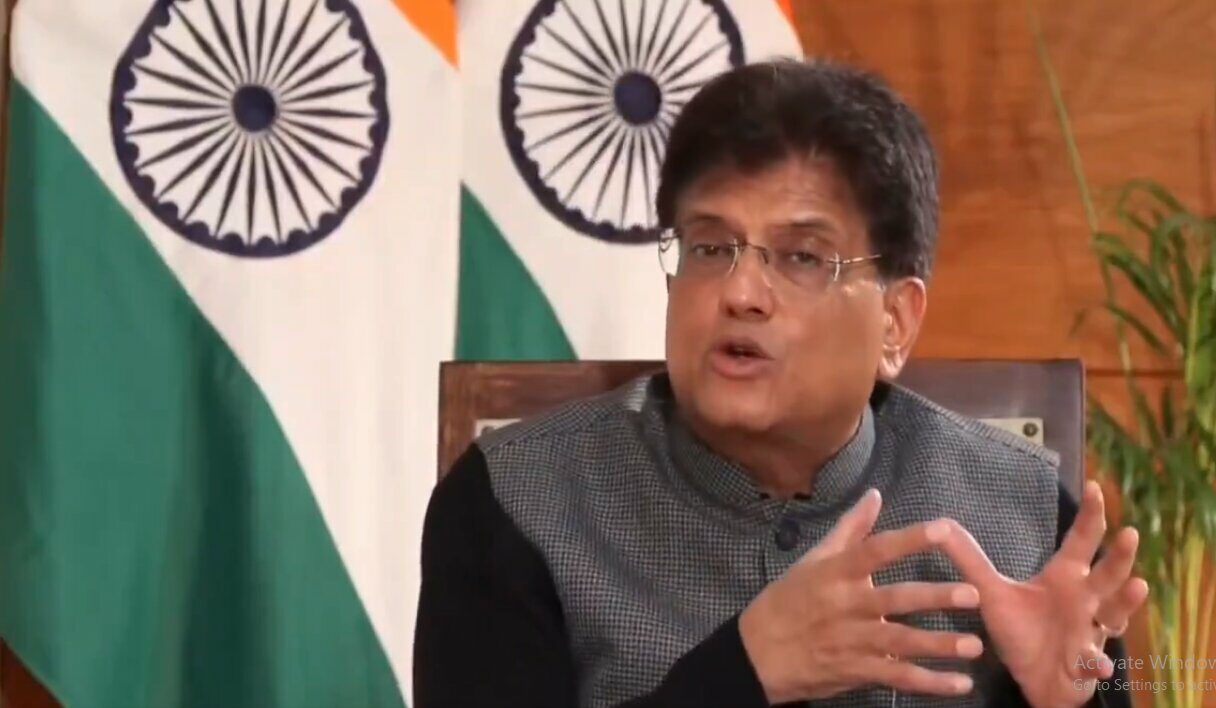
NEW DELHI: Union Commerce and Industry Minister Shri Piyush Goyal on Sunday clarified that India remains on the same footing as other nations regarding US tariffs on steel, aluminium, and copper.

In an interview with ANI, Goyal dispelled concerns in the export community after the landmark India-US interim trade deal was announced, which would reduce tariffs on many Indian exports.

He noted that the US imposes 50% tariffs on steel, aluminium, and copper globally on national security grounds (under Section 232) and that these tariffs are not specific to India.

Because these duties apply equally across all countries, Goyal argued that they do not affect India’s relative competitive position in the American market.

The Union Minister said it was “not a reciprocal tariff” and is not India-specific, as it applies globally, emphasising that India is being treated on par with other economies. The U.S. has agreed to reduce reciprocal tariffs on a wide range of other Indian goods from 50% down to 18%.

“No, there’s no confusion. Everybody knows. And that’s a Section 232 tariff. It’s not a reciprocal tariff. That’s a national security clause under which they have conducted an investigation, and these products are at 50% globally. Nothing to do with India. So we are on the same footing as any other country in the world,” he said.

Approximately $12 billion in Indian exports, including these metals and certain auto parts, will remain unchanged under the current agreement.

In August 2025, the US intensified Section 232 import restrictions, imposing 50% tariffs on most steel, aluminium, and certain semi-finished copper products to protect national security.

The minister highlighted that India has secured significant exemptions for finished and high-value manufactured goods, following negotiations with the US. While raw metals may fall under the Section 232 duties, products that use these inputs but are manufactured into specialised components will not automatically attract the tariffs.

These exemptions, Goyal noted, provide a major boost to India’s advanced manufacturing ambitions and protect exporters operating in critical global supply chains.

“They have given us certain exemptions, like aircraft components, that we export, which will get zero duty even under Section 232. There are certain automotive components for which we will pay zero duty, even if they fall under 232. So that will all come out when the final agreement is placed before the people,” Goyal said.

Approximately $44 billion worth of Indian exports, including textiles, gems, and pharmaceuticals, will now qualify for zero reciprocal duty.

Looking ahead, the Union Commerce and Industry Minister said discussions on other sectors are still ongoing. Pharmaceuticals, in particular, remain under “pending determination,” with no final decision yet on their treatment under the evolving trade framework.

The broader trade agreement between India and the US is expected to be finalised within the next six weeks, he said.

“The full picture will be clear once the final agreement is unveiled,” Goyal said, describing it as a roadmap for the next phase of bilateral trade relations.

Source: ANI

Railways’ financial health improves in last 10 years, surplus revenue after meeting cost : Vaishnaw

NEW DELHI : Union Railways Minister Shri Ashwini Vaishnaw on Friday said the financial health of the railways department has improved a lot in the last 10 years and it now has a small revenue surplus after meeting all costs. Replying to supplementaries during the Question Hour in the Rajya Sabha, the minister said 5.04 lakh jobs were generated during the 2014-24 period while another 1.5 lakh employment is being provided in the third term of the government.

Shri Vaishnaw said there have been concerted efforts in the last 10 years to increase freight traffic, enhance passenger revenue, besides controlling cost. “Under the leadership of Prime Minister Narendra Modi, there has been a lot of improvement in the financial health of the Indian Railways in the last 10 years,” he said while replying to a question by senior BJP member Laxmikant Bajpayee.

Elaborating further, Mr. Vaishnaw said the railways staff cost stands around ₹1.18 lakh crore for about 12 lakh employees while 18 lakh pensioners cost ₹65,000 crore. The energy cost is ₹32,000 crore, finance cost ₹23,000 crore and maintenance cost ₹8,000 crore.

The overall cost of railways is about ₹2.74 lakh crore, he added. “Railways is earning a small surplus after meeting all its costs because of the steps taken by the central government in the last 10 years,” Mr. Vaishnaw asserted.

In the 2024-25 fiscal year, the operating ratio was 98.22%, gross traffic receipts ₹2,65,114 crore and surplus ₹2,660 crore, the minister informed in a written reply.

Mr. Vaishnaw said the Prime Minister’s decision to achieve complete electrification of the railway network has led to reduction in the energy cost besides providing immense environmental benefits. The energy (diesel and electrical) cost has reduced to about ₹32,400 crore from ₹37,841 crore four years ago, despite an increase in freight traffic, he highlighted.

The minister said the railways is having a small revenue surplus because of efficiencies in operations, especially saving of ₹5,500 crore in energy cost, better maintenance practice, and increase in freight traffic by 400 million tonnes.

Vaishnaw said the government is providing a subsidy of ₹60,000 crore to all passengers. The subsidy level is at 45% in the railway fare for passengers.

On employment creation, the minister said between 2014 and 2024, around 5.04 lakh crore jobs were provided.

In the third term of the Modi government, Vaishnaw said, the process of providing jobs to 1.5 lakh people is going on and there is a good progress in this direction.

He said the process of filing 18,000 vacancies of assistant loco pilots has been completed and their onboarding has begun. Railways has created a war room to ensure actions against any complaint from the examination centres, the minister said.

Replying to another supplementary, Vaishnaw said the Modi government has given a lot of attention to the Northeast.

The Budget has been increased to ₹11,486 crore from a mere ₹2,000 crore in the UPA government, he added.

Source :PTI

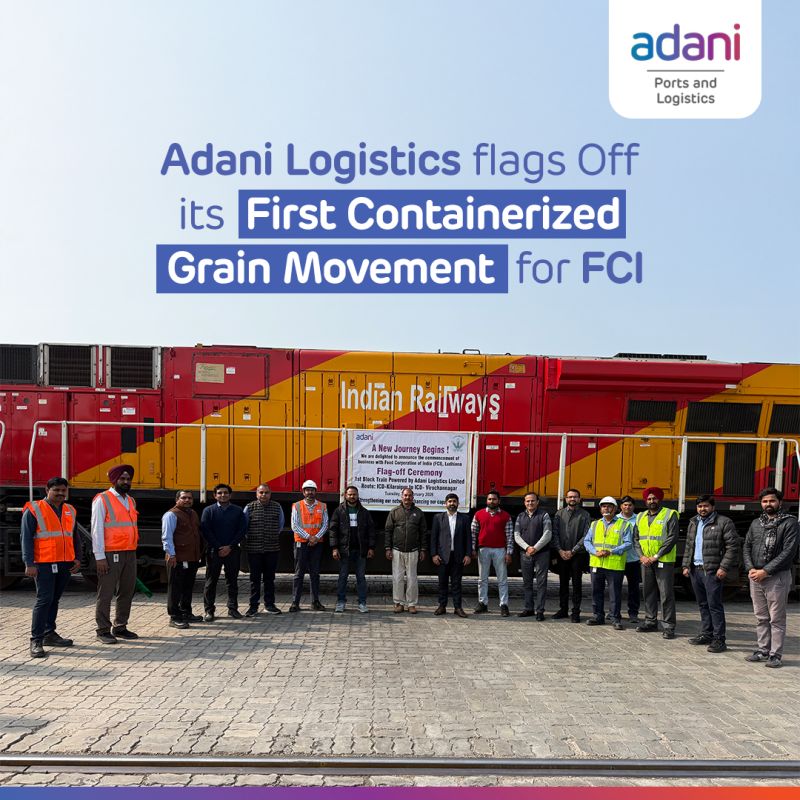
Adani Logistics executes first containerized Grain Rake Movement for FCI, strengthening India’s Agri Supply Chain

LUDHIANA : Adani Logistics has successfully executed its first containerized grain rake movement for the Food Corporation of India (FCI), transporting food grains from Ludhiana, Punjab to Ahmedabad, Gujarat. The milestone marks a significant advancement in modernizing India’s agricultural logistics and enhancing food security infrastructure.

The rake movement leverages containerized rail transport to ensure safer handling, reduced transit losses, and improved cargo protection against pilferage, contamination, and weather-related damage. By shifting bulk grain movement into containers, the initiative introduces higher efficiency, better traceability, and streamlined multimodal integration.

Punjab, one of India’s largest grain-producing states, plays a critical role in supporting the Public Distribution System (PDS). Efficient transportation from farm belts to consumption centres is essential to maintaining food security across regions. The Ludhiana–Ahmedabad corridor represents a key supply route connecting surplus-producing states to high-demand markets.

This initiative aligns with the Government of India’s broader push toward logistics modernization, multimodal integration, and reduced supply chain inefficiencies. Containerization of food grains is expected to:

Minimize wastage and transit damage

Enhance operational efficiency and turnaround times

Improve inventory planning and tracking

Reduce handling risks and environmental exposure

Support sustainable and cost-effective bulk transport

Adani Logistics continues to expand its integrated rail and container network, strengthening connectivity between agricultural hubs, ports, inland container depots, and consumption centres. The company remains committed to building resilient logistics infrastructure that supports farmers, safeguards food stocks, and ensures timely delivery under India’s food security framework.

The successful execution of this first containerized grain rake for FCI sets the stage for scaling similar movements across key agricultural corridors, reinforcing India’s commitment to efficient, secure, and future-ready agri logistics.