Home Blog Page 472

PM Modi to dedicate and lay foundation stone for various rail and road projects worth over ₹3,250 crore in Malda and more than ₹830 crore at Singur, Hooghly

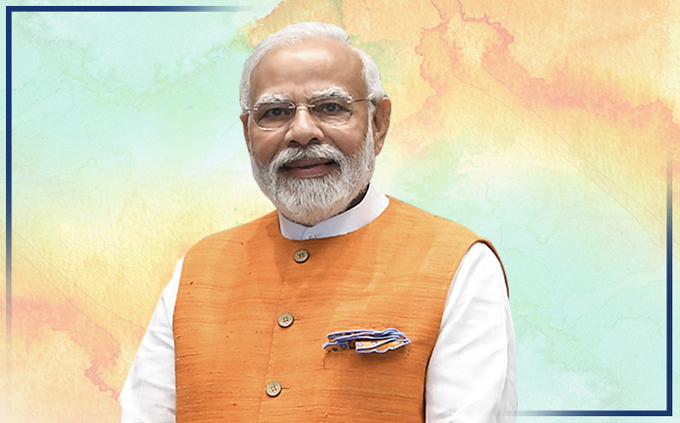
NEW DELHI : Prime Minister Shri Narendra Modi will visit West Bengal on 17-18 January, 2026. On 17th January, at around 12:45 PM, Prime Minister will visit Malda and flag off India’s first Vande Bharat Sleeper Train between Howrah and Guwahati (Kamakhya) at Malda Town Railway Station. Thereafter, at around 1:45 PM, Prime Minister will dedicate to the Nation and lay the foundation stone of multiple rail and road infrastructure projects worth more than ₹3,250 crore in a public function at Malda.

On 18th January, at around 3 PM, Prime Minister will inaugurate, lay the foundation stone and flag off various development projects worth around ₹830 crore at Singur in Hooghly district.

PM in Malda

Prime Minister will visit Malda and dedicate to the nation, and lay the foundation stone of multiple rail and road infrastructure projects worth ₹3,250 crore, aimed at strengthening connectivity and accelerating development in West Bengal and the North-Eastern region.

Prime Minister will visit Malda Town Railway Station, where he will flag off India’s first Vande Bharat Sleeper Train between Howrah and Guwahati (Kamakhya). He will also virtually flag off the Guwahati (Kamakhya)–Howrah Vande Bharat Sleeper Train. Developed to meet the growing transportation needs of modern India, the fully air-conditioned Vande Bharat Sleeper train is set to offer passengers an airline-like travel experience at economical fares. It will make long-distance journeys faster, safer, and more convenient. By significantly reducing travel time by around 2.5 hours on the Howrah–Guwahati (Kamakhya) route, the train will also give a major boost to religious travel and tourism.

Prime Minister will lay the foundation stone of four major railway projects in West Bengal, including the new rail line between Balurghat and Hili, next-generation freight maintenance facilities at New Jalpaiguri, upgradation of the Siliguri Loco Shed, and modernization of Vande Bharat train maintenance facilities in Jalpaiguri district. These projects will strengthen passenger and freight operations, improve logistics efficiency in North Bengal, and generate employment opportunities in the region.

Prime Minister will dedicate to the Nation the electrification of rail lines between New Coochbehar–Bamanhat and New Coochbehar–Boxirhat, enabling faster, cleaner and more energy-efficient train operations.

Prime Minister will further virtually flag off 4 New Amrit Bharat Express trains – New Jalpaiguri- Nagercoil Amrit Bharat Express; New Jalpaiguri- Tiruchirappalli Amrit Bharat Express; Alipurduar – SMVT Bengaluru Amrit Bharat Express; Alipurduar – Mumbai (Panvel) Amrit Bharat Express. This will enhance affordable and reliable long-distance rail connectivity. These services will support the mobility needs of common citizens, students, migrant workers and traders, while strengthening inter-state economic and social linkages.

Prime Minister will also flag off two new train services equipped with LHB coaches – Radhikapur – SMVT Bengaluru Express; Balurghat – SMVT Bengaluru Express. These trains will provide the region’s youth, students, and IT professionals with direct, safe, and comfortable travel connectivity to major IT and employment hubs such as Bengaluru.

Prime Minister will lay the foundation stone for the rehabilitation and four-laning of the Dhupguri–Falakata section of National Highway-31D, a key road project that will improve regional road connectivity and facilitate smoother movement of passengers and goods in North Bengal.

These projects will play a vital role in building modern infrastructure creation and improved connectivity, strengthening the Eastern and North-Eastern regions as key growth engines of the Nation.

PM in Hooghly

Prime Minister will inaugurate, lay the foundation stone of and flag off various development projects worth more than ₹830 crore at Singur, Hooghly.

Prime Minister will lay the foundation stone of the Extended Port Gate System at Balagarh, including an Inland Water Transport (IWT) terminal and a Road Over Bridge

Spanning an area of approximately 900 acres, Balagarh is being developed as a modern cargo handling terminal with an envisaged capacity of about 2.7 million tonnes per annum (MTPA). The project includes the construction of two dedicated cargo handling jetties, one for containerised cargo and one for dry bulk cargo.

The Balagarh project aims to significantly improve cargo evacuation efficiency by diverting heavy cargo movement away from congested urban corridors. This will enhance road safety, reduce vehicular congestion and pollution in Kolkata city, and contribute to an improved quality of life for residents. Improved multimodal connectivity and logistics efficiency will also provide cost-effective market access to regional industries, MSMEs, and agricultural producers. The project is expected to generate substantial direct and indirect employment, benefiting local communities through job creation in logistics, terminal operations, transport services, maintenance, and allied activities.

Prime Minister will also launch a state-of-the-art Electric Catamaran in Kolkata. This is one of the 6 Electric Catamarans indigenously built for inland water transport by Cochin Shipyard Ltd. The 50-passenger hybrid electric aluminium catamaran, equipped with advanced electric propulsion systems and lithium-titanate battery technology, is capable of operating in fully electric zero-emission mode as well as in hybrid mode for extended endurance. The vessel will support urban river mobility, eco-tourism and last-mile passenger connectivity along the Hooghly River.

Prime Minister will also inaugurate the Jayrambati–Barogopinathpur–Maynapur new rail line. This line is an important part of the Tarkeshwar–Bishnupur new rail line project. Along with the new rail line, a new train service between Maynapur and Jayrambati, with a halt at Barogopinathpur, will also be flagged off. It will provide direct rail connectivity to the residents of Bankura district, making travel more affordable and convenient for daily commuters, students and pilgrims.

Prime Minister will flag off three Amrit Bharat Express trains : Kolkata (Howrah) – Anand Vihar Terminal Amrit Bharat Express; Kolkata (Sealdah) – Banaras Amrit Bharat Express; Kolkata (Santragachi) – Tambaram Amrit Bharat Express.
Startup India has evolved into a defining movement of New India: PM Modi

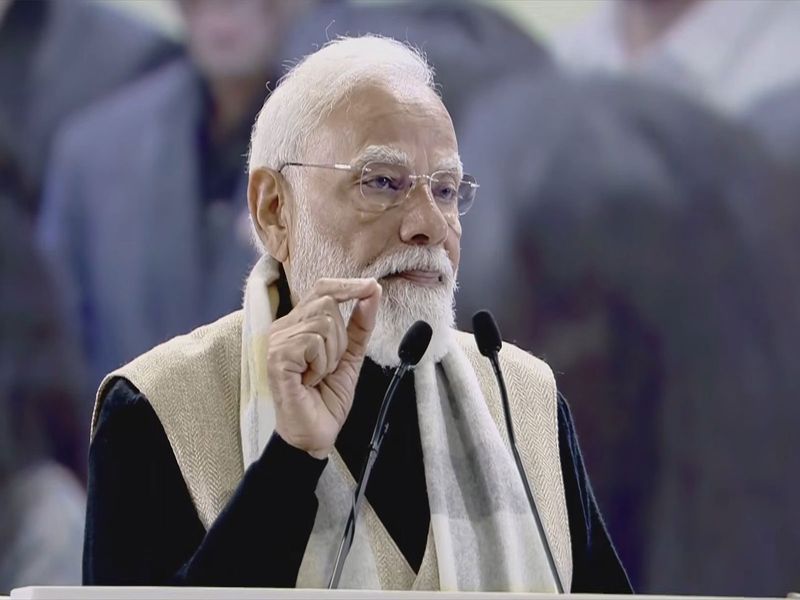
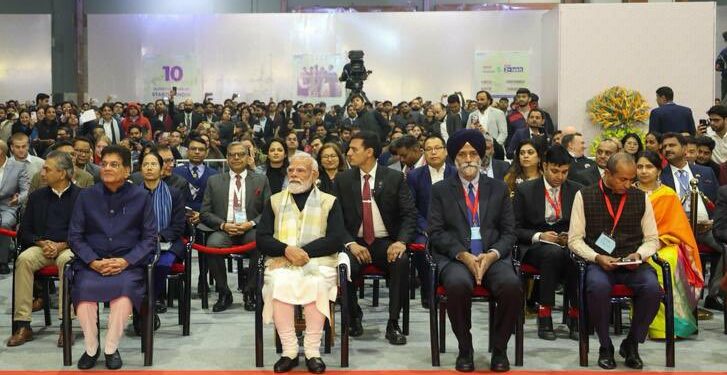
NEW DELHI : Calling the ten-year journey of Startup India a revolution shaped by millions of dreams and youthful imagination, Prime Minister Shri Narendra Modi said that the initiative has gone far beyond being a government scheme to become a defining movement of new India, while addressing startup founders, innovators, and young entrepreneurs at Bharat Mandapam, New Delhi on National Startup Day, on Friday..

Highlighting that India has emerged as the world’s third-largest startup ecosystem in just ten years, he noted that the number of startups has grown from fewer than 500 in 2014 to over two lakh today, while the count of unicorns has risen from four to nearly 125, with Indian startups increasingly launching IPOs, creating jobs, and attracting global attention.

The Prime Minister said that nearly 44,000 startups were registered in 2025 alone—the highest in any single year—underscoring the accelerating momentum of the ecosystem. Recalling interactions with young innovators from sectors such as agriculture, fintech, mobility, health, and sustainability, he said their ideas, confidence, and ambition reflected a new India focused on solving real-world problems. The Prime Minister expressed satisfaction at meeting the youth and praised their courage to dream big, stating that Startup India has given them an open sky to innovate and that many of the young entrepreneurs present today would themselves become future case studies in India’s startup success story.

Union Minister for Commerce and Industry, Shri Piyush Goyal, while addressing the event said that ten years ago today, the Prime Minister of India presented a new line of thought to the nation, calling upon the youth to transform themselves from job seekers into job generators. He stated that the country is proud to witness this transformation clearly taking shape under the Prime Minister’s leadership.

Shri Goyal recalled that when the Startup India initiative was launched in 2016, there were only about 400 startups in the country. Today, the movement has expanded significantly, with over two lakh startups registered with the Department for Promotion of Industry and Internal Trade (DPIIT). He added that these startups have generated an estimated 21 lakh jobs across the country.

Highlighting the widespread impact of Startup India, the Minister said that during his interactions with students and faculty members at university convocations, he witnesses a new sense of confidence among the youth. He noted that several campuses have transformed into “mini Shark Tanks”, with students eager to convert their ideas into reality. This change, he said, has been made possible through the visionary leadership and constant encouragement of the Prime Minister.

Sharing his experience of engaging with startups at IIT Madras’ Centre for Innovation, Shri Goyal said he was deeply impressed by the enthusiasm, creativity, and problem-solving capabilities of the students. He emphasized that their talent and skills reflect India’s potential to address global challenges and showcase innovation on the world stage.

The Minister noted that Indian startups are currently active in over 50 sectors, including Deep Tech, Artificial Intelligence, Machine Learning, Quantum Computing, Agri-Tech, Space Tech, Drone Technology, Aerospace, and Rocket Technology. He said startups are prospering across all essential and high-impact sectors of the economy.

To strengthen the startup ecosystem, Shri Goyal recalled that the Government constituted a Fund of Funds worth ₹10,000 crore in 2016 to provide seed capital and enable startups to take calculated risks. Following the successful utilisation of the first tranche, a second tranche of ₹10,000 crore was sanctioned in the last Union Budget. He stated that the Government aims to deploy a significant portion of this fund in deep tech and high-tech sectors to further encourage youth entrepreneurship.

The Minister further highlighted that the Prime Minister has announced a ₹1 lakh crore fund dedicated to research, development, and innovation, which will support researchers, scientists, and startups in undertaking advanced research in deep tech at par with global standards.

Shri Goyal pointed out that startups are now present in every corner of the country, with nearly 50 per cent originating from Tier-II and Tier-III cities, demonstrating that the startup revolution has truly become an Indian movement. He cited the North Eastern region as a prime example, noting the commendable work of startups in Sikkim and the collaboration between tea cultivators and youth in Assam to introduce modern farming techniques. In southern India, he said Andhra Pradesh is emerging as the drone capital of the country, while Karnataka and Tamil Nadu have become hubs for deep tech and AI startups.

Stating that the world views India with great optimism, Shri Goyal said that during foreign delegations and Free Trade Agreement negotiations, several countries have expressed keen interest in establishing startup bridges with India. He estimated that nearly 100 countries are seeking to collaborate with India’s startup ecosystem through inter-startup coordination platforms.

The Minister concluded by expressing confidence that the seed of Startup India, sown under the leadership of Prime Minister Shri Narendra Modi, will continue to flourish and play a pivotal role in realizing the vision of Viksit Bharat, a dream shared by 140 crore Indians.

As India completes a landmark decade of the Startup India initiative, the Department for Promotion of Industry and Internal Trade (DPIIT), Ministry of Commerce and Industry, commemorates ten years of sustained policy-driven efforts to build a strong, inclusive, and innovation-led entrepreneurial ecosystem in the country. The celebrations culminate, with the observance of National Startup Day and the Result Declaration Ceremony of the 5th editions of the States’ Startup Ranking Exercise and the National Startup Awards, bringing together key stakeholders from across the startup ecosystem.

Launched on 16th January 2016 by Prime Minister, Shri Narendra Modi, Startup India was envisioned as a transformative initiative to nurture innovation, promote entrepreneurship, and enable investment-driven growth with a vision of India being a nation of job creators instead of job seekers.

Over the past ten years, the initiative has emerged as a cornerstone of India’s economic and innovation architecture, strengthening institutional mechanisms, expanding access to capital and mentorship, and fostering an environment where startups can scale across sectors and geographies. In recognition of the critical role played by startups in nation-building, socio-economic development, and self-reliance, the Prime Minister, in 2022, declared 16 January as National Startup Day.

Over the past decade, the Indian startup ecosystem has recorded unprecedented expansion, with more than 2,00,000 startups recognised by DPIIT across the country. These enterprises have emerged as key drivers of employment generation, innovation-led economic growth, and the strengthening of domestic value chains across diverse sectors. Through sustained policy support, institutional facilitation, and ecosystem-wide collaboration, the Startup India initiative continues to advance the national vision of Viksit Bharat @ 2047 by fostering entrepreneurship as a catalyst for inclusive growth, technological advancement, and long-term economic resilience.

As part of the National Startup Day celebrations, DPIIT announced the results of the fifth edition of the National Startup Awards (NSA 5.0) and the States’ Startup Ranking Exercise (SRF 5.0), two flagship initiatives that have emerged as key national platforms for driving ecosystem performance and recognising excellence across the startup landscape.

The National Startup Awards are designed to recognise startups that demonstrate excellence in innovation, scalability, and societal impact, while providing a structured national platform to showcase high-impact enterprises. The fifth edition of the Awards, coinciding with the ten-year milestone of Startup India, reflects the evolving maturity of the ecosystem through the introduction of new and future-oriented award categories. Spread across 20 award categories, this edition of the National Startup Awards include recognition for startups from Tier II and Tier III cities, deep-tech innovation, and emerging sectors aligned with national development priorities.

The States’ Startup Ranking Framework serves as a practical policy and governance tool to assess how effectively States and Union Territories are enabling startup growth on the ground. By encouraging both healthy competition and collaboration among state governments, the framework supports the development of strong, well-functioning startup ecosystems across the country.
The fifth edition of the States’ Startup Ranking Framework builds on lessons from previous editions and places greater emphasis on measurable outcomes, long-term sustainability, and the resilience of startup ecosystems. States and Union Territories are evaluated across six reform areas and nineteen clearly defined action points, covering policy and institutional support, physical and digital infrastructure, access to funding, market access and linkages, capacity building for entrepreneurs and ecosystem stakeholders, and innovation-led growth. Participation from 34 States and Union Territories in the current edition reflects a shared national commitment to improving implementation, strengthening ecosystem maturity, and enabling startups to grow and scale across regions.

The National Startup Awards and the States’ Startup Ranking Exercise have decisively shaped how startup success is recognised and how ecosystem performance is measured across the country. By rewarding high-performing startups and assessing government action at the State level, these initiatives have driven accountability, raised standards, and accelerated the pace of ecosystem development nationwide.

As Startup India completes ten years, this decade stands out for clear policy intent, consistent execution, and growing entrepreneurial confidence. Startups today are not only engines of innovation and job creation but also critical contributors to economic strength and self-reliance, reinforcing India’s position as a leading global destination for entrepreneurship and innovation.

Time for Indian startups to focus even more on manufacturing: PM Modi

NEW DELHI: Prime Minister Shri Narendra Modi on Friday called upon the Indian startups ecosystem to focus more on manufacturing and create new, best-quality products for the world.

“Over the past decades, we have done quite remarkable work in digital startups and the service sector. Now is the time for our startups to focus even more on manufacturing. We will have to create new products. We will have to create products of the world’s best quality,” PM Modi said, addressing the ten years of the Startup India programme.

In technology, too, the prime minister said Indian startups will have to take the lead by working on unique ideas.

“The future belongs to this. I assure you, the government stands with you in every effort of yours,” he assured the Indian startups.

Previously, the fear of compliance requirements, lengthy approval cycles, and inspector raj were major obstacles to innovation, he noted.

“To address this, we created an environment of trust and transparency. Under the Jan Vishwas initiative, more than 180 provisions have been decriminalised. We have streamlined processes to save your time, allowing you to focus on innovation rather than getting entangled in litigation,” PM Modi said.

In particular, startups now benefit from self-certification facilities across numerous laws.

Additionally, procedures for mergers and acquisitions have been simplified, making it easier for businesses to grow and innovate.

Startup India is not just a scheme, but a “Rainbow Vision”; it is a means of connecting different sectors to new opportunities, the prime minister said.

Addressing entrepreneurs and stakeholders of India’s startup ecosystem, the Prime Minister, on the occassion of National Startup Day, said that for him, the confidence and impression of startups matter more than numbers alone.

He also lauded the risk appetite of India’s startups.
“I have consistently emphasised risk-taking, because it has also been my long-standing habit. Tasks that no one was ready to take up, tasks that previous governments avoided for decades because they feared losing elections or power — I have always considered it my responsibility to take them on. Like you, I too believe that whatever work is necessary for the country must be done by someone. Someone has to take the risk,” he said.

Previously, risk-taking was discouraged, but today it has become mainstream, he said.

People who look beyond their monthly salaries are not only accepted but also respected. Risk-taking ideas that were once considered fringe are now becoming fashionable, he noted.

He also touched on women’s participation, particularly in leadership roles at startups.

Currently, over 45 per cent of recognised startups in India have at least one female director or partner, he told the gathering.

“In terms of women-led startup funding, India boasts the second-largest ecosystem in the world. This growing inclusivity within the startup sector is enhancing the country’s potential. Today, India sees its future in the ongoing startup revolution,” PM Modi said.

Ten years ago, there were fewer than 500 startups in the country; today, this number has crossed more than 200,000. In 2014, India had only four unicorns; today, India has around 125 active unicorns.

Startup India was launched on January 16, 2016, by the Prime Minister as a national programme to nurture innovation, promote entrepreneurship and enable investment-driven growth, with the objective of making India a nation of job creators rather than job seekers.

During the programme today at Bharat Mandapam, the Prime Minister interacted with members of India’s vibrant startup ecosystem. Select startup representatives shared insights from their entrepreneurial journey.

Source: ANI

Piyush Goyal highlights growing self-confidence among India’s youth at Startup Pe Charcha

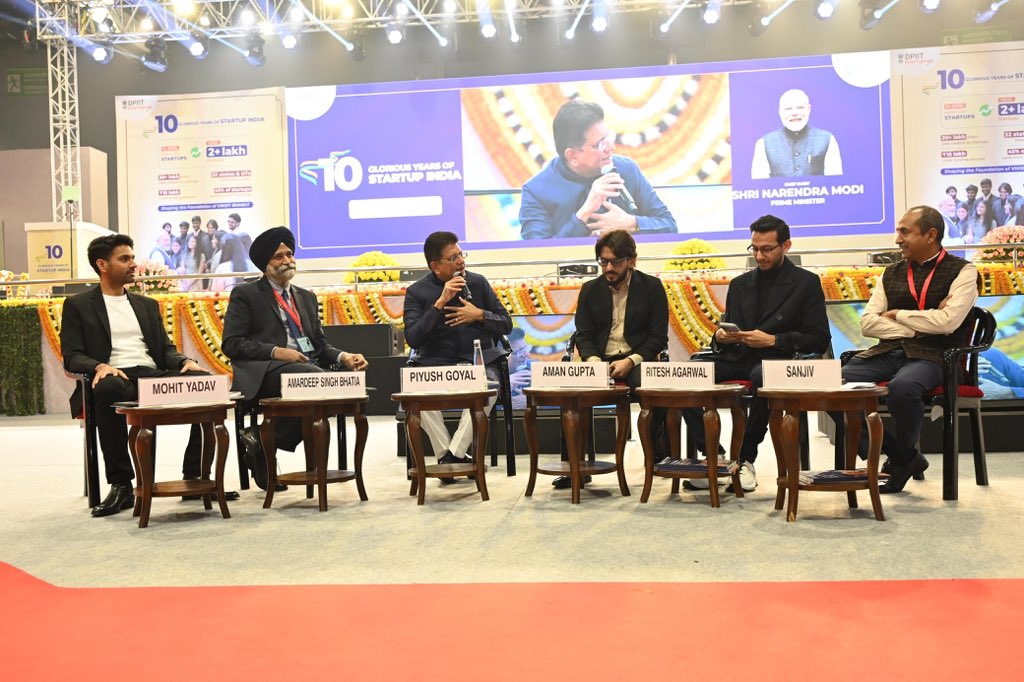
NEW DELHI : Union Minister for Commerce and Industry Shri Piyush Goyal, while addressing the “Startup Pe Charcha” interaction at Bharat Mandapam, New Delhi, highlighted that one of the most visible transformations in a resurgent and new India is the growing self-confidence among the country’s youth. He noted that young Indians today are increasingly willing to take risks, pursue entrepreneurship and experiment with ideas, marking a significant shift from earlier hesitations around career choices. The Minister said that this self-confidence reflects a fundamental change in India’s mindset towards innovation and future-ready growth.

During the interaction, Shri Goyal engaged with several founders and achievers present at the event. Responding to a question on sectors with high growth potential, the Minister identified tourism and skill development as areas offering significant opportunities, both in terms of national requirements and entrepreneurial success. He emphasised the need to integrate technology into these sectors to reach wider sections of the population, particularly in rural areas. He also underlined the importance of training, re-training and re-skilling to prepare India’s workforce for emerging technologies such as artificial intelligence, quantum computing and cyber security.

On Free Trade Agreements (FTAs), the Minister said that India’s recent agreements with developed economies provide significant opportunities for startups and entrepreneurs. He explained that these agreements create certainty and confidence for investors while opening new markets for Indian goods and services. He encouraged startups to explore startup-to-startup collaborations and partnerships with countries abroad to attract investment and expand globally, highlighting opportunities across services, mobility, payments, sustainability, renewable energy and advanced technologies.

On deep-tech innovation, the Minister expressed optimism about the progress being made across the country. He noted that recent policy discussions have brought sharper focus to deep-tech development and said that the second ₹10,000-crore Startup Fund of Funds announced by the Government will significantly support deep-tech startups, particularly at early and critical stages of growth. He added that his interactions with incubators and academic institutions across the country reflect strong momentum in this sector.

Addressing concerns related to sectors such as handicrafts, Shri Goyal highlighted the importance of integrating technology into inventory management to enable artisans to access digital and e-commerce platforms. He stated that the Government e-Marketplace (GeM) is willing to support such efforts by facilitating onboarding, inventory digitisation and market access, including through integration with the Open Network for Digital Commerce (ONDC).

Referring to India’s space startup ecosystem, Shri Goyal noted that over 350 startups are currently operating in the sector, with deep-tech innovation at their core. He said the sector has crossed a valuation of USD 2 billion, with the Government aiming to support the emergence of multiple unicorns in the coming years.

The interaction was held in the presence of Secretary, Department for Promotion of Industry and Internal Trade (DPIIT), Shri Amardeep Singh Bhatia; Joint Secretary, DPIIT, Shri. Sanjiv; Co-founder and Chief Marketing Officer, Boat, Mr. Aman Gupta; Founder and Group Chief Executive Officer, OYO Rooms,Mr. Ritesh Agarwal; and Co-founder, Minimalist, Mr. Mohit Yadav.

Concluding the interaction, the Minister emphasised the importance of building strong domestic supply chains by connecting startups and small enterprises with large investors and manufacturers. He stated that institutions such as Invest India and DPIIT are working to facilitate these linkages, enabling startups to access captive demand, capital and scale. He encouraged entrepreneurs to explore emerging opportunities, take calculated risks and leverage India’s unmatched talent base to drive innovation-led growth.

National Startup Day: MatchLog Founder highlights India’s Growing Role in Global Innovation

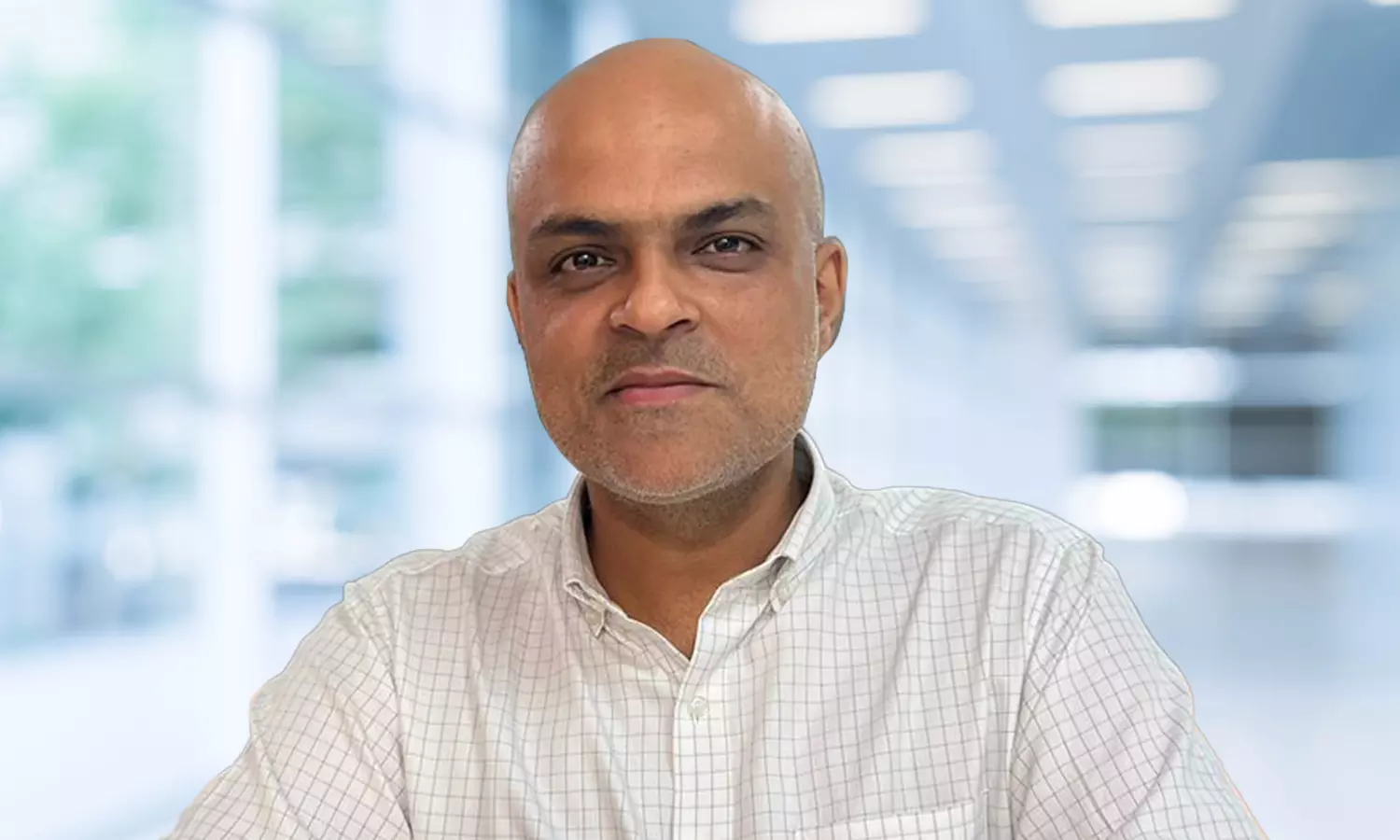
MUMBAI: As India celebrated National Startup Day on 16 January 2026, industry leaders have underscored the country’s emergence as one of the world’s most dynamic innovation ecosystems. Reflecting this momentum, Mr. Dhruv Taneja, Founder & Global CEO of MatchLog, highlighted the growing global impact of Indian startups, particularly in addressing complex challenges across key sectors such as logistics and trade.

Mr. Taneja noted that India’s startup ecosystem today ranks among the world’s leading hubs of innovation, with founders increasingly focused on building scalable, sustainable, and technology-driven solutions. He emphasised that in the logistics and trade domain, the priority is shifting toward smarter systems that reduce inefficiencies while supporting global commerce.

“At MatchLog, we enable manufacturers and logistics partners to collaborate through intelligent matching that reduces waste and strengthens global commerce,” he said, adding that technology-led collaboration is becoming central to the future of supply chains.

Marking the significance of National Startup Day, Mr. Taneja said the occasion celebrates entrepreneurs who are transforming India’s ingenuity into practical solutions that create value beyond borders. He observed that startups today are not only driving business growth but are also contributing positively to communities and environmental sustainability.

National Startup Day serves as a reminder of the critical role played by Indian entrepreneurs in shaping the next phase of economic growth, innovation, and global competitiveness, reinforcing India’s position as a key contributor to the world’s innovation landscape.

Maersk’s MECL Service returns to trans-Suez route

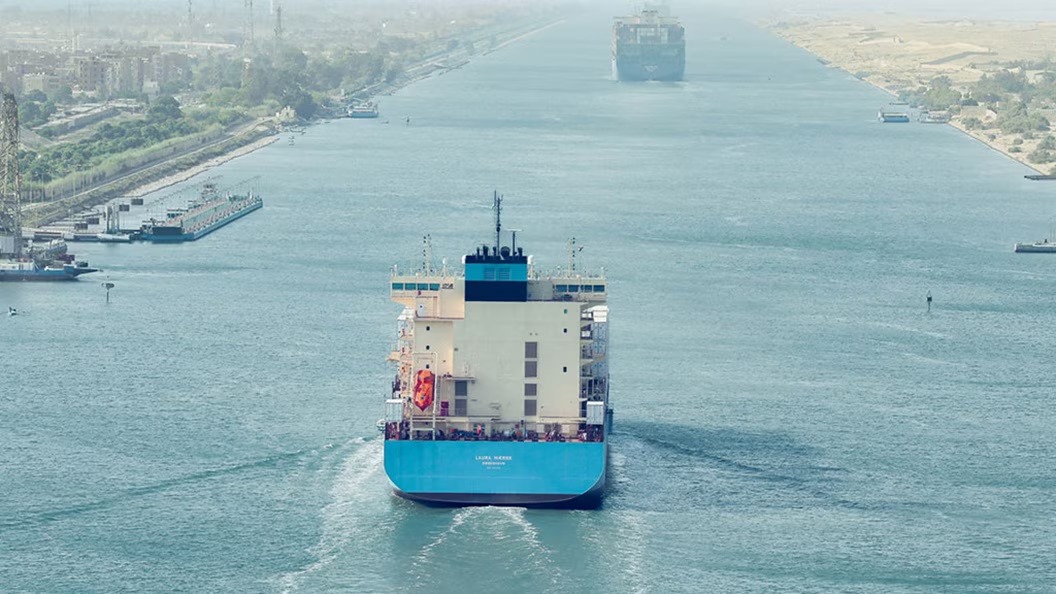
COPENHAGEN : Following the successful trans-Suez transits of the Maersk Sebarok and the Maersk Denver, A.P. Moller – Maersk has decided to implement the first structural change of a service back to the trans-Suez route. This applies to the MECL Service, allowing Maersk to return to the service pattern originally designed and to provide customers with the most efficient transit times. The MECL service is solely operated by Maersk and connects the Middle East and India with the US East Coast.

Maersk will continue to monitor the security situation in the Middle East region very closely, and any alteration to the MECL service will remain dependent on the ongoing stability in the Red Sea area and the absence of any escalation in conflicts in the region. The safety of crew, assets, and customers’ cargo remains the highest priority. Maersk has contingency plans in place should the security situation deteriorate, which may necessitate reverting individual MECL sailings or the wider structural change of the MECL service back to the Cape of Good Hope route.

Trans-Suez is the preferred route
Since the diversion of the first sailing from the Red Sea route to the Cape of Good Hope route, Maersk has maintained the intent to resume trans-Suez routing when conditions allowed. The Suez Canal is a vital maritime corridor between East and West and a key driver of efficient global supply chains. The route through the Suez, the Red Sea, and the Bab el-Mandeb Strait is the fastest, most sustainable and most efficient way to serve customers with transport between Asia and Europe.

The structural change of the MECL service is a significant milestone in Maersk’s gradual resumption of trans-Suez sailings. The strategic partnership between Maersk and the Suez Canal Authority has played a key role in the planning of the return. Collaboration with the Suez Canal Authority and other strategic partners in the region continues to be critical to ensure that the structural change of the MECL service and any next steps in a gradual trans-Suez return happens in a way that ensures the safety of the operations and safeguards predictability and stability for customers.

First sailing of the structural change
The first sailing in the structural change of the MECL service will be the Cornelia Maersk on the westbound trans-Suez route voyage 603W, departing Jebel Ali on 15 January 2026. The Maersk Detroit voyage 602E, departing North Charleston on 10 January 2026, will be the first eastbound sailing to use the Trans-Suez route, with all subsequent sailings following this routing.

Ignazio Messina marks return to Nhava Sheva with break bulk cargo operation

MUMBAI : Ignazio Messina India Pvt. Ltd. has proudly marked its return to Nhava Sheva (Jawaharlal Nehru Port) after a gap of more than two decades, signalling a renewed commitment to India’s maritime trade ecosystem. This comeback has already translated into tangible results, with a steady increase in container movements and the successful handling of complex cargo operations.

Ignazio messina Ignazio Messina marks return to Nhava Sheva with break bulk cargo operation

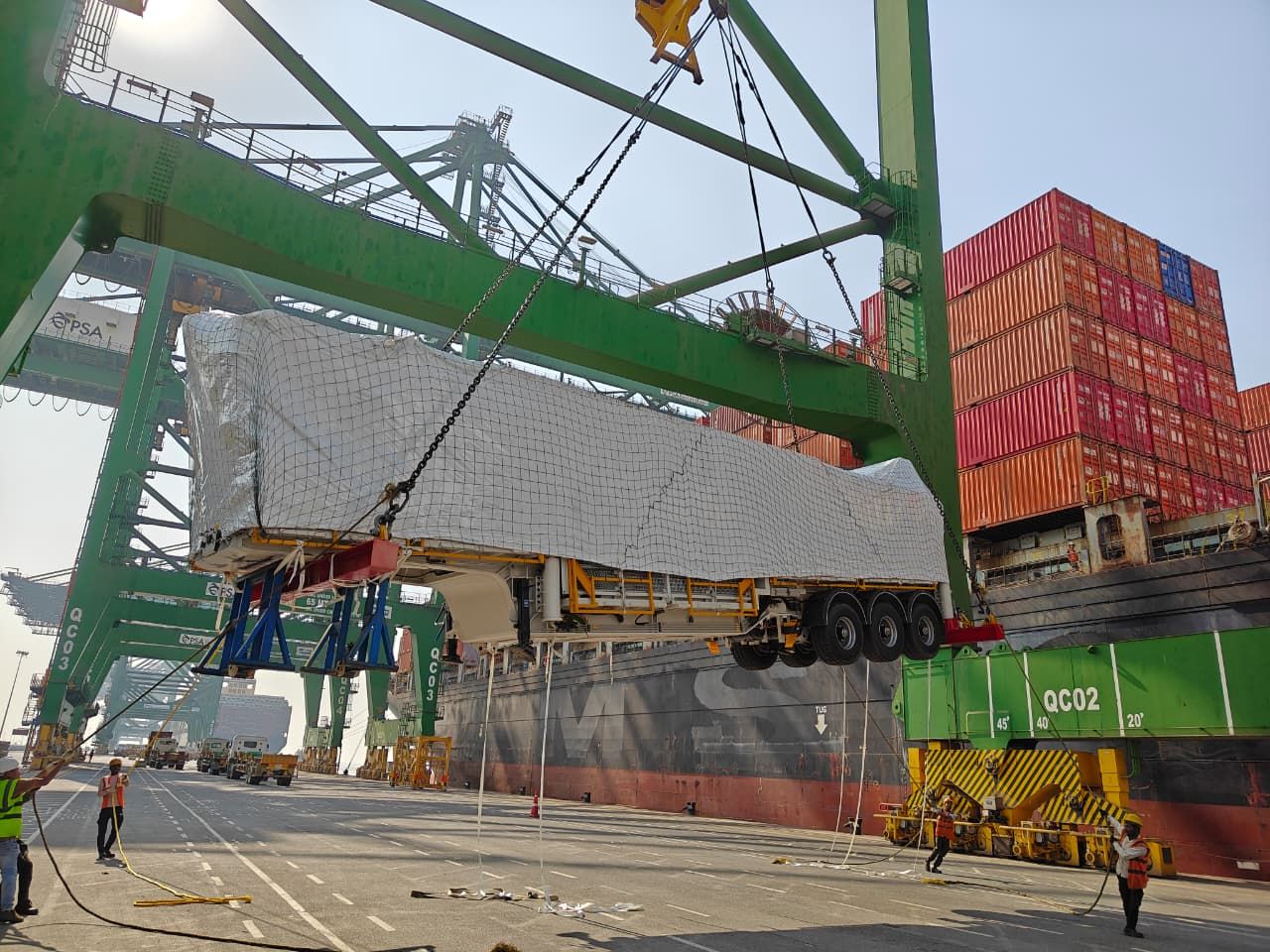
In a significant milestone, the company’s latest vessel call at Nhava Sheva included the discharge of Break Bulk cargo, underscoring the operational capabilities of both Ignazio Messina India Pvt. Ltd. and the port. The operation involved meticulous planning, coordination, and execution, reflecting the port’s ability to efficiently manage diverse and non-containerised cargo alongside regular container traffic.

The successful Break Bulk discharge highlights Nhava Sheva’s growing versatility as a multi-cargo port and reinforces Ignazio Messina’s expertise in handling challenging and specialised cargo movements. It also demonstrates the strong collaboration between the shipping line, port authorities, terminal operators, and other stakeholders involved in ensuring safe and timely cargo handling.

Ignazio Messina India Pvt. Ltd. expressed optimism about its renewed presence at Nhava Sheva and looks forward to building a strong, sustainable, and long-term footprint at the port. With increasing volumes and expanded service offerings, the company aims to further contribute to enhancing trade connectivity and supporting India’s role in global maritime logistics.

Uttarakhand tops NITI Aayog Export Preparedness Index among small states

DEHRADUN : Uttarakhand has secured the first position in the category of Small States, North Eastern States & Union Territories in NITI Aayog’s Export Preparedness Index (EPI) 2024, earning nationwide recognition for its strong export performance. The achievement has been attributed to the state’s export-oriented policies, improved business environment and robust infrastructure, according to the Chief Minister’s Office.

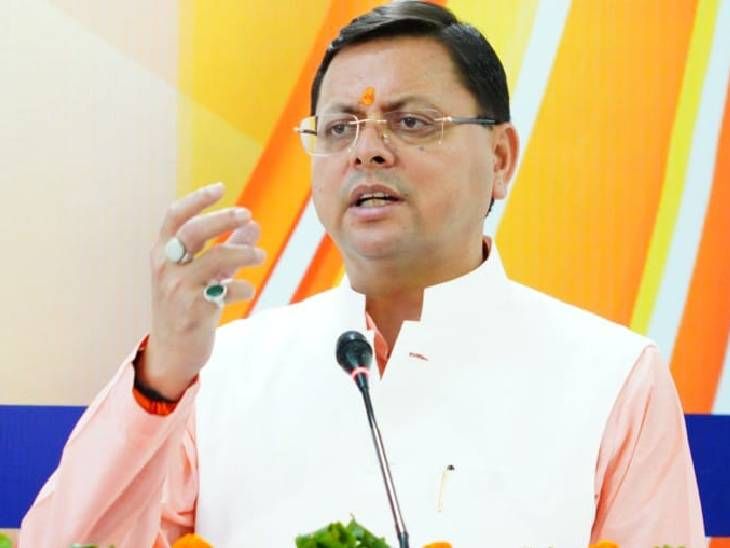
Congratulating the people of the state, Chief Minister Shri Pushkar Singh Dhami said Uttarakhand’s top ranking in the Export Preparedness Index 2024 is a matter of pride. He said the success reflects the government’s industry-friendly policies, strong infrastructure and continuous efforts to promote exports. The Chief Minister added that the government aims to give international recognition to the unique products of every district in Uttarakhand, which will help generate employment and further strengthen the state’s economy.

According to the NITI Aayog report, exports are a key driver of economic growth as they generate foreign exchange, enhance participation in global value chains, and help reduce trade deficits. Uttarakhand’s top position is seen as a significant step toward attracting new investment and opening new avenues for industrial development in the state.

Meanwhile, Chief Minister Pushkar Singh Dhami also inaugurated a three-day Winter Tourism Conclave as part of efforts to promote the winter Char Dham Yatra and boost tourism while connecting local communities with year-round employment opportunities.

The conclave brought together 50 tour operators from across the country, in collaboration with the Association of Domestic Tour Operators of India (ADTOI). In addition, 50 state-level and 50 local tour operators participated.

Registered representatives of hotel associations from Uttarkashi and Barkot, trekking organisations from Uttarkashi and Sankri, and other stakeholders actively participated in the event. Through the platform, discussions focused on the vast potential of winter tourism, with an emphasis on developing Uttarakhand as a year-round destination.

As part of the three-day conclave, tour operators from across the country will visit the winter abodes of Maa Ganga at Mukhba, Maa Yamuna at Kharsali and the Kedarkantha trek base camp at Sankri to promote winter tourism at the national level.

Addressing the conclave, Chief Minister Dhami said the Winter Tourism Conclave is not merely a formal dialogue but a collective effort to give a new direction to tourism in Uttarakhand. He welcomed and encouraged tour operators, travel agents, hotel owners, homestay operators, taxi and transport union representatives and those associated with adventure tourism.

Source : ANI

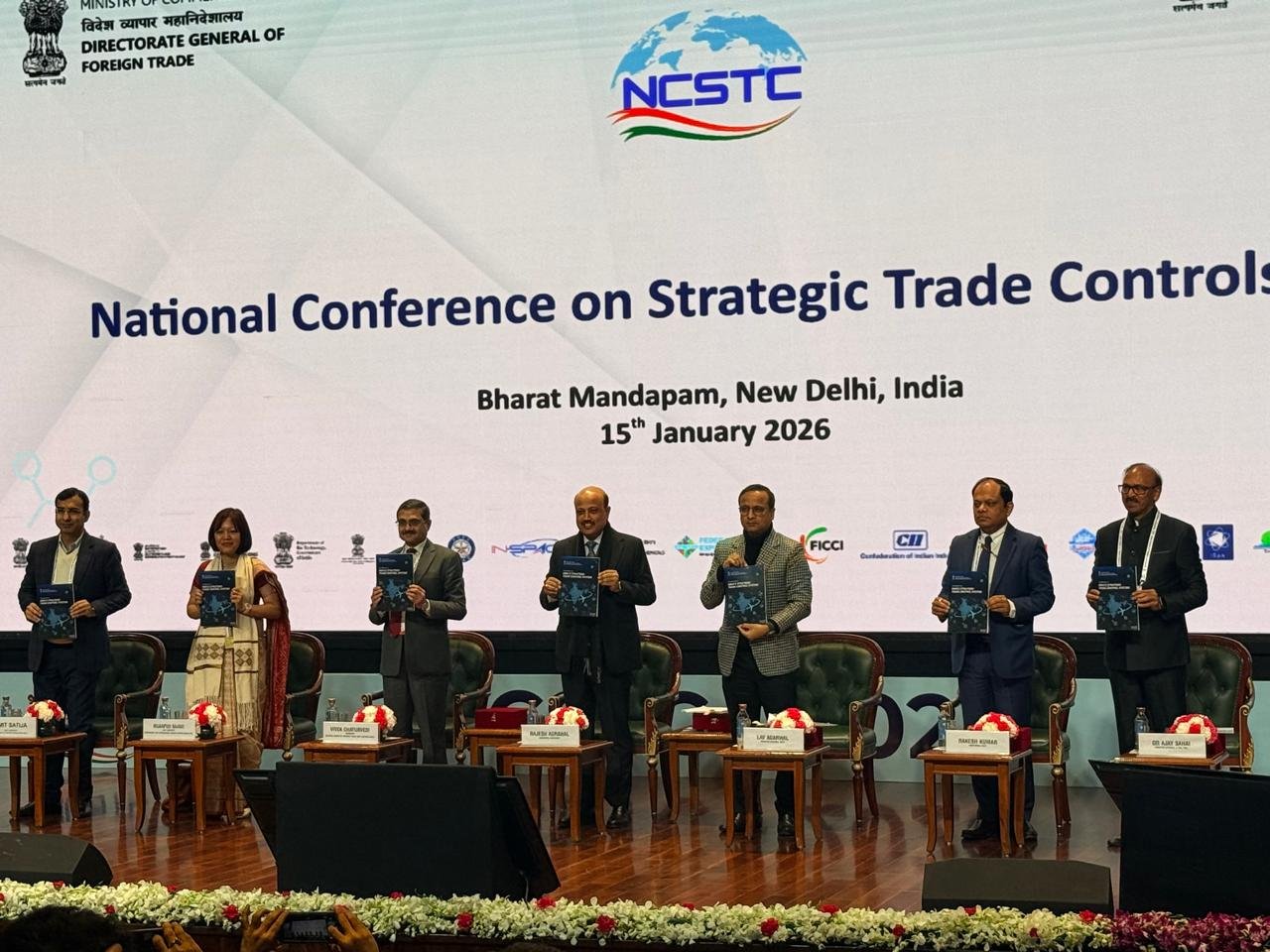
National Conference on Strategic Trade Controls 2026 held

NEW DELHI : The National Conference on Strategic Trade Controls (NCSTC) 2026 was organised in New Delhi by the Directorate General of Foreign Trade in collaboration with the Ministry of External Affairs, the Federation of Indian Export Organisations and other government and industry stakeholders. The conference served as a key platform to deliberate on India’s Strategic Trade Control framework amid evolving global technology and security dynamics.

Focus on SCOMET and Strategic Trade Controls
NCSTC 2026 centred on policies and procedures governing the export of dual-use and sensitive goods, technologies, software, materials and equipment regulated under the SCOMET framework. The discussions enabled the exchange of international experiences and best practices related to strategic trade controls, with an emphasis on enhancing awareness, compliance and coordination among government, industry, academia, research institutions and international partners.

Release of Strategic Trade Control Handbook
During the inaugural session, the third edition of the Handbook on India’s Strategic Trade Control System was released. The handbook has been prepared by the Directorate General of Foreign Trade in partnership with the D&ISA Division of the Ministry of External Affairs, with inputs from multiple government departments and industry experts. It provides detailed guidance on India’s strategic trade control policies, procedures and compliance requirements for exporters and other stakeholders.

Senior-Level Participation and Thematic Sessions
The event witnessed participation from senior officials, including Commerce Secretary “Rajesh Agrawal”, CBIC Chairman “Vivek Chaturvedi”, Director General of Foreign Trade “Lav Agarwal”, and Joint Secretary (D&ISA), MEA “Muanpuii Saiawi”. Seven thematic sessions covered the SCOMET policy framework, licensing procedures, enforcement mechanisms, compliance systems, supply chain security, the Authorised Economic Operator programme and Intangible Technology Transfer.

Global Maritime News: The Dawn of Ocean Law 2026

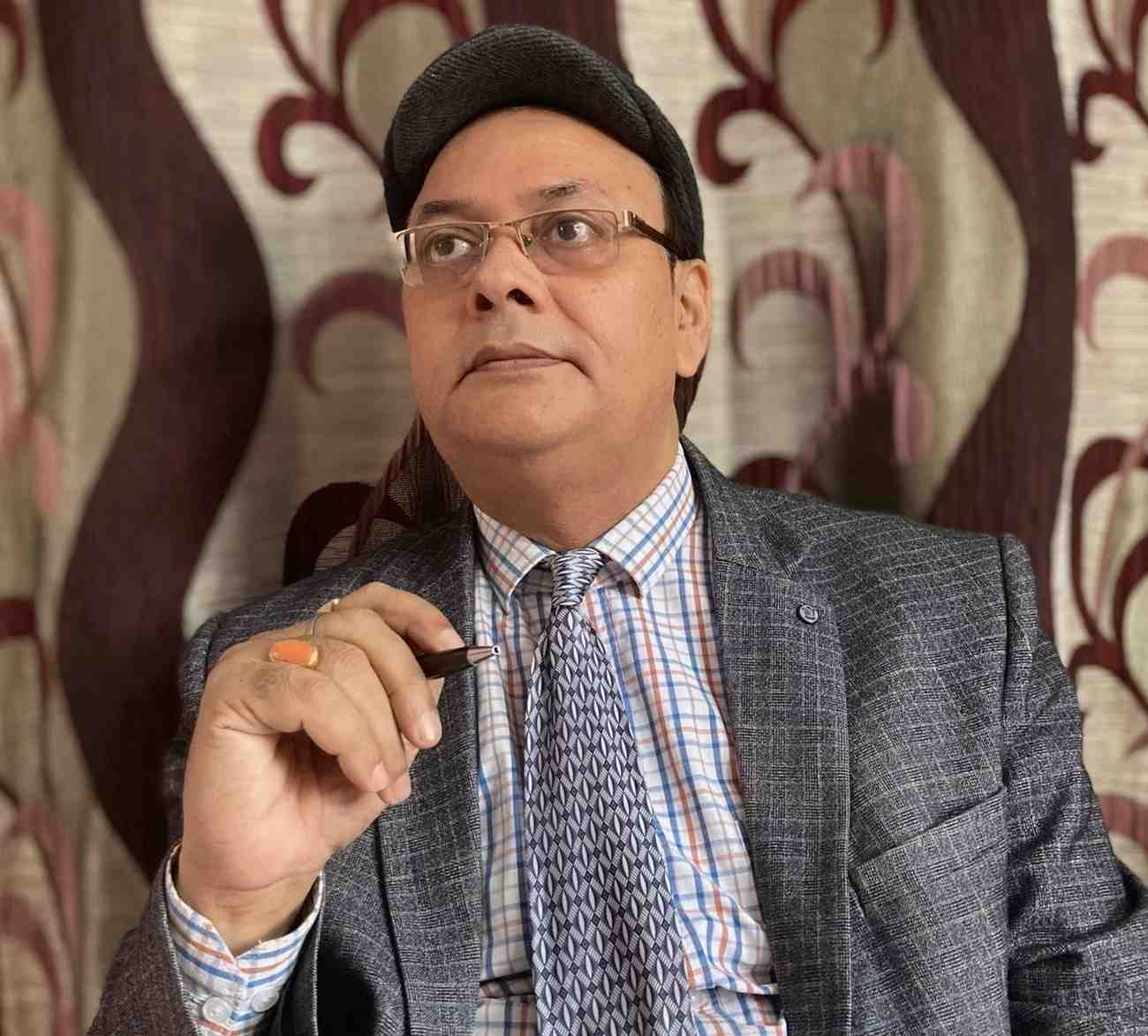
By Dr. Anil Pratap Singh

On January 17, 2026, the international community reached a historic milestone with the official enactment of the Biodiversity Beyond National Jurisdiction (BBNJ) Agreement. Now widely recognized as Ocean Law 2026, this legally binding framework brings a sense of order to the 64% of the world’s oceans that have long remained beyond the reach of national governance. This Constitution for the High Seas finally establishes a clear set of protocols for the conservation and sustainable management of international waters.

For India, the activation of this treaty is far more than a legal formality; it is a profound realization of the philosophy of Vasudhaiva Kutumbakam, the belief that the world is one family. As the founder of the Global Science Academy in Basti, Uttar Pradesh, I believe that India’s strategic position is pivotal to this new maritime epoch. With a 7,500 km coastline and a central role in the Indian Ocean, India serves as the natural bridge connecting the technological advancements of the Global North with the immense biological wealth of the Global South.

The treaty, which follows two decades of intense multilateral negotiations under the United Nations, focuses on four critical sectors:

First, it establishes a framework for Marine Genetic Resources (MGRs) to ensure that benefits from deep-sea biological discoveries are shared fairly. Second, it allows for the creation of Marine Protected Areas (MPAs) to safeguard biodiversity in international waters. Third, it mandates rigorous Environmental Impact Assessments (EIAs) for any industrial activity on the high seas. Finally, it creates a legal obligation for capacity building and the transfer of marine technology to developing nations.

India has already begun integrating the BBNJ framework into its national development roadmap, Viksit Bharat @2047. By building on existing initiatives like the Sagarmala project and the Deep Ocean Mission, the government is moving maritime policy from the fringes of discussion to a central pillar of national economic and security planning.

To meet these new global standards, India is leveraging its own Biological Diversity Act to protect biological sovereignty. Furthermore, the Ministry of Earth Sciences has organized specialized panels to ensure these global mandates are effectively executed within the Indian Ocean region.

A cornerstone of Ocean Law 2026 is the Clearing-House Mechanism. This centralized platform is designed to close the scientific gap between nations, ensuring that deep-sea exploration is a collaborative effort rather than a fragmented competition. Under this law, the high seas are now officially recognized as the Common Heritage of Humankind, bringing an end to an era of unregulated exploitation and ensuring the ocean remains a resource for all generations to come.

Author:

Dr. Anil Pratap Singh