Home Blog Page 477

Moglix launches Cognilix, an AI-Led Operating System for B2B Commerce; Commits $5 Million to AI Products

NOIDA: Moglix has announced the launch of Cognilix, an AI-led Operating System for B2B procurement designed to bring coherence and intelligence to how enterprises buy, manage inventory, collaborate with suppliers, and sell. Alongside the launch, the company announced a planned investment of $5 million to advance AI research and build vertical-specific enterprise products under the Cognilix platform. 

Over the last few years, AI has moved from experimentation to expectation. What is changing now is its role, from supporting individual decisions to shaping how work runs, day after day. Having built and scaled complex B2B and supply chain operations, Moglix has seen that lasting impact does not come from intelligence in isolation, but from systems that understand context, constraints, and consequences across the enterprise. 

Cognilix emerges from this operating reality. Built on Moglix’s real-world scale of over $40Bn+ in transactions, 45K+ suppliers, 1.2Mn+ SKUs, operations across 80+ countries, and a network of 58+ warehouses, the platform reflects years of working in environments where decisions ripple across procurement, inventory, suppliers, and revenue, and where accuracy and accountability are essential. Cognilix brings these functions together into a single decision layer, connecting data and workflows across procurement, supply chain, and B2B commerce, while working alongside existing ERP systems.

The platform enables enterprises to automate and streamline buying through AI-led procurement workflows covering digital catalogues, RFQ comparison, supplier onboarding, compliance, competitive e-auctions, and inventory forecasting informed by historical usage and lead times. It also enables structured B2B selling through digital storefronts and marketplaces with integrated order management, payments, logistics, and real-time inventory visibility. A unified data layer standardizes material master data and delivers clearer insight into spend, supplier performance, and operational opportunities. 

“Globally, AI is moving from insight to infrastructure. The real question for enterprises is no longer whether to use AI, but how deeply it can be embedded into the way work runs,” said Rahul Garg, Founder and CEO, Moglix. “From an Indian perspective, this shift matters even more. As manufacturing and supply chains scale in complexity, we need systems that are context-aware, accountable, and resilient. Cognilix reflects what we have learned by operating at scale; that intelligence creates value only when it understands real-world constraints and consequences. Our focus is to build enterprise-grade AI from India that stands up to global demands.” 

Enterprises using Cognilix are seeing early outcomes such as reductions in procurement cycle times, improved inventory accuracy, higher levels of data standardization, and clearer, real-time visibility across suppliers and orders. 

The $5 million investment will be directed toward deepening domain-led AI models, expanding industry-specific capabilities, and strengthening enterprise-grade governance and collaboration across the Cognilix platform, reinforcing Moglix’s long-term commitment to building practical, scalable AI for global enterprise use.  

About Cognilix and Moglix

Cognilix is an AI-led operating system for B2B commerce, built on Moglix’s real operating data at scale. The platform draws intelligence from over $40Bn in transactions across 45,000+ suppliers, 1.2 million+ SKUs, and a global footprint spanning 80+ countries and 58+ warehouses database of Moglix, enabling an autonomous, insight-driven enterprise system for procurement and supply chains.

Moglix is Asia’s largest B2B commerce company for the manufacturing and industrial sectors, founded in 2015 by Rahul Garg. Valued at ~US$2.6 billion, Moglix serves 1,000+ enterprises and 3,000+ factories globally with integrated procurement, supply chain, technology, and manufacturing solutions.

Coach Solutions and ClassNK partner to provide seamless verification of vessel emissions data

COPENHAGEN: Coach Solutions, a Kongsberg Company, and leading classification society ClassNK have partnered to deliver an automated emissions data verification process for their mutual clients.

This creates a seamless experience for shipowners and Document of Compliance holders who need to extract, standardize, verify and share vessel data for transparent use by stakeholders.

The integration with ClassNK is a strategic partnership that, from January 2026, will further strengthen Coach’s mission to put practical, functionality-rich tools into the hands of shipowners and DOC holders.

“This integration with ClassNK gives us the ability to offer a fully automated process for vessel data flow directly from the Coach platform into ClassNK for verification,” says Christian Rae Holm, CEO, Coach Solutions. “By reducing manual workload for our shared client base, users can maintain their focus of taking action on their data, helping to make shipping more sustainable.”

Expanded IMO Data Collection Rule needs Engine Monitoring Rethink advises CMT

HAMBURG: Shipowners and managers are being reminded to review onboard fuel-measurement and data-capture practices following the entry into force of amendments to MARPOL Annex VI.

All ships of 5,000gt and above engaged on international voyages must now begin collecting more detailed operational data under the IMO Data Collection System. This includes information on how much fuel is used by different onboard systems, alongside information on distances sailed and time underway to allow fuel consumption to be assessed against the work the ship performs.

While the official entry into force date was August 1, 2025, data collection is based on a full calendar year. 

“Although information using the enhanced dataset does not have to be submitted until early 2027, the obligation to generate compliant data starts now,” said Uwe Krüger, Joint Managing Director of Germany’s CM Technologies (CMT).  “Separating data collection from reporting is essential, as information that is not captured onboard during 2026 cannot be produced later.”

The amendment, adopted at MEPC 81 in March 2024, does not change the established IMO DCS reporting cycle. Fuel-oil consumption data for a given calendar year must still be verified by the Flag State or a recognised organisation, typically a classification society, with a Statement of Compliance issued by 31 May of the following year. What has changed is the scope, structure and traceability of the data that must now exist to support that process.

“Ships are now required to collect more granular information than under the original 2016 framework, moving beyond aggregated fuel figures towards continuous measurement that can demonstrate how fuel is consumed across different onboard systems and operating conditions. For many fleets, this represents a practical shift from estimation and reconciliation towards direct measurement,” said Krüger.

According to CMT, a common source of uncertainty is the assumption that the expanded DCS can be addressed primarily through revised reporting procedures, rather than through changes to how operational data is generated onboard. “It is important for shipowners to understand that expanded IMO DCS separates when data is collected from when it is reported,” said Fuhlbrügge. “The first reports will be submitted in 2027, but the quality of those submissions depends entirely on what is measured and logged onboard throughout 2026, and the quality of that data.”

He added that ensuring the right tools are in place early reduces both compliance risk and verification effort later. “If fuel consumption by consumer and operating data are being generated continuously, owners place themselves in a much stronger position when the data is audited and reviewed.

“The expanded DCS places greater emphasis on how data is generated, making onboard monitoring capability a compliance issue rather than an optimisation choice. Continuous measurement of fuel consumption by consumer, supported by engine performance data, gives owners a far stronger audit trail,” he said.

“Effective monitoring reduces reliance on estimation and reconciliation and puts operators in a much better position when the data is verified, since incomplete or inconsistent datasets can result in a SoC being withheld. There could also be greater interest during port State control inspections, and increased scrutiny from charterers.”

Krüger furthered that many operators still associate DCS with end-of-year paperwork, “but it is now very much an operational issue. It depends on what happens in the engine room and on the bridge every day, not on how figures are assembled twelve months later.”

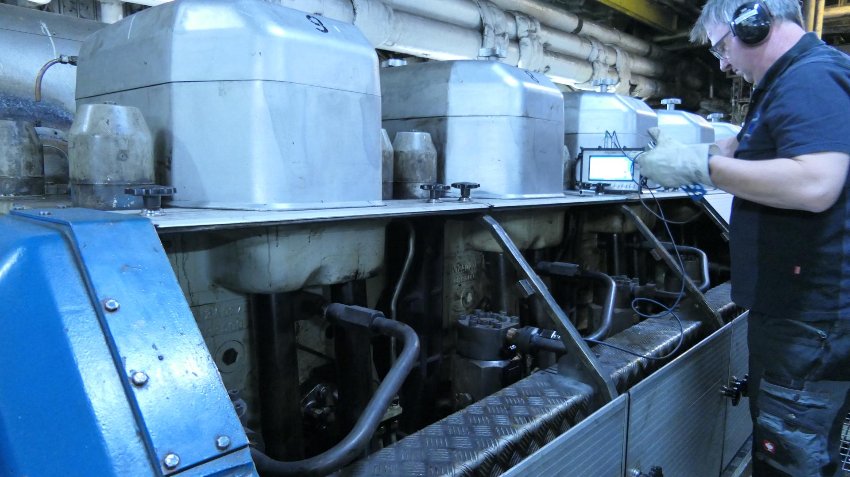
CMT says its engine-performance and fuel-monitoring systems are designed to align with how the expanded IMO DCS dataset must be generated in practice. By capturing fuel consumption at the level of individual engines and other consumers, and linking that data to operating conditions, such systems provide a structured, auditable foundation that supports expanded DCS requirements alongside existing regulatory schemes.

“The objective is not simply to report more data, but to create reliable data in the first place,” Krüger said. “Operators that focus on measurement and data integrity will find their 2027 submission processes far more straightforward. Frequent and effective engine monitoring and data capture also helps crews optimise reduce fuel consumption, emissions and costs.”

With expanded IMO DCS data collection now underway, CMT is advising shipowners and technical managers to treat 2026 as a preparation and validation year, ensuring that onboard systems, procedures and verification pathways are aligned well in advance of the first submissions under the enhanced framework.

VGRC organised in Rajkot emerges as a major attraction for investors

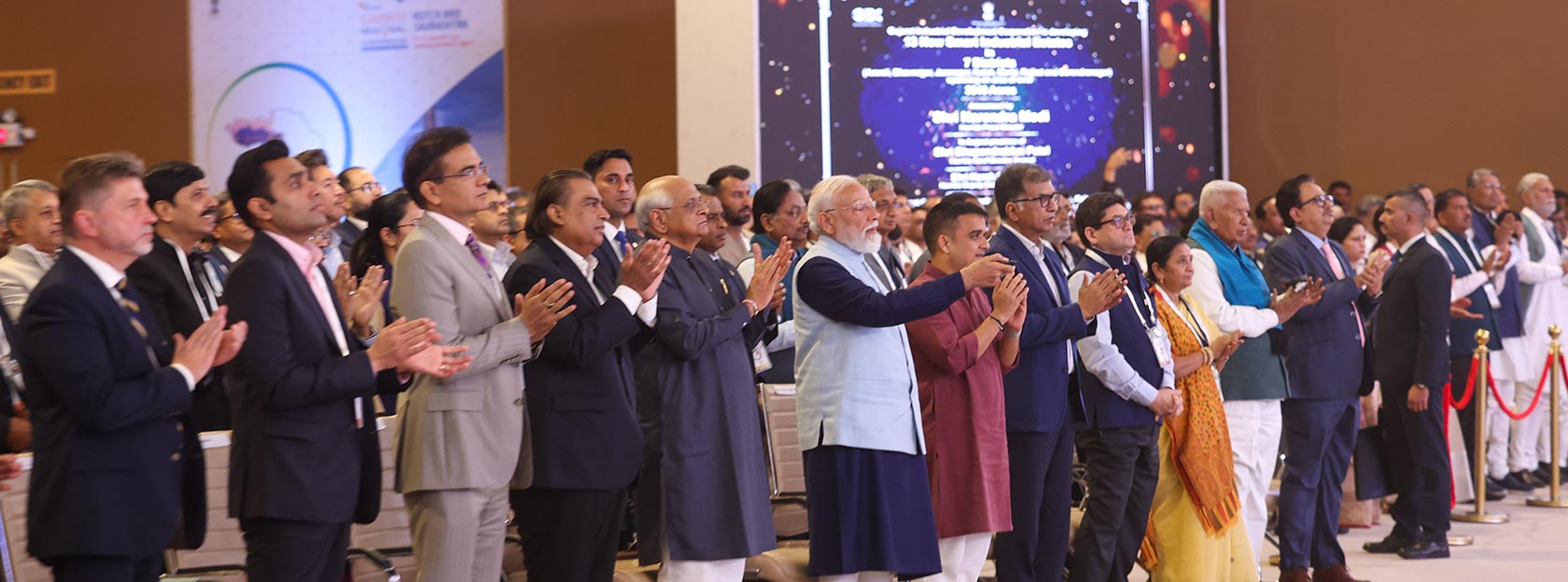
RAJKOT :  Prime Minister Shri Narendra Modi, while participating in the Vibrant Gujarat Regional Conference, said that the mantra of “Vikas Bhi Virasat Bhi” is resonating everywhere today. What began as a dream two decades ago has now become a trusted global benchmark, with 10 Vibrant Summits held so far. Launched to showcase Gujarat’s potential to the world, the Vibrant Summit has today evolved beyond investment into a strong platform for global growth and partnerships, where corporate groups, MSMEs, startups, and international institutions are progressing together on the path of development.
 
Highlighting Gujarat’s vast potential, the Prime Minister said that every region of the state has its own unique strengths, be it the long coastline, tribal areas, industrial clusters, or the strong traditions of agriculture and animal husbandry. He noted that India is steadily moving toward becoming the world’s third-largest economy. India leads the world in milk production and production of generic medicines, is the largest producer of vaccines, and the second-largest manufacturer of mobile phones. India’s UPI is the world’s top real-time digital payment platform, the country has the third-largest startup ecosystem globally, and also ranks among the top three in solar power capacity and metro networks.
 
He added that due to the mantra of “Reform, Perform, and Transform,” all global institutions of the world are eager to invest in India today. The IMF considers India the engine of global growth, and rating agencies like Fitch are praising India’s economic stability with unprecedented certainty amid global uncertainty. The Prime Minister stated with pride that India has today become a country of limitless possibilities, with stability and continuity in policies. Along with the expansion of the middle class, their purchasing power is also increasing. Due to all these factors, India has today become the first choice for investors.
 
The Prime Minister expressed strong confidence for investors, stating, “This is the time, the right time,” and described the Vibrant Summit as the ideal platform. As India moves rapidly toward becoming a Viksit Bharat, he said this is the best time to invest in Saurashtra and Kutch. He added that the region has shown that even the biggest challenges can be overcome through honesty and hard work, and that the people of Saurashtra and Kutch have transformed their future through their efforts.
 
Saurashtra and Kutch are not merely regions of opportunity, but have become the main attraction of India’s growth. Highlighting the significant role of this region in making India a global manufacturing hub, he said that today more than 2.5 lakh MSMEs are operational in Rajkot alone. From screwdrivers to auto parts, machine tools, and even rocket parts are being manufactured in Rajkot. This region supports the entire value chain of high-technology manufacturing.
 
Speaking further about Morbi, he said that Morbi today is one of the major producers of tiles and is setting global benchmarks. At one time, I had dreamed of making the Morbi–Jamnagar–Rajkot triangle a ‘Mini Japan,’ and today that dream is becoming a reality. Dholera Special Investment Region is today a hub of modern manufacturing, where India’s first semiconductor fabrication facility is being developed. Not only this, Saurashtra and Kutch are today also becoming hubs of green growth and energy security. The world’s largest hybrid renewable energy park with a capacity of 30 gigawatts is being developed in Kutch, which is five times larger than the city of Paris.

He added that India is not just committed to clean energy but is also advancing it at a ‘commercial scale reality’. Green hydrogen has strong potential, and rapid progress is being made across the country, with Kutch and Jamnagar emerging as key hubs for green hydrogen production. The large Battery Energy Storage System (BESS) being set up in Kutch will also help ensure grid stability and reliable use of renewable energy.
 
Emphasising the strategic importance of Saurashtra and Kutch, the Prime Minister said that this region is equipped with world-class ports through which a major share of India’s exports passes. Ports like Pipavav and Mundra have today become major hubs of India’s automobile exports.
 
Along with infrastructure, Gujarat is also leading in preparing a skilled workforce for industries. The state has an international ecosystem for education and skill development. The Gujarat Government’s Kaushalya Skill University, in collaboration with universities from Australia and Singapore, is preparing youth with future-ready skills. In addition, the country’s first National Defence University and Gati Shakti University are preparing skilled manpower for every sector such as roads, railways, airways, waterways, and logistics. Two leading universities from Australia have also started their campuses in Gujarat, demonstrating that along with investment, a talent pipeline is also assured here.
 
Speaking about Gujarat’s tourism sector, the Prime Minister said that there is a wonderful blend of nature, adventure, culture, and heritage here. The National Maritime Heritage Complex being developed at Lothal is a symbol of India’s 4,500-year-old maritime heritage. The Rann Utsav of Kutch and the tent city there are special attractions for tourists. For wildlife enthusiasts, the experience of seeing Asiatic lions in Gir Forest is unique, with more than 9 lakh tourists visiting every year. In addition to the Blue Flag certified Shivrajpur Beach, there are many possibilities for beach tourism in Mandvi, Somnath, and Dwarka, while Diu is emerging as a premier destination for water sports.
 
Emphasizing the development of Saurashtra, the Prime Minister said that every investment made in this region will give new momentum to the development of Gujarat and the entire country. Referring to the statement of the High Commissioner of Rwanda, he said that the 200 Gir cows gifted by India to Rwanda have given a major boost to the rural economy there. Today, thousands of families in Rwanda own Gir cows, and they can be seen in every household.
 
To achieve the goal of Viksit Bharat, the Government of India has emphasised the ‘Reform Express,’ under which next-generation reforms have been introduced in every sector. The recently implemented GST reforms have particularly benefited MSMEs. In addition, 100 percent FDI has been allowed in the insurance sector so that every citizen of the country can receive insurance coverage. The government has modernised the six-decade-old Income Tax law and implemented historic labour codes to create a uniform framework for both workers and industries.
 
Stating that India is today becoming a global hub for data-driven innovation, AI research, and semiconductor manufacturing, he further added that major reforms have also been undertaken in the nuclear power sector to meet the growing power demand, and civil nuclear energy has been opened for private participation, presenting a major opportunity for investors.
 
Assuring investors, the Prime Minister said that India’s reform journey will not stop now. He stated that investors have not come here merely to sign MoUs, but have connected themselves with the development and heritage of Saurashtra, and every penny of their investment will yield excellent returns from here. He congratulated the Gujarat Government team for organising such regional conferences ahead of the Vibrant Gujarat Summit 2027.
 
Addressing the gathering on this occasion, Chief Minister Shri Bhupendr Patel said that the then Chief Minister and present Prime Minister Shri Narendra Modi launched the Vibrant Gujarat Summit in 2003 with a vision to present Gujarat’s industrial potential to the world. Due to the efforts of the people, public representatives, administration, and a series of Vibrant Summits, Gujarat has today become the growth engine of the country and the most preferred destination for investment. As a result of the success of the Vibrant Summit over the past two decades, the state has received foreign investment worth Rs. 3.57 lakh crore in the last 20 years.
 
Giving an overview of the state’s holistic development, he said that Gujarat has today become a “Global Gateway to the Future” and is setting new benchmarks of progress. Gujarat is moving toward becoming a hub in several emerging sectors such as automobiles, semiconductors, financial services, AI, and green energy.
 
Referring to the approximately 98,000 MoUs signed during the Vibrant Gujarat Summit 2024, he said that 25,500 of them were from the Saurashtra–Kutch region, of which 78 percent of the projects have already been commissioned.
 
Regarding the Vibrant Conference of Kutch–Saurashtra, he said that the 12 districts of this region have a robust ecosystem for investment in sectors such as renewable energy, world-class ports, shipbuilding, agro-processing, ceramics, chemicals, fisheries, and the blue economy.
 
To realize the concept of “Vocal for Local and Local for Global” at the district level in Gujarat, the state government has introduced the concept of increasing district GDP similar to the state GDP. To give a new direction to district development, six regional growth hubs are being developed in the state. He also added that Prime Minister Shri Narendra Modi has further strengthened the flame of faith among the masses through the “Somnath Swabhiman Parv.” The Vibrant Gujarat Regional Conference is being launched to accelerate self-reliance through entrepreneurship.
 
Delivering the welcome address at the inauguration of the Vibrant Gujarat Regional Conference – Saurashtra Kutch, Deputy Chief Minister of Gujarat Shri Harsh Sanghavi said that at one time Gujarat was known only from “Vapi to Tapi” in the industrial sector. The then Chief Minister and present Prime Minister Shri Narendra Modi launched the Vibrant Gujarat Summit in 2003, giving a major boost to Gujarat in the direction of investment and manufacturing. Due to Vibrant Gujarat, several sectors have developed across all four directions of the state as manufacturing hubs. Crediting the success of Vibrant Gujarat to Prime Minister Shri Narendra Modi, Shri Sanghavi said that the event, which began with 80 MoUs, has today resulted in the completion of 98,000 projects.
 
Providing information about this event, Shri Harsh Sanghavi added that more than 400 exhibitors are participating in the conference today. Representatives from more than 16 countries have participated in the Reverse Buyers Sellers Meet. He expressed confidence that the organisation of this conference would greatly benefit sectors including MSMEs.
 
Stating that all necessary infrastructure facilities for investment have been created in Gujarat, Shri Harsh Sanghavi added that the government has developed robust connectivity including roads, railways, ports, and air connectivity. Predefined industrial policies, government support and security for traders make Gujarat the best choice for investors. Due to Vibrant Gujarat, lakhs of youth in Gujarat are getting employment. Vibrant Gujarat has fulfilled the business dreams of many people. The dream of Gujarat’s “GIFT City” as a premier fintech city has been realized through the Prime Minister’s vision. A large ecosystem has been created through the industrial development of smart city Dholera as well as Sanand and Becharaji. Under the guidance of the Prime Minister, the Gujarat Government has made remarkable progress on 23 parameters of Ease of Doing Business, and Shri Sanghavi expressed confidence that the entire team of Gujarat is committed to realizing the Prime Minister’s vision of development.
 
On this occasion, Prime Minister Shri Narendra Modi announced 13 new smart industrial estates to be developed over 3,540 acres across seven districts – Savarkundla (Amreli), Bhavnagar, Jamnagar, Kutch, Morbi, Rajkot, and Surendranagar – by the Gujarat Industrial Development Corporation. He also e-inaugurated a newly constructed Medical Device Park spread over 336 acres at Nagalpar in Rajkot district.
 
On this occasion, the Prime Minister was felicitated with a shawl and a memento. Artist Shri Gitaben Rabari mesmerized the audience by singing the song “Haal Tane Haal, Saurashtra Batavu,” showcasing the culture of Saurashtra–Kutch. The attendees also watched with keen interest a documentary film on the resolve of “Viksit Gujarat to Viksit Bharat @2047.”
 
The event was attended by Union Minister Shri Nimuben Bambhaniya, all Ministers Shri Kunvarji Bavaliya, Shri Rushikesh Patel, Shri Trikam Chhanga, Shri Rivabaa Jadeja, all MPs Shri Parshottam Rupala, Shri Rambhai Mokariya, District Panchayat President Shri Pravinaben Rangani, all MLAs Shri Bhanuben Babariya, Shri Dr. Darshita Shah including MLAs, former Governor Shri Vaju Bhai Vala, former Minister Shri Raghavji Patel, Chief Secretary Shri M. K. Das, Additional Chief Secretary Shri Jayanti Ravi, M.D. of Tata Chemicals Shri R. Mukundan, and other senior officials, senior officers, entrepreneurs, and foreign industrialists.
 

Important meetings are being held between industrialists, startups, and government departments under the ‘Vibrant Gujarat Regional Conference – Saurashtra-Kutch’ organised in Rajkot. Through Business-to-Business (B2B) and Business-to-Government (B2G) meetings at the VGRC in Rajkot, new momentum will be provided to the industrial development of Saurashtra-Kutch.

Positive momentum is evident in the industrial sector at the Vibrant Conference in Rajkot. Local industrialists are showing strong interest in new projects. The B2B and B2G sessions are likely to lead to large-scale MoUs across sectors, creating new employment opportunities in Rajkot, Kutch, and nearby regions. Industrialists, startups, and others are directly interacting with senior officials from various government departments.

At the Vibrant Conference in Rajkot, stalls and help desks have been set up at Dome-1 of the exhibition section to enable industrialists, startups, and others to interact directly with various government departments. A large turnout of industrialists and startups was observed at the B2B and B2G meetings to learn about the best investment opportunities.

Through these meetings, entrepreneurs directly convey their issues and new proposals to the government. Additionally, arrangements have been made in B2B meetings for industrialists to directly finalise business deals with other industrialists. The Vibrant Regional Conference is proving to be an important platform for entrepreneurs to advance through collaboration

In Business-to-Government meetings, departments such as GIDC, Health, Tourism, GIFT City, MSME and Startup Promotion, Agriculture, and others are providing direct guidance to entrepreneurs. The Vibrant Gujarat Regional Conference is proving effective in providing a global platform for small and medium-sized industries in Saurashtra-Kutch.

Notably, more than 1,800 B2B and B2G meetings have been organised during this Vibrant Regional Conference.

Gujarat CM holds talks with German business delegation in Gandhinagar

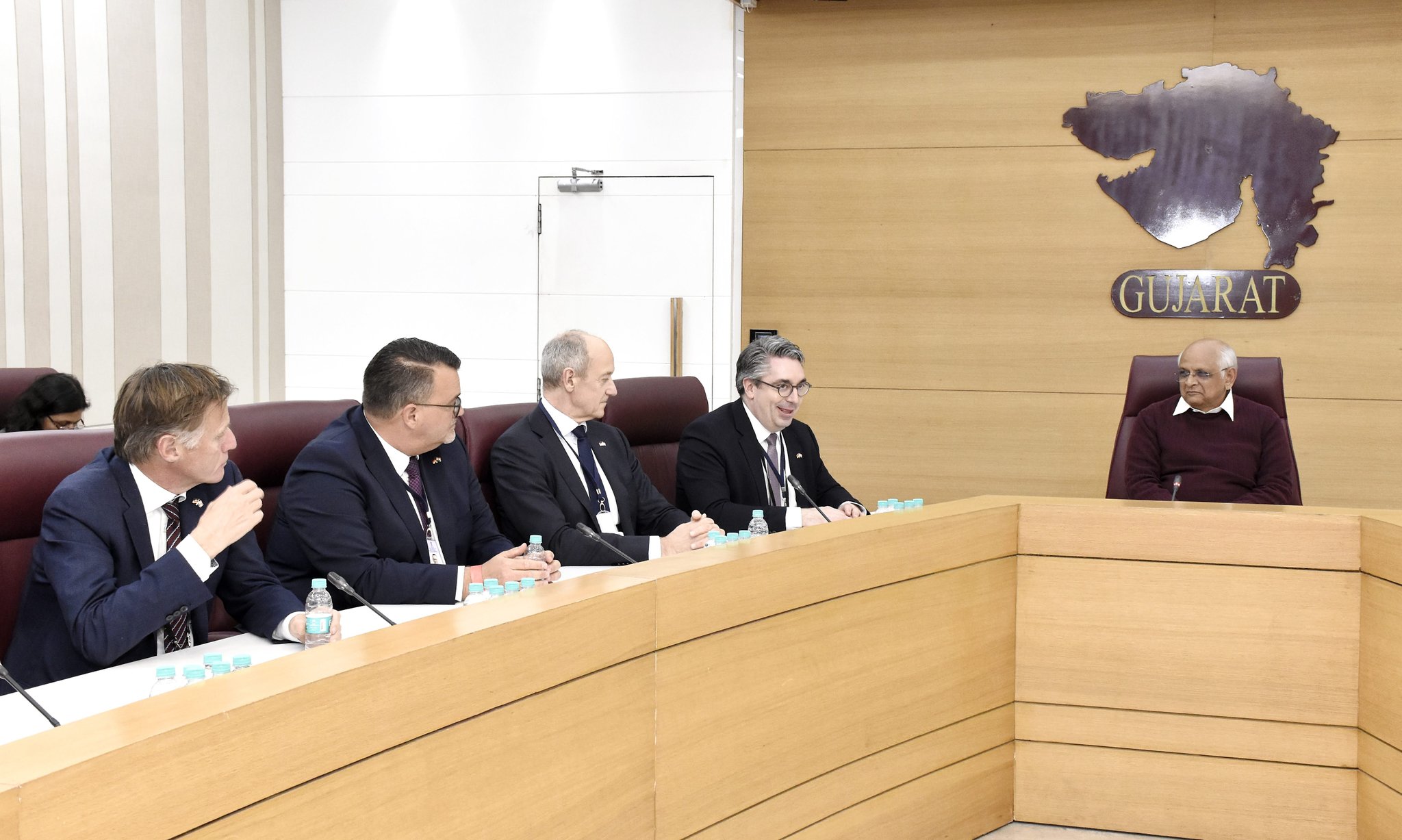
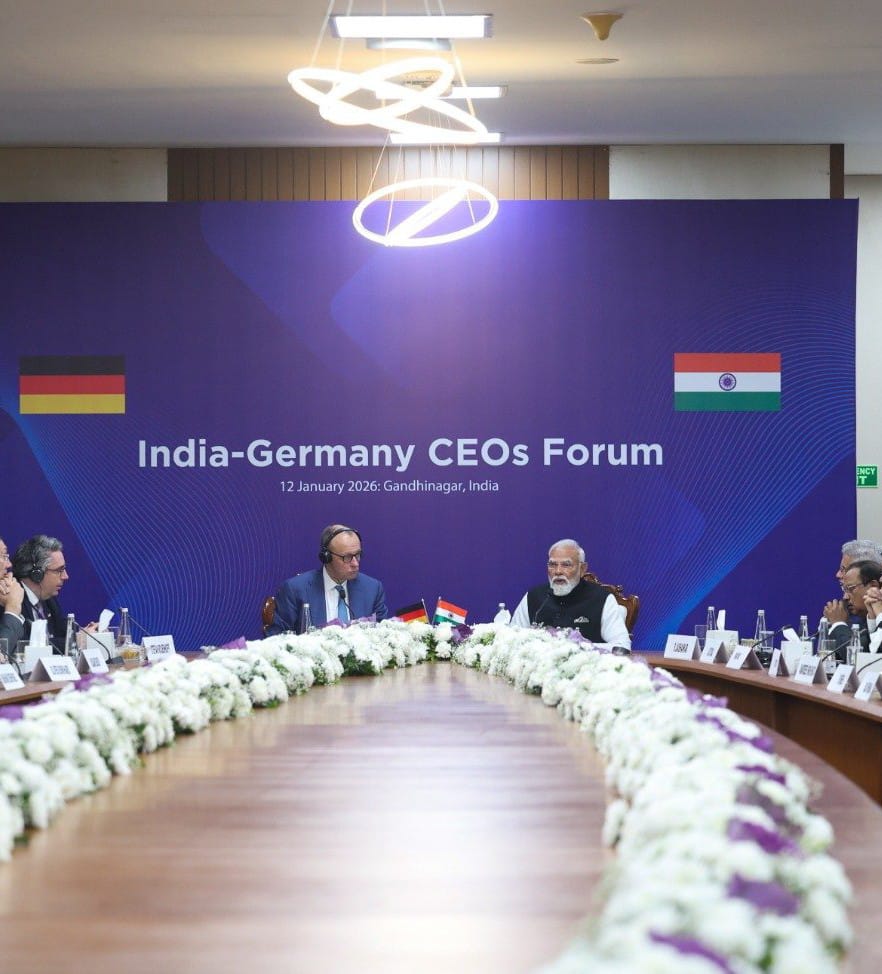
GANDHINAGAR: A high-level German business delegation led by State Secretary Stefan Rauenhoff held a strategic meeting with Gujarat Chief Minister Shri Bhupendra Patel in Gandhinagar on Monday.

The delegation is visiting India to participate in the India-Germany CEO Forum, which was convened in the presence of Prime Minister Shri Narendra Modi and German Chancellor Friedrich Merz.

Gujarat CM Meeting with German Delegation 2 Gujarat CM holds talks with German business delegation in Gandhinagar

Welcoming the delegation, Chief Minister Patel congratulated them on the success of the CEO Forum and said Gujarat highly values its partnership with Germany.

The delegates expressed appreciation for Gujarat’s contribution of over 8 per cent to India’s GDP growth, noting that they were particularly keen on expanding cooperation in the SME sector.

Chief Minister Patel highlighted that under the guidance of Prime Minister Modi, Indian states are now striving to accelerate their growth trajectories.

He assured the delegation that Gujarat is committed to strengthening its partnership with German industry, and announced plans to establish a dedicated help desk to facilitate German investments and improve ease of doing business in the state.

During the discussions, State Secretary Rauenhoff said Germany is seeking to diversify its supply chains, and for Gujarat to become a preferred partner, challenges in logistics, production structures and economic frameworks must be addressed.

He noted that Gujarat is emerging as a leader in the energy sector, and said German expertise in renewable energy grids and storage technologies could significantly support the state’s ambitions.

Chief Minister Patel outlined Gujarat’s roadmap toward Viksit Bharat @2047, stating that the state is prepared to take a leading role by setting up six regional growth hubs and identifying district-level focus sectors through the Vibrant Gujarat Regional Conferences.

He noted that Gujarat’s reputation as a policy-driven state – with progressive sector-specific policies such as the Hybrid Renewable Energy Policy, IT Policy and Green Hydrogen Policy – offers attractive opportunities for German companies to collaborate in their areas of strength.

He specifically highlighted the potential for Gujarat to benefit from Germany’s expertise in precision engineering and advanced technology. Members of the German delegation, including Siemens CEO Ronald Busch, also shared suggestions on integrating Gujarat’s MSMEs into global supply chains and further developing supply chain ecosystems in the state.

More than 30 top German industrialists and investors participated in the meeting, representing sectors ranging from engineering to automotive, marine, chemicals and advanced manufacturing.

Piyush Goyal praises PM Modi’s Vibrant Gujarat initiative; inspiring other states to follow suit, sparking growth-driven competition

RAJKOT : Union Minister of Commerce and Industry Shri Piyush Goyal on Monday hailed Prime Minister Shri Narendra Modi’s vision for the Vibrant Gujarat initiative, calling it a game-changer that has inspired other states to follow suit and sparked a growth-driven competition.

Speaking with ANI, Goyal said, “In 2003, when PM Narendra Modi started the Vibrant Gujarat Summit, no one would have imagined that this experiment would be so successful that other states would copy it. A spirit of competition will arise among states, which is essential for growth and nation-building… This conference will greatly boost the regional development. Businesses, startups and all sectors of industry in the region will greatly benefit.”

The Vibrant Gujarat Summit was launched in 2003 by Narendra Modi, then Gujarat’s Chief Minister, to promote investment in the state; it has since grown into a major global platform for business, knowledge sharing, and strategic partnerships under his vision.

Speaking at the Vibrant Gujarat Regional Conference flagship programme on Solar Dividends in Rajkot, Gujarat, Goyal highlighted how market competition and technological scaling transformed solar power from a high-cost alternative into an economically viable energy source.

The Minister recalled that during Prime Minister Narendra Modi’s tenure as Gujarat’s Chief Minister, solar energy faced significant criticism due to high upfront costs. Goyal noted that electricity was priced at Rs 16 per kilowatt-hour at the time.

He explained that the Prime Minister maintained a clear view that, while prices were high due to limited volumes and new technology, costs would inevitably drop as the scale of application increased and technology improved.
“When the Prime Minister was the Chief Minister of Gujarat, he started encouraging solar energy. I still remember, there was a lot of criticism. People used to say that electricity was so expensive. At that time, electricity cost Rs 16 per kilowatt-hour. People used to criticise: “Why are you buying electricity at Rs 16 per unit?” The Prime Minister had a very clear thought.”
The transition from a feed-in tariff system to a competitive bidding model marked a pivotal change in India’s energy economy. Goyal noted that in the final months of 2014, the government decided to procure solar energy through reverse auctions rather than have regulators set costs based on investment expenses. The introduction of market forces enabled developers to compete online and quote lower rates, which subsequently drove prices down significantly.
“I still remember that in the last few months of 2014, for the first time in the country, a directive was issued to procure solar energy through a reverse auction,” Goyal said.
Reflecting on the impact of these reforms, Goyal noted that in the first auction conducted through reverse bidding, the rate fell to approximately Rs 2.5 per unit. This reduction represented less than half of the previous rates and paved the way for utility-scale projects.
These massive installations, ranging from 1,000 MW to 2,000 MW, began emerging rapidly across the country as the government prioritised renewable energy as a national necessity.
The scaling of ambition played a critical role in the sector’s growth. Goyal noted that while the initial national goal was to produce 20,000 MW of solar energy by 2030, the target was revised to 100 Gigawatts (1 lakh Megawatts) shortly after the current administration took office in 2014.
This aggressive target-setting occurred when electricity cost approximately Rs 5 to Rs 6.5 per unit, underscoring the firm’s resolve to promote renewables.
Beyond the financial metrics, the Minister emphasised the operational advantages of solar power. He stated that once the initial capital investment is made, there is no further fuel expenditure, such as for coal, gas, or diesel.
Goyal described solar energy as a large-scale, natural resource available across India and Gujarat, contributing to the broader effort to reduce pollution while providing a sustainable alternative to traditional fossil fuels.

Source : ANI

India and Germany decide to expand strategic ties to navigate global upheaval

AHMEDABAD : India and Germany on Monday unveiled measures to boost cooperation in areas of defence, trade, critical minerals and semiconductors, with Prime Minister Shri Narendra Modi and Chancellor Friedrich Merz vowing to bolster overall bilateral ties to jointly navigate challenges arising out of geopolitical upheaval.

india germany India and Germany decide to expand strategic ties to navigate global upheaval

Following talks between Modi and Merz, the two sides inked 19 pacts, including a roadmap for defence industrial collaboration and another on expanding cooperation in the higher education sector. A separate pact was inked on engagement in the telecommunications sector.

The two leaders also pitched for early finalisation of the India-European Union (EU) free trade agreement to expand the overall trade basket. A visa-free transit for Indian passport holders for transiting through Germany was also announced to boost people-to-people ties.

The German leader, accompanied by a large business delegation, landed in Ahmedabad early this morning on a two-day visit to India. It is his first trip to Asia as the German Chancellor. “The growing cooperation in defence and security is a symbol of our mutual trust and shared vision. I express my heartfelt gratitude to Chancellor Merz for simplifying the processes related to defence trade,” Modi said in his media statement.

“We will also work on a roadmap to enhance cooperation between our defence industries, which will open up new opportunities for co-development and co-production,” he added. In the talks, Modi and Merz reaffirmed their commitment to a free and open Indo-Pacific, respect for international law including UNCLOS (UN Convention on the Law of the Sea), and announced a new bilateral Indo-Pacific consultation mechanism. The move comes amid China’s increasing military muscle-flexing in the region.

Modi and Merz also reaffirmed their strong support for the India-Middle East-Europe Economic Corridor (IMEC), emphasising its transformational potential in reshaping and promoting global commerce, connectivity and prosperity.

In his comments, the prime minister also said that both sides are jointly advancing new projects in areas such as climate, energy, urban development, and urban mobility “The new mega project in green hydrogen involving companies from both countries will prove to be a game-changer for the energy of the future.

“India and Germany are working together to build secure, trusted, and resilient supply chains,” he said.
Modi said the growing trade and investment ties have infused “new energy” into the India-German strategic partnership as he pointed out that the bilateral trade has now reached its highest level ever and crossed the USD 50 billion mark.

“More than 2,000 German companies have been present in India for a long time. This reflects their unwavering confidence in India and the immense opportunities that exist here,” he said.
The prime minister said both sides agreed that “terrorism is a serious threat to all humanity” and that India and Germany will continue to fight it together with “full determination”.

In his remarks, Chancellor Merz extensively talked about people-to-people connections between the two countries and said the number of skilled workers, including caregivers and nurses, needed from India is increasing rapidly.
An agreement on skill partnership inked following the Modi-Merz talks is expected to facilitate the mobility of more Indian healthcare professionals to Germany, which is home to around 300,000 Indian expatriates and 60,000 students
“We are experiencing that great powers use supply chains and raw materials increasingly as instruments of power. Together we want to oppose this,” Merz said.
“We reduce unilateral dependencies of our supply chains and that makes both our economies more resilient,” he said.
In his remarks, Modi described the Indo-Pacific as an area of “high priority” for both countries.
The two leaders also discussed in detail a range of global and regional issues, including the conflict in Ukraine and the situation in Gaza.
“India has always advocated for the peaceful resolution of all problems and disputes, and supports all efforts being made in this direction,” Modi said.
“India and Germany agree that reforming global institutions is crucial for addressing global challenges. Our joint efforts through the G4 group to reform the UN Security Council are a testament to this shared belief,” he said. On mobility of talents, Modi said special emphasis has been placed on enhancing migration, mobility and skilling.

“India’s talented young workforce is making a significant contribution to Germany’s economy.” The prime minister said the comprehensive roadmap on higher education will give a new direction to the partnership in the education sector. “I invite German universities to open their campuses in India,” he said.

Source : PTI

25th All India Major Port Cultural Meet 2025–26 draws to a Grand Conclusion at Paradip Port

PARADIP : The 25th All India Major Port Cultural Meet 2025–26, held at Jayadev Sadan, Paradip Port, concluded on 11th January evening after four days of vibrant and captivating cultural celebrations. The event was successfully organised by Paradip Port Authority (PPA) in association with the Major Ports Sports Control Board.

image003BLG7 25th All India Major Port Cultural Meet 2025–26 draws to a Grand Conclusion at Paradip Port

The valedictory function was graced by Shri P. L. Haranadh, Chairman, Paradip Port Authority, as the Chief Guest. Addressing the gathering, Shri Haranadh expressed his appreciation to all participants for their impressive performances and for delighting the residents of the port township throughout the four-day event. He extended his warmest commendations to the unprecedented number of lady artistes whose dedication and talent have set a new benchmark for excellence in this year’s program.

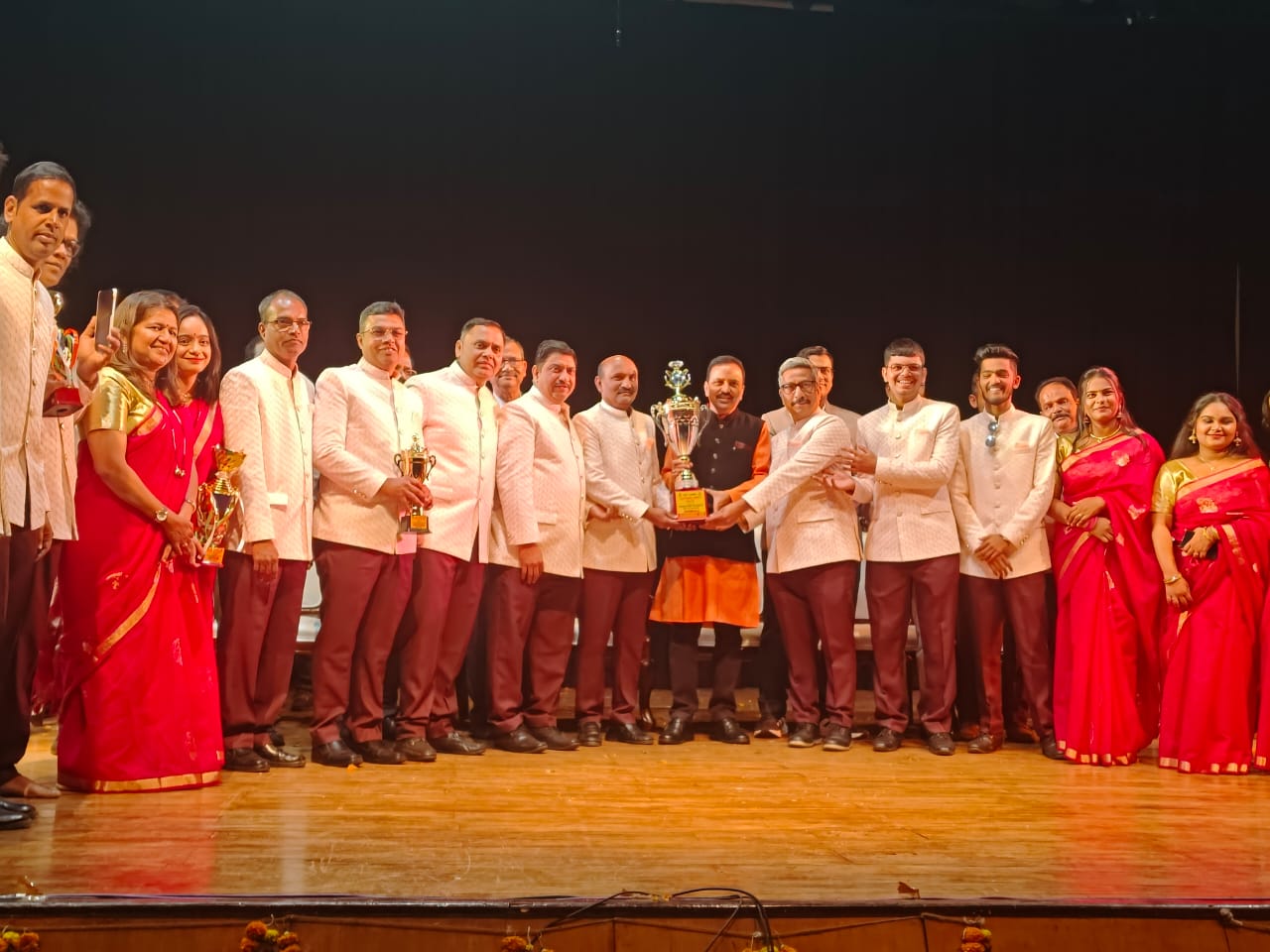
The cultural meet witnessed enthusiastic participation of around 200 artistees from 9 major ports across the country, who competed in various cultural disciplines. Team Syama Prasad Mookerjee Port Authority emerged as the Overall Champion of the meet. Mumbai Port Authority secured the Runners-up position, while Deendayal Port Authority and Cochin Port Authority were adjudged jointly as Second Runners-up.

Artistes from Paradip Port Authority also delivered commendable performances, with Malati character by Smt.Swarnalata Tripathy being awarded Best Supporting Artiste (Female), while Paradip Port Authority teams won accolades in Drama (Manu) by Bikaram Parida, Light Music bu Harshita Mohapatra, and Dance categories.

The programme was presided over by Shri H. S. Rout, Chairman, PPA Cultural Organising Committee. Shri A.K.Bose, Advisor, Traffic, PPA, Shri Ashoka Kumar Sahu, Vice Chairman, Organising Committee, Dr. D. P. Sethi, Secretary, and the Joint Secretary of the Organising Committee were also present on the occasion.

The successful conclusion of the 25th All India Major Port Cultural Meet once again showcased the rich cultural talents of port employees and reinforced the spirit of unity, cultural harmony, and mutual respect among the major ports of the country.

MSME Conclave organised on day 2 of Vibrant Gujarat Regional Conference

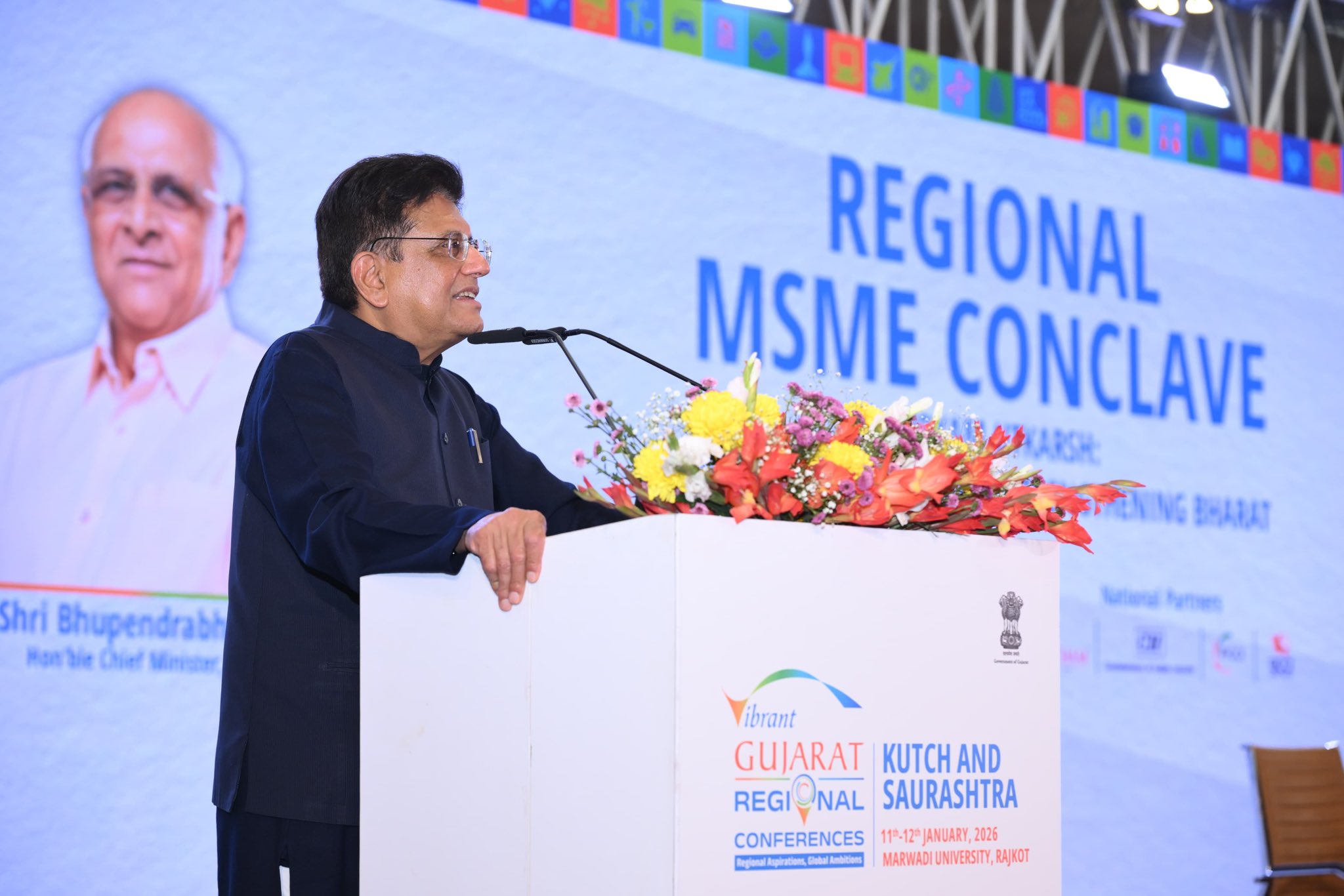
NEW DELHI : An MSME Conclave was organised on the second day of Vibrant Gujarat Regional Conference , with the objective of realising the resolve of Viksit Gujarat. Its main objective was to empower small and medium enterprises, connect local entrepreneurs with global markets, and create opportunities for technology upgradation and investment.

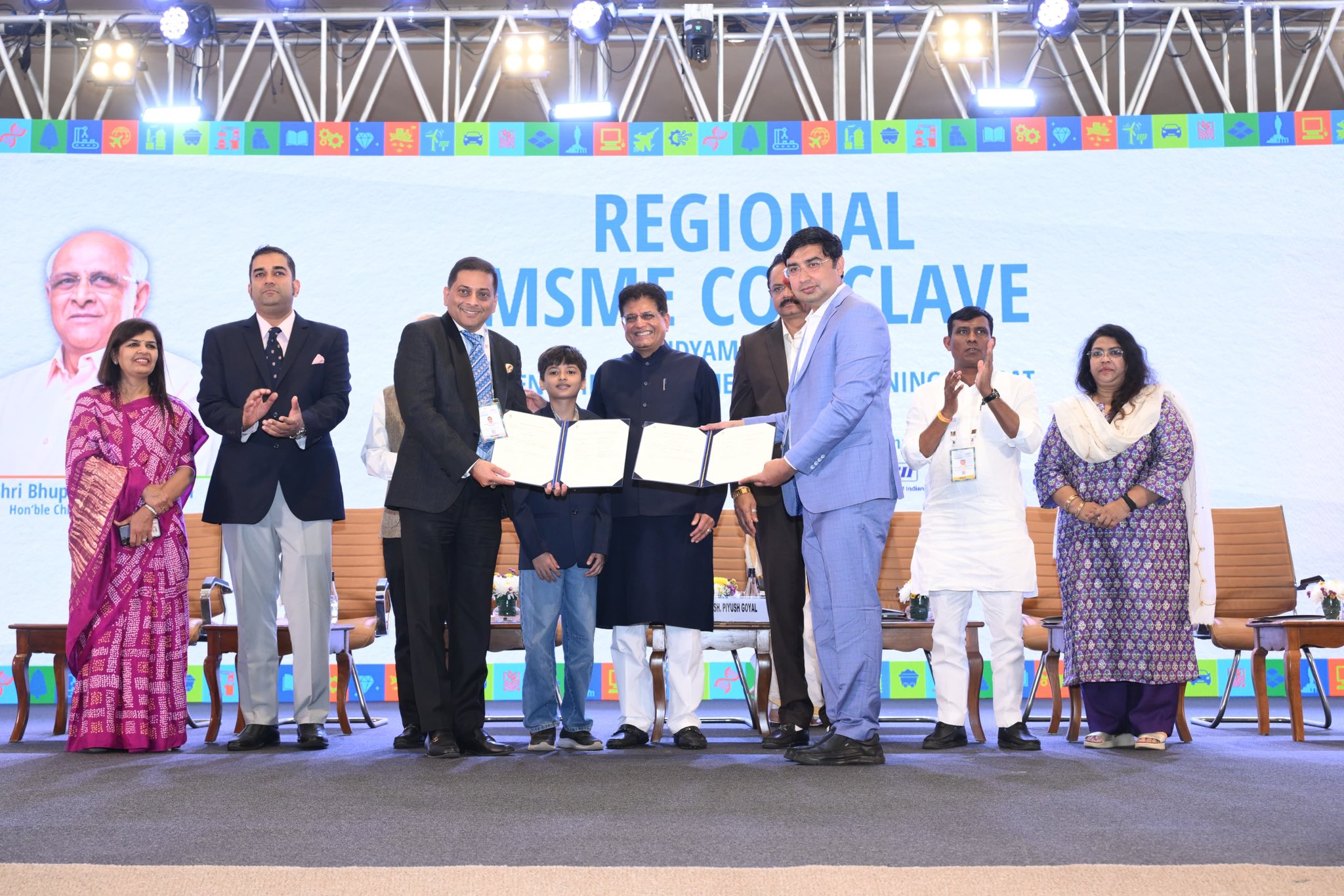
According to an official release, in addition, in-depth discussions were held with experts from various sectors on strengthening the MSME sector further, sharing their experiences, and exploring what new elements could be added to future policies. At this conclave, MoUs worth more than Rs. 300 crore were signed for the industrial development of Saurashtra and Kutch. It was expressed that these MoUs would play an important role in industrial development, employment generation, and the creation of Atmanirbhar Gujarat across the state, including Saurashtra and Kutch.

At the beginning of the MSME Conclave, Union Minister Shri Piyush Goyal stated in his address that India’s ‘Amrit Kaal’ marks the completion of 100 years of the country’s independence in the year 2047. To realise the dream of ‘Viksit Bharat 2047’, ‘Viksit Gujarat’ is essential. In this direction, to further strengthen Gujarat, the state government has planned massive infrastructure development worth approximately Rs. 60 lakh crore.

MSMEs will play a lion’s share in this planning, which will give new momentum to the state’s industrial, economic, and social development. The event was attended by Agriculture Minister Jitu Vaghani, Minister of State Jayram Gamit, Principal Advisor to Chief Minister Hasmukh Adhia, other dignitaries, and entrepreneurs from the MSME sector.

On the theme “Future-Ready Saurashtra: Advancing Industrial Transformation for Global Markets,” the conclave facilitated dialogue on preparing the MSME sector for global markets, technology adoption, financial empowerment, and international cooperation. Shri Ramesh Iyer, CEO – TCS Korea and Chairman, Indian Chamber of Commerce Korea (ICCK), provided guidance on cross-border business cooperation between India and Korea, digital transformation, and global opportunities available for MSMEs in sectors such as green energy, AI, and manufacturing, the release noted.

In the session “From Swadeshi to Global: Growing Food Processing Sector,” Shri Chandubhai Virani, Chairman of Balaji Wafers Group, Rajkot, shared his journey from a local bakery to a national brand. He offered useful suggestions on innovation in production, maintaining quality, and preparedness for exports.

In the session “Bridge to Prosperity: Strengthening Russia-India MSME Sector,” Zlata Antusheva, Trade Representative of the Russian Federation, highlighted the possibilities of strengthening trade, investment, and cooperation between India and Russia. Subsequently, in the session on “Grassroot Innovation,”

Padma Shri Anil Gupta, Secretary of GIAN, SRISTI, and the Honey Bee Network, provided inspiring guidance on how grassroots innovations at the rural level can achieve success on a global scale. In the session “MSMEs Industry 5.0: Technology, Skills & Sustainability,” Singapore-based AI and robotics expert William Lee emphasised the need for technology upskilling, AI-based solutions, and sustainable development for MSMEs. Along with this, in the session “MSME Business Growth by AI Led Automation,” AI-based product development expert Shri Arun Goyal explained how meaningful adoption of automation and futuristic technologies can enhance growth and efficiency in the MSME sector, as per the release.

In the final session of the conclave, “MSME Financing, Guarantees and IPO for Scaling,” Parvati Murthy, Associate Vice President of the National Stock Exchange, shared information on fundraising through capital markets, IPOs, and reducing dependence on traditional financing. Thereafter, in the session “Enhancing National Pension System (NPS) among MSMEs,” Mamta Rohit, Executive Director of PFRDA, presented ways to promote the National Pension System in the MSME sector.

Through this MSME Conclave, entrepreneurs received valuable guidance on global perspective, technology-driven development, financial empowerment, and international cooperation, the release highlighted.

Source : ANI

TVS Supply Chain Solutions wins Daimler Contract for end-to-end In-Plant Warehouse Management

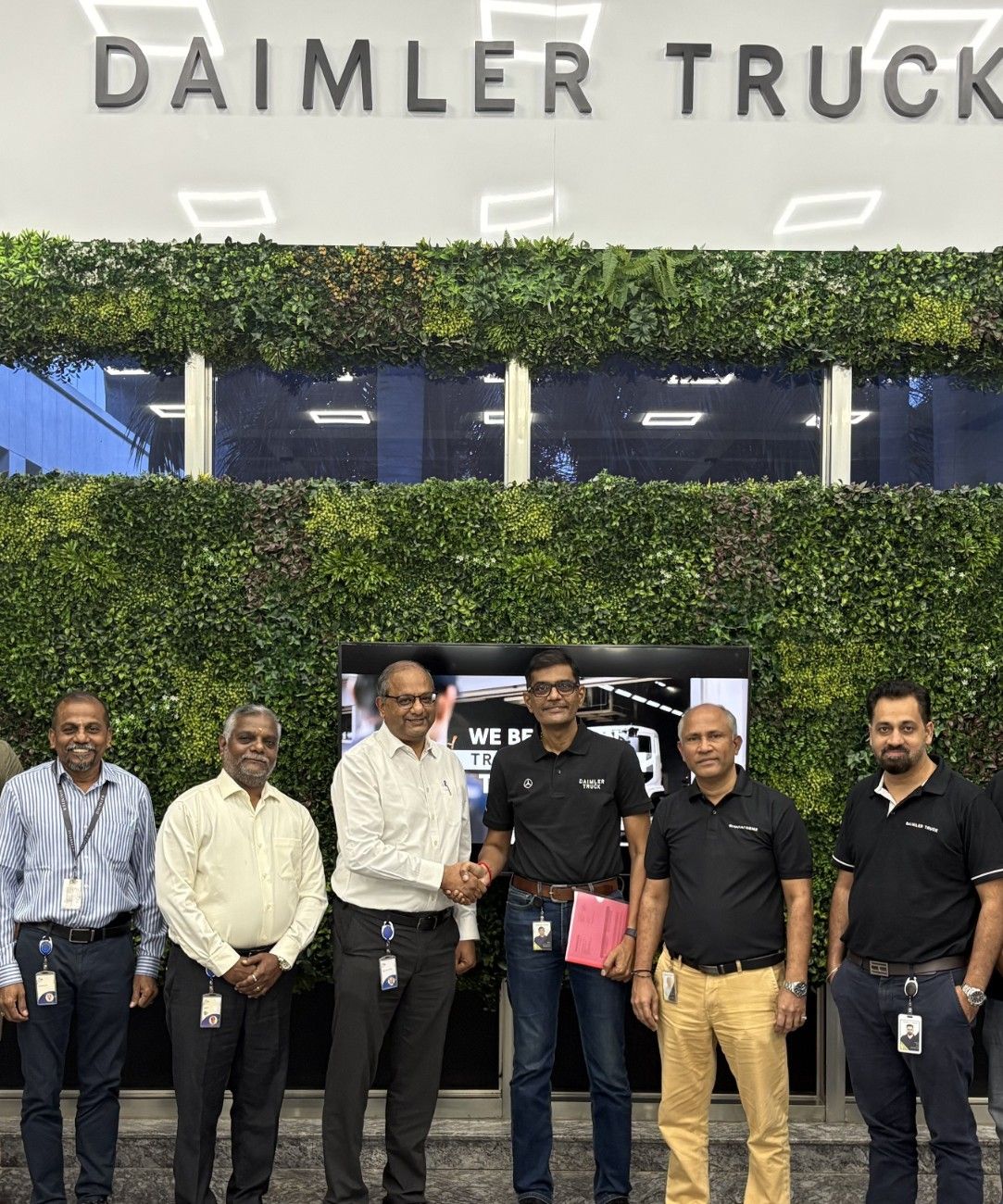
CHENNAI: TVS Supply Chain Solutions Limited, a leading global supply chain solutions provider, has announced that they secured a three-year contract from Daimler India Commercial Vehicles (DICV) to manage their in-plant warehouse operations at its manufacturing facility in Chennai. The partnership reinforces TVS SCS’s commitment to delivering efficient, technology-driven supply chain solutions to global automotive leaders. Approximately 700 employees from TVS SCS will be deployed for this engagement.

Under the agreement, TVS SCS will manage end-to-end warehouse operations within DICV’s manufacturing facility, ensuring seamless material flow, optimised inventory, and enhanced operational efficiency.

By leveraging advanced technologies including IoT-based tracking for real-time visibility, automation-led systems to reduce manual handling, predictive analytics for smarter planning, and digital dashboards for centralized performance monitoring. These capabilities will help strengthen DICV’s production ecosystem and support its focus on efficiency and quality.

Sukumar K, CEO – India & MEA, TVS Supply Chain Solutions, said“We are pleased to extend our long-standing partnership with Daimler through this significant engagement. Our global experience with Daimler, combined with our expertise in in-plant logistics, automation-led operations, and real-time visibility solutions, positions us well to drive measurable efficiencies. We look forward to further strengthening their production ecosystem and supporting their commitment to world-class manufacturing.”

Mr. C. Muthu Maruthachalam, President & Chief Operating Officer, Daimler India Commercial Vehicles, said, “Efficient in-plant logistics is vital to our production success. Partnering with TVS Supply Chain Solutions allows us to leverage their proven expertise and technology-driven approach to enhance our operational performance.”