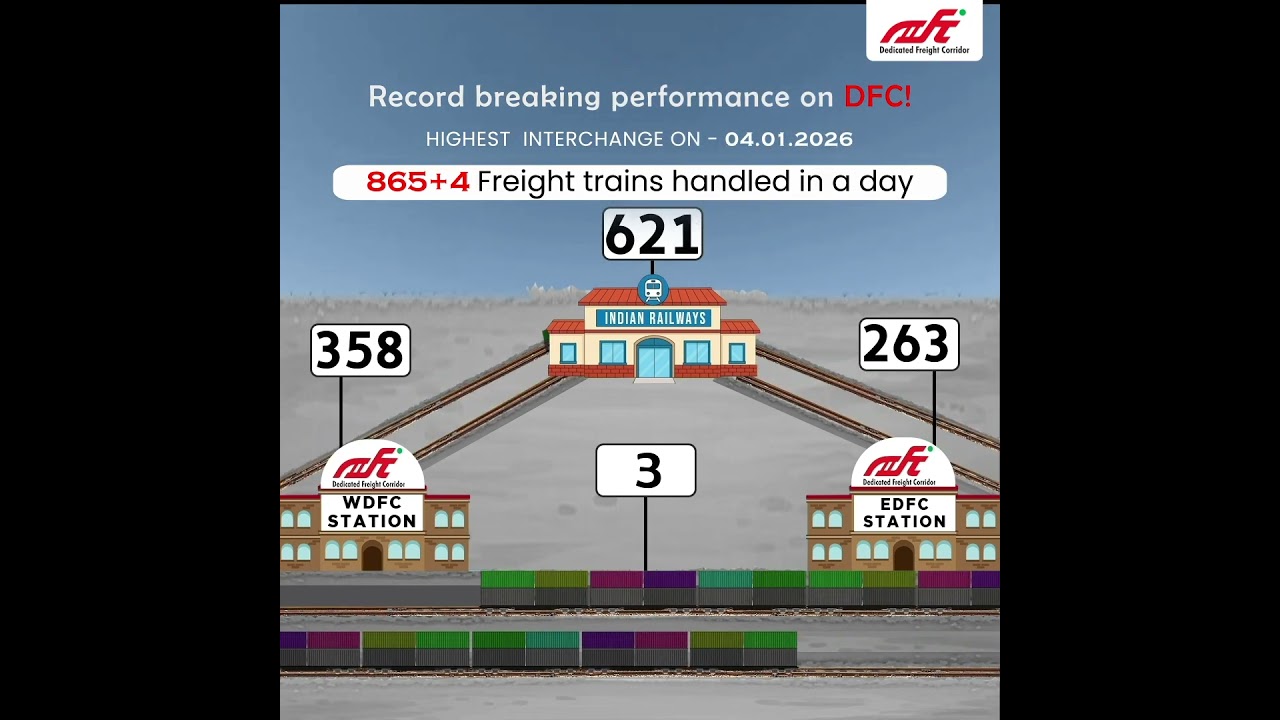
NEW DELHI : DFC Railway achieved a historic operational milestone on 04 January 2026, registering its highest-ever interchange of 865+4 trains in a single day—a clear demonstration of scale, speed, and coordination across the corridor.
This landmark performance surpasses the previous best of 846+2 trains recorded on 30 March 2025, highlighting sustained growth in traffic handling capability, strengthened operational processes, and the readiness of infrastructure to manage rising freight demand.
As freight demand continues to grow, this new benchmark reinforces DFCR’s role as a high-capacity, high-efficiency hashtag#freight backbone, enabling faster logistics, reduced transit times, and reliable movement of critical commodities—driving momentum for India’s economic growth.
NEW DELHI : In a significant step towards positioning Chhattisgarh as a major hub for agricultural and processed food exports, the Regional Office of the Agricultural and Processed Food Products Export Development Authority (APEDA) was inaugurated at Raipur during the 2nd India International Rice Summit held in Chhattisgarh. The inauguration was attended by Minister of Health and Family Welfare and Minister of Medical Education, Government of Chhattisgarh, Shri Shyam Bihari Jaiswal, along with other dignitaries.
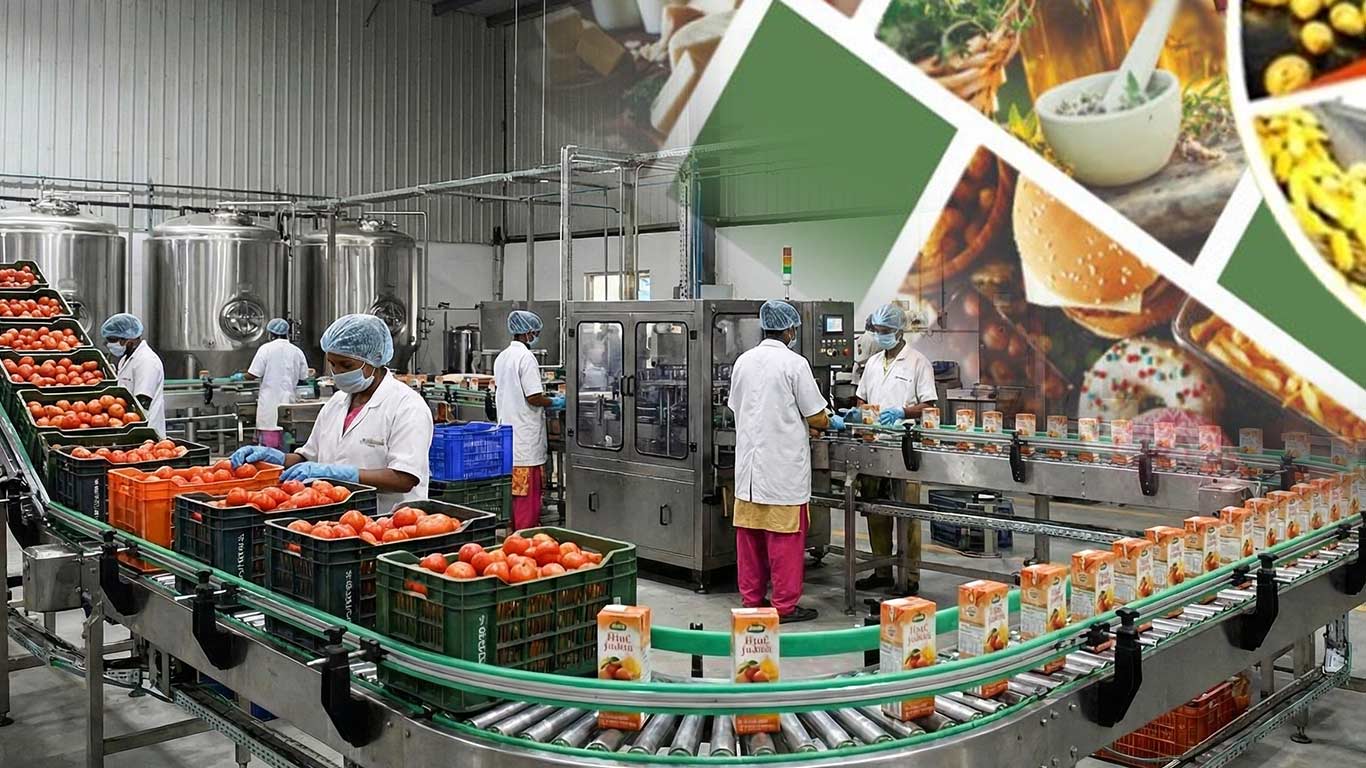
Chhattisgarh, with its rich and diverse agri-ecosystem, offers significant export potential across a wide range of products. These include premium non-basmati rice varieties and Geographical Indication (GI)-tagged products such as Jeeraphool Rice and Nagri Dubraj Rice. The State also produces a variety of fruits and vegetables including guava, banana, dragon fruit, jackfruit, custard apple, tomato and cucumber, along with important minor forest produce such as mahua, tamarind, herbal and medicinal plants, providing strong opportunities to expand its presence in global markets.
The establishment of the APEDA Regional Office in Raipur marks an important milestone for Chhattisgarh’s agrarian economy. The new office will facilitate farmers, producer groups, cooperatives and exporters by providing services such as export registration, advisory support, market intelligence, certification assistance, export facilitation, infrastructure development and market linkage support. Recently, the APEDA Regional Office in Raipur also facilitated the export of fortified rice kernels from Chhattisgarh to Costa Rica and Papua New Guinea.
Addressing the occasion, Chief Minister Shri Vishnu Deo Sai stated that the opening of the APEDA Regional Office in Raipur is a mission to integrate Chhattisgarh’s farmers with the global economy. He highlighted the potential of the State’s farmers, exporters and entrepreneurs in global agri-markets and expressed confidence that Chhattisgarh would emerge as a leader in high-value and sustainable agricultural exports. He thanked Union Minister of Commerce and Industry, Shri Piyush Goyal, for sanctioning the APEDA office in Chhattisgarh based on the request of the State Government, and assured full support to APEDA and the Department of Commerce in expanding exports of agricultural and organic products from the State.
The APEDA Regional Office was inaugurated during the 2nd edition of the India International Rice Summit, organised by the Rice Exporters Association of Chhattisgarh in collaboration with APEDA and other organisations. A two-day Chintan Shivir on rice exports also concluded on the same day, featuring dedicated sessions on export promotion of organic rice and measures to boost exports of non-basmati rice, including GI-tagged rice varieties from India.
NEW DELHI : The government should look at offering globally competitive R&D incentives and fiscal support for clinical research to the domestic pharma industry in the upcoming Budget in order to help it transform into an innovation-led USD 130-billion sector by 2030, according to industry bodies. The policymakers should also consider GST structure rationalisation, restoration of weighted R&D deduction and simplification of compliance and regulatory framework in the upcoming Union Budget for the financial year 2026-27. “The industry seeks globally competitive R&D incentives that align with India’s innovation ambitions, enhance the scientific ecosystem, and support the transition from a volume-driven model to an innovation-led pharmaceutical sector,” Indian Pharmaceutical Alliance (IPA) Secretary General Sudarshan Jain said in a statement. With a strong track record of resilience and innovation over six decades, the industry is poised to achieve its ambitious target of reaching USD 120–130 billion by 2030, and ultimately USD 450 billion by 2047, he noted.
Recent global challenges, including US tariffs, supply chain disruptions, and geopolitical uncertainty, underscore the need for strategic support to maintain and strengthen India’s competitive edge, he added. Stressing the need for the restoration of Weighted R&D Deduction (up to 200 pc), he noted that it would significantly boost investment in novel drugs, complex generics, biosimilars, and vaccines. Address the widening inverted duty structure, ensuring smooth GST refunds on both goods and services, to maintain manufacturing viability and affordability, Jain said. Incentivise Make in India, backward integration, and foreign direct investment (FDI) in pharma manufacturing, he added. Besides, there is a need to enhance government healthcare spending towards the National Health Policy 2017 target of 2.5 per cent of GDP by 2026–27 to strengthen the overall healthcare ecosystem, Jain said. IPA represents 23 leading Indian pharmaceutical firms, including Sun Pharma, Dr Reddy’s Laboratories and Zydus Lifesciences. The Organisation of Pharmaceutical Producers of India (OPPI), which represents research-based global pharmaceutical companies in India, stated that there is an opportunity in the upcoming Budget to further strengthen the country’s healthcare and life sciences ecosystem with a clear patient-first focus. “From a fiscal standpoint, rationalisation of GST on medicines and medical products, clarity on input tax credits, greater targeted customs duty relief for critical raw materials and advanced manufacturing inputs would help ease cost pressures and improve affordability,” OPPI Director General Anil Matai said. Reintroducing or strengthening R&D-linked tax incentives and support for fiscal support clinical research can further encourage innovation-led growth and global competitiveness, he added. “We also look forward to measures that improve regulatory predictability, encourage clinical research, and support advanced manufacturing, while ensuring that quality and safety remain paramount,” Matai said. As the industry continues with the ethical business practices in alignment with the UCPMP, a trust-based and collaborative approach between government, industry, and healthcare stakeholders will be key to long-term progress, he added. Deloitte India Partner Joydeep Ghosh said multiple regulators regulate several licenses and compliances for both the pharmaceutical and medical device sectors in India. “In light of the above, the government should consider forming a single regulatory authority for both pharmaceuticals and medical devices, with experts from across the sectors on board,” he stated. This would promote ease of doing business through a streamlined regulatory framework and boost investments in the sector, he added.
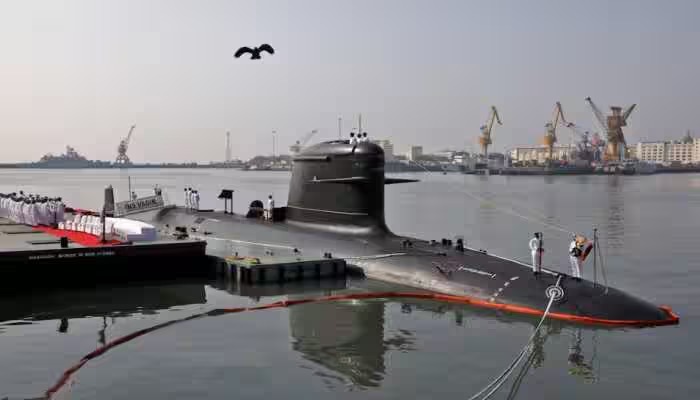
NEW DELHI : Germany and India are reportedly poised to sign a deal worth over $8 billion for the supply of six SSKs (Submersible Ship Hunter-Killer) submarines, with transfer of technology, during Chancellor Friedrich Merz’s visit to India.
Germany’s Thyssenkrupp Marine Systems (TKMS) and Indian state-owned Mazagon Dock Shipbuilders Ltd. (MDL) will work together to manufacture the vessels.
In August 2024, the Ministry of Defence (MoD) cleared MDL to build six submarines in partnership with Germany’s TKMS.
The diesel-electric submarines, being procured by the MoD under Project 75I, will feature Air Independent Propulsion (AIP) and will be larger and more advanced than the current Indian Navy (IN) submarines.
TKMS, which had initially declined to bid for Project 75I due to the RFP’s “terms and conditions,” entered the competition after the German government backed the project.
Why the Need for Import It is intriguing that India, having built four SSBNs and currently building two SSNs (with a total of six SSNs planned), still needs to acquire SSKs from Germany, especially after already inducting seven Scorpene-class SSKs with technology transfer from France.
The SSBNs and SSNs are being built in India with foreign (Russian?) assistance, assemblies, equipment, and materials. No real ToT took place as part of Project 75.
Despite trumpeting the Atmanirbhar Bharat (self-reliance) mantra, the Government of India continues to use defence procurement as a geopolitical ingratiation tool.
Indian shipyards capable of building submarines are fully committed to existing submarine projects.
The Need for Fast-Paced Procurement
We will set aside the first two explanations as overly speculative and assume that Project 75I procurement through a foreign OEM is driven by the Indian Navy’s urgent operational need to replenish its ageing submarine fleet.
It is noteworthy that the Indian Navy had initially stipulated that only operational submarine designs would be considered under Project 75I.
TKMS, however, has proposed a submarine based on its Type 214 design, incorporating specific modifications for the Indian Navy, such as enhanced stealth and AIP. Clearly, TKMS is not offering a fully operational, off-the-shelf design. As such, the possibility of delays runs counter to the objective of fast-paced procurement.
According to Khalil Rahman, head of TKMS India, the company successfully demonstrated the AIP capability on its Type 212 submarine during evaluation.
India’s Limited Options The qualitative requirements (QRs) stipulated by the Indian Navy (IN) when Project 75I was initiated were extremely ambitious. They included construction of all boats at Indian shipyards, fitment of DRDO-developed AIP, and the ability to launch land-attack cruise missiles (LACMs).
The draft RFI mandated that, in addition to DRDO-developed AIP, the submarine should be fitted with Indian steel, missiles, and torpedoes, including the DRDO-developed heavyweight torpedo.
The Navy also wanted all intellectual property rights for the submarine to rest with India after the initial batch of six boats, enabling India to export the design.
No submarine OEM met these QRs. As a result, the QRs were repeatedly diluted, delaying procurement by nearly a decade.
Only Germany and Spain eventually submitted bids for Project 75I, after multiple deadline extensions, culminating in July 2023. However, Spain’s Navantia was unable to immediately demonstrate an AIP system while submerged, having only demonstrated it on a surfaced submarine.
Procurement negotiations progressed under the Strategic Partnership model of the defence acquisition procedure. L&T and MDL were shortlisted as Indian partners to collaborate with foreign submarine manufacturers.
Robust Existing MDL–TKMS Relations Fortunately for India, MDL and TKMS share a long-standing working relationship dating back to the early 1980s.
In December 1981, India signed an agreement with Howaldtswerke-Deutsche Werft (HDW) to procure Shishumar-class diesel-electric attack submarines. The Shishumar boats are Indian variants of the HDW Type 209, featuring a larger-diameter pressure hull.
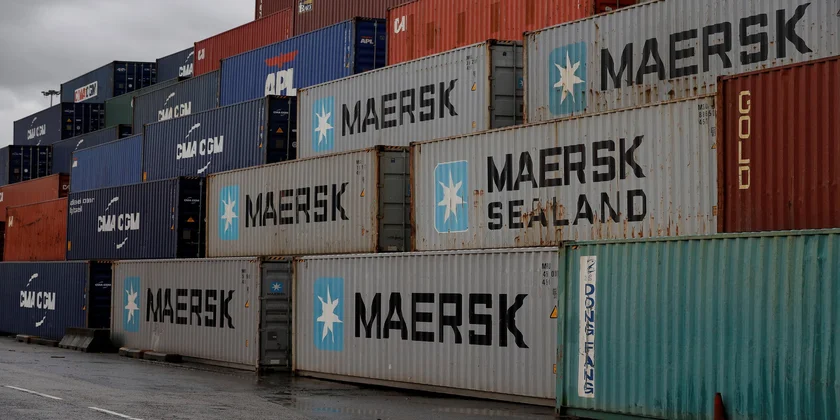
MUMBAI : A.P. Moller – Maersk has announced a revision in its Dry Port Surcharge – Export (DPS) for select Inland Container Depots (ICDs) in India, reinforcing its continued commitment to delivering reliable, innovative, and customer-centric logistics solutions.
Maersk, known for offering one of the broadest global service coverages with competitive transit times and unmatched reliability, stated that the surcharge revision is essential to sustain its extensive service portfolio and consistently high operational standards.
The revised DPS will apply to exports routed via Jawaharlal Nehru Port Authority (JNPA), Mundra, and Pipavav to destinations worldwide. The new rates will come into effect from 25 January 2026 for Non-Regulated Countries and 11 February 2026 for Regulated Countries.
Revised Dry Port Surcharge Details (20’ Dry Containers)
NEW DELHI: Blue Dart Express Limited, South Asia’s premier express air and integrated logistics provider and part of the DHL Group, Monday announced the launch of its maiden annual trends outlook, India on the Move 2025 – a first-of-its-kind look into how India moved, shipped and consumed through the year.
The outlook captures India’s logistics story beyond tonnes and kilometers, spotlighting the moments that mattered: vaccines that travelled colder than Antarctica, critical documents that couldn’t wait, shipments that doubled overnight, and parcels connecting families, businesses and economies at a scale few ever witness.
From life-saving supplies racing across states to packages moving faster than most people can finish an episode online, 2025 paints a picture of a nation constantly in motion and a logistics network working around the clock to keep pace. These insights lift the curtain on India’s delivery engine room, decoding network behaviour through five lenses: scale, speed, terrain, temperature, and security.
Record peak days, demand surges, and delivery routes cutting across metros, mountains, and remote interiors reflect a simple truth: logistics has moved from a silent enabler to mission-critical infrastructure powering India’s growth story.
A sneak peek at the highlights:
A single day that made even Mondays sweat
Road journeys long enough to lap the planet (again and again)
Millions of parcels landing securely at millions of doors
Shipments colder than Antarctica
Deliveries at altitudes where even Wi-Fi gets dizzy
Business accounts going live faster than the hook in your favorite song
With cold-chain shipments rising sharply, digital onboarding happening in minutes, and new demand corridors emerging across Tier-2 India, India on the Move 2025 reads less like a retrospective narrative and more like a preview of where India is headed next.
These trends illuminate shifting delivery behaviour – reshaping customer expectations, informing inventory planning, and raising the bar on how fast businesses must move to remain competitive. Logistics is no longer the “after” button once someone hits Buy Now; it is shaping the tempo of consumption, commerce, and nationwide connectivity.
The findings reflect Blue Dart’s continued commitment to building a logistics network that prioritizes reliability, precision and reach at national scale. With sustained investments in operational resilience and infrastructure, Blue Dart remains focused on enabling India’s economic momentum while connecting businesses and communities in the country’s most distant regions. The company continues to scale intelligently, deliver securely, and reinforce trust across every kilometer of its network, keeping India connected, and delivering forward.
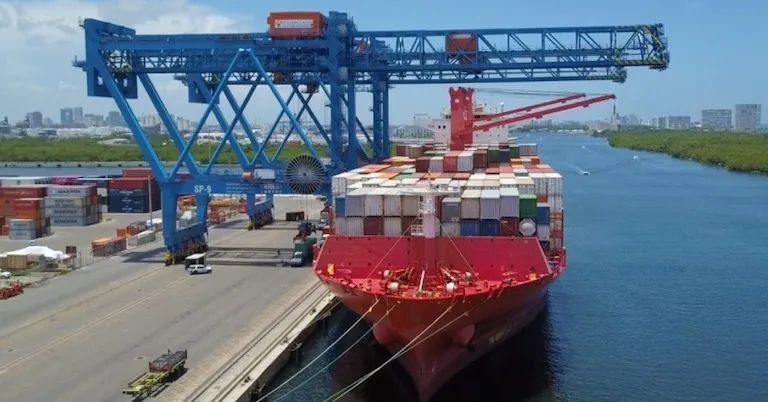
FLORIDA : Chile-based Grupo de Empresas Navieras (GEN) has sold its stake in Florida International Terminal for $29.96 million to Hanseatic Global Terminals, a subsidiary of Hapag-Lloyd, its partner in that port complex.
With this transaction, in accordance with the buy-sell clause of the Operating Agreement signed between both companies, Hanseatic Global Terminals will own 100% of the shares of Florida International Terminals, a complex located in Port Everglades, Fort Lauderdale, in the United States.
FIT is located in Port Everglades, South Florida, serving one of the largest consumer markets globally. The terminal specialises in container and general cargo handling and provides direct connectivity to major highways and rail networks, ensuring efficient inland and intermodal transportation and access to the region’s hinterland.
Established in 2023, Hanseatic Global Terminals operates as an independent entity within the Hapag-Lloyd Group, focusing on terminals and infrastructure. With a clear vision for 2030, Hanseatic aims to grow from 21 port terminals to approximately 30 globally, reinforcing its position as a leading terminal operator.
In 2023, Hapag-Lloyd acquired Chile-based SAAM’s logistics and terminals, in a $1 billion deal. SAAM had joint ventures with international port operators in several terminals, in Chile and the Florida International Terminal (FIT), in the US.
The Chilean company, in 2024 received authorisation by the Broward County Commissioners and the local Port Authority, greenlighting its continued operation at Port Everglades. Under the contract, which runs until 2035, FIT announced at the time, investment of $25m in the container terminal in the next 24 months.
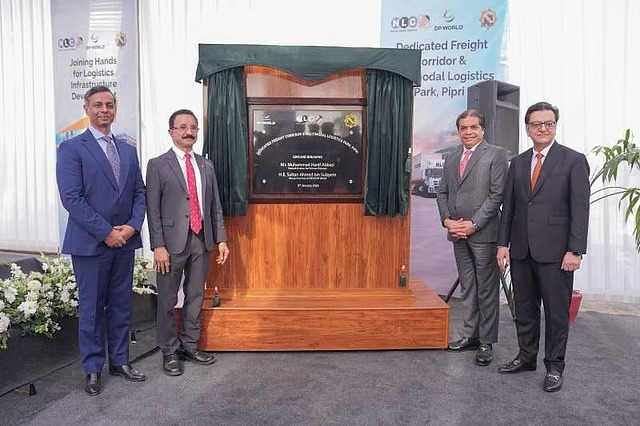
KARACHI : DP World, Pakistan Railways, and the National Logistics Corporation (NLC) have kicked off construction of the Dedicated Freight Corridor and Multimodal Logistics Park at Pipri, aiming to boost cargo connectivity between Karachi’s ports and inland markets.
Groundbreaking ceremony The ceremony at Pipri was attended by Federal Minister for Railways Hanif Abbasi, DP World Group Chairman and CEO Sultan Ahmed bin Sulayem, and senior representatives from NLC, Pakistan Railways, and port authorities.
The project will develop an integrated rail-and-logistics hub to enhance efficiency, reliability, and speed for import and export cargo flows.
Phase one: Rail corridor and logistics park 52-kilometre rail corridor connecting Karachi Port to the Marshalling Yard at Pipri to be rehabilitated.
State-of-the-art multimodal logistics park integrating rail, road, and port operations.
Services include warehousing, stuffing and de-stuffing, cargo consolidation, and value-added logistics.
Phase one targeted for completion in four months.
Benefits for trade and transport Expected to decongest Karachi’s roads and ports by shifting container traffic from trucks to rail.
Reduce logistics costs and transit times, lower carbon emissions, and extend road infrastructure lifespan.
Enable cargo flow to and from China, Central Asia, and regional markets.
Consolidated cargo handling at Pipri will improve supply chain turnaround times.
DP World commitment
Sultan Ahmed bin Sulayem said: “This project reflects DP World’s long-term commitment to developing world-class trade infrastructure and resilient supply chains. By integrating rail, road, and port infrastructure, the Dedicated Freight Corridor and Multimodal Logistics Park at Pipri will enhance trade flow efficiency, support sustainable logistics, and strengthen Pakistan’s role as a key regional trade gateway.”
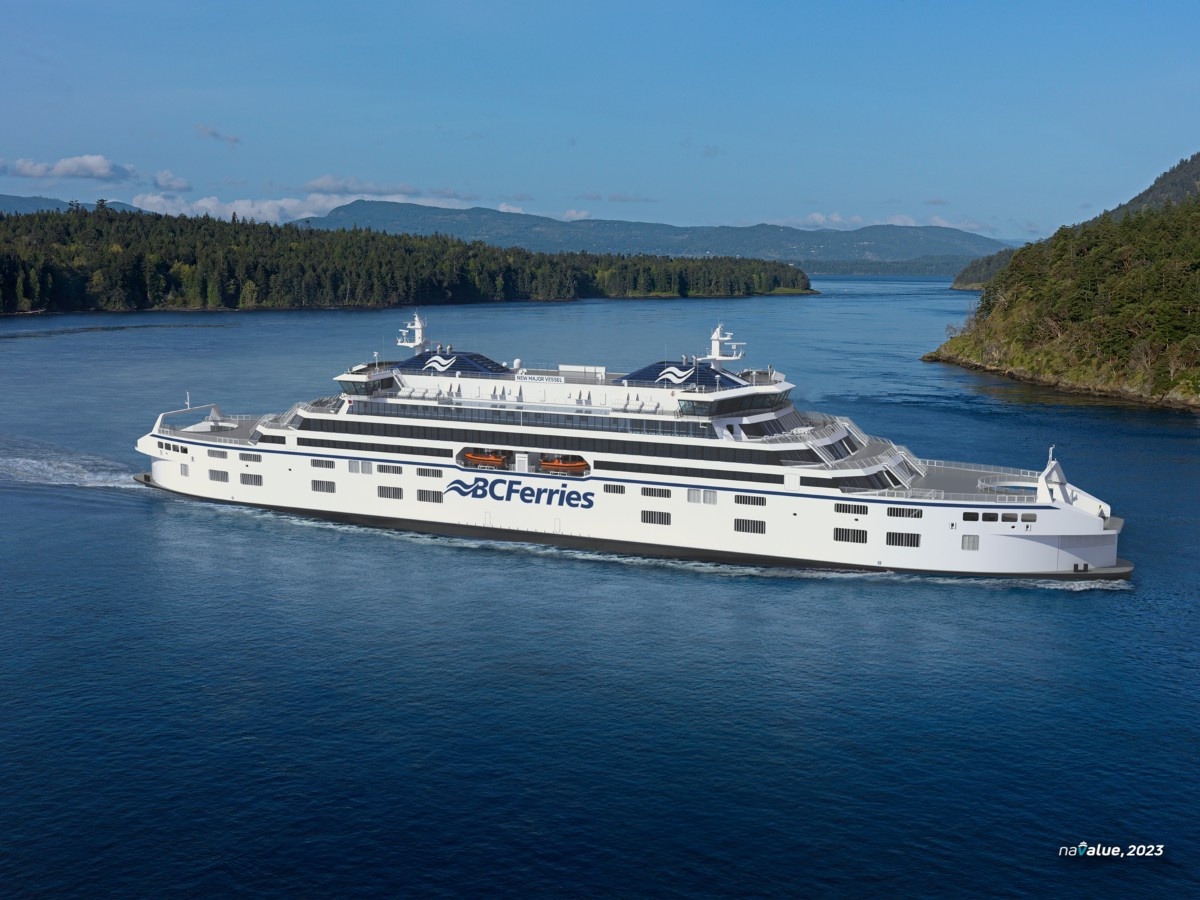
VANCOUVER: ABB will supply a complete package of power, propulsion and control technology for four new double-ended passenger and car ferries operated by British Columbia Ferry Services (BC Ferries). One of the largest ferry operators in the world, BC Ferries provides year-round vehicle and passenger service on 25 routes to 47 terminals, carrying approximately 9.7 million vehicles and 22.7 million passengers annually1. Demand on the ferry system is expected to increase as the province’s population is forecast to grow 44 percent2 by 2046.
The hybrid-electric ferries, which will replace four end-of-life vessels, are part of the BC Ferries’ ‘New Major Vessels’ program, aimed at delivering safe, environmentally sustainable and reliable operations in and around the Strait of Georgia, the body of water separating Vancouver Island from the Lower Mainland of British Columbia. The order was booked in the fourth quarter of 2025. Financial details were not disclosed.
Scheduled for delivery beginning in 2029 from China Merchants Industry Weihai (CMI Weihai) Shipyard, the vessels will be equipped with ABB’s gearless, steerable Azipod® electric propulsion. The system offers proven reliability thanks to significantly fewer moving parts than mechanical thrusters, while the special propeller design helps reduce underwater radiated noise (URN). This helps safeguard at-risk species, such as the Southern Resident killer whale, and preserve one of the world’s most biologically rich marine ecosystems3.
ABB’s Onboard DC Grid™ power distribution system will serve as the backbone for efficient energy flow, minimizing conversion losses and enabling higher overall system efficiency and lower emissions than comparable propulsion arrangements.
Each ferry will be equipped to accommodate up to 70 megawatt-hours (MWh) of battery energy storage. This enables efficient hybrid operations today and supports a future shift to fully electric, zero-emission service. The hybrid configuration uses biofuel or renewable diesel and continuously balances energy between generators and batteries. Each vessel can also connect to a high-capacity shore charging system rated above 60 megawatts (MW) for full electric operation. This system is more than 100 times more powerful than the fastest public electric vehicle charging stations in North America, which typically deliver up to 500 kilowatts (kW) per plug. This high-capacity charging supports fast turnaround in port and enables the transition to zero-emission operations.
ABB’s digital solutions will give crews a clear overview of ship operations and support safe, efficient journeys. These digital technologies are intended to help BC Ferries deliver an improved travel experience for passengers while reducing environmental impact.
“BC Ferries’ New Major Vessels represent the largest capital investment in our history and are essential to renewing our fleet, increasing capacity on our busiest routes, and strengthening system resilience,” said Nicolas Jimenez, President & CEO, BC Ferries. “Their design reflects what our customers value most: comfort, accessibility and environmental stewardship. With diesel-battery hybrid technology that can operate on bio and renewable diesel today and transition to full electrification as infrastructure evolves, these ships are a critical part of building a cleaner, quieter, and more reliable ferry system for the future.”
“We proudly support BC Ferries’ goals to reduce greenhouse gas emissions from their operations, striving to meet British Columbia’s 2030 greenhouse gas emissions reduction target for the transportation sector4 by at least 27 percent by 2030, from 2008 levels, in support of a cleaner future for British Columbia, and its ambitions to transition to all-electric operation,” said Rune Braastad, President, ABB’s Marine & Ports division. “ABB’s deep roots in Canada make it possible to support generational infrastructure projects like the New Major Vessels.”
ABB is a global technology leader in electrification and automation, enabling a more sustainable and resource-efficient future. By connecting its engineering and digitalization expertise, ABB helps industries run at high performance, while becoming more efficient, productive and sustainable so they outperform. At ABB, we call this ‘Engineered to Outrun’. The company has over 140 years of history and around 110,000 employees worldwide. ABB’s shares are listed on the SIX Swiss Exchange (ABBN) and Nasdaq Stockholm (ABB). www.abb.com
ABB’s Automation business automates, electrifies and digitalizes industrial operations that address a wide range of essential needs – from supplying energy, water and materials, to producing goods and transporting them to market. With its ~26,000 employees, leading technology and service expertise, Automation helps process, hybrid and maritime industries outrun – leaner and cleaner. go.abb/automation
RAJKOT : Prime Minister Shri Narendra Modi inaugurated the Vibrant Gujarat Regional ConferenceforKutch and Saurashtra Region in Rajkot, Gujarat on Sunday. Addressing the gathering on the occasion, Shri Modi remarked that after the beginning of 2026, this was his first visit to Gujarat. He stated that the mantra of “Vikas bhi, Virasat bhi” was resonating everywhere. The Prime Minister welcomed and extended greetings to all colleagues who had come from across the country and the world to attend the Vibrant Gujarat Regional Summit.
Chief Minister of Gujarat, Shri Bhupendrabhai Patel was present among other dignitaries at the event.
Observing that whenever the stage of Vibrant Gujarat Summit is set, Shri Modi expressed that he does not see it as just a summit but as the journey of modern India in the 21st century, which began with a dream and has now reached unshakable trust. He emphasized that in two decades, the journey of Vibrant Gujarat has become a global benchmark, with ten editions held so far, each strengthening the identity and role of the summit.
Underlining that he has been associated with the vision of Vibrant Gujarat Summit since the very first day, Shri Modi recalled that in the initial phase, the aim was to make the world aware of Gujarat’s potential, to invite people to come, invest, and thereby benefit India as well as global investors. He stressed that today the summit has moved beyond investment to become a platform for global growth, international cooperation, and partnership. The Prime Minister pointed out that over the years the number of global partners has steadily increased and the summit has become a major example of inclusion. He noted that corporate groups, cooperatives, MSMEs, start-ups, multilateral and bilateral organizations, and international financial institutions all come together here to engage in dialogue, discussion, and walk shoulder to shoulder with Gujarat’s development.
Prime Minister Modi remarked that over the past two decades, the Vibrant Gujarat Summit has consistently introduced something new and special, and the Vibrant Gujarat Regional Summit has become another example of this tradition. He highlighted that the focus of this Regional Summit is to transform the untapped potential of different parts of Gujarat into performance. Shri Modi noted that some regions have the strength of a coastal line, others possess a long tribal belt, some have a large ecosystem of industrial clusters, while others carry a rich tradition of farming and animal husbandry. He emphasized that each region of Gujarat has its own strength, and the Regional Summit is advancing by focusing on these regional possibilities.
The Prime Minister observed that a quarter of the 21st century has already passed and in recent years India has made rapid progress, with Gujarat and all its people playing a major role. He stated that India is moving towards becoming the world’s third largest economy, and the data clearly shows that global expectations from India are continuously rising. Shri Modi underlined that India is the fastest growing large economy, inflation is under control, agriculture production is achieving new records, India is number one in milk production, number one in generic medicine production, and the largest producer of vaccines in the world.
“India’s growth fact sheet is the success story of the mantra Reform, Perform and Transform”, underscored Shri Modi, pointing out that in the past 11 years India has become the world’s largest consumer of mobile data, and UPI has emerged as the number one real-time digital transaction platform globally. He recalled that earlier nine out of ten mobile phones were imported, but today India is the world’s second largest mobile phone manufacturer. The Prime Minister added that India now has the world’s third largest start-up ecosystem, ranks among the top three countries in solar power generation, is the third largest aviation market, and has one of the top three metro networks globally.
Highlighting that today every global expert and institution is bullish on India, the Prime Minister noted that the IMF calls India the engine of global growth, S&P has upgraded India’s rating after eighteen years, and Fitch Ratings has praised India’s macro stability and fiscal credibility. He stressed that this global trust in India exists because, amid great global uncertainty, India is witnessing an unprecedented era of certainty. He underlined that India enjoys political stability, policy continuity, and an expanding neo-middle class with increasing purchasing power, making India a nation of limitless possibilities. Recalling his words from the Red Fort that “this is the time, the right time,” Shri Modi emphasized that for every investor in the country and the world, this is indeed the right time to take advantage of India’s possibilities. He further stated that the Vibrant Gujarat Regional Summit is also conveying the same message to all investors—that for investment in Saurashtra-Kutch, this is the time, the right time.
Prime Minister Modi remarked that Saurashtra and Kutch are regions of Gujarat that teach us that no matter how big the challenge, if one perseveres with honesty and hard work, success is assured. He recalled that this was the same Kutch which faced a devastating earthquake at the beginning of this century, and the same Saurashtra which suffered years of drought, where mothers and sisters had to walk several kilometers for drinking water, electricity was uncertain, and difficulties were everywhere. He observed that today’s youth of 20–25 years have only heard stories of that period, when people were reluctant to stay long in Kutch or Saurashtra, and it seemed those conditions would never change. He emphasized that history is witness that time changes, and indeed it does, and the people of Saurashtra and Kutch have changed their destiny through their hard work.
Highlighting that today Saurashtra and Kutch are not just regions of opportunity but have become anchor regions of India’s growth, Shri Modi stated that these regions are becoming major centers driving the Atmanirbhar Bharat campaign and play a significant role in making India a global manufacturing hub, a role that is market-driven and thus inspires investor confidence. The Prime Minister pointed out that Rajkot alone has more than 2.5 lakh MSMEs, and in its diverse industrial clusters, everything from screwdrivers to auto parts, machine tools, luxury car liners, airplane, fighter plane, and rocket components are manufactured. He underlined that this region supports the entire value chain from low-cost manufacturing to high-precision, high-technology manufacturing, and its jewelry industry is world-renowned, exemplifying scale, skill, and global linkage.
The Prime Minister remarked that Alang hosts the world’s largest ship-breaking yard, where one-third of the world’s ships are recycled, a testimony to India’s leadership in the circular economy. He noted that India is among the largest producers of tiles, with Morbi district making a major contribution, where manufacturing is both cost-competitive and globally benchmarked. Shri Modi recalled that he had once said he could foresee a time when Morbi, Jamnagar, and Rajkot would together form a triangle that would become a “Mini Japan.” He remarked that at that time many had mocked his statement, but today he was witnessing that vision turning into reality before his own eyes.
Expressing pride in the Dholera Special Investment Region, which is emerging as a major center of modern manufacturing, Shri Modi highlighted that India’s first semiconductor fabrication facility is being established in Dholera, giving the region an early-mover advantage in future technologies. He added that the ground is fully prepared for investment in this region, with infrastructure ready, policy predictable, and vision long-term.
Shri Modi remarked that Saurashtra and Kutch are emerging as major hubs of India’s green growth, green mobility, and energy security. He highlighted that a 30 gigawatt capacity renewable energy park is being developed in Kutch, which will be the world’s largest hybrid energy park, five times bigger than Paris city. He emphasized that clean energy in this region is not just a commitment but a commercial-scale reality. The PM noted that Kutch and Jamnagar are becoming major centers for green hydrogen production, and a massive Battery Energy Storage System is also being established in Kutch to ensure grid stability and reliability alongside renewable energy.
Underlining that another great strength of Saurashtra and Kutch lies in their world-class ports, through which a large share of India’s exports pass, the Prime Minister pointed out that Pipavav and Mundra ports have become major hubs for automobile exports, with nearly 1.75 lakh vehicles exported from Gujarat’s ports last year. He stressed that beyond logistics, there are endless investment opportunities in every aspect of port-led development. Shri Modi added that the Gujarat government is giving special priority to the fisheries sector, with large-scale infrastructure development and a strong ecosystem for seafood processing investors.
“Alongside infrastructure, an industry-ready workforce is the biggest requirement today”, emphasised the Prime Minister adding that Gujarat provides complete certainty to investors on this front. He highlighted that Gujarat has an international ecosystem for education and skill development. He mentioned that the Kaushalya Skill University is preparing youth with future-ready skills in collaboration with universities from Australia and Singapore. He noted that the National Defence University is India’s first national-level defence university, while Gatishakti University is preparing skilled manpower for road, railway, airway, waterways, and logistics sectors. Shri Modi emphasized that investment in Gujarat comes with an assured talent pipeline. He added that many foreign universities are seeing opportunities in India, with Gujarat becoming their preferred destination, and two major Australian universities have already started campuses in the state, with more expected in the future.
The Prime Minister highlighted that Gujarat offers nature, adventure, culture, and heritage, making it a complete tourism experience. He pointed out that Lothal, symbolizing India’s 4,500-year-old maritime heritage, is home to the world’s oldest man-made dockyard, where the National Maritime Heritage Complex is being developed. He mentioned that the Rann Utsav is currently being celebrated in Kutch, with the tent city offering a unique experience. He noted that wildlife enthusiasts can visit Gir forest for the unparalleled experience of seeing Asiatic lions, which attracts more than nine lakh tourists annually. He added that those who love the sea can enjoy Shivrajpur beach, which is Blue Flag certified, along with Mandvi, Somnath, and Dwarka, which offer immense possibilities for beach tourism. He also highlighted that nearby Diu is becoming a prime destination for water sports and beach games.
Emphasising that Saurashtra and Kutch are regions full of strength and possibilities, Shri Modi urged investors to take full advantage of them. He emphasized that every investment in Saurashtra-Kutch will accelerate the development of Gujarat and the progress of the nation.
Prime Minister remarked that today’s India is working rapidly towards the goal of becoming a developed nation, with the “Reform Express” playing a major role in this journey. He explained that the Reform Express signifies next-generation reforms across every sector, citing the recent implementation of next-generation GST reforms which have positively impacted all sectors, especially benefiting MSMEs. He highlighted that India has undertaken a major reform in the insurance sector by allowing 100 percent FDI, which will accelerate the campaign to provide universal insurance coverage to citizens. He noted that after nearly six decades, the income tax law has been modernized, benefiting millions of taxpayers. He emphasized that India has also implemented historic labor reforms, giving wages, social security, and industry a unified framework, thereby benefiting both workers and industry.
Highlighting that India is becoming a global hub for data-driven innovation, AI research, and semiconductor manufacturing, Shri Modi underlined that with India’s rising power demand, assured energy is critical, and nuclear power is a major medium to achieve this. He pointed out that next-generation reforms have also been introduced in the nuclear power sector, with civil nuclear energy opened for private participation through the SHANTI Act, creating significant opportunities for investors.
Shri Modi assured all investors present that India’s Reform Express will not stop, and the country’s reform journey has advanced towards institutional transformation. He remarked that participants are not here merely with an MoU, but to connect with the development and heritage of Saurashtra-Kutch. He concluded by assuring that every rupee invested here will yield excellent returns, extending his best wishes to all and thanking them.
The address by Shri Karan Adani, MD, Adani Ports and SEZ underscored Prime Minister Shri Narendra Modi’s transformative leadership, which has reshaped India’s scale and mindset. He noted that Shri Modi taught the nation to think long term, build institutions, and view development as a civilizational mission where vision is matched by execution. Under Shri Modi, Gujarat has become one of India’s most industrially advanced and globally connected states, contributing significantly to GDP, industrial output, cargo handling, and renewable energy. Shri Adani recalled that as Chief Minister, Shri Modi proved that good governance and speed of execution could transform a state, long before “ease of doing business” became a national concept. As Prime Minister, he has extended this philosophy across India, making states engines of growth through cooperative and competitive federalism, ensuring policy stability, and building infrastructure at scale. He emphasized that India, under Modi’s leadership, has emerged as a bright spot in a fragmented global economy, growing close to 8%, expanding its manufacturing base, and progressing confidently towards becoming a $5 trillion economy and the world’s third largest. Shri Adani cited Kutch and Mundra as powerful examples, with projects like the 37 GW Khavda renewable energy park. He announced ₹1.5 lakh crore over the next five years in Kutch, aligning with national priorities of employment generation, industrial competitiveness, sustainability, and resilience, affirming Gujarat’s role in India’s journey towards Viksit Bharat 2047.
Sharing his thoughts, Shri B.K. Goenka, Chairman of the Welspun Group, emphasized Prime Minister Shri Narendra Modi’s visionary leadership in transforming Gujarat, especially Kutch and Saurashtra. Once known for scarcity and disasters, these regions today symbolize world-class refineries, ports, textiles, and renewable energy. He credited this transformation entirely to Prime Minister Modi’s foresight and determination, which gave Gujarat a new identity. He recalled how in 2003, during the first Vibrant Gujarat Summit, Shri Modi urged Welspun to set up its expansion plant in quake-hit Kutch, assuring that every rupee invested would yield manifold returns. That foresight turned Welspun’s Gujarat facility into the world’s leading home textile company, employing over one lakh people and commanding more than 25% market share in the US and UK, with products even reaching Wimbledon. Shri Goenka highlighted Welspun’s pipeline business, investing ₹5,000 crores to become the world’s largest manufacturer. He praised Shri Modi’s resolve—“as big as your dream, that big is my commitment”. He concluded by echoing the Prime Minister’s call for new dreams, new resolutions, and continuous accomplishments, stressing that the challenge before all is not just to make India self-reliant but to transform it into a developed nation by 2047.
Shri Mukesh Ambani, Chairman, Reliance Industries Limited, sharing his thoughts remarked that the Vibrant Gujarat Regional Summit celebrated Prime Minister Shri Narendra Modi’s leadership and vision, crediting him with restoring India’s civilizational self-belief and ushering in an era of unprecedented confidence and vibrancy. Shri Ambani emphasized that history will remember the Modi era as the time when India moved from potential to performance, aspiration to action, and from being a follower to becoming a global force. He highlighted Gujarat’s special place for Reliance, describing it as the company’s body, heart, and soul, and announced five firm commitments aligned with Modi’s vision.
First, Reliance will double its investments in Gujarat to ₹7 lakh crore over the next five years, generating employment and prosperity. Second, at Jamnagar, the company is building the world’s largest integrated clean energy ecosystem, spanning solar, battery storage, green hydrogen, fertilizers, sustainable fuels, and advanced materials. Third, Reliance is developing India’s largest AI-ready data center to deliver affordable AI services for every citizen, starting from Gujarat. Fourth, the Reliance Foundation will support India’s Olympic ambitions, partnering with the Gujarat government to manage the Veer Savarkar multi-sports complex and train future champions. Fifth, Reliance will expand healthcare and education facilities, including a world-class hospital in Jamnagar.
Shri Ambani concluded by stressing that despite global turbulence, India remains secure under Shri Modi’s leadership, describing him as the nation’s “invincible protective wall.” He declared this India’s defining decade, with Modi not just preparing the country for the future but actively shaping it, and reaffirmed Reliance’s commitment to Gujarat and to Viksit Bharat 2047.
Speaking on the occasion, H.E. Ms. Jacqueline Mukangira, High Commissioner of Rwanda to India, expressed deep gratitude to the Chief Minister of Gujarat for inviting Rwanda as a country partner at the Vibrant Gujarat Regional Summit and for the opportunity to speak in the presence of Prime Minister Shri Narendra Modi. She congratulated the Gujarat government for successfully organizing the conference and highlighted the strong bilateral relations between Rwanda and India. She recalled Prime Minister Modi’s historic visit to Rwanda in 2018, during which six MOUs were signed and 200 cows were donated to needy families, a gesture she praised as an example of his generosity and leadership. She also noted that President Paul Kagame has visited India five times, including attending the Vibrant Gujarat Summit in 2017, and emphasized that both leaders have elevated Rwanda–India relations to a strategic level.
Ms. Mukangira described Rwanda as a fast-developing, stable nation with zero tolerance for corruption, ranking first in Africa for governance transparency and ease of doing business, and recording 11.8% economic growth in Q3 of 2025. She highlighted India as Rwanda’s second-largest foreign investor and trading partner, and invited more Indian investments in sectors such as manufacturing, infrastructure, ICT, agriculture, mining, tourism, health, and education, supported by strong incentives. She concluded by inviting delegates to visit Rwanda, home to the famous mountain gorillas and the Big Five animals, reaffirming Rwanda’s commitment to stronger ties with India under Prime Minister Modi’s leadership.
H.E. Dr. Oleksandr Polishchuk, Ambassador Extraordinary and Plenipotentiary of Ukraine to India, warmly applauded Prime Minister Shri Narendra Modi’s leadership, noting his journey from regional leader to national figure and now a global statesman, including his role in efforts to establish peace. He emphasized that Gujarat, under Shri Modi’s vision, has become globally recognized for its development model, which has expanded across India and is guiding the nation toward becoming a global leader and achieving the target of Viksit Bharat 2047.
He expressed gratitude to the Gujarat government and Chief Minister Bhupendra Patel for their cooperation, highlighting areas of collaboration such as education, institutional partnerships, and skills development, which strengthen people-to-people and knowledge-based ties. He recalled that Ukraine proudly served as a partner country at the 2023 Vibrant Gujarat Summit, viewing it as a strategic opportunity to deepen economic cooperation. Ukrainian industries are actively engaging with India in sectors like agriculture, engineering, IT, energy, and logistics, with bilateral trade already reaching $4 billion.
Dr. Polishchuk invited Indian companies to participate in the upcoming Ukraine Recovery Conference in Poland and underscored prospects for expanded industrial and technological cooperation, including in defense under the Make in India framework. He noted that Prime Minister Modi’s historic 2024 visit to Ukraine, undertaken during wartime, reaffirmed the intention to elevate bilateral ties to a strategic partnership alongside President Volodymyr Zelensky.
He concluded with confidence that achieving sustainable peace in Ukraine will further deepen India–Ukraine relations, including with Gujarat, and wished the Vibrant Gujarat Summit success in fostering productive discussions and strong new partnerships.