Home Blog Page 508

Parliamentary Panel cautions Railways on crew crunch impacting freight corridor vision

NEW DELHI : India’s push for fully electrified, high-capacity dedicated freight corridors could face serious setbacks unless operational bottlenecks, particularly shortages of trained crew, are addressed urgently, a parliamentary committee has warned.

The observation came after the Ministry of Railways acknowledged before the panel that “the biggest challenge faced by the Dedicated Freight Corridor Corporation of India (DFCCIL) in running trains is the availability of crew.”

In its submission, the Ministry detailed staffing levels across key operational categories as of June 1, 2025. Of a sanctioned strength of 1,42,814 loco pilots, the actual strength stands at 1,07,928.

Similarly, only 12,345 of the 22,082 sanctioned posts for goods train managers, or guards, are currently filled. Across all categories, including station masters and station superintendents, the sanctioned strength is 2,06,495, while the working strength is 1,59,219.

“The committee emphasises that the shortage of crew must be resolved urgently to minimise delays, improve throughout, and ensure uninterrupted freight movement across the DFC network,” the report said.

It urged Indian Railways to take effective measures to ensure the availability of adequate crew for the smooth operation of trains on the dedicated freight corridors.

The Standing Committee on Railways, in its Sixth Report on “Increasing Freight-Related Earnings of Indian Railways and Development of Dedicated Freight Corridors,” presented to the Lok Sabha for 2025-26, examined several aspects of freight operations, including challenges and proposed measures for improvement.

Freight services contribute around 65 per cent of Indian Railways’ total earnings, while the remaining 35 per cent comes from passenger services, parcel services, and non-fare revenue streams, the committee noted.

“It is primarily due to freight income that the Railways can keep passenger fares affordable for the general public,” the report added.

It also pointed out that structural constraints within rail logistics, such as the lack of first- and last-mile connectivity, high costs for short-distance freight movement, and terminal and mobility limitations, hinder the potential for increasing freight revenue.

The committee suggested that closely monitoring zone-wise targets, particularly concerning mobility, would strengthen efforts to boost freight revenue across regions.

The committee recommended that the Ministry conduct an annual comprehensive assessment of freight rates, taking into account commodity-wise competitiveness, prevailing market demand, and operational costs.

Based on this assessment, it is suggested to rationalise freight rates to enhance competitiveness with road transport.

On revenue growth initiatives, the committee urged Indian Railways to explore avenues for increasing its non-fare revenue. In particular, it suggested that advertising on rail coaches and wagons should be pursued seriously as a viable revenue-generating measure.

The committee acknowledged the Railways’ ongoing induction of around 30,000 wagons annually, but also noted that increased private sector participation could significantly improve the timely availability of necessary wagons.

“In this regard, the committee urged Indian Railways to actively promote private sector investment in wagons by setting a tangible target for promoting private ownership of wagons,” it added.

Furthermore, the committee highlighted that the average speed of freight trains on the Indian Railway network was 23.8 km/h in 2024-25. The committee appreciated the steps taken to enhance train speeds, such as infrastructure upgrades, modernisation of rolling stock, doubling and multi-tracking of critical sections, and operational streamlining.

It also urged the Ministry to fast-track these initiatives to improve the competitiveness of rail freight and facilitate a modal shift from road to rail.

Regarding the speed of freight trains on the DFC network, which the Railway Ministry reported as 37 km/h in 2024-25, the committee considered it a significant improvement over conventional railway network speeds but felt that there was considerable scope for further enhancement.


Govt to release compliance handbook for new labour Codes: Labour Secy

NEW DELHI : The Centre is set to release a compliance handbook to help businesses comply with the four new labour codes, Labour Secretary Vandana Gurnani said on Friday.

Speaking at an event organised by the PHD Chamber of Commerce and Industry, Gurnani said the government will work with the industry for smooth implementation of the codes and better understanding of the new system of compliances.

“We are also working on a compliance handbook, which will tell what the simplified compliances now are. We will disseminate it physically as well as electronically,” Gurnani said.

The labour secretary further added that the government and the industry need to collaborate so they can together carry this message to the last mile where businesses also know what is now required from them.

Gurnani said both the Centre and state governments will help labour inspectors understand their new role of inspector-cum-facilitator and provide them with training. She stated that both the central and state labour commissioners organise forums and meetings regularly to give clarifications on any concerns that businesses may have.

“We would be happy to deploy our machinery so that they can explain what is in the codes. This effort of taking the message of the codes down should be a joint effort between the government and the industry,” she added.

Under the new codes, the inspector-cum-facilitator has to provide a 30-day notice to businesses before taking any action when an instance of non-compliance is found. The draft rules of the new codes, which will be up for a 45-day public consultation with stakeholders, are yet to be notified by the labour ministry.

The central government notified the four labour codes last month, five years after they were passed by Parliament, reforming and consolidating the 29 existing labour laws.

The four labour codes — the Code on Wages (2019), Industrial Relations Code (2020), Code on Social Security (2020), and Occupational Safety, Health and Working Conditions Code (2020) — are intended to modernise labour regulations, enhancing workers’ welfare and aligning the labour ecosystem with the evolving world of work.

Source : BS

GeM platform empowers Micro and Small Enterprises, women entrepreneurs and SC/ST businesses to compete and secure orders in Govt procurement

NEW DELHI : The Government e-Marketplace (GeM) provides a digital platform that enables Micro and Small Enterprises (MSEs), women entrepreneurs, SC/ST businesses and startups to participate in government procurement and secure orders across sectors. This is reflected when a women-led clean energy firm from Vadodara supplies renewable energy solutions, or a small enterprise from Nagpur delivers surveillance infrastructure to the Central Government, showing that enterprise size is no longer a barrier to opportunity.

As of 30 November 2025, GeM has recorded more than 11.25 lakh registered MSE sellers on the platform. These enterprises have cumulatively secured orders worth ₹7.44 lakh crore, accounting for 44.8 per cent of the total order value transacted through GeM, exceeding the mandated annual procurement target of 25 per cent. This participation reflects an expanding role of smaller enterprises in public procurement.

Women-led enterprises have also registered increased participation on the platform. More than 2 lakh women-owned MSEs are currently active on GeM and have secured cumulative orders worth ₹78,066 crore. Their participation is supported through initiatives such as Womaniya, which focus on onboarding, training and improving access to procurement opportunities for women entrepreneurs.

The participation of MSEs on GeM is supported through platform features aligned with national procurement policies. Buyers can identify products offered by MSEs, including women-led and SC/ST MSE sellers, through dedicated marketplace filters. Eligible MSEs are also provided purchase preference and relaxations in Earnest Money Deposit requirements, as well as prior turnover and experience criteria, with the objective of facilitating wider participation while maintaining accountability.

The outcomes of these measures are reflected in transactions completed by MSEs and startups across sectors. In November 2025, a women-led MSE from Gujarat, FS Green Energies Private Limited, Vadodara, supplied renewable energy solutions valued at over ₹53 crore to the Department of Heavy Industries. During the same period, an MSE owned by an SC/ST entrepreneur, Infrastructure Development and Management Services, Nagpur, Maharashtra, supported surveillance infrastructure valued at ₹29 crore for the Central Government. A startup based in Mumbai, Cloudstrats Technologies Private Limited, Maharashtra, delivered technology services amounting to ₹191 crore, securing high-value contracts within a short period of scaling up operations.

Beyond facilitating transactions, GeM supports transparency, speed and traceability in public procurement processes while enabling participation of enterprises from different regions and communities. By integrating digital processes with procurement policy provisions, the platform supports objectives related to Digital India and Atmanirbhar Bharat by enabling local enterprises to engage with government procurement at scale.

As public procurement systems continue to evolve, the increasing participation of MSEs and women-led enterprises on GeM reflects an approach where access, inclusion and regional participation are integral components of government purchasing frameworks

AD Ports Group forms strategic JV with CEI Supply Chain to offer logistics capabilities in Pakistan

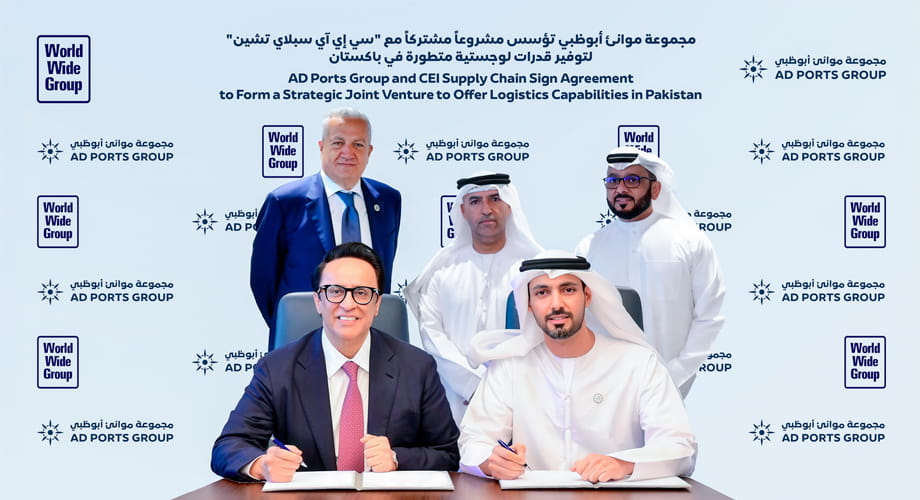
ABU DHABI : AD Ports Group , a leading global enabler of integrated trade, industry and logistics solutions, recently announced the formation of a new joint venture (JV) with CEI Supply Chain Private Limited, a premier logistics service provider in Pakistan, to develop a robust, asset-light network delivering door-to-door solutions across the region.

The signing ceremony was held in Karachi, in the presence of H.E. Salem Mohammed Al Zaabi, Ambassador of the United Arab Emirates to the Islamic Republic of Pakistan; H.E. Dr. Bakheet Ateeq Alremethi, Consul General of the United Arab Emirates in Karachi; and Farook Al Zeer, Chairman of the Logistics Cluster – AD Ports Group. The agreement was signed by Abdulaziz Zayed Al Shamsi, Regional CEO – AD Ports Group; and Sohail Yasin Suleman, Group Chairman – World Wide Group.

Under terms of the agreement, AD Ports Group will acquire a 51% majority shareholding in the new entity, further solidifying its presence in Pakistan, a key South Asian market and gateway to the Group’s Central Asia corridor. The strategic partnership with CEI Supply Chain represents a significant step in AD Ports Group’s plans to directly link its port infrastructure with inland logistics networks.

The new company will leverage CEI’s operational footprint in Pakistan, which includes key offices in Karachi, Lahore, Sialkot, and Islamabad. By integrating these local capabilities with AD Ports Group’s global reach, the joint venture aims to capture a significant share of the market, particularly in high-growth verticals such as automotive, retail, fast moving consumer goods (FMCG), and energy.

The new relationship with CEI, will give the joint venture strong access to clients across the country and solid base for market penetration. It is also expected that the JV will align with and support Noatum Logistics’ growing global network, the Group’s dedicated logistics arm.
The new joint venture will be consolidated into AD Ports Group starting in Q1 2026.

Abdulaziz Zayed Al Shamsi, Regional CEO – AD Ports Group, said: “Pakistan is a vital trade gateway for the region, and today’s agreement is a natural evolution of our presence. Having secured key port infrastructure and initiated capacity upgrades, we are now entering the hinterland to offer fully integrated logistics solutions. This joint venture with CEI allows us to bridge the gap between port and final consumer, driving efficiency for our customers, and supporting our vision of developing Pakistan as a regional hub for the Middle Corridor and Central Asian markets.”

Sohail Yasin Suleman, Group Chairman, World Wide Group, added: “Partnering with a leading integrated trade enabler such as AD Ports Group is a transformative step for CEI, which will support the wider logistics sector in Pakistan. By aligning our strong local networks and legacy client relationships with AD Ports Group’s global expertise, we are creating a platform that will secure end-to-end business and elevate the standard of logistics services in the country.”

Established in 1995, CEI Supply Chain is a leading Pakistan-based freight forwarder and logistics provider, offering integrated, end-to-end solutions including comprehensive air/ocean freight, transport, customs brokerage, and distribution, with warehouses and bonded facilities for sectors such as automotive, textile, and telecoms.
The joint venture agreement caps a year of dynamic expansion for AD Ports Group in Pakistan, where the Group has established itself as a major investor in the Port of Karachi.

In August 2025, the Group inaugurated its first representative office in Islamabad to deepen government engagement and accelerate infrastructure initiatives.
In September, the Group announced a major dredging project, led by its international ports operating arm – Noatum Ports, and Van Oord, related to the capacity expansion and deepening of berths and navigational channels of its Karachi Gateway Terminal (KGTL), a container terminal, and Karachi Gateway Terminal Multipurpose Limited (KGTML), a bulk and general cargo terminal, which it operates jointly with Kaheel Terminals.

To date, the Group has committed USD 295 million towards developing and enhancing its terminals in Karachi and in addition the Group recently reached a long-term agreement with Louis Dreyfus Company (LDC), a leading agricultural goods processor, to develop a clean bulk storage facility at Karachi Port, increasing further its investment commitment into the country.

Pakistan plays a strategic role as a maritime gateway in AD Ports Group’s plans to recommercialise the ‘Middle Corridor’ route between China and Europe through Central Asia, where it has built a portfolio of ports, logistics, and maritime assets in Georgia, Kazakhstan, and Uzbekistan, over the last three years.

Xeneta Weekly Ocean Container Shipping Market Update

OSLO: Xeneta has unveiled Weekly Ocean Container Shipping Market Update.

Peter Sand, Xeneta Chief Analyst commented:

Far East to Europe

“Average departure delays on trades from Far East to Europe reached 12.5 days in the week ending 14 December 2025 – the second highest level in three years. This pushed many departures expected for last week into this week, which clearly has knock-on disruption for supply chains.

“These delays are not caused by carriers blanking sailings – it’s about port congestion and operational inefficiencies. Shippers need to be on top of this and manage the risk of congestion and the potential for containers arriving later than expected.

“If shippers are looking to move back to just-in-time supply chains in 2026 after a just-in-case approach during the tariff chaos of 2025, they need to manage this risk and ask carriers to deliver on their promises.”

Far East to US West Coast

“Capacity offered from Far East to US West Coast is expected to increase 10.4% in January compared to December, with blanked capacity decreasing 48.5%.

“It’s a different story into the US East Coast with 162,219 TEU of blanked capacity announced for the next eight weeks.

“There is a distinct difference in the services offered into US East Coast and US West Coast and the way carriers are managing capacity. This is motivated by underlying stronger demand into the US East Coast, while the US West Coast being more sensitive to US-China geo-political tensions.”

Data highlights

Market average spot rates – 18 December 2025

Far East to US West Coast: USD 2,086 per FEU (40ft container)
Far East to US East Coast: USD 2,982 per FEU
Far East to North Europe: USD 2,545 per FEU
Far East to Mediterranean: USD 4,072 per FEU
North Europe to US East Coast: USD 1,566 per FEU

Offered capacity (4-week rolling average) – w/c 15 December 2025

Far East to US West Coast: +0.9% from a week ago
Far East to US East Coast: +7.2% from a week ago*
Far East to North Europe: +19.2% from a week ago*
Far East to Mediterranean: +7.4% from a week ago**
North Europe to US East Coast: –6.2% from a week ago

FAR EAST to US WEST COAST

Week-on-week:
Spot rates up +$366 (+21.3%) to $2,086.
Capacity broadly steady, up +2,594 TEU (+0.9%) to 301,668 TEU.

Month-on-month:
Rates modestly higher +$45 (+2.2%).
Capacity down -22,734 TEU (-7.0%)

Since 1 Dec 2025:
Rates up +$100 (+5.0%).
Capacity slightly down -1,296 TEU (-0.4%).

FAR EAST to US EAST COAST

Rates & capacity

Week-on-week:
Rates up +$463 (+18.4%) to $2,982.
Capacity up +12,556 TEU (+7.2%) to 186,898 TEU.

Month-on-month:
Rates up +$236 (+8.6%).
Capacity up +12,913 TEU (+7.4%).

Since 1 Dec 2025:
Rates up +$136 (+4.8%).
Capacity up +15,792 TEU (+9.2%).

FAR EAST to NORTH EUROPE

Week-on-week:
Rates up +$171 (+7.2%) to $2,545.
Capacity surged +53,949 TEU (+19.2%) to 334,289 TEU.

Month-on-month:
Rates up +$170 (+7.2%).
Capacity up +56,720 TEU (+20.4%).

Since 1 Dec 2025:
Rates up +$122 (+5.0%).
Capacity up +58,742 TEU (+21.3%).

FAR EAST to MEDITERRANEAN

Week-on-week:
Rates up +$647 (+18.9%) to $4,072.
Capacity up +12,849 TEU (+7.4%) to 187,020 TEU.

Month-on-month:
Rates up sharply +$1,121 (+38.0%).
Capacity up +14,874 TEU (+8.6%).

Since 1 Dec 2025:
Rates up +$632 (+18.4%).
Capacity up +38,766 TEU (+26.1%).

NORTH EUROPE to US EAST COAST

Week-on-week:
Rates flat ($1,566, ~0% WoW).
Capacity down -3,081 TEU (-6.2%) to 46,773 TEU.

Month-on-month:
Rates slightly lower -$19 (-1.2%).
Capacity down materially -13,047 TEU (-21.8%).

Since 1 Dec 2025:
Rates slightly lower -$18 (-1.1%).
Capacity down -3,449 TEU (-6.9%).
Source: Xeneta

Centre to set up statutory Bureau of Port Security to strengthen maritime security framework

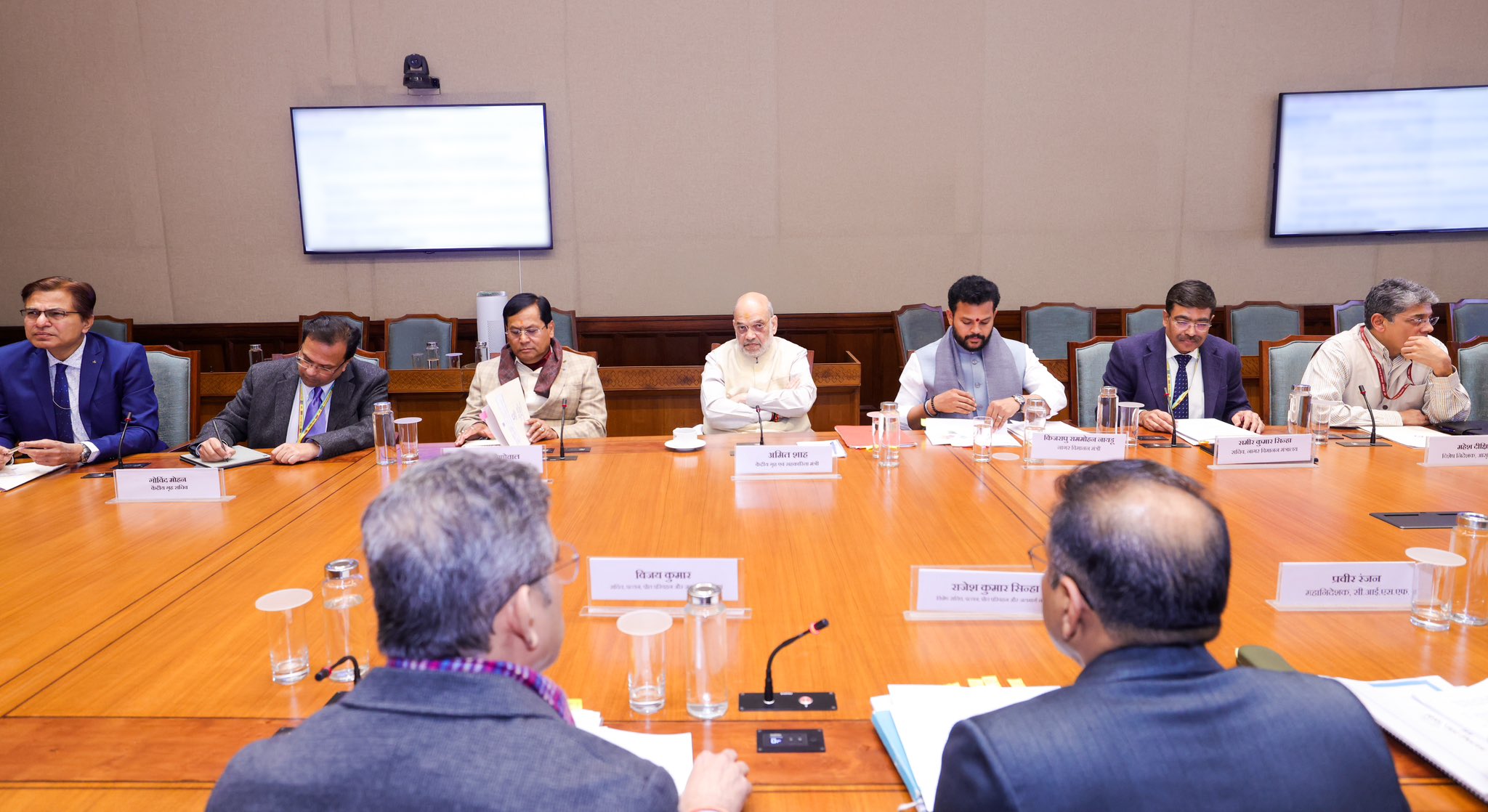
NEW DELHI : Union Home Minister Shri Amit Shah on Friday convened a high-level meeting to initiate the constitution of a dedicated Bureau of Port Security (BoPS) to enhance the security of vessels and port facilities across the country, according to official sources.

The proposed Bureau of Port Security will be established as a statutory body under Section 13 of the newly promulgated Merchant Shipping Act, 2025. It will function under the aegis of the Ministry of Ports, Shipping and Waterways and will be responsible for regulatory oversight and coordination related to the security of ships and port infrastructure.

Chairing the meeting, Shah emphasised the need for a robust and future-ready port security framework, directing that security measures be implemented in a graded and risk-based manner. He said, “the framework should factor in vulnerabilities, trade potential, geographical location and other relevant parameters to ensure effective protection of critical maritime assets, directed to constitute the Bureau of Port Security to build an impenetrable security grid across the country with a dedicated division to safeguard port IT infrastructure from digital threats, designated the CISF as the Recognized Security Organization with the responsibility to undertake security assessments and prepare security plans. Also, instructed the CISF to train and build capacities of licensed private security agencies.”

The BoPS will be headed by a Director General of the rank of an IPS officer at Pay Level-15 and will be modelled on the lines of the Bureau of Civil Aviation Security (BCAS). During the initial transition period of one year, the Director General of Shipping will function as the Director General of the Bureau of Port Security.

According to Ministry of Home Affairs, the new body will focus on timely analysis, collection and exchange of security-related information, with special emphasis on cyber security. A dedicated division will be created within the Bureau to protect port-related IT infrastructure from emerging digital threats.

As part of the revamped security framework, the Central Industrial Security Force (CISF) has been designated as a Recognised Security Organisation for port facilities. The CISF will be responsible for conducting security assessments and preparing security plans for ports across the country.

The CISF has also been tasked with training and capacity building of Private Security Agencies deployed at ports. These agencies will be certified, and regulatory measures will be introduced to ensure that only licensed and trained private security providers operate in the port security ecosystem.

The meeting was attended by the Union Minister for Ports, Shipping and Waterways and the Minister of Civil Aviation. Ministry said lessons drawn from the strengthened maritime security framework would also be leveraged to further improve security mechanisms in the aviation sector.

High-level meeting between Sarbananda Sonowal and AP CM focuses on accelerating maritime Growth

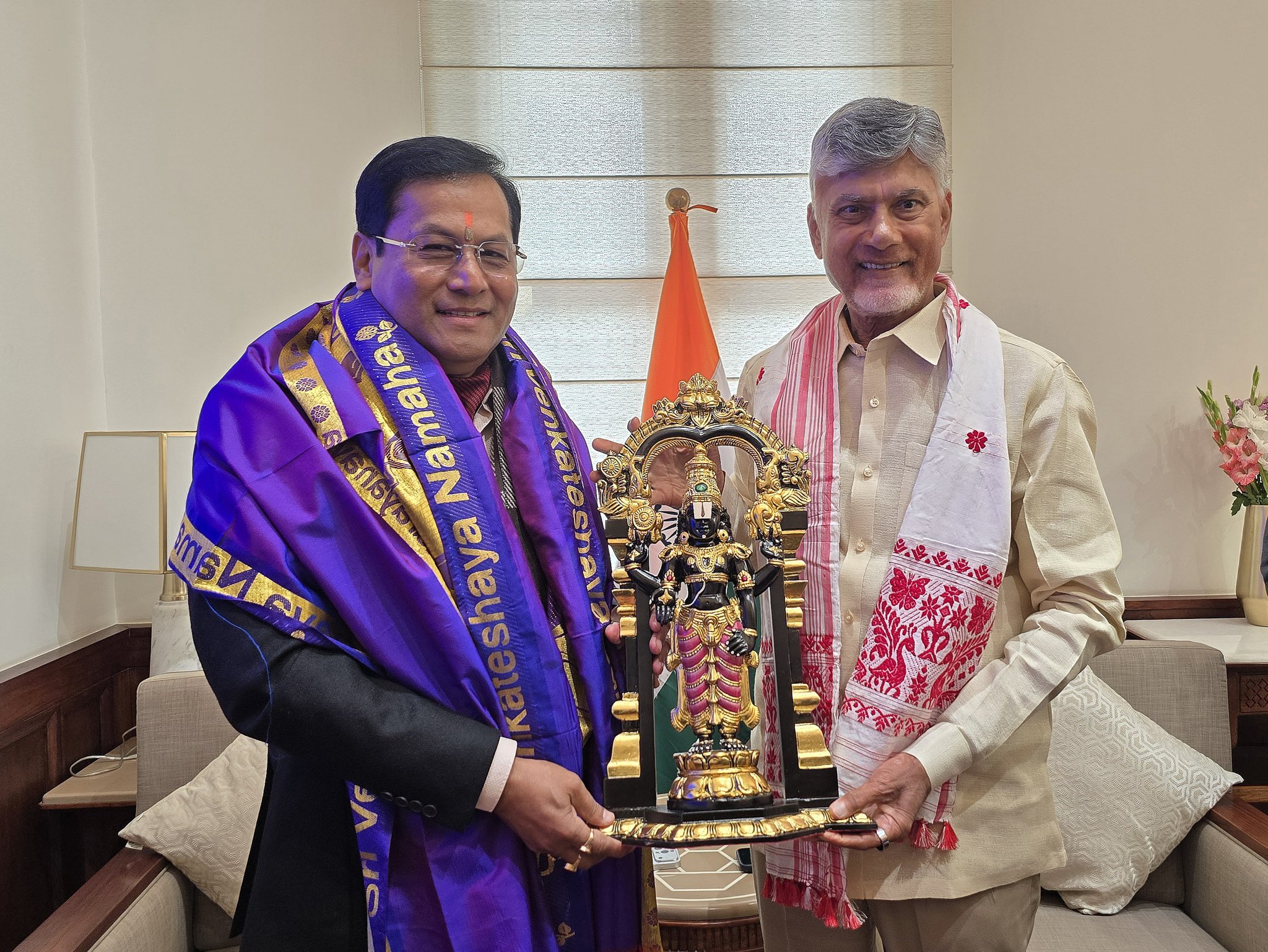
NEW DELHI : A comprehensive meeting was held between Union Minister of Ports, Shipping & Waterways Shri Sarbananda Sonowal and the Hon’ble Chief Minister of Andhra Pradesh, Shri N. Chandrababu Naidu, in New Delhi to chart a roadmap for accelerating the state’s maritime and port-led development.

The discussions focused on leveraging Andhra Pradesh’s extensive coastline to strengthen its position as a major maritime hub. Key infrastructure initiatives were deliberated, including the development and modernization of fishing harbours, establishment of shipbuilding and ship-repair clusters, and enhancement of port-linked industrial ecosystems. These initiatives are expected to boost employment generation, attract private investment, and improve the competitiveness of the state’s maritime economy.

Drawing on years of association, the meeting acknowledged Shri Naidu’s decisive and visionary leadership, under which Andhra Pradesh has been witnessing rapid progress across infrastructure and economic sectors. The Chief Minister emphasized the importance of integrated planning, sustainability, and technology-driven solutions to unlock the full potential of the coastal economy.

The interaction also explored opportunities for strengthening logistics connectivity, promoting coastal shipping, and aligning maritime infrastructure projects with the Centre’s broader vision of port-led growth. Both sides reiterated their commitment to close coordination to ensure timely implementation of projects that will contribute to long-term economic growth and regional development.

The meeting marked another significant step towards transforming Andhra Pradesh into a future-ready maritime powerhouse, supporting inclusive growth and strengthening India’s overall maritime capabilities.

Gujarat CM holds review meeting to assess the State Govt departments budget expenditure

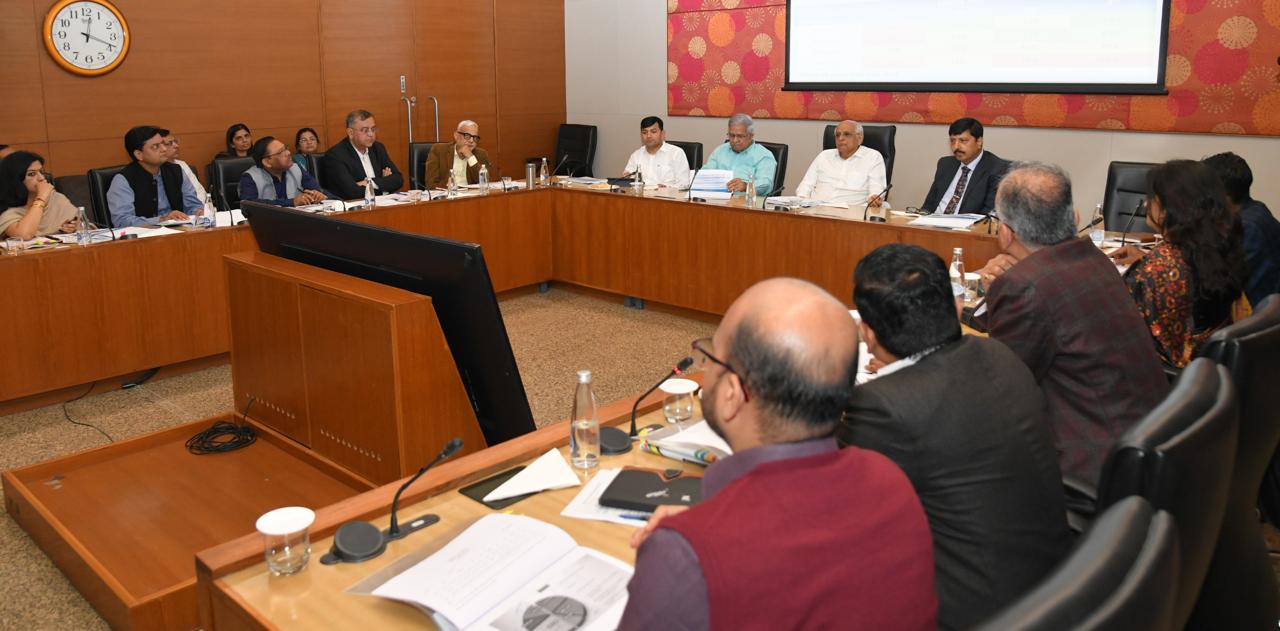
GANDHINAGAR : Gujarat Chief Minister Shri Bhupendra Patel conducted a high-level meeting in Gandhinagar to review the expenditure incurred by all State Government departments against the 2025–26 budget up to November 2025.

During the review, the Chief Minister conducted a comparative assessment of departmental expenditure under the budget up to November 30, 2025, and expressed satisfaction over the increase in spending against this year’s budget provisions compared to the previous year.

Furthermore, he directed all departments to strengthen their planning to ensure that prescribed procedures are completed within stipulated timelines and that further improvements in expenditure are achieved in the first quarter of the coming year.

Finance Minister Shri Kanubhai Desai, Minister of State for Transport and Forest–Environment Shri Pravin Mali, Principal Advisor to the Chief Minister DrHasmukhAdhia, Chief Secretary Shri M. K. Das, Advisor to the Chief Minister Shri S. S. Rathore, and Additional Chief Secretaries, Principal Secretaries, and Secretaries of all departments attended the meeting.

In this earlier meeting held as part of the initiative launched by Chief Minister Shri Bhupendra Patel to review departmental expenditure against budget allocations and provide necessary guidance, a comprehensive review of the steps taken by departments to improve the quality of spending based on the suggestions made was conducted.

He specifically recommended systematic testing and quality monitoring for infrastructure projects and directed that strict action be taken if any discrepancies are identified in such projects.

He further added that, on the lines of the Quality Cell established by the Urban Development Department, other departments should also take steps to ensure quality.

Emphasising the need for the timely implementation of all schemes assisting individual beneficiaries, CM stated that scholarships and other assistance, old-age pensions, and widow assistance pensions must reach the rightful and genuine beneficiaries timely manner.

Advocating that the concerned departments utilise the data available with them to ensure smooth implementation of such schemes, CM instructed that emphasis should also be placed on timely expenditure against provisions of centrally sponsored schemes and that necessary follow-up be undertaken by completing subsequent allied processes to secure maximum funding from the Government of India.

Chief Minister Shri Bhupendra Patel also instructed senior secretaries of the concerned departments to function in a manner that ensures benefits genuinely reach the beneficiaries and to expedite the completion of projects at the planning stage so as to ensure effective implementation.

Principal Secretary of the Finance Department expressed gratitude to all those present at the review meeting and assured that the Finance Department, together with all other departments, will make concerted efforts to ensure quality-focused and timely expenditure.

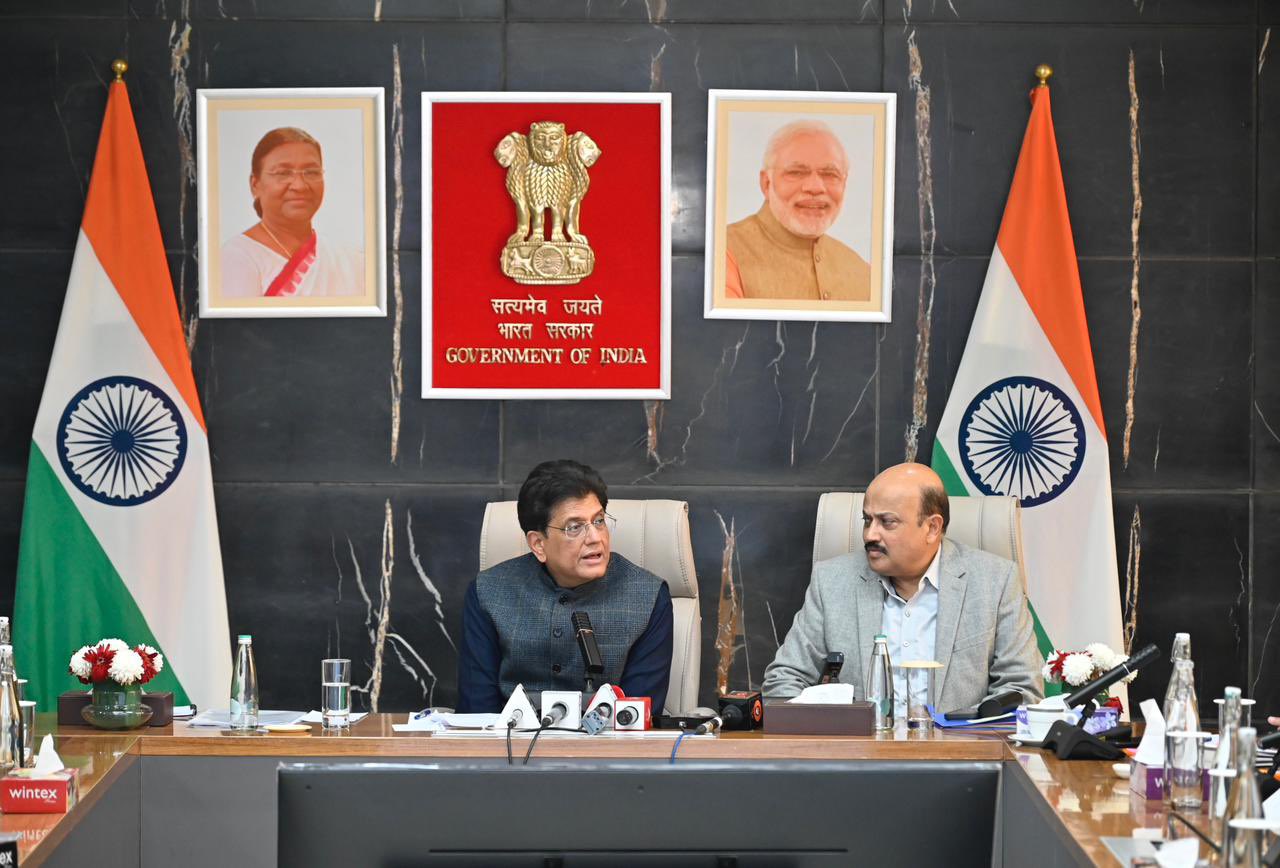
India-Oman trade deal to be operational in 3 months : Piyush Goyal

NEW DELHI : India’s trade deal with Oman is expected to become operational within the next three months, providing duty-free access for a wide range of Indian labour-intensive exports and faster regulatory approvals for pharmaceutical products, Commerce and Industry Minister Shri Piyush Goyal said on December 19.

Addressing a briefing, Goyal said both countries were keen to avoid delays seen in earlier trade agreements. “The Oman-United States trade agreement, signed in 2006, took nearly three years to be implemented. Learning from that experience, India and Oman have decided to operationalise this agreement much faster,” he said, adding “we have also received interest from Oman Diary to have a JV with Amul Diary”.

According to the Commerce Ministry, the Comprehensive Economic Partnership Agreement (CEPA) provides for automatic approvals within 90 days for Indian pharmaceutical products and manufacturing units that are recognised by multiple countries. This is expected to significantly ease market access for Indian drug makers and reduce compliance timelines.

Under the CEPA, Oman has offered zero-duty access on about 98% of its tariff lines, covering nearly 99% of India’s exports to the Gulf nation by value. In FY25, India’s exports to Oman stood at around $4.1 billion, led by refined petroleum products, machinery, metals, aircraft, rice and consumer goods.

While more than 80% of Indian goods already enter Oman at an average tariff of around 5%, some products currently face duties as high as 100%. The removal of these tariffs is expected to improve the price competitiveness of Indian exports, even as officials acknowledge that the scope for a dramatic expansion in trade remains constrained by Oman’s relatively small domestic market.

In exchange, India has agreed to liberalise tariffs on about 78% of its tariff lines, largely through tariff-rate quotas aimed at safeguarding sensitive sectors. India’s imports from Oman were estimated at about $6.6 billion in FY25, dominated by crude oil, liquefied natural gas (LNG), fertilisers and key chemical inputs.

The agreement also contains wide-ranging commitments in services. Oman will open up sectors such as information technology, professional services, education, healthcare and research to Indian companies. A key feature of the pact is the facilitation of temporary entry for Indian professionals into Oman, along with a streamlined approval process for pharmaceuticals.

India is engaging with countries to export formal Halal-certified products: Piyush Goyal

NEW DELHI: India is engaging with countries where Halal certification for the export of meat and meat products is mandatory, Commerce and Industry Minister Shri Piyush Goyal said on Friday.

The India-Oman Comprehensive Economic Partnership Agreement (CEPA) signed yesterday facilitates mutual recognition arrangements for Halal certification, acceptance of India’s NPOP certification for organic products, and enhanced cooperation in standards and conformity assessment.

“For many years, three-four years, we have been trying to get the Gulf countries who are the largest users of Halal, other than some other Islamic countries, to accept formal Halal certified products rather than the current informal processes,” Piyush Goyal told reporters at a press conference focused on the Oman CEPA.

Recognition of India’s halal certification in Oman will reduce duplication of testing and certification, lower costs and improve market access for Indian exporters.

“We are going to focus on all the countries…We’re going to engage with all 55 countries on a mission mode wherever Halal certification is largely required,” he said.

“We are going to insist that only formally approved Halal certification should be accepted, because that is a proper process-driven Halal certification. We want to make sure that their religious sentiments are respected through a formal and official Halal certification process rather than the irregular processes that have prevailed for many decades in this country,” he added.

The Commerce Minister also apprised the media that for the first time India’s National Programme for Organic Production (NPOP) regime has been accepted.

Organic products certified by India’s Export Inspection Council (EIC) will now be accepted straight away in Oman.

“Oman will not require further testing. Any EIC (Export Inspection Council) inspected products will automatically be accepted in the Oman market,” he noted.

The mandatory acceptance of certificates issued by EIC will facilitate trade and avoid unnecessary testing and inspection of India’s exports at the port of arrival in Oman.

Negotiations for the India-Oman CEPA started in November 2023. The agreement was signed yesterday during Prime Minister Narendra Modi’s visit to Oman.

Piyush Goyal and Oman’s Minister of Commerce, Industry & Investment Promotion Qais bin Mohammed Al Yousef signed the agreement.

India is getting 100 per cent duty-free market access for its exports to Oman, which almost covers 98 per cent of Oman’s tariff lines and 99 per cent of the trade value.

The average duty structure is 5 per cent and almost 80 per cent of India’s current exports are covered.
Duty concessions are kicking in from day one itself. Agriculture segments, which is very strategic for India and is related to livelihoods, has also been safeguarded in order to ensure the farmers’ interests.

Source: ANI