Home Blog Page 512

GEODIS Celebrates 30 Years in Vietnam, Marking Three Decades of Growth and Supply Chain Excellence

SINGAPORE: GEODIS, a global leader in transport and logistics, celebrates 30 years of presence in Vietnam, marking three decades of serving international and Vietnamese brands from the FMCG, retail, luxury, hi tech and industrial sectors.

Since establishing its presence in Vietnam in 1995, GEODIS has steadily expanded its footprint and capabilities, with nearly 200 employees across 2 offices in Ho Chi Minh City and Hanoi and 8 warehouses throughout the country. Initially focused on supporting European import and export activities, GEODIS has become a trusted logistics partner for numerous leading Vietnamese, European and American companies seeking to manufacture, source and distribute in Vietnam. Today, GEODIS Vietnam offers a comprehensive range of services and solutions from freight forwarding, in-house customs brokerage and trade compliance, complex project logistics to high end warehousing services and supply chain management.

Vietnam is one of the fastest growing economies in the world. Vietnam’s GDP is projected to reach $510 billion this year, placing it 32nd globally. Economic growth is expected to exceed 8% this year, positioning Vietnam one of the top 20 global trading nations and reinforcing its strategic importance within global trade.

“Vietnam’s remarkable economic progress has positioned it as one of the world’s fastest growing economies,” said Eric Martin Neuville, Regional President and CEO. “As companies increasingly diversify their sourcing strategies in response to global geopolitical changes, Vietnam has emerged as a key option for resilient and agile supply chains. I want to congratulate our Vietnam team for their unwavering commitment to accompany the growth of our customers , helping them build strong, flexible supply chains in , to and from Vietnam over the past 30 years. I am excited for what we will achieve together in the years ahead.”

To mark this significant milestone, GEODIS is launching a celebratory brand campaign, underlining its long-term commitment to the Vietnamese market. The campaign reinforces GEODIS’ brand promise “A better way to deliver” and purpose: “Serving people by delivering their goods all around the world with innovative, sustainable and ethical logistics”. 

Keeping with global shifts in manufacturing and sourcing trends and Vietnam’s increasing importance as a logistics and manufacturing hub, GEODIS plans on continually enhancing its end-to-end capabilities. Recent investments include the expansion of their warehouse in Long Binh catering to the luxury, fashion, sportswear, retail, high tech and industrial sectors. Aligning with GEODIS’ commitment to sustainability, the customs-bonded warehouse features solar panels for energy efficiency. GEODIS has also extended their highly secured, daily scheduled, day-definite road freight service connecting Singapore, Malaysia, Thailand, Vietnam and China, catering to hi tech and industrial customers.

“Celebrating 30 years in Vietnam is a proud milestone that reflects the trust of our customers, the dedication of our people and the strong partnerships we have built locally and globally,” said Chandler So, Managing Director. “Vietnam remains our core strategic market for GEODIS. Our focus has always been on delivering innovative and reliable logistics solutions tailored to our customers’ needs. We remain committed to investing in operational excellence, digital transformation and sustainability to drive continued success in supporting our customers’ growth and to contribute meaningfully to Vietnam’s long-term development together with our customers.”
LR and Mawani partnership to enhance skills and operational performance across Saudi Ports 

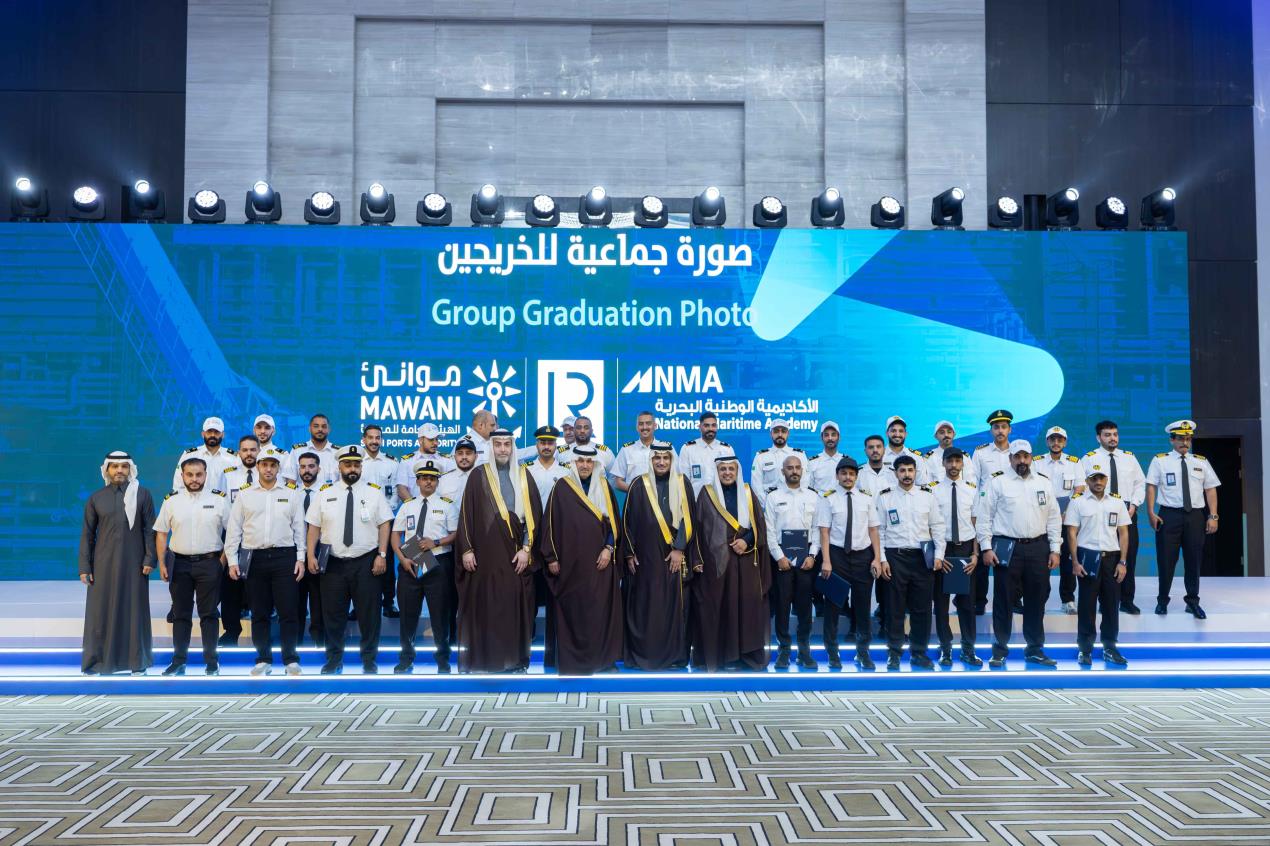
RIYADH: Lloyd’s Register (LR) and the Saudi Ports Authority (Mawani) have celebrated the successful completion of a training and advisory programme, designed to strengthen capability, leadership, and operational performance across the Kingdom’s port network. 

LR Mawani LR and Mawani partnership to enhance skills and operational performance across Saudi Ports 

The official certificate presentation ceremony, held at Mawani’s headquarters in Riyadh, recognised the achievements 140 employees who completed a comprehensive, bespoke programme developed and carried out by LR’s advisory and training teams. 

Over a six-month period, from June to earlier this month, LR delivered a tailored series of 39 courses for Mawani’s senior managers and technical specialists – the largest and most intensive training initiative for a single client in such a short timeframe. 

Designed in close collaboration with Mawani, the programme was built to align the Authority’s operations with international standards and best practice, helping to enhance safety, efficiency and competitiveness within Saudi Arabia’s maritime industry. 

The initiative forms part of a recent contract awarded to LR from Mawani to provide enhanced operational efficiency and global connectivity at the Kingdom’s ports. LR and Mawani plan to expand their partnership through further advisory and capability-building programmes supporting Saudi Arabia’s ambition to establish world-class port operations. 

James Frew, Director of LR Advisory, said: “Our partnership with Mawani demonstrates how LR can act as a trusted advisor to clients embarking on ambitious modernisation journeys.  

“The scale and success of this programme showcase the dedication and expertise of our teams and underline our shared goal of helping Saudi Arabia’s ports sector reach new levels of performance and resilience.” 

H.E. Eng. Sulaiman Al Mazroua, President of the Saudi Ports Authority (Mawani), said:“Investing in our people is at the heart of Mawani’s transformation and a key pillar of Saudi Vision 2030.  

“This programme reflects our commitment to empowering national talent with world-class skills, strengthening leadership capabilities, and embedding a culture of continuous improvement across our ports.  

“Through strategic partnerships such as this, we are building resilient, globally competitive port operations led by capable professionals who will shape the future of the Kingdom’s maritime sector.” 

ABB Generations 2025: Charting the maritime frontiers

HELSINKI: ABB has collected its ‘Generations’ articles for 2025 into a single publication to offer an overview of insights and perspectives on energy efficiency and digitalization in a pivotal year for maritime decarbonization. 

Generations 2025 explores how market imperatives, research, technology developments, and regulatory decisions have shaped both opportunities and challenges for maritime stakeholders, as the global industry strives toward a green transition.

This year’s Generations articles focus on latest developments in market-ready solutions, the impact of measures such as GHG pricing, and innovations that broaden choices for tomorrow. The publication also showcases ABB’s work to offer ship owners fuel-agnostic flexibility based on optimum energy efficiency, minimum emissions and maximum cost effectiveness.  

Generations 2025 includes insights into the digital tools that enhance the efficiency and emissions profile of ships, the rise of AI and how it has been used to accelerate productivity and safety in ports, and the changing relationship between automation and those working at sea, where ‘digital crew’ are complementing – rather than replacing – human capabilities on board. We also consider how regulatory steps to encourage ship efficiency can help overcome another environmental challenge – underwater radiated noise (URN). 
 
Key contributions focus on the impact of Onboard DC Grid™ power system in reducing fuel consumption and emissions, and the safety and efficiency benefits delivered by ABB’s unique new dynamic positioning control system. Looking ahead, the latest tests verifying the efficiency of ABB Dynafin™ propulsion are also featured, while a series of articles elaborates on ABB’s initiatives to integrate advanced, low-emission power technologies such as fuel cells and nuclear Small Modular Reactors (SMRs) into marine operations.

Fuel-agnostic yet supportive of conventional technologies as well as new fuels and alternative energy sources, ABB contributes to a leaner and cleaner maritime industry through advanced solutions in electrification, automation, and digitalization. In 2025, Generations brings together the connected thinking needed to ensure efficiency in maritime.

To view or download the latest edition, please go to ABB Generations 2025.

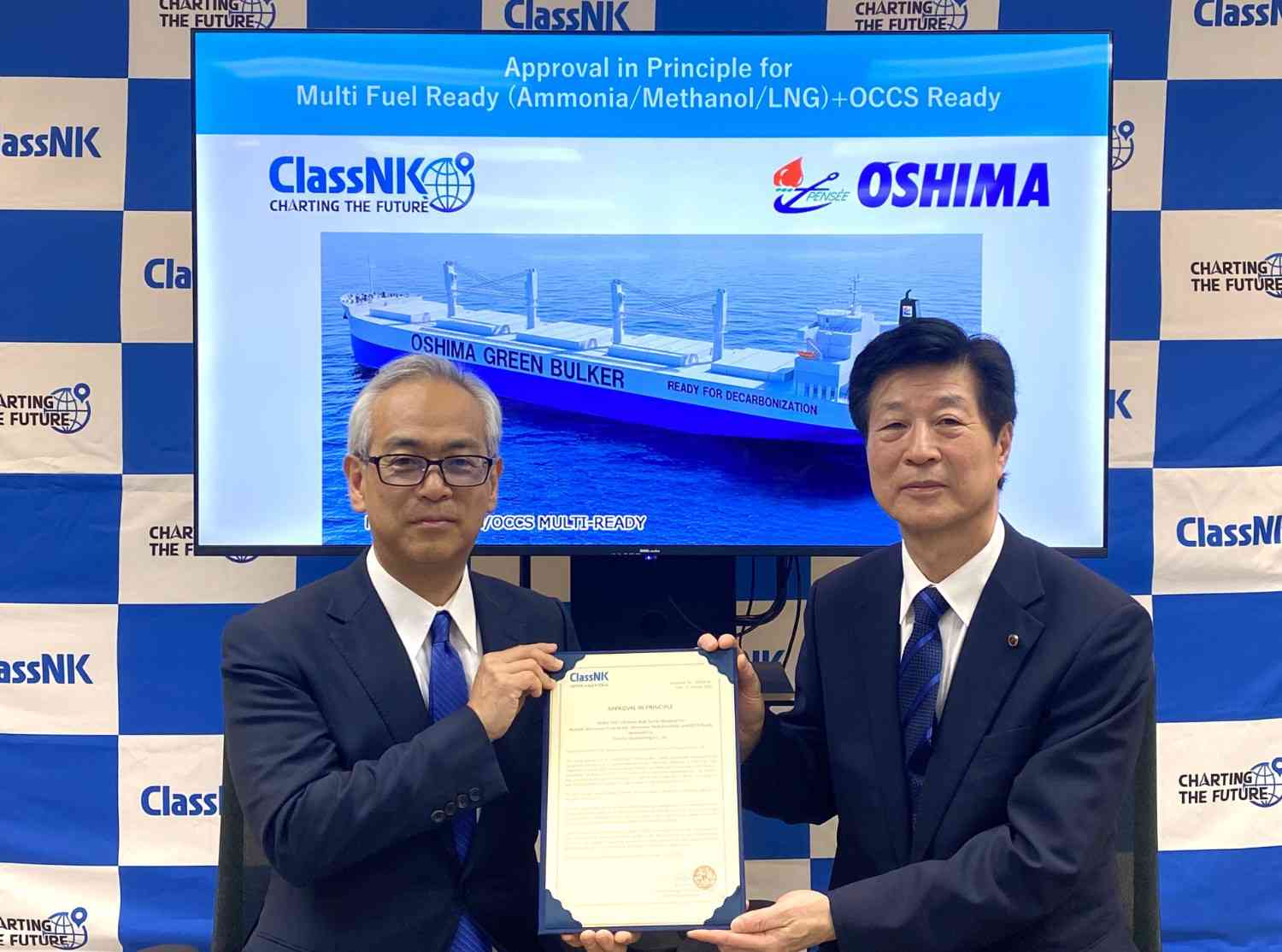
ClassNK issues Approval in Principle (AiP) for Multiple Alternative Fuels Ready (Ammonia/Methanol/LNG) and OCCS Ready Bulk Carrier by Oshima Shipbuilding

TOKYO: ClassNK has issued approval in principle (AiP) for a concept design of the Multiple Alternative Fuels Ready (Ammonia/Methanol/LNG) and OCCS Ready Bulk Carrier developed by Oshima Shipbuilding Co., Ltd. The certification confirms the feasibility of the vessel from regulatory and safety perspectives.

OSHIMAGreenBulker ClassNK issues Approval in Principle (AiP) for Multiple Alternative Fuels Ready (Ammonia/Methanol/LNG) and OCCS Ready Bulk Carrier by Oshima Shipbuilding

 ClassNK has published Annex 1 Alternative Fuel Ready (Edition 3.0.1) of the Guidelines for Ships Using Alternative Fuels, which summarizes the requirements for adding class notations to ships (“Alternative-fuel ready vessels”) that do not use alternative fuels at the time of construction but are designed and partially equipped to accommodate such fuels in the future. Similarly, requirements for a ready notation to onboard CO2 capture and storage systems (OCCS) are included in the Guidelines for Onboard CO2 Capture and Storage Systems (Edition 2.0).
 
ClassNK reviewed the concept design of the vessel based on above-mentioned guidelines. Upon confirming compliance with the prescribed requirements, ClassNK issued AiP.
 
ClassNK will continually strive to contribute to advanced decarbonization initiatives through safety assessments and more.

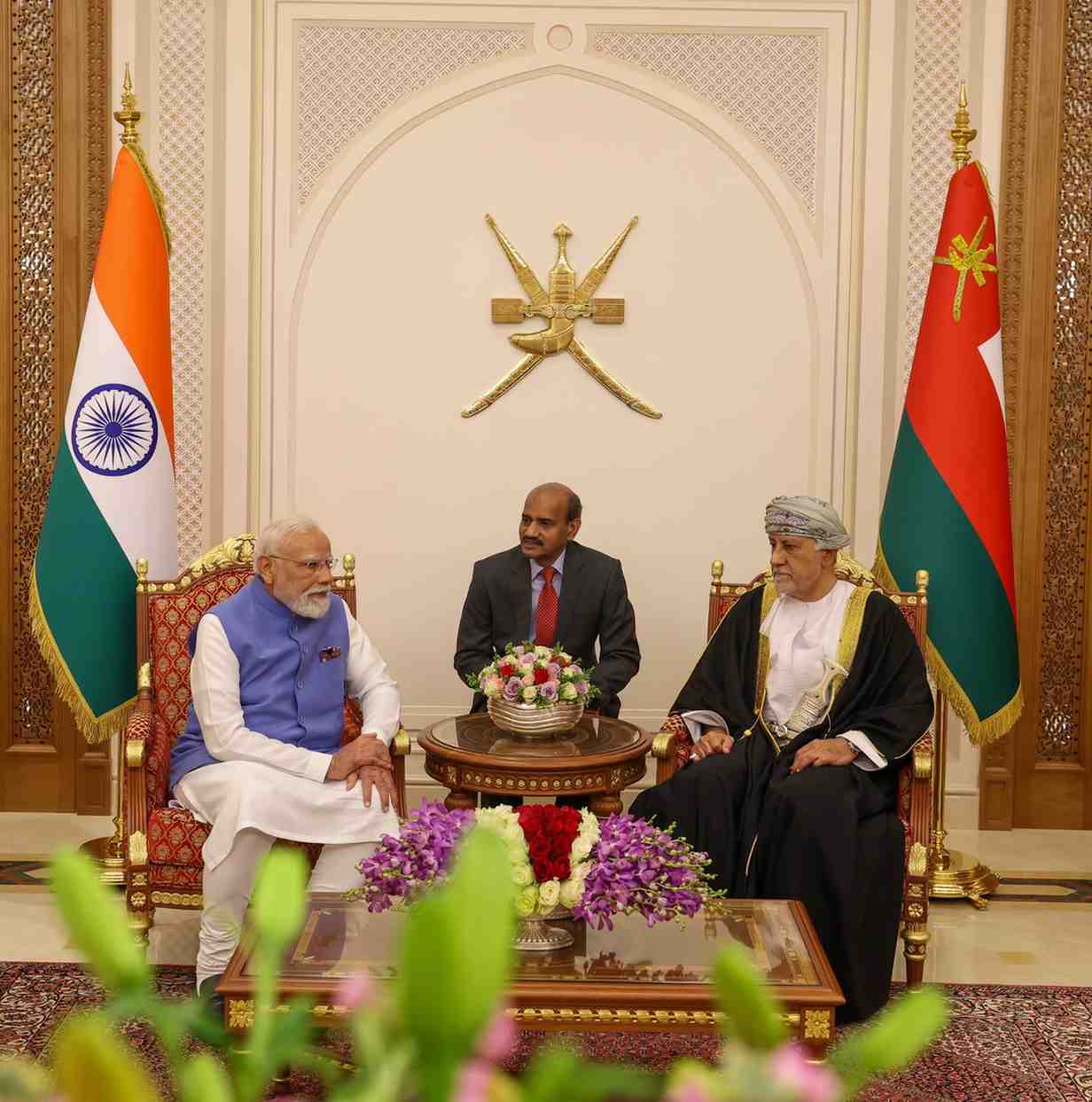
Indian business leaders see major growth potential on PM Modi’s Oman visit

NEW DELHI: Indian business leaders and industry chamber representatives have underscored the growing depth of India-Oman economic relations and highlighted significant future opportunities across sectors as Prime Minister Shri Narendra Modi visits Oman.

Mr. Naveen Jindal, Chairman of Jindal Steel, said the Prime Minister’s visit has generated widespread enthusiasm in Oman.

“This is very big thing that India’s Prime Minister Narendra Modi is coming to Oman. And here in Oman, people are very happy. Not only the Indians are happy about this but Omani people are very inspired by Omani people also to want to listen to him,” Jindal told ANI.

Referring to bilateral trade, Jindal noted, “The trade between our countries is USD 10 billion dollars today. So I think that in the coming time, it can be doubled, benefiting both countries.”

He highlighted India’s strengths across multiple sectors, saying, “Today India is a very big manufacturing base and India is very close. So in every area, we talk about Indian manufacturing sector, Indian auto sector, Indian IT sector, then whatever is Indian agriculture sector, because Indian rice, Basmati rice is very popular.”

Jindal also spoke about cultural ties, saying, “People here are very influenced by Indian cinema. If you talk with the people here, all the popular actors, our old actors, they know all, them all.”

On Jindal Steel’s presence in Oman, he said, “Fifteen years ago we entered India. We have invested here more than USD 3 billion dollars in Oman, which will going ahead increase to USD 7-8 billion dollars.”
He added, “We produce about 3.25 million tons steel in Oman, which has helped Oman become steel independent, and also exporting.”
Looking ahead, Jindal said, “We want to double our steel capacity here, including green steel. So, all in all, there are many possibilities in Oman.”

Ms. Sangita Reddy, Joint Managing Director, Apollo Hospitals Group, talking to ANI, highlighted the role of trade agreements in boosting market access.

“So continuous trade agreements will enhance the market access for Indian manufacturers, and Indian business people,” she said. She also noted the presence of a large Indian business delegation accompanying Commerce and Industry Minister Shri Piyush Goyal and said, “Tomorrow, everybody is very excited that the honorable prime minister will also be here in continuation of his trip from Jordan to Muscat.”

Reddy described India-Oman ties as long-standing and positive.

“The primary relationship with India is a long, very successful and positive one,” she said, adding that “approximately 70 per cent of the trade is in oil.“

Referring to Oman’s diversification plans, she said, “Oman’s 2040 vision is to expand its base, create manufacturing base in India, also create manufacturing base in Oman, and look at Indian business people and manufacturers to have their shops in this country.”

She also highlighted healthcare cooperation. “From Apollo hospitals, we have received patients from Oman for many years,” Reddy said. “So the Heal in India mission has been going on for more than 20 years with Oman.” She added that Oman is now seeking deeper collaboration, including invitations “to set up diagnostic capabilities in advanced diagnostics including uh mRNA, biomarkers, genetic testing, all of which India has capability and we are exploring these possibilities.”

Mr. R Mukundan, MD and CEO of Tata Chemicals Limited, said, “I think India and Oman have shared a very, very friendly relationship, very positive business relationship.”

He said bilateral trade of approximately USD 10 billion is growing at “19%, 20 % year on year.”

Mr. Mukundan noted Oman’s strategic importance, calling it “a staging post for what I would call Southeast Asia, South Asia, East Africa corridor, especially with ports like Duqm, Salalah, Sohar.”

He added, “Tata’s are very much part of the ecosystem here,” citing services through TCS, trading relationships and project implementation. “We would continue to expand,” Mukundan said.

From an industry chamber perspective, Mr. Pankaj Chadha, Chairman, Engineering Export Promotion Council of India, said, “The benefit from CEPA is that our export to is around 4 billion dollars, which about 900 million, 1 billion is for engineering.” He added, “We think that if India FTA then our share of exports will increase.”

Mr. Kirit Bhansali, Chairman of the Gem and Jewellery Export Promotion Council (GJEPC), said, “Overall, GCC is a big market. To explore it, we are collaborating with each other’s industries.”

Mr. Sanjay Nayar, past President, Assocham, said, “I think it’s a great initiative that started in 2023. So finally it’s good to see it being concluded tomorrow.”

He added that trade between India and Oman “is about $10 billion” and said, “I think it can easily triple, if not quadruple.”

He emphasized the need to attract Omani investment into India, citing India’s “very predictable government policies now” and “a thriving capital market.”

Mr. Nirmal K. Minda, President, Assocham and MD Minda Industries identified priority sectors, saying, “The biggest sector is energy. They also have nuclear power. We have to work together. The second is the logistics sector. And third is tourism, and it has huge potential.”

Ahead of the visit, the Ministry of External Affairs said Prime Minister Modi will visit Oman at the invitation of Sultan Haitham bin Tarik, coinciding with the 70th anniversary of diplomatic relations.

The MEA said bilateral trade for 2024-2025 stood at USD 10.61 billion and highlighted cooperation across trade, defence, maritime security, energy, health and technology. The Prime Minister is expected to hold comprehensive talks, address business leaders and the Indian community, and oversee the signing of several agreements during the visit.

Source: ANI

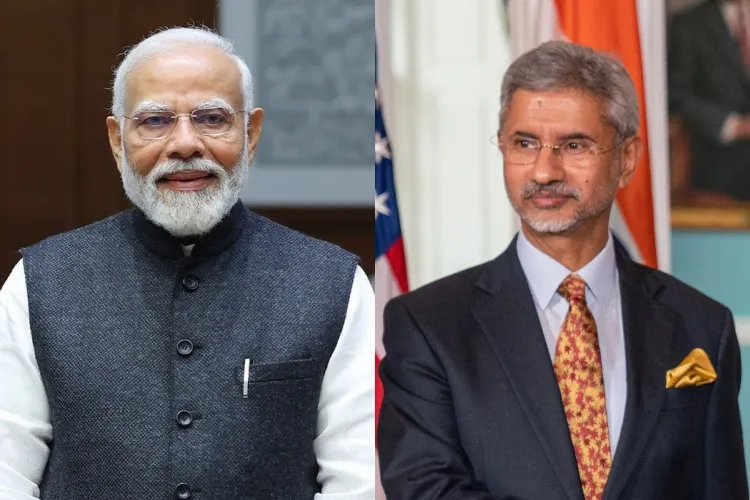
With PM in Jordan and Jaishankar in Israel, India reiterates its position on West Asian conflicts

AMMAN : Prime Minister Shri Narendra Modi in Amman calling for an India-Jordan collaboration for the reconstruction of war-ravaged Syria, and External Affairs Minister S. Jaishankar in Tel Aviv expressing India’s support for the Trump peace plan for Gaza, India on Tuesday (December 16, 2025) reiterated its willingness to play an important role in the fast-evolving scenario in West Asia.

PM MODI India­ Jordan Busi­ness Forum With PM in Jordan and Jaishankar in Israel, India reiterates its position on West Asian conflicts

Speak­ing at the India­-Jordan Busi­ness Forum, Mr. Modi said King Abdul­lah II had shared his vis­ion of devel­op­ing rail­ways and “next ­gen­er­a­tion infra­struc­ture” in Jordan. “Dur­ing our meet­ing yes­ter­day, His Majesty also high­lighted the infra­struc­ture re-con­struc­tion needs in Syria. Indian and Jord­anian com­pan­ies can col­lab­or­ate to address these require­ments together,” he said.

Mr. Modi — who was in Jordan earlier, for his ongo­ing three ­nation tour cov­er­ing Jordan, Ethiopia and Oman — met with King Abdul­lah II and expressed mutual determ­in­a­tion to fight “ter­ror­ism, extrem­ism and rad­ic­al­isa­tion”. The two dig­nit­ar­ies also dis­cussed regional con­flicts. “Prime Min­is­ter reaf­firmed India’s sup­port for efforts being made to achieve dur­able peace in the region,” the External Affairs Min­istry said.

A day after Mr. Modi reached Jordan, Mr. Jaishankar landed in the Israeli cap­ital Tel Aviv where he was wel­comed by the For­eign Min­is­ter Gideon Saar. Mr. Jaishankar con­demned the ter­ror attack in Bondi beach of Sydney, Aus­tralia, and said, “Where India and Israel are con­cerned, we are both coun­tries who have a policy of zero tol­er­ance towards ter­ror­ism.”

“I also would like to listen to you about the regional situ­ation. I want to say that India sup­ports the Gaza peace plan ( given by Pres­id­ent Trump) and hopes that it will lead to a last­ing and dur­able solu­tion,” he said.

Mr. Jaishankar’s visit has attrac­ted atten­tion as in its back­drop, the Israeli Knes­set passed a law to stop the activ­it­ies of the UN Relief and Works Agency for Palestine refugees that India has his­tor­ic­ally assisted.

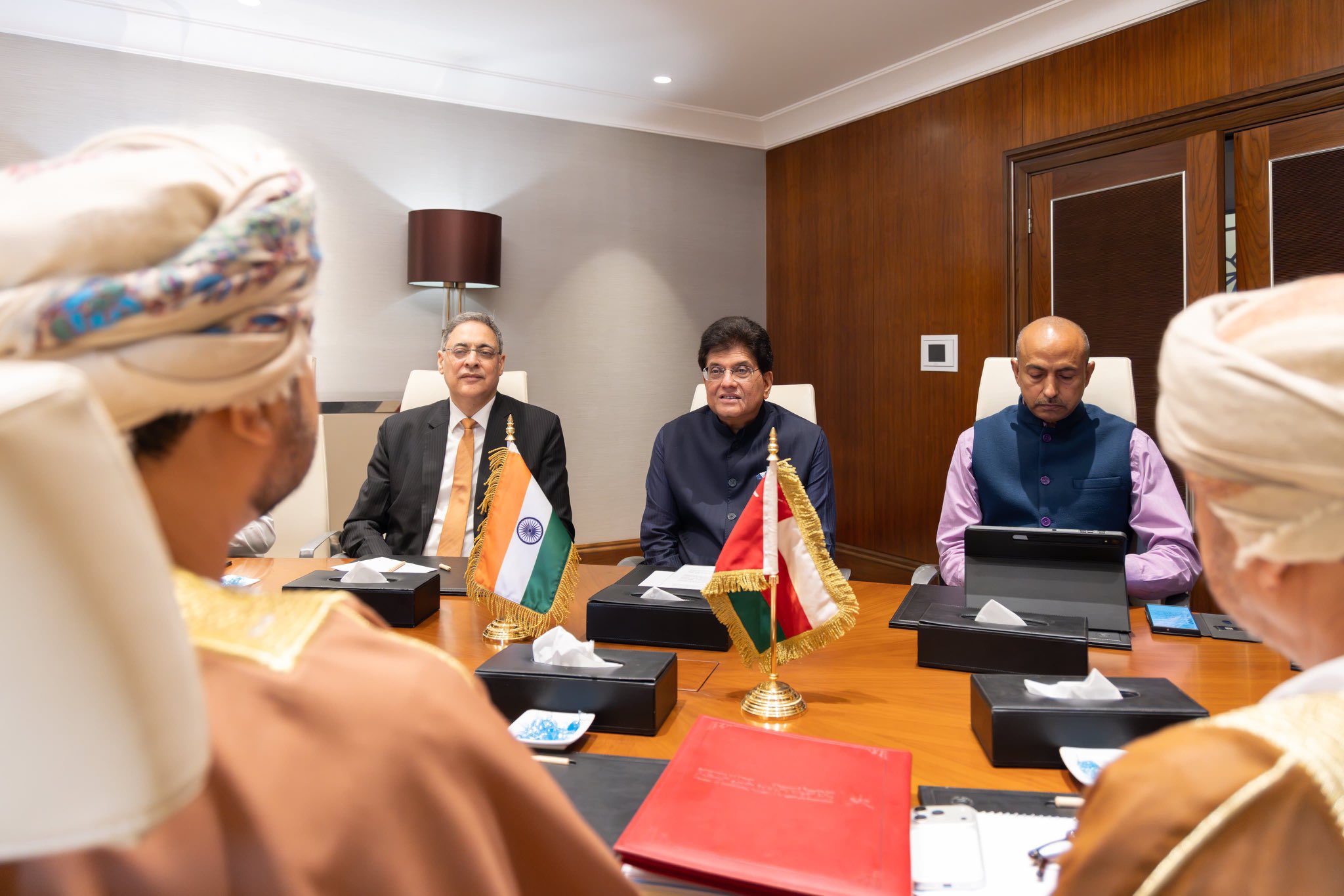
India–Oman FTA to unlock new opportunities across key sectors : Piyush Goyal

NEW DELHI : India–Oman Free Trade Agreement opens significant opportunities across sectors including textiles, food processing, automobiles, gems and jewellery, agrochemicals, renewable energy and auto components. This was stated by Union Minister of Commerce and Industry, Shri Piyush Goyal, while addressing the India–Oman Business Forum in Muscat. Shri Goyal highlighted Oman’s strategic location as a gateway to the Eastern Europe, Central Asia and Africa, which offers enhanced market access for Indian businesses.

Hon’ble Minister of Commerce, Industry and Investment Promotion of Oman, H.E. Mr. Qais Al Yousef in his address said that India has emerged as Oman’s third-largest trading partner and Oman continues to be a key destination for Indian investments across strategic sectors. He stated that Indian investments in Oman have more than tripled since 2020, reaching USD 5 billion, spanning sectors such as green steel, green ammonia, aluminium manufacturing and logistics. He emphasised that these investments reflect India’s confidence in Oman as a long-term operating base.

Shri Goyal also highlighted the forthcoming Free Trade Agreement between the two countries as a defining milestone in the bilateral relationship and noted that it would be the first Free Trade Agreement Oman is entering into in nearly two decades. He recalled the centuries-old maritime links between the two countries, including historical trade exchanges through ports such as Lothal, underscoring the enduring nature of India–Oman ties.

The Minister highlighted that the forthcoming visit of Prime Minister Shri Narendra Modi to Oman coincides with the celebration of 70 years of diplomatic relations between the two nations. He recalled India’s decision to invite Oman as a special guest during India’s G20 Presidency in 2023 as a reflection of the strong mutual trust and strategic partnership between the two countries.

Shri Goyal also underlined the potential for collaboration in services such as professional services, accounting, business process re-engineering, research and development, tourism, healthcare and education. He identified four broad areas for future cooperation: energy transition, including green hydrogen and renewable energy; infrastructure development, including ports and multimodal logistics; food security through cold chains and food parks; and collaboration between startup ecosystems, particularly in deep tech, logistics and artificial intelligence.

Referring to the shared emphasis on youth-led growth, the Minister highlighted the alignment between India’s vision of Viksit Bharat 2047 and Oman’s Vision 2040. He emphasised that the youthful energy and entrepreneurial spirit in both countries provide a strong foundation for long-term economic cooperation.

Shri Goyal expressed confidence that the India–Oman partnership, built on trust, shared history and complementary strengths, is poised to enter a new phase of growth. He stated that businesses from both sides, working together as trusted partners, can fully leverage the opportunities emerging from the strengthened bilateral engagement.

Gujarat CM Patel inaugurates Lions International ISAME 2025 forum in Gandhinagar

GANDHINAGAR : Over 4,000 participants, including representatives from ISAME member countries and invited nations from the USA, Canada, Europe, Asia, and Africa, take part in the forum

ISAME-2025 will further highlight leadership, cooperation, and Gujarat’s excellence on the global stage: Chief Minister Shri Bhupendra Patel.

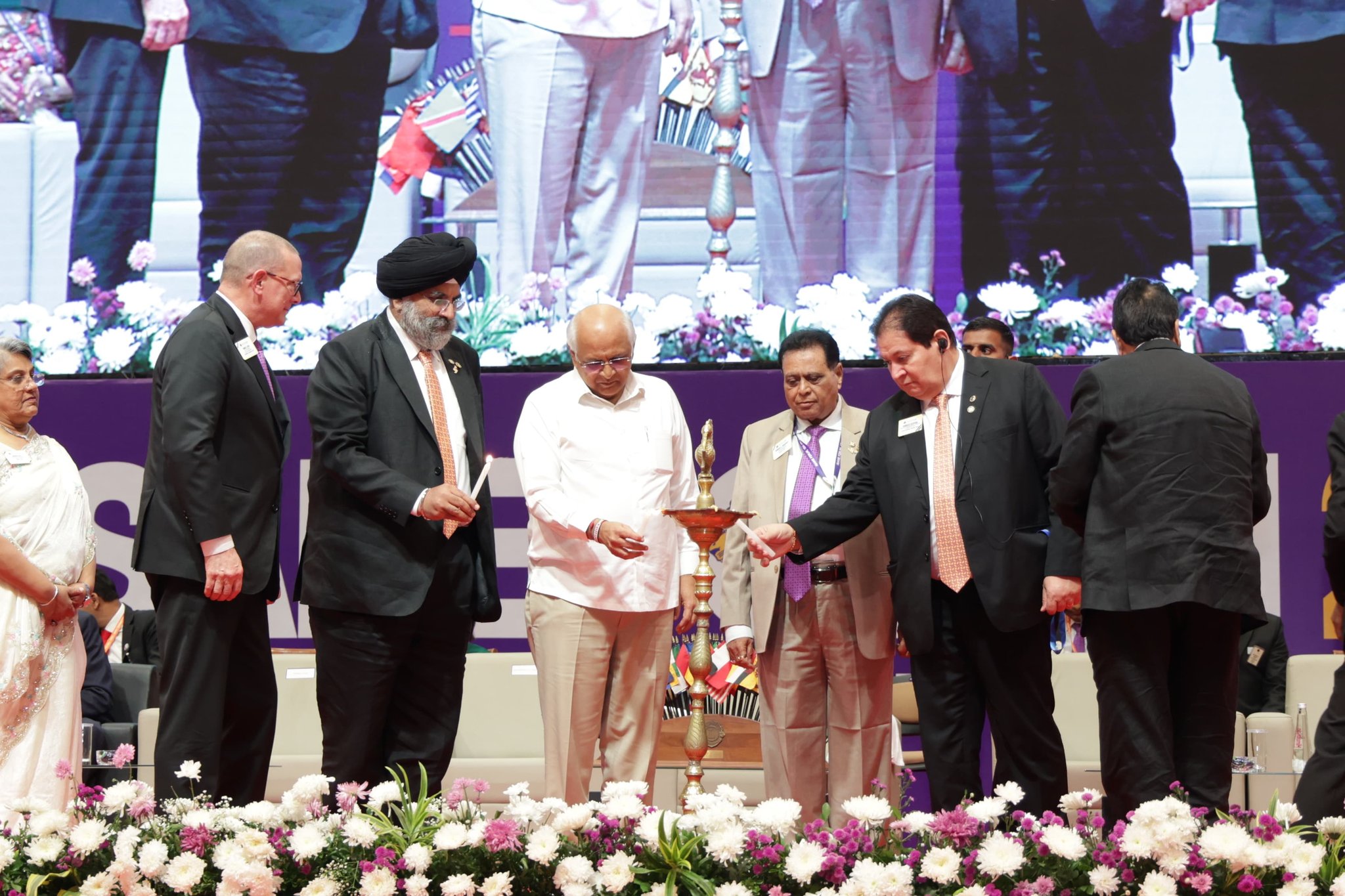
Gandhinagar,16 December 2025: Chief Minister Shri Bhupendra Patel inaugurated the Lions International ISAME-2025 Forum in Gandhinagar and stated that the forum will further showcase leadership, cooperation, and the excellence of Gujarat to the world.

The 53rd Lions International ISAME (India, South Asia, and Middle East) Forum, organised by the International Association of Lions Clubs, includes countries from India, South Asia, and the Middle East. In addition to ISAME member countries, more than 4,000 participants—including representatives from several invited countries such as the United States, Canada, Europe, Asia, and Africa—are participating in this third ISAME Forum being held on the soil of Gujarat.

Chief Minister noted that the gathering of Lions service members in the homeland of Mahatma Gandhi, Sardar Vallabhbhai Patel, and global leader Prime Minister Shri Narendra Modi exemplifies India’s cultural ethos of “Vasudhaiva Kutumbakam”—the world is one family.

He stated that Prime Minister Shri Narendra Modi is working with a firm resolve to make India a trusted global partner and an active participant in development. The Prime Minister’s vision, he said, is centred on human-centric development, global cooperation, and the use of soft power for the welfare of humanity.

Expressing confidence that the forum will serve as a platform for motivation and innovation, the Chief Minister said that the coming together of leaders, social workers, inspiring personalities, and future leaders on a single platform will provide new direction to service activities aimed at the welfare of the needy sections of society.

He further stated that hosting the forum in Gujarat is most appropriate, as it provides an opportunity to review the United Nations 17 Sustainable Development Goals and Lions core service programmes, and to formulate future action plans. Chief Minister congratulated the organisers for choosing Gujarat as the venue for this significant international forum.

Lauding Lions International, Shri Bhupendra Patel said that it has functioned like a lighthouse of service and leadership. He added that Lions International is an active volunteer organisation with more than 49,000 clubs across over 200 countries and regions, working with the spirit of “We Serve.”

Presenting Gujarat as a development role model before delegates from various countries, the Chief Minister stated that Gujarat is leading the nation in industry, innovation, and new emerging sectors. With world-class infrastructure and strong socio-economic growth, Gujarat has emerged as a preferred destination for investors from India and abroad.

On this occasion, Forum Chairman Shri Pravin Chhajed, Lions International President Shri A. P. Singh, senior BAPS saint Shri Brahmavihari Swami, Planning Committee Chairman Shri Ramesh Prajapati, and members of the Lions family were present.

Bringing down India’s debt to GDP ratio priority from next fiscal : FM Sitharaman

NEW DELHI : Bringing down India’s debt to GDP ratio will be the core priority for the government from the next fiscal year, which begins on April 1, Indian Finance Minister Smt Nirmala Sitharaman said on Wednesday. The high debt to GDP ratio in some Indian states is a cause of “worry”, she said.

Speaking at the Times Network’s India Economic Conclave, Sitharaman said it is crucial to bring down the debt-to-GDP ratio, which crossed 60 per cent during the Covid period. “It is already coming down, but we need to reduce it further, and this will be a core focus in the next financial year,” she said.

The finance minister also urged states to focus on lowering their debt-to-GDP ratios. Citing data and Reserve Bank of India (RBI) documents, she said there are areas where debt levels are a cause for concern, without naming specific states.

“Unless the stock of debt that is accumulating at higher interest rates is brought down to acceptable levels, it will be difficult to achieve the Viksit Bharat goal,” she added. 

Sitharaman said the government is also working to deepen the bond market to allow more funds to flow in. She noted that the discipline shown by the Union government through stable policies under Prime Minister Narendra Modi’s leadership has helped achieve this. “A stable government has provided the confidence to sit in the higher chair and negotiate,” she said.

The finance minister stressed that fiscal management remains a priority and must be consistently upheld year after year.

Trade is not fair, tariffs being weaponised

Stating that India contributes about 25 per cent to global trade, Sitharaman said the country needs to negotiate carefully amid the current geopolitical situation. “Trade is not fair, trade is not free. People say you are a tariff king, but tariffs are now being weaponised. India’s intention was never to weaponise tariffs,” she said. 

“We do have to protect our economy and safeguard our industries, but today, weaponisation is happening without criticism. New players are coming up with tariff barriers, and there is no questioning them. This seems to be the new normal. India will have to negotiate its way carefully through this,” she added.

Praises growth in services sector

The finance minister praised the services sector for contributing around 60 per cent of GDP growth. However, she noted that services are not limited to information technology (IT) alone. Sectors such as tourism and hospitality also need to contribute. “The government is working to ensure facilities are available for every sector to grow at its own pace and also scale up to global standards,” Sitharaman said. She also highlighted the need to focus on how manufacturing is picking up. 

On providing impetus to the private sector, Sitharaman said it is important to support and help private enterprises scale up so they can create more jobs and add to GDP. She noted that the reduction in corporate tax rates was critical and necessary.

Welcoming the growth of global capability centres (GCCs) and data centres, she said energy security is essential to support this expansion. “The government is working on nuclear energy and building small modular reactors. This will be supported in a big way so that India can rely on it as a clean source of energy, apart from other renewable sources,” she said.

Entrepreneurial capability needs support

Sitharaman also emphasised the need to support entrepreneurial capability wherever it exists, including in smaller towns and villages. She said entrepreneurship has accelerated in smaller towns across the country, supporting local economies while aspiring to meet global demand. The government has focused on strengthening regional talent to promote exports, she said.

“Wherever the entrepreneurial spirit exists, we should back it. We are working to provide strength and facilities so that entrepreneurs can grow,” Sitharaman said, adding that the credit footprint of Indians has expanded, enabling more people to access bank credit directly. 

She also said India is navigating geo-economic challenges effectively and that critics should acknowledge this. “Covid or no Covid, India’s people stayed resilient, and that resilience should be celebrated,” she said.

National carrier accelerates fleet renewal after six-year delay

Shipping Corporation Invites Bids for Two Second-Hand Suezmax Oil Tankers.

MUMBAI : The Shipping Corporation of India Ltd (SCI) has invited bids to acquire two second-hand Suezmax oil tankers as part of its ongoing fleet renewal drive, following a stalled privatisation process that delayed modernisation for over six years. The state-run carrier is seeking tankers aged 7–10 years, with a capacity of 1,40,000–1,60,000 dead weight tons (dwt), built at reputed yards with equipment from original manufacturers or licensed suppliers in Korea, Japan, or Europe. SCI currently operates four Suezmax tankers, two of which are 21 years old and face limited demand from oil loading terminals and charterers, prompting the urgent need for replacements. India’s refiners typically deploy Suezmax vessels for crude shipments to Mumbai and Chennai ports, which lack facilities for larger VLCCs. The move follows SCI’s recent $127 million purchase of two second-hand Very Large Gas Carriers (VLGCs), marking its first fleet addition in eight years.