Home Blog Page 513

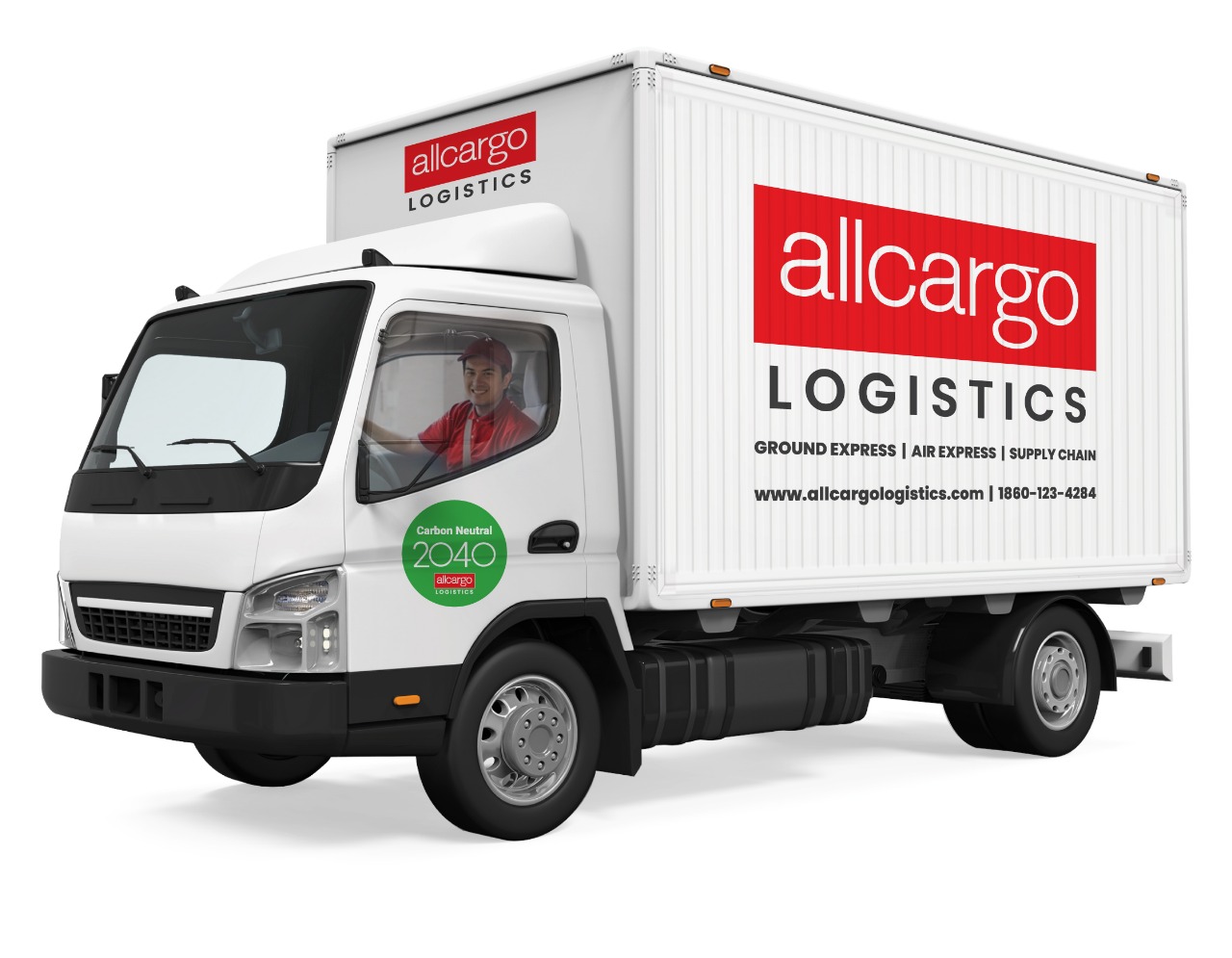
Allcargo Logistics Expands Reach to Cover 100% of India’s PIN Codes with new ‘Allcargo Extended Reach (AER)’ Network

MUMBAI: Allcargo Logistics Limited, post approval of the organization’s restructuring plan, housing its domestic supply chain business; Express distribution and Consultative logistics, has announced a significant transformation of its domestic distribution network with the launch of Allcargo Extended Reach (AER), an upgraded and rebranded version of its earlier Extra Serviceable Stations (ESS). The initiative marks a major step in strengthening nationwide accessibility, enhancing service reliability, and deepening the company’s presence across emerging and underserved markets.

AER marks a major milestone in Allcargo Logistics’ ambition to deliver faster, more reliable, and more geographically comprehensive logistics services across the country. With this initiative, Allcargo Logistics now covers 100% of available PIN codes in India, expanding its network from 21,000 to more than 32,000 mapped PIN codes. This number is due to the company’s extensive mapping of locations, which represent granular service clusters within each GOI – PIN code. The company has also doubled its direct serviceable PIN codes from 4,900 to over 10,000, served directly through Allcargo Distribution Centres, driven by a broader location mapping a move that directly enhances speed, reliability, and operational efficiency.

Commenting on the development, Mr. Ketan Kulkarni, Managing Director & Chief Executive Officer, Allcargo Logistics, said, “AER marks a new chapter in our domestic logistics journey. By expanding our direct serviceable PIN codes and mapping every available PIN code in the country, we are unlocking unprecedented speed, reliability and market access for our customers. With AI-driven planning, optimized distribution networks, and deeper last-mile reach, Allcargo Logistics is strongly positioned to power the next phase of India’s consumption-led growth. This expansion strengthens our mission to become India’s most trusted logistics partner. It enables MSMEs, digital-first businesses, and enterprises across India to access dependable logistics solutions that are essential for the country’s growing formal and digital economy.”

The expansion aligns with a phase where India’s logistics demand is rapidly spreading beyond major metros with Tier II, III, IV and remote regions becoming high-growth consumption hubs. Through AER, Allcargo Logistics now enables seamless access to some of the country’s most difficult-to-reach areas, including Port Blair, Ladakh, Jammu & Kashmir, the Western Ghats, and the remote Northeastern belt. These improvements will substantially strengthen last-mile delivery and enable customers across industries to tap into new markets with improved consistency and predictability.

Allcargo Logistics has undertaken a major operational redesign and has implemented AI-led planning tools, intelligent routing systems, and fully digitalised workflows across its network. It has also expanded and optimised its hubs, line-haul routes, and on-ground operational infrastructure.

With AER, Allcargo aims to push India’s express and distribution landscape into a new phase of speed, predictability, and reach. The expanded footprint strengthens the company’s long-term vision of becoming India’s most trusted logistics partner while deepening its support for MSMEs, high-growth consumer markets and the country’s accelerating shift toward a more formal, digitally enabled economy. AER not only enhances last-mile access but also reinforces Allcargo Logistics’ commitment to powering India’s next phase of supply chain transformation.

Allcargo Logistics recently expanded and recategorized its Transshipment Centres from 21 to 71, to strengthen nationwide network and enhance connectivity, efficiency, and customer experience across India.

About Allcargo Logistics Limited (Post NCLT Order)

Allcargo Logistics Limited under the composite Scheme of Arrangement has merged its Domestic Supply Chain business and demerged its International Supply Chain (ISC) business as Allcargo Global.

Domestic supply chain business houses express distribution and consultative logistics. Allcargo Logistics’ combine legacy, innovation, and customer-centricity with a robust distribution network, deep expertise, and a digital-first approach to provide reliable logistics for MSMEs, retailers, and enterprises. With a nationwide network covering 100% of India’s districts and a growing presence across Asia, the company offers unparalleled reach and service capability. It’s key business verticals include Express Distribution, Air Freight, E-commerce Logistics, First and Last Mile Delivery, and more. The company also offers specialized B2C services such as Laabh, Bike Express, and Student Express, designed to meet the evolving needs of diverse customer segments. Allcargo group stays true to its strong commitment to adhere to Environmental, Social, and Governance (ESG) standards and continues to direct efforts towards enhancing its people, technology as well as business processes and operations on a regular basis. The group has set out to achieve 100% carbon neutrality by 2040.

GIFT City’s tailwind for ship leasing

GANDHINAGAR : In just two years since ship leasing took off at GIFT City in Gujarat, the numbers are already turning heads. As of October, 27 registered ship-leasing entities are operating from the International Financial Services Centre (IFSC) at India’s first global finance enclave, and the number of vessels leased or purchased has more than doubled to 30 in the past year, with 16 ships purchased and 14 leased.

The shift is significant. Until recently, India had no dedicated platform for leasing ocean-going vessels. After Ripley Shipping India IFSC Pvt Ltd became the first entity to lease a bulk carrier in June 2023, GIFT IFSC is fast emerging as one of the few financial centres globally to host a comprehensive, regulator monitored ship-leasing regime. The services covered include financial leases, operating leases, hybrid structures and sale-and-leaseback transactions.

Today, bulk carriers account for 43 per cent of the ships leased or purchased from GIFT IFSC, with the value of assets leased rising to $1.47 billion, according to data shared by International Financial Services Authority (IFSCA), the unified regulatory in GIFT City.

In all, 13 bulk carriers, ranging from 75,500 DWT to 1,06,000 DWT, have been leased or purchased to date. The single largest vessel leased from the IFSC is a 1,50,000 DWT Suezmax crude oil carrier (34– to 38-month lease). Suezmax represents the maximum size of tanker that can transit the Suez Canal when fully loaded. Beyond bulkers, the fleet leased through GIFT includes six ethane gas carriers, five container ships, one medium-range product tanker, three LPG tankers and an additional tanker.

Relocation of finance

Of the 30 ships leased or purchased, 17 are Indian-flagged vessels; the foreign flags include Marshall Islands (six vessels), Panama (one), Portugal (one), and Singapore (five). For an industry long reliant on leasing structures in foreign jurisdictions, the shift marks a strategic relocation of maritime finance to Indian oversight, underscoring the fact that a ship’s flag is far more than symbolic — it determines its nationality, regulatory standards and the global jurisdictions under which it can operate legally and safely.

GIFT City, in comparison with ship leasing stalwarts such as Singapore or Europe, is still nascent. Its ship leasing activity is dwarfed by its aircraft leasing counterpart, with hundreds of aviation assets already on lease. As of September 30, as many as 37 aircraft-leasing entities have leased about 253 assets from GIFT IFSC, including 98 aircraft, 70 engines and 85 aircraft auxiliary power units. GIFT IFSC’s ability to host both aviation and maritime leasing under a unified regulatory authority is drawing attention from global financiers. “So far, nine ship-leasing entities have borrowed $71.1 million from financial institutions operating within GIFT City,” K Rajaraman, Chairperson, IFSCA, told businessline.

GIFT IFSC now offers the facility to create Indian-domiciled lessors operating under a globally aligned framework. This helps reduce reliance on offshore leasing centres while enabling competitive financing. The clarity and depth of the IFSCA framework are an added attraction. With prescribed capital requirements — from $2,00,000 for operating lease entities to $3 million for financial or hybrid activities — and permission to transact in freely convertible foreign currencies, GIFT offers a structure typical of mature global leasing hubs.

Challenges
But experts point to lingering hurdles. Surya Sreenivasan, Partner, Cyril Amarchand Mangaldas, said, “India is a closed registry and multiple stakeholders have indicated that the most attractive global shipping hubs offer shipowners the flexibility to flag their vessels with registries that are lighter on regulatory compliances. From a liquidity perspective, stakeholders are also keenly awaiting the notification of shipping as an infrastructure sub-sector to obtain the financing benefits that are currently provided to other capital-intensive sectors. Extended procedures and timelines for the creation and enforcement of mortgage have also been identified as an area of improvement.”

Amit Oza, Director, Astramar Shipping and Trading Services, concurs. “The key challenge is in streamlining the import process of Indian flag ships in IFSC. Rule 29b of SEZ Act requires ships to file bill of entry and shipping bill every time a ship is leased in or out of IFSC. This rule is fine for aircraft as that is a different business with long-term charters, but is a deal breaker for ship operators as they charter hundreds of ships a year on short-term charter. The rule should be amended for import only and the lease component should be deleted,” he said. He also called for clarity on ancillary services like ship-broking and ship management, activation of commodity trading and container leasing, and dedicated ship finance desks at banks and other capital providers.

The regulatory framework for ship lease was issued in 2021 and later modified to mandate that only lessors holding ownership or leasehold rights over a ship may engage in activities such as voyage charters and affreightment contracts. Further, there were restrictions on the transfer of vessels from India residents to IFSC entities solely to service Indian clients. However, lessors were permitted to acquire new ships from Indian shipyards. IFSC-based ship lessors are now permitted to share office space and personnel.

Strong Q2 performance may prompt IMF to upgrade India’s growth outlook: Gita Gopinath

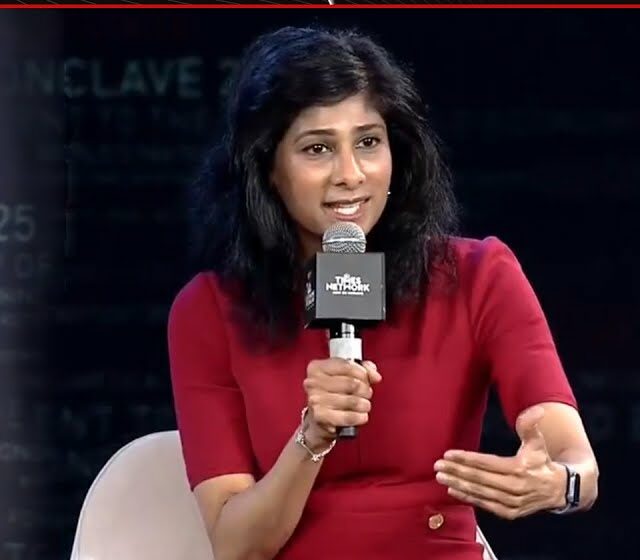
NEW DELHI: Former IMF Chief Economist Ms. Gita Gopinath, now a Professor at Harvard University, is of the view that International Monetary Fund (IMF) will certainly raise India’s growth forecast for 2025-26, on the back of robust economic growth it recorded in the first two quarters of the current fiscal.

IMF had initially projected India’s growth for 2025-26 to be at 6.5 per cent. This October, the IMF revised up India’s growth for 2025 to 6.6 per cent.

“But that came in before the second quarter growth numbers came out. So I expect they will move up to 7 per cent the next time they come up with their numbers,” Gita Gopinath said Wednesday, speaking at the Times Network India Economic Conclave.

According to her, India is actually doing better than was predicted before.

The improvement that was seen in physical infrastructure and digital infrastructure in India is super helpful and that should continue, she noted. “But that needs to be then complemented with other ongoing reforms,” she suplemented.

India’s GDP growth rose to a six-quarter high of 8.2 per cent year-on-year in the second quarter of fiscal 2026, from 7.8 per cent in the previous quarter, fuelled by robust consumption and aided by the GST rate rationalisation exercise of September 2025.

In the latest RBI monetary policy review meeting, the RBI raised its GDP growth projection at 7.3 per cent for the full year, up by half a percentage point.

In 2024-25, the Indian economy grew by 6.5 per cent in real terms. The Reserve Bank of India had projected 6.5 per cent GDP growth for the fiscal year 2024-25. In 2023-24, India’s GDP grew by an impressive 9.2 per cent, continuing to be the fastest-growing major economy. According to official data, the economy grew 8.7 per cent and 7.2 percent, respectively, in 2021-22 and 2022-23.

To realise the vision of ‘Viksit Bharat’, a developed nation dream by 2047, India will need to achieve a growth rate of around 8 per cent at constant prices, on average, for about a decade or two, the Economic Survey document for 2024-25 tabled on January 31 this year asserted.

Gita Gopinath today also said India will reach closer to its 2047 Viksit Bharat goals if it achieves persistent 8 per cent growth over the next 20 years.

“I think if India can maintain growth rates of like close to 8 per cent for 20 years, then you’re getting much closer to the 2047 goals. But it is not easy to maintain even 8 per cent growth for a 20-year period on a sustained basis. That is going to require sustained reforms on a year on a year on basis. Otherwise it won’t happen,” she added.

Touching upon US tariffs policy, she said “we are past peak tariffs in the US for a couple of reasons.”

“One, and I think the important piece is that 2026 is the year of midterm elections in the US. I don’t think there’s anybody who wants to have a lot of uncertainty in the run up to the elections. Tariffs have raised prices in the US, pushed up inflation by about 0.7 percentage points. So that cost of living increases is a problem for affordability. So that also dampens the incentive to raise tariffs further. And lastly, there were important legal challenges to the tariffs in the US, which I think will also scale it down. So from the US tariff perspective, I suspect we are if not at past the peak, but definitely close to the peak,” she explained.

Particularly on US tariffs on India, she said both countries should work together to come up with a mutually agreeable solution.

“US is a very important partner for India. And therefore, I think it is very important that both countries, India and the US work together to come up with a mutually agreeable solution where they are. I think that’s the pragmatic way forward and I know that there are a lot of discussions happening in the background and there’s always the right time and things can move very quickly. So that’s the only way to move forward. I think it is to continue to build that partnership,” she suggested, speaking at the conclave here in the national capital.

Modernisation of IWT facilities in the North-eastern states

NEW DELHI : Union Minister of Ports, Shipping and Waterways, Shri Sarbananda Sonowal Ji, informed in a written reply to the Rajya Sabha that, the transformative initiatives undertaken to modernize inland water transport facilities in the North-Eastern States (NER) are as follows:

Comprehensive development of National Waterway (NW)-2 (Brahmaputra River) has been undertaken at a cost of Rs. 498 crore during the period 2020–21 to 2024–25. Major projects include construction of the Bogibeel and Jogighopa terminals, tourist jetties at Bogibeel and Pandu, regular fairway development works, and installation of navigational aids for smooth shipping and navigation. Further, construction of a ship repair facility at Pandu and an elevated road connecting National Highway 27 with Pandu Port and the ship repair facility has also been taken up at a cost of Rs. 419 crore.

Comprehensive development of NW-16 (Barak River) has been undertaken at a cost of Rs. 134.72 crore from 2020–21. Key projects include upgradation of terminals at Badarpur and Karimganj, fairway development, maintenance of navigational aids, and procurement of amphibian dredgers, etc.

NW-57 (Kopili River) has been operationalized with the movement of 300 metric tonnes of cement from Chandrapur (Kamrup) to Hatsingimari (South Salmara–Mankachar).

Under the Central Sector Schemes (CSS) for development of IWT in NER States, projects have been sanctioned for terminal and fairway development, as well as for procurement of small passenger vessels.

The Ministry of Ports, Shipping and Waterways (MoPSW) is actively promoting river-cruise tourism in the NER. The Inland Waterways Authority of India (IWAI), an autonomous organisation under MoPSW, is developing dedicated cruise terminals on NW-2. Locations earmarked for development of cruise terminals include Guwahati, Neamati, Biswanath Ghat, Silghat, and Guijan.

A Special Purpose Vehicle (SPV), comprising Sagarmala Finance Corporation Limited, IWAI, and the Inland Water Transport and Tourism Department of the Government of Assam, has taken up the development of a religious tourism circuit connecting seven temples, namely Lachit Ghat, Aswanta Temple Ghat, Doul Govinda Mandir Ghat, Hanuman Mandir Ghat (Uzan Bazar), Umananda Ghat, Pandunath Ghat, and Kamakhya Temple, using suitable vessels under a hop-on hop-off model.

DFCCIL held Review Meeting on Business Development

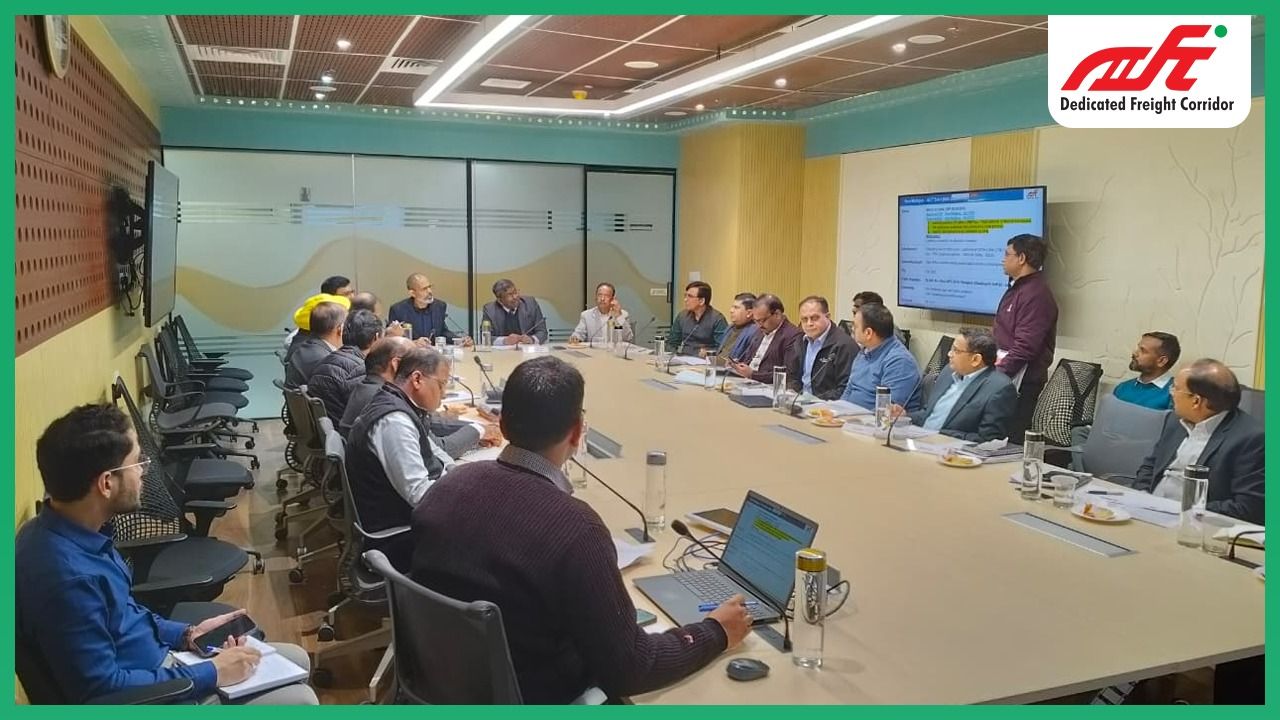
NEW DELHI : The review meeting on Business Development over Dedicated Freight Corridor Corporation of India Limited (DFCCIL) was conducted on 17.12.2025.

The meeting was convened by Shri S. P. Verma, GGM/BD&BA and chaired by Shri Shobhit Bhatnagar, Director/OP&BD and Shri Anurag Sharma, Director/Infrastructure. Shri S. P. Verma also made a comprehensive presentation outlining key business development initiatives and progress.

Attended by senior officials of DFCCIL, including Shri Vikas Kumar, GGM/S&T; Shri Arjun Singh Tomar, GM/S&T; Shri Roshan Singh, GM/OP&BD; and Shri P. K. Bhatt, JGM/Electrical from the Corporate Office, and the concerned Chief General Managers and other officials also participated through video conference.

The meeting was held to review the progress of ongoing GCT projects on the Dedicated Freight Corridors, discuss operational preparedness, address coordination and implementation issues, and deliberate on measures to enhance efficiency, connectivity, and terminal-led freight growth on DFCs.

Participants included M/s Venkateshwar Logistics – New Gulaothi; M/s Central Warehousing Corporation (CWC) – New Dabla, New Saradhana, New Mirzapur; M/s Savra Infra LLP – New Umbergaon; M/s DP World – New Umbergaon; M/s CONCOR – New Pardi; M/s Sawariya Shakti – New Ankleshwar.

Participants (Through Video Conference) included M/s Globecoast – New Sakhun, New Malikpur; and Shriyam – new station between New Dharuhera and New Tauru; M/s SKN Freight Terminals – New Dharuhera and new station between New Dharuhera and New Tauru; M/s Emirates Logistics – New Gothangam; M/s Emirates Terminals Pvt. Ltd. – New Rewari; M/s Timba PFT Pvt. Ltd. – New Timba; M/s JSW Infrastructure – Murbe Port connectivity; Inland Waterways Authority of India (IWAI) – New Jeonathpur; M/s Joravasan Infra Pvt. Ltd. – new station between New Ancheli and New Pardi.

NICDC and Ministry of Textiles hold stakeholder consultation to explore partnership opportunities for PM MITRA Parks

NEW DELHI : The National Industrial Corridor Development Corporation (NICDC), in association with the Ministry of Textiles, Government of India, conducted a stakeholder consultation meet to explore partnership opportunities for the development of PM Mega Integrated Textile Region and Apparel (PM MITRA) Parks being established under the Design, Build, Finance, Operate and Transfer (DBFOT) model. The consultation is part of an ongoing series of market sounding engagements aimed at refining a robust, market-aligned framework to support timely and effective implementation of the PM MITRA scheme.

The consultation meet focused on engaging prospective Master Developers for three Greenfield parks proposed under the PPP/DBFOT model. These include the PM MITRA Park at Lucknow in Uttar Pradesh spread over 1,000 acres with strong multi-modal access and proximity to major transport nodes, the PM MITRA Park at Kalaburagi in Karnataka spread over 1,000 acres with the site located close to NH50 and connectivity to major regional hubs, and the PM MITRA Park at Navsari in Gujarat spread over 1,142 acres with strategic connectivity to ports and logistics, along with road, rail and airport access.

Addressing the stakeholders, Secretary, Ministry of Textiles, Smt. Neelam Shami Rao shared her valuable suggestions and encouraged active participation from stakeholders in shaping a strong and collaborative framework for the successful development and implementation of PM MITRA Parks. Additional Secretary, Ministry of Textiles, Shri Rohit Kansal underscored the strategic intent of PM MITRA as a transformational initiative, noting that the parks are being developed as large, integrated textile parks of a minimum of 1,000 acres each. He informed that Detailed Project Reports amounting to approximately ₹5,567 crore have already been finalised across the three States proposed under the PPP mode.

Chief Executive Officer and Managing Director, NICDC, Shri Rajat Kumar Saini highlighted the 5F Vision of PM MITRA Parks and the strong industry response to the initiative, with investor interest exceeding ₹20,054 crore across the three States, driven largely by the composite textile segment. He outlined the Government’s focus on enabling globally competitive infrastructure, including plug-and-play industrial facilities, testing laboratories, single-window clearances, integrated logistics, social infrastructure and reliable grid-connected clean power. He emphasised that PM MITRA Parks are designed to enable end-to-end value chain integration and globally benchmarked manufacturing ecosystems.

The consultation witnessed wide participation from prospective domestic and international master developers and industry stakeholders. Discussions focused on utilities planning, including steam systems, CETP and ZLD integration, modular plot development, and ensuring an ecosystem that supports both MSMEs and large anchor units. Overall, the consultation reflected strong stakeholder confidence in the PM MITRA scheme, with participants expressing optimism about its design and implementation approach. The session benefited from constructive feedback and actionable suggestions, which will help further refine the framework and strengthen the way forward for the successful delivery of PM MITRA Parks.

Seven PM MITRA Parks have been announced across Tamil Nadu, Telangana, Gujarat, Karnataka, Madhya Pradesh, Uttar Pradesh and Maharashtra. Inspired by the Hon’ble Prime Minister’s 5F vision of Farm to Fibre to Factory to Fashion to Foreign, the parks aim to create fully integrated, large-scale textile ecosystems. Collectively, they are expected to attract nearly ₹70,000 crore in investments. Each park is projected to generate around 10 lakh employment opportunities and will house the entire textile value chain at a single location, from spinning and weaving to processing, dyeing, printing and garment manufacturing. Equipped with world-class industrial infrastructure, PM MITRA Parks will enable the adoption of cutting-edge technologies, boost foreign direct investment and domestic investment, significantly reduce logistics costs and enhance the global competitiveness of India’s textile sector.

About NICDC

National Industrial Corridor Development Corporation Limited (NICDC), under Department for Promotion of Industry and Internal Trade (DPIIT), Ministry of Commerce and Industry, is mandated to develop world-class Greenfield Industrial Smart Cities that enhance manufacturing competitiveness, attract investment and generate employment. NICDC is implementing 20 projects across 13 states and digital initiatives such as ULIP, LDB and IILB, supporting India’s industrial and logistics transformation.

Ministry of Textiles is the nodal ministry for PM MITRA Scheme, with NICDC serving as the Project Management Agency (PMA). NICDC brings its experience from planning and implementing industrial smart cities under the National Industrial Corridor Development Programme, and provides end-to-end technical, financial and programme management support for PM MITRA Parks. This includes DPR and master plan review, PPP structuring under the DBFOT framework, bid process management, monitoring of quality and timelines, and facilitation with States, Master Developers and investors.

Indian Pharmaceutical products are globally recognized, exports jumped over 9% this year : Commerce Secretary

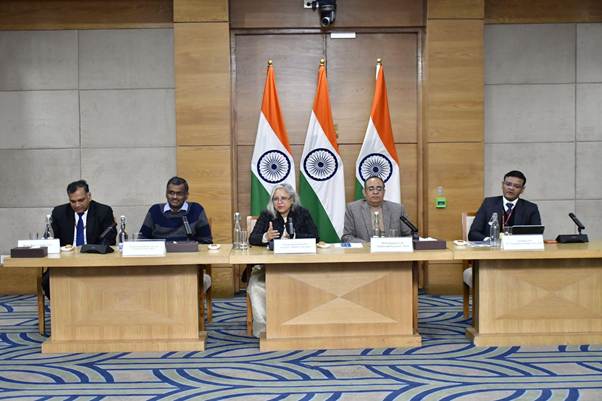
NEW DELHI : India’s pharmaceutical exports stood at USD 30.47 billion in 2024–25, registering a growth of 9.4 percent over the previous year, supported by a strong manufacturing base and expanding global outreach, said Commerce Secretary Shri Rajesh Agrawal while inaugurating a one-day Regional Chintan Shivir on Pharmaceutical Exports. The Commerce Secretary also highlighted that India’s domestic pharmaceutical market is currently estimated at around USD 60 billion. Shri Agrawal said that the market is expected to double to approximately USD 130 billion by 2030, reflecting the sector’s scale, depth, and innovation potential, through a video address in Chandigarh today.

The programme, organised by the Department of Commerce, Government of India, in collaboration with the Pharmaceutical Export Promotion Council of India (PHARMEXCIL), brought together policymakers, regulators, industry representatives, exporters including MSMEs, Indian missions abroad and technical experts to deliberate on key issues shaping India’s pharmaceutical export ecosystem.

The Commerce Secretary underlined that India is today the world’s third-largest pharmaceutical producer by volume and fourteenth by value, with more than 3,000 companies, 10,500 manufacturing units and over 60,000 generic brands across 60 therapeutic areas.

Indian medicines reach over 200 markets worldwide, with more than 60 percent of exports going to stringent regulatory destinations. The United States accounts for about 34 percent, while Europe accounts for around 19 percent of India’s pharmaceutical exports. These strengths, combined with India’s role as a reliable supplier of quality-assured and affordable medicines, were recognised as a strong foundation for the next phase of export growth.

Deliberations during the Chintan Shivir focused on sensitising exporters, especially MSMEs, to India’s evolving international trade and cooperation framework, and on strengthening industry awareness of policy, regulatory and capacity-building initiatives relevant to pharmaceutical exports. Discussions centred on the identification of non-tariff barriers and regulatory challenges, expansion of regulatory cooperation and mutual recognition mechanisms to enable faster and more predictable approvals, and building a robust life sciences innovation ecosystem encompassing research and development, clinical trials, biologics, vaccines and biosimilars.

The Commerce Secretary also underlined the vision of Prime Minister Shri Narendra Modi to position India as a trusted global trade partner and to expand India’s share in global pharmaceutical trade, thereby enabling wider access to quality and affordable healthcare across the world.

Participants were apprised of recent developments in India’s international trade framework, including the India–UK Comprehensive Economic and Trade Agreement (CETA) signed on 24 July 2025, and the India–European Free Trade Association (EFTA) Trade and Economic Partnership Agreement (TEPA), which became effective on 1 October 2025. Emphasis was placed on the binding zero-tariff provisions in these agreements and their potential to enhance the competitiveness of Indian generic medicines, as well as the investment and employment opportunities arising from them. The programme also highlighted forthcoming India–Switzerland collaboration initiatives in biotechnology and pharmaceutical innovation, including the scope for linking Swiss biotech clusters with Indian innovation hubs.

Technical sessions were held on Antimicrobial Resistance (AMR), skilled manpower development, emerging developments in the Foreign Trade Policy, the evolving GST regime and the implementation of revised Good Manufacturing Practices (GMP). Experts from CSIR–Institute of Microbial Technology, NIPER Mohali, DGFT, CDSCO, State Drug Control Authorities, the Life Sciences Sector Skill Development Council and industry shared insights on regulatory readiness, quality management systems, workforce competency and digital compliance mechanisms. PHARMEXCIL also presented its export promotion initiatives, including its flagship event iPHEX, the 12th International Exhibition on Pharma and Healthcare Industry, expected to be held in 2026.

The Chintan Shivir concluded with an interactive session on the implementation of the revised GMP framework. The discussions underscored the Government’s continued focus on regulatory strengthening, trade facilitation and close collaboration with industry to further enhance India’s pharmaceutical export competitiveness and global standing.

Eyesea and EVI Safety Technologies Unveil AI System for Real-Time “Container Overboard” Detection and Automated Reporting

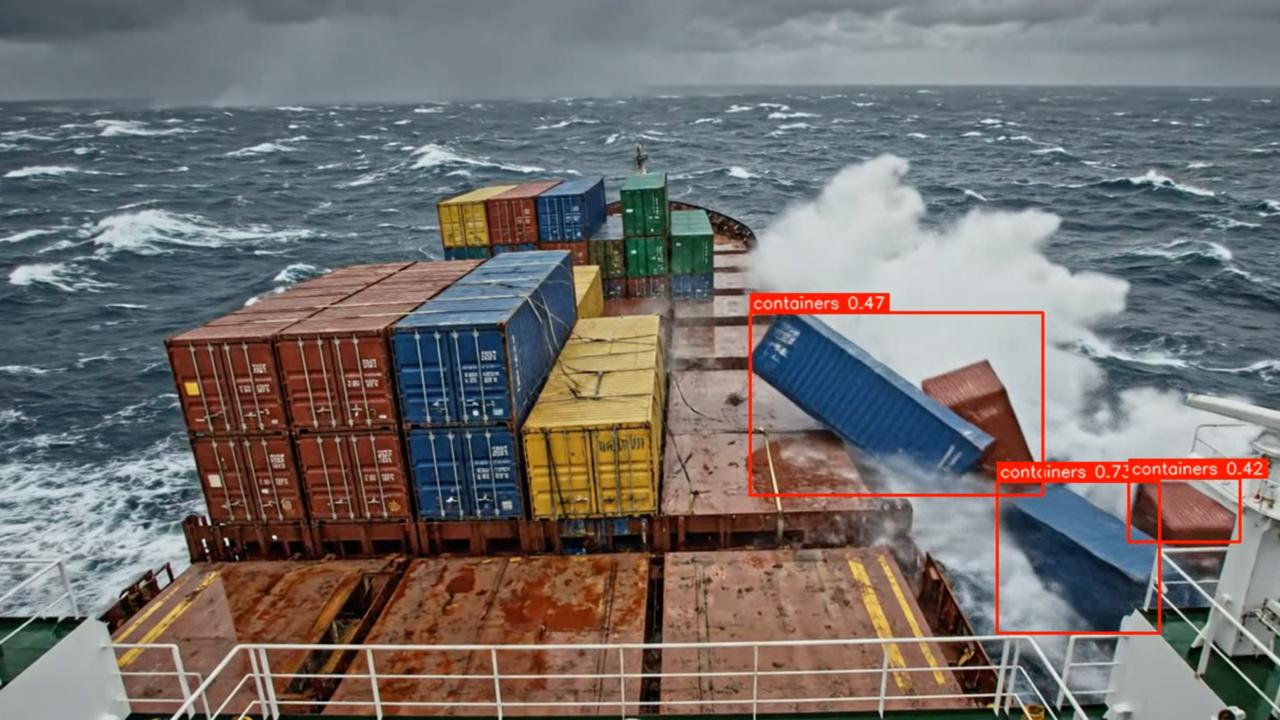
Eyesea and EVI Safety Technologies Wednesday announced the rollout of a groundbreaking artificial intelligence system designed to detect and report containers lost overboard using standard onboard cameras. Following development and testing in simulation environments, the technology is now ready for trials aboard operational vessels.

The system uses state-of-the-art computer vision and machine learning, using onboard deck and bridge cameras to automatically identify and count containers either falling from a ship or observed adrift. Once detected, incident data can be immediately transmitted to registered vessel owners, Flag States, and—where appropriate—coastal authorities.

This capability aligns directly with the upcoming IMO mandatory reporting requirements for lost containers, which call for prompt reporting of the position, number of containers, and any available information on contents—especially dangerous goods. The Eyesea–EVI system is designed to support compliance with these rules by producing precise, geo-tagged imagery and structured incident data the moment a loss or drifting container is detected. This helps bridge crews meet regulatory expectations for immediate notification while improving the quality and consistency of reports sent to authorities and nearby vessels.

Graeme Somerville-Ryan, Founder of Eyesea, said: “One of the first use cases and features we built into Eyesea was the ability to report containers—it’s a very specific and unique maritime problem. With this new technology now ready to move on from simulation testing, we’re taking a major step, real-world detection and environmental protection.”

EVI Safety Technologies CEO Vladimir Ponomarfev added:“We fully support Eyesea’s mission. It’s amazing to be able to apply the advances of machine learning and AI to help the maritime sector tackle an environmental and safety challenge that has been underserved for decades. This is exactly the kind of impactful application our technology should enable.”

Beyond regulatory compliance, real-time detection and automated reporting address a long-standing maritime challenge: container-loss events often go unobserved or are reported too late to warn other vessels. The Eyesea–EVI system provides immediate awareness, enhances navigational safety, and generates high-quality data for further drift modelling, incident investigation, and potential recovery operations.

The next step is to launch onboard trials, with broader deployment expected after real-world performance validation.

UN General Assembly adopts landmark convention shaping the Future of Negotiable Cargo Documents

GENEVA : The United Nations General Assembly adopted the United Nations Convention on Negotiable Cargo Documents (NCD Convention), marking a significant milestone for international trade, multimodal transport and the digitalisation of global supply chains. FIATA, as the global representative body of freight forwarders and logistics providers and a long standing participant in the work on the Convention since its inception under the auspices of the United Nations Commission on International Trade Law (UNCITRAL) Working Group VI, welcomes this landmark development. The NCD Convention, which reflects the long established role of freight forwarders and logistics providers in organising end-to-end multimodal transport, is expected to be a key enabler of innovation, digital trade and new market opportunities in regions all over the world. A formal signature ceremony for the Convention is expected to take place in Accra, Ghana, in the second half of 2026

The NCD Convention establishes, for the first time at the international level, a clear, harmonised and technology neutral legal framework to support the negotiability of cargo documents, such as the FIATA Multimodal Transport Bill of Lading (FBL), across all modes of transport and in both paper and electronic form in line with the principles of the United Nations Model Law on Electronic Transferable Records (MLETR). This closes a long standing legal gap for multimodal transport and provides legal certainty for the use of negotiable documents across all modes of transport beyond the maritime context, where such instruments have predominantly been recognised.

Unlocking Digital Trade and Multimodal Transport
This is a substantial advancement for global trade, providing an opt-in solution that complements existing international transport liability regimes and mandatory national laws. It supports freight forwarders and logistics providers acting as multimodal transport operators to organise end-to-end transportation with agility and flexibility in response to evolving market conditions and disrupted transport environments. Crucially, the Convention aligns legal frameworks with operational realities, facilitates access to trade finance, including in landlocked and emerging economies, and provides legal clarity for electronic negotiable cargo records, such as the electronic FIATA Multimodal Transport Bill of Lading (eFBL).

Importantly, the Convention can be applied without changing existing documentary or operational processes, requiring only a simple notation on the bill of lading indicating that it is subject to the NCD Convention.

Key benefits include:

Legal recognition of the negotiability of multimodal transport documents, including electronic forms such as the electronic FIATA Multimodal Transport Bill of Lading (eFBL)
Opt-In Flexibility, allowing commercial parties to decide whether to apply its provisions. This ensures flexibility and responsiveness to market needs
A harmonised and technology-neutral legal framework for use across jurisdictions and transport modes
Explicit recognition of electronic negotiable transport records, supporting digital trade and legal equivalence between electronic and paper NCDs across all transport modes
Preservation of existing transport liability regimes ensuring continuity and legal clarity for freight forwarders and their clients.
These developments strengthen the legal foundations for multimodal transport and access to trade finance, which are essential to the efficient movement of global trade today. As an enabler of digital trade, the Convention supports greater efficiency, transparency and security in the issuance, transfer and use of negotiable transport documents.

A Major Step Forward for Freight Forwarders and SMEs
Freight forwarders acting as multimodal transport operators or contractual carriers will benefit significantly from the legal certainty introduced by the Convention. The framework supports the issuance and use of multimodal negotiable cargo documents in both paper and electronic form, such as the negotiable FIATA Multimodal Transport Bill of Lading (FBL and eFBL), strengthening forwarders’ ability to serve exporters and importers efficiently and competitively.

Importantly, the Convention is designed to be accessible and practical, delivering tangible benefits for micro, small and medium sized enterprises (MSMEs) by lowering transaction costs, reducing reliance on paper, and facilitating access to trade finance. FIATA stands ready to operationalise the Convention in practice through its FIATA Multimodal Transport Bill of Lading (FBL) as soon as the Convention enters into force, enabling freight forwarders to immediately benefit from the new legal framework.

FIATA’s Director General, Dr Stéphane Graber, welcomed the adoption of the NCD Convention:
“The NCD Convention is a major milestone for global logistics and digital trade. FIATA, through its Advisory Body Legal Matters, is proud to have contributed its long standing expertise as the global representative body of freight forwarders, including offering practical insights drawn from freight forwarders’ commercial practices, market needs, and its long standing experience of the negotiable FIATA Multimodal Transport Bill of Lading (FBL), which has been in existence since 1968. These contributions helped the UNCITRAL Working Group VI to ensure that the final instrument is both operationally sound, legally robust and future-ready. We look forward to supporting our members and partners as States move towards signature, ratification and implementation, so that this Convention can become a key enabler to facilitate complex multimodal transport corridors and digital trade worldwide.”

FIATA’s role as the global voice of the freight forwarding and logistics industry
The NCD Convention is the result of years of work under the auspices of the United Nations Commission on International Trade Law (UNCITRAL) Working Group VI, following a proposal by the People’s Republic of China at the fifty-second session of the UNCITRAL Commission, aimed at facilitating multimodal carriage of goods and trade financing, particularly in the Europe-Asia trade routes. The NCD Convention was developed with the active engagement of governments, international organisations, industry associations and financial stakeholders. It draws on FIATA’s pioneering work in multimodal documentation, reflecting the robust, time-tested principles long embedded in the FBL and eFBL. FIATA’s operational and legal expertise, representing freight forwarders in more than 150 territories worldwide for almost 100 years, helped inform several structural and functional elements now reflected in the text.

The Convention will enter into force once ten States deposit their instruments of ratification. FIATA encourages governments and industry stakeholders to familiarise themselves with the Convention’s provisions and to support early ratification so that businesses can begin to realise the benefits of this modern legal framework without delay. In parallel, FIATA is ready to help the industry to operationalise the FBL upon the Convention’s entry into force, ensuring a swift and practical transition from legal adoption to operational use. FIATA will continue to engage with UNCITRAL and collaborate with partner organisations representing shipper and banking communities to develop guidance, tools and capacity building resources for industry and governments. In addition, FIATA encourages its members to conduct pilots, using for example the FBL and eFBL, and to operate accordingly to demonstrate the NCD Convention in practice.

Source : FIATA

Aponte takes 2025 newbuilding blitz to $8.5bn with 10-ship deal in China

GENEVA : Gianluigi Aponte’s MSC Mediterranean Shipping Company is poised to see out the year by inking an order for 10 LNG dual-fuel neo-panamax container ships worth $1.4bn.

The deal at the billionaire’s favourite Chinese shipyard would bring the shipping magnate’s spending on boxship newbuildings in 2025 to about $8.5bn.

MSC is returning to Zhoushan Changhong International Shipyard to order six dual-fuel 11,400-teu vessels for delivery in 2029, according to multiple shipbuilding players.