Home Blog Page 568

Unifeeder and CMC Vellore launch ‘CERVICARE THRICE’ Initiative to Advance Women’s Health

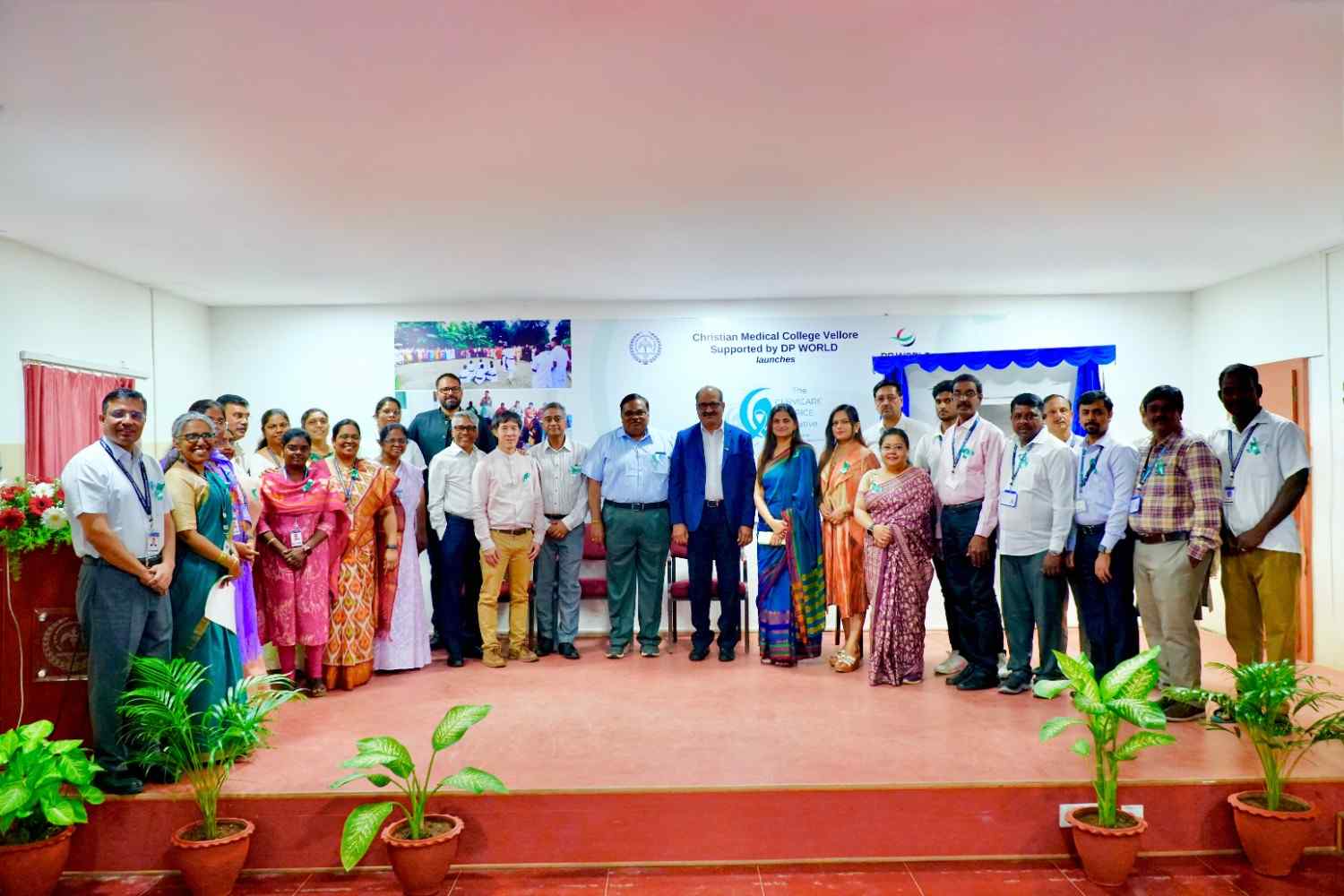
VELLORE: Unifeeder, a DP World company, has partnered with the Christian Medical College (CMC) and Hospital, Vellore, to launch CERVICARE THRICE, a community health initiative designed to strengthen efforts across prevention, screening, early detection, and treatment of cervical cancer among women in India, in coordination with the consulting partner, Amana.

Structured around to the CERVICARE THRICE Initiative, which strengthens cervical cancer prevention through screening and treatment, and the Geneva applicator, which enhances precision and accessibility in cervical cancer care. The initiative was inaugurated at CMC Vellore with the unveiling of the donor’s plaque, attended by representatives from Unifeeder, CMC Vellore, and Amana.  

Through CERVICARE THRICE, Unifeeder and CMC Vellore aim to reach more than 10,000 girls and women annually across Tamil Nadu, Andhra Pradesh, Jharkhand, and Bihar through school and community-based awareness sessions. Around 3,000 women will also be screened annually using HPV as well as diagnostic tests, with identified precancerous cases receiving follow-up care and treatment using thermal ablation and LEEP (Loop Electrosurgical Excision Procedure) technologies.

The initiative will further enhance CMC Vellore’s treatment capacity through the deployment of advanced Geneva brachytherapy applicators, enabling more precise and effective cancer therapy. Each patient undergoing treatment will be included in a structured follow-up and long-term support plan to ensure continuity of care and recovery.

Sobha Janardhanan, Chief Financial Officer, Unifeeder, said: “At Unifeeder, we are dedicated to supporting the communities where we operate by driving initiatives that create lasting social impact in line with DP World’s vision of empowering people and improving lives. Our partnership with CMC Vellore on the Cervicare Thrice initiative helps extend essential healthcare services to women in underserved regions, reinforcing our long-term commitment to advancing health, safety, education, and sustainability.”

Kisna Yadav, Chief Legal Officer, Unifeeder, said: “We are proud to support this important women’s health initiative with CMC Vellore. Through focused awareness, screening, and treatment programmes, we aim to help thousands of women protect themselves from cervical cancer. We believe that by investing in preventive care today, we’re building a healthier, stronger tomorrow. Healthier women build stronger families, and stronger families build a stronger world.”

The collaboration exemplifies how partnerships between industry and healthcare institutions can drive sustainable impact. By combining Unifeeder’s community investment with CMC Vellore’s clinical expertise, the programme will help strengthen preventive healthcare infrastructure while expanding access to life-saving screening and treatment for women who need it most.

Dr. Vikram Mathews Director, CMC Vellore, expressed gratitude for the partnership, stating: “We are thankful to Unifeeder for their support in our mission to reduce the burden of cervical cancer. Their commitment enables us to reach more women, especially from underserved communities, with awareness, early screening and treatment services. Together, we can make a lasting difference in women’s health.”

The launch of CERVICARE THRICE reinforces Unifeeder’s commitment to improving the wellbeing of communities and creating opportunities for healthier, more resilient lives. Through focused initiatives like this, Unifeeder continues to connect people and communities through compassion, care, and purpose.

The CERVICARE THRICE Initiative is a preventive healthcare service delivery model for cervical  cancer  reduction. It functions effectively through an innovative approach of capacity-building, community-contextualised partnership, at the secondary and tertiary care level, with guidance from the team at the Department of Gynaecological Oncology, CMC Vellore. So far, over 800 women in the community have been screened in 21 screening camps.

India imposes Anti-Dumping Duty for 5 years on steel imports from Vietnam

NEW DELHI : India has imposed an Anti-Dumping Duty of USD 121.55 per tonne on imports of hot rolled flat steel products from Vietnam for five years. The move is aimed at protecting domestic manufacturers from cheap imports.

According to a notification by the finance ministry on Thursday, the imposition of the duty was recommended by the Directorate General of Trade Remedies (DGTR).

“The anti-dumping duty imposed under this notification shall be effective for a period of five years (unless revoked, superseded or amended earlier) from the date of publication of this notification,” it said.

The steel industry has sought a probe into the alleged dumping of these steel products in India. DGTR had conducted the investigation and recommended the imposition of the duty.

The imposition of the duty assumes significance as steel manufacturers have raised concerns over the dumping. However, the user industry is against the move.

Anti-dumping probes are conducted by countries to determine whether domestic industries have been hurt because of a surge in cheap imports.

As a countermeasure, they impose these duties under the multilateral regime of Geneva-based World Trade Organization (WTO). The duty is aimed at ensuring fair trading practices and creating a level playing field for domestic producers vis-a-vis foreign producers and exporters.

India and Vietnam are members of the WTO, which is a 166-member multilateral trade body. India also has a free trade agreement with the 10-nation block ASEAN (Association of Southeast Asian Nations) since January 2010. Vietnam is a member of ASEAN.

The bilateral trade between the two countries was USD 14.81 billion in 2023-24 against USD 14.7 billion in 2022-23. While India’s exports stood at USD 5.47 billion, imports were USD 9.34 billion in the last fiscal, leaving a trade deficit of USD 3.87 billion in favour of Vietnam.

Wilson Sons earns the 2025 Diamond Sustainability Seal from the Brazilian Ministry of Ports and Airports

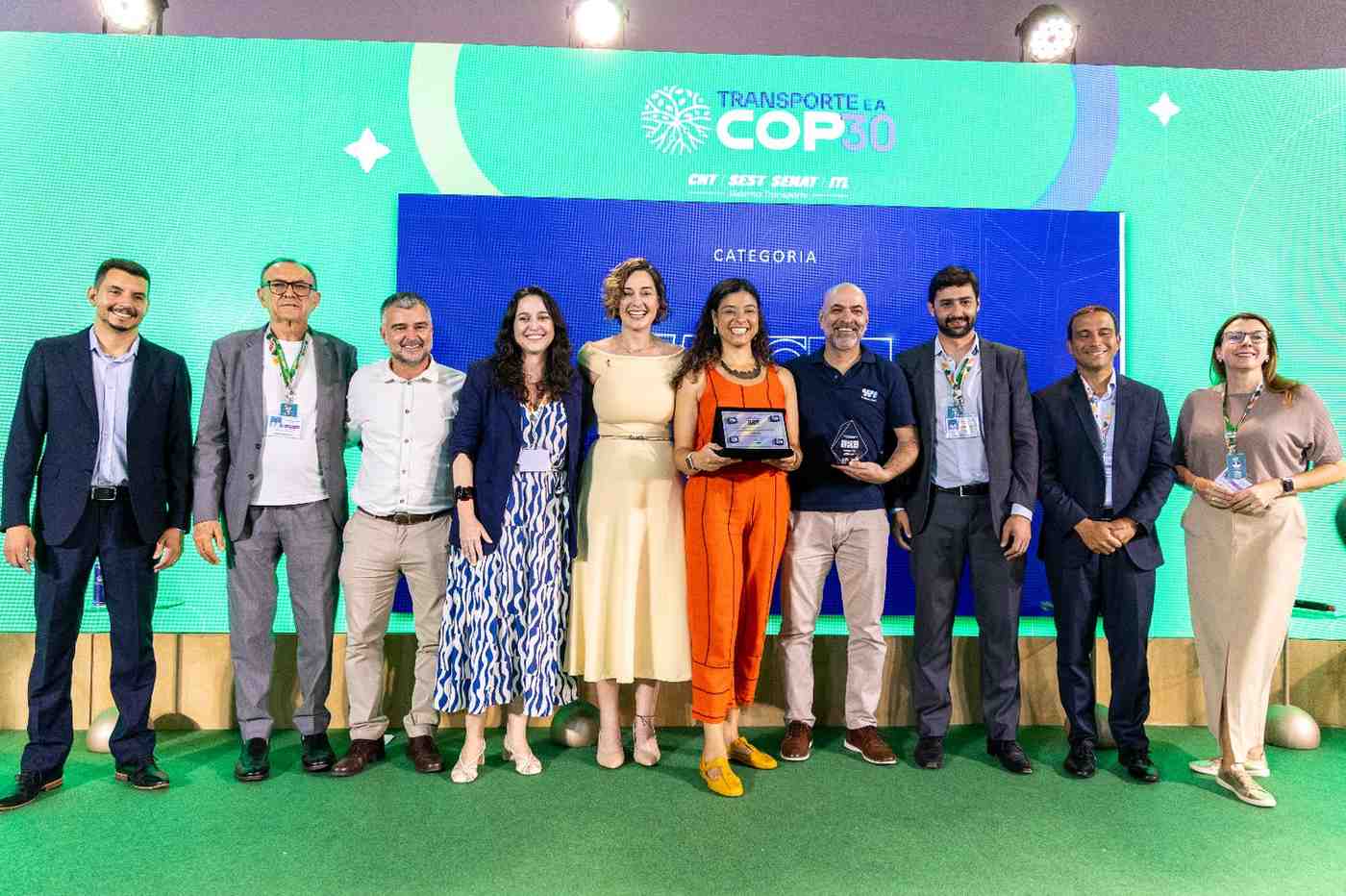
RIO DE JANEIRO: With over 187 years of experience, Wilson Sons has earned the 2025 Sustainability Seal in the Diamond category after a technical assessment conducted by Brazil’s Ministry of Ports and Airports (MPor). The awards ceremony was held this Wednesday (November 12th) in Belém, Pará. The award was received by Roberta Carvalhal, Legal and Institutional Relations Director at Wilson Sons; João David Santos, Sustainability Manager; Camila Felipe, Sustainable Development Manager; and Guilherme Silva, Safety, Environment, and Climate Change Manager.

The Sustainability Seal is a recognition and an incentive for companies with good environmental, social, and governance (ESG) practices that have adhered to the Sustainability Pact established by Ordinance no. 58/2025. The pact aims to help to reduce greenhouse gas emissions and to implement social and environmental programs aligned with the global Sustainable Development Goals (SDGs) of the 2030 Agenda.

According to MPor, the 63 companies participating in the program presented action plans based on environment, social development, and governance. Based on their assessed performance, the organisations received Bronze, Silver, Gold, or Diamond seals. In this first edition, 36 organisations were awarded prizes across different categories.

Wilson Sons has been incorporating new technologies and sustainable practices to deliver safer, more efficient, and more sustainable operations, and to enhance social programs. Additionally, it has conducted multiple studies to implement innovations to cut down on fuel and electricity consumption. 

“By adhering to the pact and now earning the Diamond Seal, we reaffirm Wilson Sons’ commitment to sustainability by strengthening our strategy of applying the best ESG practices to our businesses,” says Wilson Sons CEO Arnaldo Calbucci.

Sustainability Manager João David Santos says that “the pact is a relevant initiative to strengthen Brazil’s global competitiveness while promoting the sustainable development of the port industry.”

The event had the institutional support of the National Confederation of Transport (CNT) and Infra S.A. The awards ceremony, held during the 30th United Nations Climate Change Conference (COP30), was attended by the National Secretary of Waterways and Shipping Otto Burlier, the MPor Director of Sustainability Larissa Amorim, and Infra S.A. Superintendent of Environmental and Territorial Management Bruno Marques.

More sustainable tugboats and 100% renewable electricity

Breakthrough technologies and new equipment used in Wilson Sons’ business units, such as the Towage division and the container terminals in Salvador (Bahia) and Rio Grande (Rio Grande do Sul), which are capable of operating the largest ships in the world, make operations safer, more efficient, and with lower emissions, thereby supporting the decarbonisation of port and maritime logistics in Brazil.

Between 2022 and 2024, Wilson Sons built six tugboats with more sustainable technology at its shipyard in Guarujá (São Paulo), in the Santos port complex, renewing its fleet of more than 80 tugs that operate along the Brazilian coastline. Their innovative hull design leads to reduced greenhouse gas emissions and an estimated decrease of 14% in the consumption of fossil fuels, supporting the improvement of air quality in the ports where they operate. In 2025, Wilson Sons started building a new range of three super powerful tugboats with sustainable technology at its shipyard.

Other decarbonisation actions include the use of shore power in tugboats (prioritising renewable energy); tracking the tugboat fleet at the Operations Centre in Santos, which optimises travel speeds; and, at the container terminals, the acquisition of 100% renewable electricity (Rio Grande Container Terminal) and the replacement of diesel-powered with electric equipment (Rio Grande and Salvador Container Terminals).

About Wilson Sons

Recognized for its extensive experience of more than 187 years, Wilson Sons has a national reach and offers comprehensive solutions to over 5,000 clients, including shipping companies, importers and exporters, the offshore energy industry, renewable energy projects, the agribusiness sector, as well as other players across various economic segments. 

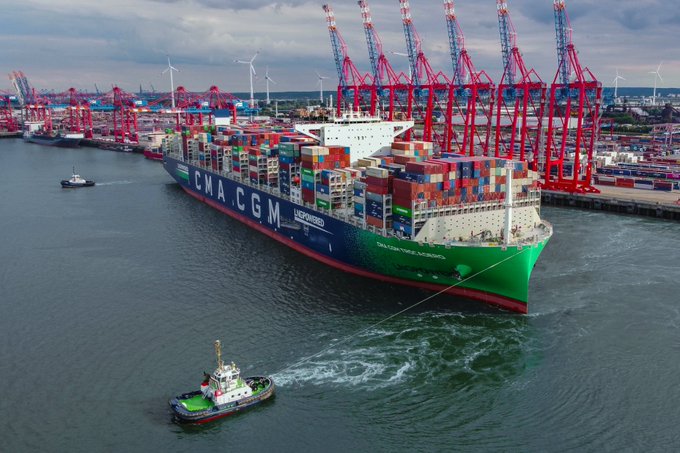
CMA CGM strengthens its port terminal network with a strategic investment in Hamburg

MARSEILLE : CMA CGM strengthens its port terminal network with a strategic investment in Hamburg .

We signed an agreement to acquire a 20% stake in Eurogate CTH, reinforcing our presence in Germany and supporting the terminal’s expansion and sustainable transition.

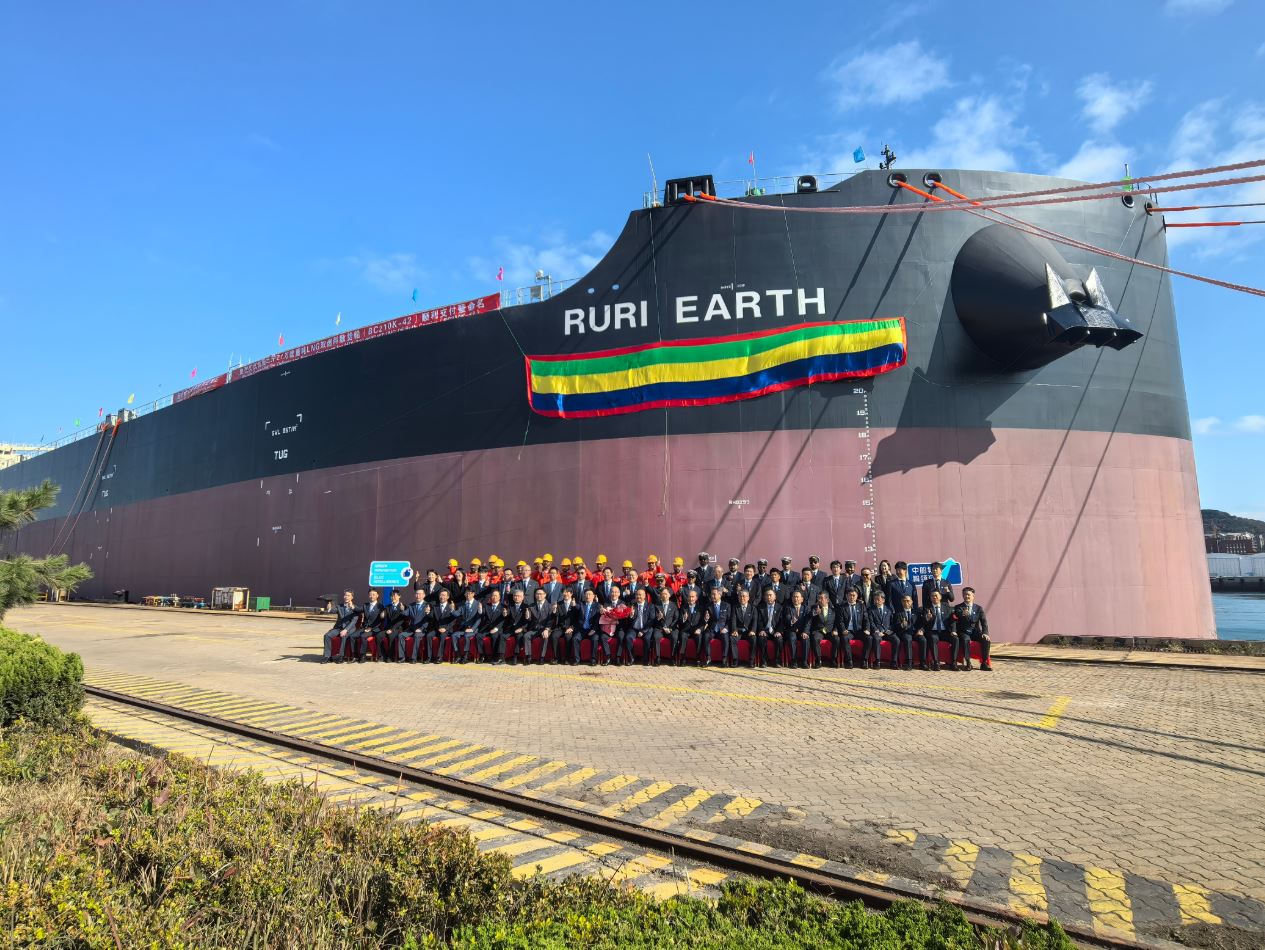
Mitsui O.S.K. Lines takes delivery of LNG dual-fuel bulk carrier built by Qingdao Beihai Shipbuilding

QINGDAO : On November 5, a delivery and naming ceremony for a 210,000-ton LNG dual-fuel bulk carrier took place at Qingdao Beihai Shipbuilding Yard in Huangdao District, Qingdao. The Consul General of Japan in Qingdao, Saito, attended the event.

The vessel was ordered by Mitsui O.S.K. Lines, Ltd. and built by Qingdao Beihai Shipbuilding Co., Ltd., a subsidiary of China State Shipbuilding Corporation (CSSC) and the largest shipbuilder in Shandong Province by completion volume. The ship will be used to transport bulk commodities such as iron ore from third countries.

According to the Consulate-General of Japan in Qingdao, China’s shipbuilding industry currently accounts for nearly 60% of the world’s completed ship tonnage and remains active despite recent economic conditions. As part of the global transition toward low-carbon energy, the shipping industry is gradually shifting from conventional heavy fuel oil to LNG, although LNG-powered ships still represent less than 5% of the global fleet.

Mitsui O.S.K. Lines, which operates the world’s largest LNG carrier fleet, is accelerating the introduction of LNG-fueled ships to achieve its carbon neutrality target by 2050. The use of LNG instead of heavy fuel oil is said to reduce greenhouse gas emissions of carbon dioxide by 25–30%, eliminate sulfur oxide emissions, and cut nitrogen oxide emissions by about 75%.

The newly delivered vessel has been named “RURI EARTH,” meaning “Blue Earth,” reflecting the company’s low-carbon ambitions.

Mitsui O.S.K. Lines, Ltd. (MOL) is a Japanese shipping company headquartered in Tokyo. It operates one of the world’s largest fleets, covering dry bulk, LNG, tanker, and container shipping.

Qingdao Beihai Shipbuilding Co., Ltd. is a Chinese shipbuilding enterprise based in Qingdao, Shandong Province. It operates under China State Shipbuilding Corporation and specializes in the construction of bulk carriers, oil tankers, and offshore engineering vessels.

COP30: Countries must step up national action on shipping, after U.S. attempt to sabotage International Maritime Organization

BELEM (BRAZIL): On Energy and Transport Day at COP 30, Environmental Defense Fund, Pacific Environment, Seas At Risk, Solutions for Our Climate, and Transport & Environment call on national governments to urgently accelerate action to reduce shipping emissions, especially following the recent U.S.-led postponement in the adoption of a binding global shipping measure at the International Maritime Organization (IMO). The delay in adoption of the IMO Net-Zero Framework (NZF), the first UN-mandated fuel mandate and carbon pricing mechanism on any sector, by one year risks slowing down industry-wide decarbonisation efforts at a moment when decisive action is needed most.

Shipping accounts for roughly 3% of global greenhouse gas emissions, and the IMO’s 2023 Strategy sets a clear pathway to achieve net-zero emissions from shipping by 2050, with interim goals for 2030 and 2040 that countries have already committed to deliver. While Member States continue negotiations on the NZF, national governments must step up and act domestically and regionally to keep the transition on course, ensuring investment, infrastructure, and innovation continue to drive the industry forward.

We therefore call on all governments to commit to the following national actions for shipping decarbonisation:

  1. Develop and implement a national action plan on international shipping emissions 
  2. Set clear domestic targets and mandates for low- and zero-emission marine fuels and vessels
  3. Deploy financial and regulatory incentives to accelerate ship efficiency and fuel transition
  4. Enhance port infrastructure and support for alternative fuels, as well as technologies such as wind propulsion and electrification
  5. Ensure a just and globally equitable transition, especially for developing and small-island nations
  6. Support urgent action on short-lived climate forcers (methane and black carbon) emitted by international shipping

John Yum, Head of Shipping Team, Solutions for Our Climate, said: “The postponement of the IMO’s Net Zero Framework is deeply disappointing, but it also gives governments a chance to take meaningful action. Instead of just waiting for international negotiations to resume, countries like Korea should take immediate steps to decarbonize their shipping sectors — for instance, by continuing to commit to expanding green shipping corridors and increasing investment in ZNZ fuels. Taking proactive steps now will demonstrate governments’ commitment to achieving net-zero shipping by 2050 and help ensure that, when the IMO reconvenes, it can move forward with stronger ambition rather than face another setback.”

Davina Hurt, Climate Policy Director, Pacific Environment, said: “We now face a reality we long anticipated  — overshooting the 1.5°C target is inevitable. Member states were bullied into delaying the International Maritime Organization’s Net-Zero Framework, but obstruction by bad actors cannot continue to force inaction at a time when decisive action is most needed. We call on all member states and zero-emission leaders like California to step up and act on climate change by truly decarbonizing maritime shipping. There is only one planet. We must stand together for the health of our ocean and for future generations. Now is the time to act.”

Mark Brownstein, Senior Vice President, Energy Transition, Environmental Defense Fund, said: “The development and deployment of clean, alternative fuels for global shipping is not only good for stabilizing the climate and improving public health—it also creates economic opportunities for those countries and companies that embrace innovation. The International Maritime Organization’s Net-Zero Framework is rooted in this reality. Leaders can and must act now to implement it. The future of the industry is not in its past—it begins with action today.”

Sian Prior, Shipping Director, Seas At Risk, said: “We simply cannot afford to keep delaying climate action. In the face of the climate crisis, countries need to start taking leaps, not steps, towards decarbonising shipping, including addressing short-lived climate pollutants such as methane and black carbon. Meanwhile, bullying tactics must be called out and multilateralism must take precedence. Steering the ship towards greener shipping doesn’t have to be overcomplicated: scaling up wind propulsion, finding financial incentives to adopt cleaner fuels whilst ensuring a just transition are achievable if we all work together.” 

As the global community gathers in Belém, we urge governments to seize this opportunity to take concrete actions that will ensure the maritime industry contributes its fair share to combating climate change.

Background information:

Global shipping carries around 80% of all traded goods and is almost exclusively powered by fossil fuels. The volume of stuff shipped across the world’s oceans has quadrupled since the 1980s, having devastating impacts on our health and the climate:

Contacts:

Source: GSCC

Lloyd’s Register and Marshall Islands Certify Helm CONNECT Electronic Record Books

VICTORIA, BC: Helm Operations has announced that nine electronic record books within Helm CONNECT Logbook have been officially approved for use in accordance with MARPOL requirements by both Lloyd’s Register and the Republic of the Marshall Islands.

This dual certification confirms that Helm CONNECT’s electronic record books meet the standards outlined under MARPOL, the NOx Technical Code 2008, and the Ballast Water Management Convention. It provides operators with a certified, compliant alternative to paper logbooks—supporting the maritime industry’s broader transition toward digital documentation and streamlined compliance management.

“Our mission has always been to reduce inefficiency and simplify compliance for maritime operators,” said James Wadsworth, CEO of Helm Operations. “These certifications are a powerful validation that digital recordkeeping isn’t just the future—it’s ready for real-world use right now.”

The following nine Helm CONNECT record books are now certified for use by Lloyd’s Register on Marshall Islands–flagged vessels:

  • Oil Record Book, Part I – Machinery Space Operations
  • Oil Record Book, Part II – Cargo/Ballast Operations
  • Garbage Record Book, Part I
  • Garbage Record Book, Part II
  • Cargo Record Book
  • Ozone-Depleting Substances Record Book
  • Record Book of the Tier and On/Off Status of Marine Diesel Engines
  • Record Book of Engine Parameters
  • Record Book of Fuel Oil Changeover Operations

The approval is now officially listed on the Republic of the Marshall Islands’ website, reinforcing Helm CONNECT’s standing as a trusted compliance platform for global operators seeking to modernize their fleet management systems.

COLI Group strengthens Brazilian presence with new office in Salvador (Bahia)

SAO PAULO: COLI Group announces that its Brazilian subsidiary – COLI Shipping & Transport do Brasil – has opened a new office in Salvador, Bahia. With this office, headed by Matheus Lira, COLI further expands its footprint across Brazil and the Northeast region to support the growing demand for tailored logistics services not limited to general cargo but in the Oil & Gas, Energy and industrial Projects sectors.

Gustavo Murari, Managing Director at COLI Brasil, says: “We are proud to set up shop in the Bahia region. For some time, we have been serving clients there, and with a local office we can now monitor those projects more closely, increasing our operational agility, and our ability to respond fast. With Matheus in charge of the COLI Salvador branch, we have a highly experienced logistics colleague on board. He understands the market and our clients, and has a strong track record in freight forwarding, multimodal transport, and warehousing solutions, to name but a few of his capabilities. We welcome him heartily to the team!”

This strategic move is part of a broader growth plan of COLI Brasil. Over the past 3 years, COLI has also established full-service offices in Rio de Janeiro, Itajaí, and even Guyana. With continued operations from its headquarters in São Paulo, the Brazilian team aims to deliver responsive, high-quality service to clients across the Bahia region and beyond.

As to the latter, ‘beyond’ means ‘globally’, according to Felix Peinemann, Managing Director COLI Group: “We are proud to highlight the ongoing success of our global collaborative efforts, which consistently demonstrate significant efficiencies for both our internal operations and our valued clients. This synergy exemplifies our commitment to delivering innovative logistics solutions through seamless international cooperation amongst the Coli Group.”

“Currently, COLI Brasil is working closely with our teams around the globe on a diverse range of projects. These include both small and large-scale Breakbulk shipments and Project Cargo projects, as well as comprehensive 4PL logistics. This collaborative approach underlines our dedication to providing ‘Solutions beyond the ordinary,’ grounded in proximity, performance, and strategic partnership.”

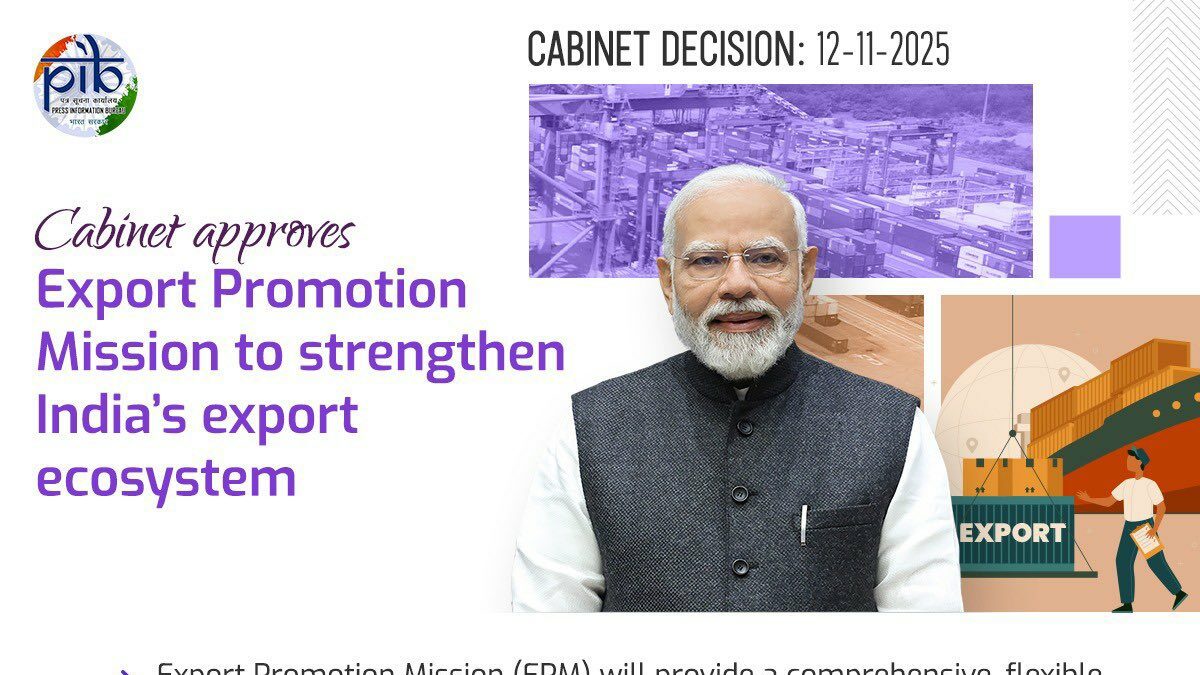
Cabinet approves Export Promotion Mission to strengthen India’s export ecosystem with an outlay of Rs.25,060 crore

Export p m 1 Cabinet approves Export Promotion Mission to strengthen India’s export ecosystem with an outlay of Rs.25,060 crore

NEW DELHI : The Union Cabinet chaired by the Prime Minister, Shri Narendra Modi has approved the Export Promotion Mission (EPM) — a flagship initiative announced in the Union Budget 2025–26 to strengthen India’s export competitiveness, particularly for MSMEs, first-time exporters, and labour-intensive sectors.

The Mission will provide a comprehensive, flexible, and digitally driven framework for export promotion, with a total outlay of Rs.25,060 crore for FY 2025–26 to FY 2030–31. EPM marks a strategic shift from multiple fragmented schemes to a single, outcome-based, and adaptive mechanism that can respond swiftly to global trade challenges and evolving exporter needs.

EPM is anchored in a collaborative framework involving the Department of Commerce, Ministry of MSME, Ministry of Finance, and other key stakeholders including Financial Institutions, Export Promotion Councils, Commodity Boards, industry associations, and state governments.

The Mission will operate through two integrated sub-schemes:

NIRYAT PROTSAHAN – focuses on improving access to affordable trade finance for MSMEs through a range of instruments such as interest subvention, export factoring, collateral guarantees, credit cards for e-commerce exporters, and credit enhancement support for diversification into new markets.
NIRYAT DISHA – focuses on non-financial enablers that enhance market readiness and competitiveness, including export quality and compliance support, assistance for international branding, packaging, and participation in trade fairs, export warehousing and logistics, inland transport reimbursements, and trade intelligence and capacity-building initiatives.
EPM consolidates key export support schemes such as the Interest Equalisation Scheme (IES) and Market Access Initiative (MAI), aligning them with contemporary trade needs.

The Mission is designed to directly address structural challenges that constrain Indian exports, including:

· limited and expensive trade finance access,

· high cost of compliance with international export standards,

· inadequate export branding and fragmented market access, and

· logistical disadvantages for exporters in interior and low-export-intensity regions.

Under EPM, priority support will be extended to sectors impacted by recent global tariff escalations, such as textiles, leather, gems & jewellery, engineering goods, and marine products. The interventions will help sustain export orders, protect jobs, and support diversification into new geographies.

The Directorate General of Foreign Trade (DGFT) will act as the implementing agency, with all processes — from application to disbursal — being managed through a dedicated digital platform integrated with existing trade systems.

The Mission is expected to:

· facilitate access to affordable trade finance for MSMEs,

· enhance export readiness through compliance and certification support,

· improve market access and visibility for Indian products,

· boost exports from non-traditional districts and sectors, and

· generate employment across manufacturing, logistics, and allied services.

EPM represents a forward-looking effort to make India’s export framework more inclusive, technology-enabled, and globally competitive, aligning with the vision of Viksit Bharat @2047.

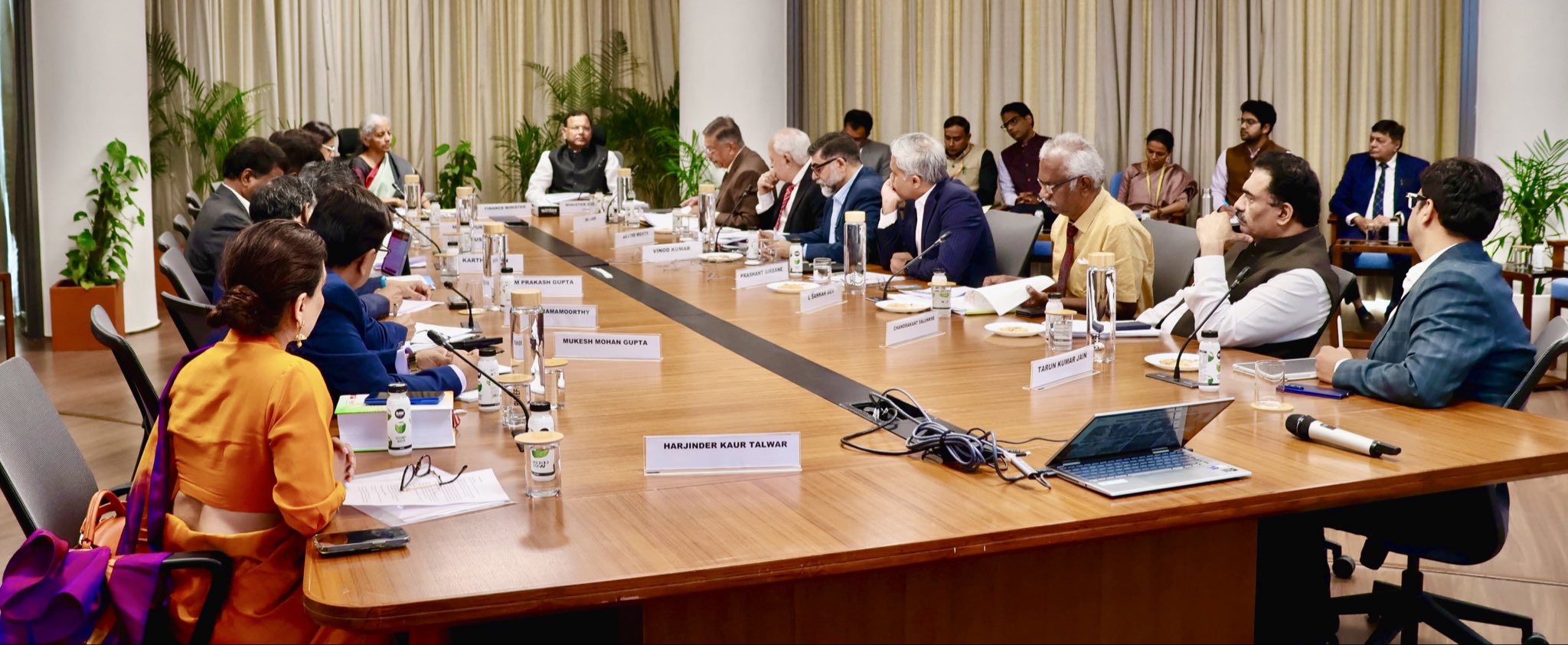
FM meets stakeholders of MSME sector for pre-budget consultations

NEW DELHI: Union Finance Minister Smt. Nirmala Sitharaman on Wednesday chaired the third pre-Budget consultation meeting with stakeholders from the Micro, Small and Medium Enterprises (MSME) sector in New Delhi.

The meeting was held as part of the preparations for the forthcoming Union Budget 2026-27.

The meeting was also attended by Union Minister of State for Finance Shri Pankaj Chaudhary, Secretary, Department of Economic Affairs, senior officials from the Ministry of Finance, and senior officials of the Ministry of MSME.

The discussions focused on key challenges faced by the MSME sector and measures to promote its growth and competitiveness.

In a social media post, the ministry stated, “Union Minister for Finance & Corporate Affairs Smt. @nsitharaman chairs the third Pre-Budget Consultation with the stakeholders from Micro, Small and Medium Enterprises #MSMEs in connection with the forthcoming Union Budget 2026-27”
Earlier on Monday, the Finance Minister chaired the first pre-Budget consultation meeting with the country’s leading economists in New Delhi in connection with the upcoming Union Budget 2026-27.
These meetings mark the beginning of the series of pre-Budget discussions that the Finance Ministry conducts annually as part of the budget preparation process.

A pre-Budget meeting is essentially a consultation and discussion process held by government finance officials and the Finance Minister with various stakeholders before the final annual budget is formulated and presented to the legislature.

The consultations serve as an important platform for the Finance Minister to gather suggestions, demands, and inputs from a wide range of participants, including industry associations, trade unions, economists, state government officials, and representatives from the social sector.

Through these discussions, the Finance Ministry aims to ensure that the Union Budget reflects diverse perspectives and addresses the needs of different sectors of the economy.

The consultations with economists and agriculturists marked the first phase of the government’s broader engagement process leading up to the presentation of the Union Budget 2026-27.

The Union Budget is typically presented on February 1 of each year. This year too, Finance Minister Smt. Nirmala Sitharaman is likely to present the Union Budget for 2026-27 in Parliament on February 1.