Home Blog Page 592

Netherlands Minister Robert Tieman visits JNPA during India Maritime Week 2025

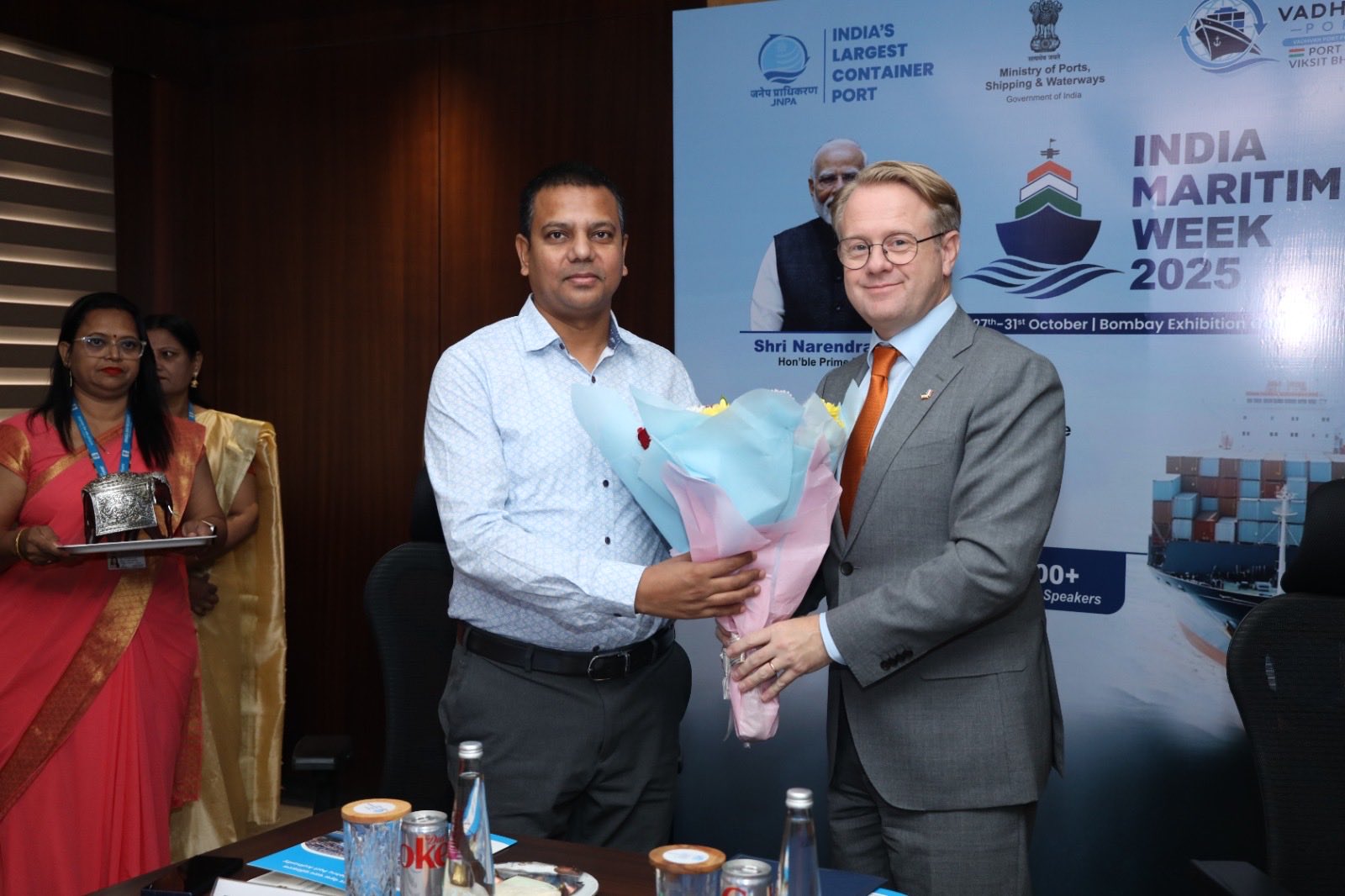
MUMBAI: Hon’ble Mr. Robert Tieman, Minister of Infrastructure and Water Management, Kingdom of the Netherlands, led a high-level delegation to the Jawaharlal Nehru Port Authority (JNPA) as part of the ongoing India Maritime Week 2025.

The delegation was warmly received by Shri Gaurav Dayal, IAS, Chairperson, JNPA, along with Heads of Departments and senior officials of the port. The discussions during the visit centred on infrastructure development, technology integration, and sustainable port management, reflecting the shared vision of India and the Netherlands in advancing maritime innovation and efficiency.

The visiting team was also briefed on the upcoming Vadhvan Port project, one of India’s most ambitious greenfield port developments aimed at enhancing the country’s cargo handling capacity and global competitiveness.

JNPA 4 Netherlands Minister Robert Tieman visits JNPA during India Maritime Week 2025

As part of the visit, the Dutch delegation toured Gateway Terminals India (GTI), JNPA’s state-of-the-art container terminal, to gain first-hand insights into the port’s operational excellence, digital systems, and sustainability initiatives.

The visit underscored the strong bilateral cooperation between India and the Netherlands in the maritime and water management sectors, fostering opportunities for collaboration in port modernization, smart logistics, and green transition.

Adani Group to invest Rs 53,000 Cr in Vadhavan Port

MUMBAI: Gautam Adani-led APSEZ on Tuesday expressed intent to participate in projects of Rs 53,000 crore at the Vadhavan Port project in Palghar near Mumbai. Maharashtra.

Adani Ports and Special Economic Zone (APSEZ) has signed two memoranda of understanding with the government-run Jawaharlal Nehru Port Authority at the ongoing India Maritime Week 2025, the biggest shareholder in the port project coming up in the Arabian Sea off the Palghar district.

The first MoU signed between APSEZ’s Chief Executive and Whole-Time Director Ashwani Gupta is an intent by the Adani entity to participate at the Vadhavan Port for offshore projects worth Rs 26,500 crore.

In the second agreement, APSEZ has signed an MoU to affirm its intent to participate at Vadhavan Port for development of a container terminal to the tune of Rs 26,500 crore.

JNPA Chairman Unmesh Wagh said the Vadhavan Port, which is set to break into the top-10 in the world by size on day one, will have nine container terminals and the Adani Group entity has evinced interest in one of them.

Similarly, there will be a host of offshore works like building a breakwater, which the Adani group wishes to participate in, he added.

He made it clear that the MoUs are only an interest evinced by the Adani group, and added that there will be detailed bidding for each of the works where it will have to submit its proposals.

JNPA owns 76 per cent in the Vadhavan Port and the rest of the stake is with Maharashtra Maritime Board which falls under the state government.

At present, JNPT is the largest container port in the country and handled 7.3 million TEUs in FY25, while the same for Adani group-run Mundra Port — the largest port in the country — was not immediately available.

The MoUs by APSEZ come a day after the company committed to invest Rs 42,500 crore for expansion of the Maharashtra’s Dighi Port to the south of the financial capital.

PSA Mumbai achieves landmark 11 Million TEUs milestone, strengthening India’s global trade connectivity

MUMBAI : A proud milestone for PSA Mumbai — since commencing operations in early 2018, the terminal has successfully handled over 11 million TEUs (twenty-foot equivalent units), reinforcing its position as a key gateway in India’s supply chain and global trade network.

Located within the Jawaharlal Nehru Port Authority (JNPA), PSA Mumbai operates as Bharat Mumbai Container Terminals (BMCT),has emerged as one of the country’s most advanced container terminals, integrating state-of-the-art automation, efficient gate systems, and robust digital solutions to deliver seamless logistics performance.

This achievement reflects PSA Mumbai’s unwavering commitment to operational excellence, technology-driven innovation, and strong collaboration with shipping lines, logistics partners, and the dedicated workforce that drives the terminal’s success every day.

Over the years, PSA Mumbai has played a pivotal role in enhancing cargo efficiency, reducing dwell times, and supporting India’s growing export-import ecosystem, particularly for sectors such as manufacturing, automotive, and retail.

As India charts its course toward becoming a global manufacturing and logistics hub, PSA Mumbai continues to serve as a vital link in the nation’s trade infrastructure — powering growth, connectivity, and innovation.

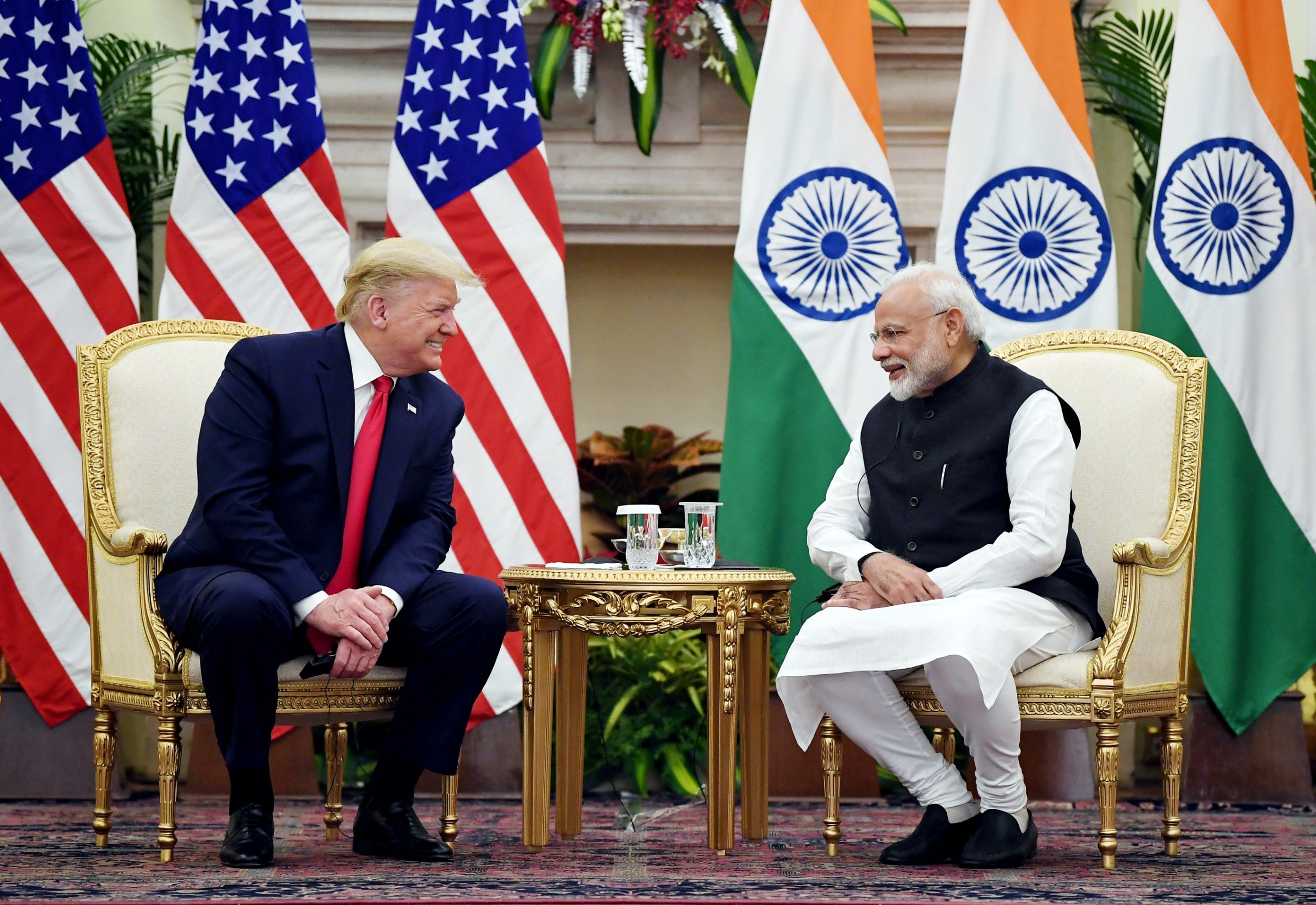
Donald Trump hints at trade deal with India soon, says ‘have great respect for PM Modi’

GYEONGJU : US President Donald Trump on October 29 said he has “great respect” for Indian PM Shri Narendra Modi and hinted at a trade deal with India soon. “Going to do a trade deal with India,” said Trump at APEC CEOs Summit in Gyeongju, South Korea. During his speech, Trump spoke about his talks with Modi on the conflict with Pakistan. He described PM Modi as the “nicest looking guy” and “like a father”. “He’s (PM Modi) a killer in negotiations, he’s tough as hell,” Trump added.

Trump claimed at the CEOs summit that the US threatened to withhold a trade deal with India and Pakistan while the two nations were in conflict earlier this year.

Trump also claimed the US used trade and tariffs as tools for peace, not just in South Asia but in other global conflicts too.

He added that the US now plans to strike a trade deal with India, citing his “great respect and love” for Modi.

Trump said India and Pakistan could have faced a 250% tariff if they hadn’t halted hostilities.

Five rounds of talks have been completed so far for the first phase of the bilateral trade agreement between the US and India.

US has imposed 50% tariffs on Indian exports.

New Delhi has been resisting US demands to allow market access for American grains and dairy, citing the need to protect the livelihoods of small farmers.

Source : Moneycontrol

Reducing Foreign Dependence Vital for India’s Technological Future : Piyush Goyal

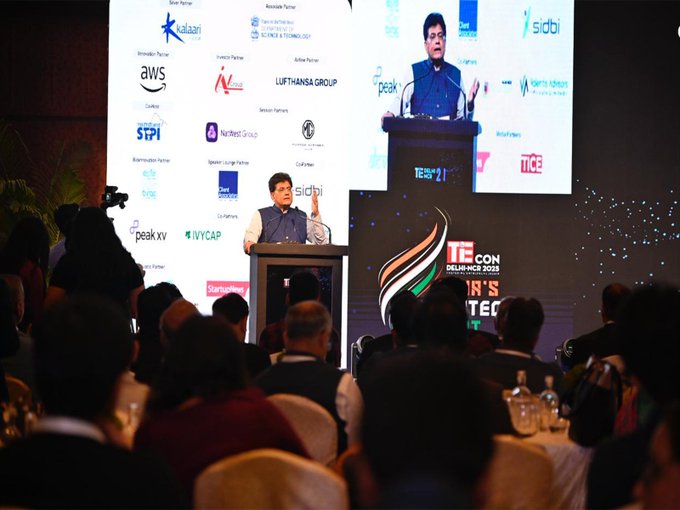
NEW DELHI : Union Minister of Commerce and Industry, Shri Piyush Goyal, while addressing the TiEcon Delhi-NCR (The Indus Entrepreneurs) Conference on the theme ‘India’s Deeptech Moment: From Digital Leadership to Technological Sovereignty’, Wednesday underlined that it is vital for India to develop its own technologies and reduce over-dependence on certain geographies for key inputs. He noted that the spirit of Swadeshi is not only about making, designing, or serving from India, but about ensuring long-term growth, sovereignty, and security in an increasingly unpredictable global environment. Shri Goyal said that India has resolved as a nation to move away from being just the back office or software provider of the world and to emerge as a global engine of innovation that drives new ideas, products, and technologies for the future.

Shri Goyal highlighted the lessons from recent global disruptions, Shri Goyal emphasised the importance of resilient supply chains, indigenous innovation, and control over critical technologies. He said that the past few years, beginning with the COVID-19 pandemic, have given several wake-up calls about the need for nations to have resilience, self-reliance, and control over essential supplies in critical areas.

The Minister lauded TiE for its efforts in inspiring young innovators and entrepreneurs to engage with deep technology, terming the conference a forerunner to India’s deeptech ascent.

The Minister highlighted India’s remarkable digital transformation over the last decade, recalling the launch of the Digital India initiative in 2014. He noted that when the government assumed office, India had around 250 million internet users, whereas today, the country proudly counts over one billion connected individuals. Shri Goyal said that this transformation, built on the power of technology and connectivity, has enabled the government’s flagship programmes—from Jan Dhan Yojana and Aadhaar to Direct Benefit Transfer and PM-Kisan—ensuring transparency, efficiency, and direct delivery of benefits.

He observed that India’s digital journey has been integral to its economic rise—from becoming the world’s fourth-largest economy to being on track to reach the third position within two years, and achieving the vision of a USD 30–32 trillion economy by 2047. He stated that the foundation of India’s growth rests on the power of technology and innovation.

Elaborating on the government’s vision for the deeptech ecosystem, Shri Goyal said that deeptech encompasses artificial intelligence, quantum computing, machine learning, defence and space technologies, the semiconductor mission, and the strengthening of India’s intellectual property ecosystem. He said that deeptech represents a holistic journey that goes beyond individual technologies and includes the effort to inculcate a spirit of inquisitiveness, inquiry, and innovation across the nation. The Minister noted that the government, along with well-meaning individuals and organisations, is investing not only financial resources but also effort to promote the deeptech ecosystem in India. He added that there is now a deep resonance of the term ‘deeptech’ among young men and women across the country, reflecting a growing interest and engagement with frontier technologies.

The Minister announced that the second edition of the Startup Fund of Funds will focus primarily on early-stage investments in deeptech ventures, providing risk capital to help innovators retain ownership and develop indigenous technologies. He also mentioned the launch of a ₹1 lakh crore Anusandhan Fund—equivalent to approximately USD 12 billion—to promote research, innovation, and long-term financing for transformative projects.

Shri Goyal underscored that this initiative reflects the vision of the Prime Minister, who has called upon the nation to reduce dependence on foreign technologies, weapons, energy sources, and critical inputs.

The Minister expressed confidence in India’s vast talent pool, noting that the country produces 15 lakh engineers and 24 lakh STEM graduates every year—the highest in the world. He said that the global community now looks to India as the capital of talent and skill, and that Indian deeptech startups are already being recognised among the world’s leading innovators.

Encouraging Indian entrepreneurs to think boldly and globally, Shri Goyal compared India to a ship meant to sail and explore new frontiers rather than remain anchored safely in harbour. He said that the spirit of entrepreneurship, risk-taking, and innovation among India’s 1.4 billion citizens will drive the nation’s rise as a global technology leader.

The Minister called for collaboration between investors, startups, industry bodies like TiE, and institutions such as the IIT alumni network to harness India’s collective capabilities. He reaffirmed the government’s support for innovators, stating that his doors remain open round the clock for ideas that strengthen India’s technological foundation.

Shri Goyal concluded by urging all stakeholders to work together to make India a hub of deeptech innovation and to play a leading role in shaping the technologies of the future.

Piyush Goyal addresses the 4th AGM of MEDEPC

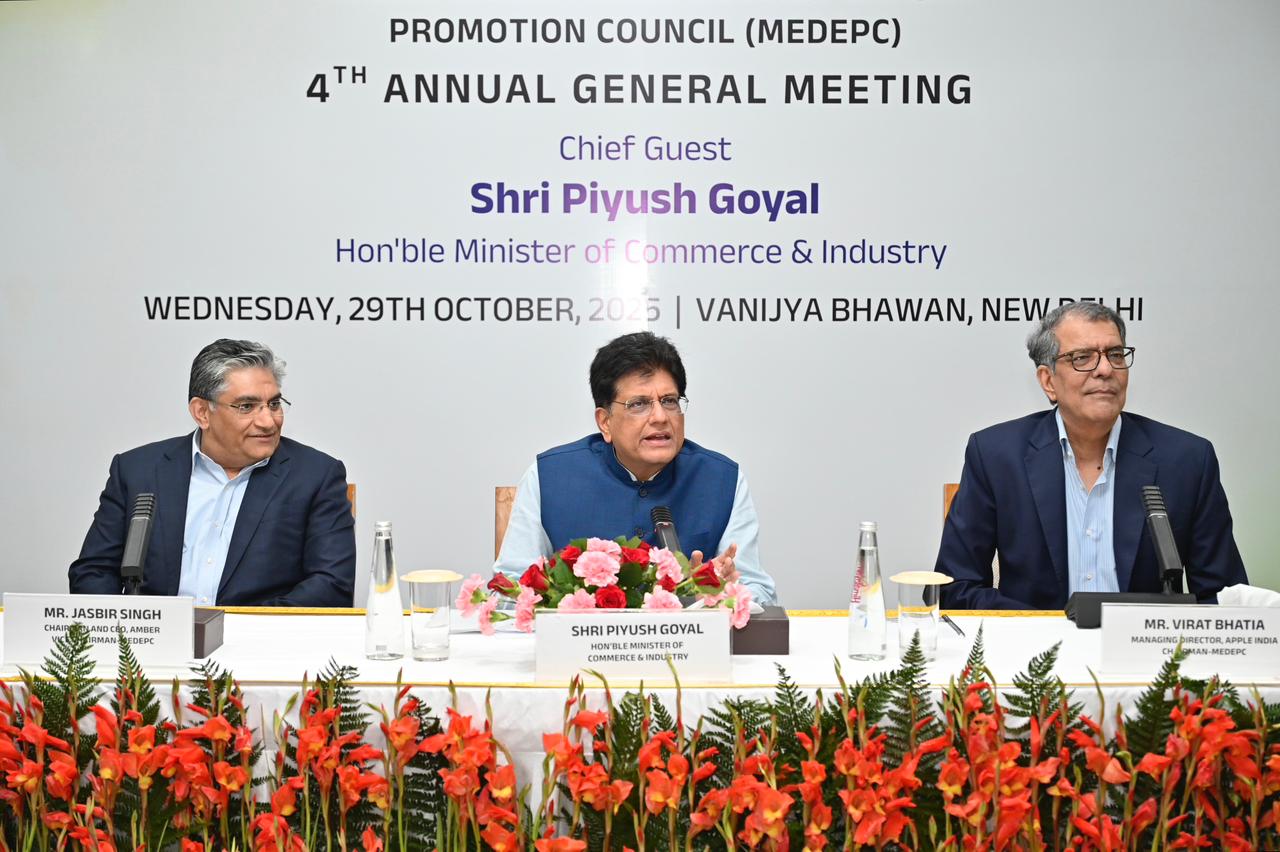
NEW DELHI : Union Minister of Commerce and Industry Shri Piyush Goyal was the Chief Guest at the 4th Annual General Meeting (AGM) of the Mobile and Electronic Devices Export Promotion Council (MEDEPC) held on Wednesday at Vanijya Bhawan, New Delhi.The meeting was convened in the presence of senior officials from the Ministry of Commerce and Industry, the Directorate General of Foreign Trade (DGFT), and leading representatives from India’s electronics and mobile export ecosystem.

Speaking on the occasion, Union Minister Shri Piyush Goyal underscored the need to deepen domestic capabilities across the electronics value chain, noting that greater self-reliance in both finished products and components will be key to sustaining India’s export momentum and reducing import dependence.

India’s electronics manufacturing sector is witnessing a period of unprecedented transformation — propelled by visionary policy initiatives, record investments, and expanding global partnerships. Aligned with the Hon’ble Prime Minister’s vision of achieving USD 500 billion in electronics manufacturing by 2030, India has rapidly positioned itself as a reliable global hub for electronics design, production, and exports.

India’s export performance reflects a remarkable growth story, with overall electronics exports surging by 41.9%, reaching USD 22.2 billion during April–September 2025, compared to USD 15.6 billion in the same period last year. Smartphone exports grew by an impressive 58%, touching USD 13.38 billion, up from USD 8.47 billion in the corresponding period of 2024. In FY 2024–25, India recorded USD 38.6 billion in electronics exports, a 32.6% year-on-year increase, firmly establishing its expanding role in global value chains. India now ranks as the third-largest smartphone exporter globally, a significant milestone in the country’s journey toward manufacturing leadership.

India’s deepening participation in global value chains (GVCs) underscores its transformation into a resilient and trusted manufacturing hub, offering stability and scale amid global supply chain realignments. Increasing domestic sourcing of critical components — including batteries, chargers, camera and display modules — has further enhanced local value addition and self-reliance.

Under the guidance of the Ministry of Commerce & Industry and DGFT, the government has undertaken a series of measures to simplify trade operations and enhance export competitiveness. Initiatives such as customs automation, single-window clearances, and export facilitation cells across major ports and industrial clusters have streamlined logistics and reduced compliance burdens for exporters.

Ongoing Free Trade Agreement (FTA) negotiations with the EU, UK, and EFTA aim to unlock new market access opportunities for Indian electronics manufacturers. Meanwhile, the Electronics Component Manufacturing Scheme (ECMS) and the Production Linked Incentive (PLI) schemes are accelerating domestic manufacturing depth and reducing import dependence.

The AGM also discussed India’s roadmap to achieve USD 180–200 billion in electronics exports by 2031, emphasizing the importance of policy consistency, robust infrastructure, green energy integration, and active industry collaboration.

As the apex export promotion body for mobile phones and electronic devices, MEDEPC continues to play a central role in bridging industry and government priorities. By identifying policy bottlenecks, supporting exporters, and aligning with the industry’s growth vision, MEDEPC is driving initiatives that strengthen India’s global competitiveness and export capabilities.

The meeting concluded with an acknowledgment of the Ministry of Commerce & Industry, DGFT, and all stakeholders for their continued support in shaping India’s electronics manufacturing and export success story.

About MEDEPC

The Mobile and Electronic Devices Export Promotion Council (MEDEPC), established under the aegis of the Ministry of Commerce & Industry, Government of India, serves as the apex body promoting exports of mobile phones, components, and electronic devices from India. Working closely with DGFT and the Department of Commerce, MEDEPC facilitates exporter support, policy advocacy, and global representation of India’s electronics industry. Through continuous engagement with industry and government, the Council is advancing India’s vision of becoming a trusted global hub for electronics manufacturing and exports.

Transport Corporation of India Ltd. (TCI) announces strong growth in Q2 FY2026 Financial Results

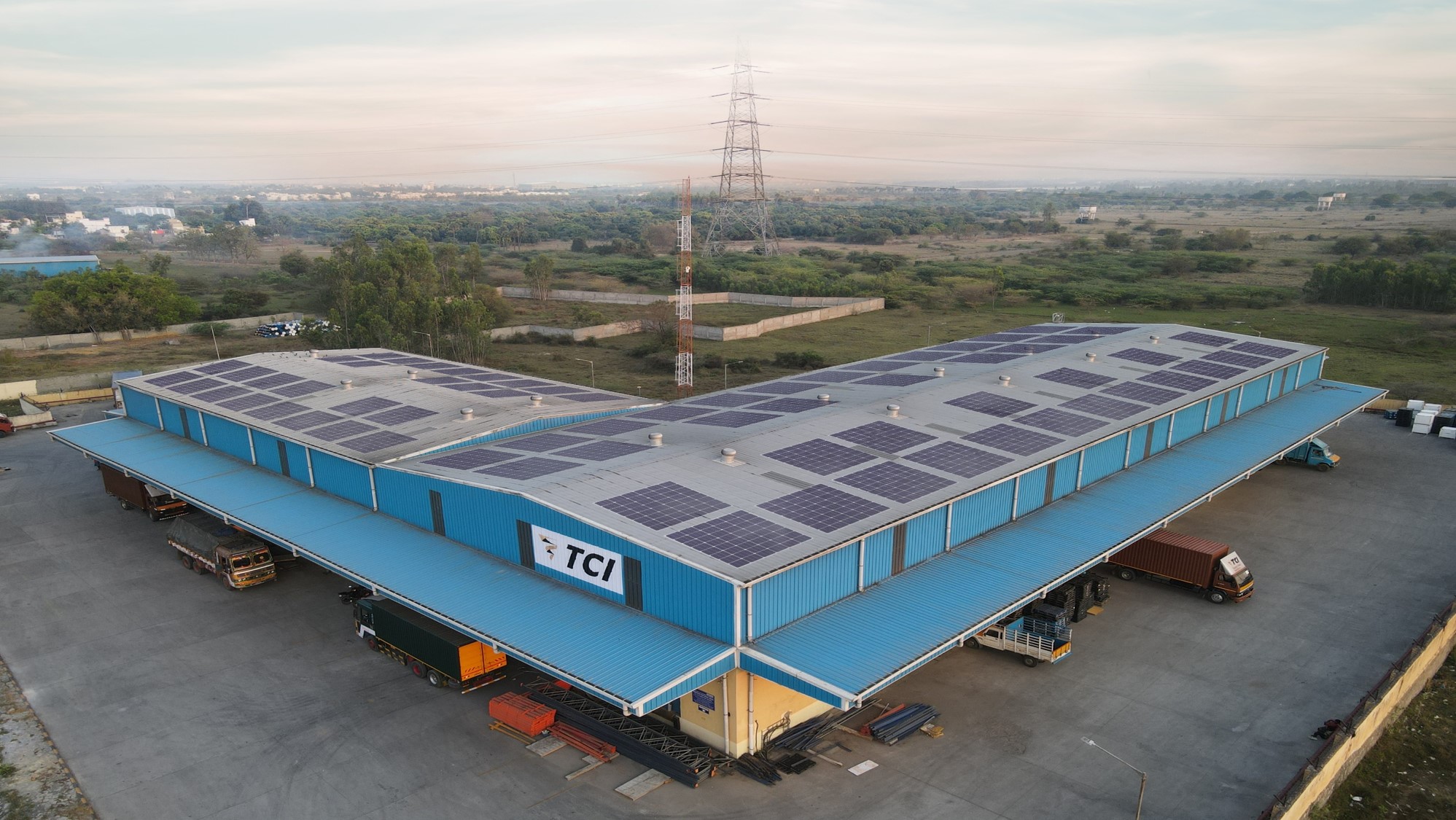
GURUGRAM: Transport Corporation of India Ltd. (TCI), India’s leading integrated multimodal logistics and supply chain solutions provider, today announced its financial results for the second quarter ended September 30, 2025.

Financial Highlights for Q2/FY2026:

– Revenue: TCI reported a consolidated revenue of ₹12174 Mn, marking a growth of 8% compared to ₹11314 Mn in the same period last year.

– EBITDA: The Company’s Earnings before Interest, Taxes, Depreciation, and Amortization (EBITDA) stood at ₹1624 Mn, a 7% increase from ₹1519 Mn in Q2/FY2025.

– Profit after Tax (PAT): PAT rose by 6% to ₹1135 Mn, compared to ₹1073 Mn in the corresponding quarter of the previous year.

Commenting on the Q2FY2026 performance, Mr. Vineet Agarwal, MD – TCI, said:

“We are pleased to report a steady Q2 performance, driven by strong demand across auto, FMCG and consumer durables, reflecting the strength of our strategy, operational efficiency, and effective execution. All product segments/divisions have performed satisfactorily.

The implementation of GST 2.0 has brought much-needed clarity in compliance and simplified taxation, enabling smoother logistics operations. Early signs of improved affordability and faster fulfilment are already visible, further supported by festive season demand across key consumption categories.

In response to this uptick, we expanded our warehousing footprint and continued to invest in automation, smart multimodal assets. Our rail and coastal multimodal Logistics offering continues to scale up, delivering efficient, high-capacity, and green logistics across long-haul routes.

On the sustainability front, we continue to invest in our green fleet by piloting alternative fuel technologies, while progressing on broader initiatives such as clean energy adoption, waste management systems, and modal shift strategies. The TCI-IIM Bangalore lab is making significant progress in its contribution to the Transport & Logistics industry. A major milestone was achieved as the Lab has now been formally adopted by the Department for Promotion of Industry and Internal Trade (DPIIT) and is hosted on its official website (https://dpiit.freightemissions.com/).

As India’s logistics landscape evolves rapidly, TCI remains committed to delivering integrated, tech-enabled, and environmentally sustainable supply chain solutions.”

APEDA facilitates first-ever air shipment of GI tagged Indi and Puliyankudi Limes from Karnataka and Tamil Nadu to the UK

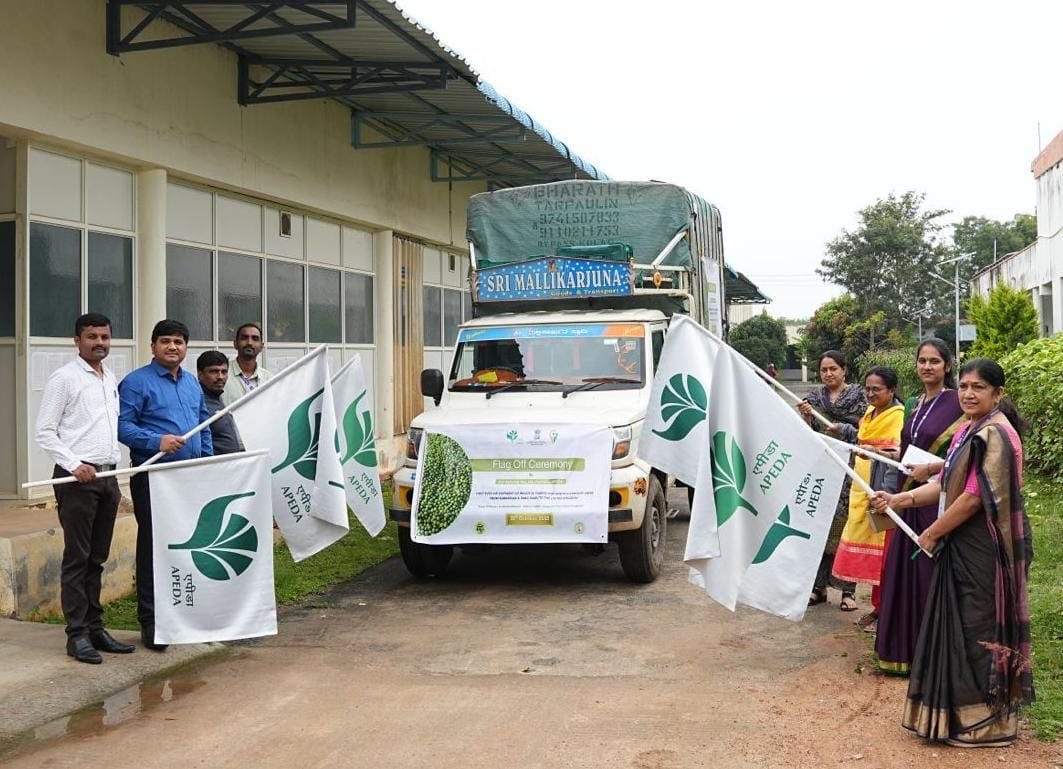
NEW DELHI : The Agricultural and Processed Food Products Export Development Authority (APEDA), under the Ministry of Commerce and Industry, Government of India, has facilitated the first-ever air shipment of 350 kg of India’s GI-tagged Indi Lime from Vijayapura, Karnataka and 150 kg Puliyankudi Lime from Tenkasi, Tamil Nadu, to the United Kingdom on 28th October, 2025. The 500 kg consignment was exported, marking a significant milestone in expanding the global footprint of India’s GI-tagged horticultural produce.

The flag-off ceremony was organised with the participation of the Department of Horticulture, Government of Karnataka, Karnataka Lime Board, Agricultural Production Commissioner & Secretary to the Government of Karnataka, Mr V. Dakshinamoorthy, IAS and the Department of Horticulture, Government of Tamil Nadu. Chairman APEDA, Shri Abhishek Dev, flagged off the shipment and commended the initiative, highlighting the importance of such efforts in promoting India’s regional agri-produce globally while directly benefiting local farmers and producer groups.

Chairman APEDA, during the flag off said that the export of Indi Lime and Puliyankudi Lime, GI Tagged Products will create global awareness about India’s unique agri heritage and promote the region-specific produce internationally. By connecting farmer-producer groups with global consumers, it is strengthening the export ecosystem while ensuring that growers receive better incomes through branding and market diversification. He assured that APEDA will remain committed to supporting exporters and producers in scaling up such initiatives for the benefit of the farmers.

At the onset, Mr V. Dakshinamoorthy, IAS, addressed that the export initiative represented a significant milestone in the efforts to promote Karnataka’s horticultural excellence and enhance farmers’ access to global markets. The successful shipment of GI-tagged Indie Lime reflected the strong collaboration between the state and central agencies, exporters and farmer groups.

About Indi Lime

Indi Lime, cultivated primarily in Vijayapura district of Karnataka, is known for its superior quality, zesty aroma, high juice yield and balanced acidity. Its distinctive flavour and geographical uniqueness make it a hallmark of the region’s agricultural excellence. Besides its culinary applications, the lime is also valued in traditional medicine and cultural practices, reflecting the deep-rooted agricultural legacy of Karnataka.

About Puliyankudi Lime

Puliyankudi, often referred to as the “Lemon City of Tamil Nadu,” lies in the Tenkasi district and is renowned for extensive lime cultivation. The Puliyankudi Lime, particularly the Kadayam variety, is characterised by its thin peel, strong acidity, high ascorbic acid content (34.3 mg/100g) and juice percentage of around 55%. Rich in vitamin C and antioxidants, it supports immunity and digestion while offering exceptional flavour and quality. The lime officially received its GI tag in April 2025, acknowledging its distinct regional and nutritional attributes.

This first international consignment of Indi and Puliyankudi limes symbolises a major step in promoting India’s regionally unique, high-quality agricultural produce in global markets. The initiative aligns with APEDA’s sustained efforts to enhance the global recognition of India’s GI-tagged produce and strengthen market linkages that deliver direct economic benefits to farmers and producer groups.

APM Terminals and Enna Group celebrate official opening of Rijeka Gateway

New terminal unlocks €600 million investment and places Croatia on the strategic logistics map

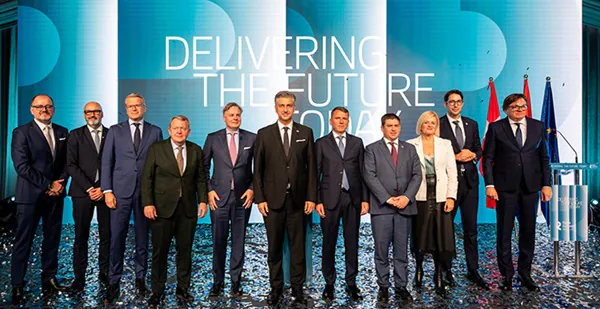
DENMARK : Container terminal Rijeka Gateway celebrated its official inauguration in an event attended by more than 300 guests including the Croatian Prime Minister Andrej Plenković and Minister of Foreign Affairs of Denmark, Lars Løkke Rasmussen. The celebration marks the opening of the most modern and technologically advanced container terminal of the Adriatic region after two years of construction and with commercial operations starting in September this year.

“Rijeka has a strategic advantage as first point of entry to central and South-Eastern Europe as well as being connected to fast inland services. And we hope soon to see a positive impact here in Croatia”, says Keith Svendsen, CEO of APM Terminals and underlines: “It is our imperative that we do not only service shipping lines as a terminal operator: We service the communities and the country we operate in and who trust us with a part of their critical infrastructure. That is why we aim to work closely with local partners and authorities to ensure a long-term positive impact on growth, jobs and local economy”, Keith Svendsen ends.

Rijeka Gateway, a joint venture between APM Terminals and Enna Group, represents the largest private investment in logistics infrastructure in Croatia. And the new terminal ensures a strategic important position for Rijeka and Croatia as a logistical gate to Central and Eastern Europe. Rijeka Gateway is included in the East-West network in the Gemini collaboration between Maersk and Hapag-Lloyd on the AE12/SE1 route, making it a key terminal on one of the world’s important shipping routes between Asia and Europe.

“The potential of this terminal is enormous and must be fully utilised. Our goal is to strengthen the ports of the northern Adriatic and enhance their competitiveness compared to other European ports, particularly those in the North Sea. Geographically, we are excellently positioned—we are closer to the Far East and closer to the heart of Europe. We also have the expertise and maritime tradition. It is time to restore Rijeka’s position, which it has always held among the ports of the northern Adriatic, and it is time to put Rijeka back on the global logistics map. The next most important step towards unlocking its full potential is the construction of the lowland railway”, said Boštjan Napast, CEO of ENNA Group.

“With the exceptional support of the shareholders, APM Terminals and ENNA Group, and strong backing from numerous institutions—municipal, regional, and national, including the Government of Croatia—we have successfully built and equipped the terminal on schedule, employed over 280 dedicated staff, and started operations. The eighth commercial vessel is already arriving, and while we still have work ahead to achieve the highest operational excellence we have set as our goal, I am confident that with the team we have assembled, we will succeed quickly,“ says Peter Corfitsen, Managing Director of Rijeka Gateway.

In its first phase, the terminal has 400 meters of quay and an annual capacity of 650,000 TEU, which, after planned expansion in the next phase, will increase to 680 meters of quay and a capacity of over one million TEU. The total investment in Rijeka Gateway exceeds €380 million, and together with the value of transport infrastructure—from roads to the rail interface in and around the port—the investment reaches €600 million. The total number of employees at the terminal will reach 300.

The terminal is equipped with state-of-the-art infrastructure: four remotely operated ship-to-shore cranes (STS), 15 rubber-tired gantry cranes (RTG), two rail-mounted gantry cranes (RMG), and 28 terminal tractors. All systems are connected to a single remotely operated control center, and the entire terminal is linked via Croatia’s first industrial private 5G-network, enabling a high level of safety, efficiency, and sustainability. Terminal operations will be guided by the latest technology with full automation and the use of renewable energy, making it the first terminal of its kind in the Adriatic region.

U-Ming Marine Offshore and Purus Unveil “UPO”— A Bold New Force in Asia-Pacific Offshore Wind

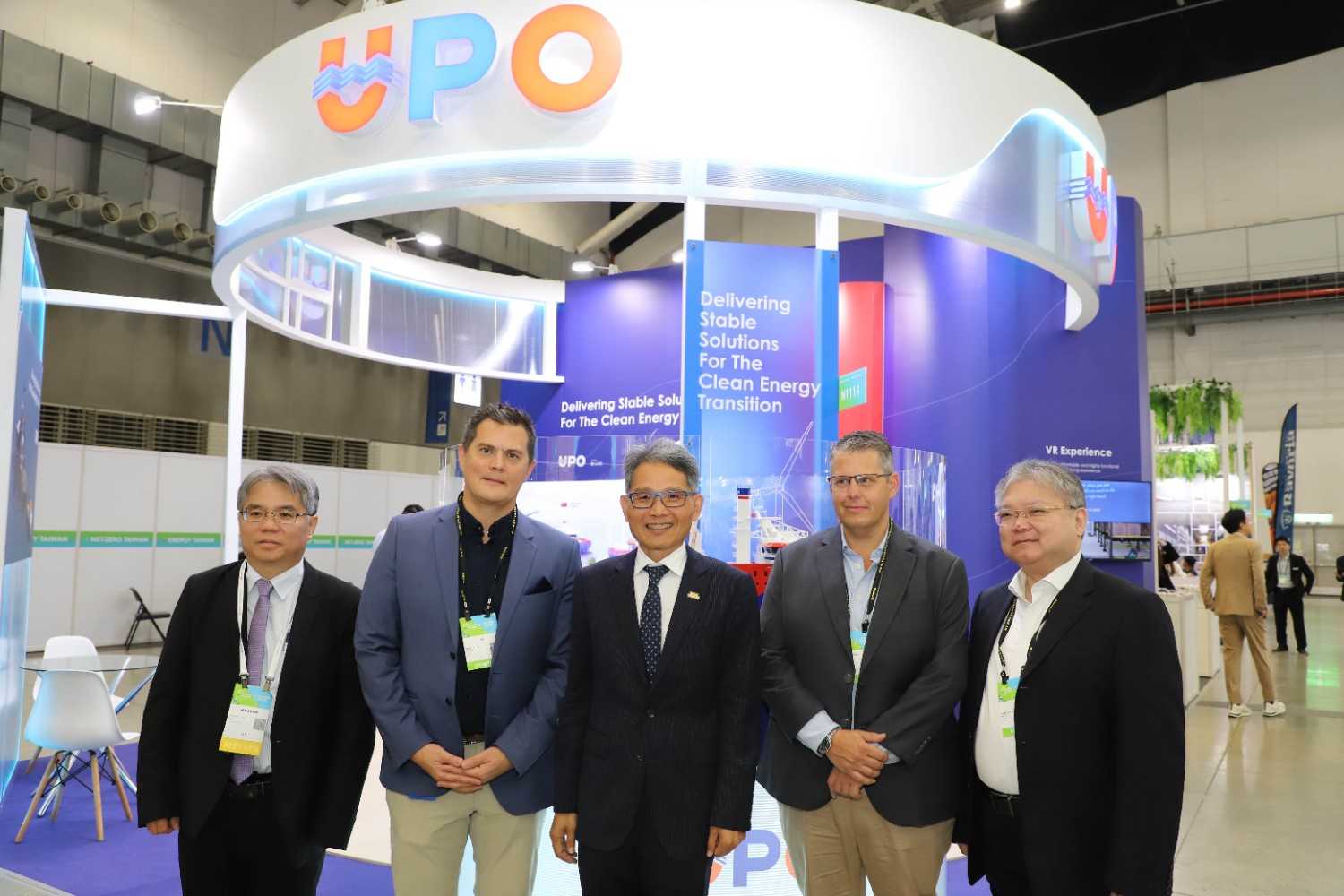
TAIPEI/SINGAPORE: In a significant move for the Asia-Pacific renewable energy sector, U-Ming Marine Offshore (UMO), a subsidiary of the Far Eastern Group, and Purus, a Singapore headquartered global leader in offshore energy maritime services, are excited to announce the formation of UPO Holdings Co., Ltd. (UPO), a joint venture aimed at expanding offshore wind operations in Taiwan and the region. The partnership will be unveiled at Wind Energy Taiwan 2025, marking a new chapter of international collaboration and maritime innovation.

Next-Generation Offshore Capabilities

UPO is commissioning two state-of-the-art VARD 419 Commissioning Service Operation Vessels (CSOVs), each 88 meters long and designed explicitly for Taiwan’s unique and challenging operating conditions. These vessels represent a new benchmark in offshore wind service capability and safety, featuring:

  • Seaonics All-Electric Walk-to-Work (W2W) 3D gangways for safe and efficient personnel transfers
  • Enhanced DP2 dynamic positioning, optimized for precise station-keeping even under the fierce wind, currents and swell patterns experienced in the Taiwan Straight
  • Hybrid propulsion systems to reduce emissions and improve fuel efficiency
  • Accommodation for up to 120 personnel, including up to 93 technicians for long-duration missions
  • “ClimateMax” air conditioning and humidity control to ensure passenger comfort in tropical waters
  • Advanced onboard systems for real-time monitoring, safety, and operational flexibility

Deliveries are scheduled to begin in 2027, positioning UPO as a leader in sustainable offshore service innovation across Asia-Pacific.

A Partnership for Progress

UPO is more than just a partnership; it’s a commitment to shaping the future of clean energy in the Asia-Pacific region. By combining FEG’s extensive resources, U-Ming’s maritime expertise, and Purus’ offshore leadership and know-how, we are building a bridge between Taiwan and the world,” said Jeff Hsu, Chairman of UPO. “Together, we are not only launching vessels; we are initiating an effort to promote green energy adoption and demonstrate that U-Ming, Purus, and FEG are dedicated to leading the transformation and modernization of Taiwan’s energy sector and beyond.”

Delivering Stable Solutions for the Clean Energy Transition

UPO reflects Taiwan’s ambitions for a professional, international, and sustainable offshore wind industry. With strong shareholder backing and a forward-looking fleet strategy, UPO is positioned to become one of the most trusted partners in the Asia-Pacific offshore wind sector—driving long-term stability, technological innovation, and environmental sustainability.

Join us at Wind Energy Taiwan 2025 to experience how UPO is powering the next chapter of offshore wind in the Asia-Pacific.