Home Blog Page 603

Indian Register of Shipping launches Ship Drift Trajectory Prediction Service

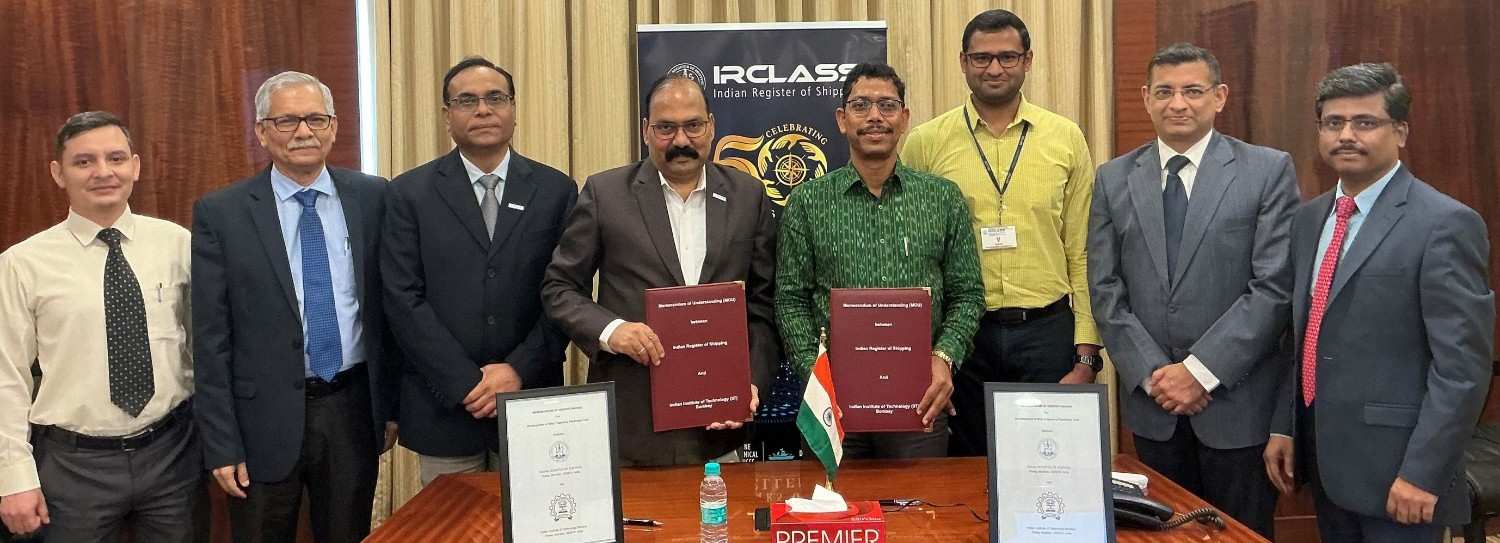
MUMBAI: Indian Register of Shipping (IRS) has announced the launch of its Ship Drift Trajectory Prediction Service; an advanced tool designed to strengthen maritime risk management and enhance emergency response planning for disabled vessels.

Developed in collaboration with the Indian Institute of Technology Bombay (IIT Bombay), this state-of-the-art computer program predicts the drift paths of vessels that have lost propulsion power. The service enables maritime authorities and emergency response teams to plan and execute search and rescue operations with greater precision and speed.

The predictive capability is invaluable in preventing groundings, avoiding collisions with marine infrastructure or coastal facilities, and rerouting nearby vessels to ensure navigational safety.

“We are delighted to introduce this maritime safety service to the shipping community,” said Mr. P. K. Mishra, Managing Director, IRS. “As maritime traffic and offshore developments continue to grow, accurate drift trajectory prediction becomes essential for safeguarding lives, assets, and infrastructure. This new service empowers response teams to forecast vessel drift based on real-time environmental conditions.”

The user-friendly interface allows seamless extraction of simulation results, while the built-in post-processing feature generates simulation videos for enhanced visualization and analysis of vessel drift paths.

This initiative underscores IRS’s commitment to delivering innovative, technology-driven services that enhance maritime safety, support effective emergency preparedness, and strengthen resilience across the global shipping ecosystem.

Source: Indian Register of Shipping

23 Indian crew rescued after LPG Carrier catches fire off Yemen coast ; 2 still missing

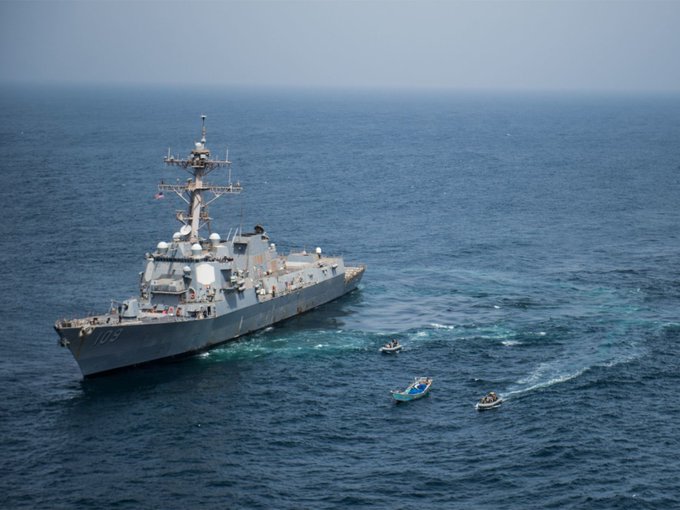
YEMEN : 23 Indian crew members onboard MV Falcon, which caught fire and was adrift off the Yemen coast following an explosion, have been rescued and safely handed over to the Djiboutian Coast Guard. The Cameroon-flagged MV Falcon, which was sailing southeast of the Port of Aden, Yemen, with destination Djibouti, caught fire after an explosion onboard on Saturday. The vessel was fully loaded with liquefied petroleum gas (LPG).

23 Indian crew rescued after LPG Carrier catches fire off Yemen coast 2 still missing 23 Indian crew rescued after LPG Carrier catches fire off Yemen coast ; 2 still missing

Upon receipt of an urgent distress request from the vessel’s master, UNAVFOR ASPIDES, a purely defensive operation that protects civilian ships and crews navigating the Red Sea and the Gulf of Aden, initiated a search operation. “EUNAVFOR ASPIDES, under the coordination of Rear Admiral Andrea Quondamatteo, Force Commander of ASPIDES, has successfully coordinated a SAR (SEARCH AND RESCUE) operation,” a statement released by ASPIDES said.

ASPIDES coordinated the rescue, with vessel MV Meda saving 24 crew members — 23 Indians and one Ukrainian.

Two crew members remain missing, while ships nearby have been warned to maintain distance due to explosion risks.

23 Indian crew members onboard MV Falcon, which caught fire and was adrift off the Yemen coast following an explosion, have been rescued and safely handed over to the Djiboutian Coast Guard. The Cameroon-flagged MV Falcon, which was sailing southeast of the port of Aden, Yemen, with destination Djibouti, caught fire after an explosion onboard on Saturday. The vessel was fully loaded with liquefied petroleum gas (LPG).

Upon receipt of an urgent distress request from the vessel’s master, UNAVFOR ASPIDES, a purely defensive operation that protects civilian ships and crews navigating the Red Sea and the Gulf of Aden, initiated a search operation. “EUNAVFOR ASPIDES, under the coordination of Rear Admiral Andrea Quondamatteo, Force Commander of ASPIDES, has successfully coordinated a SAR (SEARCH AND RESCUE) operation,” a statement released by ASPIDES said.

“MV MEDA successfully rescued 24 crewmembers of MV FALCON (1 Ukrainian and 23 Indians),” it added. The MV Falcon was escorted to the Port of Djibouti, where the rescued seafarers were safely handed over to the Djiboutian Coast Guard.

Out of a crew of 26, two members are still reported missing.

ASPIDES has informed all competent Authorities that vessels in the area have to maintain a safe distance due to the risk of explosion since the MV Falcon is carrying LPG.

Ecumenical Maritime Ministry of India Organizes National Workshop for Port Chaplains, Welfare Officers and Ship Welfare Workers

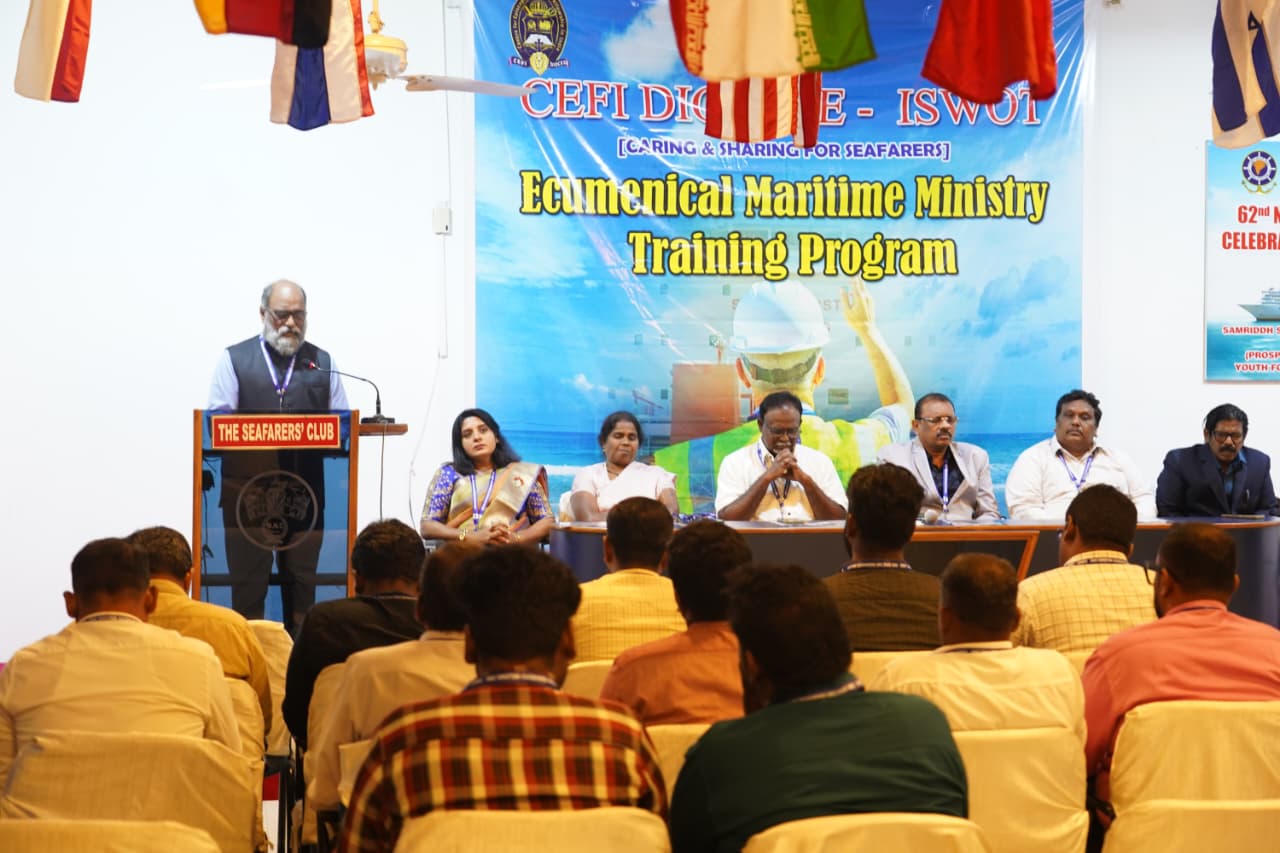
CHENNAI: The Ecumenical Maritime Ministry of India, in collaboration with leading seafarers’ welfare organizations — The Merchant Navy Welfare Board (India), ISWOT Seafarers’ Welfare Organization, and CEFI — successfully conducted a two-day workshop and training program for newly appointed Port Chaplains, welfare Officers and Ship Welfare visitors representing various denominations across India.

The event brought together a diverse group of maritime professionals and welfare workers committed to strengthening pastoral and humanitarian care for seafarers visiting Indian ports.

The workshop was graced by several eminent dignitaries, including Capt. Daniel Joseph, Deputy Director General of Shipping, Government of India, who delivered an insightful presentation on the roles of international and national bodies responsible for seafarers’ welfare. He elaborated on the Maritime Labour Convention (MLC), 2006, and other global codes and conventions that

Chairman of the Merchant Navy Welfare Board (India), spoke on the safeguard the rights and wellbeing of seafarers.

Dr. N. Reuben Paul, crucial role and responsibilities of Welfare Officers and Port Welfare Committees, particularly during critical situations such as vessel detentions, abandonment, and crew distress cases. His address underscored the importance of coordinated action and compassionate service to ensure the dignity and protection of seafarers in need.

Adding a historical dimension to the program, Fr. A. Balasamy presented a comprehensive overview of the history of maritime welfare in India, tracing its evolution through key milestones and policy developments. He emphasized the continuing relevance of the ILO Maritime Labour Convention, 2006, in upholding international standards of seafarers’ welfare and rights.

The gathering was further honored by the presence of Honourable Judge Jayanthi Isaac, who served as Chief Guest and Observer. Her participation added gravitas to the proceedings and reaffirmed the  recognition of maritime welfare as an essential aspect of human rights and labor justice.

Dr. Babu Mailan, Chairman of ISWOT, along with Dr. Jeslin, highlighted the ongoing welfare activities of the Indian Seafarers’ Welfare Organization across major Indian ports, illustrating practical outreach efforts that address seafarers’ physical, emotional, and spiritual needs.

Dr. Sam Benjamin shared key insights on maritime law, offering guidance on the legal and occupational challenges faced by seafarers and welfare officers in their day-to-day work.

The two-day workshop provided training and fellowship for the newly appointed Port Chaplains, welfare officers and ship welfare visitors from ecumenical backgrounds. A major highlight of the event was the appointment of CEFI Diocese Chairman D.P. Noha as the National Coordinator of the Ecumenical Maritime Ministry of India.

In his acceptance address, CEFI Diocese Chairman D.P. Noha expressed heartfelt gratitude to the participating organizations and leaders for their collaboration and vision. He reaffirmed his commitment to strengthening the Ecumenical Maritime Ministry of India, ensuring that seafarers of all nationalities receive compassionate care and welfare support during their time at sea and in port.

The program concluded with renewed inspiration and unity among maritime welfare organizations, marking a significant milestone in India’s ongoing mission to uphold seafarers’ dignity and holistic wellbeing through faith-based and humanitarian service.

DNV: Nuclear propulsion is a viable solution for maritime decarbonization

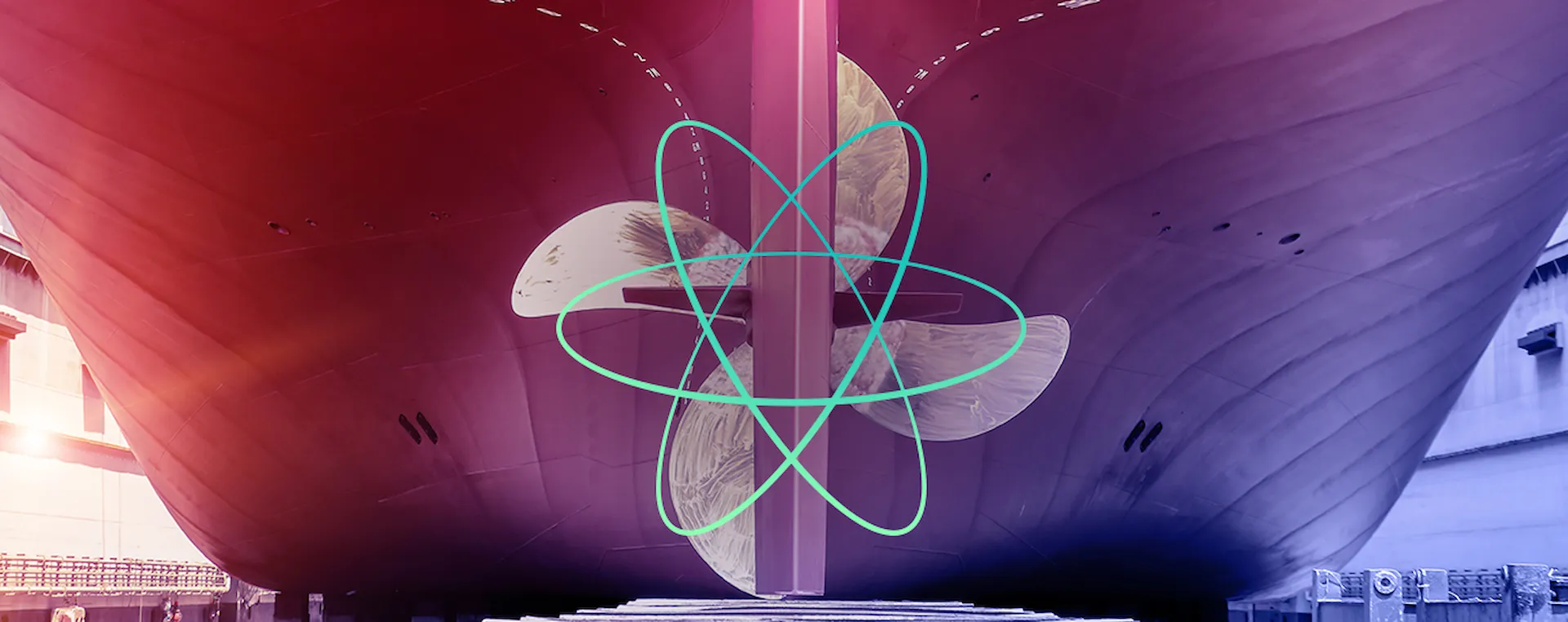
SINGAPORE: According to a new paper by DNV, shifting environmental requirements are reigniting interest in nuclear propulsion as a long-term solution for maritime decarbonization. This renewed attention comes despite the absence of any civilian commercial nuclear-powered vessel commissions in more than four decades.

DNV’s latest report, “Maritime nuclear propulsion: Technologies, commercial viability, and regulatory challenges for nuclear-powered vessels,” highlights how maritime nuclear technologies differ from land-based reactors, and emphasizes the need to address technological, regulatory, and commercial factors in the effort to understand the potential role of nuclear propulsion.

The paper addresses the main elements of the future maritime fuel cycle – including fuel management, waste handling, vessel construction and operation, and oversight of nuclear supply chains – and presents the reactor technologies most likely to be adopted by shipowners. Advances in automation, digitalization, and modular design are identified as critical enablers of safety, security, and non-proliferation of future nuclear fuels and reactors, thereby paving the way for public acceptance.

Knut Ørbeck-Nilssen, Maritime CEO at DNV, said: “Nuclear energy has the potential to play a role in the maritime energy transition. However, much work still needs to be done to overcome technical, regulatory, and societal challenges, including public perception. This will require coordinated global action, technological innovation, and closely aligned regulatory frameworks.”

The white paper stresses the need for a predictable and harmonized regulatory framework at both national and international levels to enable safe nuclear propulsion at sea. Regulators such as the IMO and IAEA, along with flag states, national authorities, and classification societies, must play a coordinated role and the report outlines likely regulatory roadmaps for all relevant actors, as the industry develops.

The success of any future industry will also hinge on robust, cost-effective business models. DNVs report outlines how mass production, standardization, and modularization can strengthen the business case for nuclear-powered ships. This is further underscored by a case study that shows what cost levels marine nuclear reactors will need to reach for nuclear propulsion to become viable for the merchant fleet.

Ole Christen Reistad, Senior Principal Researcher at DNV and lead author of the paper said: “For nuclear propulsion to become commercially viable in shipping, the business case must account for the full lifecycle costs, including fuel supply, reactor maintenance, and waste management. Modular and standardized reactor designs can significantly reduce capital and operational expenditures, while robust regulatory frameworks and predictable supply chains are essential for investor confidence and long-term competitiveness.”

Download the full report here

Port of Antwerp-Bruges sees Mixed Trade Trends, Container volumes stable, Bulk Trade under pressure

ANTWERP: In the first nine months of 2025, Port of Antwerp-Bruges handled 202.6 million tonnes of maritime goods, a decrease of 3.8% compared with the same period last year. The throughput of general cargo, including containers, conventional general cargo and RoRo, increased by 1.3%, while dry and liquid bulk together declined by 12.8%. Following a solid first half of the year, container volumes eased from August onwards, partly as a result of the phase-out of former shipping alliances. Trade with the United States continues to be affected by ongoing uncertainty surrounding US import tariffs.

Slowdown in container traffic and declining congestion

After a solid first half-year, container throughput declined 2.4% in the third quarter year on year. The first nine months saw modest growth, with tonnage rising 1.1% and TEU up 1.6%.

This slowdown is linked to the normalisation of container shipping alliances, which brought an end to the temporary overlap between calls in old and new alliances. This led to a clear reduction in congestion, with quicker turnarounds and smoother traffic to the hinterland.

Port of Antwerp-Bruges’ market share in the Hamburg–Le Havre range dropped 0.7 percentage points to 29.8% in the first half of 2025, largely because of lack of terminal capacity. The bottleneck will be tackled through the ECA project (Extra Container Capacity Antwerp). Low container shipping schedule reliability and a series of strikes however continue to affect operational reliability.

Mixed trends in other segments

Conventional general cargo trade remained status quo after nine months, thanks to a recovery in steel imports, although exports remained under pressure from weaker shipments to a.o. the US and Mexico. Meanwhile, the European Commission unveiled stricter rules to curb foreign steel dumping. Liquid bulk declined 13.5%, hit by weaker petroleum derivatives exports to West Africa and persistent weakness in the European chemical sector. Volumes of biofuels and energy gases continued their growth. The decline in LNG traffic, resulting from the European ban on the transshipment of Russian gas, was partially offset by higher imports from the US. Recent announcements in the European chemicals industry underline the continued pressure on the sector.

Dry bulk (-8.9%) was primarily impacted by weaker fertiliser shipments, partly offset by increased imports from Russia and Morocco, the former ahead of the introduction of new EU duties. The RoRo segment grew by 3.3%, supported by rising imports of new cars from China – despite European import duties introduced at the end of 2024 – as well as higher volumes of trucks and used vehicles. China has now become the leading country of origin for new car imports.

Port of Antwerp 1 Port of Antwerp-Bruges sees Mixed Trade Trends, Container volumes stable, Bulk Trade under pressure

Increasing impact of American trade measures

Shipments to and from the US –Port of Antwerp-Bruges’ second-largest trading partner – grew by 15% in the first nine months of 2025. This growth was primarily driven by containers and liquid bulk. However, since the summer, the impact of US import tariffs has become apparent: exports fell in the third quarter, particularly for steel, which declined by more than a third compared to the second quarter.

Imports remained stable for the time being, supported by a sharp increase in liquid bulk and a threefold rise in LNG volumes. This reinforces Port of Antwerp-Bruges’ role as a gateway for alternative energy flows replacing Russian gas. Container imports from the US also increased by 8%, although growth has slowed slightly since August.

Balance between resilience and uncertainty

The results for the first three quarters of 2025 present a balanced yet challenging picture. After a strong start to the year, container flows are stabilising and pressure on terminals is easing, while traffic with the US remains stable. At the same time, declining exports and the challenging position of the European chemical sector illustrate the port’s sensitivity to geopolitical and economic fluctuations.

Jacques Vandermeiren, CEO Port of Antwerp-Bruges: “
‘’ The slight decline in our market share is largely explained by congestion in the first half of the year. Volumes were sufficient, but available terminal capacity was inadequate. Rearrangements within shipping alliances also had a temporary impact on the distribution of traffic between ports. We anticipate that our market share will recover as soon as additional capacity becomes available. The quarterly figures also highlight the resilience of Port of Antwerp-Bruges in a particularly volatile economic climate.”

Source: Port of Antwerp-Bruges

Fifth Edition of Container Port Performance Index 2020-2024 − Trends and lessons learned

NEW YORK: Container ports are critical nodes in globally connected supply chains, handling merchandise and semi-finished products. The Container Port Performance Index (CPPI) measures the time container ships spend in port, making it an important point of reference for stakeholders in the global economy and for the sustainable development of ports.

A timely turnaround of container ships is crucial to keep logistics costs low and supply chains efficient, ensuring that ports remain resilient catalysts for development. Time-efficient container ports enable ships to achieve fuel and emissions savings, making the index a key contributor to shipping decarbonization efforts.

The fifth edition of the CPPI, jointly developed by the World Bank and S&P Global Market Intelligence, provides a comparative global assessment of container port performance. As usual, it covers new data from the previous calendar year, 2024, and also discusses trends over the five years from 2020 to 2024. By focusing on vessel time in port as the core metric of performance, the CPPI highlights significant changes in ports’ operational efficiency and aids in identifying emerging patterns in global maritime logistics. It employs the same methodology as in previous editions, combining two complementary approaches (referred to as “administrative” and “statistical”) to produce a robust and normalized score.

CPPI trends reflect global supply chain disruptions and recoveries
Over the five-year horizon, the CPPI has proven to be a reliable mirror of the broader stresses and recoveries observed across global supply chains (Figure E.1). Several global indices, including the Global Supply Chain Pressure Index (GSCPI), the Global Supply Chain Stress Index (GSCSI), the Port Congestion Index (PCI), and the Shanghai Containerized Freight Index (SCFI), show clear and synchronous patterns with CPPI developments. Thus, the CPPI score and the year-on-year changes are influenced by factors beyond the control of an individual terminal.

In 2020, port performance began relatively strongly, despite initial disruptions from COVID-19. CPPI values were high, reflecting limited systemic delays and relatively stable global shipping networks. North American and European ports, however, already began to show early signs of congestion by the middle of 2020.

The situation deteriorated markedly in 2021 and 2022. CPPI scores declined sharply due to global port congestion, vessel delays, and equipment shortages, reaching a peak in stress during late 2021. North American ports were among the hardest hit, particularly on the West Coast, where operational inefficiencies and labor constraints resulted in record dwell times. Freight rates soared, and ship turnaround times worsened, dragging down performance metrics. The lowest global average CPPI of the past five years was observed in 2022, consistent with the highest levels of port congestion and stress recorded in global supply chain indices.

Source: Platts

IMO continues talks on carbon pricing policy details

LONDON: The International Maritime Organization (IMO) is meeting this week to continue negotiations on key policy details in the Net-Zero Framework (NZF), despite the decision last week to delay the adoption till 2026.

The NZF is a critical policy tool based on carbon pricing that the IMO needs in order to get the industry closer towards its 2023 Revised Strategy goals.

Why this matters: While the NZF adoption is postponed, countries are expected to make important clarifications on the Framework’s architecture and implementation that are still missing, including which clean energy options will be incentivised and how the NZF revenues (worth up to $15bn/year from 2030) will be spent.

A big focus this week will be on the role of biofuels in shipping’s clean transition, with experts (examples here and here) repeatedly warning about the environmental and climate risks of shipping’s expansion into high-risk biofuels. They call for real clean energy incentives in the Framework, like renewably produced e-fuels and wind propulsion.

Delegates will also negotiate on the future of the carbon pricing revenues, with high-ambition Pacific Island states and NGO observers calling for guarantees for revenue distribution towards just and equitable transition.

Quotes from experts on the record ahead of ISWG-GHG-20:

Dr. Alison Shaw, IMO Policy Manager at T&E, said: “Adoption of the IMO’s Net-Zero Framework has been delayed by a year, but the Framework’s success was always dependent on the development of strong and coherent implementation guidelines. This work can continue regardless of the delay. Member States now have the opportunity to add key incentives for green e-fuels and establish safeguards against unsustainable first-generation biofuels, thereby strengthening the framework. Adoption has been paused but progress shouldn’t be.”

Emma Fenton, Senior Diplomacy Director at Opportunity Green, said: “The adoption of the IMOs Net-Zero Framework may have been delayed for a year, but we still have the opportunity to push for as much ambition as possible in the meantime. The only way to achieve a just maritime transition is through the equitable distribution of revenue that is raised multilaterally and the discussions this week will be central in establishing how that can happen.”

Christiaan de Beukelaer, Senior Lecturer in Culture and Climate at the University of Melbourne, said: “Saudi Arabia framed their call to a vote on the IMO Net-Zero Framework as one between unity and division. This is disingenuous at best. They have shown at the COPs, the ICJ, the Plastics Treaty, and now at the IMO that they do not want action on climate and the environment. Our best chance to fight back is by strengthening the alliance of climate ambitious countries, citizens, and companies in defiance of petro-states — including the USA — over the next year. The NZF is still on the table and simply needs to be adopted. The IMO must not waste precious time this week and instead make progress on ensuring an equitable revenue distribution of IMO funds.”

Anaïs Rios, Shipping Policy Officer, Seas At Risk, said: “The Net-Zero Framework could give shipping a fighting chance to meet its climate goals, even if it is far from perfect, but countries must stop dragging their anchors. With adoption now delayed, this week at the IMO is about creating the regulatory architecture of the framework and finding clear incentives to scale up wind propulsion, a proven solution to reduce emissions today. After all, wind technology is available, it’s fair and it works: it is a proven, equitable solution in the race to decarbonisation.”

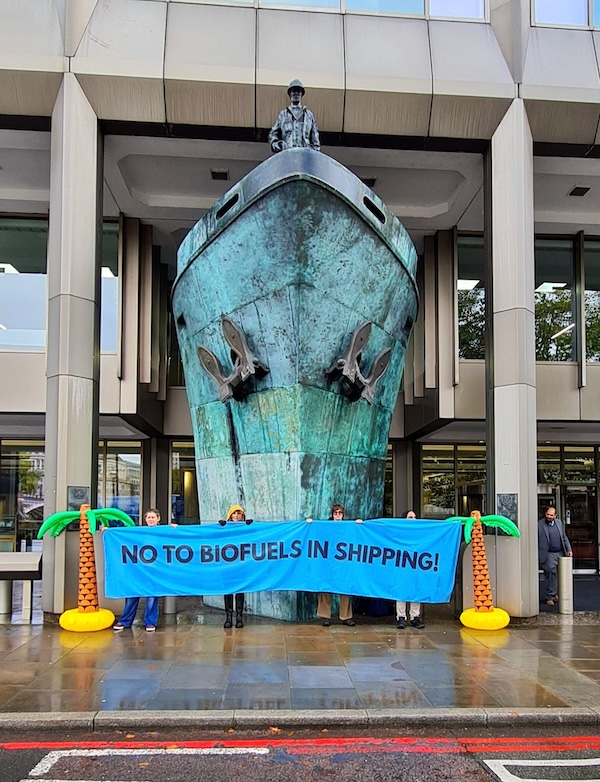
Campaigners urge the IMO to keep Biofuels out of the Net-Zero Framework

Biofuelwatch, Forest Watch Indonesia and Global Forest Coalition are calling the International Maritime Organisation (IMO) to exclude harmful biofuels from compliance with the Net-Zero Framework. Last week, during the Extraordinary Session of the Marine Environment Protection Committee (MEPC ES.2) in London, countries decided to postpone the decision on the adoption of the Framework to 2026. But important discussions will continue on 20–24 October on key details on clean energy incentives in the Framework, and the organisations stress the importance of preventing biofuels from being included as a supposed “green” alternative to fossil fuels.

Decades of evidence show that indirect land use change (ILUC) emissions from crop-based biofuels – such as soy and oil palm – wipe out their claimed climate benefits, driving forest loss, food insecurity, and land and water grabbing as agriculture is displaced onto marginal or uncultivated land. Soy and oil palm-based biofuels can generate emissions even higher than fossil fuels.

“Biofuels are not a sustainable solution under any circumstances. In Latin America, the push for soy-based biofuels has accelerated deforestation and driven communities off their lands. If the IMO creates new demand for biofuels, it will unleash more emissions, more inequality, and more land grabbing” said Jana Uemura, Climate Campaigner at the Global Forest Coalition.

“Rejecting biofuels in the Net-Zero Framework means protecting the world’s remaining tropical forests – critical carbon sinks and biodiversity hotspots.” said Anggi Putra Prayoga, Forest Campaigner at Forest Watch Indonesia. “The climate crisis is already real. It is crucial to take a firm stance on adopting truly zero-emission energy sources, rather than biofuels that generate new emissions through deforestation.”

The example of Indonesia should be a warning to other countries. In Indonesia, the expansion of palm oil plantations for biofuel continues to drive deforestation – even within protected and conservation forests which are highly vulnerable to climate change. “The loss of forests not only worsens emissions but also endangers the lives and rights of Indigenous peoples who depend on forest resources,” added the Forest Campaigner.

To avoid these impacts, the IMO should make sure high-ILUC fuels are excluded in the Framework. Major national and industry frameworks, including the EU’s Maritime and Aviation policies, the UK SAF Mandate, and the International Civil Aviation Authority’s CORSIA scheme, already exclude or cap high-ILUC biofuels, or include ILUC emissions in the life cycle accounting. The IMO must not fall behind.

“We urge all IMO member governments to take a strong, united stance against the inclusion of biofuels in the Net-Zero Framework” said Pax Butchart, Biofuel Campaigner at Biofuelwatch, “the science is clear: crop-based and waste-derived biofuels cannot deliver real emissions reductions. Governments now have a historic opportunity to steer the shipping sector toward truly clean, zero-emission solutions that protect people and the planet.” Equally, biofuels produced from waste and residues such as used cooking oil (UCO), have limited availability and scalability, and won’t be able to satisfy the demand of international shipping in the long run.

Recent research estimates that while used cooking oil (UCO) will be the cheapest pathway for compliance, its supply is highly constrained and largely already used in the transport sector. The global waste oil supply currently used for biofuels production could only meet about 5% of shipping’s energy demand, leaving the sector reliant on the next-cheapest compliance pathway, high-ILUC biofuels, with major sustainability risks. UCO and palm derivatives, such as palm oil mill effluent (POME) and palm fatty acid distillate (PFAD), have been associated with fraud, weak auditing and risk displacement from their current use, increasing the use of unsustainable palm oil elsewhere.

The IMO governments must now pursue truly sustainable alternatives, including improved energy efficiency, wind-assisted propulsion and reducing demand for maritime transport in international trade.

Source: Biofuelwatch, Forest Watch Indonesia and Global Forest Coalition


Asia Pacific strengthens role in global trade amid rising tariff pressures: DHL Global Connectedness Tracker, 2025 Special Update

0

SINGAPORE:  Asia Pacific is playing an increasingly central role in driving global trade resilience, even as international flows face mounting challenges due to policy shocks. DHL and New York University’s Stern School of Business have released a special update to the DHL Global Connectedness Tracker, offering the first systematic assessment of how international trade and business investment are reacting to shifting U.S. trade policy under President Trump’s second term.

“Asia Pacific’s performance stands out due to its adaptability and strategic positioning, and the latest data shows how collaboration in the region is deepening even amid global uncertainty,” said Ken Lee, CEO for Asia Pacific, DHL Express. “From ASEAN’s rising role in absorbing trade flows to countries in the Asia Pacific region engaging more intensively with their neighbors, businesses in our region are proving agile and forward-looking. DHL is well-positioned to support our customers in navigating any shifts in trade patterns, and we will continue to build capabilities where our customers want to be.”

Global trade defies tariff turbulence while Asia leads in trade lane growth

The DHL Global Connectedness Tracker reveals that, in the first half of 2025, international trade grew at a faster rate than in any half-year since 2010, excluding the pandemic rebound. U.S. imports surged early in 2025 as buyers rushed to frontload purchases ahead of tariff hikes. Even after the frontloading wave in the U.S. subsided, global trade volumes remained above prior-year levels.

Zooming into the world’s 100 largest trade lanes, six of the 10 fastest-growing were exports originating from an Asian economy, underscoring the region’s pivotal role in driving global trade momentum. Additionally, among the 50 largest trading nations, Hong Kong SAR, Thailand, Malaysia and Vietnam were among the top 10 markets that saw the fastest trade value growth, indicating the Asia Pacific region’s growing influence and resilience in supply chain networks.

Shorter trade distances indicate robust momentum for intra-Asia trade

Intra-Asia trade showed signs of continued integration and expanding connections, with East Asia & Pacific’s intra-regional trade share rising from 55% to 56%. Among the 50 largest trading nations, the trade distances declined the most in countries starting with Thailand (-79 km), China (-76 km), Singapore (-71 km), and Hong Kong SAR (-61km). This reflects Asian economies’ pivoting of trade flows toward regional partners to maintain growth. It also signals the region’s efforts to enhance its infrastructure and connectivity, making it more attractive to participate in cross-border trade.

Asean gains prominence as key destination for Chinese exports

Despite a 15% drop in exports to the U.S. in the first eight months of 2025, China fully offset this decline with a 15% increase in exports to ASEAN region. In fact, ASEAN emerged as a key growth destination for Chinese exports, highlighting the region’s rising importance in China’s trade portfolio. Notably, Vietnam, Thailand, and India saw the largest increases in their share of China’s exports, while the U.S., Russia, Korea, Brazil, and Mexico experienced declines.

“Trade and international business investment trends so far in 2025 do not support the view that globalization has gone into reverse,” said Prof. Steven A. Altman, Director of the DHL Initiative on Globalization at NYU Stern’s Center for the Future of Management. “While it would be a mistake to disregard current policy threats to globalization, companies are not generally pulling back from international markets, trade is crossing the longest average distance on record, and geopolitical conflicts have reshaped only a small fraction of the world’s international activity. The latest data show companies managing the risks and opportunities of a connected world rather than retreating to within countries or regions.”

Lloyd’s Register and DYNAMARINe join forces to strengthen safety and assurance in ship-to-ship transfer operations

LONDON: Lloyd’s Register (LR) has entered into a strategic collaboration with DYNAMARINe to deliver an independent auditing scheme for ship-to-ship (STS) service providers. 

Under the agreement, LR’s auditors will assess STS service providers against the quality and safety standards established by OCIMF Guidelines and risk data and records of DYNAMARINe. The resulting audit reports will be reviewed and evaluated by DYNAMARINe, which will then issue a final assessment and performance score to each participating provider. This collaborative approach aims to create a consistent and trusted framework for verifying the competence and reliability of STS operators worldwide. 

This initiative directly supports the objectives of the recently updated OCIMF STS Guide, which calls for independent verification of service providers’ self-assessments. It also represents a significant step towards reducing the duplication of audits across the energy sector, paving the way for a standardised assurance model similar to SIRE, specifically tailored for STS service providers. 

Ehud Bar-Lev, Business Development Manager, LR, said: “This partnership with DYNAMARINe marks an important step in our continued work to strengthen safety and sustainability in shipboard operations. By combining LR’s auditing expertise with DYNAMARINe’s recognised technical leadership, we are helping both energy companies and service providers operate with greater confidence, accountability and shared commitment to excellence.” 

Dr Alexandros Glykas, Managing Director of DYNAMARINe, said: “Our collaboration with Lloyd’s Register reflects a shared vision to elevate safety and environmental responsibility in STS transfers. By working together, we can provide STS assurance to tanker operators and energy companies, while recognising the efforts of providers who continuously strive to improve their standards.” 

This agreement marks the first time an IACS member has been directly involved in auditing STS service providers, reinforcing LR’s position at the forefront of maritime safety and assurance. It also reflects LR’s strategic focus on expanding its advisory and risk management services into new operational areas that demand independent verification and trust.