Home Blog Page 620

The IMO must champion ambition and equity in critical shipping climate talks ahead

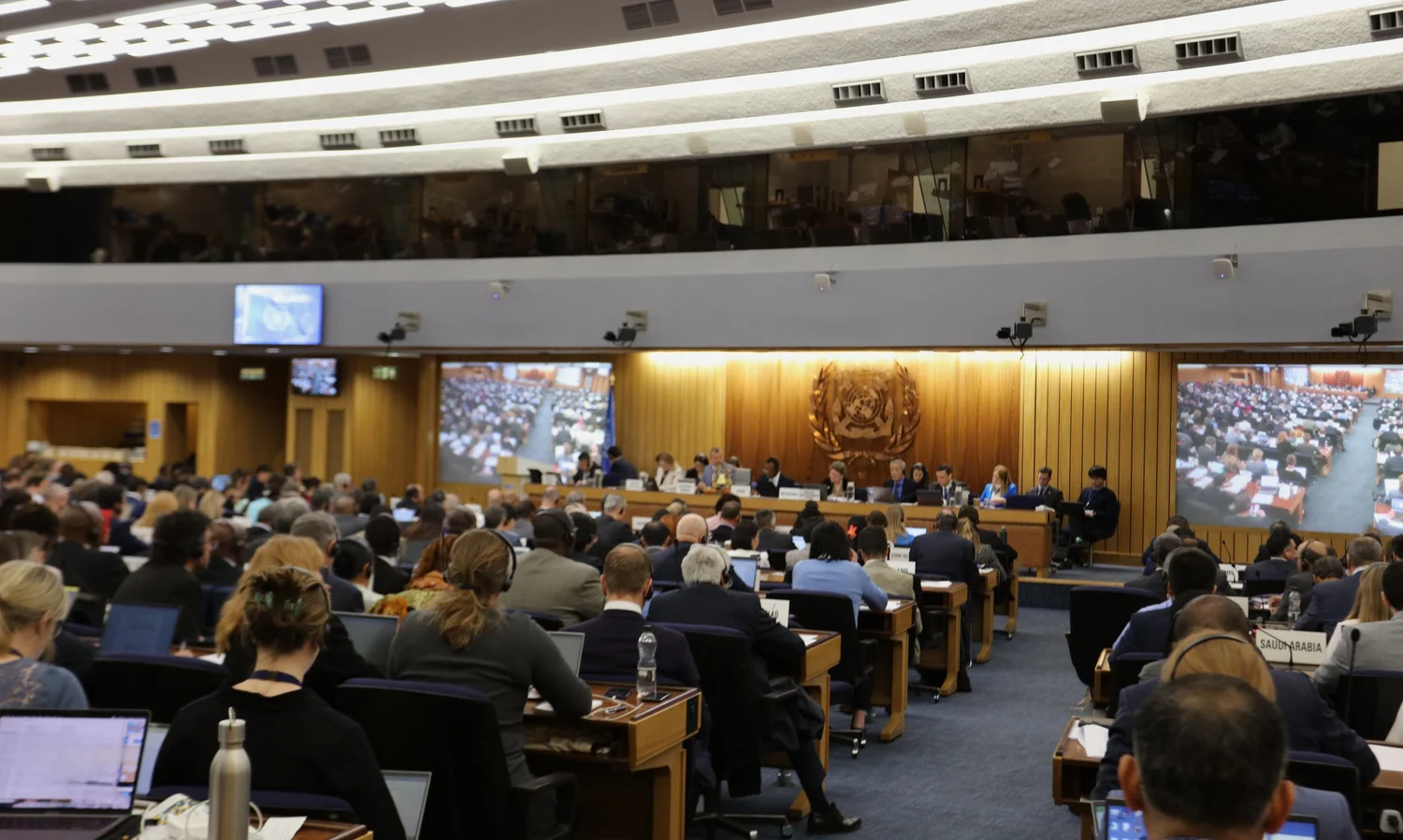
LONDON: As the International Maritime Organization (IMO) gathers this October to formally adopt shipping’s first global pollution fee, Opportunity Green urges governments to centre justice and equity in decision-making, and promote real long-term emissions reduction solutions for international shipping.

In April, IMO Member States ‘approved’ the IMO Net-Zero Framework – a novel global mechanism combining gradually increasing carbon intensity requirements for ships with penalties for non-compliance and rewards for first-movers. The measure is expected to generate ca. $10-15bn a year from 2030.

The Framework represents a victory for global climate diplomacy and an important move to help tackle shipping’s climate impacts. However, it falls short of the ambition needed to achieve the 1.5ºC Paris temperature goal, as well as the IMO’s own climate goals under the 2023 Revised Strategy. Its revenue generation potential is also significantly more limited than what is required to fully decarbonise the international shipping sector while promoting a just and equitable transition for developing countries.

Although its shortcomings are clear, critical decisions are yet to be made – providing an opportunity to strengthen ambition and better centralise equity within the Framework before it enters into force in 2027.

Opportunity Green identifies several areas for ambitious and equitable action in the development of the Framework’s guidelines, and urges all governments to champion environmental integrity and climate justice in the upcoming meetings. 

  • Accelerate the adoption of governance provisions for the IMO Net-Zero Fund: Expedite the timeline for adopting governing provisions for the Fund to ensure it is fully operational by 2029 and Member States’ decision-making is fully informed regarding fund governance and revenue distribution.
  • Establish transparent and inclusive fund governance processes: Develop clear, accountable rules for how the Fund is governed and how revenue is distributed, ensuring the Fund does not contribute to existing global inequities.
  • Ensure equitable revenue distribution: The revenues must be disbursed strategically and equitably, to maximise spending on environmental and climate protection, adaptation and resilience building in developing countries, especially the most climate-vulnerable countries.
  • Incentivise long-term net-zero emissions solutions: Prioritise green hydrogen-based e-fuels, wind propulsion, and other energy sources that will make up the 2050 net-zero energy mix, by designing incentives and rewards for these energy sources specifically. This is essential to provide the shipping and energy industries with the certainty to ramp up investments, production and use.
  • Prevent unsustainable solutions: Put in place clear safeguarding against unsustainable and false alternatives like high-risk biofuels (feedstock biofuels) and fossil gas (LNG), linked to serious negative climate and environmental impacts. Consider the full lifecycle of emissions, including Indirect Land Use Change (ILUC) emissions, in the Life Cycle Assessment (LCA) guidelines.

Emma Fenton (they/them), Senior Climate Diplomacy Director at Opportunity Green, says:

“The successful adoption of the IMO Net-Zero Framework is essential as a baseline for the international shipping industry to achieve the emissions reductions that are so desperately needed. But that is only the start – not the end – of states’ abilities to push for the ambition demanded by climate vulnerable countries.

Negotiations around the definition of zero, or near-zero fuels and the distribution of revenues will cement this agreement as one that prioritises justice and equity in the maritime transition.”

Blánaid Sheeran, Climate Diplomacy Policy Officer at Opportunity Green, says:

“The IMO Net-Zero Framework leaves much to be desired, but there are opportunities to drive ambition in the coming years. These meetings are important not only due to the adoption of the Framework, but also for setting the tone for continued work on how the measure will enter into force.

How the IMO Net-Zero Fund is governed and how its revenues are distributed will be key to re-centring equity in the Framework and ensuring international shipping’s transition is just, equitable and effective. We need to see discussions on these aspects as a matter of urgency, rather than left until the last minute as has been suggested.”
IMRF awarded major TK Foundation grant of US$450,000 to build the first free global e-learning platform for Search and Rescue (SAR) personnel and commercial seafarers

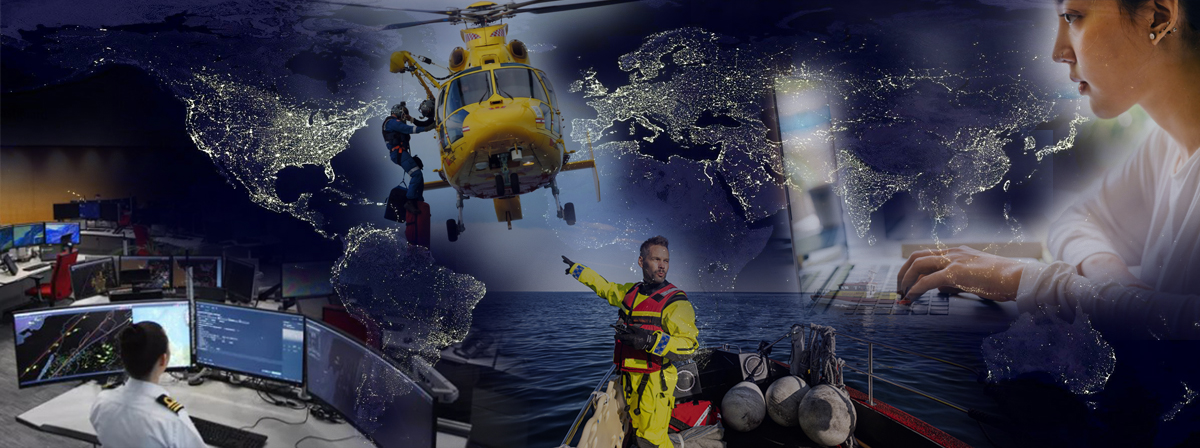
LONDON: The International Maritime Rescue Federation (IMRF) has secured a major grant worth US$450,000 from The TK Foundation to create the world’s first free global e-learning system for the maritime search and rescue (SAR) sector. The project marks a major milestone in international efforts to strengthen the capabilities of key SAR and shipping personnel and close critical training gaps for those who continue to put their lives at risk at sea.

To ensure equitable access and long-term sustainability, the platform will be free to SAR organisations and maritime professionals with limited resources, with IMRF members also benefiting from full access.

Every year, about 300,000 people drown around the world’s waters. This includes many seafarers, ferry passengers, fishers, and migrants, who often lose their lives in situations where enhanced training could make all the difference. Backed by The TK Foundation, the IMRF’s new three-year programme will develop a suite of interactive, scenario-based e-learning modules, giving SAR personnel and commercial shipping crews free access to consistent, high-quality training wherever they operate.

The e-learning platform will be based on the International Aeronautical and Maritime Search and Rescue (IAMSAR) Manuals, transforming its global framework into accessible, interactive learning content. Alongside core SAR principles such as planning, coordination and communication, the system will address emerging challenges, including climate change, the evolving demands of humanitarian mass rescue operations as well as mental health and wellbeing of SAR personnel.

CarolineJupeCEOIMRF IMRF awarded major TK Foundation grant of US$450,000 to build the first free global e-learning platform for Search and Rescue (SAR) personnel and commercial seafarers

“Building the capability and confidence of those involved in rescue operations is vital to saving lives at sea, and this project will help make that possible for all,” said Caroline Jupe, Chief Executive Officer of the IMRF. “This funding will enable us to create a global learning platform that strengthens the knowledge and practical experience of SAR personnel and commercial shipping crews worldwide, giving them the skills and confidence they need to respond effectively when every second counts.”

Dennise Treleaven TK foundation 011 IMRF awarded major TK Foundation grant of US$450,000 to build the first free global e-learning platform for Search and Rescue (SAR) personnel and commercial seafarers

Dennis Treleaven, Maritime Program Officer at The TK Foundation, said: “The IMRF’s e-learning initiative is an innovative and practical response to one of the most pressing challenges in maritime safety. By investing in training, we’re investing in people, the rescuers, crews and communities who depend on these vital skills to save lives.”

The TK Foundation is a leading maritime philanthropic organisation supporting programmes that advance maritime education, improve seafarer welfare and strengthen community resilience. It has a long-standing reputation within the global shipping industry for funding projects that enhance safety, training and sustainability.

The IMRF will deliver the project in collaboration with a global advisory board and partners. The IMRF SAR Academy, which has already reached learners in more than 70 countries, will provide the technical foundation for the programme. The use of the system as part of the training will be illustrated and worked on in live train-the-trainer events.

The first training modules will be launched in early 2026, with further content released gradually over the next three years. For details on this initiative, please contact info@imrf.org.uk. 

Baltic Exchange joins IMO to mark World Maritime Day 2025

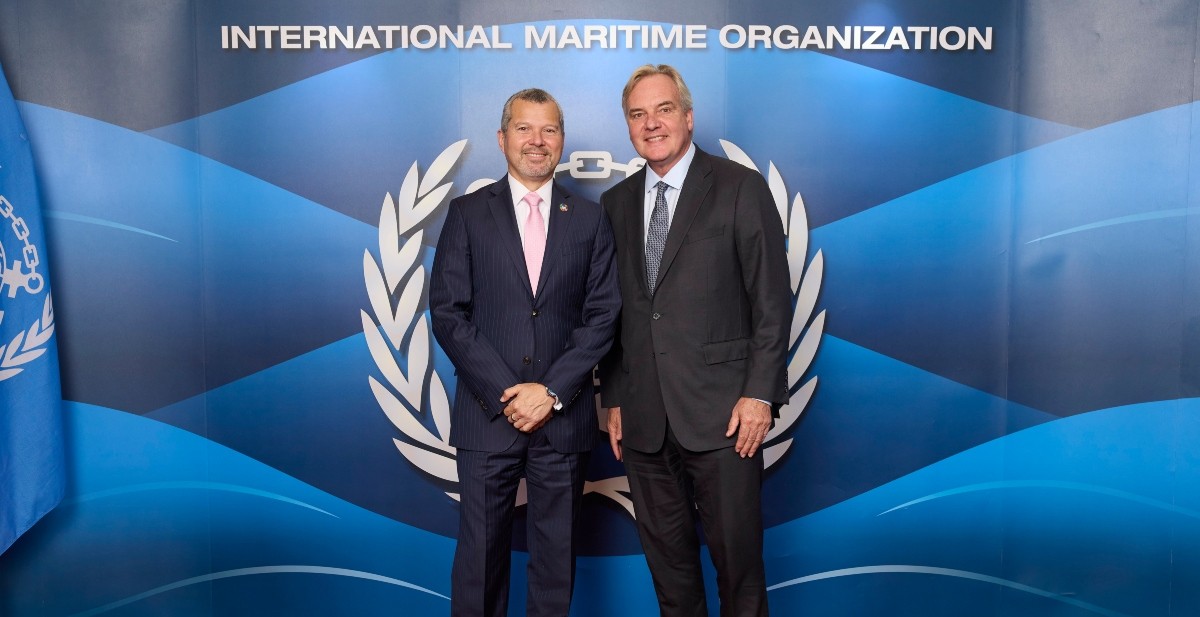
LONDON: Baltic Exchange Chairman Guy Hindley was honoured to visit the International Maritime Organization (IMO) headquarters in London on 25 September to mark World Maritime Day 2025, held under the theme “Our Ocean, Our Obligation, Our Opportunity.”

This year’s theme highlights the critical role the ocean plays in global trade, biodiversity, and climate regulation, and the shared responsibility of the maritime sector to safeguard it. With over 80% of world trade carried by sea, shipping stands at the heart of the global economy, providing jobs, food, and vital supply chains, while also bearing a responsibility to protect the marine environment for future generations.

Baltic Exchange and the IMO share a longstanding commitment to supporting a safe, sustainable, and resilient maritime industry. Through transparent benchmarks, trusted data, an emissions calculator, and a platform that brings together shipowners, charterers, brokers, and other stakeholders, Baltic Exchange helps underpin the global shipping markets that power international trade. 

“As the voice of the freight market, Baltic Exchange is proud to stand alongside the IMO in promoting a cleaner, safer and more sustainable future for shipping,” said Guy Hindley. “World Maritime Day is a reminder that the health of our ocean underpins everything we do, and that protecting it is both our obligation and our opportunity.”

CII to honor John Nardi and Steven Rothberg at 2025 Connie Awards in Newark on Dec. 8

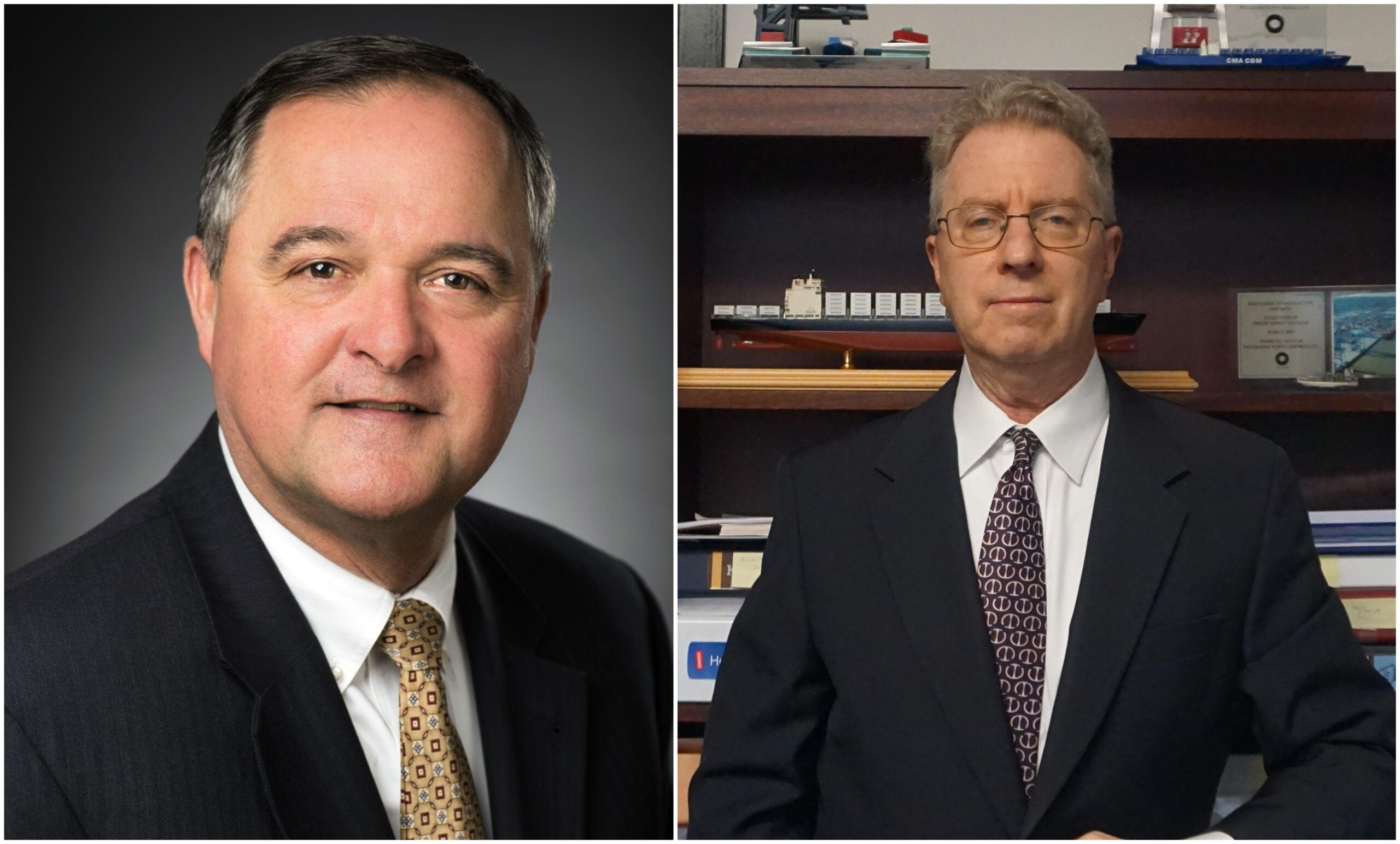
MIDDLETOWN: The Containerization & Intermodal Institute (CII) is proud to announce that Mr.John Nardi, President of the Shipping Association of New York and New Jersey (SANYNJ), will receive the prestigious Connie Award, and Steve Rothberg, Founding Partner of Mercator International LLC, will be honored with the Lifetime Achievement Award at the CII Connie Awards Luncheon on December 8, 2025, at the Newark Liberty International Airport Hotel.

“I am proud to say that for over 50 years, the Connie Award has honored industry leaders who have made remarkable contributions to containerization and intermodalism through innovation, entrepreneurship, and leadership,” said CII President Chris Brooks. “Both John and Steve exemplify these qualities through their lifelong dedication to advancing the maritime and intermodal sectors.”

John Nardi, President, Shipping Association of New York and New Jersey

John Nardi, a 35-year veteran of the maritime industry, was appointed President of the SANYNJ in June 2013 after serving as Executive Vice President since 2012. In 2018, Nardi led negotiations for a landmark six-year collective bargaining agreement between the SANYNJ and the International Longshoremen’s Association, ensuring labor peace and stability in the Port of New York and New Jersey through 2024.

He co-chaired the Port of New York & New Jersey Port Performance Task Force in 2014, bringing together key stakeholders to improve port performance and efficiency. Today, he continues this work as Vice Chair of the Council on Port Performance, helping to ensure the port remains fluid and competitive into the future.

Nardi began his career at Atlantic Container Line, later joining Hapag-Lloyd (America) Inc., where he held several senior management roles, including Executive Vice President of Corporate Operations. He is a graduate of the State University of New York Maritime College and serves on the boards of the United States Maritime Alliance and the North American Maritime Safety Association.

Steven Rothberg, Founding Partner, Mercator International LLC

Steven Rothberg, Founding Partner of Mercator International LLC, brings over 47 years of experience in global freight transportation, port development, and intermodal infrastructure. A graduate of Cornell University and MIT, Rothberg began his career with Southern Pacific Railroad, where he helped design the first double-stack intermodal train services in North America.

Throughout his distinguished career, he has held senior leadership positions with United States Lines, Sea-Land Service, and Macquarie Capital, and has been instrumental in developing, financing, and managing port infrastructure projects worldwide. Under his leadership, Mercator International has completed more than 500 consulting assignments supporting ports, terminals, and transportation networks across five continents.

Rothberg also played a pivotal role in helping form the Northwest Seaport Alliance, a landmark joint venture between the Ports of Seattle and Tacoma, which celebrates its ten-year anniversary this year.

At the event, CII will carry out its industry education mission by presenting scholarships to students studying logistics as well as the institutions that are educating our future industry leaders. Under its auspices, CII has awarded more than $1 million toward scholarships.

Companies have the opportunity to support ongoing industry education by contributing to scholarships through CII, starting at $1,000. To learn more about funding a 2025 named scholarship for your organization, please call CII Executive Director, Lisa Aurichio at 917-476- 8366 or email info@containerization.org.

The 2025 CII Connie Awards luncheon tickets are priced at $325 each, with limited seating available. For information on sponsorship opportunities, ticket purchases, or any general inquiries, please reach out to June Chin at (646) 345-3737 or via email at june@bsya.com. You can also contact the CII team at info@containerization.org. To register for tickets or sponsorships, please click here: 2025 CII Newark Connie Award.

About the Containerization & Intermodal Institute (CII)

Founded in 1960, the Containerization & Intermodal Institute promotes industry awareness, preserves the history of intermodalism, and fosters education and scholarship within the field. Since 1972, the Connie Award has been the most prestigious honor in containerization and its related industries, recognizing more than 70 distinguished leaders including Helen Delich Bentley, Allen Clifford, Matthew Cox, Ed DeNike, Bruce Fenimore, Ken Kellaway, Captain S.Y. Kuo, Vincent J. Marino, James McKenna, Malcom McLean, Robert Sappio, Gene Seroka, Peter Tirschwell and John Wolfe.

CII continues to advance the industry through educational conferences, seminars, scholarships, and networking opportunities.

PM Modi inaugurates Navi Mumbai International Airport, launches and dedicates various developmental projects

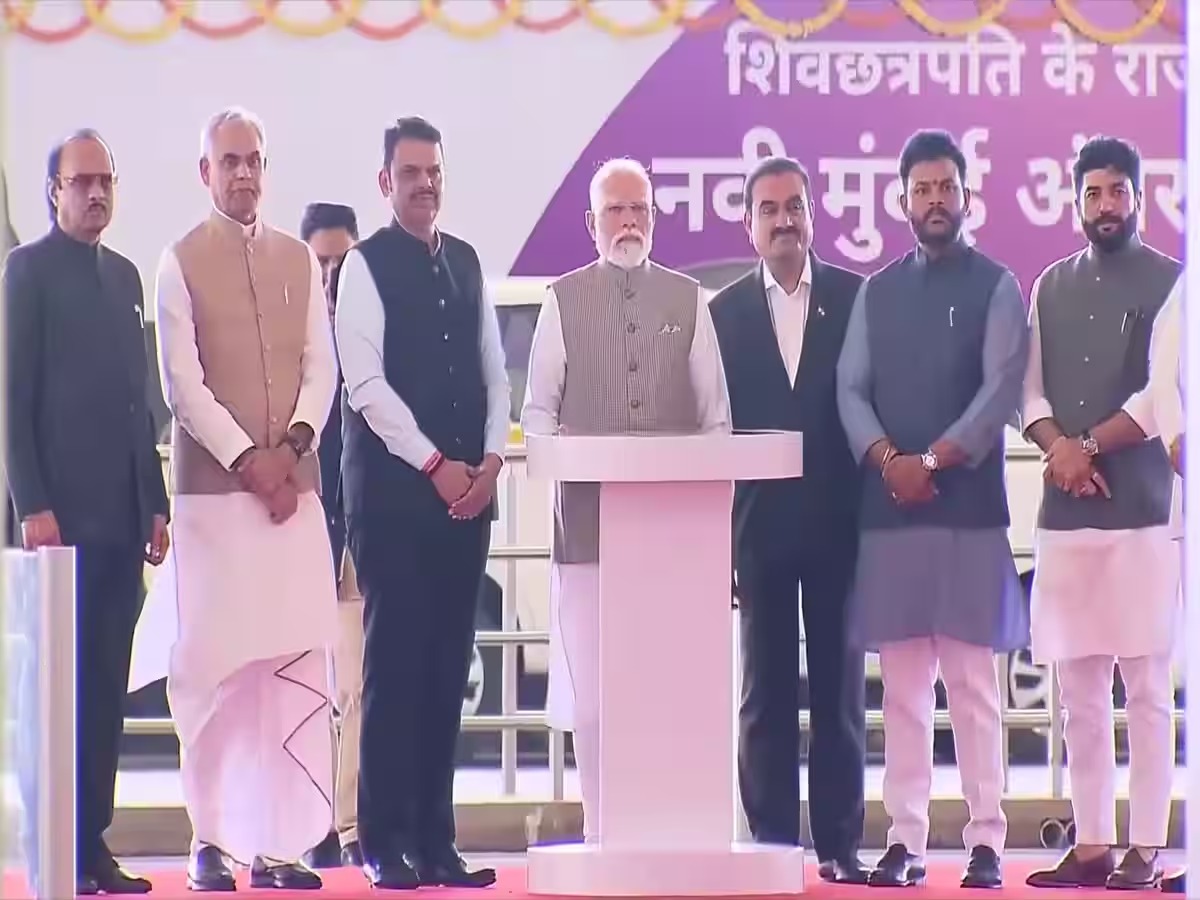
MUMBAI : Prime Minister Shri Narendra Modi inaugurated the Navi Mumbai International Airport and also launched and dedicated various developmental projects in Mumbai, Maharashtra on Wednesday. Welcoming all the dignitaries, Shri Modi extended warm greetings to all attendees. He noted the recent celebration of Vijayadashami and Kojagari Purnima, and conveyed his best wishes for the upcoming Diwali festival.

Underscoring that Mumbai’s long wait has ended with the city now receiving its second international airport, the Prime Minister highlighted that this airport will play a major role in establishing the region as one of Asia’s largest connectivity hubs. He also remarked that Mumbai has now received a fully underground metro, which will make travel easier and save time for commuters. Shri Modi described the underground metro as a living symbol of a developing India and noted that in a bustling city like Mumbai, this remarkable metro has been constructed underground while preserving historic buildings. He extended his congratulations to the workers and engineers involved in the project.

“Today, the entire nation is committed to fulfilling the resolve of a Viksit Bharat—an India defined by both speed and progress, where public welfare is paramount and government schemes simplify citizens’ lives”, emphasised Shri Modi remarking that over the past eleven years, this spirit has guided development efforts across every corner of the country. The Prime Minister highlighted that when Vande Bharat semi high-speed trains run on the tracks, when bullet train projects gain momentum, when wide highways and expressways connect new cities, when long tunnels are carved through mountains, and when tall sea bridges link distant shores, India’s speed and progress become visible. He affirmed that such advancements give new wings to the aspirations of India’s youth.

Shri Modi stated that today’s event continues the momentum of India’s development journey. He highlighted that the Navi Mumbai International Airport is a project that reflects the vision of a developed India. Built on the land of Chhatrapati Shivaji Maharaj, the airport is shaped like a lotus flower, symbolizing culture and prosperity. The Prime Minister remarked that this new airport will connect Maharashtra’s farmers to supermarkets in Europe and the Middle East, enabling fresh produce, fruits, vegetables, and fishery products to reach global markets swiftly. He noted that the airport will reduce export costs for nearby small and medium industries, boost investment, and lead to the establishment of new enterprises. He extended his heartfelt congratulations to the people of Maharashtra and Mumbai for the new airport.

Emphasising that the construction of new airports and the UDAN scheme have provided convenience to citizens, Shri Modi highlighted that India has now become the world’s third-largest domestic aviation market. He remarked that Indian airlines are continuously expanding and placing orders for hundreds of new aircraft. This growth is creating new opportunities for pilots, cabin crew, engineers, and ground workers.

MoPSW highlights ₹19,989 Crore Shipbuilding Development Scheme ahead of India Maritime Week 2025

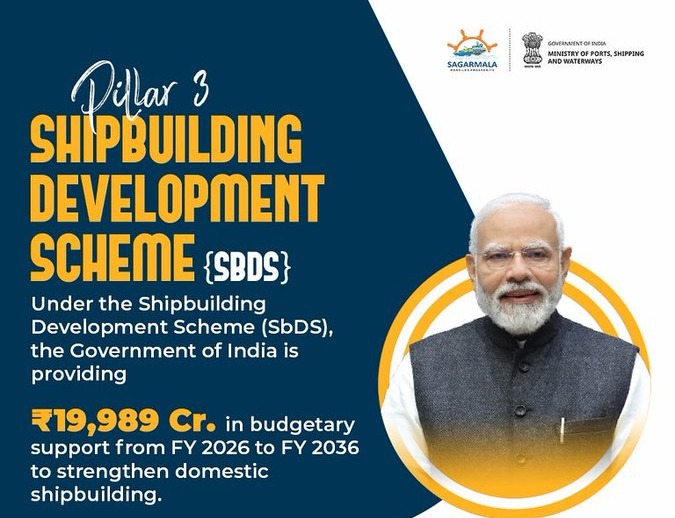
NEW DELHI : The Shipbuilding Development Scheme (SbDS) is a major step by the Government of India to strengthen domestic shipbuilding, with a total budgetary support of ₹19,989 crore from FY 2026 to FY 2036.

The scheme focuses on Greenfield capacity expansion (₹9,930 crore) to establish new shipbuilding facilities and Brownfield capacity expansion (₹8,261 crore) to modernize and enlarge existing shipyards. By enhancing India’s shipbuilding capabilities, SbDS aims to position the country as a global shipbuilding hub, generate significant employment opportunities, boost the manufacturing sector and strengthen maritime trade.

The Government of India has approved the Shipbuilding Development Scheme (SbDS), a landmark initiative aimed at strengthening the country’s domestic shipbuilding and ship repair ecosystem. The scheme, with a total budgetary support of ₹19,989 crore, will be implemented over a 10-year period from FY 2026 to FY 2036.

The SbDS seeks to enhance India’s shipbuilding capacity, promote self-reliance under the ‘Aatmanirbhar Bharat’ initiative, and position the nation as a global player in maritime manufacturing. It will provide financial assistance and incentives to Indian shipyards for both commercial and defense shipbuilding projects.

According to official sources, the scheme will include provisions for capital and infrastructure support, technology upgradation, and research & development in ship design and advanced materials. The focus will also be on promoting green and energy-efficient vessels, in line with global environmental standards.

The government aims to leverage this initiative to create new employment opportunities, enhance exports, and attract private and foreign investment in the shipbuilding sector. The SbDS is also expected to strengthen India’s maritime logistics capabilities, reduce dependence on foreign-built vessels, and contribute significantly to the country’s blue economy growth.

Officials said the Ministry of Ports, Shipping and Waterways will soon issue detailed guidelines for implementation, including eligibility criteria for shipyards and monitoring mechanisms to ensure timely and efficient utilization of funds.

JNPA sets new record with highest-ever monthly throughput in September 2025

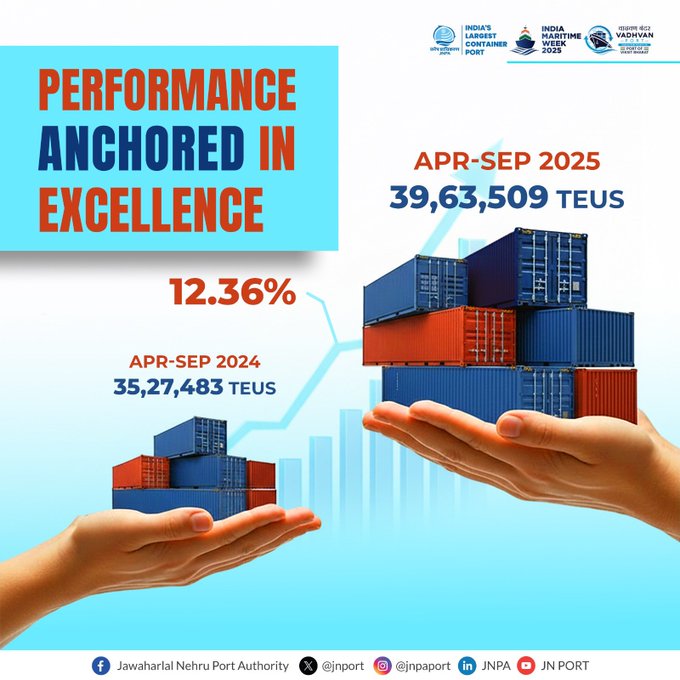
MUMBAI : Jawaharlal Nehru Port Authority (JNPA) has achieved a historic operational milestone in September 2025, handling 648,907 Twenty-foot Equivalent Units (TEUs) of container traffic — the highest ever recorded in a single month. Alongside this, the port registered an impressive overall cargo throughput of 8.36 million metric tonnes (MMT), underscoring its growing efficiency and capacity as India’s leading container port.

This achievement reflects JNPA’s continued focus on enhancing operational performance, infrastructure development, and digital integration. The record-breaking performance was driven by sustained growth in EXIM (Export-Import) trade, improved terminal productivity, and the port’s robust multimodal connectivity.

Officials attributed the milestone to close collaboration with stakeholders, including terminal operators, shipping lines, and logistics partners. JNPA has also been advancing its ease of doing business initiatives and sustainability efforts, further strengthening its position as a global maritime hub.

With this latest achievement, JNPA continues to set new benchmarks for India’s maritime sector, contributing significantly to the nation’s logistics competitiveness and economic growth.

With consistent growth and record-breaking performance, JNPA continues to reinforce its position as India’s leading container port, driving efficiency, sustainability, and global trade connectivity.

India-UK trade ministers hold Bilateral Meeting

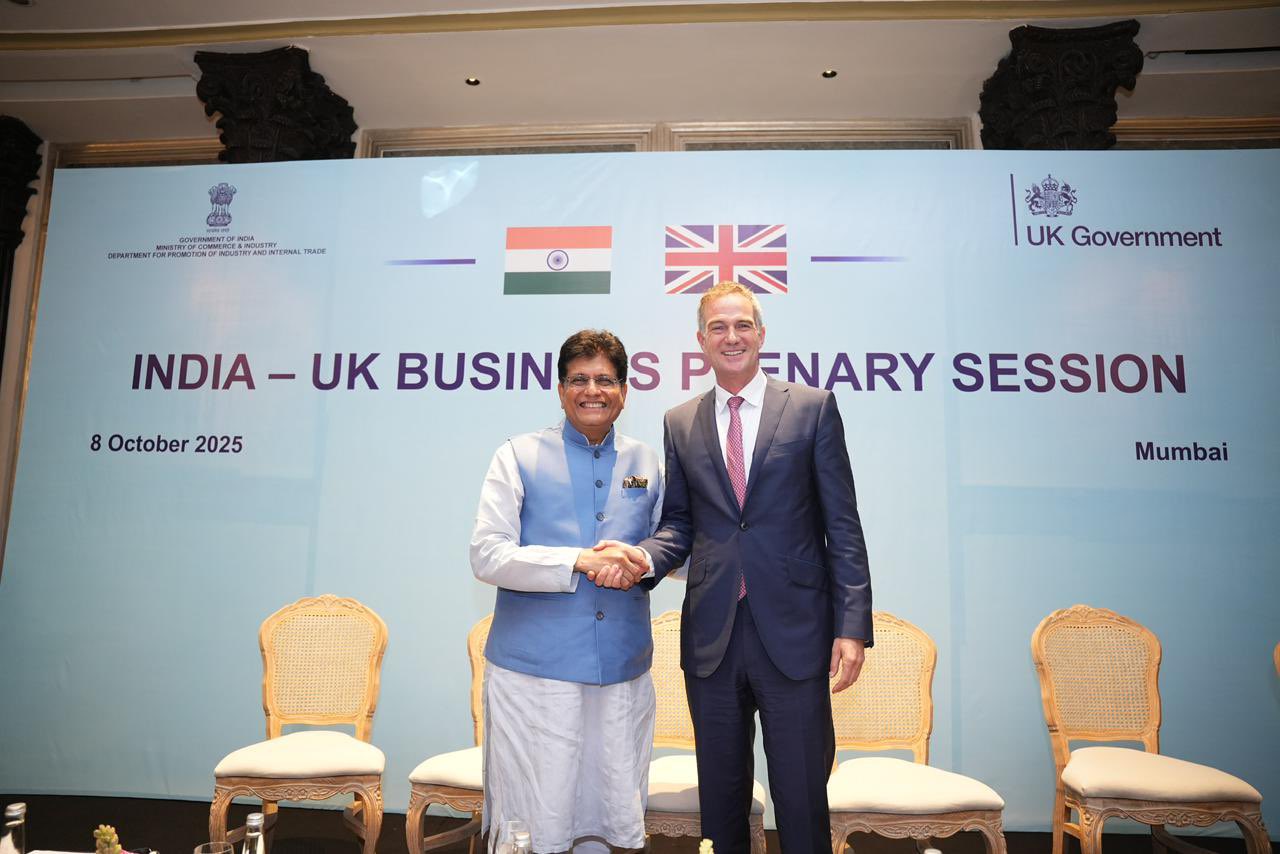
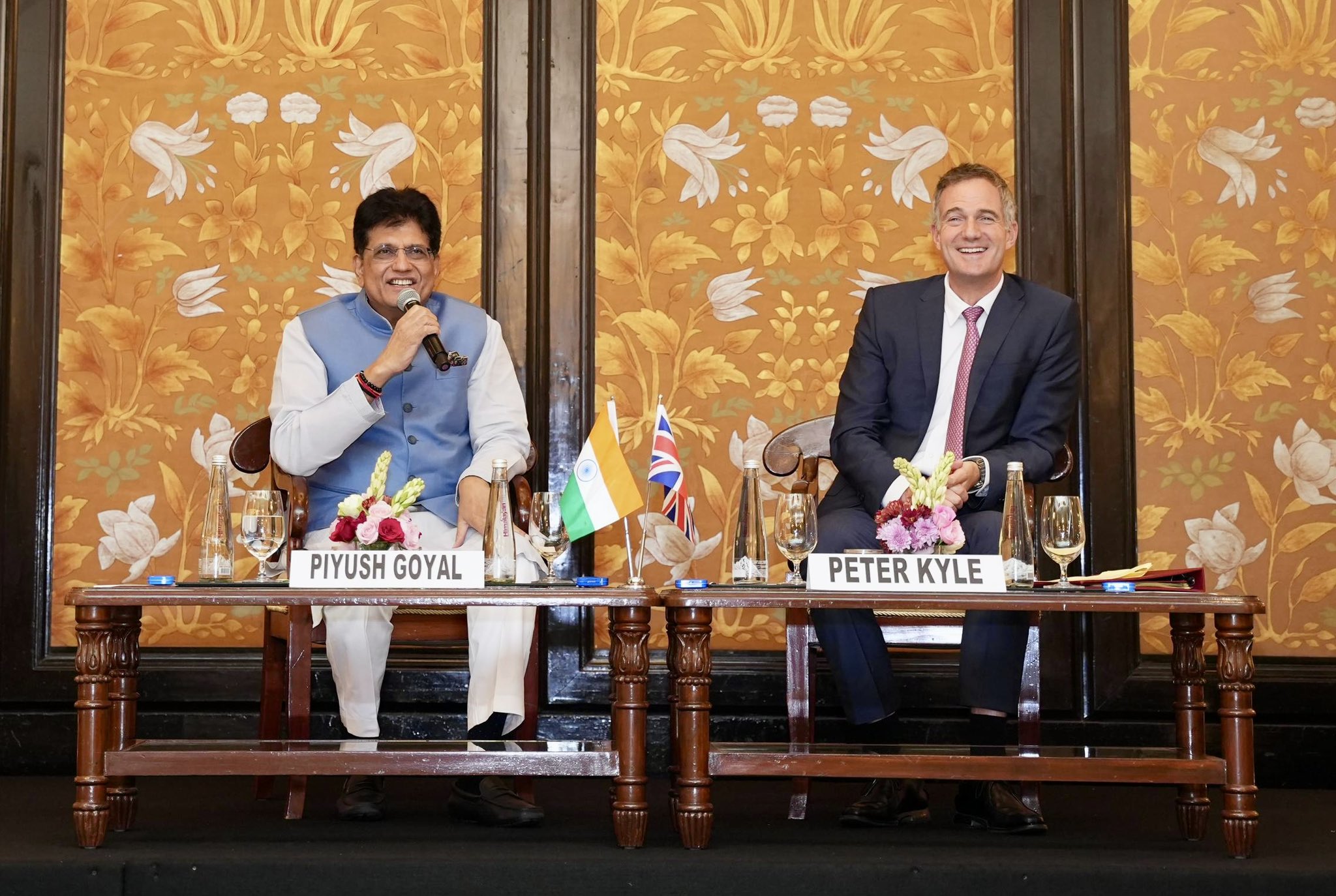
MUMBAI : The Union Minister of Commerce and Industry, Shri Piyush Goyal, and the Rt. Hon. Peter Kyle, UK Secretary of State for Business and Trade, held a bilateral meeting in Mumbai on Wednesday to chart a renewed course for the India–UK Trade and Investment Partnership.

The meeting marked a significant step towards operationalising the India–UK Comprehensive Economic and Trade Agreement (CETA), with both Ministers agreeing to reposition the Joint Economic and Trade Committee (JETCO) to oversee its implementation and delivery.

Both sides underlined their commitment to ensuring swift, coordinated, and results-oriented implementation of the Agreement, aimed at realising its full potential for businesses and consumers in both countries.

The Ministers reaffirmed their shared ambition to double bilateral trade by 2030, leveraging the complementarities between the two economies in areas such as advanced manufacturing, digital trade, clean energy, and services.

Emphasising the transformative scope of CETA, the Ministers discussed ways to maximise its benefits through regulatory cooperation, addressing non-tariff barriers, and promoting supply chain integration.

The highly productive Commerce Secretary and Director General-level meeting set the tone for the Ministerial meeting, which laid a strong foundation for a full day of engaging and forward-looking discussions.

Ahead of the bilateral meeting, a series of sectoral roundtables were held across priority sectors including including Advanced Manufacturing, Consumer Goods, Food and Drink, Science, Technology and Innovation, Construction, Infrastructure & Clean Energy, and Financial, Professional & Business Services (including IT/ITeS, education, and engineering). These dialogues brought together leading voices from Indian and UK industry and provided valuable insights to guide implementation.

The India–UK CEO Forum was also held bringing together business leaders from both countries to discuss new opportunities for trade, investment, and innovation. Co-chaired by prominent industry representatives from India and the United Kingdom, the Forum served as a key platform to deepen bilateral economic cooperation and strengthen partnerships across sectors. The discussions reaffirmed the shared commitment of India and the UK to advancing a modern, mutually beneficial, and sustainable economic partnership, strengthened by the India-UK CETA.

Both Ministers also exchanged views on the global trade and economic outlook, acknowledging the importance of building resilient and diversified supply chains amid ongoing global uncertainties. Shri Goyal highlighted India’s emergence as a key growth engine of the global economy, while Secretary Kyle underscored that UK’s deal is the best ever secured with India, putting British businesses first in line to access its vast market and drive growth, jobs, and prosperity at home.

The meeting concluded with a business plenary attended by senior industry representatives from both sides. Both sides reiterated their determination to advance a modern, inclusive, and mutually beneficial trade partnership, unlocking new opportunities for growth, investment, and innovation.

India, UK ministers discuss ways to deepen trade & investment partnership

MUMBAI : India and the UK trade ministers on Wednesday discussed ways to maximise the benefits of the recently signed trade pact through regulatory cooperation, addressing non-tariff barriers, and promoting supply chain integration.

Commerce and Industry Minister Shri Piyush Goyal held a meeting with Peter Kyle, UK Secretary of State for Business and Trade, in Mumbai to chart a renewed course for the India–UK trade and investment partnership, the Commerce Ministry said in a release.

“Both sides underlined their commitment to ensuring swift, coordinated, and results-oriented implementation of the Agreement, aimed at realising its full potential for businesses and consumers in both countries,” the ministry said.

Both Ministers agreed to reposition the Joint Economic and Trade Committee (JETCO) to oversee its implementation and delivery of the trade agreement, it said.
“Emphasising the transformative scope of CETA, the Ministers discussed ways to maximise its benefits through regulatory cooperation, addressing non-tariff barriers, and promoting supply chain integration,” it added.
Ahead of the bilateral meeting, a series of sectoral roundtables were held across priority sectors, including Advanced Manufacturing, Consumer Goods, Food and Drink, Science, Technology and Innovation, Construction, Infrastructure & Clean Energy, and Financial, Professional & Business Services (including IT/ITeS, education, and engineering).
These dialogues brought together leading voices from Indian and UK industry and provided valuable insights to guide implementation, the ministry said.
The India–UK CEO Forum was also held bringing together business leaders from both countries to discuss new opportunities for trade, investment, and innovation. Co-chaired by prominent industry representatives from India and the United Kingdom, the Forum served as a key platform to deepen bilateral economic cooperation and strengthen partnerships across sectors.
The discussions reaffirmed the shared commitment of India and the UK to advancing a modern, mutually beneficial, and sustainable economic partnership, strengthened by the India-UK CETA.

Source : PTI

Nitin Gadkari inaugurates India’s first Electric Truck Battery Swapping Station in Sonipat

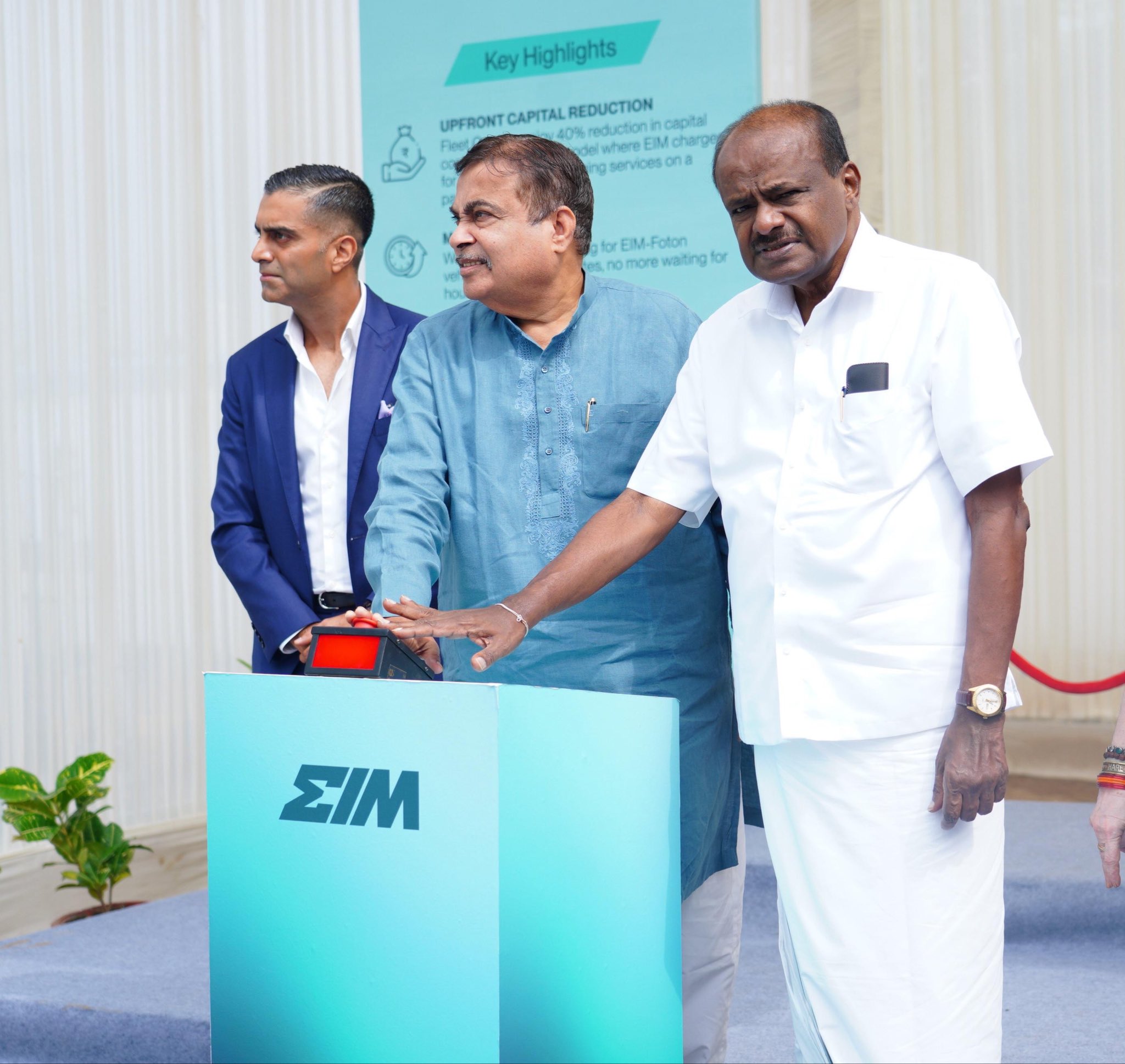
NEW DELHI : Union Minister of Roads, Transport and Highways Shri Nitin Gadkari on Wednesday inaugurated India’s first commercial electric truck battery swapping and charging station at the Delhi International Cargo Terminal Private Limited (DICT) in Panchi Gujran village on the GT Road near Ganaur in Sonipat.

Addressing the event he said that the day is not far when India will be number one in producing aviation fuel and urged farmers to use stubble instead of burning it so that it can be used to produce fuel, thereby strengthening their economic condition. He said that farmers will now be the fuel provider, work is now being done to make fuel from stubble also. He said that in our country, 5 million tons of stubble are being used to make bio-bitumen. In Maharashtra, Nagpur and Jabalpur roads are also being built using stubble.

Talking about ethanol,he said that ethanol is being produced from corn, which has increased the market for corn. Mr Gadkari said, Companies are working on developing flexi-engines. Agricultural machinery is also now going to be equipped with flex engines. He said that with all these efforts , we have succeeded in curbing the pollution due to stubble burning.

During this, he said that the Indian economy is the third largest economy in the world, our logistics cost is double that of China. To reduce the logistic cost and benefit farmers we have to work on biofuels and other fuels and efforts are on in this direction, he added. Projects worth several lakh crores have been completed in Delhi alone. Now there will be savings in fuel as the highways in the country have become super fast. New roads are being built by dumping 80 lakh garbage on the roads. Logistics costs have now reduced by 6 percent.

Union Minister Nitin Gadkari said that EV vehicles will run without pollution and today the truck was inaugurated, so they will travel at a lower rate than railways. He said that the price of batteries has decreased by 50 to 60 percent. He said, the day is not far when we will be free from diesel. Technology will advance a lot in the coming times.

Mr Gadkari said, Now the day is not far when our country will now produce fuel for ships. Transporters are requested to get rid of diesel and petrol so that their expenses are less than other transporters. Union Minister HD Kumaraswamy Deve Gowda was also present with him on this occasion.