Home Blog Page 629

AD Ports Group and China’s SPG Yantai Port sign preliminary Strategic Partnership Agreement to develop Green Automotive Industrial Parks

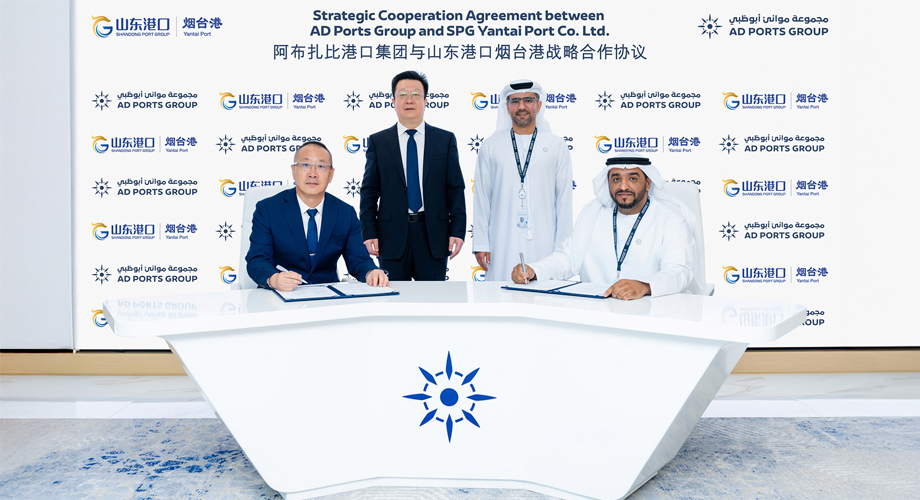
ABU DHABI : AD Ports Group, a global leader in logistics, industry, and trade facilitation, and SPG Yantai Port (SPG), a large government owned enterprise that operates major ports in East China’s Shandong province, have signed a preliminary strategic agreement to establish green automotive business parks, promoting vehicle trade between Asia, Middle East and North Africa and leveraging sustainable energy.

Recognising the significant opportunity to establish a comprehensive China-Middle East-Africa automotive logistics corridor, the parties will combine their infrastructure, market positions and expertise, to deliver an efficient supply chain for both new and second-hand vehicles. The initiative will leverage China’s position as the world’s largest automotive market with significant export potential, alongside Abu Dhabi’s role as a rapidly growing trade and logistics hub.

Under the terms of the agreement the parties will explore the establishment and operation of an integrated bilateral terminal and auto hub network, connecting the Asia-Pacific Green Automotive Circular Economy Industrial Park in Yantai, Shandong, with AD Ports Group’s automotive terminals and hubs in the UAE, and other key countries, to create a seamless and efficient vehicle supply chain.

Under consideration will be the development of state-of-the-art auto hubs integrated into ports, utilising AI-driven technologies to enhance operational efficiency and deliver competitive advantages in the automotive logistics sector. This will include exploration of sustainable energy initiatives, leveraging SPG Yantai Port’s advanced energy infrastructure and logistics capabilities alongside AD Ports Group’s strategic location in the Middle East, and its role in supporting the thriving energy sector in the region.

Captain Ammar Al Shaiba, CEO – Maritime & Shipping Cluster, AD Ports Group, said: “Building on our longstanding relationship with SPG Yantai Port, this strategic agreement reflects our shared vision for strengthening trade and logistics links between China, the UAE and wider global markets. The development of integrated green automotive industrial parks will elevate Abu Dhabi’s role as a key hub for the automotive market contributing to economic diversification, supporting a circular economy and creating sustainable value for customers across Asia, the Middle East and North Africa.”

In recent years, with the continuous rise of the international influence of Chinese automobile brands, China’s second-hand car exports are ushering in an important period of development opportunities. As the largest overseas market for China’s second-hand car exports, the strategic position of the United Arab Emirates is particularly significant. The strategic cooperation between SPG Yantai Port and AD Ports Group, based on the complementary advantages of both sides in the fields of port operation, logistics network and market channels, contains significant strategic synergy value and will inject strong momentum into deepening the economic and trade exchanges between the two countries.

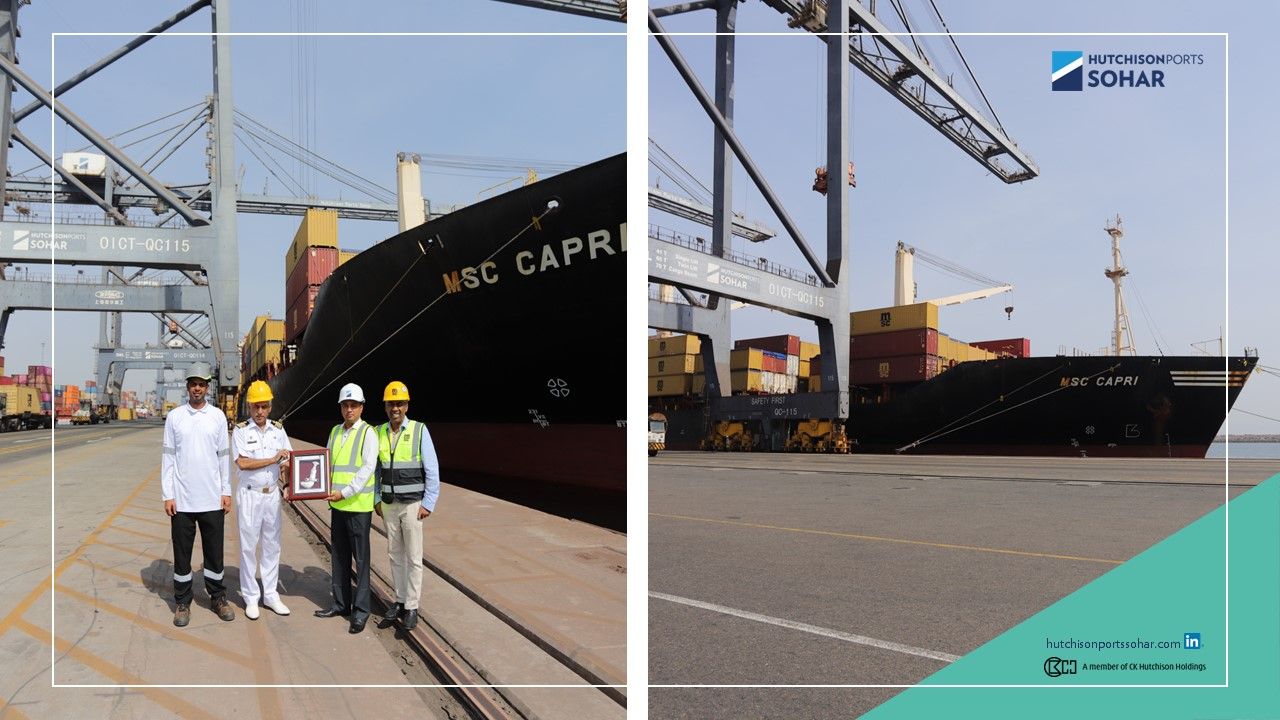
Hutchison Ports Sohar welcomes the maiden call of the MSC’s NIM East service

SOHAR : Hutchison Ports Sohar welcomed the maiden call of the MSC’s North India Middle East service (NIM), covering major ports in Indian and the Gulf, Hazira (India), Mundra (India)-Nhava Sheva (India)-Sohar, Khalifa (UAE)-Dammam (Saudi Arabia). The new service will boost Omani trade footprints, offering customers a reliable shipping product.

China prepares legal grounds for shipping countermeasures against US port fees

BEIJING: China has amended a key maritime law to establish legal grounds for future countermeasures against what Beijing considers unfair treatment of Chinese ships or treaty violations by foreign governments that harm Chinese interests.

On Sept. 29, the State Council announced on its website the revisions to the International Maritime Transport Regulations, which had already been signed by Premier Li Qiang and took effect the previous day.

These revisions come as the US Trade Representative’s port fees, mainly targeting Chinese-built, owned and operated ships, are set to take effect Oct. 14. China holds an opposing stance to the US regarding new international bunker rules that could be adopted by the International Maritime Organization next month.

Among the five revisions unveiled by the State Council, a new clause empowers Beijing to take countermeasures if foreign countries impose discriminatory restrictions on Chinese shipping, shipowners or seafarers.

The countermeasures include, but are not limited to, imposing special fees on vessels from the offending country calling at Chinese ports, restricting or banning those ships from entering Chinese ports, blocking access to Chinese maritime data and information, and limiting business opportunities in the country’s maritime logistics sector.
Trade tensions

The USTR will initially impose extra fees on Chinese ships, ranging from $18 to $50 per net ton, as Washington seeks to counter what it describes as China’s maritime dominance amid ongoing trade tensions between the two countries.

The fees, announced in February prior to several revisions, have begun to deter Chinese ships from US ports and have caused trade disruptions, as affected parties seek to safeguard their profitability.

According to S&P Global Commodity Insights data, in 2024, Chinese-built tankers transported 22% of US crude oil exports and imports and 19% of refined products, while the country’s total international oil flows reached 12.3 million b/d.

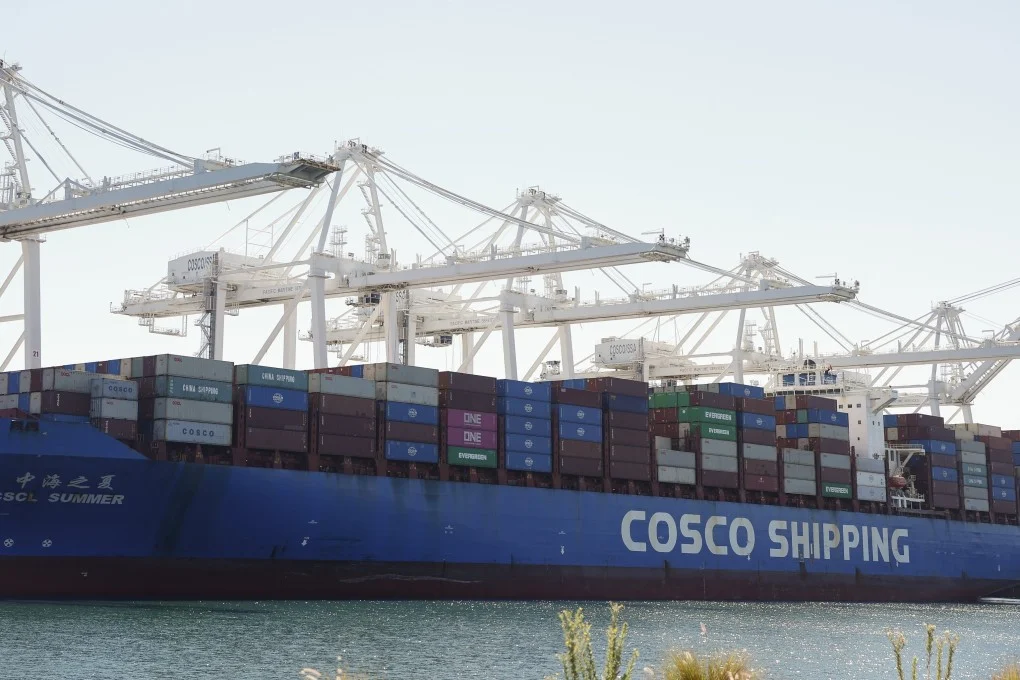
State-backed Cosco Shipping Holdings, China’s top container shipping group, could need to pay $1.5 billion to the US in 2026, according to estimates by HSBC.

Separately, the State Council states that if a foreign government damages China’s interests by violating international maritime transport treaties signed by the Chinese government, Beijing could take remedial measures and suspend its own obligations.

Shipping professionals expect IMO member states to vote next month on amendments to the International Convention for the Prevention of Pollution from Ships, known as the Net-Zero Framework. This framework would impose a cost on maritime greenhouse gas emissions from marine energy use. The initiative is backed by China and European countries, but is opposed by the US.

Source: Platts

Drewry: Intra-Asia Container Index Plummeted 9%

LONDON: Drewry’s Intra-Asia Container Index (IACI), a weighted average of regional spot container freight rates, decreased 9% in the fortnight to 30 Sep 25 to $554 per 40ft container.

Intra-Asia Container Index assessment for 30 Sep 2025
Drewry’s Intra-Asia Container Index (IACI) plummeted 9% in the second half of September, reaching $554 per 40ft container. The IACI is a weighted average of spot rates across 18 major trade routes within Asia and is currently 6% lower than it was in September 2024. Drewry expects this downtrend to continue into the first half of October.

About Intra-Asia Container Index
Drewry’s Intra-Asia Container Index (IACI) reports actual spot container freight rates for major intra-Asia trade routes. The Index, which will be updated fortnightly, consists of 18 route-specific indices representing individual shipping routes and a composite index. All indices are reported in USD per 40ft container.

Drewry Tab Drewry: Intra-Asia Container Index Plummeted 9%

Market freight rates are collected for the following routes:
• Busan-Shanghai
• Ho Chi Minh City-Shanghai
• Jakarta-Shanghai
• Jawaharlal Nehru Port-Shanghai
• Kaohsiung-Shanghai
• Laem Chabang-Shanghai
• Shanghai-Busan
• Shanghai-Ho Chi Minh City
• Shanghai-Jakarta
• Shanghai-Jawaharlal Nehru Port
• Shanghai-Jebel Ali
• Shanghai-Kaohsiung
• Shanghai-Laem Chabang
• Shanghai-Manila
• Shanghai-Singapore
• Shanghai-Tanjung Pelepas
• Shanghai-Yokohama
• Yokohama-Shanghai
Source: Drewry

IBIA and BIMCO launch Follow-Up Survey on Bunker Licensing and Mass Flow Metering Adoption

IBIA – The International Bunker Industry Association, with support from BIMCO, has announced the launch of a follow-up survey designed to assess the impact of bunker licensing schemes (BL) and Mass Flow Meter (MFM) technology on transparency, fuel quality, and regulatory alignment across the maritime sector. This initiative builds on the comprehensive survey conducted in 2022, which provided valuable insights into industry challenges related to fuel quality, quantity discrepancies, and the operational impacts of adopting MFM technology.

The findings of the 2022 survey highlighted that while MFM adoption, particularly in Singapore, has significantly reduced disputes over fuel quantity, concerns regarding fuel quality and its effect on machinery remain prevalent. The survey also revealed strong industry support for the wider implementation of MFM and licensing schemes as a means of improving transparency, reliability, and trust at ports globally.

The follow-up survey, led by the IBIA Bunker Licensing & MFM Working Group (BL MFM), seeks to build on these findings by examining progress made since 2022, identifying ongoing challenges, and gathering industry perspectives on the potential adoption of mandatory MFM technology, the expansion of licensing schemes to additional ports, and the benefits of global standardisation and digitalisation of bunkering practices.

Alexander Prokopakis, Executive Director of IBIA, said: “The feedback from our 2022 survey showed a clear industry desire for greater transparency and confidence in the bunkering process. This follow-up survey will allow us to better understand the current state of the industry and identify the steps needed to ensure safe, reliable, and future-ready bunkering practices worldwide.”

David Loosley, Secretary General & CEO of BIMCO, added: “As biofuels and other expensive alternative fuels are gradually and increasingly introduced, it reinforces the need to ensure accuracy and transparency in the quantity and quality of the fuels being delivered. The Port of Singapore, as well as the ports of Rotterdam and Antwerp, are demonstrating their commitment to the mandatory and enforceable use of Mass Flow Meters; we believe this, supported by industry initiatives, is a very positive step forward for the future supply of bunkers to the shipping industry.”  

The online survey will take approximately 10 minutes to complete, and all responses will stay strictly confidential.

Your input is valuable. Please complete the survey and feel free to share it with colleagues and industry partners. Make your voice heard in the industry!

Take Survey Now

Bimco survey IBIA and BIMCO launch Follow-Up Survey on Bunker Licensing and Mass Flow Metering Adoption

The Lizard Syndrome at Work: How Imagined Burdens Hold Back Corporate Innovation

By Dr. Saamta Jain & Dr. Namrata Mehta

In the quiet stillness of a sun-drenched wall, a small lizard clings tightly, its tiny claws gripping the surface. The lizard, in its primitive mind, feels as though the wall is pressing down on it — as though the weight of this massive structure balances solely on its fragile back. Of course, the reality is very different: the wall stands independently, supported by solid foundations and immovable pillars. The lizard, though attached to it, does not carry its burden.

This vivid metaphor, often called the “Lizard Syndrome,” is surprisingly applicable to modern corporate life. In boardrooms, cubicles, factory floors, and executive suites, individuals across industries — from manufacturing to finance, IT, marketing, legal, logistics, human resources, and customer care — experience the same cognitive distortion. They believe they are personally holding up the wall of the company, convinced that their singular effort or vigilance keeps everything from falling apart.

But the truth is more nuanced: the company stands on systems, teams, protocols, and shared ownership. The wall is supported not by one, but by many — and by design.

When Perception Distorts Reality

Take the accounts or finance manager, for example, frantically preparing year-end reports. Despite having a skilled team of analysts, a robust ERP system, audit support, and cross-checking processes, they stay late night after night, obsessed with ensuring every figure is perfect. The fear? That one slip-up could cause financial disaster or reputational harm. Yet in truth, no major organization operates on the back of one person. There are layers of review, systems of accountability, and built-in resilience.

Or consider the IT head, who feels personally responsible when a server crashes. Even though disaster recovery plans exist, backups are secured, and standard operating procedures are in place, the lead feels their career — or worse, the company’s operations — hang in the balance.

In the marketing and Marcom teams, this plays out during product launches or campaigns. A creative lead may internalize the belief that every tagline, every visual, every message must be perfect because it all hinges on them. Yet marketing success is a team sport, dependent on designers, copywriters, strategists, data analysts, and customer feedback.

Even the administration team, which oversees everything from facilities to vendor management, often grapples with this syndrome. They believe that if they don’t personally handle every detail — every maintenance issue, every contract, every vendor delay — the entire operation will suffer.

The result? Overwork, stress, micromanagement, and ultimately, burnout.

The Impact on Organizations

The consequences of the Lizard Syndrome are far-reaching. On an individual level, it leads to anxiety, exhaustion, and a constant sense of being “on edge.” On a team level, it fosters inefficiency, mistrust, and poor delegation. Employees who believe they must control everything are less likely to empower their teams, and over time, this erodes collaboration and innovation.

At an organizational level, the culture becomes risk-averse. If individuals are terrified of making mistakes because they overestimate their personal burden, they will avoid experimentation, creative problem-solving, and bold initiatives — all of which are crucial for growth and competitiveness.

Perhaps most importantly, when organizations fail to recognize and address this syndrome, they lose the opportunity to create a healthy, resilient, and forward-looking workplace.

Corporate Scenarios and Real-World Examples

Let’s bring in some corporate examples.

At a manufacturing and export company, the EXIM team managing international shipments works under intense pressure. Shipping valuable goods across borders, coordinating documentation, handling customs — the stakes feel high. One export officer confessed, “Sometimes I feel like if I don’t triple-check everything myself, the whole company will lose millions.” But the reality is that EXIM is supported by legal experts, compliance teams, freight forwarders, and insurance partners.

In the legal and audit departments, the same pattern emerges. Junior legal associates often hesitate to share workload, convinced that one misinterpreted clause or one delayed document could derail a deal or trigger penalties. Yet contracts go through multi-level reviews, and legal risks are managed through collective expertise, not solo heroics.

The systems and infrastructure team faces similar moments — particularly during system upgrades or network outages. I recall an IT manager once saying, “When the system goes down, I feel like the entire company is looking at me, waiting for me to fix it.” But they forget: IT is a department, not a single person. Troubleshooting, vendor support, and disaster recovery protocols all exist for precisely these moments.

Marketing and Marcom teams too often suffer from the “spotlight effect,” believing their campaign failures or successes define the company’s reputation overnight. While marketing certainly plays a critical role, reputation is shaped over time, across touchpoints, and through consistent service delivery, not just one campaign.

And then there’s the human resources (People team), who often feel the emotional weight of employee grievances, performance management, and cultural health. HR managers can slip into thinking, “If I don’t mediate every issue, we’ll lose good people or fracture the culture.” But culture is not one person’s burden — it’s built across leadership, middle management, and frontline employees alike.

The Role of Leadership

Leaders have a pivotal role to play in addressing the Lizard Syndrome. First, they must communicate shared ownership clearly and consistently. Employees need to hear that success and accountability are collective, not individual, responsibilities. Celebrating team wins, not just individual saviors, reinforces this message.

Second, leaders must model healthy delegation. When top leaders micromanage, they create a culture where everyone feels they must control every detail. By empowering teams, showing trust, and distributing responsibility, they signal that no one person is holding up the entire wall.

Third, organizations should invest in mindset training. Resilience workshops, coaching programs, and mindfulness initiatives can help employees recalibrate their internal narratives. They can learn to ask, “Am I truly responsible for everything here, or am I part of a larger, well-structured system?”

Fourth, companies must create transparent processes and fallback mechanisms. Employees often overestimate their burden because they are unaware of backup systems, escalation chains, or collaborative supports. Communicating these clearly helps them understand their real — not imagined — scope of responsibility.

The Hidden Toll on Innovation

Innovation is not just about brilliant ideas — it’s about taking risks, experimenting, and learning fast. But when individuals inside an organization fall into the “lizard syndrome,” where they overestimate their personal burden and feel the whole company’s success (or survival) depends solely on them, innovation is one of the first casualties.

.Fear Cripples Risk-Taking

Imagine a product development manager who’s convinced that if their next project isn’t a success, the company’s future is at stake. Do you think they’ll take bold creative risks? Probably not. They’ll stick to “safe” ideas — those that have been done before, that guarantee predictable (but limited) outcomes, and that don’t challenge the status quo.

When employees fear personal blame or feel they carry the entire load, they default to caution, avoiding anything that might fail, even if the potential upside is massive.

This leads to incrementalism:

  • Marketing campaigns that look like last year’s
  • IT solutions that upgrade only slightly
  • Process improvements that tweak instead of transform
  • Product designs that copy competitors rather than leap ahead

Micromanagement Smothers Creativity

The lizard syndrome also drives micromanagement. If leaders or employees believe they are personally responsible for every outcome, they become hyper-controlling.

Micromanagers may believe they’re helping, but in reality, they choke off the fresh ideas, alternative approaches, and creative problem-solving that come when people are empowered. Teams stop offering suggestions because they know they’ll just be overruled. Innovation dries up not because people don’t care — but because they’re not given room to act.

Burnout Undermines Innovation Energy

Another killer of innovation is burnout.

Employees who carry imaginary burdens work excessive hours, skip recovery time, and run themselves down. Innovation, however, requires mental space: you need time to reflect, explore, and imagine. Burned-out teams have no energy for invention — they’re too busy just surviving.

Studies have shown that companies with high burnout levels have lower innovation scores, not because their people lack ability, but because they lack capacity.

From Hero Culture to Collective Innovation

To break this pattern, organizations must shift from a hero culture — where individual saviors are celebrated — to a collective innovation culture — where teams share risk, distribute responsibility, and back each other up.

As businesses face increasing complexity — from global market shifts to digital transformation, supply chain challenges, regulatory changes, and rising customer expectations — the ability to adapt and innovate becomes critical. To do this, organizations must first ensure their people are not shackled by imaginary burdens.

When companies successfully shift from a “hero culture” to a collective strength culture, they unlock new potential. Suddenly, marketing teams dare to launch bolder campaigns. IT departments experiment with cutting-edge tools. Legal teams explore smarter contract frameworks. HR drives cultural innovation. Finance leads transformative models. Operations embraces agile methods.

It’s not that individuals stop caring; it’s that they start caring in the right measure, in the right context, and with the right support. They stop gripping the wall in panic and instead stand confidently, knowing they are part of something much stronger and more resilient.

Shedding the Illusion

The Lizard Syndrome offers a powerful lens for organizations and individuals alike. It reminds us that the imagined burdens we carry can be heavier than the real ones, that our systems are often stronger than we give them credit for, and that our best work emerges when we trust in collective strength.

In the end, the wall was never resting on the lizard — the lizard was simply attached to the wall. And when we understand that, we free ourselves to climb, leap, and explore.

Authors:

Dr. Saamta Jain, Chief People Officer, Jewelex Group, Mumbai & Clinical Psychologist

And 

Dr. Namrata Mehta , Clinical Psychologist

GGACL handles first ever Expedition non-scheduled cargo charter movement for NCPOR

GOA: Manohar International Airport (MIA), developed and operated by GMR Goa International Airport Ltd. (GGIAL) is proud to handle its first ever expedition non-scheduled charter movement for NCPOR ( National Centre for Polar and Ocean Research, Vasco Goa ).  This charter flight an IL76 is carrying essential expedition material like medicines, food supplies and other necessary general commodities to Antarctica via Cape Town (South Africa) for the ongoing research in Polar and Ocean Sciences at Antarctica expedition.

This is the first time an IL-76 has taken off from Manohar International Airport. IL 76 nicknamed the “Gajraj” is a large, Soviet-designed, four-engine turbofan strategic airlifter known for its heavy-lift capability, it serves as a primary transport aircraft, carrying cargo, vehicles, and personnel to remote locations.

This charter movement is the 3rd specialized cargo charter handled by GMR Goa Air Cargo at Manohar international airport within last 02 years. GGACL has been a preferred choice for handling critical specialized freighters and non-scheduled cargo charter operations with its world class infrastructure, and specialized cargo handling capabilities.

NHAI to install QR Code sign boards with project specific information of National Highways

NEW DELHI : In order to enhance transparency and provide ‘Ease of Commuting’ to the National Highway users, NHAI will install Project Information Sign Boards with ‘Quick Response (QR) Codes’ along the National Highway stretches to provide relevant project specific information and emergency helpline numbers to National Highway commuters. ​

The vertical QR Code Sign Boards will provide project-specific information including National Highway number, Highway chainage, project length, construction/maintenance periods, Contact numbers for Highway Patrol, Toll Manager, Project Manager, Resident Engineer, Emergency Helpline 1033, NHAI field office as well as details about nearby facilities like hospitals, petrol pumps, toilets, police stations, restaurants, distance to toll plaza, truck lay bye, puncher repair shop and vehicle service stations/e-Charging Station etc.

For enhanced visibility, the ‘QR Code’ sign boards will be placed near wayside amenities, rest areas, toll plazas, truck lay-byes, highway start/end points, and signages for the convenience of National Highway users. ​

Apart from providing specific information about the National Highway stretches and enhancing transparency, the QR code sign boards will not only help to enhance road safety through better access to emergency and local information but also go a long way in improving user experience and awareness about National Highways across the country.

IMO steps up efforts to train seafarers on alternative fuels and new technologies

LONDON: The International Maritime Organization is stepping up efforts to prepare seafarers for shipping’s energy transition, in line with its strategy to cut greenhouse gas emissions from ships. 

IMO has issued Generic interim guidelines on training for seafarers on ships using alternative fuels and new technologies (STCW 7/ Circ. 25). The guidelines set out an international framework for the development and approval of training of seafarers serving on all ships using alternative fuels and new technologies.

Fuel- and technology- specific interim training guidelines – including for methyl/ethyl alcohol, ammonia, hydrogen, LPG, battery-powered ships and fuel cells – are also being developed. They will be considered by the IMO’s Sub-Committee on Human Element, Training and Watchkeeping in February 2026 (HTW 12).  

These guidelines are expected to form the basis for mandatory requirements for seafarer training under the revised 1978 STCW Convention Code, currently under review to support decarbonisation, digitalisation and other developments. 

Developing capacity through technical support 

Along with regulations, IMO is expanding its support to Member States. Examples of ongoing initiatives include:  

  • A three-year project funded by Japan to train instructors from Asian countries in operating LNG-fuelled ships; 
  • A partnership with the World Maritime University to produce training materials for seafarers on alternative fuels, which also contributed to the Maritime Just Transition Task Force training frameworks, launched in September; 
  • Support for trainers in developing countries to produce locally relevant courses along with online learning modules through the GreenVoyage2050 Programme;  
  • Platforms to connect regulators and practitioners, such as a recent seminar in Singapore showcasing practical training innovations from simulators and VR tools to methanol firefighting exercises. 

A just and prepared transition 

With new training standards, enhanced technical support for Member States and closer engagement with industry and academia, IMO is laying the groundwork for a just and well-prepared energy transition for seafarers.  

For more information, see: Preparing seafarers for the energy transition

WR Group Holding invests in RETEMS, expanding WR Logistics into Azerbaijan

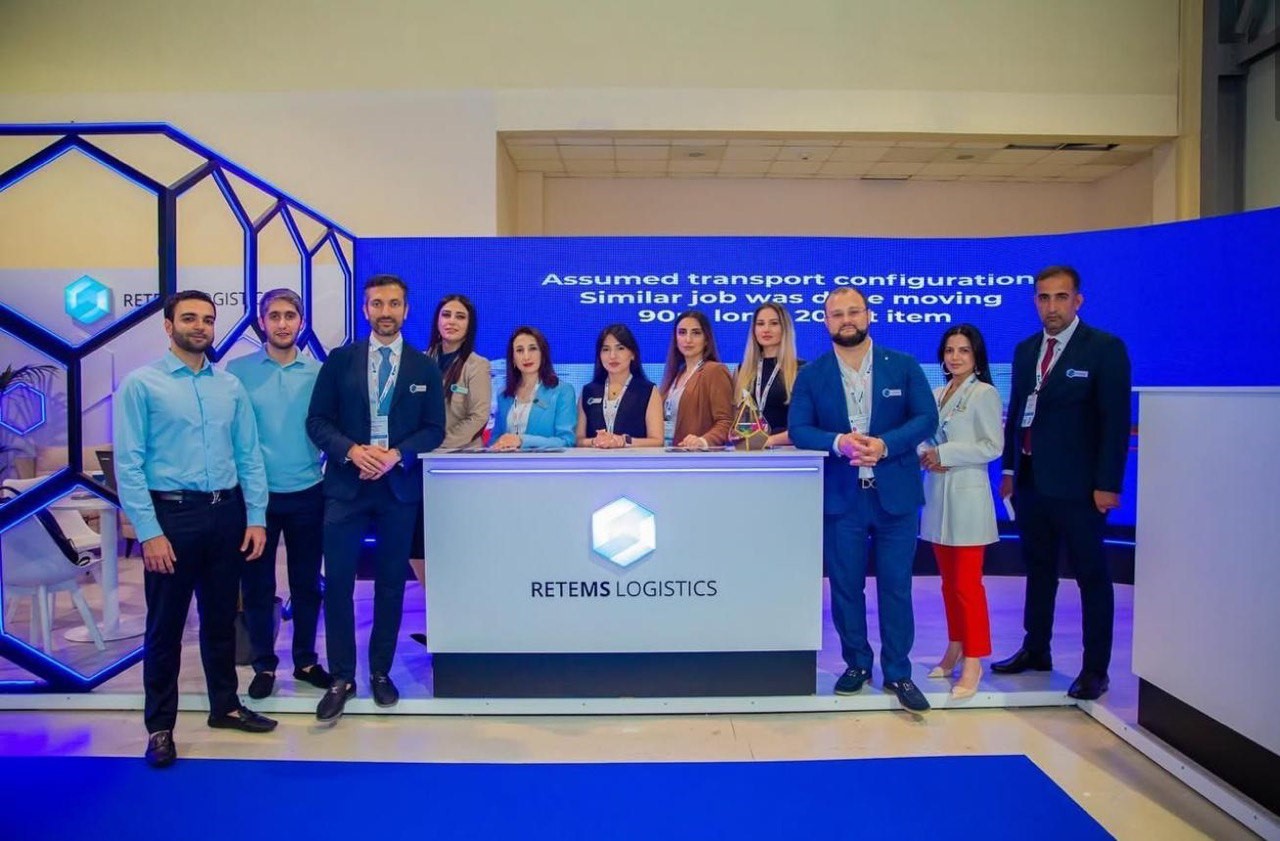
DUSSELDORF: WR Logistics, a provider of project logistics solutions for large scale industrial and infrastructure projects, will expand its network and service capabilities in Azerbaijan through an investment by WR Group Holding in RETEMS, the country’s leading project logistics company.

This investment by WR Group Holding combines RETEMS’ unmatched local leadership with WR Logistics’ global operations, creating a stronger platform for project logistics across the Middle Corridor. From Baku to Georgia, Kazakhstan, and beyond, RETEMS will now deliver services as part of WR Logistics’ international network, offering clients reliable and innovative solutions for energy, infrastructure, and industrial projects.

“Our investment in RETEMS strengthens WR Logistics’ presence in Azerbaijan and the wider region. By combining RETEMS’ local expertise with our global operations, we are better positioned to deliver reliable project logistics services for industrial and infrastructure projects,” said Wadim Rosenstein, Chairman of WR Group Holding.

As part of this expansion, Orkhan Musayev, General Director of RETEMS, has been appointed Vice President for Industrial Projects at WR Logistics. In his wider role, he will contribute his extensive regional expertise to WR Logistics’ global operations and lead the development of industrial and infrastructure projects across the network.

“This investment opens a new chapter for RETEMS and for Azerbaijan,” said Orkhan Musayev, Vice President for Industrial Projects at WR Logistics. “By joining forces with WR Logistics, we will strengthen our ability to deliver world-class solutions while ensuring that Azerbaijan plays a central role in the growth of the Middle Corridor. Our clients will benefit from the combination of local expertise and WR Logistics’ international network.”

With this investment, WR Logistics continues to expand its operations globally, reinforcing its role as a precision-driven logistics provider. The company remains focused on delivering engineered transport solutions that support industrial development and strengthen trade links across Europe, the Middle East, CIS, Africa, Asia, and Latin America.

About WR Group Holding

WR Group Holding GmbH, headquartered in Germany, is a diversified, privately owned group operating at the intersection of industrial logistics, EPC services, and real estate. Established in 2014, WR Group has evolved into an international portfolio of specialized companies serving critical industries worldwide with precision, technical excellence, and operational flexibility.


About WR Logistics
WR Logistics is a precision led logistics provider delivering engineered transport solutions for complex global projects. The company offers integrated services across project logistics, heavy lift, and freight forwarding operations. Built for complexity and designed for execution, WR Logistics operates across Europe, the Middle East, CIS, Africa, Asia, and Latin America