Home Blog Page 633

TVS SCS North America grows at 20% CAGR; aims to achieve $500 million in revenue

WATERLOO,IOWA/CHENNAI: TVS Supply Chain Solutions, a global leader in supply chain management, and one of the largest and fastest growing integrated supply chain solutions providers in India, has announced that its wholly owned subsidiary, TVS SCS North America, aspires to become a $500 million revenue business, building on a sustained 20% CAGR over the past four years, and maintaining strong growth momentum in the region.

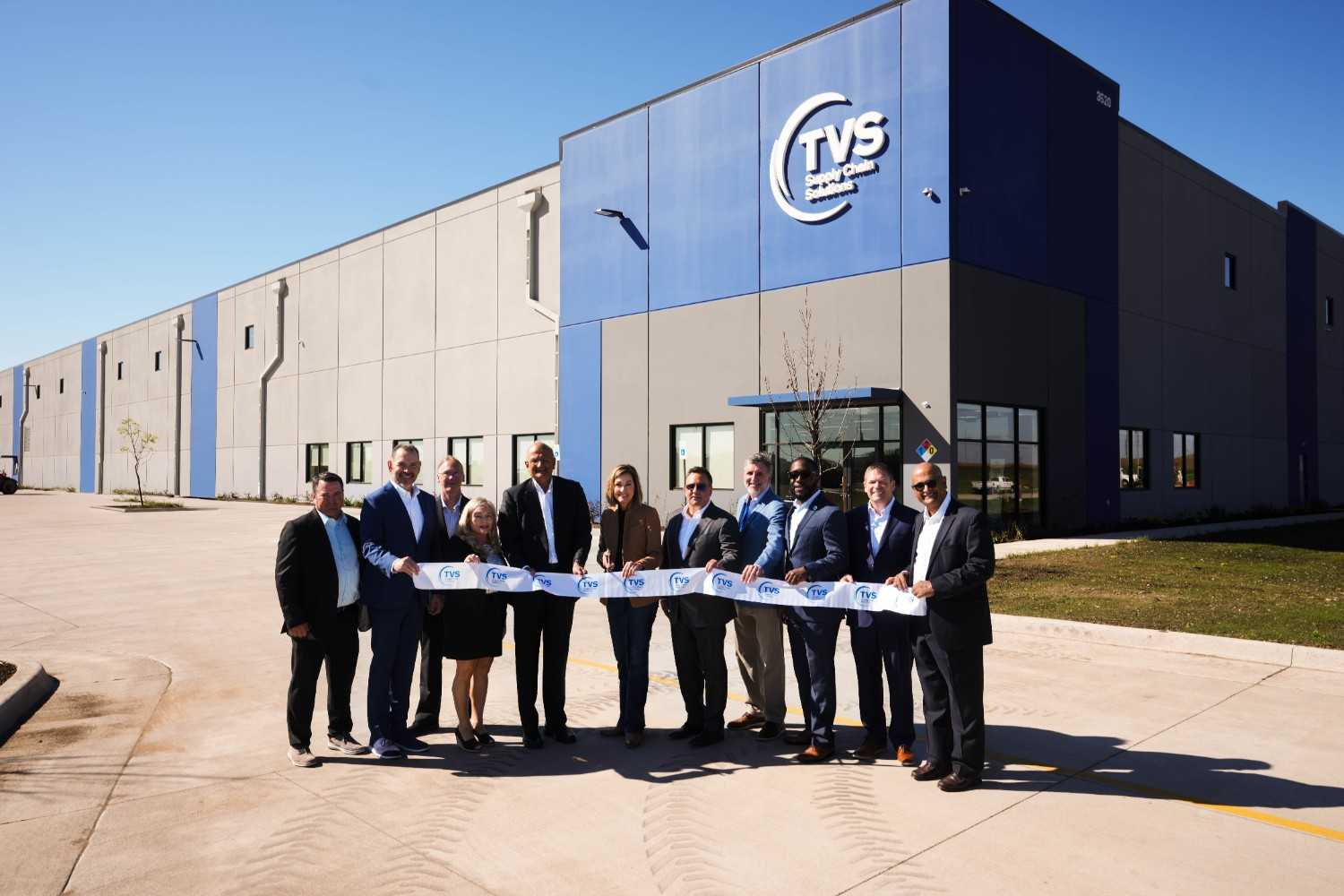
Further to this, the Company announced the inauguration of its new 225,000-square-foot build-to-suit facility in Waterloo, Iowa.  The state-of-the-art facility expands TVS SCS’ footprint in the U.S. Midwest and strengthens its ability to serve local manufacturers and key clients. The new facility will also enhance TVS SCS’ capability to deliver manufacturing support services such as value-added assembly, kitting, sequencing, and just-in-time delivery.

“Our new facility in Iowa embodies the future of supply chain management,” said Mr. Ravi Viswanathan, Managing Director, TVS Supply Chain Solutions. “With 95% of its capacity already committed, the facility is a testament to the strong demand for our services and the trust our clients place in our capabilities. Equipped with advanced automation and robotic technology, this facility is designed to maximize operational efficiency, reduce lead times, and deliver unparalleled service quality. These advanced technologies enable us to serve our clients’ evolving needs with agility and precision, positioning us to achieve faster and stronger growth in the U.S. market,” he added.

The inauguration ceremony was honored by the presence of Iowa Governor Kim Reynolds and Waterloo Mayor Quentin Hart, who recognized the facility as a key advancement in strengthening Iowa’s role as a vital hub for manufacturing distribution and supply chain innovation.

“We are committed to further expanding our presence in the U.S. and investing in state-of-the-art facilities to better serve our clients,” said Mr. Richard Vieites, CEO of North America & Europe, TVS Supply Chain Solutions.

He further added, “Our future plans include continued growth in strategic locations, enhancing our technological capabilities, and fostering strong partnerships to drive innovation in supply chain management.”

This new facility is the second TVS SCS location in the state and features 6,800 square feet of office space, a driver’s lounge, 30 loading dock doors and two drive-in doors. TVS SCS is currently building another 225,000-square-foot facility in the region, which will be go live next quarter.  TVS SCS’ first facility in the state is located in Iowa City.

Maritime Technologies Forum Issues New Guidelines for the Safe Inspection of Methanol Dual-Fuel Ships

TOKYO: The Maritime Technologies Forum (MTF) Tuesday released a comprehensive report providing guidelines for the safe inspection of methanol dual-fuel ships. The project was led by the Maritime and Port Authority of Singapore (MPA) with the participation of various MTF members.

As the maritime industry accelerates its transition to alternative fuels under increasingly stringent IMO emission regulations, methanol as fuel has emerged as a particularly attractive option, as documented by the increasing number of orders. However, methanol’s unique properties—including its flammability, toxicity, and corrosivity—present distinct challenges for ship inspectors.

The new guidelines cover the key areas of attention to ensure safe inspection:

  1. Pre-Inspection Preparations: Competency requirements, specialized training, thorough ship familiarization, emergency preparedness, and proper PPE selection and use.
  2. During Inspection Protocols: Dynamic Risk Assessment (DRA), CMES system testing, hazardous area management, methanol fuel system inspection procedures, and incident response readiness.
  3. Post-Inspection Considerations: Decontamination procedures, health monitoring (accounting for delayed symptom onset), and PPE maintenance and disposal.

A total of 41 safety recommendations have been identified across the inspection process, representing an important effort to provide practical guidance and direction to support the industry’s safe adoption of methanol. These recommendations serve as a robust foundation for organizations to establish new safety protocols or strengthen existing Standard Operating Procedures (SOP), which is critical to building users confidence and supporting the development of methanol as a marine fuel.

The guidelines are designed to complement rather than replace existing inspection requirements, addressing the specific risks associated with methanol as a marine fuel. They aim to safeguard inspectors’ health and safety while ensuring effective inspections for this rapidly growing segment of the fleet.

Capt. M Segar, Chief Marine Officer / Senior Advisor, MPA, said, “As a major flag Administration and port State, Singapore welcomes the publication of the report, which addresses the health and safety risks associated with the inspection process of methanol-fuelled ships. The guidelines may also be applicable to other professionals who visit or board these vessels, such as for cargo handling, maintenance and repairs, deliveries, and pilotage. MPA’s participation in developing these guidelines reflects our commitment to supporting the maritime industry’s multi-fuel transition towards a cleaner, greener and safer future.”

Knut Ørbeck -Nilssen, DNV, CEO Maritime, added, “This report is a testament to the collaborative efforts of MTF members and industry stakeholders. By offering 41 concrete recommendations across all phases of inspection, the guidelines provide a practical framework to manage methanol-related risks effectively. They will help the maritime community accelerate the safe use of methanol as a fuel, supporting the decarbonisation of the industry.”

View the full report by downloading here.
GUIDELINES FOR CONDUCTING SAFE INSPECTION OF METHANOL DUAL-FUEL SHIPS

About MTF

MTF is a forum of Flag States and Classification Societies, established to provide technical and regulatory expertise to benefit the maritime industry. The role of the Forum is to work together on research that it publishes to the maritime industry and draw on regulatory expertise to be able to offer unbiased advice to the shipping sector. It seeks to give guidance on the use of alternative fuels and increased levels of automation in the industry. Furthermore, it allows for the safe testing and adoption of new technologies and it helps shape world-leading regulation.

The Flag State administrations include Maritime Bureau, Ministry of Land, Infrastructure, Transport and Tourism, Japan; the Norwegian Maritime Authority; the Maritime and Coastguard Agency, United Kingdom; and the Maritime and Port Authority of Singapore (MPA). The Classification Society members are ABS, DNV, LR and ClassNK.

DMC contracted to deliver equipment packages for 14 vessels under construction at Indian shipyards

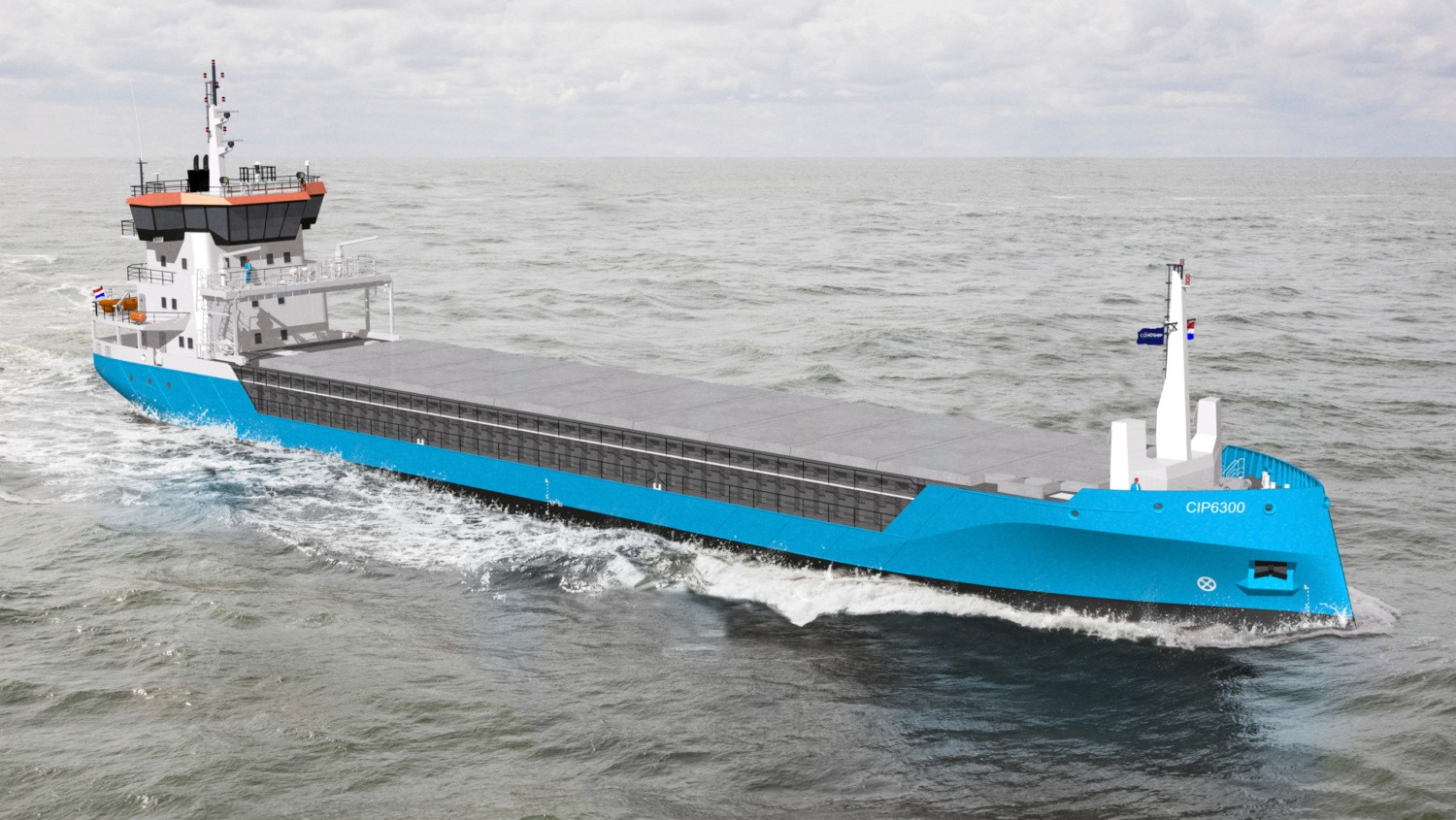
THE NETHERLAND: Damen Marine Components (DMC) has been contracted to supply rudders, steering gear and nozzles to two major newbuilding projects in India. The contracts cover a total of 14 multi-purpose vessels (MPVs), and are constructed at two shipyards: Udupi Cochin Shipyard and Mazagon Dock Shipbuilders. Both end-clients chose for DMC equipment.

First-ever collaboration with Udupi Cochin Shipyard
The first project involves eight 6,300 DWT MPVs being built by Udupi Cochin Shipyard (UCSL) for a Scandinavian customer. These vessels mark the very first order placed at DMC by this yard, which is part of Cochin Shipyard Ltd.

The Dutch company will deliver its Piston-type steering gear and Atlantic-type rudders for these ships. The rudders will be tailored to this specific vessel design. All equipment will be built at, and delivered from, DMC’s own factory in China: DMC Jiangyin.

DMC Sales Manager Bogdan Mocanu says:“We have been active in India for 20 years and growing our footprint with this project for Udupi Cochin Shipyard makes us very proud. It shows our capability to work worldwide, tailoring our in-house designed equipment to the client’s wishes. It’s nice to see that our mutual relationship with Udupi is smooth; there’s good communication and collaboration across the board.”

Six 7,500 DWT MPVs for Navi Merchants
The second project consists of six vessels for Danish shipowner Navi Merchants, built at Mazagon Dock Shipbuilders Ltd. in Mumbai. Again, this project marks a first-time collaboration. The DMC scope includes:

  • Rudder systems (Atlantic-type) and hydraulic steering gear (Piston-type)
  • Propeller nozzles for propulsion efficiency

While the steering gear will come directly from DMC’s head office and production location in the Netherlands, the rudders and nozzles are manufactured at DMC Gdansk in Poland.

Bogdan added “We’re proud to be part of these newbuilds and grateful for the trust that Navi Merchants has given us. The same goes for our first-time client Mazagon Dock Shipbuilders. This high-tech shipyard is well-known for its naval vessels – destroyers, frigates, submarines. Hence, when building commercial vessels, you know one thing for sure: this will be a demanding project to the highest standards. Personally I see this contract as a milestone for DMC in the Indian maritime market.”

All components will be manufactured to meet the latest class standards and are scheduled for phased delivery starting later this year.

Davies Turner restructures Turkish logistics operations

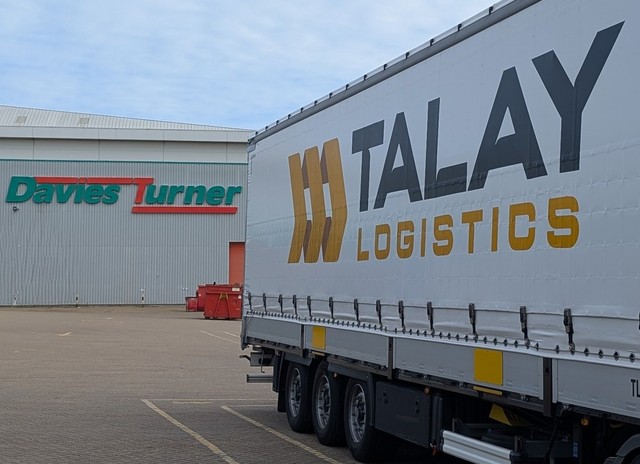
COLESHILL (UK): Davies Turner has been reached an agreement with Talay Logistics to handle daily two-way trailer services between Türkiye and the UK.

An additional partnership has been signed, which will see the Istanbul-based subsidiary of Gebrüder Weiss, one of Davies Turner’s longest-standing partners, manage point of origin warehousing, quality control and compliance operations in Istanbul for clients sourcing from Türkiye.

Expressing his satisfaction with the two new partnerships, Davies Turner director, Alan Williams, said:

“For many years, we had worked in partnership with the EKOL Group to develop and establish our leading presence in this trade lane.

“A change in ownership for EKOL’s international transport operations required us to develop new partnerships that would enable us undertake a seamless transition of the award-winning logistics operations that we deliver on this route.

“Through our partnership with Talay Logistics we are standardising door-to-door trailer services and supporting them with our Purchase Order Management system, which enables product tracking by PO number, SKU, or unit level, adding significant value.

“Our in-country partnership with Gebrüder Weiss Türkiye adds the stability that will allow us to continue to deliver value-added services for clients that are sourcing products from Türkiye.

“These include offshore end-to-end logistics operations, accepted quality levels (AQL) and quality checks (QC) on stock, as well as pick and pack operations, on location in Turkey.

“This  point of origin warehousing and logistics operation helps differentiate our service from many of our competitors ,” Williams adds.

Through the collaboration with Talay Logistics, Davies Turner is delivering daily groupage and full load trailer services between the two countries, typically moving around 70-110 trailers a week between the two countries, along with sea freight containers.

The HOCC has Imposed Sanctions on a Number of Entities, Persons, and Assets for Violating the Decision Prohibiting the Export of U.S. Crude Oil

SANA’A: The Humanitarian Operations Coordination Center (HOCC) issued a decision designating (13) entities, (9) persons, and (2) assets linked to the United States of America as perpetrators of prohibition of the export of U.S. crude oil Decision No (PD-05-25-001), and have been included in the (PAYAIS) sanctions list. For having facilitated the export, re-export, transport, loading, purchase, or sale of U.S. crude oil (HS Code 2709.00) from U.S. ports, whether directly or indirectly, including ship-to-ship (STS) transfers, in whole or in part, including through third parties.

This measure includes entities operating in the energy and maritime shipping sectors, along with a number of chairpersons and chief executive officers linked to them, as well as certain assets.

The Executive Director of the Humanitarian Operations Coordination Center (HOCC) stated:

“The measures taken today through the imposition of sanctions are due to violations of Decision No. (PD-05-25-001) concerning the prohibition of U.S. crude oil exports, which entered into force on 17 May 2025, at 00:01 Sana’a local time, corresponding to 16 May 2025, at 21:01 (UTC), and in application the principle of reciprocity — as stipulated in paragraph (c) of Article (5) of Law No. (5) of the year 1445 AH regarding the designation of States, entities, and persons as hostile to the Republic of Yemen— the sanctions issued today constitute a first installment in response to the sanctions imposed by the Office of Foreign Assets Control (OFAC) of the U.S. Department of the Treasury on 20 June, 22 July, and 11 September 2025, through the designation and listing of entities, individuals, and vessels in the sanctions list (SDN), despite the announcement by the Ministry of Foreign Affairs of the Sultanate of Oman on 6 May 2025, of de-escalation and a ceasefire between the United States of America and the Republic of Yemen“.

The Executive Director also affirmed that “the HOCC will employ all means and instruments available to confront any hostile measures taken by any State or group against the Republic of Yemen, in accordance with the applicable laws and relevant regulations“. He further emphasized that “the Republic of Yemen will never tolerate any act that undermines its sovereignty, security, or stability, and will exercise its legitimate right to apply the principle of reciprocity“.

This decision was adopted pursuant to Law No. (5) of the year 1445 AH concerning the classification of states, entities, and persons hostile to the Republic of Yemen; the Sanctions Regulation on Perpetrators of Aggression against Yemen or any Arab or Islamic State (SR-PAYAIS); and the authority granted to the Humanitarian Operations Coordination Center (HOCC) under Article (7-b) of the same regulation, as well as Decision No. (PD-05-25-001) concerning the prohibition of exporting U.S. crude oil. It is also recalled that the United States of America had previously been designated as a hostile state to the Republic of Yemen pursuant to Resolution No. (107) of the year 1445 AH issued by the President of the Supreme Political Council.

Entities designated and listed in the (PAYAIS) sanctions list:

The following entities have been designated and listed on the (PAYAIS) sanctions list for violating the Decision Prohibiting the Export of U.S. Crude Oil No (PD-05-25-001), namely:

  1. ExxonMobil Sales and Supply LLC is a U.S.-based company headquartered in Houston, Texas, and a subsidiary of Exxon Mobil Corporation. It engages in commercial and distributional activities, plays a key role in linking domestic production to global markets, and is responsible for marketing and distributing ExxonMobil’s U.S. crude oil and refined products worldwide through its regional offices. The company has facilitated the export of millions of barrels of U.S. crude oil through a large number of shipments.
  2. Chevron Trading LLC, is a U.S.-based company headquartered in San Ramon, California, it serves as the commercial subsidiary of Chevron Corporation specializing in the trading and marketing of crude oil, gas, and refined products. It acts as the link between Chevron’s production and global markets. The company facilitated the export of millions of barrels of U.S. crude oil through a large number of shipments.
  3. Enterprise Products Operating LLC is one of the leading U.S.-based companies in the midstream energy sector. Headquartered in Houston, Texas, it is a subsidiary of Enterprise Products Partners L.P. The company specializes in the transportation, storage, and marketing of crude oil and petroleum products, and plays a pivotal role in the export of U.S. crude oil through its extensive and integrated infrastructure, which includes export terminals. The company has facilitated the export of millions of barrels of U.S. crude oil through dozens of shipments.
  4. Phillips 66 is a U.S.-based energy company headquartered in Houston, Texas, it is one of the largest companies in the oil and gas refining, marketing, and transportation sector. The company plays a vital role in the transportation and export of U.S. crude oil through its infrastructure network, which connects domestic production areas to coastal export terminals via pipelines, making it one of the key contributors to enabling U.S. crude oil exports to global markets. The company has exported millions of barrels of U.S. crude oil through dozens of shipments.
  5. Marathon Petroleum Supply LLC is a U.S.-based company headquartered in Ohio, and a subsidiary of Marathon Petroleum Corporation. It is one of the largest refining and marketing companies in the United States and plays a vital role in the export of crude oil and petroleum products through its integrated network and supporting infrastructure. The company has facilitated the export of millions of barrels of U.S. crude oil through a number of shipments.
  6. ConocoPhillips is one of the largest U.S.-based exploration and production companies, headquartered in Houston, Texas. It operates globally in the exploration, production, transportation, and marketing of crude oil, natural gas (LNG), and natural gas liquids (NGLs). The company benefits from the logistical infrastructure available in the United States, including pipelines and terminal facilities at major export ports, to move crude oil from production areas to vessels bound for global markets. The company has exported millions of barrels of U.S. crude oil through a large number of shipments.
  7. Valero Marketing and Supply Company is a U.S.-based company headquartered in San Antonio, Texas, specializing in marketing and supply. As a subsidiary of Valero Energy Corporation, it engages in the company’s commercial and distributional activities and is responsible for marketing, supply chain management, and overseeing transportation and supply operations through an integrated infrastructure. The company has facilitated the export of millions of barrels of U.S. crude oil through a large number of shipments.
  8. Energy Transfer Crude Marketing LLC is a U.S.-based company and a subsidiary of Energy Transfer LP, headquartered in Dallas, Texas. It is considered one of the leading midstream oil companies in the United States. The company specializes in crude oil marketing and commercial flow management, with a strong focus on supporting U.S. crude oil exports. It is dedicated to marketing crude oil transported through an extensive pipeline network and loading facilities linked to export operations. The company has facilitated the export of millions of barrels of U.S. crude oil through a large number of shipments.
  9. EPIC Crude Terminal Company, LP is a U.S.-based crude oil infrastructure company headquartered in San Antonio, Texas. It is the primary operator of the EPIC crude oil pipelines and provides a logistical infrastructure network for the transportation, storage, and export facilitation of crude oil via marine terminals along the U.S. Gulf Coast. The company has exported millions of barrels of U.S. crude oil through a number of shipments.
  10. GCC Supply & Trading LLC is a U.S.-based company specializing in crude oil and petroleum products supply and trading, headquartered in Houston, Texas. It focuses on crude oil trading, refined products, marine fuels, and provides logistical solutions including pipeline transportation. It plays a direct role in the export of U.S. crude oil through its commercial and logistical operations. The company has exported millions of barrels of U.S. crude oil through a number of shipments.
  11. Occidental Energy Marketing, Inc. is a U.S.-based company and a subsidiary of Occidental Petroleum Corporation (Oxy), headquartered in Houston, Texas. The company operates within the wholesale trade sector for oil and petroleum products, including the marketing of crude oil, natural gas, and natural gas liquids (NGLs). It plays a key role in the marketing of U.S. crude oil and facilitates its export through advanced infrastructure and strategic operational partnerships. The company has exported millions of barrels of U.S. crude oil through a number of shipments.
  12. Pioneer Natural Resources Company is a U.S.-based company headquartered in Irving, Texas, and a subsidiary of Exxon Mobil Corporation, one of the largest producers and exporters of crude oil in the United States. Its production supports U.S. crude oil exports. The company facilitated the export of millions of barrels of U.S. crude oil through a large number of shipments.
  13. Diamond S Shipping Inc. is a U.S. maritime shipping company headquartered in Greenwich, Connecticut – USA. It specializes in the operation of crude oil and petroleum product tankers. The company, through a number of vessels it owns, has facilitated the export of thousands of barrels of U.S. crude oil.

Persons designated and listed in the (PAYAIS) sanctions list:

The persons listed have been designated and added to the (PAYAIS) sanctions list for their association with entities that violated the Decision Prohibiting the Export of U.S. Crude Oil No (PD-05-25-001), namely:

  1. Darren Wayne Woods – Chairperson of the Board and CEO of Exxon Mobil Corporation, whose subsidiary is ExxonMobil Sales and Supply LLC designated for violating the Decision Prohibiting the Export of U.S. Crude Oil.
  2. Michael Karl Wirth – Chairperson of the Board and CEO of Chevron Corporation, whose subsidiary is Chevron Trading LLC designated for violating the Decision Prohibiting the Export of U.S. Crude Oil.
  3. William Randall Fowler –Co-CEO of Enterprise Products Partners LP, whose subsidiary is Enterprise Products Operating LLC designated for violating the Decision Prohibiting the Export of U.S. Crude Oil.
  4. Mark Edward Lashier– Chairperson of the Board and CEO of Phillips 66 which designated for violating the Decision Prohibiting the Export of U.S. Crude Oil.
  5. Maryann Mannen – Chairperson of the Board and CEO of Marathon Petroleum Corporation, whose subsidiary is Marathon Petroleum Supply LLC designated for violating the Decision Prohibiting the Export of U.S. Crude Oil.
  6. Ryan Michael Lance – Chairperson of the Board and CEO of ConocoPhillips which designated for violating the Decision Prohibiting the Export of U.S. Crude Oil.
  7. Ronald Lane Riggs – Chairperson of the Board and CEO of Valero Energy Corporation, whose subsidiary is Valero Marketing and Supply Company designated for violating the Decision Prohibiting the Export of U.S. Crude Oil.
  8. Kelcy Lee Warren – Chairperson of the Board and CEO of Energy Transfer Partners, whose subsidiary is Energy Transfer Crude Marketing designated for violating the Decision Prohibiting the Export of U.S. Crude Oil.
  9. Kent Alan Britton – CEO of the Port of Corpus Christi (USCRP), located in Texas – USA who, in his capacity as CEO of the port, violated the Decision Prohibiting the Export of U.S. Crude Oil by enabling  the port to serve as a gateway for the export of tens of millions of barrels of U.S. crude oil via hundreds of shipments.

Assets designated and listed in the (PAYAIS) sanctions list:

The following assets have been designated and added to the (PAYAIS) sanctions list for their association with an entity that violated the Decision Prohibiting the Export of U.S. Crude Oil No (PD-05-25-001), namely:

  1. The vessel SEAWAYS SAN SABA (IMO 9593426), owned by Diamond S Shipping Inc., facilitated the export of U.S. crude oil in late July 2025 by loading a shipment from the Port of Houston (USHOU).
  2. The vessel SEAWAYS BRAZOS (IMO 9594731), owned by Diamond S Shipping Inc., facilitated the export of U.S. crude oil in early July 2025 by loading a shipment from the Port of Houston (USHOU).

Consequences of the Sanctions:

As a result of the action taken today, appropriate sanctions will be implemented on the parties listed on the (PAYAIS) sanctions list, in accordance with Article (38) of the Sanctions Regulation on Perpetrators of Aggression against Yemen or any Arab or Islamic State (SR-PAYAIS). Sanctions – pursuant to Article (39) of the Sanctions Regulation (SR-PAYAIS) – may be extended to include the entities in which those parties hold a stake, contribute to their establishment, or participate in their management; senior executives or beneficial owners of the listed parties; spouses and first-degree relatives of the listed natural persons; entities in which the listed natural persons hold senior management positions; entities controlled by, or established and managed by, those natural persons; and any entities that engage in direct or indirect dealings with them.

Furthermore, pursuant to the (SR-PAYAIS), it is prohibited for States, entities, and persons to engage in any form of transaction with the listed entities, persons, or assets. The use of agents, intermediaries, shell companies, or third parties to facilitate prohibited transactions on behalf of the listed parties is also strictly prohibited. Participation in any such transactions carries the risk of being subjected to sanctions under (SR-PAYAIS). For further details on the applicable sanctions, please refer to the full text of the (SR-PAYAIS). 

It should also be noted that the power and integrity of the sanctions imposed by the (HOCC) derive not only from its ability to designate entities, persons, and assets, and add them to the sanctions list, but also from its readiness to delist them in accordance with relevant regulations. The ultimate goal of the sanctions is not punishment in itself, but to bring about positive behavioral change. For more information on delisting from the sanctions lists, please refer to the (SR- PAYAIS) Regulation available on the HOCC’s official website.

The identifying information of the entities, persons, and assets designated today on the sanctions list can be accessed through the following link: The HOCC has Imposed Sanctions on a Number of Entities, Persons, and Assets for Violating the Decision Prohibiting the Export of U.S. Crude Oil No. (PD-05-25-001)

FTA with EFTA to come into effect from October 1, 2025: Piyush Goyal at UP International Trade Show

GREATER NOIDA: The Free Trade Agreement (FTA) with the EFTA countries (Iceland, Liechtenstein, Norway, and Switzerland), which was finalised in March 2024, will come into effect from October 1, 2025, said Union Minister of Commerce & Industry, Shri Piyush Goyal, while addressing the valedictory session of the UP International Trade Show on Monday. Shri Goyal informed that the developed nations are keen to sign Free Trade Agreements (FTAs) with India, which has already concluded such agreements with the UAE, Australia and the UK. India’s foreign exchange reserves have reached USD 700 billion.

The Minister further stated that India is also in discussions with the US, EU, New Zealand, Oman, Peru and Chile, while Qatar and Bahrain have also expressed interest. The Terms of Reference with Eurasia have been finalised, which reflects India’s strong global standing, he added.

Highlighting the recent GST reforms, Shri Goyal said that Prime Minister Shri Narendra Modi has gifted the nation a transformative reform during Navaratri. “22 September will be written in golden letters in history. I believe this is the biggest reform since Independence, the impact of which will be felt for decades,” he remarked.

The Minister noted that under the leadership of the Prime Minister, India has transformed from a fragile economy in 2014 to the world’s 4th largest economy today, and will become the 3rd largest economy with a USD 5 trillion size in the next two years. He underlined that inflation is at 2 percent—the lowest in a decade—while GDP growth stood at 7.8% in the last quarter. He also emphasised that India’s banking sector is robust and interest rates have come down.

Shri Goyal said that the Union Government is now giving special focus to the development of the North-Eastern and Eastern states, working hand in hand with the respective state governments to ensure inclusive growth and development.

He highlighted the remarkable progress of Uttar Pradesh, noting that the state has grown by leaps and bounds under this vision of inclusive growth which has touched every caste, class, small and big business alike. Uttar Pradesh, he said, is the first state in the country to have established a dedicated Export Promotion Ministry, reflecting its proactive approach in strengthening trade and industry.

The Minister observed that the state has witnessed significant growth across sectors such as khadi, cotton, and the cottage industry. He emphasised the role of the One District, One Product (ODOP) initiative, which has now reached more than 750 districts across the country. Shri Goyal further informed that over 1200 products under ODOP have received special focus, with both the Central and State governments working hard to promote them in domestic and global markets.

The Minister informed that. Unity Malls will be set up in every state of the country to showcase such district products. These malls will provide a platform for both state-specific and inter-state products, giving artisans and entrepreneurs greater visibility. Uttar Pradesh will have three such malls—in Lucknow, Agra, and Varanasi. He also underlined the Prime Minister’s call to adopt swadeshi products, saying, “Every product carries the blood and toil of Indian workers”

Shri Goyal highlighted that UP’s infrastructure development—including the dedicated freight corridor, expressways, airports, multimodal logistics hubs, inland waterways and container depots—has significantly strengthened its trade and industry ecosystem.

The Minister said the UP International Trade Show has provided a vital platform for MSMEs, women entrepreneurs, swadeshi products, and export-oriented units. Calling the event a true amalgamation of “vocal for local” and “local goes global,” he urged all stakeholders to commit to using swadeshi products and ensure that GST benefits flow directly to consumers, thereby promoting inclusive growth for all.

DGFT organises Outreach Programme on India–UK CETA to boost Export Opportunities

NEW DELHI: The Directorate General of Foreign Trade (DGFT), Regional Authority Delhi, under the Ministry of Commerce & Industry, hosted an outreach programme on the recently concluded India–UK Comprehensive Economic and Trade Agreement (CETA) at Bharat Mandapam, New Delhi.

Themed “Gateway to Growth: Harnessing Opportunities under India–UK CETA”, the event brought together senior government officials, diplomats, Export Promotion Councils (EPCs), industry leaders, and trade associations to deliberate on the transformative potential of the Agreement for Indian exporters.

Chairing the programme, Director General of Foreign Trade & Additional Secretary, Ministry of Commerce & Industry, Shri Ajay Bhadoo, underlined the strategic significance of CETA in expanding India’s footprint in the UK market. He highlighted tariff concessions, simplified market access provisions, and the scope for Indian MSMEs to integrate more strongly with global value chains.

Joint Secretary, Department of Commerce, Shri Saket Kumar, provided the background and strategic context of the negotiations, emphasising the government’s commitment to creating new opportunities for Indian industry.

Adding the UK government’s perspective, Deputy Trade Commissioner, South Asia, British High Commission in India, Ms. Anna Shotbolt, described the Agreement as a “milestone in bilateral trade ties” and encouraged Indian exporters to align with sustainability and quality standards to capture premium segments of the UK market. Minister (Economic), High Commission of India in London, Ms. Nidhi Mani Tripathi, shared practical insights on emerging opportunities for Indian businesses in the UK, particularly in food, textiles, and services.

The event placed strong emphasis on sectoral perspectives through active participation from India’s leading Export Promotion Councils. Chairman, APEDA, Shri Abhishek Dev, highlighted the growing demand for Indian agri and processed food products in the UK, noting that CETA provides a gateway for India to tap into niche categories such as ethnic foods, organic produce, and ready-to-eat products. Director General, FIEO, Dr. Ajay Sahai, stressed the importance of multi-sector opportunities, urging exporters to look beyond traditional markets and adopt digital tools to reach UK buyers more efficiently.

On the services front, Chairman, ESC, Shri Veer Sagar, highlighted how India’s IT and knowledge-based services can gain a sharper edge under the Agreement, while Director, SEPC, Ms. Swati Saraf, noted the potential for creative industries, education, and professional services to diversify India’s services exports to the UK.

From the manufacturing and creative sectors, EPC leaders drew attention to their industries’ strengths. Vice Chairman, GJEPC, Shri Shaunak Parikh, spoke about positioning India’s gems and jewellery in the UK’s luxury retail landscape, while Additional Executive Director, EPCH, Shri Rajesh Rawat, highlighted how handicrafts and carpets can carve out niche spaces in premium UK markets. Executive Director, EEPC, Shri Adhip Mitra, underscored the potential of engineering goods and auto components, stressing innovation and compliance as keys to success. General Manager, AEPC, Dr. Saurabh Kumar, emphasised India’s competitiveness in apparel and textiles, noting how CETA can boost exports if exporters align with sustainability and ethical sourcing standards.

The dialogue was further enriched by buyers’ perspectives, with General Secretary, Buying Agents Association, Ms. Anchal Kansal, stressing the importance of supply chain transparency and timely delivery in sustaining trust with UK buyers. The UK India Business Council (UKIBC) and HSBC also shared their views on fostering industry collaborations and building resilient supply chains to deepen India–UK trade.

The programme concluded with an interactive Q&A session with exporters, followed by closing remarks from Additional DGFT, CLA New Delhi, Smt. Vrunda Manohar Desai, who expressed her gratitude to the speakers and participants while reiterating DGFT’s commitment to supporting Indian exporters in leveraging CETA effectively.

The outreach programme, compared by Asst. DGFT, Shri Hemant Kumar, marked a crucial step towards strengthening India–UK trade ties and positioning Indian exporters to make the most of this landmark Agreement.

First Air Cargo Shipment from CONCOR-CFS Dadri reaches Ethiopia

DADRI: In a notable boost to India’s export logistics, the first air cargo consignment from CONCOR’s Container Freight Station (CFS) at the Multi Modal Logistics Park (MMLP) Dadri has been successfully cleared and dispatched to Ethiopia via Delhi’s Indira Gandhi International (IGI) Airport.

The shipment comprised pasteurized liquid egg—classified as a perishable commodity—exported by Nature Egg LLP. The temperature-sensitive cargo was transported in a CONCOR-owned reefer iceBattery CBT unit, ensuring an unbroken cold chain.

Ishwar Logistics acted as the Customs House Agent (CHA) for the consignment, while GMR facilitated seamless same-day arrival and customs clearance at IGI Airport.

Officials said the milestone underscores the growing capabilities of MMLP Dadri as a key gateway for perishable exports. By integrating cold-chain infrastructure with efficient air connectivity, the movement highlights India’s expanding role in global agri-food trade and its commitment to meeting stringent international standards.

Allcargo Gati announces General Price Increase from January 1st, 2026

MUMBAI: Allcargo Gati Limited, one of India’s premier Express Distribution and Supply Chain Management companies, has announced an average 10.2% General Price Increase (GPI) effective January 1, 2026, for its Express Distribution services. The revision reflects the need to balance rising operational costs while enabling continued investments in infrastructure, technology, and customer service excellence.

Over the years, Allcargo Gati has consistently prioritized service quality through innovation and modernization. The company has introduced handheld printers for faster invoicing, improved Proof of Delivery (POD) accuracy using Machine Learning, and established a centralized Control Tower offering real-time, end-to-end shipment visibility. These measures, alongside digitalization of its Enterprise Resource Planning (ERP) platform, have significantly enhanced reliability and transparency for customers.

Commenting on the development, Ketan Kulkarni – Managing Director and CEO Allcargo Gati and GESCPL said “At Allcargo Gati, reliability is the cornerstone of everything we do. Customers count on us to deliver on time, every time, and this price adjustment helps us protect that promise. While costs are rising, our focus is firmly on strengthening our network, investing in technology, and ensuring that businesses across India continue to experience logistics solutions they can truly depend on.”

Adding further perspective, Mayank Dwivedi- National Sales Head, Allcargo Gati Limited, said “Our approach is to balance affordability for customers with the need to sustain high-quality service. The revised pricing will help strengthen our operational backbone be it in expanding our hubs and fleet, building resilient supply chain networks, or driving digital innovation. This ensures we remain a dependable partner to businesses across sectors, even as logistics demands continue to evolve.”

As part of its ongoing network expansion, Allcargo Gati is on track to complete the deployment of its planned metro hubs, further reinforcing its industry-leading turnaround times and service dependability. Investments in fleet expansion and sustainable logistics practices are also being prioritized to align with customer expectations and future-ready operations.

The revision in prices is a strategic step to sustain operational excellence while maintaining Allcargo Gati’s position as one of India’s most trusted express logistics providers. The company remains committed to supporting customers, partners, and stakeholders with reliable, technology-driven, and sustainable logistics solutions.

Blue Dart announces General Price Increase effective January 1st, 2026

MUMBAI: Blue Dart Express Limited, South Asia’s premier express air and integrated transportation & distribution company, Monday announced a General Price Increase (GPI) effective January 1st, 2026. The average shipment price is set to increase in the range of 9% to 12%, depending on product variabilities and the customer’s shipping profile.

In line with its annual practice, Blue Dart undertakes a comprehensive review of its pricing structure to ensure continued service excellence while fostering sustainable ecosystem collaboration. This pricing adjustment is essential to maintaining Blue Dart’s high standards of speed, reliability, and customer-centric solutions, while addressing the impacts of inflationary pressures, escalating airline costs, and the complexities of global supply chains.

To support new customers and encourage business growth, those signing up between October 1st and December 31st, 2025, will not be impacted by the upcoming GPI.

Commenting on the announcement, Balfour Manuel, Managing Director, Blue Dart Express, said, “At Blue Dart, our commitment has always been to deliver excellence building a future-ready logistics ecosystem. The General Price Increase enables us to continue investing in advanced technology, greener logistics, and network expansion, ensuring that our customers experience unmatched reliability and speed. We will exempt all customers onboarded between October and December 2025, hereby reaffirming our promise to support businesses in scaling seamlessly with us, even amidst global challenges.”

Blue Dart remains steadfast in its mission to connect businesses and communities with trust, speed, and care. By proactively balancing economic realities with long-term investments in innovation and sustainability, we are positioning ourselves and our customers for resilient growth. With a strong foundation and a customer-first mindset, we are confident of continuing to set benchmarks in the express logistics industry while enabling India’s progress in the global supply chain.