Home Blog Page 645

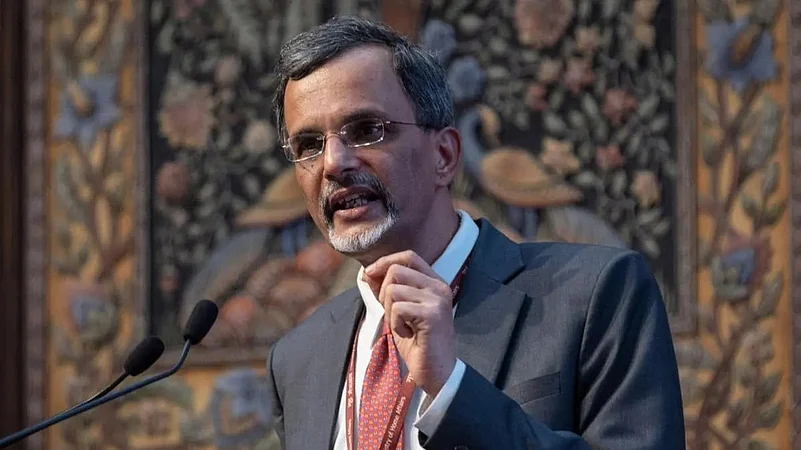
India GDP likely to grow at close to 7% in FY26 on GST boost : CEA Nageswaran

NEW DELHI : The Indian economy is likely to grow closer to the upper end of the government’s projected range of 6.3-6.8% this financial year, buoyed by sweeping indirect tax reforms, Chief Economic Advisor V. Anantha Nageswaran said on Monday.

India’s economy expanded by 6.5% in fiscal year 2025 (FY25), the slowest in four years, hurt by weak consumption and manufacturing. “I am more comfortable now in saying that we will be taking towards the upper end of this range, rather than the lower end of this range,” Nageswaran said.“High-frequency indicators for July and August suggest that even the second quarter may touch close to a 7%,” he added.

In the Economic Survey for 2024-25 presented in January this year, the government forecast the country’s gross domestic product to expand at 6.3-6.8% in FY26.

Speaking at a Network 18 event in the national capital, Nageswaran also reaffirmed the government’s commitment to keeping the fiscal deficit at 4.4% of gross domestic product (GDP) in FY26.

India’s real GDP, adjusted for inflation, accelerated by an impressive 7.8% in the first quarter of FY26 (April-June), led by growth in services, manufacturing, construction and agriculture.

Nageswaran said that the latest round of tax changes under “GST 2.0” would deliver substantial gains to households and the broader economy.

“GST 2.0 is a combination of three components,” he said.

“One is the reduction in rates—many categories going from 18% to 5%, 12% becoming 5%. The second is the withdrawal of the compensation. These two are very positive for the households. The small minus is the one where a few categories saw rates rise from 28% to 40%,” he added.

He estimated that net household tax savings from the changes would be “upwards of ₹1 lakh crore ( ₹1 trillion).” Factoring in household consumption patterns, or marginal propensity to consume, the effect could multiply across the economy.

“Two to three rounds of multiplier effect… and the total impact on the economy will be even more than ₹2.5 lakh crore,” he said.

He, however, added that “other uncertainties and factors may dilute some of this translation of savings into aggregate demand or GDP growth.”

India rolled out a landmark rationalisation of Goods and Services Tax (GST) structure, effective Monday, marking the most sweeping reform since the regime’s launch in 2017.

The overhaul collapses the earlier four-tier structure into two slabs, 5% for essentials and priority goods, and 18% as the standard rate, while introducing a 40% levy on select luxury and sin items such as pan masala, aerated drinks, high-end cars and tobacco (whose rates remain unchanged for now but will be reviewed later).

On the fiscal outlook, Nageswaran said buoyant non-tax revenues and the extended festive season would help keep the deficit within target.

Bond yields, he added, remain attractive for investors, with borrowing costs having fallen by nearly 300 basis points over the past decade.

He cautioned, however, that external headwinds, including US tariffs on Indian exports and uncertainties around global trade, could shave off up to half a percentage point of GDP growth in the absence of domestic stimulus.

He cautioned, however, that external headwinds, including US tariffs on Indian exports and uncertainties around global trade, could shave up to half a percentage point off GDP growth in the absence of domestic stimulus.

The GST package would help offset much of that drag, he added.

Turning to services, Nageswaran said the recent tightening of US visa norms would have little immediate impact on Indian IT exports, as the changes take effect only in 2026.

US President Donald Trump signed an executive order on Friday that requires companies to pay $100,000 for every foreign worker brought under the H-1B visa, up from about $1,000 at present. This could deal a severe blow to aspirational Indians and companies that rely on Indian workers in the US.

Nageswaran urged the IT services sector to treat the disruption as a catalyst for diversifying business models, drawing a parallel to how the pharmaceutical industry responded to global patent challenges in the 1990s.

“Foreign direct investment flows remain robust, with $25 billion received in the April–June quarter, placing India on track for a record $100 billion in annual inflows,” he said.

Meanwhile, interest from multinationals in using India as a manufacturing hub under the “China-plus-one” strategy has not diminished despite tariff frictions, Nageswaran said.

Looking ahead, Nageswaran underscored deregulation and structural reforms as the next frontier for policy.

“From a structural reform perspective, focusing on education and skilling will be more important now,” he said.

Inflation, meanwhile, is expected to remain benign through the end of next calendar year, assuming a normal monsoon, Nageswaran added.
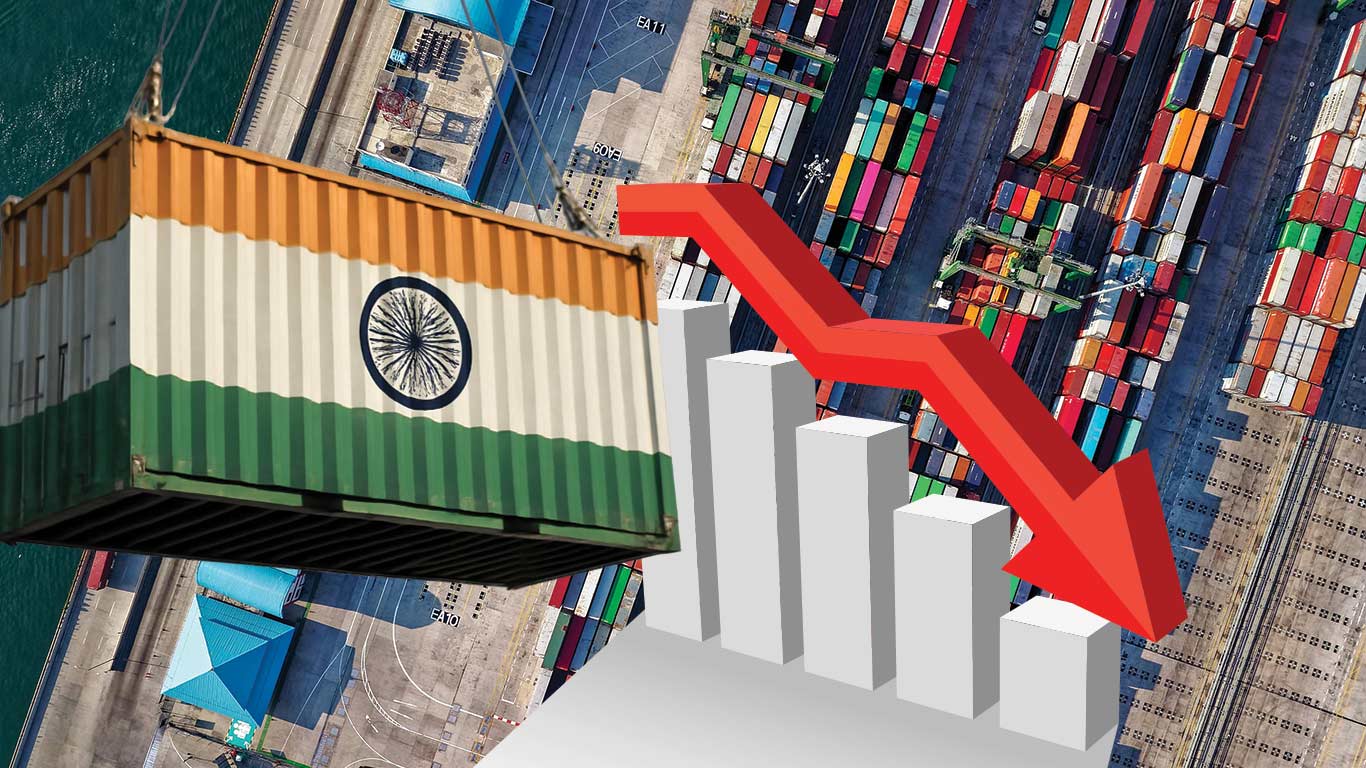
India’s merchandise exports to the US crashed more than 22% from May to August: GTRI report

NEW DELHI : India’s merchandise exports to the US, its largest trading partner, fell by a massive 22.2% from $8.8 billion to $6.9 billion between May and August 2025, according to a new report by the Global Trade Research Initiative (GTRI). US tariffs on Indian goods rose from 10% in early August to 25% from 7 August, and finally to a record 50% by the end of the month.

The GTRI analysis showed that the impact of tariffs has been uneven across sectors. Surprisingly, tariff-exempt exports, which accounted for 28.5% of India’s August shipments, saw the biggest contraction, declining 41.9% from $3.37 billion in May to $1.96 billion in August.

Smartphone exports — India’s largest category to the US — plummeted 58% to just $965 million despite facing no duty. Pharmaceutical shipments fell 13.3% to $ 647 million, raising questions about production shifts, component shortages, and supply-chain disruptions affecting Indian assembly units. Goods such as smartphones, pharmaceuticals, APIs, and petroleum products are classified as ‘category A’ items and are exempt from steep US tariffs.

Products in category B, which include iron, steel, aluminium, copper and auto components, face a 50% tariff but saw only a 4% decline from $630 million to $600 million, reflecting weaker industrial demand rather than a unique loss of competitiveness for India.

Category C, which includes textiles, gems and jewellery, agriculture, machinery, chemicals, and other products, is the largest segment, accounting for 62.7% of US imports from India. These goods also face a 50% tariff.

Seafood exports more than halve
Labour-intensive exports such as textiles, gems & jewellery, shrimp, and chemicals have been hit the hardest. Jewellery exports fell 9.1% to $228 million, with diamond-studded gold jewellery dropping 25.5% and cut and polished diamonds down 15.2%. Conversely, lab-grown diamonds rose 40.7%, indicating a shift in U.S. consumer preference toward more affordable and sustainable options, the GTRI report said.

Textiles and garments fell 9.3%, with non-knitted apparel declined 22.2% and cotton dresses crashed 66.7%, reflecting weakening demand in US fashion retail. While home textiles remained resilient, rising 14.2% to $263 million, technical textiles, carpets and fabrics saw sharp declines, signaling significant revenue loss in high-value and specialised exports.

Seafood exports, particularly Vannamei shrimp, plunged 52.2% to $98.6 million, posing a threat to jobs in coastal processing clusters. Solar panels slid 34.6%, risking further loss of market share to China and Vietnam, which face lower tariffs. Agrochemicals fell 26.7% and edible oils dropped 69.7%, highlighting the vulnerability of agricultural exports under high US tariffs.

September is expected to reflect the first full month of 50% tariffs for all category C exports, likely deepening the declines in labour-intensive sectors. The GTRI report warned that the ongoing slide in exports, especially in tariff-free categories, poses a risk to India’s flagship production-linked incentive (PLI) schemes and may undermine policy efforts to boost manufacturing and global competitiveness.

Industry bodies have called on the government to provide targeted export relief, including faster duty remission, interest subsidies under the interest equalisation scheme, and enhanced liquidity support. While GST cuts have boosted domestic consumption, export-specific relief is still missing.

“We are raising our demand and have asked for support through interest subvention, resolution of issues related to the Merchandise Exports from India Scheme (MEIS) for MSMEs, and RoDTEP (remission of duties and taxes on exported products scheme) benefits for steel exports as per the rates fixed by the Pillai Committee. The government should act quickly and provide relief,” said Pankaj Chadha, chairman, Engineering Export Promotion Council.

“There is an urgent need to stabilise exports, maintain India’s market share in the US, and safeguard jobs in critical sectors like textiles, gems & jewellery, seafood, and pharmaceuticals. Without swift intervention, the steep tariffs risk creating longer-term setbacks for India’s export growth,” said Ajay Srivastava, founder, GTRI.

Queries sent to the commerce ministry were not immediately answered.

Kerala clears consultant appointment to drive Port-Led industrialisation at Vizhinjam: Report

THIRUVANANTHAPURAM : The Kerala government has cleared the appointment of a consultant for Vizhinjam International Seaport Ltd (VISL) to draw up a roadmap for port-led industrialisation.

Beginning work in October, the consultant will focus on identifying land, developing cluster strategies, and preparing a financially viable plan to attract investment, according to a Times of India report.

The scope includes market studies, feasibility analysis, and proposals for container yards, logistics parks, warehouses, and industrial clusters such as food-processing and manufacturing zones.

VISL has already earmarked more than 700 acres in Thiruvananthapuram district for potential use, which will be placed before the state government for final approval.

Alongside, discussions with IOC and BPCL are underway on setting up bunkering facilities near the port, though progress will hinge on land and environmental clearances.

“Without supporting infrastructure, port operations cannot reach full potential. Container yards, road access and logistics systems must be in place before gateway traffic begins,” a senior government official stressing the importance of support facilities was quoted as saying.

To facilitate this, the state has sanctioned Rs 1.83 crore for the consultant’s detailed project report, which will cover both marine and land-based infrastructure.

Connectivity is also being prioritised. A 9.02 km underground rail tunnel linking Vizhinjam with the Southern Railway mainline at Balaramapuram has been proposed, with tenders to be floated by Konkan Railway Corporation Ltd next month.

The project, estimated at around Rs 1,482 crore, is expected to be completed by 2028. In addition, a Rs 360 crore cloverleaf interchange at Thalakode, connecting the port approach road with NH-66, awaits PWD approval.

Chief Minister Pinarayi Vijayan has emphasised the urgency of land acquisition, urging officials to secure roughly 2,000 acres to ensure Kerala keeps pace with Tamil Nadu in developing port-driven economic corridors.

CONCOR wins 2025 SKOCH Gold ESG Award for Green Initiatives

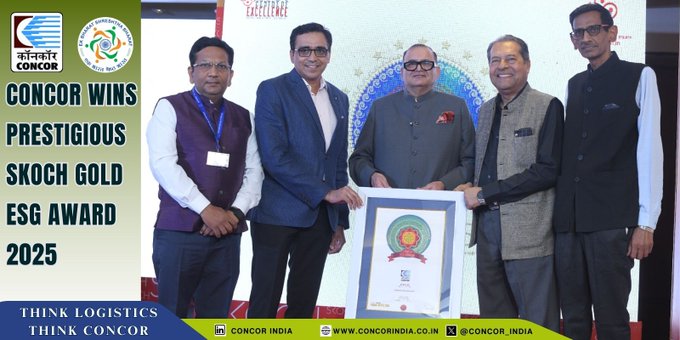
NEW DELHI: Container Corporation of India Ltd. (CONCOR) has been honoured with the prestigious 2025 SKOCH Gold ESG Award, recognising its outstanding “Green Initiatives” aimed at fostering a sustainable and environmentally responsible logistics ecosystem.

The award was presented at a ceremony held in New Delhi on September 20, where Shri Swayambhu Arya, Executive Director (P&S), accepted the accolade on behalf of the company. The achievement reflects the strong leadership and vision of Shri Sanjay Swarup, Chairman and Managing Director, under whose guidance CONCOR has been implementing a range of eco-friendly measures across its operations.

CONCOR’s initiatives focus on reducing carbon emissions, promoting energy efficiency, and integrating renewable energy solutions into its logistics network. The SKOCH Gold ESG Award—one of India’s leading benchmarks for Environmental, Social and Governance excellence—highlights the company’s commitment to aligning growth with environmental stewardship.

“This recognition reinforces our mission to create a greener, more sustainable logistics infrastructure for the nation,” a CONCOR spokesperson said, noting that the company continues to invest in technologies and practices that lower its ecological footprint while supporting India’s climate goals.

With this award, CONCOR strengthens its position as a key driver of sustainable logistics, setting new standards for the industry and contributing to India’s broader environmental and economic objectives.

GSV conducts Supply Chain Science Course for Indian Air Force officers

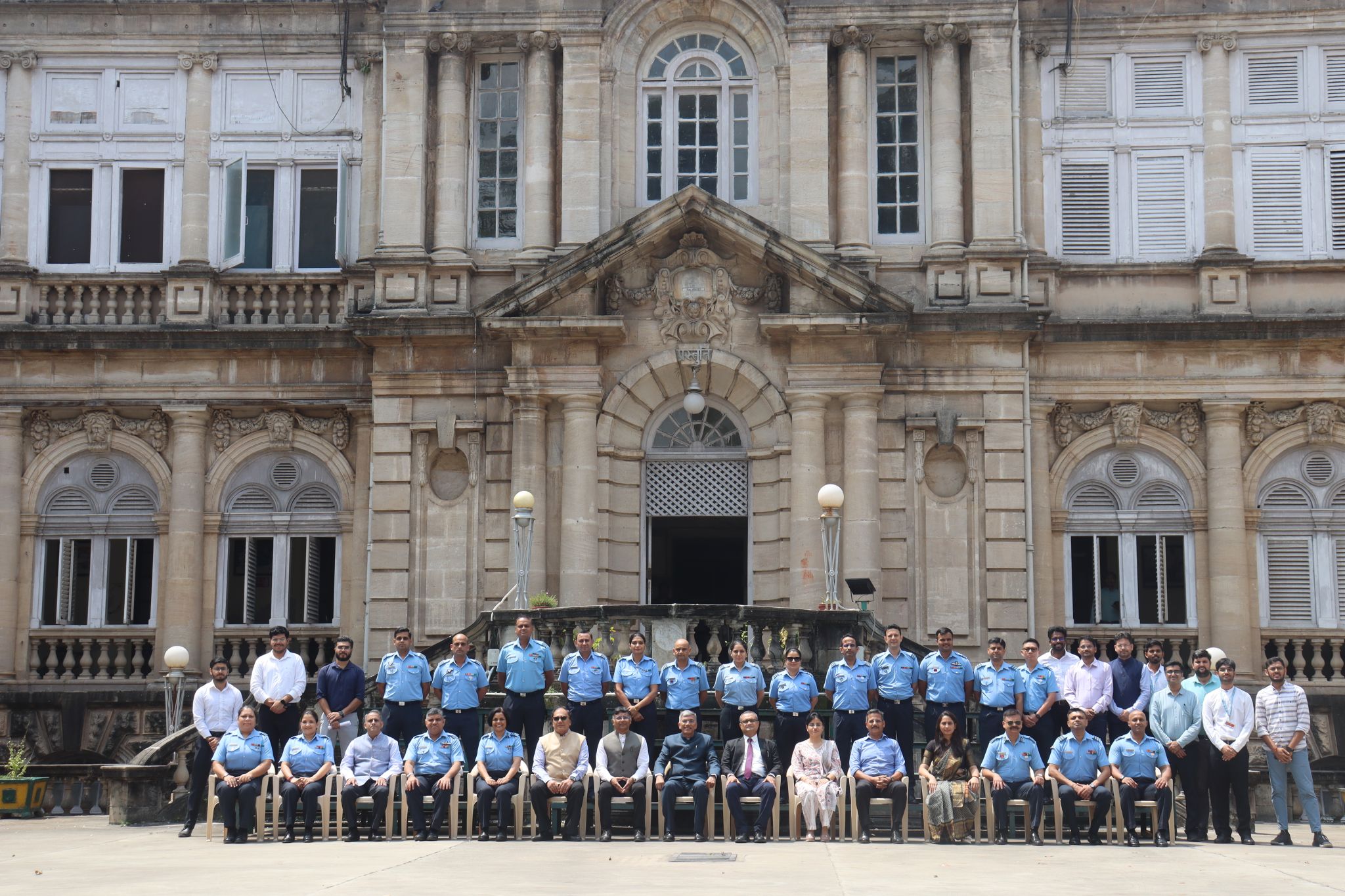
VADODARA : Gati Shakti VishwaVidyalaya successfully conducted the second batch of MDP on Supply Chain Science for IAF Officers from 15th September to 19th September 25 in its campus at Vadodara,. The course was specially curated to Aerospace and Defence needs. During the course, the Participant Officers were exposed to the nuances of Supply Chain Science and the underlying Mathematical Algorithms.

Dedicated sessions were taken by the expert Faculties on demand forecasting techniques, Predictive models, Deterministic & Stochastic Inventory Control mechanisms and Aircraft Sustainability models. The IAF officers where also made aware of the technological advances Multimodal Transport systems, Sourcing & vendor management. In addition, there were customised sessions on Deep tech in supply chain where participants were given overview of Data Security, Data driven decision making, Digital Twin, Block chain & AI/ML techniques. Air Marshal Sanjiv Ghuratia AVSM VSM PhD, Air Officer in Charge Maintenance, Indian Air Force was invited as the Chief Guest of the valedictory session held on 19th September, 25. He was given a detailed overview of the University activities by the Hon’ble Vice Chancellor Prof (Dr) Manoj Choudhary.

The Air Marshal felicitated all participant Officers and spoke on the need for continuous upgradation of knowledge levels keeping in mind the technological advances in supply chain sector. He insisted on deeper understanding of the fundamental concepts and developing organic capabilities for customised solutions, keeping in mind the challenges and complexities of IAF supply chain. He was very appreciative of the exponential progress made by the University, in such a short frame of time and evinced interest in expanding the areas of IAF – GSV collaboration in the days to come.

Prozo launches first fulfilment centre in Ahmedabad, expanding its Western India network beyond Bhiwandi

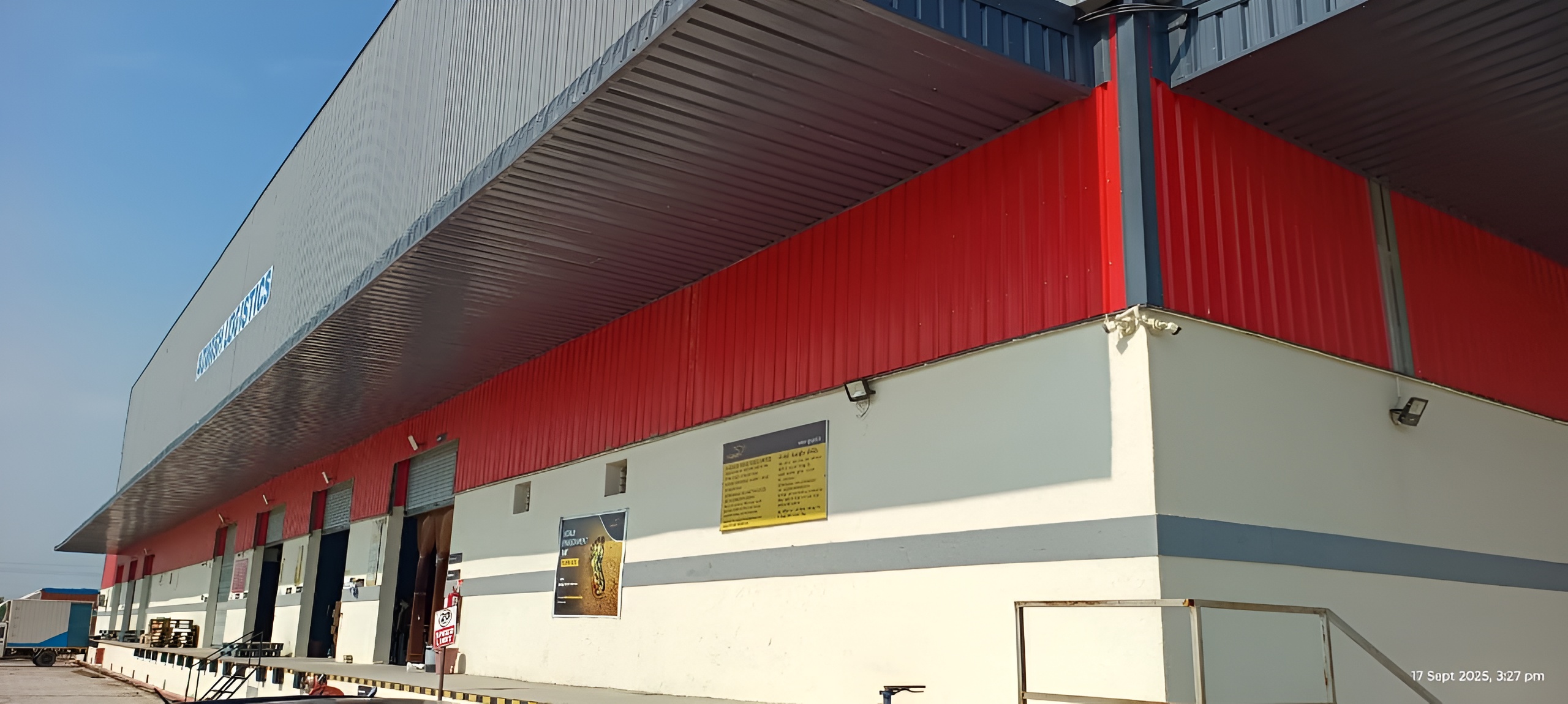
AHMEDABAD : Prozo, India’s fastest-growing full-stack supply chain company, has expanded its presence in West India with the launch of a new fulfilment centre in Ahmedabad. The 31,000 sq. ft. client-dedicated facility marks Prozo’s first foray into Gujarat and strengthens its Western network beyond Bhiwandi. With this addition, Prozo now operates six fulfilment centres in the region, serving e-commerce, retail, and enterprise clients with scalable and technology-enabled supply chain solutions.

Ahmedabad, a key commercial hub with strong connectivity across Western India, provides a strategic base for Prozo’s growing operations. The new facility is designed to meet enterprise-grade standards, with advanced warehouse management systems that provide real-time visibility, robust safety compliance, and operational flexibility. Businesses can leverage this infrastructure to seamlessly scale their supply chains in response to evolving market dynamics.

Speaking about this, Dr Ashvini Jakhar, Founder and CEO, Prozo, said, “Setting up in Ahmedabad is a milestone for us as we deepen our presence in the West. Gujarat has long been recognised as a hub of manufacturing and trade, and our entry here enables us to support businesses operating in and out of this vibrant state. The new FC reflects our continued focus on building a nationwide network that is both technologically advanced and operationally agile. As customer expectations on speed, cost efficiency, and visibility rise, we are committed to providing the infrastructure and capabilities that allow brands to compete and grow. This launch is part of a much larger ambition to ensure every major consumption and production centre in India is covered under the Prozo network.”

The Ahmedabad FC adds to Prozo’s nationwide footprint of 40+ fulfilment centres, covering over 2.5 million sq. ft. of warehousing space. Over the past year, the company has rapidly scaled its network, integrating AI-driven demand forecasting, SLA tracking, and multi-channel order management into its facilities. This expansion underscores Prozo’s commitment to delivering precision logistics and strengthening its position as India’s most trusted full-stack supply chain partner.

Prozo Ahmedabad Warehouse Prozo launches first fulfilment centre in Ahmedabad, expanding its Western India network beyond Bhiwandi

About Prozo
Prozo, a leading ‘full-stack’ supply chain company, empowers fast fulfilment through its pan-India warehousing and freight network, backed by a comprehensive tech stack. They offer enterprise-grade supply chain capabilities on a pay-per-use model.

Fire breaks out on HRM & Sons cargo ship at Porbandar Jetty

PORBANDAR : A massive fire engulfed a cargo ship docked at the All Weather Port of Porbandar on Monday morning, sparking panic in the port area. The vessel, PDI 1383 ‘Haridasran’ from Jamnagar, was loaded with 950 tonnes of rice and 78 tonnes of sugar bound for Somalia when flames suddenly erupted.

Eyewitnesses described how the fire spread within minutes due to the highly flammable cargo. Towering flames and thick smoke could be seen from a distance as port authorities rushed to launch an emergency response.

“As soon as the fire was reported, the ship was towed away from the port to prevent further damage and possible danger to nearby vessels. Firefighting teams immediately began operations at sea,” said a senior port official.

Fortunately, all 14 crew members were rescued safely before the fire intensified. No casualties were reported. However, officials confirmed that the vessel has suffered heavy damage. A crew member, visibly shaken after the rescue, told reporters, “We were preparing for departure when suddenly smoke started filling the lower deck. Within moments, flames spread everywhere. Our only thought was survival. We are thankful for the swift action of the rescue teams.”

Another officer involved in the rescue operation said, “The presence of rice and sugar made the fire extremely difficult to control. Our priority was to save lives first, and thankfully, every crew member was brought to safety.”

Authorities have not yet confirmed the cause of the fire. An investigation is underway to determine whether it was triggered by an electrical fault, cargo-related combustion, or any other lapse.

While the quick action of port officials and fire teams prevented a major maritime disaster, the incident has raised concerns over safety measures and handling of flammable cargo at Gujarat’s busy ports.

DTDC partners with Acemoney to expand reach through 83,000 merchant outlets and 30,000 local service points

MUMBAI : DTDC Express Ltd., one of India’s leading multinational integrated logistics companies, headquartered in Mumbai, has entered into a strategic partnership with Radiant Acemoney, a leading fintech company providing digital banking and payment solutions. The collaboration will enable DTDC to leverage Acemoney’s 83,000 merchants and over 30,000 Business Correspondent (BC) counters, expanding financial and logistical access in underserved regions. By combining DTDC’s reach with Acemoney’s hyperlocal network, the collaboration aims to deepen rural penetration, bridge gaps in delivery and payments, and bring reliable services to millions of customers and small businesses across tier-2, tier-3 cities, and rural India.

As part of the partnership, selected Acemoney Business Correspondent (BC) merchants will serve as DTDC pickup and drop-off points, thereby extending DTDC’s network and creating additional points of access for D2C brands, social commerce sellers, and local manufacturers to reach rural consumers. Similarly, selected DTDC centres will act as Acemoney BC service points, enabling customers to register on the Acemoney platform and access secure digital payment solutions along with enhanced cash-on-delivery services. This arrangement is designed to facilitate seamless and efficient transactions for customers who primarily rely on cash or have limited access to formal banking channels.

Speaking on the occasion, Mr. Abhishek Chakraborty, Chief Executive Officer, DTDC Express Ltd., said, “At DTDC, our mission has always been to connect every corner of Bharat. This partnership with Acemoney strengthens our ability to penetrate underserved markets, create new access points for commerce, and deliver both logistics and financial inclusion. By combining DTDC’s extensive logistics network with Acemoney’s hyperlocal presence, we are not just moving parcels, we are enabling opportunities, empowering small businesses, and expanding access to aspirations for millions of customers across rural and semi-urban India.”

Jimmin James Kurichiyil, Executive Director, Aceware Fintech Services Private Limited (Acemoney), added, “Through this partnership, our combined network opens up exciting avenues with DTDC’s 16,500+ channel partner network to offer a wide spectrum of digital banking, financial, and value-added services by onboarding them onto the Acemoney platform. Each outlet will be equipped with a POS cum MATM device, QR code, and access to services such as cash withdrawals, money transfers, utility bill payments, railway and bus ticketing, loan lead generation, and insurance products. Additionally, as a potential ‘master franchise partner’, Acemoney’s 30,000+ business counters will be integrated as pickup and delivery points for DTDC, expanding their last-mile network. This initiative aligns with our mission to bridge the digital divide by transforming these outlets into inclusive service hubs, especially in rural and semi-urban areas.”

The partnership has been formalized through a six-month MoU, with Phase 1 rollout limited to six states: Madhya Pradesh, Chhattisgarh, Odisha, Jharkhand, Bihar, and West Bengal. During this phase, both companies are finalizing commercials and Standard Operating Procedures (SOPs). Select DTDC retail counters will also be onboarded as business service points for Acemoney, enhancing the availability of financial services in these locations.

About DTDC Express Ltd.
DTDC Express Ltd. is one of India’s leading multinational integrated logistics companies, headquartered in Mumbai. DTDC offers a comprehensive range of technology-enabled logistics services, serving a wide spectrum of customers across diverse industry verticals. Today, it operates India’s largest physically accessible express logistics Network and has over 16,500+ exclusive channel partners, which contribute to its sales and service capabilities.

About Radiant Acemoney
Radiant Acemoney is a Kochi-based fintech company specializing in digital banking and payment solutions for rural areas, small businesses, and government entities. The company is an acquired subsidiary of Radiant Cash Management Services Limited

Mobisoft Infotech expands Advanced Fleet Management Capabilities for Logistics, including EV Fleets, in India

PUNE: Mobisoft Infotech, a global technology solution provider, Monday announced the expansion of its fleet management solutions for the Indian logistics sector. Building on its decade-long expertise across corporate transit, healthcare, aviation, and goods transportation in global markets, Mobisoft Infotech is now strengthening its presence in India with a dedicated focus on transforming logistics operations, including the growing segment of electric vehicle (EV) fleets.

Mobisoft Infotech’s fleet management technology goes beyond traditional tracking. It gives you complete visibility and operational efficiency. The solutions cover every area of logistics management. You get real-time vehicle and asset tracking. You can optimize loads and routes with intelligent planning. Cold-chain condition monitoring ensures quality. Proof-of-delivery is fully digitized. Compliance workflows are automated. EV fleets benefit from features like battery health monitoring, charging station integration, and energy use optimization. These capabilities help you cut costs, reduce turnaround times, improve safety, and drive sustainability.

Unlike SaaS-only offerings, Mobisoft Infotech takes a technology-led approach. It integrates telematics hardware, IoT sensors, and GPS trackers with ERP or accounting systems. Advanced AI-driven analytics power the platform. This full-stack capability delivers scalability and adaptability. It supports first-mile dispatches, long-haul freight, last-mile delivery, and EV fleet operations.

“India’s logistics industry is undergoing rapid digital change, and fleet management, including electric vehicle adoption, is at the core of this shift. With our proven global deployments and strong technology foundation, we are committed to helping Indian logistics players achieve higher efficiency, safety, and sustainability,” said Nitin Lahoti, Co-Founder and Director at Mobisoft Infotech.

Globally, Mobisoft Infotech’s mobility solutions have consistently delivered measurable business impact. Logistics operators have reported route optimization savings of up to 20 percent in kilometres travelled, improvements of nearly 40 percent in on-time performance, reductions of up to 20 percent in fuel and operating costs, and incident response times that are faster by as much as 90 percent. These results underline the value of Mobisoft Infotech’s holistic fleet management technology in building smarter and more resilient mobility ecosystems, including the next generation of EV logistics.

Asyad Shipping adds new VLCC Awabi to fleet

OMAN : Asyad Shipping – the majority Omani state-owned maritime transportation company – has bolstered its crude shipping capability with the acquisition of a new Very Large Crude Carrier (VLCC), raising its VLCC fleet strength to 18 vessels.

MT Awabi is the second of two VLCCs acquired by Asyad Shipping under a deal first announced by the publicly listed company on April 30, 2025. MT Qurayyat, the first of the pair, was delivered on July 11, 2025.

Announcing the arrival of the latest VLCC, Asyad Shipping said in a filing to the Muscat Stock Exchange: “The vessel has been named ‘Awabi’, in a gesture that reflects the Company’s pride in the national identity and the landmarks of the Sultanate.”

Both Qurayyat and Awabi are second-hand sister ships built by China’s Dalian Shipbuilding yard and delivered in 2019 and 2020, respectively. Each measures around 333 meters in length, with a maximum deadweight capacity of 308,000 tonnes, and features energy-saving and desulfurization systems.

Other acquisitions made by Asyad Shipping during the first half of this year include two newly built Product Tankers, lifting the company’s total fleet strength to around 85 vessels spanning diverse cargo segments and categories.

According to company officials, Asyad Shipping plans to invest between $2.3 billion and $2.7 billion as part of its fleet expansion strategy, of which more than $1 billion has already been committed. New investments are planned in additional tankers scheduled to enter service in 2026 and 2027, including two LNG carriers, four crude oil carriers, and two product tankers.

Meanwhile, Asyad Shipping’s total asset value climbed to RO 1.184 billion as of June 30, 2025, compared with RO 1.085 billion on December 31, 2024. The increase was attributed mainly to higher values of property, vessels and equipment, right-of-use assets, and trade receivables.

For the six-month period ended June 30, 2025, Asyad Shipping reported gross revenue of RO 164.6 million, down from RO 180.5 million in the corresponding period of 2024. “This performance aligns with cyclic patterns of the shipping industry and prevailing market conditions,” noted Abdulrahman Salim Al Hatmi, Chairman of the Board of Directors, in the Directors’ Report.

Net profit declined to RO 20.2 million, compared with RO 27.7 million a year earlier. Operating profit for the period stood at RO 32.3 million, down from RO 43.0 million in the first half of 2024.

Asyad Group – the integrated ports and logistics arm of Oman Investment Authority (OIA) – holds an 80 per cent stake in Asyad Shipping.