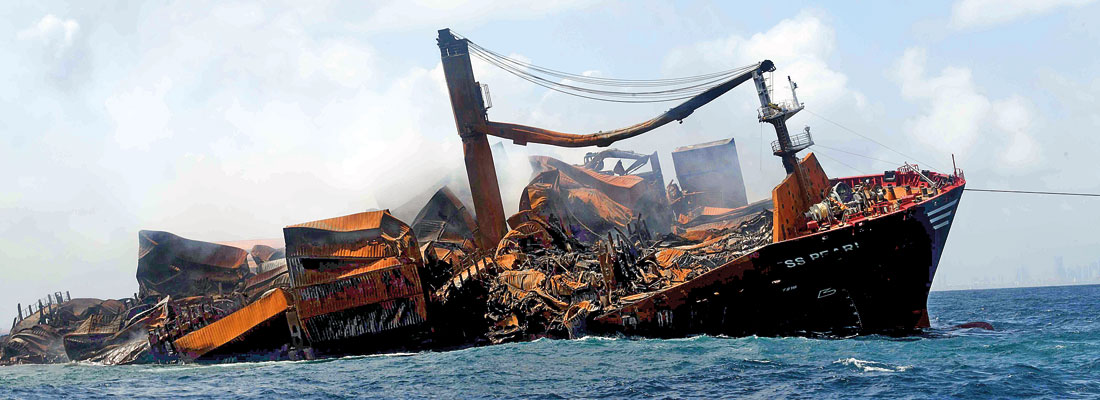
SINGAPORE: X-Press Feeders stated it will refuse to pay Sri Lankan court-ordered damages of US$1 billion for causing that country’s worst case of environmental pollution.
In an exclusive interview to AFP, X-Press Feeders Chief Executive Shmuel Yoskovitz said he believed paying would have wide-ranging implications on global shipping and “set a dangerous precedent”.
The company operated the MV X-Press Pearl that sank off Colombo Port in June 2021 after a fire – believed caused by a nitric acid leak – that raged for nearly two weeks.
Its cargo included 81 containers of hazardous goods, including acids and lead ingots, and hundreds of tonnes of plastic pellets.
The ship was refused permission by ports in Qatar and India to offload the leaking nitric acid before it arrived in Sri Lankan waters.
Tonnes of microplastic granules from the ship inundated an 80km stretch of beach along Sri Lanka’s western coast. Fishing was prohibited for months.
Sri Lanka’s Supreme Court in July ordered the company to pay Colombo an “initial” US$1 billion in damages within a year, with the first tranche of US$250 million to be paid by Tuesday.
It also ordered the company “to make such other and further payments” in the future as the court may direct.
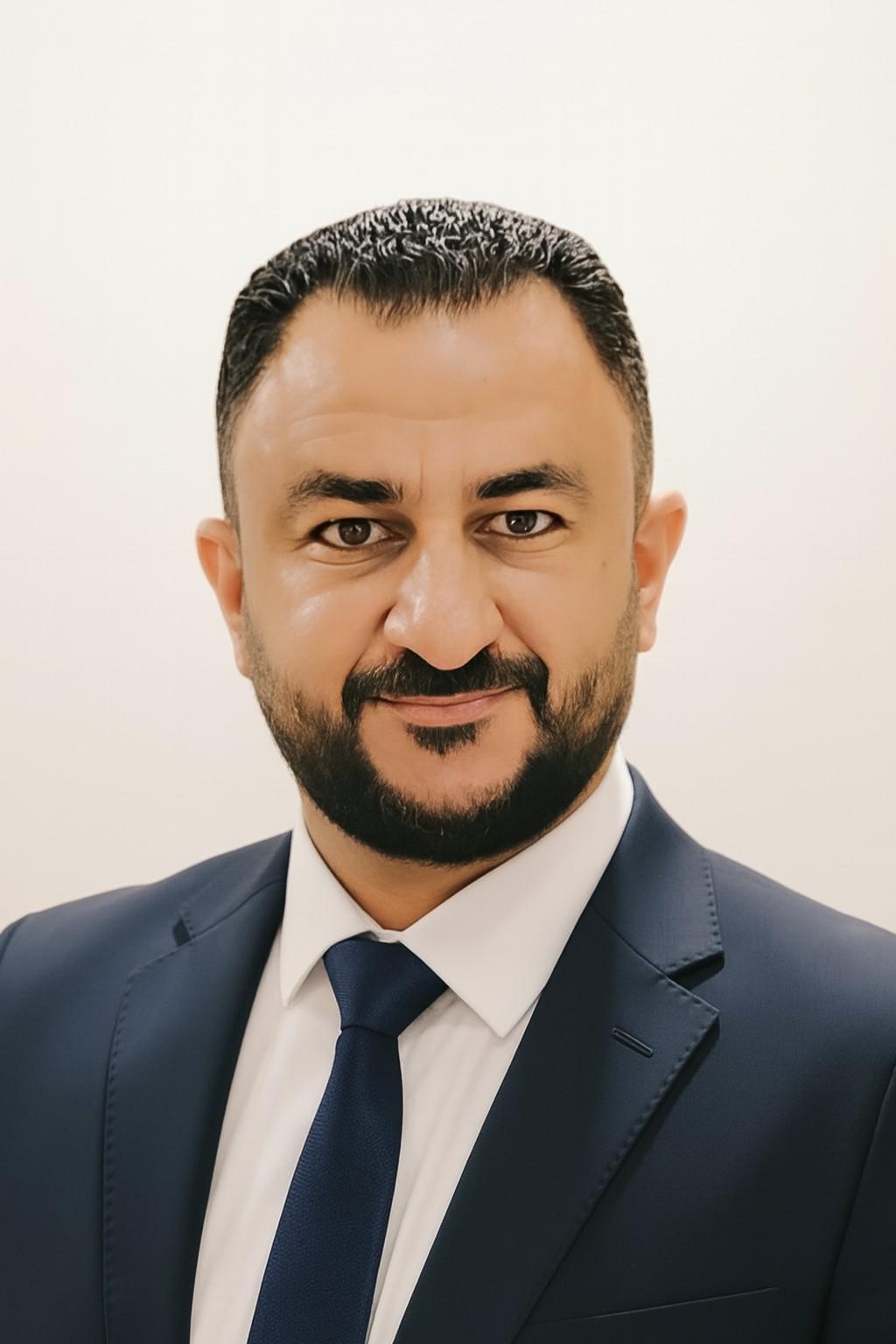
DUSSELDORF : WR Logistics, a provider of project logistics solutions for large scale industrial and infrastructure projects, has appointed Shadi Alkhatib as Chief Executive Officer for Saudi Arabia, with immediate effect. This appointment underscores WR Logistics’ commitment to the Kingdom of Saudi Arabia as a core growth market and reinforces the company’s ambition to deliver precision driven project logistics across its global network.
Based in Dammam, Mr. Alkhatib will lead WR Logistics’ operations in the Kingdom of Saudi Arabia, directing project delivery, customer engagement, and market development. His role will focus on strengthening WR Logistics’ position in key industrial and energy sectors, while connecting Saudi Arabia to the company’s global network across Europe, the Middle East, CIS, Africa, Asia, and Latin America.
Mr. Alkhatib brings over 23 years of senior experience in supply chain and logistics, including leadership roles at Gulf Cooperation Symbols Contracting and Tecnicas Reunidas. He has managed logistics for large scale EPC, oil and gas, and industrial projects across the Kingdom of Saudi Arabia and the wider GCC, building high performance teams and delivering compliance excellence under Saudi Customs and regulatory frameworks. His expertise spans heavy lift, multimodal logistics, and complex project execution.
“Saudi Arabia is a cornerstone of regional trade and industrial development, with tremendous opportunities created by investment in energy, infrastructure, and diversification,” said Shadi Alkhatib. “I am honored to be joining WR Logistics at this pivotal stage, and my focus will be on ensuring clients benefit from reliable solutions while fully integrating the Kingdom into WR Logistics’ global network.”
Wadim Rosenstein, Chairman of WR Group Holding, commented: “Shadi’s appointment reflects our long-term commitment to the Kingdom of Saudi Arabia, a market with significant potential and opportunities across industrial and infrastructure projects. His leadership and expertise will strengthen WR Logistics’ position as a trusted partner for clients, while ensuring that Saudi Arabia plays a central role in our expanding global network.”
With Mr. Alkhatib’s appointment, WR Logistics continues to build a leadership team that reflects its global ambitions. The company is committed to delivering engineered transport solutions with precision and reliability, ensuring that clients in Saudi Arabia and worldwide benefit from a unified approach to complex project logistics.
Saudi Arabia represents one of the most dynamic logistics markets globally, supported by significant investment in energy, infrastructure, and industrial diversification. WR Logistics will work alongside clients and partners to support these national growth priorities, while continuing to expand its own operations in the Kingdom and the region.
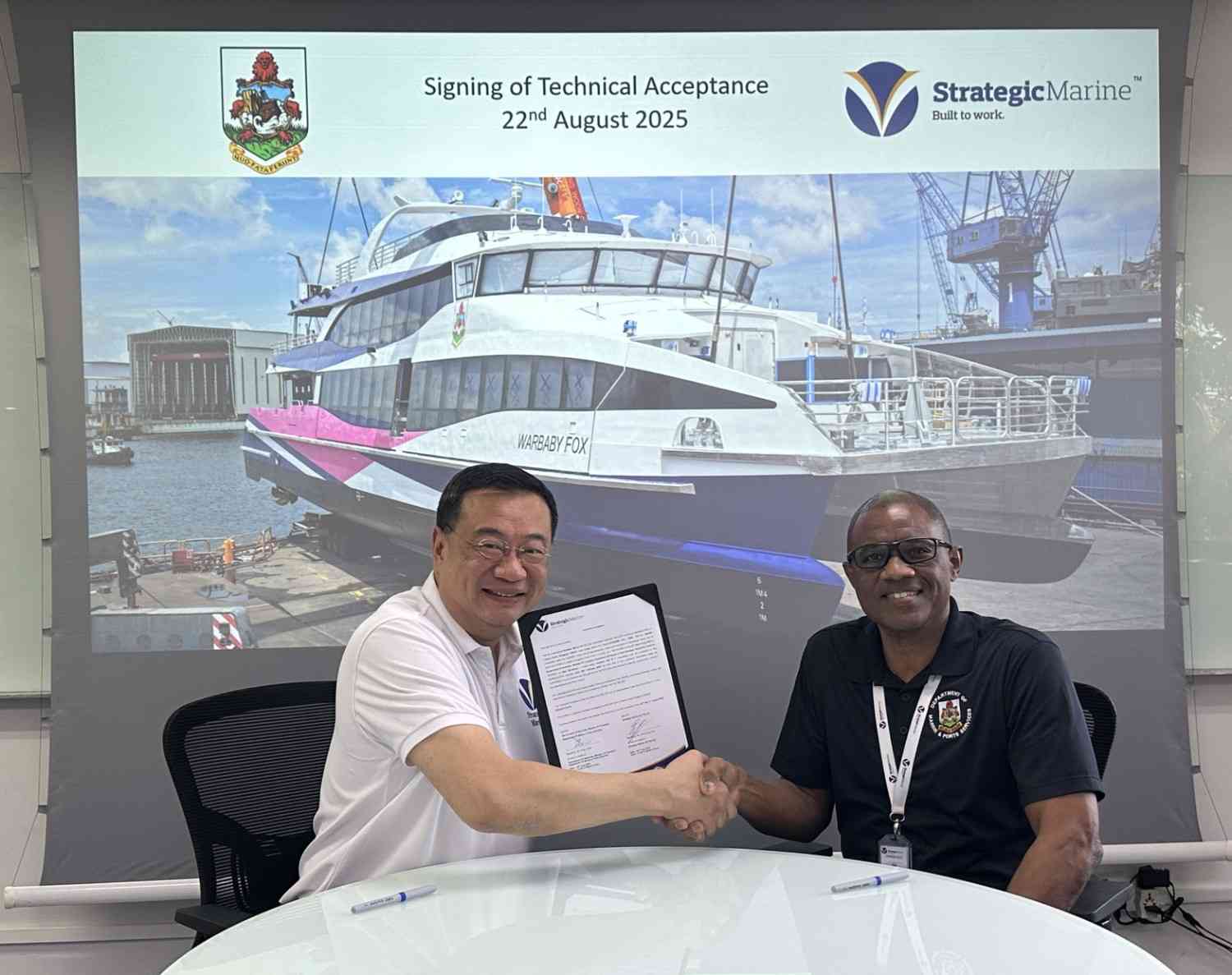
SINGAPORE: Strategic Marine is pleased to announce the successful Technical Acceptance for a pair of two 40m 550-Passenger Aluminium Catamaran Ferries being for the Government of Bermuda. This important milestone marks the vessel’s readiness to progress toward final delivery and deployment in Bermudan’s waters.
Designed by One2Three Naval Architects, the ferry incorporates modern features to enhance passenger experience, comfort, accessibility, and operational efficiency. With capacity for 550 passengers and designated wheelchair spaces, the vessel will strengthen Bermuda’s public transport and cruise tourism network by providing safe, efficient, and sustainable ferry services.
The new catamaran ferry will reduce CO2 emissions by about 25% when compared to the existing ferries on a passenger mile basis and offers significant savings on operational costs. This has been achieved by optimizing the vessels’ design and construction for the Government of Bermuda’s current and future operational requirements.
Mr. Chan Eng Yew, CEO of Strategic Marine, said: “This Technical Acceptance milestone reflects the strong collaboration between Strategic Marine, the Government of Bermuda, and our supply partners. We are proud to uphold our commitment to delivering world-class ferries that exceed the highest standards of safety, quality, and performance while lowering environmental impact.”
Mr. Rudolph Cann, Director of the Department of Marine & Ports Services, added: “We are pleased to complete the Technical Acceptance of this first vessel with Strategic Marine. This marks a major step toward enhancing our fleet with modern ferries that will serve both our residents and visitors for many years to come.”
With delivery scheduled for Q4 2025, the “Bermuda Ferries” project continues to advance on time, reinforcing Strategic Marine’s reputation as a trusted partner for innovative, sustainable, and high-performance passenger vessels.
LONDON/HAMBURG: USD 48 billion invested in LNG carriers could be written off by 2035 as they will be in oversupply in a 1.5°C climate scenario with declining fossil energy use, according to new research from UCL Energy Institute and Kuehne Climate Center (KCC). The findings point to a growing stranded asset risk for investors and shipowners as demand projections for LNG transport across a broad range of decarbonisation pathways for the world economy diverge sharply from the industry’s rapid fleet expansion. Even in energy scenarios with a high fossil fuel consumption that would lead to a disastrous 4°C of global warming, the LNG fleet remains in oversupply over the next decade.
Dr Vishnu Prakash, Managing Director of Alethiarc, who led the work said, “The tool and our analysis identify and unlock ways to understand climate-related risks that is often overlooked, and, importantly, shows how shipping assets are likely to face significant financial risk from the global energy transition even under more modest climate change scenarios.”
Besides LNG tankers, the research also covers oil tankers and LPG tankers which show a lower risk profile, not least to their better ability to switch to other cargoes. Dr Marie Fricaudet, Senior Research Fellow at UCL Energy Institute said:“For the first time, when estimating of the overall fleet value at risk, we have included the possibility for certain ship types to be repurposed to carry alternative cargoes. This allows the users to measure the advantage of cargo optionality when it comes to stranded assets.”
The research is publicly available in the ‘Investment Risk Monitor for Fossil Fuel Carrying Ships’ tool developed by the UCL and KCC. This new interactive online tool provides high-level fleet-wide estimates of the future overall supply and demand balance for maritime transport services of different fossil fuel carrying ship types under different climate and energy scenarios.
Maarten Biermans, Partner at Prow Capital said: “Anyone active or contemplating becoming active in the financing of these types of vessels is well advised to study and use this tool to the max. It will help financiers to map and avoid stranded assets while also improving their conversation with regulators.”
The tool also provides insights to where the financial risk is concentrated. 75% of the whole fleet of fossil fuel carrying vessels sits on corporate balance sheets in the top 10 ship-owning countries, with Japan, South Korea, Greece, and P.R. China potentially among the most exposed. Not only do companies based in the United States have a high risk from fleet ownership, the New York Stock Exchange is the largest trading place for companies that own fossil fuel carrying ships, covering about 12.5% or USD 42 billion of the total current estimated value of the existing fossil fuel carrying fleet.
Stefanie Sohm from Kuehne Climate Center: “The shipping sector has a profound transformation ahead of itself. With the Investment Risk Monitor we want to give owners and investors access to information that can help them making good decisions for their current and future investments.”
While demand for the transport of other fossil fuel cargoes like coal, crude oil, oil products or LPG are equally set to decline towards a climate-compatible future, natural vessel retirement and options to switch to other cargoes keeps these fleets at a lower risk. In contrast, the young fleet of LNG carriers has a very high newbuild value and a purpose-specific design; repurposing to other commodities, if at all possible, would require high additional investments, reducing the fleet’s competitiveness and ability to generate profit.
The tool will be showcased at New York Climate Week in a session co-organized by the Korean-based organization Solutions for Our Climate (SFOC). Rachel Eunbi Shin from SFOC said “The Investment Risk Monitor provides important data. Korea dominates over 70% of the global LNG shipbuilding market with significant public funding support. With LNG shipping freight falling below break-even levels, we’ve been working with policymakers to help them factor in these risks when making investment decisions.”
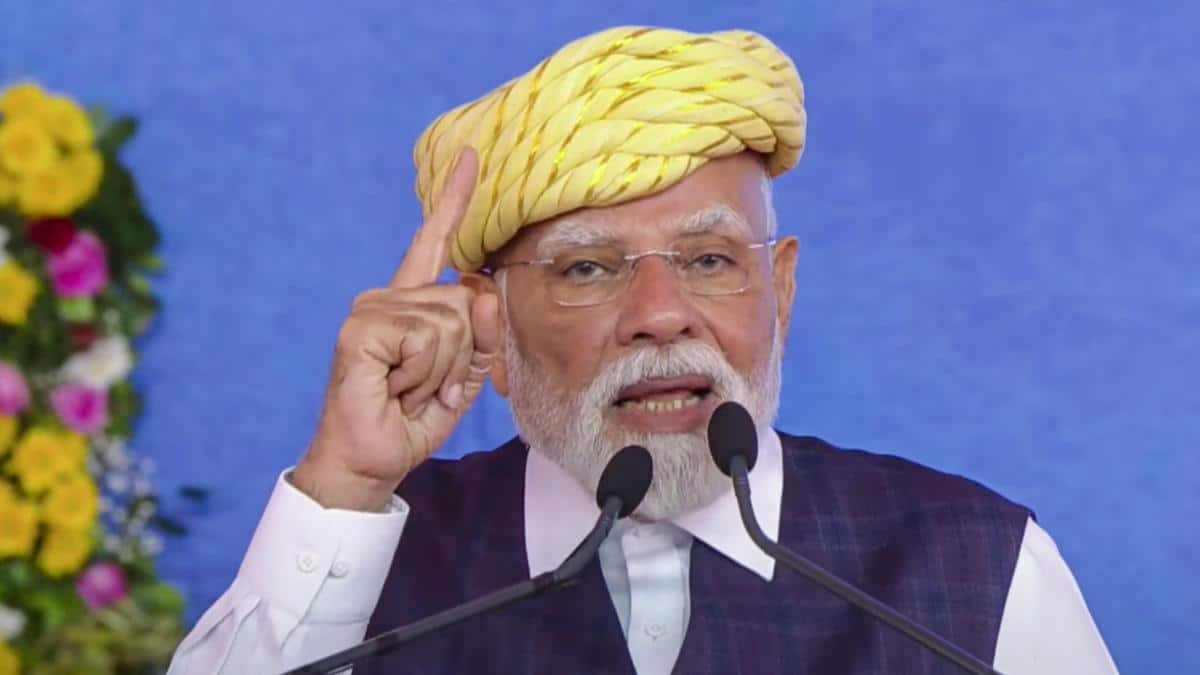
BHAVNAGAR: Prime Minister Shri Narendra Modi inaugurated & laid the foundation stone of development works worth over Rs 34,200 crore in Bhavnagar, Gujarat on Saturday, 20 September 2025.
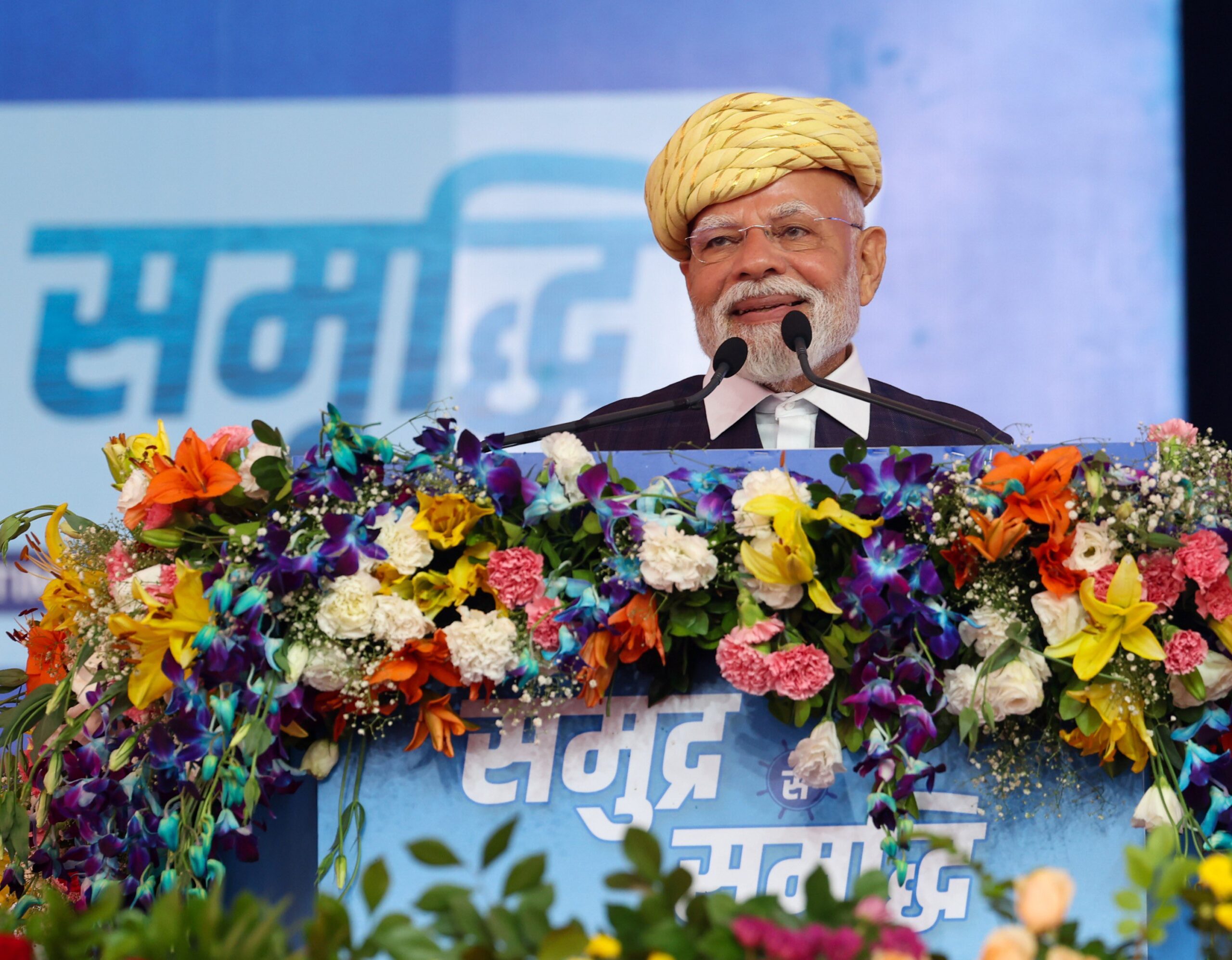
Addressing the ‘Samudra se Samriddhi’ event, Prime Minister highlighted that the nation is celebrating a grand festival of Samudra se Samriddhi. He emphasized that 21st-century India views the ocean as a major avenue of opportunity. Shri Modi informed that projects worth thousands of crores have just been inaugurated and foundation stones laid to accelerate port-led development. He added that to promote cruise tourism, the International Cruise Terminal in Mumbai has also been inaugurated today. The Prime Minister noted that development projects linked to Bhavnagar and Gujarat have also commenced and extended his heartfelt wishes to all citizens and the people of Gujarat.
Citing India’s shipping sector as a major example of the damage caused by flawed policies, Shri Modi remarked that India was historically a leading maritime power and one of the world’s largest shipbuilding hubs. Ships built in India’s coastal states once powered domestic and global trade. Even fifty years ago, India used domestically built ships, with over 40 percent of import-export conducted through them. The Prime Minister criticized the current opposition party stating that the shipping sector later fell victim to their misguided policies and instead of strengthening domestic shipbuilding, they preferred paying freight to foreign vessels. This led to the collapse of India’s shipbuilding ecosystem and forced dependence on foreign ships. As a result, the share of Indian ships in trade dropped from 40 percent to just 5 percent. The Prime Minister emphasized that today, 95 percent of India’s trade relies on foreign ships—a dependency that has caused significant loss to the nation.
Presenting some figures before the nation, Shri Modi remarked that citizens will be shocked to know that India pays nearly $75 billion —approximately six lakh crore rupees—every year to foreign shipping companies for shipping services. The Prime Minister highlighted that this amount is nearly equivalent to India’s current defence budget. He urged the public to imagine how much money has been paid as freight to other countries over the past seven decades. He pointed out that this outflow of funds has created millions of jobs abroad. Shri Modi emphasized that if even a small portion of this expenditure had been invested by earlier governments in India’s shipping industry, the world today would be using Indian ships, and India would be earning lakhs of crores in shipping services.
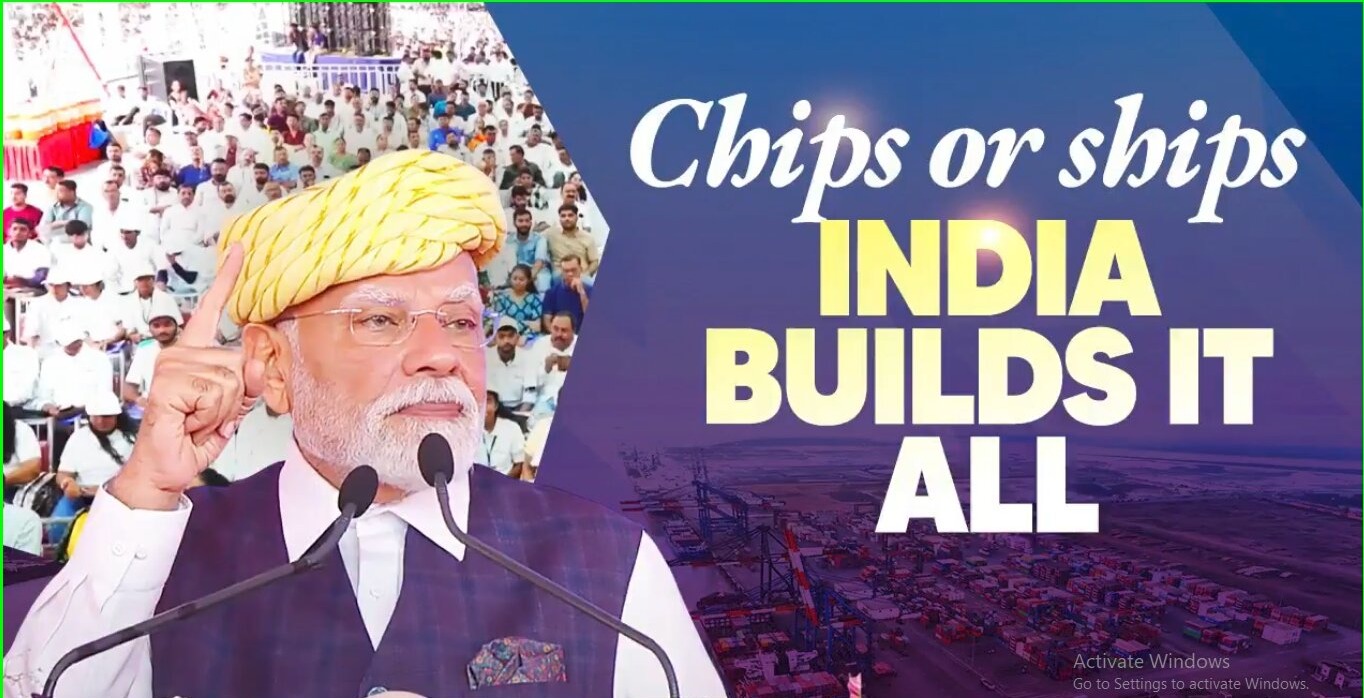
“If India is to become a developed nation by 2047, it must become self-reliant, there is no alternative to self-reliance and that all 140 crore citizens must commit to the same resolve—whether it is chips or ships, they must be made in India”, emphasised the Prime Minister, remarking that with this vision, India’s maritime sector is now moving towards next-generation reforms. He announced that from today, all major ports in the country will be freed from multiple documents and fragmented processes. The implementation of ‘One Nation, One Document’ and ‘One Nation, One Port’ Process will simplify trade and commerce. Shri Modi highlighted that during the recent Monsoon Session, several outdated laws from the colonial era were amended. He informed that a series of reforms have been initiated in the maritime sector, and five maritime laws have been introduced in a new form. These laws will bring major changes in shipping and port governance.
Underlining that India has been an expert in building large ships for centuries, the PM remarked that next-generation reforms will help revive this forgotten legacy. He highlighted that in the past decade, more than 40 ships and submarines have been inducted into the Navy, and barring one or two, all have been built in India. He noted that the massive INS Vikrant was also constructed domestically, including the high-quality steel used in its production. Shri Modi emphasized that India possesses the capability and lacks no skill. He assured the nation that the political will required to build large ships is firmly in place.
Highlighting that a historic decision was taken yesterday to strengthen India’s maritime sector, Shri Modi announced a major policy reform under which large ships have now been accorded infrastructure status. He remarked that when a sector receives infrastructure recognition, it gains significant advantages. PM highlighted that shipbuilding companies will now find it easier to secure loans from banks and will benefit from reduced interest rates. All benefits associated with infrastructure financing will now be extended to these shipbuilding enterprises. Shri Modi emphasized that this decision will reduce the financial burden on Indian shipping companies and help them compete more effectively in the global market.
Emphasising that to make India a major maritime power, the Government is working on three major schemes, the PM remarked that these initiatives will ease financial support for the shipbuilding sector, help shipyards adopt modern technology, and improve design and quality standards. He informed that over ₹70,000 crore will be invested in these schemes in the coming years.
Recalling that in 2007, during his tenure as Chief Minister of Gujarat, a major seminar was held in Gujarat to explore shipbuilding opportunities, Shri Modi remarked that it was during that period that Gujarat extended support to develop a shipbuilding ecosystem. He stated that India is now taking comprehensive steps to promote shipbuilding nationwide. He emphasized that shipbuilding is not an ordinary industry; it is globally referred to as the “Mother of All Industries” because it drives the growth of multiple allied sectors. The Prime Minister highlighted that industries such as steel, machinery, electronics, textiles, paints, and IT systems are all supported by the shipping sector. He noted that this creates significant benefits for small and medium enterprises (MSMEs). Citing research, the Prime Minister stated that every rupee invested in shipbuilding generates nearly double the economic return. He added that every job created in a shipyard leads to six to seven new jobs in the supply chain, meaning 100 shipbuilding jobs can result in over 600 jobs in related sectors, underscoring the massive multiplier effect of the shipbuilding industry.
Prime Minister further stated that focused efforts are being made to strengthen the essential skill sets required for shipbuilding. He remarked that India’s Industrial Training Institutes (ITIs) will play a key role in this initiative, and the Maritime University’s contribution will be further expanded. Shri Modi highlighted that in recent years, new frameworks have been developed through coordination between the Navy and NCC in coastal areas. He added that NCC cadets will now be prepared not only for naval roles but also for responsibilities in the commercial maritime sector.
Stressing that today’s India is moving forward with a distinct momentum, the PM remarked that the nation not only sets ambitious goals but also achieves them ahead of schedule. In the solar sector, India is meeting its targets four to five years in advance. Shri Modi highlighted that the objectives set eleven years ago for port-led development are now being met with remarkable success. He informed that large ports are being developed across the country to accommodate large vessels, and connectivity is being enhanced through initiatives like Sagarmala.
Noting that in the past eleven years, India has doubled its port capacity, Shri Modi highlighted that prior to 2014, the average ship turn-around time in India was two days, whereas today it has been reduced to less than one day. He informed that new and large ports are being constructed across the country. He remarked that recently, India’s first deep-water container trans-shipment port has commenced operations in Kerala. Additionally, the PM announced that the Vadhavan Port in Maharashtra is being developed at a cost exceeding ₹75,000 crore, and it will rank among the top ten ports in the world.
Mentioning that India currently accounts for 10 percent of global maritime trade, Shri Modi emphasized the need to increase this share and declared that by 2047, India aims to triple its participation in global sea trade—and will achieve it.
The Prime Minister remarked that as maritime trade expands, the number of Indian seafarers is also rising. He described these professionals as hardworking individuals who operate ships, manage engines and machinery, and oversee loading and unloading operations at sea. A decade ago, India had fewer than 1.25 lakh seafarers. Today, that number has crossed three lakh. Shri Modi highlighted that India now ranks among the top three countries globally in supplying the highest number of seafarers and added that India’s growing shipbuilding industry is also strengthening global capabilities.
Underscoring that India possesses a rich maritime heritage, symbolized by its fishermen and ancient port cities, Shri Modi remarked that Bhavnagar and the Saurashtra region are prominent examples of this legacy. The Prime Minister emphasized the importance of preserving and showcasing this heritage for future generations and the world. He announced that a world-class maritime museum is being developed at Lothal, which, like the Statue of Unity, will become a new symbol of India’s identity.
“India’s coastlines will become gateways to national prosperity”, exclaimed the Prime Minister. He expressed happiness that Gujarat’s coastline is once again proving to be a boon for the region. He remarked that this entire area is now setting a new benchmark for port-led development in the country. Shri Modi highlighted that 40 percent of the cargo arriving via sea routes in India is handled by Gujarat’s ports and these ports will soon benefit from the Dedicated Freight Corridor, which will enable faster movement of goods to other parts of the country and further enhance port efficiency.
Shri Modi stated that a robust ship-breaking ecosystem is emerging in the region, with the Alang Ship Breaking Yard serving as a prime example. He remarked that this sector is generating significant employment opportunities for the youth.
The Prime Minister emphasized that to build a developed India, rapid progress is needed across all sectors. He reiterated that the path to a developed India passes through self-reliance. He urged citizens to remember that whatever they buy should be indigenous, and whatever they sell should also be indigenous. Addressing shopkeepers, Shri Modi encouraged them to display posters in their shops reading: “Say with pride, this is Swadeshi.” He concluded by stating that this collective effort will transform every festival into a celebration of India’s prosperity, and extended his best wishes to all on the occasion of Navratri.
Chief Minister of Gujarat, Shri Bhupendrabhai Patel, Union Ministers, Shri C. R. Patil, Shri Sarbananda Sonowal, Dr. Mansukh Mandaviya, Shri Shantanu Thakur, Smt Nimuben Bambhaniya were present among other dignitaries at the event.
India’s prosperity will draw strength from self-reliance: PM
What the nation needs and what can be made in India should be made within India itself: PM
NEW DELHI: Prime Minister Shri Narendra Modi addressed the nation via video conferencing on Sunday. Extending heartfelt greetings to all citizens on the commencement of Navratri, the festival of worshipping Shakti, he remarked that from the very first day of Navratri, the nation is taking a significant step forward in the Aatmanirbhar Bharat campaign. Beginning at sunrise on 22nd September, the country will implement Next Generation GST reforms. The Prime Minister highlighted that this marks the beginning of a GST Bachat Utsav(Savings Festival) across India. He emphasized that this festival will enhance savings and make it easier for people to purchase their preferred items. Shri Modi noted that the benefits of this savings festival will reach the poor, middle class, neo middle class, youth, farmers, women, shopkeepers, traders, and entrepreneurs alike. He remarked that in this festive season, every household will experience increased happiness and sweetness. Extending his congratulations, the Prime Minister conveyed best wishes to crores of families across the country for the Next Generation GST reforms and the GST Savings Festival. He underscored that these reforms will accelerate India’s growth story, simplify business operations, make investments more attractive, and ensure that every state becomes an equal partner in the race for development.
Recalling that India took its first steps towards GST reform in 2017, marking the end of an old chapter and the beginning of a new one in the country’s economic history, Shri Modi highlighted that for decades, citizens and traders were entangled in a complex web of taxes—Octroi, Entry Tax, Sales Tax, Excise, VAT, and Service Tax—amounting to dozens of levies across the nation. The Prime Minister pointed out that transporting goods from one city to another required crossing multiple checkpoints, filling numerous forms, and navigating a maze of differing tax rules at every location. He shared a personal memory from 2014, when he assumed office as Prime Minister, mentioning a striking example published in a foreign newspaper. The article described the challenges faced by a company that found it so difficult to send goods from Bengaluru to Hyderabad—a distance of just 570 kilometers—that it preferred to ship the goods from Bengaluru to Europe and then back to Hyderabad.
The Prime Minister remarked that such were the conditions due to the entanglement of taxes and tolls. He reiterated that the earlier example was just one among countless instances. He highlighted that lakhs of companies and crores of citizens faced daily hardships because of the complex web of multiple taxes. Shri Modi emphasized that the increased cost of transporting goods from one city to another was ultimately borne by the poor and recovered from customers like the general public.
Emphasizing that it was imperative to free the nation from the prevailing tax complexities, Shri Modi recalled that upon receiving the mandate in 2014, the government prioritized GST in the interest of the people and the nation. He highlighted that extensive consultations were held with all stakeholders, every concern raised by states was addressed, and solutions were found for every question. He noted that by bringing all states together, such a monumental tax reform in independent India became possible. The Prime Minister stated that it was the result of joint efforts by the Centre and the states that the country was liberated from the maze of multiple taxes and a uniform system was established across the nation. He affirmed that the dream of One Nation-One Tax was realized.
Prime Minister stated that reform is a continuous process, and as times change and national needs evolve, next-generation reforms become equally essential. He emphasized that keeping in view the current requirements and future aspirations of the country, these new GST reforms are being implemented. Shri Modi highlighted that under the new structure, only 5% and 18% tax slabs will primarily remain. This, he remarked, means that most everyday-use items will become more affordable. He listed food items, medicines, soap, toothbrushes, toothpaste, health and life insurance among the many goods and services that will either be tax-free or attract only a 5% tax. The Prime Minister further noted that of the items previously taxed at 12%, 99%—virtually all—have now been brought under the 5% tax bracket.
Highlighting that in the past eleven years, 25 crore Indians have overcome poverty and emerged as a significant neo middle class segment playing a vital role in the country’s progress, the PM emphasized that this neo middle class has its own aspirations and dreams. He noted that this year, the government has gifted tax relief by making income up to ₹12 lakh tax-free, bringing substantial ease and convenience to middle-class lives. Shri Modi remarked that now it is the turn of the poor and the neo middle class to benefit. He stated that they are receiving a double bonanza—first through income tax relief, and now through reduced GST. The Prime Minister underscored that with lower GST rates, fulfilling personal dreams will become easier for citizens—whether it’s building a house, purchasing a TV or refrigerator, or buying a scooter, bike, or car—all will now cost less. He added that travel will also become more affordable, as GST on most hotel rooms has been reduced. Shri Modi expressed happiness over the enthusiastic response of shopkeepers towards the GST reforms. He noted that they are actively working to pass on the benefits of GST reductions to customers. The Prime Minister highlighted that in many places, boards displaying price comparisons—before and after the reforms—are being prominently displayed.
Underlining that the mantra of ‘Nagarik Devobhava’ is clearly reflected in the Next Generation GST reforms, the PM highlighted that when the income tax relief and GST reductions are combined, the decisions taken over the past year will result in savings exceeding ₹2.5 lakh crore for the people of India. He affirmed that this is precisely why he calls it a ‘Bachat Utsav’.
Emphasising that achieving the goal of a developed India requires unwavering commitment to the path of self-reliance, Shri Modi stated that a major responsibility in making India self-reliant rests with the MSMEs—India’s micro, small, and cottage industries. He asserted that whatever meets the needs of the people and can be manufactured within the country must be produced domestically.
Highlighting that reduced GST rates and simplified procedures will significantly benefit India’s MSMEs, small-scale industries, and cottage enterprises, the PM remarked that these reforms will boost their sales and reduce their tax burden, resulting in a double advantage. He expressed high expectations from MSMEs and underscored their historic role as the backbone of India’s economy during its peak of prosperity. He noted that India’s manufacturing and product quality were once globally recognized and superior. Shri Modi emphasized the need to reclaim that pride, urging that products made by small industries must meet the highest global standards. He stated that India’s manufacturing should surpass all benchmarks with dignity and excellence, and that the quality of Indian products must enhance the country’s global identity and prestige. The Prime Minister called upon all stakeholders to work with this goal in mind.
The Prime Minister remarked that just as the mantra of Swadeshi empowered India’s freedom struggle, it will similarly energize the nation’s journey toward prosperity. He highlighted that many foreign items have unknowingly become part of daily life, and citizens often do not even realize whether the comb in their pocket is foreign or indigenous. Shri Modi emphasized the need to liberate ourselves from such dependence and urged people to buy products that are Made in India, infused with the hard work and sweat of the country’s youth. He called for every household to become a symbol of Swadeshi and every shop to be adorned with indigenous goods. The PM encouraged citizens to proudly declare their commitment to Swadeshi—“I buy Swadeshi,” “I sell Swadeshi”—and stated that this mindset must become intrinsic to every Indian. He asserted that such a transformation will accelerate India’s development. He appealed to all state governments to actively support the Aatmanirbhar Bharat and Swadeshi campaigns by boosting manufacturing in their regions with full energy and enthusiasm, and by creating a conducive environment for investment. He affirmed that when the Centre and states move forward together, the dream of a self-reliant India will be fulfilled, every state will develop, and India will become a developed nation. Concluding his address, the Prime Minister extended warm wishes for the GST Bachat Utsav and the auspicious occasion of Navratri.
GANDHIDHAM : Deendayal Port Authority, Kandla also witnessed the LIVE screening of “Samudra Se Samriddhi” by Hon’ble PM Shri Narendra Modi ji at the Administrative Office, Gandhidham. The occasion was graced by Shri Vinodbhai Chavda, Hon’ble MP (Kutch); Smt. Maltiben Maheshwari, Hon’ble MLA (Gandhidham) and with senior officials of Port, employees & school students at large,
Hon’ble PM Shri Narendra Modi ji was briefed by Shri Sushil Kumar Singh, IRSME, Chairman DPA, on the proposed mega Port Terminal at Kandla, featuring a 6 km waterfront.
This landmark project will add a massive 135+ MMTPA cargo handling capacity, powering India’s maritime growth story.
PM Modi laid the foundation stone of transformative projects worth ₹2400 Cr of DPA, Kandla. PM inaugurated & laid the foundation stone of development works worth over Rs 34,200 crore in Bhavnagar. Addressing the ‘Samudra se Samriddhi’ event, the Prime Minister welcomed all the dignitaries and the people.
Chief Minister of Gujarat, Shri Bhupendrabhai Patel, Union Ministers, Shri C. R. Patil, Shri Sarbananda Sonowal, Dr. Mansukh Mandaviya, Shri Shantanu Thakur, Smt Nimuben Bambhaniya were present among other dignitaries at the event.
Citing India’s shipping sector as a major example of the damage caused by flawed policies, Shri Modi remarked that India was historically a leading maritime power and one of the world’s largest shipbuilding hubs. Ships built in India’s coastal states once powered domestic and global trade. Even fifty years ago, India used domestically built ships, with over 40 percent of import-export conducted through them. The Prime Minister criticized the current opposition party stating that the shipping sector later fell victim to their misguided policies and instead of strengthening domestic shipbuilding, they preferred paying freight to foreign vessels. This led to the collapse of India’s shipbuilding ecosystem and forced dependence on foreign ships. As a result, the share of Indian ships in trade dropped from 40 percent to just 5 percent. The Prime Minister emphasized that today, 95 percent of India’s trade relies on foreign ships—a dependency that has caused significant loss to the nation.
Highlighting that a historic decision was taken yesterday to strengthen India’s maritime sector, Shri Modi announced a major policy reform under which large ships have now been accorded infrastructure status. He remarked that when a sector receives infrastructure recognition, it gains significant advantages. The PM highlighted that shipbuilding companies will now find it easier to secure loans from banks and will benefit from reduced interest rates. All benefits associated with infrastructure financing will now be extended to these shipbuilding enterprises. Shri Modi emphasized that this decision will reduce the financial burden on Indian shipping companies and help them compete more effectively in the global market.
“India’s coastlines will become gateways to national prosperity”, exclaimed the Prime Minister. He expressed happiness that Gujarat’s coastline is once again proving to be a boon for the region. He remarked that this entire area is now setting a new benchmark for port-led development in the country. Shri Modi highlighted that 40 percent of the cargo arriving via sea routes in India is handled by Gujarat’s ports and these ports will soon benefit from the Dedicated Freight Corridor, which will enable faster movement of goods to other parts of the country and further enhance port efficiency.
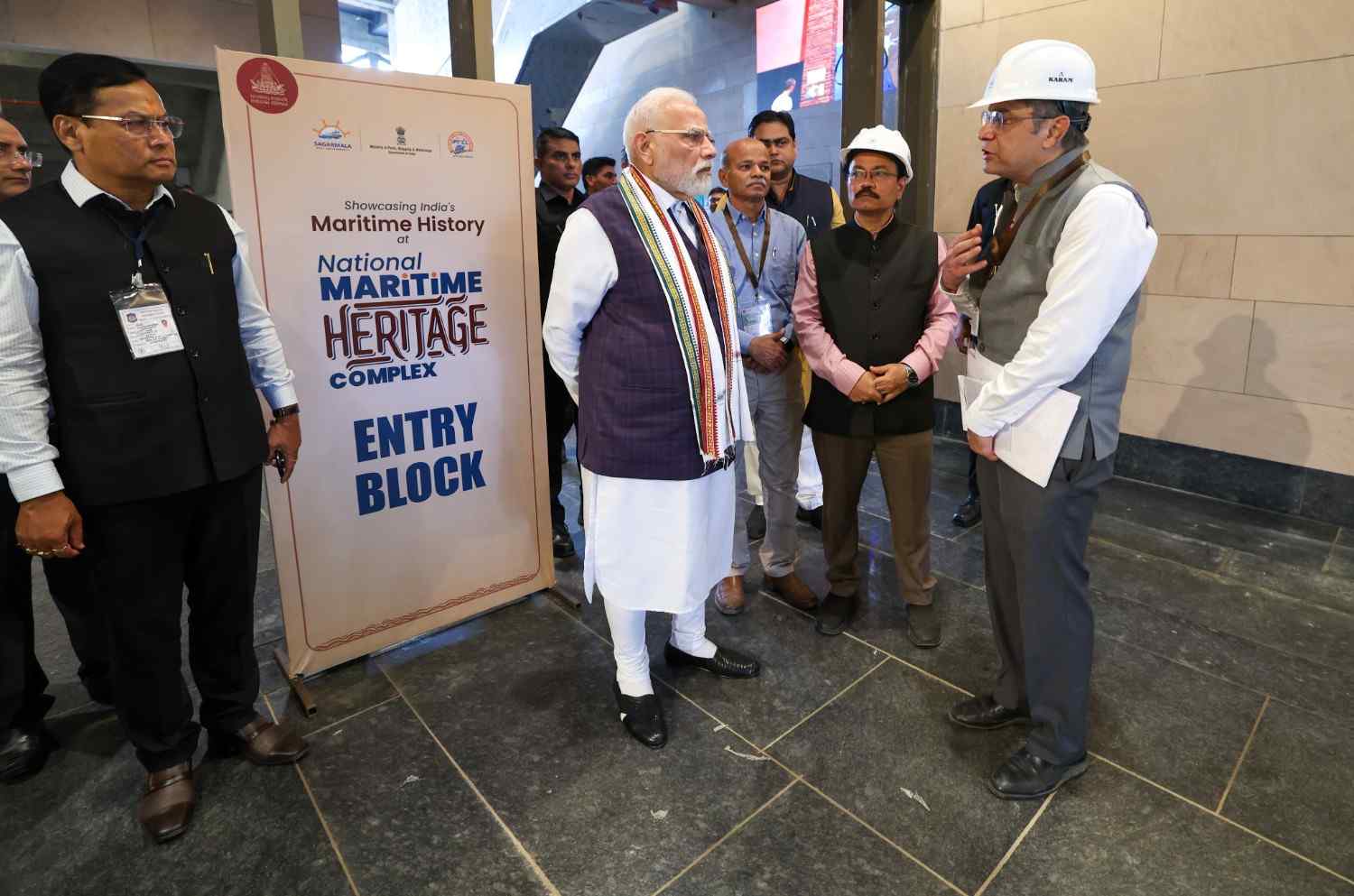
LOTHAL: The Prime Minister, Shri Narendra Modi reviewed the progress of the National Maritime Heritage Complex at Lothal. “Once completed, it will be the world’s largest maritime museum. It will showcase India’s ancient maritime traditions while serving as a hub for tourism, research, education and skill development”, Shri Modi said.
In a post on X Shri Modi said:
“Reviewed the progress of the National Maritime Heritage Complex at Lothal. Once completed, it will be the world’s largest maritime museum. It will showcase India’s ancient maritime traditions while serving as a hub for tourism, research, education and skill development.”
BHAVNAGAR : Prime Minister Shri Narendra Modi has announced three schemes entailing govt investment of over Rs 70,000 crore to boost the shipbuilding sector, in a move to build India’s maritime power, reduce dependence on foreign ships and be future-ready to face any supply chain disruption.
In his address at Bhavnagar on Saturday, PM Modi said this has resulted in India paying approximately Rs 6 lakh crore annually to foreign shipping companies for their services—an amount nearly equivalent to the country’s defence budget.
Citing India’s shipping sector as a major example of the damage caused by flawed policies, Shri Modi remarked that India was historically a leading maritime power and one of the world’s largest shipbuilding hubs. Ships built in India’s coastal states once powered domestic and global trade. Even fifty years ago, India used domestically built ships, with over 40 percent of import-export conducted through them. The Prime Minister criticized the current opposition party stating that the shipping sector later fell victim to their misguided policies and instead of strengthening domestic shipbuilding, they preferred paying freight to foreign vessels. This led to the collapse of India’s shipbuilding ecosystem and forced dependence on foreign ships. As a result, the share of Indian ships in trade dropped from 40 percent to just 5 percent. The Prime Minister emphasized that today, 95 percent of India’s trade relies on foreign ships—a dependency that has caused significant loss to the nation.
Presenting some figures before the nation, Shri Modi remarked that citizens will be shocked to know that India pays nearly $75 billion —approximately six lakh crore rupees—every year to foreign shipping companies for shipping services. The Prime Minister highlighted that this amount is nearly equivalent to India’s current defence budget. He urged the public to imagine how much money has been paid as freight to other countries over the past seven decades. He pointed out that this outflow of funds has created millions of jobs abroad. Shri Modi emphasized that if even a small portion of this expenditure had been invested by earlier governments in India’s shipping industry, the world today would be using Indian ships, and India would be earning lakhs of crores in shipping services.
“If India is to become a developed nation by 2047, it must become self-reliant, there is no alternative to self-reliance and that all 140 crore citizens must commit to the same resolve—whether it is chips or ships, they must be made in India”, emphasised the Prime Minister, remarking that with this vision, India’s maritime sector is now moving towards next-generation reforms. He announced that from today, all major ports in the country will be freed from multiple documents and fragmented processes. The implementation of ‘One Nation, One Document’ and ‘One Nation, One Port’ Process will simplify trade and commerce. Shri Modi highlighted that during the recent Monsoon Session, several outdated laws from the colonial era were amended. He informed that a series of reforms have been initiated in the maritime sector, and five maritime laws have been introduced in a new form. These laws will bring major changes in shipping and port governance.
While the government will provide financial aid to shipbuilders under the Rs 25,000-crore Shipbuilding Financial Assistance Scheme, the Rs 25,000-crore Maritime Development Fund will enable players to get long-term and low-cost financing.
The third scheme — Shipbuilding Development Scheme (SDS), worth Rs 20,000 crore — will focus on providing capital assistance for greenfield shipbuilding mega clusters, through infrastructure support for common maritime facilities and land connectivity; capital aid to existing shipyards for capacity expansion; and establishment of an apex body for capability development.
Sources said the programme has been finalised after drawing from the experience of major maritime nations such as China and South Korea, which have become top players in shipbuilding on account of govt-led financial support and cluster-based development. The schemes, having the potential to create nearly two crore direct and indirect jobs, are set to get Cabinet approval in the next two weeks.
Highlighting that a historic decision was taken yesterday to strengthen India’s maritime sector, Shri Modi announced a major policy reform under which large ships have now been accorded infrastructure status. He remarked that when a sector receives infrastructure recognition, it gains significant advantages. The PM highlighted that shipbuilding companies will now find it easier to secure loans from banks and will benefit from reduced interest rates. All benefits associated with infrastructure financing will now be extended to these shipbuilding enterprises. Shri Modi emphasized that this decision will reduce the financial burden on Indian shipping companies and help them compete more effectively in the global market.
Emphasising that to make India a major maritime power, the Government is working on three major schemes, the PM remarked that these initiatives will ease financial support for the shipbuilding sector, help shipyards adopt modern technology, and improve design and quality standards. He informed that over ₹70,000 crore will be invested in these schemes in the coming years.
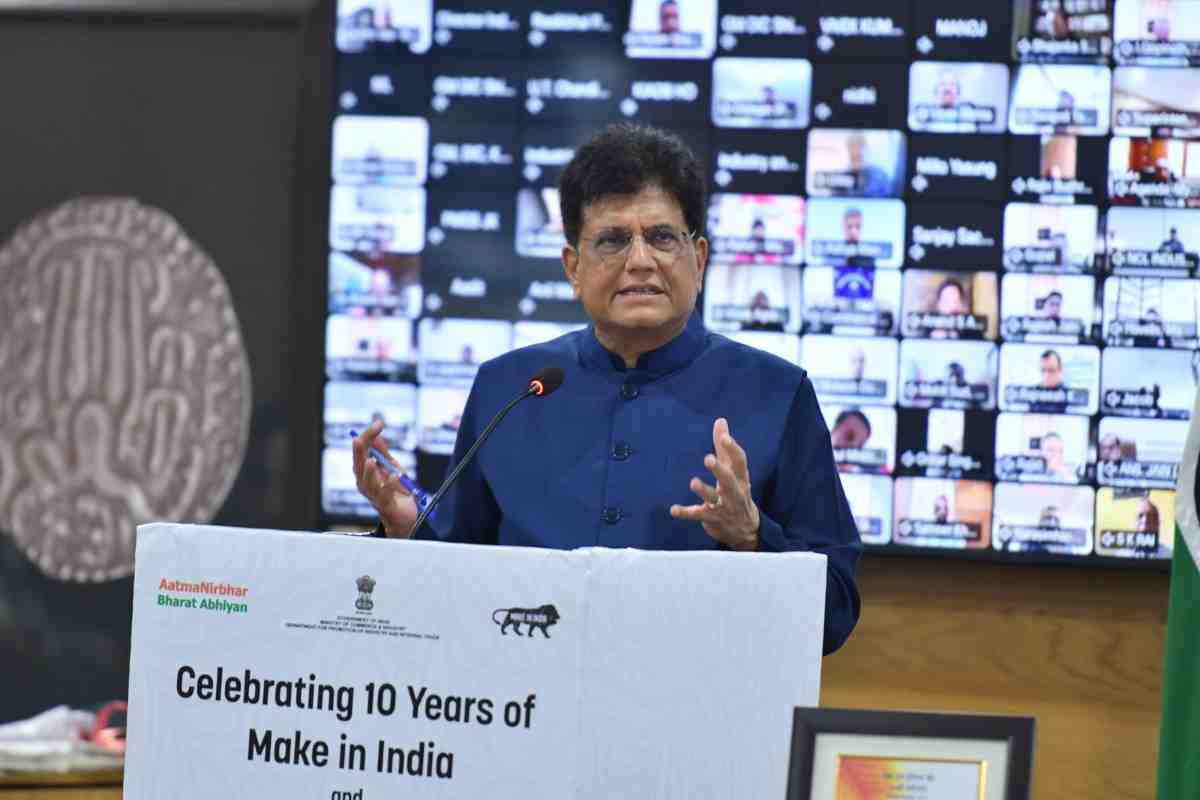
NEW DELHI : On the occasion of the decade-long celebrations of Make in India, the Union Minister for Commerce and Industry, Shri Piyush Goyal, launched the Logistics Ease Across Different States (LEADS) 2025 here. LEADS 2025 represents a significant milestone in benchmarking logistics performance across States and Union Territories, supporting India’s vision of a globally competitive and future-ready logistics ecosystem.
Shri Goyal highlighted India’s rapid emergence as a global manufacturing hub under the Make in India initiative, with strong growth in sectors such as pharmaceuticals and engineering goods. He emphasized that efficient logistics forms the backbone of manufacturing competitiveness by reducing logistics costs.
The Minister noted that the Government has been consistently working to improve logistics efficiency through initiatives such as the LEADS survey, which provides valuable insights into the performance of states, identifies best practices, and highlights areas requiring focused interventions. He added that such assessments enable the Government to collaborate closely with states to strengthen logistics infrastructure, reduce costs, and enhance supply chain competitiveness, thereby supporting the objectives of Atmanirbhar Bharat and Make in India.
This year, LEADS introduces two major features: performance assessment of 5–7 key corridors based on journey time, truck speed, and waiting periods, and API-enabled evaluation of section-wise speeds on major road corridors. These measures will provide sharper insights to guide States and Union Territories in improving logistics efficiency.
Reaffirming the Government’s commitment, Shri Goyal said that LEADS 2025 will contribute to building a cost-efficient and sustainable logistics system, supporting the broader goals of Atmanirbhar Bharat and Viksit Bharat by 2047.