Home Blog Page 647

Commerce Minister launches report on Assessment of Logistics Cost in India, strengthening data-driven logistics planning

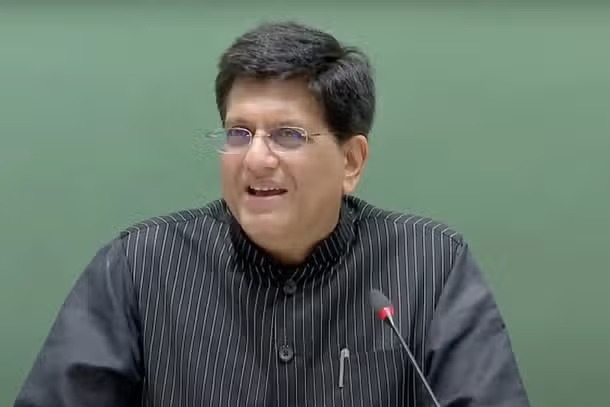
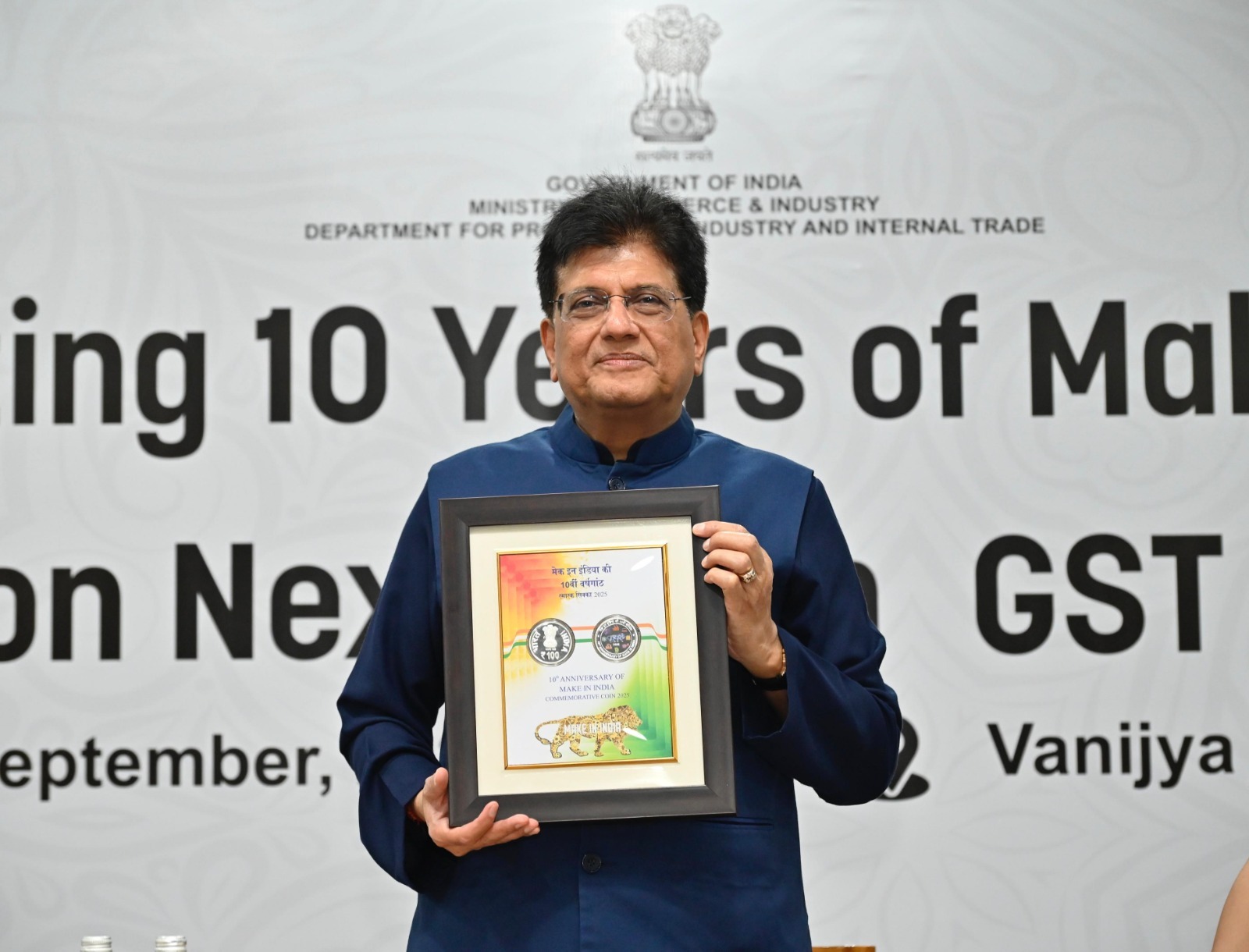
NEW DELHI : On the occasion of celebrations marking a decade of “Make in India,” the Union Minister of Commerce and Industry, Shri Piyush Goyal, launched the report on Assessment of Logistics Cost in India. For the first time, India will have a comprehensive and scientifically derived estimate of logistics costs, using a hybrid methodology that combines secondary data with nationwide surveys. This initiative follows the mandate of the National Logistics Policy (2022) to establish a uniform framework for measuring logistics costs and benchmarking them against global practices.

Shri Goyal highlighted that the Government has undertaken multiple initiatives to make logistics more competitive and reduce the cost of doing business in India. He noted that studies and reports prepared by the Industry and Commerce Departments are helping identify key issues in logistics costs. Efforts such as mapping each Harmonized System of Nomenclature (HSN) code to the respective line ministry streamline coordination and strengthen India’s position in free trade agreement (FTA) negotiations. He further emphasized that the creation of a logistics data bank, the implementation of integrated state and city logistics plans under the SMILE programme in collaboration with ADB, and infrastructure projects spearheaded by NICDC and other agencies aim to assess available facilities, improve transport and connectivity, and reduce inefficiencies. These measures, along with reforms such as GST implementation and rationalization, are central to ongoing efforts to reduce logistics costs, enhance ease of doing business, and boost competitiveness.

Until now, logistics costs in India were often misrepresented, with commonly cited figures of 13–14% of GDP derived from external studies or partial datasets. This led to inconsistent estimates, causing confusion among policymakers and global stakeholders. As per the current assessment prepared by NCAER for DPIIT, logistics costs in India are estimated at about 7.97% of total GDP.

The report provides a comprehensive framework by capturing logistics costs across different transport modes, product categories, and firm sizes. It also presents estimates of freight cost per tonne-kilometre and highlights the role of multi-modality in enhancing efficiency. By providing evidence-based guidance, the study strengthens India’s efforts to improve competitiveness and supports the broader vision of positioning the country as a global logistics hub.

Estimates for the previous five years show that the growth rate of logistics costs is gradually slowing compared with the pace of growth in non-services output. This improvement can be attributed to initiatives such as the PM GatiShakti National Master Plan, Dedicated Freight Corridors, Bharatmala Pariyojana, Sagarmala Project, Integrated Check Posts, development of the Unified Logistics Interface Platform (ULIP), and the Logistics Efficiency Enhancement Programme (LEAP), among others.
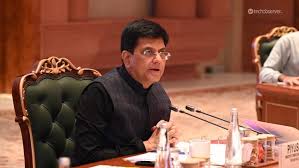
Union Minister of Commerce and Industry launches Logistics Data Bank (LDB) 2.0 to boost India’s digital trade and export competitiveness

NEW DELHI: On the occasion of the decade-long celebrations of Make in India, the Union Minister of Commerce and Industry, Shri Piyush Goyal, on Saturday launched Logistics Data Bank (LDB) 2.0, advancing India’s journey toward a digitally empowered, investment-ready, and export-competitive economy in New Delhi. Shri Goyal said that LDB 2.0 will provide critical insights into the availability of facilities and infrastructure across the logistics ecosystem. The system will enable real-time tracking and assessment of logistics performance, supporting better planning, higher efficiency, and cost reduction. He added that the initiative will serve as an important tool for both industry and government to strengthen competitiveness, improve supply chain management, and make logistics in India more efficient and business-friendly.

Developed by NICDC Logistics Data Services (NLDSL), LDB 2.0 is a significantly enhanced logistics tracking platform that enables export container tracking on high seas along with multi-modal shipment visibility. The platform strengthens India’s digital trade infrastructure, supports MSMEs and exporters, and reflects the government’s commitment to building a transparent, data-driven, and globally competitive logistics ecosystem aligned with the vision of Viksit Bharat @2047.

LDB 2.0 introduces high-seas container tracking, allowing exporters to track containers even after departure from Indian ports across international waters, improving coordination and enhancing credibility in global markets. It also offers multi-modal visibility across road, rail, and sea using container, truck, or trailer numbers, as well as railway FNRs through integration with Unified Logistics Interface Platform (ULIP) APIs. A live container heatmap provides location-based views of container distribution across the country, helping stakeholders and policymakers identify imbalances and respond proactively to potential bottlenecks.

Speaking on the occasion, Shri Goyal said, “LDB 2.0 reflects our commitment to making India an export powerhouse. Under the leadership of Prime Minister Shri Narendra Modi, we are building the digital backbone of modern logistics and industrial growth. This initiative will accelerate India’s journey toward Atmanirbhar Bharat by empowering exporters and manufacturers with real-time data and smarter infrastructure.”

Launch LDB 2.0 portal: https://drive.google.com/file/d/1muzHd_wpOodgX24x6Z_T7VD9E3-fWSDV/view?usp=drive_link

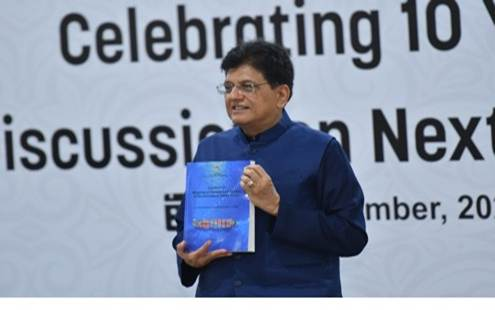
Guidebook on Mapping of HSN Codes unveiled by Piyush Goyal

NEW DELHI: Union Minister of Commerce and Industry, Shri Piyush Goyal, released the Guidebook on Mapping of Harmonized System of Nomenclature (HSN) Codes prepared by the Department for Promotion of Industry and Internal Trade (DPIIT) on 20th September 2025 during the event on “Celebrating 10 Years of Make in India and Discussion on Next Gen-Reforms 2.0” in New Delhi. The Guidebook which provides allocation of 12,167 HSN Codes to 31 Ministries and Departments of the Government of India, aims to promote the adoption of data-driven approach for manufacturing development, investment promotion, and trade facilitation. It shall serve as the foundation for building a resilient and competitive manufacturing ecosystem.

Emphasizing the significance of this exercise, Shri Goyal mentioned that the Guidebook is a significant stride towards strengthening domestic production capacity and fostering sectoral growth. Additionally, it will also support more effective Trade Agreement negotiations which are aligned with national economic priorities and domain strengths. With the facilitation for identification of the relevant Ministry or Department for specific HSN Codes, this initiative will streamline regulatory processes and further enhance ease of doing business. He added that the Guidebook shall play an integral role in accomplishing the vision of Viksit Bharat by 2047, where governance is responsive to the needs of the industry.

Guidebook HSN Codes Guidebook on Mapping of HSN Codes unveiled by Piyush Goyal

The origin of the development of the Guidebook lies in the observation of persistent challenges arising during trade negotiations, import substitution efforts and redressal of industry concerns due to the absence of definitive mapping of HSN Codes. Further, unmapped Codes were misclassified as ‘Residual Products’ due to unclear ownership. To address the matter, DPIIT followed a holistic and proactive approach, by undertaking the value-chain and use-case analysis for each of the 12,167 HSN Codes sourced from the Central Board of Indirect Taxes and Customs (CBIC) Tariff Manual.

Following this, a thorough review of the Allocation of Business (AoB) Rules, 1961, was done for mapping of each HSN Code based on the nature and end-use of the product. Once the preliminary mapping was completed, several Inter-Ministerial Consultations, multiple Joint Working Group meetings, over 300 one-on-one meetings with Ministries and Departments, and numerous Industry Stakeholder consultations were conducted. The feedback received was systematically analyzed and incorporated to ensure reflection of ground-level realities.

The exercise eventually led to the mapping of 12,167 HSN Codes to 31 Ministries and Departments. This extensive and consultative effort culminated in the development of the Guidebook, which now stands as a foundational resource for advancing manufacturing and trade related goals.

The Guidebook on Mapping of HSN Codes is a critical enabler for Ministries and Departments to translate policy intent into actionable outcomes. To support its effective use, a dedicated section titled “How to Use the Guidebook?” has also been developed, anchored in three operational pillars. The first segment on “Manufacture in India”, focuses on positioning India as a global manufacturing hub by emphasizing on sector-specific policy alignment, value chain strengthening, and workforce development. Building on this foundation, the “Strengthen Brand India” pillar aims to elevate the global perception of the ‘Made in India’ label through prioritization of quality enhancement. Complementing these efforts, the “Make for the World” pillar is dedicated to support more effective trade negotiations, thereby, enabling Indian products to capture a greater share in international markets.

In conclusion, the Guidebook on Mapping of HSN Codes is not merely a classification exercise but a strategic instrument for shaping the industrial future of India. It empowers Ministries and Departments to adopt an outcome-oriented approach to economic growth and development by streamlining custodianship of products. As India advances towards establishing itself as a global manufacturing hub, this Guidebook becomes pivotal in aligning policy, investment, and trade related matters. With the Guidebook as a catalyst, India is equipped to convert its industrial ambition into international leadership by laying the foundation for a robust and future-ready economy by 2047.

Union Commerce Minister will visit U.S. today to ‘take forward’ trade deal talks

NEW DELHI : Union Commerce and Industry Minister Shri Piyush Goyal will be visiting the U.S. today, September 22 to “take forward” discussions to achieve an early conclusion to a bilateral trade deal between India and the U.S.

A team of officials, led by Assistant United States Trade Representative and chief negotiator of the India-US BTA Brendan Lynch, met India’s chief negotiator Special Secretary Rajesh Agrawal on September 16 in New Delhi.

“In continuation of these discussions, a delegation led by the Commerce and Industries Minister, Shri Piyush Goyal is visiting the United States for meetings with the U.S. side on 22nd September 2025,” the Ministry of Commerce and Industry said in a statement. “The delegation plans to take forward the discussions with a view to achieve early conclusion of a mutually beneficial Trade Agreement.”

The U.S.’ ambassador-designate to India, Sergio Gor, earlier this month said that US President Trump had invited India’s trade minister to the U.S.

SDHI and GMB ink landmark ₹4,250 crore MoU for a mega boost to India’s Shipbuilding Sector

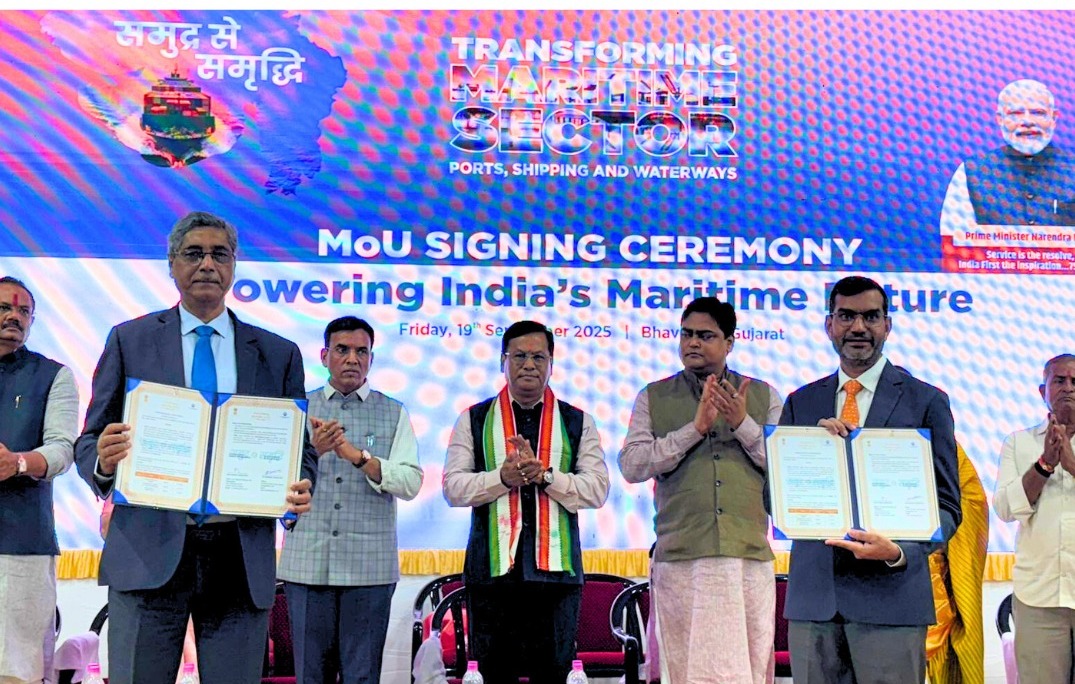
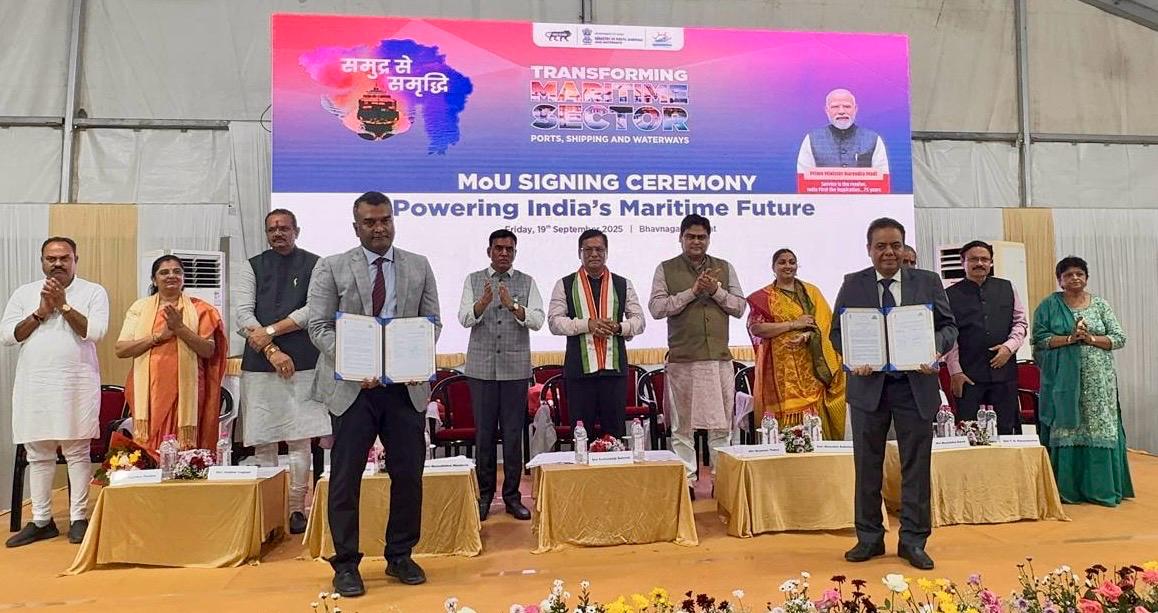
BHAVNAGAR: Swan Defence and Heavy Industries Limited (SDHI), India’s largest shipbuilding and heavy fabrication company, has signed a landmark Memorandum of Understanding (MoU) with the Gujarat Maritime Board (GMB) for a strategic investment of ₹4250 crore. The partnership is set to modernize shipyard infrastructure, strengthen domestic supply chains and build a sustainable talent pipeline for India’s maritime industry.

This significant investment is a testament of SDHI’s commitment toward India’s maritime ambition. The ₹4250 crore investment will be deployed across three key projects at the shipyard in Pipavav Port, Gujarat, that is home to India’s largest dry dock, with capacity to build vessels up to 400,000 DWT.

The partnership will infuse ₹3500 crore for capacity expansion at the shipyard, including slipway, jetties, additional cranes, block fabrication, and dredging. This will enhance the shipyard’s capacity to meet global as well as Indian shipbuilding demand.

A ₹200 crore world-class Centre of Excellence (CoE) for Maritime will come up at the shipyard to deliver a certified, industry-ready workforce of over 1,000 youth annually. The CoE will be equipped with state-of-the-art smart classrooms, specialized labs, advanced simulators, and design software systems to enable innovation in ship design, shipbuilding, and retrofits.

SDHI will also develop a 200-acre Maritime Cluster within the shipyard for an investment of ₹550 crores. The cluster will serve as a maritime hub for ancillary industries, suppliers, and support services to foster innovation, improve efficiency, boost local economy, and strengthen global trade.

Commenting of this partnership, Rear Admiral Vipin Kumar Saxena (retd.), CEO, Swan Defence and Heavy Industries, said “We are honoured to partner with the Gujarat Maritime Board on this landmark collaboration. By investing in infrastructure, capacity, and skill development we will add world-class capabilities that accelerate India’s shipbuilding ecosystem. SDHI is laying the foundation for a new era of growth and cementing our nation’s place on the global maritime map for decades to come.”

This strategic collaboration between SDHI and GMB aligns with the Maritime Amrit Kaal Vision 2047, ushering in a new era of growth, innovation, and global leadership for the Indian shipbuilding ecosystem.

TN Govt signs two Ultra Mega MoUs with Cochin Shipyard and Mazagon Dock for ₹30,000 crore investment with 55,000 jobs

CHENNAI : The Tamil Nadu Government has announced the signing of two Memorandums of Understanding (MoUs) in the shipbuilding sector with state-run Cochin Shipyard and Mazagon Dock Shipbuilders to establish two greenfield commercial shipyards in the state.

The projects will see a combined investment of ₹30,000 crore and generate employment for 55,000 people.

Cochin Shipyard Limited will invest ₹15,000 crore to build a Green commercial shipbuilding yard. The project is expected to generate over 10,000 jobs (4,000 direct and 6,000 indirect).

Mazagon Dock will match the investment, setting up a second facility that is projected to employ over 45,000 people (5,000 direct and 40,000 indirect), mostly in the surrounding ecosystem.

“These projects signal Tamil Nadu’s rise as India’s maritime manufacturing powerhouse,” Rajaa said in a post on social media.

Earlier this month, the state industrial promotion agency SIPCOT and V.O. Chidambaranar Port signed a memorandum of understanding to form a special purpose vehicle to promote shipbuilding, providing the institutional framework for the new policy.

The two shipyards are expected to bring cutting-edge shipbuilding technology, strengthen coastal infrastructure and attract ancillary industries ranging from marine equipment manufacturers to logistics providers, the minister said.

SMP Kolkata takes a major step towards maritime modernization with foundation stone laid by Hon’ble PM Narendra Modi

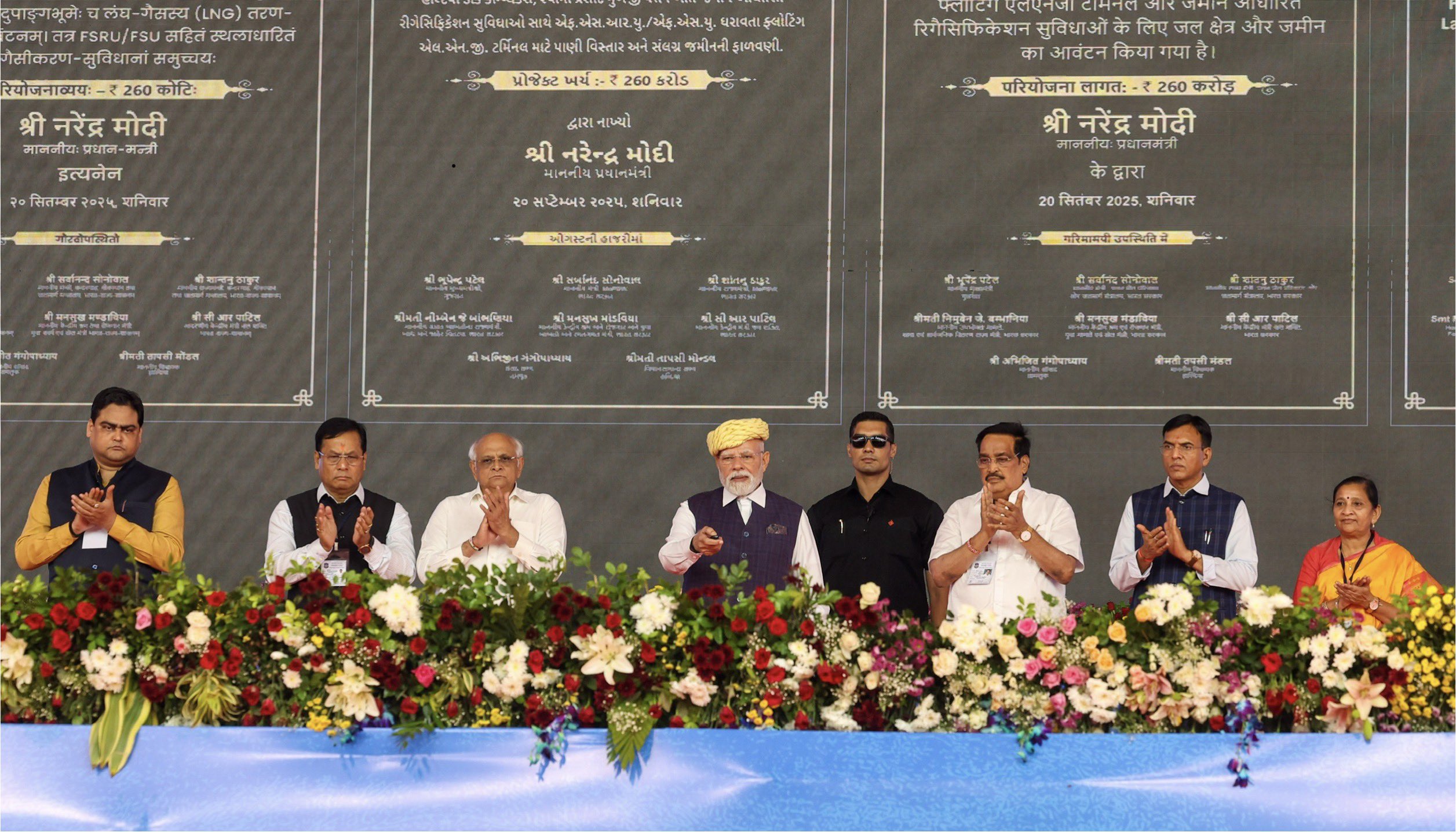
BHAVNAGAR : Syama Prasad Mookerjee Port (SMP), Kolkata, marked a historic milestone today as the Hon’ble Prime Minister of India, Shri Narendra Modi, virtually laid the foundation stone for a new container terminal and associated facilities. The announcement was made during the Samudra Se Samriddhi event held at Bhavnagar, Gujarat, where development projects worth over ₹34,200 crore were inaugurated and launched.

The new container terminal at SMP Kolkata, part of the maritime sector projects worth ₹7,870 crore, is expected to significantly strengthen cargo handling capacity, improve port efficiency, and modernize critical infrastructure. The project will enhance India’s maritime trade competitiveness and position Kolkata as a stronger gateway port for eastern and northeastern India, as well as neighboring countries.

Speaking on the occasion, the Prime Minister highlighted the government’s commitment to port-led development under the Sagarmala programme. He underlined that reforms such as “One Nation, One Document” and “One Nation, One Port Process”, along with the recognition of large ships as infrastructure, will accelerate growth and attract fresh investments across the maritime sector.

Apart from SMP Kolkata, the Prime Minister inaugurated or laid the foundation for several landmark port and shipping projects across the country, including:

Mumbai International Cruise Terminal at Indira Dock

New container berth at Paradip Port

Tuna Tekra Multi-Cargo Terminal at Deendayal Port, Kandla

Firefighting and connectivity projects at Kamarajar Port, Ennore

Coastal protection works at Chennai Port and Car Nicobar

Ship repair facilities at Patna and Varanasi

These initiatives collectively aim to modernize India’s ports, enhance cargo handling efficiency, and boost allied industries such as steel, electronics, and shipbuilding.

For SMP Kolkata, the upcoming container terminal represents a major leap towards modernization, promising faster turnaround, improved global trade connectivity, and a boost to regional economic growth.

About SMP Kolkata:
Syama Prasad Mookerjee Port, formerly known as Kolkata Port, is one of the oldest and most important ports in India. Strategically located on the eastern seaboard, it serves as a key hub for trade with eastern India, the Northeast, Bhutan, and Bangladesh. The port continues to play a vital role in supporting India’s maritime economy through modernization and capacity enhancement initiatives.

SDHI, SMFCL partner to explore shipbuilding financing support under the Maritime focused Equity Fund

BHAVNAGAR: Swan Defence and Heavy Industries Limited (SDHI), India’s largest shipbuilding and heavy fabrication company, announced a strategic Memorandum of Understanding (MoU) with Sagarmala Finance Corporation Limited (SMFCL), India’s maritime-focused NBFC. Under the partnership, SDHI & SMFCL will jointly explore projects including newbuilds, ship repairs and ancillary maritime infrastructure for support under Maritime focused Equity Fund (MfEF).

The MoU covers four strategic areas across technical & commercial evaluation, financing, project execution, and ecosystem development to advance shipbuilding in line with Maritime India Vision 2030, PM Gati Shakti, and India’s goal of becoming a global shipbuilding leader.

SDHI and SMFCL will conduct feasibility studies covering project design, yard capacity, vessel types, and technology integration. The partnership will drive adoption of advanced, sustainable shipbuilding technologies – such as green fuels, energy-efficient designs, and digital shipyards – while promoting localisation of supply chains, vendor development, and robust backward linkages to strengthen India’s maritime manufacturing ecosystem.

Under the MoU, the partners will develop a financing plan covering capital structure, equity, debt, and credit enhancements, while identifying co-financiers such as multilateral institutions, government agencies, and private investors.

The partnership will drive sustainability and ESG reporting on emissions, safety, and labour standards, aligning India’s shipbuilding ecosystem with global benchmarks.

Rear Admiral Vipin Kumar Saxena (retd), CEO, Swan Defence and Heavy Industries said, “We are proud to partner with SMFCL to establish a strong framework to create a sustainable, globally competitive shipbuilding ecosystem. This partnership will generate high-value jobs, boost exports, strengthen supply chains, and position India as a leading force in the global maritime economy.”

SDHI and SMFCL will explore opportunities to boost vessel exports and engage in international shipbuilding value chains, while also developing a collaborative framework for industry-academia partnerships, skill development, and capacity building for the maritime workforce.

Inland Waterways Authority, Bihar Tourism Department sign MoU to begin water metro service in Patna

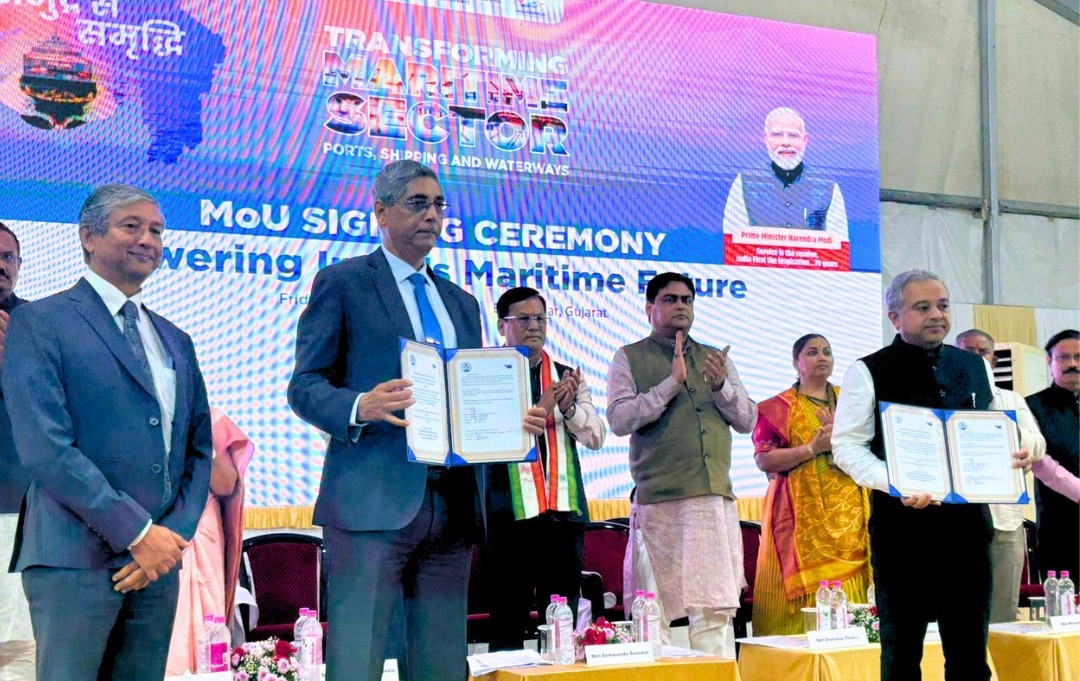
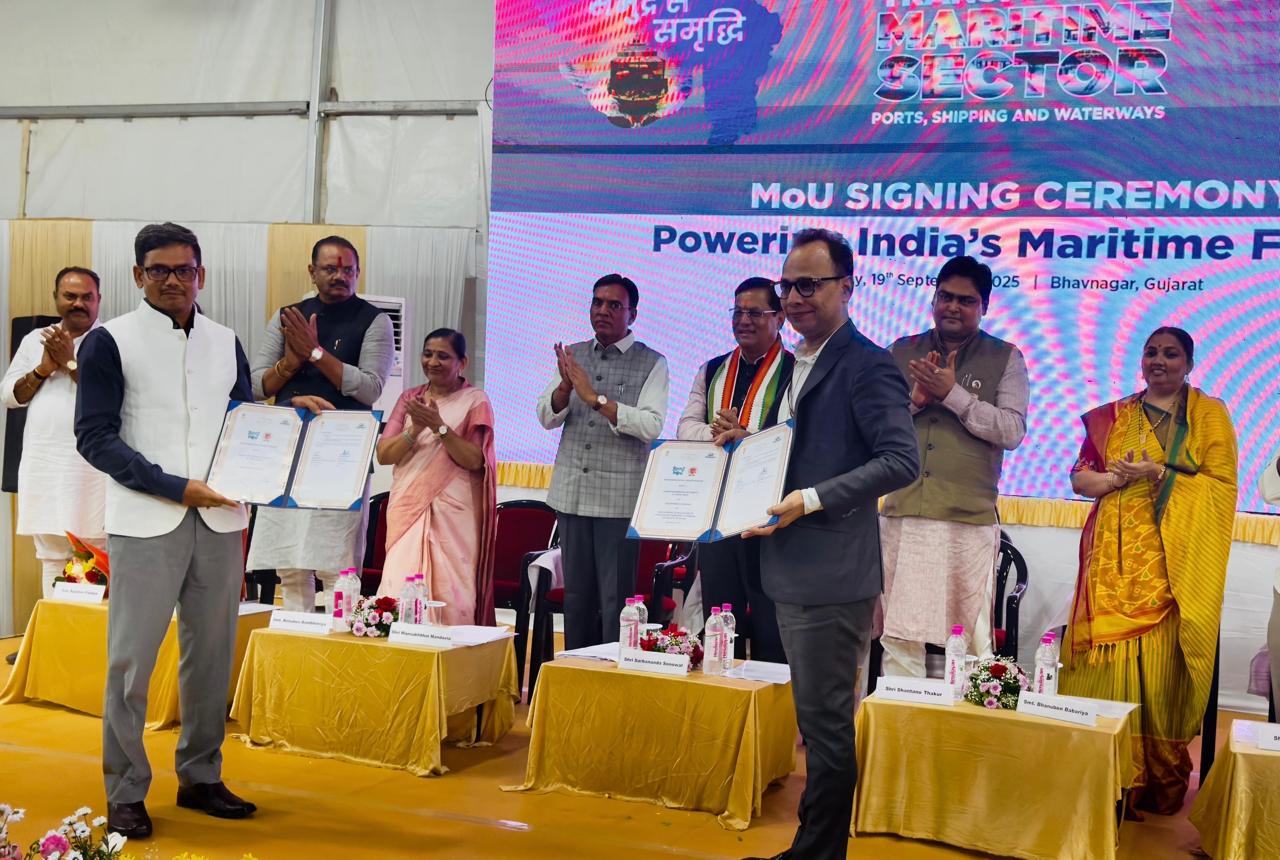
BHAVNAGAR: A Memorandum of Understanding (MoU) was signed in Bhavnagar, Gujarat, between the Inland Waterways Authority of India (IWAI) and the Bihar Tourism Department on Friday to begin the Water Metro service in Patna.

The initiative aims to develop and promote a tourism-friendly urban water transportation system in Patna, providing citizens with safe, environmentally friendly, and modern transportation options, Bihar Tourism Department said in a press release.

Pi7 Image Cropper 31 1 Inland Waterways Authority, Bihar Tourism Department sign MoU to begin water metro service in Patna

Under this project, state-of-the-art hybrid electric catamaran vessels like the ‘MV Nishadraj‘ will be operated, capable of running on both battery and hybrid modes. These vessels will not only ensure zero carbon emissions but also have a capacity to carry about 100 passengers, including 2 wheelchair users. The vessels will offer fully air-conditioned and comfortable amenities for the passengers.

In a grand ceremony held in Bhavnagar, Gujarat, in the presence of Union Ministers Shri Sarbananda Sonowal and Shri Mansukh Mandaviya, the MoU for the development of the Urban Water Metro project with an investment of Rs 908 crores was signed by IWAI Chairman Sunil Kumar Singh and Nand Kishore, Managing Director of Bihar State Tourism Development Corporation, on behalf of the Tourism Department.

Bihar’s Tourism Minister Raju Kumar Singh stated that this project will help promote tourism in Patna.

This is a major achievement in the urban transportation sector, offering a new smart, safe, and sustainable travel experience for both citizens and tourists through the waterways, the release said.

Bihar’s Tourism Secretary Lokesh Kumar Singh mentioned that under the Urban Water Metro Project, the Water Metro service will operate from Digha Ghat to Kangan Ghat in Patna. In between, the Water Metro will travel from Digha Tourism Ghat via NIT Ghat and Gay Ghat to Kangan Ghat.

A trial run for this is scheduled to take place soon in Patna. In the future, ten more locations are expected to be identified, bringing a revolutionary change to the city’s water tourism system, which will reduce pollution and travel time. This initiative will also provide new directions for tourism and local development, a release said. Patna is one of the 18 selected cities in the country where an efficient and modern urban water transportation system is being developed.

GMU signs MoU with Neptune Logitek Limited

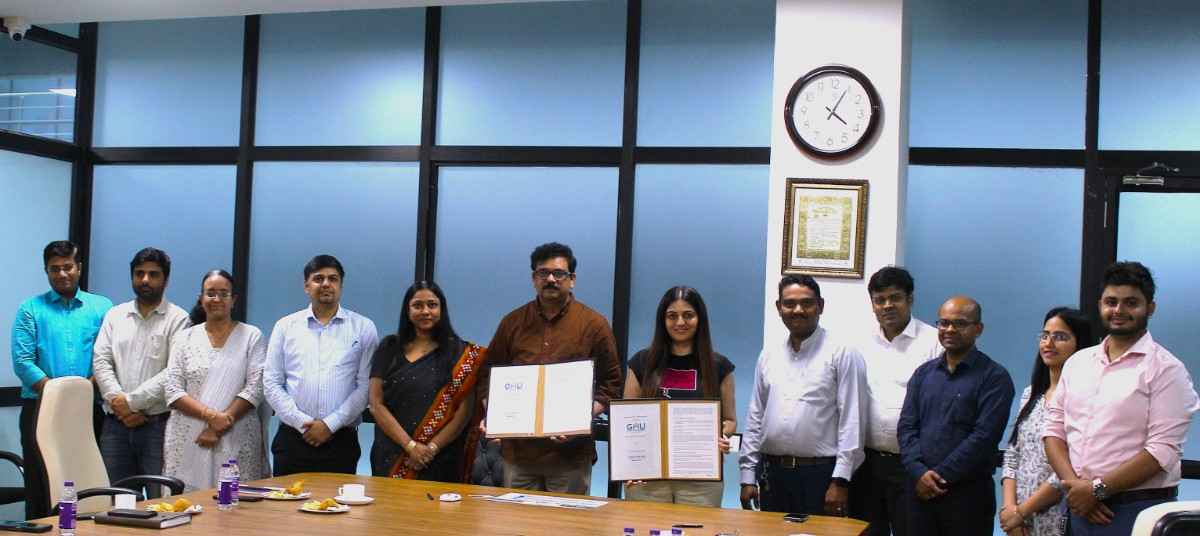
GANDHIDHAM : Gujarat Maritime University and Neptune Logitek Limited formalized a Memorandum of Understanding to strengthen cooperation in the fields of education, research, and training within the maritime and logistics sector. The MoU was signed by Prof. (Dr.) S. Shanthakumar, Provost, Gujarat Maritime University, and Ms. Reema Ankit Shah, Director, Neptune Logitek Limited.

This collaboration is envisioned to pave the way for joint academic programs, research initiatives, training opportunities, and knowledge-sharing platforms, while also creating meaningful internship and placement avenues for GMU students. In addition, Gujarat Maritime University will design tailor-made learning programs and scholarship opportunities for Neptune Logitek employees, further bridging the gap between academia and industry.

Through this partnership, both institutions reaffirm their shared commitment to advancing maritime education, fostering innovation, and strengthening industry-academia linkages.