Home Blog Page 649

Prime Minister shares an article on how the Blue Economy is central to India’s growth

NEW DELHI: The Prime Minister, Shri Narendra Modi Friday shared an article written by Union Minister of State, Dr Jitendra Singh on how the Blue Economy is central to India’s growth, combining prosperity, sustainability and national strength. “He highlights initiatives like Sagarmala, Deep Ocean Mission and Harit Sagar Guidelines to harness ocean resources while empowering communities, driving innovation and strengthening India’s leadership in global ocean governance”, Shri Modi stated.

Responding to a post by Union Minister of State, Dr Jitendra Singh on X, Shri Modi said:

“MoS @DrJitendraSingh writes that the Blue Economy is central to India’s growth, combining prosperity, sustainability and national strength. He highlights initiatives like Sagarmala, Deep Ocean Mission and Harit Sagar Guidelines to harness ocean resources while empowering communities, driving innovation and strengthening India’s leadership in global ocean governance.”

Blue Economy Prime Minister shares an article on how the Blue Economy is central to India's growth

JNPA hosts first batch of officers for Induction Training Program from all major ports of India

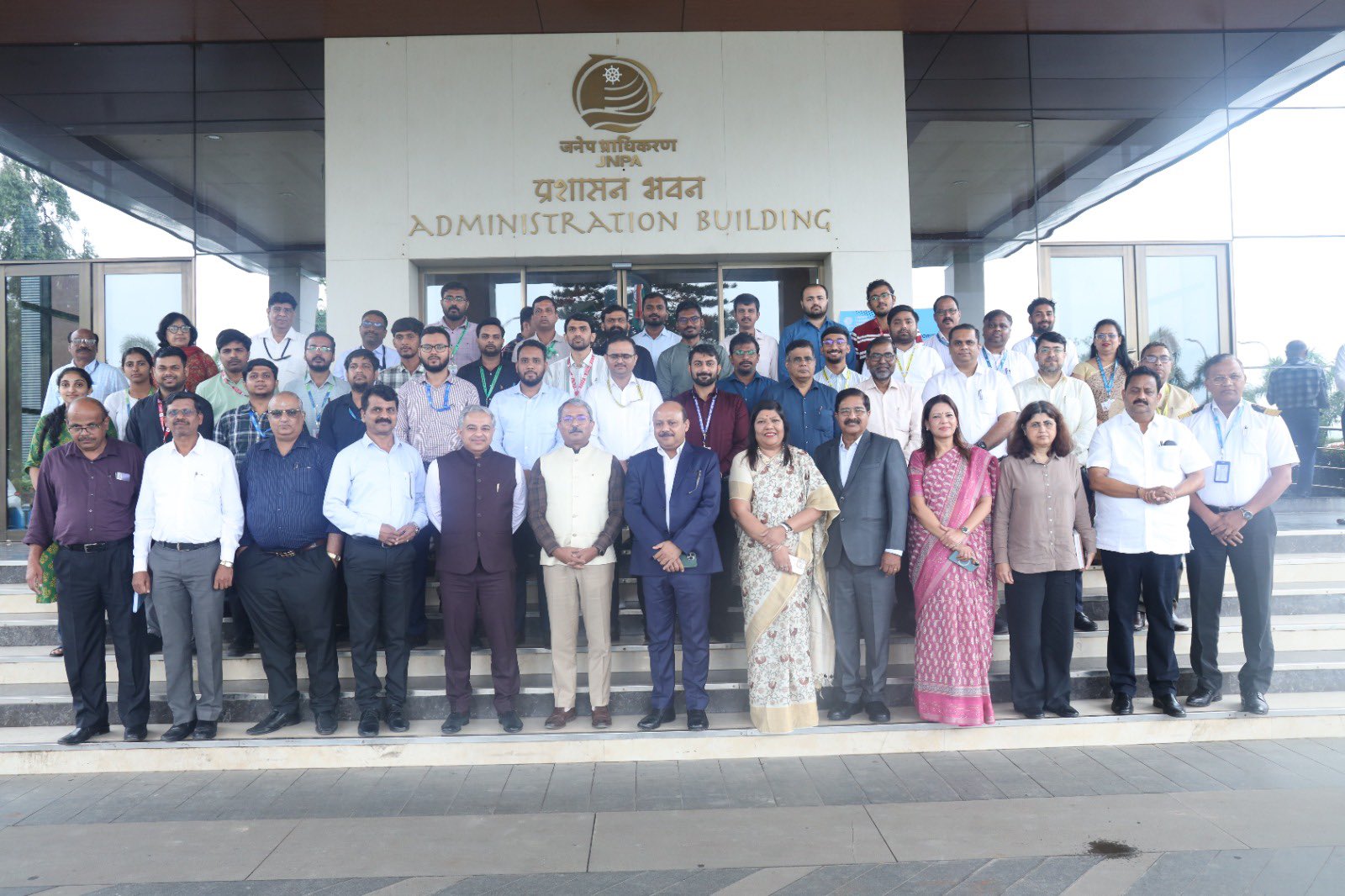
MUMBAI : Jawaharlal Nehru Port Authority (JNPA), India’s largest container port, in association with the Indian Ports Association, has commenced the First Batch of Officers’ Induction Training Program, hosting participants from all major ports across the country on September 18th, 2025. The initiative reflects JNPA’s growing role as a centre of excellence in capacity building and knowledge sharing within the Indian port sector.

The training program was launched in the presence of Shri T. K. Ramachandran, IAS, Secretary, MoPSW, Shri Sandeep Gupta, Joint Secretary (PHRD), MoPSW; Shri Vikas Narwal, MD, IPA; Shri Unmesh Sharad Wagh, IRS, Chairperson, JNPA and CMD, VPPL; JNPA HoDs and officials. The training program has been designed to familiarise officers with port operations, administration, regulatory frameworks, and future-ready maritime practices. It includes sessions led by JNPA HoDs and industry experts, interactive workshops, and on-ground exposure to critical facets of port management. This two-week training session includes a site visit, a panel discussion, and a case study, which will make learning intriguing.
Highlighting Ministry of Ports, Shipping and Waterways, vision, Shri T. K. Ramachandran, IAS, Secretary, MoPSW, stated,“I am delighted to welcome the officers from all major ports of India to this Induction Training Program. The maritime sector is at the heart of our nation’s economic growth, and your role as future leaders will be pivotal in shaping its trajectory. I congratulate each of you on beginning this journey of learning and collaboration. I also commend JNPA for hosting this program and for its continued efforts in creating platforms for knowledge sharing, skill development, and inter-port cooperation. Initiatives like these reflect the Ministry’s vision of building a strong, future-ready maritime workforce that can drive innovation, efficiency, and global competitiveness across India’s ports.”

Speaking on the occasion, Shri Unmesh Sharad Wagh, IRS, Chairperson, JNPA, said, “At JNPA, we believe that developing skilled human capital is as important as building modern port infrastructure. Hosting the first batch of officers for the Induction Training Program underscores our commitment to knowledge sharing.I’m optimistics that the by the end of this course the participants will have an enlightening experience.”

This initiative builds upon JNPA’s track record of fostering cross-learning among ports. In 2022, JNPA conducted an orientation program for officers from all major ports, aimed at aligning leadership perspectives with modern port management practices. Furthermore, in 2024, JNPA hosted the Secretaries of all major ports for an advanced training program, strengthening inter-port coordination and institutional knowledge exchange.

This highlights JNPA’s vision of not only driving operational excellence at its own port but also contributing to the collective growth of Indian ports through training, research, and collaborative initiatives.
About JNPA:
The Jawaharlal Nehru Port Authority (JNPA) is one of the premier container-handling ports in India. Since its inception on May 26, 1989, JNPA has transformed from a bulk cargo terminal into the premier container port in the country.
Currently, JNPA operates five container terminals – NSFT, NSICT, NSIGT, BMCT and APMT. The Port also has a Shallow Water Berth for general cargo. A Liquid Cargo Terminal present at the JNPA Port is managed by the BPCL-IOCL consortium and the additional liquid cargo terminal developed by JNPA will be operated by M/s JSW – JNPT Liquid Terminal Pvt. Ltd. Additionally, the newly constructed coastal berth links other Indian ports and facilitates enhancing the traffic of coastal containers.
Nestled across 277 hectares of land, JNPA also operates a meticulously designed multi-product SEZ, with state-of-the-art infrastructure, to boost export-oriented industries in India.

JNPA is also developing an all-weather, deep-draft, greenfield port at Vadhvan, the 13th Major Port of India in Maharashtra. It is poised to be among the top 10 ports globally and will be a 100% green port since its inception.

Kerala-EU Blue Economy Conclave: Delegation of European ambassadors, senior diplomats visits Vizhinjam Port

KERALA: A high-profile contingent of ambassadors and delegates from the European union (EU) countries, who turned up for a two-day conclave on blue economy that got underway here, extolled the rich coastal culture of Kerala after visiting the traditional fishing area and Vizhinjam International Seaport near Kovalam.

Blue Tides Two Shores One Vision 1 Kerala-EU Blue Economy Conclave: Delegation of European ambassadors, senior diplomats visits Vizhinjam Port

The September 18-19 conclave, ‘Blue Tides-Two Shores One Vision’, organized by the Department of Fisheries, Govt. of Kerala, in partnership with Govt. of India and the European Union, will focus on deepening collaborations with the EU in promoting sustainable ocean-based growth.

During the field trip, the EU envoys, delegates and diplomats also visited Kerala Arts and Crafts Village at Vellar, near here, and appreciated the craftsmen and artists for their artistic talent that was evident in the curios and handicrafts on display there.

The EU group, led by Ambassador of the European union to India Hervé Delphin, started their trip by visiting the traditional fishing area at Hawa Beach to get first-hand experience of the indigenous fishing practices of fishermen.

Some of them were elated to see the catch of the fishermen at dawn after curiously witnessing their strenuous physical effort in the sea for their livelihood. A few of them also joined the fishermen in their fishing activities.

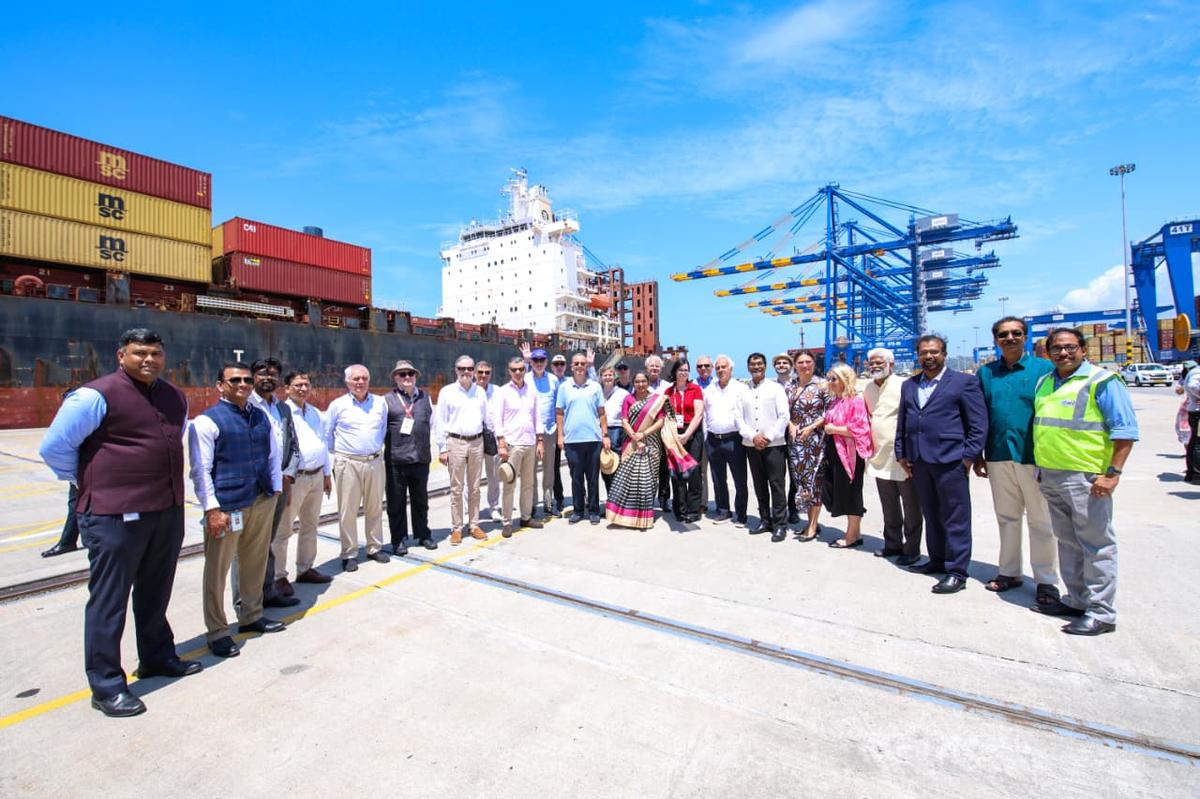
The next destination was Adani Vizhinjam Port Pvt Ltd (AVPPL) where the EU group got a ringside view of the functioning of the port through a presentation made by Pradeep Jayaraman, CEO, AVPPL, and the Port’s MD Dr. Divya S Iyer. They took a tour through the port that left a deep impression on them, especially about its facilities and unique location.

The EU group included Robert Maxian from Embassy of Slovakia; Juan Antonio March Pujol, Ambassador, Embassy of Spain; Antonio Enrico Bartoli, Italian Ambassador to India; Reuben Gauci, High Commissioner of Malta; Rasmus Abildgaard Kristensen, Ambassador, Royal Danish Embassy; Dr. Piotr Switalski from Embassy of The Republic of Poland; Yankov, Ambassador, Embassy of the Republic of Bulgaria; Kimmo Lahdevirta, Ambassador, Embassy of Finland; Sena Latif, Ambassador, Embassy of Romania; Simon H Preker, Embassy of Germany; and Irma Sincovek, Deputy Chief of Mission, Slovenia.

Blue Tides Two Shores One Vision 2 Kerala-EU Blue Economy Conclave: Delegation of European ambassadors, senior diplomats visits Vizhinjam Port

Chief Minister Pinarayi Vijayan delivered the inaugural address at the conclave, being held at Leela Kovalam, A Raviz Hotel, Minister for Fisheries, Culture and Youth Affairs Saji Cherian presided over the inaugural ceremony.

Union Minister of Fisheries, Animal Husbandry, Dairying and Panchayati Raj, Rajiv Ranjan Singh; and Minister of State for Fisheries, Animal Husbandry, Dairying and Minority Affairs, George Kurian were among the guests of honour.

The meet will also be attended by diplomatic personnel, policymakers, investors, academics, and trade union representatives to deliberate on a range of topics.

It will explore Kerala’s immense potential to emerge as a blue economy hub of India by adopting sustainable and resilient practices, leveraging the EU’s expertise and the core advantages of the coastal state.

Re-election of KCBA Managing Committee at 7th AGM

GANDHIDHAM : The Kandla Custom Brokers’ Association (KCBA) convened its 7th Annual General Meeting (AGM) at Hotel Shiv Grand, Gandhidham. The meeting brought together members of the Association to review progress made during the year and to elect the new Managing Committee.

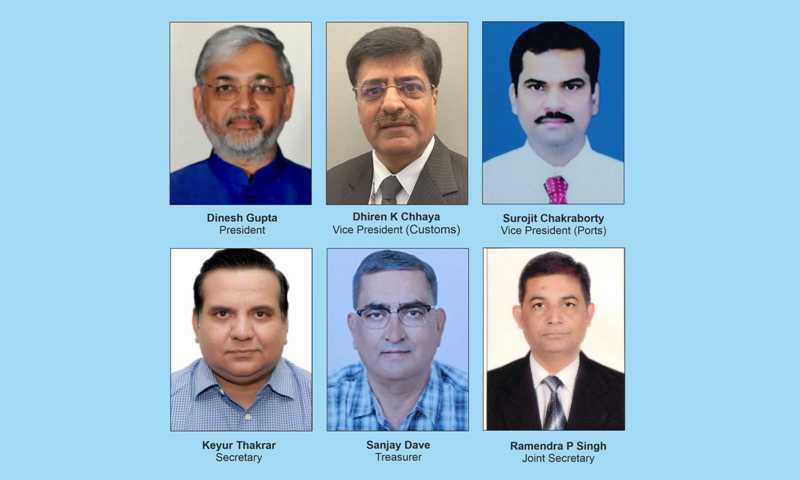
The AGM began with a warm welcome by Mr. Dineshchand Gupta, President of KCBA, who extended greetings to all members. Thereafter, Mr. Keyur Thakrar, Hon. Secretary, conducted the proceedings of the meeting, including the presentation of the annual report, audited accounts, and other agenda items.

The election process was overseen by Election Officer Mr. Narendra Ramanie, ensuring transparency and fairness. Members expressed their confidence in the current leadership and unanimously selected all Managing Committee Members for the next term.

The Office Bearers who will continue leading KCBA are:
Mr. Dineshchand Gupta as President, Mr. Dhiren Chhaya as Vice President (Customs), Mr. Surojit Chakraborty as Vice President (Ports), Mr. Keyur Thakrar as Hon. Secretary, Mr. Ramendra Singh as Jt. Secretary, and Mr. Sanjay Dave as Treasurer.

The full list of re-elected Managing Committee members is as follows:
Mr. Dineshchand Gupta – President
Mr. Dhiren Chhaya – Vice President (Customs)
Mr. Surojit Chakraborty – Vice President (Ports)
Mr. Keyur Thakrar – Hon. Secretary
Mr. Ramendra Singh – Jt. Secretary
Mr. Sanjay Dave – Treasurer
Mr. Hemchandra Yadav – Director
Mr. Harichand Tharwani – Director
Mr. Suresh Joshi – Director
Mr. Pramod Soneta – Director
Mr. Harishyam Chundakattil – Director
Mr. Atul Kumar Rai – Director

The meeting concluded with a vote of thanks by both Vice Presidents, Mr. Dhiren Chhaya and Mr. Surojit Chakraborty, who appreciated the active participation of members and reaffirmed KCBA’s commitment to serving the fraternity.

Donald Trump reaffirms India ties amid trade talks: ‘I am very close to Modi’

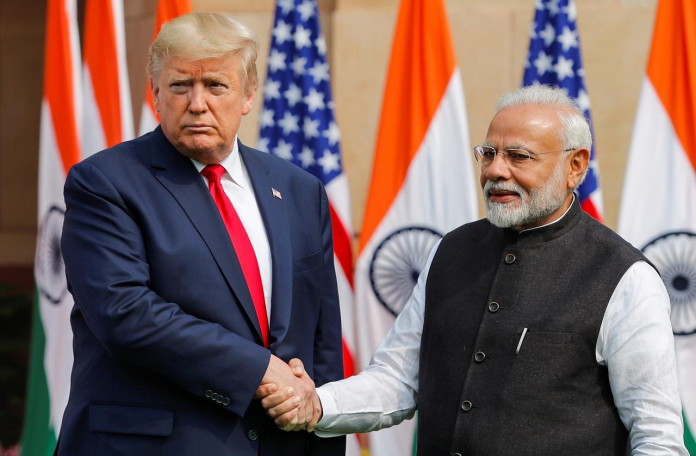
WASHINGTON : US President Donald Trump reaffirmed his close relationship with India and Prime Minister Shri Narendra Modi during a press conference on Thursday, highlighting a recent phone call made to the Indian leader on the eve of his 75th birthday.

“I am very close to India, I am very close to the PM of India. I spoke to him the other day. I wished him a happy Birthday. We have a very good relationship,” Trump said, emphasising the warmth and cooperation between the two nations.

Trump’s remarks came alongside his criticism of European countries continuing to purchase Russian oil, which he argued undermines international efforts to isolate Moscow amid ongoing conflicts.

Diplomatic backdrop
Trump made these comments during his visit to the United Kingdom, where he met British Prime Minister Keir Starmer at Chequers, the prime minister’s country retreat. The visit included a ceremonial welcome at Windsor Castle by King Charles III and Queen Camilla, a state banquet, and the signing of a major US-UK science and technology agreement, underscoring the diplomatic pageantry of the trip.

US-India trade talks resume amid tensions over Russian oil purchases

Trade negotiations between the United States and India resumed this week, with both sides describing discussions as positive, as they seek to reset ties following a recent escalation over tariffs and Russian energy purchases.

Trump last month imposed a 50% import tariff on Indian goods, doubling the previous 25% rate. The move, according to Washington, aimed not only at countering India’s tariffs and trade barriers but also at penalizing New Delhi for continuing to buy Russian oil.

Russian oil purchases dispute
The purchase of Russian oil by India and China has drawn criticism from Ukraine and its allies, who argue that these imports undermine international sanctions intended to pressure Russian President Vladimir Putin to end the war in Ukraine. Indian officials, however, defended the energy strategy, emphasizing that it will continue as long as Russian oil remains financially viable.

White House trade adviser Peter Navarro has stepped up pressure on India to halt its Russian oil imports. In recent weeks, Trump has also urged other allies, including Group of Seven nations, to increase sanctions on India and China, the two largest buyers of Russian energy.

‘Hoped for more progress’ in talks with India, says EU trade chief

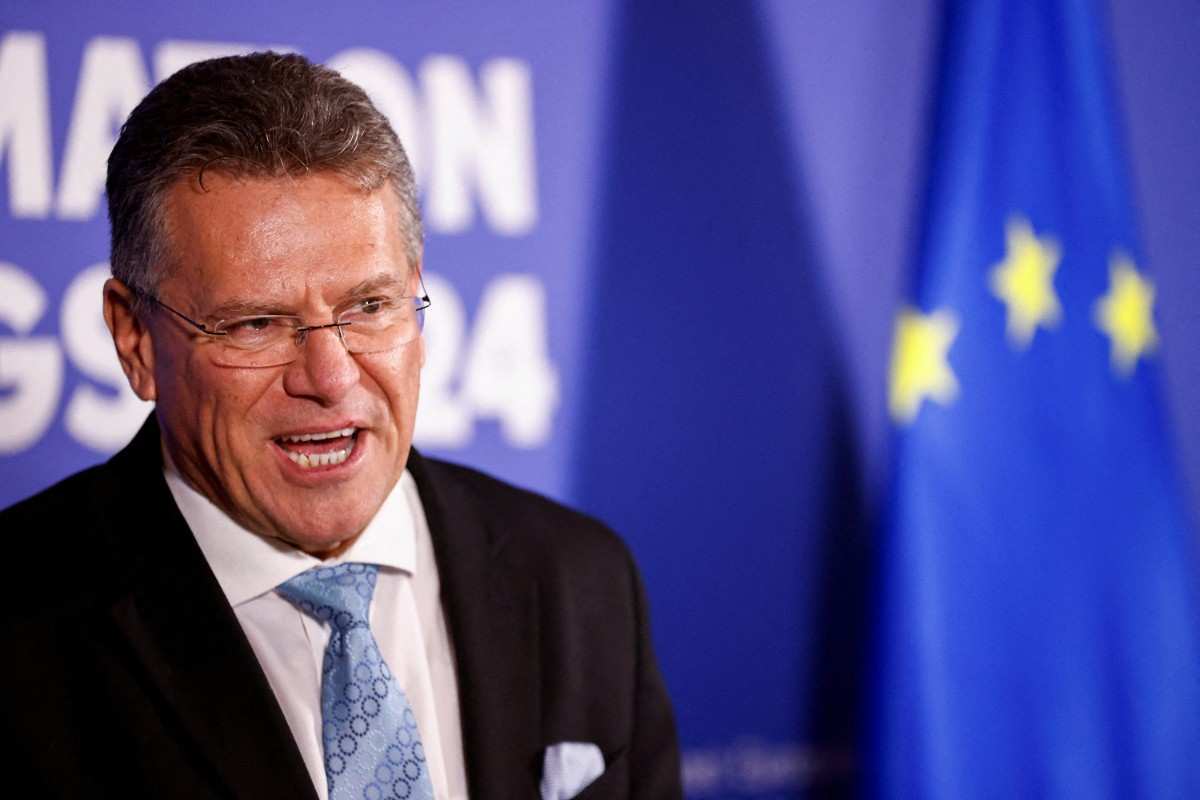
BRUSSELS : European Union Trade Commissioner Maroš Šefčovič on Wednesday said he hoped for more progress in trade talks to be made during his visit to New Delhi last week, ahead of the impending December deadline to conclude a trade deal.

“I travelled to India last week. It was already my third visit this year in an effort to advance the negotiations, which have now reached 13 rounds. I must admit, however, that I hoped for more progress to achieve last week. I remain in frequent contact with my counterpart, India’s Commerce and Industry Minister Shri Piyush Goyal,” Šefčovič told reporters in Brussels. Šefčovič also said that Indian negotiators are known for their tough stance, but assured that the bloc will continue to firmly uphold its interests.

India had decided to fast-track talks with the EU, its second-largest export destination, as tension flared with the US and exporters looked for a large market to absorb shipments if a trade deal with Washington did not materialise.

European Commission President Ursula von der Leyen on Wednesday said both sides are committed to finalising the trade agreement by year end. “Now is the time to double down on partnerships rooted in shared interests and guided by common values. With our new EU–India strategy, we are taking our relationship to the next level,” she posted on X.

She also spoke with Prime Minister Shri Narendra Modi and the two sides reaffirmed their commitment to conclude negotiations for the much-awaited free-trade deal by December. The prime minister also conveyed to von der Leyen his appreciation for the EU’s adoption of a new strategic agenda for ties with India.

The EU’s key interests include cars, wines and spirits, and agriculture — areas considered sensitive by India, and are still under negotiation. Similarly, sorting out the non-tariff measures related to safety, packaging and environmental norms is among India’s priorities.

Šefčovič said that both sides hoped to conclude the chapter on agriculture and automobiles, but it did not materialise. “(On agriculture), we’ll have another try, but we also need an understanding from the Indian side that we also have our constituency, audience and I have to bring the agreement to the member states, European Parliament to support it,” he said.

The EU trade commissioner also highlighted the fact that India has one of the highest tariffs in the world in the case of cars, and discussions are focused on lowering them to benefit both sides. “…But I think we understand each other’s points better than before and it will help us prepare for the next round of discussions,” he said.

The 13th round of negotiation for the free-trade agreement between India and the trade bloc was held from September 8 to September 12 in New Delhi. Further negotiations are planned to bridge the gaps. Officials are preparing for the 14th round of negotiation which is scheduled in Brussels from October 6 to 10.

Both sides are yet to resolve differences on automobiles, agriculture, alcoholic beverages, services, and non-tariff measures, an Indian government official told Business Standard. “Good progress has happened on multiple fronts but no new chapters were closed during the round. The chapter on goods has not been locked. There is a need for more discussion on areas such as automobiles, alcoholic beverages, and certain aspects related to services,” the official said.

India has also flagged the non-tariff measures that Indian exporters face mainly in the fisheries and agriculture sectors in the European market. That apart, the bloc’s plan to roll out a carbon border adjustment mechanism and deforestation regulation has also been India’s key area of concern. “Even if tariffs are reduced, non-tariff may still remain a challenge. Both sides have pointed out the non-tariff measures as these measures increase the compliance burden and cost,” the official cited above said, adding that India’s Quality Control Orders (QCOs) are the EU’s key area of concern.

As of now, chapters on transparency, good regulatory practices, Customs and trade facilitation, intellectual property rights, and mutual administrative assistance have been concluded. Both sides have reached in-principle agreement on the digital trade chapter as well.

Talks with the trade bloc are being fast-tracked, amid ongoing geopolitical uncertainties and protectionist policies being implemented by the US. “Europe is already India’s biggest trading partner and we are committed to finalising our Free Trade Agreement by the end of the year. Europe is open for business. And we are ready to invest in our shared future with India,” an official statement on the New Strategic EU-India Agenda quoted von der Leyen as saying.

While the trade deal was expected to be accompanied with pacts on investment protection and geographical indicators (GI), the finalisation of the three pacts are not interdependent, the official said. During 2024-25, India exported goods worth $75.85 billion to the bloc, down 0.09 per cent year-on-year. Imports also witnessed 1.3 per cent contraction and stood at $60.68 billion, commerce department data showed. During FY25, the EU was India’s second largest export destination after the US.

Third round of India–New Zealand FTA negotiations concludes in Queenstown

QUEENSTOWN : The third round of negotiations for the India–New Zealand Free Trade Agreement (FTA) concluded successfully on 19th September, 2025, here in Queenstown, New Zealand. The discussions reaffirmed the shared commitment of both nations to strengthen economic ties and work towards the early conclusion of a balanced and mutually beneficial agreement.

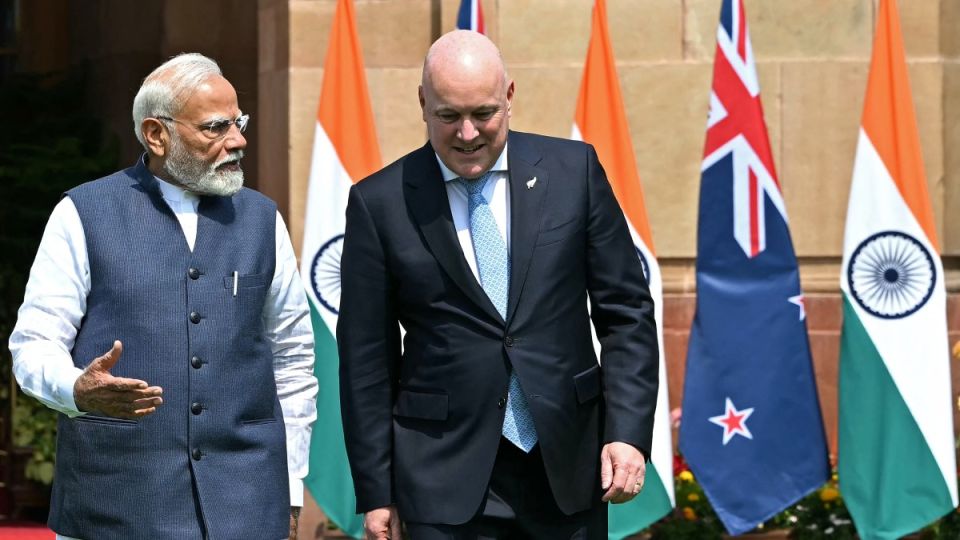
Guided by the vision of Prime Minister Shri Narendra Modi and the Right Hon’ble Christopher Luxon, Prime Minister of New Zealand, the negotiations reflected a common resolve to deepen bilateral trade, investment, and economic cooperation. The FTA was formally launched on 16th March, 2025, during the meeting between Union Minister of Commerce and Industry, Shri Piyush Goyal, and New Zealand’s Minister for Trade and Investment, Mr. Todd McClay.

The third round, held from 15th to 19th September, 2025, witnessed constructive discussions across all areas of the agreement. Several chapters were concluded and significant progress was achieved in other key domains.

India’s bilateral merchandise trade with New Zealand stood at USD 1.3 billion in FY 2024–25, registering a growth of nearly 49 percent over the previous year. The proposed FTA is expected to further boost trade flows, promote investment linkages, strengthen supply chain resilience, and create a predictable framework for businesses in both countries.

Both sides agreed to maintain momentum through inter-sessional engagements. The next round of in-person negotiations is scheduled to be held in New Delhi on 13–14 October, 2025.

India’s Gokaldas eyes EU growth, Africa expansion to counter Trump’s tariffs

NEW DELHI : Indian textile manufacturer Gokaldas Exports (GOKL.NS), opens new tab plans to boost shipments to the European Union and the United Kingdom, and expand production in Africa, as punitive U.S. tariffs threaten to sap profits, the company’s top executive said.

Gokaldas, which makes about 75% of its standalone sales in the United States and counts Walmart (WMT.N), opens new tab, Gap (GAP.N), opens new tab, and JCPenney among its clients, expects its quarterly core profit margin to shrink to single digits from around 12% in the first quarter of fiscal 2026.

The textile manufacturer produces about 90 million garments annually, with exports to the U.S., Canada, the UK and France accounting for the bulk of its 38.64 billion rupees ($438.97 million) in revenue from operations in fiscal 2025.
“If the reciprocal tariff of 50% continues in the long term, it would be difficult to do business with the United States. The tariff would act as a serious barrier,” Gokaldas’ Managing Director Sivaramakrishnan Ganapathi told Reuters. Gokaldas has been offering discounts and absorbing some of the costs tied to the higher U.S. tariffs to maintain client relationships.

U.S. retailers are awaiting the outcome, opens new tab of U.S.-India trade talks before making further changes to their supply chains.
But Ganapathi warned, “People will do that for one quarter or two … not beyond.”
India’s $38 billion textile export sector has been struggling with higher U.S. tariffs, which are significantly steeper than those on competing countries such as Bangladesh and Vietnam, both facing a 20% reciprocal levy.
Gokaldas has been gradually shifting part of its production to Kenya and Ethiopia, where tariffs are lower, after some clients requested that products originate from Africa. Both the countries face a baseline 10% tariff rate.
The company has been ramping up exports to the United Kingdom and the European Union, aiming to double their combined revenue share from 10% within two years, as the UK-India Free Trade Agreement takes effect.

Source : Reuters

US tariffs hit seafood trade, Odisha responds with logistics overhaul

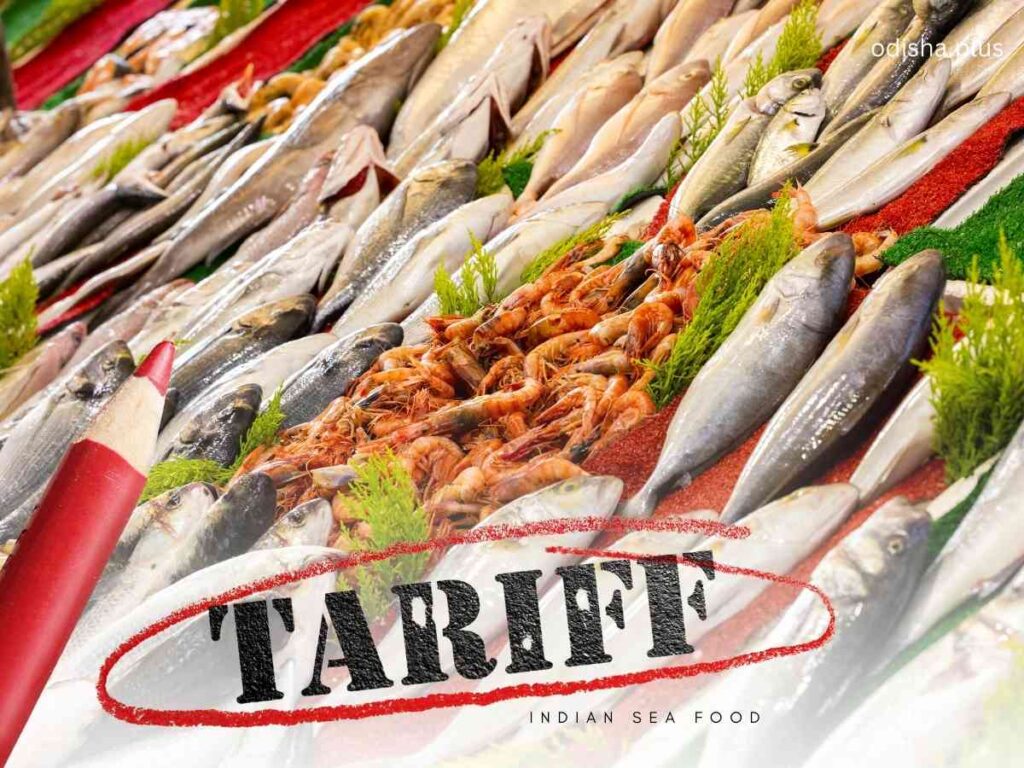
BHUBANESWAR : With the US imposing a steep 50% tariff on seafood imports, Odisha has implemented measures to mitigate the impact on its exporters and increase global supplies.

At a recently held high-level review meeting, the MSME department, Marine Products Export Development Authority (MPEDA) and other stakeholders discussed strategies to upgrade cold chain infrastructure and improve export logistics.

According to state MPEDA coordinator Subhrakant Mohapatra, frozen shrimp and fish are Odisha’s leading export commodities, with the US being the principal buyer. To safeguard the sector, the state plans to:

Add more refrigerated container (reefer) points at Paradip Port
Strengthen quality certification and quarantine facilities at the port level
Develop a dedicated seafood cargo corridor between Paradip Port and Biju Patnaik International Airport (BPIA), Bhubaneswar
Explore cargo flights and belly cargo space for chilled and live fish exports
Establish a modern perishable cargo handling centre at BPIA
According to The New Indian Express report, the meeting also recommended pushing for direct international flights from Bhubaneswar to the Middle East and Southeast Asian seafood markets, besides extending subsidies and financial incentives to exporters using reefer containers and air cargo.

MPEDA will further host large-scale buyer-seller meets in Odisha, with talks underway with Gulf-based LuLu Seafood Group to expand exports to the region. The meeting was attended by Chief Secretary Manoj Ahuja, MSME Principal Secretary Saswat Mishra, senior fisheries officials, Paradip Port Trust chairman, customs and airport authorities, along with MPEDA representatives.

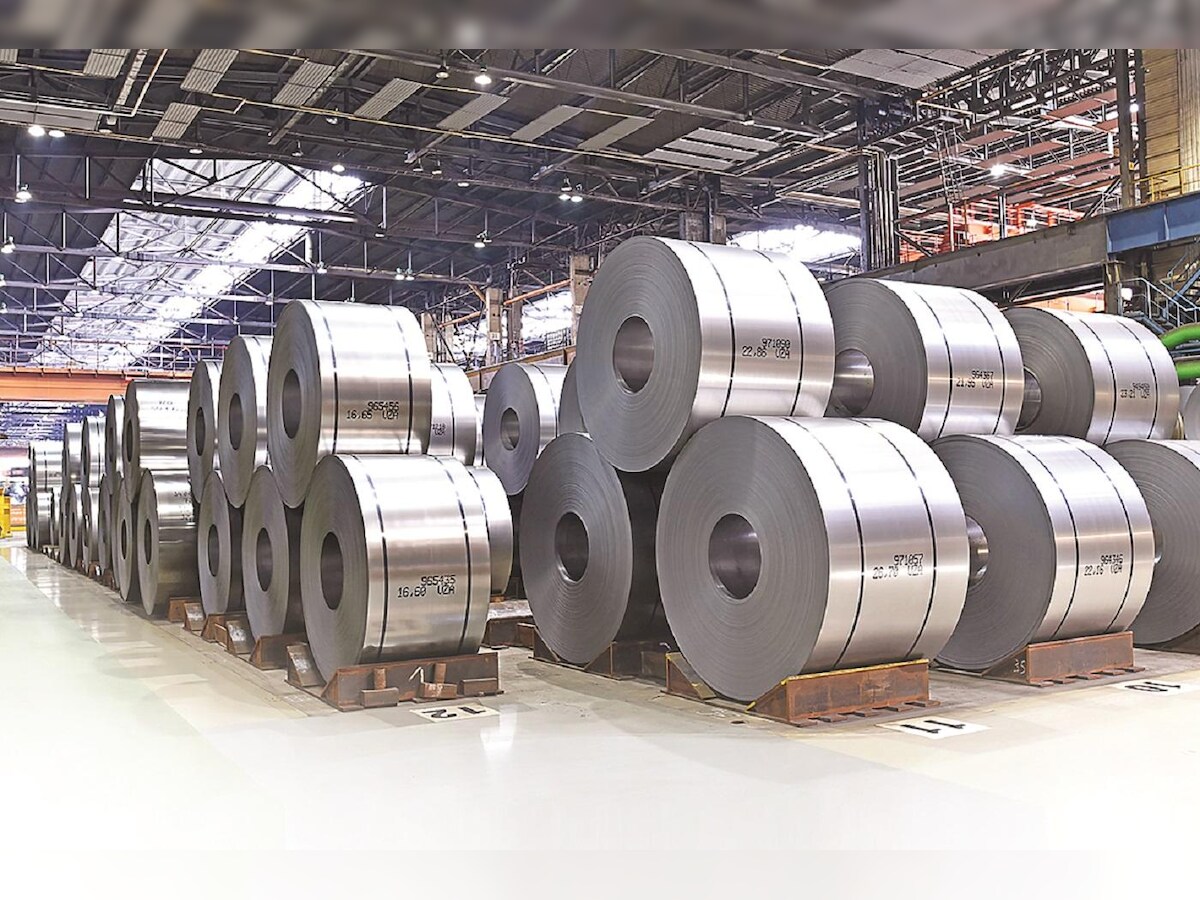
India to speed up BIS Clearance for Taiwanese steel plants after MSMEs raise concerns over delays

NEW DELHI : The Indian Government is set to fast-track approvals from the Bureau of Indian Standards (BIS) for integrated steel plants in Taiwan, following complaints from MSME importers about prolonged delays caused by India’s Quality Control Order(QCO).

According to officials from the Ministry of Steel, these approvals are being prioritised to ensure MSMEs can import intermediate steel raw materials, add value locally, and boost exports.

Since the QCO came into effect on 13 June, all steel imports—including intermediate materials like stainless steel slabs and cold/hot-rolled coils—must carry BIS certification.

This has impacted several Taiwanese plants, which claim to meet integrated steel mill standards but are still awaiting formal BIS recognition. The lack of certification has delayed shipments, even for orders that have already been paid for.

MSME importers have said they are facing financial stress because Taiwanese steel is often their most affordable supply source, while domestic steel prices remain high and cut into their profit margins. Many orders placed in July remain stuck without BIS approval, disrupting production schedules.

Taiwan is one of India’s top suppliers of semi-finished and intermediate steel. According to the Steel Import Monitoring System (SIMS), it typically ranks fifth or sixth among India’s finished steel import sources, after South Korea, China, Japan, and Vietnam. Industry estimates suggest that nearly Rs 150 crore in advance payments by MSMEs are currently stuck because of these certification delays.

In response, the steel ministry has started engaging with industry stakeholders to speed up BIS clearances for Taiwanese steel plants, aiming to ease supply bottlenecks and revive stalled imports for MSMEs.